 THE TRIAL (1962 Astor Pictures)
Directed by Orson Welles
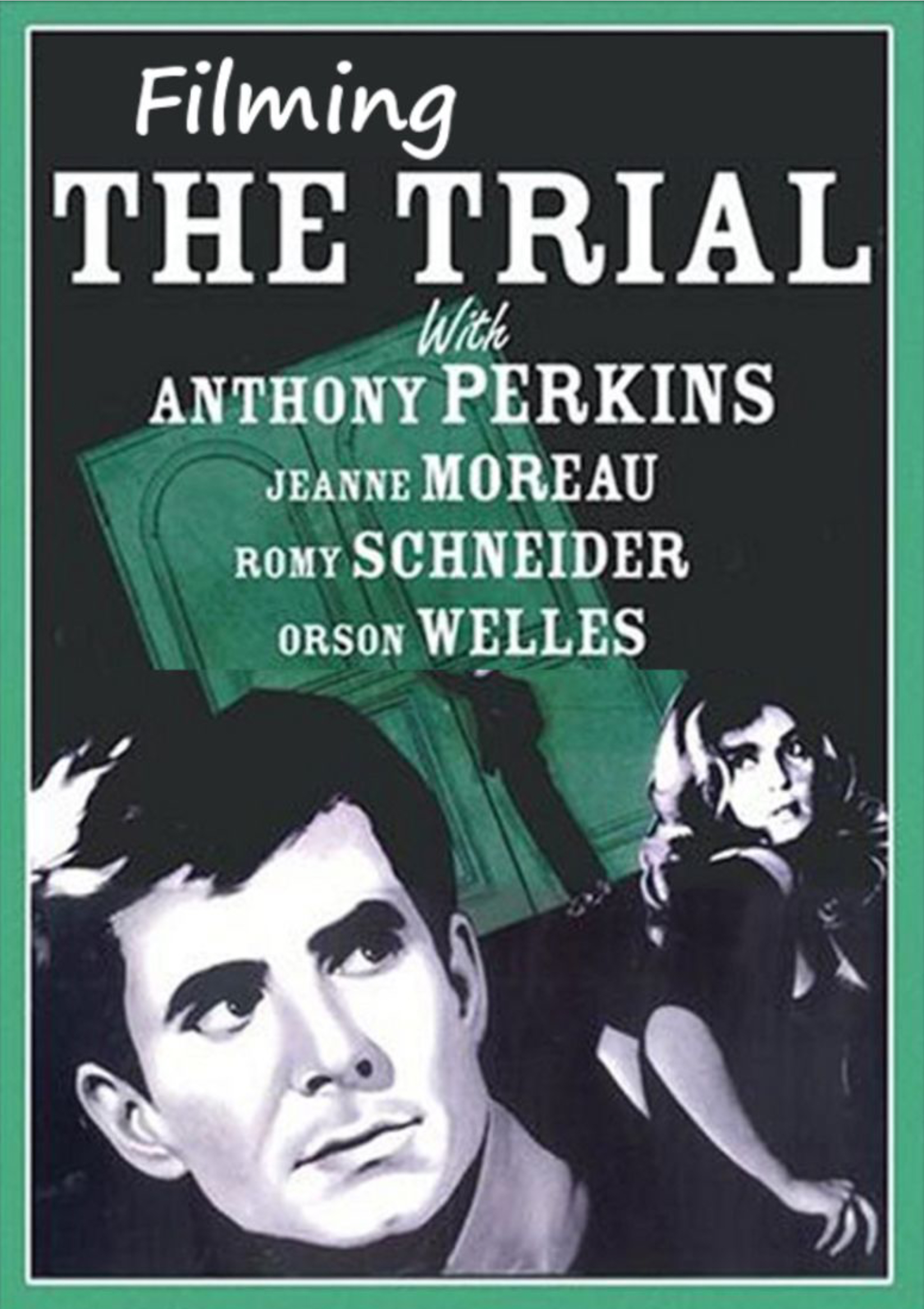
In some ways, it’s a shame that Orson Welles made Citizen Kane, and made it as his first picture. It seems to enable general audiences to ignorantly overlook an extensive and mostly excellent body of work. One of my favorites, and a film Welles himself once referred to as “the best film I have ever made,” is 1962’s The Trial. Welles tackles the Kafka novel of the same name with a masterful understanding of its source.
The tale is a surreal examination of a corrupt justice system in a vaguely dystopian society. Welles brings Kafka’s surrealism to screen in what might be the most strikingly acute representation of dream logic ever filmed. Certainly closer in feeling to my dreams than anything Buñuel or David Lynch ever made, great as their work remains. In The Trial, The tension is brought to a slow boil, as opposed to any cheap scenes of outright horror. The film has been compared to a nightmare, and too often cinematic portrayals of nightmares defer to sensationalized moments of screeching noise and hellish imagery, neglecting that ineffable feeling of dread that accompanies true nightmares in the moment. That feeling of fear and not being entirely sure what it is triggering the state of alarm.
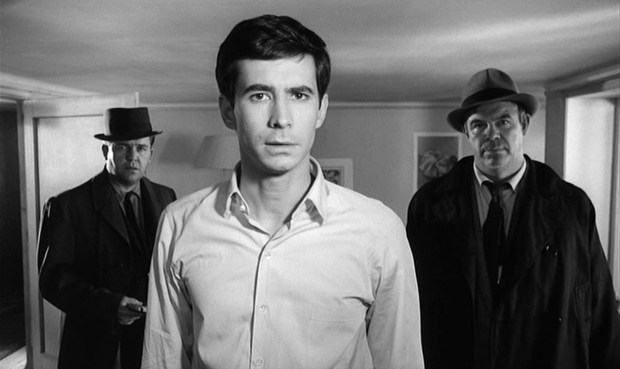
A story like this could easily come off as cold, but the narrative focuses on the man himself over the system oppressing him, grounding the story through his point of view. Anthony Perkins plays the accused, only he and the audience are never told what crime he allegedly committed to warrant the persecution. It feeds into the dreamlike fear of not having all the pieces, a fear of the unknown, and ultimately a lack of control. It’s a powerlessness in dreams that parallels the powerlessness many feel at the hands of a cold and impersonal judicial system, and the marriage makes for one of the most emotionally compelling movies of this type.
The more confused we get, the more helpless we feel along with the accused. But the film never goes so off the rails that we’re lost completely. It gives the feeling of drowning while being so close to the surface. We can almost piece it together, but it’s murky. The feeling of disorientation doubling as a way to generate fear, and further represent how many must feel being subjected to the complexities of the legal system.
The visual language of the film is anchored by a bleak but soft black and white. Welles impresses with his typically inventive shots and images, many left off kilter in the slightest of ways, making extensive use of shadows, auras, and ambiguity. Rooms lead where it’s not possible to go, settings feel strange, and the extras make no noise. They’re strange and bizarre placeholders in the background, silent and faceless observers.
In spite of the narrative inducing the sensation of lacking control, it’s clear we’re in the hands of a director in total control of every aspect of his film. The cohesiveness of the story, visual style, and, mood give us something to hang onto as we’re thrust through this nightmarish tale. Every piece works in tandem to create an overlooked masterpiece from one of cinema’s geniuses, spawn from a novel by one of literature’s very same.
5/5



You must be logged in to post a comment.