For my original Rocka Rolla (1974) review, click here.
 JUDAS PRIEST – Rocka Rolla (1974 Gull, 2024 Exciter Records Remixed and Remastered)
How did he do it?! Somehow, by some digital miracle of the master tape gods, producer Tom Allom has remixed Rocka Rolla, and transformed it from one of my least favourite Priest albums of all time, to one of my favourites.
Generally I can’t get into the remixed versions of albums. Even if the remix is objectively a better release, such as Rush’s Vapor Trails or Marillion’s Radiat10n, I always find myself coming back to the flawed originals.
Not this time.
For context, Tom Allom didn’t originally produce Rocka Rolla, and this is not the first remix of it. Rodger Bain produced, but his name appears smaller than Allom’s on the new back cover. The Rocka Rolla (full album) remix that appeared on Hero, Hero (1981) was helmed by Bain, less effectively. Tom Allom is best known for producing the run of Judas Priest albums from Unleashed in the East (1979) to Ram It Down (1988). What he has done with Rocka Rolla is somehow give it a makeover to sound more like a real 1970’s Priest album. Sonically, it now has thickness. There’s a real beefiness to the mix, but not in the sense that you immediate say “oh yeah, this is different.” It just sounds like the album always sounded that way, and you just got your stereo system upgraded.
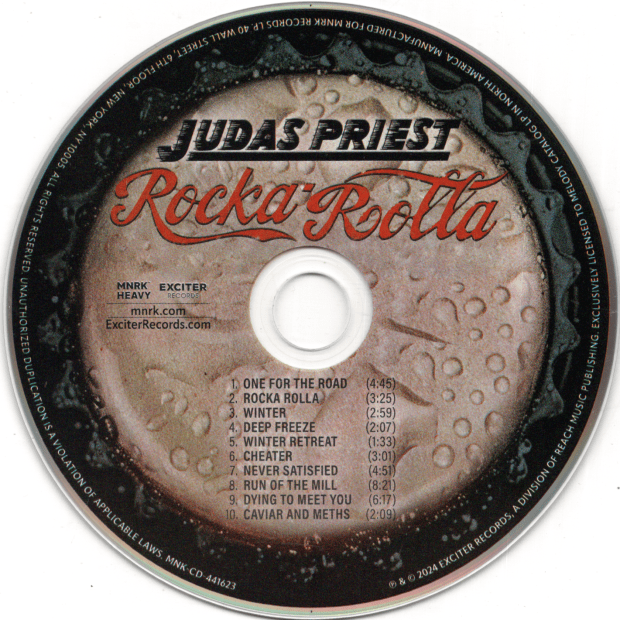
The track listing is unchanged. “One For the Road” still opens with a groove, but now that groove hits different. You can better appreciate the guitar fills at the end, and the songs goes well past its old fade-out. This is a trick that remixed album should do more often.
“Rocka Rolla” remains a metal delight, but there is new shimmer to Rob’s vocals and the song chugs with more edge. It’s all very objective and subtle, but once again Tom Allom took a Priest classic and made it sound like it was always this weighty.
The “Winter” suite is the most altered of any of the tracks. Notably, Allom chose to separate the tracks from the suite format, and leave them as individual songs.
John Hinch’s drums sound crushingly Bonham-like on “Winter” itself, and the backing riff far more weighty. The biggest change is that it no longer fades into KK’s guitar showcase “Deep Freeze”. You can hear more of KK at the end, with some experimental playing that was inaudible before. The track fades out past its previous point, and “Winter Retreat” stands on its own as a song. In the 70s, Priest were experimenting with acoustics and psychedelic sounds from time to time. “Winter Retreat” can now join those songs as something that sonically fits in better. Finally, “Cheater” always was its own song really, and now it’s just heavier. Rob’s harmonica is more prominent, which of course recalls the heaviness of Black Sabbath.
Moving on to side two, “Never Satisfied” finally has the punch it always felt like it had inside: A little more echo on this this vocal line, a lot more weight behind the drums, more texture on the guitars, and a few things made audible for the first time. We now have the definitive version of this song. With the impressive soloing mixed in just right, this becomes a long, jammy Priest thumper as it always should have been. If Rocka Rolla sounded like this when I was a kid, I would have got it immediately.
“Run of the Mill” takes time to build as it always has. It has a long instrumental section, with some mindblowing guitar playing, and now it’s all finally hitting right. The bass isn’t just sitting there. It’s picking you up and taking you along with the groove. The keyboards in the background are more ominous. Everything about this is just so much better than the original.
Perhaps the only song that still bores, for the first half anyway, “Dying to Meet You” is similarly upgraded but benefits less from the treatment. That is until it picks up midway in the “Hero, Hero” section. This part of the song still cooks, but has a different, more spare feel. Finally, the light instrumental “Caviar and Meths” really benefits from the remix treatment. The drums, once again, really add atmosphere to it.
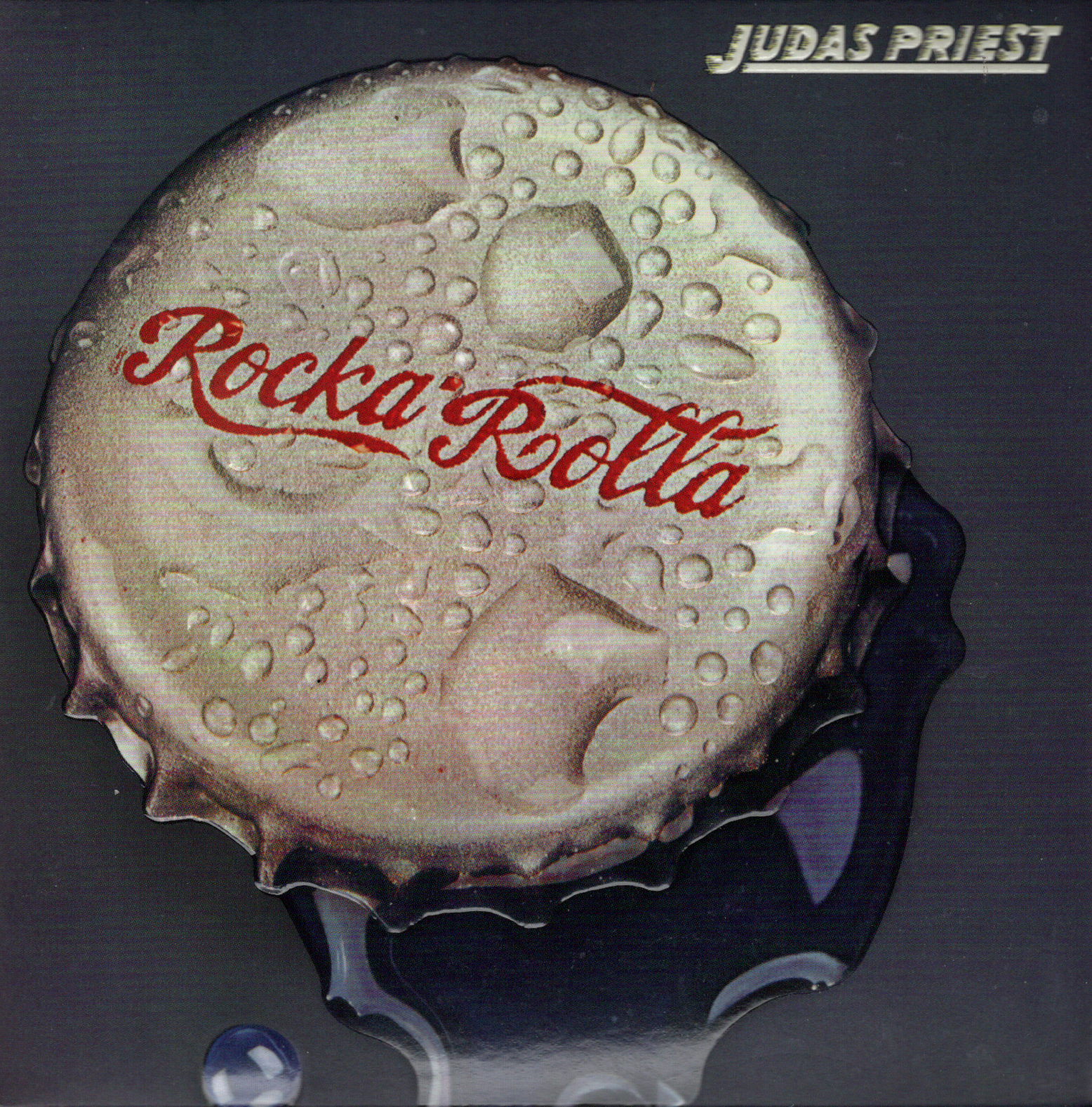
As an added attention to detail, the front cover of Rocka Rolla is now as three dimension as the music. The water drops are now tactile. You can feel the bumps with your fingers. A perfect topper.
What did Tom Allom do with these master tapes? Did he conjure some kind of heavy metal spell and make a two dimensional album sound big and beefy? Only Allom knows, but now I do believe in magic.
4.5/5 stars


 mikeladano.com