blues rock

REVIEW: Judas Priest – Rocka Rolla (50th Anniversary Remixed and Remastered)

For my original Rocka Rolla (1974) review, click here.
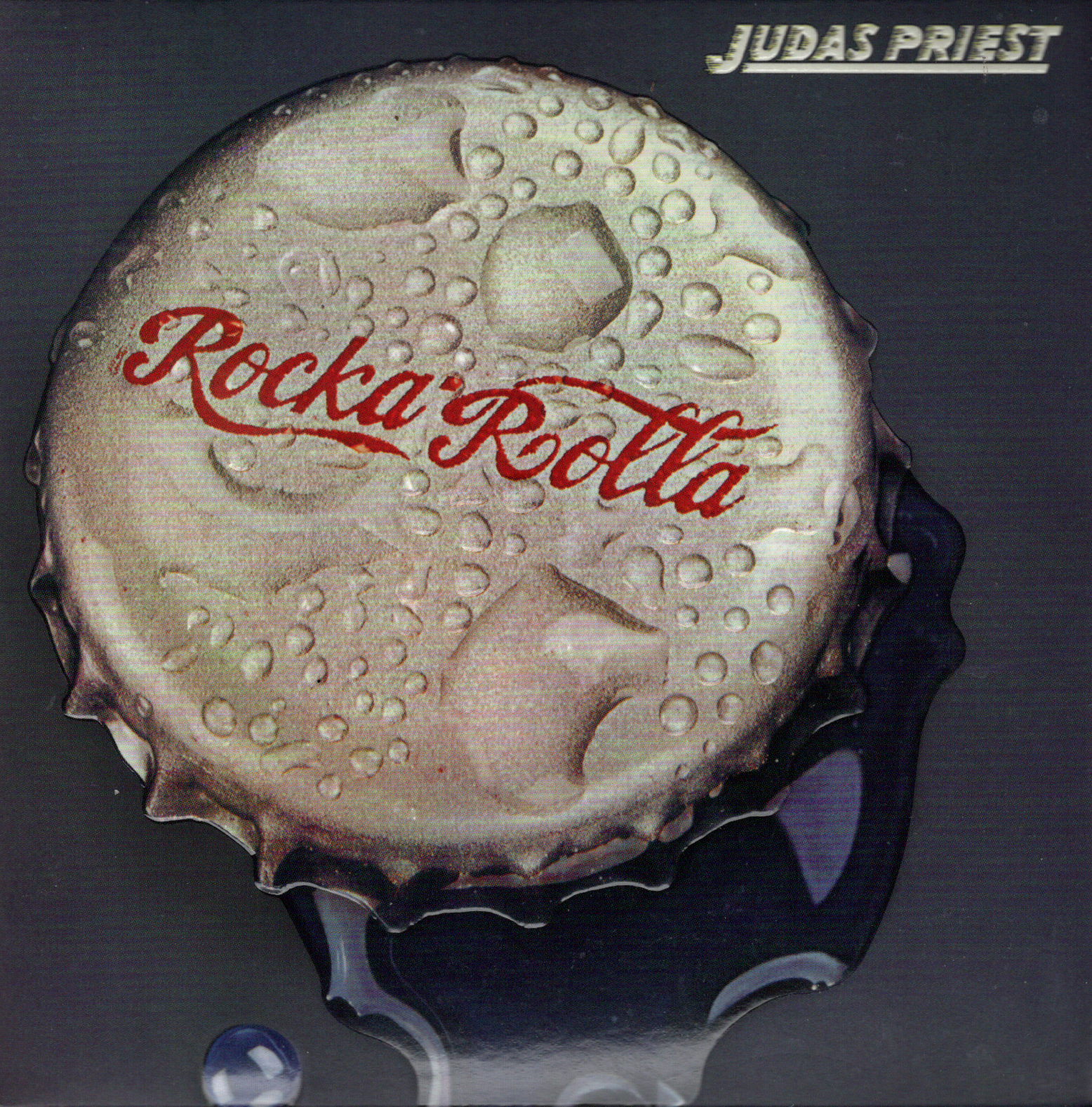
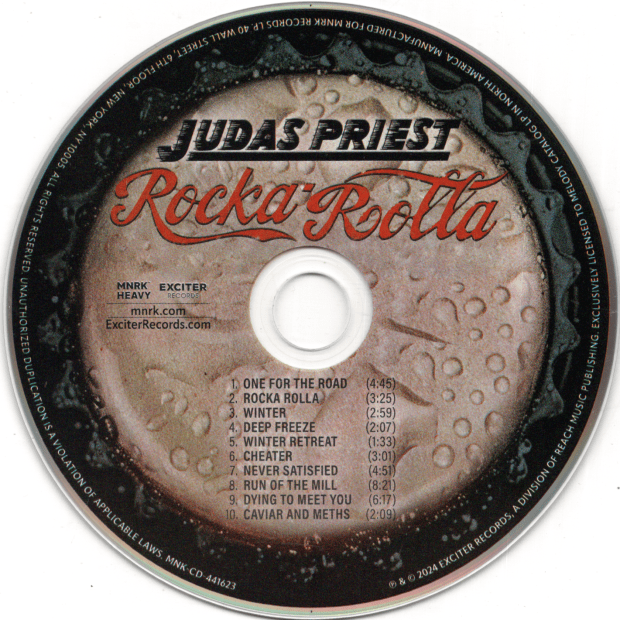
JUDAS PRIEST – Rocka Rolla (1974 Gull, 2024 Exciter Records Remixed and Remastered)

How did he do it?!  Somehow, by some digital miracle of the master tape gods, producer Tom Allom has remixed Rocka Rolla, and transformed it from one of my least favourite Priest albums of all time, to one of my favourites.

Generally I can’t get into the remixed versions of albums.  Even if the remix is objectively a better release, such as Rush’s Vapor Trails or Marillion’s Radiat10n, I always find myself coming back to the flawed originals.

Not this time.

For context, Tom Allom didn’t originally produce Rocka Rolla, and this is not the first remix of it.  Rodger Bain produced, but his name appears smaller than Allom’s on the new back cover.  The Rocka Rolla (full album) remix that appeared on Hero, Hero (1981) was helmed by Bain, less effectively.  Tom Allom is best known for producing the run of Judas Priest albums from Unleashed in the East (1979) to Ram It Down (1988).  What he has done with Rocka Rolla is somehow give it a makeover to sound more like a real 1970’s Priest album.  Sonically, it now has thickness.  There’s a real beefiness to the mix, but not in the sense that you immediate say “oh yeah, this is different.”  It just sounds like the album always sounded that way, and you just got your stereo system upgraded.

The track listing is unchanged.  “One For the Road” still opens with a groove, but now that groove hits different.  You can better appreciate the guitar fills at the end, and the songs goes well past its old fade-out.  This is a trick that remixed album should do more often.

“Rocka Rolla” remains a metal delight, but there is new shimmer to Rob’s vocals and the song chugs with more edge.  It’s all very objective and subtle, but once again Tom Allom took a Priest classic and made it sound like it was always this weighty.

The “Winter” suite is the most altered of any of the tracks.  Notably, Allom chose to separate the tracks from the suite format, and leave them as individual songs.

John Hinch’s drums sound crushingly Bonham-like on “Winter” itself, and the backing riff far more weighty.  The biggest change is that it no longer fades into KK’s guitar showcase “Deep Freeze”.  You can hear more of KK at the end, with some experimental playing that was inaudible before.  The track fades out past its previous point, and “Winter Retreat” stands on its own as a song.  In the 70s, Priest were experimenting with acoustics and psychedelic sounds from time to time.  “Winter Retreat” can now join those songs as something that sonically fits in better.  Finally, “Cheater” always was its own song really, and now it’s just heavier.  Rob’s harmonica is more prominent, which of course recalls the heaviness of Black Sabbath.

Moving on to side two, “Never Satisfied” finally has the punch it always felt like it had inside:  A little more echo on this this vocal line, a lot more weight behind the drums, more texture on the guitars, and a few things made audible for the first time.   We now have the definitive version of this song.  With the impressive soloing mixed in just right, this becomes a long, jammy Priest thumper as it always should have been.  If Rocka Rolla sounded like this when I was a kid, I would have got it immediately.

“Run of the Mill” takes time to build as it always has.  It has a long instrumental section, with some mindblowing guitar playing, and now it’s all finally hitting right.  The bass isn’t just sitting there.  It’s picking you up and taking you along with the groove.  The keyboards in the background are more ominous.  Everything about this is just so much better than the original.

Perhaps the only song that still bores, for the first half anyway, “Dying to Meet You” is similarly upgraded but benefits less from the treatment.  That is until it picks up midway in the “Hero, Hero” section.  This part of the song still cooks, but has a different, more spare feel.  Finally, the light instrumental “Caviar and Meths” really benefits from the remix treatment.  The drums, once again, really add atmosphere to it.

As an added attention to detail, the front cover of Rocka Rolla is now as three dimension as the music.  The water drops are now tactile.  You can feel the bumps with your fingers.  A perfect topper.

What did Tom Allom do with these master tapes?  Did he conjure some kind of heavy metal spell and make a two dimensional album sound big and beefy?  Only Allom knows, but now I do believe in magic.

4.5/5 stars

REVIEW: Stir of Echoes – Stir of Echoes (2008)

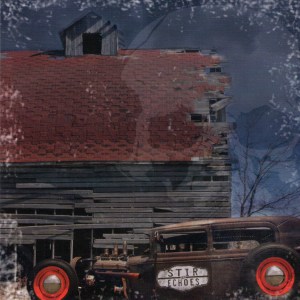
STIR OF ECHOES – Stir of Echoes (2008 Stir Records)

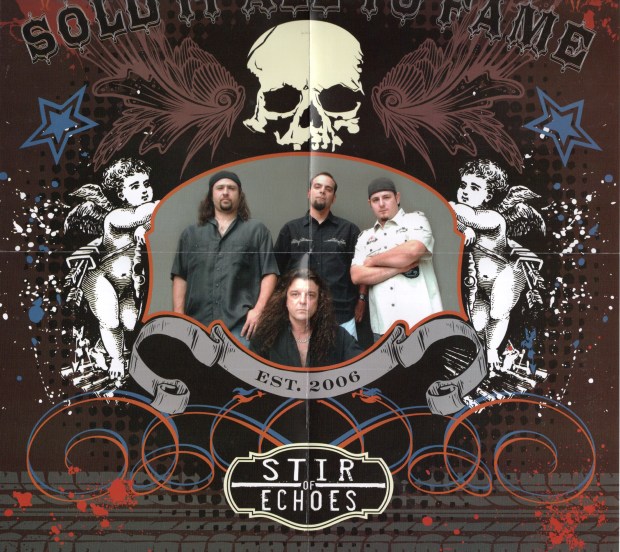
When Hamilton’s near-legendary metal band Mystique broke up at the end of the 1980s, singer Ray D’Auria bounced back with the hard rocking Slam Glory.  That is a story and album unto itself.  D’Auria’s next major release was a full lengther with quartet Stir of Echoes.  The band formed in 2006 with a self-titled CD release in 2008.  According to a note from filmmaker Marco D’Auria, the album was engineered by Steve Negus of Saga fame.  What musical avenues would Ray explore this time, two decades after the end of Mystique?

The answer is:  if Mystique was metal, and Slam Glory was hard rock, then Stir of Echoes is good old rough n’ raw classic rock.  A heavier Led Zeppelin, perhaps.

Ray’s voice has transitioned to a rougher, more raspy delivery though still with the power and range we expect.  Opener “Sentimental” boasts some slippy-slidey guitar bits and bites, while a locked-in bass/drum groove keeps things moving.  This bluesy rocker is world class.  I like how the rhythm guitar part drops out when the solo comes in – very live sounding.  That’s Marco Ciardullo on guitar.

Track two, “Alone” is an upbeat rocker with Ray shredding the vocal cords throughout.  It’s actually a bit of a drum showcase on the side, with plenty of solos and fills by Darryl Brown.  There’s a bit of Zeppelin in the vocal delivery when Ray sings, “I, I…” at the midway point.  A brilliant track that smokes with a bass solo (by Carmine…just Carmine) and impressive musical exposition.

The groove of “Sold It All to Fame” recalls the classic British blues of bands like Humble Pie.  It sounds like it was born from a jam.  There’s a tasty guitar riff to bite into.  Following this groove, they go heavier on “Bonefoot” which might recall a Sabbathy vibe, circa the first three or four albums, in the riff and looseness.  “Lies, lies, lies!” screams Ray D’Auria like a man wronged.

Stir of Echoes slow things to a nocturnal crawl on the blues “In the Cold”.  Many classic heavy rock bands boast a classic slow blues, and this sounds like Stir of Echoes’ stab at the genre.  The band gets to stretch out musically while Ray focuses on the pain.  “All of this time…alllll of this time…”  Like a classic-era rock singer, Ray sounds out of another decade.

The burner gets turned up to 10, and things start smoking again on “Little Dog”, an absolute blitz.  Then they go for a more fun vibe on “Shot Gun”, which has one riff that definitely reminds us of Zep’s “How Many More Times”.  You have to question how Ray could sustain this kind is singing!  It’s top level, at all times, with the rasp and high notes!  At the end of the song, they ignite the afterburners and the whole thing goes stratospheric.

The first respite on the album lies within the acoustic intro of “Burning in the Rain”, the closest thing they offer to a power ballad.  Emphasis on the power.  Really, it’s more of a bluesy showcase for Ray to offer up some of his most passionate singing.  “Shake” takes things back to boogie, and the mid-tempo groove really allows the bassline to breathe.  This is a great song to dance or drink to.

The only song you might consider “soft” would be the acoustic closer “Too Late”.  Very Zeppelin III in feel.  The lack of volume allows Ray to lay back a bit and really just sing.  It’s just him and some acoustics, so the spotlight is on, and he uses it well.  Brilliant performance.

Except “Too Late” isn’t the closer!  There is an unlisted bonus track called “Wild Eye” which may be the best of the bunch!  It’s certainly one of the most memorable.  The stuttery opening riff is just a little different from the pack.

Stir of Echoes aren’t as diverse as Mystique, and the subject matter is more grounded.  Stir of Echoes is more laser-focused on a specific kind of rock, and they go all-in.  They do what they do very well.  The last band that attempted this kind of sound and did it this well was called Badlands.  If you know, you know.  Get it.

4/5 stars

REVIEW: The Best of ZZ Top (1977 cassette)

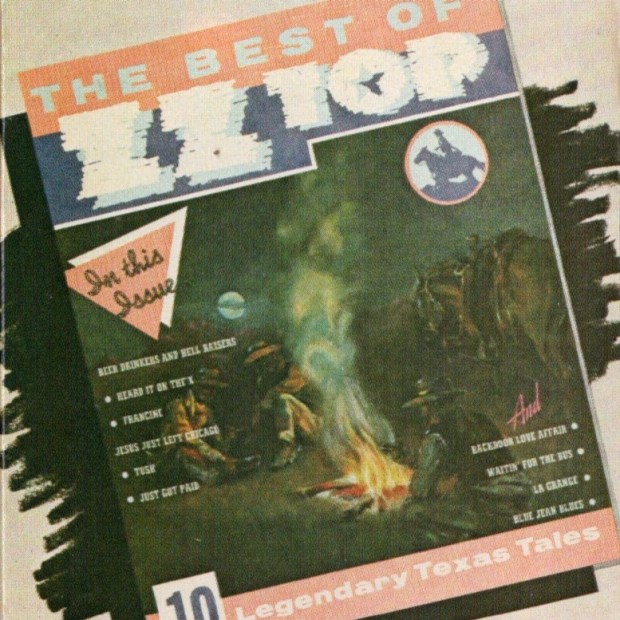
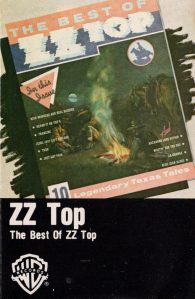
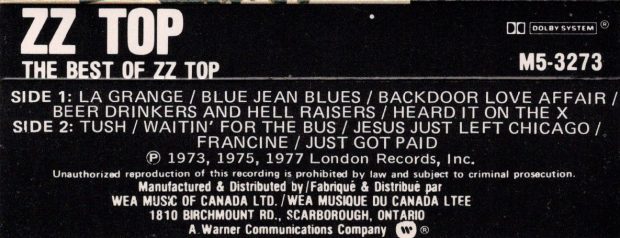
ZZ TOP – The Best of ZZ Top (1977 WEA cassette)

While ZZ Top were on a break between Tejas and Degüello, it made sense to issue the band’s first Best Of.  This album was released in 1977 and though it did not chart high, it did eventually go double platinum, selling over 2,000,000 copies in the United States alone.

The cassette and vinyl releases had the sides flipped.  This cassette copy in hand begins with “La Grange”, which is still a pretty solid opening even if the vinyl says otherwise!  “La Grange” is an ode to a house of ill repute somewhere in Texas, and it became the prototype blues/rock shuffle for a generation.  This song still burns up the radio today.

One of ZZ Top’s greatest blues had to be “Blue Jean Blues” from Fandango!  So slow, so fully soaked in whiskey and gasoline that you can smell it from here.  Billy Gibbons is fully in the driver’s seat here, but it is Frank Beard and Dusty Hill’s unobtrusive rhythm section that allows him to emote so well.

From the first album comes the dirty upbeat blues of “Backdoor Love Affair”.  It’s a combination of elements:  Billy’s distorted take on the blues guitar, mixed with Dusty’s melodic bass and Beard’s perfect punctuation.  By the end of the song, it’s a jam around a tasty riff.

The familiar “Beer Drinkers and Hell Raisers” from Tres Hombres is an incendiary duet between between Billy and Dusty.  Pedal to the metal, ZZ are off on one of the best rockers from the entire catalogue.  This is the kind of song that endeared them to the headbangers.  Similarly, “Heard it on the X” hones in on the speedy aspect of ZZ Top’s abilities.  This is another duet with Dusty and Billy, and an ode to the Mexican radio stations that informed much of ZZ Top’s upbringing.

Flipping the tape, we are now hearing what is side one of vinyl.  “Tush” ain’t a bad way to start.  It’s the stuff of legend today.  It boasts one of Billy’s best guitar riffs, yet it’s still little more than a basic blues.  It’s just a winning combination:  the blues progressions played by a rocking band.  Billy’s leads are as much of legend as the song itself, stinging little zips of flavour in a bluesy soup of chords and drums.

“Waitin’ For the Bus” is a steady blues.  The speed has been shed for this heavy sludgy one, with Billy laying down not just a guitar solo but a harmonica solo too, one after the other like one greasy blues rock statement.  Then, just like on the Tres Hombres album, “Jesus Just Left Chicago” follows immediately after.  Still blues, but of a different flavour.  ZZ Top were always talented at showing us different sides of the genre, while mixing it with the sensibilities of rock guitar distortion.

“Francine” is a belter, a perfect pop rock tune, with more rock than pop.  Billy’s little riff is tasty as candy, and the song has the necessary melodic mettle.  Even so, it is overshadowed by the slide-drenched closer “Just Got Paid”.  One of ZZ’s heaviest tracks, it’s made completely digestible by Billy’s incredible guitar work.

If you just got paid today, pick up some ZZ Top.

Notably, this cassette pre-dates any of the ZZ Top remixing shenanigans that happened in the 80s, so purists will get only the original classic tracks.

4.5/5 stars
REVIEW: ZZ Top – Tejas (1976)

ZZ Top – Tejas (1976 Warner)

Billy Gibbons described the sixth ZZ Top album Tejas as “transitional”.  Modern technology was creeping its way into the recording studio, but ZZ Top were still as bluesy and greasy as ever.  Their palette was becoming more colourful, if anything.  Not just the browns of desert landscape and beer bottles, but a broadening spectrum of shades.

Opening with fan favourite slow groove “It’s Only Love”, we are off to a stunning start.  The high twang of the guitars contrast with the low thump of Dusty Hill’s bass, but it is the chorus most of us remember best.  Frank Beard’s drums clank along creatively, and the band are cooking.  Vocals are shared between Billy and Dusty.  Three quarters in, the song shifts into something a little more tense, with a brilliant harmonica solo.

Things sound a little more familiar on the bouncing “Arrested For Driving While Blind”, a solid blue boogie.  Listen to Frank shuffle while Billy effortless rips out one of his patented smokers.  The grooves turn gently relentless on “El Diablo”, a nocturnal desert tale, with adventurous chord changes and rolling guitar work.  Once again Dusty Hill creates a backdrop of low thunder.  This ain’t blues, but a sci-fi hybrid.  Likewise, “Snappy Kakkie” is not at all standard, nor is it a bizarre Frank Zappa workout.  Yet it has certain adventurous and challenging elements that lend it a foot in many worlds.  At the end of the day, that hook of “Say hey Snappy Kakkie!” keeps you coming back.  The pace picks up on “Enjoy and Get It On”.  This track is a serious deep cut; a nice little greasy blues blitz at the end of side one.

“Ten Dollar Man”, with Dusty on vocals, is a ripper.  As Frank Beard deftly taps out the beats, Dusty and Billy get down to the business of cooking.  A menacing track with plenty of head-bopping potential.  Then you better solder your head on straight, for “Pan Am Highway Blues” rips!  ZZ Top are never content to just play the blues.  They have to throw a few tricks in the bag, and they do, but this song is focused more on the highway and the gas pedal.  Billy takes advantage of the studio tech to overlay a few nice slide guitar lines.

Dusty takes the mic on “Avalon Hideaway” which features some tasty, pounding Frank Beard fills.  The lead solo by Billy might be the best part, but the slightly funky vibe really makes it a mover.  Beard is a busy drummer without sounding busy.  “She’s a Heartbreaker” is a classic pop/country/rock/Top tune.  The croonin’ melody of the chorus is a classic that will go down as one of ZZ’s best in their vast catalogue.  “She’s a heartbreaker, she’s a love taker, but she can break a heart and take all the love she needs…”  There’s a hint of violin just to nail that hoedown vibe.  As far as Top tunes go, this one’s a masterpiece of musical fusion.

Tejas closes on a brilliant instrumental, “Asleep In the Desert”, which allows Billy to play both electric and acoustic, slow and easy, as the sun sets over the oasis and the sounds of the night begin to emerge…

Many ZZ Top albums can be considered among their best in the catalogue.  In 1976, there was concern that ZZ Top was going too far country.  Obviously in hindsight, that wasn’t the case, and we can appreciate Tejas for what it was.  Because none of its songs were included on 1977’s Best Of ZZ Top, Tejas abounds in great deep cuts.  It’s not the kind of album you buy and get all the hits you remember.  It’s something far better.  It’s an album you buy and learn a bunch of brilliant songs you might not have heard before.  It’s a must.

4.5/5 stars

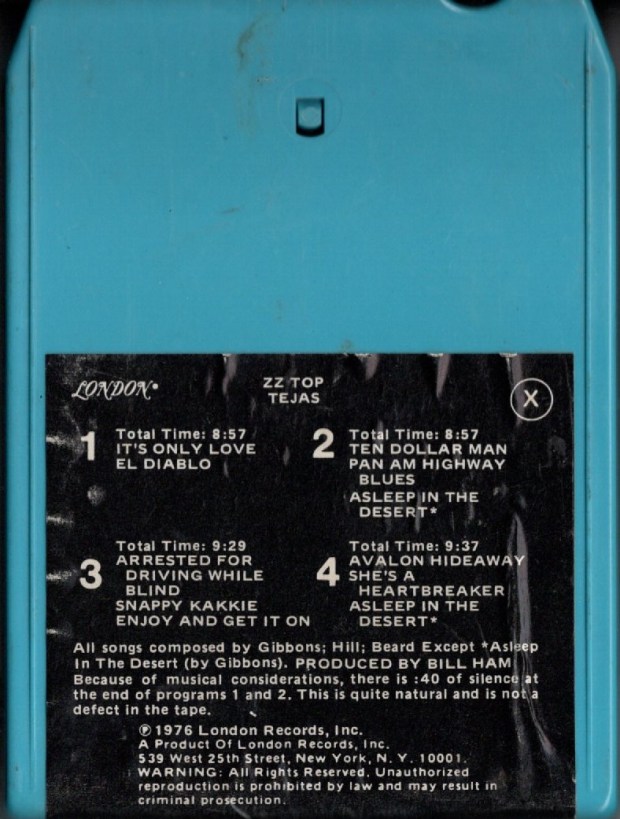
The 8-track release shuffles the track order, but no songs are split between tracks, which is always nice.  “El Diablo” coming in second changes the vibe of the listen a bit.


REVIEW: ZZ Top – Raw – ‘That Little Ol’ Band From Texas’ Original Soundtrack (2022)

ZZ TOP – Raw – ‘That Little Ol’ Band From Texas’ Original Soundtrack (2022 BMG)

In 2019, ZZ Top bassist Dusty Hill was still alive, and filmmaker Sam Dunn brought us the critically acclaimed documentary That Little Ol’ Band from Texas.  The film was cherished for a number of reasons, not least of which was the music, old and new.  A big part of the film was seeing the modern-day ZZ Top jamming away on their classics.  And it was clear they lost nothing.

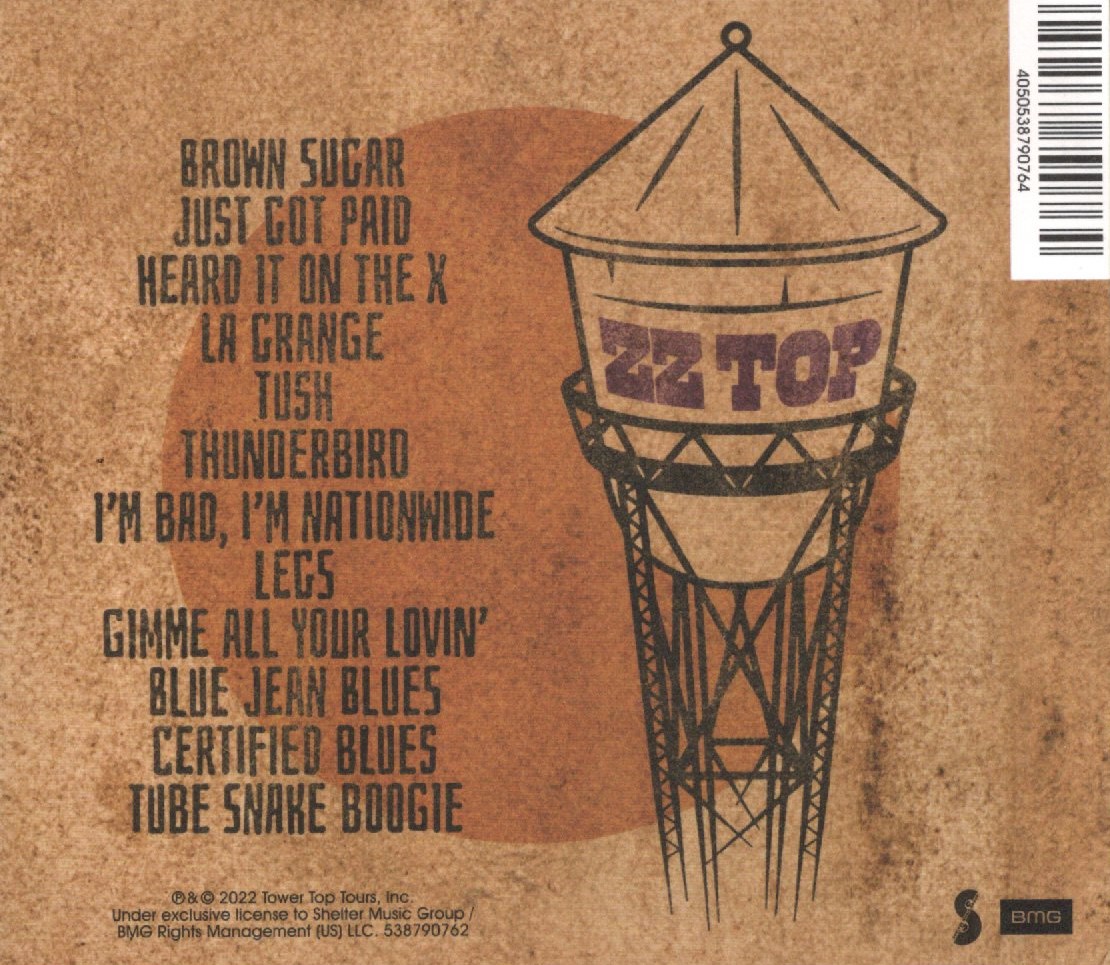
With Dusty gone, it’s appropriate to release his final recordings as the soundtrack to the documentary.  As the title boldly states, this is ZZ Top raw, playing live in the studio, as only they could.  12 tracks; nothing beyond Eliminator.  Every song a classic.

Going back to the first album, “Brown Sugar” opens with some amp hiss and seriously bluesly licks from Billy Gibbons.  Raw yes, but also crisp and clear with plenty of bottom end.  These are not simple re-recordings, nor are they vastly different re-imaginings.  They are just 12 tracks of ZZ Top playing hard and heavy, backed with modern equipment and techniques.  The groove flows right through the speakers like jelly.  Sonically the tracks are heavier simply because of the modern equipment, though they are still…you guessed it…raw!  Dusty’s bass on “Just Got Paid”…oh man.  Track after track of familiar rock will hit your ears, satisfying your need for that dirty greasy blues that ZZ Top peddle in.  Jamming solos, rolling bass and luscious blues licks await within.

As far as surprises go, there are not many, but it is fun to hear “Legs” done in this raw settling.  The sequencers are there but back in the mix.  It’s much more rocking.  Interesting to hear no backing guitars when Billy is soloing.  “Gimme All Your Lovin'” benefits similarly from the raw treatment.  No sequencers here, just guitars, drums and bass.  No loss either.  A slow jam version of “Thunderbird” is another treat.  Finally, it’s a blast to hear Frank Beard playing hard on the surf rock of “Tube Snake Boogie”.

From rockers, to blues rockers and just plain ol’ blues, this album contains a nice cross section of songs from 1971 to 1983.  Arguably, the essential years.  While not essential itself, ZZ Top Raw should make your purchase list.  It’s an excellent set of recordings, of some of the best ZZ Top songs, with modern fidelity and of course, the last of Dusty Hill.  You loved it when you saw ZZ Top jamming these tunes in the film.  Now you can own the soundtrack.  So get on it!

4/5 stars

Thanks to John T. Snow for kindly gifting this copy!

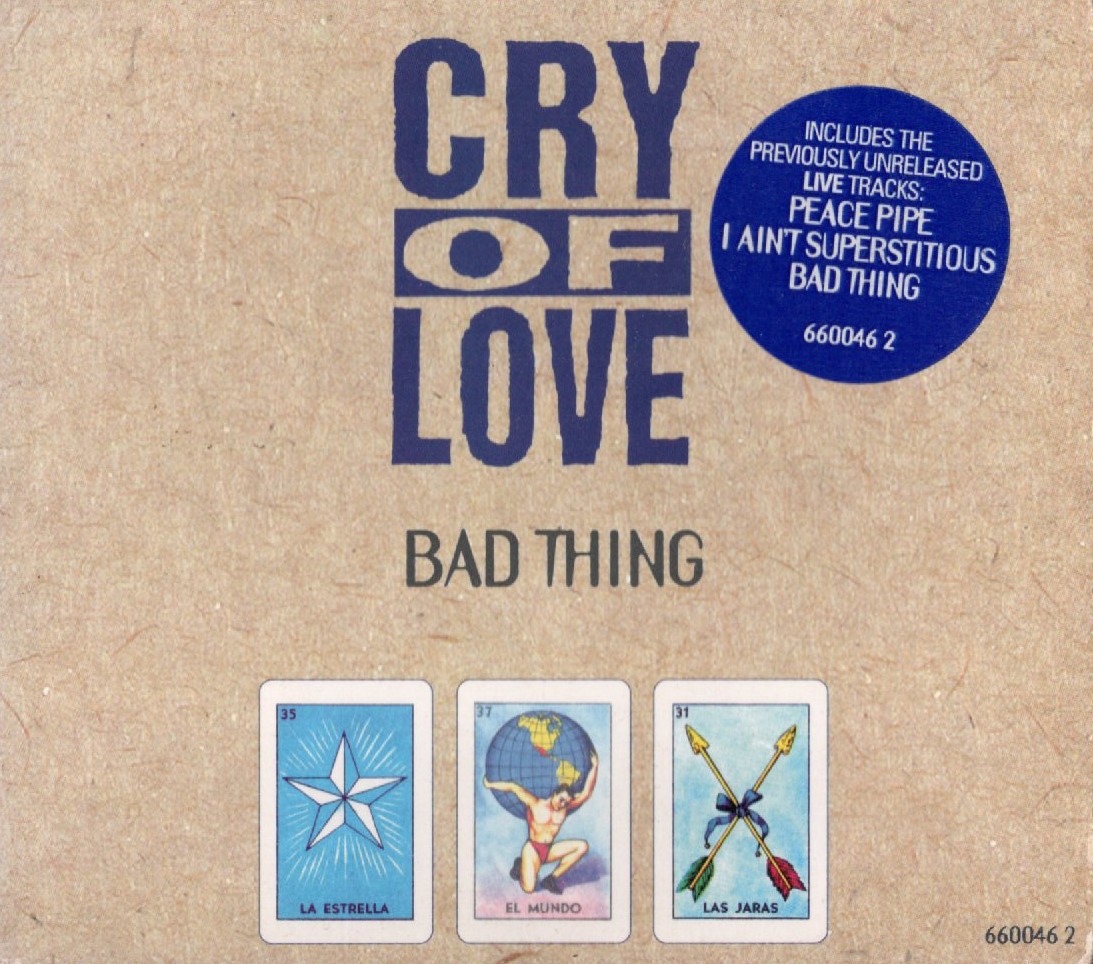
REVIEW: Cry of Love – “Bad Thing” (1993 CD single)

CRY OF LOVE – “Bad Thing” (1993 Columbia CD single)

“Just a new song, that I gotta sing…”

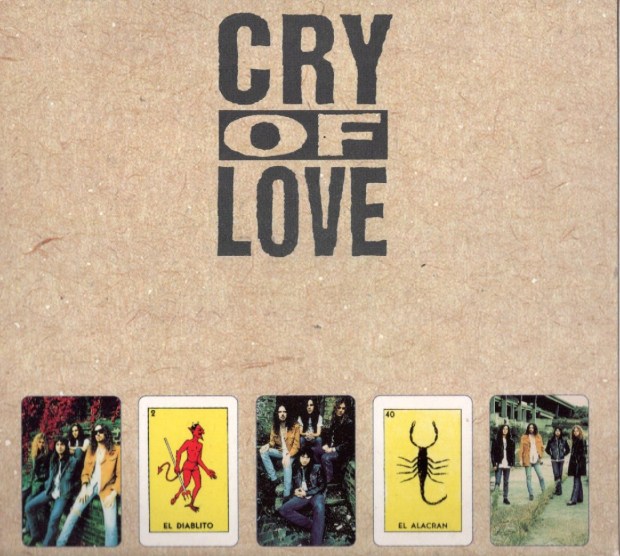
Cry of Love were awesome.  Most frequently they were compared to the Black Crowes, but perhaps like many bands who live in the shadow, they might actually have been better.  On a technical level, they had a better singer and a stellar lead guitarist.  The original lineup with Kelly Holland (R.I.P.) was something truly special so you may as well try to get all the tunes you can.  To do that, you’ll need some CD singles.  “Bad Thing” was a single in 1993, featuring four tracks – one remix and three live.

Leading the single is “Bad Thing” in the form of a “New Mix”.  It is admittedly hard to tell specific differences without doing an A/B test, but it is ever so slightly new.  One thing for sure:  “Bad Thing” is a wicked cool groove, with a thumping bassline and incredible guitar work from Audley Freed.  The man has such a tube-y sound!  There’s really nothing better than a Cry of Love groove with Audley and Kelly wailing!

The three live versions are pretty clean sounding.  Live in the studio?  Probably.  Their big hit “Peace Pipe” is way, way groovy.  The way that bass rolls just makes your guts rumble.

Tearing the temple down!
Burn down the sacred ground!
Tear the temple down!
In the name of God somehow.
Burn down the sacred ground!

Sing it Kelly!  What a chorus.  The powerhouse blues rocker made short work of it, drilling the song fully into your noggin.  While your grey matter focuses on that melody, your intestines are shaken by the groove.  Then Audley takes a solo and bam!  Instant classic.  The live version is very authentic to the studio original.

The Willie Dixon cover “I Ain’t Superstitious” takes the blues and cranks it right up.  You’d be forgiven if you thought this was a lost Crowes tune, but Cry of Love rock it just a little bit harder.  This one is a party so bring your dancing shoes.  It boils and bubbles through a jamming middle section and finishes with a bangin’ flourish.

The 7:10 “Bad Thing” opens with a two minute slow blues jam.  Audley’s wiry guitar tone here is different and cool.  Then the drums and bass kick in and we’re groovin’!  Killer version of a song that was already killer.

If you haven’t checked out Cry of Love yet, then what are you waiting for?  You’ve had 30 years!

4.5/5 stars
 

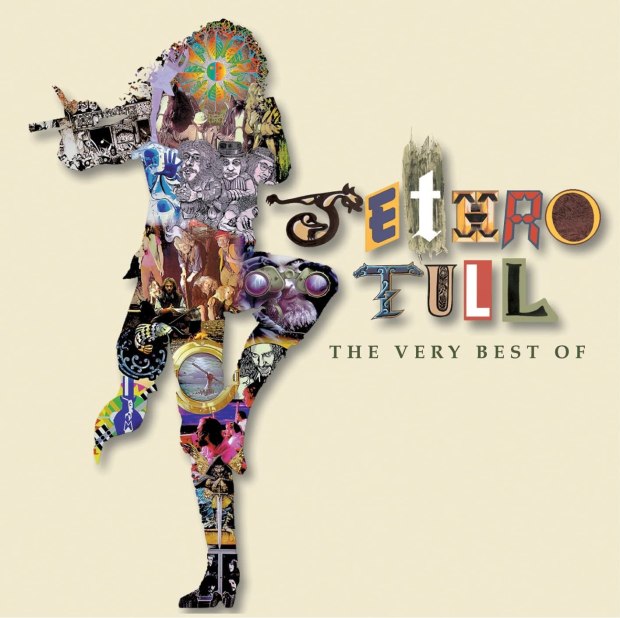
REVIEW: Jethro Tull – The Very Best of Jethro Tull (2001)

JETHRO TULL – The Very Best of Jethro Tull (2001 Chrysalis)

Every fan had their first Jethro Tull purchase.  Mine was 20 years ago, with their newly released Very Best of Jethro Tull.  Why not?  I was working at the Record Store when a used-but-mint copy dropped in my lap for only $8 (staff discount).  It was only right of me to ensure it got a good home.

Unlike some “hits” compilations, this one didn’t strike with clusters of songs I wanted to focus on in the future.  Other compilations can do that.  For example I decided to hone in on the Brian Robertson Motorhead album immediately after hearing a double best-of.  With The Very Best of Jethro Tull, I liked it all equally.  I just wanted to get them all, with no particular priority.  It all sounded great to me.

The album is non-chronological and contains some edit versions.  “Thick As A Brick” is cut down from 44 minutes to just three — makes sense.  They chose the first three minutes, which are ojectively the best known.   Other edits are the single versions of “Too Old To Rock ‘n’ Roll: Too Young to Die” and “Minstrel in the Gallery”, while “Heavy Horses” gets a new edit bringing it from nine minutes to a more single-like three.  The songs span the 1968 debut This Was to 1995’s Roots to Branches.  Several albums are not represented at all, such as Benefit, A Passion Play, A, Stormwatch, Under Wraps, Rock Island, Catfish Rising, and J-Tull.com.  Justifiable?  That’s up to personal taste.  Several non-album singles are included instead, such as the well known “Living In the Past” and the wicked string-laden “Sweet Dream”.

The album has an excellent flow, only interrupted with the synth-y “Steel Monkey” from 1987’s Grammy-winning Crest of a Knave.  Preceded by the savage “Locomotive Breath” and followed by the tender picking of “Thick as a Brick”, it doesn’t fit in except as a speedbump.  If I may be so bold, I believe “Steel Monkey” was included simply because it would be odd not to include something off that controversial Grammy winner.

While I enjoyed all the songs, the one that stood out particularly strong was “Bourée”. I never heard Bach swing like that before! The diversity of this CD, spanning all styles of rock from progressive to blues to folksy. Yes, the flute can rock and Ian Anderson is the Eddie Van Halen of the instrument.

4/5 stars

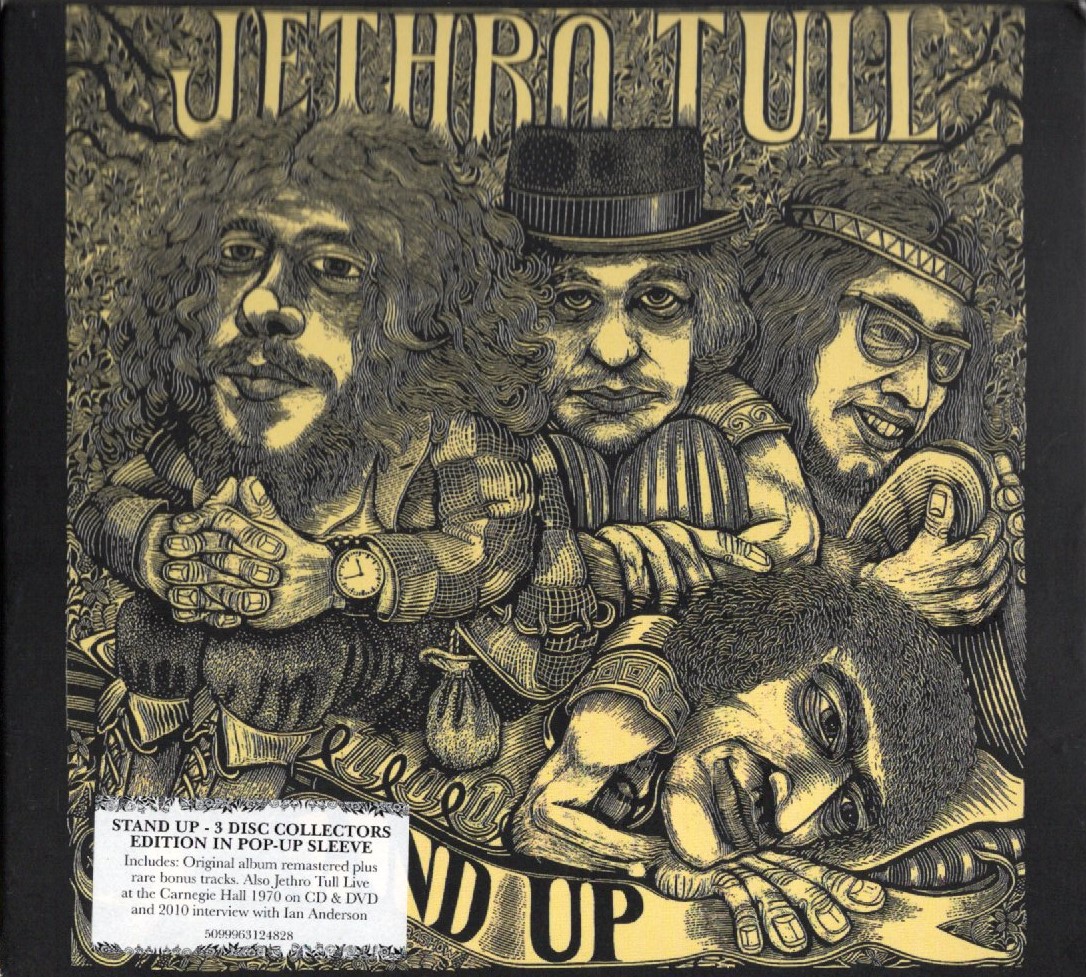
REVIEW: Jethro Tull – Stand Up (2 CD & DVD Edition)

JETHRO TULL – Stand Up (Originally 1969, 2010 2 CD & DVD Chrysalis Collector’s Edition)

Stand Up, from its wonderful cover art (including a fun Jethro Tull pop-out!) to the music in the grooves, is probably my favourite Tull platter. One basic reason is that it sounds like a transitional album, and I’m often drawn to those. It combines the remnants of the blues jams that they specialized in from the Mick Abrahams era (1968’s This Was), and their growing experimental side. It’s kind of the best of both worlds, and it always sounded great — even better on this new remaster.  Stand Up has since been remixed by the very talented Steven Wilson (2016’s Elevated Edition), but if you wanted a CD copy of the original unaltered mix, this 2010 edition is what you need.  (This mix is available on a DVD in the Elevated Edition, but not CD, and they each contain different bonus material.)

“A New Day Yesterday” has the task of opening this new era of Jethro Tull on LP, and it maintains the blues direction.  Then immediately, “Jeffrey Goes to Leicester Square” brings on the hippy side, with bongos, psychedlic jamming and the world’s greatest rock flautist.  “Bourée” proves it, as he jams jazz-rock style along to J.S. Bach.  Only Tull can make Bach swing as they do on “Bourée”.  From the upbeat jamming “Nothing is Easy” to the exotic “Fat Man”, this album begins to open up Tull’s diversity.  “Reasons For Waiting” brings on a lush, orchestrated side of Jethro Tull that some would call pompous and others would call delicate and quaint.  But then they just flat out rock — with flute — on album closer “For a Thousand Mothers”.  It’s truly the first diverse Tull album, going from corner to corner to explore whatever their hearts desired.

The Collector’s Edition contains valuable bonus music aplenty.  The first disc alone doubles the length of the album.   It has every bonus track from the previous 2001 remaster, which are the A and B-sides of two standalone singles.  These are the swinging’ “Living In the Past”,  filler “Driving Song”, the powerful (with horns!) and awesome “Sweet Dream”, and my favourite, “17”.   It adds in a mono single mix of “Living In the Past” with some subtle differences.  Two BBC live sessions are included via four live tracks, including “Bourée”.  There are even amusing radio spots. And that’s just the first disc.

The second disc is an entire concert: Live at Carnegie Hall, New York, 4 November 1970.  This would make it a show from the Benefit tour, the album which followed Stand Up.  It includes songs from Benefit, such as “Sossity; You’re a Woman”.  It also previews the future Aqualung classic “My God”. It is, of course, a great live show…it’s Jethro Tull in their youth after all!  Hear Ian Anderson go nuts on the flute solo!

Another highlight is “Dharma For One”, stretched out to 13 minutes to include a bonkers Clive Bunker drum solo.  The wicked slidey guitar on “A Song For Jeffrey” is really hot on these tapes too.  By this time, John Evan had joined as Tull’s pianist which adds another dimension.  Check out the intricate work on “With You There to Help Me”.

Then, as if that wasn’t enough, there is a bonus DVD which contains a DTS 5.1 mix of the whole concert — audio only, however!  If you have the equipment to play it, then enjoy. I will usually resort back to the stereo mix on CD but the 5.1 mix offers some additional depth.

For “things you will only watch once” (or twice if you’re reviewing your collection), the DVD also includes a 45 minute Ian Anderson interview from 2010 to check out.  The split with Mick Abrahams is one of the most interesting parts though the story of the impasse is familiar.  It simply boiled down to styles, and Ian didn’t want to be limited to just one.  As such, he considers Stand Up to be the first real Jethro Tull album; the first to tentatively embark on their world-wide musical journey.  Of course Mick had to be replaced, and Ian discusses three guitarists that tried out, including you-know-who.  Martin Barre was chosen of course, given a second chance after a poor first meeting.

Barre’s furious solo work on Stand Up‘s blistering “We Used to Know” more than justifies the choice.

The packaging is gorgeous, coming packed in a thick, sturdy digipack.  Artwork like this deserves a proper showcase, and unless you buy an original LP, this is about as good as it’s going to get.

5/5 stars

REVIEW: Smith/Kotzen – Smith/Kotzen (2021)

SMITH/KOTZEN – Smith/Kotzen (2021 BMG)

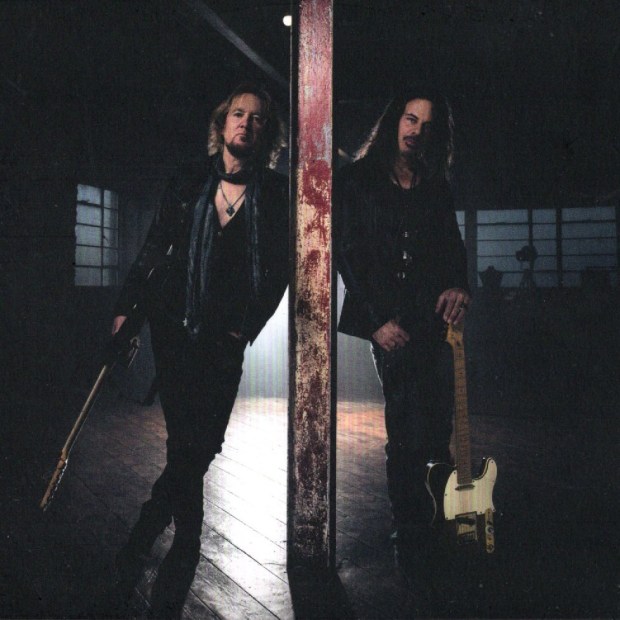
Had this album come out 30 years ago, it might have been called Smith/Curran.  According to our good pal Andy Curran from Coney Hatch, Iron Maiden’s Adrian Smith has been looking for a project like this for quite some time.  The right partner arrived with soulful singer/songwriter/shredder Richie Kotzen.  As heard on the nine-track debut, everything clicked.  It was Smith’s wife Nathalie that introduced the two.  Friendship turned to jamming, and jamming turned to writing and recording.  We owe Nathalie a huge debt of rocking’ gratitude.

Fans of Kotzen, either via his solo work or the Winery Dogs, won’t be shocked by what they hear.  It is the Maiden fans who are in for an adjustment.  Not that Smith/Kotzen is wimpy — it isn’t at all — but it is vastly different from the traditional metal that Maiden peddle in.  This is a soul/blues/rock fusion from the heart.

None of the nine songs should earn a “skip” in your player.  Each one boasts a wicked blend of guitars and voices.  Who would have thought that two players and singers, so different in style, would mix so naturally?  You can usually pick out who is playing what, but it all works as one monolithic gestalt.  The whole thing is brilliant.  You can choose your own peaks, because everyone will have their own favourites.

“Running” should be an uptempo high point in anyone’s scorebook.  On the opposite end of the spectrum is the power ballad “Scars” (if you want to call it that).  Over six minutes with heartfelt playing and harmonizing over a slow riff — pigeonhole it any way you like.  The guitar tones on this album are rich and sometimes trippy.  Fans of both guitarists are in for a tour-de-force of feel.

Another high water mark is “Glory Road” which may be a slower blues, but boasts a melodic power chorus that you can imagine Iron Maiden pulling off successfully.  That gives way to a wicked series of solo trade-offs that blow the mind and punch the gut all at once.  But if you really like Maiden, there is no way you will not recognize the one and only Nicko McBrain on the Purple-y “Solar Fire”.  (The drums on the rest of the album are performed by Kotzen and Tal Bergman, which Richie and Adrian share bass duties.)  Picture the Coverdale/Hughes/Blackmore vibe.  An album highlight, “Solar Fire” is as hot as the stellar eruptions it’s named for.

Pick a song — “I Wanna Stay”, “Some People”, “Taking My Chances”, or “‘Til Tomorrow”  — all are excellent choices.  Smith/Kotzen has nine remarkable tracks to choose from.  They’ve all been road tested, and given fair play at home and on the porch.  Though they vary in tempo and direction, all nine promise excellent, memorable melodies and powerful playing.  This is an album for the summer of 2021 — an album we need.

4.5/5 stars
REVIEW: The Black Crowes – Shake Your Money Maker (2021 deluxe edition)

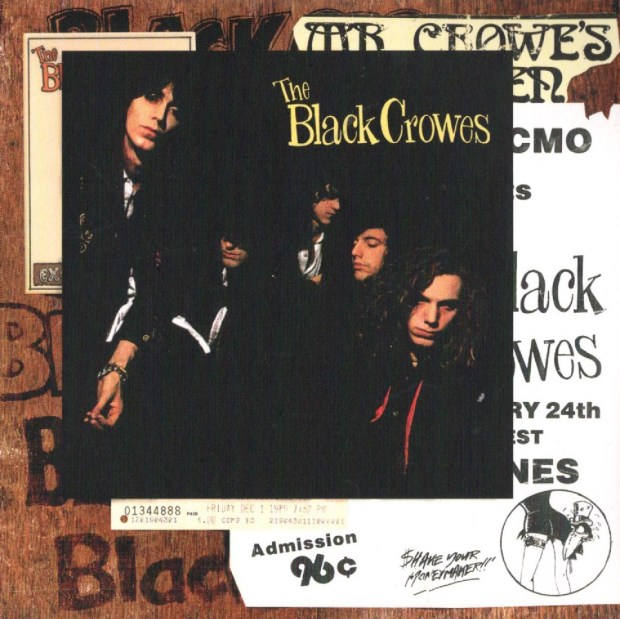
THE BLACK CROWES – Shake Your Money Maker (Originally 1990, 2021 Universal deluxe edition)

How many times have you bought Shake Your Money Maker (31 years old but not a day over 20)?  This time the Crowes did it (mostly) right.  The last time they reissued this album in 1998, they added only two bonus tracks.  Now there are 25.  These include a whole disc of rarities called More Money Maker, and a homecoming live set from December 1990 with the original lineup and a sneak peak at new, work-in-progress songs.  All of this is worth your money to buy one more time.  Especially for the songs they were already road-testing.

Disc 1:  Shake Your Money Maker

Freshly remastered and sounding good.  Opening up with a rip of slide guitar, the Crowes made their southern bluesy roots known from the get go.  It was nothing like Bon Jovi, Def Leppard, or anybody else on the radio at the time, except maybe the London Quireboys.  They drew influence from the 70s:  Bands like the Stones and Skynyrd, as well as the old Mississippi Delta bluesmen.  Listen to Rich Robinson’s slide and dig in.  Chris Robinson’s bluesy drawl delivers a hell of a chorus.  “Twice As Hard” is perfect in every measure, and producer George Drakoulias captured it without messing with it.
Second in line is the debut single “Jealous Again”.  It sounds like the offspring of the Stones at their boogie-woogie best.  The noticable difference is the big drum sound wielded by Steve Gorman, the Crowes’ secret weapon.

Shake Your Money Maker is a well rounded album with a few piano based slow tracks.  The first ballad is “Sister Luck”, sort of prototype for the kind of things the Crowes would do in the future.  You want authenticity?  That’s Chuck Leavell on keys.

Back to the rock, “Could I’ve Been So Blind” kicks it with a shot in the arm and a great chorus.  Thing go slow again on the organ-based blues “Seeing Things”.  The wild thing is, the Crowes were just kids, but it sounds like they have years and years of pain to pour into these songs.

One of the most well known singles from Shake Your Money Maker was the old Otis Redding cover “Hard to Handle”.  A bit of a surprise to hear an Otis song on the radio, but we gladly took it.  The Robinson swagger on this one is enormous.  Back to rock, “Thick N’ Thin” begins with a car crash. Fast paced rock and roll with boogie woogie piano gets the feet moving, like the Faces on adrenaline.

One of the fastest songs gives way to the slowest one.  “She Talks to Angels” is the only one that technially deserves the tag “ballad”.  Acoustics guitars, organ, and Chris’ plaintive voice took it to #1 on the US “album rock” charts.  It’s still just as stunning today, with the feel still coming through.

Moving in for the close, “Struttin’ Blues” is relatively nondescript compared to some of the prior ass-kickers.  They save the most kick-ass for last:  “Stare It Cold”.  It starts as a standard Stones-y rocker, but then it picks up speed right to the end, brilliantly ending the debut album on a hell of a good impression.

Disc 2:  More Money Maker:  Unreleased Songs & B-Sides

This isn’t all the B-sides of course; the Crowes issued plenty of live tracks that you will have to track down the singles for.  This does collect the studio music that made it onto B-sides and bonus tracks, as well as far more serious rarities.  One of those is “Charming Mess”, a slamming unreleased track that easily could have been a hit.  Slippery guitars, bouncing piano, and a wicked chorus.  Early Crowes tended to keep things simple, and this a great example of their early charm, cranked up to 10.

The Humble Pie cover “30 Days in the Hole” is tight and clean.  Johnny Colt was an underrated bass player and you can hear it on this decent but underwhelming cover.  The original “Don’t Wake Me” is an also-ran, in the fast-paced category.  Great guitar work as always though, so always something to listen for.  The Lennon cover “Jealous Guy” always lacked something that the original had, but by turning it into a lamenting blues, the Crowes made it their own more than the other covers.  The original “Waitin’ Guilty” is a real treat.  Happier with twang, it was rarely played live, perhaps because it’s a bit of a departure.  A sweet, tasty, twangy departure.

The “Horn Mix” of “Hard To Handle” has been difficult to track down for years.  Here it finally is!  One thing not apparent when listening to it on a shitty radio — the bass really thumps on this remix.  With this version now finally widely available, it is the definitive mix.  Two acoustic versions of big hits are next:  “Jealous Again” and “She Talks to Angels”.  Stripped down to the very basics with no drums.  “She Talks to Angels” benefits very much from the bare arrangement, becoming something truly special.

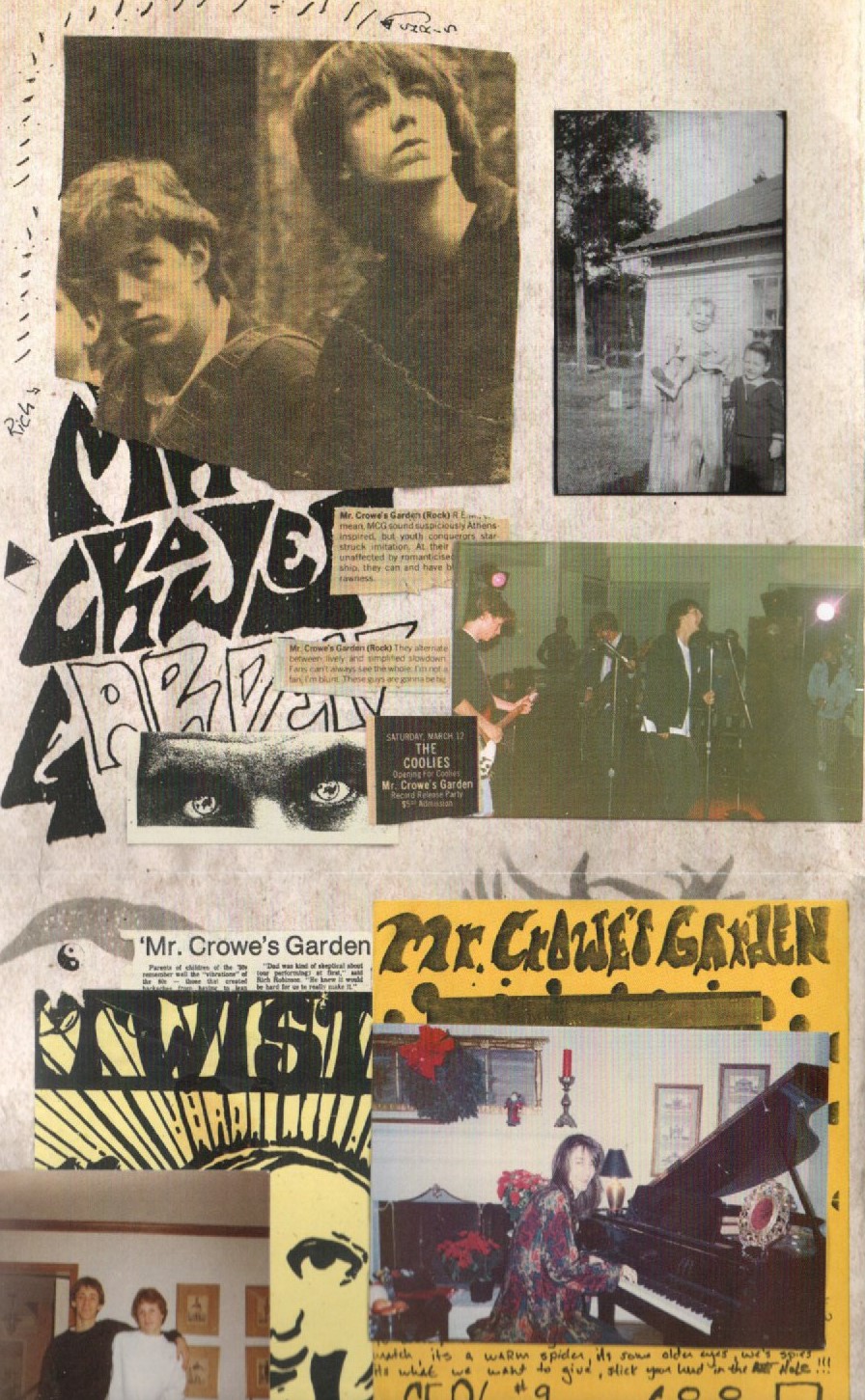
This disc ends on a double treat:  Two early demos by Mr. Crowe’s Garden, the incarnation that preceded the Black Crowes.  “She Talks to Angels” is fully written but with a higher lead vocal melody.  “Front Porch Sermon” is more folksy than what we usually expect from the Crowes, at least until the later years.  Banjo is the dominant instrument.   The chorus is a dead ringer for Blue Rodeo.  Great stuff; let’s hope we get more Mr. Crowe’s Garden demos in the future.

Disc 3:  The Homecoming Concert:  Atlanta, GA December 1990

For many, this is the main feature of the set, and for good reason.  This era of the Crowes only lasted a short time and change is already evident.  The new material they were working on, and were already playing live, was different.  The band was also changing and soon guitarist Jeff Cease would be out of the lineup, replaced by Marc Ford.  This concert CD is one of our few chances to hear what Jeff Cease brought to the band.  They couldn’t have grown where they did with Cease, but as the lead guitarist on these rock and roll tracks, he’s perfect.

Chris Robinson is on fire, as evident on the stormin’ first song, “Thick N’ Thin”.  It’s an energetic version and that energy carries over into a new song called “You’re Wrong”.  It would later evolve into “Sting Me”.  The sound of Southern Harmony was starting to creep in and you get a lot more a  bit later into the set.  Although nobody sounds bored, the Crowes roll out the hit “Twice as Hard” next.  It could be one of the best versions out there, for Chris’ impassioned overblown vocal.

Favourites from the album are played one after the other:  “Could I’ve Been So Blind”, “Seeing Things”, “She Talks to Angels”, “Sister Luck”, and “Hard to Handle”.  Particularly powerful is “Seeing Things” though highlights are plenty through these tunes.  The Crowes also peppered their sets with non-album covers.  “Shake ‘Em On Down” (Bukka White) is unexpectedly followed by “Get Back” (The Beatles).  But really it’s just one extended jam on some familiar themes.

The real treat is a full 13 minute version of “Words You Throw Away”, the long jam that would one day evolve into a little hit called “Remedy”.  You can hear certain chords and rhythmic ideas that ended up in “Remedy”, and maybe also “Thorn in My Pride”.  It is however its own song, with some unbelievable hooks of its own that never made it into anything else.  Just lay back and enjoy all 13 minutes of musical nirvana.

Closing the set with “Stare It Cold” and “Jealous Again” can only be anticlimax after that workout.  What else could they do?

It’s very fortunate this live set was so well recorded, mixed and mastered for release.

In Conclusion

Though affordable, the 3 CD edition has skimpy packaging.  There is a small foldout with rare photos (and some really cool ones of Mr. Crowe’s Garden) but no real liner notes or other details.  It would just be nice to know more about where the rare tracks originated, or even the original studio album itself.  The album used to come with lyrics, but this comes with nothing.

Still the music more than makes up for up for the lack of packaging.  The top-notch live set is a revelation, and the bonus rarities are valuable and high quality.  You can’t say no to the music.

4/5 stars