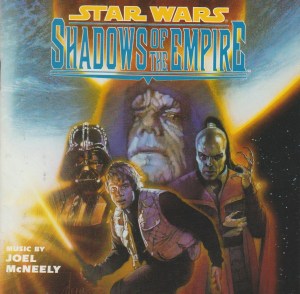
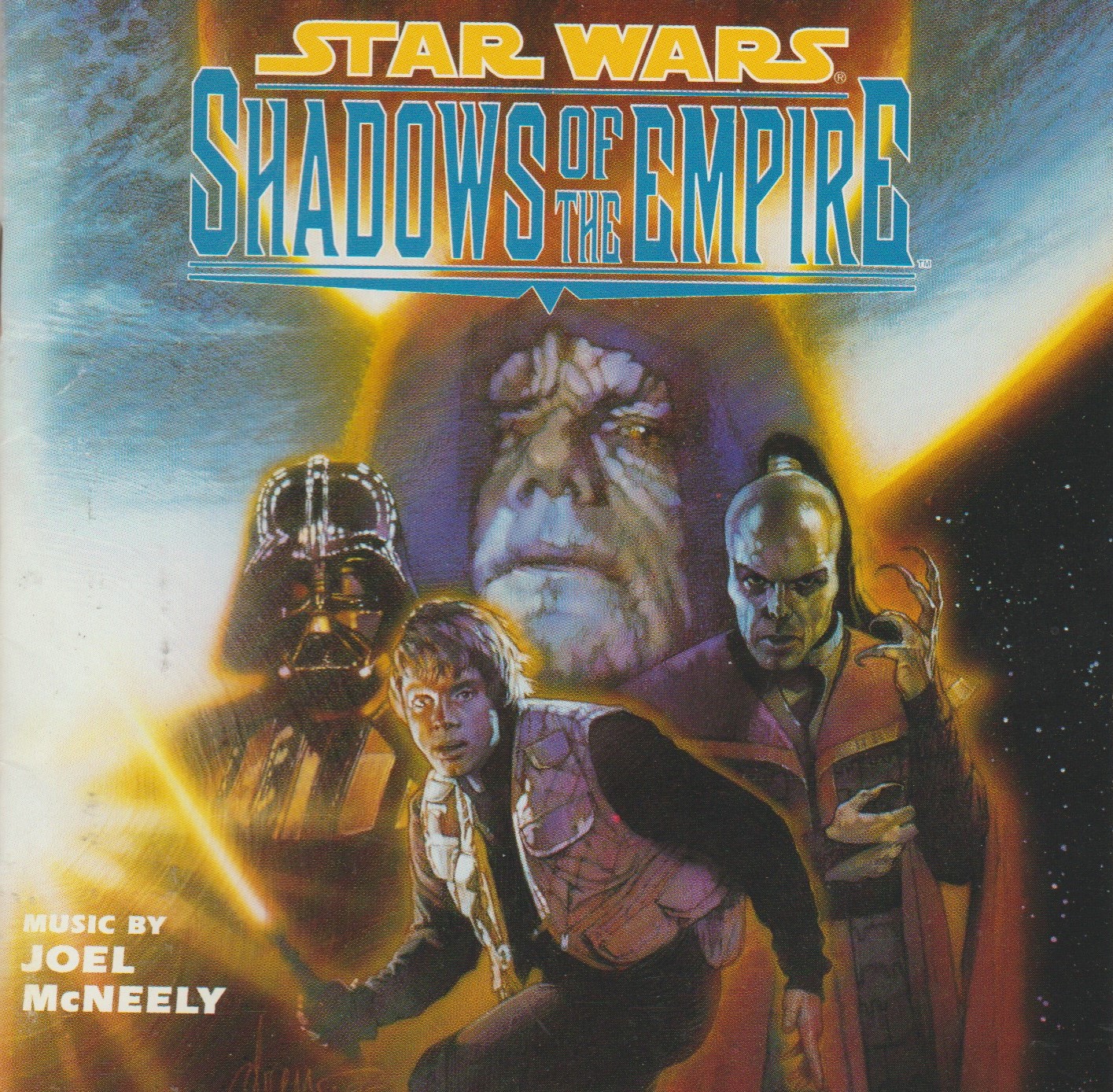
 STAR WARS: Shadows of the Empire soundtrack (1996 Varese Sarabande)
by Joel McNeely
Things were starting to heat up! As Lucasfilm toiled away at the Star Wars special editions behind the scenes (and Episode I even further behind the scenes), they also launched a huge new multi-media story. It was called Shadows of the Empire, and it was meant to represent a movie between The Empire Strikes Back and Return of the Jedi. Just as Star Wars was re-entering the public consciousness again, out came this massive, sprawling thing that was meant to make you feel like you did when a new Star Wars movie was released. It included:
- A comic miniseries by Dark Horse
- A novel by Steve Perry (not the singer)
- A new Kenner toyline
- Topps trading cards
- Nintendo 64 first-person shooter game
- A soundtrack composed by Joel McNeely
The catch? You had to get everything in order to get the complete story of Shadows of the Empire. Scenes in the game were not in the comics or novel, scenes from the comics were not in the game, and so on.
McNeely had done a bit of soundtrack work, but had also crossed paths with Lucasfilm when he scored The Young Indiana Jones chronicles for television. He was facing a losing battle by being the first composer besides John Williams to score a Star Wars soundtrack. McNeely provides ample liner notes for each track of his score, explaining the scenes they represent from the fiction and how it translates into music. These valuable notes are a terrific example of why listening to physical product is always the best way to listen to music.
The audio journey begins with the Star Wars theme, as if it were a full-fledged film score. Differences can be heard, but not deviating far from course. “Leia’s Nightmare” begins quiet and prequel-esque, with hints of “The Imperial March” and other classic Williams themes. And even in retrospect, it is thrilling hearing them in the context of something new.
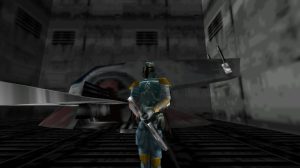
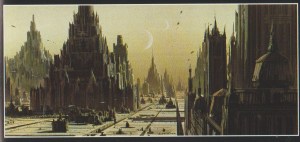
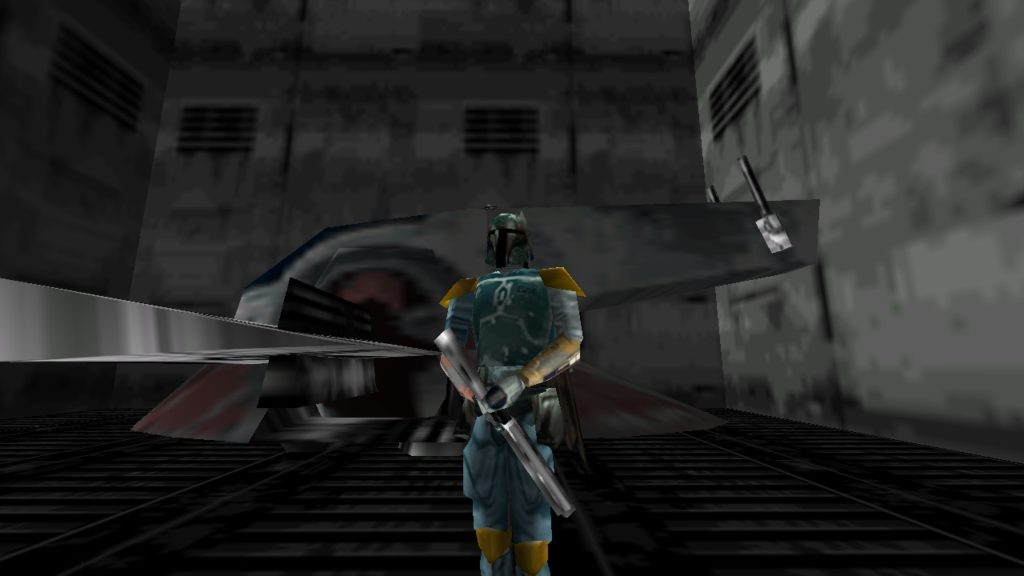
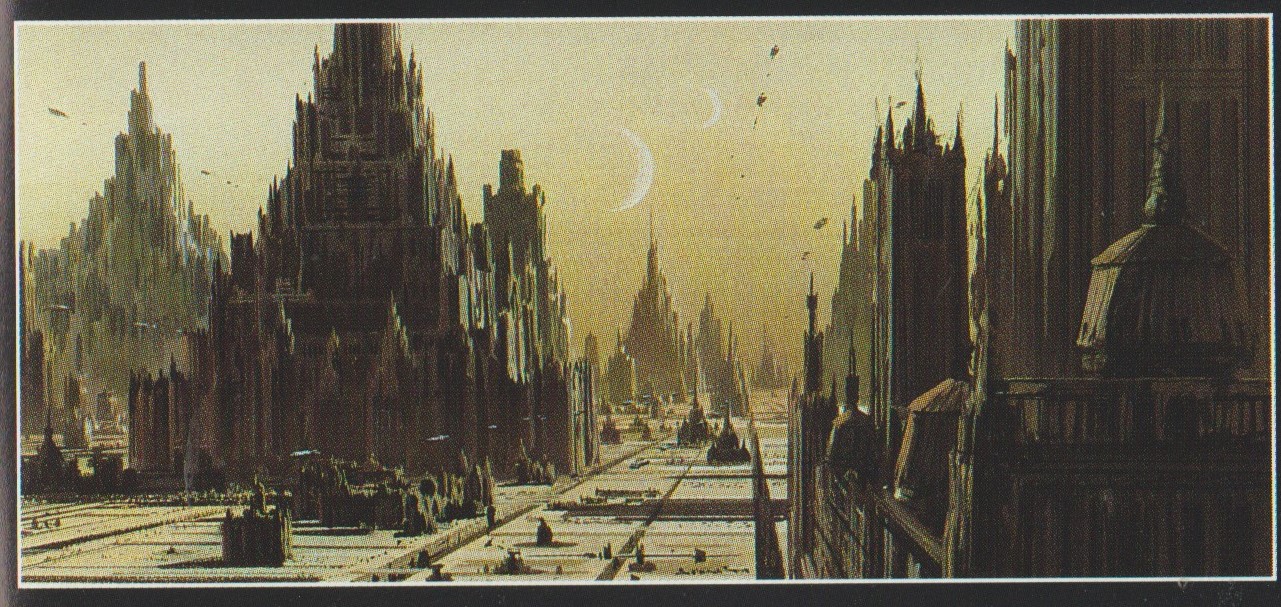
“The Battle of Gall” is an early attempt to rescue Han Solo from Boba Fett. Fett has stopped at the Imperial moon of Gall on his way to Jabba the Hutt, with Solo frozen in carbonite. Why? No reason, except to milk the Boba Fett character even further. Military drums can be heard as Luke and friends prepare their daring mission…doomed to fail, of course, since we have all seen Return of the Jedi. A bouncy new theme in this piece sounds out of character, but memorable. “Imperial City” is our first glimpse of the Galactic capitol world of Coruscant. Much like it is described in The Phantom Menace, it is a planetary city. Ideally, you’d be leafing through the Ralph MacQuarrie paintings of the planet while listening to the imposing horns and drums. A choir welcomes you to the city amidst fanfares and trumpets. None of this sounds like Star Wars, but much of it is good.
An action scene on Tattooine follows, as Luke is chased by goons on speeder bikes. He is rescued by new character Dash Rendar, a poor man’s Han Solo. Dash has his own swashbuckling theme. He was a huge part of the Shadows of the Empire campaign. His ship, the Outrider, was saucer shaped with a side cockpit like the Millenium Falcon. Lucas added it to the Star Wars special edition in ’97, making it screen canon forever.
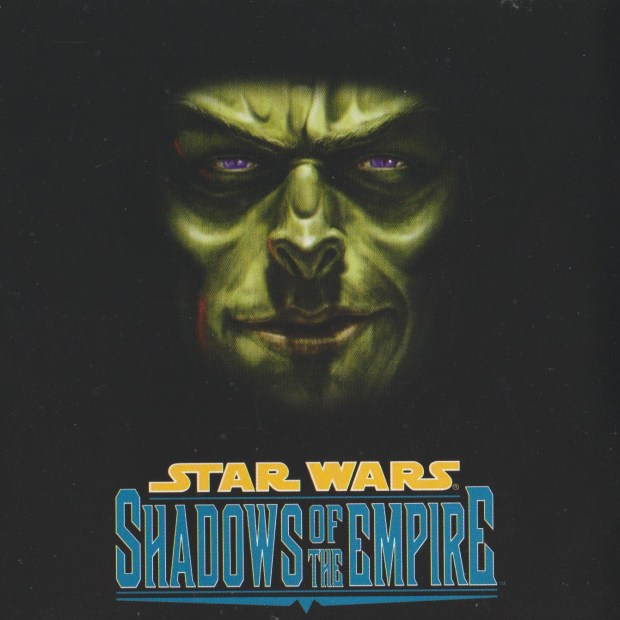
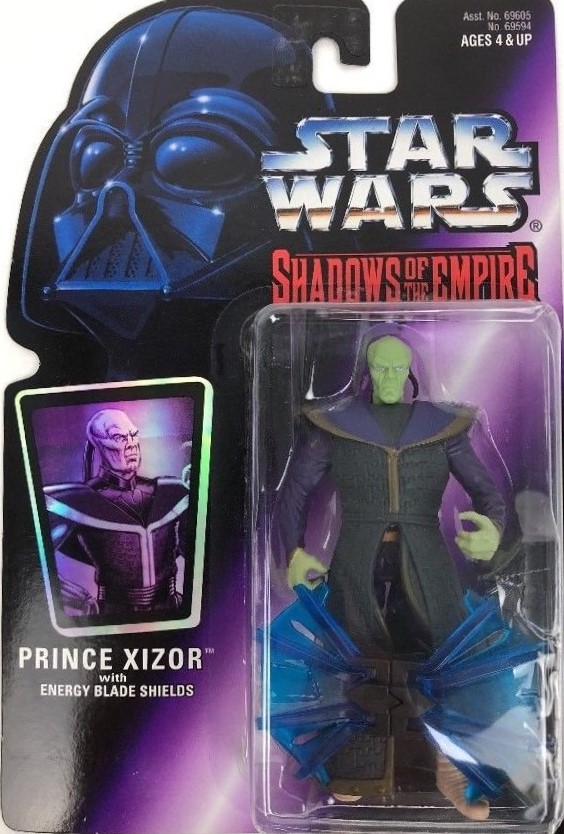
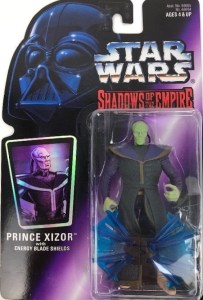 Leia’s mission follows, as she searches the lowest levels of Coruscant looking for a crime organisation known as Black Sun. She wishes to forge an alliance. Their leader, the tall green Prince Xizor (shee-zor), is the main villain of Shadows. Not nearly as terrifying as Vader or the Emperor, but he has his own scary theme. The music paints a picture of an evil entity with refined, extravagant tastes. He has one advantage over Leia when they meet: alien pheromones that make him irresistible to women. But Leia loves Han. This battle of wills is composed as a dramatic ballet called “The Seduction of Princess Leia”.
We learn Xizor failed to seduce Leia on “Night Skies”, a piece of music he shares with Darth Vader, as he attempts to contact Luke through the Force. The dark side of the Force is palpable in the air, then Vader’s theme returns. Next, Luke rescues Leia from Xizor’s palace on “Into the Sewers”, which are the only way to sneak in undetected. Xizor is defeated on “The Destruction of Xizor’s Palace”, when a massive space battle ensues. A choir heightens the tension while exciting action music animates what’s happening. Grab your action figures and play along.
The only serious flaw is that the soundtrack should really end like a Star Wars movie ends — with the credits theme music. That aside, Shadows of the Empire is an enjoyable piece of music when you want to hear something just a little different and contemplative in the galaxy far, far away.
3.5/5 stars

 Last night I had the pleasure of interviewing bassist Harper on the subject of Kiss and more. Topics covered:




 mikeladano.com