

RECORD STORE TALES MkII: Getting More Tale
#415: B-Cards
One of the least practical formats that I saw during the Record Store Days was the B-Card CD. A B-Card is the same as a CD-ROM, and works on any standard CD-ROM player, but was the size and shape of a business card. The idea was that business people could order B-Cards instead of regular business cards. This would be a striking alternative, in tune with the tech-savvy 90’s. It was a way to appear on the cutting edge.
A B-Card could hold up to 100 MB of data. The disc was rectangular, about 90mm x 55mm, but with a circular silver CD portion in the center of the disc. The readable part of the card was smaller than even a 3” CD single. You could still encode anything you wanted on the disc, from audio to video to slideshows and text. Instead of handing someone a business card with your phone number on it, you could give them a card with that and a visual presentation of whatever you were selling. From that point of view, it was a pretty inventive idea.
Where the B-Card failed was physical storage. As any music fan knows, CDs scratch up very easily, especially when in physical contact with another material. Plastic sleeves were the worst. Nothing scratched plastic discs worse than plastic sleeves. And guess what B-Cards often came packaged in? Plastic sleeves. There were larger plastic cases available, hinged to open and protect your precious B-Card, but nobody carried them because they were too thick for a wallet.


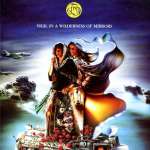
Lord of the Rings “Gollum” B-Card CD-ROM
I had one business man come into the Record Store with a scuffed up B-Card that no longer worked. He asked me to fix it for him, but I could see easily with just a quick glance that it wouldn’t be possible. The plastic sleeve had worn off the protective top layer of the CD in spots, creating massive top-scratches and pinholes. When that happens, there’s nothing for the laser to read and it comes up with errors or skips. He was very unhappy that his B-Card was toast.
I explained to him that it was the plastic sleeve itself that had ruined the card. This did not make him happy. I showed him how a CD should be properly stored (in a protective jewel case) and his response was “I’m not going to carry that around in my pocket!” That was the first major flaw with the format. It was small and portable, but not easy to keep safe without bulking up with a proper case.
The other problem with B-Cards was the rectangular shape. This unusual shape meant that it might encounter problems being played. The weight of the disc wasn’t evenly distributed. You could not play them in many tray or slot-based readers. They were the same idea as a shaped CD, which were popular novelty items at the time. These came with warnings that they could not be played in all players due to the shape, and the ominous message that the manufacturer would not be responsible for any damaged equipment.
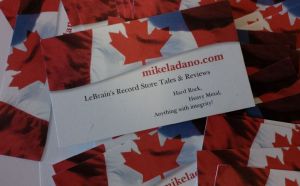
I’m glad that B-Cards have gone the way of the Dodo. My mikeladano.com cards are printed on regular paper – and that’s fine by me!








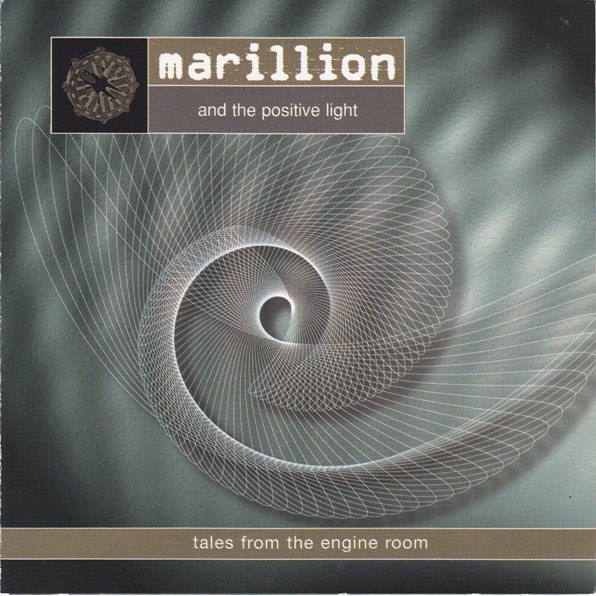
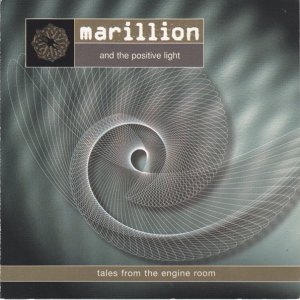
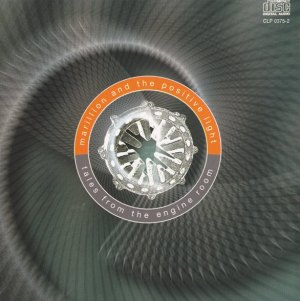


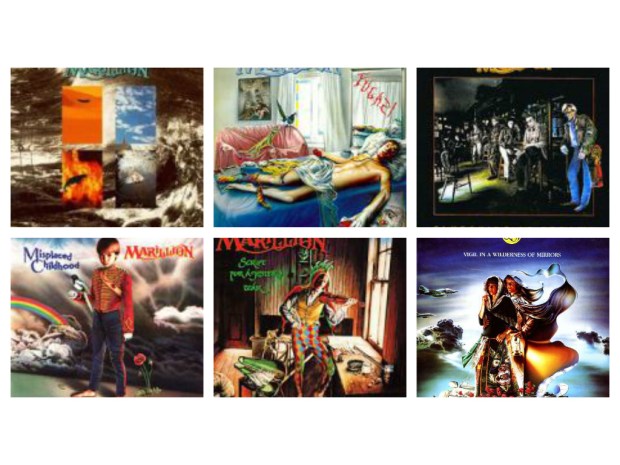
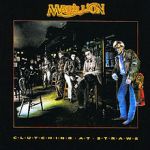
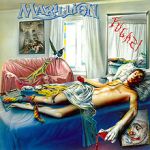
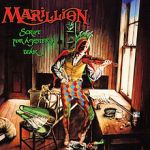
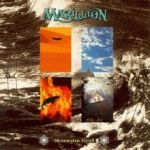
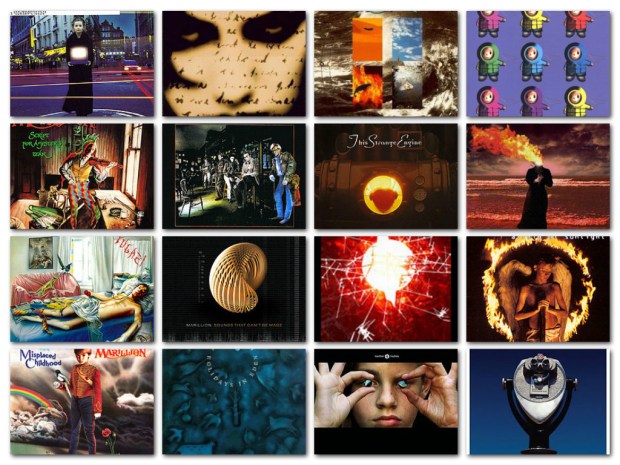
 16. Somewhere Else (2007). Following an album like Marbles (2004) is damn near impossible. Somewhere Else has never completely clicked with me and it remains foggy in my memory. Incidentally, the vinyl version has three live bonus tracks and a slightly shuffled song order, as well as a warm sound that benefits the listening experience.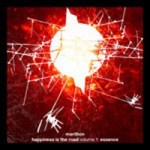
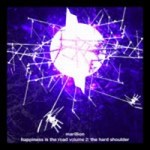 15. Happiness is the Road (2008). Consisting of a massive eight sides of vinyl (!), Happiness is the Road is broken into two albums: Essence, and The Hard Shoulder. While both discs contain memorable songs such as “This Train is My Life”, the set is too sprawling and slow to be enjoyed frequently. (The vinyl version contains bonus live tracks from the album Happiness is Cologne.)
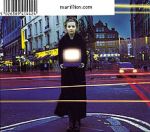 14. marillion.com (1999). I love that the band were digging into trip-hop and writing catchy poppy songs, but as a whole the album doesn’t rank higher than…
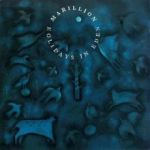 13.
13. 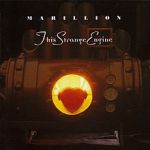 12. This Strange Engine (1997). I still like this mostly acoustic album (I own three copies), but it’s a departure.
 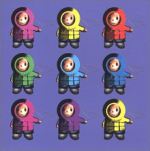 11. Anoraknophobia (2001). A decent album, a bit long winded but a progression over 1999’s marillion.com
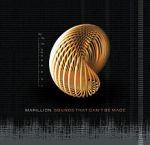 10. Sounds That Can’t Be Made (2012). I think Marillion really grabbed this album by the balls. It’s fearless.
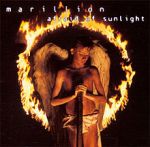 9. Afraid of Sunlight (1996). This middle grouping of albums on the list are really so close it’s meaningless. It’s splitting hairs to put them in a meaningful order. Afraid of Sunlight scores high due to the excellent title track.
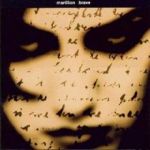 8. Brave (1994). This is where Marillion-with-Hogarth really came into their own. It is still one of the most ambitious Marillion albums and an emotional roller coaster of a concept record. There’s also a heavy 10 minute jam released as a B-side called “Marouette Jam” that necessitates buying of the remastered 2 CD edition.
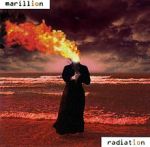 6.
6.  4. Marbles (2004). Marillion’s first double CD studio album, never wearing out its welcome. Like Brave, but grilled to perfection and with all the accouterments.
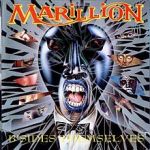 Marillion have numerous live albums (I lost count but well over 50 or 60) and greatest hits with exclusive material to boot. Ranking those is all but meaningless. Having said that, one essential purchase for a serious Marillion fan is their first double live, The Thieving Magpie (1988). This epic contains a full performance of Misplaced Childhood, as well as non-album cuts like “Freaks”. Another great record to own is B’Sides Themselves (also 1988), containing some of Marillion’s most memorable B-sides. These include the 18 minute epic “Grendel”, and more concise classics such as “Tux On” and “Market Square Heroes”.
 mikeladano.com