progressive rock

REVIEW: King’s X – “A Box” (1996 CD single)

quiz

Complete studio albums (and more!), part 8.5


KING’S X – “A Box” (1996 Warner Germany CD single)

In 2022, the “King’s” are returning, so today let us look back on some of their fine 90s output.  1996 was the year of Ear Candy, the progressive giants’ most commercially accessible album to date.  It was produced by Canadian Arnold Lanni (ex-Frozen Ghost, Sheriff) and the songs were straightforward and hook-based compared to what came before and after.

Last year, we curated some King’s X lists with Martin Popoff right here, and he rated the single “A Box” in his top five.  The version included on this single is an edit, over a minute shorter than the album cut, with the cut material being mostly outro.  Dug Pinnick is always passionate but you can really feel him on “A Box”.  “There is no room inside a box,” goes the chorus, and one has to wonder if this box is one to break out of, to retreat to, or both.  The song gives voice to loneliness and anger, but also sings of “a place to run and hide, just a place to free your mind.”  It is a ballad with strong lyrics, unforgettable melody, Ty Tabor’s signature guitar glow, and an absolutely wicked Jerry Gaskill drum sound, thanks to the magical knob-twiddling touch of Arnold Lanni.

One album cut is included, which is “Looking For Love” from Ear Candy, another one of its strongest tunes.  This one smokes of anger and frustration.  It also contains the key lyric, “I guess I lost my faith,” which is true.  Dug was once Christian but left the church around Dogman.  Yet it’s also melodically one of the strongest songs, which helps back up that killer Ty Tabor riff.

The non-album B-side is a rarity called “Freedom”.  Unlike the album which was recorded with Lanni in California, “Freedom” came from a self-produced session in Houston.  Sonically it does not fit with the boldly in-your-face Ear Candy, but it does offer another Ty Tabor lead vocal.  It’s a bit more sparse and hard-hitting, but still boasts the patented King’s X harmony vocals on the chorus.  There’s a cool melody buried in the outro too.  Overall, it is not as strong as Ear Candy as a whole, but as a bonus track, it’s more than adequate.  Ty’s singing will be the highlight for many fans as he really goes for it.

Great single, and thank you Martin Popoff for inspiring the purchase.

4.5/5 stars

KING’S X review series:

Part 1 – Out of the Silent Planet (1988)
Part 2 – Gretchen Goes to Nebraska (1989)
Part 3 – Kings of the Absurd (split bootleg with Faith No More)
Part 4 – Faith Hope Love by King’s X (1990)
Part 5 – “Junior’s Gone Wild” (from 1991’s Bill & Ted’s Bogus Journey soundtrack)
Part 6 – King’s X (1992)
Part 7 – Dogman (1994) + bonus “Pillow” promo single review
Part 8 – Ear Candy (1996)
Part 8.5 – “A Box” (1996 CD single)
Part 9 – Best of King’s X (1997)
Part 10 – Tape Head (1998)
Part 11 – POUNDHOUND – Massive Grooves from the Church of Psychofunkadelic Grungelism Rock Music (1998 Doug Pinnick/Jerry Gaskill)
Part 12 – Please Come Home…Mr. Bulbous (2000)
Part 13 – PLATYPUS – Ice Cycles (2000 Ty Tabor)
Part 14 – Manic Moonlight (2001)
Part 15 – Black Like Sunday (2003)
Part 16 – Ogre Tones (2005)
Part 17 – XV (2008)

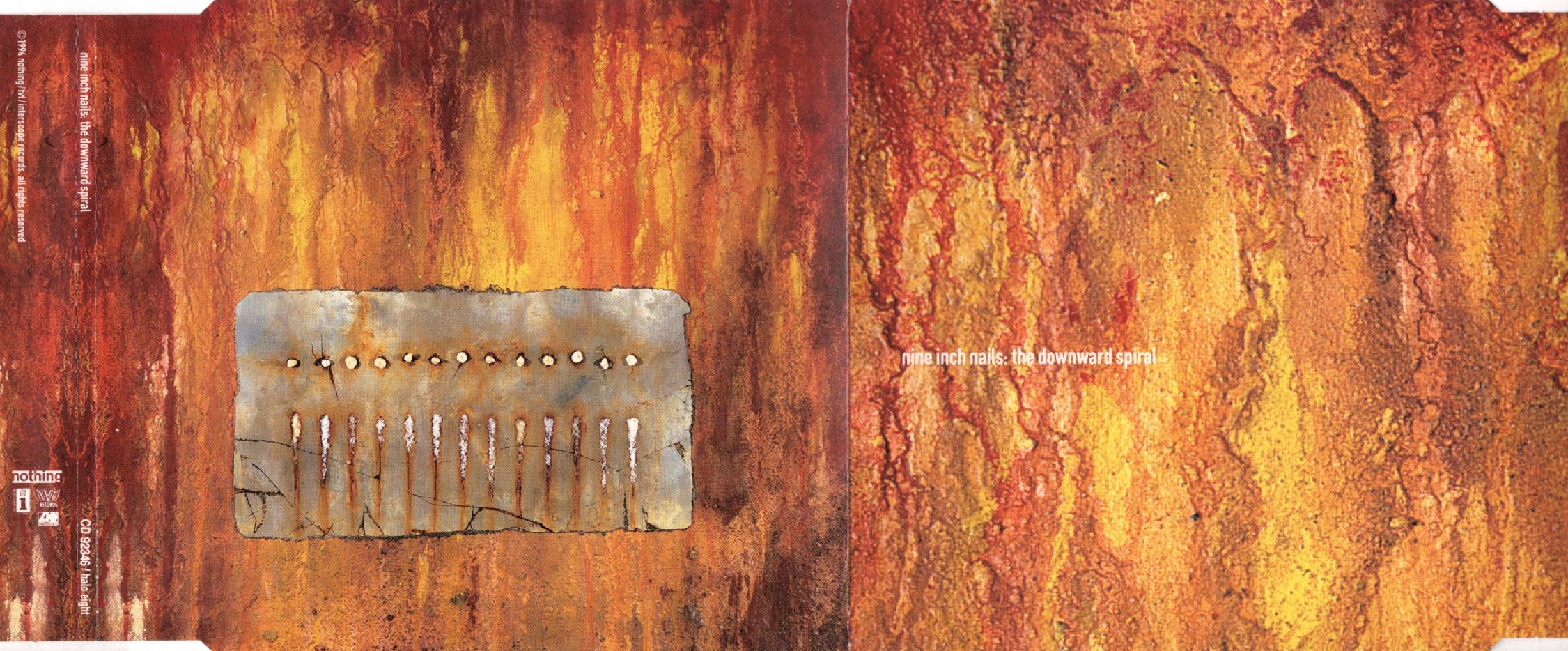
REVIEW: Nine Inch Nails – The Downward Spiral (1994)

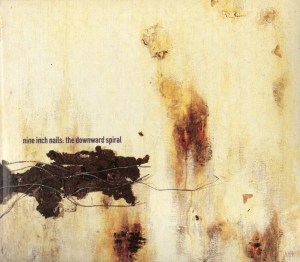
NINE INCH NAILS – The Downward Spiral (1994 Interscope) halo eight

“Trent is God!” shouted the chorus of ’94 kids.  Who, Trent Reznor?  From that electronic band?  Why was he God all of a sudden, and what happened to Eric Clapton?

The Downward Spiral happened, and Trent Reznor had a legitimate claim to genius now.  Though not as immediate as Pretty Hate Machine, nor as heavy as Broken, The Downward Spiral was complex and layered beyond those other two albums.  At 65 minutes it was ambitious, stratified and diverse beyond Reznor’s earlier works.  It is an angsty semi-autobiographical concept album about a literal downward spiral, through drugs, religion, violence, ending with nothing left.  Most importantly it was magnetic.  You could not stop listening to it.  Its impact was inevitable.  Angry young kids got it.

Opening with the sound of a severe beating from the movie THX-1138, “Mr. Self Destruct” soon explodes with guitars, static, whispers, and vocals buried deep in the mix.  All ingredients expertly mixed in a jarring cacophony that is anything but.  Whatever is going on in this song, the riff kicks ass and the soupy mix just makes it heavier.  Then suddenly, everything drops out and Trent whispers “You let me do this to you (I am the exit),” an abstract lyric that still manages to chill the bones.  It all explodes again, with layers of heavy building and building until once again they suddenly stop, and loops of guitars take you out.  Adrian Belew contributed guitar.

The most minimalist song in construction was also one of the more popular:  “Piggy”.  It’s a sparse construction of bass and beat, with some adornment from keyboards and samples of what sounds like screaming.  This song increases in tension.  There’s no serious release of the tension until “Heresy”, which explodes once more with heavy.  A distorted, underwater Reznor sings in a creepily catchy falsetto while the fattest of synth beats pound in behind.  Then suddenly he bellows, “God is dead, and no one cares!  If there is a hell, I’ll see you there!”  And the 1994 children of nihilism raised their fists in gleeful despair.  An album highlight.

First single “March of the Pigs” is sloppily heavy; a staggering beat and a lot of distorted yelling.  A big fat keyboard lick in behind, and suddenly the tune just blows up.  The samples create the ambience of a screaming audience.  Trent’s distorted singing (different on every song) is strangely compelling and it makes it that much more powerful when he sings clean.

We arrive at the most irritating song, and also one of the most popular:  “Closer”.  Notable only for the chorus of “I wanna fuck you like an animal”, it has a danceable quality but this song is really only for the novelty.

“Ruiner” is an interesting deep cut with a solid beat and catchy synth.  Trent seems really pissed off, just before the song transforms into a synthy anthem of destruction.  A cool distorted backwards-sounding guitar solo defies convention.  The refrain of “nothing can stop me now” recurs from “Piggy”, reminding us that this is indeed a concept album.  Then the sound of screaming backs “The Becoming”, another deep cut with intense lyrics of internal struggles.  There’s a haunting acoustic chill-out, but it doesn’t last.  This is some of Trent’s most twisted and brilliant production.

Drums, piano and heavy riffing create an uncomfortable balance on “I Do Not Want This” and Trent’s chorus of “Don’t you tell me how I feel!” resonated.  A wild drum beat and another guitar riff brings on “Big Man With A Gun”, the shortest song at only a minute and a half.  But it’s a hell of a minute and a half.  A bit heavy on the phallic references, but hey.  Then suddenly everything cools down on the instrumental “A Warm Place”.  Truly one of Reznor’s greatest constructions, “A Warm Place” quietly comforts us after all the shouting and screaming.  The layers of audible warmth have melody and delicacy that other songs tend to avoid.

“Eraser” spits and whines, before the drums wake the dead and some odd sounding guitars make their entrance.  “Eraser” slowly builds, until Reznor comes in screaming with a riff from hell.  There is so much going on in some of these songs that it is easy to forget how riff-heavy they can be.  On Broken, the riffs were often the main feature.  On Downward, the riffs are accompanied by other major parts to the whole construction.

The lengthy “Reptile” uses the sound of a Polaroid camera to great rhythmic effect.  This sound is a pounder with a nasty bite.  “You have the blood of reptile, just underneath the skin,” accuses Reznor to someone he clearly does not care for anymore.  It’s an angry song among many angry songs, but also a clear standout.

A familiar melody from “Closer” recurs on the acoustic portion of “The Downward Spiral”.  To say “acoustic” is of course silly; that refers only to the acoustic guitar sitting among the Beatles-esque soundscape of loops.  Just past halfway, the song goes completely nuclear with screams, whispers and distorted instruments, all buried as if underwater.

This symphony of cacophony transitions into the most famous song.  Reznor once acquiesced  that “Hurt” was now Johnny Cash’s song, but they can certainly co-exist as uniquely brilliant, each in their own way.  Nine Inch Nails utilize piano, strange guitars that sound out of tune, and wind-like samples that make it sound as if you’re on the surface of Mars.  Like many of the songs on The Downward Spiral, “Hurt” builds and builds and builds like a tantrum.  Reznor’s pained lead vocal is only one of many enticing pieces of the whole.  What Cash did, remarkably in fact, was to take “Hurt” and figure out how to make it work as an acoustic ballad.  What Reznor did was conclude his magnum opus with its best song, and most impactful.
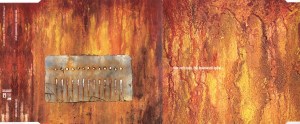
On a personal anecdote, The Downward Spiral was one of the more irritating albums for us to stock as a used CD back in the day.  It is housed in a slimline CD single case with its own inner sleeve, and outside that was a different cardboard sleeve and a gorgeous lyric book.  The lyric book itself is loaded with cool imagery, but it seems a lot of people lost or tossed it, along with the outer cardboard sleeve.  We had two or three different price points for the album depending on how complete it was.  The worst were the customizers who would cut out the outer sleeve to fit it inside a standard jewel case.  Eventually we just started to pass on copies that didn’t come with all the stuff.

The Downward Spiral is industrial music, progressive rock, heavy metal, and punk rock filtered through the unique ear of a man getting out some serious deep-down kind of stuff.  There’s a lot of audible pain.  Yet it is certainly more complex than that, both lyrically and sonically.  Is Trent God?  No — but he is an artist and this is a brilliant piece of art.

5/5 stars

The Downward Spiral is also available in a 2 CD deluxe edition that we will look at in the future!
REVIEW: Cybernauts – The Further Adventures of the Cybernauts (2001)

Part Twenty-Seven of the Def Leppard Review Series

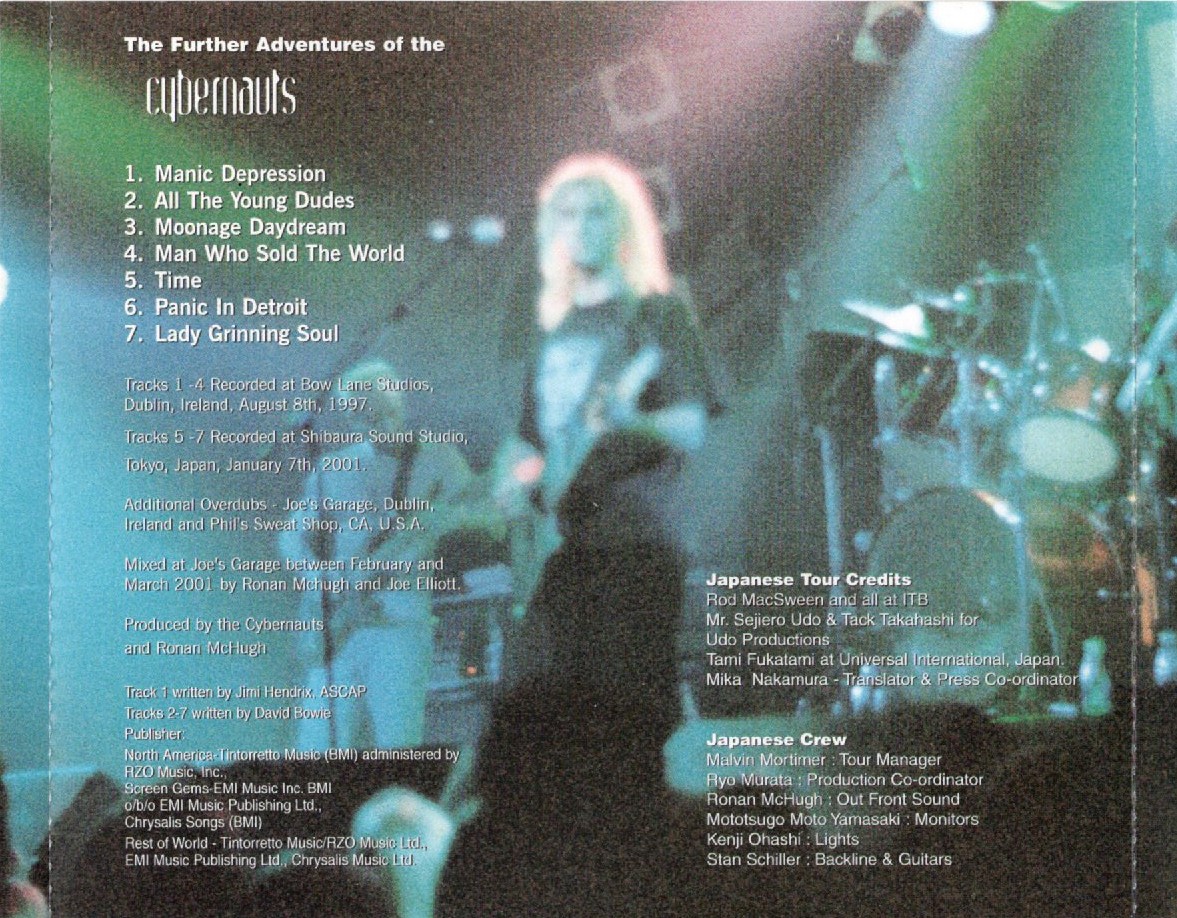
CYBERNAUTS – The Further Adventures of the Cybernauts (2001 Arachnophobia Records)

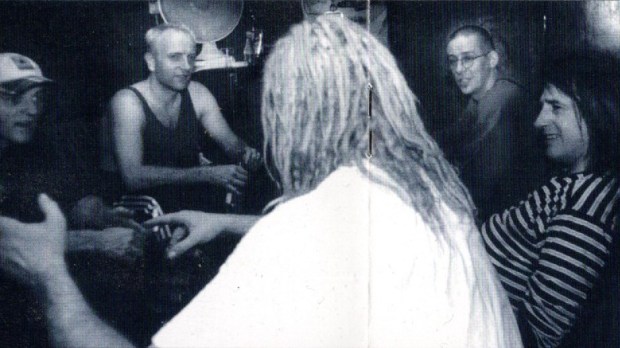
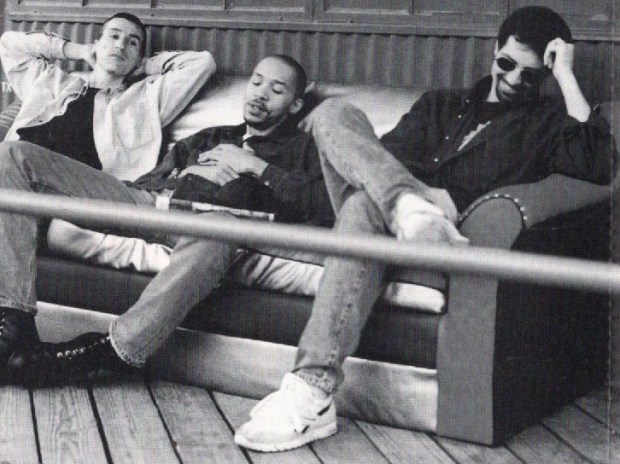
While fans awaited the return of Def Leppard with another new album to follow 1999’s Euphoria, Joe Elliott and Phil Collen released more recordings from their Cybernauts side-project, a fun David Bowie cover band featuring members of the Spiders From Mars.  This time they entered the studio (both in Ireland and Japan) to lay down some covers.  These were released on a bonus disc in a very rare, very limited 2001 2 CD issue of the Cybernauts Live album.

Hendrix’s “Manic Depression” opens; organ-heavy and slightly more psychedelic.  After that rocks your socks, an awesome rendition of “All the Young Dudes” follows.  Purists may not like Joe Elliott’s straight-ahead delivery compared to the original, but his pure love of the song comes out.  He’s not trying to be someone else.  Just Joe.  And that’s fine for Leppard fans!

Phil Collen opens “Moonage Daydream” with some very delectable guitar.  An album highlight, the guys really do this one plenty of justice.  Keyboards add the appropriate subtle lush backdrop.  The solo section is sharp and wicked.  Just a killer cover.

A fairly standard version of “The Man Who Sold the World” is satisfactory but the song is picky about who sounds good covering it.  Phil’s guitar work is notable, as it has been throughout this set.

One tune that wasn’t on the live disc was “Time” from Aladdin Sane.  Dick Decent (R.I.P.) tickles the ivories in glorious glee.  From the same album comes “Panic in Detroit”, upbeat rock that doubtless inspired bands like The Darkness and Def Leppard.  The Cybernauts sound at home covering it.  The second half of the song is just a band jamming together and having a blast in the studio.

The closing track, “Lady Grinning Soul” is an excellent deep cut to go out on.  Complex, passionate and performed with expertise.  But is it really the end?  The track time of 19 minutes tells us something is up.  After a 10 minute silence, the Cybernauts return with an unlisted bonus track.  It’s an acoustic version of “Moonage Daydream”!  Probably even better than the first version!  Stunning acoustic solo by Phil.  Worth the wait?  Well, I invite you to edit out the silence yourself and just enjoy the music.

This double disc of the Cybernauts will cost you a pretty penny.  It goes for over $200 when you can find an original.  Good hunting!

4/5 stars

Previous:  

  1. The Early Years Disc One – On Through the Night 
  2. The Early Years Disc Two – High N’ Dry
  3. The Early Years Disc Three – When The Walls Came Tumbling Down: Live at the New Theater Oxford – 1980
  4. The Early Years Disc Four – Too Many Jitterbugs – EP, singles & unreleased
  5. The Early Years Disc 5 – Raw – Early BBC Recordings 
  6. The Early Years 79-81 (Summary)
  7. Pyromania
  8. Pyromania Live – L.A. Forum, 11 September 1983
  9. Hysteria
  10. Soundtrack From the Video Historia – Record Store Tales
  11. In The Round In Your Face DVD
  12. “Let’s Get Rocked” – The Wait for Adrenalize – Record Store Tales
  13. Adrenalize
  14. Live at the Freddie Mercury Tribute Concert
  15. Retro-Active
  16. Visualize
  17. Vault: Def Leppard’s Greatest Hits / Limited Edition Live CD
  18. Video Archive
  19. “Slang” CD single
  20. Slang
  21. I Got A Bad Feeling About This: Euphoria – Record Store Tales
  22. Euphoria
  23. Rarities 2
  24. Rarities 3
  25. Rarities 4
  26. Cybernauts – Live

Next:

28. X

REVIEW: Cybernauts – Live (2001)

Part Twenty-Six of the Def Leppard Review Series

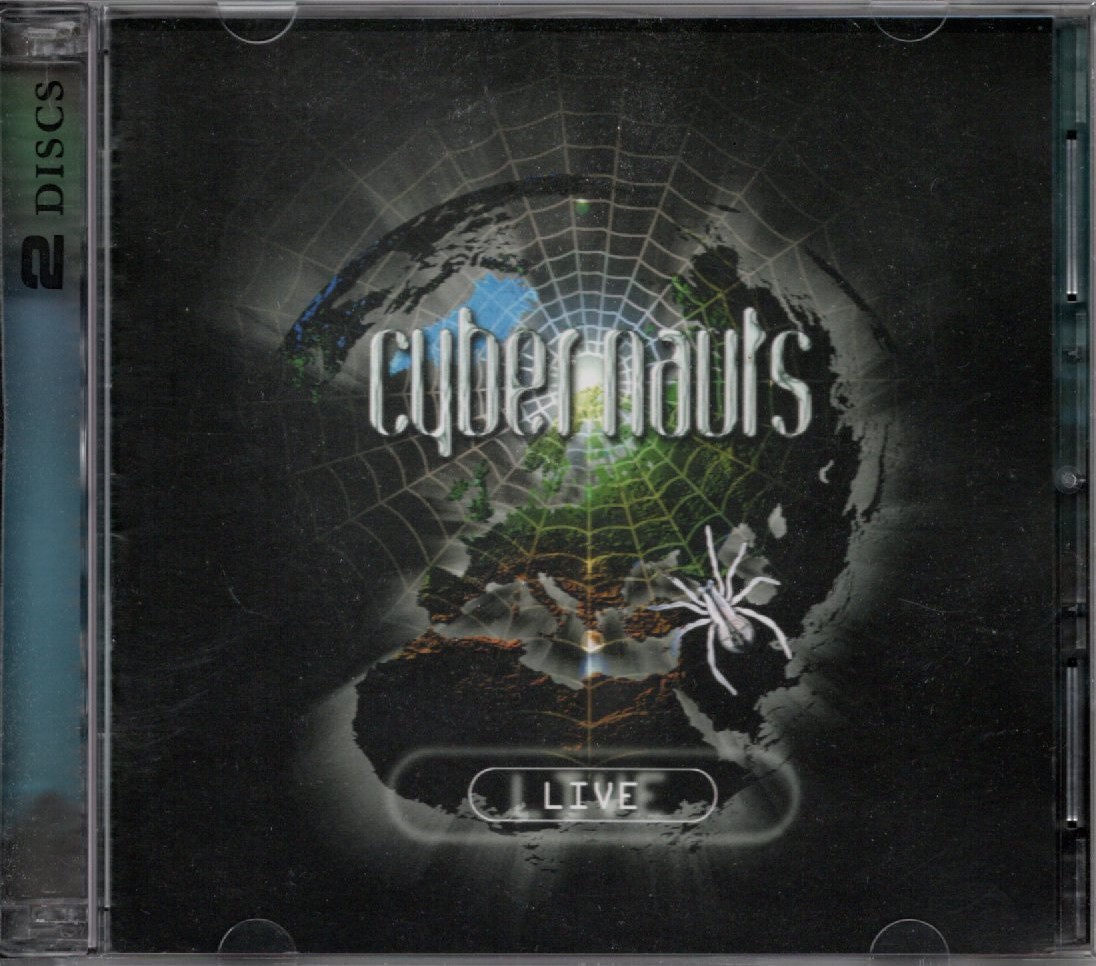
CYBERNAUTS – Live (2001 Arachnophobia Records)

While fans awaited the return of Def Leppard with another new album to follow 1999’s Euphoria, Joe Elliott and Phil Collen released some recordings from their Cybernauts side-project, a fun David Bowie cover band.

But not just any cover band.

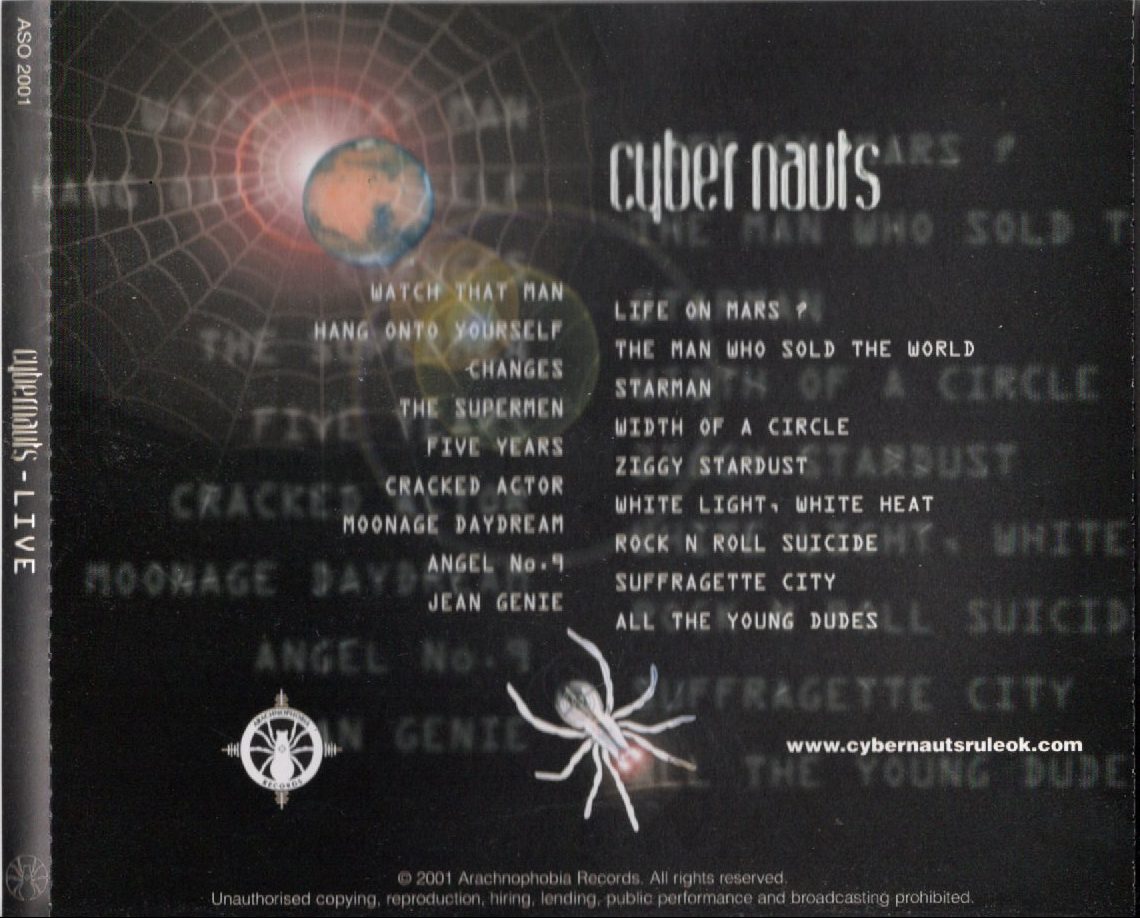
Cybernauts were formed as a tribute to the late Mick Ronson, featuring Spiders from Mars members Trevor Bolder, Mick Woodmansey, and Dick Decent.  The liner notes are a little bit contradictory when it comes to specific recordings.  One page in the booklet says the disc was recorded at the Olympia Theatre in Dublin, August 7 1997.  On another page, Joe Elliott states that the album was “pulled together” from a five gig mini-tour.  Dublin was the final date on that tour.  18 tracks, and almost 80 minutes of music comprise this live disc.

Without any preamble, we jump right into the rock and roll of “Watch that Man” from Aladdin Sane.  Cybernauts are naturally a little more heavy handed but Leppard fans will love it.  Things get punky with “Hang Onto Yourself”, full speed ahead, with Phil Collen whipping up some guitar magic to salute Ronson, while the original guys bang it out with bedevilling youthful energy.  Massive hit “Changes” comes next, a little chunkier than the version you’re used to but still brilliant.  Joe’s lead vocal has the Leppard sound, the Spiders’ backing vocals sound like Bowie.  It’s a mash-up of two bands.

Acoustic guitars come out for “The Supermen”, but then Phil kicks in with the distortion.  So far, an album highlight though purists might baulk at the heavier rock approach.  It’s followed by an emphatic “Five Years”, with Joe doing an excellent job of the complex vocals.  Bouncing from album to album, they do “Cracked Actor” next, a nice boogie.  The familiar “Moonage Daydream” is welcome, and the keyboards recreate the lush backdrop authentically.  Another album highlight with exceptional lead work by Phil.

A Mick Ronson solo cut called “Angel No. 9” from his second album Play Don’t Worry is rolled out next, with a wickedly tasty guitar lick.  A brilliant selection, the backing vocals by the Spiders are quite sweet.  “Jean Genie” is so familiar is almost skippable, but they pretty much had to play it — can’t blame them.

It’s pretty much non-stop classics from there on it.  “Life on Mars” featuring Dick Decent on piano has a more delicate touch and they do a fine job of it.  “The Man Who Sold the World” works well with the keyboards providing the backbone and Phil Collen doing his best Ronson.  “Starman” is great fun; Joe is clearly enjoying himself.

“The Width of a Circle” is the long bomber, clocking in at almost 10 minutes.  Progressive, guitar heavy and epic.  After that exercise, “Ziggy Stardust” is rolled out, and always welcome.  That guitar riff, the familiar melodies, they never tire.  Of course, Leppard covered it a couple times but not as convincingly as this.

The Velvet Underground’s “White Light, White Heat”, which also appeared on Ronson’s second album, is a party.  Backing vocals on this are awesome.  Joe teases a “goodnight” at this point, but the tracklist on the back reveals three encores.

“Rock and Roll Suicide”, “Suffragette City” and Mott’s “All the Young Dudes” are a pretty good three-for-three.  Encores that start slowly and laid back like “Rock and Roll Suicide” does are often like a mini-set unto themselves.  “Suffragette City” blasts forth with punky energy and then “All the Young Dudes” is the anthem to end the party.

But that’s not it for the Cybernauts.  In 2001 they did a Japanese tour, recorded some stuff in the studio, and released it.  We’ll talk about that next time!

4/5 stars

Previous:  

  1. The Early Years Disc One – On Through the Night 
  2. The Early Years Disc Two – High N’ Dry
  3. The Early Years Disc Three – When The Walls Came Tumbling Down: Live at the New Theater Oxford – 1980
  4. The Early Years Disc Four – Too Many Jitterbugs – EP, singles & unreleased
  5. The Early Years Disc 5 – Raw – Early BBC Recordings 
  6. The Early Years 79-81 (Summary)
  7. Pyromania
  8. Pyromania Live – L.A. Forum, 11 September 1983
  9. Hysteria
  10. Soundtrack From the Video Historia – Record Store Tales
  11. In The Round In Your Face DVD
  12. “Let’s Get Rocked” – The Wait for Adrenalize – Record Store Tales
  13. Adrenalize
  14. Live at the Freddie Mercury Tribute Concert
  15. Retro-Active
  16. Visualize
  17. Vault: Def Leppard’s Greatest Hits / Limited Edition Live CD
  18. Video Archive
  19. “Slang” CD single
  20. Slang
  21. I Got A Bad Feeling About This: Euphoria – Record Store Tales
  22. Euphoria
  23. Rarities 2
  24. Rarities 3
  25. Rarities 4

Next:

27. Cybernauts – The Further Adventures of the Cybernauts

REVIEW: Styx – The Same Stardust (2021 RSD EP)

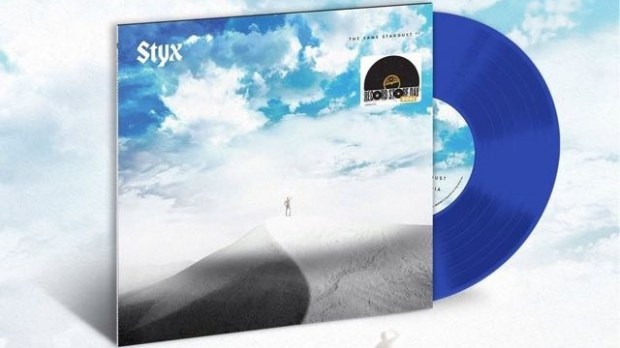
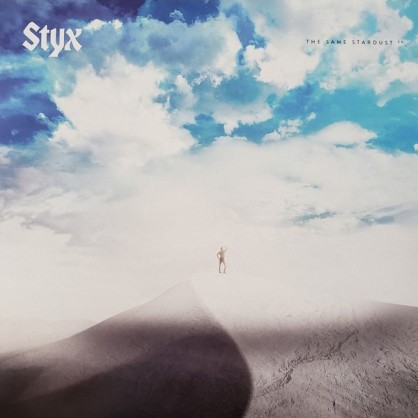
STYX – The Same Stardust (2021 RSD EP)

Anecdote:  I wasn’t able to get this Styx EP with seven exclusive tracks on Record Store Day, so I knew I would have to pay the “late tax”.  I was surprised that pretty much every copy for sale on Discogs was coming from Russia.  Given the current situation I didn’t want to risk having a record coming in from Russia.  I found one from somewhere else (Estonia perhaps) and bit the bullet and ordered.  Two days later I got an email saying, “We are relocating to Russia!  We will mail your record from there!”  I almost asked to cancel but decided to be patient, and it has finally arrived.  In perfect shape.  Whew.

To accompany their excellent new album Crash of the Crown, Styx released an EP with two exclusive studio bonus tracks, and five live.  Not bad value for an EP when all of them are previously unreleased.  The record is on beautiful, heavy transparent blue vinyl, is low on surface noise, and just sounds wonderful!

The title track “The Same Stardust” opens, and it’s a theme we often hear in science:  we are all, every one of us, made of the same matter from a star that exploded billions of years ago.  It’s a unifying theme, but not a wimpy song.  A crescendo of drums leads us to an upbeat rocker with lead vocals by Lawrence Gowan.  There’s a great little riff after the chorus, and Gowan’s lead vocal recalls the Beatles.  “Walk away from hate!” he sings, reflecting the sentiments of the Fab Four.  Tommy Shaw sings the powerful bridge and then rips into a melodically cool solo.  Easily of album, or single quality.

The second exclusive studio song is called “Age of Entropia” and it is best described as progressive like Styx of old.  Tommy sings this number with a gentle acoustic opening.  It builds into a more robust construction in time, really sounding like only one band:  Styx.  Good song but less instant.

Side two contains the live material, and the side opener is a track as desirable as the unreleased studio songs, if not more: a new live version of “Mr. Roboto” from 2020!  This often shunned hit has finally been recorded again in a live setting, now with Gowan on vocals.  It’s been tuned down a bit, but it still thrills.  As soon you hear that trademark keyboard opening, you can’t help but smile.  Especially knowing how rarely it gets played live.  We all miss Dennis DeYoung but it is clear that Tommy Shaw doesn’t really want to hear about him.  Gowan does an admirable job, as do all the Styx vocalists, as there is a lot going on.  He even adds some of his own flare.  There’s a slightly harder edge on this “Mr. Roboto” and that’s just fine.

Another treat, at least to those in the know, is “Radio Silence” from the excellent album The Mission.  One of the best tunes from that sci-fi concept album indeed, and the first live release of any song from it.  So that’s special, even if Crash of the Crown may very well have topped The Mission.  That’s subjective…but possible.

Classics follow, dominated by Tommy Shaw tuneage.  “Man in the Wilderness” has the same vibe as the newer material, cut from the same cloth.  The heavy solo section is jaw-droppingly cool with wicked wah-wah effects.  James Young gets the spotlight on his heavy hitting “Miss America”.  Always a welcome listen, his unique vocal stylings are necessary for the overall Styx sound.  And that riff!  Speaking of riffs, Tommy closes the disc with the legendary “Renegade”.  Still classic, still awesome, still hard to resist the urge to shake it!  And though it does sound tuned down, Tommy’s voice has an incredible timeless youth.

The Same Stardust is a damn near essential add-on to your Crash of the Crown album.  It would have made an awesome bonus disc to a deluxe version of…oh, man.  After what I paid for this, if they put The Same Stardust on a future deluxe edition of Crash of the Crown, I’ll be pissed!

4.5/5 stars


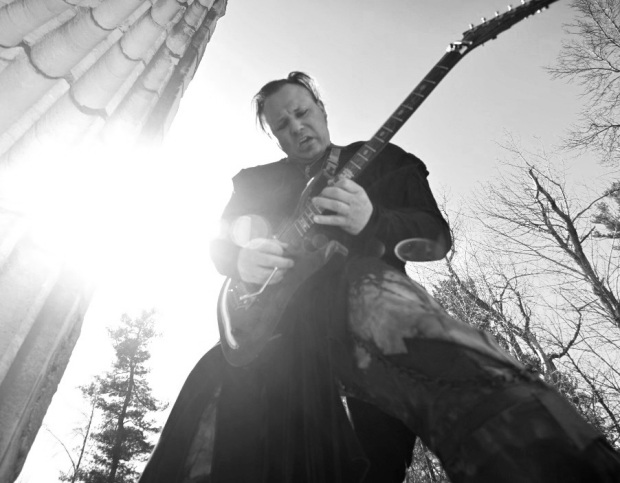
REVIEW: Pyramids On Mars – Cosmic Angels (2022)

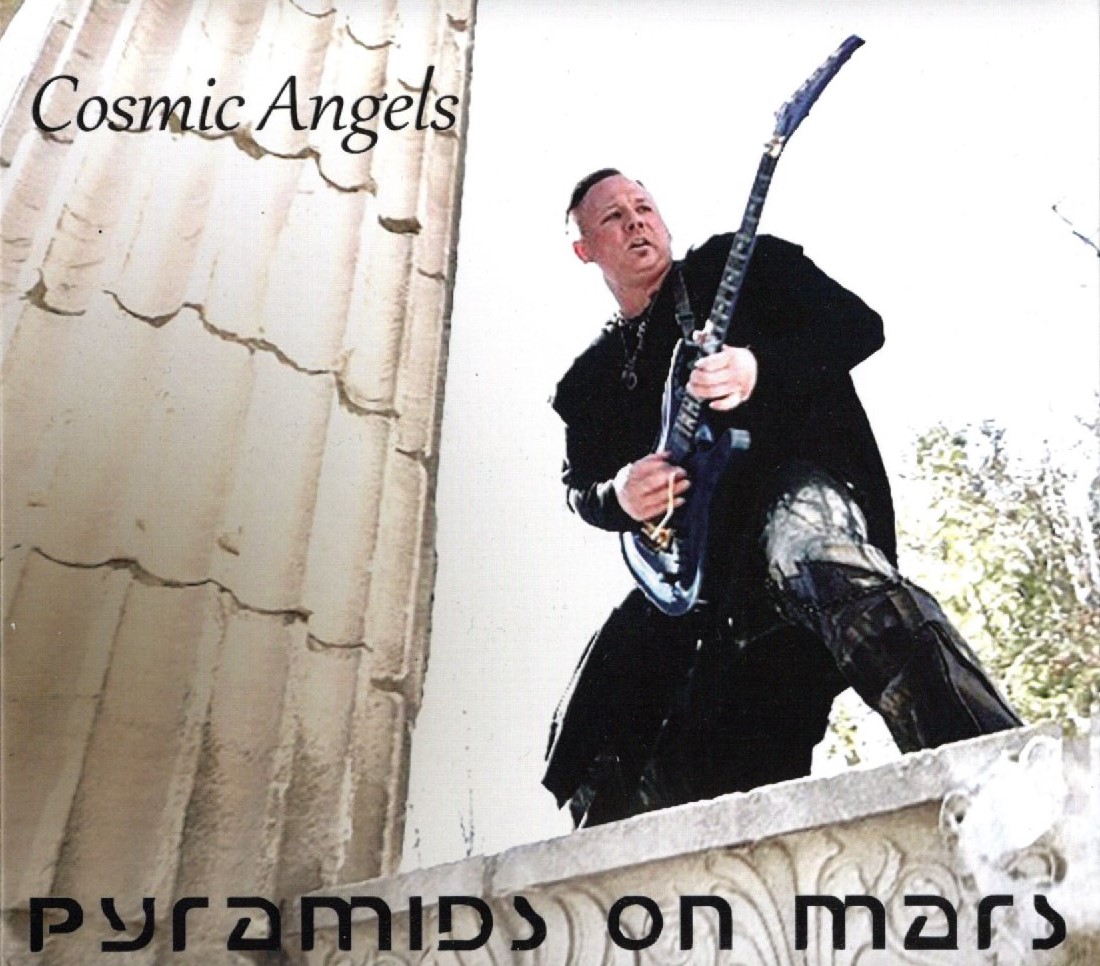
PYRAMIDS ON MARS – Cosmic Angels (2022)

Release date:  May 31 2022

There are, at minimum, two special things about Cosmic Angels by Pyramids On Mars:

  1. Pyramids On Mars is one guy – Kevin Estrella – who played or programmed everything.
  2. This one is pretty cool.  “All song ideas written in one take, stream of consciousness.  No edits.”  Wow.

Entirely instrumental, Cosmic Angels is an enjoyable, atmospheric album that passes in no time flat.  In the real world, it’s 44 minutes of music, but if you close your eyes it goes by in a flash.

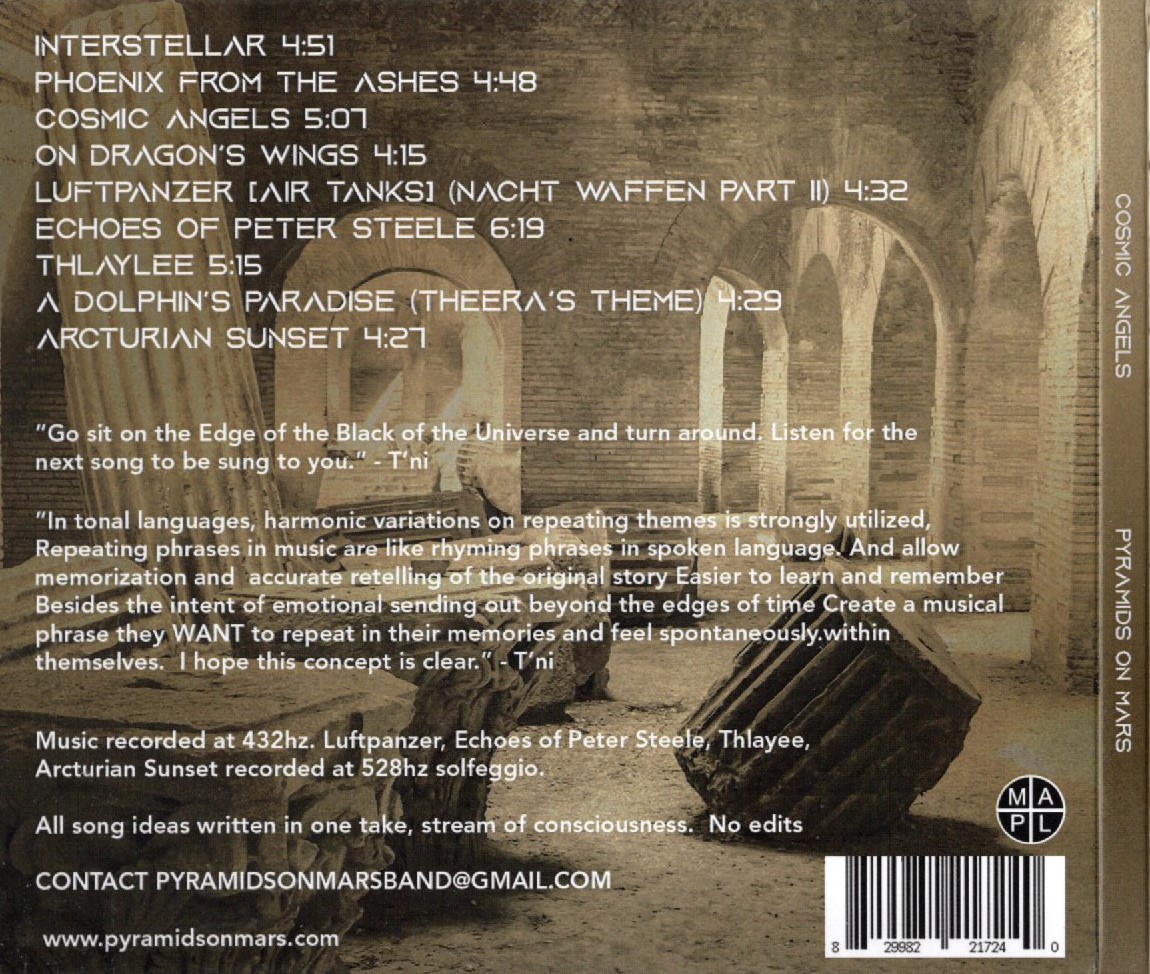
The easiest influence to point out on one listen is Joe Satriani.  There’s something here about the tone and chords on “Interstellar” that scream “Satch”, but it’s not all about the playing. There’s a balance to the instruments and an inviting vibe.  Kevin Estrella does have his own ideas here, and they are a delight to listen to as the song grows and evolves.  Multiple influences abound, and varied ones at that.  Estrella thanks a number of them inside:  from Rush, Queen, Devin Townsend and Peter Steele, all the way down to Bach and Vivaldi. Some of the Rush influence comes out on the second track, “Phonix From the Ashes”, which you can hear in the arrangement and bass line.

We could go on and on about influences, but it makes more sense to just listen for yourself and let the album unfold.  In essence:  if you like the kind of progressive instrumental rock that guys like Satriani create, then Pyramids On Mars should appeal to you.  Your brain is already wired to get it.  There’s also a futuristic, science fiction element to the album.  There are songs about aliens and UFOs, and you get this impression even without lyrics.  Some melodies are inspired by the violin, others by dolphin song.

Highlights:  the cosmic “Interstellar”.  The rhythmic and lethal “On Dragon’s Wings”.  The complex and challenging “Luftpanzer (Air Tanks)”.  The heartfelt tribute “Echoes of Peter Steele”.  The spacey and relaxing “Arcturian Sunset”.

Check out Kevin Estrella at PyramidsOnMars.com and support the artist!

3.5/5 stars

REVIEW: Polychuck – “Hero” feat. Derek Sherinian (2022 single)
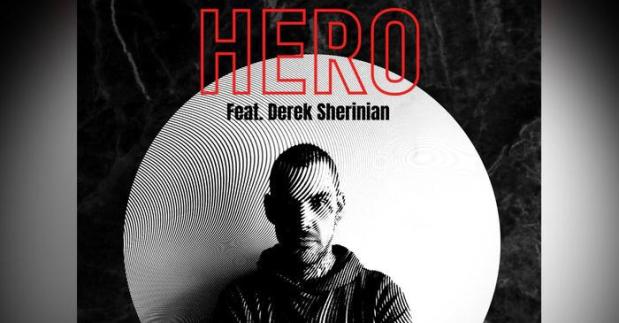
Montreal’s Polychuck is a heck of a prodigy.  He’s a megatalented singer / songwriter / shredder / teacher / mixed martial artist (!!) who does it all, and now he’s expanding his palette and progressing.  Far beyond his first two EPs.  When we spoke to Polychuck on the LeBrain Train last year, he expressed his desire to get more progressive on his upcoming recordings.  By collaborating with former Dream Theater/Kiss/Alice Cooper keyboardist Derek Sherinian, he’s made a huge leap.  Also playing on this track are drummer Philipe Landry and bassist Frédérick Filiatrault.  With the added firepower, “Hero” has a fuller sound than previous Polychuck songs.  It’s like the playing field just got a whole lot bigger.

So let’s get to it.  Cut to the chase.  Polychuck, who is of Ukrainian descent, says “Hero” is a cry for peace, directly about current events.  In times of crisis, music helps sooth.  In turn, crises often inspire great music.

“Hero” commences with steely rhythm guitar with a wicked tone.  It bounces from heavy rocking to acoustic picking and an instrumental outro.  When Sherinian comes in near the start, he’s instantly recognizable.  His solo work here is lyrical, and the perfect compliment to the song.  Not to mention Polychuck’s own lead work, which is both impressive and melodic.  All the playing here is just awesome, period.

“Hero” is an impressive construction.  It’s complex, with several different sections including one at the end that reminds me of the keyboard part in “No More Tears” by Ozzy.  Importantly, all the sections work together like chapters in a story, and the flow is natural.  Best of all, “Hero” never stops being great through its 3:26 length.

Support up and coming talent like Polychuck and buy “Hero”.  If you love that Dream Theater vibe, you will absolutely dig it.

5/5 stars

“Mrs Tibbets” by Jethro Tull on the Sunday Song Spotlight

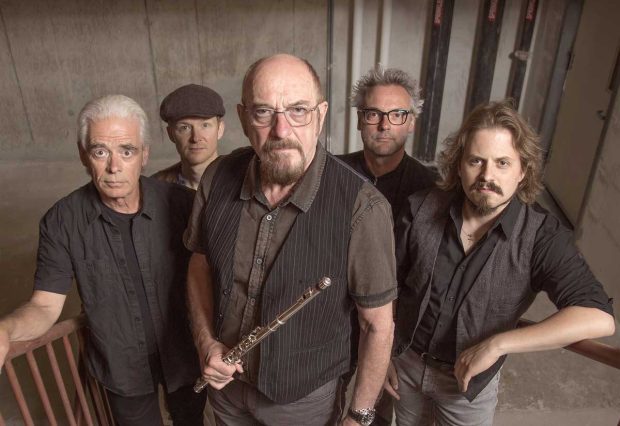
Jethro Tull’s brand new album The Zealot Gene has people talking not just because it’s their first album without Martin Barre on guitar since their debut.  It’s also because it’s really good!  Christmas music aside, this is the first studio album under the Jethro Tull banner since 1999’s J-Tull.com.  It’s essentially an outgrowth of Ian Anderson’s solo band, which he finally felt comfortable bringing back full circle to Jethro Tull.  Whatever!  It’s all good.

“Mrs Tibbets” is the first song on The Zealot Gene, and a surprising one at that.  Thought it’s not short at 5:53 in length, it has distinct pop qualities.  The 80s keyboards certainly bring to mind a past era, when Van Halen was topping the charts with their own keyboard-drenched music.  The flute is a main feature, delivering the first melodies and, as always, many jaw-dropping passages.  Florian Ophale on guitar makes comparisons to past lineups unnecessary, when the track gets heavily progressive mid-way through.  The axework has a nice vintage sound to it.

The lyric book references Genesis chapter 19 verses 24-28.

24 Then the Lord rained down burning sulfur on Sodom and Gomorrah—from the Lord out of the heavens. 25 Thus he overthrew those cities and the entire plain, destroying all those living in the cities—and also the vegetation in the land. 26 But Lot’s wife looked back, and she became a pillar of salt.

27 Early the next morning Abraham got up and returned to the place where he had stood before the Lord. 28 He looked down toward Sodom and Gomorrah, toward all the land of the plain, and he saw dense smoke rising from the land, like smoke from a furnace.

I don’t think this is a song I’m going to crack conceptually after a few listens.  Give it a go and see what you think.  Brilliant track!


Blinkered against the harsh and raging sun
They said, divert your gaze, don’t look behind
It was time, they said, to do that thing
Mindful, they, of peace and peace of mind

Don’t feel bad, they said, about the numbers
Don’t feel bad about the melting heat
The burning flesh, the soft white cell demise
And the shattered ground beneath the trembling feet

Mrs Tibbets’ little boy
August morning silence breaks
Eyes to Heaven, Manhattan toy
Drops in for tea and Eccles cake

All for the good and ultimately
Saving precious lives in longer run
Set a course for home and happy holidays
Tell yourselves thank God what’s done is done

Mrs Tibbets’ little boy
August morning silence breaks
Eyes to Heaven, Manhattan toy
Drops in for tea and Eccles cake

Maybe if Lot had stopped and stood his ground
And maybe if Peter hadn’t turned away
What if that Judas stole no kiss?
What if, what if, Enola Gay?

Mrs Tibbets’ little boy
August morning silence breaks
Eyes to Heaven, Manhattan toy
Drops in for tea and Eccles cake

Have yourselves a merry little Christmas
Open parcels, gifts of different kind
A bigger bang will call for bigger bucks
So pay the ransom, don’t look behind

REVIEW: Rush – Working Men (2009)

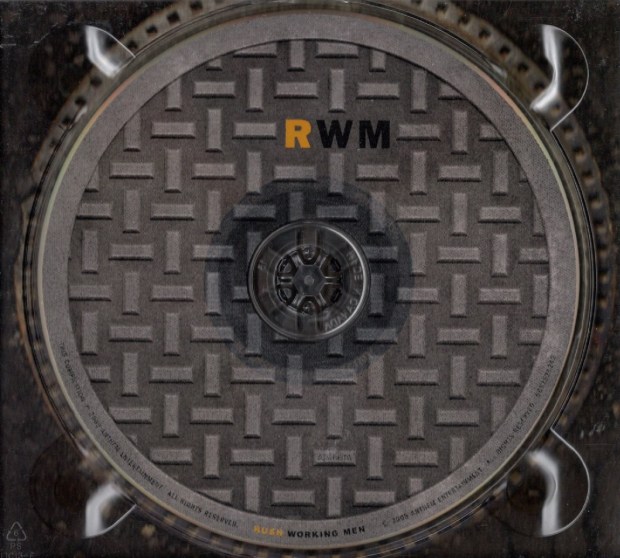
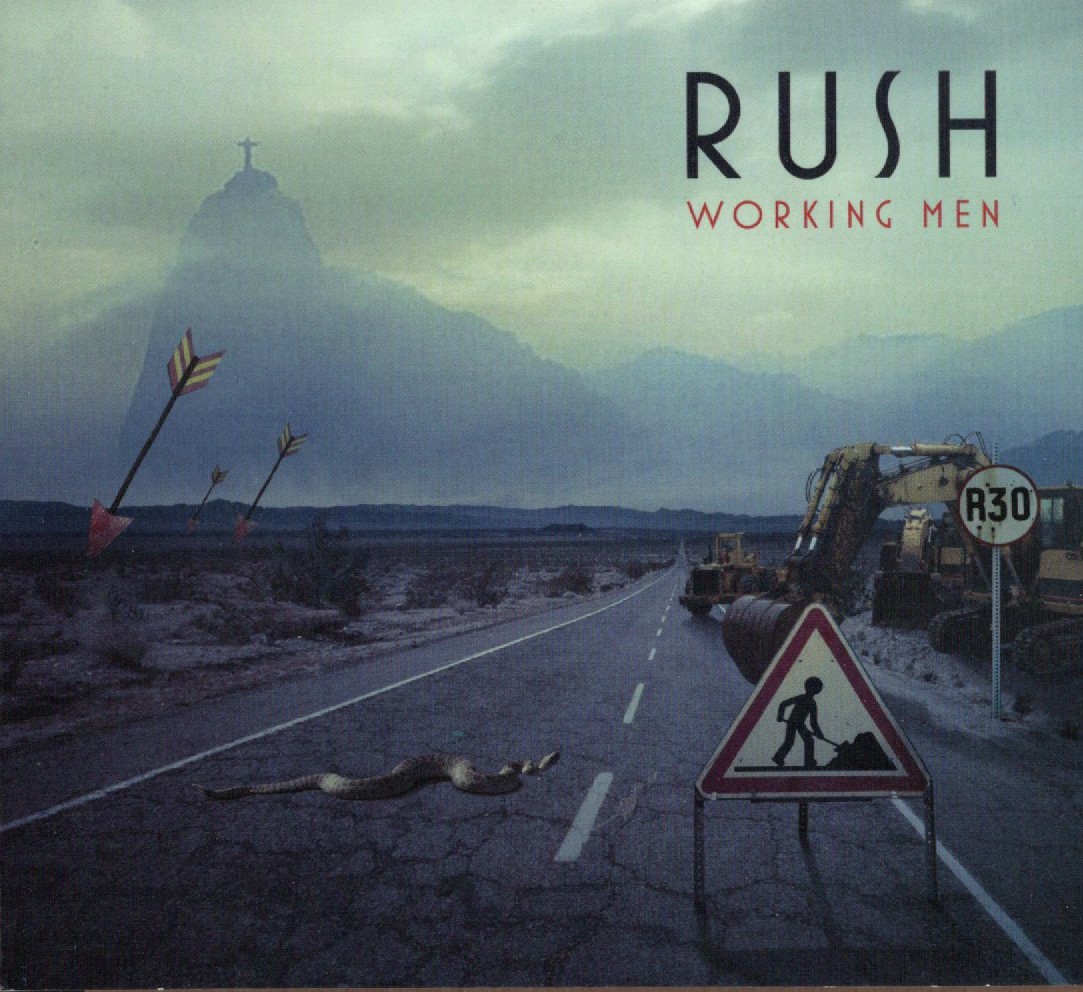
RUSH – Working Men (2009 Anthem)

Rush weren’t really known as a “cash grab” kind of band.  That’s why the Christmas 2009 release of Working Men was so surprising to fans.

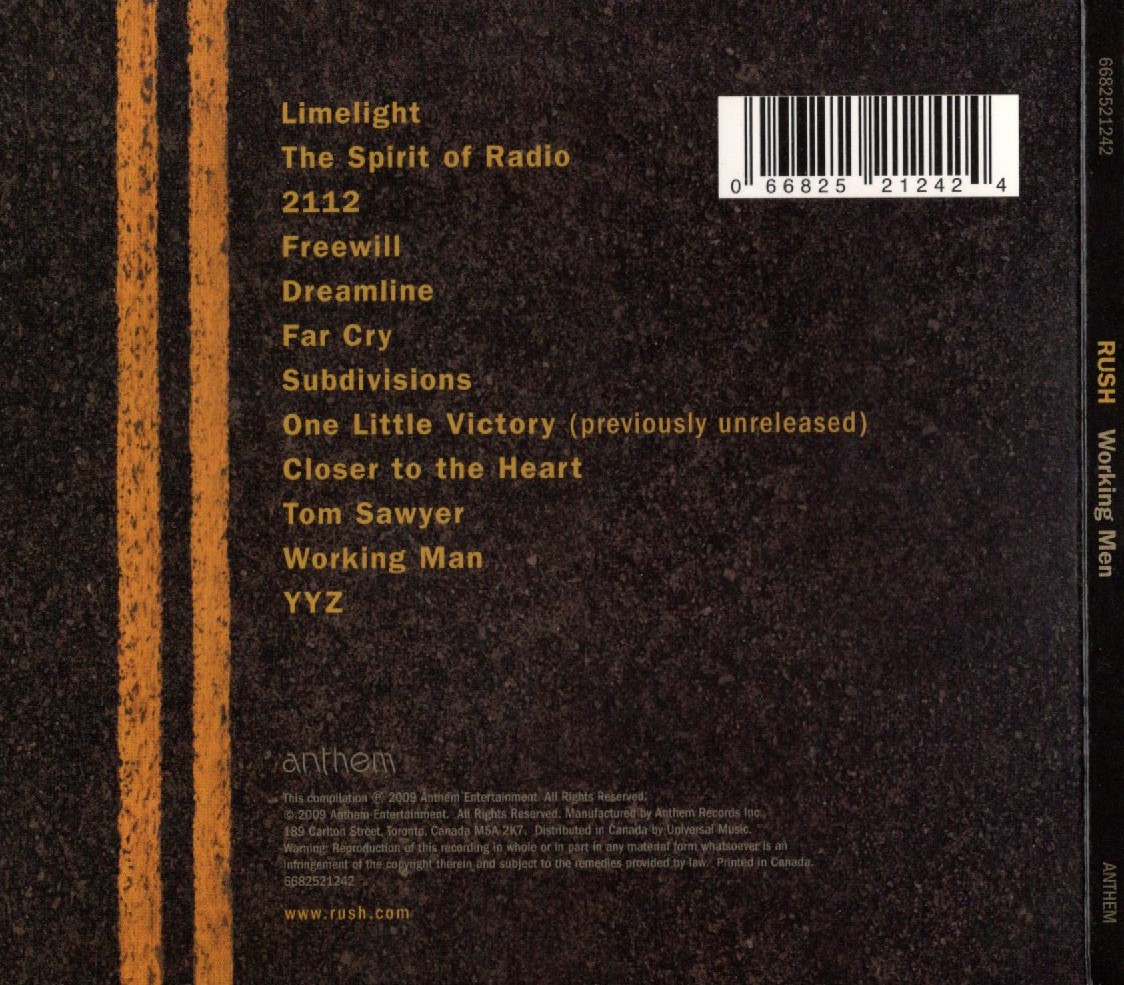
12 tracks, all but one previously released on live Rush albums of recent vintage. It is not difficult to figure out that this disc was created to keep Rush product on the shelves while the band was on break during the Christmas season. While the music is excellent (obviously), it is hard to imagine a Rush fan that would play this single-disc album before listening to the actual live albums that the tracks were sourced from.  This is Rush’s version of You Wanted The Best by Kiss, but with only one unreleased recording instead of four.

Here’s a tracklist, and a breakdown of where these tracks were lifted from:

1. “Limelight” (From Snakes & Arrows Live)
2. “The Spirit of Radio” (From R30)
3. “2112 Overture/The Temples of Syrinx (From Rush in Rio)
4. “Freewill” (From Snakes & Arrows Live)
5. “Dreamline” (From R30)
6. “Far Cry” (From Snakes & Arrows Live)
7. “Subdivisions” (From R30)
8. “One Little Victory” (From the R30 tour) (Previously Unreleased)
9. “Closer to the Heart” (From Rush in Rio)
10. “Tom Sawyer” (From Snakes & Arrows Live)
11. “Working Man” (From R30)
12. “YYZ” (From Rush in Rio)

“One Little Victory”, a stormy firecracker of a version, is the lone previously unreleased song. Is that one song worth your $15? You decide. Unfortunately “One Little Victory” is basically all you’re going to get for your money. There is no booklet and there are no liner notes to speak of. The cover art, once again by Hugh Syme, is quite nice, hinting at past works.

The songs fade-in and fade-out, rather than flow as a seamless listen. The selections lean heavily on oldies as opposed to newer tracks, which does not really reflect what a Rush concert was about at that time. Clearly, this was to entice consumers who wanted songs they have heard frequently on the radio. At least the running order is well sequenced for maximum firepower.

This release is not particularly for anybody except completists and Rush diehards. Everyone else would be well advised to spend their money on Rush In Rio, R30, or Snakes & Arrows Live.

2/5 stars, not for the music, but just because it’s a bit of a Christmas cashgrab.


REVIEW: The Jethro Tull Christmas Album (2003)

JETHRO TULLThe Jethro Tull Christmas Album (2003 Fuel 2000)

With an actual new studio album, The Zealot Gene, due in 2022, The Jethro Tull Christmas Album is no longer the final record by the storied band!  It is however the last one with Martin Barre, putting a (night)cap on the largest part of Tull’s discography.  Although it’s a seasonal album, it is very Tull and would not have been a bad farewell if it was indeed the last record (as we all thought it would be).  16 tracks, over an hour in length…but how Christmas-y is it?

With a blast of flute, “Birthday Card at Christmas” addresses those whose birthdays fall during the holiday.  A fine acoustic Tull tune (as they all are), it doesn’t sound particularly seasonal.  Which will suit many of us just fine.  Flute acrobatics stun the senses, trickling out the speakers like little blasts of hail.  Moving on to “Holly Herald”, this instrumental medley has more of the Christmas flavour.  Recognizable carols, with the flute providing the main melody.  Andrew Giddings’ accordion is a lovely touch.  Pure winter delight!

“A Christmas Song” is a Tull original, a re-recording of a 1968 B-side.  It has always been an intriguing song, sparse and stark.  Mandolin and acoustics ring true with the march of a drum behind.  It is logically followed by a re-recorded sequel tune, “Another Christmas Song”, which has its own modern flavour based on keys, flute and electric guitar.  This soft ballad is like the sound of a clean snow on Christmas day, though the lyrics offer more depth.

A jazzy instrumental “God Rest You Merry Gentlemen”, led by flute, reminds of the old Mr. Bean sketch where he conducts the Christmas band, and goes all jazzy.  Barre’s guitar here is sublime.  When Tull get jazzy, they never disappoint.  Just dig it and get down, in the snow!  It’s impossible not to like, especially if you love instrumental acrobatics.  The bass work by Jonathan Noyce just rolls.  Next is the re-recorded “Jack Frost and the Hooded Crow”, a 1982 original B-side.  A little less direct, a little more progressive.  A very Tull-sounding “Last Man at the Party” is another acoustic original.  The lyrics relay images of a traditional Christmas party even if the music is just Tull being Tull.  Bouncing flute, speeding acoustics.

“Weathercock” is a new version of the closing track from Heavy Horses.  It’s more about traditional country living, but with winter imagery.  Not an immediate song by any means, but fitting the vibe of the album.  Moving on to “Pavane” composed by Gabriel Fauré, this lovely tune has exotic, smooth and challenging sections, but it’s not very Christmas-y.  The original was a piano work, but this version balances the spotlight between players.  More seasonal sounding is “First Snow on Brooklyn”.  “I could cut my cold breath with a knife,” sings Ian.  A beautiful string section backs this original song, somewhat epic, warming the soul like a hot coffee at Christmas.

You’ll love “Greensleeved” (a take on “Greensleeves”).  It’s an instrumental version of the traditional classic.  Its ties with Christmas go back to 1686 so it is not out of place here.  But man does it swing!  This is just fun, with monstrous instrumental mastery.  Get up and dance to this brilliant little tune.  Then it’s a remake of Tull’s “Fire at Midnight”, one of their most memorable Songs from the Wood.  This take is more laid back, but is unmistakable as the Tull mainstay.  Somewhat obviously, “We Five Kings” is Jethro’s version of “We Three Kings”, once again rendered in a laid back jazzy instrumental vibe.  Challenging to play, easy to listen to.  Check out Barre’s acoustic guitar solo work.

The excellent single “Ring Out Solstice Bell” conveys that Christmas joy.  It’s likely the most Christmas-y of all the music on this album.  Anderson has an occasional knack for a universal melody and “Ring Out Solstice Bell” lets them float in the cold winter air.  A magical seasonal tune for anybody, even the Scrooges or Grinches on your list.  If there’s only one tune you need on this album, making it “Solstice Bell”.  It is, of course, an update of the original on side one of Songs from the Wood.  (The 2004 single from this album had two exclusive B-sides as well.)

One of Tull’s greatest instrumentals in their long illustrious history was J.S. Bach’s “Bourée”.  There is a new version on the Christmas Album.  It’s different.  Less swing, more relaxed.  Still Tull but not repeating the exact same track from the past.

Finally the album closes on a rare Martin Barre original called “A Winter Snowscape”.  Quiet, gentle, yet determined.  Barre’s acoustic work is shadowed by Ian Anderson on flute.  It is a perfectly understated closer to a unique Tull album.

Of course, like anything else, this album was reissued later on with a bonus live album called Christmas at St. Bride’s 2008.  As a live album it deserves its own standalone review, but it’s unfortunate that to get it, some will have to buy the album twice.  Not very Christmas-y…or perhaps the pinnacle of modern Christmas tradition?

On it’s own, this is a pleasant seasonal album to play while wrapping your gifts or celebrating with friends.

3.5/5 stars