Books

BOOK REVIEW: 3001: The Final Odyssey by Arthur C. Clarke (1997)

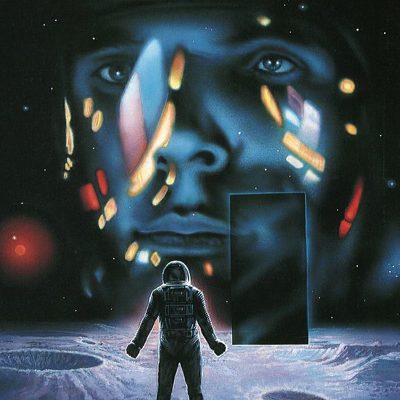
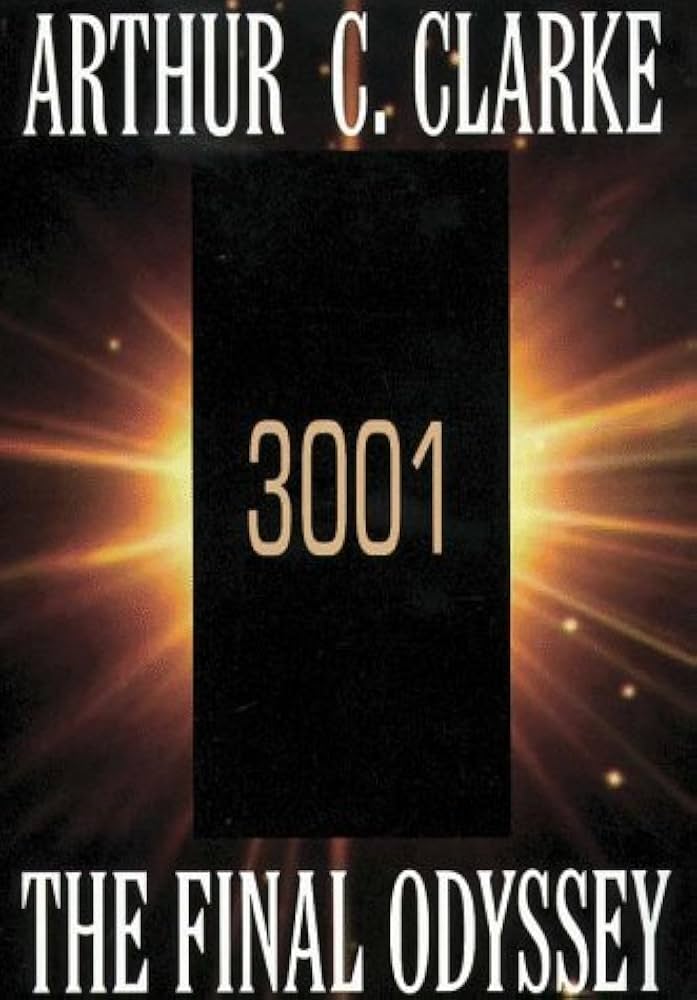
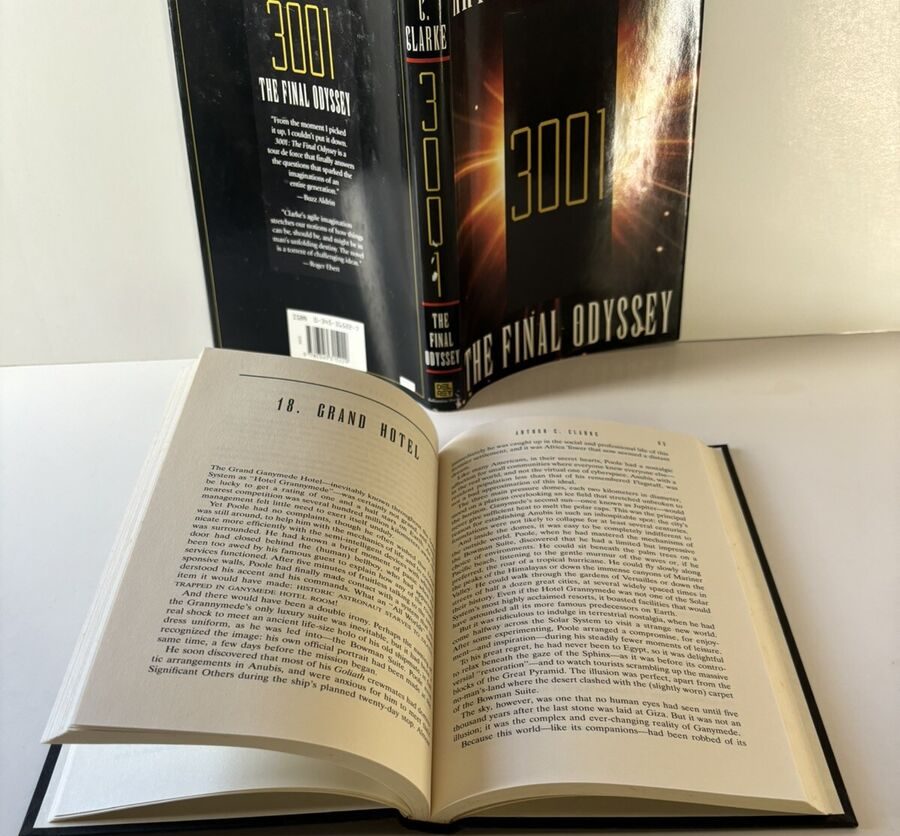
3001:  THE FINAL ODYSSEY (1997 Del Rey Books)

by Arthur C. Clarke 

If Arthur C. Clarke had ended his 2001 series as a trilogy with the fine 2061: Odyssey 3, I would have been OK with that. I say that now. I didn’t say that then. Then, I desperately wanted to know what happened next. Now, I’d rather forget.

I pre-ordered this book many, many years ago thanks to a coupon I found inside my PC game Rama. That’s how much of a diehard fan I was. (The book still arrived weeks after it was released!) I read The Final Odyssey in three days, three days of waiting for something monumental to happen. When it finally did, it was a “that’s it?” moment. I said to my friends, “I think Clarke’s lost it. I think it’s time to retire.” They advised me to write him a fan letter expressing my disappointment with his Final Odyssey. I said no. Why put the man through that?

(I will first let you know that, like previous installments such as 3001, Clarke has ret-conned certain events so they no longer happen when they originally did. Since, when he wrote the book, it was obvious we wouldn’t have a moon mission in 2001, he pushed all dates further into the future.)

In 3001, the origin of the monoliths is finally clarified. They were planted here by a spacefaring species who promote intelligence everywhere, in the hopes of improving the odds of survival. We pretty much knew this from previous books. We did not need this spelled out. However, the monoliths are machines, and as such, they can break down.

Millions of years later, the corpse of Frank Poole (from the first book) is discovered and brought back to life. Yes, in the countless empty cubic parsecs of space, they found a needle in the haystack. If you can swallow that tale, then bringing a 1000 year old cadaver back to life shouldn’t be a stretch. The next few chapters of the book are spent acclimating Mr. Poole to the year 3001 and all the wonderful advances we will make by then. Clarke revisits many ideas that he promoted decades earlier, such as space elevators. Much of this felt very similar to the previous Clarke solo work, The Hammer of God, which I felt was superior to 3001.

However, all is not well. The monolith (now capable of only slower-than-light communication, contradicting David Bowman’s journey in the first book) has reported back to its masters, that humans are not worthy of survival. The monolith, therefore must be destroyed. With the help of Halman (the fused personalities of HAL and Bowman) who resides in the monolith, they plan on infecting it with…computer viruses. That’s right. Halman is infected in the process, and somehow stored for a future time if we ever discover how to disinfect him.

And so our tale ends, with the alien monolith masters knowing what has happened and deciding to grant us a reprieve until “the last days”. The book ends with a resounding thud.

Clearly, everything that was needed to be said was said in the first three books. Final Odyssey unfortunately tarnishes an otherwise fine series with an unnecessary anticlimatic ending.

Sadly, I rate this book “Not Full of Stars“.  Only 2/5 stars. Only worth reading if you’re diehard.
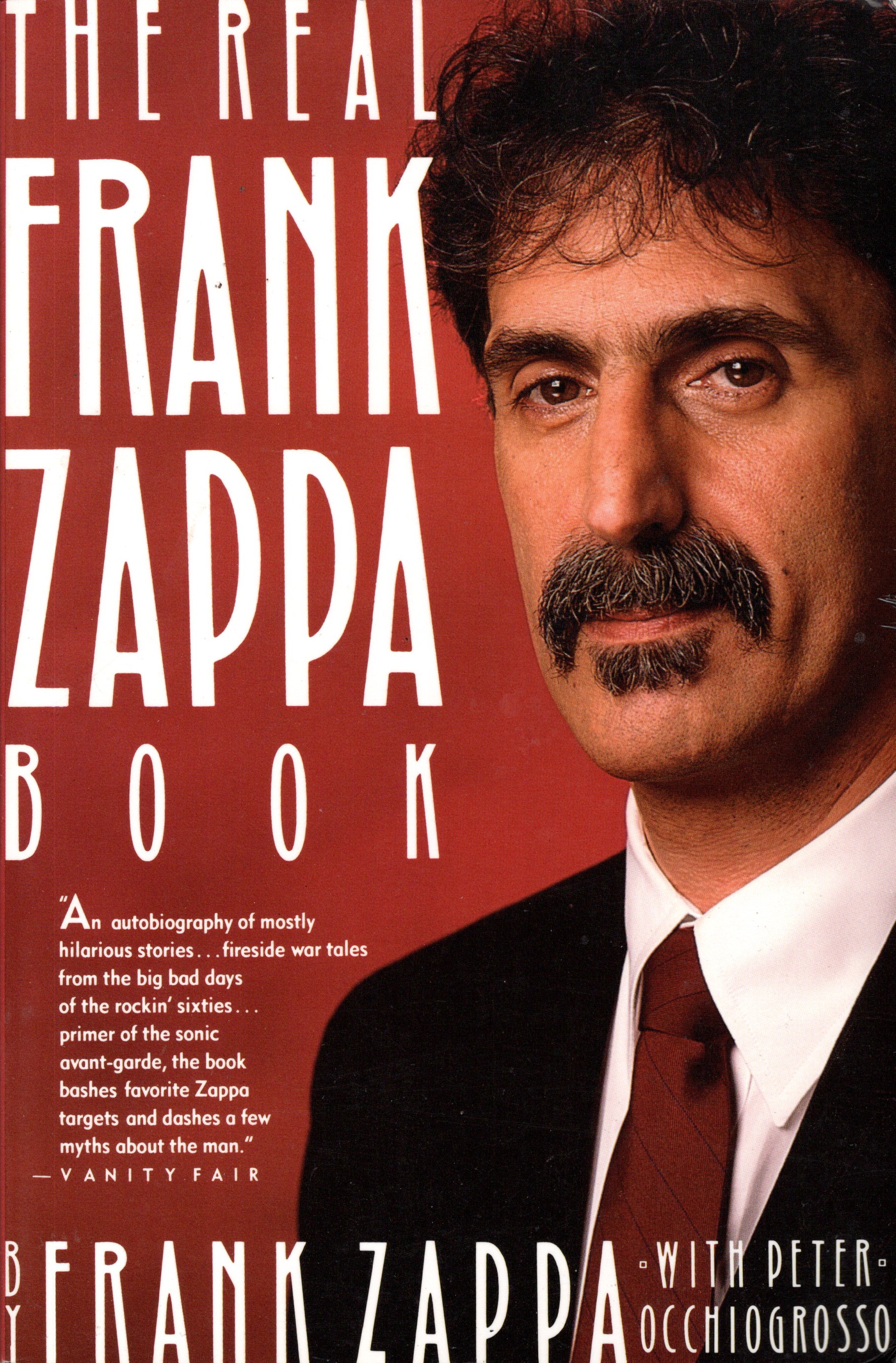
REVIEW: Frank Zappa – The Real Frank Zappa Book (1989) with Peter Occhiogrosso

FRANK ZAPPA with Peter Occhiogrosso – The Real Frank Zappa Book (1989 Simon & Schuster, New York)

We’ve had enough rock story books.  When not one but two members of Ratt have their own books out, we have hit a point of rock book saturation.  Debauchery, studio fights, groupies and record companies…you can fill a tour bus full of those books!  Instead, dig back a few decades to when Frank Zappa was a pioneer, not only in music, but in text.  The Real Frank Zappa Book is the music book you need when you’re sick to death of music books.  To wit:  not only did Frank dedicate his book to his family, but also to Stephen Hawking, and someone named Ko-Ko, the identity of whom is lost to time.  If you’re in the mood for the eclectic and the educational, The Real Frank Zappa Book is for you.

One of the most interesting chapters to rock historian might be “Porn Wars”, which details Frank’s conflict with the Parent’s Music Resource Center (PMRC) in the early 1980s.  Everyone remembers Dee Snider making a fool of the politicians, but some are not aware that Frank Zappa was just as devastating.  It includes his entire Statement to Congress, September 19, 1985, with lots of text written in CAPSLOCK for emphasis.  Indeed, Zappa makes liberal use of caps and boldface whenever he wants, which can be a little offputting.  Couple this with frequent illustrations between paragraphs.  Yet Zappa was a musical rulebreaker, so why not a literary one too?  This informative section will be the meat of the book for most readers.

Like standard rock books, Frank starts at childhood.  He notes that he became interested in drums around 1952, before rock and roll was even invented, simply because he was fascinated by the idea of making noises by hitting things.  He became interested in orchestral percussion and the works of Edgard Varèse, partially because Varèse looked something like a mad scientist on the cover of The Complete Works, Volume I.  Zappa was curious to hear a composition called “Ionisation” because it had been panned in a review as “all drums”, and “dissonant and terrible”.  Young Frank simply had to hear it!  It is clear that Frank Zappa was Frank Zappa, from a very young age.  Frank even called Varèse on the phone at age 15, and Varèse told the teenager about new music he was working on.

Zappa describes befriending Don Van Vliet, the future Captain Beefheart.  There is a short-lived first marriage, and playing in gigging bands.  There are 10 days spent in jail for “conspiring to commit pornography”.  His career is given a fair overview in about the first 120 pages or so: gigs, albums, the GTOs, and even more brushes with the law.  A transcription of a 1975 court appearance in England is quite entertaining, as he is asked to explain his lyrics.  “What was the concept of the song ‘Would You Go All the Way?'” is the beginning of a discussion on band “members” and “groupies”, all in formal court-speak.  Entertaining as hell.

After running through the gigs and albums and adventures, Frank waxes philosophical on family, drugs, food, the music business, censorship, religion, and life in general.  There are far too many topics and sub-topics to list.  A chapter called “All About Music” will be fascinating to the musically educated and laymen alike.  From dots on pages to a living breathing orchestra, Frank walks us through his processes.  He also describes recording, mixing and the history thereof, an interesting segment.  Consider:  Whatever you hear on a record is not the sound heard by a pair of ears in the recording room.  There are specific microphones placed in carefully selected places, to pick up all the instruments as loud and clear as they can be captured.  Then, those sounds are mixed down, adjusting for volume and placement, and placed in a stereo field.  It’s a completely artificial sound, whereas if you were in the room, standing close to the drums, your living experience of the music would be drastically different.  Just fascinating thoughts from the brain of Frank Zappa.

The Real Frank Zappa Book is quirky, funny, educational, preachy, and utterly unique.  Frank is not content to talk just about what you want to hear.  He’s going to sit you down and talk about what he wants.  He doesn’t get too personal, and keeps aspects of his life guarded.  Instead, he brings you into the recording studio, acts as your tour guide, and your school professor.  The ironic thing is that Zappa was not too keen on post-secondary education for himself, but sounds like the coolest teacher you’d ever have.  The one you wanted to have.

4.5/5 stars


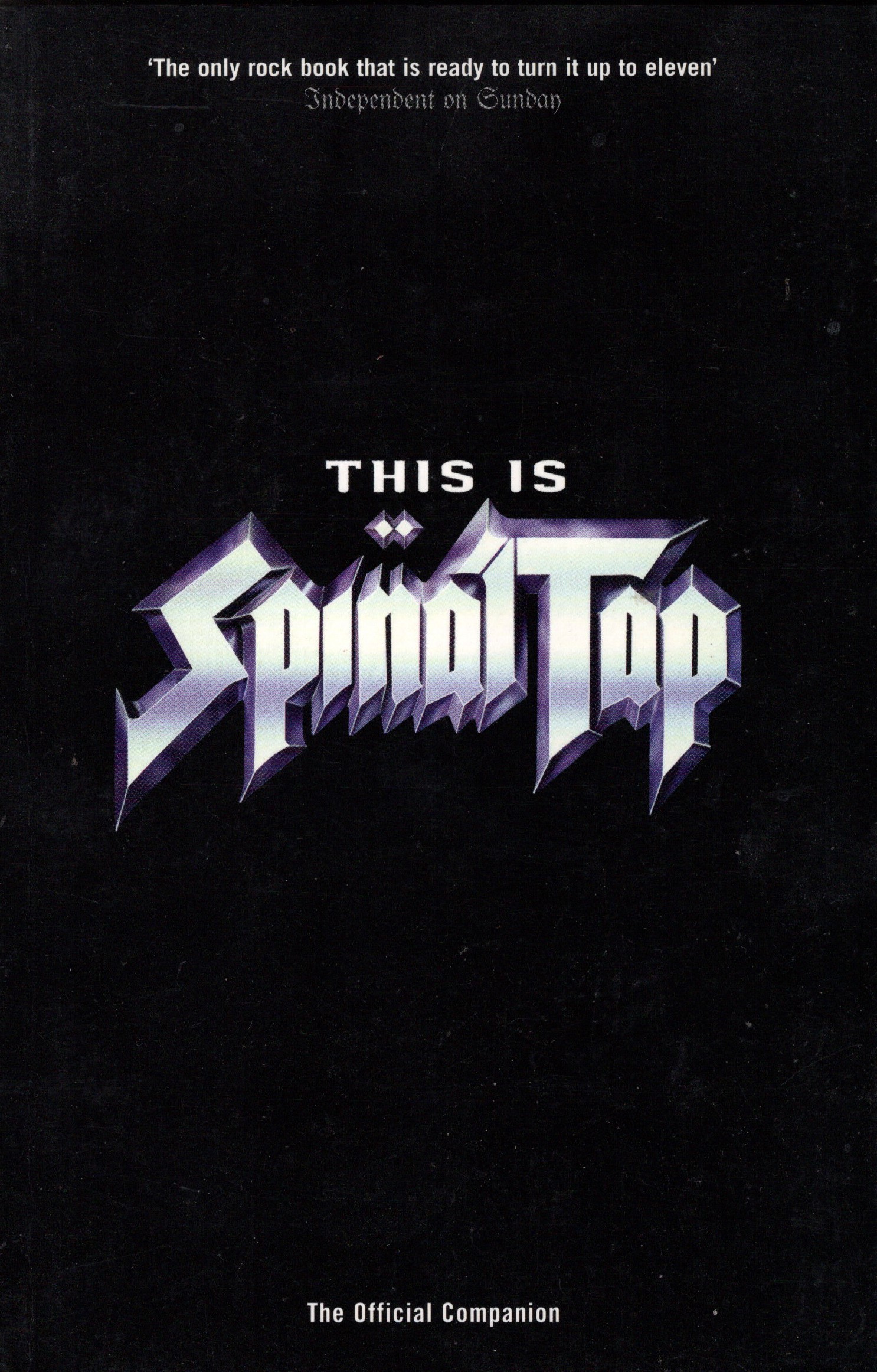
BOOK REVIEW: This Is Spinal Tap – The Official Companion (2000)

THIS IS SPINAL TAP – The Official Companion (2000, Bloomsbury, London)

You have the soundtrack.  You have the DVD (maybe even the Criterion edition).  You have the breakfast cereal.  What else do you need?  The Official Companion book, that’s what!

We begin with a “Prepilogue” by Michael McKean, who plays David St. Hubbins, offering some background on how Spinal Tap came to be, in the real world.  From a 1979 TV appearance, to a 1982 demo film (not a script, like most movies, but a demo film!) to the 1984 finished masterpiece, McKean sums up the history and his gratitude from the start.

Next up is one of the funniest and most essential chapters.  “Tap’istory” is a fictional timeline of Spinal Tap, from Derek Smalls’ birth in 1941, to a 2000 appearance with Mick Fleetwood on drums, and a remixed and remastered version of the film.  This section is fascinating as it has release years for all of Spinal Tap’s fictional albums, including Brainhammer, Nerve Damage, and Blood to Let.

I found this book in the screenplay section of the book store, but Spinal Tap didn’t have a screenplay like most movies do.  Instead of a screenplay, the bulk of the book is made up of a cool transcription of the film.  This is done to extreme accuracy, to the point of transcribing Nigel’s final line, “wh-wh-what are the hours?” exactly as you read it here.  If you ever wanted to quote This Is Spinal Tap as a hobby, this is how you do it to perfection.  At the conclusion of the film transcription are several deleted scenes, such as David St. Hubbins meeting up with his now-punk rocker son.

Then we get to the lyrics, for basically every Tap song, including obscurities like the then-unreleased “Celtic Blues”, and stuff I’ve never heard like “Just Spell My Name”.  Following this is an incredibly detailed glossary of everything Tap related you can imagine, including Rob Reiner, Steve Lukather, lukewarm water, and Walter Becker (who scribed the liner notes to Break Like The Wind, also included here).

For those Spinal Tap fans unable to read, the book also includes some full colour photo pages, with behind the scenes shots and rare promotional photos.

For any seasoned fan of Spinal Tap, this is an obvious augmentation to your collection.  Tap into your local bookstore today and ask for a copy.

5/5 stars

What’s Good? With D’Arcy Briggs – Music, Unboxing and More

I was so pleased to be able to collaborate with YouTuber D’Arcy Briggs. He has a great channel all about physical media and music, and my favourite new feature of his is called “What’s Good”.  It’s just him and a guest literally talking about whatever’s fresh and good that they want to share.  This is only the second episode of “What’s Good”, following the debut with Jex Russell!

For me, I had three unboxings and a Gene Simmons set to show.  The unboxings are brand new and exclusive to this show!   This is the first reveal of these treasures to come into my collection.

D’Arcy had some cool stuff included new music by Jack Antonoff, jazz rock fusion, the complete English Beat, some vinyl, and a parcel from Ontario!  We took four turns each but you’ll have to watch the show to see what we brought.

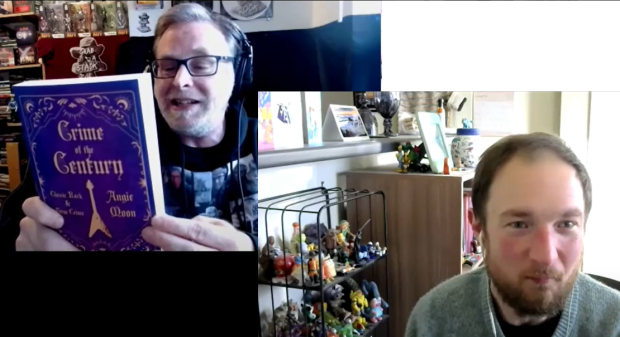
One of the items I was proud to show was my autographed copy of Angie Moon’s first book, Crime of the Century.  You can find out more and buy your copy by clicking this link. crazyonclassicrock.com/buy-crime-of-the-century

Crime of the Century is an original book idea about the connections between classic rock and roll and true crimes!  Some are less known than others.  The Band and Jack Ruby?  The Kink and John Wayne Gacy?  DEVO and John Hinkley Jr.?  I didn’t know any of this before.  I can’t wait to dig in and talk to Angie on Grab A Stack of Rock.  She came from right here in the WordPress community and it’s awesome to see her out with her first book!

Check out the episode below, and subscribe to D’Arcy’s channel if you already haven’t!


VIDEO: The Kiss Trivia Kollection – KISS – For The Konsummate Kiss Konnoisseur – The Might and Magic of Kiss

NOTE:  Thanks to viewer LEN LABELLE, we now know this insert came in a magazine called The Might and Magic of KISS!


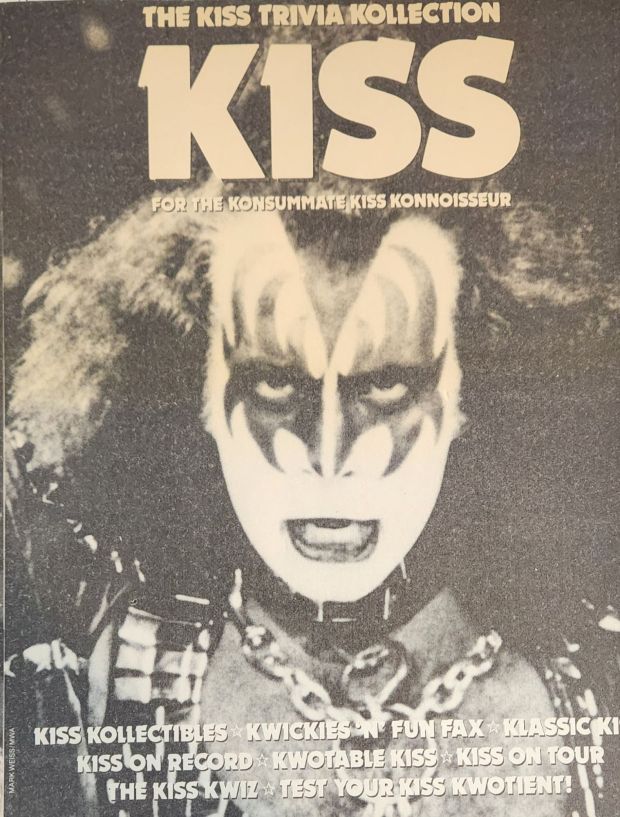
Here’s a late Christmas gift that got lost under a couch!  What is it?  I dunno, but it’s called The Kiss Trivia Kollection – KISS – For The Konsummate Kiss Konnoisseur and it dates back to the Crazy Nights era of Kiss.

This trivia book has black and white photos by Mark Weiss, from several eras of Kiss. There are Q&As with all four members, memorable quotes, key dates in Kisstory, and of course, trivia. There isn’t much information about where this book originated, but we take a quick look at it in the video below.

Books That Rock! Grab A Stack of Books with Mike and Jex

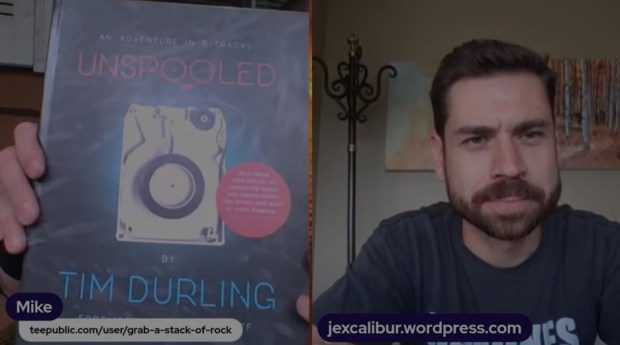
What a show!  Thanks for watching!  Jex and I had a blast going through a selection of my favourite rock (and a couple other) books.  What a variety of books too!  Many genres of music, and a few outside the musical box.  Jex’s books are currently in storage, so what we did instead was watch a Youtube video from his channel CineBrosSupreme.  In 2016, Jex went through his music book collection, and we screened that and commented on it as well.  (Jex has not aged since 2016, and a few viewers mentioned this!)

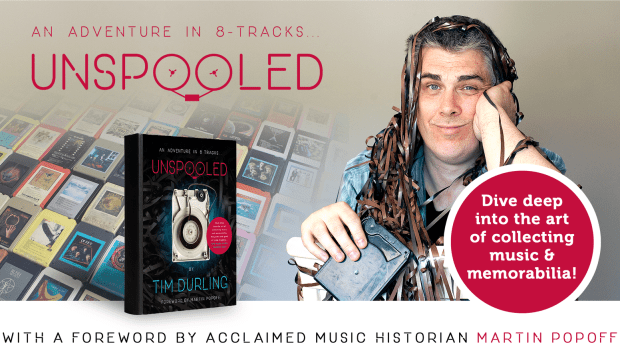
Tim Durling’s new 2nd edition of Unspooled is available now at Amazon.

It was amazing to me how many of these authors I know personally.  I am such a lucky guy.

My pick for Book You Need Immediately:  Frank Zappa’s Real Frank Zappa Book.

Off the top of the show, we unboxed two classic 80s metal/hard rock albums.  We also took a question from Tim, to Jex.


Mike’s books covered (Author or Band):

  • Brian Vollmer / Helix
  • Dale Sherman / Kiss, Alice Cooper
  • Mick Wall / Iron Maiden
  • The Beatles
  • Neil Peart
  • Stephen Adler / Guns N’ Roses
  • Nikki Sixx
  • Motley Crue
  • Aaron Lebold
  • Robert Lawson / Cheap Trick, Nazareth
  • Michael D. LeFevre
  • Brent Jenson
  • Martin Popoff / Black Sabbath, Scorpions, Van Halen
  • Dr. Kathryn Ladano
  • Tim Durling
  • Les Stroud (Survivorman)
  • Robert S. Vuckovich / Kiss and Philosphy
  • Spinal Tap
  • Ian Gillan / Deep Purple
  • Frank Zappa
  • Sean Kelly
  • Jon Collins / Marillion
  • Alice Cooper
  • Aerosmith
  • David Lee Roth

Thank you Jex, and thank you to everyone who watched!

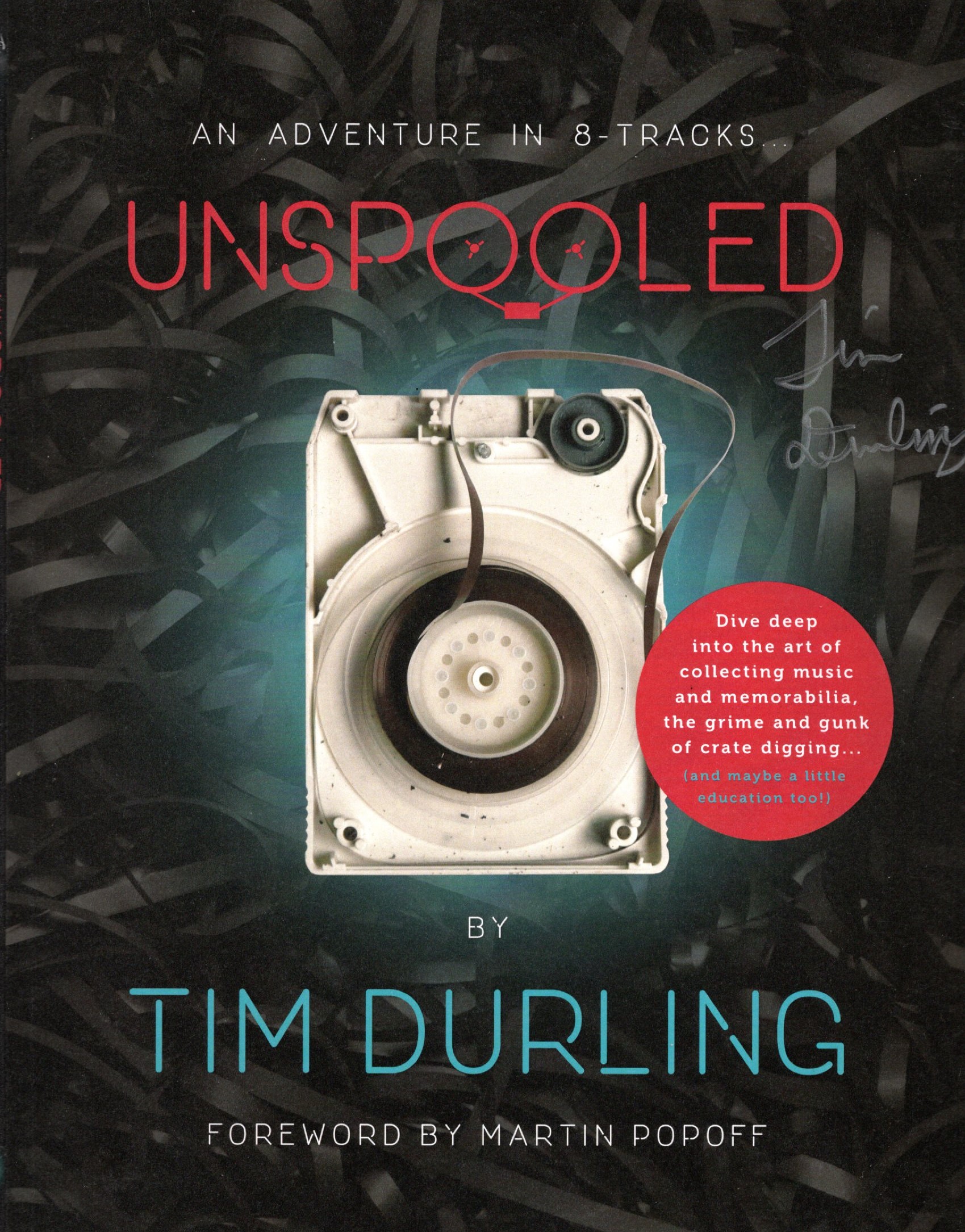
BOOK REVIEW: Unspooled – An Adventure in 8-Tracks by Tim Durling

UNSPOOLED:  An Adventure in 8-Tracks by Tim Durling (2022)

Every collector is different.  We cannot be painted with a single brush.  I, for example, collect music formats that I have the equipment to play.  I don’t own any reel-to-reel and only a couple 8-track tapes for that reason.  Tim Durling on the other hand doesn’t care.  He loves 8-tracks even though he has no way to play them, nor does he really have any interest in getting into the players.  Restoration of the players and tapes themselves is a expensive hobby that many do enjoy, but Tim is all about the collecting.

A single Journey tape sitting in a desk drawer was the modest beginning, years before Tim really dove into it.  His passion for collecting the bands he loves is at the heart of Unspooled, Tim’s first book and a great resource for 8-track tapes.  If the praise that Martin Popoff throws down in the forward isn’t enough to convince you, then I give up!

Unspooled is a visual feast.  Every page pops with vivid print, and many are loaded with photos of tapes that you never knew existed on 8-track.  Tim was fascinated early on to learn that record clubs such as Columbia House sold 8-track tapes through the mail, long after they were available in stores.  These “RCO” tapes can be very difficult, but rewarding to find, especially when you have a love affair with collecting.  See for yourself, how pretty the 8-tracks look when photographed next to their cassette, CD and LP counterparts.  How many albums do you own in four formats?

Tim includes lists of known RCO tapes from 1981 to 1988.  Wait…1988?  Yes, somebody in 1988 was still ordering 8-track tapes from record clubs!  Astounding.  And Tim’s got the proof.  He also has pictures from his childhood (sweet GI Joe’s, dude!) and of obscure tech like the infamous 8-track to cassette car adapter.  Chapters are named after related songs, but there are plenty of surprises along the way.  I’ve never seen a Bruce Springsteen box set on 8-track before.

Interviews and stories from friends and experts help colour in the picture a bit.  Information you wouldn’t just find yourself.  For example, what is a “coffee can tape”?  8-tracks were notorious for unspooling and being difficult to fix.  Often customers would carry the mass of unspooled tape in a coffee can to be repaired.  And here’s something else I didn’t know, but should have expected.  Counterfeit tapes are a problem now in the collector’s market.  Some of these tapes go for serious coin today.  Stuff that you used to find at a garage sale for 10 cents, or worse, in the garbage.  Contributions comes from characters such as Marco D’Auria the Contrarian, Ryan Murphy from RushFans, and yours truly, LeBrain.

Yes, that means I am biased, but I don’t think my review would be any different otherwise.  Take Martin Popoff’s word for it.  Limited copies of Unspooled are still available.  Contact Tim’s Vinyl Confessions to order yours.

5/5 stars


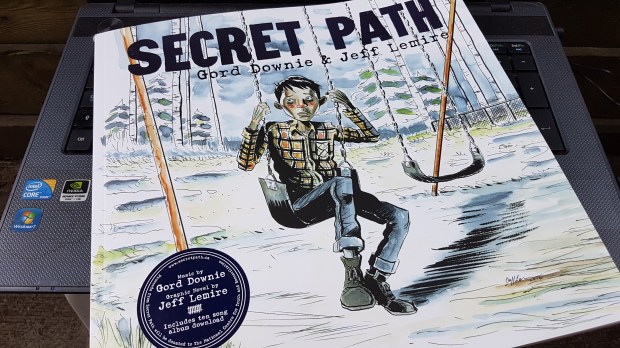
BOOK REVIEW: Gord Downie & Jeff Lemire – Secret Path (2016)

GORD DOWNIE & LEFF LEMIRE – Secret Path (2016 Simon and Schuster)

Residential schools are Canada’s shame.

History cannot be buried forever.  Eventually, atrocities are brought to light.  This terrible secret is no longer hiding in the dark.  It has shown the world that even the great nation of Canada has skeletons.  Tens of thousands of them.  Children, taken away from their families, and forced to assimilate.  Forced to lose their language, culture, and way of life.  All in the misguided and shameful effort to “civilize the savage” and “bring the heathens to God”.  Thus, “saving” them.

Thousands of these children never came home from the residential school system.  How many?  With bodies being unearthed daily, we may never know the true tally.  If Gord Downie were alive today, what would he have to say about these discoveries?

Downie and Jeff Lemire tried to tell us.  In 2016 they released Secret Path, a gorgeous and painful graphic novel to accompany the Downie album of the same name.  The book comes with a download code so you can listen along, and read the full lyrics.  It is the story of Chanie Wenjack, Anishinaabe by birth, raised in northern Ontario.  The residential school forced him to change his name to “Charlie”.  This is not ancient history.  This only happened in 1966.  The Beatles were the biggest band in the world.  Our parents were living normal lives.  Meanwhile, Wenjack and thousands like him were abused and tormented at residential schools all over the country, not even afforded the dignity of their own names.

At age 12, Wenjack ran away.  Home was 370 miles.  He never made it.  Secret Path is his story.


The book has no text other than the album’s lyrics.  Listening along is the best way to appreciate the rich images.  You must take time to study the lines and shading, for each page is rich with beauty and detail.

It was October of ’66 and the story begins with Chanie already on his way home.  Alone, following the train tracks, Wenjack is illustrated in stark black, blue and white.  The trees are bare, and ravens circle free overhead.  Chanie’s story is told in the form of flashbacks.   His thoughts go back to happier times, fishing with his father.  These memories are in full, beautiful watercolour.  Lemire captures the love in his drawings.

“My dad is not a wild man.  He doesn’t even drink.”

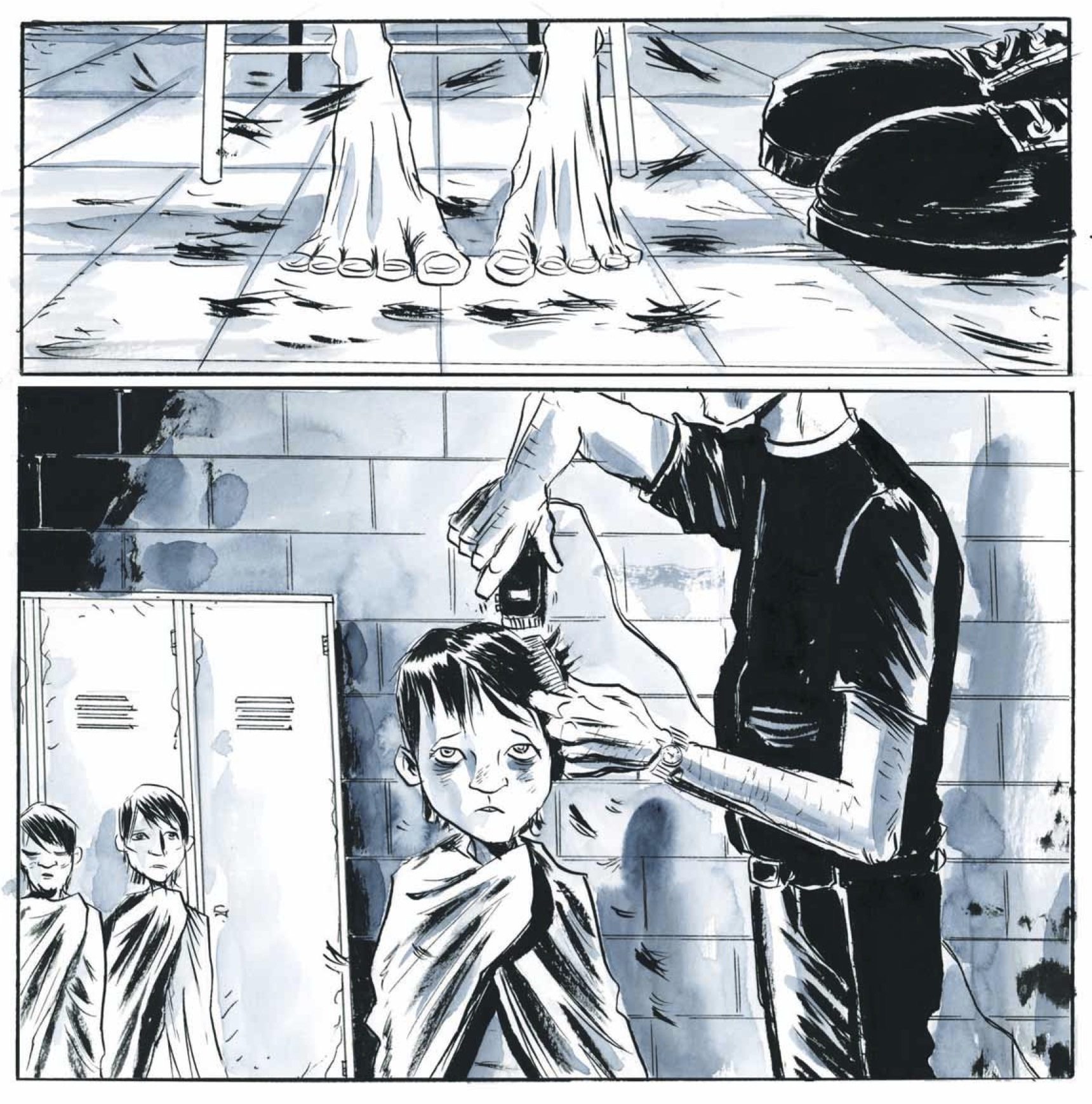
Chanie’s memories then go back to his first day at school.  Like a prisoner, he was issued a new haircut and new clothes.  His sorrow leaks through the pages.  He then thinks back to the morning of October 16.  Unable to tolerate any more abuse, Wenjack and two friends made a run for it.

“Now?”  “Not yet.”

“Now?”  “Now yes.”

They stayed briefly with the family of the other two boys, but Chanie wanted to return to his own home.  On his own, and only with a railway map, a windbreaker, and a jar with seven matches inside, Chanie followed the rail.  Only seven matches.

“And I kept them dry.  And as long as there were six, I’d be fine.”

“As long as there were five.”

“As long as there were four…”

His thoughts return once again to the school.  Sexual abuse is alluded to.  Chanie continues to run on his secret path, but he also tries to escape from his memories.  They are never far behind.  Only happy dreams of his father bring warmth, and they are gloriously painted in fall colours.  As he weakens, hallucinations manifest, both good and bad.  He wishes for revenge, and to see his father one more time.  The raven circles overhead.

“I’ll just close my eyes.  I’ll just catch my breath.”

While there is no way to really know the thoughts and feelings of Chanie Wenjack during his final walk, Secret Path is not a work of fiction.  It happened.  And now we know that Chanie is one of thousands.  Chanie Wenjack did not die on that train track from exposure to the elements.  He died of genocide.

If this book does not make you feel, then consult a doctor because something is wrong with your heart.

5/5 stars

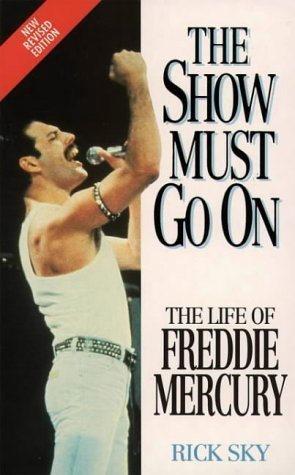
BOOK REVIEW: The Show Must Go On – The Life of Freddie Mercury by Rick Sky (1992)

Old review from the archives (revised).  This book has long been ejected from the collection.

RICK SKY – The Show Must Go On – The Life of Freddie Mercury (1992 Fontana)

This book is shallow to the extreme. If you ever wanted to know how much money Freddie Mercury spent on lavish parties, then this is for you. If you want to learn anything at all about Queen and their music, you will have to look elsewhere.

While the book dwells far too long on Freddie’s fabulous friends and fantastic parties, I did find the closing chapters regarding his death very sad and heartfelt. It puts you in the moment. There were also some interesting bits about his childhood and youth. Not enough to redeem this book, which just isn’t up to snuff for any fan, serious or casual.

1/5 stars

BOOK REVIEW: KISS Still On Fire – Dave Thomas & Anders Holm (1988)

The KISS RE-REVIEW SERIES Part 37: bonus book review

 Still On Fire – Dave Thomas & Anders Holm (1988 Melody Line)

In the 1980s, there were generally no Kiss books on the market.  If you found one, you bought it.  The only widely known Kiss book back then was 1978’s paperback Kiss by Robert Duncan.  I was lucky to find Kiss Still On Fire in Stratford Ontario on December 27, 1990 in a great little store called The Book Vault.  Still On Fire is very very unofficial, but it was unequalled in its time:  130 magazine sized pages, mostly in full colour, loaded with pictures, facts and a few errors.

Peppered with old interviews and article snippets, Still On Fire takes a balanced look at the band and isn’t afraid to get critical when it’s warranted.  It also attempts to take a crack at who played what on some of those tracks where it wasn’t quite clear.  For example, Ace Frehley is pictured on the front cover of Killers, but didn’t play on any of the new songs.  Still On Fire quotes a Paul Stanley interview.  Was it Bob Kulick playing lead on these tracks?  “Bob did come out, yes, but he didn’t play.  When I couldn’t handle things — and I don’t consider myself the ultimate lead player — another friend of ours came in and gave us a little help.”  The book states this friend was Robbin Crosby of Ratt, a claim that is not backed up in other sources.  Did Crosby play on Killers?  Who knows, but according to this book, he did.  Other books such as Julian Gill’s Kiss Album Focus claim Bob Kulick did play some on Killers.  In other words, if you read something interesting in this book that contradicts what you’ve read elsewhere, take it with a grain of salt.

There’s a bit of content here about what Gene was doing in the 1980s outside of Kiss:  producing bands such as Black & Blue and EZO.  Gene was responsible for EZO’s fantastic single “Flashback Heart Attack”, co-written by James Christian of Simmons Record act House of Lords.  Gene was also working on movies but was having trouble finding the time.  Apparently Sergio Leone really wanted Gene Simmons for Once Upon a Time in America in the role of Max, ultimately played by James Woods.  Can you imagine?

Besides the ample photos, the most impressive feature of Still On Fire is the discography.  Though incomplete, Still On Fire attempts to document myriad Kiss bootleg recordings, including cover art.  There are also interesting promo and foreign releases, such as the Special Kiss Tour Album and Kiss – The Singles.  Side projects and solo albums are included, from major (Frehley’s Comet) to obscure (Bruce Kulick’s band The Good Rats).  A variety of singles, picture discs and videos are on display, fully illustrated.  All of this was completely new to me then.  Not to mention the titles of unreleased songs!  What the heck were “Don’t Run” and “The Unknown Force”?  (The Elder demos.)  This is also where you’ll find the most typos and spelling errors.  (I really want to hear this song called “Pick It Up”.)

Still On Fire isn’t definitive nor is it definitely 100% accurate, but it should still prove to be a valuable resource for your Kiss library.

3.5/5 stars