Reviews

REVIEW: Europe – “The Final Countdown 2000” (Single)

“Oh God!  What did I just listen to?” – J from Resurrection Songs

EUROPE – “The Final Countdown 2000” (1999 Sony single)

As we edge closer to the start of a new decade, it’s the perfect time to look back at the turn of the millennium, 20 whole years ago.   Sony decided that Europe’s “The Final Countdown” would make the ideal anthem for the millennium, and so had it remixed by the guy (Brian Rawling) who did Cher’s “Believe” a year earlier.  Joey Tempest was not amused, and tried to find another mixer without success.  Drummer Ian Haughland called the finished remix a “disaster”.

The full 5:45 remix was released as a single, while a 3:47 edit version was issued on a new version of Europe’s “greatest hits”, with title updated from 1982-1992 to 1982-2000.  At least the millennium led to a performance by a reunited Europe on New Year’s Eve featuring both guitarists John Norum and Kee Marcello.

The full length remix is the antithesis to rock music.  Sped up, with bouncy synth bass and drums, it was obviously calculated for dancing.  There are keyboards, weird sounds, and samples that have nothing to do with the song.  Of the original recording, Joey’s vocals remain, but the rest sounds completely digital.  It goes on, and on.  The edit is tolerably shorter, but barely.  “The Final Countdown 2000” is an affront to rock music and everything its fans enjoy.  It is pure pandering to people who would never have bought a Europe album in the first place.  Is that what Sony felt they had to do in order to make it a hit a second time?  Imagine if Europe recorded a new version with both guitarists instead.  The song was already pop enough to be a hit again on the wave of 80s nostalgia.  It didn’t need to be mutilated to fit into a dance remix.  It surely would have done better than this (#6 in Sweden, #36 in the UK).

As a consolation prize, this CD single includes a single edit of the original song.  All it’s missing is the countdown opening.  After hearing the dance version twice, it sounds strangely sluggish (even though it’s not).  It’s like taking an offramp from the highway into normal traffic.

Possibly the worst single I’ve ever bought.  And I’ve bought Puff Daddy.

0.5/5 stars

REVIEW: Twisted Sister – Big Hits and Nasty Cuts (1992)

TWISTED SISTER – Big Hits and Nasty Cuts (1992 Atlantic – Canadian CD)

When Twisted Sister split at the end of 1987, they went rather quietly into that goodnight.  No big magazine articles, no solo projects incoming, not until 1992 when Dee Snider finally re-emerged with his new band Widowmaker.  It was a quiet five years, broken only by the low key release of Twisted Sister’s first “greatest hits” compilation in March of that year.

Big Hits and Nasty Cuts was a compilation that both fans and band deserved.  No careless cash grabs here.  In 1992 it’s doubtful that Atlantic thought they’d be making much money off “I Wanna Rock”, one of the biggest cheerleaders of the obsolete generation.  While Kurt Cobain cashed his biggest royalty cheque yet, J.J. French was writing the liner notes for this CD.  (Mark “The Animal” Mendoza did the remastering with Ted Jensen.)

For the era, Big Hits and Nasty Cuts was one of the most fan-friendly, value-intensive CDs on the market.  Even better for American fans, this time they got the bonus track!  The album was split into two sides — the hits and the “nasty cuts”, all rare B-sides recorded at the Marquee club in England.  Fortunately the entire show has since been issued by Rhino, but in 1992, very few fans had the original 12″ singles these songs were sourced from.  Another rarity included was Twisted’s first single, “I’ll Never Grow Up, Now!”  These were first releases for the CD format!  Good thing too, because “I’ll Never Grow Up, Now!” is indelible as any of the hits.

The hits portion of the album isn’t quite predictable.  Would you have expected the heavy metal uppercut “Under the Blade”?  Or the raw “Shoot ‘Em Down”?  Here they are, and thanks to the liner notes, you can find out why.  (Oh fine, we’ll spoil one.  “Under the Blade” was included because it’s been played at every Twisted show since it was written.)  The three biggest hits are present and accounted for.  “I Wanna Rock” and “We’re Not Gonna Take It” would be the two hits that everyone knows, and “The Price” is runner-up.

Also present:  “I Am, I’m Me” and “The Kids Are Back” demonstrate Dee’s early knack for melodic songwriting, very punk-like in its simplicity especially when coupled with Twisted’s 4/4 rock.  “You Can’t Stop Rock and Roll” also had to be here.  Perhaps it’s Twisted’s best metal anthem.  Finally “Be Chrool to Your Scuel” featuring Alice Cooper ends the hits side with the last one chronologically.  (“Bad Boys of Rock and Roll” on the US version.)  There’s no “Leader of the Pack” and no “Hot Love”.  All hail the classic lineup:  Dee Snider – lead vocals.  J.J. French – guitar.  Eddie “Fingers” Ojeda – guitar.  Mark “The Animal” Mendoza – bass.  The late, underappreciated A.J. Pero – drums.  The lineup that set MTV on fire relied on catchy videos, yes, but the songs have survived equally well.

The nasty cuts may just be too heavy for the average listener.  Recorded to 2-track tape, there’s no fixing the mixes here.  The lengthy start to “What You Don’t Know (Sure Can Hurt You)” includes Lemmy’s intro and plenty of noise. There is no overlap with any other songs on the CD.  “Destroyer” grinds so hard it’s almost a parody of itself.  “Tear It Loose” is out-of-control fast, blowing away the album version.  The US got “Run For Your Life” right after “Tear It Loose”, another fast rendition once it kicks in.  (In Canada, “Run For Your Life” was only on cassette.)  The cover tunes “It’s Only Rock ‘N’ Roll” and “Let the Good Times Roll/Feel So Fine” include plenty of crowd interplay.  Just the thing to turn off Joe Average Listener, but amazing to hear the energy of the band and audience that night.

The live cuts really highlight, with 20/20 hindsight anyway, the power of A.J. Pero.  The guy could really kill a drum kit, and his timekeeping is the cornerstone of what made Twisted Sister heavy.

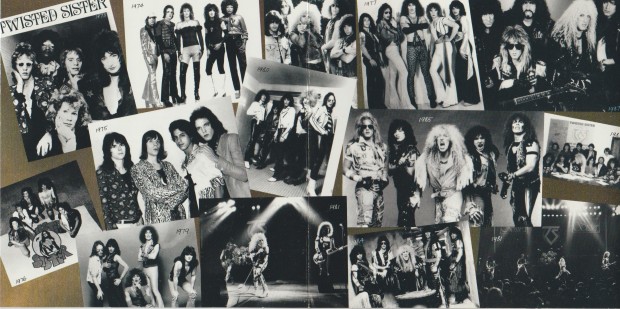
Don’t buy this CD if you’re looking for a party CD.  Buy it because you’re intrigued and want to learn more about a band who doesn’t get enough credit for being one of the world’s most dangerous.  Buy it to check out the rarities and get a taste of what those in the know had in their collections back in 1983.  Buy it because you’re going to get liner notes and photos of band members you never even heard of before.  Buy it because this is a great compilation, done with loving care and value.

5/5 stars

REVIEW: Rancid – …And Out Come the Wolves (1995)

Dedicated to my pal Jason who is about to see Rancid open for the Misfits at Madison Square Gardens.

RANCID – …And Out Come the Wolves (1995 Epitaph)

Some albums earn automatic 5/5 star ratings.  This is one of those albums.  How’s that for a punk rock length review?

5/5 stars


Oh, alright, you wanted to read a little more with your coffee and slippers and battered & torn old jean jacket this morning?  Fine.  …And Out Come the Wolves is a landmark, spiritually plucked from an earlier time, as if it came out alongside Never Mind the Bollocks and The Ramones instead of Dookie and Smash.  It’s uncompromising, timeless, and relentless.   Best of all, there isn’t a weak track amongst the 19 included.

Rancid are punk rock for music fans.  Check out Matt Freeman’s absolutely nutso bass solo on opening track “Maxwell Murder” (1:25 long).  There’s another on “Lock, Step & Gone”.  The album is sharp but not overproduced; there are plenty of rough edges to scratch your itches on.  The dual vocals of Tim Armstrong and Lars Frederiksen are individual; albeit both are adequately snotty and gravelly.

…And Out Come the Wolves is notable for its ska influence on a number of tracks.  It’s even alluded to in the lyrics:  “Give ’em the boot, the roots, the reggae on my stereo.”  Or, “Echoes of reggae, comin’ through my bedroom wall.”  But even the tunes without the ska boast an abnormally astute sense of melody.  Six tonnes of integrity and a sneer.

Memories:

  • T-Rev’s favourite song was “Roots Radicals”; he got me into the band.  Via the Record Store, I had a four song sampler cassette that included “Roots Radicals”, “Ruby Soho”, “Junkie Man” and “Time Bomb”.
  • Jason’s favourite tunes are the fucking awesome “Disorder & Disarray” and “Journey to the End of the East Bay”.
  • I had a very significant life event associated with “Time Bomb” that I won’t be telling you about.
  • My grunge buddy Aaron strongly hated Rancid and I never understood why.

50 minutes of punk perfection, by four guys who absolutely know their shit.  Each song is different; there is something here for everyone.  Nobody can go wrong, you can only open your world up to something bright and colourful.  …And Out Come the Wolves will blast your adrenal glands up wide open and stimulate your sense of skank.  Do not live your life without it.

5/5 mohawks


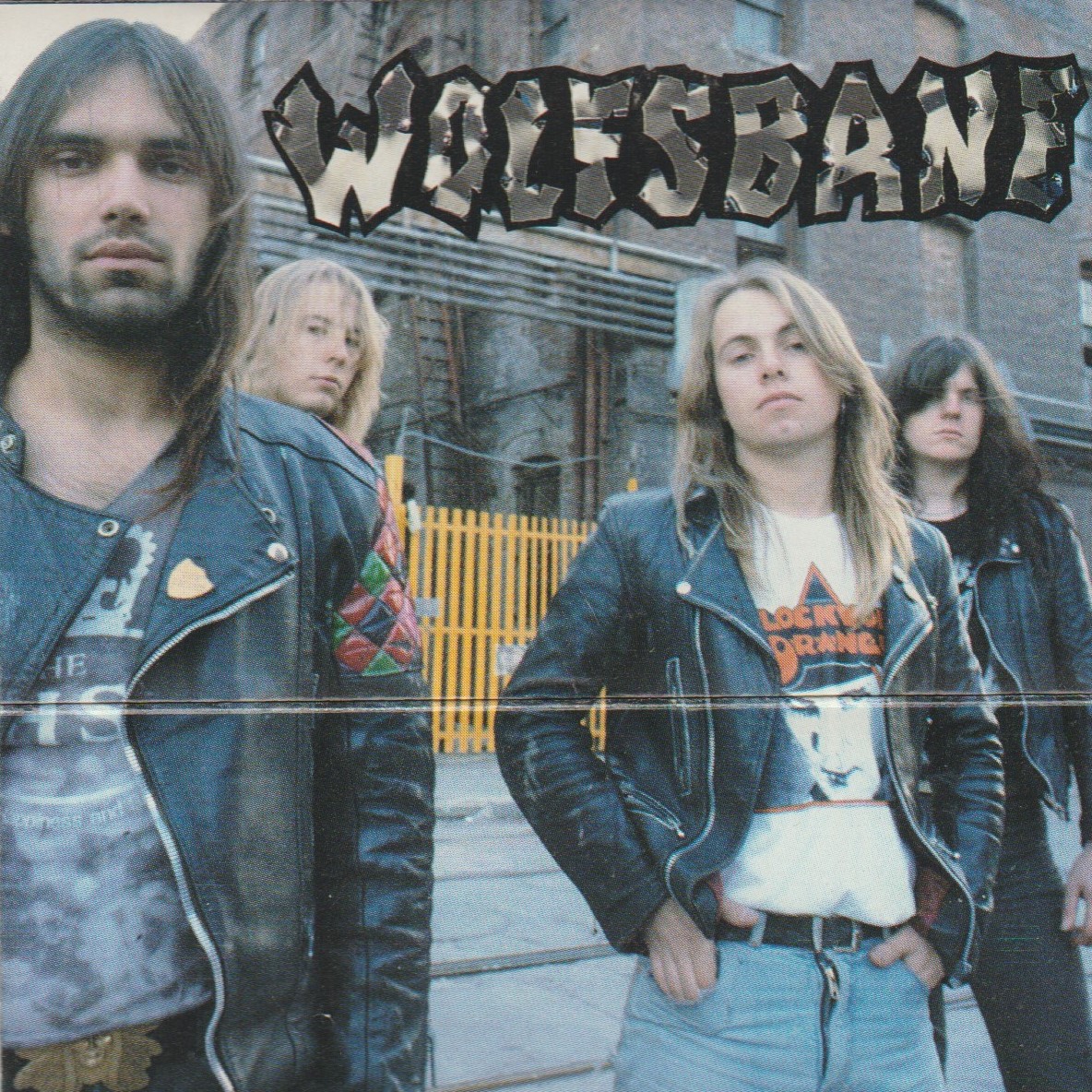
REVIEW: Wolfsbane – Live Fast, Die Fast (1989 cassette)

WOLFSBANE – Live Fast, Die Fast (1989 Def American cassette)

Blaze Bayley did not emerge from out of nowhere when he joined Iron Maiden.  Six years before The X Factor, Bayley released his debut album with Wolfsbane, produced by Rick frickin’ Rubin of all people.  Presumably this means Rick laid on a couch and didn’t wear shoes.  Let’s have a listen, then.

“Man Hunt” is Van Halen meets Iron Maiden; as bizarre as that concoction may sound is half as much as it is good!  It’s EVH and DLR, “Back in the Village”, hunting for painted ladies.  Blaze shows off some impressive pipes, but guitarist Jase Edwards showcases all the good things you can do with a speedily-played six-string.  Dirty Blaze must have hooked up with a bird according to “Shakin'”, which takes the sound back into the pocket.  A Dokken/Halen hybrid with a touch of sleaze, and certainly harder edged than what most American bands were doing in 1989.  “Killing Machine” sounds a bit like a lost Van Halen demo from 1977 but with a 1980s heavy metal drummer instead of Big Al.  There’s no break between it and “Fell Out of Heaven”, acting like one big multi-parted song.  Blaze is on the make again, sounding like a big dirty Ian Astbury.  Add in the absolutely blitz of “Money to Burn” and you have a definitive “lust” trilogy.

Side two opens with a punchy tune called “Greasy”, possessing an unholy scream that you wish they would have utilized in Maiden.  “I Like It Hot” is the funny summer cruisin’ tune, one the most commercial song on the album that is decidedly not commercial.  You can sing along to the terrific chorus on “All Or Nothing” but the blitzkrieg speed makes it clearly radio unfriendly.  The only power ballad “Tears From a Fool” is harder edged with a long solo, uncompromised and remote.  And with not even a breath’s break, “Pretty Baby” concludes this album-length treatise on picking up chicks in an accelerated manor.

The sonics of this Rick Rubin production are typically dry and crisp, but with an annoying snare drum sound that makes you question his hearing.  He arranged some cool gang vocals with both melody and rawness, but Live Fast, Die Fast doesn’t have any special sonic qualities that scream “Rubin”.

Wolfsbane happened an interesting niche here.  They blended the best aspects of American hard rock, tossed it with some heavy fucking metal, and a singer who didn’t sound like everyone else (with a dirty mind).  It was dangerous and it was different.

Was it good?  Yeah!  To quote the Heavy Metal Overlord, even Rick Rubin couldn’t fuck it up.

4/5 stars.

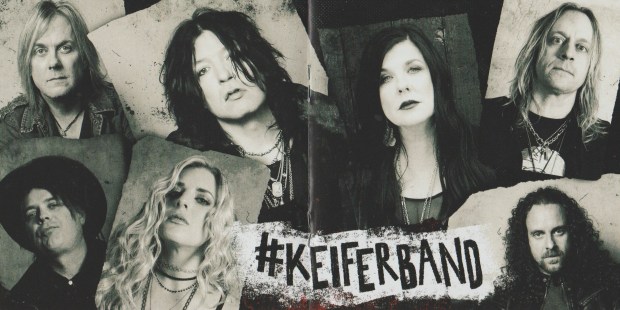
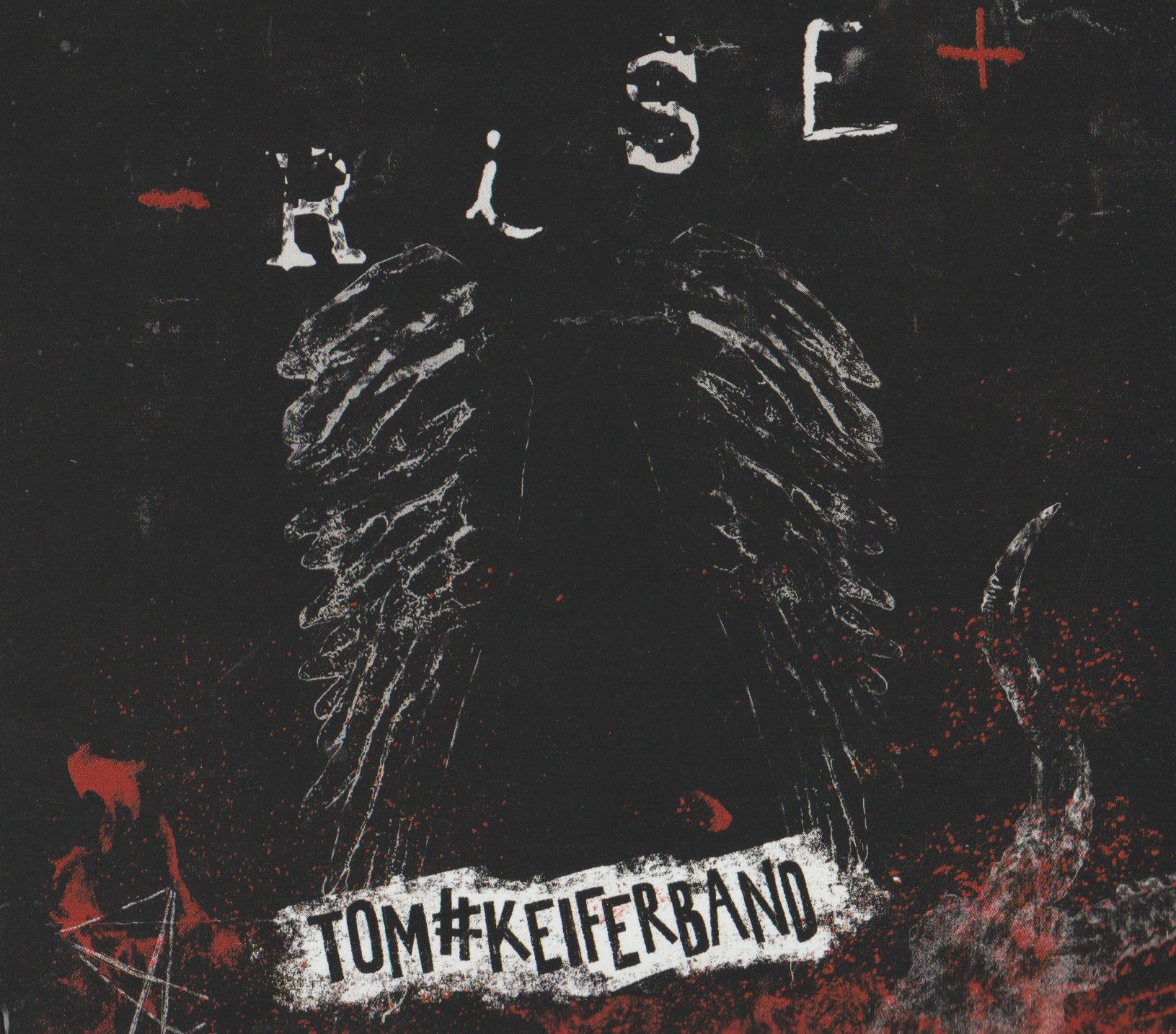
REVIEW: Tom Keifer Band – Rise (2019) #keiferband

TOM KEIFER BAND – Rise (2019 Cleopatra)

The most surprising new release of 2019, to this listener anyway, has been the new Tom Keifer album.  It’s been a long time since I’ve given the Cinderella frontman any eartime, and I didn’t know what to expect from him in 2019.  What I got was “Holy Shitballs, this fucking rocks!”  Rise is earthy, bluesy but also with the rock side of Cinderella bursting at the seams.  It almost sounds like a direct continuation of the final Cinderella album Still Climbing.

Wicked slide guitar opens “Touching the Divine”, one of the songs that will directly appeal to fans of Keifer’s old band.  Backed by soulful backing singers, Keifer still reaches for the screamin’ vocals for a good mix of new and old.  Words like “greasy”, “rootsy”, and “heavy” all come to mind.  Even the softer songs have a weight and gravitas that old Cinderella didn’t always have.  Take “Waiting on the Demons” for example.  It’s soft, southern and Band-like.  But it is its own kind of heavy.

The album doesn’t need to be dissected track by track here, but some songs need to be addressed.  The title track “RISE” (all caps!) is stunningly soulful and epic, and many fans have really connected with the slower, marauding “Untitled”.  Whatever songs grab your fancy, you’ll hear something that you like.  Whether it’s a Crowes-like blues, rockers akin to Cinderella, or something new, Tom Keifer’s got a variety of great tunes here.  Not good, but great.  Nothing to skip.  Just 11 songs that will grow on you and then fade as others steal their sunshine.  And the guitar playing?  Keifer and Tony Higbee lay down some serious, grinding six-string hooks.  It’s guitar nirvana for fans of this kind of rock.  Acoustic, electric, slide — doesn’t matter.  It’s all good.

My personal favourite?  “All Amped Up”, the riffiest song of the batch.

Keifer has assembled a stunning band here, a seven-piece including his wife Savannah on vocals and piano.  He took a left turn away from the 80s and into something more real.  It paid off.  This is a contender for the annual Top 5 list, easily.

5/5 stars

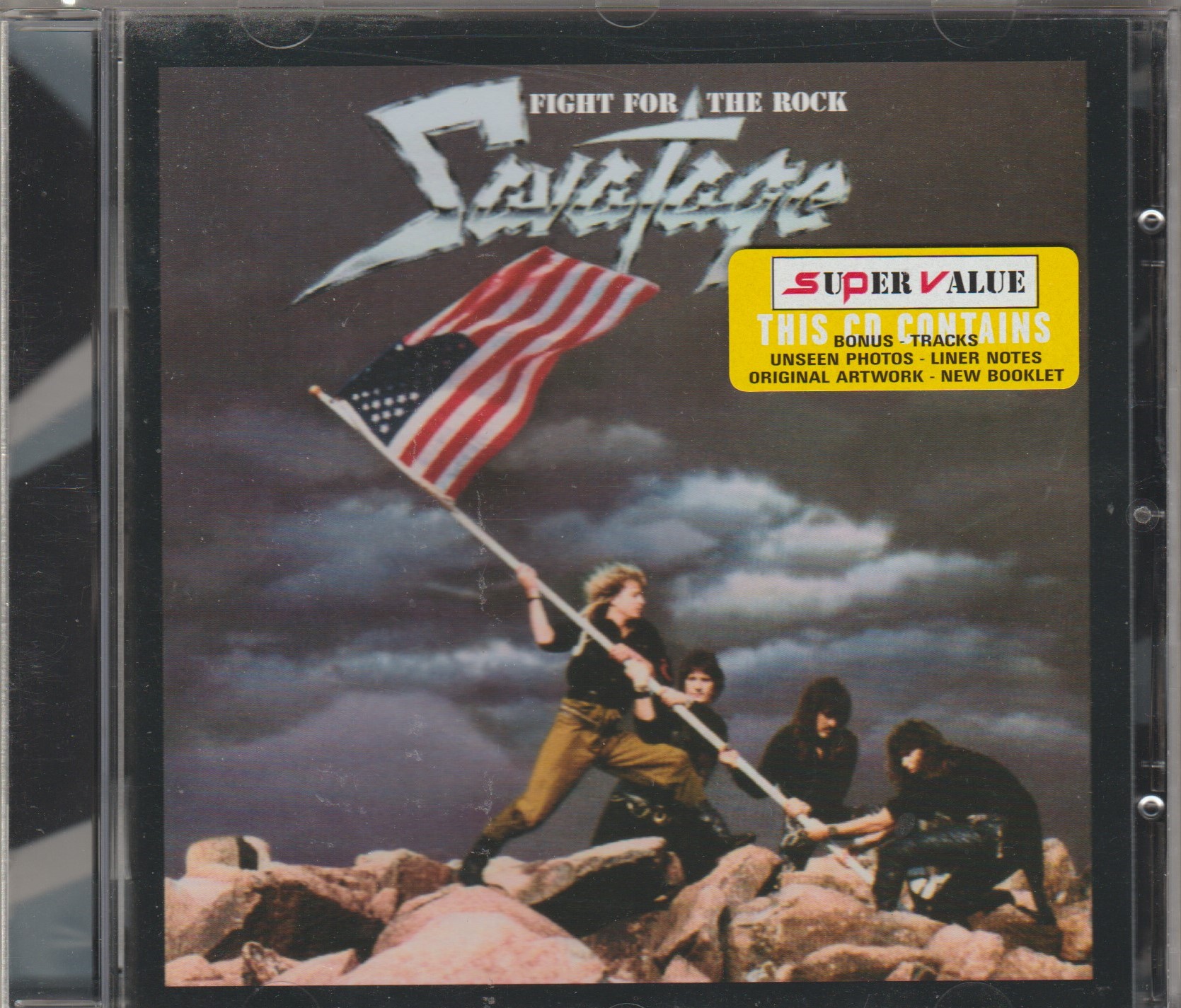
REVIEW: Savatage – Fight For the Rock (Steamhammer remaster)

Part Five of the Early Savatage series!

SAVATAGE – Fight For the Rock (Originally 1986, 2002 Steamhammer remaster)

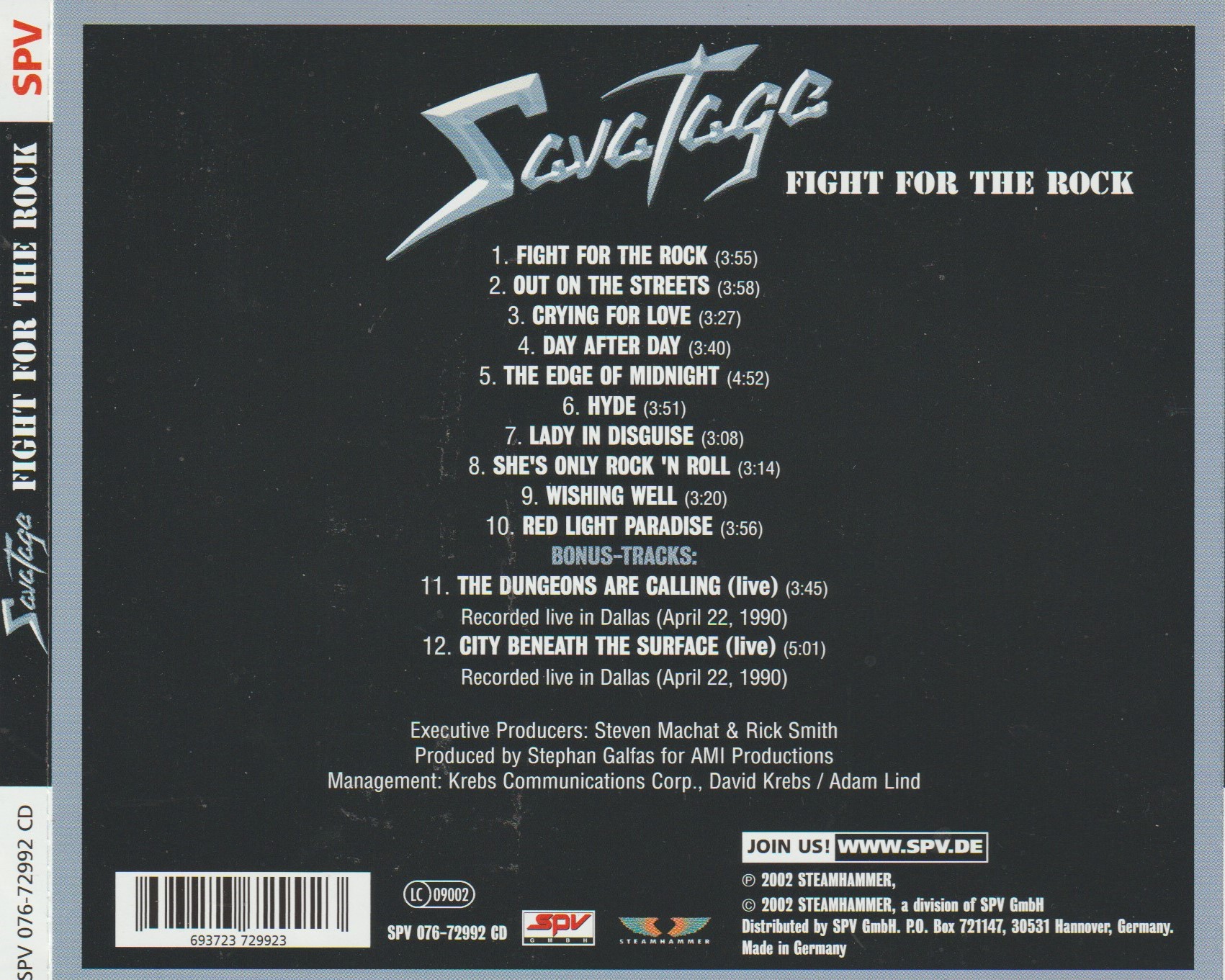
Like many bands then and now, Savatage were led astray by bad management and poor direction by record company executives.  At least they tried.  Hoping to make some headway, Savatage leader Jon Oliva agreed with the record company’s plan for a change in style.  Steering towards hard rock and hoping to become the next Journey, Oliva and company said “what the hell”.  Meanwhile, Jon Oliva had submitted some songs to management to see if any other artists might be interested in recording them: “Lady in Disguise”, “She’s Only Rock ‘n Roll”, and “Crying For Love”.  They turned around and said “No, we want Savatage to record these songs.”

New bassist Johnny Lee Middleton was lined up to replace Keith Collins.  They flew to England on a tourist visa to record the album, only to find Steve “Doc” Wacholz detained at the airport for five hours.  “I’m a golf instructor,” he claimed at customs, but most golf instructors don’t carry drum sticks and sheet music in their carry-on bags.  This is a perfect metaphor for the album Fight For the Rock:  a band masquerading as something they were not.

A big echoey 80s sound blunts the sharp edge that Savatage gained on Power of the Night (produced by Max Norman).  “Fight For the Rock” is a good song, but obviously toned down in comparison to title tracks past.  Most obtrusive are keyboard overdubs by a studio cat, very different from the keys that Jon Oliva would eventually bring into Savatage himself.  These sound like added afterthoughts, not structurally part of the song.  Still, as stated, a good song in that Dokken-Crue mold.  Only the Jon Oliva screams really connect it with early Savatage.

Keyboards return on “Out on the Streets”, a song from Sirens re-recorded.  As a ballad, you can see why the suits thought it would be worth another shot.  A great tune is a great tune, but the pipe-like keyboards don’t do it favours.  “Crying for Love” is a re-recording of “Fighting for Your Love” and one of the songs Oliva wanted another artist to record, perhaps John Waite.  It’s a heavier ballad, not as good as the Sava-demo, but retains some balls.

Hard left turn ahead:  “Day After Day” by Badfinger.  Oliva decided to do this track since he’d be playing the very piano from the original, so why not.  He’d already gone this far.  May as well go all-in.  “Day After Day” is perhaps the least “Savatage” song in their entire catalogue.  A very different Savatage would have evolved had this been a hit for them.  A Savatage more akin to Night Ranger or even Stryper!

There are only two songs that Jon Oliva considers “real” Savatage songs today:  “The Edge of Midnight” and “Hyde”.  They occupy the dead center of the album, closing side one and opening side two.  Although they too are infected by the awkward keyboard overdubs, they are both metallic Savatage lurkers, dark and shadowy.  “Hyde” hits all the right notes, with perfect OIiva lyrics:

“A good man to evil,
From the potion on the table,
Taken by mistake, but now it’s far too late.”

“Lady in Disguise”, which exists in superior demo form, was largely rewritten to be submitted to other artists.  It exists on Fight For the Rock as the third ballad, watered down and rearranged to accommodate a big keyboard hook.  “She’s Only Rock ‘n Roll” is a little more Savatage even though it too was not intended for their use.  It’s a hard rock Savatage, a little Dio-ish and one of the few songs with a recognizable Criss Oliva guitar riff.

Not particularly Sava-like but very good just the same is the Free cover “Wishing Well”.  It and “Day After Day” remain the only true covers that Savatage have ever recorded.  It’s a pummelling arrangement, well performed and strangely appropriate for the Sava-treatment.  It’s like their “Green Manalishi”.  Concluding the album, “Red Light Paradise” has a touch of that occasional Sava-sleaze.  Good track with a nice chug to it, and plenty of screamin’ vocals.

As before, Steamhammer added bonus tracks to the 2002 reissue.  From the Gutter Ballet tour and featuring an expanded lineup with second guitarist Christopher Caffery, it’s two live classics:  “The Dungeons are Calling” and “City Beneath the Surface”.  Could that year, 1990, have been peak Savatage?  That powerful lineup was short lived, as Caffery temporarily left the band at its conclusion.  When he returned, Criss Oliva was gone, killed by a drunk driver.  To the point:  these are killer versions, (and not the same as the live album Ghost in the Ruins).

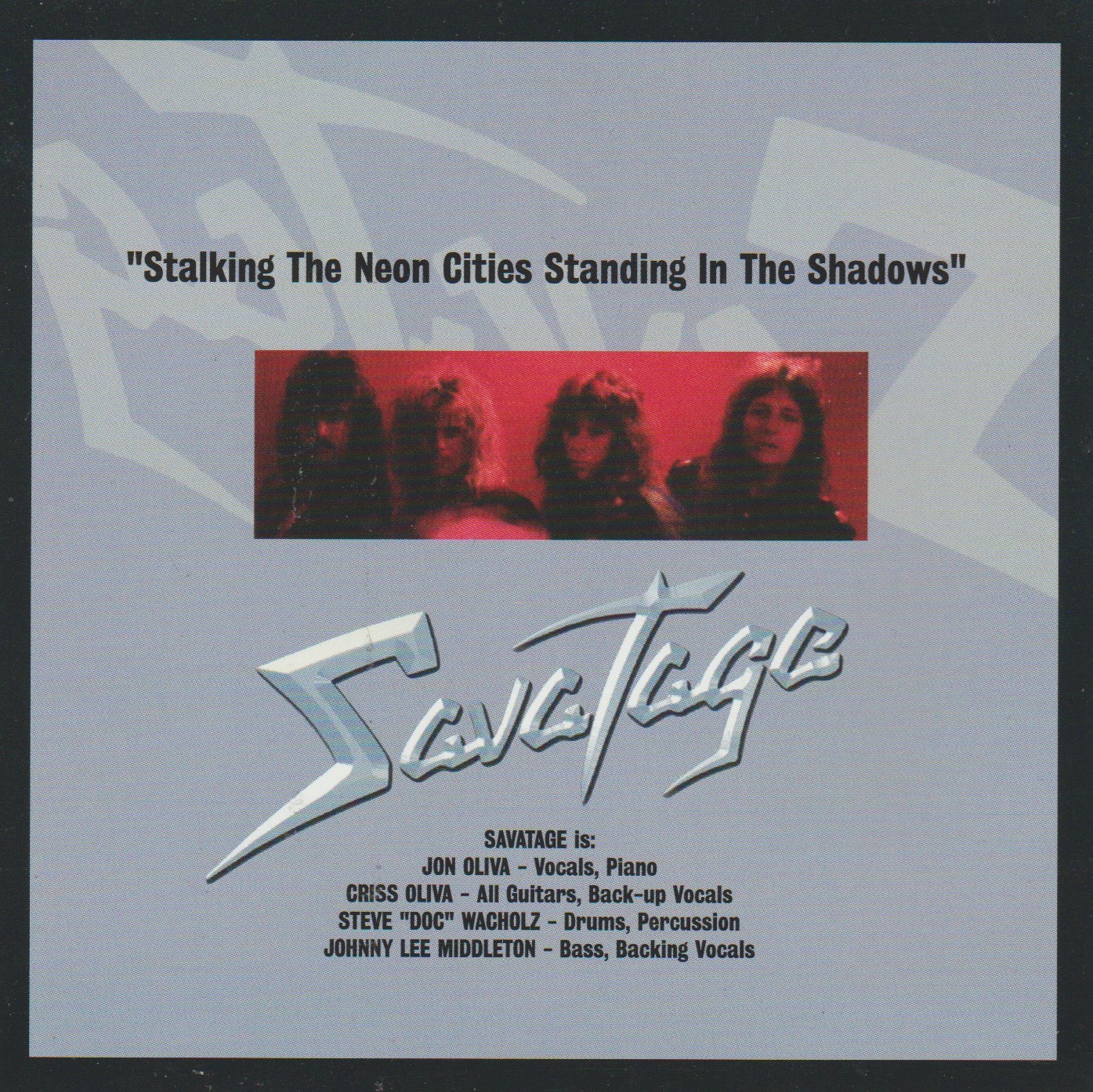
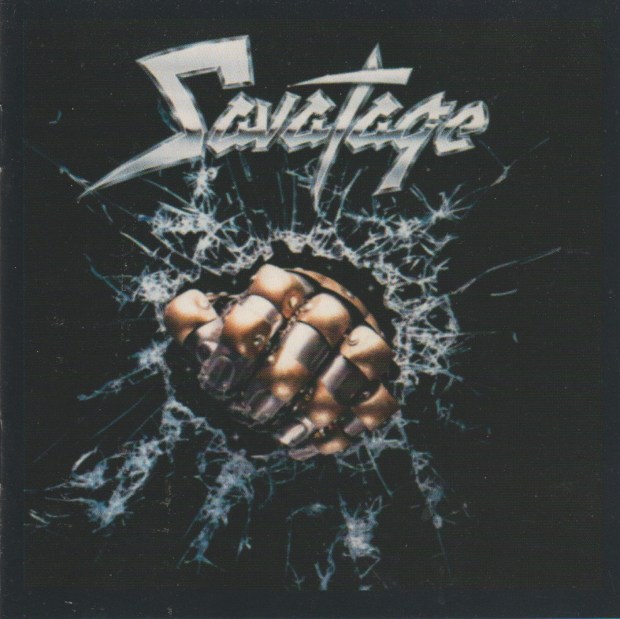
Steamhammer also provided in-depth liner notes, housed inside a blurry reproduction of the cover art.  That is an unfortunately win/lose.  One is tempted to have two copies of the album, just to have clear original cover art.  Collectors need more that one copy anyway, just to deal with the maze-like bonus track situation through the entire Savatage collection.

As Jon Oliva says in the notes, Fight For the Rock is not a bad album, if you like hard rock.  It’s not really a good Savatage album.  Hey, they tried, right?  They swung for the fences.  And when they failed to hit the grand slam home run, they lost credibility with fans and the rock press.  Still, for those willing to check it out, there are a few rewarding tracks amidst the muck.

3/5 stars

The story continues with these previously posted reviews:

Part Six:  Hall of the Mountain King (1987)
Part Seven:  Gutter Ballet (1989)
Part Eight:  U.S.A. 1990 (live bootleg)
Part Nine:  Streets: A Rock Opera (1991)
Part Ten:  Edge of Thorns (1993) – New singer and death of Criss Oliva


REVIEW: Savatage – Power of the Night (Steamhammer remaster)

Part Four of the Early Savatage series!

SAVATAGE – Power of the Night (Originally 1985, 2002 Steamhammer remaster)

Raise the first of the metal child!

If any fans were worried that Savatage would “sell out” after signing to Atlantic in 1984, those fears were swiftly cast aside.  Power of the Night, their first on a major label, was produced by metal-meister-to-be, Max Norman.  The band had plenty of material demoed (in a session with Rick Derringer) and were ready for the studio.

Nothing was toned down; if anything, Savatage turned it up.  Melting the speakers with the title track, a fancy keyboard opening might have fooled some.  When the patented Criss Oliva riff commences, you better hold on tight.

“Children of the metal movement,
The legions growing stronger,
Stronger than they believe.”

With Norman at the helm, Savatage achieved a sharp, biting sound.  Relentless beats courtesy of Steve “Dr. Killdrums” Wacholz helped them cement themselves as true metal competitors.  The foursome from Florida were not to be ignored.

Savatage were improving as songwriters.  “Unusual” puts atmosphere over headbangin’ riffs, and effectively so.  Singer Jon Oliva became increasingly interested in keyboards album by album until it eventually became the focus of the band.  Here it works to cloak you in a dark weave of ominous metal.  Then, if you were hungering for more riffs, bow down to the fuckin’ rad* “Warriors”.  Another Criss Oliva riff as only he could write them, “Warriors” rivals Judas Priest for absurd fantasy metal thrills.  It gets a little silly on “Necrophilia”, but the headbangin’ does not wane.   You might break your neck on “Washed Out”, a little speed metal ditty to cure what ails you.

Side two switches the gears a bit with a Scorpions-Dokken hybrid called “Hard for Love”, which generated some faux-controversy in the 80s.  It’s the most commercial Savatage song yet, but it works remarkably well due to the sharp edges; not blunted by improved production values.  Still riding high with quality metal, “Fountain of Youth” takes things to a wizardly world inhabited by Dio and his cohorts.  (Of note:  it’s one of the few Savatage songs with a Doc Wacholz writing credit.)

Savatage’s speed metal adventures can be hit or miss.  “Skull Session” is a miss, though you may enjoy the lyrics about an “X-rated lesson”.  There’s no real melody and the riff isn’t one of Criss’ most notable.  Plenty of screams though.  A mid-tempo “Stuck On Your” doesn’t get the car out of the mud.  It’s just a little dull compared to the scorchers on side one.

Ending Power of the Night on a ballad was a ballsy move, but “In the Dream” is one of the best from the early years.  Indeed, Jon Oliva re-recorded it acoustically for one of the many reissues of Sirens/Dungeons are Calling.  Dr. Killdrums does a fine job of punctuating the song’s drama with short bursts of swinging limbs.

Steamhammer included two live bonus tracks.**  From Cleveland in 1987, a spot-on “Power of the Night” is a furious rendition of a song already smoking hot.  “Sirens” live in Dallas three years later is just as furious, though Jon’s voice is more worn.  They also included excellent liner notes, lengthy and detailed.  Unfortunately the cover art on these Steamhammer reissues is atrociously blurry.

Power of the Night was the last Savatage album with original bassist Keith Collins.  Originally a guitarist, Collins’ bass wasn’t up to snuff at all times so Criss Oliva had to play on several tracks to fix portions they weren’t happy with.  Now that it’s encoded on a little silver disc forever, the final album is tight and punchy.

4/5 stars

Unfortunately, it didn’t sell well enough for Atlantic.  Bumpy road ahead!

* “Warriors” is “fuckin’ rad” according to Holen MaGroin

** Like all Savatage albums, different issues have different sets of bonus tracks.  These will have to be covered at a later time as a “complete” Savatage collection can be an expensive proposition.

REVIEW: Savatage – Sirens & The Dungeons are Calling – all bonus tracks, all editions

Part Three of the Early Savatage series!

SAVATAGE – Sirens & The Dungeons are Calling bonus tracks

This is where things go a little off the rails, so make sure your seatbelt is fastened securely.  We are about to journey through 12 bonus tracks, which run the gamut in every vector.  In terms of quality and origins, it’s the proverbial “bumpy ride”.  Worst of all, if you wish to partake in this voyage, it will cost you dearly.  In order to acquire all 12 bonus tracks, you will need to purchase four separate CDs, and an Infinity Gauntlet.  Maybe.

When I first encountered the album Sirens and its accompanying mini-album The Dungeons are Calling in the mid 90s, they were on cassette, separately.  There were no liner notes but I surmised them to be the first two Savatage releases.  It was impossible to find quality discographies in 1993, so my first time learning they existed was when I bought them.  These were not the rare Canadian Banzai editions, but the standard US releases on Combat.  (Amusingly, the sides listed on Sirens were Side A and Side Z.)


Metal Blade CD (1994)

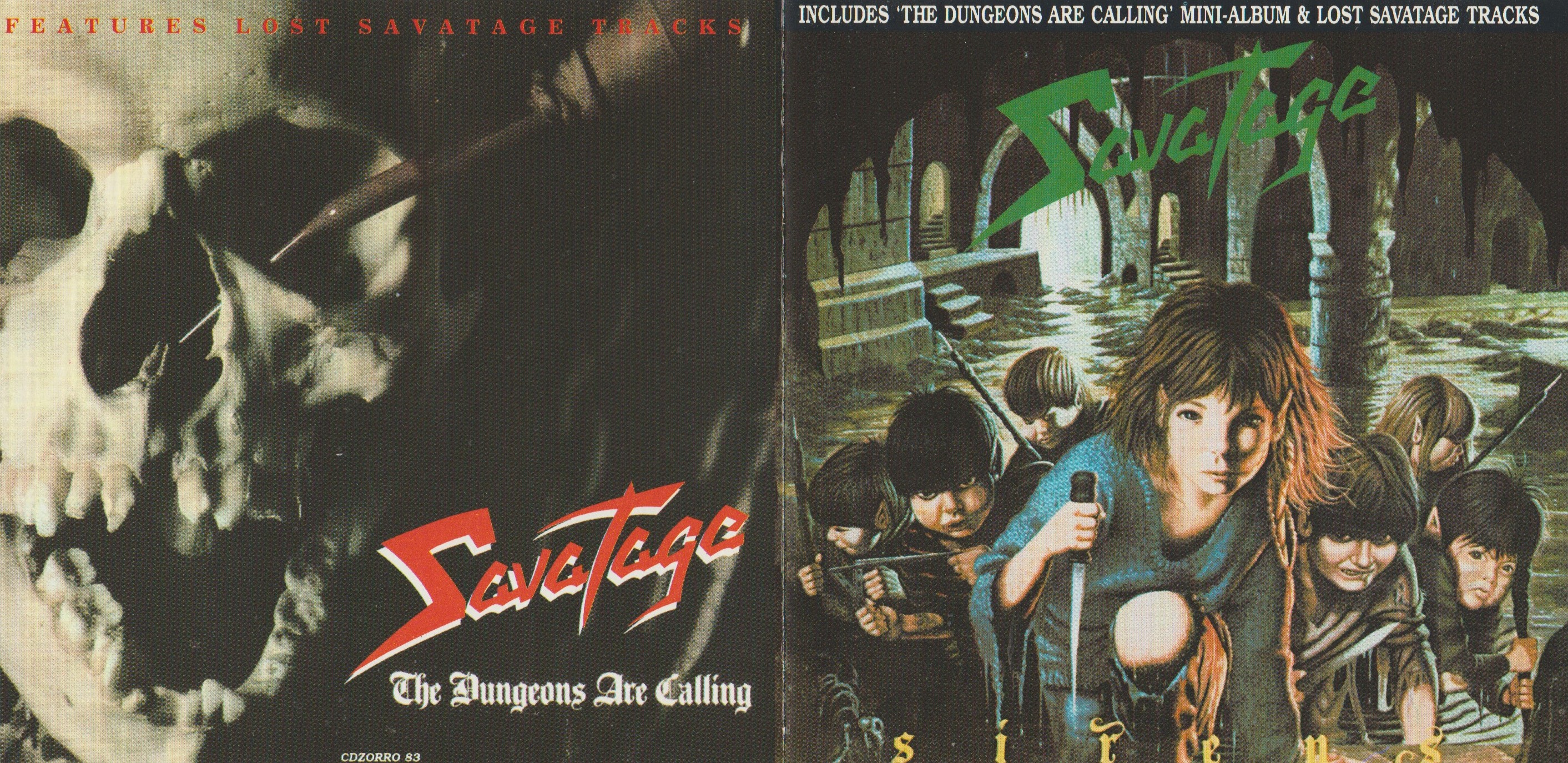
Just as nature has its rules, so does music collecting.  Everything owned on cassette must be upgraded to CD.  By 1994 I was working at the Record Store, and the day we received notice that these albums were being reissued on CD was the day I ordered them for myself.  The reissue, by Metal Blade, handily put both records on one CD, with four bonus tracks to boot.  The cover was even reversible.  You could display the CD with either Sirens or Dungeons as the front artwork.  On the back:  a live photo of late guitarist Criss Oliva just giv’n ‘er on a string-bending solo.

There are two bonus tracks tacked onto the end of Sirens, and two more after Dungeons.  They remain the champions of bonus songs in the Savatage ouveur.  One is a hellbent live take of “Sirens” from the Gutter Ballet tour in 1990.  It’s the same version as the bootleg CD U.S.A. 1990.  The amusing thing here is that Jon Oliva clearly addresses the crowd as “Hello Deutschland!”  Well, that ain’t in the U.S.A., just a note to you bootleggers out there!  It’s a little bootleggy and not the same lineup as the rest of the albums, but hey — it was 1994 and this “bonus track” thing was relatively new.  It’s a blistering memento with the classic version of the band:  Jon & Criss Olivia, Steve “Doc” Wacholz, Johnny Lee Middleton and Christopher Caffery.

The other three bonus tracks are studio demos, and two of them ended up reworked on the later album Fight For the Rock.  “Lady in Disguise” is thoroughly different, an acoustic-electric ballad superior to keyboard-inflected later version.  Similarly, “Fighting for Your Love” was reworked as “Crying for Love” on Fight for the Rock.  Demo quality aside, this original has more desperation & ferocity, while the remake sounds forced.  Finally “The Message” hasn’t been issued anywhere else in any form.  This very rough take sounds like a garage recording, but even through that you get one super-snakey Criss Oliva riff and a lung-bursting Jon Oliva chorus.  “The Message” flat out rocks, and could have replaced a number of inferior album tracks had it been better committed to tape.

Metal Blade did an awesome job with their 1994 CD of these albums, filling it to the brim with 76 minutes of metal including top-notch bonus tracks.  Eight years later, they decided to have another go at it.


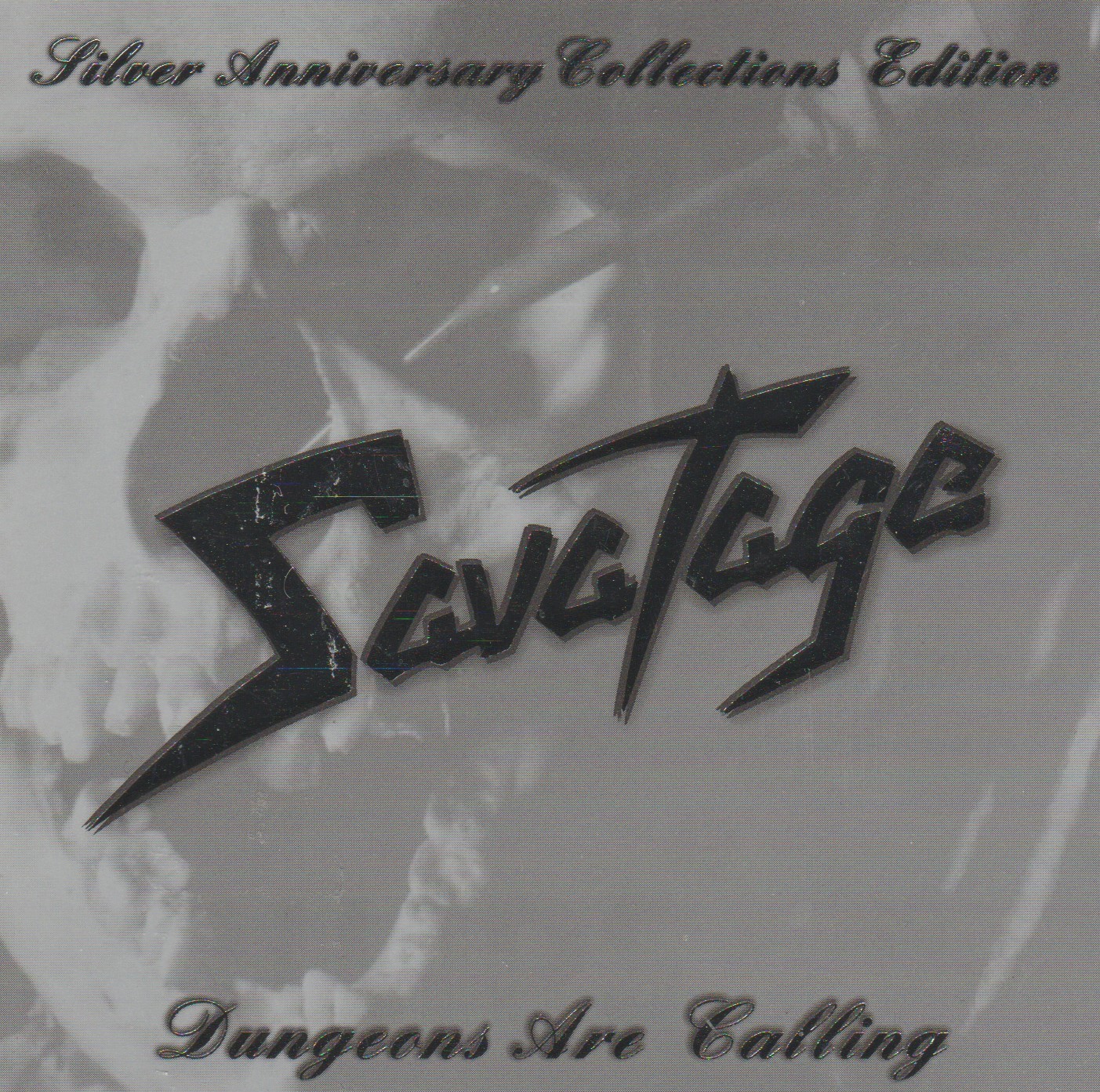
Metal Blade “Silver Anniversary” 2 CD set – sold separately (2002)

Dipping their hands into the cookie jar once more, Metal Blade came up with seven more bonus tracks (though two are unlisted).  The tracks are remastered, and the covers updated to black & chrome, with the Savatage logo in bold, bright silver.  The original artworks are consigned to the CDs themselves, while the booklets contain (small) rare photos (in black & chrome) and half of a Savatage timeline.  Yes, half a timeline – driving the point home even further, you have to buy both CDs to get the entire timeline (and special note from drummer Steve “Doc” Wacholz).

The Dungeons are Calling
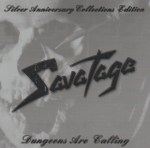
This time, Metal Blade placed The Dungeons are Calling first in line, before Sirens.  (You can tell this by the lower catalogue number and the first half of the timeline included.)  It contains three “lost tracks”.  The first, “Metalhead” has a slick vibe, like 80s Judas Priest on speed.  Criss’ solo is a burner, with these super-wide note sweeps that make your head spin.  “Before I Hang” is lo-fi, solid headbangin’ fun.  Nothing particularly memorable, but unquestionably Savatage.  Purely filler, the kind of track that didn’t get finished because they had better stuff to work on.  The last of the three “lost tracks” is a ballad, “Stranger in the Night”.  If you listen carefully, you can hear that this was completed as something else later on — a little epic called “Follow Me” on 1993’s Edge of Thorns!  Now that’s some serious cool.

Didn’t I mention unlisted bonus tracks?  This one is a gentle acoustic number with spare accompaniment.  It sounds like it was recorded much, much later.  You’ll find it at track #99.  How quaint.

Sirens
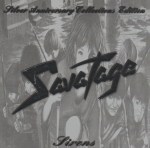
The second CD in the 2002 has two more bonus tracks, and one more unlisted…something.  It’s something.  We’ll get to that.

“Target” sounds like idiosyncratic Savatage from the start:  The Criss riff that can sound only like Criss Oliva.  The haunting vocals from his brother Jon.  It’s hard to say definitively when it could have been recorded, but it sounds circa Gutter Ballet in structure, tone and performance.  “Living on the Edge of Time” is sonically thin but is clear enough to deliver a screamin’ chorus.  If that chorus only could have been housed in a finished song!  It’s killer.

What is far, far from killer is the novelty rap that sits at #99.  It’s…about a fat old guy who sits around all day doing coke?  It’s…fucking terrible is what it is.  It’s the kind of terrible that actually stains the CD it’s on.  Like you will have to hit “stop” before anyone hears you listening to it.  One has to conjecture that this “song” originated when Jon Oliva was deep into the white stuff, but it’s the kind of all-advised joke that should have stayed on the inside.
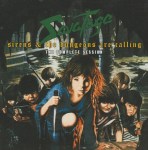

Ear Music “The Complete Session” CD (2010)

Another eight years after Metal Blade butchered these releases, Ear Music took a shot with “The Complete Session”.  What does “The Complete Session” mean to you?  I’ll tell you what it means to me.  It means all the tracks.  All the fucking tracks!  Not “none of those tracks but oh here is a new acoustic version from Jon”.  Not that.

Ear music reissued the entire Savatage catalog in 2010 as an attractive looking set that, when combined, form a Savatage logo.  The albums are remastered by Dave Wittman and feature new liner notes by Jon Oliva.  What’s really pesky are the new acoustic bonus tracks recorded to make you buy these albums all over again, in this case the fourth fucking time.

Originally from 1985’s Power of the Night (their very next album in fact) is the ballad “In the Dream” performed on piano by Jon Oliva, with an (uncredited) acoustic guitar solo to match.  It’s a good ballad; great in fact.  There’s no critique being laid at the feet of the song or the new version.  Just at the damn record companies for not giving a fuck for how many times I’ve had to buy this to get “all the tracks”.


Most people only want to buy an album once and be done with it.  Here’s a rating system below to determine which suits your needs best, price notwithstanding.

  • Metal Blade 1994 – 5/5 stars.  Maxed out the CD’s time with four worthwhile bonus tracks.
  • Metal Blade 2002 – 2.5/5 stars.  Consumer forced to buy two discs separately instead of one to get new bonus tracks, but losing the four previous ones.  Felt like gouging.
  • Ear Music 2010 – 3/5 stars.  Artwork will match the rest of the CDs in the set, but thin in terms of bonus tracks.  Does not even contain a picture of the artwork for The Dungeons are Calling.

Purchase accordingly!


REVIEW: Savatage – The Dungeons are Calling (1983)

Part Two of the Early Savatage series!

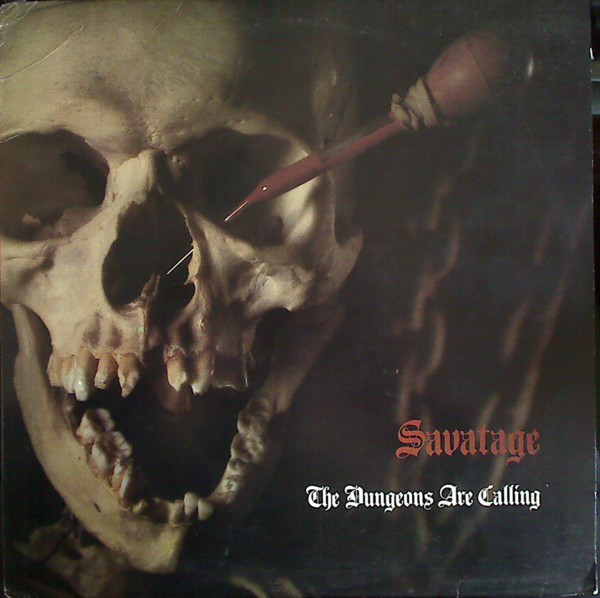
SAVATAGE – The Dungeons are Calling (1983 Music for Nations)

More adventures in metal!  Savatage recorded Sirens and The Dungeons are Calling mini-album in just one day.  The 15 songs could not fit on a single record, so they released two.  Did you know you have to buy four separate CDs just to get all the bonus tracks?  Ridiculous but true!  The Savatage catalogue is a mess of reissues and bonus tracks, all but impossible to keep track of.  Yesterday we examined the debut LP Sirens.  Today we delve into the Dungeons, before finishing up with the bonus tracks in a separate review.

On their first four releases, Savatage always opened with a terrifying title track.  Dungeons is no exception.  Soft acoustic guitars lull you in, but eerie keyboards are your warning.  Like sleeping beasts disturbed and awaken, Steve “Doc” Walcholz (drums) and Criss Oliva (guitar) then bare their serrated teeth.   The Oliva riff is one that could only have been written by him.  Nobody else composes jagged guitar thunder like Criss Oliva did.  Ass thoroughly kicked, you are now ready to proceed… but only “By the Grace of the Witch”!  This slippery metal dirge boasts yet another unmistakable Criss riff.  The first side closes with “Visions”, manic thrash metal but with two hands firmly on the wheel.

A nice Priest-like chug serves as the foundation of “Midas Knight”, a song which easily could have been an outtake from Stained Class.  It is one of the best constructed songs of the early Savatage canon.  And just listen to those cannons they call drums!  Then it is time to journey to the “City Beneath the Surface”.  A deceivingly intro leads into another thrash ‘eadbanger.  Once your neck has recovered, you’ll probably be too worn out for “The Whip”.  Not the best Savatage tune, and possibly the worst from the first two records.  Nothing wrong with dirty sex songs, but they should be clever.  There’s nothing clever about “The Whip” and though it has an excellent riff, the chorus is a stinker.

The Dungeons are Calling is a more well-rounded listen than Sirens.  It’s shorter, which helps, but one wonders if all 15 songs were re-arranged, could you come up with a better running order?  Regardless, Savatage were off to the races.  Major label deals and MTV videos were still in the future, so Sirens and Dungeons are the clearest view of the young and not-so-innocent Savatage.  Renowned metal wordsmith Martin Popoff calls them “debuts of frightening skill and authority,” while praising Sirens as possibly the greatest indie album of the genre.  There is something here of massive substance that the band would only build upon, but Dungeons goes down easier.

3.75/5 stars

Next time we’ll look at all 12 bonus tracks, from the four CDs you need to get ’em all.  As you’ll see, some are quite significant.