Canadian rock

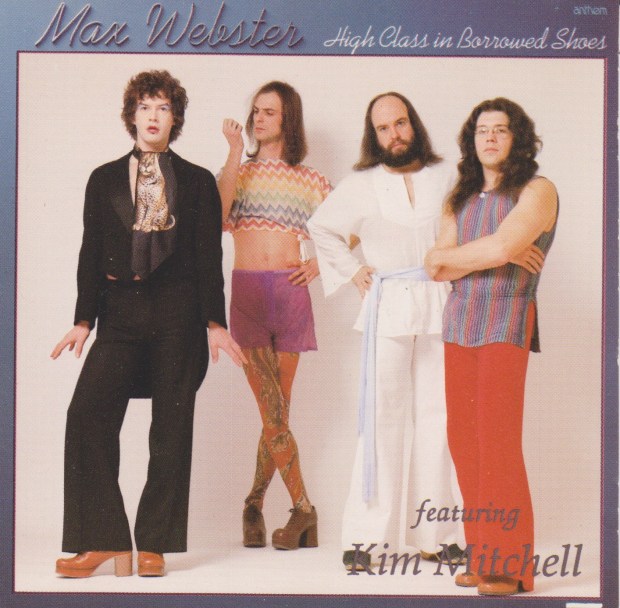
REVIEW: Max Webster – High Class in Borrowed Shoes (1977)

Scan_20150730MAX WEBSTER – High Class in Borrowed Shoes (1977 Anthem)

It’s only the second Max Webster album, but the band were so tight and perfect that they got three radio classics off it. Β “Diamonds Diamonds”, “Gravity” and the title track are all three radio staples, and “On the Road” a live classic that Kim Mitchell occasionally plays unplugged. Β EveryΒ fanΒ has a favourite Max album, and I think I probably know a couple who would put High Class in Borrowed Shoes as numero uno.

The album opens with the impressive “High Class in Borrowed Shoes”, a blaster that sounds to me like a Canadian Van Halen! Β Max had tamed some of their wackier tendencies (“Toronto Tontos”, anyone?) and focussed their chops. Β Not that the new Max (now featuring legendary drummer Gary McCracken) was normal by any definition. Β Just listen to the lullaby-like “Diamonds Diamonds”. Β Great song, but very different for a rock band. Β Its dreamlike mood is heightened by the surreal lyrics by Pye Dubois. Β Not to mention there are only six lines to the words!

“Gravity” would make my top five Max tracks in a heartbeat. Β “What do I know? Β IΒ satΒ under a cloud. Β I looked up, afraid to look down.” Β Kim sounds like a little boy speaking the words, to great effect. Β The chorus is a big one, backed by a Kim’s riffing. Β I have no idea what this song is about, but to me the line “Forget that fear of gravity, get a little savagery in your life,” says everything. Β Don’t be afraid to take chances. Β As Pye’s friend Neil Peart once said, just roll the bones. Β That’s what it means to me, anyway.

Proving he has always been capable of tender ballads, “Words to Words” is one of Kim Mitchell’s first. Β The keyboards of Terry Watkinson keep it just a little left of center, but Kim’s acoustic work is impeccableΒ and excellent. Β  Pye Dubois’ lyrics are magical and stirring. Β It’s hard to overstate just how quality this song is. Β However ballads are usually best followed by scorchers, and that’s “America’s Veins”. Β Killer solos, smoking drums, and a chorus built for the concert stage: it’s here in one complete package.

“Oh War!” is an incredible monument of rock. Β AC/DC did a song with a similar vibeΒ called “Little Lover”, but “Oh War!” is a completely different animal. Β The gonzo solos are more in the “Z” section of the rock aisle, as in “Zappa”. Β  And check out the words! Β “‘Cause I say fuck you instead of thank you, your choice under your breath.” Β Yes, that’s what Uncle Kim, Canada’s favourite king of the summertime, just said! Β OK, so it wasn’t going to get on the radio with those words…but damn, it should have been. Β This song could have been almost as big as “Battle Scar” had it been.

I have a tape here of Kim Mitchell doing “On the Road” live in the MuchMusic studios, acoustically, on their Intimate and Interactive show. Β This is what you might call “campfire rock”, but that sells it far too short. Β “On the Road” is more than a song that would sound good played live around a fire, it has genuine soul that you can feel. Β It’s an incredible song, and once again, I wonder why Max Webster wasn’t friggin’ huge. Β “Rain Child” is next in line, which I would describe as a slow burner. Β Terry Watkinson’s keys take center stage, never intruding. Β “Rain Child” is a classic album track, and perfect for winding down the album.
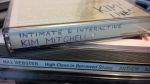
IMG_20150730_182836

Max Webster went mad on the last track, “In Context of the Moon”. Β This is the second of four “Moon” songs on the first four records: Β “Coming Off the Moon”, “Beyond the Moon”, and “Moon Voices” are the others. Β “In Context” can’t be described easily, because it spans many styles and tempos in just five measly minutes! Β How?! Β You have to play this one a few times just to get everything that is happening. Β It’s certainly one of the most challenging pieces of music Max have recorded. Β The four musicians must have rehearsed the shit out of this one. Β Anyway, at all times, it smokes. Β Whether it’s the bright intro guitars, or the metal riffs that follow them, or the sheer madness (including bass solo) that ensues, “In Context of the Moon” is always riveting. Β It’s just non-stop even though by the time you get to the end of it, you’ll wonder how you got there!

Final note: Β My good buddy T-Rev, who has guest written here a couple times before, met Gary McCracken after he moved to Sarnia. Β He was working at Fastenal when in came a guy to pick up an “order for Gary McCracken.” Β T-Rev pondered a bit before enquiring, “I hope you don’t mind me asking, but were in a band called Max Webster?” Β Yes, he had. Β It was that Gary McCracken, and he was cool. Β I love little stories like that. Β Gary McCracken was Trevor’s biggest influence as a young drummer!
Popoff's awesome book

Popoff’s awesome book

There is nothing more to be said in just a single review. Β  For the whole enchilada, get the book from martinpopoff.com! Β And be sure to get HighΒ Class in Borrowed Shoes for your collection.

5/5 stars

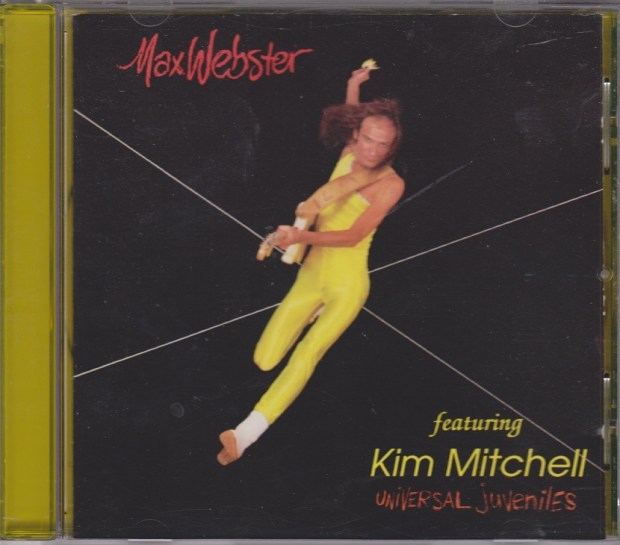
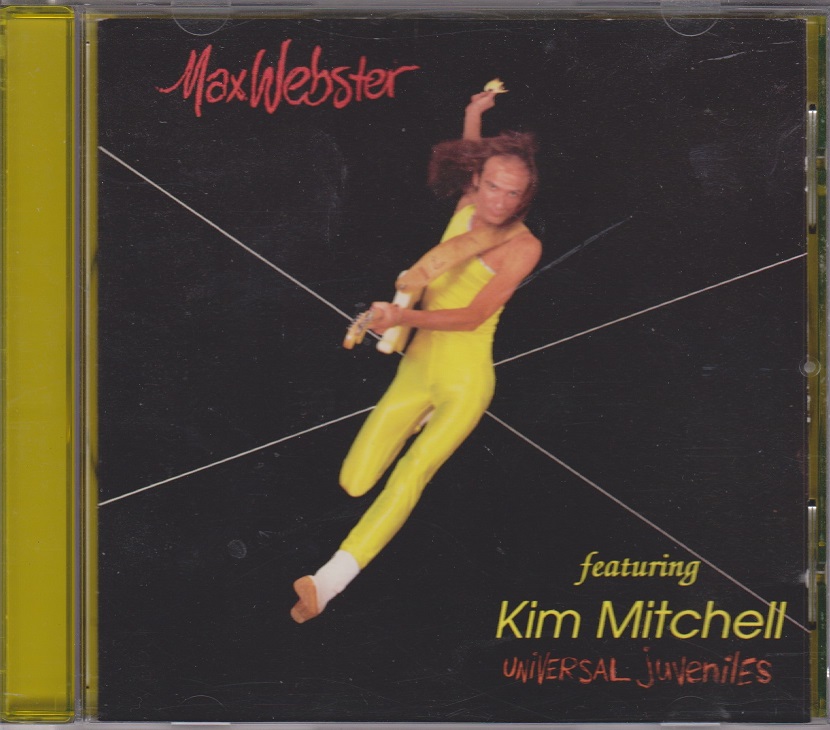
REVIEW: Max Webster – Universal Juveniles (1980)

Scan_20150717 (3)MAX WEBSTER – Universal Juveniles (1980 Alert)

“1980 will be a year long remembered. Β It has seen the end of Max Webster, and will soon see the end of Led Zeppelin.” — Darth Vader

All good things must indeed come to an end. Β If there was one band — just one band! — out of the Great White North that truly deserved better things, it was Max Webster. Β Much like their soul mate, Frank Zappa, Max Webster had successfully inserted humour into complex progressive rock songs. Β The big difference was that Max tended to keep it to guitar-bass-keyboards-drums. Β Their musicianship was unimpeachable. Β Much like Bubbles shouted out “Geddy Lee! Neil Peart! Alex Lifeson!” to emphasize the awesomeness of Rush, I shout “Kim Mitchell! Terry Watkinson! Gary McCracken!”

Maybe it was the skinny balding front man in the tights, the weird but deep lyrics, or the goofy keyboards. Β One way or another, Max Webster never saw the success that their friends Rush did, and Universal Juveniles would be the last Max record. Β Genius keyboardist Terry Watkinson was out of the band, although he did play on the album. Β Kim Mitchell foldedΒ the band mid-tour after the record, unable to hack it any longer.

Kim’s smoking chops open “In The World of Giants”, perhaps the world that Rush occupied and MaxΒ failed to enter. Β Max sound stripped back, with minimal piano and keyboards. Β What a song though. Β Surely “In the World of Giants” is one of Max Webster’s most breakneck rock songs, albeit with the complexity of riff and licks that you would expect. Β At the same time, do I sense a certain amount of fatigue, between the grooves?

There’s no detectable tiredness on “Check”, which will wake you right the fuck up! Β There’s nothing like a good, joyous, loaded-with-all-the-guitar-fixin’s Max Webster romp. Β Want some shredding? Β “Check this out!” Β At only 2 1/2 minutes, “Check” is all it needs to be — in and out, the mission of kicking ass all complete. Β Yet Max Webster was not about simply rocking, so “April in Toledo” brings some funk. Β The classic refrain of “I wanna run to Niagara, I’ll cry and cry in the dark” is joined by gleeful guitars,Β to create the picture perfect mixture of Max confection perfection. Β I’m still sitting here scratching my head wondering how Kim got that weird guitar sound in the solo so perfect, but I’m soon distracted by another awesome chorus.

“Juveniles Don’t Stop” is a Max party anthem; not as memorable as “The Party” itself, but still good to crank with some cold ones. Β Don’t get too loaded though — you don’t want to miss the double barrelled blast that is “Battle Scar”. Β What could be more epic than a duet with Rush vocalist Geddy Lee? Β Oh, how about doing the whole song with Rush — a double trio! Β That’s two bass guitars opening the song. Β That’s Neil Peart and Gary McCracken providing the dual beats. Β (You sure can tell when it’s Neil doing a drum roll, that’s for sure!) Β That’s Alex Lifeson accompanying Kim Mitchell in a legendary guitar team-up. Β Geddy Lee, in peak voice, provides the vocal chills necessary to top off such an epic alignment. Β Truly, “Battle Scar” is not just an important song for Canadian rock, but a track that any serious rock fan should seek out and own. Β You simply owe it to yourself to do so.

There’s some sneaky understated goodness in “Chalkers” but I find it to be one of the less memorable tracks. Β It’s notable for containing the phrase “universal juveniles” in the lyrics, lending it for the album title. Β “Drive and Desire” is a bigger song, a sizeable rocker with a nice bluesy vibe. Β McCracken’s drums on this one are purelyΒ delicious. Β Even better is the slow mournful “Blue River Liquor Shine”. Β It foreshadows some of the songs on Kim’s excellent solo EP, Kim Mitchell. Β A proud achievement, “Blue River Liquor” does indeed shine with Max classics of the past.

“What Do You Do With the Urge” is a wreckless Max party rocker, just in time to set us up for the final Max Webster song — the last one ever, sadly. Β “Cry Out for Your Life” lurches like a wounded soldier crawling to the warmth of safety. Β Loads of Max class abound, but there does seem to be less glee, less shimmer. Β Perhaps the end was inevitable. Β Although Kim and the gang turned in another jaw dropping Max Webster record, something was wrong and it sounds somewhat forced at times.

Kim Mitchell had tremendous success with his solo career in Canada. Β Anthems such as “Go For Soda” have been immortalized in our memories, and on our TV sets. Β Who can forget the moment inΒ Season 7 of Trailer Park Boys, when Bubbles goes to “rock a piss”, and Ricky responds, “You go rock a piss, I’m gonna get ‘er going with the Mitchell!” Β Then: Bubbles peeing to the tune of “Go For Soda”, bopping his head in time with the music! Β Just classic. Β On the more sentimental side, Kim appealed to the adults in the crowd with “Patio Lanterns” and “Easy To Tame”. Β He really aimed to please everybody….

…Except the fans of old, goofy Max progressive rock. Β Universal Juveniles is its capstone.

4.5/5 stars

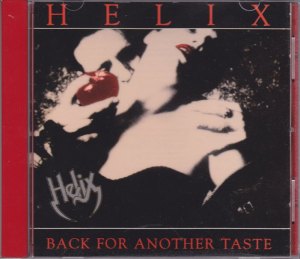
REVIEW: Helix – Back For Another Taste (1990)

Epic review time!!


BACK FOR ANOTHER TASTE_0001

HELIX – Back For Another Taste (1990 Capitol)

Helix’s Back For Another Taste was easily their best album since No Rest for the Wicked. It was also their last for Capitol. As such it received a neat, very limited vinyl release with a special cover commemorating the last (planned) printing of Capitol vinyl. I wish I had bought it when I had the chance. I recall seeing it at Sam the Record Man (owned by Gil Zurbrigg, brother of original Helix bassist Keith Zurbrigg) in downtown Kitchener. I didn’t have a good way of playing records back then, so it didn’t seem worth it.

BACK FOR ANOTHER

Special release aside, Back For Another Taste will always be associated with some hard times in Helix. Brent “the Doctor” Doerner, with the band since LP #1, decided to move on from rock and roll. Although lead howler Brian Vollmer saw the departure coming, it still hit hard. Doerner stuck around long enough to record some rhythm guitars and solos for the new album. His brother Brian Doerner played drums on three tracks, as he often has on past Helix albums. (Helix mainstay Fritz Hinz played on the rest). The songs were written by Vollmer and guitarist Paul Hackman, with the exception of two. Vollmer took a trip down to the US to work with Marc Ribler who helped him hone his songwriting chops.

Helix presented themselves as a four-piece in promo photos and music videos, for the first time. Doerner would prove hard to replace over the years, with American Denny Balicki taking over for the tour. He was Helix’s first American member. He made notable appearances in a one-hour MuchMusic special called “Waltzing With Helix”, a documentary on Helix’s European tour with Sacred Reich, and opening for Ian Gillan. (Also in that documentary: a kid I grew up with in the neighborhood called Brian Knight. He was a Helix roadie at the time. Brian Vollmer misspelled his name in his book as “Brian McKnight“. Whoops!)

Back For Another Taste was produced by Tony Bongiovi, who gave the band a raw, more kicking sound in the studio. Β It was clear from track one “The Storm” that Helix meant business again. Β A mean sounding gritty groove-rocker, “The Storm” was unlike anything they’d done before. Β It was a completely un-wimpy lead single and a surprising one at that, since it’s not a very commercial. Β The new four-piece Helix sound great here, with Hackman able to really dig in and play, while bassist Daryl Gray gets more room to groove.

The really impressive track on the album was “Running Wild in the 21st Century”. When every other band seemed to be softening it up, Helix seemed to go full-on metal. An edgy music video featuring London’s “Snake the Tattooed Man” won Helix some acclaim and recognition. Snake was a friend of the band, and when the idea came up for a music video, Vollmer said “I know the perfect guy for this.” (I myself encountered Snake at the Record Store, in Part 118 of Record Store Tales.)

“Running Wild” is a killer track, pure Helix adrenaline with their trademark smooth backing vocals. Β In the lyrics, Brian seems confident of rock and roll’s future survival. Once again Paul Hackman confidently handles the guitars, allowing his personality to really shine.

Right up the alley of old Helix rockers is “That’s Life”, a classic sounding tune that’s great for drinking to. Β Just you try not having fun while hoisting a frosty to “That’s Life”! Β But Helix are more than just a party band, always have been. Β “Breakdown” is the long dramatic slow one. Β Vollmer had been going through some rough times: divorce, having to work at a convenience store to pay the rent, getting mugged, and then heave-ho and re-locating to London Ontario. Β “Breakdown” must come from those times, because you can hear the desperation and the determination. Β This track is the closest Helix ever got to re-capturing the golden sound of their first album, Breaking Loose. Β But you gotta end side one on a party rocker, doncha? Β So “Heavy Metal Cowboys” is that track and it sounds exactly how you expect. Β  Hackman throws down some slide guitar for good measure.

The title track is quintessentialΒ Helix. Β “Back For Another Taste” indeed, this track could have been right at home on Wild in the Streets. Β It’s dirty and rocking, just like you like it. Β The stretching out a bit, the pop side of Helix emerges on “Rockin’ Rollercoaster”. Β I immediately noticed a higher rating on the 10-point Catchiness Factor scale (c),Β than other songs on this album. Β But then it’s even higher on “Midnight Express”, a real singalong! Β  I really like these two songs, and even the balladΒ “Good to the Last Drop” really impressed.

Marc Ribler wanted to write a song called “Can’t Eat Just One”, but Vollmer found the title cumbersome, so heΒ suggested “Good to the Last Drop” instead. Β What came from this was a hit ballad with heaps of class and all the right ingredients – a solid 9 on the Catchiness Factor scale. Β The music video received a swanky remix with extra keyboard overdubs, and that’s the version I go for. Β (It’s on many Helix best-of’s, but not this CD.)


BACK FOR ANOTHER GRAPH


“Give It to You” wasn’t exactly a new song. An earlier version (more raw) surfaced on 1989’s Over 20 Minutes With…Helix compilation. I prefer the raw version, but it’s still a great dirty lil’ Helix number. “Pull the trigger of my honey gun.” Oh, Brian. “Special delivery, just for you!”

So Helix stretched out on this album a bit, and went back to their roots while exercising their melodic songwriting muscles. They went heavier, they went softer, they went dramatic, and they revisited some of their pop roots. What’s left? Faster, faster, faster!

“Wheels of Thunder” is probably the fastest, heaviest Helix track of all time and it closes Back For Another Taste on a killer note. Dr. Doerner handles the solo on this one, and Fritz is absolutely thrash metal mad. The only Helix track that might be faster is “Jaws of a Tiger” (also from Over 20 Minutes With…Helix), but we’re splitting hairs. What a ballsy way to end the album.

There were some cool singles available, but most interesting was the cassette single for “Good to the Last Drop”. That had an unreleased B-side, a song called “S.E.X. Rated”. This is a completely different version from the one that later appeared on the album B-Sides. This one has Paul Hackman, and that’s significant.

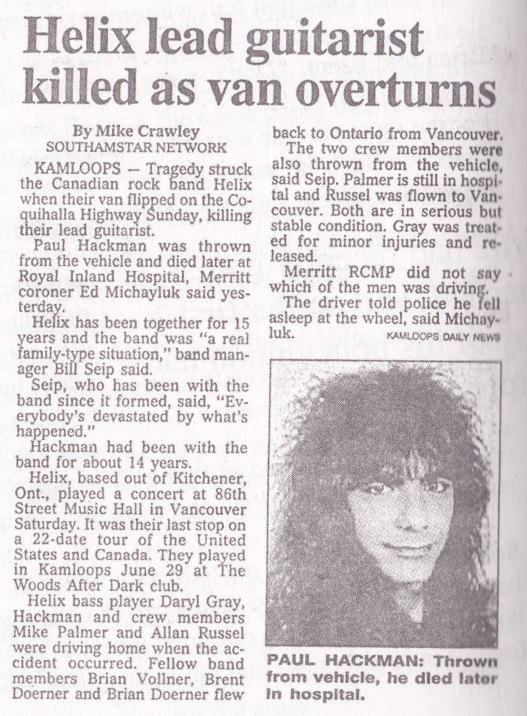
In July of 1992, Fritz Hinz was injured (slipped disc) and unableΒ to tour, so Brian Doerner returned for a few western Canadian dates. Β As a bonus, so did his brother Brent. Β After a final date in Vancouver the band headed home. Β Paul Hackman elected to travel home in the tour vanΒ with bassist Daryl Gray, while the rest of the band booked flights. Β Hackman, not wearing a seat belt, went to sleep. Β Then, according to reports, the van veered off the road and down an embankment when the driver fell asleep at the wheel. Β Three men were thrown from the vehicle, and Hackman was killed. Β Daryl Gray suffered minor injuries and flagged down help. Β 20 cars passed the frantic, bleeding bassist before someone stopped.

Back For Another Taste was Paul’s final recording.

5/5 stars

BACK FOR ANOTHER TASTE_0004

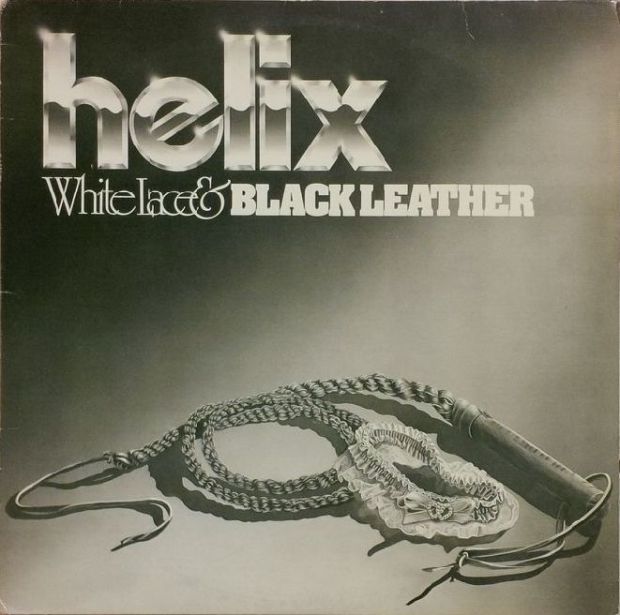
REVIEW: Helix – White Lace & Black Leather (1981 H&S)

Part two of a Helix three-fer!

HELIX – White Lace & Black Leather (1981 H&S)

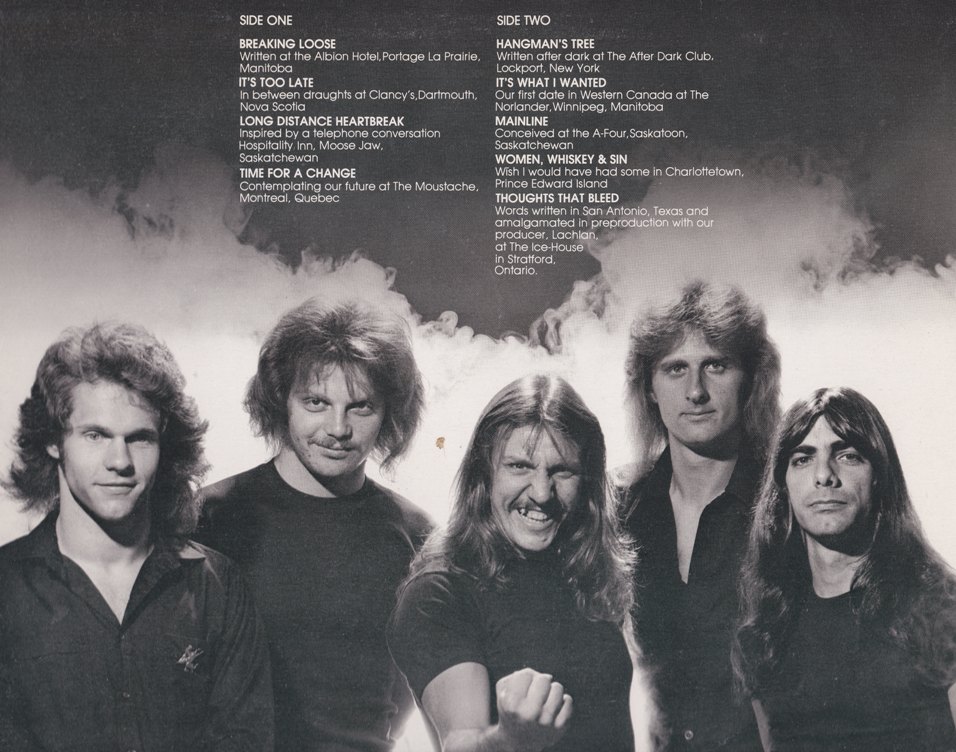
Having already done it once themselves, why not do it again? Β Once again Helix with manager Bill Seip raised the funds to record an independent album. Β Drummer Brian Doerner was gone, replaced by Leo Niebudek. Β On bass, Keith “Bert” Zurbrigg hung around long enough to record one new song (“It’s Too Late”). Β He was replaced by the young, talented and troubled Mike Uzelac. Β He was only 17 when he first joined Helix. Β He told them he was 19.

Sticking to the same formula as Breaking Loose, there is really no deviation in sound. Β Some members have changed but little else. Β The band still managed to come up with enough good material to fill an album to follow the first. Β I don’t know if theΒ track “Breaking Loose” was a leftover from the first album or not, but quality-wise there is nothing “leftover” about it. Β I would call itΒ a typical Helix party rocker: a fast one, often used back in the day to open their sets. Β The lyrics are the kind of thing that Helix were about: Β the weekend!

“4 O’clock Friday afternoon,
Punch that time clock, now you’ll be home soon,
Your week’s all done, now it’s time to roll,
You’re like a time bomb about to explode.”

Vollmer reminds us “You only got two days, so make it last,” a philosophy I heartily agree with. Β Brent Doerner and Paul Hackman lay down a pair of ripping guitar solos for the icing on the cake. Β Then “It’s Too Late” is the kind of melodic mid-tempo rocker that their first album was loaded with. Β Surely something like “It’s Too Late” could have worked on the radio, and I think that was the intent. Β That takes away nothing from the song, which is classy with quality.

“Long Distance Heartbreak” at almost seven minutes is Helix’s longest song ever. Β In the early days they tended to experiment with their songwriting, coming up with the odd mini-epic. Β Like many Helix classics, this one reads as a road song. Β Thin Lizzy they were not, but Vollmer captures the heartbreak in their lyrics while Doerner and Hackman take care of the guitar drama.

Helix get even more serious for a moment with “Time For a Change”, and “Hangman’s Tree” also brings a few issues to the table. Β “Time For a Change” is sadlyΒ even more valid today.

“Everyday there’s a new headline,
Another war and another lie,
When will we learn to stop this killing while we can?”

It’s interesting that Helix didn’t seem to know their direction yet, but still infused every song with their bare honesty. Β They were riding a line between a party band and a more serious, more experimental rock band. Β In the end they chose the route that they were intended for, but that takes nothing away from these early songs. Β “Time For a Change” and “Hangman’s Tree” are unexpectedly ambitious for a young bar band from Canada. Β In each case, it is the guitar work that elevates the songs.

WHITE LACE

“It’s What I Wanted” lightens the mood, a mid-tempo rocker with a great melody. I don’t know why it is, but these melodic rock songs really sound like home to me. They conjure images of a more innocent time, when the world seemed smaller to me. They capture and bring back hazy, happy pictures of Kitchener in the late 70’s.

Brent Doener comes back with his only lead vocal on the track “Mainline”. Sounds like Brent was having no trouble getting satisfaction back then. “She keeps me happy, what can I say?” he sings, lamenting that his lady keeps him up all night and late for work in the morning! “Pick up my cheque at the end of the day, I find I’m down a couple hours’ pay.” So in essence, “Mainline” is about choices. You can either have tons and tons of sex at all hours of the day, or get to work on time. It’s your choice, people!

“Women, Whiskey & Sin” is pretty simple in its message. This smoking track is more like Helix would evolve on later albums like No Rest For the Wicked. “Ain’t no laws to hold us back on a Saturday night,” sings Brian Vollmer. (Hate to tell ya Brian, there actually are laws about some of the things you boys were doing back in the day!) Then “Thoughts That Bleed” is a proggy, slow closer with lots of dynamics, similar to how Helix ended the first album with “Wish I Could Be There”.

Ultimately there is no question that Helix made the right move to drop some of these softer, more progressive moments and focus on the heavy metal side of their sound. It got them signed to Capitol Records and secured their biggest hits. That leaves these first two albums as evidence of an earlier, more naive Helix willing to stretch out a bit more.

4/5 stars

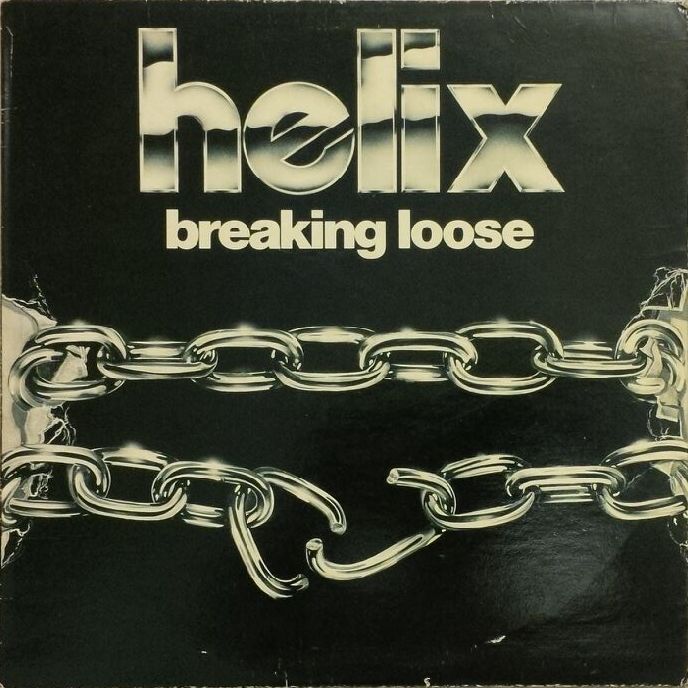
REVIEW: Helix – Breaking Loose (1979 H&S)

Part one of a Helix three-fer!

IMG_20150605_184257HELIXΒ –Β Breaking Loose (1979 H&S)

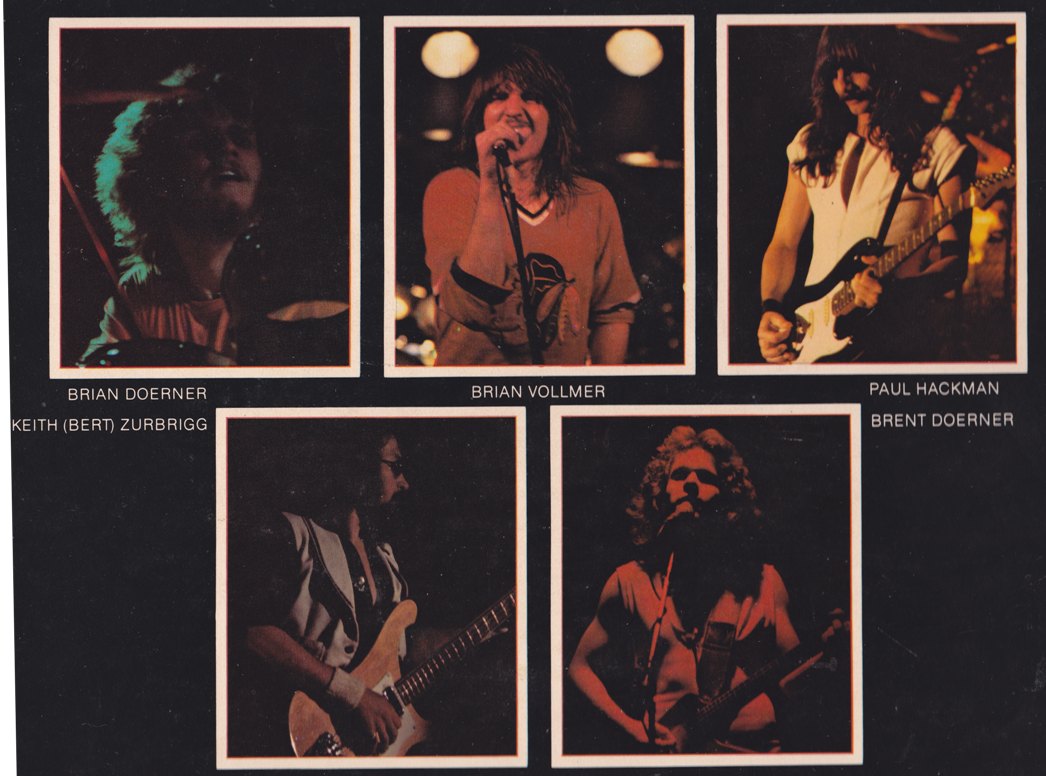
Long before they gave you an ‘R’, Helix earned a reputation as the hardest working band in Canada, year after year in the cold dirty clubs of the Great White North. Β Formed in 1974, Helix had a number of lineup changes before they even recorded their debut. Β If you want to get technical about it, even on their first album, Helix only had two remaining original members in singer Brian Vollmer and bassist Keith “Bert” Zurbrigg. Β Helix really solidified when they eventually acquired guitarist Paul Hackman, and twin brothers Brent (guitar) and Brian Doerner (drums).

Manager Bill Seip, who eventually guided Helix to a major label deal with Capitol Records in the early 80’s, was an early believer. Β Under his leadership, they managed to scrape together enough cash to record an independent album — something very few bands did back then. Β They released it on their own “H&S Records”, for Helix & Seip. Β What is remarkable about the album they created, Breaking Loose, is how great it still is today. Β I know people, very respected in the local rock community, who will tell you this is Helix’s best album.

Breaking Loose isn’t metal, but what it lacks in firepower is made up for in class, ambition and natural talent. Β Brian Doerner is one of the most respected drummers around, having acquired an extensive discography over the decades. Β As for Brent Doener and Paul Hackman, together they forged a guitar partnership that would take them up to the big leagues. Β They are not Downing & Tipton, nor are they Smith & Murray. Β Doerner &Β Hackman (R.I.P.) were in a hard rocking barΒ band, and Helix were damn good for their demographic. Β What they brought to the table was ability, but not flash. Β Both were capable of writing songs on their own, as the writing credits on Breaking Loose attest to.

Having toured extensively, Helix worked up a number of originals. Β The entire album is written by the trio of Doerner, Hackman and Vollmer, in various permutations. Β  Even then, Brian Vollmer had a remarkable voice: power with just a tiny bit of grit, but also the ability to sing clean. Β The production on the album is flat by today’s standards, but perspective and context are everything. Β For a self-financed album in 1979, it sounds incredible! Β Though it lacks the oomph of Helix today, it’s perfectly listenable.

StartingΒ with the mid-tempo “I Could Never Leave”, Helix right away hit you right off the bat with one of their catchiest tunes. Β You’ll notice the nice backing vocals, Brent being particularly audible. Β “Don’t Hide Your Love” has a similar vibe, that being hard rock with an emphasis on catchy melodies. Β Maybe Helix were aiming for the radio, but the songs aren’t wimpy by any stretch.

“Down in the City” is a Vollmer ballad, and a pretty good one too. Β The lyrics are cringe-worthy, but the music had ambition. Β It starts as a pretty, folky acoustic song and eventually builds with more guitars into something different. Β Plenty of guitars to go around. Β Then like night and day it’s onto “Crazy Women”, written and vocalized by Brent, otherwise known as “The Doctor”. Β Doerner has a quirkier writing style, which is a good thing, because it helped Helix stand out a little more from the pack. Β “Crazy Women” has plenty of guitars of course, but also has a neat drunken stumble to it.

Brent closed side one, and opened side two with a legendary song that helped them get a following on the west coast: “Billy Oxygen”. It’s still a favourite to this day, a short fast rocker about a guy named Billy Oxygen, captain of a starship called an ES-335, looking to meet some aliens to party with. Out of this world? Wait until you hear the band playing the shit out of it! Brian’s drumming reminds me of a good jazz drummer — fast, accurate, and hard! Keith Zurbrigg throws down a little bass, playing off with Brent and Paul in a three-way solo for the ages.

If you don’t like “Billy Oxygen”, then I’m not sure if we can be friends. The impact this song had on me cannot really be measured, as I played it on repeat ad-nauseum. As I recounted in Record Store Tales Part 2 (!), this tune even inspired me to do some writing of my own:

When I was in University I tried my hand at bad, bad science fiction short stories. Suffice to say, none of it survives today with good reason. However, Helix had a little moment in my fiction: My spaceship was called an ES-335, named after Billy Oxygen’s ship in the song. And only a little while ago did I learn that ES-335 wasn’t the name of a spaceship at all. An ES-335 was a Gibson guitar.

“Here I Go Again” is not the Whitesnake song, but another one of those melodic rock songs that seemed a bit contrived to get some radio play. Β That’s just speculation on my part, but I’m glad it was “Billy Oxygen” that did get the airplay. Β That’s not to say anything negative about the fine “Here I Go Again”. Β There isn’t a weak song on this album, but two other highlights are definitely “You’re A Woman Now”, featuring female backing vocals and a structure that builds into something dramatic, as if it’s Helix’s own “Stairway To Heaven”. “Wish I Could Be There” brings back the outer space theme, and has acoustic and heavy sections, sort of Helix’s foray into prog rock.

I should note that both “Wish I Could Be There” and “Billy Oxygen” made the Sausagefest countdown a few years ago, a lofty achievement indeed. Β “Billy” even cracked the top five. Β Musical scholar Scotty Geffros holds both songs in high esteem, and voted for them accordingly, as did I. Β Our host, Iron Tom Sharpe also voted for “Billy”.

BREAKING LOOSE_0001

This lineup only lasted for one album, both Brian Doerner and Keith Zurbrigg departed shortly after this, leaving Vollmer the sole original member. Their legacy of the lineup is this debut album, somethingΒ any band would be proud of. Β Unfortunately, CDs are hard to find. Β Capitol did a bare-bones but fine CD reissue in 1992, with both Breaking LooseΒ and the second albumΒ White Lace & Black Leather, on one disc. Β That release was called The Early Years, but it went out of print many yearsΒ ago. Brian Vollmer did a CD reissue of each individually, but both are now sold out.

Now, fair warning: Β IΒ have toΒ disclose that I am biased when it comes to this band. Β I’ve met them a number of times, and I haveΒ theΒ phone numbers of two guys who played on this album. For another perspective, I asked Scotty Geffros, who has a Masters degree in Rockology, about his relationship with Breaking Loose:

After being handed this album, as a youngster of maybe 9 or 10, I remember examining the cover first…and seeing the photos of the band on the back, and wondering why the singer had a Blackhawks jersey on? I was told by my father to listen to “Billy Oxygen” and quickly went to the turntable to give it a spin. Low and behold, instant love. From catchy tunes like “Here I Go Again”, to more epic works like “Wish I Could Be There”, this album grabbed me and holds up today as a really good, albeit under-appreciated record.

[Note: I was wondering the same thing. Brian, why are you wearing a Blackhawks jersey?]

I’d go a step further than Scott and call it really great. Being completely honest though, the only complaint I have about this album would be that some of the lyrics were a little weak. Β Young band…first album…I’ll forgive them. Β If you can too, then I suggest you hear Breaking Loose at your earliest convenience.

5/5 stars

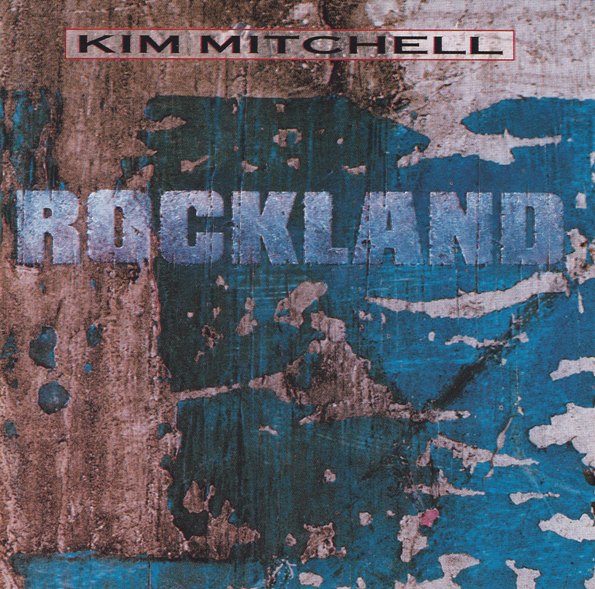
REVIEW: Kim Mitchell – Rockland (1989)

KIM MITCHELL – Rockland (1989 Alert)

This album was huuuuge in 1989. In Canada, summer time is Mitchell time. Cottages, brewskies, BBQ and Mitchell. That’s what it was all about! Shakin’ Like a Human Being was also a huge success for Kim, but he expressed a desire to use less keyboards and programming. Kim recorded in the US this time, and for budget reasons, did not bring along lyricist Pye Dubois with him. Pye had been in the studio with Kim for every album prior, and this caused a rift between the two that took years to heal. This was the last time they collaborated until 1994’s Itch.

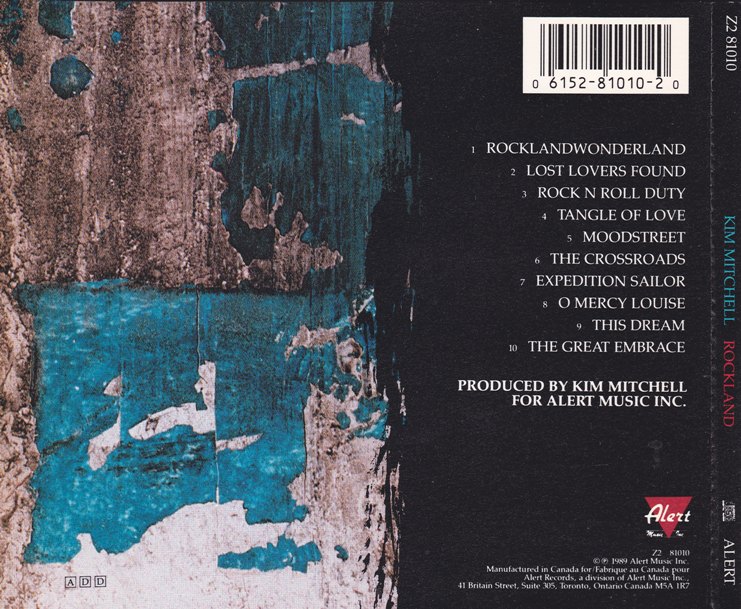
The pseudo-title track, “Rocklandwonderland” refers to the “concert bowl” at Canada’s Wonderland. Β “Listen to the music, listen to the voices, listen to my guitar,” sings Kim, although the song is a little light on guitar. “Rocklandwonderland” was a big hit for Kim, and although it’s not a heavy rock, his guitar playing on it is stellar. Perhaps he shouldn’t have followed a slow rock tune with a ballad, although “Lost Lovers Found” is a hell of a ballad, with just a hint of twang. Some felt that Rockland was too soft compared to Kim’s progressive rock past, but a Kim ballad has more integrity than most. Kim’s backup singer extraordinaire, Peter Fredette, is present here and he also serves to class up any song by several notches.

Other ballads on the record include “Tangle of Love”, which is quirky and experimental but not great. “O Mercy Louise”, which has a rocking chorus, is a fine song with cool lyrics. The “big one” however was the single “Expedition Sailor”. This introspective acoustic song is sparse and effective. Kim’s buddy Rik Emmett from Triumph drops by to play an excellent solo on classical guitar. “Expedition Sailor” is top drawer stuff. Β (The music video received a remix, which you can get on Kim’s Greatest Hits album.)

The “big” song on the album, still getting airplay today, is the anthem “Rock N’ Roll Duty”. Β The tougher direction of the song is exemplified by a “live” style music video in a seedy bar. Β As a fan I really wanted Kim to come out with a tough rocking tune, withΒ a killer chorus, and he did.

“I’m just doing my rock n’ roll duty,
Creating a buzz buzz buzz,
Some say I’m in it for the money,
Man, I’m in it for love love love!”

The phrase “I’m just doing my rock n’ roll duty,” is now commonly heard among music fans in Canada. The song just hits the spot, and the riff is now synonymous for summer in my mind.

Other highlights on Rockland include the joyful “The Crossroads” which opens side two. The guitar-heavy “This Dream” is another favourite. I could always identify with the lyrics. It’s just a stellar song, an also-ran that could have been a fourth single. The record is rounded out by “Moodstreet” and “The Great Escape”, two decent but unremarkable tunes.

MVP: Β Drummer Lou Molino, a near legend in these parts. Β Curiously, when you Google images of Lou Molino, you will also get hits for Lou Ferigno.

Overall I was pleased with the direction of Rockland, going a bit more raw and rocking. Unfortunately with the exception of a few tracks like “Rock N’ Roll Duty”, it feels very tame. Except for quirky moments within guitar solos, it doesn’t possess enough of Kim’s humour and idiosyncrasies. It feels as if it’s on a leash, but it’s also not straining to get off it. It feels like Rockland hits the mark in many respects, but plays it too safe.

3/5 stars

ROCKLAND_0004

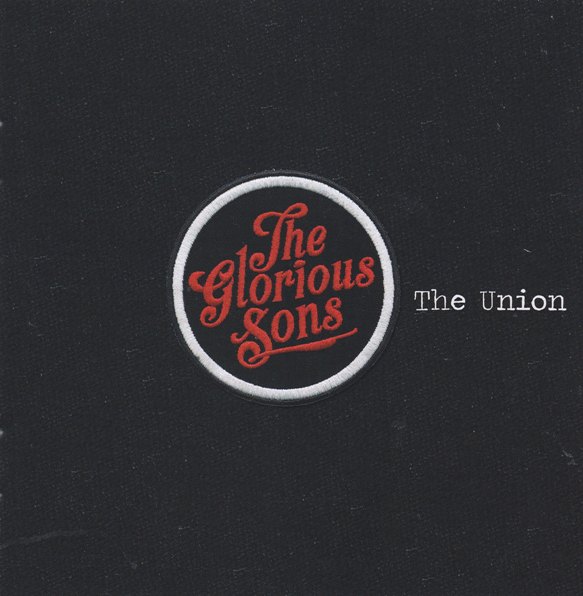
REVIEW: The Glorious Sons – The Union (2014)


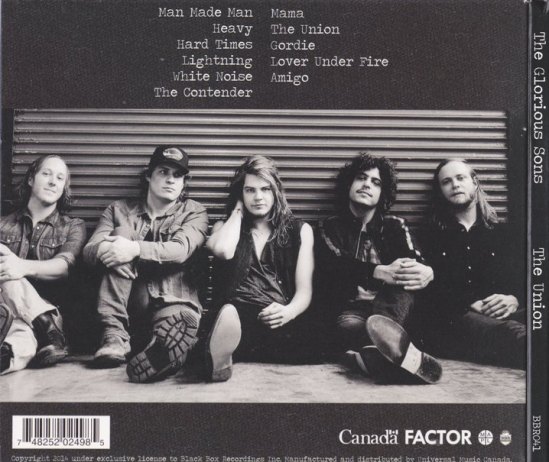
TGS_0001THE GLORIOUS SONS – The Union (2014 Canada Factor)

Kingston Ontario is home to several great Canadian rock artists: Β The Tragically Hip, Hugh Dillon and the Headstones, Sarah Harmer and Weeping Tile, and many more. Β I dated a girl from Kingston about 15 years ago and guess what! Β She was a musician. Β (I even reviewed her CD for her back in the day!) Β The place is a musical hotbed and The Glorious Sons are my latest favourite band to hail from there.

The Sons have been earning a lot of radio play thanks to four great singles. Β The one that first gainedΒ my attention last year was “White Noise”. Β The way the singer (Brett Emmons) enunciates caught my ear. Β He has a unique sort of drawl to accompany his powerful rasp. Β The first two things that initially catch me about a band are usually the singer first and the song second. Β Turns out the Glorious Sons have both on “White Noise”; a brilliant track with a dark celebratory vibe. Β It sure sounds Canadian to me: Β guitars, bass, drums, singer, song. Β There’s a certain type of “Canadian Rawk” that the Glorious Sons inhabit a corner of, and I don’t mind at all.

“Lightning” is the current single I’m hearing on the airwaves. Β It is a spiritual companion to “White Noise”. Β It has a slow burn to it, and a killer vocal performance by Emmons. Β Four of the five Sons are credited to backing vocals, and “Lightning” has those “ahh ahh’s” that help bump a chorus into the stratosphere. Β For a harder rocking single, check out “Heavy”. Β Better get your boots on because this one will get your ass swaying. Β The fourth strong single I’ve been hearing is the southern flavoured “Mama”. Β Sounding something like an undiscovered Skynyrd track via the Black Crowes’ By Your Side, it’s plenty fun and gets the hips movin’.

Thankfully, The Union is more than just a few good songs on the radio. Β This is evident on the slow-building opener “Man Made Man” which sounds like good old 1980’s hard rock! Β Once again the band cover the backing vocals, keeping everything sweet enough for hit potential. Β “Hard Times” is another hard rock standout. Β The cool thing about the Glorious Sons is that not only could they be very big now, but they could have been very big in 1989! Β This kind of celebratory rock would have been right up my younger-self’s alley. “The Contender” covers the badass rock vibe, and what could be more Canadian than a song called “Gordie”? “I wanna be like Gord Downie!” sings Emmons, name-checking his home town hero on this campfire rock track. “The Union”, “Lover Under Fire” and “Amigo” round out the album, a strong collection of songs overall. Β All these songs share strong hooks, great singing and a soulful rock sound. Β “Amigo” is a nice mellow piano track to close the album. Β Not a poor song in the bunch.

I’m very happy with my purchase of The Union by The Glorious Sons, an up and coming band for sure. Β And for $12 on Amazon, the price sure was right!

4/5 stars

TGS_0002

REVIEW: I Mother Earth – Blue Green Orange (1999)

This one goes out to Patrick Dynamite!

I MOTHER EARTH – Blue Green Orange (1999 Mercury)

When Edwin left I Mother Earth for a solo career, many fans (myself included) were disappointed with his wishy-washy not-rock of his solo debut, Another Spin Around the Sun. Β Sure the song “Alive” was incredible and epic, but the rest of the album was so middle-of-the-road and lukewarm. Β It was with great relief that I Mother Earth only went from strength to strength by hiring on unknown singer Brian Byrne to replace him.

I Mother Earth didn’t scale the top of the charts with Blue Green Orange, but what an album it is! Β Byrne has enough of the rasp and power that Edwin possesses, so he is a natural fit and the sound is pure IME. Β The opener “Love Your Starfish” immediately proclaims that the band are back! Β Back to playing longer, more complex song structures with interesting drum patterns, bellowingΒ vocals, and riffs.

But it’s not all just hammering away. Β “All Awake” brings back the spacey, quiet side of I Mother Earth. Β The psychedelic textures and exotic percussion are reminiscent of a song like “So Gently We Go” from the first album. Β Drummer Christian Tanna is joined by longtime I Mother Earth percussionist Daniel Mansilla, and Armando Borg on additional percussion. Β Jagori Tanna remains one of the most underrated and interesting guitarists to come from the Great White North, and his work here is exemplary. Β His willingness to explore reminds me of other progressive players such as Steve Rothery.

“Gargantua” is one of the shortest songs at 4:34. Β Most of them are in the five to six minute range. Β Appropriately “Gargantua” is the most radio-friendly. Β Its pop melodies and straightforward beats make it the most immediate, all it lacks is a great chorus. Β For that, go for the ballad “When Did You Get Back From Mars?” Β I don’t know if we can call it a “ballad” but it’s a quieter acoustic tune with a plaintive chorus.


Video edit version of “Summertime in the Void”

You wouldn’t usually pick out a track that is seven minutes long for a first single, but that’s “Summertime in the Void”, one of the best tunes on the album. Β It’s also one of the most rocking, though like all I Mother Earth tunes it’s full of twists and turns including loads of percussion. Β I’m a big fan of Bruce Gordon’s intricate bass. Β Even so, I do have a favourite bass player in the world, and that’s Geddy Lee. Β And guess who turns up on the song “Good for Sule”? Β Geddy frickin’ Lee! Β (Alex Lifeson played on the previous IME album, Scenery & Fish.) Β “Good for Sule” may well be the best tune on the album. Β Gentle piano helps make it the most laid back track on the disc.

I’ll stop here — I don’t want to review Blue Green Orange song by song, because it’s all variations of “wicked guitars”, “awesome percussion”, and “challenging twists and turns”. Β Blue Green Orange is not an instant pleasure, but one that reveals layers the more you listen. Β As such it’s my second favourite I Mother Earth album, after Dig. Reception was mixed at the time however. Β Some fans did not embrace the new album, others preferred the old singer.

The packaging for this CD is cool. Β You could choose between blue, green or orange covers. Β The inside booklet is layered with pages of different sizes and lyrics for all the songs. Β Packaging like this on a standard edition CD is something we collectors appreciate.

4/5 stars

REVIEW: Danko Jones – Born a Lion (2002)

THE BEST FUCKING COLLABORATION WEEK EVER

My very first THREE-WAY (review)! Β For today’s installment,Β Aaron ANDΒ James from the KMA and I are all reviewing the same disc. Β Check out all three reviews!

Aaron: Β DANKO JONES – Born a Lion
James: Β DANKO JONES – Born a Lion

DANKO_0001DANKO JONES – Born a Lion (2002 Universal)

How fucking cool is Danko Jones?! Β I love this Torontonian rock idol, just as much as Danko himself loves the Rock. Β His enthusiasm for hard rock and heavy metal is contagious. Β His music basks in it. Β You can hear his passion for the Rock in the grooves. Β He’s incredibly prolific, and monumentally talented as a writer, singer, and guitar player. Β The band itself (also called Danko Jones) is just a trio, so he has a lot of bases to cover and he does it with aplomb out the wazoo.

I don’t own all the Danko records (and I don’t know anybody who does) but of the ones I have, the debut long-playerΒ Born a Lion is still my favourite. Β It was a favourite back in the Record Store days too, receiving daily store play as a new release. Β Joe “Big Nose” felt that Danko was as close as anybody had gotten to the vibe of Thin Lizzy since Phil Lynott. Β I wouldn’t necessarily agree with that fully, but I see what he was getting at.

The swampy blues guitar that opens “Play the Blues” is just a feint. Β This is a slamming, heavy rocking blaze. Β “If you wanna know how to play the blues, get yourself a woman! YEAH!” howls Jones. Β It’s an adrenaline shot to the heart, eyes ablaze as “Play the Blues” tears from the speakers. Β “Pick it sweet! Slide it slow! WOO!” Jones unleashes a killer solo as you reach for your asthma inhaler!

If you’re not hooked by now, then you probably don’t like rock and roll. Β “Lovercall” was the single, for which a killer video was made. Β Getting into a groove this time, Jones instructs us on how to pick up a lady.

You see when I was growin’ up…
I got the inside scoop,
I used to watch all the older fellas work down the block,
that’s right when they used to work I used to watch,
and when I watched I learned…
The Lovercall, baby!

Danko Jones has a way of using his sassy spoken word verses to maximize the cool factor, before sliding into a chorus that you can sing along to. “Lovercall” is the best example of this.

So are you in or are you out? Β That’s all Danko needs to know on “Sound of Love”. Β Not as mindblowing as the first two, it’s still a swaggering confident rock song based on a solid groove. Β “Every time you see her, she’ll get a little hotter,” whispers Jones, and you certainly believe him because he sure does sound like an expert in such matters. Β “Now where the pretty girls at? ‘Cause I’m the man with the black hat.” Β There you go. Β Free advice from Danko – black hats are in, but he says it with so much swagger that you have to believe there are some serious mysteries of the universe opening up before us!

“Papa” is the song from which the title Born a Lion was derived. Β “I was born a lion, and like a cat I’m gonna dance.” Β Sure, Jones has only one thing on his mind, but who gives a fuck? Β I ain’t leaving now; I’m sticking around for the Rock. Β “Soul on Ice” has a mean AC/DC prowl that could have fit on an album such as Black Ice.

DANKO_0002“Word is Bond” is dynamite up the ass with no fuse! Β The energy is unbelievable, and Danko’s swagger is always intact. Β When he says “If you want it, I will do it — my word is my bond!” I believe him. Β This is another AC/DC rocker, and it absolutely tears up the joint, leaving nothing but rubble and ashes. Β  But Danko Jones will survive like a cockroach and live on to meet more ladies, as he does on “Way to My Heart”. Β Don’t let the title fool you, this ain’t no Warrant or Whitesnake ballad. Β Nope, it’s all rock and groove and balls. Β “Let’s go onΒ the side of the road, I can be your Romeo.” Β There’s no romance here, it’s sheer lust.

Racial diversity is the theme on “Caramel City”, the first time Danko’s not singing about girls on this record. Β It’s kind of a weird chorus (spelling out the word “C-A-R-A-M-E-L”) but it’s good enough for me. Β “Get Outta Town” is more fun, another blazing fast rock groove. Β It’s infectious, but I don’t believe him when he sings, “All the girls got boyfriends, but man I don’t got a girl.” Β Sorry Jones. Β I’m not buying it.

More ass-kicking transpires via the speakers on the chugging “Suicide Woman”. Β How much more ass-kicking? Β A lot, as “Suicide Woman” follows the general template of smoking from start to finish. Β Danko keeps the guitar solo to the basics because let’s face it, we just wanna rock at this point. Β Concluding the proceedings is the incredible “Love is Unkind”, quite possibly the most smoking-est track on the record.

Let’s be blunt. Β Danko Jones’ schtick can wear thin, but the album isn’t long. You either like this band or you don’t. Β I like this band. Β And I love Born a Lion.

5/5 stars

Final note — some editions have two bonus tracks. Β I intend to find them.

Final final note — my copy came with a Danko Jones sticker that I still have. Β I wonder if Aaron and James have theirs?

Monday: QUIET RIOT – Metal Health

REVIEWS: Russian Blue – Demo #1 and #2 (1990-91)

RUSSIAN BLUE – Russian Blue demo #1 (1990), demo #2 (1991)

Russian Blue were a Toronto hard rock act fronted by the talented Jo E. Donner who, in a perfect world, would have been signed to a major label deal had not the roof caved in when grunge arrived. Β They first rose to national awareness as part of the legendary Raw M.E.A.T Vol 1 compilation of Canadian indi rockers. Β Upon hearing that first song, “Once a Madman”, I was immediately hooked on this band! Β Donner had the pipes (often compared to a young Robert Plant) and the looks (also Plant), and the band clearly had the writing chops to crank out at least one world class rock song. Β Its slow build was unusual in hard rock at the time, as was the lack of an actual chorus. Β I had to hear more, so I wrote the band and ordered a tape.

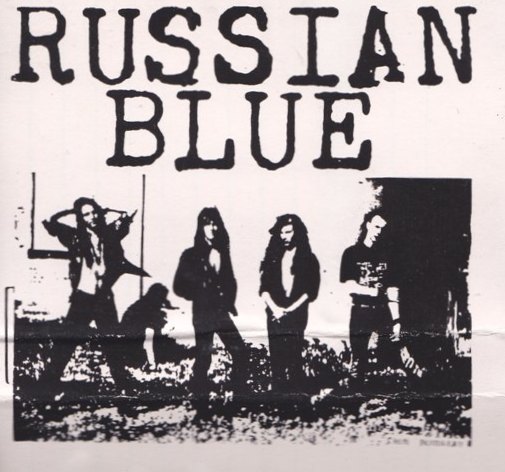
RUSSIAN BLUE_0004Demo #1 (1990)

The first self-titled tape came in a professionally printed three colour J-card, with printed stickers on a white cassette. Β Pretty pro for the time. Β The J-card itself is a three panel fold out, with a black and white photo of the band and lyrics too. Β Four songs, same both sides. Β Let’s give’r.

The familiar tamborine and guitar licks of “Once a Madman” open the first tape. Β M.E.A.T editor Drew Masters always advised bands submitting demo tapes to keep it short (three to five songs), professional looking, and top-loaded with the best songs. Β Someone listening to a tape was likely to hit eject after the first half of the first song if they weren’t feeling it. Β Russian Blue must have been paying attention because they hit all three marks. Β (Masters’ other major beef with bands was not listing the song titles, the name of the band, or any contact info on a demo tape!) Β The second strongest song “Likkin’ Dog” (ugh, come on, spelling) is suitably next in line. Β Digging into a heavy groove and solid riff, I’m reminded of early Skid Row or Guns N’ Roses. Β Donner truly had the voice of a rock star. Β The other members (guitarist Richard Gauci, drummer Mike Willerding and bassist “Robo”) are also up to the task. Β Gauci in particular boasts an impressive arsenal of tricks and licks for a guy you’ve never heard of before.

“Miss Precocious” enters with the same drum drum hook as “Dirty Weapons” by Killer Dwarfs which came out earlier that year. Β Coincidence or inspiration aside, it’s a demo so it’s not a big deal. Β “Miss Precocious” is an OK sleaze rocker that David Coverdale would have been comfortable taking a spin with. Β This could have been on Slip of the Tongue as one of David’s randy odes to young ladies. Β The generic “Had Enough” is the weakest of the four tracks, and is last on the tape for that reason.


A brief history of M.E.A.T Magazine

RUSSIAN BLUE_0005Demo #2 (1991)

Russian Blue added me to their mailing list and sent updates as to their current goings-on. Β A second demo tape with four all-new songs was put up for sale and I ordered mine forthwith. Β I was disappointed that the second demo didn’t come as professionally packaged as the first, but I suspect that the band spent all their money on that first tape and the spot on Raw M.E.A.T Vol 1. Β The second tape came in a hand-made J-card with a photocopied band photo on the front and a sticker with the song titles inside. Β Unfortunately the second song is misspelled “Balck” (“Black”) and this carried over to the sticker on the cassette shell as well. Β The tape, a TDK D50 (50 minutes was a specialized length) was of good quality and has the same songs on both sides. Β The tape also came with a little Russian Blue paper logo. Β At least they tried.

The second demo showed the creeping influence of darker alternative tendencies. Β “Mama’s Love” was different from anything on the first demo, taking a swampy minimalist approach to the verses. Β When Donner rips out some rock shrieks, things kick up on a notch or two on the chorus. Β The song is almost equal to “Once a Madman” in terms of quality, but traversing a different more menacing direction. Β Keeping the stronger tunes up front, “Balck”…err, I mean “Black” is second in quality. Β It opens with a psychedelic lullaby-like opening, before creeping into another swampy groove. Β The vibe is nastier, including the first “F-bomb” of the album: “Nothing lasts forever, except the words to this fuckin’ song.” Β It’s a good track and though it didn’t really last forever, it did get re-worked into “All”, a song on Russian Blue’s only full length CD, after they changed their name to Feel. Β The album was called This (1994).

sam_1568“Child of the Ocean” has a drony, spare riff and a cool exotic sounding guitar solo by Richard Gauci. Β It continues Russian Blue’s journey into less mainstream sounds, as this is a dreamy rocker. Β The final song, which is the F-bomb Β laden “Bleed”, is the most old school. Β This one is basically a Guns N’ Roses B-side wannabe, but who gives an F-bomb? Β Russian Blue had ability to pull of a ballsy song like “Bleed”, false ending and all, without sounding like douchebags. Β Good on them.

In closing

A few years back, I posted a chapter of Record Store Tales (Part 146) about my cassette collection called Cassettes Part II – The Indi Years. Β I showed off these old Russian Blue tapes, and less than a month later, a fellow enthusiast found the post and contacted me. Β He was really excited about this second demo, because he had never seen it nor even heard of it before. Β He didn’t know that Russian Blue had anything out between the first demo tape, and Raw M.E.A.T Vol 3 (1992), to which they contributed “Mama’s Love”. Β It’s always a pleasure to be able to bring content like this to the internet, finally shedding light on the dark crevasses of rock and roll that were previously obscure. Β The reader told me, “I was really into these guys back in high school. I pretty much bought a cowbell because of ‘Once A Madman'”. Β How awesome is that?

Given that you have to allow for certain deficiencies in demos, especially from the cassette era, I am giving Russian Blue a grade based on the reasonable expectations from the period. Β That considered, the Russian Blue demos come in at:

4/5 stars each.