doug sampson

REVIEW: Iron Maiden – The Early Days (2004 DVD)

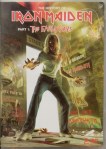
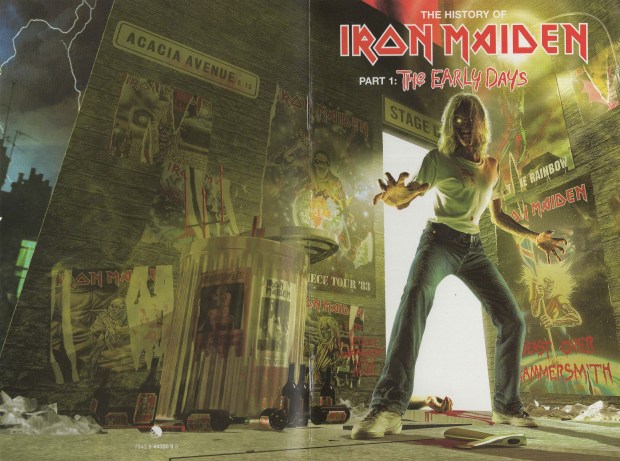
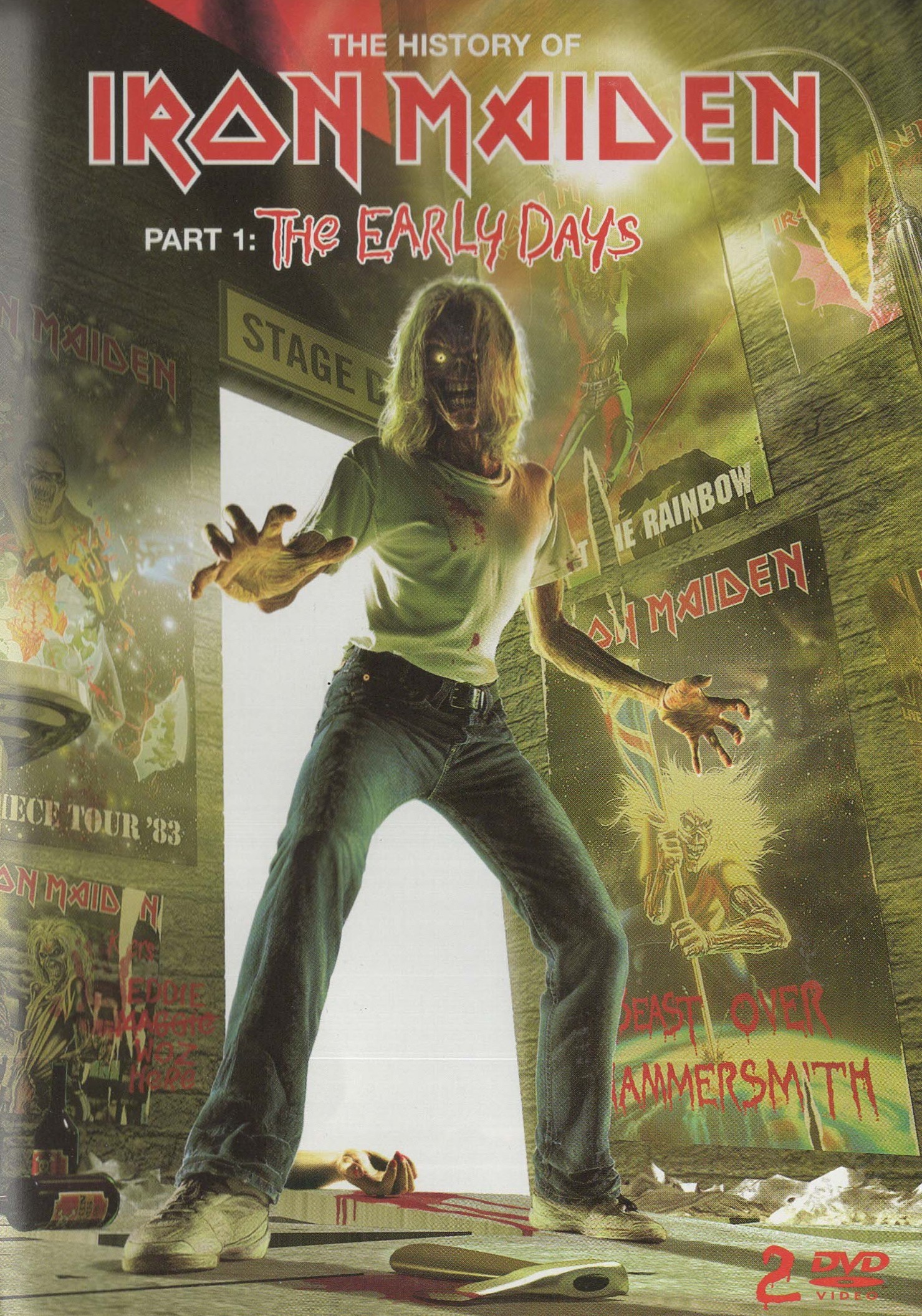
IRON MAIDEN – The History of Iron Maiden Part 1: The Early Days (2004 EMI DVD)

Staying on the cutting edge, Iron Maiden released one of the best and most value-packed videos of anyone’s career with The History of Iron Maiden Part 1: The Early Days.  We won’t get too much into how they never really properly followed it.  We’ll just praise it for what it is:  A must-buy DVD for your Iron Maiden collection, and your education.

The DVD is divided into several sections, with the main feature The Early Days winding up on Disc Two.  That’s where we’ll start.
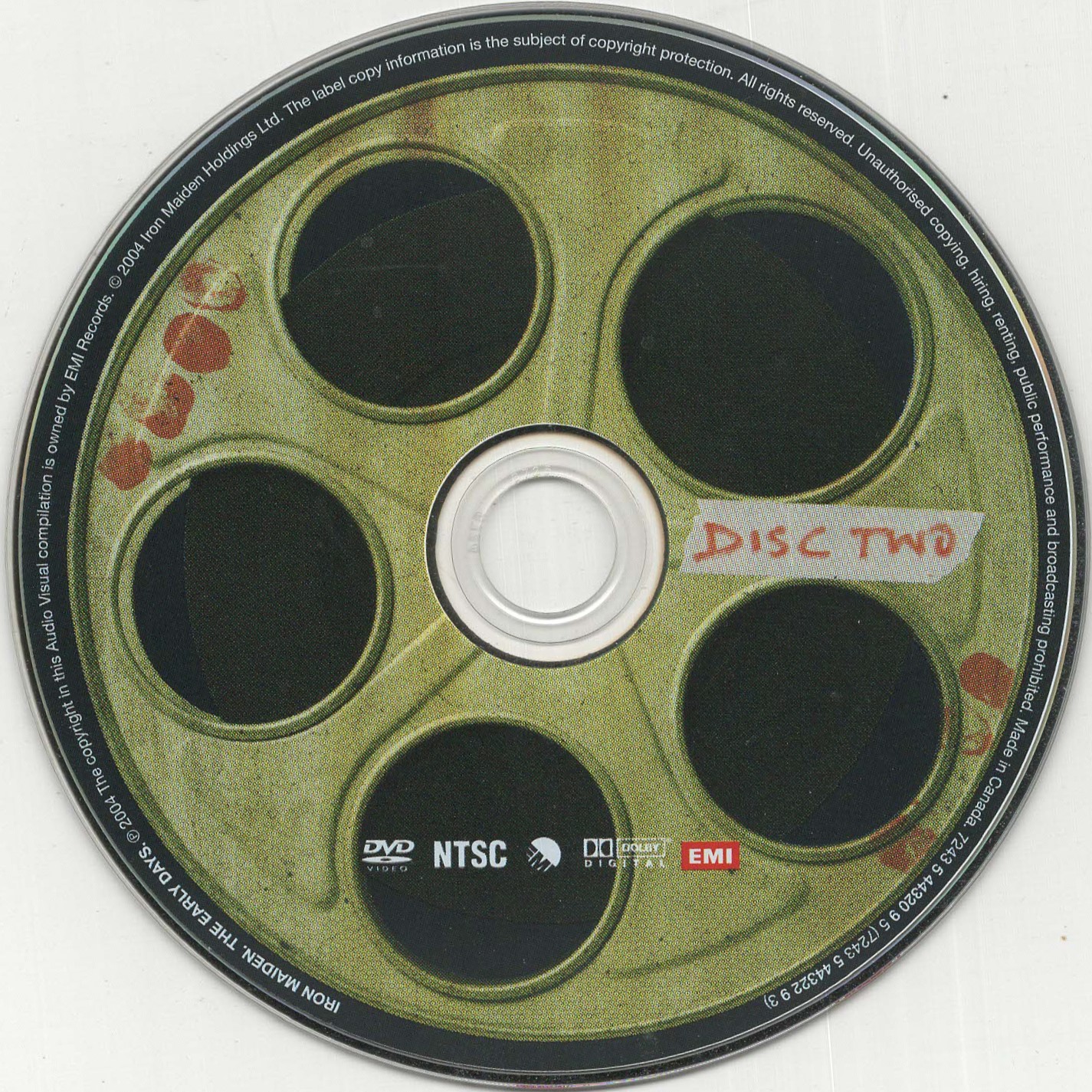


Disc Two

The Early Days

Released to DVD on, The Early Days is a 90 minute feature directed by Matthew Amos.  Impressively and most importantly, they gathered together as many past members as were willing and able.  Many of them have never seen interviewed before:  Doug Sampson, Rob “Rebel” Matthews, Dave Sullivan, Terry Rance, Bob Sawyer, Terry Wapram, Paul Di’Anno, Dennis Stratton, and Clive Burr.  This in addition to Steve Harris, Bruce Dickinson, Dave Murray, Adrian Smith, and Nicko McBrain.  We gain some insight into the formation of Steve’s early band Gypsy’s Kiss.  What Steve really needed was a band where he could lead.   Gypsy’s Kiss broke up after a mere five gigs, due to the usual “musical differences”.  Iron Maiden formed, and gained fans via word of mouth.  There is the claim that original singer Paul Mario Day didn’t have a great stage presence, according to original drummer Ron “Rebel” Matthews.  Looking for a showman, they went with Wilcock who was highly influenced by Kiss.  He had this sword gimmick with fake blood coming from his mouth.  Musically, Dave Murray was the turning point, but Dennis Wilcock convinced Steve to fire the whole band.  Steve and Wilcock formed a new Iron Maiden, with Thunderstick on drums.  You know!  The guy with the leather mask, best known from Samson.  He blew a gig (on drugs) and was fired.  Maiden tried a keyboard player instead of a second guitarist, until Wilcock suddenly left the band.  Doug Sampson from one of Steve’s first bands, Smiler, joined in.  Dave Murray came back, and they found Paul Di’Anno.  This would prove to be the foundation of Iron Maiden.  They toiled with a four-man lineup, as they tried out guitarists.  Paul Todd, Tony Parsons, and “Mad Mac” all their moments, but don’t last.  Parsons, at least, was recorded on a number of tracks now released on Eddie’s Archive.  Speaking of whom, Eddie is finally created (as a smoke-breathing head), and Maiden had a mascot.  The Soundhouse Tapes were recorded, and handed to DJ Neal Kaye.  This led to a live gig at the Soundhouse and things began to snowball.

Future manager Rod Smallwood got hold of the tape.  Somehow he managed to sign Iron Maiden to a three record deal, which was an incredible guarantee for Iron Maiden.  Doug Sampson unfortunately was not healthy enough to enjoy the spoils.  He would not be able to tour, and had to be replaced.  The talented Dennis Stratton came aboard on guitar and backing vocals, bringing drummer Clive Burr with him.  The lineup that recorded the EMI debut was set.

The band were not happy with original producer Will Malone, who was disengaged and uninterested.  Artist Derek Riggs was found, and Eddie was brought to life.  Iron Maiden performed live on Top of the Pops, the first band to actually play live since the Who in the 1970s. Touring with Kiss, Maiden took note of their stage and performance.  It is acknowledged that Kiss were their model when they chose to get more theatrical on future tours.  Unfortunately for Stratton, Dennis was let go at the end of the Kiss tour.  Regardless of his talent, they were not cut from the same cloth.   They knew Adrian Smith from his band Urchin (“Roller” is shown).  Martin Birch (Deep Purple) is recruited to produce the more satisfying second album, and they band embark on their first world tour.

The beloved Paul Di’Anno began to falter.  Even Paul acknowledges that Maiden did the right thing by getting Bruce Bruce from Samson.  Bruce electrified the band, in the studio and on stage.  He enabled them to push it further.  On stage, he was an acrobat.  This caused some friction with the bass player, who was quite used to standing next to the singer on center stage.  Now, there was a madman running about, colliding with Steve Harris at center stage as they battled for position.  It only made the band that much better live.

It’s clearly a tough gig.  Clive Burr was not doing well.  The drummer was given three months to sort himself out but he couldn’t.  Lacking time, the band had to move on.  Nicko McBrain was known from the band Trust, and was the natural guy to take over.  Food For Thought was considered for the next album title, but we all know it became Piece of Mind.

Cut to Maiden live at Dortmund.  To be continued.


Disc One

Live at The Rainbow (originally released on VHS on 11 May 1981) – 30 minutes

Recorded 21 December 1980

The video quality on Live at the Rainbow is incredible – feels more like late 80s than early 80s quality!  However it was recorded and remastered for DVD, they did a smashing job here.  This lineup features a short-haired Adrian Smith on guitar, and has a stage set with the first album Eddie as the backdrop.  Paul Di’Anno is rocking mega spikes on his arms and belt, as was the look at the time.

The set begins with a cracking good version of “Wrathchild”.  Then Paul introduces the “Title track from the second album!”, but the lyrics are the early version from before the words were finalized.  “Killers” features an incredible top-speed Clive Burr.  There are great closeup of Davey playing the descending harmonics.  The lights go dim, and the band are in darkness for the quiet opening of “Remember Tomorrow”.  The lights really go nuts on heavy parts.  Steve moves to the front for the instrumental “Transylvania” as he becomes the focus on stage.  The epic “Phantom of the Opera” follows.  Clive shows the world why he was so beloved in Iron Maiden.  He’s absolutely hammering here.  This could be the greatest version of the song ever released.  The set closes with “Iron Maiden”.  Davey starts with a whammy dive, before going into the main lick.  Paul has jacket on.  You can tell there was some editing here, as Paul had no shirt on the previous song, and now he has his jacket.  It’s a treat to see Dave and Adrian play those harmonies and leads though.

Beast Over Hammersmith (full audio available on Eddie’s Archive, video previously unreleased) – 45 minutes

Recorded 20 March 1982

They claim the full show is unwatchable.  They say they had to do a lot of work just to restore the nine songs on this DVD.  Regardless, this show including Bruce is great to watch because of the contrast.  Now the band were on the big stage.  Now they had a stage show.  Now they had Bruce.

There is an opening montage of the crowd entering the venue, lots of jean jackets and patches, to the tune of “Murders in the Rue Morgue”.  Bruce enters like a whirlwind!  The lighting rig is cool – like a “V” of lights on stage below Clive.  “Run to the Hills” is early in the set and now it’s refreshing to go back to 1982 and hear Young Bruce singing it at full lungs.  Bruce is noticeably a far more visual frontman than Paul was.  Only one studded arm though!  “Children of the Damned” is next, as the lights dim a bit and Bruce stands center stage.  No running about, this time.

“The Number of the Beast” sees the crowd fairly calm during the opening, since it is a new song and they don’t know the opening yet.  Davey headbangs through the whole thing!  Annoyingly, the camera avoids Adrian during his part of the guitar solo.  During “22 Acacia Avenue”, Bruce reveals that Adrian had some bruised or broken ribs!  Though musically brilliant, this is where the band lost their way.  Charlotte appears on stage in the flesh, dancing next to Adrian, raising her legs, and moving to center stage in front of Bruce.  It’s a rare miss for Iron Maiden as it takes the focus away from the band.

Bruce introduces the “B-side of our current single!”, and it’s the rarely played “Total Eclipse”.  Bruce’s vocal is far more expressive than the studio version.  This time the camera focuses on the appropriate guitar players during the split solo, thankfully.  Bruce then removes his leather jacket for the melodic masterpiece “The Prisoner”  For “Hallowed Be Thy Name”, he most dramatic song of the set, Bruce stands on the “V” steps by the drums.  Then, he comes down later to rile up the crowd as the song gets faster and harder.  Finally, it’s “Iron Maiden” and Bruce explains to the crowd what the torture device does.  The band really explode onstage for this fast blaster!

Live In Dortmund – Rock and Pop Festival (previously unreleased) – 45 minutes

Recorded 18 Dec 1983, broadcast only once

Maiden headlined over Ozzy, Scorpions, Def Leppard, Priest and Michael Schenker if you can believe it.  Maiden over Ozzy.  For this Piece of Mind era show including Nicko McBrain, we only have the surviving broadcast tapes.  “Iron Maiden” was also played, but cut from broadcast due to an Eddie “lobotomy” with tissues and ribbons counting as “excessive violence”.  The recording of that song is now lost.

Bruce had what we’ll call his “caveman look” with a shirt like something Fred would wear on the Flintstones, paired with some leather trousers.  We open with “Sanctuary” and a very animated Nicko on the cymbals, when he stands for the cheer break.  Bruce’s vocal delivery is a tad too operatic for this song.  Davey’s solo is gravy.  Onto “The Trooper”!  Bruce waves the union Jack, with smoke all over the stage.  The guitars are a bit thin sounding on this recording.  One cool moment is when Steve runs up drum riser and plays face to face with Nicko.  Steve is a real band leader, interacting with all the members on stage.  It is during “Revelations” that Bruce plays a Les Paul during the guitar harmonies.  Plays, or “plays”, it was rarely seen and here it is documented.  (It is this version that is included on the Best of the Beast vinyl LP limited edition.  His vocal here is powerful and far more expressive than the album.  It is a brilliant, full sounding version, loaded with energy.  There is however an annoying close-up on the stage Eddie (behind Nicko) during instrumental mid-section that keeps repeating.

“Scream for me, Dortmund!  The Flight of Icarus!”  The bass sounds heavier on this version.  Bruce nails the chorus.  No backing vocals audible as on Live After Death.  An absolutely killer rendition.  Back to “22 Acacia Avenue”, there is no dancing girl this time, Maiden having learned their lessons.  The audience is a sea of hands.  A great live version, with Bruce adding extra flair.

Now that they are familiar with the song, the audience speaks along to “The Number of the Beast” and its opening narration.  A grim reaper, concealed in smoke, appears on stage.  The band leaves, and then returns for the encore “Run to the Hills” and final song of the included set.  The chorus sounds different this time, lower perhaps.  Maybe it is because Steve’s backing vocals being so high in the mix?  At the end, Bruce destroys a drum kit!


Disc Two

There is plenty more to be seen and heard on disc two of this set, besides just The Early Days documentary.  There is a whole other 45 minute unreleased set of music from the band’s own archive, and lots of TV stuff included as well.  Here is a detailed breakdown of everything else on Disc Two.

20th Century Box – 21 minutes

Recorded & broadcast 1981

This television special is primarily framed in terms of the New Wave of British Heavy Metal (here called a “revival”), and the musical culture of the time with Punk also reigning high.  There is rare black and white footage from the Marquee club, including “Phantom of the Opera”, “Drifter” and “Iron Maiden”.  There are interviews with Steve and Paul (in a comics shop!), Neal Kaye, Geoff Barton, famed air guitarist Rob Loonhouse (age 23), and many fans.  Produced for television, everything is slick and pro-shot.  A valuable time capsule.

Live at the Ruskin (previously unreleased) – 45 minutes

Recorded 14 April 1980

As of this DVD, Live at the Ruskin is the oldest known video of Iron Maiden live.  It is single camera of surprising quality, probably filmed by road tech Vic Vella.  The Ruskin was kind of a home base to Iron Maiden, and so the introduction goes:  “Welcome, your very own Iron Maiden!”  Paul is very talkative, as if presiding over a party with friends.  Heck, his own mum is in the house!  And so is guitarist Dennis Stratton, not yet sacked, and very much showing his value in this video.

“This is a song you should all know by now, it’s our next single.” And know it they do.  “Sanctuary” lights the place up.  The young band appears crowded on that small stage.  Dennis’ Les Paul solo is speedy magnificence.  Davey takes the second solo, with wah wah pedal.  Paul Di’Anno is very growly, and the “chuggy” section at the end is longer.  The video gets blurry a bit on “Wrathchild”, but it’s awesome to hear a version with Dennis’ solos.  The sweat is visible on Di’Anno’s face during “Prowler”.  Again, it is amazing to hear a live version with Dennis, as his tone was not the same as Davey’s or Adrian’s.  He also sings ample backing vocals, and his voice is different from Adrian’s.

A touch slower version of “Remember Tomorrow” follows, and then Clive leads the clapping on “Running Free”.  Vocally this is one of the best versions available, and that’s partly due to Dennis’ audible backing vocals.  Dennis and Davey perfectly in sync on guitar harmonies.  Outstanding version.  The instrumental “Transylviania” also features a lot of Dennis.  He does the first solo, and the main guitar lick of the song.

Time for band intros, as Paul removes his shirt.  Then it’s onto “Another Life”, the only official live version with Dennis ever released.  Steve’s bass is dominant, with a lot of high notes.  This is back when Maiden still had drum solos.  “Clive Burr on drums!” The audio goes out for a second, it’s not your DVD.

“Phantom of the Opera” features Steve and Dennis on backing vocals, in a very version.  Amusingly , you can spy lots of beer cans visible behind Davey on his amp.  Then we end the recording with “Charlotte the Harlot”.  Paul explains that it’s a song about a whorehouse, a brothel!  He can’t say more, as his mum is in the house!  There is a meandering intro, but Iron Maiden were not an arena act yet.  Another powerful version!

Top of the Pops

Two tracks here:  “Women in Uniform” (22/02/1980) with Adrian on guitar.  Actually live!  This is the only official live version of “Women in Uniform”, ever.  The drums sound shit, and you can hardly hear the guitars.  It’s not like Top of the Pops knew how to broadcast a live rock band.  The second track is “Running Free” (13/11/1980) which sounds better.  Paul is wearing the striped shirt under leather jacket.

Rock and Pop ZTV

Only one track here, from a German broadcast in 1980.  It’s a mimed “Running Free” with Adrian on guitar.

Five Promo Videos

You’ve seen ’em on TV, on Visions of the Beast, and now here too:  “Women In Uniform”, “Run to the Hills”, “The Number of the Beast”, “The Trooper” and “Flight of Icarus”, all original versions.  It doesn’t matter what people think today; back in the 80s these were some of the coolest music videos ever!  “Flight of Icarus” even had footage from inside the recording studio, which was not common for a lot of metal bands.

Steve’s Diary & Scrapbook, On The Road

Click and flick through the scans!  Interesting stuff about seeing Genesis at the Hammersmith, and the Stones at Knebworth.  There’s even some band bookkeeping:   getting paid 5 pounds for expenses, 10 pounds for a gig at Cart and Horses.  The biggest payout you see in these receipts was 25 pounds.  Steve even documents his bass amp payment installments.  Some major Maiden history is recorded:  the day Dennis Wilcock auditions to replace Paul Day (“Mon the 20th”).  Steve’s thoughts: “Now the hard part is to tell Paul…”  Paul Mario Day did 26 gigs in total, and understood when Steve broke the bad news.  The scrapbook has gig ads back to 1976.  One gig has them second to Samson (at the Music Machine, in Camden).  The section titled “On the Road” contains photo galleries going all the way back to 1973, Smiler, and the first Iron Maiden lineup.  There are pictures of Vic Vella, Rob Loonhouse, and many more.   This goes up to 1983, and includes tour programs, tour dates (back to 1979), shirts, backstage passes and assorted art.  All very fascinating stuff, but limited by the DVD format.  Today you’d do this on a website.

There is also an album and singles discography, with art.  Again this is something that works better on a website today.


And that’s an exhaustive review on an essential Maiden DVD.  There is even a beefy booklet with liner notes to read.  Maiden even toured for the DVD, playing only songs from the “Early Days”.  Now that’s how you do a release.  If only we had a live album from that tour!  Deluxe edition, lads?

4.5/5 stars


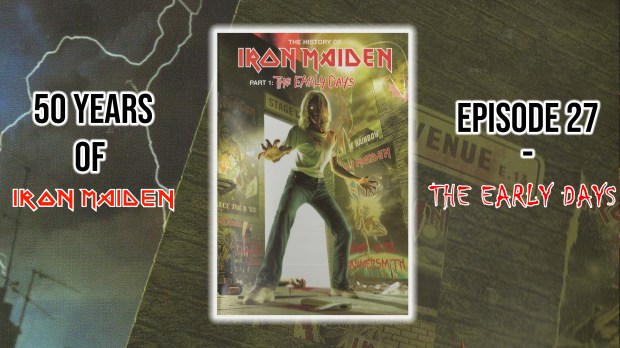
50 Years of IRON MAIDEN episode 27: The Early Days DVD

50 Years of IRON MAIDEN episode 27:  The History of Iron Maiden Part 1:  The Early Days

GRAB A STACK OF ROCK #133

Buckle up, for tonight is one of the most detailed episodes of 50 Years of Iron Maiden to date!  In 2004, Iron Maiden went out on tour, but not to promote a new album.  This time (and for the first time!) they were out to promote a video:  The History of Iron Maiden Part 1: The Early Days, on DVD.  Tonight, we break down the entire contents of the DVD release (including the special features you probably never watched!) and the tour to boot.  Yes, this is an episode of 50 Years of Iron Maiden as essential as any!

The DVD itself centers on The Early Days, a 90 minute documentary on Maiden history from 1975 to 1983 (the “early days”).  It includes interviews with Maiden members you’ve probably never met before, such as Ron “Rebel” Matthews, Terry Rance, Doug Sampson and many more.  The history of the band is run down with great care, ending in Dortmund in Germany on the World Piece Tour.

There are four concerts, in various states of completion:  Live at the Ruskin (1980), Live at the Rainbow (1981), Beast Over Hammersmith (1982) and Live in Dortmund (1983).  Even though we have discussed some of these tracks in previous episodes (including a full episode on the CD version of Hammersmith), we will go through every single track in exhausting detail.  Then there are the Top of the Pops and other TV shows to cover!  Then, Mike will take you through all the interesting details in the bonus features, such as Steve’s diary and scrapbook.  Find out exactly how Steve fired original singer Paul Mario Day, and when!

When this all said and done, Harrison will guide us through the Eddie Rips Up the World Tour, including the setlists and an incident involving Sharon Osbourne.  You might have heard about that one!  It happened on this tour.

Don’t miss the premiere of this episode, as we always like to interact in the comments!  Up the Irons!

Friday January 9 at 7:00 P.M. E.S.T., 8:00 PM Atlantic.  Enjoy on YouTube.

BONUS:  Tomorrow, January 10, Mike will post his written review of this DVD, never before seen, right here on this site.  This review, at almost 3000 words, is for those who prefer to read!  Mike never wrote a review of this release back in 2013 when he did his Maiden review series.  This is brand new and will not be exactly the same as what we will present in the video.  Enjoy both!


Past episodes:

Handy YouTube Playlist:


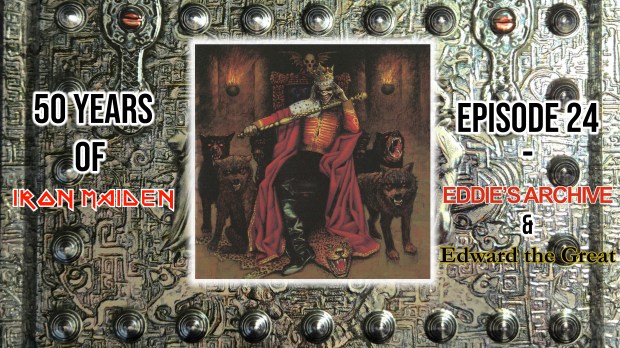
50 Years of IRON MAIDEN episode 24: Eddie’s Archive and Edward the Great

50 Years of IRON MAIDEN episode 24: Eddie’s Archive and Edward the Great

GRAB A STACK OF ROCK #121

Post-Brave New World, Iron Maiden were back on top.  With the struggles of the 1990s well behind them, Iron Maiden forged forward with new releases such as Rock In Rio, Edward the Great, and Eddie’s ArchiveRock in Rio was a double-live, the likes not seen since last Bruce was in.  We covered this in our previous episode.  The latter two were Iron Maiden collections aimed at two very different groups of fans.

Edward the Great was a “hits compilation” aimed at new fans.  As a single disc compilation, it was limited by its length, and an interesting selection of tracks.  As a whole, it offered nothing besides new artwork for the seasoned Iron Maiden fan.  They were advised to save their money and buy the massive, limited edition Eddie’s Archive instead.

The Archive was a generous six-disc collection of three:

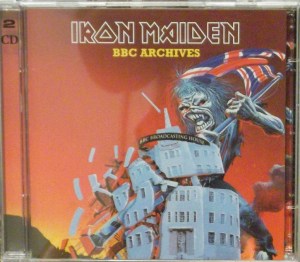
Discs 1 & 2 – BBC Archives.  We covered the first four songs in this set on our debut episode of 50 Years of Iron Maiden, so we won’t be tackling these again tonight.  These discs span professional BBC recordings from 1980 to ’88.

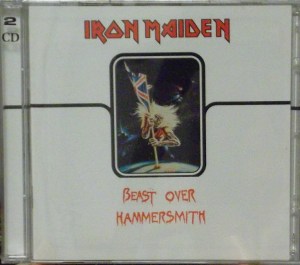
Discs 3 & 4 – Beast Over Hammersmith.  Episode 6 of 50 Years of Iron Maiden was dedicated to this double-live album, so there is little need to repeat our praise.

Discs 5 & 6 – Best of the B’Sides.  We already critiqued all of these songs on the relevant albums, so our commentary here is focused more on value to the fan.

Mike and Harrison will break down the above releases, including Edward the Great, and have lots to show as well.  The goodies on display include two complete Eddie’s Archives:  One pre-ordered and delivered back in 2002, with rear sticker still intact, and one “Archive of Theseus” that Harrison will explain the origins of.

This magnificent metal episode is brought to you by the letter E, not to mention Mike and Harrison.  Please check out the premiere tonight if you can!  We love to interact in the comments section.

Friday October 17 at 7:00 P.M. E.S.T.  Enjoy on YouTube.


Past episodes:

Handy YouTube Playlist:

50 Years of Iron Maiden: Updated Playlist

Playlist below has been updated.  All episode dates subject to change.  Tomorrow is our 10th episode, not including bonus shorts!

A Successful Launch! 50 Years of Iron Maiden – The Soundhouse Tapes and More – Episode Recap

A huge thank you to everyone who checked out our debut episode of 50 Years of Iron Maiden!  In this episode, we covered in detail the early years of the band.  From Steve’s first band Smiler, to a roundabout of guitarists and drummers, we broke everything down.  First we covered the Paul Mario Day years and a great recent live version of “Running Free”.  We moved on to the Dennis Wilcock era and the turmoil that ensued!  From swords to keyboards, Iron Maiden were all but derailed!  Finally we turn to Paul Di’Anno, the first officially recorded lead vocalist of Iron Maiden.

With Di’Anno, there are several official releases to talk about from this era: the legendary Soundhouse TapesBBC Archives, Metal For Muthas, and Axe Attack.  There is a rare, little known demo version of “Running Free” on one edition of Axe Attack, and Harrison will tell you how to get it.

We hope you enjoy this fully immersive look at the early years of Iron Maiden.  See you next week for the EMI debut, the singles, and Johnny Clauser from My Music Corner.


SHOW NOTES:


Steve Harris originally formed Smiler.
The first lineup of Iron Maiden:
Steve Harris
Paul Mario Day
Terry Rance
Dave Sulivan
Rob “Rebel” Matthews
Paul Day still performs songs today, with former members of early Maiden.  A strong vocalist.  Powerful voice.  Sounds a bit like Di’Anno, with a growl.  Can sing clean, but can also really growl.  Powerhouse vocals – level 10.  Absolutely awesome version of “Running Free”, as good as any Maiden versions with Paul?

Paul Day left – “not enough on stage charisma”
Replaced by Dennis Wilcock, not a great singer but had the bloody sword trick.
Maiden breaks up so Harris can be rid of Rance and Sulivan.
Got in Dave Murray and Bob Sawyer
1977, Matthews, Murray and Sawyer were all fired
Terry Wapram (guitar) and Tony Moore (keyboards) replace the guitarists.  Barry Purkis/Thunderstick on drums with black leather mask.
This lineup played one show before Harris fired Moore. Keyboards didn’t fit.
There is a very slow, very different version of “Charlotte the Harlot” with this lineup.    A bluesy rock n’ roll version of “Another Life” with a completely different kind of beat.  Sounds more like Aerosmith.

Murray returns.  Wapram leaves, down to one guitar again.  Wilcock and Thunderstick leave and are replaced by Paul Di’Anno and Doug Samson who Steve had played with pre-Iron Maiden.
Rapid turnover of second guitarists:
Paul Cairns joins late 1978, plays on Soundhouse Tapes, lasts 3 months
Paul Todd – June 1979 – lasts one week.  Girlfriend wouldn’t let him play shows.  Later joined Paul Day in a band called More.
Tony Parsons joins Sep 1979 – Dec 1979, plays on BBC sessions.  Fired due to lack of ability compared to Murray.  Joined Dennis Wilcock in Gilbraltar.
Dennis Stratton comes aboard.
Doug Samson can’t handle touring schedule, and is replaced by Clive Burr, a friend of Dennis

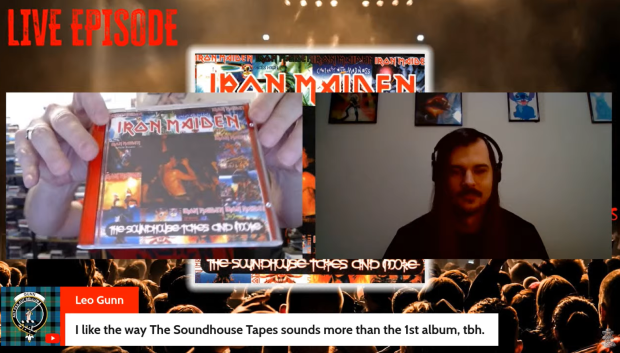
– The Soundhouse Tapes
Iron Maiden – different, more straight ahead groove.  Not as driving or ahead of the beat.  Low end is more present.  Vocal is more laid back.
Invasion – less frantic and speedy than the B-side version.  Vocals on the chorus are heavily layered and produced.  Can’t save the song for me.
Prowler – Brilliant version, with the high guitar part laying clean on the top.  Great scream from Paul.  More straightforward than the album version.  Slower groove.
Strange World – Sounds unfinished compared to the other songs, a prototype of the skeleton without the atmosphere.  Slow bluesy solo (Paul Cairns?)
– BBC Archives (four-song radio rock show)
Iron Maiden, Running Free, Transylvania, Sanctuary.
Tony Parsons on second guitar.
Strange to think they bothered with an instrumental for this recording session.
Really well recorded versions, with vocal overdubs.  The drums really cut through and the guitars sound great.   Of all the versions heard so far, these are closest to the final album.
Iron Maiden has really energetic, frantic drums lending it an extra punch.  Vocals are nicely layered as on album.
Running Free is missing that pick scratching sound effect.
– Metal for Muthas (Sanctuary & Wrathchild)
Also with Tony Parsons.
Sanctuary – Very close to final version.  Guitar solo is very different – similar to BBC Archives version.  Tony Parsons lead – a little on the simpler side but very fast and catchy.
Wrathchild – Slower, more “heavy metal” groove.  Vocal is double-tracked throughout.  Nice impactful version, if less powerful.
– Axe Attack Running Free Demo – A really different sounding version.  Doug Sampson on drums, a different feel.  Guitars sound sharper.  The middle section with the pick scratching is much better – a solid chug.  Just overall more groovy.  A little clean.  Vocal harmonies intact.  I love when Paul yelps.  Snare drum could use more beef but it’s a demo.


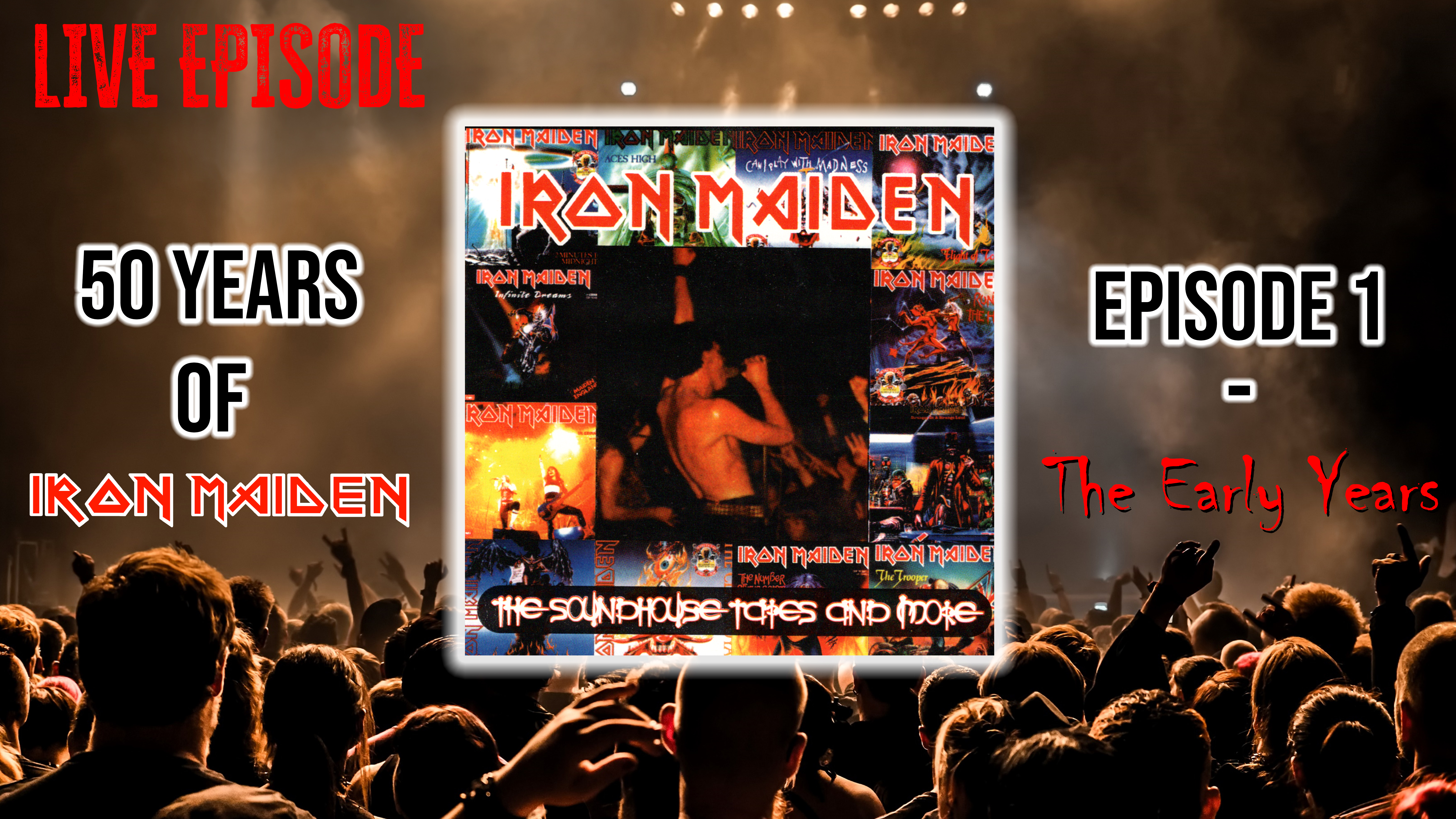
🅻🅸🆅🅴 50 Years of IRON MAIDEN episode one: The Soundhouse Tapes and more! 1975-1980

50 Years of IRON MAIDEN episode one: The Soundhouse Tapes and more! 1975-1980

A special 🅻🅸🆅🅴 debut episode

GRAB A STACK OF ROCK #85


50 years ago, Steve Harris departed his previous band Smiler, and formed the first lineup or Iron Maiden:  Steve Harris, Paul Mario Day, Terry Rance, Dave Sulivan and Ron “Rebel” Matthews.

Today, Harrison Kopp and Mike Ladano are proud to debut their new series, 50 Years of Iron Maiden.

We begin with their first lineup and run through all the changes.  We cover every officially released recording available prior to their first releases on EMI, of which several exist.  These include Metal For Muthas, the BBC Archives, The Soundhouse Tapes, and Axe Attack.  There are also existent recordings of Iron Maiden with Dennis Wilcock on vocals, and Paul Mario Day playing Iron Maiden songs. Iron Maiden with a keyboardist instead of a second guitarist?  Steve Harris on lead vocals?  Tonight on this special live episode, we will cover it all.

While most episodes in this Maiden series will be recorded in advance, tonight’s debut will indeed be live.  Grab A Stack of Rock is usually a live show, but in 2025 we have some very special guests lined up for this series.  This requires scheduling, which makes recording in advance necessary.  We will continue to release shows on Fridays at 7:00 PM eastern standard time, and there will be the occasional live one sprinkled in.

It’s 50 Years of Iron Maiden, and the celebrations commence tonight.  Like and subscribe to Grab A Stack of Rock on YouTube, and hit that “notify” bell so you don’t miss a single episode.  We will be discussing every studio album, and we won’t be neglecting the official – and unofficial – live releases either.  From the compilations to box sets, you will see our entire collections throughout this comprehensive series.  Hit the gas, and here we go!


Friday January 10 at 7:00 P.M. E.S.T. / 8:00 P.M. Atlantic.   Enjoy on YouTube or on Facebook!

#1173: I Like Iron Maiden…A Lot

RECORD STORE TALES #1173: I Like Iron Maiden…A Lot

In 1984, I “rebooted” my musical taste and started from ground zero.  Out went Styx for almost two decades.  Out went Joey Scarbury, and Kenny Rogers.  In came KISS, W.A.S.P., and of course, Iron Maiden.  I don’t think there was ever a time that Iron Maiden were my #1 favourite band, because Kiss almost always held that spot.  It is safe to say that Maiden were always in the top five.

In grade school, I rocked Iron Maiden while being scolded by Catholic school teachers for doing so.  It didn’t stop me.  Through highschool, I proudly had their posters in my locker.  It didn’t matter that Maiden weren’t hip with the cool kids.  I was never cool, and never really intended to be.  I was happy to be one of the Children of the Damned, not having to fit my personality into any particular shoebox.

There was a time I wavered, which I shall now admit to you.  There was one Iron Maiden album that I didn’t intend to own.  I reversed my decision within four months, but it was in the fall of 1990 that Iron Maiden may have faltered in my eyes.  The album was the “back to basics” No Prayer For the Dying.  My favourite member, Adrian Smith was out.  I loved Janick Gers’ work with Bruce Dickinson, but I don’t think he quite fit with Maiden immediately.  I also didn’t like the growly, un-melodic way that Bruce Dickinson was singing.  I thought maybe this time, I would just buy the CD singles, and not worry about the album.  I came to my senses.  No Prayer wasn’t bad, but it wasn’t the return that we hoped for.  I didn’t really want Maiden to get “back to basics” but was willing to go along for the ride.

My enthusiasm returned in 1992 with Fear of the Dark, a partial return to form with some solid tracks.  It could have been better, but I was happy.  Then the roof fell in.  Suddenly, Bruce Dickinson was out.  Meanwhile, the entire world had been sent into a grunge upheaval.  Bands like Iron Maiden were dismissed as irrelevant in this new angry world.  Bands who played their instruments with seasoned pride were being replaced by groups with punk aesthetics.  Maiden seemingly had no place in this new world, and now the lead singer was gone.  Just like Motley Crue, who were suffering a similar fate.

Blaze Bayley was the audacious name of the new singer, from Wolfsbane, and a different one he was.  A deep baritone, he was little like Bruce.  Immediately, I loved The X Factor.  My girlfriend at the time ridiculed me by telling me that Iron Maiden would “never be cool again”.

Oh, how wrong she was.

By the year 1999, Bruce was back.  And so was Adrian.  Maiden have never been bigger.  They have continued to issue albums, never being shy to play new material and deep cuts live.

That’s why I’m telling you this story.  2025 marks 50 Years of Iron Maiden, and there will be a lot happening.  2025 will launch the Run For Your Lives tour, and Bruce has promised that they will play some songs they’ve never done before.  It will also be the debut of new drummer Simon Dawson, from Steve Harris’ British Lion.  Nicko McBrain, on the drum stool since 1983, has finally taken a bow from the live stage.  It can’t be easy doing what he does.

2025 will also mark the launch of a new Martin Popoff book on Maiden (more on that in the coming weeks) and most importantly…tomorrow, January 10, Harrison Kopp and I will launch our own video series, 50 Years of Iron Maiden.

I have “only” been a fan for 40 years, but I’m all here for it.  Up the Irons.  Let’s give ‘er in 2025!


REVIEW: Iron Maiden – “The Number of the Beast” (2005 single) / The Early Days (DVD)

Part 34 of my series of Iron Maiden reviews!

SAM_1613

IRON MAIDEN – “The Number of the Beast” (2005 CD/vinyl single)

I’ve decided, much like my idol Martin Popoff, to stick pretty much to audio releases when it comes to this series of Maiden reviews.  To get into video just opens a big can of worms that I don’t think I can handle.  However worth mentioning is the excellent Maiden DVD The Early Days.

SAM_1611A two-disc set, The Early Days combines an excellent documentary with lots of rare early Maiden footage featuring Di’Anno and Dickinson.  Live At The Rainbow, Beast Over Hammersmith (audio available on Eddie’s Archive), Live In Dortmund, and Live at the Ruskin Arms are all a part of this, as well as some videos and Top of the Pops performances.  The documentary chronicles the early days and features interviews with ex members Paul Di’Anno, Clive Burr, Dennis Stratton, Dave Sullivan, Terry Rance, Doug Sampson, Ron “Rebel” Matthews, Terry Wapram and Bob Sawyer.  There are very few members missing from this documentary; most notably singers Paul Day and Den Wilcock, and drummer Thunderstick.

The following year, Maiden re-released “The Number of the Beast” as a CD single, with an advertisement promoting The Early Days on the back.   Therefore I’ve decided to consider this single as promotional to The Early Days, which also contains the video for “Beast”.

The tracklisting is as follows:

  1. “The Number of the Beast” (original version)
  2. “The Number of the Beast” (live at Brixton ’02)
  3. “Hallowed Be That Name” (live at Brixton ’02)

plus videos:

  1. “The Number of the Beast” (Camp Chaos version — essentially has added animations)
  2. “The Number of the Beast” (live at Brixton ’02)

I also have a red vinyl 7″ single with a lovely poster.  This one just contains the two versions of “Beast”.

These live tracks being ’02, they featuring the six-man lineup of Steve Harris, Bruce Dickinson, Dave Murray, Janick Gers, Adrian Smith, and Nicko McBrain.

So what can I say as far as an actual review goes?  Well, it’s Maiden live in ’02, two of their all time best tracks.  “Hallowed” in particular smokes with fiery solos by Dave and Janick.  Janick simply burns up the fretboard with the kind of speedy fingerwork that the fans love him for.  Bruce is in top voice.

As a nice little extra bonus single for the fans, I have no complaints.

5/5 stars

REVIEW: Iron Maiden – Eddie’s Archive (2002)

Part 30 of my series of Iron Maiden reviews!

IRON MAIDEN – Eddie’s Archive (2002, limited edition)

Eddie’s Archive was released simultaneously with another (!) greatest hits compilation called Edward The Great.  We’ll talk about that one next.  This is the real meat of it all!

This box set defines limited edition. I’m not sure how many copies were made, but the first printing with blue inlay was sold out nearly immediately. That’s the version I have. It was soon reissued with a red inlay to differentiate it, but even it is long out of print.

Inside you will find three individually packaged jewel cases, each containing 2 CDs for a total of 6 discs. These three “double albums” (for lack of a better term) are:

BBC Archives
Beast Over Hammersmith
Best of the B’Sides

The main reason to buy this set are the first two albums, BBC Archives and Beast Over Hammersmith.  To me, the Best of the B’Sides only scratches the surface of the treasures to be found on the numerous Iron Maiden singles and EP’s.  And as loyal LeBrain readers know, I’ve talked about ’em all.

BBC Archives contains numerous goodies. It starts off with a rare four song session by an ealy version of Maiden featuring Doug Sampson (drums) and Tony Parsons (guitar). Listening to “Sanctuary” as an example, you can tell it’s a guitar player you’re not familiar with. This is Parsons’ only recording with Maiden, but “Sanctuary” was previously released on the very rare NWOBHM compilation that Lars Ulrich put together.  I love the pure fire and raw youth of these early recordings.  “Transylvania” feels very different from its album incarnation.  You can tell it’s a different drummer.  And of course since it is the BBC, they are expertly recorded.

From there it’s a scorching ’82 set with Dickinson at Reading. Then back to 1980 for a Di’Anno Reading set, and finally to 1988 for a Seventh Tour of a Seventh Tour (Donington) recording. All of these are pure smoke and it’s great to hear Bruce in peak voice. Unfortunately, on this album alone, you will hear “Iron Maiden” four times!  It is what it is.  You wouldn’t want them to leave any tracks out, would you?

Next disc has the ’82 Hammersmith show. A couple tracks from these were issued as B-sides on the “Run To The Hills” single from Rock In Rio. Anyway, like the BBC discs, this is pure smoke. It is a pleasure to finally have a full concert with Clive Burr on drums and Bruce in top form. Of course you will hear “Iron Maiden” and numerous others again. With a box set of this nature it’s inevitable. If you’re a Maiden fan, you don’t care.  Do you?

Finally, the B’Sides.  Everything here has been made available before on singles.  There is nothing truly “unreleased” here as far as Maiden goes. There’s also nothing that is previously unreleased on CD unfortunately, like Maiden Japan or “I Live My Way” from the “Man On The Edge” 12″ single. For me, these discs are more just a “best of”. There are some cool tracks here such as the Montrose cover “I’ve Got The Fire”. (Maiden chose Dickinson’s version rather than Di’Anno’s, which is fine.) Other highlights include the pop metal goodness of “That Girl” and “Reach Out”, as well as originals such as “Burning Ambition” and “Invasion”. The covers that Maiden selects are mostly obscure enough (Nektar? Marshall Fury?) that they may as well be originals.

Then you get some of Maiden’s little-known jokey material: “Sheriff of Huddersfield” for example. I’m not sure how well it works as an overall listen. I prefer the singles in their original context, personally. As I mentioned, this is far from a complete set, and you can argue all you like for what you would have included. Certainly you can make solid arguments in favour of the Thin Lizzy cover “Massacre” or the rare “I Live My Way”.

Each CD jewel case features its own extensive booklet with photos, Derek Riggs cover art, and liner notes, with the exception of Beast Over Hammersmith. That one contains a booklet which is a reproduction of the original tour programme! Works for me! Otherwise, there is no book for the box set itself.

What you do get includes a neat scroll with the Iron Maiden family tree on it, wrapped inside a metal ring. (I’m sure this family tree is loaded with errors like the previous one included inside A Real Dead One, I’ve never bothered to check.) You also get this cool shot glass with Eddie’s face in the bottom. A cool treat. The box itself is a shiny tin masterpiece. It snaps shut securely and it is very detailed and cool looking.

What are you willing to pay for this set? That’s entirely up to you, but if you don’t have it, expect to pay through the teeth. Personally, to me it’s all about the music. Decide how much you’re willing to pay for approximately four discs of previously unreleased Maiden and purchase accordingly.

For me? 4/5 stars!

REVIEW: Iron Maiden – “Virus” (1996 single) / Metal For Muthas (1979)

Part 23 of my series of Iron Maiden reviews!  Continuing where we left off with Best of the Beast, we’re also taking a glance back to the past…

IRON MAIDEN – “Virus” (1996 two-part CD singles)

Last time, I was talking about Maiden’s first-ever greatest hits set, Best of the Beast.  But there was also the single to be had, “Virus”.

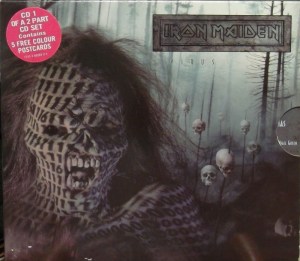
Much like other UK singles, “Virus” was released in two parts each with its own B-sides and cover art.  If you bought the first, you also got a box with 5 postcards and space to store the second disc.

The first disc contained the (unadvertized) single edit version of “Virus”.  I can happily live without the slow, boring, goes-nowhere first three minutes of that song.  At least the single edit only has the up-tempo part of the song.  I recall when the single came out, a few of us had grumbled that Maiden seemed to be losing it…

The B-sides on this first single were the previously released covers, “My Generation” and “Doctor Doctor”.  You could get these tracks on the previous single, “Lord of the Flies” from The X Factor.  Having said that, these are great versions, among the best covers Maiden have ever recorded in this writer’s opinion.  “My Generation” is of course the Who classic.  Maiden breathe their original punky sensibilities into this one, and it rocks like nothing that actually made it onto The X Factor!  “Doctor Doctor” is a beefed up version of the classic UFO song, and my preferred version.

The second disc was the really, really special one.  It had the album version of “Virus” (all bloody 6:15 of it, ugh) but it also has the ultra rare “Sanctuary” and “Wrathchild” from the 1979 compilation album, Metal For Muthas! When I had first picked up the single for “Virus”, I didn’t even know these recordings existed.  Collectors rejoice!  These tracks were previously unavailable anywhere else but Metal For Muthas, and this is the first CD release.

“Sanctuary” and “Wrathchild” both feature Paul Di’Anno on vocals, and are from the short-lived Maiden lineup of Di’Anno, Steve Harris, Dave Murray, Tony Parsons, and Doug Sampson.  This represents one of Maiden’s earliest recordings.  There are more from this lineup, but we’re not going to talk about those for a while yet…

Do I need to mention that these two tracks are just pure smoke of the early-Maiden variety?

A quick glance at Wikipedia reveals that there is a 12″ single release of “Virus” as well, this one with the two missing Soundhouse Tapes tracks that weren’t on the Best of the Beast CD.  Adding to “want” list!

I found the cover art of the “Virus” single to be a little lacklustre, particularly the one in the petri dish.  Like, really?  It didn’t scream to be made into a cool poster for my wall.  There were some cooler things on the postcards including one by Derek Riggs.

4/5 stars