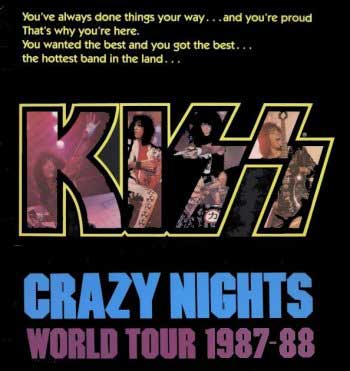
– Monsters of Rock (Mistral Music bootleg from 1988 tour)
Oh, live bootlegs! A fascinating and labyrinthine assortment of live Kiss bootlegs are out there, but don’t always expect the covers and song titles to match the actual contents! Kiss didn’t release a live album from the Crazy Nights tour, as was expected by many fans. An old Faces magazine from 1986 proclaimed, “Already there is talk of the next studio album, and Alive III.” Instead we have numerous bootlegs from this period to sift through.
This CD is without any notes, but fans pieced together that it’s Schweinfurt, Germany, August 27 1988. Kiss opened with “Deuce” rather than “Detroit”, and the energy is electric. Bruce Kulick did a fine job of adapting his style to the old Kiss songs, and “Deuce” demonstrates that Bruce really was the right guy for the band. He’s awesome but he plays for the song and not himself. “Love Gun” is next, truly an awesome song, and with Paul at the peak of his vocal prowess, it rarely sounds better. Meanwhile, Eric Carr sings the backing vocals impeccably, but there’s an annoying electronic drum that he hits at the end of it, a very 80s touch that wasn’t necessary.
The Kiss classics you’ve heard a million times are great as always, but what about the newer material from Crazy Nights? It takes a while to get there. “No No No” and “Crazy Crazy Nights” are crammed back to back in the middle of the set. “No No No” acts as Bruce’s big solo too, which is fantastic, but the song isn’t. It’s a shambles, as if they don’t know exactly how to play it. “Crazy Crazy Nights” is much better, almost a classic. They follow that up with the also-recent “Tears are Falling”.
One cool surprise is a bit of “Heartbreaker” right before “Fits Like a Glove” which is strangely split up between two tracks. Another surprise is obtrusive keyboards. Since Kiss had an offstage keyboardist now, maybe they felt like they had to use him on songs like “Cold Gin” that totally do not need keyboards. In fact it’s like oil and water. The keyboards roll off the rock and roll like an annoying rain storm.
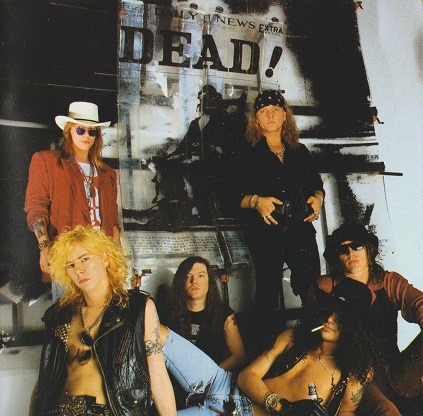
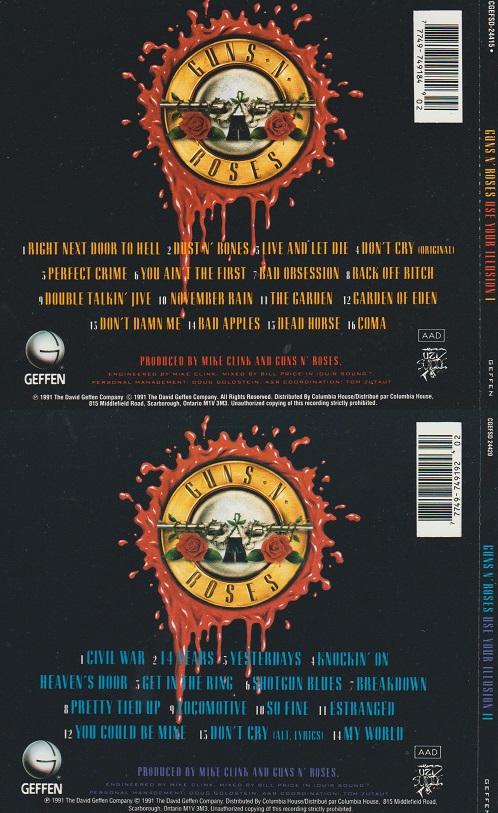
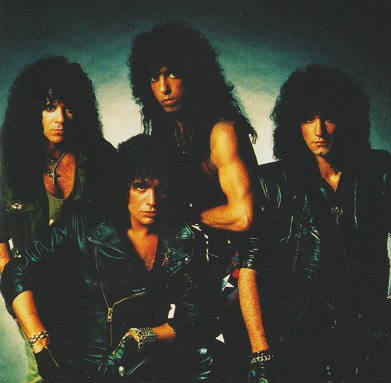
The CD has some audio issues, odd noises here and there. Ignore the track list on the back which is nonsense. You’ll find the real track information below for your convenience. At least the back cover credited keyboardist Gary Corbett, surely a rarity. For a real howler though, check out the front cover. That’s not Bruce, and that’s not 1988!
With all respect to Ace Frehley, the originator and influencer, I think Bruce Kulick is the finest guitar player that Kiss ever had. His solo career is certainly worth investigating, and so is live Kiss from his time in the band. Monsters of Rock is difficult to recommend over others, but if you find it within your price range, go for it.
“Hello. The show we are about to see is a rousing docu-drama. It will disgust some, and titillate others. But whether it disgusts you, or titillates you, it is the truth, the whole truth, and nothing but…the truth.”
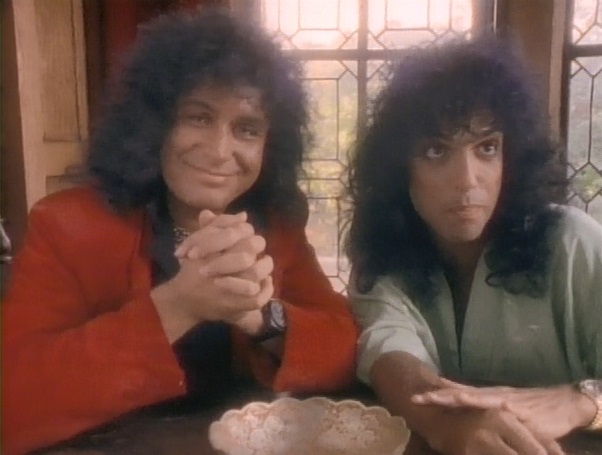
Kiss were on to something here. The concept of a home video release that was more than just a compilation of clips was fairly new. Kiss took the bull by the horns and put together a video that was all at once extremely sexist and innovative, offensive and invaluable. Only fans need apply; anyone who is sick of Gene Simmons’ schtick will bore quickly of his oafish humour. But when Kiss play it “straight” in certain interview segments, light shines through. The old memories and the old friendships are fresh and vivid.
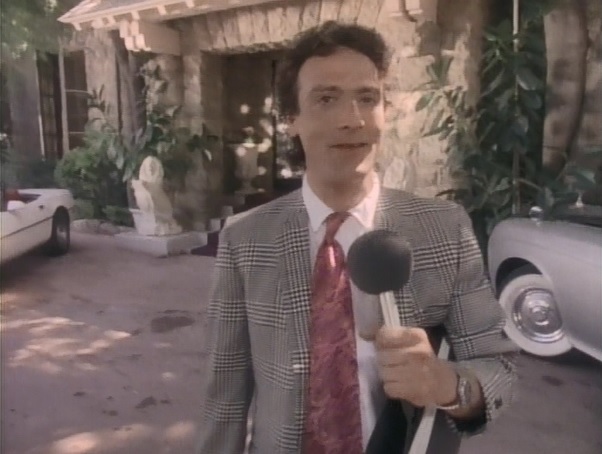
Interviewer Mark Blankfield strolls up to the “Kiss Mansion” where all four members live Monkee-like together in one house with dozens upon dozens of beautiful women. The doorbell plays “Rock N’ Roll All Nite”, and Paul Stanley is confused. He thought the interview was scheduled for…not noon, but 12 midnight! Nyuck, nyuck, nyuck.
The KISS Mansion
Some of the scripted bits are actually funnier than you’d expect. Paul and Gene are natural clowns, and playing the role of disinterested rock stars tickles the funnybone. Blankfield keeps chasing them around, trying to get them to do some interviews. All the while, he encounters scantily clad babes in various states of undress, and a butler intent on keeping him away from them. Subjects of discussion in the scripted bits include nutrition and fitness. Learn about Joseph Kiss Sr., who came up with the vision of Kiss in 1773. Check out Paul Stanley’s workout video! Meet his best friend, a monkey named Sonny Crockett. Cut to a music video!
The music videos are something. In a scripted bit, Paul is surprised that they have access to the uncensored version of “Who Wants to Be Lonely”, which neither MTV nor MuchMusic were willing to play. Censors were offended by images of women in bikinis spraying themselves with hoses, even though I’m sure George Michael did something similar a couple years later. Every music video that Kiss filmed from “I Love It Loud” (1982) to the Asylum album (1985) is included, except “Thrills in the Night”.* All videos from eras prior to this are live and unreleased!
“Deuce” in San Fransisco
Live in Rio, from Kiss’ very last concert in makeup, it’s “I Love It Loud” with Vinnie Vincent! This is good quality video and audio from a TV broadcast. From the now famous bootleg Kissin’ Time in San Francisco (1975), it’s a nuclear version of “Deuce” in black and white. It’s the first appearance of Ace Frehley and Peter Criss in this feature, and the rawness of the old band is a delightful contrast to the new. Then it’s “Strutter” at Cobo Hall in ’76, an Ace guitar solo from 1980, and “Beth” in 1977 with Peter Criss (and a pretty bad final note). Gene’s got a bass solo/blood spitting clip to show off, but the most interesting clip of the batch could be “Detroit Rock City” in Australia, 1980. Paul did the verse melody with a slightly different twist. “Rock and Roll all Nite” is included from the same show, which had Eric Carr on drums. “I Stole Your Love” and “Ladies Room” have the original lineup from the Love Gun tour; Kiss at their bombastic best.
Of the best of the “straight” interview clips is the question, “How did you two get together?” Paul and Gene start busking to “I’ll Be Back” by the Beatles, and suddenly you can imagine what they sounded like in 1972. They even sing bits of Gene’s more…obscure early material. “I love Eskimos…” “My mother is beauuuutiful…” (Hopefully we will hear these songs on Gene’s upcoming 150 track box set, Vault?) Another good question, to Gene, is “Have you gone Hollywood?” which he answers with candor.
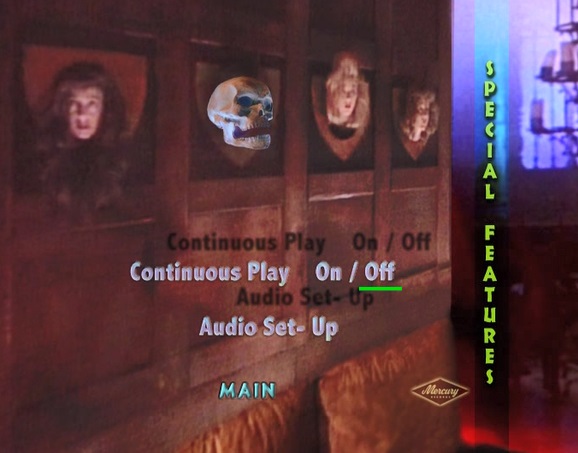
Incredible special features
The very large issue with this DVD is the absence of Bruce Kulick and Eric Carr. They only appear in brief cameos, and get a couple lines a piece. That’s very unfortunate. And then there is the excessive objectification of women. It’s done as an obvious satire of the rock star stereotype, but not particularly well. Too bad. This isn’t Spinal Tap.
Some of the diehards would have preferred a home video with more music and less gags. Fortunately Kiss got the message when they eventually got around to a sequel.
3/5 stars
* It appears that “Thrills in the Night” must have been intended for inclusion at one point, because it’s in the songwriting credits at the end of the video.
In a spring/summer 1989 edition of the Columbia House catalogue, a brand new band appeared. It was the first I had heard of them. Inside, my Selection of the Month was the debut album by a glam band called Warrant. The hype machine was soon in full force. Warrant were the latest group out of California with the look and the hooks.
I got the debut on cassette, Dirty Rotten Filthy Stinking Rich. The deciding factor in buying the album was a little throw-away bit of information, which was that lead singer Jani Lane played guitar (albeit acoustic). With a three guitar lineup, I thought Warrant might be new and different so I gave them a try.
Dirty Rotten Filthy Stinking Rich arrived at the house, but there were only a few good tunes on it. Maybe about half: “32 Pennies”, “Down Boys”, “Heaven”, “Sometimes She Cries” and “Big Talk”. Most of these were crammed onto the first side, leaving the second a fairly barren wasteland.
I liked the singles, but more importantly, the girl I liked also liked Warrant! This inspired me to prematurely proclaim Warrant as my “favourite new band” of 1989.
I will always own up to my mistakes, especially musical ones. A few months later I acquired the debut albums by Mr. Big and Badlands. Both were better than Dirty Rotten Filthy Stinking Rich. Suddenly Warrant had competition in the “favourite new band” stakes. I continued to spin Warrant, and as I did, a few more songs began to appeal. “In the Sticks” was decent enough, but my God the title track was awful no matter how many times I played it.
Warrant had a hit album and began work on a followup. Vertical Smile was the tentative title, a name ripped off from Blackfoot. Soon they renamed it the equally unimaginative Cherry Pie, and even covered a Blackfoot song called “Train, Train”.
Although 1990’s Cherry Pie was undoubtedly a better album than Dirty Rotten Filthy Stinking Rich, after a few months I began to turn sour on the band. The new album was very commercial, more so than the debut, with lots of ballads. There was an uncredited vocal by Dee Snider from Twisted Sister in the very intro of the record. That rubbed me the wrong way, because it was so obvious to me, and the lack of credits would make people think it was Jani Lane. The only song that really had legs was “Uncle Tom’s Cabin”, which was unlike Warrant’s other singles.
By the summer, Warrant were feuding with their tourmates Poison. What really killed it for me was Warrant’s admission in a guitar magazine interview that they had two tutors who taught them how to play their own solos. That was the last straw. I was getting into heavier music anyway, but I had enough of Warrant. Uncredited vocalists, feuds, guys writing solos for them…this wasn’t a band for me. I let them go.
I never bought any studio album after Cherry Pie, which means I missed 1992’s heavy comeback, Dog Eat Dog. When singer Jani Lane quit the band and proclaimed he wasn’t into that heavy sound at all, I felt justified. Lane said his heart was in rootsy acoustic rock music, like John Mellencamp. Dog Eat Dog was what the rest of the band wanted to do, and Lane went with it until he quit. He did rejoin the following year for another heavy album called Ultraphobic, but I had long gotten off the “Train Train”.
Warrant were one band who, for this listener, failed to live up to the hype. Have I missed out? Is it too late to catch this train, or should I leave the station completely?
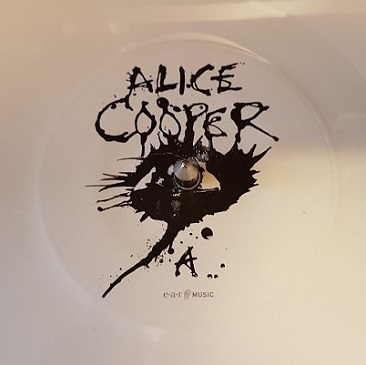
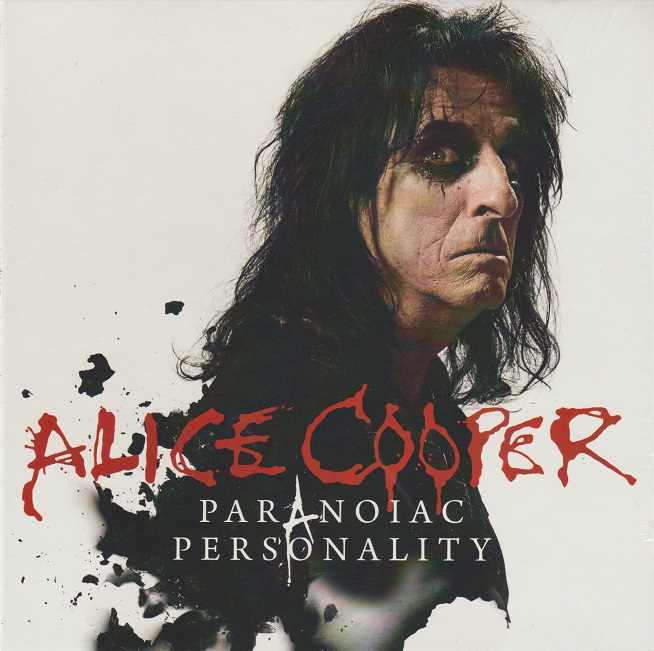
ALICE COOPER – “Paranoiac Personality” (2017 Edel 7″ single, white vinyl)
In 1969, the original Alice Cooper group released their debut album for Frank Zappa’s Straight records. The band consisted of Vincent Furnier on lead vocals using the stage name of “Alice Cooper”, Michael Bruce & Glen Buxton (guitars), Dennis Dunaway (bass), and Neal Smith (drums). This legendary lineup laid waste to rock and roll until 1974 when they split for Alice to go solo. Though Glen died in 1997, the surviving member eventually reunited on vinyl in 2011 for three tracks on Welcome 2 My Nightmare. Since then the original band has worked together with surprising regularity, including on Cooper’s latest album Paranormal.
To go with the Paranormal brew-ha-ha, Alice put out a 7″ white vinyl single for “Personoiac Paranality” “Paranoiac Personality”. It’s an easy track to like with a vibe reminiscent of his classic single “Go to Hell”. This is likely to be a concert classic for as long as Alice tours. The chorus is meant for a crowd to sing along. “Paranoid! Paranoid!”
A great B-side is what makes a single memorable. In 2017 you see all kinds of gimmicky singles, from coloured vinyl to ridiculously low production numbers. That stuff won’t make me buy a single; but an exclusive B-side will. “I’m Eighteen” is performed by the aforementioned original Cooper band! They are augmented by current Cooper guitarist Ryan Roxie, filling in for Glen Buxton. What a great version this is, and how much more authentic can it get? Alice has a nice intro for Glen, and it’s stuff like this that makes a single worth spending the money (and shipping) on. My copy came from Seismic Records in the UK, but it was worth it to me. The pristine white vinyl is just the icing on top.
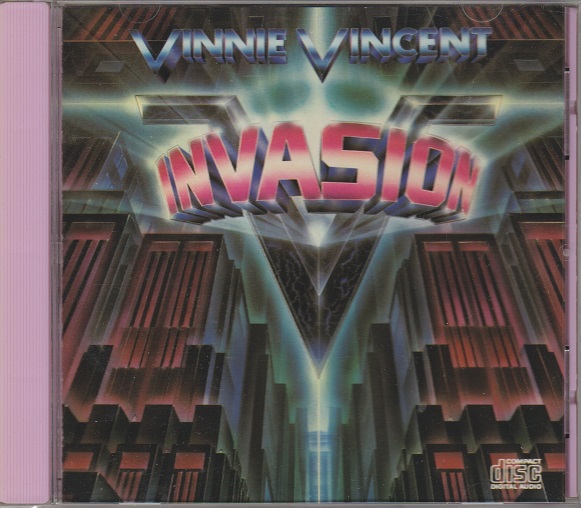
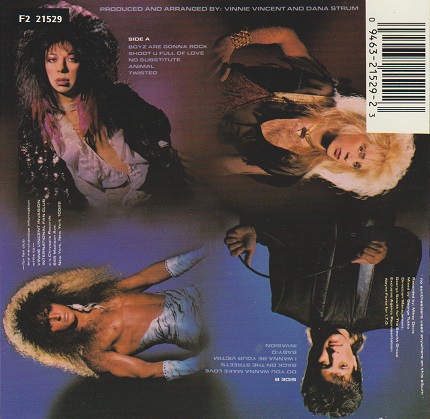
VINNIE VINCENT INVASION – Vinnie Vincent Invasion (1986 Chysalis)
Where oh where did Vinnie Vincent go? The mercurial ex- guitarist with genius level skill resurfaced after 1983’s Lick It Up with his new band, the Invasion. Ex-Journey singer Robert Fleichman did the self-titled debut album but was quickly replaced for the music videos and tour with an unknown named Mark Slaughter. Rounding out the band were Dana Strum and Bobby Rock on bass and drums.
As I sat there listening to this album for review, a reader told me: “I could never get into VV Invasion.”
My brief response to him is my review:
Dude…it’s comical. Vinnie just goes full shred to the point of stupidity. Like seriously stupid: like some idiot just hammering as fast as he can, like a kid whacking off or playing video games. And then he gets the singer to go as high as possible. It’s shrill. You can hear the songs have good riffs, but virtually every song has something to it that ruins it.
GUNS N’ ROSES – Use Your Illusion I&Use Your Illusion II (1991 Geffen)
In my review for Guns N’ Roses’ smashing debut Appetite For Destruction, I stated that “Appetite is great, but Illusions are better”. A strong and controversial statement. How could I say such a thing?
Use Your Illusion I and II are a case of “Bigger, Better, Faster, More!” Consider:
1. “Bigger”
Certainly in terms of length, Illusions are far bigger: 2 hours and 32 minutes compared to 53 minutes for Appetite. I concede that the Illusions albums have far more filler than Appetite. Given that the grand total of awesome material on Illusions still exceeds the length of Appetite, I think “Bigger” is a given. They made us wait and wait and wait, but they made it worth our while. You can’t always say that for Guns N’ Roses.
2. “Better”
Guns N’ Roses’ lineup was “new and improved!” in 1991. Original drummer Steven Adler was given the boot due to severe issues with substances, replaced by Matt Sorum, who they knew from The Cult. I won’t argue that Matt Sorum is a “better” drummer than Steven Adler, because they are too different. Regardless of this, Sorum was able to expand Guns’ rhythmical pallette. He could play things Adler could not at the time, such as “You Could Me Mine” and “Double Talkin’ Jive”. As for the core members, each of them expanded their own talents on these albums. Duff McKagan and Izzy Stradlin were now lead vocalists on a few tracks. Slash’s guitar playing grew exponentially. Izzy blossomed as a songwriter with some of Guns’ most diverse material. And Axl Rose really got into the piano, contributing a ton of it, and even the techno influence that would later evolve into Chinese Democracy. His vocal stylings also expanded, with more use of his lower voice. Everybody had gotten…better.
3. “Faster”
It’s possible that “Right Next Door to Hell” is the fastest Guns track ever recorded. “Perfect Crime” and “Garden of Eden” also qualify.
4. “More!”
Guns expanded their official lineup to a six piece with the arrival of keyboardist Dizzy Reed. They also had plenty of special guests: Alice Cooper*, Michael Monroe, and a guy named Shannon Hoon from the then-unknown Blind Melon. Hoon appeared in the “Don’t Cry” music video. Steven Adler was even on “Civil War”, one of the earliest tracks finished. How’s that for more? Not enough? Throw on some orchestras, then.
Of course the weakness to this argument is the old saying that “less is more”, and that theory holds water. Ultimately, it comes down to taste. Do you prefer the nuclear assault of Appetite, or the complex stew of Illusions? Fortunately, you don’t have to choose. You can buy and love them all.
We reviewers, however, are not afforded such luxury. We are expected to rate these things and answer tough questions about why. I cannot deny how I feel about the Illusions albums. I think II tops I, but from first listen, these albums were very special. The ambition, the indulgence, and the time paid off on these albums.
Breaking it down, there are numerous top tier bonafide classics on Use Your Illusion I and II. I think if you boiled the album down to these basic original tracks (colour coded by original album), you’d have a hard time beating it.
Proposal:
Dust N’ Bones
Don’t Cry
Bad Obsession
Double Talkin’ Jive
November Rain
The Garden
Coma
Civil War
14 Years
Breakdown
Pretty Tied Up
Locomotive
Estranged
You Could Be Mine
And look…that’s enough for a perfectly awesome single CD. It doesn’t even include the excellent covers “Knockin’ on Heaven’s Door” and “Live and Let Die”, both hit singles for Guns. It also excludes dumb but fun stuff like “Get in the Ring”. You know you and your buddies have recited the words. Don’t lie to me!
I always choose to listen to these albums in full, in sequence. I find that to be the best way to go, as they intended it to be.
Appetite showed the world that rock and roll could still be dangerous and loud. The Illusions albums immediately proved that Axl was a hell of a tortured genius. However it’s not a one man show. The dominant songwriter is Izzy Stradlin, with 11 credits on most of the best material. His singing added a Keith Richards rasp to the band’s repertoire as well.
You don’t have to agree with my rating, but I feel that all of the above really overshadows the filler on Use Your Illusion. Some of the material I consider filler were singles. “Dead Horse” and “Garden of Eden” were both hit music videos. The sheer bloat and indulgence of this set was a sharp and delightful contrast to the first waves of back-to-basics grunge bands. It kept Guns on the charts for years.
In a 1991 M.E.A.T Magazine interview, Slash stated that after Appetite, every band in the world copied their style. He challenged bands to try and copy them this time. “To copy us, you’d have to be us.” Slash was correct. Nobody could touch Illusions.
5/5 stars
* The story behind the Cooper cameo is that Axl has originally sung all of “The Garden” himself. He sang it in a very Alice Cooper voice, and there was concern it was too close for comfort. So they called up Alice (who they worked with before on “Under My Wheels”) and Alice just nailed “The Garden”.
DIO – Magica (originally 2000, 2013 Niji deluxe edition)
Although Ronnie James Dio was a very vivid songwriter, he only made one true concept album. Magica was intended as a trilogy, but only the first part was completed before Dio’s death in 2010. Magica was released in 2000 as a story of aliens, heroes, villains and magic. Dio’s new band consisted of returning champions Craig Goldy (from the Dream Evil album) on guitar, drummer Simon Wright (Lock Up the Wolves), and original bassist Jimmy Bain. The album, co-written by Dio and Goldy, was considered a triumph in its time. It is a strong return to old-style quality metal after 1996’s questionable Angry Machines CD. This deluxe edition collects the album and all related tracks together in one place.
Without getting into too much story detail, “Discovery” introduces aliens that serve as a framing story. Alien explorers have found the ancient planet of Blessing, but are confused by the written records they find. “Flesh can NOT be mutated into stone, and re-morphed back to the body once again. Continue the investigation with special attention given to one word: MAGICA.”
“Lord of the Last Days” is a dramatic and metallic start. Dio’s slow grooves bring the melody and power of the riff to the fore. “I love the night, so many shadows,” he sings as the villain character Shadowcast. A segue brings us to the single “Fever Dreams”, a song so good that it was performed live in 2001 by Deep Purple with Ronnie as guest. Goldy’s choppy riff is the stuff of metal dreams. Fans who thought Dio strayed too far from the old school before were very pleased.
The music speeds up and becomes more menacing on “Turn to Stone”. Evil has made its move! “Turn to Stone” is classic Dio music, very much in line with Dream Evil (1987). Goldy turns in some killer solo work here, before we move on to the robotic “Feed My Head”. The album loses momentum on the long “Eriel”, and the truth is that the story gets too hard to follow without reading along with the liner notes.
Some smoking soloing introduces “Challis”, a memorable rocker that brings the album back on track. The songs work best when backed by good old riffs. “Challis” is quintessential hard rock Dio, but Dio also has a tender side. The album’s ballad “As Long as it’s Not About Love” is long but exemplary. Then it’s a celtic sounding jig on “Losing My Insanity”, before it transforms into something heavier and almost Sabbathy.
The deluxe edition of Magica contains the original Japanese bonus track, an instrumental called “Annica”. This is on CD 2, but for the most authentic listening experience, you should move it back to where it belongs, on the first disc between “Losing My Insanity” and “Otherworld”. This guitar piece really shows off Craig Goldy’s style and tone. Then “Otherworld” is the climax of the story, good triumphing over evil, and a nice dramatically heavy track.
The alien framing story returns with a reprise of “Lord of the Last Days”, indicating that the tale is not over. Far from it.
The final track on the original album has been moved to CD 2: Dio reading “The Magica Story”, also included inside as text. This is 18 minutes of some of the dullest narration you’ve ever heard. Finishing it once is a challenge, listening to it regularly as a part of the album is madness. Instead, skip to “Electra”, the only song they finished for Magica 2 (or 3). “Electra” was the last single that Dio released in his lifetime, as part of a box set called Tournado. It sounds like a part of Magica, perhaps indicating the next album would have been darker. It’s sad but gratifying to know that the last song Dio put out was a good one.*
Five rare live tracks round out the set, all songs from Magica never released on anything else. Live, the band featured Alice Cooper bassist Chuck Garric in Jimmy Bain’s place. “Fever Dreams” is particularly good, a little bit faster than the original. “As Long as it’s Not About Love” has more passion in the live setting. Most fans have not had the chance to hear live versions of the Magica songs before this package came out.
When Magica was originally released, I was lucky enough to get the Japanese version right away. I was hoping for something more like old Dio, and less like Angry Machines. Judging from my time in the Record Store, I think many Dio fans lost interest in the band after Angry Machines. One of my old customers, Glen, was turned around by Magica. I recommended it to him, and he loved it. Now, I’m recommending it to you.
25 million copies sold. Seven hit singles. A two year world tour. All done under the most difficult circumstances. Def Leppard’s Hysteria is one of rock’s greatest triumphs.
Although the album was released in 1987, the Hysteria story really begins on December 31, 1984. Drummer Rick Allen lost control of his speeding Corvette, and was thrown from the vehicle due to improper use of seatbelts. His left arm was severed. Doctors attempted to re-attach the arm, but infection set in and it could not be saved. It would be understandable if people thought Rick’s career in music was finished. While many artists from Django Reinhardt to Tony Iommi had dealt with physical disabilities, nobody had ever seen a one-armed rock drummer before.
Undaunted, Allen began working on a way around his disability. The band never considered a future without him, and were disappointed by “ambulance chasers” looking for a gig. Rick Allen wasn’t about to allow himself to go down or dwell in his misery. With an electronic kit triggered by his feet and right hand, Allen eventually regained his ability to not only play drums, but play live. This resulted in an inevitable stylistic change. Allen’s drumming style became more staggered, with emphasis on bigger, spaced out snare hits. His electronic kit was no crutch: singer Joe Elliott said he could play it “and make it really sound terrible”.
The next album was supposed to be a big deal. It was Phil Collen’s first Def Leppard LP as a writer, and Rick’s chance to prove he wasn’t out. Unfortunately, when the band started to record, producer Robert John “Mutt” Lange was not available. Instead the band began to work with Jim Steinman (Meat Loaf), but were underwhelmed by the results they were getting. Leppard’s ambition was not just to make another album, but to make something seriously good, memorable and special. Something to surpass Pyromania. Steinman was let go and the band started working with Nigel Green with no progress being made.
The band were taking so long, and suffered so many setbacks and delays, that eventually Mutt Lange was available again, and together they finally began work on the new Def Leppard LP. Co-writing every song with the band, Mutt provided the focus and intense discipline. The stated goal, following the template of Michael Jackson’s Thriller, was to make an album with 12 potential singles.
The long story of this difficult album (false starts, illnesses, studio problems) is only overshadowed by its success. But it took a while to get there.
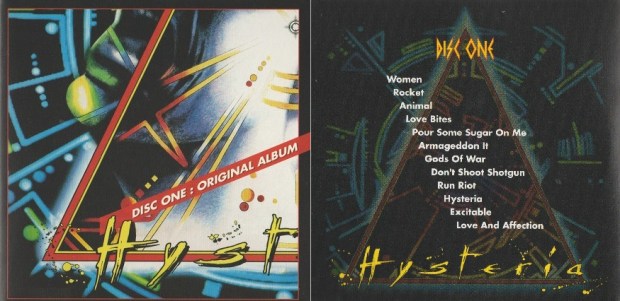
Disc One: The original album (Hysteria)
The first single “Women” did well enough, but failed to kickstart the mega album sales needed to recoup the losses. “Women” was an odd choice for a first single: a slow robotic rock track, with a killer comic book-based music video. It introduced the new Def Leppard groove: A simple one or two note bass line, layers upon layers of vocals and chiming guitars, but none of the full-speed-ahead New Wave of British Heavy Metal that Leppard were founded on. The year was 1987 and Def Leppard were on the cutting edge.
To get those chiming bell-like chords, Mutt had them recorded one note at a time! This is very apparent on “Animal”, the second single. It too was mildly successful, but not enough to push the album into orbit. Listen to the guitar chords and you will hear something that sounds more like chimes than strings. This is down to the incredibly detailed and overdubbed recordings. “Animal” was a stellar pop rock track, and a fine example of what Hysteria sounds like.
Refusing to give up, a third single was dropped: the ballad title track “Hysteria” and possibly the finest song on the album. The fact that these singles were not the hits the band hoped for at the time has not diminished them. Today they are all concert classics, radio staples, and beloved fan favourites. Leppard even re-recorded the song in 2013 for release on iTunes. (While the re-recorded version is impressive, it is impossible to exactly recreate the magic on this album.)
Finally, the success that the band and record label were waiting for happened. The track was “Pour Some Sugar On Me” and the North American version of its music video showcased the band’s stunning live show. Def Leppard were playing “in the round” to rave reviews. “Pour Some Sugar”, a retro glam rock tune with a contemporary sound, was a summer smash hit. It was cool, it was catchy, and Joe’s verses almost sounded like rap, although really they had more in common with Marc Bolan of T-Rex.
On a roll, nothing would stop Def Leppard now. Though the goal was an album with 12 potential singles, Hysteria eventually yielded seven. Most rock bands were lucky to squeeze three out of a hit album. Though the album was now becoming a bonafide hit, some critics and fans lamented the death of the original Def Leppard. Others embraced their pop success. The raw edgy guitars were gone and replaced by bright, precise parts working as a whole, in a gigantic pop rock juggernaut. Joe wasn’t screaming out every line, but actually singing now. It hardly matters. With the success of Hysteria, Def Leppard had embarked on a whole new journey and have rarely looked back to their origins.
The singles carried on, through the rest of 1988 and into 1989. “Love Bites” was fifth up, which originated as a country ballad that Mutt wrote and the band Leppardized into something different. It was a hit for the autumn of ’88, a slightly dark ballad for the fall. The victorious glam rock of “Armageddon It” was next, simple and pleasant enough for radio and video, and another huge hit. These were songs that had pep, but wouldn’t frighten mom and dad.
The seventh and final single was a surprise choice: “Rocket”. On album, “Rocket” was 6:37 long, and featured a long experimental middle section. The ambitious mid-section featured loads of NASA samples and sound effects, all backed by the African inspired drum loops of Rick Allen. The song was based a drum beat by Burundi Black, brought in by Joe Elliott, played by Rick Allen and looped. Eventually lyrics were added, inspired by the glitter groups of the 70’s that Leppard grew up with. Lange also used backwards vocals for some of the hooks. The line that opens the track and repeats through the song is the chorus from “Gods of War”, backwards: “Raw fo sdog eht rof gnithgif er’ew.” It was a sharp track to be used as a single, but that unforgettable beat was beyond question.
Hysteria had two more tracks as good as the singles, although they were not. “Gods of War” became a fan favourite, and easily could have been an eighth single. Dark in tone but more epic in quality, it has since become heavily associated with late guitarist Steven Maynard Clark. He was responsible for much of its guitar thunder. The final track that could have worked as a single was the album closer, the ballady “Love and Affection”. As good as any of the actual singles, “Love and Affection” had its own charm and hit potential. It’s long been one of my album favourites, just under “Hysteria” and “Gods of War”.
Rounding out the LP are “Run Riot” and “Don’t Shoot Shotgun”, two rock tracks that would have been highlights on a lesser album. Neither are clearly as brilliant as the hits, but both solidly get the job done with guitar thrills. Finally there is “Excitable”, the only song I’ve never particularly dug. It strikes me as gimmicky and very 80’s, much like “Social Disease” by Bon Jovi. Too reliant on sound effects and gimmicks. So out of 12 tracks, only one was really a dud. That’s not bad by any measure.
Hysteria rode the charts, recouped its costs, and then some. The tour in the round was legendary and resulted in a live video In the Round: In Your Face. Def Leppard were, for a short while anyway, the biggest rock band in the world.
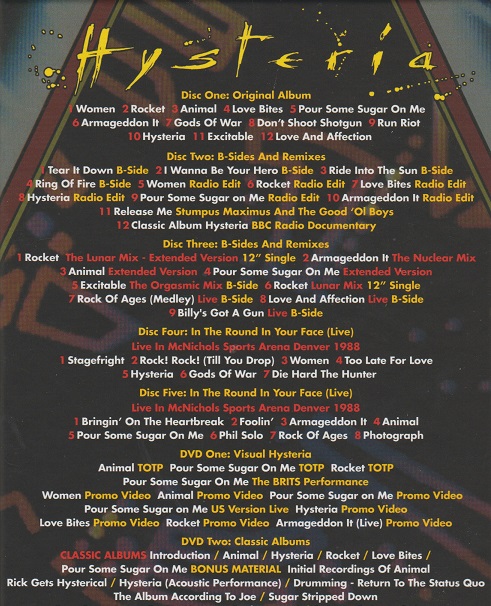
Disc Two & Three: B-Sides and Remixes
As discussed in greater detail in Record Store Tales Part 4: A Word About B-Sides, this album and its singles really clicked with the collector in me. Def Leppard prepared a number of B-sides for Hysteria, and perhaps because these were not produced with Mutt, they all have a harder edge. The four key must-have B-sides were all exclusive studio tracks, and the first four on the second CD of this set.
“Tear It Down” was a speedy but basic rock track considered good enough to include on the next album, and so it was. The B-side version remains its superior, because it is tougher than the one on Adrenalize. The most impressive B-side was probably “I Wanna Be Your Hero”. This B-side from the “Animal” EP has the Hysteria vibe and sound. It easily could have replaced “Excitable” as an LP track, but if it had perhaps Hysteria wouldn’t have sounded as diverse. Dig that false ending! Next, “Ride into the Sun” is a remake of a track from the original 1979 Def Leppard EP. The 1987 update is heavier and far better, a truly impressive upgrade. Finally “Ring of Fire” was even heavier than that, clearly too heavy for what Hysteria became.
The second disc features all the radio edits done for Hysteria‘s singles. Even to collectors, this is padding. Only one radio edit seems to hit the nostalgic notes, which is “Women” with a fade out ending. Incidentally, the only single from Hysteria that didn’t get a single edit was “Animal”, already short at 4:04.
Most important is the cover version of “Release Me”. This track was initially released on the “Armageddon It” picture disc single, but not credited to Def Leppard. Much like their later acoustic B-sides credited to the Acoustic Hippies from Hell, “Release Me” is credited to “Stumpus Maximus and the Good Ol’ Boys”. Engelbert Humperdinck is responsible for the most famous version of “Release Me”, but Stumpus Maximus is definitely responsible for the most twisted. Featuring Def Leppard’s roadie Malvin Mortimer on lead vocals and the rest of the band goofing around on each others’ instruments, “Release Me” is a hoot. Mortimer breaks all known sound barriers with his screaming (and burping) of the lyrics. I was absolutely confused beyond belief upon hearing this for the first time, since I didn’t catch on to this actually being Def Leppard in disguise. They absolutely fooled me; I thought whoever they were, Stumpus Maximus and the Good Ol’ Boys sucked! A hilarious novelty.
Disc two concludes with an 18 minute radio special from the BBC, going through Hysteria‘s songs with Joe Elliott. The third disc consists of remixes and live B-sides from the period. Extended versions of “Animal”, “Pour Some Sugar”, “Armageddon It”, “Rocket” and even “Excitable” all come from 12” singles. A welcome inclusion is the single edit of “Rocket”, the short version of the “lunar mix” . This was excluded from the previous 2 CD deluxe of Hysteria. The video mix of “Pour Some Sugar” is still missing, but that track is on so many albums including the five-million-selling Vault, so we’re not going to worry about it. These extended remixes are, not surprisingly, pretty much for the fans and collectors.
The live B-sides feature the fascinating “Rock of Ages” medley. It seamlessly captures key riffs of classic rock tunes: “Not Fade Away” (Buddy Holly), “My Generation” (The Who), “Radar Love” (Golden Earring), “Come Together” (The Beatles) and “Whole Lotta Love” (Zeppelin). This is all done to the tempo and style of “Rock of Ages”, and quite well, too. Then it’s a lively cut of “Love and Affection”, which was also utilised as the album’s Japanese bonus track. It’s very rare to hear this song done live, and definitely rare to hear a great vintage version done live. Finally there’s a so-so “Billy’s Got a Gun” (same gig). One live B-side is missing, though you can understand why, it is still annoying. “Elected”, the live Alice Cooper cover (same gig again), was on the 2 CD deluxe edition. It was recorded during this period but released in 1993 on the “Heaven Is” single. Because it’s not from a Hysteria single, it was dropped from this box set. Too bad.
Disc Four & Five: In the Round In Your Face (Live)
When I was a young fella, massively into Def Leppard, In the Round In Your Face (taped in Denver over two nights) was the very first live home video I ever bought. To finally, finally have a proper audio edition…there are no words to express the happiness! It always should have been a double live album release and not just a video, but hindsight is always 20/20.
The legendary set consists of hits from Hysteria, Pyromania, and “Bringin’ On the Heartbreak” from High N’ Dry. From the unforgettable Clint Eastwood “Dirty Harry” intro, to the final song “Photograph”, it’s non-stop fun. Though today there is plenty of live Leppard available, nothing tops vintage Joe Elliott screaming like a kid. Aside from a flawless track selection, highlights of the concert include Phil Collen’s new acoustic intro to “Heartbreak”. “Gods of War” is heavy and powerful. “Too Late For Love” gives me chills. Of the newer songs, “Women” is notable for being included as one of the B-sides for “Rocket”. Instead of putting it on the previous disc, it was left intact here, with the concert it came from. Of course, we mustn’t forget what really makes this concert special. Steven Maynard Clark didn’t survive to do another tour with Def Leppard, and this would be the last live recording with him on it.
DVD Disc One: Visual Hysteria
This disc is a new compilation of video clips, the first four of which are previously unreleased. Leppard have three Hysteria-related appearances on Top of the Pops: “Animal”, “Pour Some Sugar On Me”, “and “Rocket”. These lip-synced television appearances are almost comical as people scream for a band miming a hit song. The showmanship of Steve Clark, in his billowy white pants, is sorely missed. What a rock star! On “Animal”, frontman Joe Elliott appears to have pulled a Derek Smalls and stuffed his trousers. Note Phil’s ahead-of-the-times Metallica shirt during “Sugar”. Unfortunately “Rocket” fades out early. Though these videos are old and washed-out, it’s a hoot to have them. Leppard lip-sync again on a familiar video of “Sugar” from the Brit awards.
Music videos were a huge part of the marketing for Hysteria, and a key component to its success. Each one is here, including both the UK and US versions of “Sugar”. These videos bring back such a nostalgic glow. I remember seeing “Women” for the first time, thinking how amazing it was that Def Leppard were back. I also thought about how brave Rick Allen was. He didn’t try to hide his injury. The slow-mo effect of “Hysteria” brings back a lot of memories, as does “Love Bites”. It was a huge hit video in Canada, during a very cool autumn.
DVD Disc Two: Classic Albums
Of all the Classic Albums series DVDs, this was one of my most frequently played. It is now reissued as part of the 30th anniversary box set, a perfect place for it. In case you didn’t know, Classic Albums is a fantastic series of documentaries that go back to the original master tapes. Hysteria is one of many albums they have covered.
Hysteria is such a rich, textured, thick album with a long story so this DVD is an obvious slam dunk. The only thing it lacks is Mutt Lange’s knowledge (a notorious recluse). Otherwise, the band go back to the beginning with the early demos. “Animal” was sparse but remarkably recognizable while still in demo form, down to the false ending. “Rocket” is deconstructed so you can hear the drum orchestra that was laid down, while Joe Elliott talks about how it was inspired. The backing vocals of “Gods of War” are laid out bare, virtually every single word sung and recorded separately! That’s the kind of album this is.
Along with that, Joe, Phil and Sav also perform bits live in the studio. This helps to illustrate the individual parts further. It is revealed to “Love Bites” was brought to the band by Lange as a country song; you can hear the roots on this DVD. Rick Allen is there to discuss his accident, an obviously emotional moment. Steve Clark is discussed too, and current Leppard guitarist Vivian Campbell is on hand to talk about the numerous guitar parts that he inherited and has to play live.
My favourite feature of this DVD is actually in the bonus material. It’s the chapter that covers the first shows that Leppard played after Rick Allen’s accident. Originally, Jeff Rich from Status Quo was tapped to play a second drum kit alongside Allen on stage, just in case Allen got tired, slipped out of time, or couldn’t finish the show. There were so many variables that nobody knew what would happen during what really amounted to Allen’s comeback shows. Well, for one show in the middle of nowhere, Jeff Rich was late. If he had turned up on time, maybe Rick Allen would never have found out that he could play a full Def Leppard show on his own. Allen did the show with no help on the drums, and he nailed it. Rich told Allen that his work was done; Allen did not need any more help. And that was it!
The books and packaging
This iteration of Hysteria comes with four individual books and a poster suitable for framing. The Big Book of Hysteria is the main event. Adorned with pictures and full credits, this tells the story of the album from the band’s point of view. There were details in this book that even I wasn’t previously aware of. Why did Rick Savage play guitar on “Hysteria”? What was the original planned 10 track running order of the album? You’ll find that in this book. There is also a track by track rundown of the album by the band.
Next: Ross Halfin’s Portraits of Hysteria. This photo book has many of the classic pictures you will remember from this period. I had several of these as posters on my wall. Halfin was responsible for all of them!
A lovely miniature reproduction of the 1988 UK tour book is complete with cut-outs and even more Halfin photos. Tour books are large affairs, and this being a small reproduction, the text is hard to read. Especially for us old enough to have an original North American tour program in the house.
Lastly, and perhaps most lovely, is the Discography book. Inside are photos and release details of every obscure version ever released of Hysteria, all its singles and more. It’s exhaustive and assembled with consultation from a fan expert.
All seven discs, books and poster are packed in a nice looking, compact box. Each disc has its own gatefold sleeve with yet more memorable pictures inside. They nest inside a cardboard tray with the Union Jack printed on it. Perfect!
Conclusion
I’ve had Hysteria five times now. The first was a gift for Christmas of ’87. I upgraded to CD when I was working at the Record Store. I bought the 2006 2 CD deluxe edition, the DVD of Classic Albums, and Hysteria on 180 gram vinyl. I hope this 30th anniversary box set is the last time I have to do so. I can’t imagine what could entice me to buy it again. A 5.1 surround sound mix? Please, rock gods, don’t do that.
I love Hysteria. But let’s hope this is the last of it.
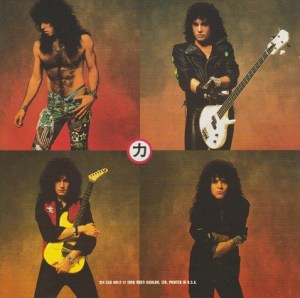
It’s a song that is a recurring theme for Kiss in the 1980s. It’s a down and out song: Asylum failed to live up to commercial hopes and the band only toured in North America. Paul Stanley was still firmly in control of Kiss. His partner Gene Simmons was now a record label mogul. He signed Loz Netto and House of Lords. Meanwhile, Paul observed bands like Bon Jovi who once opened for them, now eclipsing their success.
Kiss chose producer Ron Nevison for their next album tentatively titled Who Dares Wins. Nevison had recently produced big hits for Heart and Ozzy Osbourne, and Kiss aimed to follow along. The new music was the most commercial they’d written since 1980’s Unmasked. Big name songwriters participated on all but two songs. Much to the chagrin of Kiss fans, keyboards were brought on heavily for the sessions. Paul had been writing on keyboards for the first time. (In concert, keys were played offstage by Gary Corbett.)
The album was renamed Crazy Nights, preceded by first single and video, “Crazy Crazy Nights”. From the first “Woo!”, it’s far too bright and shiny. It’s one of those “gosh, this is so inspiring!” tunes that you’re embarrassed to like. “They try to tell us that we don’t belong, but that’s alright, we’re millions strong.” The awkward change to a higher key at the end is annoying as Paul hits absurd notes. Bruce Kulick’s guitar playing is exemplary, a showcase of true technical mastery, but not the kind of playing associated with classic Kiss.
A pretty stinky song called “I’ll Fight Hell to Hold You” is a mish-mash of mismatched parts and very high notes. It inspired my neighbor George to say, “If a song this poor made the album, can you imagine the songs that didn’t?” Gene wrote about 25 songs for Crazy Nights. Shudder. “Bang Bang You” is pretty weak too, keeping things in “park” rather than “drive”. It’s also the second time Paul referrs to a previous Kiss song in the lyrics. This time Paul states that he’s gonna “shoot you down with my Love Gun, baby.” On “Crazy Crazy Nights”, Paul stated that we “Love It Loud”. Reminding fans of better songs from more nostalgic times?
Bruce Kulick gets a smoking guitar into on Gene’s first track, “No No No”. Every trick in the book is thrown down in a mere 45 seconds. The track is a sudden fast thrash into heavier territory. However it’s track 4, and it’s Gene’s first song? That’s problem numero uno. The second issue is Gene’s newfound smooth singing style. The demonic growl is gone, and Gene adopted a clean voice that does not really sound much like Gene Simmons. He continues that style on “Hell Or High Water”, a pretty good tune in fact.
Things go a ridiculous extreme on “My Way”, another one of Paul’s “inspirational” tunes. “I’m gonna talk like I talk, walk like I walk, My Way.” Sinatra this is not. What sinks it are the stupidly high notes that Paul hits. Paul Stanley was simply one of the great voices in rock, bar none. He could do things that few people this side of Freddie Mercury could do. But just because you have a car that can go 200 mph doesn’t mean you have to keep it floored. Save it for when it counts.
Side two commences with another atrocity, “When Your Walls Come Down”, which never would have been in consideration for a better album. Consider that Eric Carr wrote a number of ideas for this album that weren’t used, like “Dial L For Love”. That unfinished song had a Van Hagar vibe that was on trend, and potentially better than crap like “When Your Walls Come Down”.
The first Kiss ballad since “I Still Love You” on Creatures of the Night (1982) is “Reason to Live”. A weak ballad is of little interest, and the music video surprised some by having Bruce Kulick on stage playing damn keyboards! Paul and his buddy Desmond Child are responsible for a song we’d rather forget.
Simmons returns with a great number called “Good Girl Gone Bad”. Cliche title aside, this understated dusky prowler has melodic qualities in common with some of Gene’s better material on Unmasked. Another decent song, Paul’s “Turn On the Night” is a hokey but good enough anthem for the 80s. It’s co-written by Diane Warren, who later scored it big with a little song called “I Don’t Want To Miss a Thing“. It will be too bright for some fans, but it’s a tasty pill if you can swallow it. Paul has always had a way with a chorus. Bruce’s solo is another standout. “Turn On the Night” is actually pretty good. The music video seemed to be a continuation from “Reason to Live”. The blonde woman that torched Paul’s car seems to be now sabotaging a Kiss concert on a roof top? I’m very confused.
Crazy Nights ends with a fart, a pretty low-grade Simmons tune named “Thief in the Night”. On a better produced album like Creatures, a song like this could have smoked the competition. On a plastic, thin album like Crazy Nights, it completely misses the gut.
It’s probably unfair to lay the blame for Crazy Nights at the feet of Paul Stanley and Ron Nevison. If Gene wasn’t out trying to discover the next big band, and was actually focused on Kiss, could they have gotten it together? The fact is that Kiss are at their best when running full steam. It’s always been a partnership between Paul Stanley and Gene Simmons as the primary writers. Crazy Nights represents a point at which these partners were working like broken cogs.
It’s a damn shame.
Today’s rating:
1.75/5 stars
Uncle Meat’s rating:
0/5 steaks
Meat’s slice: For this Meat’s slice, we include an actual commentary, as Uncle Meat listened to the album in real time.
Uncle Meat: This first shit tune…sounds like a wrestling entrance.
Mike LeBain: Totally. It’s of the time.
UM: It’s shit.
ML: You couldn’t even give this 0 steaks.
UM: It’s Warrant…It’s Poison…It’s shit.
ML: You’d have to go to rotten ground beef for this. And that’s…fuck what’s his name…
UM: And that key change is ridiculous!!!!!!!!!!!! So awful.
ML …Ron Nevison produced.
UM: This is shit.
ML: Enjoy my friend. It gets pretty silly later. Wait until you hear My Way. Mark my words. Reemember: MY WAY. I’ll walk like I walk, talk like I talk, My Way…
UM: If I end up taking a walk and killing a 48 year old Chinese woman…It’s on you my friend.
ML: I realize that. It’s right here in permanent Internet records.
UM: Well…first absolute shit tune is over…and it’s rated dung.
ML: Second song is worse.
UM: The shit storm is over Randy… Oh no it’s not Mr Lahey…because here comes song 2. I’m using that in my review of this album…
ML: HAHAHAHAHAH
UM: I’m so glad I shaved my head two days ago…or I would be lighting my hair on fire. Bang Bang You…just about to start. I see it’s a Desmond Child vehicle. Grrrr This is so garbage…hot steaming garbage. I dont know if I can do this whole album.
ML: HAHAHAHAHA Bang Bang You… You have to finish it now.
UM: I hate this.
ML: You can tell this is the period when Gene wasn’t around anymore.
UM: My bum is embarrassed for my ears right now.
ML: You think this is bad, I invite you to play Hot in the Shade.
UM: OK…fuck man…it’s only song 4 of this one…hold it now.
ML: I’ll shoot you down with my love gun baby.
UM: I’m not guaranteeing I’m getting through this one.
ML: You can’t walk away now.
UM: And…I might just review the first 4 songs…and say… ok…I’m done…don’t care about the rest…goodbye. Goodbye. That would make a point.
ML Nope you HAVE to play MY WAY. I need you to hear track 6.
UM: Who is singing No No No? Kulick?
ML: Gene.
UM: Doesn’t sound like him.
ML: He doesn’t sound like him on any of the album.
UM: Oh…ok…he sounds different.
ML: Nevison forced him to drop his normal voice.
UM: Passable.
ML: Barely.
UM: Kinda reminds me of Skyscraper by David Lee Roth.
ML: Same era. Very plastic and keyboardy and samply on the drums.
UM: Better than the first 3. Eric carr’s only writing credit. Does Kulick or Carr sing any tunes?
ML: Nope just Gene or Paul. Eric was promised a song and didn’t get one which made him very bitter. Apparently he stopped speaking to Paul around the next album.
UM: I mean on any album.
ML Eric sings two. He sings Beth on Smashes and Thrashes. And Little Caesar on Hot in the Shade. Bruce sings one. I Walk Alone on Carnival of Souls.
UM: Ok…that’s weird.
ML: Funny thing there: Both guys sang their first original Kiss songs on their LAST Kiss albums. In Fact Bruce’s song is the last song on his last Kiss album.
UM: Neat.
ML: In the current band Eric Singer and Tommy Thayer both have two lead vocals each.
UM: Hell or High Water is…boring…not offensive like earlier. Sounds like Tesla.
ML: But you can hear his voice is smooth not rough.
UM: I just wrote down one line now in the first minute of My Way. “Bon Jovi can fuck right the fuck off already”. Oh man this smells. It’s like actual runny sharts are oozing throught this speaker. OK… Reason to Live is on a new shelf of shit. Holy Fuck. Of course…Desmond Fucking Child. What a shit hat. It sounds like St. Elmos Fire meets Michael Bolton working out in a shit gym. OK…I’m done it’s off…I can’t do anymore…no fucking way. Done.
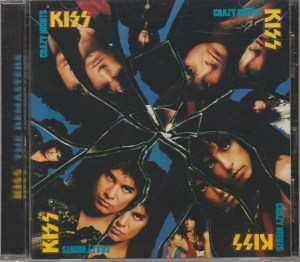
Crazy Nights is the last album reissued in the Mercury CD remasters series. No album more recent than this has been remastered and reissued.
When we last met our heroes, they were a fractured bunch with differing priorities. Gene Simmons cut his hair and went to Hollywood. Paul Stanley was steering the Kiss ship singlehandedly. They were down a guitar player (Mark St. John) but were fortunate to find his replacement in Bruce Kulick. Not only was Bruce an old acquaintance (his brother Bob played on a number of Kiss tracks) but he was also just what the band needed. He added a shot of stability and wrote good material. He has three writing credits on his first album Asylum, and that was just the beginning.
Paul and Gene produced Asylum, in a similar way to how Animalize was recorded. As had become routine, Gene wasn’t around to record some of the bass parts in Paul’s songs. Jean Beauvoir returned to fill in, while Paul also played some bass. Without Gene fully committed, Asylum was the second Kiss album in a row hobbled by his reduced participation. Animalize was a huge selling album for Kiss having gone platinum. Asylum sounds like Paul wanted to duplicate that record.
Eric Carr opens the album with a thunderously memorable drum intro. Carr didn’t have to try to impress anybody; his drumming brought Kiss to a higher level musically. His double bass work on “King of the Mountain” would make Lars poo his pants. For Carr fans, “King of the Mountain” surely must be considered one of his brightest moments. Fortunately the song also kicks ass. As one of the Kulick co-writes, the new guitarist impresses immediately. His soloing style was so much smoother than his predecessor Mark St. John. He had similar speed and ability but better composition when it comes to solos. Meanwhile, Paul takes this high octane speed rocker and turns it into a rallying call of encouragement.
I’m gonna climb the mountain, I’m gonna hit the top, I wanna go where nobody’s ever been, I’m never gonna stop.
Who needs Shakespeare when you just need a good shake? “King of the Mountain” is fuel injection for the bloodstream.
Over to Gene. “Any Way You Slice It” kicks ass. He had a habit of barking out his lyrics in the 80s, and “Any Way You Slice It” is very bark-y. The riff really catches air and takes off. Back to Paul, and a big single. “Who Wants to Be Lonely” has a chug and a plaintive chorus. Paul’s vocal abilities were at a peak, but it sounds like Gene was nowhere near the studio when it was recorded.
There are a lot of contributions from outside songwriters on Asylum, from people such as Desmond Child and Jean Beauvoir. One of the few songs without them is “Trial By Fire” by Gene and Bruce. Once again the rhythm is a chug, but this simple little rocker is appealing. There’s nothing wrong with the chorus, but it has never been played live. Nor has Paul’s “I’m Alive” which just takes the speed thing to an absurd level for this band. Kiss isn’t a speed metal band and “I’m Alive” isn’t a memorable song. “I’m hot enough to give you chills.” I’ll take your word for it, Paul!
Flip the album and you’ll hear “Love’s a Deadly Weapon”, which both Gene and Paul have a credit on. This is noteworthy, because the pair hadn’t written anything together on Animalize and only one track on Lick it Up and The Elder each. That’s all the co-writing credits they had together after the infamous Kiss solo albums. However, “Love’s a Deadly Weapon” isn’t really a co-write. It’s one of Gene’s songs, with a title and some words taken from a Paul Stanley demo called “Deadly Weapons”. Again, Kiss takes the speed level to the absurd. This ironically renders the song powerless.
Fortunately Paul’s big single “Tears are Falling” brings back the quality. It was one of the few songs from this era to continue to be played live. It was kept in the set on the Revenge tour, and had been brought back periodically by the current lineup of the band, even appearing on their last album Kiss Rocks Vegas. That’s because it has a chorus that goes on for days and days. Bruce’s guitar solo is one his most memorable, which doesn’t hurt either.
Gene’s “Secretly Cruel” shows off his sleazy side, on a likeable but forgettable album track. He wrote this one solo, just as Paul did for “Tears are Falling”. And it’s sleazy from there in. “Radar for Love” is a Paul/Desmond composition with a groove and a chorus that nails it.
And then it’s “Uh! All Night”. Yes, “Uh! All Night” is the name of a song.
I’ll confess that when I first heard “Uh! All Night” in 1985, I didn’t know what “Uh!” meant. I figured it meant “partying” or something. And there was a period when I really liked this song, but that was over 30 years ago and it sure has worn out its welcome.
Kiss went on tour again, never leaving home territory except for one date in Toronto. This was a step backwards for the so-called “Hottest Band in the World”. Asylum wasn’t the hit album that Animalize was. Money was becoming a problem. These are problems they aimed to solve next time.
The irony is, although Asylum wasn’t as big as Animalize, song for song it’s probably a better album.

 – Monsters of Rock (Mistral Music bootleg from 1988 tour)













 DEF LEPPARD – Hysteria (2017 Universal 5 CD/2DVD 30th anniversary edition)
 Disc One: The original album (Hysteria)


 My favourite feature of this DVD is actually in the bonus material. It’s the chapter that covers the first shows that Leppard played after Rick Allen’s accident. Originally, Jeff Rich from Status Quo was tapped to play a second drum kit alongside Allen on stage, just in case Allen got tired, slipped out of time, or couldn’t finish the show. There were so many variables that nobody knew what would happen during what really amounted to Allen’s comeback shows. Well, for one show in the middle of nowhere, Jeff Rich was late. If he had turned up on time, maybe Rick Allen would never have found out that he could play a full Def Leppard show on his own. Allen did the show with no help on the drums, and he nailed it. Rich told Allen that his work was done; Allen did not need any more help. And that was it!




 ML:
ML: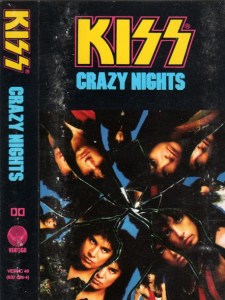 ML:
ML: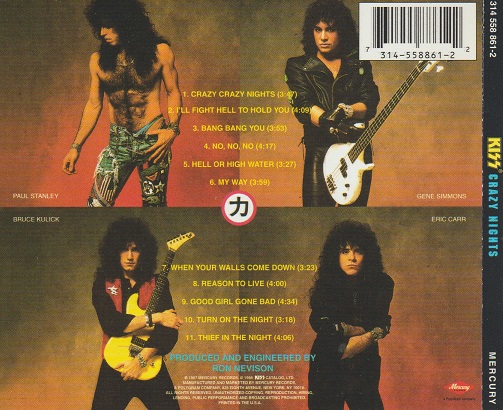



 mikeladano.com