hard rock

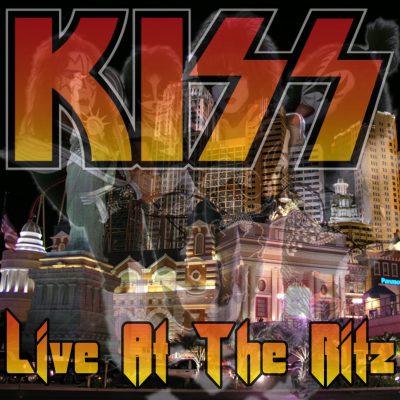
RE-REVIEW: KISS – The Ritz, NYC 12/08/1988

TheΒ KISS RE-REVIEW SERIESΒ Part 34:Β 

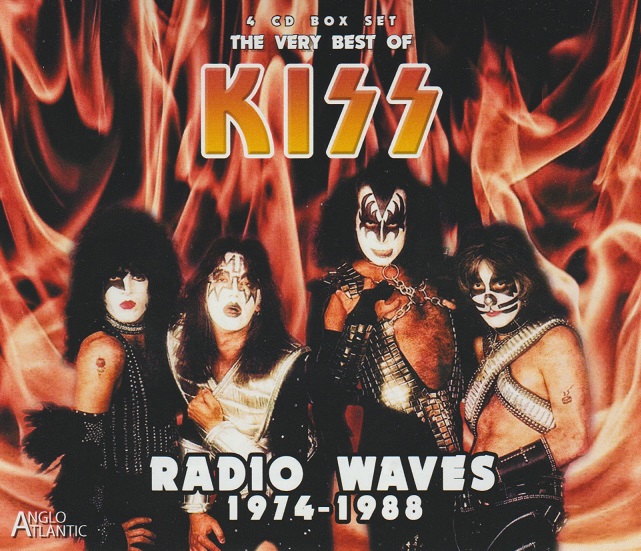
 – The Ritz, NYC, 12th August 1988Β (from 4 CD setΒ Radio Waves 1974-1988) (2015 American Icons broadcast release)

At last, we are at the end of the Crazy Nights era.Β  Radio broadcasts are the next best thing to a bootleg. Β Actually, strike that. Β Radio broadcast CDs are often better than bootlegs. Β The audio is usually decent because it’s a professionally recorded broadcast. Β They are almost always cheaper than an equivalent bootleg CD too. Β Broadcast discs are easily found on various Amazon sites and all over Ebay. Β Thanks to their abundance, sometimes you can even choose from multiple releases of the same concerts.

One such show is Kiss’ 1988 performance at the Ritz in New York in 1988. Β It’s a tight, hot Crazy Nights recording, but there are pros and cons to the different releases. Β There was a 2013 Gold Fish release of the Ritz concert,Β called The Ritz on Fire, reviewed here. Β Fans immediately noted that “Reason to Live” was missing, although others had “Reason to Live” on different releases. Β In fact The Ritz on Fire is missing two songs: Β “Bang Bang You” is the other.

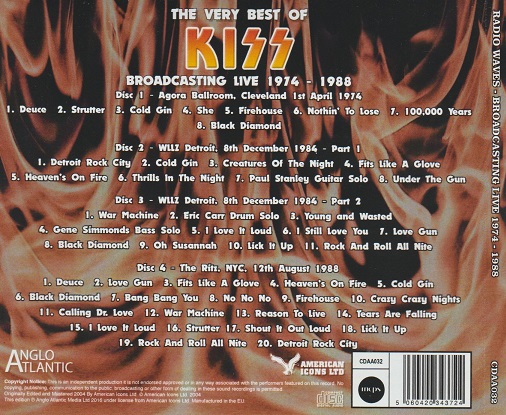
To get all the songs, one recommended version is the 4 CD set The Very Best of Kiss – Radio Waves 1974-1988. Β Inside you will get:

  • Disc 1: Β Agora Ballroom, Cleveland, April 1 1974. Β We reviewed a better version of this showΒ with bonus tracks from ABC In Concert and the Mike Douglas Show.
  • Discs 2 & 3: Β Animalize Live Uncensored 1985. Β  Missing some of the stage raps, but including all the songs from the original VHS release.
  • Disc 4: Β The Ritz NYC 1988. Β All the songs, but missing some of the stage raps.

Nothing’s perfect. Β These broadcasts are quirky that way. Β You can buyΒ Radio Waves 1974-1988 to get all the songs from the Ritz show, but not all of Paul’s stage raps. Β You could, of course, compile the best of the two versions together into one custom complete concert. Β The sound quality is virtually the same. Β What about an official release? Β The only Kiss-produced media of this concert is a rare 11 song bonus DVD that came with Kissology Vol. 2, but only at US Best Buy.

Regardless of which version you buy, this concert has a good reputation with fans and it is easy to hear why. Β Eric Carr and Bruce Kulick rose to the challenge and gave a Kiss a hard, professional sheen. Β Meanwhile, behind the curtain stood Gary Corbett, thickening up the sound with additional Β keyboards and backing vocals. Β Paul Stanley was in his prime, hitting notes only dogs could hear. Β Meanwhile Gene Simmons was present in body if not spirit. Β Notably, “Shout it Out Loud” was performed at the Ritz, making it a rare 80s appearance of that song. Β “Dr. Love” was also something of a rarity at the time.

Choose according to your own preferences, but don’t be afraid to pick up some version of Kiss at the Ritz.

Today’s rating:

4/5 stars
Original mikeladano.com review: Β 2014/01/27

GUEST REVIEW: Rush – “Distant Early Warning” (1984) by Aaron Lebold

I asked Aaron Lebold if he wouldn’t mind throwing in a few words about “Distant Early Warning” for my Grace Under Pressure review. Β He sent me 772 words! Β So here’s an entire separate post for you — Aaron Lebold on “Distant Early Warning”.

Β 

RUSH – “Distant Early Warning”Β / “Between the Wheels” (1984 Anthem)

by Aaron Lebold

Mike has asked me to do a review on the song β€œDistant Early Warning” by Rush. Β When I first met Mike I quickly realized that Rush was one of his favorite bands,* and though he showed me a lot of their work, this song was the one that always stuck out to me the most.

My interpretation of the song may be a bit different now than it was when I first heard it; one of the greatest things about music is that its personal meaning can shift depending on what is going on in your own life. Β I find musical interpretation to be completely personal, and what you take from it may be completely different than what the artist even intended.**

I was always reluctant to hear the artists of the songs I enjoyed explain them, as it could feel very crushing if the impact it had on me was not the actual meaning. I will explain what this song means to me, but that doesn’t mean I’m right. Β It does mean that I am able to see why it had relevance to me, and if you have found a different interpretation, you are not wrong.

β€œAn ill wind comes arising, Across the cities of the plain, There’s no swimming in the heavy water, No singing in the acid rain, Red alert, Red alert”

To me this is the ability to foresee an event, there is a metaphoric storm on its way, and it is serious enough for us to stop our own distractions, and unhealthy coping strategies in order to prepare for what is ahead.

β€œIt’s so hard to stay together, Passing through revolving doors, We need someone to talk to, And someone to sweep the floors, Incomplete, Β Incomplete”

This talks about the separation among us as people to me;Β we all tend to find our own paths and some of us become relevant to each other, where others become lower class, and we may see them as nothing more than the person who is sweeping the floors for us. This type of discrimination makes us incomplete as a human race.

β€œCruising under your radar, Watching from satellites, Take a page from the red book, And keep them in your sights, Red alert, Red alert”

This again is a reference to having greater insight than others may possess. Being able to observe a situation undetected and being able to gather forethought about what the results may be. Β The Red Book is a reference to Psychology, and this suggests using that manner of thinking as you move forward.

β€œLeft and rights of passage, Black and whites of youth, Who can face the knowledge, That the truth is not the truth, Obsolete, Absolute, yeah”

To me this makes reference to our way of thinking, and things we may have misinterpreted as priority. Β Rights of passage is the idea of moving from one group to another, and relates to social classes and advancement. Separating the races of children is another method of creating a divide. Β The truth could refer to the idea that we are all one class and one collective Β group of people, and that a lot of our perceptions are obsolete in the big picture.

β€œThe world weighs on my shoulders, But what am I to do? You sometimes drive me crazy, But I worry about you”

To me this means that even though I may have my own problems, and I don’t always agree with someone’s actions, I still care for them and can’t help but notice when they seem to be heading in a bad direction.

β€œI know it makes no difference, To what you’re going through, But I see the tip of the iceberg
And I worry about you”

This basically means to me, that I am aware that my insight does not change your situation, but I can see the bigger picture and it makes me worried about how it may end up affecting you. Β The Tip of the Iceberg is of course a reference to the Titanic, and how there is much more lurking under the water than is visible from the surface. The results can be potentially devastating, as they were for the historic vessel.

I can’t recall exactly what drew me to this song when I was younger, and I may have interpreted things differently back then, but the bottom line is that I found relevance and importance in the lyrics. Β You may have a completely different take on this song, which is great. Β The best thing about music is using it to find our own connections, and get us through our own lives.

Aaron Lebold


* So he thought. Β In 1994 I was still a Rush poser. Β I only owned Chronicles. Β 

Β 

** “Distant Early Warning” was written about the loneliness of someone who worked the DEW Line- a system of radar stations in the far northern Arctic region of Canada set up to detect incoming Soviet bombers during the Cold War, and provide early warning of any sea-and-land invasion. – wikipedia

REVIEW: Rush – Grace Under Pressure (1984)

Part one of a two-parter.

RUSH – Grace Under Pressure (1984 Anthem, 2011 Universal remaster)
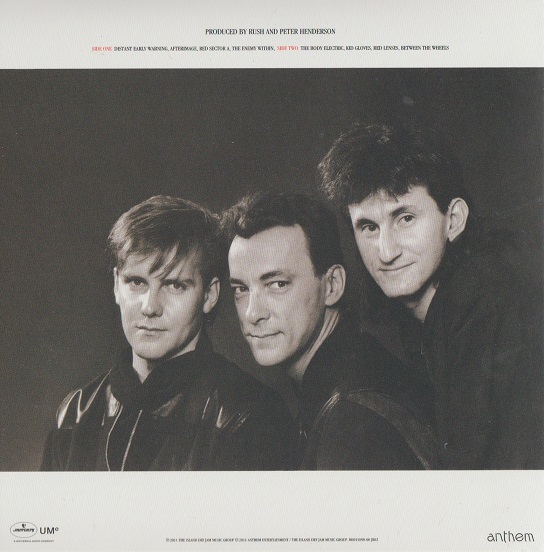
When Rush followed 1982’s synth-driven Signals, they said goodbye to producer Terry Brown. Β The band weren’t satisfied with the sonics of Signals and wanted to try working with different people. Β They chose Steve Lillywhite, who wasn’t available, and so usedΒ Peter Henderson. Β The album Grace Under Pressure was one of their most difficult to make. Β Perhaps this is why it has such a cold, dark aura.

Even if Grace Under Pressure has a downer vibe, the first side is excellent. Β Few albums have a strong an opener as “Distant Early Warning”. Β Rush’s recent penchant for keyboards is front and center. Β It also boasts one of their most catchy choruses: Β “I see the tip of the iceberg and I worry about you.” Β This single is a perfect storm of hooks, tension and biting guitars.

The album as a whole shows new influences. Β “Afterimage” has a contemporary 80s new wave sound, but “Rushified”.* Β Alex Lifeson in particular seemed to draw new influence from Andy Summers of the Police. Β Reggae and ska became a part of the band’s arsenal, with Lifeson deftly handling those enigmatic chords. Β “The Enemy Within” is one track that shows off these tricky new rhythms, in a frantically rocking way. Β Synths and sequencers are a part of the picture on “Red Sector A”. Β This post-apocalyptic track utilizes robotic rhythms to paint a picture of a future world. Β “Are we the last ones left alive? Β Are we the only human beings to survive?” Β The lyrics are actually inspired by Geddy Lee’s mother, a holocaust survivor. Β With the digital pulse beneath, you could just as easily imagine it’s about The Terminator.**

The second side also has memorable tracks such as “The Body Electric”. Β This number definitely has a Blade Runner-like future setting. Β “One humanoid escapee,Β One android on the run,Β Seeking freedom beneath the lonely desert sun.” Β And how many songs can you name with lyrics in binary? Β A lesser Rush song, “Kid Gloves”, is upbeat but not legendary. Β “Red Lenses” is also somewhat forgettable, except for Peart fans who will savour every little moment of exotic and electronic percussion.

Rush saved the longest track for last, “Between the Wheels”, a melancholy but challenging track that reminds of the old school progressive Rush. Β Backing guitars are exchanged for keyboards, but Lifeson uses the guitar to make unorthodox sounds.

It’s unfortunate that Grace Under Pressure has a brittle and icy production. Β While that definitely works on “Red Sector A” and “Distant Early Warning”, one wonders what side two would sound like if it were a little fuller.

4/5 stars


* “Rushified” is a word coined by Paul Rudd in the film I Love You Man.

** Aaron Lebold will return tomorrow to discuss Rush lyric interpretation.

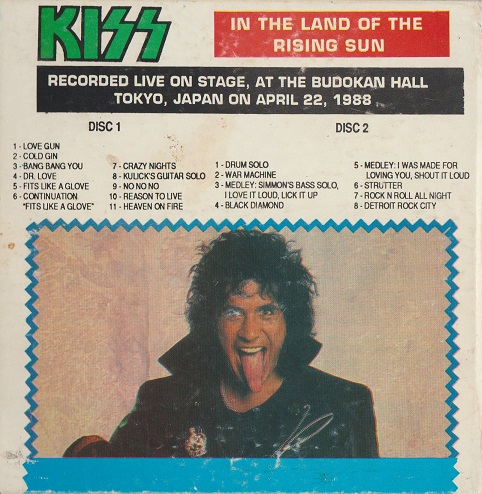
REVIEW: KISS – In the Land of the Rising Sun (live 1988 bootleg)

TheΒ KISS RE-REVIEW SERIESΒ Part 33:Β 

 – In the Land of the Rising SunΒ (Big Boy Records bootleg from 1988 tour)

If you are in the mood for some live Kiss from the late 80s, then your journey might just come to an end here: Kiss at the Budokan, Tokyo Japan, April 22 1988. It’s not the last live Kiss from 1988 that we’ll examine, but it’s decent. Β This 2 CD set boasts a more extensive track selection than Monsters of Rock, recorded in Germany in August. Β It’s an audience recording, but above average quality. Β It sounds like it is sourced from a previous vinyl generation.

In Germany, Kiss opened with “Deuce”, but in Japan, they didn’t even play it. Β Instead they opened with “Love Gun”, chased immediately with some “Cold Gin”. Β Therefore, it’s cool to have a couple bootlegs from this tour, to get a broader range of songs. Β Japan also heard “Bang Bang You” from Crazy Nights. Β Not a highlight to be sure, but a rarity that Kiss fans will want in their bootleg collection. Β In a strange twist, “Fits Like a Glove” is split into two tracks, just like it was on the Germany CD, made by a completely different company.

Bruce Kulick’s solo before “No No No” is much longer, leading us to think that the solo on the Germany CD was edited for length. Β This is the one to check out, to hear what kind of solo Bruce was playing in 1988. Β Kulick is continuously impressive. Β He always does justice to the original Ace Frehley (or Vinnie Vincent) ideas, but by playing his own solos with the right feel. Β His technique is all but flawless. Β This disc also has the Eric Carr drum solo and Gene’s bass solo intro to “I Love it Loud”.

There are plenty of tunes here that either weren’t played in Germany or just weren’t on that CD: Β “Bang Bang You” (see above), “Calling Dr. Love”, “Reason to Live”, “War Machine”, “Lick It Up”, “I Was Made For Lovin’ You”, “Shout it Out Loud”, and “Strutter”. Β “I Was Made For Lovin’ You” hadn’t been played live since 1980.

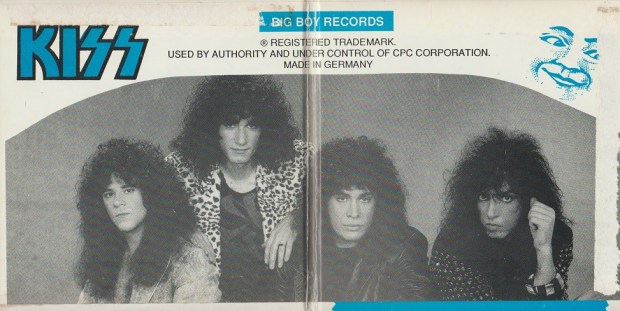
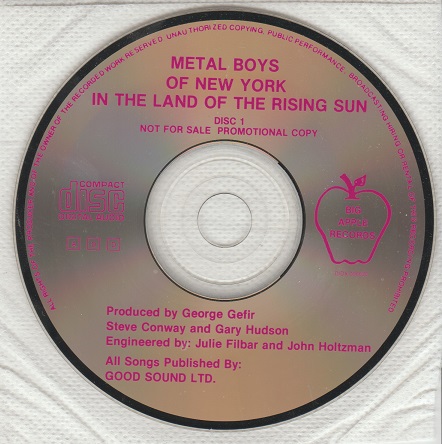
Almost every bootleg CD I own has some amusing mistake or quirk that I enjoy picking out. Β This has a couple. Β The label can’t decide if it’s named “Big Boy” (inner sleeve) or “Big Apple” (disc itself). Β There are three “producers” and two “engineers” credited, for a bootleg CD. Β I guess Eddie Kramer wasn’t available. Β Kiss is credited on the disc as — not Kiss! — as the “Metal Boys of New York”! Β Finally, in order to appear that nobody was making money off Kiss’ back, it is claimed on the CD that this “promotional copy” is “not for sale”.

Don’t let that deter you. Β Buy it if you find it.

3.5/5 stars


REVIEW: KISS – Monsters of Rock (live 1988 bootleg)

TheΒ KISS RE-REVIEW SERIESΒ Part 32:Β 

 – Monsters of RockΒ (Mistral Music bootleg from 1988 tour)

Oh, live bootlegs! Β A fascinating and labyrinthine assortment of live Kiss bootlegs are out there, but don’t always expect the covers and song titles to match the actual contents! Β Kiss didn’t release a live album from the Crazy Nights tour, as was expected by many fans. Β An old Faces magazine from 1986 proclaimed, “Already there is talk of the next studio album, and Alive III.” Β Instead we have numerous bootlegs from this period to sift through.

This CD is without any notes, but fans pieced together that it’sΒ Schweinfurt, Germany, August 27 1988. Β Kiss opened with “Deuce” rather than “Detroit”, and the energy is electric. Β Bruce Kulick did a fine job of adapting his style to the old Kiss songs, and “Deuce” demonstrates that Bruce really was the right guy for the band. Β He’s awesome but he plays for the song and not himself. Β “Love Gun” is next, truly an awesome song, and with Paul at the peak of his vocal prowess, it rarely sounds better. Β Meanwhile, Eric Carr sings the backing vocals impeccably, but there’s an annoying electronic drum that he hits at the end of it, a very 80s touch that wasn’t necessary.

The Kiss classics you’ve heard a million times are great as always, but what about the newer material from Crazy Nights? Β It takes a while to get there. Β “No No No” and “Crazy Crazy Nights” are crammed back to back in the middle of the set. Β “No No No” acts as Bruce’s big solo too, which is fantastic, but the song isn’t. Β It’s a shambles, as if they don’t know exactly how to play it. Β “Crazy Crazy Nights” is much better, almost a classic. Β They follow that up with the also-recent “Tears are Falling”.

One cool surprise is a bit of “Heartbreaker” right before “Fits Like a Glove” which is strangely split up between two tracks. Β Another surprise is obtrusive keyboards. Β Since Kiss had an offstage keyboardist now, maybe they felt like they had to use him on songs like “Cold Gin” that totally do not need keyboards. Β In fact it’s like oil and water. Β The keyboards roll off the rock and roll like an annoying rain storm.

The CD has some audio issues, odd noises here and there. Β Ignore the track list on the back which is nonsense. Β You’ll find the real track information below for your convenience. Β At least the back cover credited keyboardist Gary Corbett, surely a rarity. Β For a real howler though, check out the front cover. Β That’s not Bruce, and that’s not 1988!

With all respect to Ace Frehley, the originator and influencer, I think Bruce Kulick is the finest guitar player that Kiss ever had. Β His solo career is certainly worth investigating, and so is live Kiss from his time in the band. Β Monsters of Rock is difficult to recommend over others, but if you find it within your price range, go for it.

3/5 stars


RE-REVIEW: KISS – eXposed (1987 video)

TheΒ KISS RE-REVIEW SERIESΒ Part 31:Β 

 – eXposedΒ (1987 VHS/2002 Mercury DVD)

“Hello. Β The show we are about to see is a rousing docu-drama. Β It will disgust some, and titillate others. Β But whether it disgusts you, or titillates you, it is the truth, the whole truth, and nothing but…the truth.”

Kiss were on to something here. Β The concept of a home video release that was more than just a compilation of clips was fairly new. Β Kiss took the bull by the horns and put together a video that was all at once extremely sexist and innovative, offensive and invaluable. Β Only fans need apply; anyone who is sick of Gene Simmons’ schtick will bore quickly of his oafish humour. Β But when Kiss play it “straight” in certain interview segments, light shines through. Β The old memories and the old friendships are fresh and vivid.

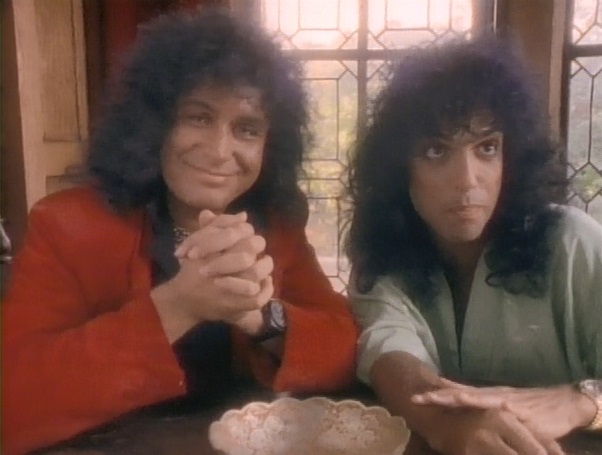
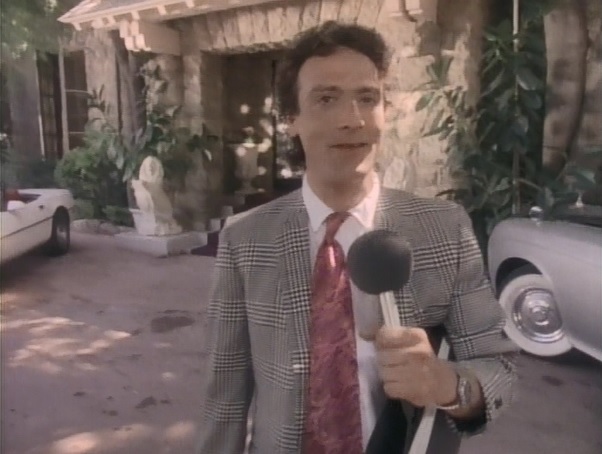
Interviewer Mark Blankfield strolls up to the “Kiss Mansion” where all four members live Monkee-like together in one house with dozens upon dozens of beautiful women. The doorbell plays “Rock N’ Roll All Nite”, and Paul Stanley is confused. He thought the interview was scheduled for…not noon, but 12 midnight! Nyuck, nyuck, nyuck.

The KISS Mansion

Some of the scripted bits are actually funnier than you’d expect. Paul and Gene are natural clowns, and playing the role of disinterested rock stars tickles the funnybone. Β Blankfield keeps chasing them around, trying to get them to do some interviews. Β All the while, he encounters scantily clad babes in various states of undress, and a butler intent on keeping him away from them. Β Subjects of discussion in the scripted bits include nutrition and fitness. Β Learn about Joseph Kiss Sr., who came up with the vision of Kiss in 1773. Β Check out Paul Stanley’s workout video! Β Meet his best friend, a monkey named Sonny Crockett. Cut to a music video!

The music videos are something. In a scripted bit, Paul is surprised that they have access to the uncensored version of “Who Wants to Be Lonely”, which neither MTV nor MuchMusic were willing to play. Censors were offended by images of women in bikinis spraying themselves with hoses, even though I’m sure George Michael did something similar a couple years later. Every music video that Kiss filmed from “I Love It Loud” (1982) to the Asylum album (1985) is included, except “Thrills in the Night”.* Β All videos from eras prior to this are live and unreleased!

“Deuce” in San Fransisco

Live in Rio, from Kiss’ very last concert in makeup, it’s “I Love It Loud” with Vinnie Vincent! Β This is good quality video and audio from a TV broadcast. Β From the now famous bootlegΒ Kissin’ Time in San Francisco (1975), it’s a nuclear version of “Deuce” in black and white. Β It’s the first appearance of Ace Frehley and Peter Criss in this feature, and the rawness of the old band is a delightful contrast to the new. Β Then it’s “Strutter” at Cobo Hall in ’76, an Ace guitar solo from 1980, and “Beth” in 1977 with Peter Criss (and a pretty bad final note). Β Gene’s got a bass solo/blood spitting clip to show off, but the most interesting clip of the batch could be “Detroit Rock City” in Australia, 1980. Β Paul did the verse melody with a slightly different twist. Β “Rock and Roll all Nite” is included from the same show, which had Eric Carr on drums. Β “I Stole Your Love” and “Ladies Room” have the original lineup from the Love Gun tour; Kiss at their bombastic best.

Of the best of the “straight” interview clips is the question, “How did you two get together?” Β Paul and Gene start busking to “I’ll Be Back” by the Beatles, and suddenly you can imagine what they sounded like in 1972. Β They even sing bits of Gene’s more…obscure early material. Β “I love Eskimos…” Β “My mother is beauuuutiful…” Β (Hopefully we will hear these songs on Gene’s upcoming 150 track box set, Vault?) Β Another good question, to Gene, is “Have you gone Hollywood?” which he answers with candor.

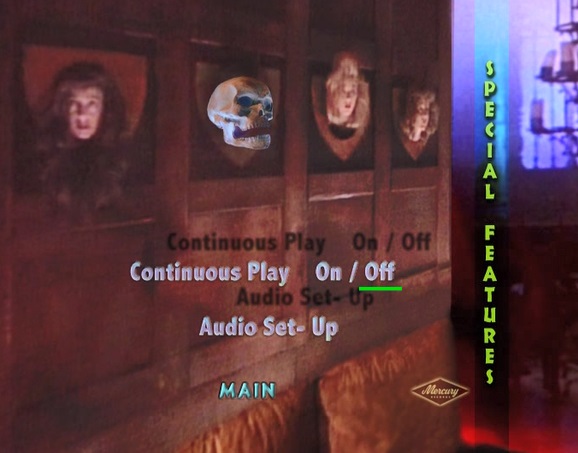
Incredible special features

The very large issue with this DVD is the absence of Bruce Kulick and Eric Carr. Β They only appear in brief cameos, and get a couple lines a piece. Β That’s very unfortunate. Β And then there is the excessive objectification of women. Β It’s done as an obvious satire of the rock star stereotype, but not particularly well. Β Too bad. Β This isn’t Spinal Tap.

Some of the diehards would have preferred a home video with more music and less gags. Β Fortunately Kiss got the message when they eventually Β got around to a sequel.

3/5 stars

* It appears Β that “Thrills in the Night” must have been intended for inclusion at one point, because it’s in the songwriting credits at the end of the video.


Original mikeladano.com review: Β 2012/08/03

#596: Arrest Warrant

GETTING MORE TALEΒ #596: Arrest Warrant

In a spring/summer 1989 edition of the Columbia House catalogue, a brand new band appeared.Β  It was the first I had heard of them.Β  Inside, my Selection of the Month was the debut album by a glam band called Warrant.Β  The hype machine was soon in full force.Β  Warrant were the latest group out of California with the look and the hooks.

I got the debut on cassette, Dirty Rotten Filthy Stinking Rich.Β  The deciding factor in buying the album was a little throw-away bit of information, which was that lead singer Jani Lane played guitar (albeit acoustic).Β  With a three guitar lineup, I thought Warrant might be new and different so I gave them a try.

Dirty Rotten Filthy Stinking Rich arrived at the house, but there were only a few good tunes on it.Β  Maybe about half:Β  β€œ32 Pennies”, β€œDown Boys”, β€œHeaven”, β€œSometimes She Cries” and β€œBig Talk”.Β  Most of these were crammed onto the first side, leaving the second a fairly barren wasteland.

I liked the singles, but more importantly, the girl I liked also liked Warrant! Β This inspired me to prematurely proclaim Warrant as my β€œfavourite new band” of 1989.

I will always own up to my mistakes, especially musical ones.Β  A few months later I acquired the debut albums by Mr. Big and Badlands. Β Both were better than Dirty Rotten Filthy Stinking Rich. Β Suddenly Warrant had competition in the β€œfavourite new band” stakes.Β  I continued to spin Warrant, and as I did, a few more songs began to appeal.Β  β€œIn the Sticks” was decent enough, but my God the title track was awful no matter how many times I played it.

Warrant had a hit album and began work on a followup.Β  Vertical Smile was the tentative title, a name ripped off from Blackfoot.Β  Soon they renamed it the equally unimaginative Cherry Pie, and even covered a Blackfoot song called “Train, Train”.

Although 1990’s Cherry Pie was undoubtedly a better album than Dirty Rotten Filthy Stinking Rich, after a few months I began to turn sour on the band.Β  The new album was very commercial, more so than the debut, with lots of ballads. Β There was an uncredited vocal by Dee Snider from Twisted Sister in the very intro of the record.Β  That rubbed me the wrong way, because it was so obvious to me, and the lack of credits would make people think it was Jani Lane.Β  The only song that really had legs was “Uncle Tom’s Cabin”, which was unlike Warrant’s other singles.

By the summer, Warrant were feuding with their tourmates Poison.Β  What really killed it for me was Warrant’s admission in a guitar magazine interview that they had two tutors who taught them how to play their own solos. Β That was the last straw.Β  I was getting into heavier music anyway, but I had enough of Warrant.Β  Uncredited vocalists, feuds, guys writing solos for them…this wasn’t a band for me.Β  I let them go.

I never bought any studio album after Cherry Pie, which means I missed 1992’s heavy comeback, Dog Eat Dog.Β  When singer Jani Lane quit the band and proclaimed he wasn’t into that heavy sound at all, I felt justified.Β  Lane said his heart was in rootsy acoustic rock music, like John Mellencamp.Β  Dog Eat Dog was what the rest of the band wanted to do, and Lane went with it until he quit.Β  He did rejoin the following year for another heavy album called Ultraphobic, but I had long gotten off the β€œTrain Train”.

Warrant were one band who, for this listener, failed to live up to the hype.Β  Have I missed out?Β  Is it too late to catch this train, or should I leave the station completely?


REVIEW: Alice Cooper – “Paranoiac Personality” (2017 single)

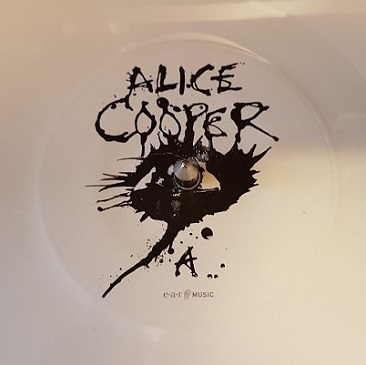
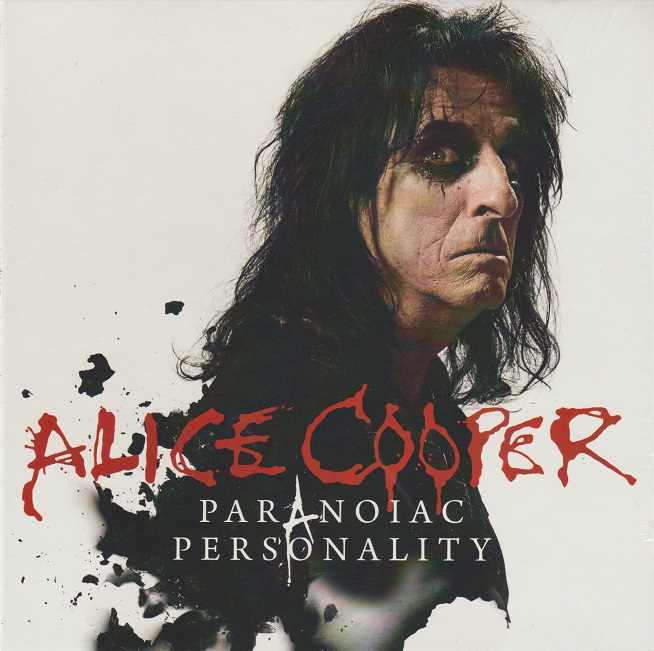
ALICE COOPER – “Paranoiac Personality” (2017 Edel 7″ single, white vinyl)

In 1969, the original Alice Cooper group released their debut album for Frank Zappa’s Straight records. Β The band consisted of Vincent Furnier on lead vocals using the stage name of “Alice Cooper”, Michael Bruce & Glen Buxton (guitars), Dennis Dunaway (bass), and Neal Smith (drums). Β This legendary lineup laid waste to rock and roll until 1974 when they split for Alice to go solo. Β Though Glen died in 1997, the surviving member eventually reunited on vinyl in 2011 for three tracks onΒ Welcome 2 My Nightmare. Β Since then the original band has worked together with surprising regularity, including on Cooper’s latest album Paranormal.

To go with theΒ ParanormalΒ brew-ha-ha, Alice put out a 7″ white vinyl single for “Personoiac Paranality” “Paranoiac Personality”. Β It’s an easy track to like with a vibe reminiscent of his classic single “Go to Hell”. Β This is likely to be a concert classic for as long as Alice tours. Β The chorus is meant for a crowd to sing along. Β “Paranoid! Β Paranoid!”

A great B-side is what makes a single memorable. Β In 2017 you see all kinds of gimmicky singles, from coloured vinyl to ridiculously low production numbers. Β That stuff won’t make me buy a single; but an exclusive B-side will. Β “I’m Eighteen” is performed by the aforementioned original Cooper band! Β They are augmented by current Cooper guitarist Ryan Roxie, filling in for Glen Buxton. Β What a great version this is, and how much more authentic can it get? Β Alice has a nice intro for Glen, and it’s stuff like this that makes a single worth spending the money (and shipping) on. Β My copy came from Seismic Records in the UK, but it was worth it to me. Β The pristine white vinyl is just the icing on top.

5/5 stars


REVIEW: Vinnie Vincent Invasion – Vinnie Vincent Invasion (1986)

TheΒ KISS RE-REVIEW SERIESΒ Part 30:Β Β Vinnie Vincent solo #1.

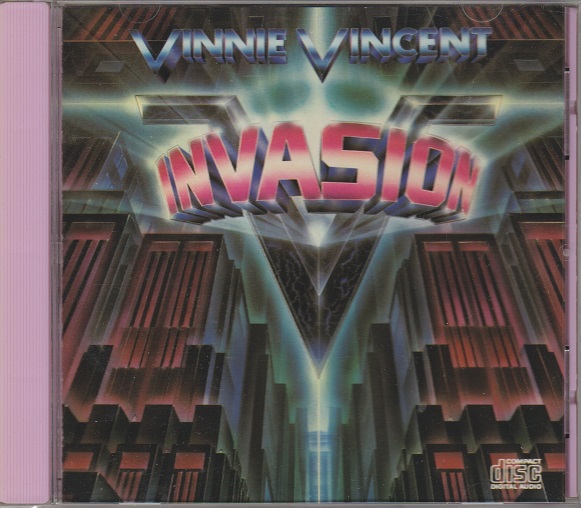
VINNIE VINCENT INVASION – Vinnie Vincent InvasionΒ (1986 Chysalis)

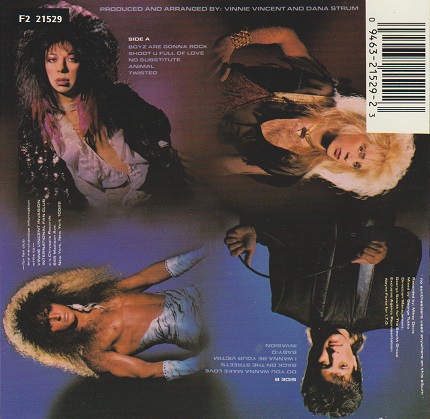
Where oh where did Vinnie Vincent go? The mercurial ex-Β guitarist with genius level skill resurfaced after 1983’s Lick It Up with his new band, the Invasion. Β Ex-Journey singer Robert Fleichman did the self-titled debut album but was quickly replaced for the music videos and tour with an unknown named Mark Slaughter. Β Rounding out the band were Dana Strum and Bobby Rock on bass and drums.

As I sat there listening to this album for review, a reader told me: “I could never get into VV Invasion.”

My brief response to him is my review:

Dude…it’s comical. Vinnie just goes full shred to the point of stupidity. Like seriously stupid: like some idiot just hammering as fast as he can, like a kid whacking off or playing video games. And then he gets the singer to go as high as possible. It’s shrill. You can hear the songs have good riffs, but virtually every song has something to it that ruins it.

1/5 stars


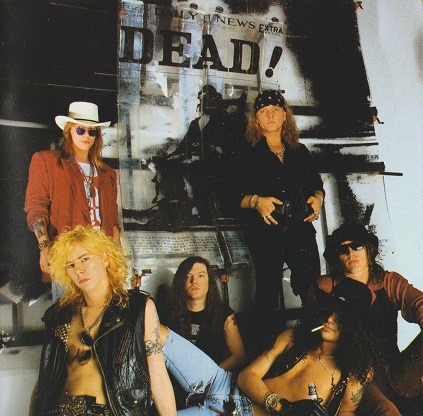
REVIEW: Guns N’ Roses – Use Your Illusion I & II (1991)

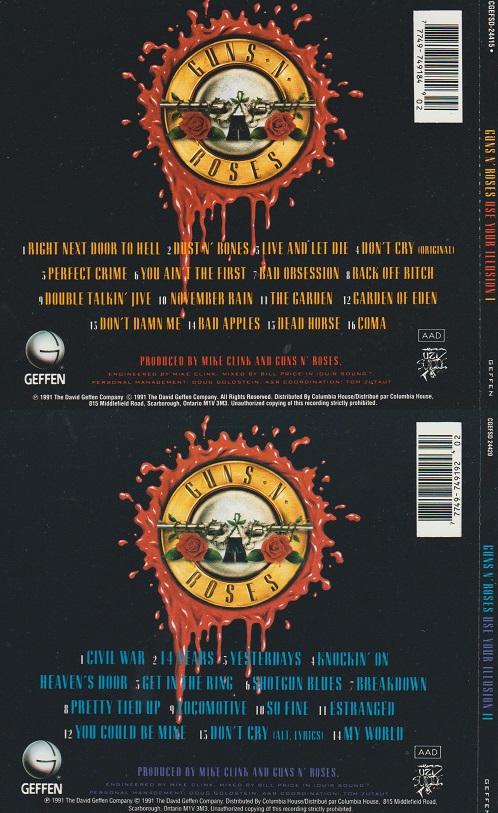
GUNS N’ ROSES – Use Your Illusion I & Use Your Illusion II (1991 Geffen)

In my review for Guns N’ Roses’ smashing debut Appetite For Destruction, I stated that “Appetite is great, but Illusions are better”. Β A strong and controversial statement. Β How could I say such a thing?

Use Your Illusion I and II are a case of “Bigger, Better, Faster, More!” Β Consider:

1. “Bigger”

Certainly in terms of length, Illusions are far bigger: Β 2 hours and 32 minutes compared to 53 minutes for Appetite. Β I concede that the Illusions albums have far more filler than Appetite. Β Given that the grand total of awesome material on Illusions still exceeds the length of Appetite, I think “Bigger” is a given. Β They made us wait and wait and wait, but they made it worth our while. Β You can’t always say that for Guns N’ Roses.

2. “Better”

Guns N’ Roses’ lineup was “new and improved!” in 1991. Β Original drummer Steven Adler was given the boot due to severe issues with substances, replaced by Matt Sorum, who they knew from The Cult. Β I won’t argue that Matt Sorum is a “better” drummer than Steven Adler, because they are too different. Β Regardless of this, Sorum was able to expand Guns’ rhythmical pallette. Β He could play things Adler could not at the time, such as “You Could Me Mine” and “Double Talkin’ Jive”. Β As for the core members, each of them expanded their own talents on these albums. Β Duff McKagan and Izzy Stradlin were now lead vocalists on a few tracks. Β Slash’s guitar playing grew exponentially. Β Izzy blossomed as a songwriter with some of Guns’ most diverse material. Β And Axl Rose really got into the piano, contributing a ton of it, and even the techno influence that would later evolve into Chinese Democracy. Β His vocal stylings also expanded, with more use of his lower voice. Β Everybody had gotten…better.

3. “Faster”

It’s possible that “Right Next Door to Hell” is the fastest Guns track ever recorded. Β “Perfect Crime” and “Garden of Eden” also qualify.

4. “More!”

Guns expanded their official lineup to a six piece with the arrival of keyboardist Dizzy Reed. Β They also had plenty of special guests: Β Alice Cooper*, Michael Monroe, and a guy named Shannon Hoon from the then-unknown Blind Melon. Β Hoon appeared in the “Don’t Cry” music video. Β Steven Adler was even on “Civil War”, one of the earliest tracks finished. Β How’s that for more? Β Not enough? Β Throw on some orchestras, then.

Of course the weakness to this argument is the old saying that “less is more”, and that theory holds water. Β Ultimately, it comes down to taste. Β Do you prefer the nuclear assault of Appetite, or the complex stew of Illusions? Β Fortunately, you don’t have to choose. Β You can buy and love them all.

We reviewers, however, are not afforded such luxury. Β We are expected to rate these things and answer tough questions about why. Β I cannot deny how I feel about the Illusions albums. Β I think II tops I, butΒ from first listen, these albums were very special.Β  The ambition, the indulgence, and the time paid off on these albums.

Breaking it down, there are numerous top tier bonafide classics on Use Your Illusion I and II. Β I think if you boiled the album down to these basic original tracks (colour coded by original album), you’d have a hard time beating it.

Proposal:

  1. Dust N’ Bones
  2. Don’t Cry
  3. Bad Obsession
  4. Double Talkin’ Jive
  5. November Rain
  6. The Garden
  7. Coma
  8. Civil War
  9. 14 Years
  10. Breakdown
  11. Pretty Tied Up
  12. Locomotive
  13. Estranged
  14. You Could Be Mine

And look…that’s enough for a perfectly awesome single CD. Β It doesn’t even include the excellent covers “Knockin’ on Heaven’s Door” and “Live and Let Die”, both hit singles for Guns. Β It also excludes dumb but fun stuff like “Get in the Ring”. Β You know you and your buddies have recited the words. Β Don’t lie to me!

I always choose to listen to these albums in full, in sequence. Β I find that to be the best way to go, as they intended it to be.

Appetite showed the world that rock and roll could still be dangerous and loud. Β The Illusions albums immediately proved that Axl was a hell of a tortured genius. Β However it’s not a one man show. Β The dominant songwriter is Izzy Stradlin, with 11 credits on most of the best material. Β His singing added a Keith Richards rasp to the band’s repertoire as well.

You don’t have to agree with my rating, but I feel that all of the above really overshadows the filler on Use Your Illusion. Β Some of the material I consider filler were singles. Β “Dead Horse” and “Garden of Eden” were both hit music videos. Β The sheer bloat and indulgence of this set was a sharp and delightful contrast to the first waves of back-to-basics grunge bands. Β It kept Guns on the charts for years.

In a 1991 M.E.A.T Magazine interview, Slash stated that after Appetite, every band in the world copied their style. Β He challenged bands to try and copy them this time. Β “To copy us, you’d have to be us.” Β Slash was correct. Β Nobody could touch Illusions.

5/5 stars


* The story behind the Cooper cameo is that Axl has originally sung all of “The Garden” himself. He sang it in a very Alice Cooper voice, and there was concern it was too close for comfort. So they called up Alice (who they worked with before on “Under My Wheels”) and Alice just nailed “The Garden”.