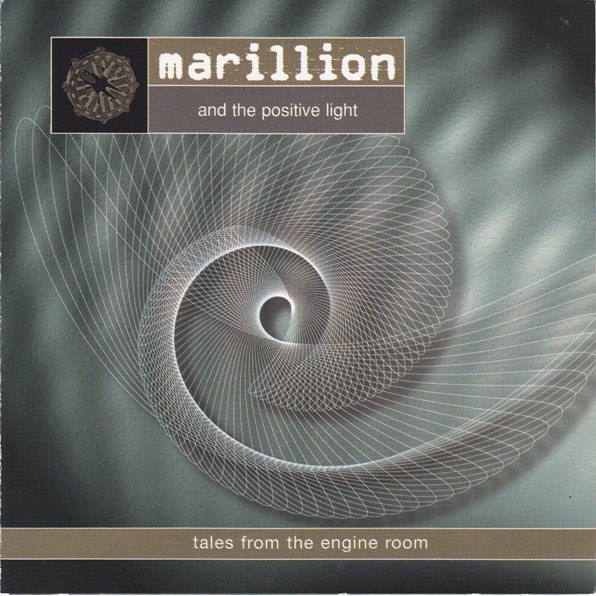
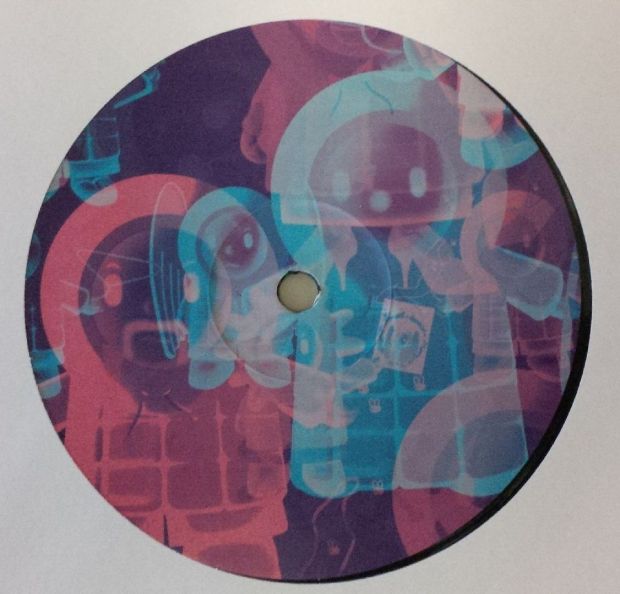
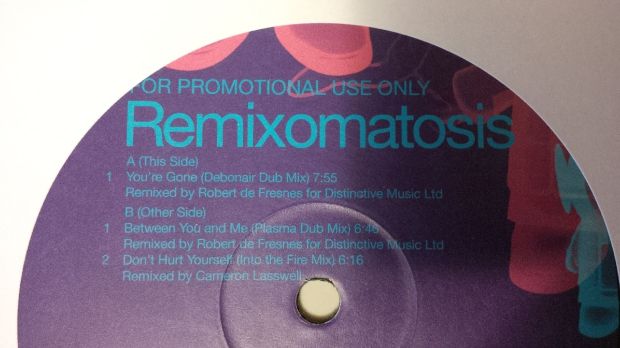
 MARILLION and the POSITIVE LIGHT – Tales From the Engine Room (1998 Big Eye)
Remix projects: Often dicey, usually over-indulgent cash-grabs. I always give Marillion the benefit of the doubt where integrity is concerned. In the liner notes, singer Steve “H” Hogarth says that the art of the remix at its best is to produce a cerebral trip, and I think that was the aim here. He refers to this as a “reconstruction” and that sounds about right.
Having just completed the This Strange Engine album, Marillion handed over the master tapes to The Positive Light (Marc Mitchell and Mark Daghorn) for creative reconstruction. The duo had impressed them with some early work on “Estonia” so they decided to go all-in. That track is the first on the CD, Tales From the Engine Room. It’s a swirly, heavenly version but not a drastic departure. Hogarth’s vocal isn’t chopped to bits, the melodies remain the same, and the overall structure is unchanged. It is as if the body of the song were played by Jean Michel Jarre instead of Marillion.
“Estonia” folds neatly into “The Memory of Water”. This experiment turns the song into a light dance number. It’s not nearly as great as the pounding “Big Beat Mix” on the Radiat10n CD. This version just kind of circles around without going anywhere. It’s always risky, extending a three minute song to almost ten! Sorry Positive Light, I have to give you a D on “The Memory of Water”.
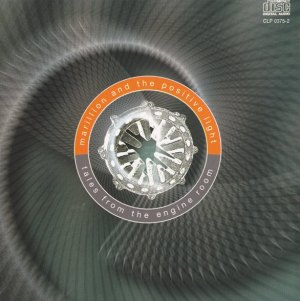 If you like long bombers then you’ll love “This Strange Engine”, all 20+ minutes of it! That’s not too much of a stretch, since the original is over 15. Of this one, Hogarth says, “[it] reduced me to tears. I would advise you to listen to it on a Walkman whilst walking through the town on a Saturday afternoon. It makes everyone move in slow motion!” While it is cool, it has never given me that exact effect. It really starts to swell into dramatic waves when it gets into that “tall tales of Montego Bay,” section. A solidly trippy remix.
Onto “One Fine Day”, which was never one of the strongest tracks. With the Positive Light, it acquires a trippy jazzy slant. I don’t know what “Face 1004” is, except perhaps a Positive Light original? It bears no resemblance to the fine Marillion song “Man of 1000 Faces”, but it’s a beat-heavy dance track much in the style of the rest of this CD.
The original CD ended with track 5; reissues also contain “80 Days”. Since there’s no point in buying an incomplete version, you may as well look for the reissue. “80 Days” is far removed from its jaunty, celtic origins. Now replete with electronic beats and tribal singing, it is still a celebration of touring the world.
Tales From the Engine Room turned out to be an apt title for a successful experiment. The Positive Light took the songs down to their cores without losing what made them the songs that they are. They re-presented the tunes in a new way, in a different genre. While this is far from an essential purchase, it will be appreciated by fans of latter-day Marillion.
3/5 stars


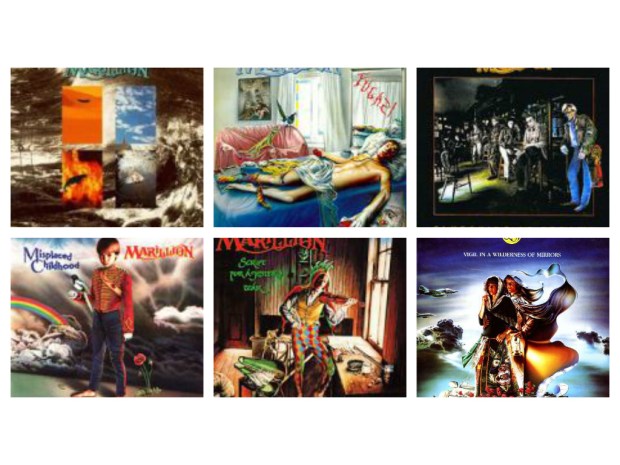

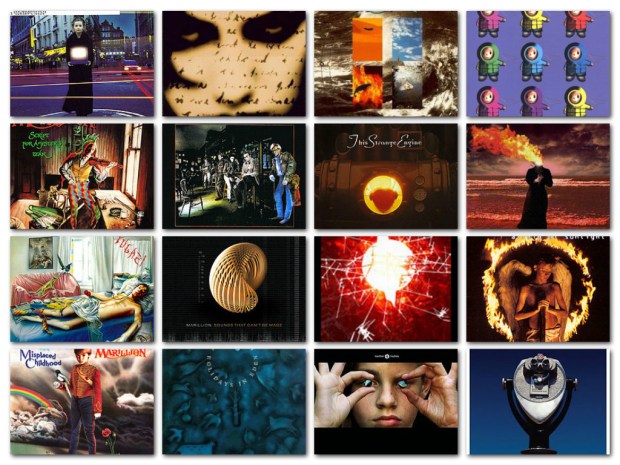
 16. Somewhere Else (2007). Following an album like Marbles (2004) is damn near impossible. Somewhere Else has never completely clicked with me and it remains foggy in my memory. Incidentally, the vinyl version has three live bonus tracks and a slightly shuffled song order, as well as a warm sound that benefits the listening experience.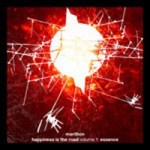
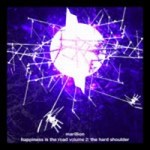 15. Happiness is the Road (2008). Consisting of a massive eight sides of vinyl (!), Happiness is the Road is broken into two albums: Essence, and The Hard Shoulder. While both discs contain memorable songs such as “This Train is My Life”, the set is too sprawling and slow to be enjoyed frequently. (The vinyl version contains bonus live tracks from the album Happiness is Cologne.)
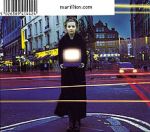 14. marillion.com (1999). I love that the band were digging into trip-hop and writing catchy poppy songs, but as a whole the album doesn’t rank higher than…
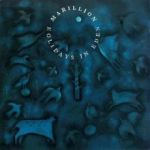 13.
13.  12. This Strange Engine (1997). I still like this mostly acoustic album (I own three copies), but it’s a departure.
  11. Anoraknophobia (2001). A decent album, a bit long winded but a progression over 1999’s marillion.com
 10. Sounds That Can’t Be Made (2012). I think Marillion really grabbed this album by the balls. It’s fearless.
 9. Afraid of Sunlight (1996). This middle grouping of albums on the list are really so close it’s meaningless. It’s splitting hairs to put them in a meaningful order. Afraid of Sunlight scores high due to the excellent title track.
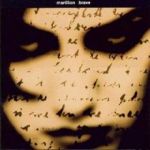 8. Brave (1994). This is where Marillion-with-Hogarth really came into their own. It is still one of the most ambitious Marillion albums and an emotional roller coaster of a concept record. There’s also a heavy 10 minute jam released as a B-side called “Marouette Jam” that necessitates buying of the remastered 2 CD edition.
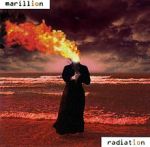 6.
6.  4. Marbles (2004). Marillion’s first double CD studio album, never wearing out its welcome. Like Brave, but grilled to perfection and with all the accouterments.
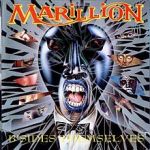 Marillion have numerous live albums (I lost count but well over 50 or 60) and greatest hits with exclusive material to boot. Ranking those is all but meaningless. Having said that, one essential purchase for a serious Marillion fan is their first double live, The Thieving Magpie (1988). This epic contains a full performance of Misplaced Childhood, as well as non-album cuts like “Freaks”. Another great record to own is B’Sides Themselves (also 1988), containing some of Marillion’s most memorable B-sides. These include the 18 minute epic “Grendel”, and more concise classics such as “Tux On” and “Market Square Heroes”.
















 mikeladano.com