Reviews

REVIEW: Here Comes Jim – Where Evil is Afraid (1999)

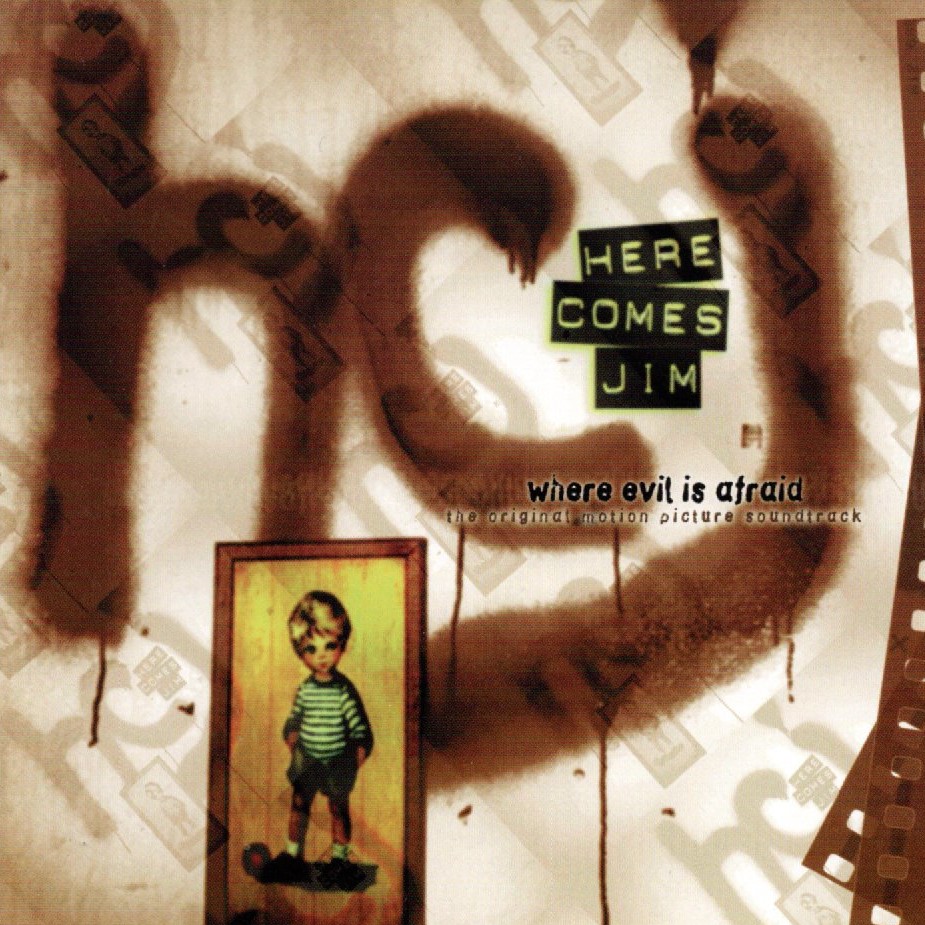
HERE COMES JIM – Where Evil is Afraid – The Original Motion Picture Soundtrack (1999 Dark Star)

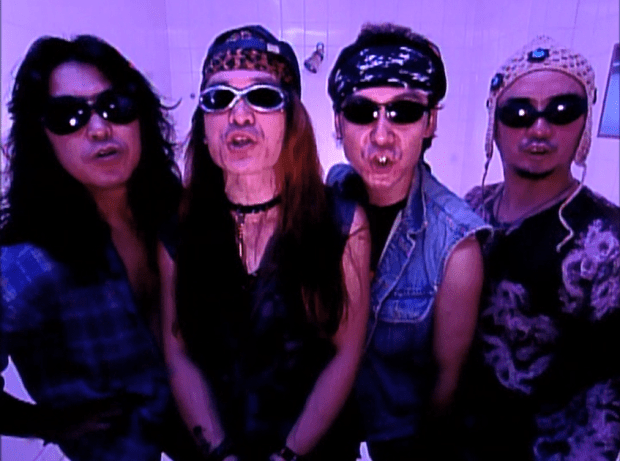
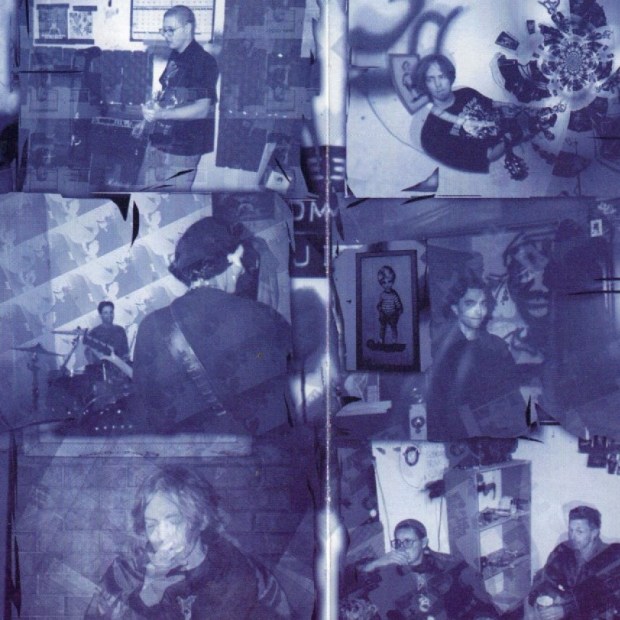
Full disclosure:  I used to know this quartet from Cambridge, Ontario Canada.  They were great.  When I first encountered Matt Greenhough and company, Faith No More had broken up and I was looking for something to replace them in my life.  Something heavy, non-mainstream and with bonkers lead vocals.  Here Comes Jim both terrified and delivered!  I wore their T-shirt, I played the CD in store, I flew the flag.  I loved this band.

That was 21 years ago.  I’m no longer the angry young man.  I wonder how this album sounds today?

It’s still sounds fucking great!  It’s noisy — lots of guitars fucking around.  “Unbridled Rock” meanders around but comes in to focus on the chorus.  The cowbell is a nice touch.  As remembered, the vocals really range from quiet sombering to full-on rage.  “Ran” combines a melodic sensibility with a noisy guitar drowning.  It’s a brilliant and unafraid mix of ingredients.

All the songs come flooding back even though I haven’t played this album in almost 20 years.  “Try to Keep it Clean” was always a favourite.  Melodic guitars and vocals against a cloudy backdrop.  Matty G (that’s what we called him) did the clean and shouty vocals equally well but he’s especially good when he’s singing clean.  He has a good handle on melody, but then at other times he just doesn’t give a shit about melody.  Sometimes it’s about volume, sometimes about atmosphere.  Many of the songs…float.  “Angel Has to Breathe” is one such song, hanging uncomfortably over you.  That is until the powerful chorus of “Who will save my soul?  Who will take my shit and go?”

One of my biggest favourites 20 years ago was the slamming “She Is”, perfect for thrashing out on air guitar.  The verses turn quiet and melodic, before the crash of distorted guitars return for an amazing chorus.  Then the next track negates all that with “Negator”, an absolutely insane thrash-o-matic scream-fest…with a drum solo!

“Negator” sample

Fun fact:  the feedback-laden instrumental track “5/5/2000” refers to an old book from the 1980s that claimed the world would end on that date, due to an alignment of the planets.  All I could think was, “Shit…we have to survive Y2k and then yet another doomsday scenario in May?  Come on!  Who comes up with this?”  The song is far more entertaining than the book from which it took its name.

I may not be an angry young man anymore but I get what I liked about Here Comes Jim beyond the friendship.  They wrote good, stabbingly aggressive, intelligent rock far off the beaten path.  I remember putting tracks like “She Is” and “Negator” on mix tapes and (later) CDs.  There are no songs that suck.  Only songs that rock.  Listening to Here Comes Jim is like going into the ring for 10 rounds and coming out with a concussion.

4/5 stars
 

REVIEW: Jim Crean – The Book of Cryptids Volume II (2020)

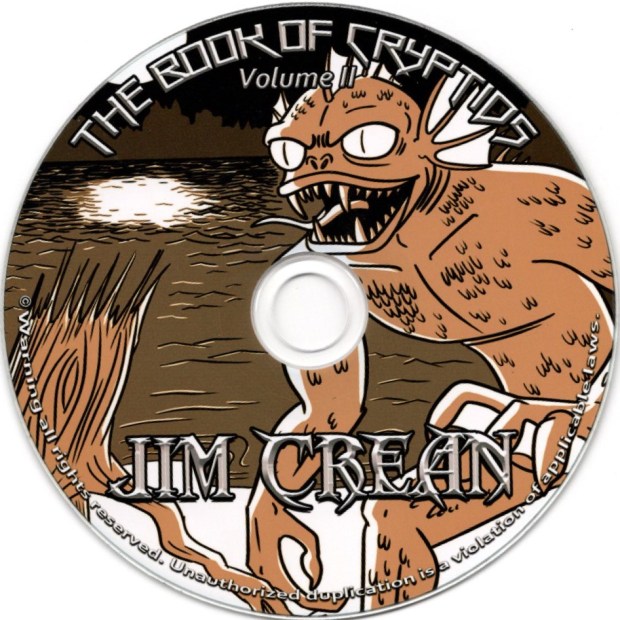
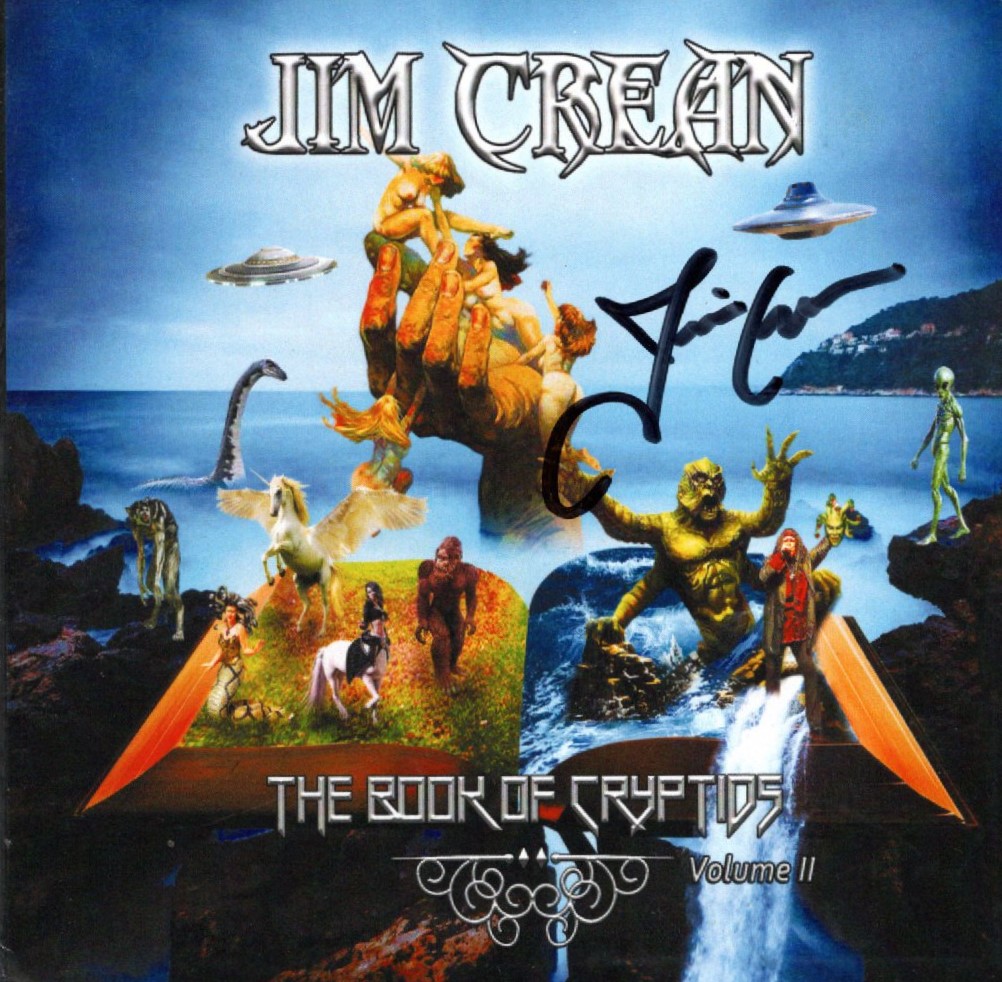
JIM CREAN – The Book of Cryptids Volume II (2020 Dark Night Records)

Jim Crean, hard rock singer extraordinaire from Buffalo, New York, has issued another covers album called The Book of Cryptids Volume II.  Many will shy away at the thought of a covers album, but Crean always picks interesting covers off the beaten track.  The Book of Cryptids Volume II works because A) these are not songs you typically hear covered, and B) Jim kicks ass on them all.

It’s a varied album.  “Medusa” by Anthrax opens heavily and melodically.  You might wonder how a hard rock singer like Crean tackles Anthrax.  Without difficulty!  Jim has a bit more rasp, but where Joey Belladonna gets aggressive, Jim pays more attention to the notes.  It’s a fine trade-off.  Second in line is the seldom-covered Aerosmith classic “Kings and Queens”, which is right up Jim’s alley.  Sounds like a banjo is thrown in for texture during the verses.  For an even deeper cut, check out the flawless version of Def Leppard’s “Mirror Mirror”.  It ticks all the boxes from dual guitars to throbbing bass.  Old raspy Def Leppard is well suited to Jim, who wrenches some panache from the chorus.  An ace performance.

Gowan’s “A Criminal Mind” is definitely an unexpected cover.  The only band known for covering it is Styx — featuring Lawrence Gowan.  Jim Crean could be the only other singer to dare tackle it?  This song might be a bit of a sacred cow in some quarters, but Jim does an admirable job of it.  Not vastly different, but with its own unique vocal colours.

Keeping with a synthy 80s plot twist, “Silent Running (On Dangerous Ground)” is the old Mike + the Mechanics hit.  Cool guitar solo on this track that stays pretty true to the original.  Then “Cry For Freedom”, the White Lion slow burner from 1989, is another surprise.  Crean has covered White Lion before, but “Cry For Freedom” is a special song.  Not a ballad yet not a rocker, it leans heavily on the beat and the vocal.  Then it has a guitar burn-up near the end, and this one sounds exactly like Vito Bratta.

A keyboardy piano ballad called “Love Is” (Vanessa Williams) …well, let’s just say it takes balls of steel to put it on the same album as an Anthrax song.  Fortunately Jim makes it cool, but not as cool as the earlier “Criminal Mind”.  But then it’s a whole different ball park:  Mother Love Bone, and “Star Dog Champion”.  Again, a song that might be considered sacred in some quarters.  Jim’s voice is well suited to it, and this “Champion” is fully enjoyable.

We begin to draw to a close on the Scorpions early dark ballad, “When the Smoke is Going Down”.  It’s another song that Crean is capable of bending to his will.  Brilliant vocal on this one, especially considering that Klaus Meine has to be a top-five metal singer.  Coming down from that climax, the final denoument is surprisingly authentic to the original:  the Stones’ “Gimme Shelter”.  This is one of those mountainous peaks that only fools dare to climb.  Yet Crean’s winning streak continues unabated.  The sonics are so close to the Stones, and everything sounds completely natural.  How the hell do you replicate Charlie Watts’ drums on “Gimme Shelter”?  Dunno, but it sounds really good!

All this said, you’re still skeptical, right?  Covering “A Criminal Mind” and “Gimme Shelter”?  A healthy dose of skepticism is warranted when reading a glowing review of a covers album.  To me, covers are worth listening to when you enjoy the spin that another artist puts on the song.  In this case it’s Jim’s voice, a classic hard rock voice that I like a lot.  So I’m cool with hearing “A Criminal Mind”, because I like the way Jim sings.

Consider this.  We’re 10 months into a worldwide pandemic and gigs have dried up.  Some artists, like Jim Crean, are recording and releasing music, and we should be supporting that.  He gives you good value for the money.  This copy came signed, with a custom Jim Crean guitar pick and signed photo.  Not to mention some quality covers of great songs off the beaten track.  The Book of Cryptids Volume II comes with cool artwork of various cryptozoological specimens including a kraken, Bigfoot, some sirens and an alien.  You can buy this package direct from the artist, so you know the money goes to the right people.  Check it out — guaranteed a few of these tracks will put a smile on your face.

4/5 stars

THREE-VIEW: KISS – Best of Solo Albums (Japanese CD)

  Best of Solo Albums (Originally 1979, 2020 Universal Japan CD)

Third review for this Kiss compilation here, but why?  A couple reasons.  For one, it’s the first-ever official CD release of this album!  It took 41 years for them to finally put out a CD, and yet only in Japan.  More remarkably, there is one track here that I’ve never heard before in this particular version.

That song is the incredible Paul Stanley epic “Take Me Away (Together As One)”.  On Paul’s solo disc, it fades away at the end of side one at 5:35 in length.  Here, it goes to 5:48, no fade, right to the end of the track.  It’s an ending I’ve never heard before.  This song isn’t even on the more common European version of Best of Solo Albums, just the Japanese.  And apparently the CD has an unreleased version without the fade.

“Oh boy!” you exclaim.  “I have to buy this import just to get 13 seconds of music I never heard before?”

No.  You don’t have to buy it.  I did, because I wanted a copy of this album on CD.  When I discovered the longer version of the track, I was ecstatic to unexpectedly get something extra for my money.

There’s no need to review this album track by track again.  I’ve done it twice, and I’ve also reviewed all four solos albums twice each.  There’s really no need to run through all the songs again, although this tracklist is quite different.  Unlike the European version, these songs are not arranged in three-track blocks for each member.  Additionally, seven of the European tracks were substituted with others.  That’s more than half the album!

Gene Simmons:  Instead of “Mr. Make Believe” and “See You In Your Dreams”, Japan used “See You Tonite” and “Living In Sin”

Paul Stanley:  “Move On” was replaced by the unreleased version of “Take Me Away (Together As One)”.

Ace Frehley:  “Speedin’ Back to my Baby” was removed in favour of the instrumental “Fractured Mirror”

Peter Criss:  All three of the Cat’s songs – “You Matter To Me”, “Tossin’ and Turnin’”, and “Hooked on Rock and Roll” were replaced!  I guess Japan didn’t care for those as much as they did “Don’t You Let Me Down”, “Rock Me Baby” and “I Can’t Stop the Rain”.

For me, I prefer the running order that Europe used, with each member of the band getting three songs in a chunk.  However, there are plenty of songs that I prefer on the Japanese version, such as “See You Tonite”, “Take Me Away (Together As One), “I Can’t Stop the Rain” and “Don’t You Let Me Down”.

It’s interesting that the solo albums are by and large panned by the masses, but nobody can agree on the “Best Of“.  Maybe those albums weren’t so bad after all, at least when you distil them down to the essential tracks.  The Japanese CD will become my preferred listening experience for two main reasons:  it sounds better than the vinyl, and I like more of the songs.  It would sound even better if I had an MQA decoder, a new-ish hi-resolution CD format from Japan, which will unlock an even better sounding version of the album, if you have a few grand to spend on upgrading your system.  If not, enjoy the disc and stellar packaging, with not one but two different covers to display.

4/5 stars


REVIEW: Loudness – Buddha Rock 1997-1999 Music Clips DVD

Part Four of Four – Buddha Rock 1997-1999

LOUDNESS – Buddha Rock 1997-1999 Music Clips (1999 Rooms DVD, from the box set Buddha Rock 1997-1999)

The complete Buddha Rock 1997-1999 set comes with the three Loudness albums from that brief era, and also a bonus DVD with the accompanying music videos.  On the back some are listed as “full size” and others “short size” — let’s find out what that means and what Loudness videos looked like in the late 90s.

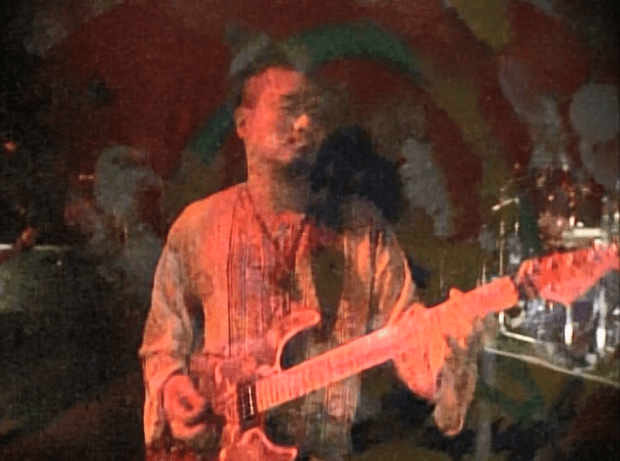
“Ghetto Machine” opens, with Loudness including a shaven-headed Akira Takasaki performing in a darkened room.  The added static interferance reminds us we are in the 90s when bands like Loudness didn’t have much budget and covered it up with tricks like this.  Masaki appears cold with his big fur hat, but it’s fun to see this version of Loudness on video.  “Evil Ecstasy” has cleaner production, but this is one of the “short size” videos — it’s only about 90 seconds of a pretty cool song.  Too bad because this video is much more watchable.  The funkier “San Francisco” is also one of these short versions, as is “Creatures”.  All of these videos appear to be taped at the same time.  The section of “Creatures” used focuses on the guitar solo.  That’s cool at least.  “Katmandu Fly” is the “full size”, but it’s also only a minute-long instrumental so to call it “full size” is kinda cheatin’.

Moving on from the Ghetto Machine album, all the rest of the videos are “full size”.  From Dragon, it’s two of the best tracks:  “Dogshit” and “Crazy Go Go”.  This time Loudness are playing in a huge, uber-clean garage.  As “Dogshit” demonstrates, Akira was now into his “fly sunglasses” phase.  It looks like the band are having fun here, which makes it an enjoyable watch.  Great song too.  “Crazy Go Go” is more straight ahead, with lights and struttin’ stage moves instead of goofing around.

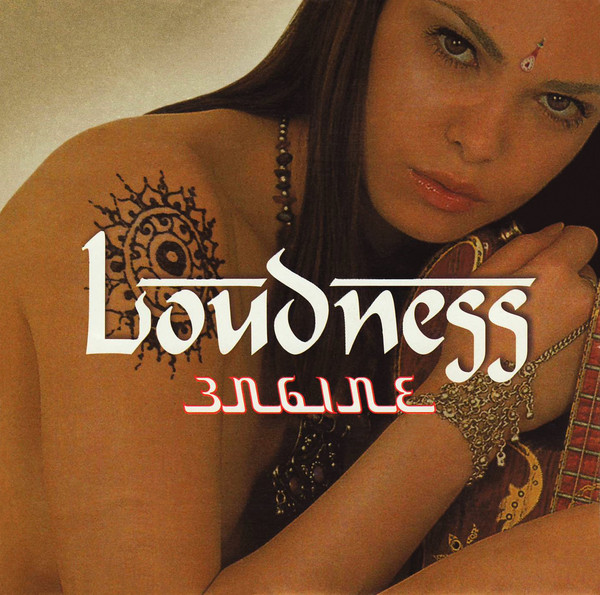
Apparently they only did one video for the final Masaki album, Engine.  “Black Biohazard” is that song; not a tune that impressed on prior listens.  (Also strange how “Black Biohazard” is the only song not in capital letters on the cover.)  This video is made from grainy outdoor concert festival footage.  From this we can ascertain that live, Masaki was a capable frontman with a cool rock star stage persona.

At 25 minutes, this DVD can not be considered more than a bonus for buying the Buddha Rock box set.  It is not the main draw.  The fundamental reason to get Buddha Rock is to acquire the three albums Ghetto Machine, Dragon and Engine in one place with ease.  As a bonus feature, the Music Clips disc does what it does.  “Dogshit” is the best video by a wide margin, and it remains unclear why “short size” videos were included, unless that’s all that was ever made for those particular songs?

The Buddha Rock box set also comes with photos, complete lyrics (in English) and liner notes (in Japanese).  It’s the obvious way to go to cover those years, an era which ended with the Engine album in 1999.  At Masaki’s urging, Akira Takasaki reunited the original Loudness lineup and released Spiritual Canoe with Minoru Niihara at the microphone.  That put an end to the Masaki Yamada era, which started with member turnover before solidifying on these three albums with Naoto Shibata and Hirotsugo Homma on bass and drums respectively.  Great musicians both who helped Loudness explore new and weird directions at the end of the 90s.

Music Clips DVD:  3/5 stars

Buddha Rock 1997-1999 box set:  3.5/5 stars  (the sum of the whole is greater than its parts)

REVIEW: Loudness – Engine (1999)

Part Three of Four – Buddha Rock 1997-1999


LOUDNESS – Engine (1999 Rooms, from the box set Buddha Rock 1997-1999)

The Masaki Yamada era of Loudness ended with the 1990s.  Masaki felt (correctly) that Loudness would be best off reuniting with its original lineup in the year 2000, and so Engine is the last album to feature Yamada, drummer Hirotsugo Homma and bassist Naoto Shibata.

As with the previous two Loudness albums (also included in Buddha Rock), Akira Takasaki’s penchant for experimentation is at the forefront.  “Soul Tone”, the opening instrumental, makes that much clear with its atypical exotic guitar drones in place of a song.  Then Akira cranks up the string harmonics on the bizarrely rocking “Bug Killer”, a 90s song if there ever was one.  He must have been listening to Rage Against the Machine.  The track descends into guitar mayhem by the end.  It’s incredible to think how Akira transitioned from an 80s guitar hero compared to Eddie and Yngwie, to a 90s master borrowing from Morello and the Middle East.

“Black Biohazard” chugs unremarkably just like much of the 90s did.  Leaning on a groove, “Twist of Chain” has certain 80s delicious metal elements hidden under the distortion.  It’s the kind of song that makes these lost albums really worth hunting down.  Similarly, “Bad Date/Nothing I Can Do” buries its hooks under vocal distortion.  Unfortunate that they didn’t just let it loose.  “Apocalypse” fails to build on this with a forgettable alterna-dirge.  “Ace in the Hole” has more going on, with a menacing far East vibe.  The guitars are like razor blades.


A sudden left turn on the partly acoustic “Sweet Dreams” almost sounds like a great lost Stone Temple Pilots song from some unknown era.  “Asylum” focuses on the bass, as a lot of the album does, choosing a heavy psychedelic feel.  A long guitar solo section is the track’s highlight.

Without warning, the oddly titled “Burning Eye Balls” goes to acoustic exotic Zeppelin territory.  This refreshing change is followed by “Junk His Head”, a pretty straightforward headbanger that does away with the distorted vocals.  Hirotsugo Homma lays down a killer beat on this one.   The penultimate instrumental track “2008 (Candra 月天)” doesn’t have any particular hooks to relay which is unfortunate since previous Loudness instrumentals have at least been interesting.  This leaves it to the closing track “Coming Home” to make final impressions, of which it makes few.  It has echoes of the old Loudness track “So Lonely” but without much of the feeling or structure.

These three final Masaki-era Loudness albums all have some cool tracks; enough at least to assemble a good single-disc compilation.  Owning all three is for fans only.  It is fun to sit and listen to a band evolve, and watch them try on all kinds of different hats.  If that’s your obsession too, pick up Engine and check out the complete Buddha Rock box set while you’re at it.

2.5/5 stars

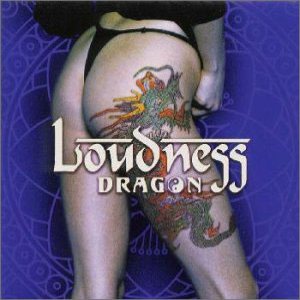
REVIEW: Loudness – Dragon (1998)

Part Two of Four – Buddha Rock 1997-1999


LOUDNESS – Dragon (1998 Rooms, from the box set Buddha Rock 1997-1999)

Lucky 13th album for Loudness?  Maybe not, but it is an uptick from the prior release Ghetto Machine.  The band just kept on going, with only Akira Takasaki remaining from the original lineup.  Their third singer Masaki Yamada was on his fourth album with Loudness, and by now they had established a heavy alterna-metal 90s sound.  It is the strongest of the three albums of the Buddha Rock era.

Loudness had become fearless, blending thrash and funk together on “9 Mile High”.  Those who don’t enjoy Masaki’s growling style won’t be turned around here.  Those who like it fast enough to make the Kessel Run in less than 12 parsecs will not have a problem.  It skips between thrash and funk without warning.

The appetizingly titled “Dogshit” could only have come from the 1990s.  Harmonic drones are substituted for a main riff, and Masaki’s vocal is closer to rap metal.  Yet there’s something irresistible about it.  “Dog shit on my bike boots!” sings Masaki with a heavy guitar backing him.  And that’s why Loudness could get away with doing this kind of music.  It’s the guitar.  Akira Takasaki is one of the best in the world, but he’s more fearless than Yngwie and can play just about anything.  With a virtuoso like that, it’s unlikely you’re going to sound like dog shit.

“Wicked Witches” is heavy, detuned, and it grooves to the max while drilling into your brain.  There’s even a little bit of early Van Halen in the riff.  That leads into “Crazy Go-Go”, a single and album highlight.  Foregoing the nu-metal, this one is wah-wah heavy and just plain rocks!  Flat out, kick ass, rock and roll.  “Backstage go-go babe, like a circus after school, playin’ my guitar like a country horse.”  (Country horse?)  You get the picture!  It’s about groupies!  (Akira makes his guitar whinny like a horse!)

Drummer Hirotsugo Homma gets to have some rhythmic fun on “Voodoo Voices” which is one of the most bizarre tracks Loudness have ever done.  Voodoo voices indeed, as the vocals are buried, ethereal in the mix.  It’s trippy and trip-hoppy.  The instrumental “回想” (“Kaisō”) is made up of backwards guitars playing quietly and hypnotic.  Then suddenly it’s a metal riff on “Babylon”.  Masaki eschews the growl and goes for psychedelic singing.  “Crawl” features a chugging Akira riff, and then some pulsing synth?  This album goes everywhere.

“Forbidden Love” is pretty cool, coming closer to the spirit of 80s Loudness.  Then go for some more 90s funk metal on “Mirror Ball”, which is as hot as Anthony Kiedis’ arm pit.  Another stunning instrumental emerges in “Taj Mahal”, which is not about the shredding but entirely about atmosphere.  A variety of unique sounding guitars are accompanied by exotic percussion and bass.  Unfortunately that leads into a little bit of a dud for an album closer.  “Nightcreepers” doesn’t make an impression.

While this Dragon is an experimental one, not afraid to mess with expectations or traditions, it is still rooted in that 90s nu-metal dungeon.  That is something that dates the disc to certain period in time.  When it rises above that, as it does on “回想”, “Crazy Go Go” and “Voodoo Voices”, it transcends genre and goes somewhere unique.  There are just enough of those moments to make this album a keeper.

3.25/5 stars


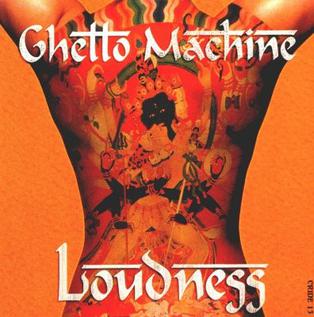
REVIEW: Loudness – Ghetto Machine (1997)

Part One of Four – Buddha Rock 1997-1999

LOUDNESS – Ghetto Machine (1997 Rooms, from the box set Buddha Rock 1997-1999)

1997:  Masaki Yamada, the third Loudness singer, was now on his third Loudness album.  Besides founding guitarist Akira Takasaki, the rest of the band was new.  Ghetto Machine is the first with bassist Naoto Shibata, and second with drummer Hirotsugu Homma.  The 90s were chaotic even for Loudness, just like it was for bands in North America.  In Loudness’ case, they now had more original E-Z-O members (in Masaki and Homma) than original Loudness members.  Like most Loudness albums from the 90s onwards, Ghetto Machine was released only in Japan.

The album was self-produced by Takasaki, recently converted to Buddhism, and he fearlessly dove into the 1990s.  Opening with the title “Ghetto Machine”, the riff is low and grinding.  Masaki takes on a growly lower tone, and in place of hooks there is only groove and the drone of guitar.  This is far removed from the regal metal of the earliest days, but seems sincere given the freedom for Loudness to do whatever they wanted.

Track two, “Slave” features an unusual droning riff, with the thrash metal tempos of early Loudness.  At least 90s Loudness didn’t forego guitar solos like some bands.  Akira’s here is as interesting as any he’s done.  “Evil Ecstasy” opts for a nice groove right in the pocket.  Although the riffs are simpler, Akira always does something interesting, either with tone or technique.  Though 90s Loudness seems to be less focused on songwriting hooks, sonics are treated with care.

“San Fransisco” isn’t outstanding, though the guitars always are.  Nice wah-wah on the solo.  Zeppelin seems to be one of many influences on “Love and Hate”, but at this point of the album it is clear that Masaki Yamada will not be delivering much in terms of melody.   “Creatures” has a stinging little whiplash of a riff and biting vocals but little that you can sing along to.  A cool funky groove called “Hypnotized” is preceded by “Katmandu Fly”, a short atmospheric instrumental.  I almost get the feeling that the chorus riff to “Hypnotized” is a twisted variation of “Smoke on the Water”, though it could be my imagination striving to find any kind of hook.

Some crooning during a slow psychedelic jammy break in “Dead Man Walking” is the only melody in that song.  The albums takes a turn back towards melodic at the end.  Second-to-last track “Jasmine Sky” starts the change up.  It’s slow and sparse, and sounds like lead vocals by Akira.  It’s one of the only tracks with an actual vocal melody from start to finish, and sets up “Wonder Man” as a final blowout.  This monolithic riff is accompanied by exotic guitar soloing and a Masaki vocal you can sing along to.  It crawls to a vaguely Zeppelin-y ending.

Ghetto Machine brings me back to that unhappy time in the 90s, when classic bands did what they had to do to adapt, and while the new albums had merit, they were clearly missing…something.  The ’92 Loudness album with Masaki was awesome and represented everything good that the 90s could do to a rock band.  Ghetto Machine is the slide afterwards.

2.75/5 stars
Best of 2020 Part 4: Guest Lists from Frankie and Michael

FRANKIE THE MAN OF MYSTERY

Here’s my list, for what it’s worth. Turns out I didn’t go watch many movies in theatre, but did stream a lot of content. It also seems I like watching cartoons and anime, but that’s not really a surprise. – Frank

Film and Streaming

Blood of Zeus, Netflix
Castlevania Season 3, Netflix
Dragon’s Dogma, Netflix
The Mandalorian, Disney+
1917
The Boys season 2, Prime
Bill and Ted Face the Music
Altered Carbon Season 2 Netflix
October Faction, Netflix
Bosch, Prime

Music

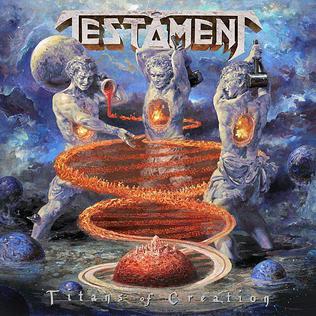
Testament, Titans of Creation, track “Night of the Witch”
Static-X, Project Regeneration Vol 1., track “Hollow”
Sepultura, Quadra, track “Raging Void”
Trivium, What the Dead Men Say
Five Finger Death Punch, F8, track “Scar Tissue”


MICHAEL, MAX THE AXE’S STUNT DOUBLE

Gorillaz – Song Machine
Warbringer – Weapons of Tomorrow
Lamb of God – Lamb of God
Run the Jewels – RTJ4
Poppy – I Disagree
The Chats – High Risk Behaviour
Oliver Tree – Ugly is Beautiful
King Gizzard – K.G.
Testament – Titans of Creation
Atomic Bitchwax – Scorpio

Runners Up
Flaming Lips – American Lips
Midnight – Rebirth by Blasphemy
Deep Purple – Whoosh!
Jeff Rosenstock – No Dream
Blue Oyster Cult – The Symbol Remains


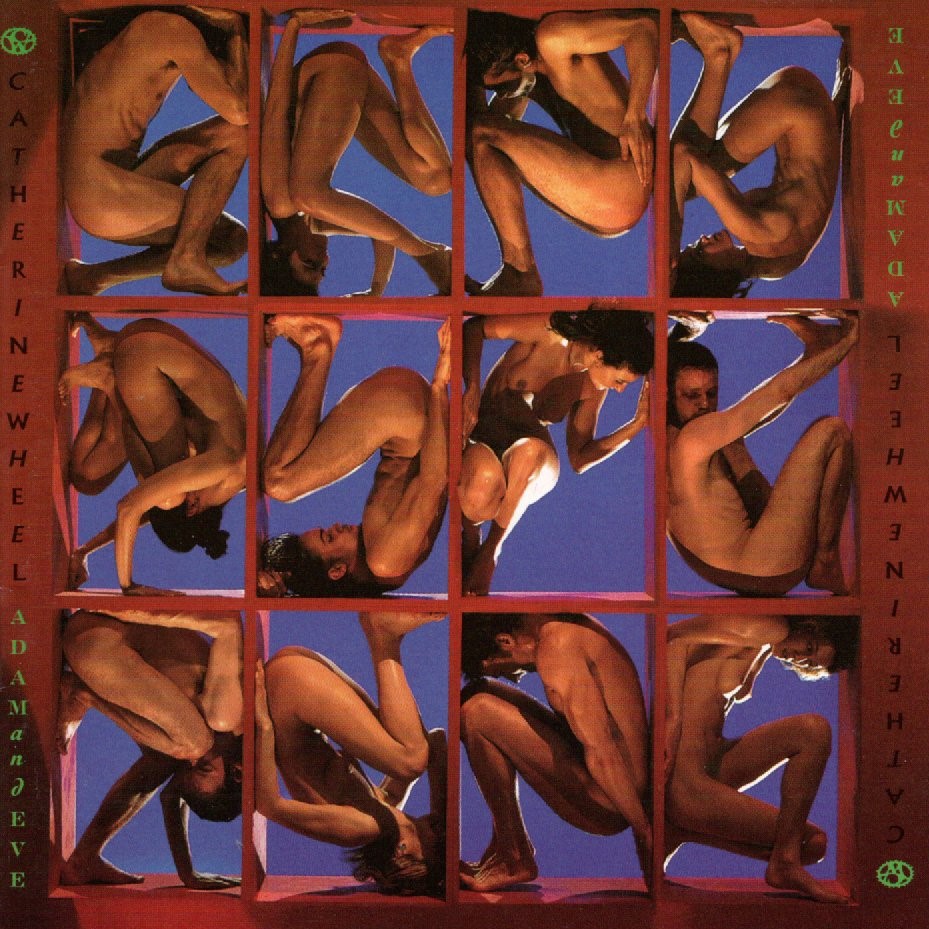
REVIEW: Catherine Wheel – Adam and Eve (1997)

CATHERINE WHEEL – Adam and Eve (1997 Mercury)

The 1990s presented a slew of new bands that, while not hard rock, did rock.  Some of them had connections to heavy metal.  Catherine Wheel had more than a few.  For example, Iron Maiden.  Managers Rod Smallwood, Andy Taylor, and Merck Mercuriadis (listed as a member of the band on this album) also handled Iron Maiden.  Singer Rob Dickinson has a cousin in that band.  For even more rock royalty, Bob Ezrin has a production credit as does Gggarth Richardson.  (With credits like those, you won’t be surprised that the album was partially recorded in Canada.)

For my money, I think Adam and Eve is Catherine Wheel’s best album.  It’s an argument that can be made, for it is a big dense emotional listening experience that plays out like a concept album.  The acoustic intro certainly lends the feel of a complete, framed work.  “Let’s get started…let’s get started…”

Blowing in like a cold wind, “Future Boy” quietly continues.  Droning guitars blend in as the song builds, and breaks into a beautiful acoustic verse.  Sonically layered, droney and feedbacky music, hits you wave after wave.  Rob Dickinson’s emphatic vocal melody is the initial hook, but there is so much more going on with “Future Boy”.  An utter masterpiece.

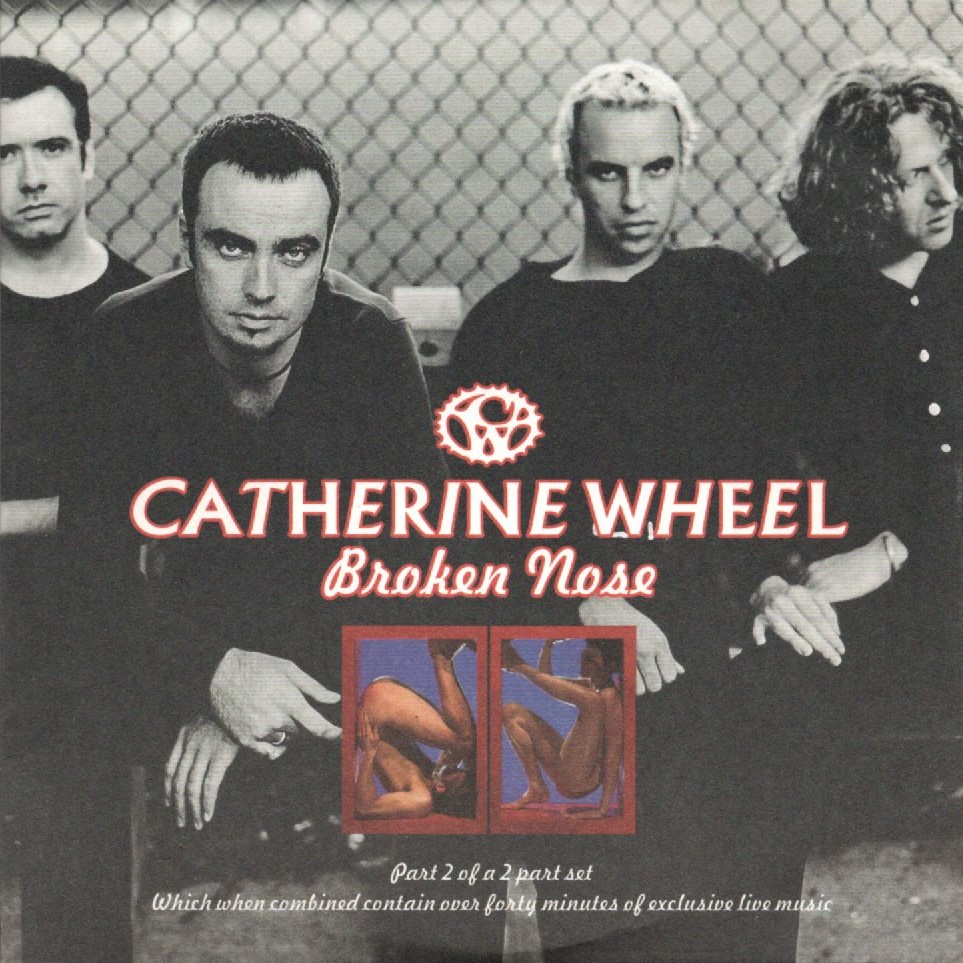
Then we suddenly careen into a poppy blast of fun called “Delicious”.  Simple in structure, but with hidden hooks in the mix.  A guitar blast, a brilliant chorus, and plenty of shimmer.  An easy single.  A piano interlude (further adding to the conceptual feel of the album) breaks into another single “Broken Nose”.  This one slams a little harder.  A stream of building music.  There’s a quiet break and then it’s back to hammering guitar.  There’s also depth — bells, organ, subtle guitar melodies.  Another real masterpiece.

Into epic territory.  “Phantom of the American Mother” bleeds acoustics, electrics, organs, percussion, and plaintive vocals.  “How you gonna feel if Superman and Sonic Youth are fairy tales?”  It’s a trip in and of itself, full of deep emotions and musical genius.

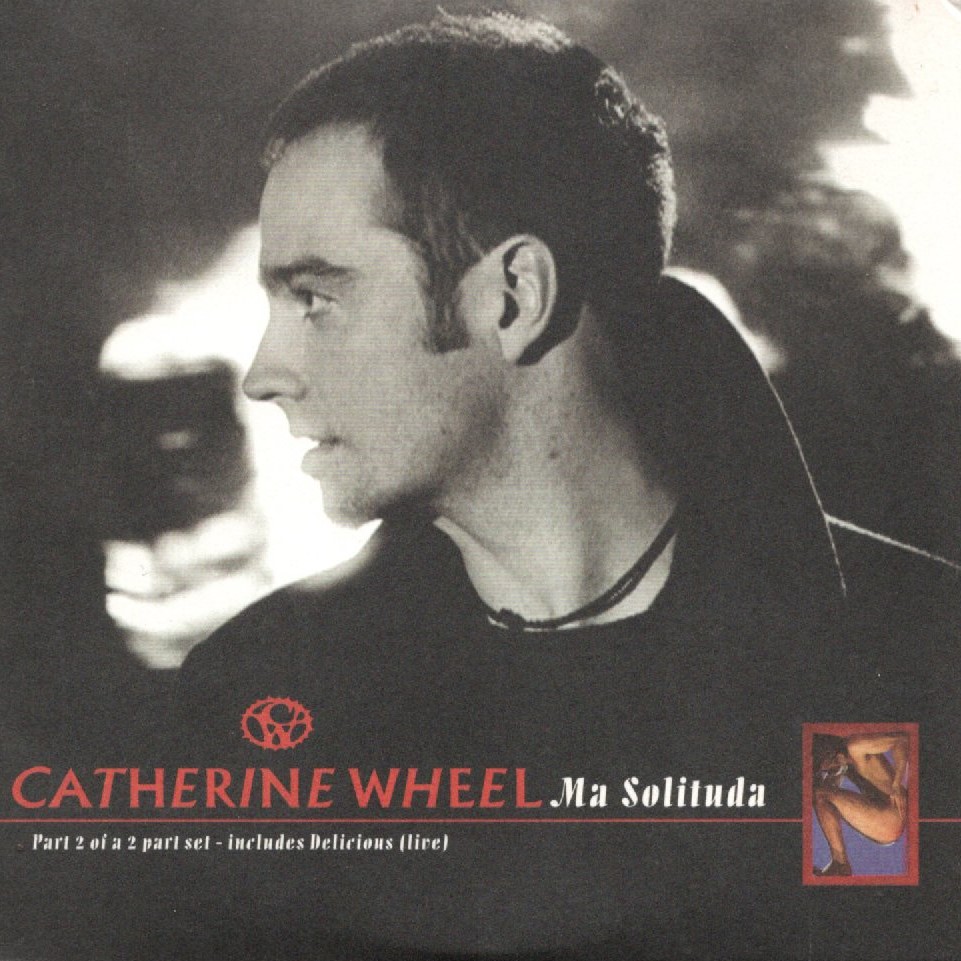
On a personal level, “Ma Solituda” is and probably always will be my favourite.  There’s a delicate sadness, but with a hopeful shine…and cello.  A gentle acoustic strum is paired with a defiantly powerful chorus.  It’s a vocal tour-de-force for Rob Dickinson.

“Satellite” has a pop feel, with an upbeat guitar hook.  Crashing cymbals, an unbelievable chorus, and loud guitars.  “Satellite” was not a single but should have been.  The refrain of “When you and I were young,” will ring in your brain for hours afterwards.  A slew of guitar solo noise is like frosting on top of a very loud and sweet dessert.  The mood turns on “Thunderbird”, a long but undefeated number with its own peaks and valleys of emotion.

Between “Thunderbird” and the next track, “Here Comes the Fat Controller”, the album becomes more of a slow burner.  The previous poppy firecrackers gave temporarily given way to some tracks that are more…mountainous.  They take time to climb.  “Here Comes the Fat Controller” is one such song, but a rewarded exercise.  Listen for tinkling piano in the back, adding even more colours to the palette.  “Sing, sing,” and enjoy.  “How do you feel?”

You can really hear Bob Ezrin’s influence at this part of the album.  The music gets muffled as someone gets in a car and closes the door, shades of “Detroit Rock City”.  The mood changes again on “Goodbye”, like a lullaby for a hangover.  It also feels like that a song that belongs near the conclusion of an album like this one, with its cinematic nature.  There’s still “For Dreaming”, the longest song and the climax to a pretty intense album.  That still leaves the denoument, which is the soft untitled outro.  With minimal accompaniment, Rob Dickinson ends the disc.

I’m gonna phone,
Everyone that I’ve known,
Through the downs and the ups,
And who I suspect have written me off…
As an insensitive fuck…
And say good luck, and goodbye.

Like a favourite movie, Adam and Eve feels like a story with a beginning, middle and end.  With conflict and resolution.  With character growth, and avoidance of cliches.  With light and shade, nuance and allusion.  Roll all that into a rock album and you have a hell of a way to spend an hour.

5/5 stars


REVIEW: Kim Mitchell – The Big Fantasize (2020)

KIM MITCHELL – The Big Fantasize (2020 El Mocambo Records)

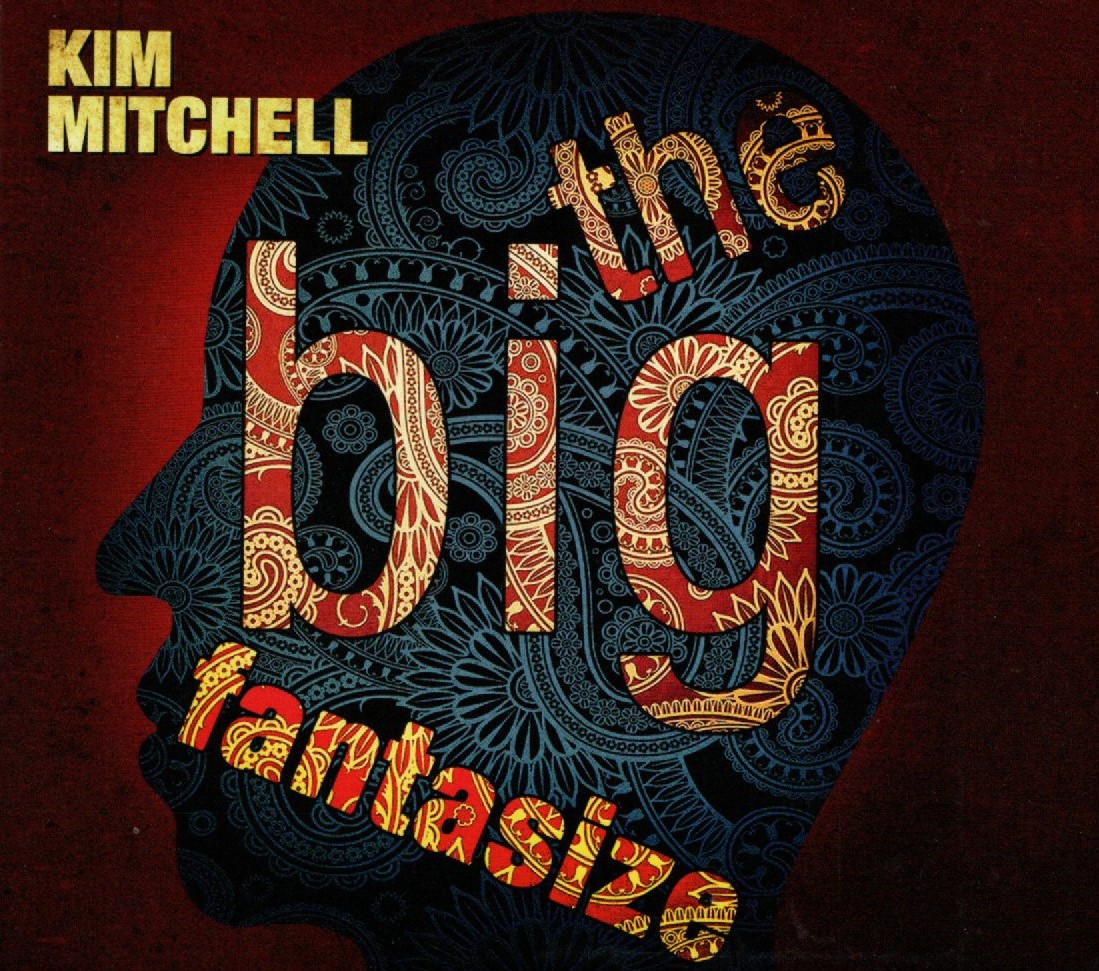
13 years ago Kim Mitchell released Ain’t Life Amazing, his last studio album.  He wasn’t exactly quiet in that time — there was his radio show on Q107 in Toronto, but then he had a heart attack!  You can’t keep Kim Mitchell down, and his new one The Big Fantasize is a quieter collection of contemplative music.  Some of it is rock, some of it is clearly not.  And that’s OK.  Whether or not he’s rocking, Kim’s songwriting yielded some pretty great material.  There are nine new tunes, plus a bonus four live tracks for those who bought the physical product (CD or LP).

The gentle call of a clarinet is the first sound to be heard on the new Kim, a surprise to be sure.  “Red Horizon” is a sparse acoustic ballad with clarinet accompaniment, and melody that tugs at the heart.  It’s a brave way to open the album but also an honest one.  “This is what I do now, so don’t expect ‘Rock and Roll Duty Part 2′” is what this track says as an opener.

That said, “2up2Bdown” has that guitar playing you love Kim for.  It rocks but in a new slick way.  It would have fit comfortably on an album like 1992’s Aural Fixations, but better than that.  It’s a celebration, and if it’s the only track that sounds like “old Kim” then at least it does it well.

“Summer Lovers Autumn Wine” presents quiet electric guitars and pianos dancing in the twilight.  Like much of Kim’s music, it paints an audio picture with his guitar.  The mood turns bright on the delightful acoustic “Wishes”.  Kim’s mastery of melody and expression is apparent.  He gets the beat hopping again on “Georgian Bay”, a piano rocker with no guitar, maybe a little bit like the Guess Who?  Or maybe that’s just a lazy comparison.  It doesn’t matter, it’ll be perfect for your next summer deck party (whenever that is).

“Best I Never Had” might be laid back, but it has a strong dusky blues vibe.  Soulful backup singing lends the right feel.  “Montgomery” is a highlight song, mixing some skillful acoustic guitar pickin with the most memorable of melodies.  Upbeat, but quiet and gentle with trademark Mitchell hooks.  The acoustic solo is masterful.  More masterful melody takes center stage on “Old Marriage Waltz”, the closer “Time to Stay” really overshadows it.  A strong beat behind him, Kim picks away with intent.  Great light rocker to end a terrific album, on an upbeat note.

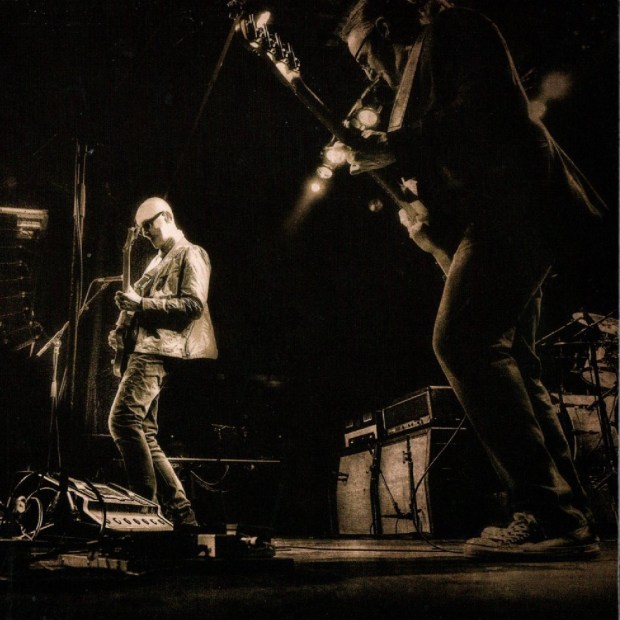
CD and vinyl buyers get the four live bonus tracks:  “Lager and Ale”, “Rocklandwonderland”, “Paradise Skies” (Max Webster tune), and “All We Are”.  If you needed more rock, here you go.  Firey live performances, captured in the studio in front of an audience.  “Rocklandwonderland” stands out with a new piano intro and a passionate performance.  However nothing can overshadow an epic “All We Are”, 8:13 of awesome.

After such a long wait, and an eventful one at that, it is a good thing to see that Kim Mitchell still has the creative spark to write a great song.  These songs are different but just as unforgettable as “Patio Lanterns”.

4.5/5 stars