Reviews

REVIEW: Aerosmith – Pandora’s Box (1991)

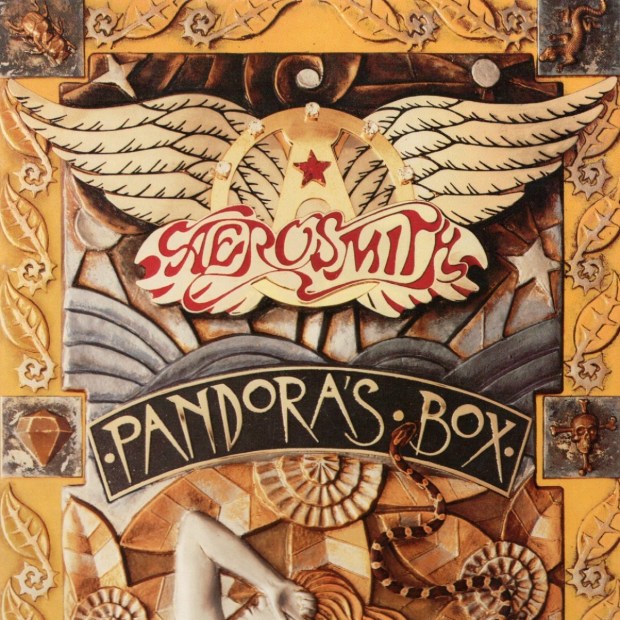
AEROSMITH – Pandora’s Box (1991 Columbia box set)

Aerosmith were out of the gates fairly early into their career when their first anthology style box set was released in 1991.  They were still going strong, at the peak of their popularity.  Their career had two distinct eras marked by the record labels they were signed to:  first Columbia, and then a resurgence with Geffen.

There was also a long gap between Aerosmith studio albums.  Pump was released in ’89 but it took them four years to come up with Get A Grip.  While Geffen waited for Aerosmith to complete Get A Grip, their old label Columbia was allowed to release compilations.  In late 1991 they put out a brand new video for a remixed “Sweet Emotion”, although ironically the remixed version wasn’t included in the forthcoming Pandora’s Box set.  Regardless, there was a stop-gap.  November saw the release of Pandora’s Box just in time for Christmas, with three CDs of music, including a whopping 25 rare, unreleased, or remixed tracks.
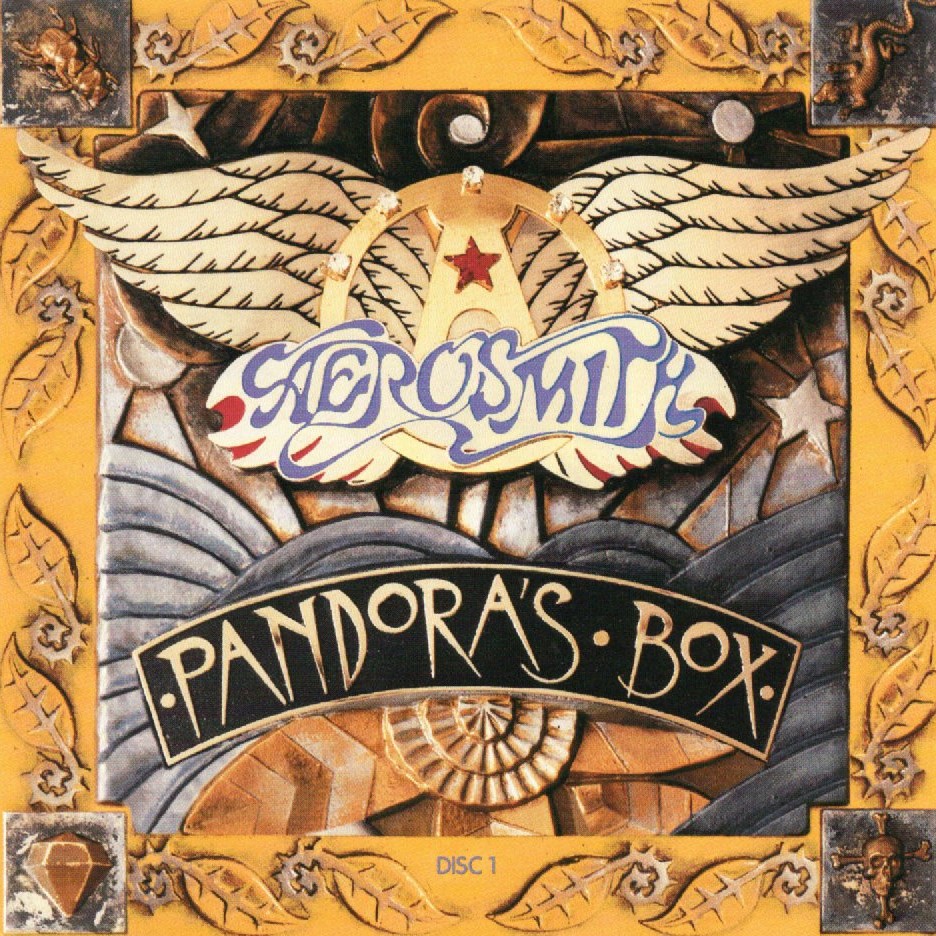
Disc 1

They hit you right from the start with a rarity:  Steven Tyler’s “When I Needed You” from 1966 and his band Chain Reaction.  You can barely tell it’s the same singer, but this quaint number is a great opener for a box set with this kind of scope.  Basic 60s rock with a hint of psychedelia.  Onto the first album, it’s “Make It” with an unlisted false start — another cool touch.  “Movin’ Out” is a completely different take than the one from the debut.  It’s superior because it’s harder and more raw.  (Did Pearl Jam rip off part of the guitar lick for “Alive”?)  “One Way Street” is the album version, but an unreleased “On the Road Again” is a fun laid back jam.  Clearly B-side material, but it’s Aerosmith and light and loose.

A sax-laden “Mama Kin” from the first album is the first bonafide hit presented, and like most of the hits in the set, it’s the original version.  It is immediately obvious from the upbeat groove just why it was a hit.  Up next, it’s the slick “Same Old Song and Dance”, the heavy “Train Kept A Rollin'” and haunting “Seasons of Wither”, all from Get Your Wings.  Major props for including the underappreciated “Seasons of Wither” in this box as the song has never had the exposure it deserves.  According to the liner notes, it was written by Steven Tyler on a guitar found by Joey Kramer in a dumpster.  The fretting on the guitar was “fucked” but it had a special tone.  The tuning of that guitar “forced” the song right out of Tyler.

An unreleased live version of “Write Me a Letter” from 1976 is overshadowed by the song that follows it.  It’s the “big one”, the ballad “Dream On”, and usually the centerpiece of any side that it’s on.  The random placement on the second half of CD 1 is a little puzzling.  The title track “Pandora’s Box” follows, a dirty slow funk.

The first disc closes on a trio of rarities.  A 1971 radio jam on Fleetwood Mac’s “Rattlesnake Shake”  goes on for 10 awesome minutes and dominates the disc.  They swiftly follow that with “Walkin’ the Dog” from the same radio broadcast.  Finally, a slinky “Lord of the Thighs” from the Texxas Jam closes CD 1.  Two more Texxas Jam tracks can be found midway through CD 2, which is mildly annoying.
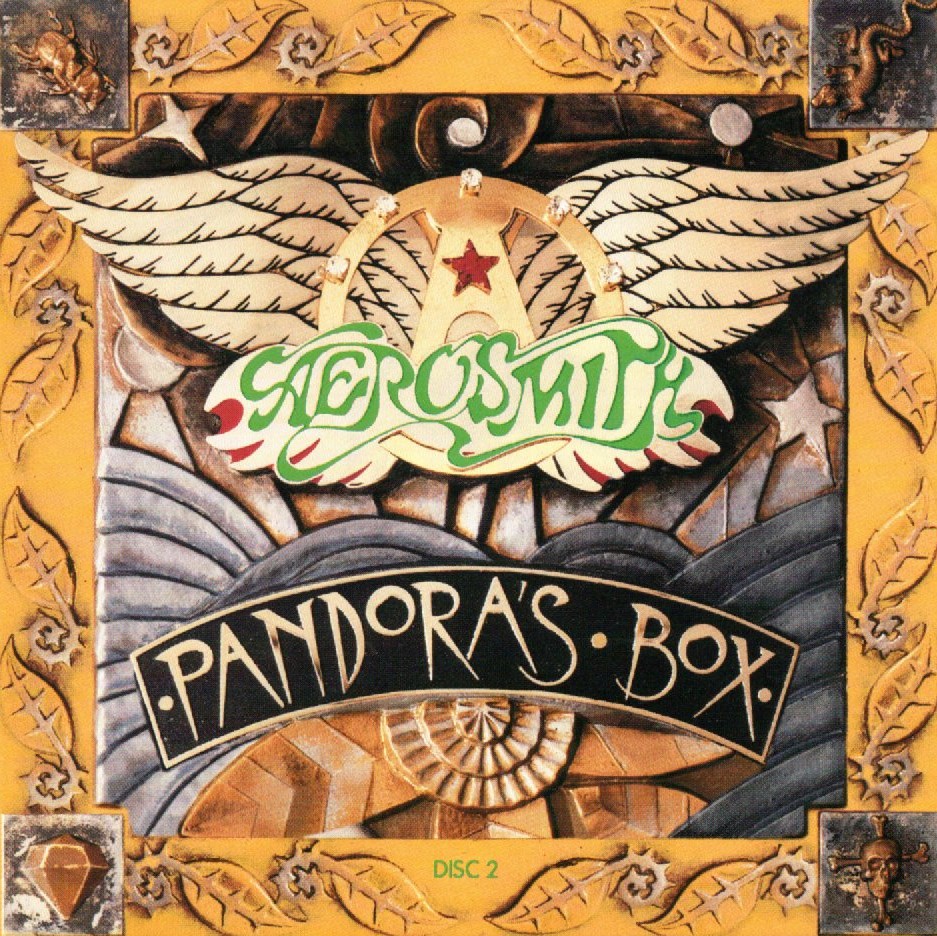
Disc 2

The second disc represents the musical growth of Aerosmith.  A massive “Toys in the Attic” builds on the past:  more energy, better production, more speed.  “Round and Round” is Sabbath-heavy, a sound the band rarely explored.  Only “Nobody’s Fault” (which comes later on this disc) stands as a heavier Aerosmith monolith.

Behind the scenes Aerosmith were suffering from drug-induced absences in the studio.  One day when Joe Perry and Steven Tyler were late, the core trio of Joey Kramer, Brad Whitford, and Tom Hamilton just  jammed.  The result is “Krawhitham”, a menacing unheard jam.  It’s a testament to the “other three” guys in the band and features some stunning playing even if the riff is a bit lacking.  This rough and ready track is followed by four slick Toys in the Attic hits in a row:  “You See Me Crying”, “Sweet Emotion” (the original mix), “No More No More” and “Walk This Way”.  Each song different, each song perfect.  “You See Me Crying” may be the most underrated Aerosmith ballad ever released.

Two more Texxas Jam tracks occupy the middle of disc two:  “I Wanna Know Why” and “Big Ten Inch Record”.  These jams are a blast, but why not bunch all the Texxas tracks together?  Next, “Rats in the Cellar” from Rocks has the same energy as “Toys in the Attic” but with a nastier bite.  “Last Child” is a remix, a slight one at that.  The bass sounds deeper.  An unreleased Otis Rush cover follows called “All Your Love”.  This electric blues is fully formed with a satisfying mix and could easily have made an album.  Why didn’t it make Draw the Line?  That album already had a cover, “Milk Cow Blues” (included here on disc 3) so it is unlikely they wanted two.  Did they choose the right song?

The aforementioned “Nobody’s Fault” is preceded with a snippet of the demo, called “Soul Saver”.  It truly is a monster of a track and one of the band’s few true heavy metal songs.  Nuclear holocaust is a perfect theme for metal, but Tyler’s lyrics are more thoughtful than many of his competitors.  His tormented vocal is one of his career best.  “Sorry, you’re so sorry, don’t be sorry.  Man has known, and now he’s blown it upside down, and hell’s the only sound.  We did an awful job, and now they say it’s nobody’s fault.”

“Lick and a Promise” is a necessary speedy shot in the arm.  Though “Adam’s Apple” is replaced by a live version from 1977, it is the sonic blueprint for a million bands that tried to copy Tyler’s sleazy antics.  Two Draw the Line tracks close the CD:  the title track itself (remixed), and “Critical Mass” .  Again the remix is slight.
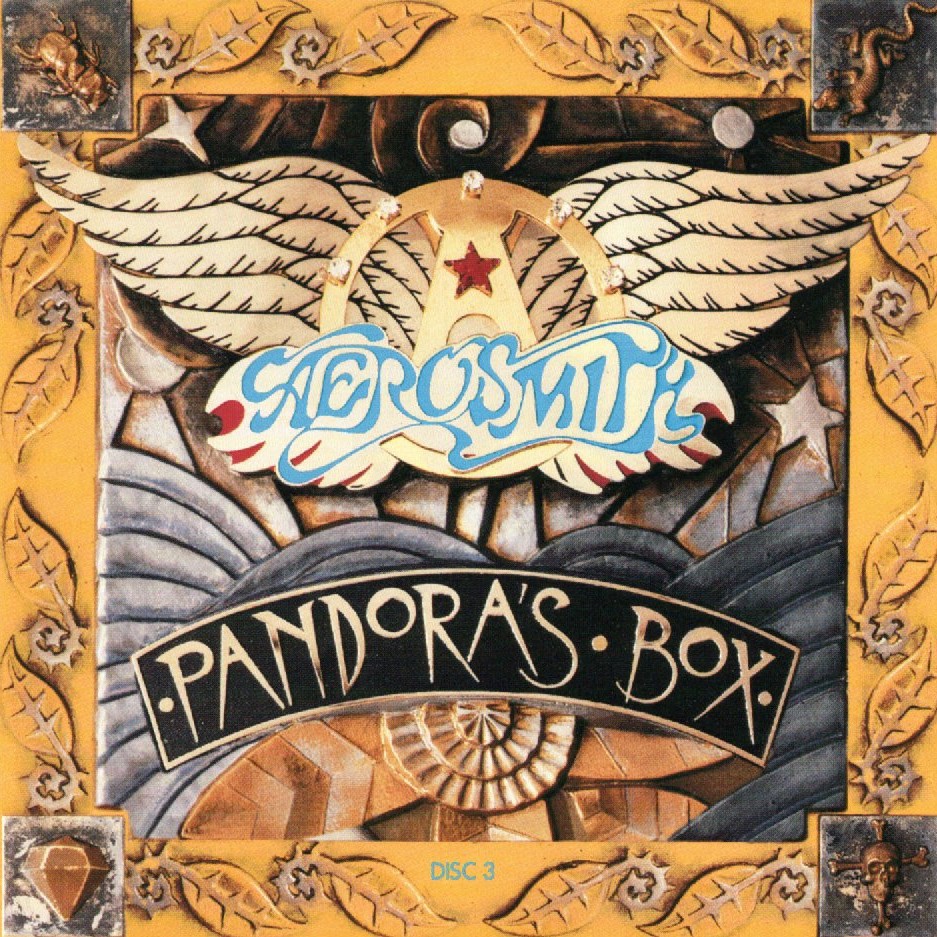
Disc 3

The final CD is the decline, but not without plenty of high points.  (“High” points, get it?)  The first high point is a 1978 live version of “Kings and Queens”.  “Good evenin’ boss.  Been a long time coming,” greets Tyler to the hometown Boston crowd.  Live versions don’t usually surpass their studio counterparts, but this one might for its seasoned, raw vibe.”  Joe Perry’s backing vocals make it.

The previously mentioned “Milk Cow Blues” from Draw the Line is an upbeat shuffle, getting the blood pumping once more.  A snippet of a demo called “I Live in Connecticut” leads directly into “Three Mile Smile” from Night in the Ruts.  It allows you to hear how a tune evolves from an idea into a complete song.   You get to hear that again on “Let it Slide” and “Cheese Cake”.  If you love when Joe Perry pulls out his slide guitar, then you will love this pairing.  We’re well into the Aerosmith stuff that doesn’t get enough credit when it’s good.  “Bone To Bone (Coney Island White Fish Boy)” is another unsung gem…and the liner notes will tell you exactly what a “Coney Island white fish” is.  The autobiographical “No Surprize” is pretty fine too.

The Beatles cover “Come Together” was one of the very few worthwhile tracks on the awful movie soundtrack Sgt. Pepper’s Lonely Hearts Club Band.  Fortunately for Aerosmith fans, it has long been available on their 1980 Greatest Hits.  And it’s not the last Beatles cover on this box set.  But it’s the last real hit before the disc takes a serious detour.
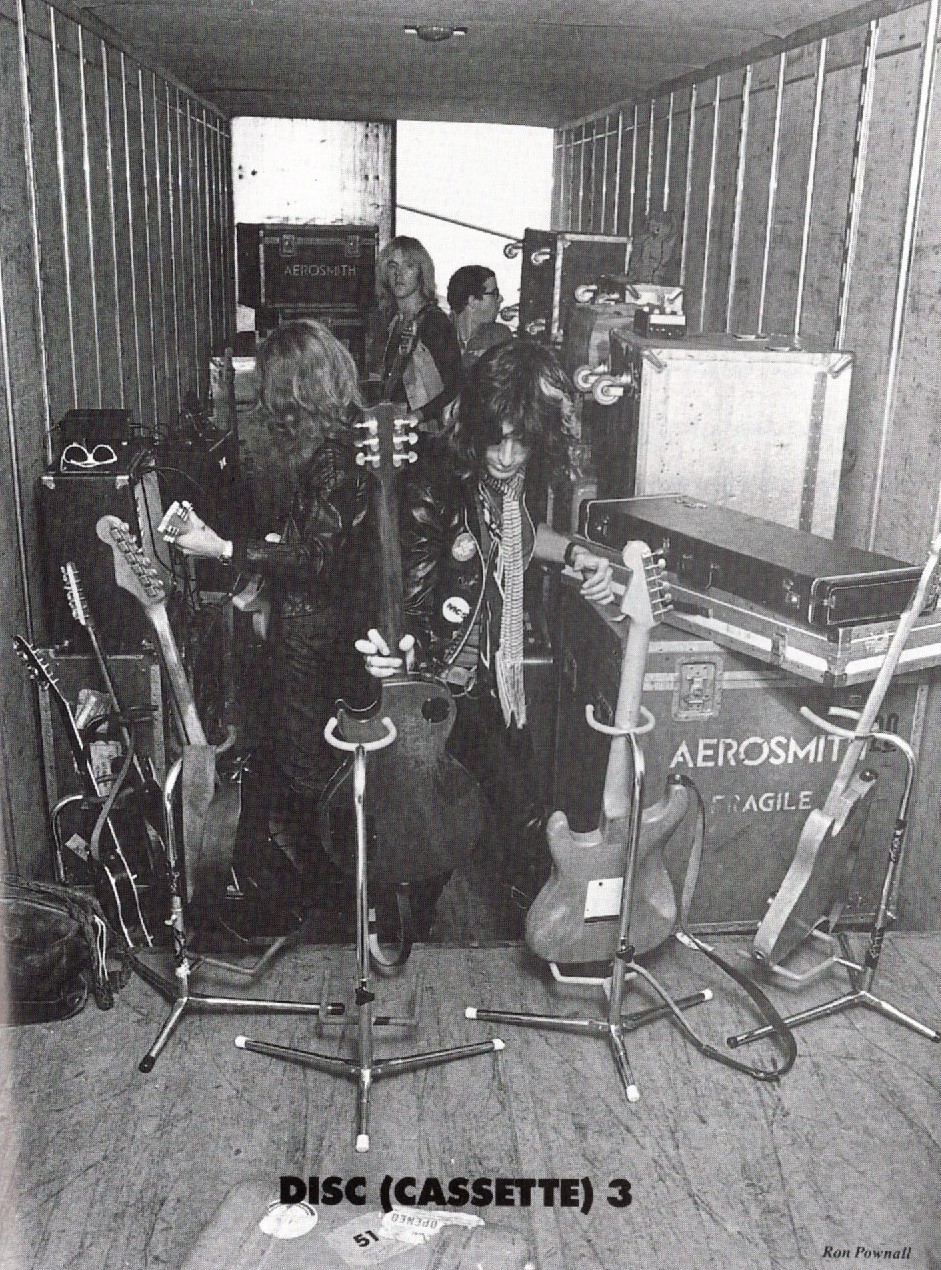
“Downtown Charlie” is really ragged; punk rock energy with nobody at home in quality control.  It sounds like one of their “drunken jams” according to Joe Perry in the liner notes.  Wicked playing but no cohesion.  And then they split — Brad Whitford with Whitford/St. Holmes, and Joe Perry with the Joe Perry Project.  Even this is documented.  “Sharpshooter” by Whitford/St. Holmes is a box set highlight, even though it sticks out like a sore thumb by sounding nothing like Aerosmith at all.  This is straight hard rock, with Derek St. Holmes on lead vocals.  Though an astounding vocalist, he is the Antityler and the song does not fit in any way on the tracklist.  Too bad since it’s such a great track.  More at home is Joe Perry’s “South Station Blues” from I’ve Got the Rock N’ Rolls Again.  It’s preceded by an Aerosmith demo called “Shit House Shuffle”.  Aerosmith didn’t use the riff, so Joe did on his solo album.  It totally works with his lead vocal, though it’s a shame Aerosmith never used the idea themselves.  Another wasted jam, “Riff and Roll”, had potential as the kernal of a song, but Tyler’s voice is completely shot.  You can hear what they were going for.  It could have worked on Done With Mirrors had they finished it.

Aerosmith carried on in 1982 with Jimmy Crespo and Rick Dufay replacing Perry and Whitford.  The resulting album Rock In a Hard Place was inconsistent but not without some gems.  “Jailbait” doesn’t indicate anything was out of place, a worthy followup to frantic manic blasts like “Rats in the Cellar”.  But they only lasted one album before cooler heads prevailed and the classic lineup reunited.

With Perry and Whitford back again, Aerosmith began recording new albums for Geffen.  Columbia still released Aerosmith albums regularly, like Classics Live and Classics Live II.  A previously unreleased oldie from the Get Your Wings days called “Major Barbra” was included as a bonus on Classics Live.  Pandora’s Box includes a second version of “Major Barbra”, a rougher alternate take.  It’s a full minute longer than the version of Classics Live, including harmonica solo.  Another track Columbia released was the classic “Chip Away the Stone” (written by Richie Supa), on 1988’s Gems.  This obscure single never had a proper album release until then, despite its awesome nature.  The Pandora’s Box version is an alternate version, with noticeably less piano in the mix.

The penultimate track is the unreleased Beatles cover “Helter Skelter”, dating back to 1975.  This one got a bit of airplay in 1991 when the box set was released.  It is undoubtedly rough but with suitably aggressive and heavy hitting groove.  The box set is then closed by “Back in the Saddle”, an apt way to describe Aerosmith’s career since.

But wait, what’s this?  “There now, ain’t you glad you stayed?” asks Steven Tyler after a few seconds of silence.  Why, it’s the hidden bonus track!  The unlisted instrumental was written by Brad Whitford and actually titled “Circle Jerk”.  It is very similar to the previous “Krawhitham” instrumental on disc two, but heavier.

Now, what about that remixed “Sweet Emotion” that was released to promote the box set, but wasn’t actually on the box set?  The remix was done by David Thoener and featured some structural changes.  The music video was a smash hit.  You could buy it as a standalone single, with “Circle Jerk” and another unreleased instrumental bonus track called “Subway”.  All three were re-released again as bonus tracks in 1994 on the massive Box of Fire.  The Thoener remix has been issued many times over the years on compilations and movie soundtracks.

There’s little doubt that Pandora’s Box was good value for the money.  For the fans who didn’t have the albums, most of the hits are included in studio versions.  The remixes are minor enough for them not to notice.  For the rest, the wealth of unreleased bonus material justified buying three CDs.  Unlike other box sets like Led Zeppelin’s four disc airship, Pandora’s Box is not designed to be an ecstatic listening experience from start to finish.  It is a study in early Aerosmith from the roots to just before the reunion.  It is the rise and fall, and still fighting to get back up.  It is uneven with mountainous peaks of spontaneous rock and roll chemistry, and also the tired struggle to keep producing music.  Much like its subject, Aerosmith, Pandora’s Box is a flawed portrait.

3.5/5 stars

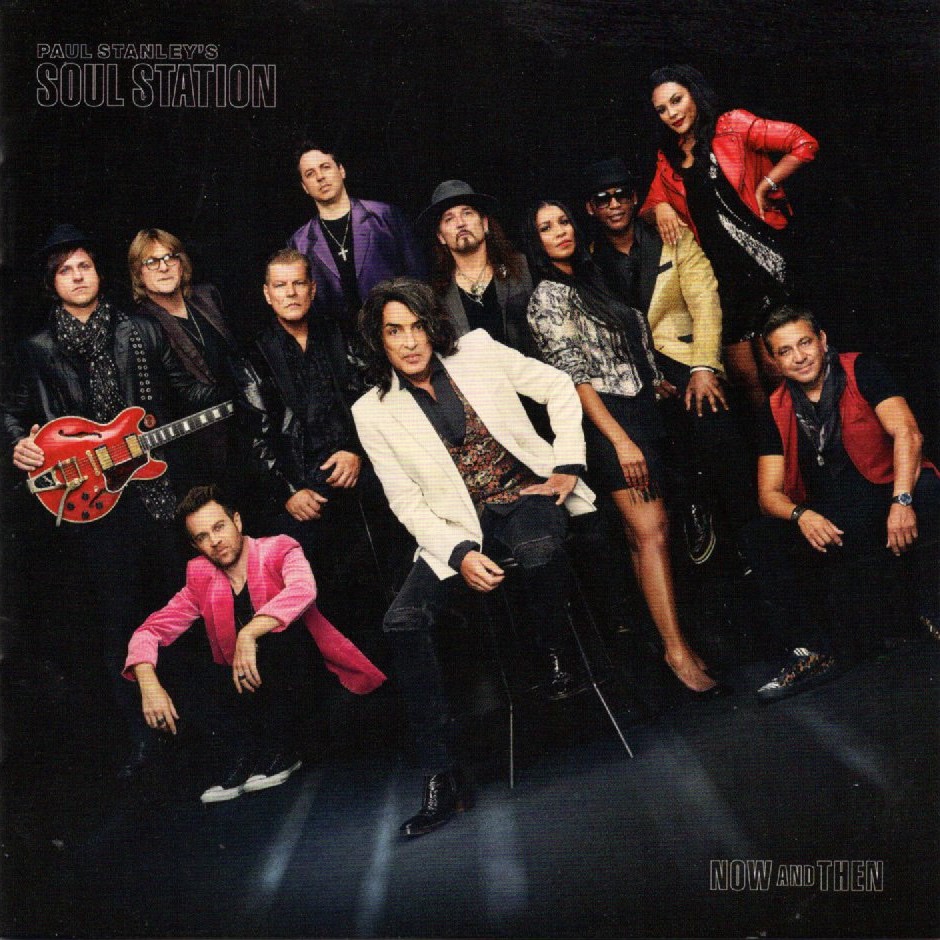
REVIEW: Paul Stanley’s Soul Station – Now and Then (2021)

PAUL STANLEY’S SOUL STATION – Now and Then (2021 Universal)

Reviewing Paul Stanley’s new album, Now and Then featuring his new band Soul Station, is probably the most challenging task I have ahead of me this morning.  It’s difficult for several reasons, primarily three.  Full disclosure.


  1. Paul Stanley might be my favourite artist of all time.
  2. His voice is in decline and this is always evident.
  3. How can I review Paul’s soul covers without comparing to the originals?

The truth is I like soul just fine, but the bulk of my collection is made of different grades of rock.  I have an Etta James CD.  I’m far from qualified to review this.  But I have to, so I’ll try.

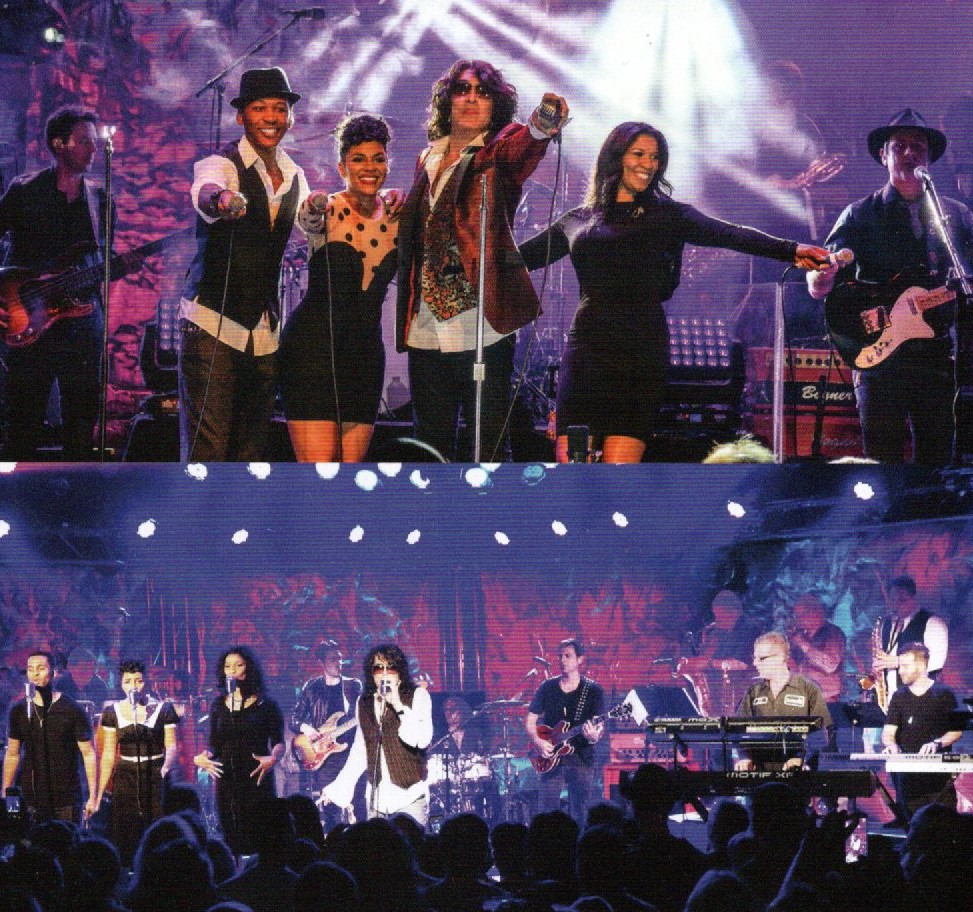
Paul’s band is 10 members (excluding himself) augmented by a horn and a string section.  18 musicians are credited total, with Paul as “lead singer”:  the first time on any of his albums where Paul plays no instruments.  Unexpectedly, Paul’s Kiss bandmate Eric Singer is Soul Station’s drummer.

There are 14 tracks:  nine covers, and five originals.  You can’t accuse Paul Stanley of taking the easy route.

Remember when Kiss were accused of going Disco in 1979?  “Could It Be I’m Falling In Love” really sounds Disco, and certainly there’s nothing wrong with the flawless arrangement, from the lush strings to the punchy horns.  In fact, Paul’s diminished voice is the only noticeable weakness.  He covers for it pretty well.  He used to belt it out all time; now he usually holds back in a soft whispery falsetto.  A performer has to adapt to their limits at every age.  Good tune.  But this is a new Paul Stanley and he’s not the best singer in his band.  He’s just the lead singer.

The first original, “I Do”, sounds like the real thing.  It’s a light ballad, arranged with the strings and full band treatment to sound pretty much just like the covers.  But the really surprising original is “I, Oh, I”, a terrific upbeat dance-y number.  Not only does it sound authentic but it’s also catchy as hell.  You could imagine it in a rock arrangement, and Paul points out in the liner notes that he wrote, arranged and orchestrated all his originals.

“Ooo Baby Baby” is a Smokey Robinson cover, and like the original it’s in falsetto.  It’s one of the harder songs to listen to.  “O-O-H Child” is better, though no substitute for the original.  Paul does well on the upbeat tracks with plenty of melodic hooks.  One of his backing singers take the lead on a few lines.  And although Eric Singer does a mighty job on the drums, he is a rock drummer playing soul, and that’s evident in the fills.  The groove of the 70s just isn’t something that can be recreated easily.

You can tell by the title that “Save Me (From You)” is a Paul original.  Sounds like a leftover from the Live To Win album, jazzed up for the Soul Station.  That said, it’s a pretty good track.  It’s a nocturnal rumble that does really well standing up to the classics.  It cannot be denied that Paul Stanley has a knack for writing a melodic song.  All of his writing credits on Now and Then are solo credits.

“Just My Imagination (Running Away With Me)” is not bad.  It’s the falsetto again, but massaged in the studio, and backed by the Soul Station, this one makes the grade.  Nobody doubts Paul’s genuine love of this music.  In the liner notes he takes ample time explaining his roots with Detroit soul.  And it was him that was hanging out in New York Disco clubs, when he decided he could write one of those songs for Kiss.

“Whenever You’re Ready (I’ll Be Here)” is a duet with one of his backing singers; upbeat, well done.  “The Tracks of My Tears” exposes the weaknesses in Paul’s voice but there are plenty of backing singers to cover for him.  That aside, it’s another great Soul Station cover.  “Let’s Stay Together” (Al Green) underwhelms; I mean how can it not?  The best thing I can say is that it’s better than Michael Bolton’s version.  “La-La — Means I Love You” also kind of just sits there, threatening to send the listener off to sleepytime land.  Fortunately, Paul’s original “Lorelei” revives the album, with upbeat melodic charm.  Cool guitar solo on this one too.

Two more covers to get through — “You Are Everything” (no thanks) and “Baby I Need Your Loving”.  Fortunately the latter song closes the album, on an earnest upbeat note with Paul giving the lungs a little exercise.  Solid ending.

Observation:  I enjoyed Paul Stanley’s Soul Station more the first three or four times I played it — as background music.   When it comes to listening intently, it didn’t capture me.

Observation 2:  Peter Criss got shit all over for trying to make an album somewhat like this back in 1978.

If Paul had released a mini-album (or extra large EP) with only seven or eight tracks, I think we’d be praising his originals and taste in covers.  Unfortunately chinks in the armour appear too frequently on the bulk of the album.  Good background music, but not an outstanding set.

Paul’s originals – 4/5 stars
Covers – 1.5/5 stars
Kiss Fan Fanatic Score – 100/5 stars
Realistic Score – 2/5 stars

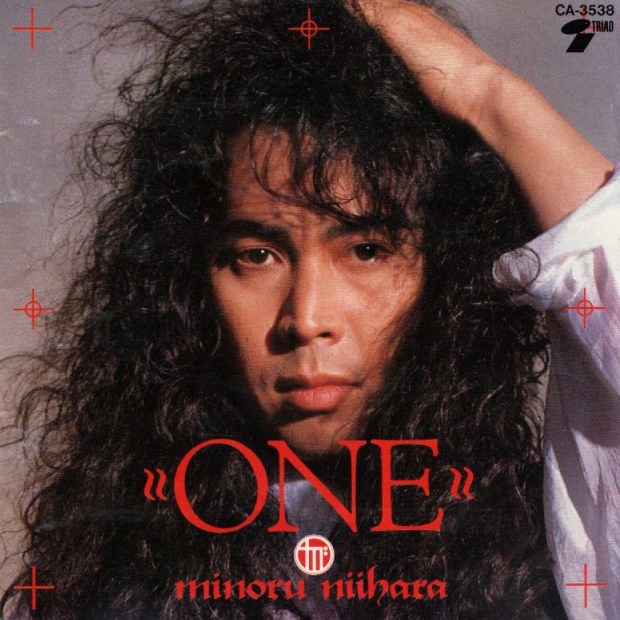
REVIEW: Minoru Niihara – One (1989)

MINORU NIIHARA – One (1989 Triad)

Original Loudness vocalist Minoru Niihara was let go in 1988 so they could have a stab at a success with an American singer.  While they went their way (and did not cross over onto the charts as they hoped), Niihara recorded his first solo album appropriately titled One.  He worked at Cherokee studios in Hollywood, where there must have been a lot of rock stars hanging out.  The credits on One include:  Mark Slaughter, Reb Beach, Doug Aldrich, the rhythm section from Journey (Steve Smith and Ross Valory), Kal Swan, David Glen Eisley, and the Tower of Power horns!

That being said, you might expect a straightforward hard rock album right out of 1989 like so many you remember from that year.  You’d be partly right.  However the lyrics are mostly in Japanese, and while the intent might have been to make a straight-ahead commercial rock record, it goes a bit sideways on some tracks.

It sounds like some of the same opening sounds as on Alice Cooper’s Trash album (also 1989) are used on first instrumental “Overture”.  Then it goes soft rock, with guitar strings tinkling like a fragile piece of glass, backed by heavenly keyboards.  In a jarring shift, the first proper song “Let’s Get Together” doesn’t meld well with this intro.  It also sounds a bit out of time, a relic from a couple years prior.  But Minoru is on top of it.  “Let’s get together! Have fun tonight!” goes the boppin’ English chorus, with plenty of the expected thick backing vocals from the Hollywood cast and crew.  Although it already sounded dated for 1989, “Let’s Get Together” is a fun track clearly aiming for a party concert vibe.  Not bad — production is clunky, and there are a couple key changes that sound off, but it’s otherwise a fun song that does what it’s there to do.

American rock vibes dominate “Stand Up to the Danger”, sounding a bit like “Loud and Clear” by Autograph.  That could be Reb Beach just rippin’ it up on the solo, but the track is very standard for the genre.  A neat ballad follows, the Journey-like…ahem…it’s a case of a language barrier, I’m sure, but the song is called “Come Over Me”.  Very much like a Journey ballad, and it’s probably Valory and Smith on bass and drums respectively.  Maxine and Julia Waters on backing vocals.

A cool 80s bass groove sets the tone on “I Can’t Wait”.  This mid-tempo car-cruiser is an album highlight, and a track worth getting in your ears.  Great solo too (Doug?).  Coincidentally, Minoru’s replacement in Loudness was a fellow named Mike Vescera, and he later recorded a different song called “I Can’t Wait” with Yngwie J. Malmsteen.  One of Minbru’s weaknesses (and it probably comes down to English as a second language) is a reliance on cliche song titles.  “I Can’t Wait”, “Stayin’ Alive”, “Dynamite”, and “Fool For You” are all song titles you’ve heard before.

Speaking of “Dynamite”, the next track on the disc — it’s a little more unique.  With a bluesy opening, it soon lets loose with a blast of saxophone.  The chorus is full-on pop.  A little clunky in construction and production, but different and still cool.

A soft keyboard ballad called “You Can Do It” sits right in the middle of the album.  Even though vinyl, and  especially cassettes were big in 1989, One only saw release on CD.  No “side one” or “side two” with this album.  Once more the ballad would sound appropriate on a Steve Perry album, and the guitar solo is really smooth.  Good song; Minoru’s style of singing is a bit overblown for a soulful ballad, but you can certainly tell he loves singing this way.

“Bluest Sky” is cool, acoustic and stripped back but “Stayin’ Alive” really scorches.  It’s the closest thing to classic Loudness.  It is the only clearly heavy metal track on the album.  Probably Reb Beach ripping up his fretboard and whammy bar on the solo.  Definitely Mark Slaughter on the chorus.  The horn section returns on “Fool For You”, but Minoru’s over-the-top singing does not suit the funky metal stylings.  He does well on “Too Long Away to Reach”, a little more restrained.  But it is the third ballad that really does sound like Journey.  So much that you’d assume it was Neal Schon on guitar.

Finally Minoru closes his solo debut on one more ballad, “I’ll Never Hide My Love Again”.  This time it’s a big power ballad with a massive chorus, and because it’s dramatically different from the earlier ballads, it works.  Definite vibes of King Kobra’s “Dancing With Desire” (1985).

See what I mean when I say that One sounds dated already even for 1989?  That doesn’t make it bad, but not all pieces fit.  There are some obtrusive keyboard overdubs, some of the ingredients just don’t mix.  While Minoru is a fine vocalist, and he gives 110% here, some of the songs sound like they would work better if he laid back a bit.  Then again, that could be the language barrier; the words he is singing might be totally appropriate to his vocal output.  Everything in music is subjective anyway.  Regardless of interpretation, Minoru Niihara’s effort is no less than his whole heart, and you have to give credit for that.

3/5 stars


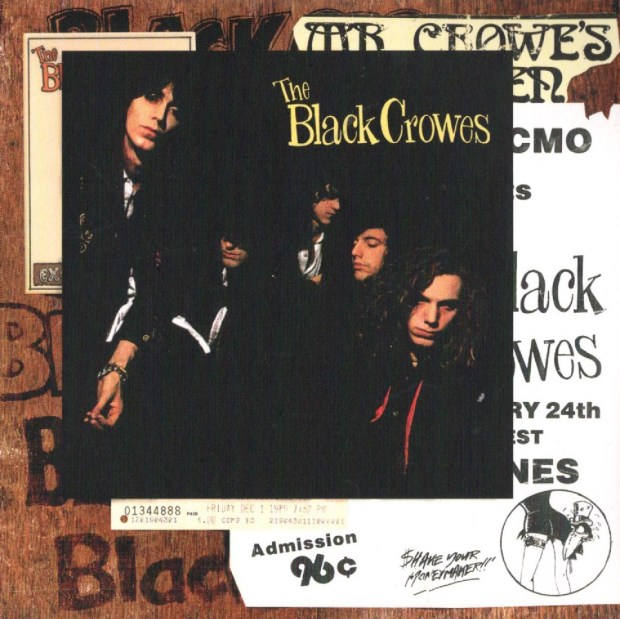
REVIEW: The Black Crowes – Shake Your Money Maker (2021 deluxe edition)

THE BLACK CROWES – Shake Your Money Maker (Originally 1990, 2021 Universal deluxe edition)

How many times have you bought Shake Your Money Maker (31 years old but not a day over 20)?  This time the Crowes did it (mostly) right.  The last time they reissued this album in 1998, they added only two bonus tracks.  Now there are 25.  These include a whole disc of rarities called More Money Maker, and a homecoming live set from December 1990 with the original lineup and a sneak peak at new, work-in-progress songs.  All of this is worth your money to buy one more time.  Especially for the songs they were already road-testing.

Disc 1:  Shake Your Money Maker

Freshly remastered and sounding good.  Opening up with a rip of slide guitar, the Crowes made their southern bluesy roots known from the get go.  It was nothing like Bon Jovi, Def Leppard, or anybody else on the radio at the time, except maybe the London Quireboys.  They drew influence from the 70s:  Bands like the Stones and Skynyrd, as well as the old Mississippi Delta bluesmen.  Listen to Rich Robinson’s slide and dig in.  Chris Robinson’s bluesy drawl delivers a hell of a chorus.  “Twice As Hard” is perfect in every measure, and producer George Drakoulias captured it without messing with it.

Second in line is the debut single “Jealous Again”.  It sounds like the offspring of the Stones at their boogie-woogie best.  The noticable difference is the big drum sound wielded by Steve Gorman, the Crowes’ secret weapon.

Shake Your Money Maker is a well rounded album with a few piano based slow tracks.  The first ballad is “Sister Luck”, sort of prototype for the kind of things the Crowes would do in the future.  You want authenticity?  That’s Chuck Leavell on keys.

Back to the rock, “Could I’ve Been So Blind” kicks it with a shot in the arm and a great chorus.  Thing go slow again on the organ-based blues “Seeing Things”.  The wild thing is, the Crowes were just kids, but it sounds like they have years and years of pain to pour into these songs.

One of the most well known singles from Shake Your Money Maker was the old Otis Redding cover “Hard to Handle”.  A bit of a surprise to hear an Otis song on the radio, but we gladly took it.  The Robinson swagger on this one is enormous.  Back to rock, “Thick N’ Thin” begins with a car crash. Fast paced rock and roll with boogie woogie piano gets the feet moving, like the Faces on adrenaline.

One of the fastest songs gives way to the slowest one.  “She Talks to Angels” is the only one that technially deserves the tag “ballad”.  Acoustics guitars, organ, and Chris’ plaintive voice took it to #1 on the US “album rock” charts.  It’s still just as stunning today, with the feel still coming through.

Moving in for the close, “Struttin’ Blues” is relatively nondescript compared to some of the prior ass-kickers.  They save the most kick-ass for last:  “Stare It Cold”.  It starts as a standard Stones-y rocker, but then it picks up speed right to the end, brilliantly ending the debut album on a hell of a good impression.

Disc 2:  More Money Maker:  Unreleased Songs & B-Sides

This isn’t all the B-sides of course; the Crowes issued plenty of live tracks that you will have to track down the singles for.  This does collect the studio music that made it onto B-sides and bonus tracks, as well as far more serious rarities.  One of those is “Charming Mess”, a slamming unreleased track that easily could have been a hit.  Slippery guitars, bouncing piano, and a wicked chorus.  Early Crowes tended to keep things simple, and this a great example of their early charm, cranked up to 10.

The Humble Pie cover “30 Days in the Hole” is tight and clean.  Johnny Colt was an underrated bass player and you can hear it on this decent but underwhelming cover.  The original “Don’t Wake Me” is an also-ran, in the fast-paced category.  Great guitar work as always though, so always something to listen for.  The Lennon cover “Jealous Guy” always lacked something that the original had, but by turning it into a lamenting blues, the Crowes made it their own more than the other covers.  The original “Waitin’ Guilty” is a real treat.  Happier with twang, it was rarely played live, perhaps because it’s a bit of a departure.  A sweet, tasty, twangy departure.

The “Horn Mix” of “Hard To Handle” has been difficult to track down for years.  Here it finally is!  One thing not apparent when listening to it on a shitty radio — the bass really thumps on this remix.  With this version now finally widely available, it is the definitive mix.  Two acoustic versions of big hits are next:  “Jealous Again” and “She Talks to Angels”.  Stripped down to the very basics with no drums.  “She Talks to Angels” benefits very much from the bare arrangement, becoming something truly special.

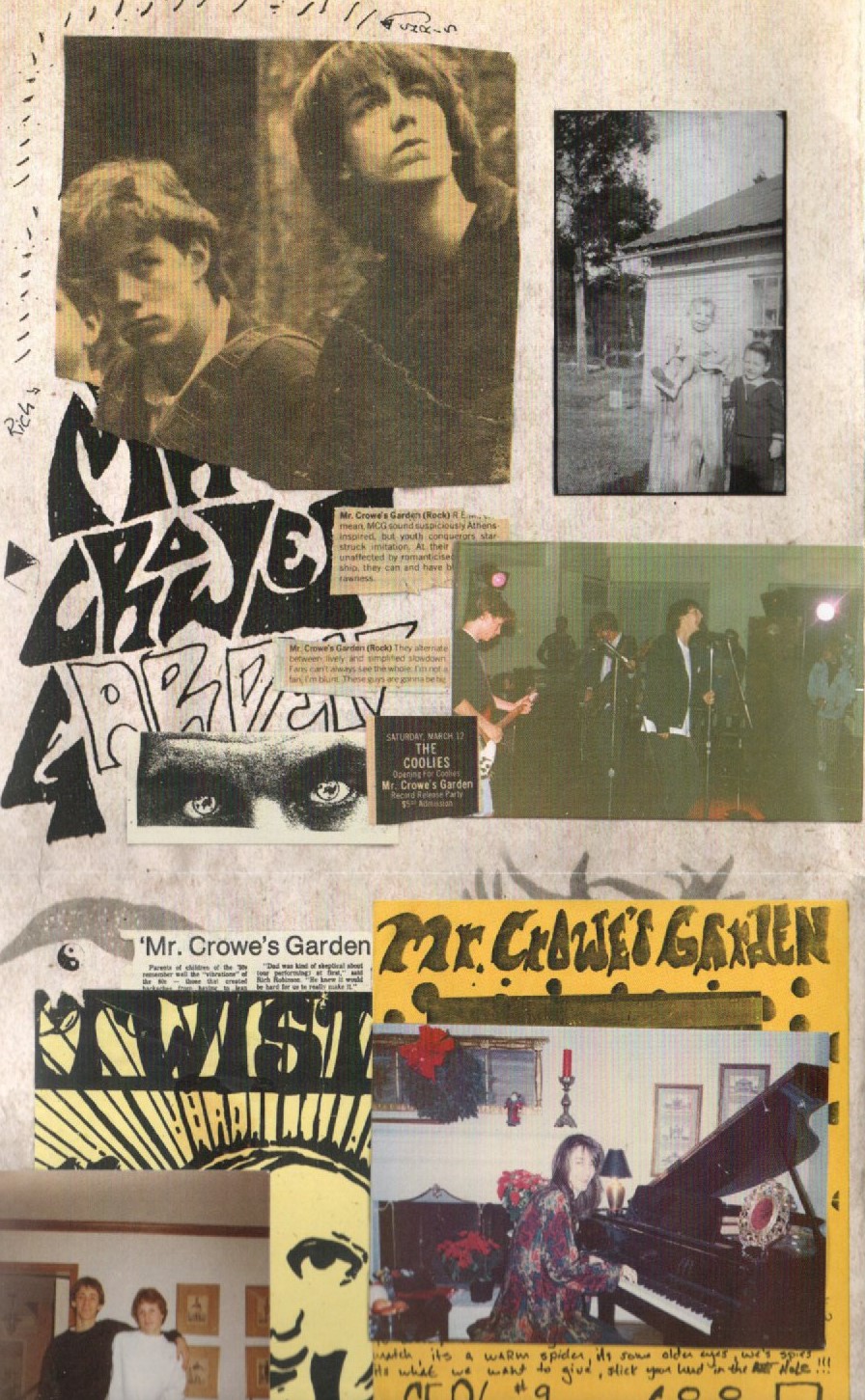
This disc ends on a double treat:  Two early demos by Mr. Crowe’s Garden, the incarnation that preceded the Black Crowes.  “She Talks to Angels” is fully written but with a higher lead vocal melody.  “Front Porch Sermon” is more folksy than what we usually expect from the Crowes, at least until the later years.  Banjo is the dominant instrument.   The chorus is a dead ringer for Blue Rodeo.  Great stuff; let’s hope we get more Mr. Crowe’s Garden demos in the future.

Disc 3:  The Homecoming Concert:  Atlanta, GA December 1990

For many, this is the main feature of the set, and for good reason.  This era of the Crowes only lasted a short time and change is already evident.  The new material they were working on, and were already playing live, was different.  The band was also changing and soon guitarist Jeff Cease would be out of the lineup, replaced by Marc Ford.  This concert CD is one of our few chances to hear what Jeff Cease brought to the band.  They couldn’t have grown where they did with Cease, but as the lead guitarist on these rock and roll tracks, he’s perfect.

Chris Robinson is on fire, as evident on the stormin’ first song, “Thick N’ Thin”.  It’s an energetic version and that energy carries over into a new song called “You’re Wrong”.  It would later evolve into “Sting Me”.  The sound of Southern Harmony was starting to creep in and you get a lot more a  bit later into the set.  Although nobody sounds bored, the Crowes roll out the hit “Twice as Hard” next.  It could be one of the best versions out there, for Chris’ impassioned overblown vocal.

Favourites from the album are played one after the other:  “Could I’ve Been So Blind”, “Seeing Things”, “She Talks to Angels”, “Sister Luck”, and “Hard to Handle”.  Particularly powerful is “Seeing Things” though highlights are plenty through these tunes.  The Crowes also peppered their sets with non-album covers.  “Shake ‘Em On Down” (Bukka White) is unexpectedly followed by “Get Back” (The Beatles).  But really it’s just one extended jam on some familiar themes.

The real treat is a full 13 minute version of “Words You Throw Away”, the long jam that would one day evolve into a little hit called “Remedy”.  You can hear certain chords and rhythmic ideas that ended up in “Remedy”, and maybe also “Thorn in My Pride”.  It is however its own song, with some unbelievable hooks of its own that never made it into anything else.  Just lay back and enjoy all 13 minutes of musical nirvana.

Closing the set with “Stare It Cold” and “Jealous Again” can only be anticlimax after that workout.  What else could they do?

It’s very fortunate this live set was so well recorded, mixed and mastered for release.

In Conclusion

Though affordable, the 3 CD edition has skimpy packaging.  There is a small foldout with rare photos (and some really cool ones of Mr. Crowe’s Garden) but no real liner notes or other details.  It would just be nice to know more about where the rare tracks originated, or even the original studio album itself.  The album used to come with lyrics, but this comes with nothing.

Still the music more than makes up for up for the lack of packaging.  The top-notch live set is a revelation, and the bonus rarities are valuable and high quality.  You can’t say no to the music.

4/5 stars


REVIEW: Marillion – Fugazi (2 CD remastered edition)

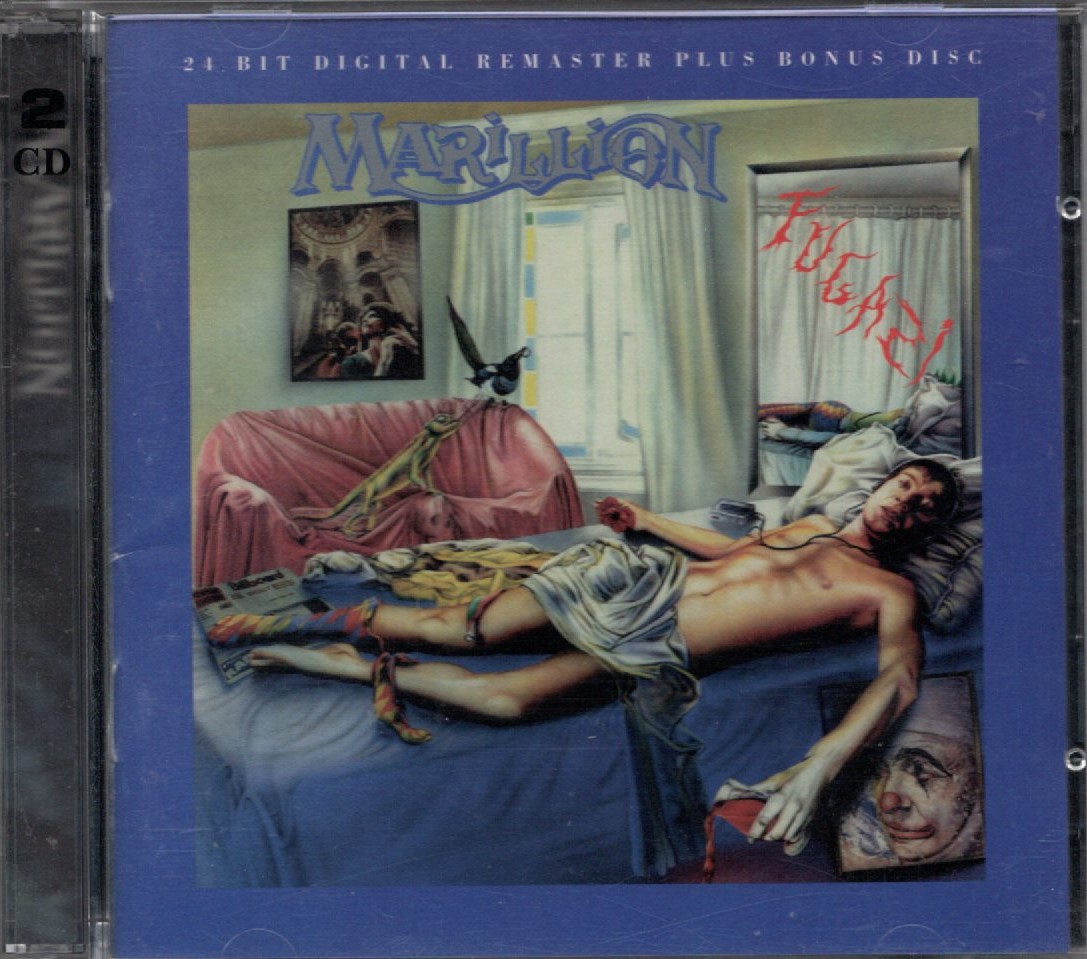
MARILLION – Fugazi (1998 EMI 2 CD edition, album originally released 1984)

Fugazi: Military slang meaning “fucked up situation”, coined during the Vietnam war.

Or: The making of Marillion’s second album.

After rolling through a couple drummers including Jonathan Mover, Marillion finally settled on Ian Mosely, the British veteran who is still in the band today. They settled in to record the “difficult” second album, which was dubbed Fugazi. It is a challenging listen, probably the most challenging of the original four. As such it tends to fall by the wayside today, despite the inclusion of the excellent single “Assassing”.

“I am the assassin, with tongue forged in eloquence. I am the assassin, providing your nemesis.”

It was a pointed statement at the ex-drummer Mick Pointer, from his former friend, lead vocalist Fish.

Lyrically, Fugazi represents the very best of Marillion of any era.  Both “Jigsaw” and the included B-side track “Cinderella Search” contain lyrics of great depth, beauty, emotion, and layers upon layers of interpretation. I like Fish’s use of homonyms, such as “Swam through the nicotine seize”.

Musically, this is a dense album that takes multiple listens to appreciate. Side one of the original album was catchier, with the two singles (“Punch & Judy” being the second) and the lullaby-like “Jigsaw”. Side two was more challenging, with longer heavier songs: “She Chameleon” and “Incubus” are good examples. Incidentally, Fish considered “Incubus” to be his greatest lyrical achievement, once again using homonyms. “I, the mote in your eye.”

The bonus disc contains the stellar B-side “Cinderella Search”, a song that goes through multiple sections before culminating with its powerful ending. “I always use the cue sheets but never the nets, never the nets, nevertheless.” Other B-sides include a remix of “Assassing” and the re-recorded version of “Three Boats Down From The Candy”. (I prefer the original.) This disc is rounded out by four demos of some of the more challenging songs.

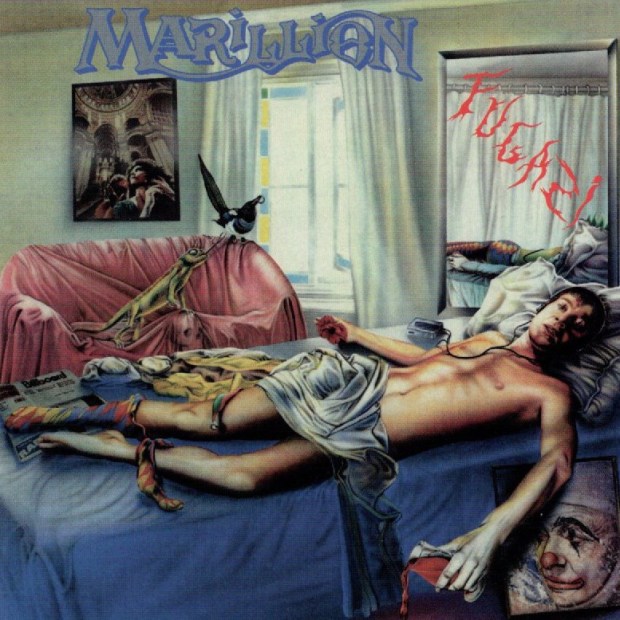
The cover art is loaded with brilliance courtesy of Mark Wilkinson.  He put just as much thought into the art as Fish did into the lyrics.  Wilkinson and the band provide enlightening liner notes. You’ll want to make sure you read them. Did Mark Kelly really see a ghost? Find out inside.

5/5 stars

Fugazi is expected to be upgraded to a multidisc deluxe edition including 5.1 mix this summer- 2021.

REVIEW: Jan Terri – “Losing You” (1993 music video)

JAN TERRI – “Losing You” (1993 JT Records music video)

While Jan Terri and her immense talent are the stuff of legends, you just don’t hear her songs on the radio. You don’t gaze upon her limousine riding skills on music video shows. Are there music video shows anymore? There should be, because Jan Terri and video go together like peanut butter and meatballs.

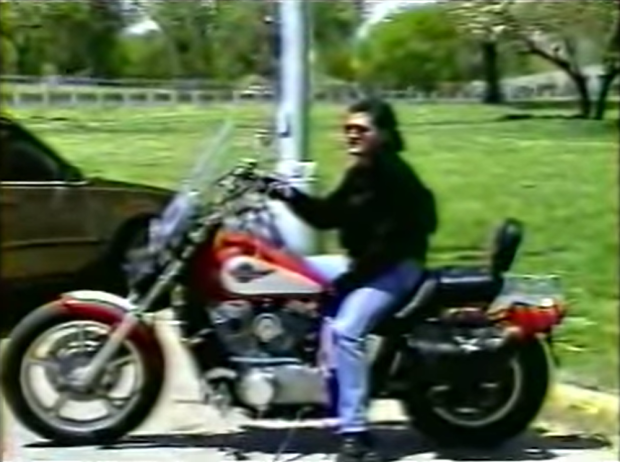
“Losing You” is a melodic symphony; Jan’s dulcet tones not at all harsh to the ear. Plus she knows how to rock a leather jacket. She likes her dudes with mullets n’ ‘staches. And motorcycles. That’s all she needs. A leather jacket, a song, and a dude with a ‘stache. She doesn’t even need the cameraman to stay focused. Jan Terri doesn’t need anyone to carry her bags either!

If you think you know a smash hit when you hear it, then you were wrong all this time.  “Losing You” is the proof.

100/5 stars

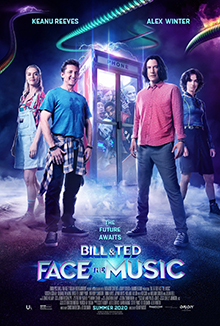
MOVIE REVIEW: Bill & Ted Face the Music (2020)

Bill & Ted Face the Music (2020 United Artists)
Directed by Dean Parisot

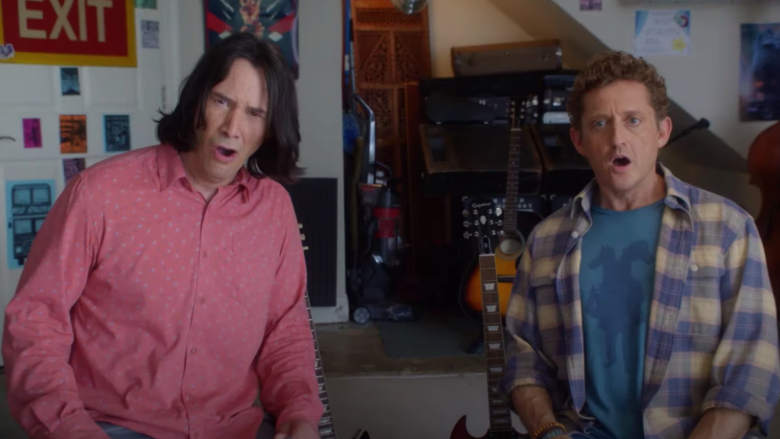
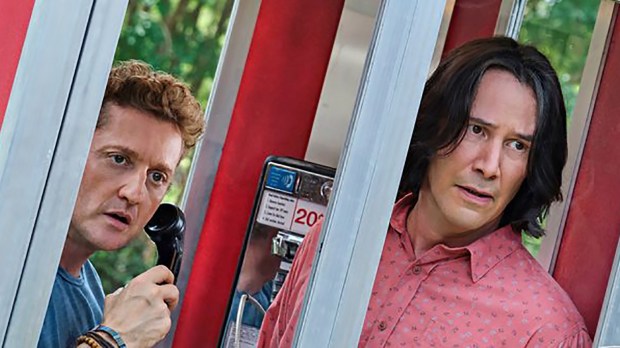
I went into Bill & Ted 3 not expecting much, due to the poor reviews and long-ass time since the second movie (1991).  I came out thinking everybody else got it wrong, and Bill & Ted Face the Music could actually be the best of the series.

Keywords:  “the series”.  This isn’t The Godfather we’re competing with.  Once you shed the rosy glow of nostalgia, realize one thing:  Bill & Ted were never great.  They were always fun, headbanging nonsense.  There was some wit and some great performances thanks to George Carlin and William Sadler, but Bill & Ted were never great.  The movies didn’t make a lot of sense where time travel is concerned, and were essentially just vehicles for the two dumb guys to have dumb adventures.

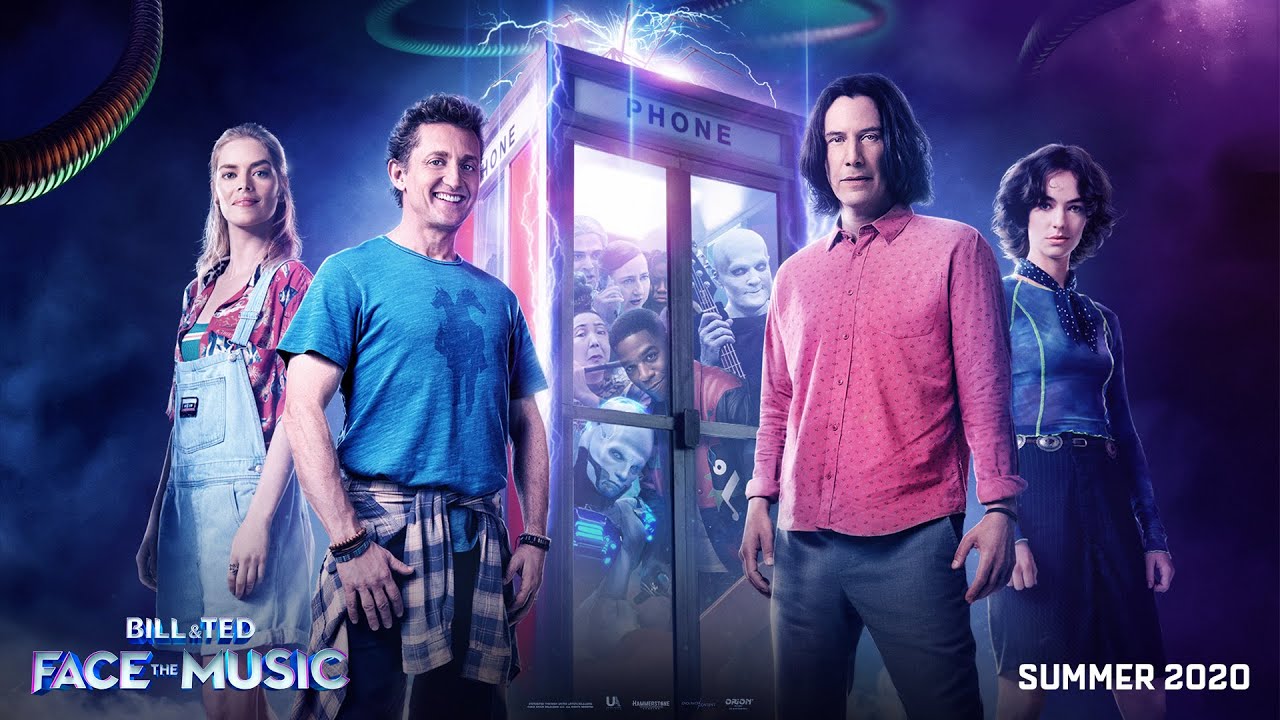
What is amazing is that the two “dumb guys” (Keanu Reeves and Alex Winter) wanted to come back.  They seemed to be having fun making the movie, which means it’s fun to watch.  What’s new in the last 30 years?  Not only are Bill & Ted still together, but they are still together with their medieval princesses too!  And they even have children — Thea and Billie.  And they are chips right off the old blocks.

One catch though.  Although Bill & Ted’s band Wyld Stallions achieved some early success, they quickly dropped off the map* and never wrote the song that would bring the world together.   And if they don’t do it before 7:17 PM, the universe will cease to exist!  (That doesn’t make sense?  Well neither did the first two films!)

The movie splits into two tangents here, both equally entertaining.  The affable Bill & Ted decide to go into the future, and just steal the song from their future selves.  Meanwhile, Billie and Thea have their own idea:  form the band that will back their dads when they play the song.  They borrow a time machine from Kelly, who is the daughter of Rufus (George Carlin).  Kelly is trying to warn their dads about a time travelling assassin robot (named Dennis) sent back to kill them.

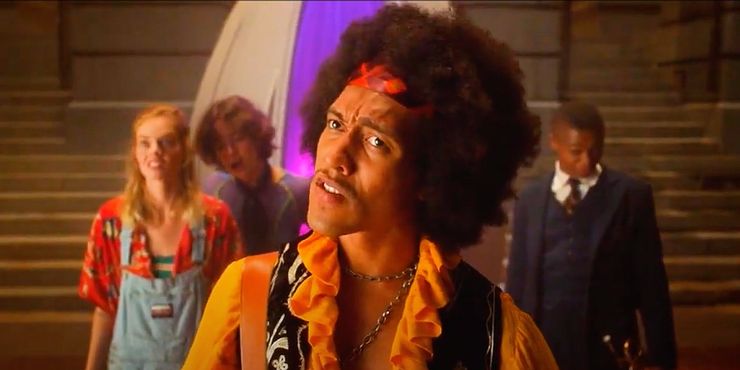
While Bill & Ted encounter increasingly older versions of themselves as they travel further trying to find the song, Billie and Thea recruit Jimi Hendrix, Louis Armstrong, Mozart, legendary Ling Lun, and a cave drummer from the stone age named Grom — the greatest musicians in history.   This is where Bill & Ted Face the Music really surpasses its forebears.  While it was fun seeing Bill & Ted recruit historical figures and going to hell in the past, this time it’s actually about the music.  For three movies, we are told that Wyld Stallions will unite the world in music.  Only in the third is the music actually a significant part of the movie.  It’s fun seeing Hendrix jam with Mozart despite the language (and time) barrier.

Spoilers from this point.  Bill & Ted screw up worse and worse the further they go.  Their future selves try to trick their past selves into stealing a song from Dave Grohl, which backfires and ends up with future Bill and future Ted in the slammer.  Their princesses abandon them.  Dennis lasers everybody to death (including himself) and they all end up in a familiar landscape:  Hell.  But that’s OK.  Turns out that Bill & Ted’s former bassist lives nearby.  Yes, it’s William Sadler as Death, who we learn quit Wyld Stallions to go solo years ago.  (We couldn’t get George Carlin back, but we did get William Sadler, and that’s just awesome.)  The clock ticks on and all seems lost, but don’t worry — Kid Cudi shows up to help with the quantum mathematics.

But what about the song?  As Mr. Holland’s Opus proved adequately, when you build up a piece of music in the audience’s mind, nothing will meet that expectation.  And as Dave Grohl is well aware “this is not the greatest song in the world, this is just a tribute.”  Given that no piece of music will ever satisfy an audience when you build it up as “the song that will save the universe”, this movie took an interesting turn.  It is revealed that the song itself wasn’t as important as getting everyone in the world to play along simultaneously.  It’s like a big “I’d like to buy the world a Coke and sing in harmony” situation.  And our heroes have a time machine, so they can make sure they get the message (and an instrument to play along) out to everyone in the world.  Don’t think about it the time travel stuff too hard!

End spoilers.  

Keanu Reeves, and Alex Winter in particular, are so much fun to revisit as these characters.  Keanu is a little more laid back, but Bill & Ted are in their late 40s (while the actors are in their 50s).  They’re not as enthusiastic as they once were.  But they are still Bill & Ted, bonded at the hip, and going to couples therapy as a quartet with their princesses.

Because of its focus on the music, Bill & Ted 3 surpasses the previous two movies.  There’s little “wheedly-wheedly” air guitar and shenanigans.  They don’t run around saying “excellent” and “bogus” all the time.  The endgame of Bill & Ted has always been that one day they would save the world with their music, yet the previous two movies didn’t focus on music.  The first one was about collecting historical figures to pass the highschool history exam.  A fun and fresh premise indeed.  The second went dark, having them assassinated by future robots and journeying through hell.  The third combines the two ideas, but this time with historical musicians.  Rock, jazz, classical, and I had to look up Ling Lun!

You get the sense that Keanu and Alex realized that there is a certain innocence to Bill & Ted that requires younger characters.  Their daughters (played by Samara Weaving – niece of Hugo, and Brigette Lundy-Pain) fill those roles and do it, pardon the pun, excellently.  You need that wide-eyed excitement.  Bill & Ted have already travelled through time, met Socrates and did it all twice — they have nothing to be wide-eyed about.  To them it’s old hat, even ending up in Hell one more time.

The Bill & Ted movies are, objectively, dumb movies.  The two lead characters are, objectively, dumb.  But dumb can be classic, as Stooge aficionados know, and updating a classic is really difficult to do.  Just ask the Farrelly brothers.  Ted Theodore Logan and Bill S. Preston, Esquire managed to have a third adventure appropriate to their ages, while finally saving the world as George Carlin promised they would.  Nothing new added to the stew.  By finally focusing on the music, potential is fulfilled.

3.5/5 stars
* Their experimental opus “That Which Binds Us Through Time: The Chemical, Physical and Biological Nature of Love; an Exploration of The Meaning of Meaning, Part 1” is not a hit.

REVIEW: The London Quireboys – “Hey You” (1990 cassette single)

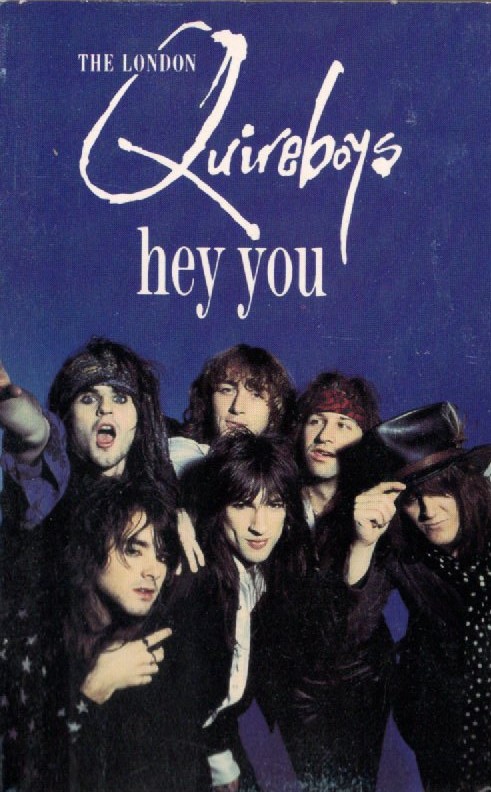
THE LONDON QUIREBOYS – “Hey You” (1990 Capitol cassette single)

A curiosity unique to cassette.  The UK 12″ single for “Hey You” included a live “Hoochie Coochie Man” on the B-side.  It and the 7″ single also contained the album track “Sex Party”.  You could get these same tracks on the CD single, but the cassette went with a different route.

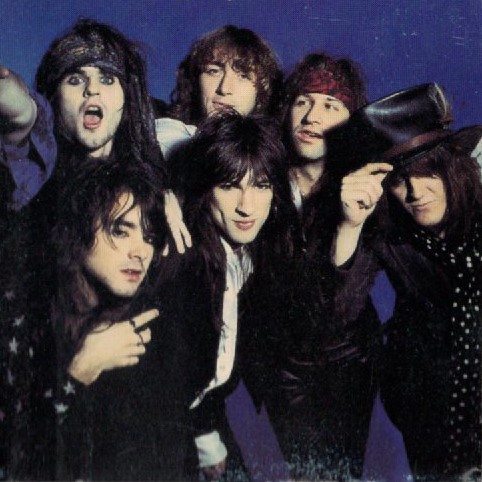
The A-side common to all is of course “Hey You” from the hit debut album A Bit Of What You Fancy. It sounds classic from first crash of guitar. The Stones-y Faces vibe is immediately apparent, and fondly recalls the summer of 1990 when the need for such a sound heralded in the Quireboys and Black Crowes.  It was completely unlike everything out by Motley Crue, Bon Jovi, and Warrant.  Its refreshing reliance on slide guitar still sounds great in the speakers, but the rasp of singer Spike is its most defining trait.

The first B-side is the roudy “Sex Party” from the album.  The boogie piano keeps it kickin’ hard.  But then the cassette goes its own way with two additional tracks.  They are severely edited versions of hit singles “I Don’t Love You Anymore” and “7 O’Clock”.  Both fade out prematurely just as the songs are getting awesome!

The whole thing repeats on both sides.  The idea is to give the kids incentive to go out and buy the album next time.  Save your allowances and buy the album to get the full songs.  Such teases!  Just as Spike is telling us what time it is, adding that it’s also “time for the party”, the song fades and the side ends!

Can’t realistically rate something like this very high.  While the two full tracks are both awesome, it’s hard to justify buying this tape today as anything other than a curiosity.  The cassette still sounds good after 31 years though!

2/5 stars
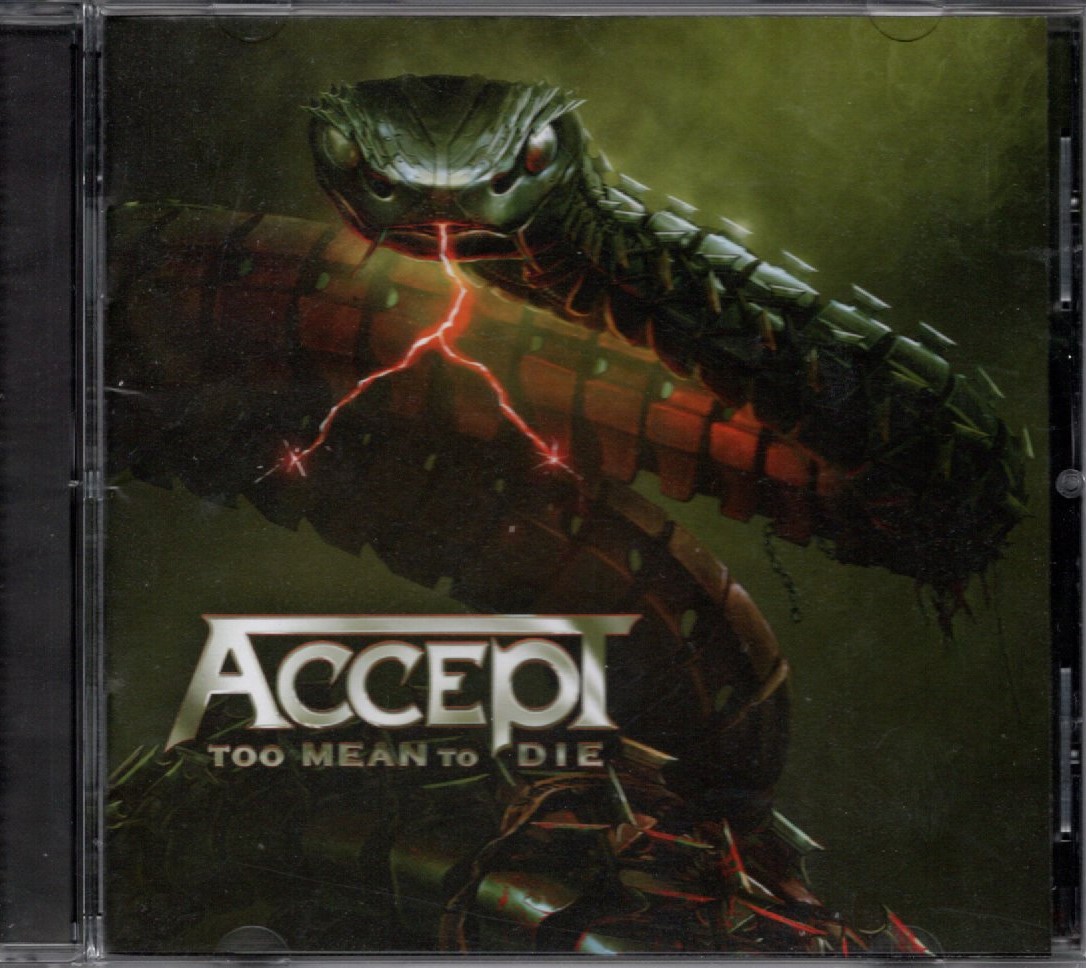
REVIEW: Accept – Too Mean to Die (2021)

ACCEPT – Too Mean to Die (2021 Nuclear Blast)

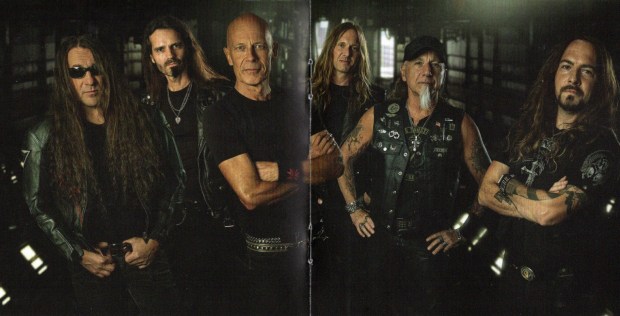
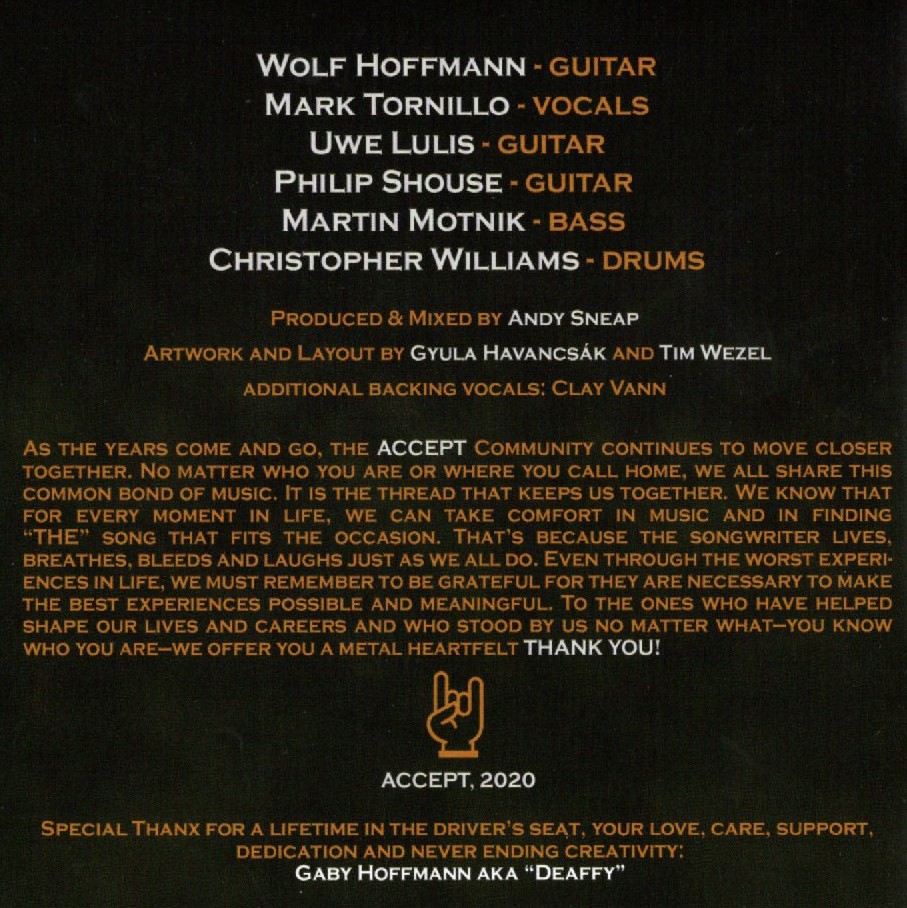
Tornillo-era Accept has been a pretty even field; a level grid of Sneap-sharp production and Hoffmann’s razor-riffs.  If you expected change just because there’s a new bass player for the first time ever, you’d be wrong.  Accept may be down to just one original member (Wolf Hoffmann himself) but it doesn’t matter much.  What Accept deliver on Too Mean to Die is the same as they have done for every album since 2010’s Blood of the Nations.  Reliable, like AC/DC…or a comfortable leather jacket.

Nothing wrong with this.  Accept found a formula that works in their post-Udo world and it works well.  It’s difficult to remember what songs are from what albums, but Accept haven’t stopped putting out solid quality metal.

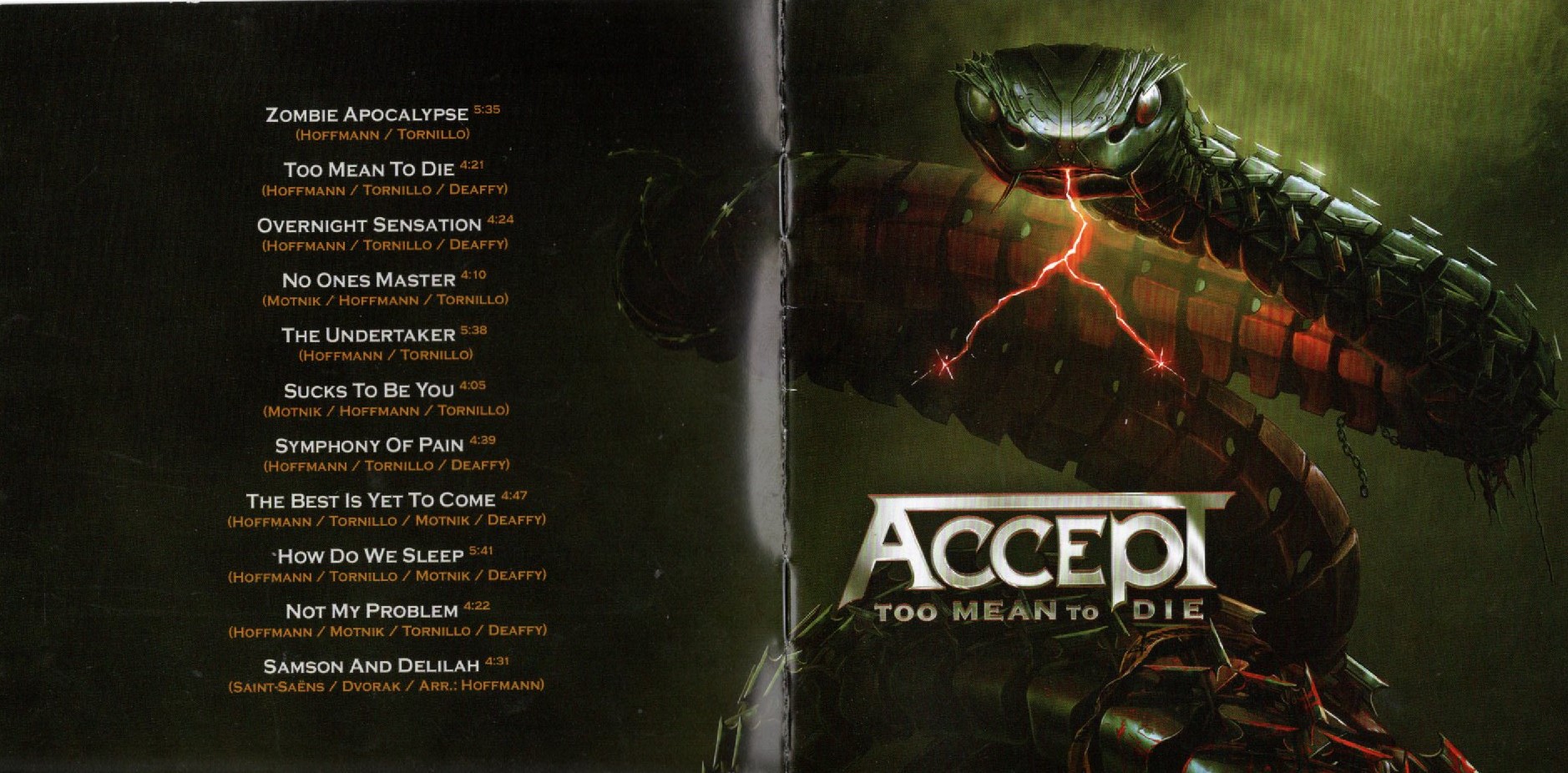
There’s the song about zombies (“Zombie Apocalypse”), one about never giving up (“Too Mean To Die”), the mid-tempo one (“Overnight Sensation”), the one about the media (“No Ones Master”), the single* (“The Undertaker”), the one with the funny title (“Sucks to be You”), the classical influence (“Symphony of Pain”), the ballad (“The Best is Yet to Come”), the one about the state of the world (“How Do We Sleep”), the angry one (“Not My Problem”), and the instrumental (“Samsom and Delilah”).

The riffs keep hammering in the capable hands of Wolf, and Mr. Tornillo on lead vocals never stops givin’ ‘er.  Hooks on every track.  The energy is no less than their first together.  Wolf’s guitar tone remains as tasty as it has been for over four decades.  One more album to add to your collection, as the Tornillo era blends together like a monolithic five-CD box set.  Too Mean To Die could have been titled Disc Five, so if you need to complete your set, do it now.

4/5 stars
* The single for “The Undertaker” features a non-album live track on its B-side, of a non-album single called “Life’s a Bitch”!


REVIEW: Bonham – Mad Hatter (1992 Japanese import)

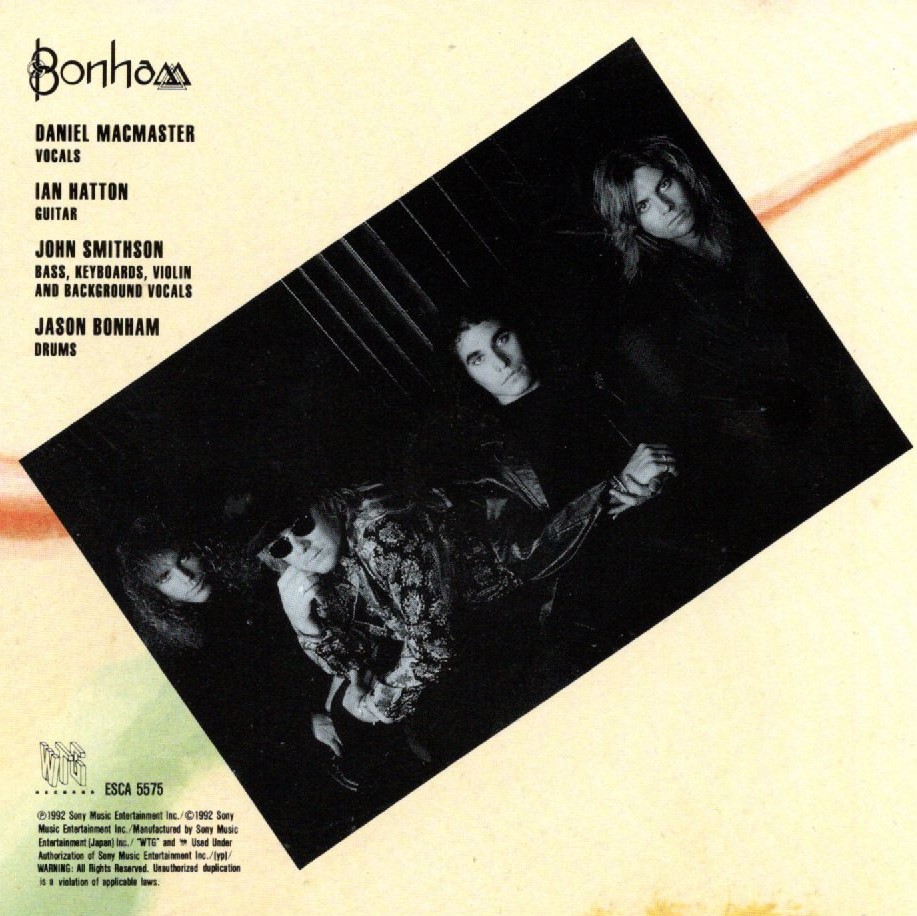
BONHAM – Mad Hatter (1992 Sony Japan)

The first Bonham album in 1989 was a critic’s darling.  Produced by Bob Ezrin, it sold well enough and made plenty of year-end lists.  For the year 1989, it was a breath of fresh air compared to the Motley Crue, Bon Jovi and Def Leppard tracks dominating the airwaves.  Those who thirsted for the rarified air of Led Zeppelin got some of that with Jason on drums and the incredible Canadian Daniel MacMaster on lead vocals.  It was easy to imagine that “Wait For You” was a new Zeppelin single built for that year.  But every band has to grow, and where would Bonham take it?  Further down the Zeppelin road, or try and find their own identity?

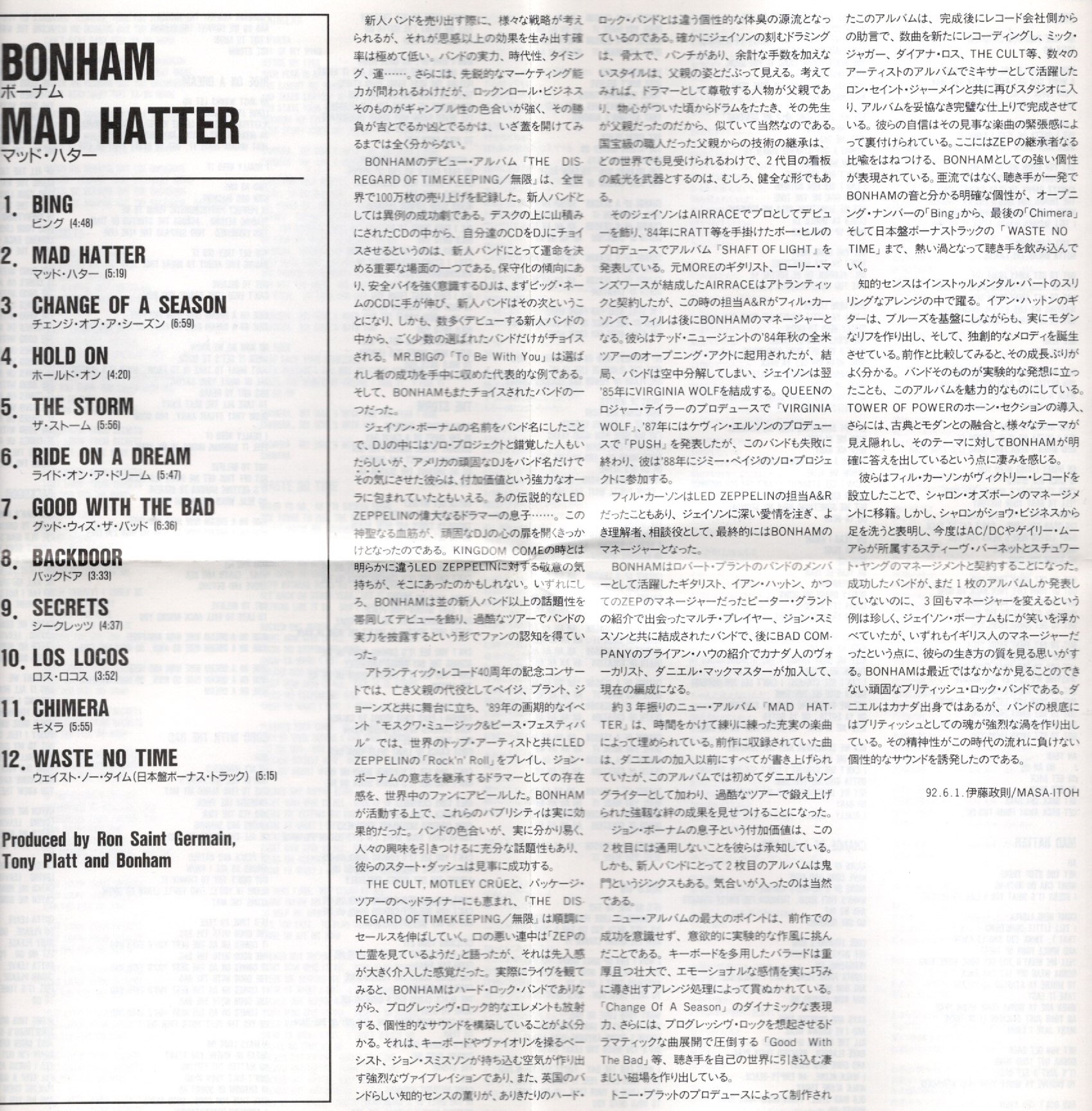
Bob Ezrin did not return, and most of the followup album Mad Hatter was produced by Tony Platt, with the rest produced by Ron Saint Germain.  The band grew from the debut, establishing more of their own groove.  It was a more diverse and challenging platter.  Unfortunately, the album arrived in 1992, amidst the Pearl Jams, Soundgardens, Nirvanas and the rising tide of grunge.  Despite the strong single “Change of a Season”, the album tanked.

What an opener “Bing” is, a word that doesn’t seem to be in any of the lyrics.  At first, it has a very old school Zeppelin groove, akin to “Candy Store Rock” meets “Black Dog”.  But then it goes to a completely different place on the chorus.  The sonics are clearer and sharper than the debut.  Jason’s drums are huge as the should be.

Yet it’s the title track that really shocks the system.  Opening with a blast of horns, “Mad Hatter” goes one of the few places Zeppelin never went:  full-on funk with horns.  This would be the Tower of Power horn section.  It would be lazy to compare “Mad Hatter” to “Get the Funk Out” from a couple years past, as it has its own vibe.  Ian Hatton on guitar proves himself to be diverse talent with licks-o-plenty.
Another direction is explored on “Change of a Season”, the shoulda-woulda-coulda single that would have been huge a year or two prior.  The melancholy ballad was simply the wrong temperature for 1992. The gothic tone of the video was cool, but the video got zip for airplay.  It’s the backing strings (synth) and epic chorus that make this song.  It sounds less like Zeppelin and perhaps more like something from David Coverdale’s Reptile Emporium.

Another cool direction is explored on “Hold On”, a unique song with elements from multiple genres.  Funk, soul, progressive, blues, and even bluegrass.  This is followed by another song with epic overtones, “The Storm”, a six minute track that takes the Zeppelin influences to the craggy progressive peaks of another land.

Although there’s no side break on a CD, there are a natural place for it as you can pause for a breath before plunging into “Ride on a Dream”.  A breaknace pace and metallic riff make it unlike anything else on the album.  Perhaps a band like the Scorpions could do “Ride on a Dream”, but even Klaus would be challenged by the outstanding MacMaster lead vocal.  This plutonium-fuelled track would give anyone a run for their money.

But after all that drama, you need something a little more laid back.  That would be “Good With the Bad”, a jazzy piano ballad and the longest song on the album.   It doesn’t remain in ballad territory forever, going to the swamps of Florida where Savatage reside halfway through.  The comparisons are easy to hear.  Next, we go to a bluesy, funky blast of Zeppelin-flavoured ale on “Backdoor”.  Another cool tune with a different vibe from the others.  Things drag a bit on “Secrets”, which tries to marry the funky side with a “Kashmir”-scale chorus but doesn’t really follow through.

Moving on to the end, it’s “Los Locos” in second to last position.  This is a tender blues guitar/violin instrumental with dark piano accents.  That would be bassist John Smithson handling those wicked violin licks and a lot of the keyboards.  Perfect track for this spot, setting up for the closer.  It’s up to “Chimera” to take you out, and it does with a shiny upbeat vibe.  Although it’s probably sheer coincidence, it sounds a bit like Marillion circa the same period.

Lo and behold, that is not all!  The Japanese fans got a little bonus on their CDs called “Waste No Time”.  It’s definitely not an also-ran.  It has a heavy bass groove that isn’t like the other tracks on the album.  MacMaster really lets it blast on the chorus too.  Definitely Zeppelin vibes come solo time.

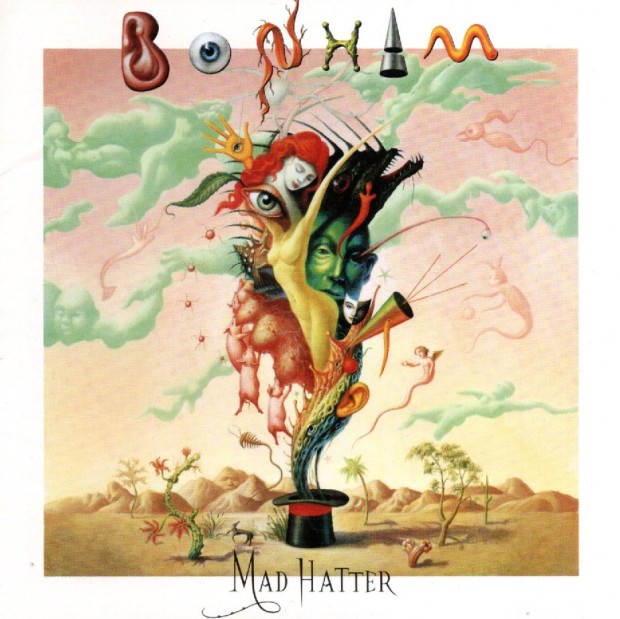
This album was available with two covers.  The majority of copies have the surreal Dali-esque landscape that you see here.  The alternate cover was plain white with just the new Bonham logo.  Which looks rather silly without the proper cover art for context.  That’s the cover that retailers such as Columbia House sold in the 1990s.
In 1994, Jason Bonham reconvened with Ian Hatton and John Smithson, but not Daniel MacMaster.  The new singer was Marti Frederiksen — yes, that Marti Frederiksen, the one that writes massive hits for everyone today.  The band took on a new modern grunge sound, and renamed themselves Motherland.  ☮︎ For Me was the pretentious name of that album.  As a sad final coda, Daniel MacMaster died too young at age 39 from a strep infection that he thought was a cold.

At least we can say that Bonham with MacMaster really did outgrow the Zeppelin tag by the second album.  Still a part of the DNA, but expressing itself more rarely.  It’s a shame about the timing of the album, because had it sold like the first one did, maybe we wouldn’t have had the Motherland debocle.  Mad Hatter is a pretty fine second album that does all the things that second albums should do.  Shame it was the last.

3.75/5 stars