Fun fact: every Canadian citizen in good standing is issued a Guess Who album when they turn voting age. Instead of that one, I upgraded to the remastered Greatest Hits in 1999. The timing for a new compilation was right for the Canadian institution. Though they never broke up, they had a big reunion tour in 2000. Burton Cummings (Guess Who singer/pianist 1966-1975) and guitarist Randy Bachman (1962-1970) had been out of the band a long time. There was a 1983 reunion but even that was far in the past. It was the Guess Who’s time in Canada once again, and in talking to Record Store customers, they couldn’t have been more excited if it was the Beatles.
18 tracks of Guess Who hits cover most of the well known bases. Opening with the dramatic ballad “These Eyes” (made famous once again by Canadian Michael Cera in the movie Superbad) I’m reminded what a tremendous singer Burton Cummings is. From the ballads to rockers like “No Time”, he could do it soulful or raspy. Whatever the songs required.
And let’s not forget ex-James Gang six-stringer Domenic Troiano. The Italian-Canadian guitar wiz was brought in on in 1974 and quickly aided and abetted the group in songwriting. Only one Troiano-penned track is included here (“Dancin’ Fool”) but his slick riff is totally tasty. (Unfortunately, Troiano is probably best known as the guy who Gavin Rossdale had to pay off to call his band “Bush” instead of “Bush X”. Troiano had a band called Bush in 1970.)
The Guess Who were a remarkable band in their day, with a firm hand on both ballads and slick boogie rockers. Yet their best known song, 1969’s “American Woman” is one of their least remarkable. Written while tuning up at a curling club (look it up) in Kitchener (says Bachman) or Scarborough (says Cummings), it’s just sledgehammer rock. Which is fine — there is nothing wrong with that kind of rock. It’s just bizarre that it’s “American Woman” that people remember when The Guess Who had 20 or so better songs. Check out “Albert Flasher”, a piano boogie that rivals the best of the genre.
This set is a fine listen from start to finish, and I can only really think of one rocker that’s not present — “Bus Driver”. Otherwise it covers all the important stuff from the beginning to Cummings’ departure.* It’s not an album for deep cuts or obscurities. If you’ve spent extended periods of time listening to Canadian radio, you’ll know 50-80% of these songs. If not, you hopefully already know “These Eyes” and “American Woman”. Maybe even “Laughing” or “Undun”. The Guess Who were always solid with just a little bit of quirk to them. Solid bouncy musicianship, clever arrangements and lyrics, and a killer voice. That’s Greatest Hits by The Guess Who.
4.5/5 stars
* The Guess Who continues today with a lineup including original drummer Garry Peterson and Quiet Riot’s Rudy Sarzo.
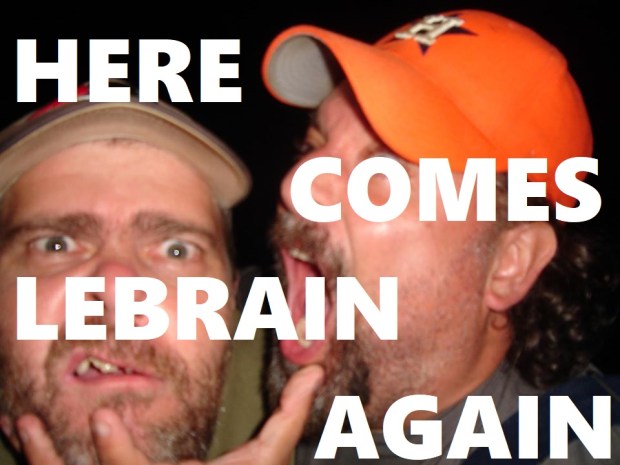
In 2014, Tom and Uncle Meat made a video for their “Here Comes LeBrain Again” parody which I gladly used as my theme song. In 2020 that video is a little out of date, so I decided to make an updated one. Check both versions out below and let me know.
Thanks to Meat and Tom for recording the song and making the original.
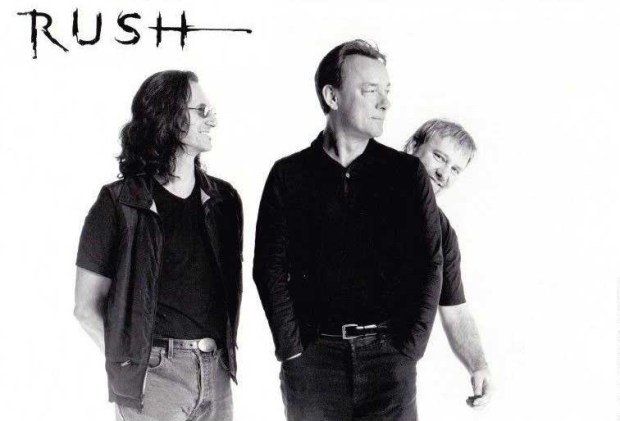
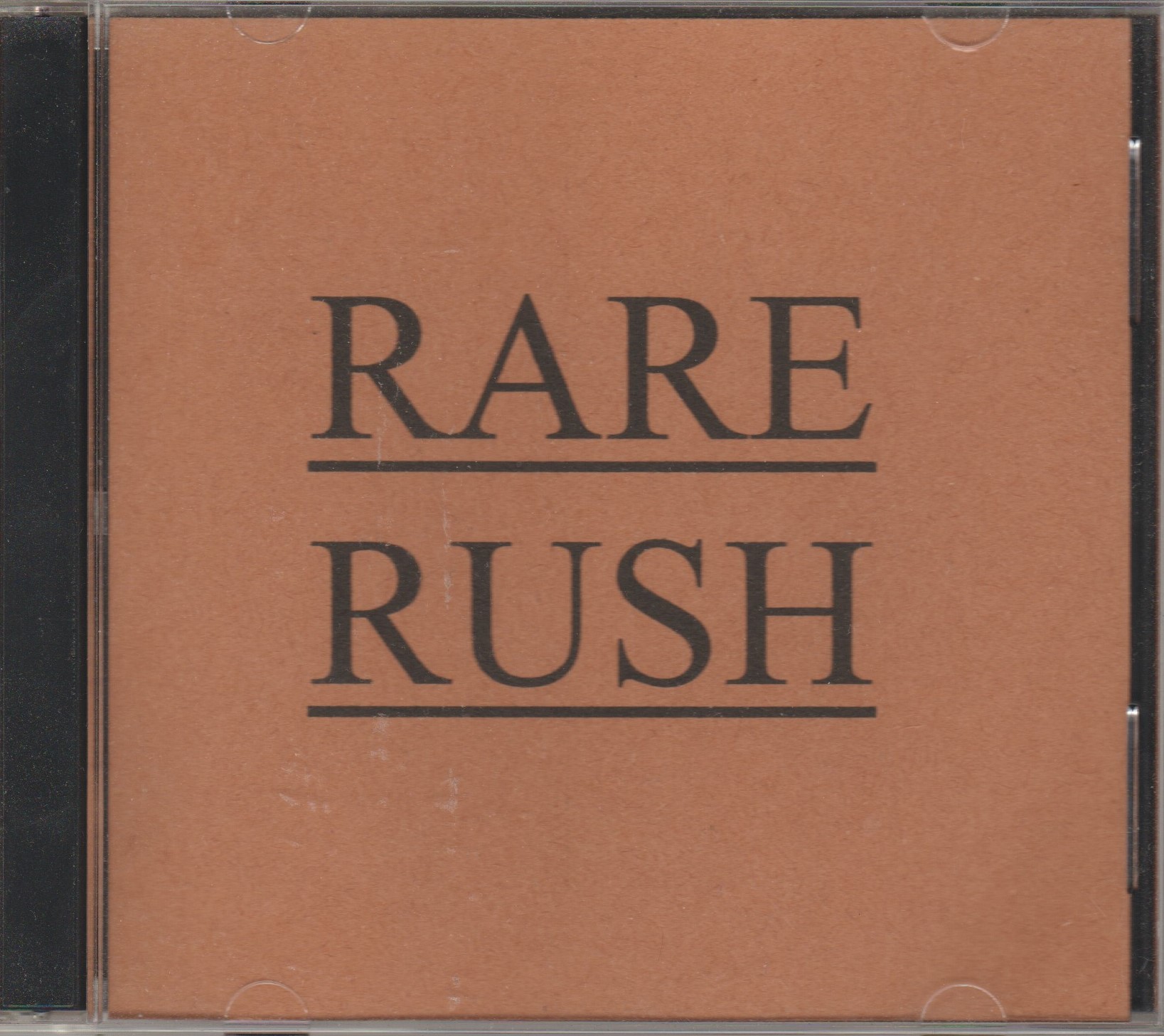
RUSH – Rare Rush (2002 home made CD set from acquired downloads)
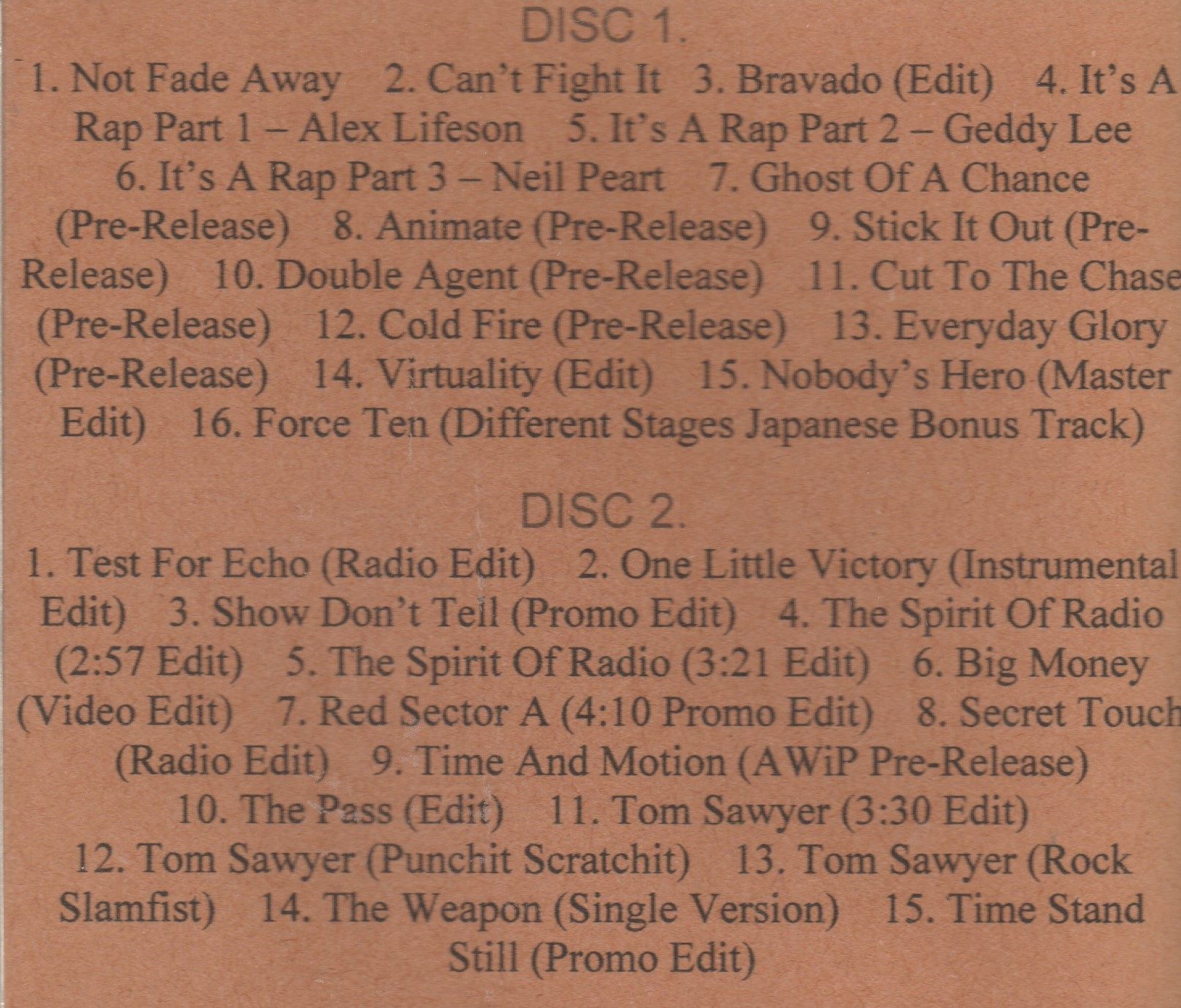
Once upon a time there was a cool, but doomed, Rush fansite. This site had countless downloads for free, and was shut down in short order. While it was up, I grabbed all the studio rarities that they had, and one official live track I was missing. This compilation is made from all of it.
The rarities begin at the start, with the only two tracks featuring John Rutsey on drums. They are significant ones. “Not Fade Away” and “Can’t Fight It” were their very first single on Moon records in 1973. It’s early Rush, more rock n’ roll, and way more high pitched. These are very basic recordings, copied from vinyl. “Not Fade Away” is the old Buddy Holly classic, but harder and with Geddy Lee walkin’ that bassline. “Can’t Fight It” is an original, co-written by Lee and Rutsey. It’s a simple but busy rocker. Alex cuts loose some solos, Rutsey goes bananas on the kit, and Geddy holds it all down with a little bit of flash. One listen to this and you’d know Rush were going places. There’s an electricity on the single that carried over to the first album. They were kids but they could play.
An edit of “Bravado” from Roll the Bones sounds like a CD single was the source. What a song. Is it a ballad? Who cares. It burns. Neil kills it with a drum roll beyond perfect, right at the start of the fade-out, which is why you need the full-length original. It also contains one of the most poignant Neil Peart lyrics: “And when the music stops, there’s only the sound of the rain.”
Next is the three part interview “It’s a Rap”, from the Roll the Bones era. Alex’s portion comes from a 7″ single, Geddy’s from a rare European CD single, and Neil’s from the more common one.* Neil’s is probably the most interesting. He discusses the controversial rap section from the “Roll the Bones” single, which was his idea. Robbie Robertson and John Clease were two people they thought of to deliver the rap, before Geddy did it himself. Speaking of Geddy, his interview has the best quote: “I don’t know how we got this image. Maybe we wore too many robes in the 70s.”
The “pre-release” tracks here from Counterparts are slightly different in the mix. The differences are very subtle. Some more prominent keyboard here, a less double-tracked vocal there. “Ghost of a Chance” has unique Lifeson fills in the last part of the song. These tracks will be fun for any fan of Counterparts (a great album). Some of the best songs have these “pre-release” tracks. From “Animate” through “Double Agent”and finally “Everyday Glory”, these are awesome tunes. “Cold Fire” absolutely smokes. Unfortunately these tracks are not as clear as others, as they came (as I recall) originally from a rare promo cassette.
An edit of “Virtuality” from the (honestly dreadful) Test for Echo album is a drag. I don’t like to speak ill of the dead but “Net boy, net girl” is not one of Neil Peart’s best lyrics. In the 90s there was a trend of internet-themed songs, and none of them were really any good. Moving onto “Nobody’s Hero”, which is a “master edit” (not sure what that is). It’s only short by about 20 seconds at the end as it fades early.
The only live track on here, “Force Ten”, comes from the very rare and expensive Japanese import for Different Stages. It could possibly be the only Japanese bonus track that Rush have. Much like the album itself, this track is awesome and harder hitting than its studio counterpart.
Disc 2 opens with a radio edit of “Test for Echo”, one of the best tunes from that album. Really cool is an instrumental mix of “One Little Victory”, though it’s so fuckin’ overdriven. Vapor Trails reduced to mp3 (especially back then) is a harsh sound. This is very brickwalled. But as an instrumental, it’s worth suffering through. Compare that to the crisp “Show Don’t Tell” (promo edit) that follows. Now you have depth and texture.
Vintage vibes return on an old “Spirit of Radio” edit — two of them actually. One is 2:59, the other 3:23. They crackle of old vinyl. Consider that the original is almost five minutes! Radio edits are what they are — chopped to cram more songs in between commercial breaks. “Shatter the illusion of integrity, yeah.”
Some high-tech songs shake it up a bit. “Big Money” and “Red Sector A” are edited and truncated (“Big Money” for a music video). “Red Sector A” is missing a whole minute of music from the middle, which you definitely miss. The edit is just yucky, as is the one at the start of “Secret Touch” from Vapor Trails. I’m realizing that, on its own, I can listen to Vapor Trails. But I cannot listen to them one song at a time on a mix CD like this. That overdriven mix is too drastic for a compilation. (This is why Rush remixed tracks for their own Retrospective 3 album.)
“Time and Motion” is a “work in progress” pre-release, and it’s harder to listen to than the album version from Test For Echo. More enjoyable is an edit of “The Pass” (Presto). This brilliant, minimalist Rush tune was the start of a new kind of sound for them. An awkward edit of “Tom Sawyer” cuts the song down to 3:32, a real shame. Here’s thing: “Tom Sawyer” was Rush tightening things up; making them concise. There was no fat to trim on that song. Everything that was there belonged. This edit is a butcher job, cuts all over the place, an absolute travesty.
Next we arrive at the remixes. The “Punchit Scratchit” and “Rock Slamfist” mixes of “Tom Sawyer” come from a promo single for the Small Soldiers soundtrack. They’re pretty terrible. Nobody needed to overdub somebody going “rock! rock!” over it. There’s a neat loop repeated in both mixes, but most fans will call these tracks “abominations”. Don’t forget that these were done for a kid’s movie.
Saving one of the best for last, it’s “The Weapon” featuring Joe Flaherty as “Count Floyd”! Fans of SCTV know who that is. The 7″ single this originated from goes for about 45 bucks on Discogs. Definitely an item reserved for those with an all-expenses paid Rush card! It really is a treasure though, considering the importance of SCTV to Rush over the years. Joe Flaherty on a Rush single — yes, I want that.
The compilation ends on an up note, with an edit of “Time Stand Still”; though a bit choppy. It stands as a reminder that Rush are not serviced well by single edits. Indeed, any edit on this set is noticeably inferior to its album counterpart. These particular Rush songs were honed in the studio to the necessary elements already. Further thinning did not need to happen and only hinders enjoyment.
But, they’re rare, is the thing. And collectors live for anything different from the album versions. It’s part of our disease. I won’t say “go and track down these promo singles”. No, don’t do that. That’s expensive. I just hope you found this information interesting. There are definitely treasures worth spending money on, among these downloads. But sellers know that, and charge according to what they feel they can soak you for. It’s unfortunate but owning this stuff physically is hard to prioritise, and for that reason, most of us will have to settle for downloads and bootlegs.
* Neil’s interview is the only one that I own physically on CD single.
DIO – Live In London – Hammersmith Apollo 1993 (2014 Eagle)
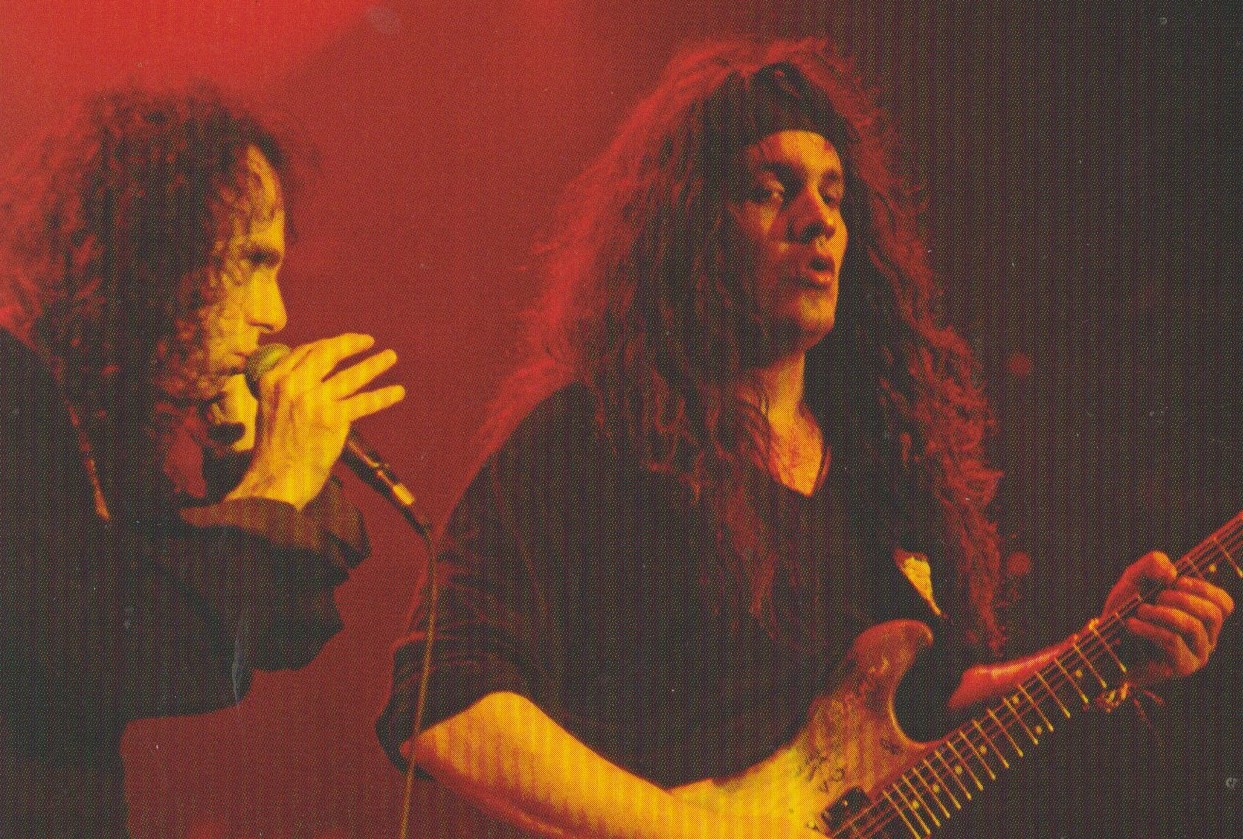
The only good thing that came from Ronnie Dio’s death is the number of reissues and live albums we’ve gotten since. One of the more overlooked eras of Dio was the “Tracy G” era, Strange Highways and Angry Machines. Dio had just reunited in the middle of the grunge movement. Tracy G (ex-WWIII) was not to everybody’s taste. While he could indeed shred, he also utilized shrill noise and harmonics in his guitar work which isn’t everybody’s cup of tea. He could, however, lend Dio a heavier edge necessary in 1993. Add in bassist Jeff Pilson from Dokken and veteran drummer Vinnie Appice and you have one hell of a lineup.
Dio assembled a setlist with his best material, but ignoring a couple albums. Lock Up the Wolves and Dream Evil were considered disappointments when they were new. Even Sacred Heart is skipped over on this live album, in favour of old classics and a healthy serving of new songs. Sabbath and Rainbow only get a song a piece.
The sound is bloody perfect, as if they meant to release a double live album all along. Having Pilson on bass lends a heavy, low grumble and immaculate backing vocals. Tracy G might be an acquired taste on guitar but there’s no question he could do the job. He gets an extended solo on “Pain” that displays shredding, noise and musicality. Vinnie Appice gets a long solo too, as part of a “Heaven and Hell” / “Man on the Silver Mountain” medley. Eventually the band returns and they pound out a machine gun riff with monstrous Pilson bass licks. Incidentally, it’s Jeff Pilson that captures that old Black Sabbath/Geezer Butler groove better than any other bassist Dio has had.
This is a phenomenal live album. Sure, you can buy live Dio with better known lineups and songs. You can get live stuff with Vivian Campbell or Craig Goldy. This setlist is considerably different from those, and the sound is heavy as hell!
The Goo Goo Dolls were made for the 90s. When the big bands dropped off the charts, where were we to get our fix of melodic rock with acoustic ballads? From Buffalo, NY. The sixth Goos album, Dizzy Up the Girl, was the latest in a stream of albums that got progressively less punk and more acoustic. It was also their first album with critically acclaimed new drummer Mike Malinin, and the first since they had a huge single in “Name”. It’s no surprise they went further in that direction.
Commercial intents aside, Dizzy Up the Girl is a remarkable album. Every song helmed by singer/guitarist Johnny Rzeznik boasts an explosive chorus. The four tracks with bassist Robby Takac singing are the ones that maintain a punk aesthetic, but with a refined sense of composition.
Lead track “Dizzy” is the first of many great single-worthy choruses. In fact it was a single, though not the biggest of the bunch. That would of course be “Iris”, previously issued on the soundtrack to City of Angels. The 90s were not that much different from the 80s when it came down to it, and a power ballad is what made the Goos a household name. Better than Iris though is the single “Slide”. It charted just as high as “Iris” (#1) in the US and Canada. Unlike “Iris”, “Slide” has a driving acoustic vibe. It’s the kind of tune Extreme made their bread and butter with, like “Hole Hearted”.
Two years after “Iris”, the album was still producing singles. “Broadway” is just as good as “Slide” with more emphasis on the electric guitar. It has an earthy, down home quality. “Black Balloon”, another single, takes it back to acoustic with harmonics, and strings added by Canadian David Campbell (father of Beck). Even without the accompaniment it’s one of their biggest and best choruses.
Takac’s four tunes (“January Friend”, “Amigone”, “Full Forever”, and “Extra Pale”) are great breaks between Rzeznik’s more mainstream crooning. Robby’s rasp isn’t commercial but it’s the only real link back to their punk rock days. His songs don’t suck. “Amigone” (pronounced “Am I Gone”) sticks to the brain like chunky peanut butter.
Four of the five singles are top-loaded onto the front of the album, normally a death knell for a solid listen. Not in this case. The Goos boasted album tracks as good as their singles. “Acoustic #3” is good enough to be yet another single. “Bullet Proof”, with its driving guitar, could have been the album opener. The chorus lifts off to the atmosphere. It’s the kind of chorus you expected from the 1980s, not the 1990s. A dramatic “All Eyes On Me” could also have been a solid album opener. All they need is a closer! Nope, they got that too: “Hate This Place” winds things up nicely the way it began. “Hold on, dream away, you’re my sweet charade.”
Dizzy Up the Girl might not be up your alley, but in the 90s, choice was more limited. It was hard to find mainstream rock that didn’t suck. This one stands the test of time, with a collection of excellent guitar-based tunes that fit the mold.
Refer yourselves back to Record Store Tales Part 52: Air Guitar. Playing air guitar is fun! It’s healthy! It’s good for you and it’ll burn the calories something fierce.
This past summer I was rocking out to the track “Set Your Sails” by Deadline. I was at the cottage, really digging the notes, and just started spontaneously jamming out. I was alone and I thought, “Maybe I should film myself”. So I did and now I’m finally over how stupid I look.
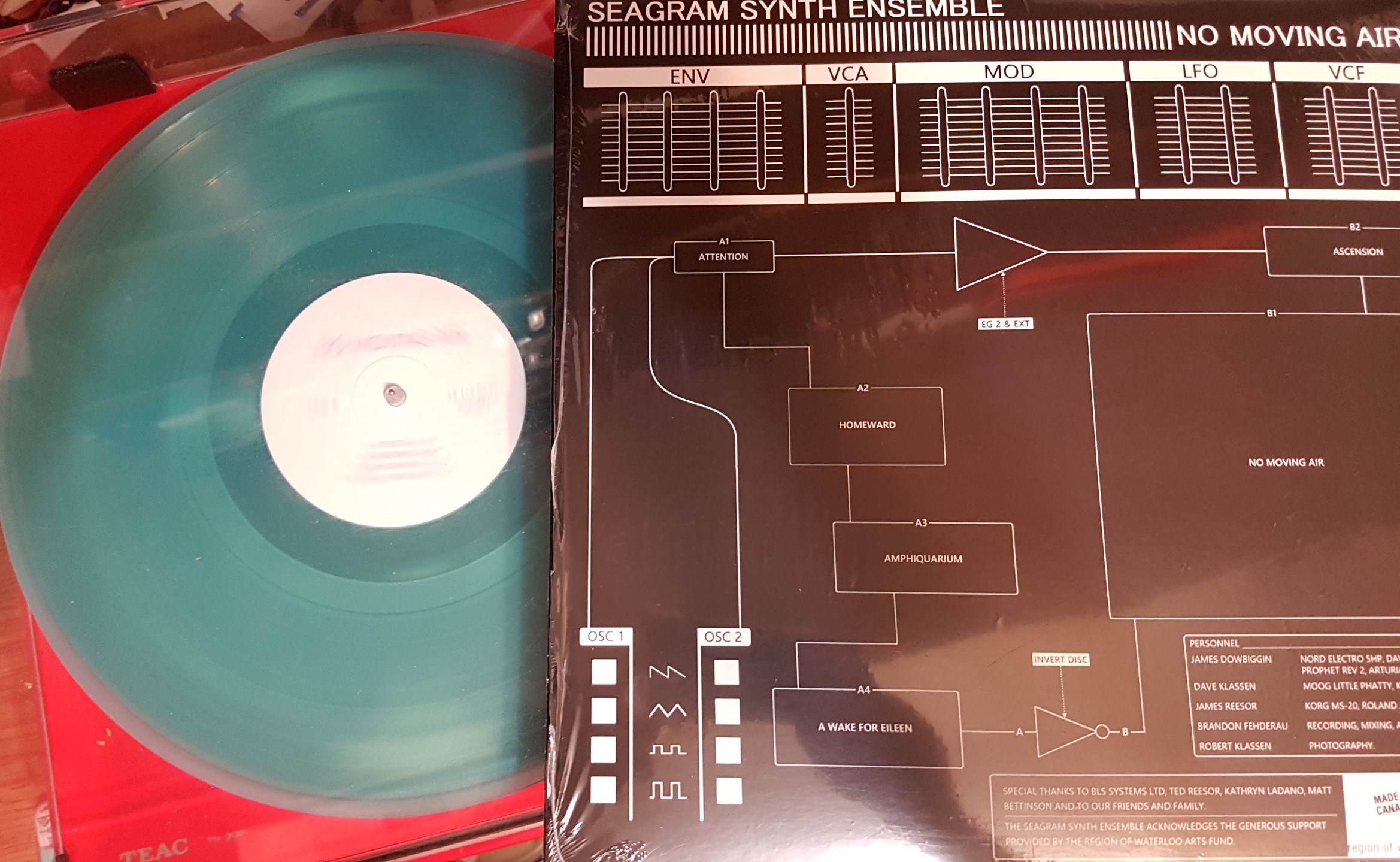
SEAGRAM SYNTH ENSEMBLE – No Moving Air (2019 coloured vinyl)
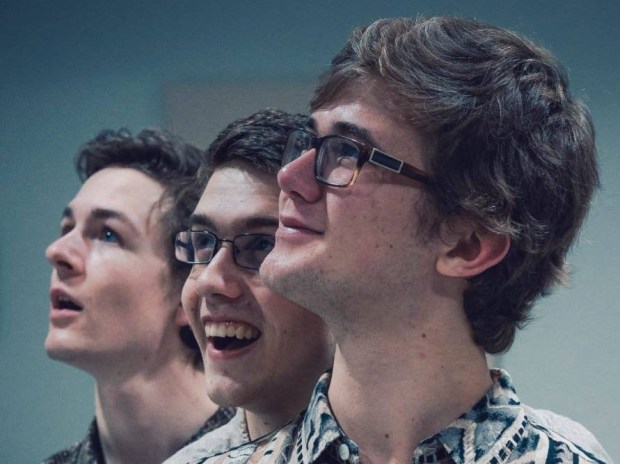
Three young local lads united their computing power and formed the Seagram Synth Ensemble: James Dowbiggin, Dave Klassen, and James Reesor. Armed with Korgs, Moogs and Rolands, the trio recorded a remarkable new album called No Moving Air.
With a slightly minimalist bent, No Moving Air is a full-length album that can serve as a soundtrack for any quiet night. Mixing new and old instruments, the synths form relaxing soundscapes with recurring patterns. Hard to describe, but easy to listen to. Floating in space, or under the sea — it is easy to close your eyes and put yourself in another world. Some of the sounds resemble those recorded under Antarctic ice (“Amphiquarium”). Others are dark, but not uninviting. Everything seems to flow, except when flipping the record!
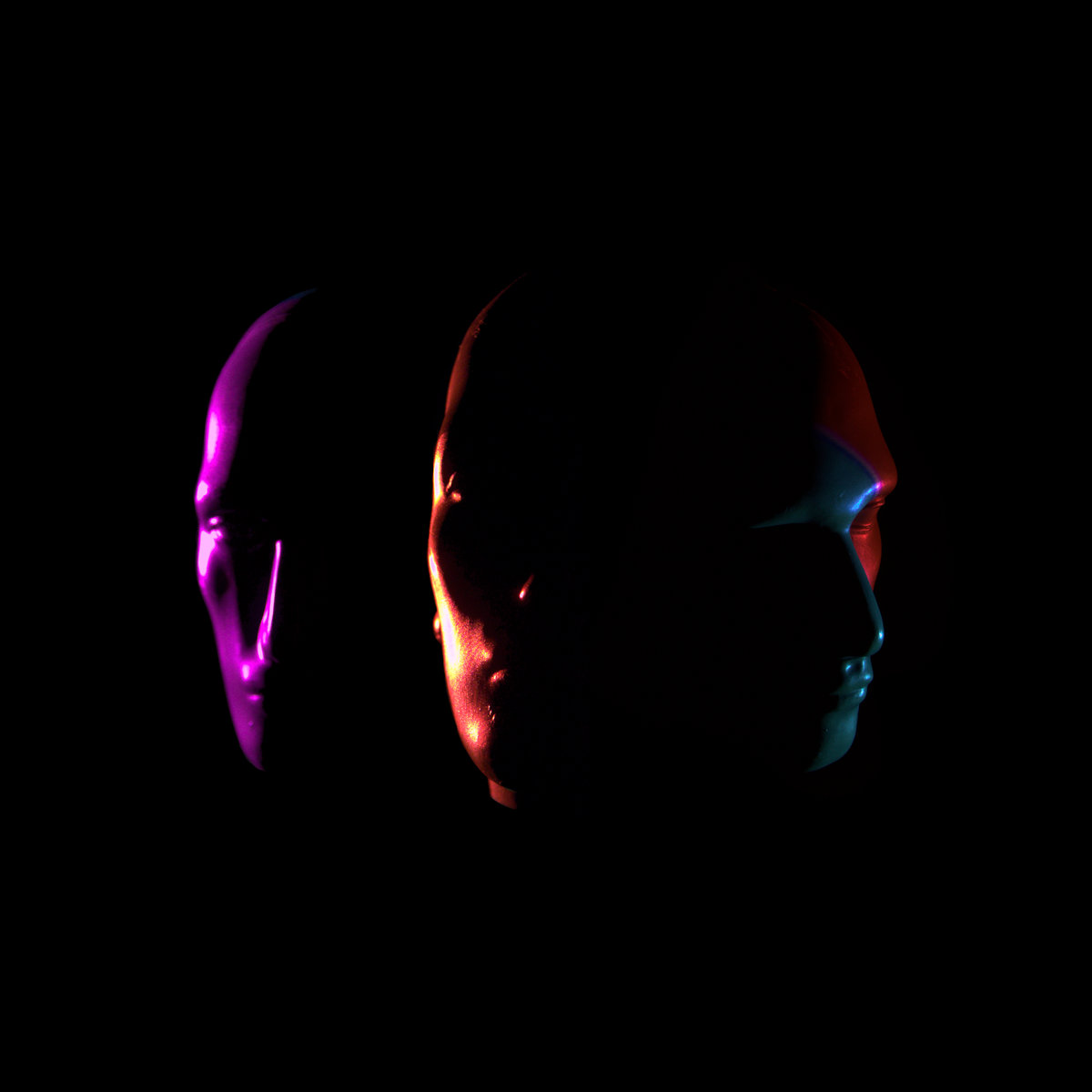
Handily there is a diagram on the back, done in the style of an electrical flow chart, to tell you when to “invert disc”. The striking back cover (designed by James Dowbiggin) is more interesting than the front! The lovely clear aqua blue vinyl was an unexpected surprise.
Moving on to side two, a hint of rhythm augments the epic length title track. There’s a cool synth bell section and a variety of moods. 16 minutes well spent, though you might lose track of where and when you are! The last few minutes are killer.
Without much experience in synthesizer music, this comes highly recommended. It’s memorable and warm. It has a niche and fills it nicely.
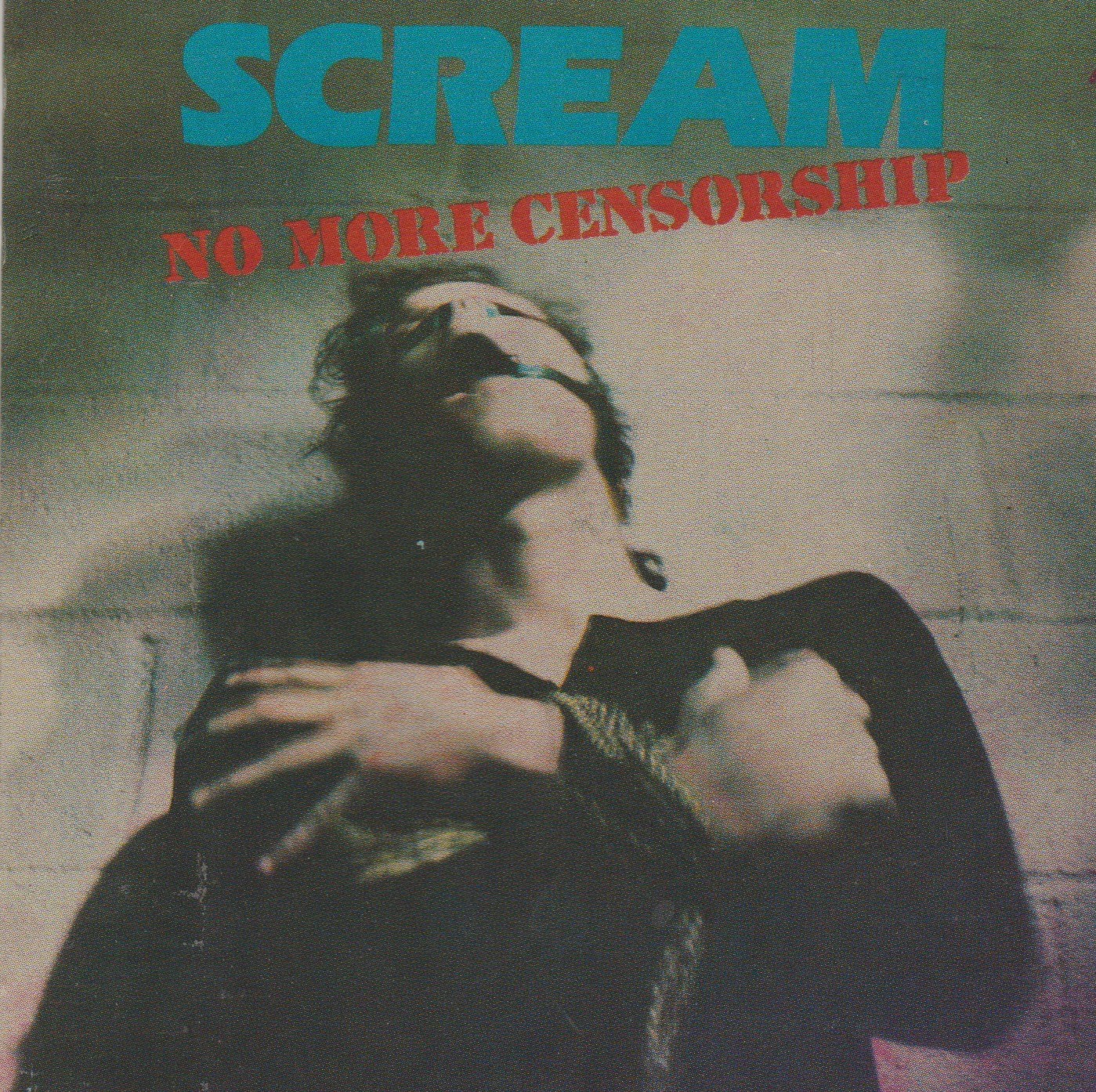
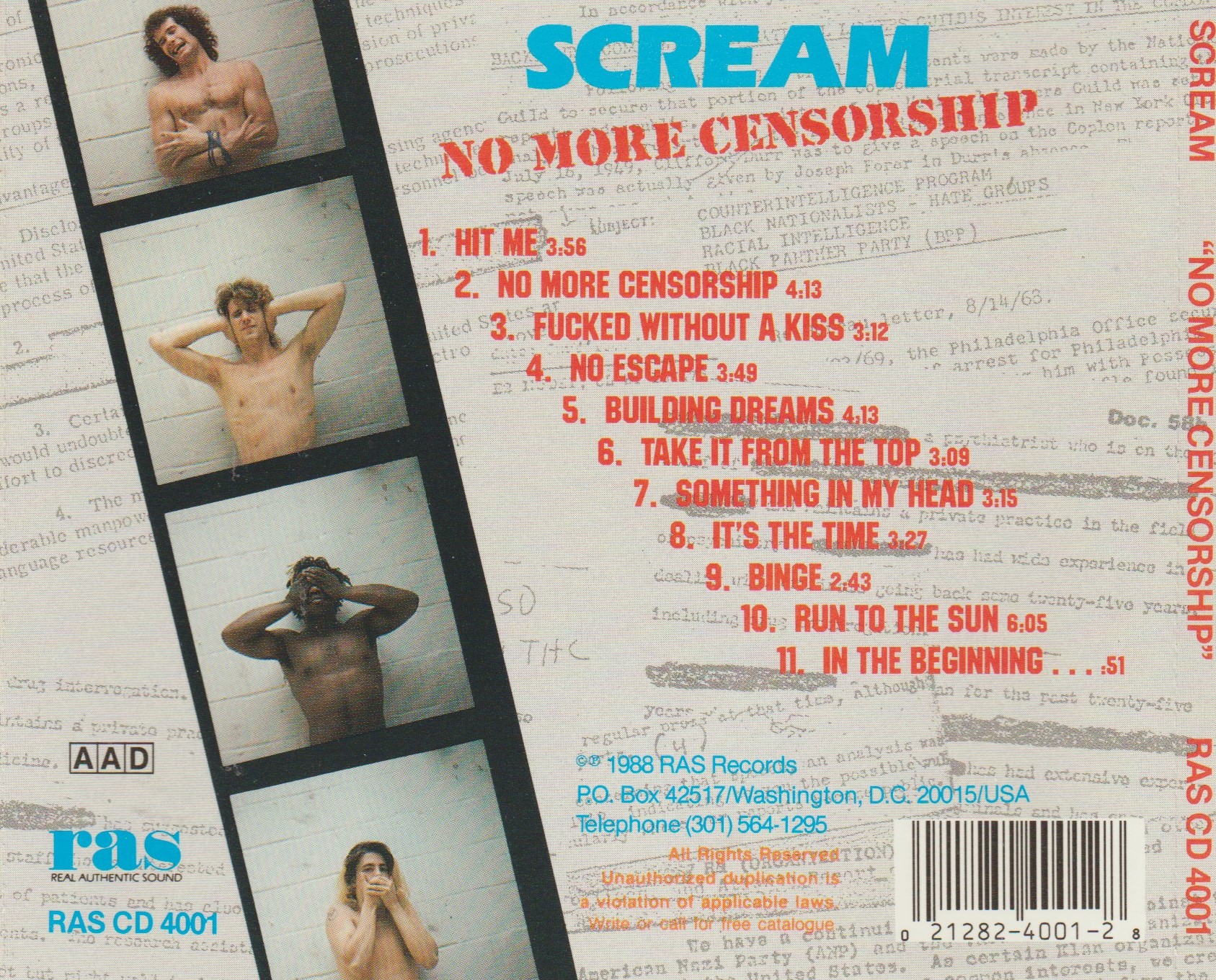
Hey Grohl fans! Think Dave can do no wrong? Not the case at all — just listen to his lacklustre debut, 1988’s No More Censorship by Scream! Here is one of those albums that you buy “just for the collection”, but not to listen to on a regular basis.
Scream were a punk band out of Washington DC, with some history behind them. Grohl made his debut on their fourth album, featuring Peter Stahl (vocals), Franz Stahl (future Foo Fighters guitarist), Robert Lee Davidson (guitar) and Skeeter Thompson (bass). Amusingly Dave is miscredited as “David Stahl” on the first song.
The songs aren’t bad so to speak, just dull as a cinder block. They check a lot of the boxes — hard rocking, rebellious lyrics, punchy guitars, but not a lot of hooks. Scream has several riffs in want of a song. The riff on “No Escape” is one that vintage Aerosmith would given a nut to write. The guys could certainly play, and there’s more than enough energy to spare. But there’s something missing, and it’s the songs that are the problem. On some tracks, they were just doing basic garage punk. On others they seemed to be striving to be more than they were. They stretch outside the box on tracks like “Run to the Sun”. But 10 minutes later, you can’t remember anything about the song.
The best tune, and the one that best showcases what Dave could do on the drums, is “Fucked Without a Kiss”, a speedy blast regarding incarceration. Otherwise the album struggles to spark a fire.
In 2017, this album was remixed and reissued on Record Store Day exclusive green vinyl with a different track list. Maybe the remix made it a better listen?
OZZY OSBOURNE – The Ozzman Cometh (1997 Sony Japan 2 CD set)
By 1997, Ozzy had reclaimed his crown as the prince of darkness. The successful Ozzfest, including a partial Black Sabbath reunion (Mike Bordin instead of Bill Ward) had introduced Ozzy to a wave of nu-metal youngesters. Why not cap the year off with a greatest hits album? It wasn’t Ozzy’s first (1989’s Best of Ozz preceding it) but it was his first for most of the world. Incredibly, given the Ozzy camp’s ability to muck up important releases from time to time, it was a particularly good package.
The Ozzman Cometh has had a number of issues over the years, but we won’t get into the ones that came after Sharon meddled around with re-recorded tracks. Initially there was a limited edition 2 CD set and a standard single disc. The lucky fans in Japan got an expanded 2 CD set with two bonus tracks. That’s the one you see pictured here. It comes in a non-standard extra thick jewel case due to the extra Japanese booklet inside.
The big deal of this new compilation was the inclusion of recently discovered early Black Sabbath tapes — “Ozzy’s 1970 basement tapes”. Wikipedia tells us that these are actually BBC recordings: “The John Peel Sessions” of 26 April 1970. These have yet to be included on any Sabbath deluxe, so you have to be sure to get The Ozzman Cometh to complete your Sabbath collections. “Black Sabbath” and “War Pigs” commence the set right out of the gate. These tapes are raw but clean, and Geezer Butler has remarkable presence. It’s a very sharp picture of what young Black Sabbath sounded like. The lyrics are still a work in progress for those who love such differences, but Ozzy sounds even more like a man possessed. “War Pigs” is still in its “Walpurgis” form, the “Satanic” version, and this is the clearest you will likely hear it.
Onto the hits: Ozzy’s grudge against The Ultimate Sin was apparently already in play. On the US CD, only one track from the Jake E. Lee era was included and it’s “Bark at the Moon”. In Japan, “Shot in the Dark” is substituted in replacing Zakk Wylde’s “Miracle Man”, bringing the Lee content to two. However the Randy Rhoads era is the star of the disc, with his version of “Paranoid” lifted from the Tribute album. Included are, for the most part, the expected usual Rhoads songs: “Crazy Train”, “Goodbye to Romance”, and “Mr. Crowley”, but no “I Don’t Know”. Instead it’s the more interesting “Over the Mountain”.
As for Zakk Wylde’s legacy, it’s hobbled by the missing “Miracle Man”, since “Crazy Babies” doesn’t adequately capture his madness. “No More Tears” is present as a single edit, and “Mama, I’m Coming Home” is necessary for any hits CD catering to people who just want some Ozzy songs they like. It’s unfortunate that “I Don’t Want to Change the World” from Live & Loud takes up space. The Zakk era ends with two good songs: “I Just Want You”, the excellent dark ballad from Ozzmosis, and “new” song “Back on Earth”. You had to have a new song, and according to the liner notes this was an unreleased one from the Ozzmosis era featuring Geezer Butler on bass. Fortunately it doesn’t sound like an inferior song, just one too many ballads for the album. (It’s written by Taylor Rhodes and Richie Supa.)
The second CD contains more treasure. “Fairies Wear Boots” and “Behind the Wall of Sleep” are bonus Sabbath songs from the same Peel session. Like the first two, they are crisp and probably essential to any serious fan of the original lineup.
Japan got two extra songs from movie soundtracks, enabling you to get them on an Ozzy CD. The first is the excellent “Walk on Water”, Ozzy’s only studio recording with Zakk Wylde’s replacement Joe Holmes. If you wanted to know what an Ozzy album with Holmes would have sounded like, here’s a good indication. It would have been not too dissimilar from Ozzmosis but with some really different guitar playing. Sure sounds like Mike Bordin on drums! The other soundtrack song is “Pictures of Matchstick Men” featuring Type O Negative as the backing band. It’s pretty forgettable.
The Ozzy interview from 1988 is 17 minutes of nothing special. Here’s an interesting fact for you. When stores were solicited for this album in 1997, I can distinctly remember the papers saying the interview would be a new one conducted by Flea from the Red Hot Chili Peppers. I no longer have that piece of paper, and memory is what it is these days, but that’s what it said. For whatever reason the 1988 one was used instead. Go ahead and let me know how often you play it. You can tell it was taped in the UK, at a rehearsal or soundcheck, because you can hear Zakk wailing away in the background.
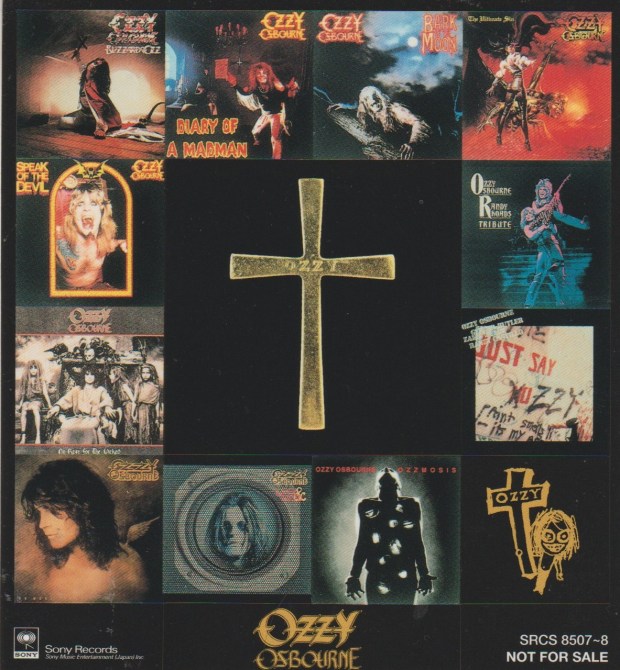
The Japanese CD also comes with a neat sticker sheet with all of Ozzy’s album artwork on it. I think the US CD has some screen savers. I’d rather have the stickers.
Ozzy and company did the greatest hits thing right and have never actually done it this well since. May as well track down a 2 CD Ozzman Cometh and get those Black Sabbath tracks you’re missing.
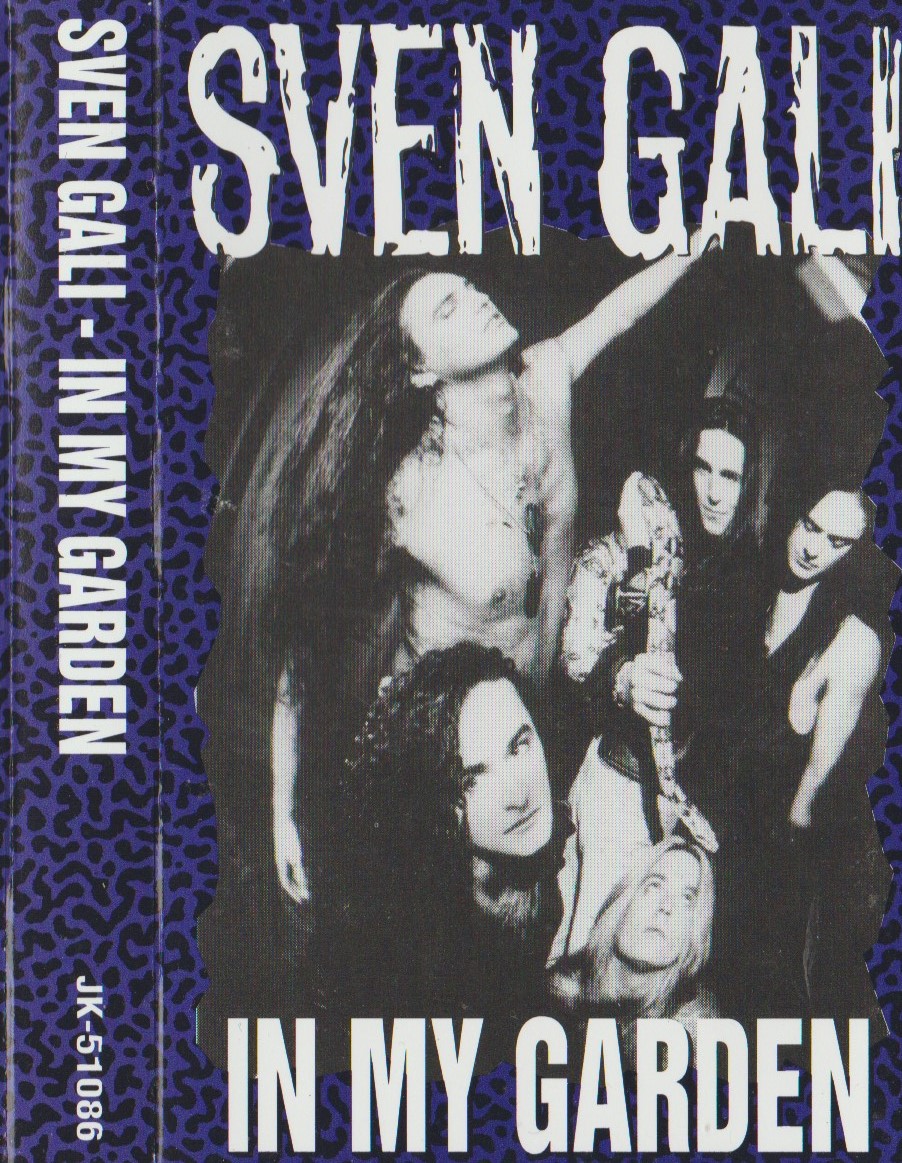
SVEN GALI – In My Garden (1992 BMG promo cassette)
One of the great perks to a M.E.A.T Magazine subscription was getting free promo tapes in the mail. One of the bands that M.E.A.T had been hyping was Sven Gali, who had a major label debut on deck with BMG for release. We were all curious what Sven Gali sounded like…and then this promo tape arrived, previewing three of the tracks!
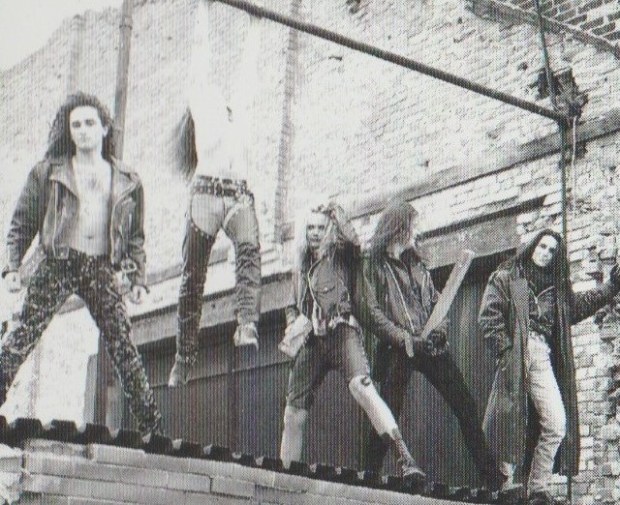
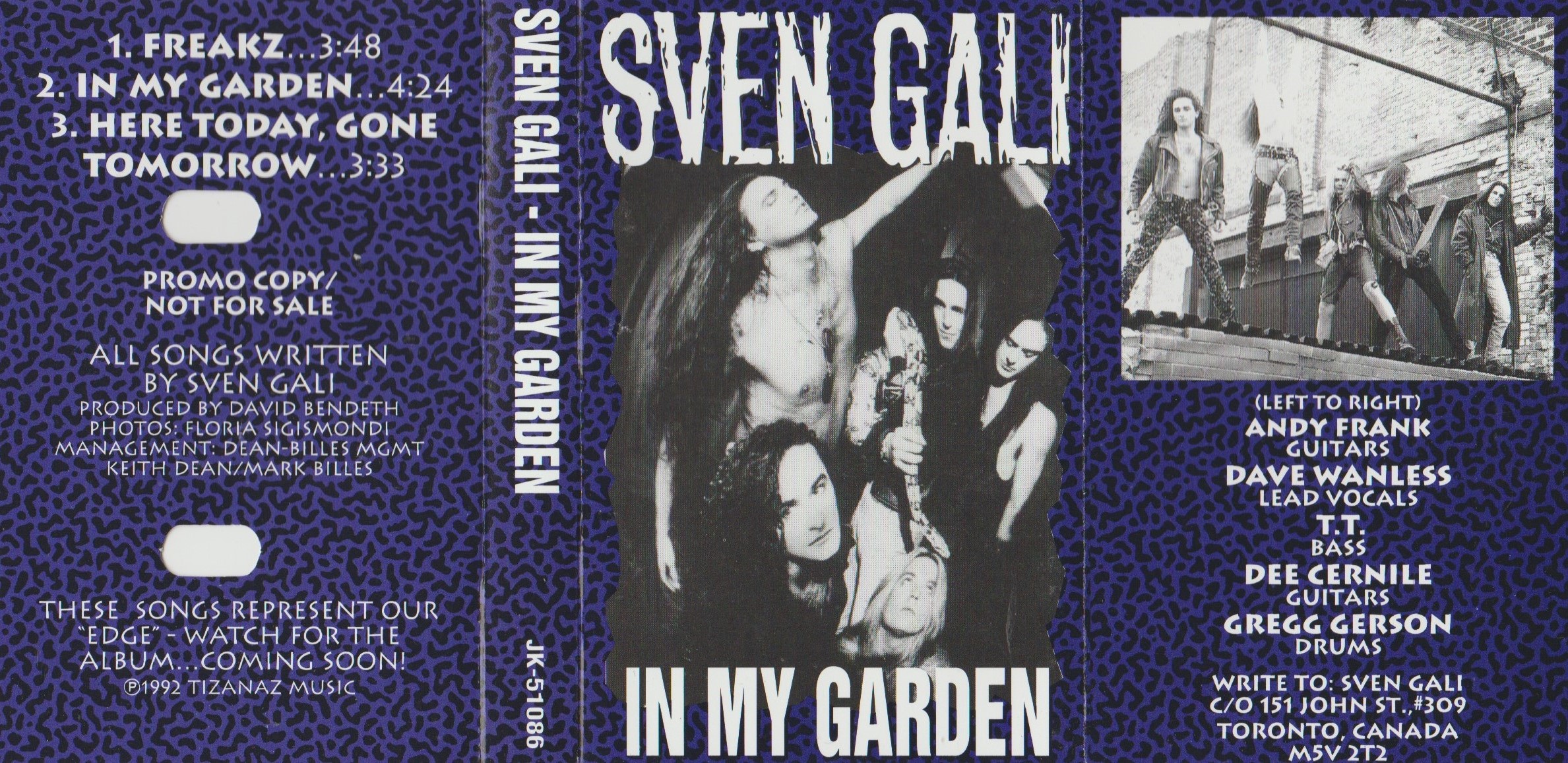
The lead singer can make or break a band, and Sven Gali had Dave Wanless. Mr. Wanless had the power reminiscent of another successful Canadian, a certain Sebastian Something who was out there ruling the concert stages. Wanless also had the right look, and of course a pretty good band! From the ranks of Billy Idol came veteran drummer Gregg Gerson, joining with Dee Cernile (guitars, R.I.P.), Andy Frank (guitars), and “T.T.” (bass). They could rock. They had soloists arguably more interesting than the guys in Skid Row. And, as evident in this tape, they could write hooks.
“Freakz” wasn’t the lead single, but it could have been. Rebellious rock attitude, tires smoking down a dark alley, guns blazing…and just a pinch of funk. “When you gonna learn, baybay!” screams Dave Wanless, and just know he’s got at least one fist raised when he’s singing it.
Up second is a track that did become a single, the dark ballad “In My Garden” (an edit version). This world-class ballad has all the right ingredients including chorus hooks, a place to shout along, and perfect guitars. In the early 1990s, if grunge had not derailed the rock n’ roll train, bands like Sven Gali (more aggressive than the 80s groups but not abandoning solos and choruses, and with an ear for musicianship) would have been the next wave.
The last track on the tape is the borderline thrash of “Here Today, Gone Tomorrow”, ironic in hindsight since Sven Gali only managed two albums before being submerged by the flotsam of the mid 90s rock scene. Skid Row comparisons are easy to make (in a positive way), but there’s one major difference between Skid Row and Sven Gali. That is Sven Gali still have their original singer where Skid Row do not. (They have a new track out called “You Won’t Break Me” to be followed by a CD in 2020.) They might not have exceeded the fame of Skid Row, but they might just end up having more material with their original singer….
This cassette whet the appetite for the eventual album, which maybe suffered from too much material, but on tape these songs sound ace!
4/5 stars
Check out the credits. Photos by famed photographer Floria Sigismondi, who took just about every memorable photo of every 90s band you can think of. Today she’s a movie director! She’s the reason this tape looks so cool.
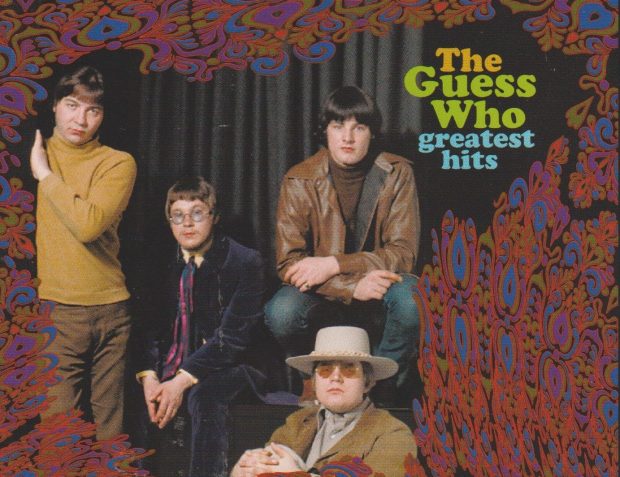
 THE GUESS WHO – Greatest Hits (1999 RCA)












 mikeladano.com