classic rock

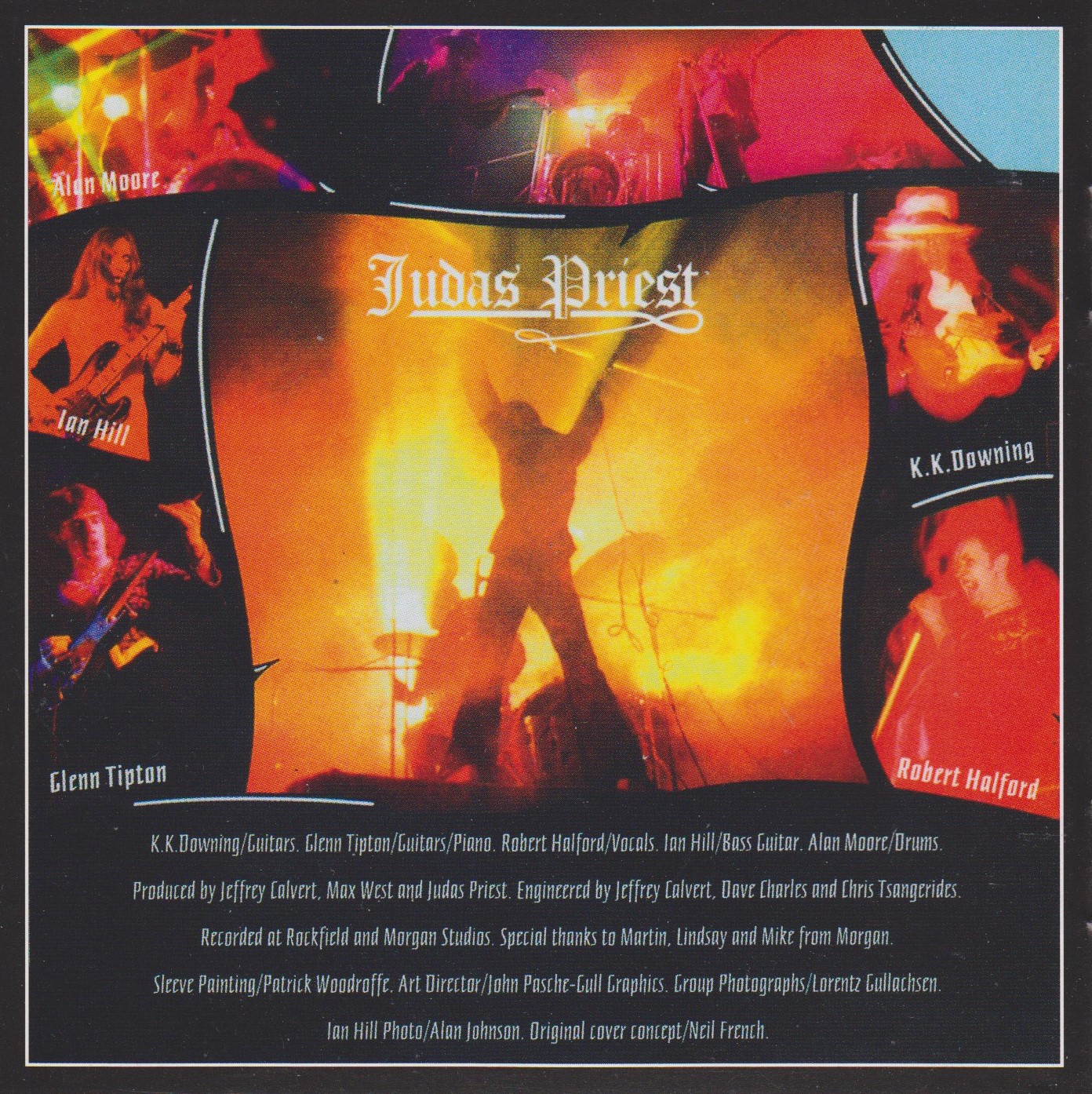
RE-REVIEW: Judas Priest – Sad Wings of Destiny (1976)

I was listening to Sad Wings of Destiny recently and wrote up a brand new review before realizing I already reviewed it.  Fortunately, I had lots more to say.  For my original 2015 review, click here.

JUDAS PRIEST – Sad Wings of Destiny (1976 Gull, 1998 Snapper Music)

1974’s Rocka Rolla didn’t set the world on fire, so back to the drawing board for album #2.  Having rid themselves of most of their early bluesy material, Judas Priest went heavier, and more diverse simultaneously.  The resulting album, 1976’s Sad Wings of Destiny, is considered an early classic by the band.  Some feel they rarely reached these heights again as they took their metal more mainstream in the 80s.

“Victim of Changes”, which opens the album, introduced the world to the high notes that Rob Halford was able to hit.  “Whiskey woman don’t you know that you are driving me insaaaaaaaaaaaaaane!”  Yet that note is nothing compared with Rob’s final shrieks.  This track combines an earlier unreleased Priest song titled “Whiskey Woman” written by original singer Al Atkins with a track called “Red Light Lady” brought in by Halford from his old band Hiroshima.  You can hear the moment the two songs are welded together at around the 4:45 mark.  Together at almost eight minutes they form a complex, classic Priest track that represents a high water mark.  Twisting from a metal groove into ballady territor-y and back again, this is drama the way Priest do it.  And they never do it better.

“The Ripper” boasts similar high notes but it’s almost a parody.  This riff-based shorty (2:51) is from the perspective of Jack the Ripper (or if you like, Jack the Knife).  With a galloping beat from new drummer Alan Moore (who was eventually replaced by the far superior Les Binks), “The Ripper” is as metal as things got in 1976.  Its placement as second track is perfect because the next two, “Dreamer Deceiver” and “Deceiver” form a single 8:34 epic.  “Dreamer Deceiver”, which forms the majority of the song, is an epic ballad about a supernatural being who tempts those below.

“Saw a figure floating, ‘neath the willow trees.
Asked us if we were happy, we said we didn’t know.
Took us by the hand and up we go.”

They follow the dreamer through the purple hazy clouds into the cosmos.  The intricate acoustic guitars let Rob Halford dominate with his story.  Though the track is haunting, it seems the people in the song find “complete contentment” and live without worries.  But as the song builds, adding piano, Rob’s vocals become more urgent (and high).  Though it seems like a heavenly paradise, the second part “Deceiver” changes the mood considerably.

“Solar winds are blowing, neutron star controlling.
All is lost, doomed and tossed, at what cost forever?”

There is always a price when temptations seem too good to be true.  This song brings another heavy gallop, the kind which Iron Maiden would later perfect.  Solos blast, as Halford warns us all of the “Deceiver”!  This is the kind of metal that people associate with Judas Priest, though its’ far more impressive if you consider it part of a larger composition.

Side one can be viewed as just three songs:  two epics and a hard rocker.  Side two has more to offer, though it opens in epic enough quality.  Glenn Tipton’s piano piece “Prelude” is foreboding.  As a Sabbath-like instrumental, it serves to set the scene for “Tyrant” (though “Tyrant” is always performed live without “Prelude”).  Overdubbed vocals make for a cool chorus, but this one is just a molten metal burner.  It wastes no time in laying waste, with guitar solos galore, in both single and dual formations.

“Genocide” is a slower, cooler groove that doesn’t seem to match its violent title.  But this is from the perspective of a survivor.  “Save me, my people have died, total genocide.”  This is the song that gave us the next album title, Sin After Sin:  “Sin after sin, I have endured, but the wounds I bear are the wounds of love.”  Cool track and a necessary one to give the album balance.  Songs of this tempo and style would make up the bulk for Priest albums in the future, yet it’s not simple or blockheaded like some 80s Priest tended to be.  It retains some complexity and traverses multiple musical landscapes through its length.

Next:  a complete left turn.  “Epitaph” (written by Tipton) is a piano-based funeral dirge that sounds a heck of a lot like Queen.  It’s beautiful though.  With Halford’s vocals layered as a choir, it’s a daring change of pace even though Queen were pretty much the biggest band in the world in 1976.

“Epitaph” fades directly into the final track “Island of Domination”, another metal chug but with an apocalyptic bent.  Rob’s lyrics are unusually styled with archaic sounding lines like “‘Twas as if all hell had broke loose on this night.”  This could be Rob’s first BDSM-themed song with lines like “Lashings of strappings with beatings competing to win.”  If not, then it’s just a brutal battle set to the tune of speedy Priest metal.

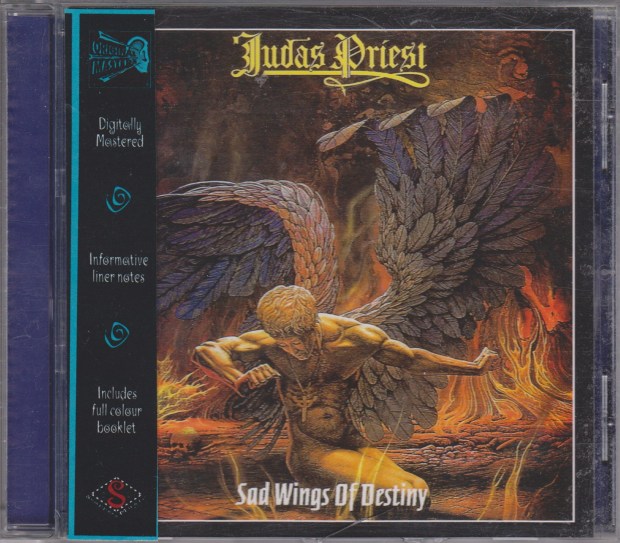
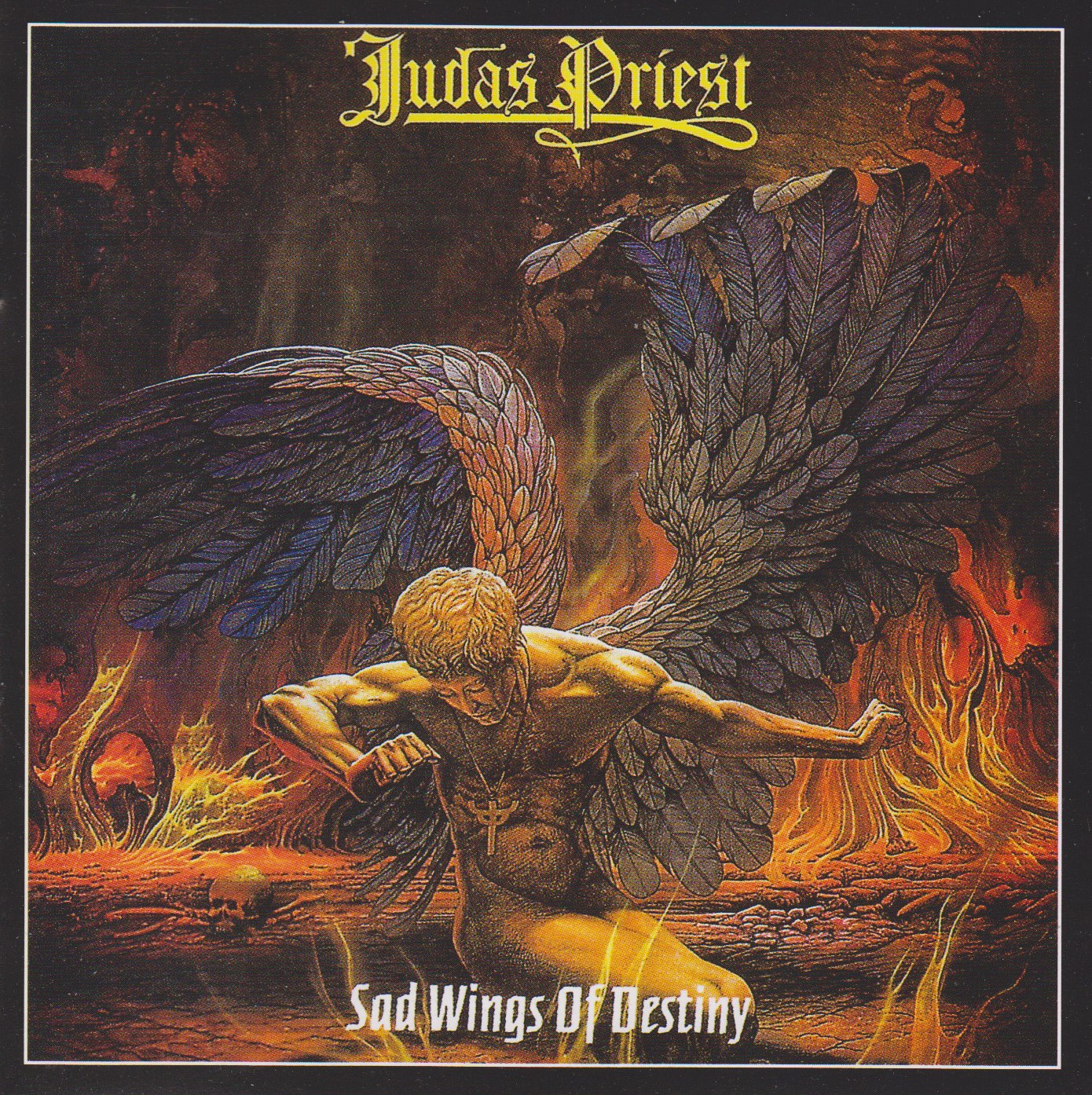
It must be said that Sad Wings has a striking album cover, with the angel depicted burning in hell.  School teachers worldwide would have loved this cover back in 1976.  The angel character would return 14 years later as the Painkilller.  The “devil’s tuning fork” necklace that the angel is wearing would become Priest’s symbol on later albums as well.

Though Sad Wings is an essential album for a serious metal collection, and stuffed full with riff after riff of majesty, it is frustrating hard to find good versions on CD.  Priest’s albums on Gull records have never been officially reissued by the band.  The 1998 CD release by Snapper music is usually rated fairly well.  If you’re unsure then get an original Gull vinyl copy.  But do get Sad Wings of Destiny and prepare to hear a young, vital and daring Judas Priest just beginning to learn what they can do.

5/5 stars

REVIEW: Gowan – Strange Animal (1984)

GOWAN – Strange Animal (1984 CBS)

Strange Animal was only Lawrence Gowan’s second solo album, and one of his best sellers.  It’s also one of his most dated sounding, with programming and production honed in on the 1980s.  Regardless, you can’t knock the musicians:  Tony Levin (bass/Chapman Stick), Jerry Marotta (drums), and Chris Jarrett & David Rhodes (guitars).  Gowan basically lifted his studio band from Peter Gabriel.

Opener “Cosmetics” was a single, though just shy of cracking the Top 40.  It’s terribly dated sounding, with that wretched brittle synthetic sound that even Queen resorted to at one point.  So you might love it!  The piano is delectable and Gowan is as smooth as pie.  “Desperate” is darker, but I sure do hate synth hand-claps!  Fortunately this is a great song, akin to 80s Phil Collins.  Another really smooth one is “City of the Angels”, like a waltz at midnight.  Progressive rock invades “Walking on Air”, which lightly tip-toes from gentle rock to more aggressive guitars.

A delicate but powerful “Burning Torches of Hope” sits right at the middle of the album, and it is so very 80s.  Levin makes some animalist noise on “Keep the Tension On”, which sounds much like its title.  Taut, powerful, and even heavy in a certain way.  It’s melds right into a march on “Guerilla Soldier”, a killer song with terrific verse hooks.  Massive song!  It feels like this album builds to a close.  Especially when you consider the last two songs.

Finally, at the end of the album comes the familiar hits.  First:  a huge Chapman Stick groove, on the poppy upbeat title track.  “Strange Animal” is an awesome song: strictly fun, and incredibly so!  The melody stays in your head for days, and you’re hooked.  Ominous spiritus, ahh!  And then it’s his most famous song, “A Criminal Mind”, otherwise known as “the one that Styx play live”.  Solo, in the studio, “A Criminal Mind” is just as haunting, just as powerful, and just as unforgettable.  It also had one of the most disturbing music videos we had seen as young kids, and our reaction was revulsion.  On album, it is a capstone of a pretty terrific record.  It really feels like it should have opened.

Though ultimately it is up to the listener, unless you grew up with Strange Animal in the Walkman nestled in your back pocket, the programming and 80s-isms are a bit distracting.  It’s also strange how Gowan left all the big firepower stacked at the end of the album.  In the CD age, it just makes the whole thing more rewarding at the end!

3.5/5 stars


REVIEW: Dedication – The Very Best of Thin Lizzy (1991 North American version)

REVIEW:  Thin Lizzy – Dedication – The Very Best of Thin Lizzy (1991 Polygram North American version)

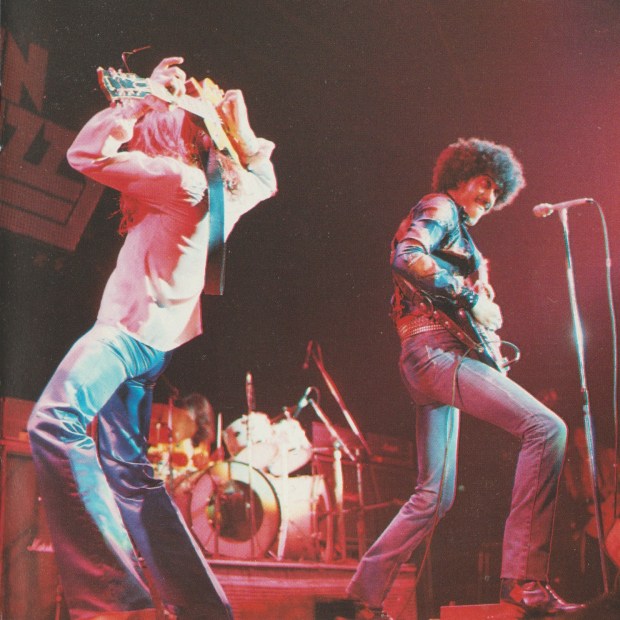
It might not be the best introduction to the most underrated classic rock band of all time, but it was my introduction. Dedication was a 1991 Thin Lizzy compilation that was buoyed by the unreleased song “Dedication” which was released as the radio single.  There’s nothing wrong with the “new” track, except it wasn’t supposed to be a Thin Lizzy song.  Phil Lynott recorded the song in 1985 for his new band Grand Slam.  Scott Gorham and Brian Downey replaced the original instrumentation leaving Phil intact.  And that’s fine.  “Dedication” sounds slightly unfinished but it also sounds like what Thin Lizzy might have been doing had they carried on.

These kind of extra songs usually get spotlighted at the front of the album, or left at the end to whet the appetite.  On Dedication, it goes last, leaving the compilation to ascend in chronological order.  Is that the best way to approach listening to Thin Lizzy?  While many sets go that route, it leads to a very uneven playing experience.  Early Thin Lizzy was much more folksy, and dare I say it, just not as good.  It certainly had some excellent tunes, and some of the better ones are showcased here.  “Whiskey in the Jar” is an actual folk traditional, rocked up and made unforgettable by that Eric Bell guitar hook.  That’s followed by the firecracker “The Rocker”, just shy of three minutes but every one of them shockingly great.

Original guitarist Eric Bell left the band after three albums due to exhaustion, and the band was beefed up to a four-piece with Brian Robertson and Scott Gorham taking his place.  It took a while for the albums to really catch up with the talent.  On CD it’s a lot of slow material before we get to the more rocking stylings of the Thin Lizzy that you know and love.  From 1974’s Nightlife we have “She Knows”, “Still in Love With You”, and “Showdown”.  A lot of ballads and blues and not a lot of fire.  The guitar work is sparkling but the songs are not yet as astounding as they would yet become.  Another ballad, “Wild One” from Fighting (1975) is one of the best of the batch.  It is bookended by two rockers, “Fighting My Way Back” and the Bob Seger cover of “Rosalie”.  Both are tracks you don’t want to live without.

Part of (but only part of) Phil Lynott’s genius was bringing Gorham and Robbo (and later others) together as a unified guitarmony duo.  The next batch of classics really hammer this home.  “Jailbreak”, “The Boys are Back in Town”, “Cowboy Song” and “Don’t Believe a Word” are the embodiment of what people think of when they picture Thin Lizzy.  The driving beats, the hooks, the dual solos, the poetic lyrics — it’s all there in what might be considered Lizzy’s peak era.

Brian Robertson left the band shortly after, and doesn’t appear on “Bad Reputation” or “Dancing in the Moonlight”, but Gorham picked up the slack in the studio and rendered these as two more stone-cold classics.  “Bad Reputation” covers the driving side of the band while “Dancing in the Moonlight” is funky, light romantic storytelling.  Truly excellent songs even without Robbo.

The Gary Moore era follows with “Do Anything You Want To” and “Waiting For An Alibi”, two more excellent Lizzy classics from the underappreciated album Black Rose.  Moore lasted only for one album, and his successor Snowy White for two more.  Snowy is only heard on one track here (“Chinatown”) and the man that replaced him (John Sykes) is heard on none!  So another failing of the Dedication album is a sudden drop-off at the end, leaving out important songs.  “Chinatown” is excellent at least, but so is “Hollywood” and “Renegade”, yet they are not here.

Yes, too many songs were left off Dedication because you couldn’t get ’em all on a single CD.  Johnny The Fox (possibly their best record) is an album that isn’t given enough time here, along with Black Rose.  And to have no Sykes?  Unjustifiable.

Fortunately the last song “Dedication” is better than expected, sounding like Thin Lizzy 1991, beefy and tough.  It doesn’t sound like Lizzy ’75 or Lizzy ’83.  But it does sound like Lizzy because Phil Lynott’s voice tends to do that.  Scott Gorham does a decent job of replicating all the guitar excitement himself (he’s had to do it before).  The track, written by Lynott and Grand Slam guitarist Laurence Archer, had one of those guitar hooks well suited to the Lizzy canon.  Gorham and Downey did it justice enough.

Dedication is not enough Thin Lizzy but it’s enough to get your feet wet.  Although it’s a slow starter it will eventually get you interested enough to try more.  It worked for me and it’ll work for you.

3.25/5 stars

THREE-VIEW: KISS – Unmasked (1980)

Back for Round Three.  For the first two Unmasked reviews, click here and here.

  Unmasked (1980 Casablanca, 1997 Mercury remaster)

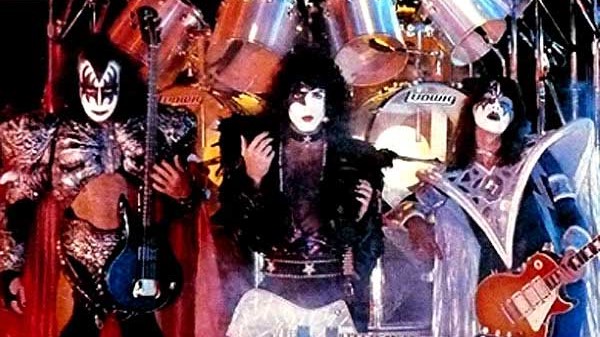
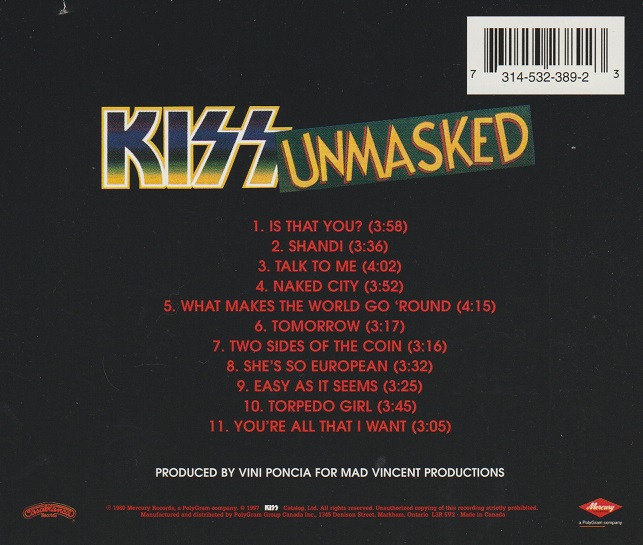
This has been a weird year.  Comforting, nostalgic sounds in the age of Covid have dominated at LeBrain HQ.  There are two Kiss albums that have been absolute joys this summer for blowing the blues away.  They have been Dressed to Kill, and Unmasked.  Originally rated 2.5/5 stars, I was definitely wrong on Unmasked.  The band may have disowned it, and it might not be hard rock, but reviewing it is not as “Easy As It Seems”.  This album definitely has “Two Side of the Coin”.  It might not be “What Makes the World Go ‘Round” but this summer, I just want to say one thing to Kiss Unmasked:  “You’re All That I Want”.

One reason I may have judged Unmasked harshly before is that first impressions are strongest.  In a case of Classical Conditioning, my first impression was not good.  In fact, for the first two years of hearing Unmasked, my copy was all but unlistenable.  In the beginning, I taped my first Kiss albums from next door neighbour George.  He fancied himself a bass player.  While he was recording Unmasked for me, I sat in his bedroom while he played bass along to it.  Every song.  Unbeknownst to him, his bass bled onto my tape.  Every time I played the album, it was like a remix with George overdubbed on bass, and I had the only copy.  Sometimes he continued playing well after the fade, other times he came in prematurely.  Either way, my first two formative years with this album were awful.  Even after buying a proper copy on cassette, I couldn’t hear the album without the auditory illusion of George’s bass ringing in my skull.  Though not the only factor, that had to be one of several reasons for my dislike of the album.  A dislike which in no longer:  in 2020, it’s love.  Just a fun anecdote to colour in some history, nothing more.

“Is That You?” asks Paul Stanley on the opener, a Gerard McMahon song that boasts grinding verses and a killer chorus.  Piano tinkles quietly in the background, but the guitars are nice and rich, especially Paul’s solo.  His lead vocals absolutely rip, while a sultry Gene sings the backgrounds.

A second Paul vocal follows, and it’s the big hit “Shandi”.  Listening with 20/20 hindsight in the year 2020, it’s amusing to ponder how anybody thought this was Peter Criss on drums.  It was a secret that Anton Fig played on Unmasked and Dynasty, but it’s really obviously not Peter Criss.  That disco groove is too impeccably perfect to be the Catman.  Paul is, in fact, the only Kiss member to play on “Shandi”.  And while this song is a softie, it ain’t a baddie.  It’s clear that Kiss were not the rag-tag rock and roll beast they once were.  They had evolved.  Temporarily, at least.

If the first two tracks were light on Ace Frehley, that’s not indicative of the album.  Three lead vocals for the Spaceman this time, including the single “Talk To Me”.  Shiny and chromed-up, Frehley’s songs are among the best on Unmasked and “Talk To Me” could be the top track.

I always had problems with “Naked City”, but part of that might be that I can still hear George come in early on the bass.  Gene Simmons makes his album vocal debut here, and while the chorus and riff are still not top-notch, the verses are excellent.  Songs like this also demonstrate that Gene is an underrated singer.  He’s more versatile than people realize.

Paul strikes a cool riff on “What Makes the World Go ‘Round”.  He often talks about how the album had good songs, but they should have sounded different.  This one sounds like it could have turned out more like the first three albums.  You can imagine how the riff would have been more prominent.  As it is though, it’s one of the most unabashedly catchy songs Paul’s ever written, and his guitar solo is simply delicious.  You can slag Paul for doing something so pop, but can you slag him for doing it so well?

Side B’s opener is “Tomorrow”, with Paul’s vocals cleanly produced as per the pop trends of the day, with slapback delay and airy EQ.  But like “What Makes the World Go ‘Round”, this is pop rock done really well.  The keyboards are too prominent, but at least Ace gets a tasty solo here.  As Kiss songs got catchier, so did the Spaceman’s solos.  Frehley’s next lead vocal follows on “Two Sides of the Coin”, the song title which inspired a podcast (“Three Sides of the Coin“).  Y’see, Ace just can’t pick a girl!  But he has to.  “Two sides of the coin to choose from, I’m getting weary.  Which one should I choose?  I need time.”  He insists that the girls don’t mind, but I question that assertion.  But he has to pick a mate because he’s “tired of all those dates”!  Silly words aside, Ace has knocked out two top-notch songs on Unmasked so far.

Gene’s back on “She’s So European”, a song about a girl with a French accent who drinks pink champagne.  I’ve softed my stance on this one too.  You can certainly hear the rock n’ roll riffiness that it could have been.  That’s been replaced by keyboards and slick beats, and it’s fine.  “Easy As It Seems”, a Paul song, really sneaks up on you.  It disappears into the fabric of the album until one day you just can’t get it out of your heard.  Paul lays down another fine solo, and weaves a plaintive tapestry with his incredible voice.  What range he had.

An album highlight is the third and final Frehley concoction — a weird little number called “Torpedo Girl”.  Surf rock meets the Space Ace.  The guitar lick is a tricky little off-beat riff, but with Anton Fig behind on drums, Kiss could do complex stuff like this.  Especially since that’s Ace playing the bouncy bass part too.  It’s also one of Frehley’s most entertaining lyrics.  A submarine with a pretty girl on the bridge has surfaced in the bay!  Better go check it out.

The final track, “You’re All That I Want” is a Gene number.  Like “Easy As It Seems”, one day it just catches you.  Especially Paul’s “answer” vocals in the outro.  One thing (among many) that made Kiss truly special is the multiple lead singers.  And unless you’re a Catman diehard, you don’t really miss Peter in that mix.  Frehley more than made up for the lack of Criss.  While four singers is better than three, remember that Kiss only had three lead singers for their first five studio albums.

I don’t want to have to three-view the entire Kiss catalogue but it is amazing how Unmasked just opened up to me this summer.  I’m enjoying more than ever, with that nostalgic glow for days gone by.  The “good old days” were not always good, but at least the music was.

4.5/5 stars
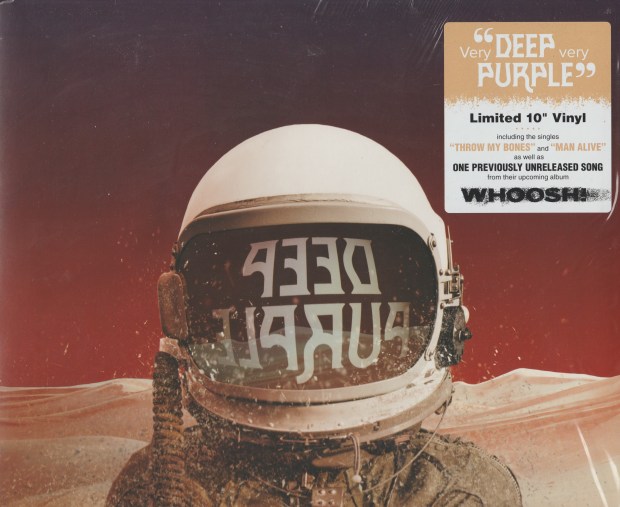
REVIEW: Deep Purple – “Throw My Bones”/”Man Alive” (2020 10″ single)

DEEP PURPLE – “Throw My Bones”/”Man Alive” (2020 10″ Edel single)

As a general rule, I won’t listen to new Deep Purple until I have a physical product in my hands.  These days that usually happens in the form of a new single.  Deep Purple will be back with a new album Whoosh! produced by Bob Ezrin in August 2020.  Until then, they’ve issued a three track single with one exclusive new song.  How nice of them!

A huge thanks to John of 2 Loud 2 Old Music for gifting this vinyl.  Certain new releases are difficult to find today (for obvious reasons), at least without spending money on huge markups by secondary sellers.  Music friends are the best kind of friends — make one today!

A word about the cover art:  love it!  Though not identical, the new Deep Purple logo is strongly reminiscent of the original Shades Of Deep Purple logo from 1968.  The astronaut is similarly retro.  He even recalls the similarly-garbed “archaeologists” in the music video for “Knocking At Your Back Door”.  And now, for the first time, the needle drops on the vinyl and we find out what the new Deep Purple sounds like.

“Throw My Bones” has one of those quirky Steve Morse guitar riffs but then it’s backed up by those lush Don Airey keyboards.  This is one of the catchier songs that Deep Purple have written in the last few years.  Morse’s solo is as breathtaking as usual, but the sparkling keyboards are what makes this song shine.

The second track is the non-album “Power of the Moon” which prompts the question:  if this didn’t make the album, just how good is the album?  Because this track is excellent.  It’s different.  Its quiet passages are mesmerising.  Once again it’s Morse and Airey who really take it to another level.

Finally we have “Man Alive”, a song adorned with an orchestra.  Under the deft guidance of Bob Ezrin, something powerful and dramatic hits the ears even though Deep Purple don’t really do “heavy” anymore.  “Man Alive” is the song that detractors call the “environmental agenda song”.  Hey, if Deep Purple can say something relevant to today and get you to think, that’s great.  We don’t always have to hear about strange kinds of women from Tokyo.  The lyrics are assembled intelligently and thoughtfully.

A lot of people bitch and moan about Ian Gillan.  For the most part, it’s not the singer delivering the hooks in these new songs.  Just as Steve Morse has had to adapt to his damaged right wrist to keep playing, Deep Purple have adapted to Ian Gillan’s age.  The songs don’t blast like they used to; they breathe.  Ian’s voice is multitracked to give it some thickness.  Incidentally the vocals were recorded in Toronto, a city that Gillan has history with.

Longtime Purple fans who enjoyed Now What?! and InFinite will enjoy these new songs just as much.  The cool thing about Purple is that they have distinct eras.  We might be in the tail-end of a Bob Ezrin era (and the whole saga in general) and with time, the Purple/Ezrin collaborations will be looked back on fondly.  The Ezrin albums don’t sound like the Bradford discs, the Glover productions, or any of the others.  They’re more subtle and show a band growing even in their later years.  Whoosh! could be a nice capstone to a career.  We shall see.

4.5/5 stars
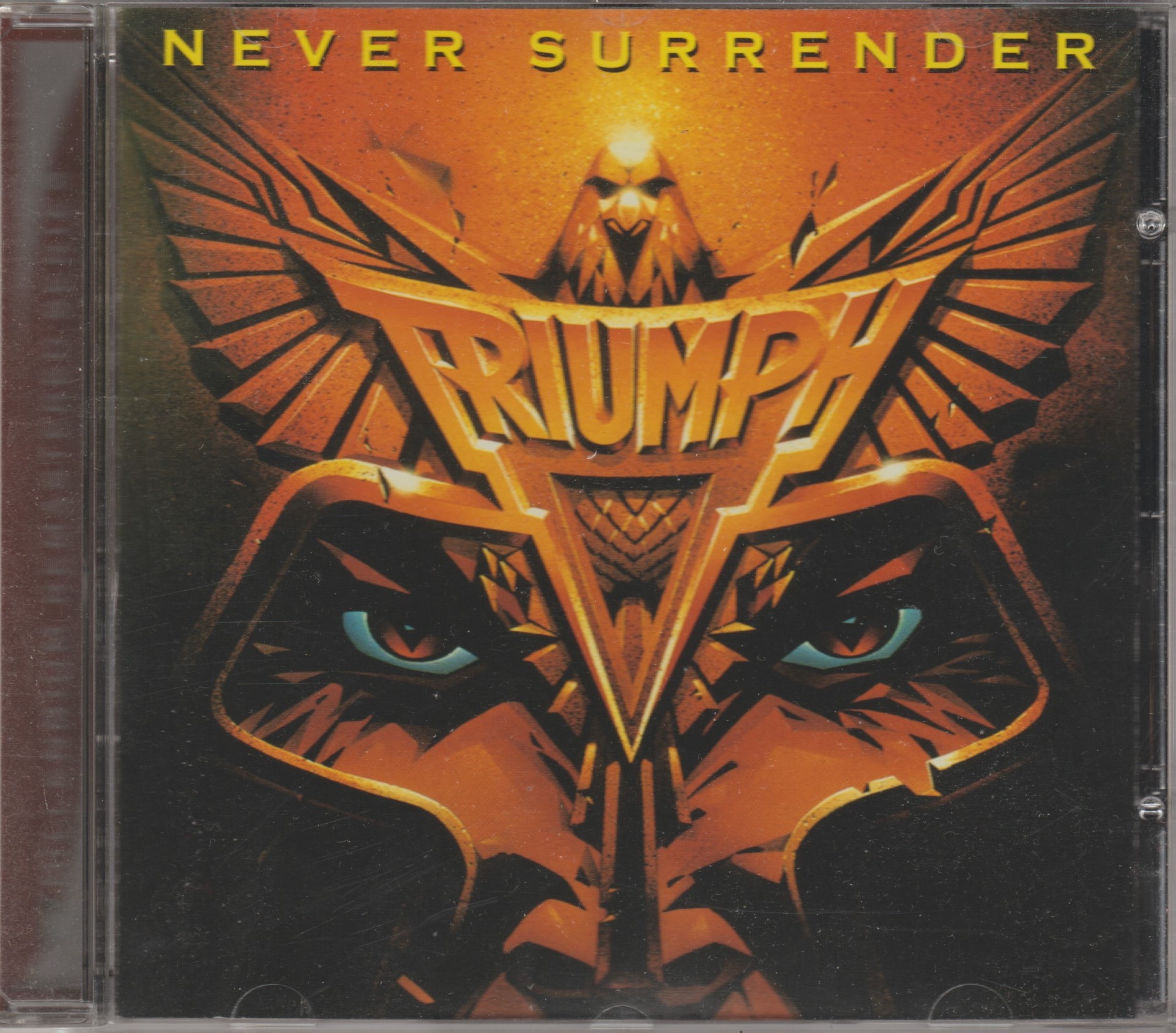
REVIEW: Triumph – Never Surrender (1983)

TRIUMPH – Never Surrender (1983 RCA, 2004 Universal remaster)

Triumph, the other Canadian power trio, scored multiple hits with their sixth album Never Surrender.  “When the Lights Go Down” was a popular music video.  “A World of Fantasy” was a concert staple.  The title track is an absolute (pardon the pun) Triumph of epic songwriting and performance.  It’s easy to hear why Never Surrender is so beloved.

Drummer Gil Moore opens the album with “Too Much Thinking”; steamhammer drums pumping hard.  Rik Emmett comes in with a slaying riff while bassist Mike Levine, the glue, rolls out some determined bass grooves.  Emmett’s talkbox solo is well constructed and extra cool.  This riff rocker has the silhouette of topicality, with Reagan samples and lyrics like “Prophets of doom fearful of the violence, preaching to no one at all.”

Triumph ballads were often too brilliant for their own good.  Not really “ballads” but more like melody-based compositions.  “A World of Fantasy” is one such song, a real accomplishment and unmistakably Triumph.  Triumph always had panache and they backed it with Rik’s strength as a guitar player.  Rik’s voice, sometimes compared to Geddy Lee’s, was well suited to heartfelt rock like this.

Rik Emmett also takes the lead vocal on a battle cry called “All the Way”, preceded by a classical piece entitled “A Minor Prelude”.  Get it?  The guy is a tremendous and monstrously intelligent guitar player.  Rik could have shredded circles with all the other lead guitarists, but that was not his focus.  He realized that you can play really fast as much as you want, but less is actually more.

“All the Way”, which sounded like a battle cry, is actually followed by “Battle Cry”, vocalised by Gil Moore.  It’s a slower, more determined metal track; the heavier side of Triumph.  Rik’s crystal clear chords keep it from being too generic.

Back when albums had sides, the second half opened with “Overture (Procession)”, a short guitar intro backed by Levine’s synth.  It sets the scene for the album centerpiece, “Never Surrender”, which itself is nearly seven minutes of pure undiluted awesome sauce.  Constructed with distinctly different sections, “Never Surrender” was just a tad progressive and more than enough song for the average mortal.

Out in the streets inspiration comes hard,
The joker in the deck keeps handin’ me his card.
Smilin’ friendly he takes me in,
Then breaks my back in a game I can’t win.
Jivin’, hustiln’, what’s it all about?
Everybody always wants the easy way out.
Thirty golden pieces for the Judas kiss,
What’s a nice boy doin’ in a place like this?

Gil Moore’s drums are sometimes considered simple, or basic.  That may be the case, but are they not the perfect backbone on “Never Surrender”?  Who can resist when Gil throws down a big, long drum roll from high to low?  Hey, he might not be Neil Peart, but he works those songs!  His fills here are just as essential as Peart’s in “Tom Sawyer”.  Meanwhile, Rik’s guitar chords can only be described as shiny.  One of the classiest players in rock can really do no wrong here, as he goes from funky chunky strumming to full shred, all within the confines of some damn catchy riffs.

As if that wasn’t enough, Triumph goes for round two on “When the Lights Go Down”.  This time, the acoustic intro is swampy, but soon that riff will hit you square in the face.  Gil Moore’s back on the microphone, so let’s not forget  how hard it is to sing and play drums at the same time.  They had to play this stuff live, and they did!  This is just pure rock, four on the floor.  “Let the party roll!” sings Moore in this paean to the concert stage.

Rik goes for the brightest of melodies on “Writing’s On the Wall”, a really “triumphant” sound, and great way to draw the album to a close.  All that’s left is a soft guitar outro called “Epilogue (Resolution)”.  This beautiful piece illustrates where Rik would go in his future solo career, decades down the road.  Hints of jazz and classical pointed the way.

There are several songs that you don’t want to leave out of your life.  Own Never Surrender.

4/5 stars


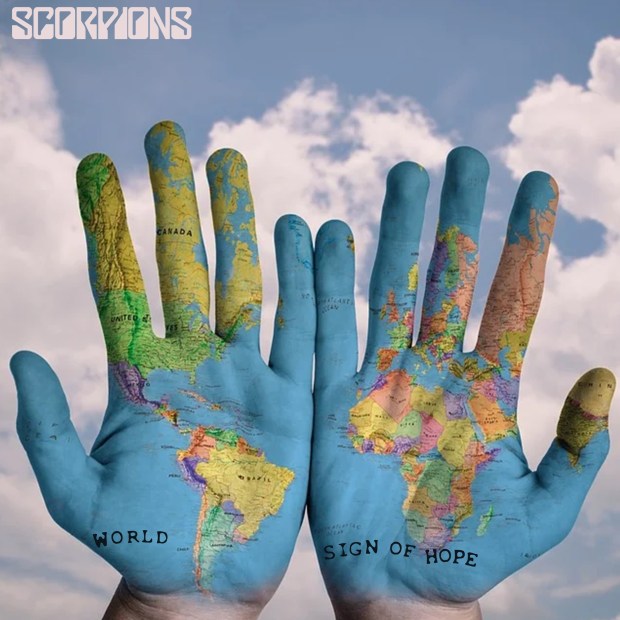
REVIEW: Scorpions – “Sign of Hope” (2020)

SCORPIONS – “Sign of Hope” (2020 single)

The Scorpions, in the midst of writing their next album, are the latest band to release a lockdown single in 2020.  It will come as no surprise that it’s a ballad.  “Sign of Hope” is a reassuring song from the guys who know how to write ballads (and reaaaally know how to paaartaaaaaaay!).  Of course a ballad is appropriate for these sombre times.  “Sign of Hope” sounds like Scorpions circa 1996, the Pure Instinct album.  It’s gentle and peaceful.  For accompaniment, it’s primarily acoustic guitars, with slight electric guitar accents that pop in and out.  It’s actually quite a good ballad, short and to the point.  The sparse arrangement really lets us hear the nuances of guitar, and Klaus Meine’s voice.  It’s well written and memorable enough.

One could ask, “Why do we need another Scorpions ballad?”  Perhaps the simplest answer is because the Scorpions are still around making music.  So why not?  Will they ever top “Still Loving You” or “In Trance”?  It doesn’t matter, because they are in their 55th year and are still creating.

“I see empty places, empty roads,” sings Klaus, and though the streets are fuller now it’s hard to forget the sight of a deserted world.  It also strangely seems like such a long time ago that this all began.  But the Scorpions reassure us that “it’s gonna be alright,” and eventually it will be.  We are getting there.  We are indeed seeing signs of hope, but everybody needs to treat themselves well.  So treat yourself to some music and grab the new Scorpions on iTunes.

3/5 stars

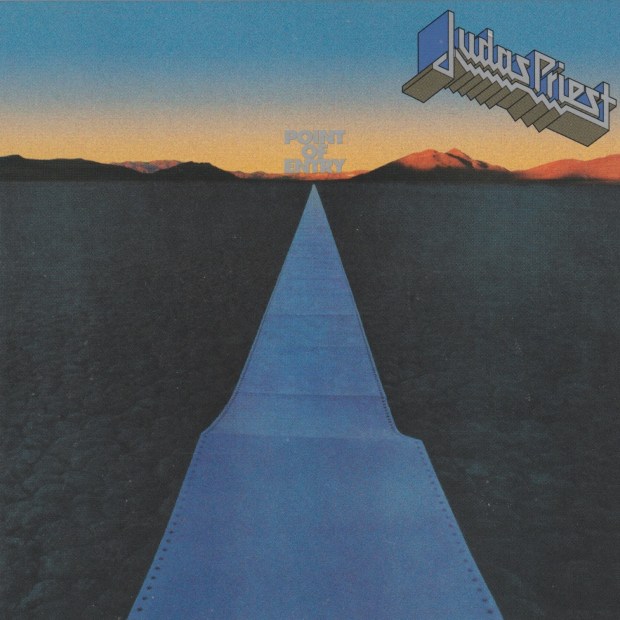
I also really like the single artwork, I think it’s striking and has several layers of meaning.  It’s also nice to see the word CANADA so prominently!
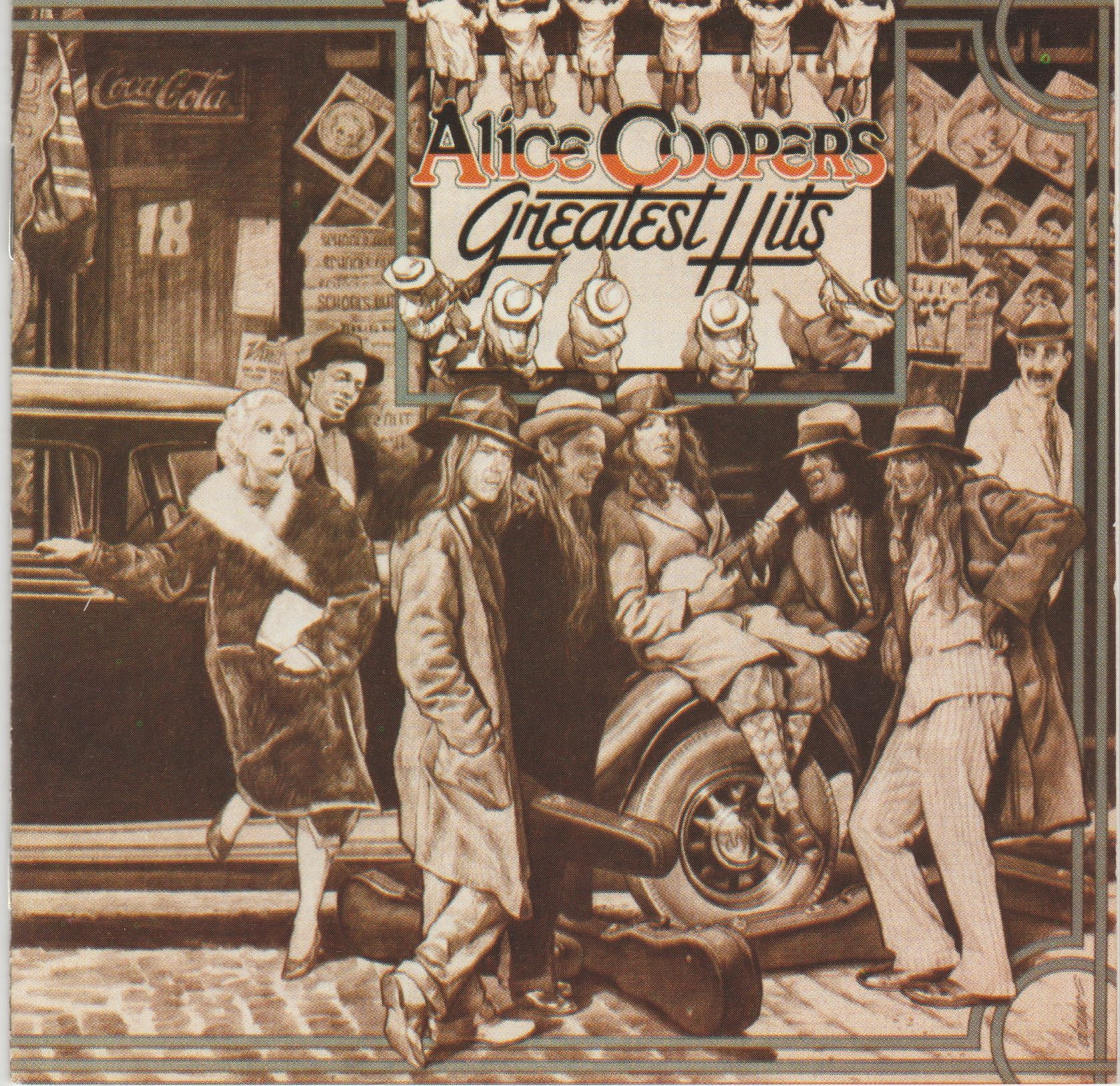
REVIEW: Alice Cooper’s Greatest Hits (1974)

ALICE COOPER – Alice Cooper’s Greatest Hits (1974 Warner)

Picture this:  a kid, just turned 17.  An older uncle named Don Don.  Recording tapes off each other in the summertime.  I didn’t know much of Alice Cooper.  “Teenage Frankenstein”, “The Man Behind the Mask”, and “I Got A Line On You” were the songs I knew best.  I heard a bit of a live version of “I’m Eighteen”, and a Krokus cover of “School’s Out”.  That’s all I knew.  But my uncle had Alice Cooper’s Greatest Hits in his tape collection, and I had a blank tape.

I recorded Greatest Hits on one side of a 90 minute cassette.  (Eventually I taped Trash on the other side.)  My impressions at that young age were mixed.  The music sounded old fashioned.  Not at all like his 80s stuff.  While some songs (“Desperado”) flat out lost me, after a couple listens, other tunes started to jump out.

Some of the elements that appealed to me were the lyrics.  “She asked me why the singer’s name was Alice, I said ‘listen baby, you really wouldn’t understand.'” (“Be My Lover”.)  “The Reverend Smith he recognized me and punched me in the nose.”  (“No More Mr. Nice Guy”.)   Of course, “Elected” too — that goes without saying.  Simple, comedic and effective lyrics.

The huge orchestration behind “Hello Hooray” hit me where it counts too.  I grew up on soundtracks and orchestras, so anytime a band used a big bombastic arrangement like that in rock song, it immediately appealed to me.  Even then I was aware of Bob Ezrin from his work with Kiss.

My favourite song on the whole thing was “Teenage Lament ’74”.  What is it about that song?  The old-fashioned jangly rock and roll?  The unforgettable “What are you gonna do?” chorus?  Although it’s fallen by the wayside since, “Teenage Lament” is still an Alice Cooper triumph of triumphs.  On the cassette version, it had a place of honour — second song, side one, right after “I’m Eighteen”.  I couldn’t figure out all the words but I got the jist.  I still love what I perceive to be its old-fashioned sound.  Alice Cooper didn’t need to be heavy to be awesome.  I was learning this.  None of Alice Cooper’s Greatest Hits would be considered “heavy” by the standards of the time when I first heard it (1989).

“Is It My Body”, “Under My Wheels”, and “Billion Dollar Babies” were the next songs to slowly reveal themselves to me.  “Muscle of Love” and “Desperado” were the last ones to enter into this new Alice love affair.  Before long, they were all memorized.  Then it was time to start collecting the albums!  Billion Dollar Babies seemed like a wise choice, since I liked so many of its songs on Greatest Hits.  And that’s how a greatest hits album is supposed to work.  It is meant to whet the appetite and make you want more.

Today Alice Cooper’s Greatest Hits has been supplanted by more recent, more complete greatest hits discs, remastered for the modern age.  That’s fine and well, but Greatest Hits works better as a first Alice.  The track order, the more concise running time (41 minutes), and of course the classic cover art made this something special.  It’s historic as it was the very last product released by the original Alice Cooper group before Vincent Furnier went solo.  Also worth noting:  all tracks were remixed by Jack Richardson, but you probably won’t even notice.  Completionists, pay attention.

Want an awesome first experience with Alice Cooper?  Follow my lead and check out Greatest Hits.

5/5 stars

REVIEW: Queen + Adam Lambert – “You Are the Champions” (2020)

QUEEN + ADAM LAMBERT – “You Are the Champions” (2020 iTunes)

Queen were one of the earlier groups out of the gate with new “lockdown” recordings.  From their homes they re-recorded “We Are the Champions”, dedicated to frontline workers, with Adam Lambert to raise money for the World Health Organisation’s “Solidarity Response Fund”.  Whatever the cause may be, we are here to review the music.

The idea here is that Queen are not the champions this time — we are!  Together we have locked down and sacrificed, and we are doing it for each other.  The lyrics don’t really fit but we know what Queen meant.  Lambert doesn’t actually change the words to “You are the champions” until the halfway point.

This track is the familiar Queen arrangement, though shortened by a verse.  Adam Lambert is a fine singer, as he proves in the outro.  Queen didn’t go with the big layered vocals here; perhaps you need a recording studio to do that.  Instead Lambert’s voice takes the spotlight by itself.  Even the instrumentation is sparse — no solos, and only a couple Brian May guitar noodles to savour.

There’s a striking music video with stark footage of empty streets.  I like that Lambert did his hair and makeup to the nines while the other two look casual.  Let’s join Queen and Adam in thanking our frontline healthcare workers — and thank you Queen for recording again.  How about a new album next time?

3.5/5 stars

REVIEW: The Cars – Candy-O (1979, 2017 expanded edition)

THE CARS – Candy-O (1979 Elektra, 2017 expanded edition)

How many perfect albums are there in the world? Albums with no filler, only songs vital to the whole and valuable to the listening experience? Hopefully you have included The Cars’ Candy-O in your count.  The often “difficult” second album was apparently no problem for The Cars.  Ric Ocasek came in with a huge batch of new minimalist songs, plus a couple outtakes.

“I like the night life, baby!”  Ben Orr takes the first lead vocal on “Let’s Go”, the Max Webster-like lead single.  Already off to a great start, this tight little number is subtle and loaded to the gills with hooks.

“Somethin’ in the night just don’t sit right.”  Ric Ocasek enters the fray with a quirky “Since I Held You”.  The Cars’ unique way with a melody is apparent on this track, one of those deeper cuts you don’t want to miss.  David Robinson’s drums — loud and effective at punctuation.  Give credit to producer Roy Thomas Baker for wringing every last hook out of these songs.

“And once in a night, I dreamed you were there.”  A restrained ballad, it unleashes the melodic power of the Cars at the chorus, given a bump by Greg Hawkes’ mini moog.  One of their more accomplished compositions, every part serving its purpose.

“It takes a fast car, lady, to lead a double life.”  The possible centrepiece of the album, Ocasek’s “Double Life” smoulders and builds into a dark masterpiece.  At one point this track was to be dropped from the album; let’s be glad the Cars came to their sense.  Though the song is built on a punchy, sharp beat, Elliot Easton’s guitar melody floats detached above.

“You ride around in your cadium car, keep wishin’ upon a star.”  A robotic pulse and frantic vocal make up “Shoo Be Doo”, a transitional piece that serves to bridge the two songs it falls between.  Candy-O is beginning to sound like a concept album to the ears.

“Edge of night, distract yourself.”  The fierce title track “Candy-O”, fronted by Ben Orr, is another possible centerpoint of the album.  The song is layered thick with Elliot Easton’s guitar hooks and Greg Hawkes’ keyboard blips.  Though not a single, “Candy-O” has become a favourite and a great example of the Cars’ musical abilities as players.

“Ooh, how you shake me up and down, when we hit the night spots on the town.”  Jittery and caffeinated, the noturnal “Night Spots” again verges on Max Webster territory.  Ocasek stutters his way through the lyrics while the hyper band get bouncing in behind.  It feels like you’ve been staying awake for three days and three nights with nothing but coffee in your blood.

“I can’t put out your fire, I know it’s too late.”  The album then takes a sudden left turn back to smoother ground, playing looser on the ballad “You Can’t Hold On Too Long”.  The lyrics take a darker turn, with the shadow of addictions.

“He’s got his plastic sneakers, she’s got her Robuck purse.”  Ocasek sings an anthem to the mismatched on “Lust for Kicks”, another punchy Cars song though with a laid back tempo.  Hawkes’ simple keyboard hook is the main structure, with Easton providing guitar noise far in the background.  Ocasek’s expressive vocal is the focus.

“Send me a letter on a midnight scroll.”  There’s a frantic energy to “Got a Lot on My Head”, a sense of panic and urgency.  This time it’s the guitar in front and some of the Cars proto-punk roots break through.  A lot is packed into a short song.

“Can I bring you out in the light?  My curiosity’s got me tonight.”  A third contender for centerpiece of the album is the closer “Dangerous Type”, and its closing position might be its only disqualifier.  Though it has a “Bang-a-Gong” knockoff riff for the verses, the chorus dips into much darker territory.  Then another Max Webster moment creeps in when Hawkes adds his moog.  This brilliant track is an apt closer for such a quirky yet dark album.

Indeed, Candy-O seems semi-obsessed with the night, with shadows, and with secrets.  So it’s quite unexpected how uplifted you feel after listening to it — lighter and brighter.  As if the shadows have been exorcised, at least for a little while.

Candy-O itself is only 36 minutes, so if you need a deeper immersion, the expanded edition is perfect.  It contains seven bonus tracks:  five alternate versions, one B-side and one unreleased song.  (There is an additional piece of rare music available separately, a very different early version of “Night Spots” on Just What I Needed: The Cars Anthology).  Remarkably, though rougher, most of these are probably good enough for an album already.  If you already love Candy-O, you will dig the slightly different and more raw versions offered as bonus tracks.  “Dangerous Type” is far less dark, and “Let’s Go” is busier.

“They Won’t See You”, like early 80s Alice Cooper, has a dark campy quality but also a biting guitar hook.  It’s actually better than a lot of Cooper from that period, even though it was never released.  Apparently it was a popular Cars encore.  Finally (and appropriately) its “That’s It”, ending the CD at an hour in length (easy enough to digest in a single sitting).  If not for the technical limits of vinyl at the time, it might have made an excellent coda for the original album.  It’s a song about endings, so it works naturally at the end of this edition.

Candy-O, with or without the extras, is a perfectly brilliant listen and an album that deserves a place of honour in a collection.  But why get 36 minutes when you can have an hour, plus an expanded booklet with lyrics, photos and Easton essay?  “Let’s Go”!

5/5 stars