Mercury

REVIEW: Rush – Rush 50 (2025)

RUSH – Rush 50 (2025 Mercury)

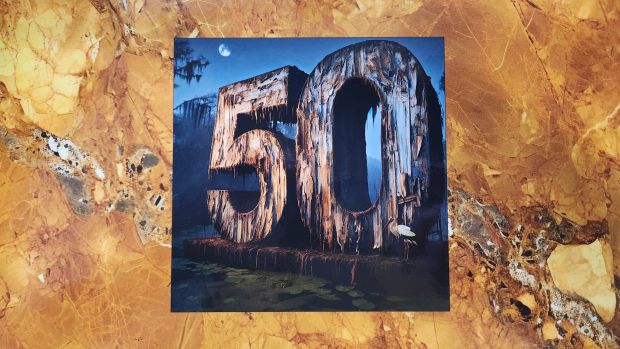
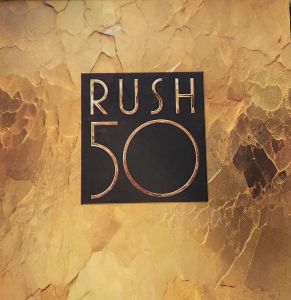
Don’t try to do any math and figure why Rush 50 is out in 2025 instead of 2024.  What matters is:  Rush 50 is out.  It is stunning, both sonically and visually.  The box art by Hugh Syme fits right in that Rush mold, akin to Chronicles.  That’s to say nothing of the hardcover book inside, which we will discuss later on.  The design is excellent.  In the back, the CDs peek out of thee sleeve like golden coins.  It’s just a really cool looking, and sounding, box set.  The remastering here is terrific.  Geddy’s bass is wonderfully separate from the guitars, and you can really hear the details as you remember them.  Brilliant job here.

Rush 50‘s four discs follow roughly chronologically.  They include a generous number of live tracks, which is not at all to the detriment of this set.  Some of the live tracks come from other box sets, from live albums, and some are rare or unreleased versions.  “Garden Road” is one long desired by Rush fans, though “Fancy Dancer” is conspicuous by its absence.  (Don’t assume this is the last collection that Rush will release.)

In the days of downloading via Bittorrent, I found crappy vinyl rips of Rush’s first single “Not Fade Away” / “I Can’t Fight It”.  I burned them to a CD, and lamented that this would likely be the only “physical” copy of the single that I would ever own.  15 or 20 years later, this new anthology-style box set Rush 50 includes the single as the first two tracks on disc one.  To finally have these songs, officially, physically, and sounding so full and rich compared that that old CDr, it scratches that itch that I have as a collector.  If I could afford that first single, I’d have it already.  This will do even better, because it’s clean and digitally perfect.  It’s also quaint.  The almost psychedelic echo on “Not Fade Away” is a detail I didn’t remember.

Similarly, about 15 years ago Rush released the “Vault Edition” of the track “Working Man” for a limited time on iTunes.  I burned that to a CD too.  Now it is here physically, along with another “Vault Edition” of “The Trees” that I was unaware of.  Now we have both on CD.  Itch scratched once again.

Wisely, Rush made sure some of the biggest hits that people want are studio versions:  “Closer to the Heart”, “Tom Sawyer”, and “Subdivisions” for example.  Joe Average, who just wants a cool box set instead of all the albums, often ends up complaining when bands out live versions instead of studio versions of the songs they really wanted.  (Trust me, I worked at the Beat Goes On for 12 years.)  The other thing is, the live versions they did select are superb.  Let me tell you, the Bonham-esque drums on the jammy “Before and After (live)” sound absolutely massive.  It’s certainly appropriate for a band of this reputation to include so many live versions.  Most of disc two is live.

With equal wisdom, Rush ended this box set with the last songs plays at the their last ever concert.  Going back to the very beginning, Rush end the anthology with those final live takes of “What You’re Doing/Working Man”, with just a smidgen of “Garden Road”.  It’s an emotional way to end the journey, and this box set is indeed a journey.  That’s the wonderful thing about anthology style sets.
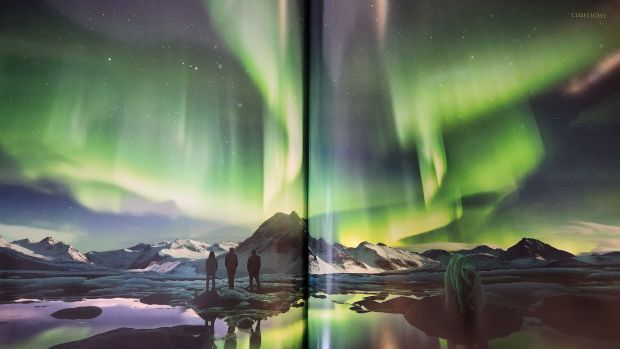
 

The remarkable Hugh Syme worked overtime to produce the art for the hardcover book.  Yes, not only do you get words and photos, but also brand new double-page artwork for most of the songs on Rush 50.  It is the kind of box set that will give you enjoyment every time you listen to it, because you can crack open that book and just study.  My study has barely begun; I have not really been able to look at each and every piece of art yet.  Rest assured though, Hugh Syme provides all the justification for the price of this set, with the book alone.  If this were a hardcover sold in a store on its own, it would probably be at least $60 bucks as a book.

A massive career like Rush’s deserves a massive box set.  You won’t believe it until you hold it in hand.  This thing is monolithic; a purchase that will not be regretted.

5/5 stars

REVIEW: Def Leppard – “Just Like 73″ (7” single)

DEF LEPPARD – “Just Like 73” (7″ Mercury single)

This is Def Leppard’s first 7″ single in 30 years – since “Action” in 1994!

I’m bored of Def Leppard’s glam throwback songs.  I know that seems hypocritical, given that many of their biggest hits (“Pour Some Sugar On Me”) are basically that.  “Just Like 73″ is their latest single, a standalone without an album, issued on various coloured 7” singles this year.  While we applaud Leppard for releasing new music on a physical format, the song is not one of their greatest to date.

The coolest aspect of “Just Like 73” is the surprising guitar solo by Tom Morello.  Rage Against the Machine and Def Leppard were diametrically opposed in 1993, but I suppose back in ’73, those guys were listening to a lot of the same records.  On the B-side is a version without Mr. Morello, which is valuable to the collector, but the song is lesser without him.

Sometimes Def Leppard seem bent upon recreating their past, and not always hitting that mark.  “Just Like 73” pushes those big “Hey!” vocals that are so commonly associated with Leppard.  It has the Gary Glitter kind of beats that they are so fond of.  Really, the only thing new here for Def Leppard is that Morello squonk all over the A-side.  That’s a great mix and they should collaborate further.

3/5 stars

REVIEW: Ugly Kid Joe – Menace to Sobriety / “Milkman’s Son” single (1995)

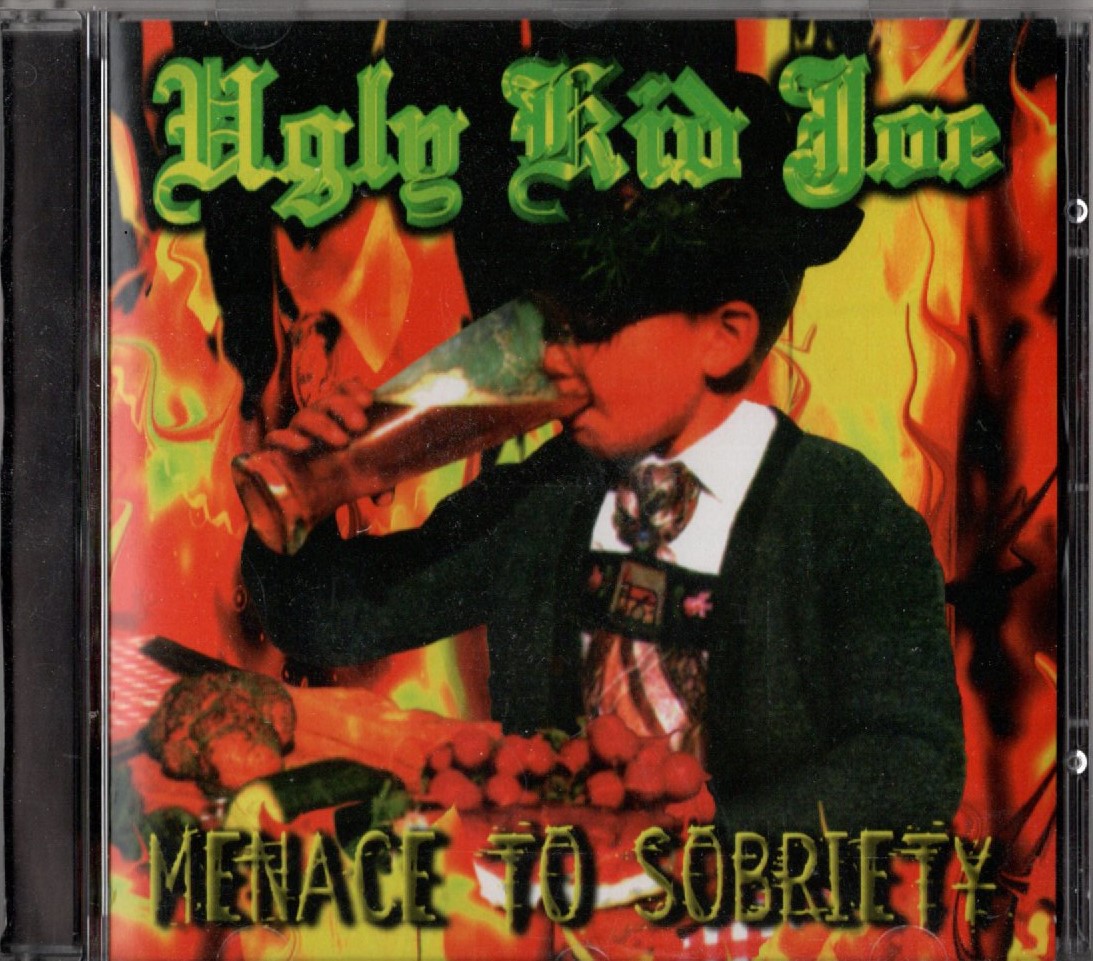
UGLY KID JOE – Menace to Sobriety (1995 Polygram)

Let me tell ya folks, this album ain’t bad. Ugly Kid Joe made it hard to take them seriously sometimes, but on their second full-length Menace to Sobriety, they did what most jokey bands eventually do: Get serious. Get heavy. With former Wrathchild America drummer Shannon Larkin replacing original member Mark Davis, perhaps this was inevitable.  If not, co-producer GGGarth made it inevitable.

The first single “Tomorrow’s World” was dark-edged modern metal. No jokes, no wit, just Whit, givin’ ‘er at top lung. The album would pretty much follow suit. It felt like they got one side of their personalities out of their systems for the moment and wanted to do something a little more true to the heart.

An instrumental intro just called “Intro” gets a couple heavy riffs out of way in short order. The new drummer’s thick presence is felt immediately. This intro jumps right into “God”, a heavy wade through the mosh pit, spilling hooks all over the floor in violent celebration. Whitfield Crane sounds more menacing, but he’s still obviously the charismatic frontman. Cool wah-wah inflected solo too, which was one of the only ways you could make guitar solos work in 1995.

When “Tomorrow’s World” first hits, it’s with a beat and a rolling bass line, perfectly on brand for the 90s. After the quietly tense opening verses, Whit and the band rip it wide open with another ferocious riff and chorus. It’s well within Black Sabbath’s backyard (U.S. campus), while keeping a foot in 90s. A perfect mix of integrities.

Tempos get faster on “Clover”, with Whit taking his throat even further. The riffs are still the foundation, this one a little bit Priest-like. If the lyrics to “God” were a little on the nose at times, they’re more interesting in light of this one from “Clover”. “I was tempted, but the apple made me stronger.” Whitfield then screams that he’s here to free us. There’s more going on here than a guy who just hates “everything about you”.

The funky side returns on the speedy “C.U.S.T.” (“Can’t You See Them”).  Whit speed-raps through the impressive verses while the band jams hard underneath, wah-wah now back center stage.  Great tune and in fact better than some of the competition’s songs in this genre at the same time.  There’s a killer, clever percussion break in the middle that differentiates Ugly Kid Joe from the bands who were leading the pack.

“Milkman’s Son” was the single, an electric ballad and rightfully chosen.  It’s not soft, there’s a tasty jagged riff to keep it cool, but this is clearly the one that fills the part of prior Ugly Kid Joe hits such as “Busy Bee”.  Great tune, if a bit doomed.

The grind of a bass groove returns on “Suckerpath”, which seems about to about avoiding the ego and big head of rock stardom.  “Never goin’ down a suckerpath, baby,” insists Whit.  Unlike a lot of the tunes on Menace to Sobriety, “Suckerpath” never really explodes with power the way they have so far.  It remains in this wallowing groove, which rocks but never quite satisfies.

Another ballad:  “Cloudy Skies” has the kind of twang where you could called it “Western Skies”.  Still electric; no acoustic softness to be found, but quite excellent.  Crane seems to have tapped into something heartfelt here, and his singing is excellent.  Sticking to tunes with broad appeal, “Jesus Rode A Harley” is one of the most straight ahead and upbeat tracks on the album.

There’s an AC/DC vibe to the opening of “10/10” but then it goes pure grunge groove.  Suitably dark, impressively heavy, and utilizing tricks like conga and slide.  There’s a direction on this album and “10/10” is right down the middle.  Not an outstanding track overall but one you can headbang along to quite easily.  At the end, Whit tries to go full metal scream and does pretty good. This actually leads pretty well into the Priestly vibes on “V.I.P.”.  Priest circa Hell Bent, with a touch of Halford’s Fight.  The lead vocals are Jon Oliva from Savatage to a tee, whether intentional or not.

Finally, the jokey side emerges on “Oompa”, which is exactly what you think it is.  A heavy metal version of the Oompa Loopma song from Charlie and the Chocolate Factory.  And why not?  Green Jelly were having hits with this kind of song.  It’s only two minutes long and hey…it’s Ugly Kid Joe. And just misdirection.  That’s not how the album’s supposed to end.

After long last, the acoustic guitars come out on the tender closer “Candle Song”.  There’s more than a hint of western twang, but if you wanted a traditional hard rock ballad closer, here you go.  “Candle Song” is excellent way to take the listener down after such intensely heavy rocking.

The band isn’t entirely done with their sense of humour.  Open up the booklet and you will find a rental house bill for damages including a food fight.  Total cost:  $12,896.81.

4/5 stars


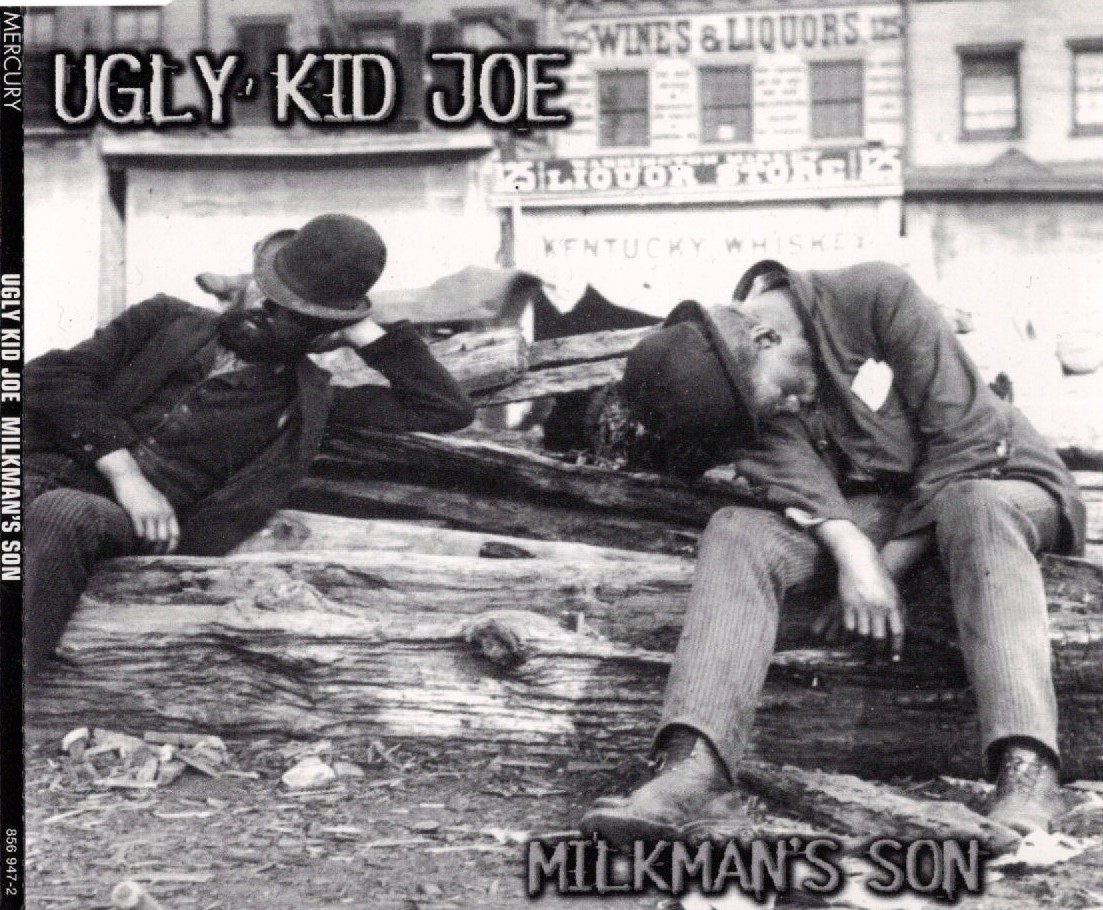
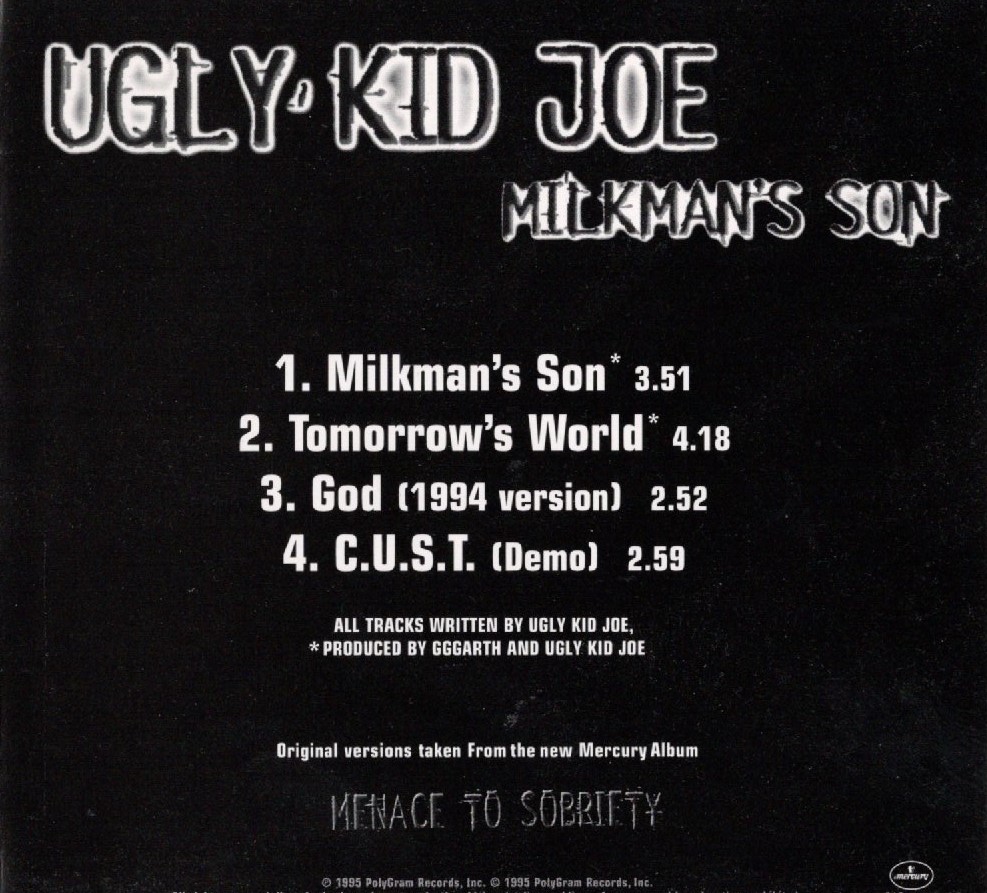
UGLY KID JOE – “Milkman’s Son” / “Tomorrow’s World” (1995 Mercury CD single)

This single seems kind of like a double header between “Milkman’s Son” and “Tomorrow’s World” which was the music video getting all the play on MuchMusic at the time.  Two of the best tracks from the album, they are a terrific one-two punch for this CD single.

The bonus tracks are quite cool.  There’s a 1994 version of “God”, which is structurally the same but rougher sounding.  Amazing how close to the final mark it was.  Then there’s a really rough demo of “C.U.S.T.” but still very close to its final form.  Hearing these somewhat flatter sounding early versions after listening to the album is really interesting, since it is so consistently pounding, especially in the bass.

Great single for bonus material and a good score if you can find one.

4/5 stars

REVIEW: Def Leppard – “Slang” (1996 UK single)

Part Nineteen of the Def Leppard Review Series

Alternate review:  “Slang” Souvenir pack single

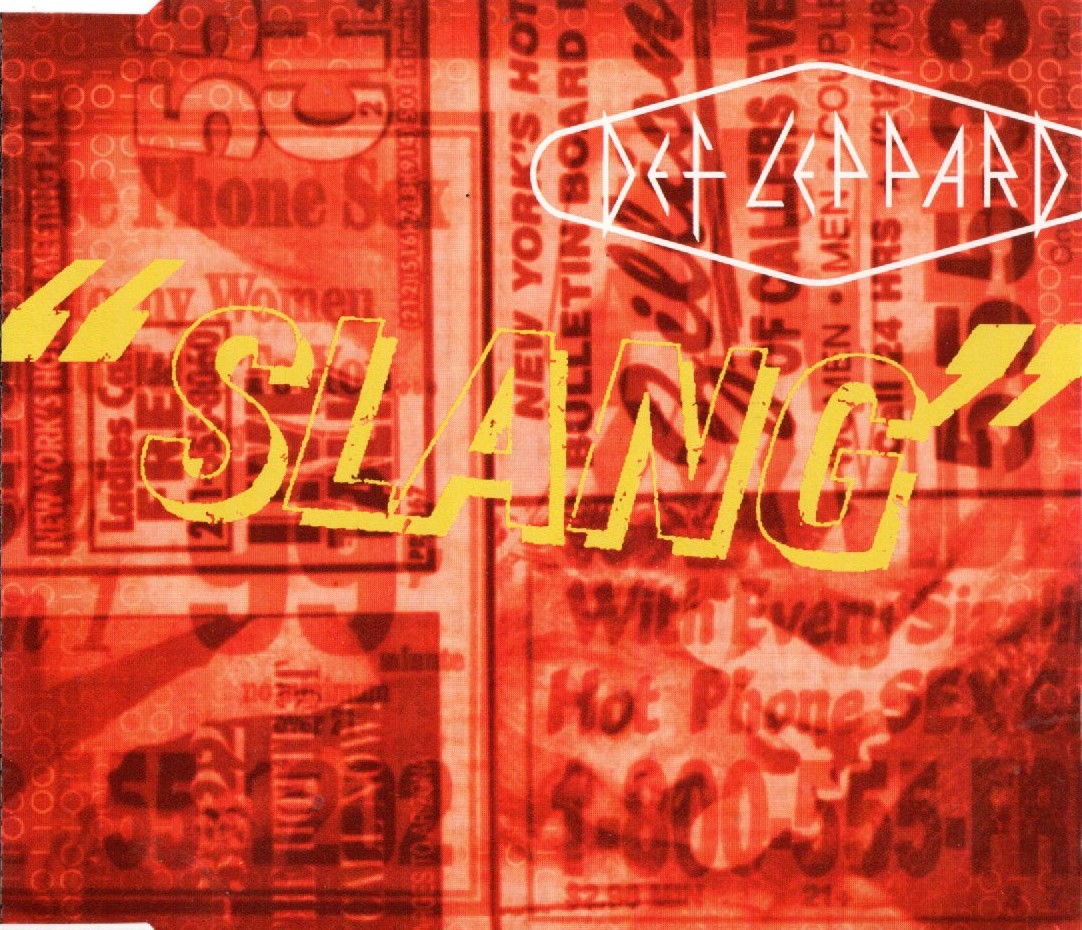
DEF LEPPARD – “Slang” (1996 UK Mercury single)

Kobayashi Maru:  The no-win scenario.  By 1996 the musical landscape had drastically shifted.  Five years of musical upheaval had left many bands in the dust, but Leppard were one of the few survivors.  They simply could not rest of their laurels, and they knew that.  Had Def Leppard come out with another soundalike album in 1996, they would have been accused of retreading the outdated and obsolete 1980s.

We knew Leppard were interested in a more organic way of recording after being locked in studios for so many years.  Their interest in acoustic music was now expressing itself in songs like “Can’t Keep Away From the Flame”, a truly excellent if obscure Japanese Vault bonus track that was also included as a B-side from the new album Slang.  If a track this solid was considered a B-side, you could imagine what the new album was going to be like.  It was a positive sign.  But the album wasn’t going to be acoustic.  Where were Leppard headed this time?

A clue was revealed by the title track, released as a single in May 1996.  Def Leppard had returned to experimentation.  Just as Hysteria was different from Pyromania, now they finally had something just as different from Hysteria.

With hip-hop beats and a big guitar, “Slang” shocked the faithful.  Rick Allen was starting to incorporate acoustic drums back into his kit and they sounded fresh and hot.  All the old Leppard ingredients were shaken n’ stirred, and the new concoction was an acquired addiction.  It’s an upbeat celebration of the new Leppard.  They had indeed gone outside the box.  They had to.  And they did it with creativity and integrity whether you like it or not.

This UK single came with three acoustic bonus tracks, all recorded for the BBC.  Continuing their acoustic side road, “Animal” and “Pour Some Sugar On Me” fare well in acoustic form.  Other acoustic versions were coming, on a limited 2 CD edition of Slang (which we will discuss when we get to that disc of CD Collection Vol 2).

The real treat of this single is the acoustic version of “Ziggy Stardust” (also included on CD Collection Vol 3).  A brilliant take, in fact.  Most bands sound like jackasses trying to cover classic Bowie.  Not Def Leppard.  Their acoustic version has just as much edge as an electric take would.  Joe Elliott’s penchant for Bowie will become relevant a few years down the road, when we take a detour on a Cybernautic misadventure.

“Sugar” and “Animal” acoustic at the BBC remain exclusive to this single.  Worth tracking down.  Though ultimately there are other recordings out there, these are just as good and collectible as ever.

4/5 stars

Previous:  

  1. The Early Years Disc One – On Through the Night 
  2. The Early Years Disc Two – High N’ Dry
  3. The Early Years Disc Three – When The Walls Came Tumbling Down: Live at the New Theater Oxford – 1980
  4. The Early Years Disc Four – Too Many Jitterbugs – EP, singles & unreleased
  5. The Early Years Disc 5 – Raw – Early BBC Recordings 
  6. The Early Years 79-81 (Summary)
  7. Pyromania
  8. Pyromania Live – L.A. Forum, 11 September 1983
  9. Hysteria
  10. Soundtrack From the Video Historia – Record Store Tales
  11. In The Round In Your Face DVD
  12. “Let’s Get Rocked” – The Wait for Adrenalize – Record Store Tales
  13. Adrenalize
  14. Live at the Freddie Mercury Tribute Concert
  15. Retro-Active
  16. Visualize
  17. Vault
  18. Video Archive

Next:

20. Slang

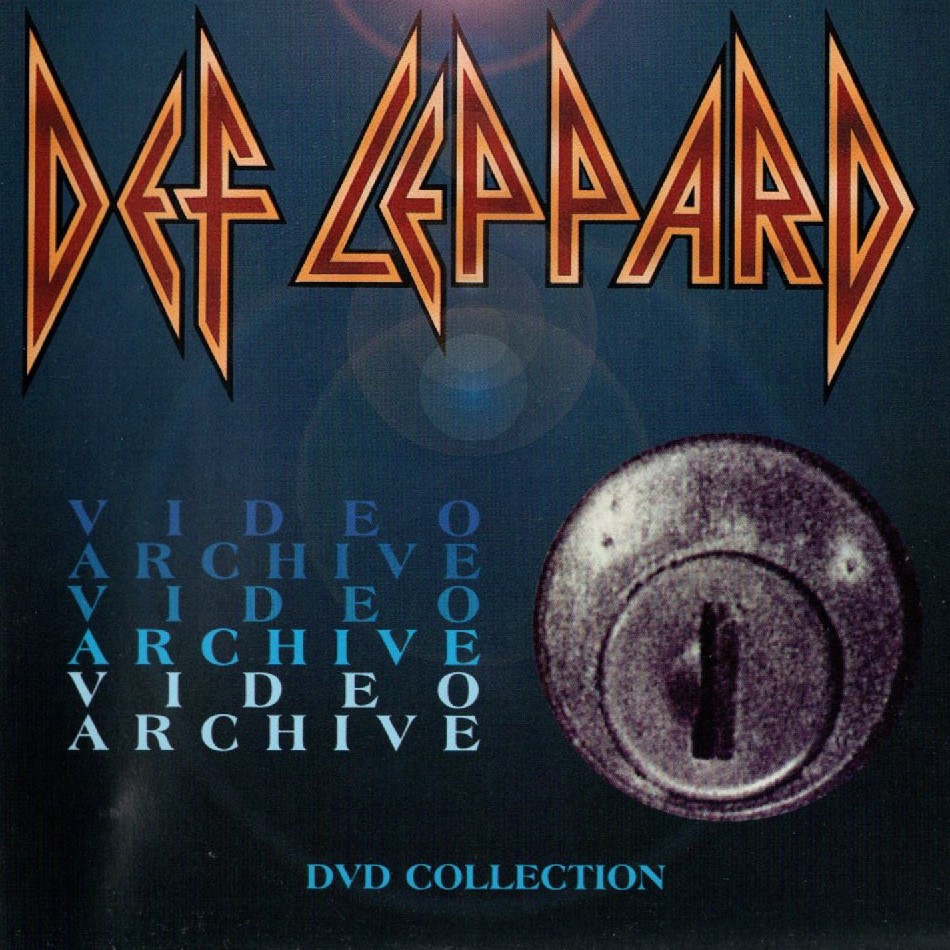
DVD REVIEW: Def Leppard – Video Archive (1995)

Part Eighteen of the Def Leppard Review Series

DEF LEPPARD – Video Archive (1995, 2001 Mercury DVD)

Only two years since their last home video, Def Leppard went back in for round three.  There were not many new video clips waiting to be released, just the four from Retro-Active and Vault, plus an alternate version.  Mostly, this Video Archive focused on live material.

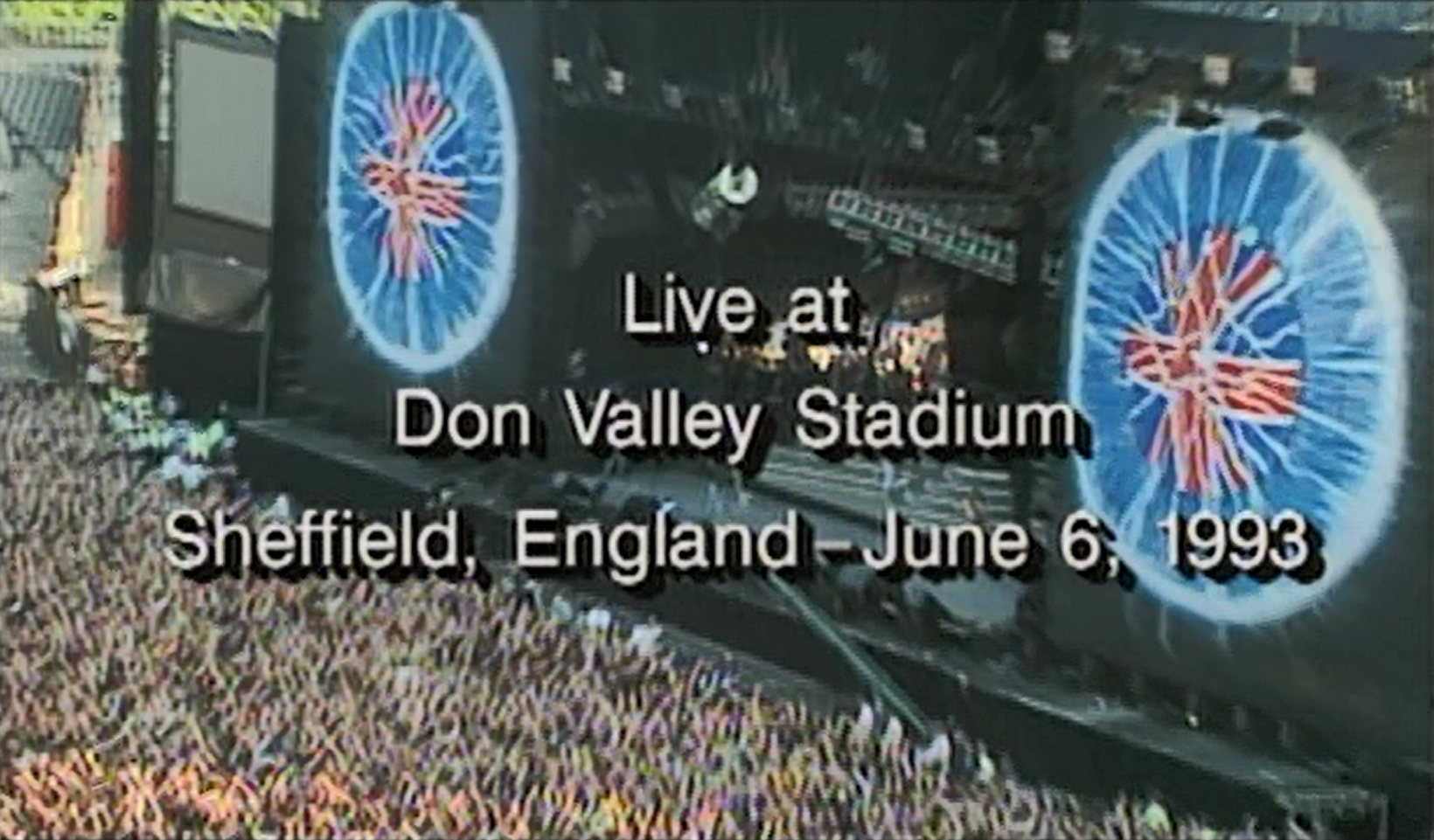
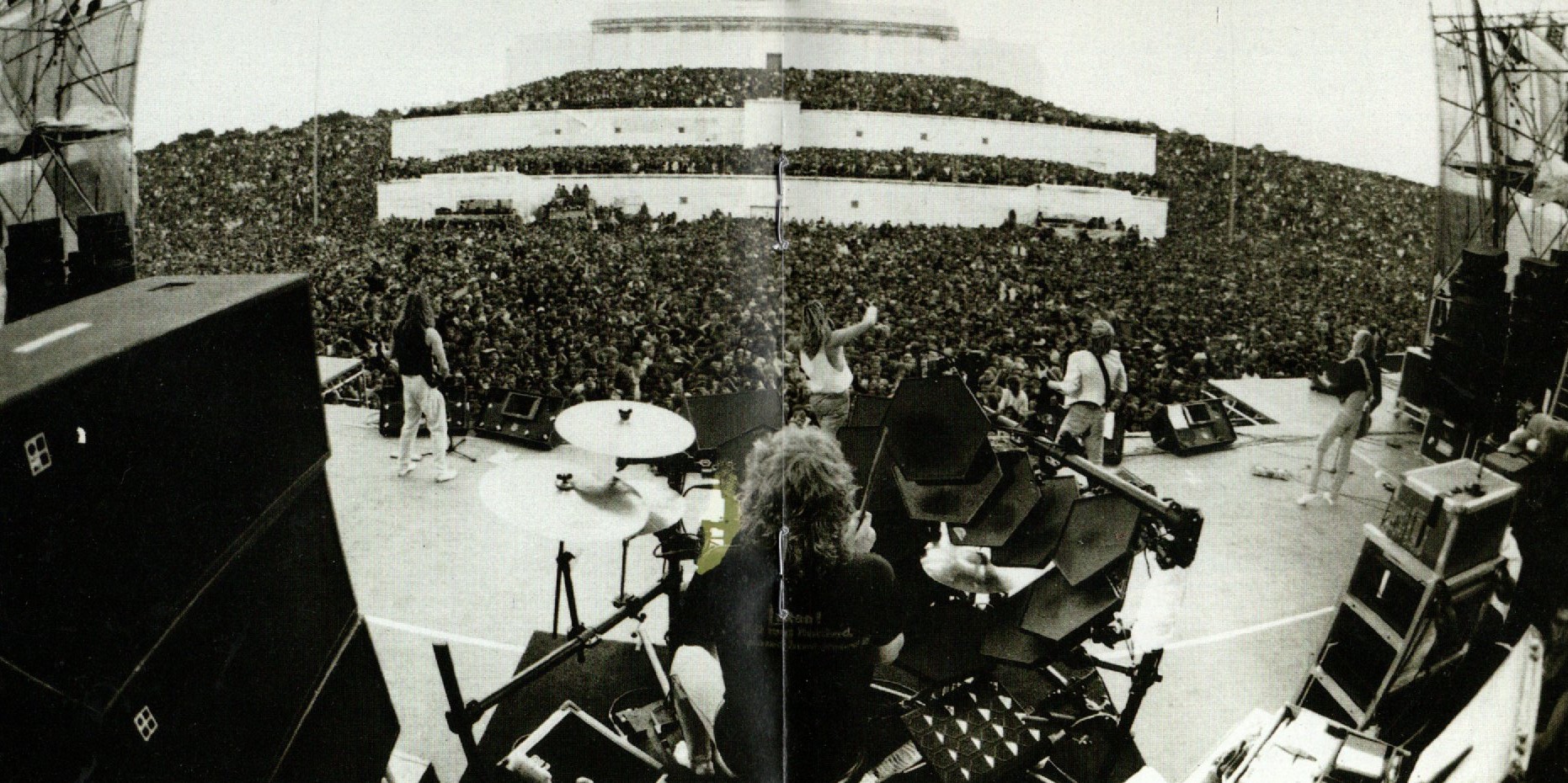
Def Leppard’s big hometown gig in Sheffield was something they were very proud of, and so it appears here and on the previous album’s Vault double disc edition  Well, some of it anyway.  Nine songs were on Vault; you can watch eight of those on video here.  (The ninth, “Photograph” is available on Visualize.)  The whole show has never been released (22 songs total) but this small handful can be had.  The hometown gig had 40,000 people going nuts for Leppard, something Joe mentions in the opening interview.

No shirts for Phil right from the first song, “Let’s Get Rocked”.  The editing in this concert relies on minimal gimmicks, but the choppy slo-mo bits probably were not necessary.  It also seems like the songs aren’t in order, because at the outdoor gig it gets dark and then light again.

On CD, “Armageddon It” comes second.  Here, it’s “Foolin'”.  I like when the camera switches to Phil when Joe sings “take your fill”.  Take your “Phil”?  Solid version of “Foolin'” and nice to see it with Vivian picking away for the first time on video.  “Rocket” features a cool light show, but what’s cool here is seeing Phil Collen and Vivian Campbell taking turns soloing.  Getting the chance to appreciate the differences between the two.  It’s definitely fun seeing Viv do the ol’ two-handed tapping like it was the 80s again.  Then Joe goes into “Whole Lotta Love”, before “Rocket” resumes its course.

The acoustic B-side “Two Steps Behind” is introduced as being from their next album Retro-Active.  The crowd already knows it.  The atmosphere goes from campfire singalong to party mode in seconds flat as “Armageddon It” begins.  Vivian does an admirable job of Steve Clark’s original solo – and then Joe Elliott jumps down to crowd level!

The familiar drum beat to “Pour Some Sugar On Me” is greated with the appropriate “hey! hey! heys!” necessary to start the song.  Viv is really having fun on this one, running and sliding across the stage.  “Rock of Ages” is a natural song to follow it with.  Rick “Sav” Savage doubles on bass and keys.  Some good shots here of Rick Allen doing his thing on his specialised drum kit.  Finally, “Love Bites” closes this portion of the program dramatically.  Fantastically fitting solo work by Viv, and Sav on keys one more time.

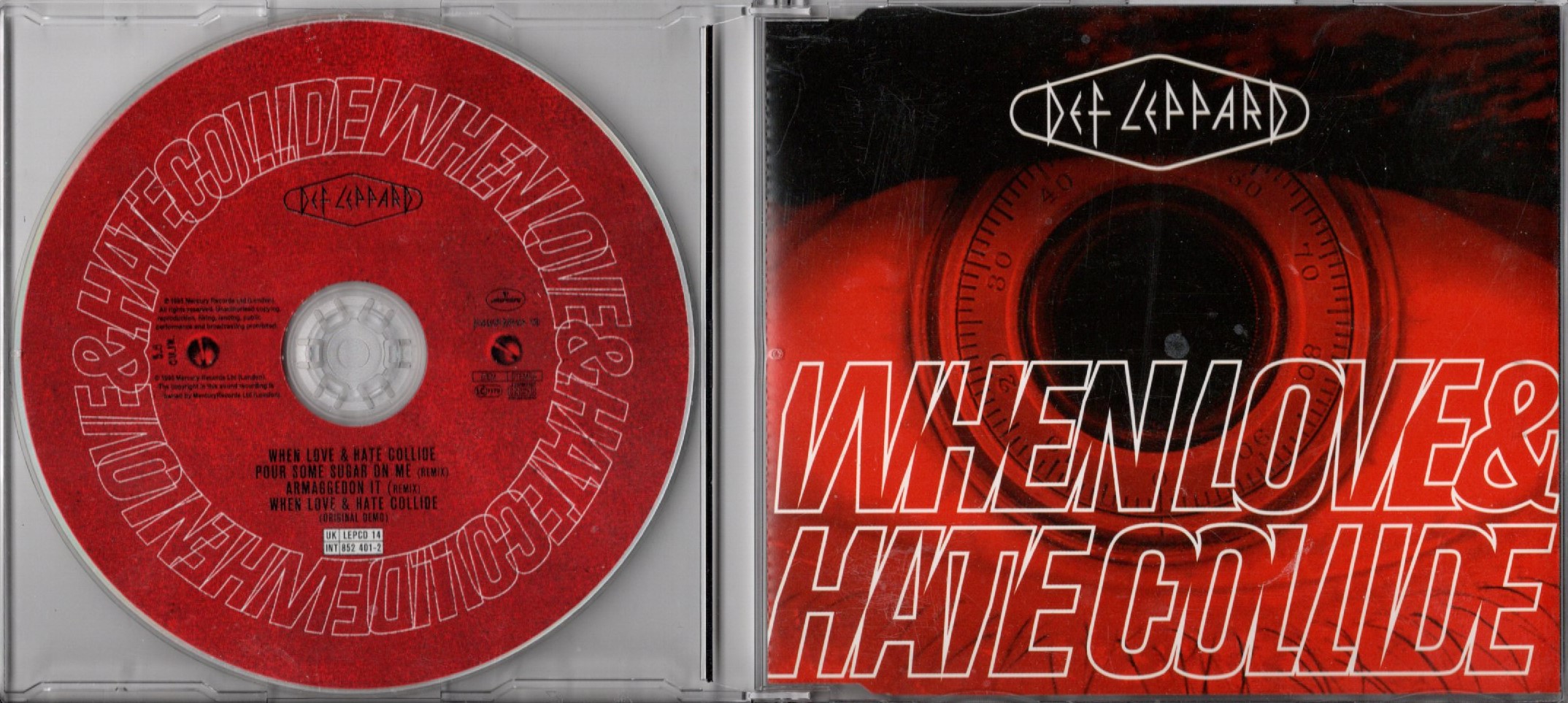
The next section of the DVD focuses on the music videos released since “Visualize”, beginning with their latest hit “When Love & Hate Collide”.  It’s here in two forms, but the straight performance is better than the “Epic 8 minute version”, which is bogged down by boring story and dialogue.  The simple, stripped version of the video suits the 90s even though it doesn’t really fit the string-adorned track.  “Two Steps Behind” was a cool grainy clip, featuring a string section this time!  The backwards-walking footage is fascinating and trippy.  Next is the rarely seen “Action” filmed on tour.  Joe’s sportin’ a goatee this time.  Toto, I don’t think we’re in the 80s anymore!  Also rarely seen, “Miss You In A Heartbeat”.  It’s the version with piano & band, and Joe’s tinklin’ the ivories, goatee still intact.  It’s like Lifestyles of the Rich and Famous, as each band member is playing in beautiful mansion settings.

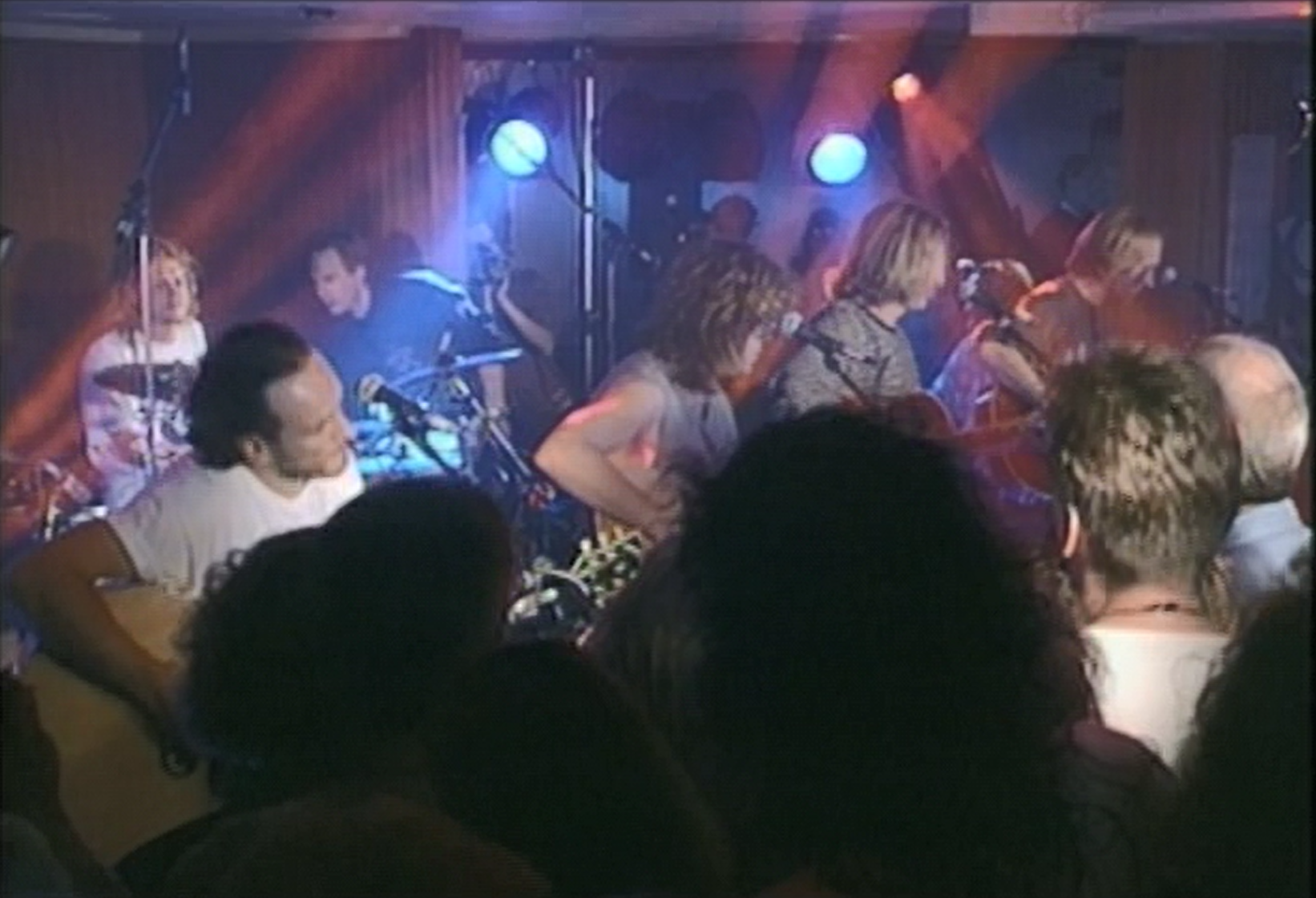
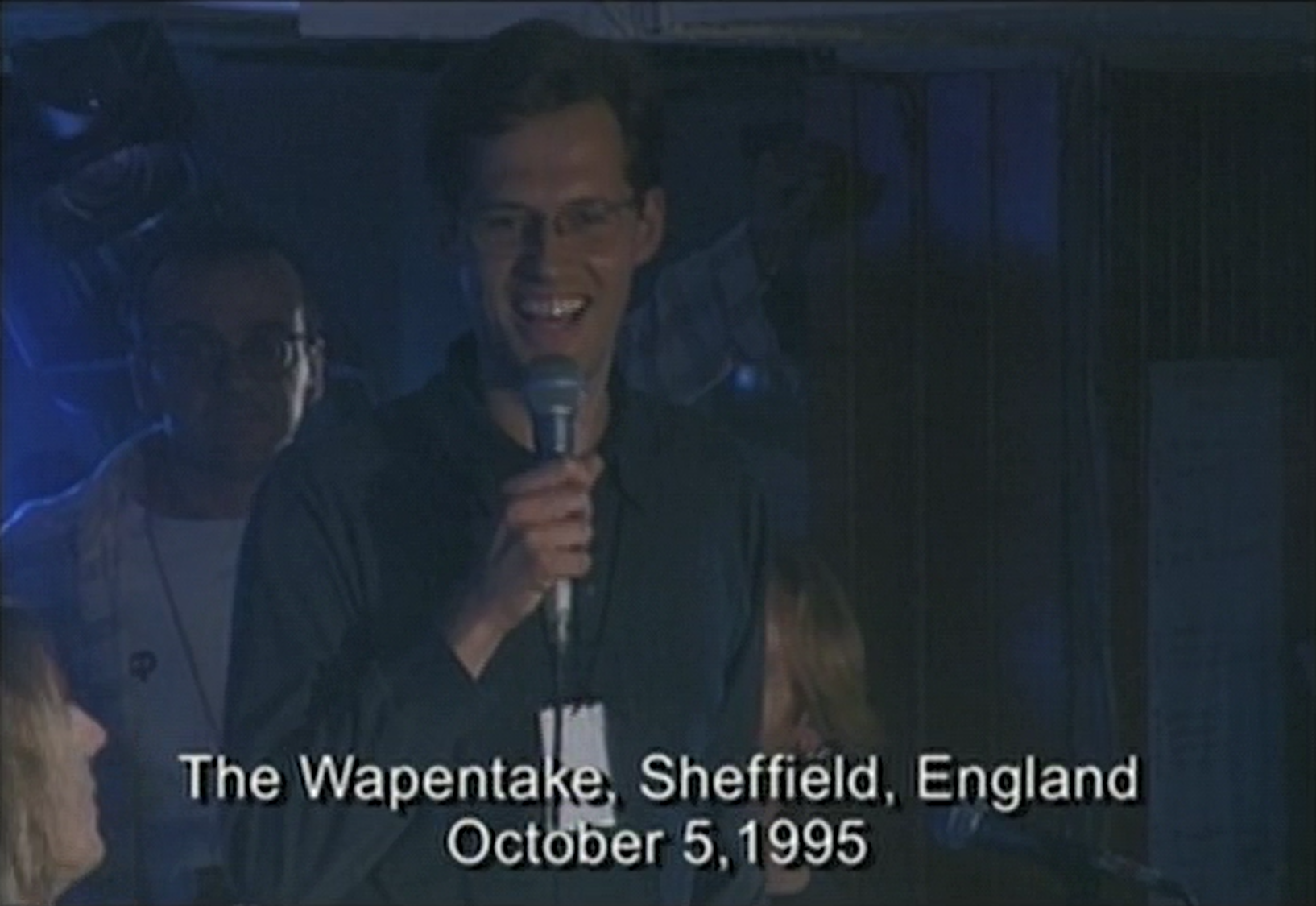
The highlight of the video is the final section:  Def Leppard unplugged at the Wapantake Club back in Sheffield, 1995.  In the interview footage, Phil says that he enjoys the acoustic setting because it proves that Def Leppard’s famous backing vocals are indeed live.  Meanwhile, Rick Allen appreciates the challenge of using an acoustic drum kit again.  But what’s really special is that the last time Def Leppard played the Wapantake, it was 1978.  Their triumphant return in 1995 is really cool and really should be released in CD form.  Fortunately it was filmed!

Once again, it’s “Two Steps Behind” but without a screaming crowd.  It’s just Def Leppard in a very packed but respectfully quiet room.  “Armageddon It” is bouncy, and the audience responds.  This take is one of the best versions of “Armageddon It” out there; just fun and perfectly performed in the right setting.  Then the new song:  “When Love & Hate Collide” was made available in live form right here mere weeks after its single release.  The acoustic setting works, but novelty aside, Def Leppard have better ballads.  “Animal” and “Sugar” bring the party atmosphere back to the Wapantake.  “Animal” works great acoustically, and “Sugar” takes on a different form.  Phil makes a good point about the backing vocals.  It’s great to hear them live and bare like this because they’re stellar!

Even though Joe said that was the last song, he lied because for the first time, and “for a laugh”, it’s “Ziggy Stardust”!  Joe says it’s the first time they ever played it live as a band in front of a crowd, so that’s special.  It’s also a brilliant version which doesn’t hurt.  Leppard nailed it with pure love.

But wait, there’s more!  The closing interviews discuss the new album Slang:  “Up to date”, “stuck in the 90s”, “different direction”, “complete different turn”, “experimental” are a selection of words used…but then there’s a preview.  Live at the Wapantake, and only for a few seconds, is the new song “All I Want Is Everything”.  One chorus and that’s all we get, though the folks at the gig that night heard the whole song.  The viewing audience at home only got a taste.  Not enough to judge by.  Not enough to get a feeling of what Def Leppard meant when they used words like “experimental”.

We’d find out soon enough.

The end credit music is an instrumental version of “When Love & Hate Collide” with only piano and strings and no band. Now that would be something cool to include in a future box set.

4/5 stars


Previous:  

  1. The Early Years Disc One – On Through the Night 
  2. The Early Years Disc Two – High N’ Dry
  3. The Early Years Disc Three – When The Walls Came Tumbling Down: Live at the New Theater Oxford – 1980
  4. The Early Years Disc Four – Too Many Jitterbugs – EP, singles & unreleased
  5. The Early Years Disc 5 – Raw – Early BBC Recordings 
  6. The Early Years 79-81 (Summary)
  7. Pyromania
  8. Pyromania Live – L.A. Forum, 11 September 1983
  9. Hysteria
  10. Soundtrack From the Video Historia – Record Store Tales
  11. In The Round In Your Face DVD
  12. “Let’s Get Rocked” – The Wait for Adrenalize – Record Store Tales
  13. Adrenalize
  14. Live at the Freddie Mercury Tribute Concert
  15. Retro-Active
  16. Visualize
  17. Vault

Next:

19. “Slang” (UK single)

REVIEW: Def Leppard – Vault / Limited Edition Live CD (1995 2 CD edition)

Part Seventeen of the Def Leppard Review Series

DEF LEPPARD – Vault: Def Leppard’s Greatest Hits / Limited Edition Live CD (1995 Mercury 2 CD edition)

Truth:  Vault was a paint-by-numbers compilation that could have been assembled with an algorithm.

Leppard had been largely ignoring their first two albums live in concert.  Predictably the only pre-Pyromania track on Vault, their first greatest hits, was “Bringin’ on the Heartbreak”.  The disc contains all the key singles from, essentially, three studio albums and the Retro-Active B-sides compilation.  According to the liner notes, it was released in order to “clear the decks” before their underrated re-invention to come on Slang.

As such, Vault debuted the last song written during the Steve Clark era that they still wanted to release:  “When Love & Hate Collide”.  Now including his replacement Vivian Campbell, it indicated Leppard were indeed going in a new direction.  As opposed to the smokin’ power-ballady demo, this version is more modern with strings and an organic approach.  Not one of Leppard’s most uniqiue ballads in the grand scheme of their discography, it was still a hit nonetheless.  The strings were arranged by, of course, Michael Kamen, who previously did the same on “Two Steps Behind”.  He has that saccharine touch that powered bands into the top 40, and that’s what you get with “When Love & Hate Collide”.  Love it or hate it.  It became a hit single in its own right.

The common two-track single was easy enough to find, but fans were best advised to locate the four track release.  It contained the demo version of the ballad, featuring the last recorded Steve Clark guitar solo.  (This version will be discussed in greater detail when we get to the appropriate disc in the CD Collection Vol 2 box set.)      

Another cool inclusion on Vault was a CD release of the long-sought “Pour Some Sugar On Me” video mix.  It is probably more well known than the album version due the massive exposure it got over the summer of ’88.  A thoughtful inclusion.  (This remix is also on the CD single for “When Love and Hate Collide”, which preceded Vault.  Also included on “When Love and Hate Collide” is the “Nuclear Mix” of “Armageddon It”.  You can find both of these remixes on the Hysteria deluxe and super deluxe editions.)

Otherwise, you get what you get.  The biggest hits but not the best hits.  Take out “Have You Ever Needed Someone So Bad” and replace it with “Stand Up (Kick Love Into Motion)”!  Ditch “Two Steps Behind” and gimme “Too Late For Love”!  (Incidentally, different countries got different tracklists so your experience may vary.)

Vault is still valuable for the cool liner notes by Peter Mensch, and comments on every track by the band members.  The booklet revealed the title of the next album for the first time:  Slang!  An odd title that surprised fans by its left-field simplicity.

It’s also valuable if you can get your hands on the double disc Vault including the Limited Edition Live CD.  Yep…that’s the title, and it’s from a hometown Sheffield gig recorded by the BBC in 1993.  Leppard were running like a finely oiled machine in ’93 and the songs were performed with consistency.  The nine tracks (of 22 total played that night) are all hits, which means they’re all also on disc one!

“Let’s Get Rocked” is a reliable opener, and “Armageddon It” follows it ably.  It’s Leppard live doing what they do best, and the songs are performed as immaculately as you’d expect.  “Armageddon It” has an extended intro so the audience can clap along.  Later in the set, it’s the full nine minutes of “Rocket” with long instrumental break.  It seems like a tough song to play live, and the vocals prove this is really live.  No messin’ around.  Good versions, one and all!  At the time of release, there were no Def Leppard live albums, period.  A handful of B-sides notwithstanding, this was the first.  It has since been supplanted by superior live CDs like In The Round – In Your Face in the Hysteria box set.

Vault was a big deal in 1995, but Leppard have since released Best of Def Leppard (2 CD UK), Rock Of Ages (2 CD US) and the recent Story So Far.  These double disc compilations have all the stuff on Vault‘s first disc and plenty more — but we’ll get there in due time.  Only the Limited Edition Live CD is exclusive today but since you can buy so many Leppard live albums now, it’s only for collectors.

3/5 stars

Previous:  

  1. The Early Years Disc One – On Through the Night 
  2. The Early Years Disc Two – High N’ Dry
  3. The Early Years Disc Three – When The Walls Came Tumbling Down: Live at the New Theater Oxford – 1980
  4. The Early Years Disc Four – Too Many Jitterbugs – EP, singles & unreleased
  5. The Early Years Disc 5 – Raw – Early BBC Recordings 
  6. The Early Years 79-81 (Summary)
  7. Pyromania
  8. Pyromania Live – L.A. Forum, 11 September 1983
  9. Hysteria
  10. Soundtrack From the Video Historia – Record Store Tales
  11. In The Round In Your Face DVD
  12. “Let’s Get Rocked” – The Wait for Adrenalize – Record Store Tales
  13. Adrenalize
  14. Live at the Freddie Mercury Tribute Concert
  15. Retro-Active
  16. Visualize

Next:

18. Video Archive


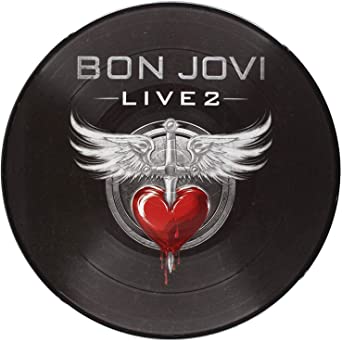
REVIEW: Bon Jovi – Live 2 (2014 10″ picture disc)

BON JOVI – Live 2 (2014 Mercury limited edition 10″ picture disc)

Live 2?  Surely there must be a Live 1.  It appears this 10″ picture disc is a sequel to a 1984 Bon Jovi EP called Live.  This picture disc, a limited edition of unknown quantity, collects four previously released classic live performances from the New Jersey tour.  They are remastered by Ryan Smith at Sterling Sound.

Though all the live tracks were available long ago on other rarities, the nice thing about this disc is that it actually tells you when and where they were recorded — information missing from some other releases.  This record is split into two sides — the U.S. side and the International side.

“I’ll Be There For You” (Lakeland, FL, 1989) and the next track were released on the 1993 double reissue of Keep the Faith, featuring a bonus CD also called Bon Jovi Live.  “I’ll Be There For You” was track four on that disc; here it is the lead.  A little slow, but Jon and Richie’s harmonies are the magic.  Sambora’s expressive playing is also outstanding.

Second, it is an electrifying live version of “Lay Your Hands On Me” (Giants Stadium, NJ, 1989).  Tico Torres really grabbed this song by the nuts with his opening drum salvo.  Songs like this really opened up Bon Jovi’s sound to include more roots.  The crowd noise is mixed low because you can tell it’s an endless mush of high-pitched screams!

Flipping to the International side, we are taken to Wembley in 1988.  Jon needs a doctor!  It’s “Bad Medicine”, of course.  “Doctor Bryan! I think I got it bad this time! What do you mean a shot can’t cure it? It’s like the luggage? Oh well!”  Never one of Jon’s finest songs, “Bad Medicine” is the upbeat party track of New Jersey, sometimes a necessary evil.  Over the years, you’ve just heard it enough times, and there are lots of live versions of “Bad Medicine” on uncountable releases.  This one was originally on the 1988 “Living In Sin” EP.  Comparatively speaking, it’s superior to the other live versions out there.

Finally, “Runaway” from Paris in 1988 was first made available as the B-side to “Lay Your Hands On Me”.  This energetic version is one of the best takes you will hear.  There’s a bare rawness to it, but the vocals are crisp and tight.  Everything clicks.

Although Live 2 only captures a tiny slice of the live Bon Jovi experience, it collects four key tracks.  Three of the four are really excellent examples of classic Bon Jovi live.  Not a bad buy if you don’t have them already.

3.5/5 stars

REVIEW: The Mighty Mighty Bosstones – Let’s Face It (1997)

THE MIGHTY MIGHTY BOSSTONES – Let’s Face It (1997 Mercury)

Once upon a time I thought Dicky Barrett was the most ridiculous singer I ever heard.  That still might be true.  His low growl is part Tom Waits and part Sherman tank.  Fortunately the three piece horn section of the Mighty Mighty Bosstones is capable of delivering all the good clean melodic hooks.  This leaves Barrett to deliver verbal gut punches while gargling glass mixed with sandpaper.  1997’s Let’s Face It was their breakthrough.  It’s a fine honing of their frantic ska-punk rave ups with a commercial understanding.

All the tracks are dance-able, it’s just a matter of slow or fast.  Most are fast!  “Noise Brigade” starts the party with some serious skanking, but the Bosstones give you a chance to breathe on hit “The Rascal King”.  You can sing along while you get down:  “The last hoorah?  Nah I’d do it again!”  Gentler reggae picking soon gives way to a chorus full of punch.  The horns (Tim “Johnny Vegas” Burton – sax, Kevin Lenear – sax, and Dennis Brockenborough – trombone) are a major part of another big hit, “Royal Oil”.  Great trombone solo, and upbeat chorus despire its dire anti-drug message.

This cluster of hits concludes with the big one, “The Impression That I Get”, #1 on the Canadian rock charts, was all over the place in ’97-’98. For good reason. If you could distil the Bosstones down to a chewable concentrate, it would probably taste exactly like “The Impression That I Get”.  Written by Barrett and bassist Joe Gittleman, it’s simply impossible not to move to this one.  The hooks that the horns deliver are just important as the chorus.  Both are equally timeless.  Nate Albert on guitar is the rhythmic master of ceremony, with the tricky offbeat reggae stylings mixed with metal pick slides.  While we’re handing out kudos, drummer Joe Sirois hits hard, but check out his cool shuffle at the end of the song.  Meanwhile, dancer Ben Carr makes his biggest impression (that I get) in the music video, as the newspaper-reading dude in a suit just dancing through various shots.  Brilliant video, too — cool use of backwards photography at the start.  The stark white background with the sleak dark suits matches the whole image and vibe of the Let’s Face It album.  Barrett looks about to burst of blood vessel when delivering that yell before the chorus.  The video was always in heavy rotation in Canada that year.

It doesn’t matter that there aren’t any singles left, because this is an album of great songs from top to bottom.  The title track could have been a fourth single.  Upbeat with hooky horns and a very important message:  “We sure weren’t put here to hate, be racist, be sexist, be bigots, be sure.  We won’t stand for your hate.”  Two decades before “woke” culture”, the Bosstones were already leading the charge.  And the message is as true then or now.

They take it heavy again on “That Bug Bit Me”, but with the horn section to the melodic rescue.  Nate Albert’s penchant for the odd metal hook makes a return, but the horns dominate “Another Drinkin’ Song”.  It starts slow and ominous but picks up and turns on the party hooks once more.  “Numbered Days” lets a guitar riff stand out, but Barrett’s barrelling baritone is a force to reckon with here.

Through to the end, there are no low points.  It’s just a matter of style and what hooks are the ones that stick.  “Break So Easily”, “Nevermind Me”, and “Desensitized” all hit the mark.  But closer “1-2-8” is mental.  And that’s the party in 33 minutes.  Over before you know it.  A perfect album.

5/5 stars
 

RE-REVIEW: KISS – Smashes, Thrashes & Hits (1988)

The KISS RE-REVIEW SERIES Part 36: 

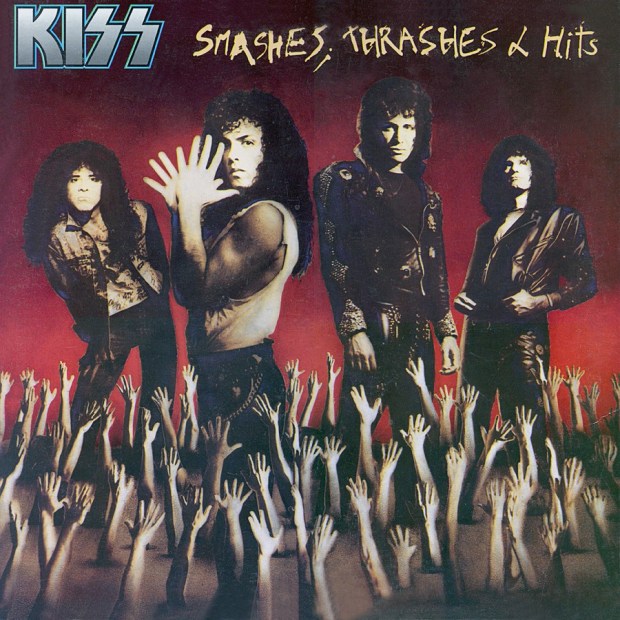
 – Smashes, Thrashes & Hits (1988 Mercury)

Though hard to believe, in 1988 Kiss needed the money.  According to CK Lendt in his book KISS and Sell, they were in trouble financially.  Some bad investments and too many expenses, plus the underperformance of Crazy Nights, had the band in a bind.  The traditional easy solution is to throw together a “greatest hits” set.

Gene announced this album to Canadian audiences on a trip to the Great White North promoting his record label, Simmons Records.  House of Lords were the band he primed to be big, and their debut album is held in high esteem by rock connoisseurs worldwide.  It seemed to fans that Simmons was transitioning from Hollywood to businessman.  Surely, it was hard to believe him when he claimed Kiss was still his priority.

Greatest hits albums need something new to sell them.  This was left to Paul Stanley, who produced two new songs co-written with Desmond Child (and Diane Warren on one).   It seems unlikely that Gene cared much at this point.  In the music video for one of the new songs, “(You Make Me) Rock Hard”, he can be clearly seen miming the wrong words.

Speaking of music videos, “Let’s Put the X in Sex” was something new for the band (and it wasn’t the lawsuit from the people who owned the building in the video).  Suddenly, Kiss were a three-piece backing band with a guitar-less frontman.  At least in the videos for Crazy Nights, Paul Stanley wore and danced with a guitar.  In “Let’s Put the X in Sex”, he is front and center, without instrument:  the frontman.  Gene’s just the bass player in these videos, looking completely lost.  Paul was doing all the work behind the scenes, therefore he was going to take the spotlight.  And why not?

Getting two new Kiss songs on a greatest hits was good in theory.  Even back then, we sensed they were more the “Paul Stanley Project” than Kiss.  For Kiss, they are too light and glossy.  “Let’s Put the X in Sex” has horns (or is it synth?) making it sound vaguely like an Aerosmith outtake from Permanent Vacation.  At least Steven Tyler injects a little cleverness into his innuendo.  Both Bruce Kulick and Eric Carr rise to the occasion with worthy work, but the tune is a dud.

Likewise with “(You Make Me) Rock Hard”, which passed for a rocker at the time.  Neither of the new tracks are as good as the four on Kiss Killers.  Paul must have just been out of gas.  He states these songs were the best he could do at the time without his partner in crime.  “Rock Hard” is just Kiss by numbers.

First two tracks aside, Smashes, Thrashes & Hits contains 13 of the greatest.  Most are remixed (ill-advisedly) to bring all the tracks to a standard sonic backdrop.  The remixes are from a variety of names in a number of studios:  Dave Wittman, David Thoener, Jay Messina for example.  Some played it a little more loose with the tracks, others didn’t meddle much.  “Love Gun” is an example of a remix that changes things up, but still works.  Ace’s solo is given more emphasis by mixing out the vocals.  It’s a cool alternate arrangement.  Excess echo is added on the drums…you can’t win ’em all.  Many of the remixes suffer from drum related issues.

Smashes, Thrashes & Hits takes a scattershot approach to running order.  It’s very telling that no tracks from Crazy Nights were included, except in the UK where “Crazy Crazy Nights” and “Reason to Live” were hits.  No tracks with an Ace Frehley writing credit were included, and only one from Peter Criss.  That’s another gripe that fans have with this album.

“Beth” is included, a throwback to one of Kiss’ biggest hits, which they tended to shun since Peter’s 1980 departure from Kiss.  It’s considered a slap in the face to Peter that Eric Carr was called in to re-record the lead vocal.  The backing track is identical.  Carr never felt comfortable in this role, but had never been featured on an album lead vocal before.  It was a hell of a dilemma for the drummer.  He’d been in the band for six years and six albums, and never got a lead vocal.  He did the best he could.  The re-recorded “Beth” didn’t replace the original, and it remains an oddity in the Kiss canon.

One afternoon in the summer of 1990, Bob and I were hanging out with these two girls at his trailer that we were going out with.  We were listening to songs, but Bob and I didn’t seem to get much say in what songs.  One of the girls said, “I have some Kiss!” and put on Beth.  As soon as she did, I had a feeling it wouldn’t be the original.  Simultaneously, Bob and I both said, “Oh no, it’s Eric!”  The girls had no idea what we were talking about or why it was a big deal.

Smashes, Thrashes & Hits was the first compilation to reconcile the makeup and non-makeup eras of Kiss.  The majority are from the makeup years, as it should be, with only three from non-makeup albums.  You could argue for this song and that song, but the running order is jarring.  “Heaven’s On Fire” into “Dr. Love” is not even as bizarre as “Beth” into “Tears are Falling”.  The less familiar remixes don’t help the situation.  Incidentally, the only songs untouched by remixers’ hands are “Lick It Up”, “Heaven’s On Fire”, “Tears are Falling” and “I Was Made For Lovin’ You”.

There was no tour for Smashes, Thrashes and Hits.  Gene had his label stuff, including a new Canadian band called Gypsy Rose to think about.  (Remember “Poisoned By Love” on Simmons Records?)  Paul Stanley didn’t want to sit idle, and so did a 1989 solo tour.  Kiss family member Bob Kulick returned to his side on guitar.  Kiss keyboardist Gary Corbett was there with bassist Dennis St. James and ex-Black Sabbath drummer Eric Singer.  The setlist featured a number of old Kiss classics that hadn’t been played live in 10 years, such as “I Want You”.  Eric Carr was unhappy about the solo tour, worrying about what it meant.  Like most Kiss fans, he wondered if it was the beginning of the end.  He also worried that Paul didn’t ask him to be his solo drummer.  Paul said it was because two Kiss members wouldn’t be right for a solo tour.  Ominously, Eric Carr said about Singer:  “That’s the guy who’s going to replace me.”

Fans were confused and some were unhappy.  Like they had once before, Kiss were drifting further and further into pop music.  This time, it was without Ace Frehley to keep them anchored.  Paul Stanley now seemed to be a Bon Jovi-like dancing frontman.  These new songs were not easy to stomach, and the Eric Carr vocal felt all wrong.  Had Kiss lost all credibility?  Smashes, Thrashes and Hits wasn’t winning any back.

Today’s rating:

2/5 stars

Original mikeladano.com review:  2012/08/06

RE-REVIEW: KISS – eXposed (1987 video)

The KISS RE-REVIEW SERIES Part 31

 – eXposed (1987 VHS/2002 Mercury DVD)

“Hello.  The show we are about to see is a rousing docu-drama.  It will disgust some, and titillate others.  But whether it disgusts you, or titillates you, it is the truth, the whole truth, and nothing but…the truth.”

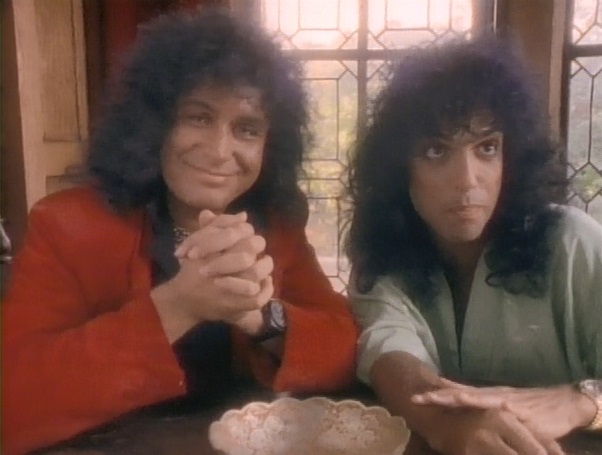
Kiss were on to something here.  The concept of a home video release that was more than just a compilation of clips was fairly new.  Kiss took the bull by the horns and put together a video that was all at once extremely sexist and innovative, offensive and invaluable.  Only fans need apply; anyone who is sick of Gene Simmons’ schtick will bore quickly of his oafish humour.  But when Kiss play it “straight” in certain interview segments, light shines through.  The old memories and the old friendships are fresh and vivid.

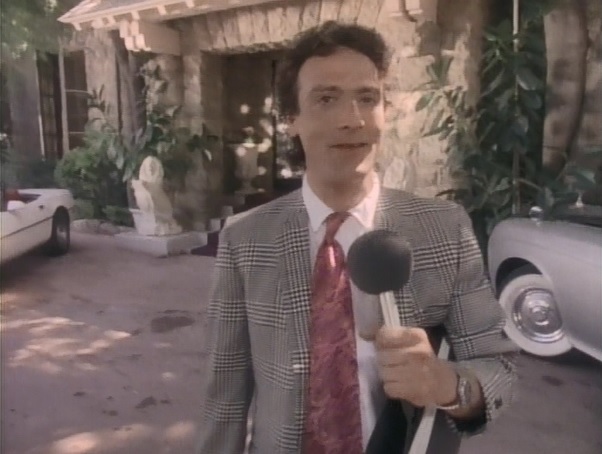
Interviewer Mark Blankfield strolls up to the “Kiss Mansion” where all four members live Monkee-like together in one house with dozens upon dozens of beautiful women. The doorbell plays “Rock N’ Roll All Nite”, and Paul Stanley is confused. He thought the interview was scheduled for…not noon, but 12 midnight! Nyuck, nyuck, nyuck.

The KISS Mansion

Some of the scripted bits are actually funnier than you’d expect. Paul and Gene are natural clowns, and playing the role of disinterested rock stars tickles the funnybone.  Blankfield keeps chasing them around, trying to get them to do some interviews.  All the while, he encounters scantily clad babes in various states of undress, and a butler intent on keeping him away from them.  Subjects of discussion in the scripted bits include nutrition and fitness.  Learn about Joseph Kiss Sr., who came up with the vision of Kiss in 1773.  Check out Paul Stanley’s workout video!  Meet his best friend, a monkey named Sonny Crockett. Cut to a music video!

The music videos are something. In a scripted bit, Paul is surprised that they have access to the uncensored version of “Who Wants to Be Lonely”, which neither MTV nor MuchMusic were willing to play. Censors were offended by images of women in bikinis spraying themselves with hoses, even though I’m sure George Michael did something similar a couple years later. Every music video that Kiss filmed from “I Love It Loud” (1982) to the Asylum album (1985) is included, except “Thrills in the Night”.*  All videos from eras prior to this are live and unreleased!

“Deuce” in San Fransisco

Live in Rio, from Kiss’ very last concert in makeup, it’s “I Love It Loud” with Vinnie Vincent!  This is good quality video and audio from a TV broadcast.  From the now famous bootleg Kissin’ Time in San Francisco (1975), it’s a nuclear version of “Deuce” in black and white.  It’s the first appearance of Ace Frehley and Peter Criss in this feature, and the rawness of the old band is a delightful contrast to the new.  Then it’s “Strutter” at Cobo Hall in ’76, an Ace guitar solo from 1980, and “Beth” in 1977 with Peter Criss (and a pretty bad final note).  Gene’s got a bass solo/blood spitting clip to show off, but the most interesting clip of the batch could be “Detroit Rock City” in Australia, 1980.  Paul did the verse melody with a slightly different twist.  “Rock and Roll all Nite” is included from the same show, which had Eric Carr on drums.  “I Stole Your Love” and “Ladies Room” have the original lineup from the Love Gun tour; Kiss at their bombastic best.

Of the best of the “straight” interview clips is the question, “How did you two get together?”  Paul and Gene start busking to “I’ll Be Back” by the Beatles, and suddenly you can imagine what they sounded like in 1972.  They even sing bits of Gene’s more…obscure early material.  “I love Eskimos…”  “My mother is beauuuutiful…”  (Hopefully we will hear these songs on Gene’s upcoming 150 track box set, Vault?)  Another good question, to Gene, is “Have you gone Hollywood?” which he answers with candor.

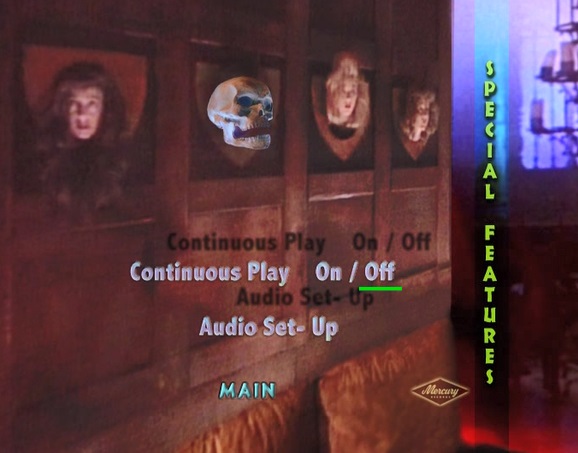
Incredible special features

The very large issue with this DVD is the absence of Bruce Kulick and Eric Carr.  They only appear in brief cameos, and get a couple lines a piece.  That’s very unfortunate.  And then there is the excessive objectification of women.  It’s done as an obvious satire of the rock star stereotype, but not particularly well.  Too bad.  This isn’t Spinal Tap.

Some of the diehards would have preferred a home video with more music and less gags.  Fortunately Kiss got the message when they eventually  got around to a sequel.

3/5 stars

* It appears  that “Thrills in the Night” must have been intended for inclusion at one point, because it’s in the songwriting credits at the end of the video.


Original mikeladano.com review:  2012/08/03