by Harrison Kopp
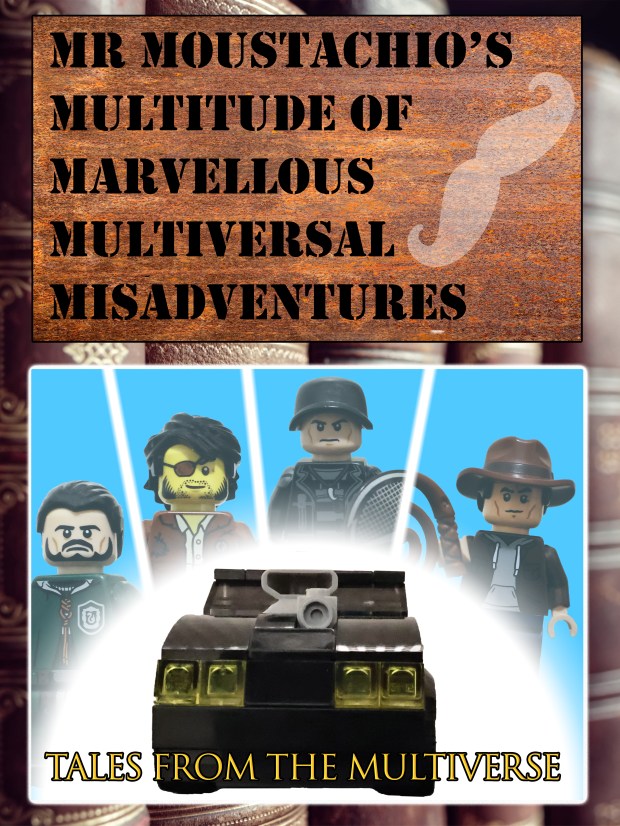
Mr Moustachio’s Multitude of Marvellous Multiversal Misadventures
Tales From The Multivers Chapter 3
Part 1 – Man Of A Thousand Blades
Sunset Town
The 21st century
An hour before it’s dark
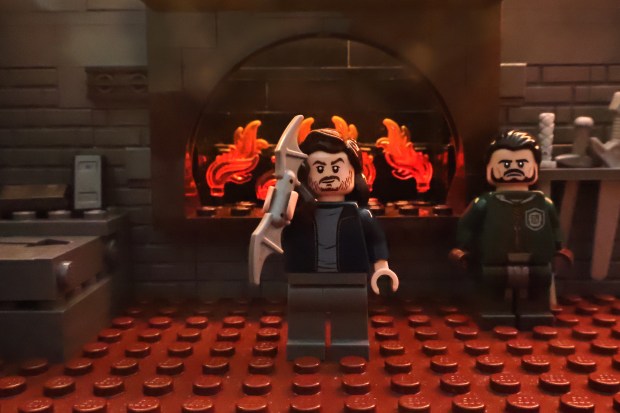
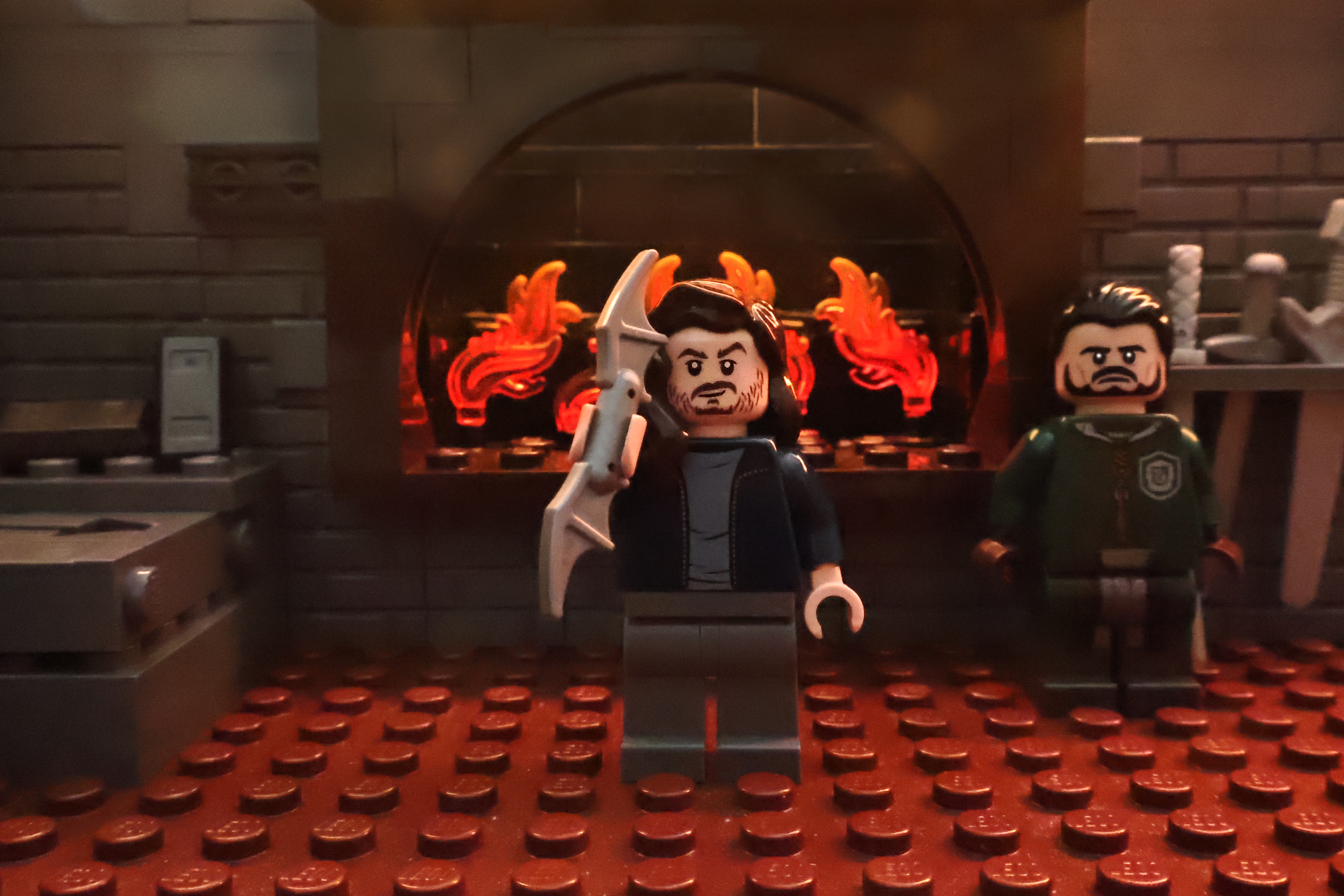
Sweat was pouring off El Moustachio’s brow. The heat of the furnace was intense. The temperature needed to melt this metal of interstellar origin was unimaginable. The master of the forge, an aging individual with a black beard and more lines on his face than most had years lived, watched over the proceedings.
“If you forge it properly, it will be harder and sharper than any other metal you will find. But fail in your technique and it will fail you when you will need it most.”
Moustachio was concentrating intently. The skill required was beyond anything he had trained for in the past. And that included the mandatory boomerang training he had taken in school back when he was a kid.
Finishing his efforts, he set the blade to cool. That afternoon, the pair returned, and the forgemaster inspected the Australian’s handiwork.
Moustachio had crafted a new boomerang. It was still moustache-shaped, but this time it was a little different. His previous boomerang had had the grips on each end and the blade in the middle, but this one reversed it. He could still throw it with ease, but now, with the blades on the ends, he could also wield it in close quarters as one would a double-bladed knife. Easily the superior weapon of the two.
The forgemaster turned it over in his hand, running his eye along the cutting edge.
“Never have I seen so flawless a blade in all my years teaching,” the master said.
“Thank you,” said Moustachio.
“And never before have I seen so many attempts.” The older man continued, gesturing to the many discarded semi-completed blades (Moustachio had been here only 80 days, but had spent most of them in the forge). “You have learned well with each try, and your determination and drive for perfection is beyond that of any of my previous students. This blade will not fail you.”
And so the time came for Moustachio to move on in his travels through the multiverse. He bid his master farewell and gunned the engine of the V8 interceptor, roaring off into the great unknown with his new weapon.
Part 2- Tennessee Bones & The Temple Of Doom Metal
South America
1995
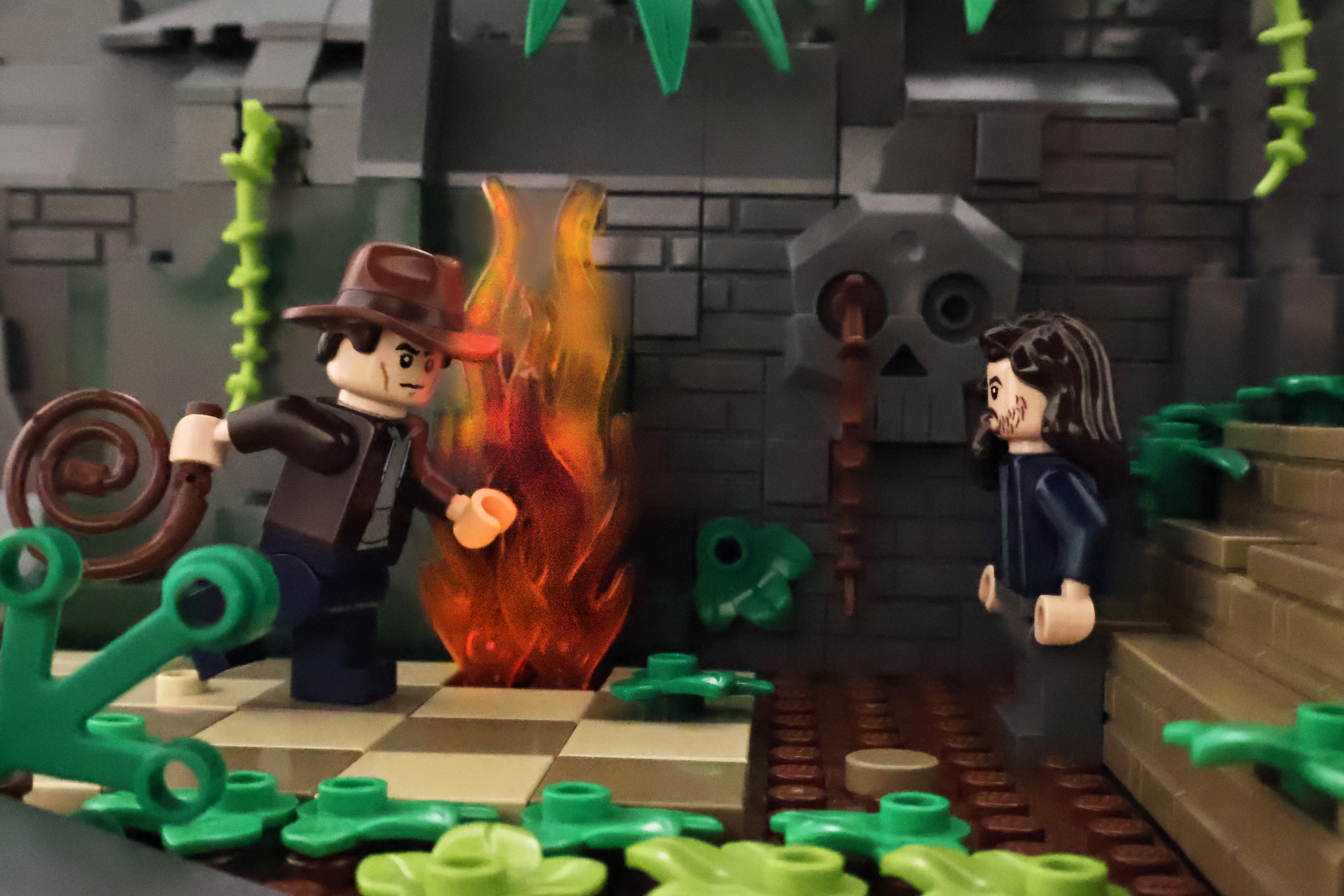
Tennessee Bones strode purposefully through the South American jungles, occasionally pausing to hack at some vines blocking his path. Behind him walked El Moustachio, enjoying the clear path the former man had created. The two men were here trying to locate a hidden temple dedicated to Doom Metal.
It was rumoured to contain many artefacts of the musical genre, some of which had essentially become ‘extinct’ in the music collector’s scene in the rest of the world. But so too had the temple and its treasures been lost. The two men were following a tattered map. While they both had their doubts as to its veracity, they were both willing to give it a try.
Abruptly, Tennessee came to a standstill. Under the brim of his fedora hat his eyes studied the dense vegetation in front of him. Then, without a word, he stalked forward and made three direct cuts to a specific part of foliage.
The plants melted away to reveal a hole in a rocky wall. From inside the faint sound of wind could be heard.
“Looks like it’s through here,” he called back to his Australian companion.
The two men carefully ventured forth. There was no telling what traps had been laid to protect the precious musical artefacts inside.
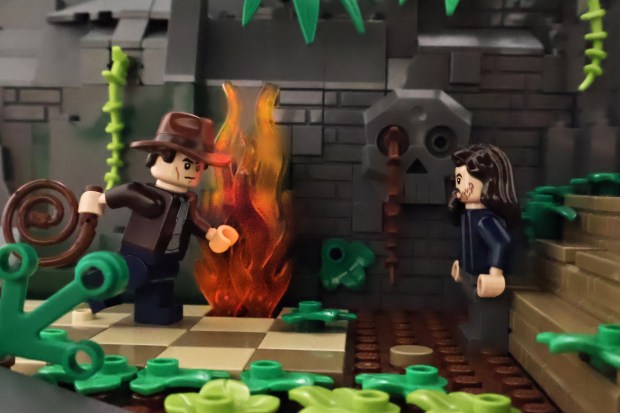
After a short time, with more than a few close calls, they happened across a large circular chamber, with pedestals lining the outer wall. A mass of candles lit the room, and atop each pedestal sat a vinyl record or compact disc (as well as a few other, more obscure, music formats). The two men knew they were in business.
Tennessee could hardly contain himself, bounding forward with such enthusiasm that if there had been any traps in the room he would have gleefully sprung them without the chance to react.
“The superintendent will be thrilled with these finds. The museum will be having a new exhibit alright. We might even need to build a new wing to house it all. I won’t be able to bring this all back with me in one trip.”
The Canadian ran from pedestal to pedestal, gawking at sights once thought completely lost to mankind.
Moustachio homed in on one in particular: Black Sabbath’s 1970 debut album. There was an entire shrine dedicated to it at the back of the room, with copies of the album on every possible format. Even 8-track! Moustachio wasn’t even sure if it came on 8-Track back in his home universe.
The plaque below the display described the album as the forebearer of the genre.
It seems some things do remain consistent across the universes, Moustachio thought to himself.
Tennessee had no use for it. It was, after all, widely available, unlike some of the other rare finds in the room. Moustachio happily helped himself to the cassette edition of the album. Why that one in particular, I hear you ask?
Well part of the process of transferring universes using the V8 Interceptor required the driver to be listening to pure rock music. Where before he would have to tune into the radio and get lucky, now he could play it on demand.
(Is Black Sabbath strictly rock music? Well, heavy metal founders this, riffmaster that yadda yadda. They still count as rock music in my book. I’m pretty sure they described themselves as hard rock music back in the day. Motorhead would always introduce themselves as rock and roll too. And besides, these are just labels record companies give bands to market them to people who liked similar bands. Iron Maiden aren’t heavy metal, or hard rock or progressive metal- their Iron Maiden! Listen to whatever you want to, and don’t let anyone tell you you can’t enjoy Ghost because “they’re not heavy metal”).
Anyway, sorry about that. Back to the story. The two men parted ways, happy to have spent the time together in company, but both with their own paths to tread. Tennessee Bones still had numerous treasures to uncover, and Moustachio once again set out into the infinite multiverse searching for a way home.
Part 3 – A World Without Heroes
Earth-88
1942
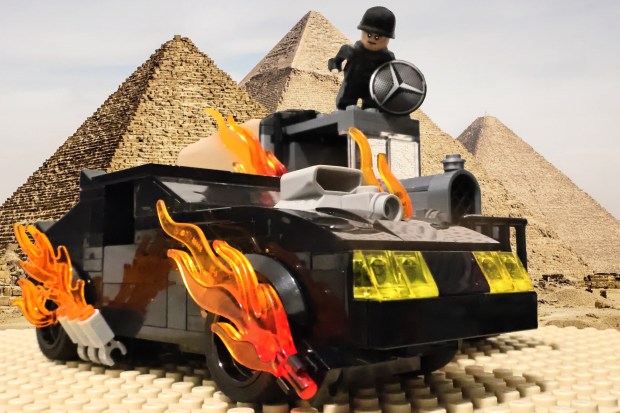
The throaty crackle of a powerful V8 engine shattered the stillness of the Egyptian desert morning. Its dawn chorus was echoed by the quieter, but rougher, sound of a diesel truck engine.
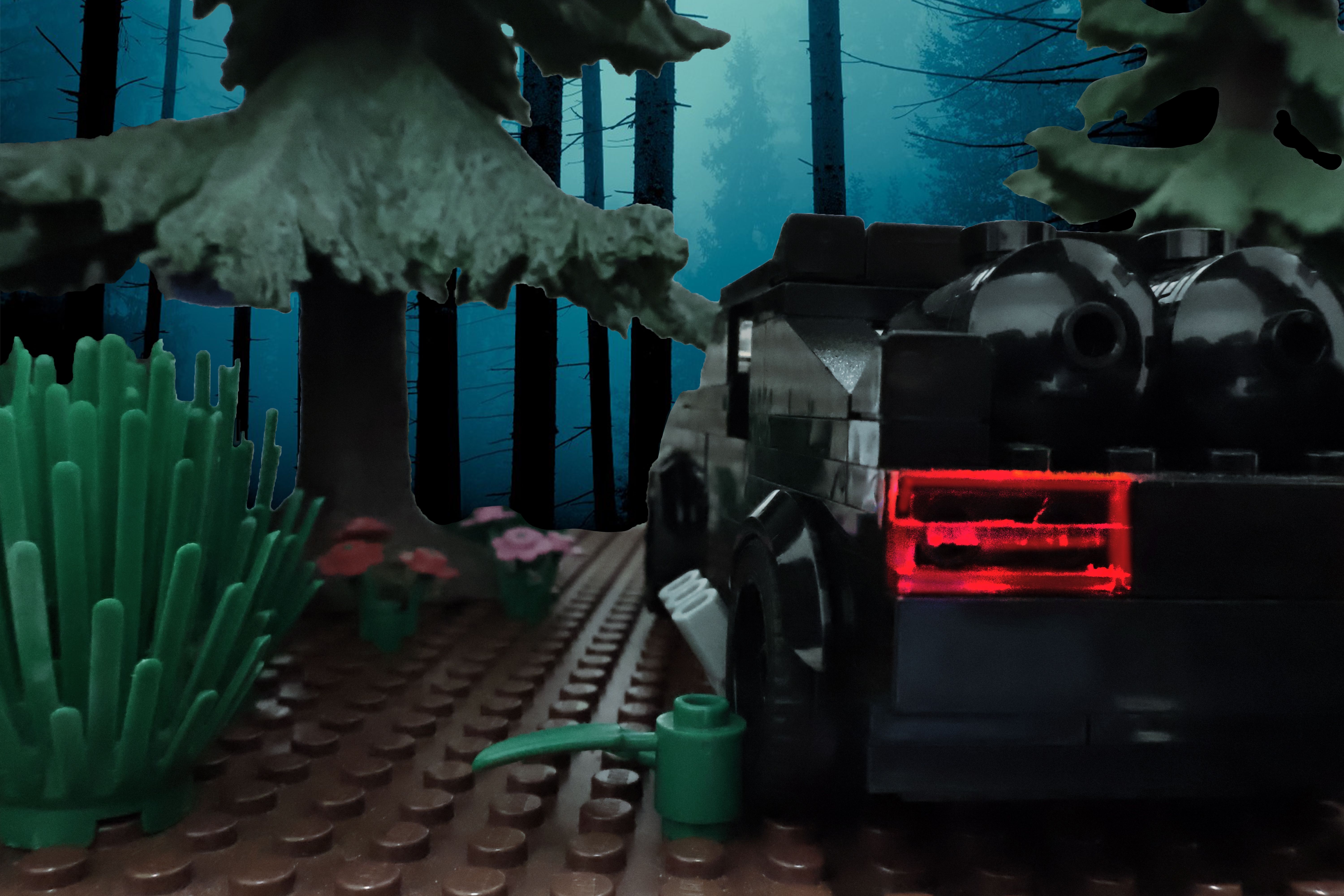
Racing through sand roads was Moustachio’s V8 Interceptor, now with a modification to the rear to fit one large fuel tank and another large tank with an assortment of compartments for various liquids. Being out on the road in the multiverse often took him away from oil and coolant for extended periods of time.
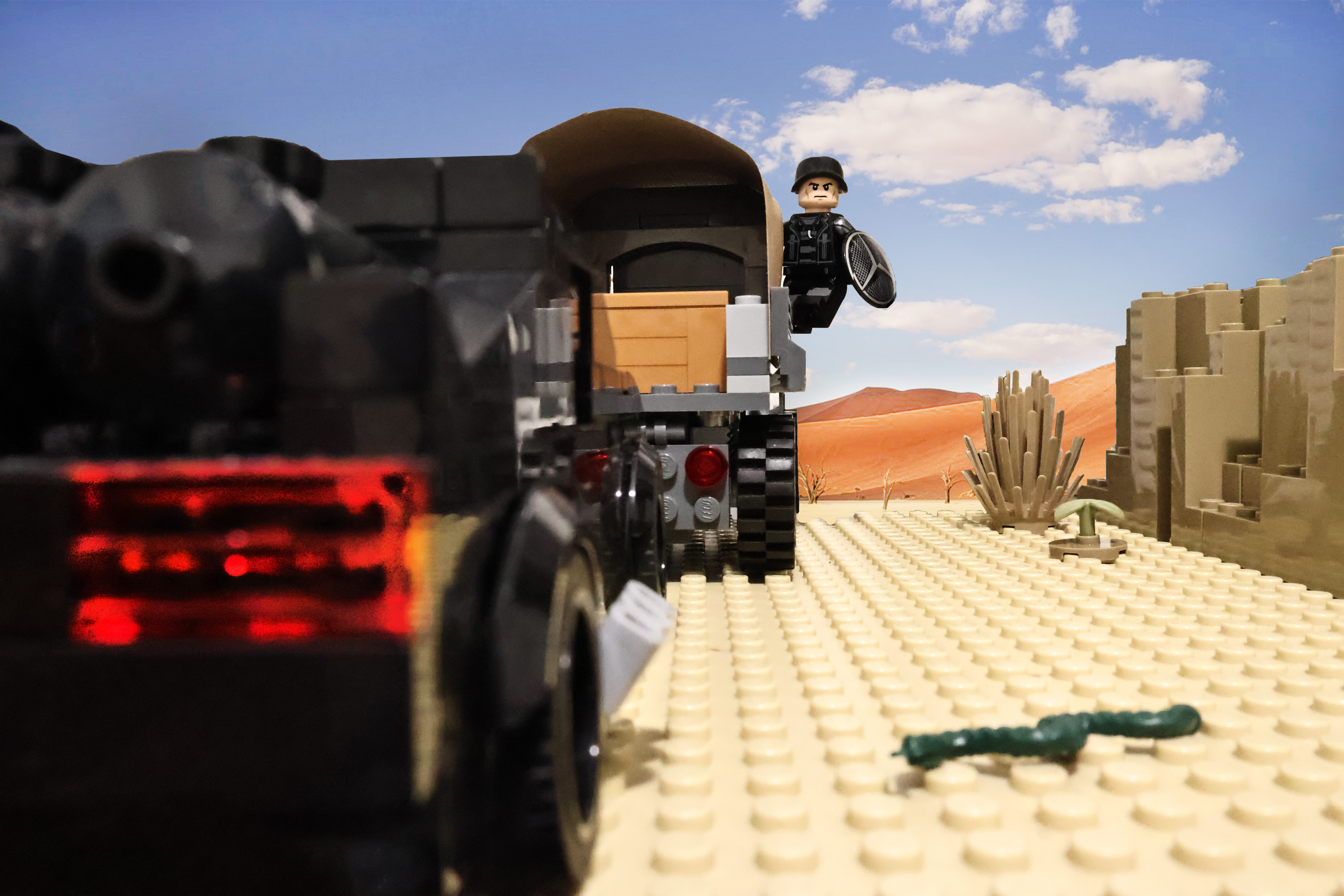
Fleeing the black car was a Mercedes-Benz LG3000. The workhorse truck had had a head start, but Moustachio had quickly closed the distance. The Australian pulled a revolver from his door-well and fired at the truck’s rear. This did not escape the notice of its occupants, and out from inside the truck swung a stony-faced German in black armour.
He effortlessly climbed to the roof of the truck and fearlessly turned to face the source of the bullets.
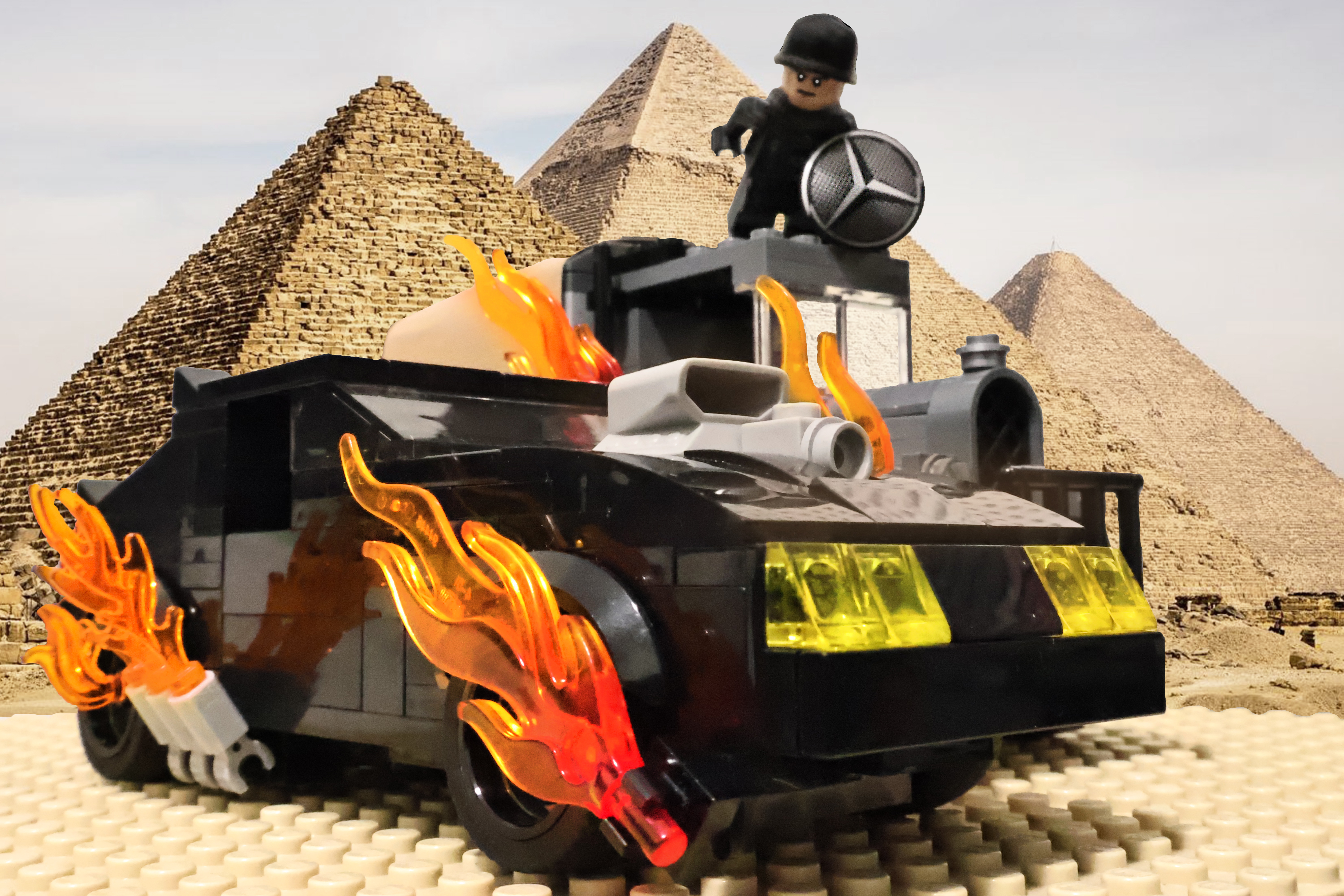
Moustachio fired again. Three shots. With almost impossible reflexes, the unusual German Soldier raised his shield, blocking them all. Upon his shield was a familiar 3-point star insignia.
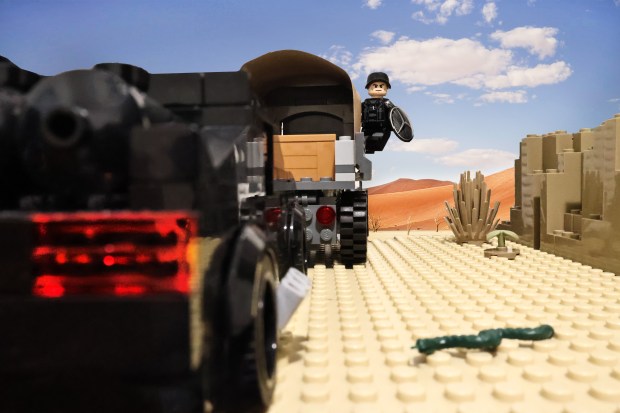
The German was not content to merely soak up ballistics, however, and promptly hurled his shield directly at the V8 Interceptor’s windscreen.
Moustachio swerved to avoid the flying shield, nearly taking out a wandering camel. The shield, meanwhile, bounced off the ground at a peculiar angle, before ricocheting off a rock wall and returning to its owner’s arm.
Suddenly Moustachio knew exactly who this was. And he wasn’t thrilled at the idea of having to take on Captain America. Well, more like his German variant. Kapitan Deutschland, probably.
They were approaching the outskirts of Cairo now. This chase could get infinitely more dangerous if it continued. Bullets sprayed the air next to his car, and he flicked his eyes to the mirrors. A couple of German pursuit cars had caught up to him.
Crud, Moustachio thought to himself.
Atop the truck Kapitan Deutschland readied his shield for another throw. Behind him the vehicular gunners adjusted their aim. Between the two of them, one would hit their target.
With a heavy heart, Moustachio had to withdraw from this chase.
Regretfully he gunned the engine and disappeared into another universe seconds before his position was riddled with gunfire. He hated to leave the cargo in the hands of the Germans, let alone give them free reign on the rest of this world, but he had no choice.
One day I’ll come back he thought to himself as he disappeared in a fiery-orange flash.
Part 5 – A Selection Of Items That Can Be Found In The Interceptor’s Back Seat
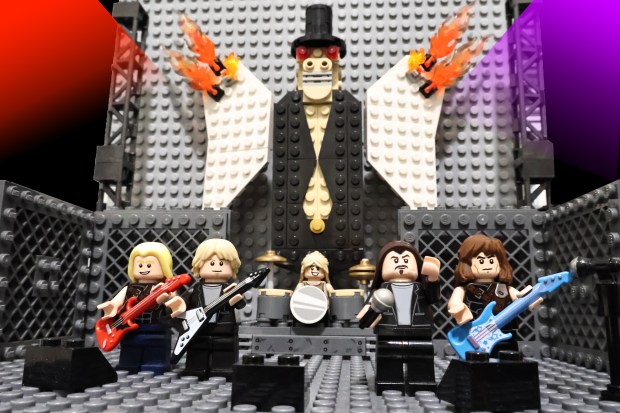
The Cross Factour Live
As you could imagine, in the multiverse you could often find alternate versions of history. In the music world this meant a wealth of albums you could only dream of back home. Moustachio had bought a few of them along with him. For his friend Tee Bone Man there was the rest of the Van Halen discography with David Lee Roth on vocals. For the Brainiac there was Kiss’s Creatures of the Night album, but with Eddie Van Halen playing guitar instead of Ace Frehley. He’d also taken the 8-track copy of Black Sabbath, for good measure. There could be some weird people out there who collected formats that they couldn’t even play.
For himself, Moustachio had a couple of interesting finds. He had grabbed a neat 7” single from Thin Lizzy for the song “Reelin’ in the Years”. He knew this as a Steely Dan song in his home universe, but routinely called it the best Thin Lizzy song they never wrote. He was thrilled to have a version with Phil Lynott singing, and the sizzling dual-guitars.
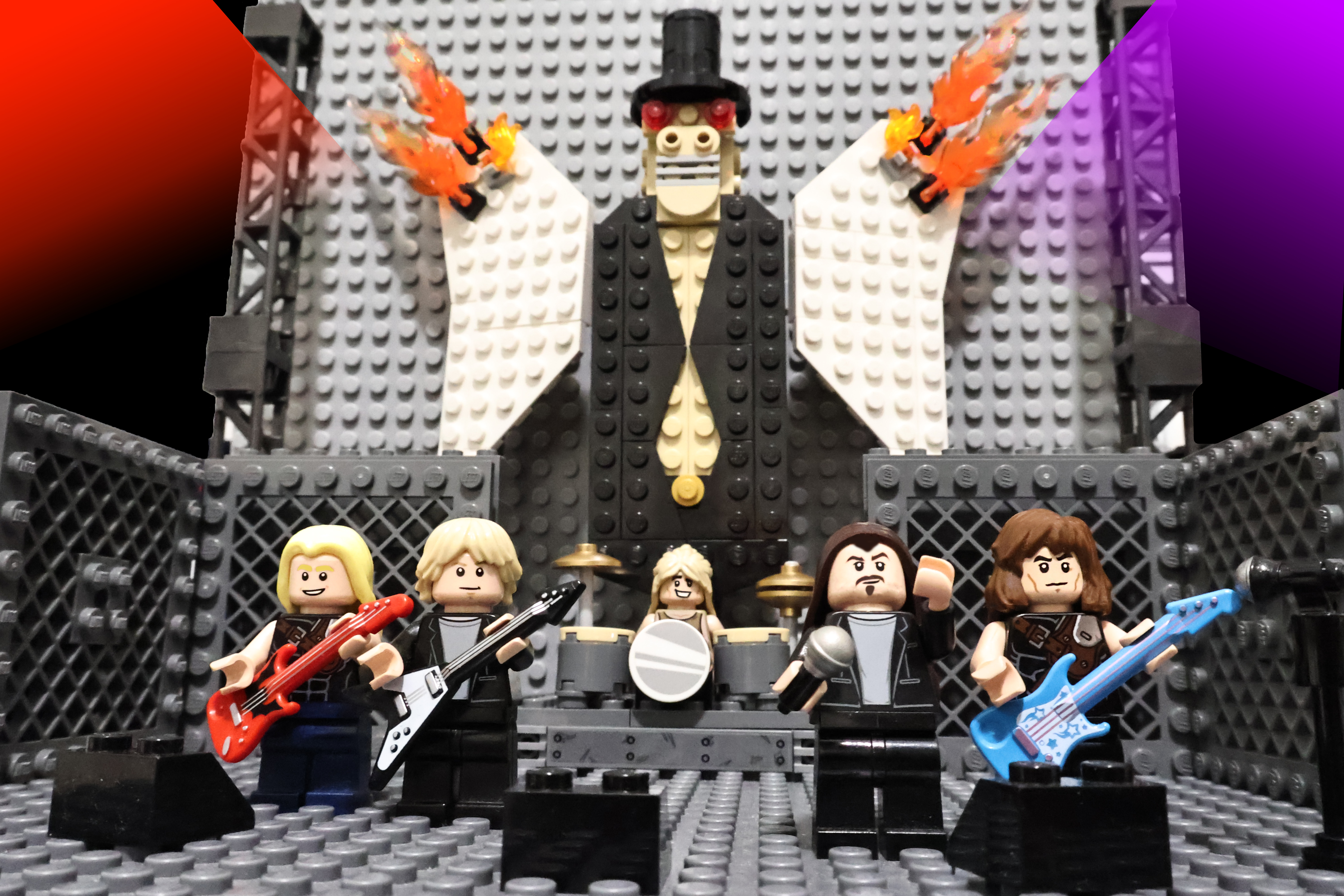
But the best find for him was the live album from Iron Maiden’s ’95 – ’96 tour, with Tony Martin on vocals. Moustachio loved Blaze Bayley, but he also always wanted to hear what it would have sounded like if Tony Martin replaced Bruce Dickinson in 1994.
A Dual IPA Beer
This was a genius one. Someone had invented a bottle with two distinct segments, one taking up the top half of the bottle and the other the bottom half. There was a one-way valve in that divider that allowed liquid from the bottom to enter the top, but not the other way around.
This bottle was filled with two different IPA beers – one in each half. As the drinker drank, the top liquid would be replaced with liquid from the bottom half, ensuring that every single mouthful tasted different. A truly revolutionary concept.
This would, however, upon reaching the halfway point, also make it look like the remaining liquid was levitating.
Kylo Ren’s Lightsaber
On Kef Bir, Moustachio had bartered with a fisherman for the lightsabre Kylo Ren had thrown into the sea when he turned back to the light side. It wasn’t functioning anymore, as the water had thoroughly soaked the insides, but Moustachio was sure his friends back home could get it working again.
Part 45– Colourful Dossier
Earth-1340
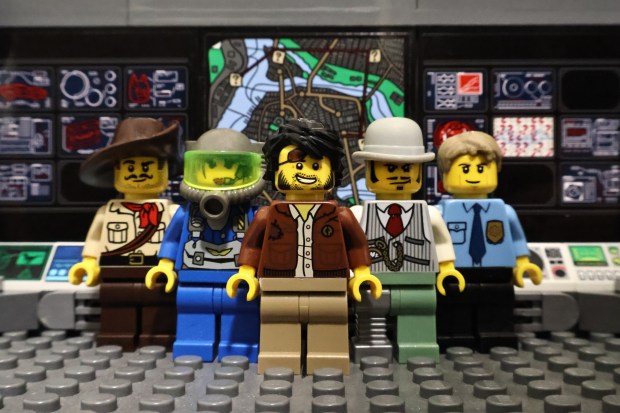
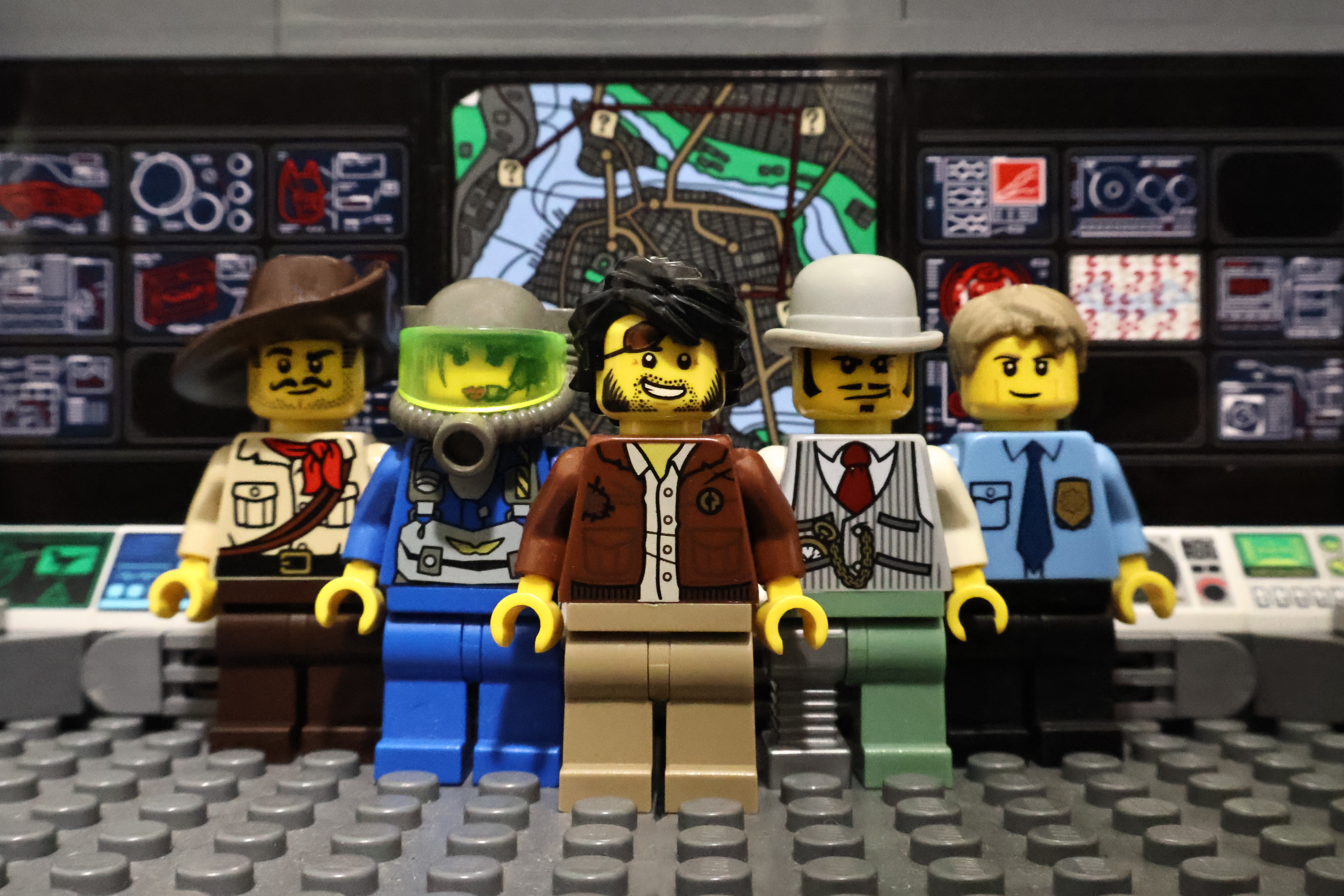
This was a weird one. El Moustachio had found himself in a universe where everything appeared to be made out of some form of plastic building block. It took a lot of getting used to. Not being able to scratch one’s own back was certainly a bummer, but he came to appreciate the simplicity of the world in a lot of aspects.
It didn’t take him long to find a group of like-minded heroes. The League of Extraordinary Minifigures, as they had named themselves, were more than willing to accept Moustachio’s assistance in their endeavours. And while he would embark on several adventures with this team, he ultimately decided to move on and seek his home universe once again.
Now these are, of course, only a small selection of El Moustachio’s exploits in the multiverse. The true extent of his adventures stretched over several months and are too numerous to give form to in this level of detail. But we will give you a taste of the next full-length adventure in this series in the coming paragraphs.
Part 6 – A Savage Circle
A World Not Too Dissimilar To Our Own
Wednesday Morning, 3AM
With an uncontrollable scream, the Brainiac lifted his lightsaber in the air with both hands, ready to strike the killing blow. “Time to die, clone!” He swung the blade down…
…And was met with the sharp end of a Vibranium boomerang embedded in his chest. In his mad rage, he could not see that Shinzon was still armed, with the deadly boomerang in his right hand. Shinzon grinned wide as he shoved it deep.
“Time to die indeed!” he cried in victory, as the Brainiac collapsed on the ground.
Barely able to speak, Brainiac sputtered blood from his mouth and fell to his knees as his vision blurred.
He awoke with a start. Not the same Brainiac that was killed by Shinzon, though. This one lived in a different universe (and we shall refer to him as Brainiac II henceforth, to avoid confusion). He was soaked in sweat and breathing heavily. He couldn’t believe the nightmare he just had. It was a nightmare right? It felt so visceral and real.
He lay back down in his bed and tried not to think about it. Life had been crap enough recently, without adding thoughts of his imminent death to it.
But it was at this very moment that his life was about to change for the better, as elsewhere in the Bruce County, one El Moustachio and his V8 Interceptor burst into this universe in a burst of golden-brown flame.

THE ADVENTURES OF TEE BONE MAN: PHASE ONE – THE SQUIRREL SAGA 
THE ADVENTURES OF TEE BONE MAN: PHASE TWO – THE MULTIVERSE SAGA
THE ADVENTURES OF THE NORTHERN LIGHTS: PHASE THREE – THE UNICRON SAGA
- Chapter One: A New Beginning
SPINOFFS AND SIDE QUESTS
THE COMPLETE ADVENTURES OF EDIE VAN HEELIN’
THE WRITER’S ROOM
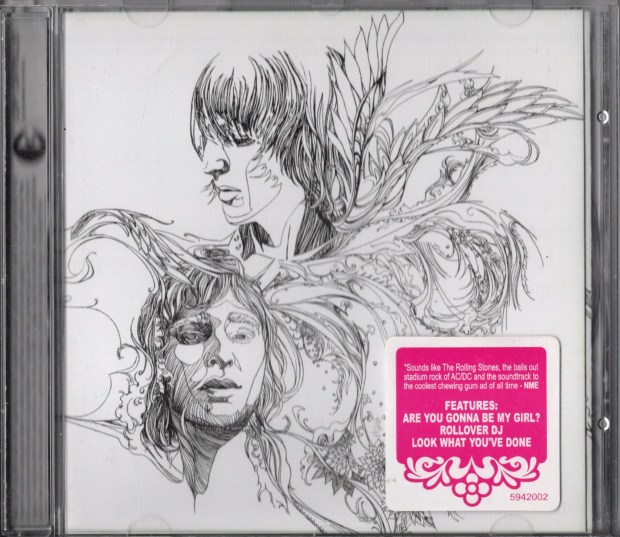
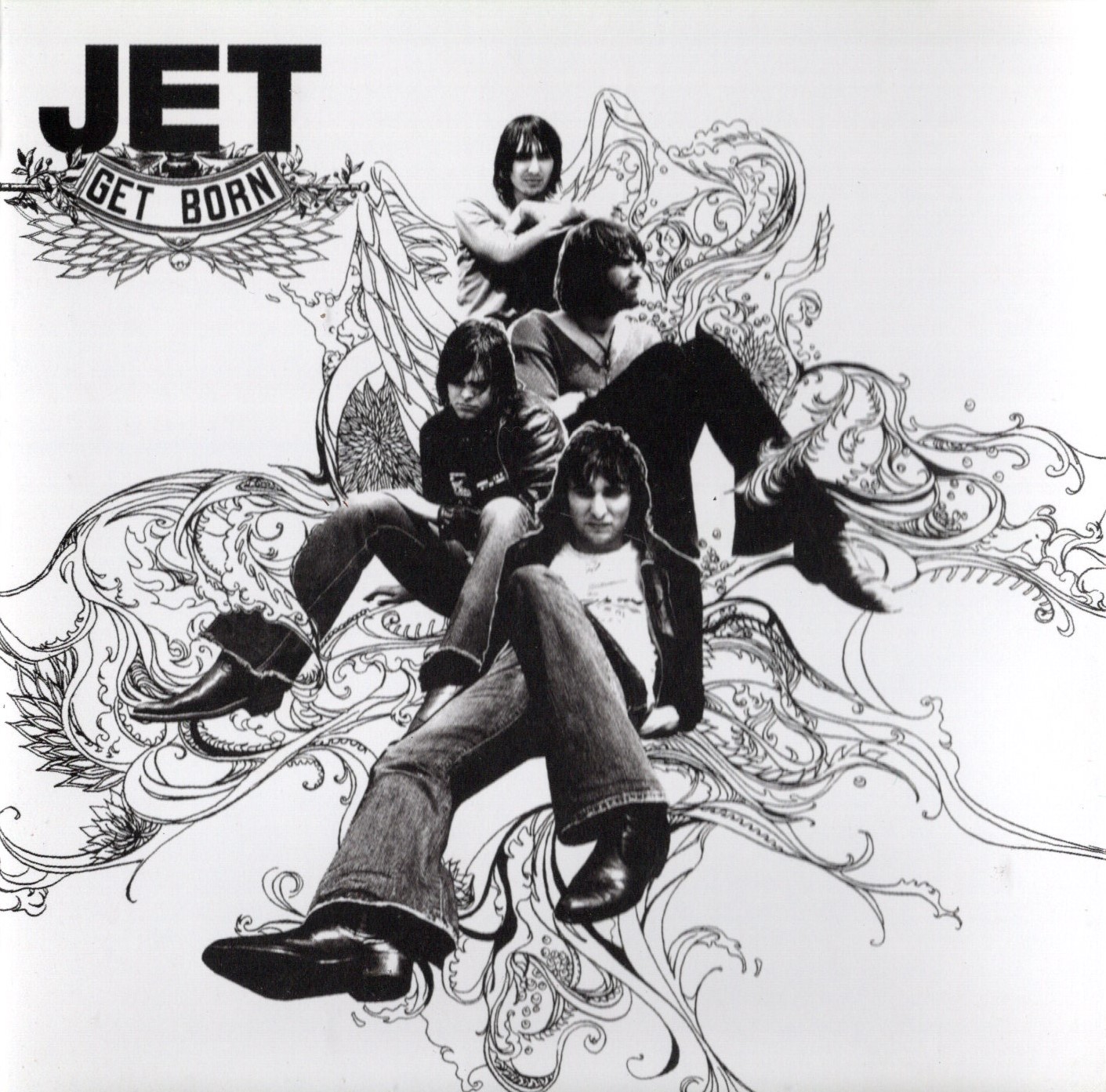 JET – Get Born (2003 EMI)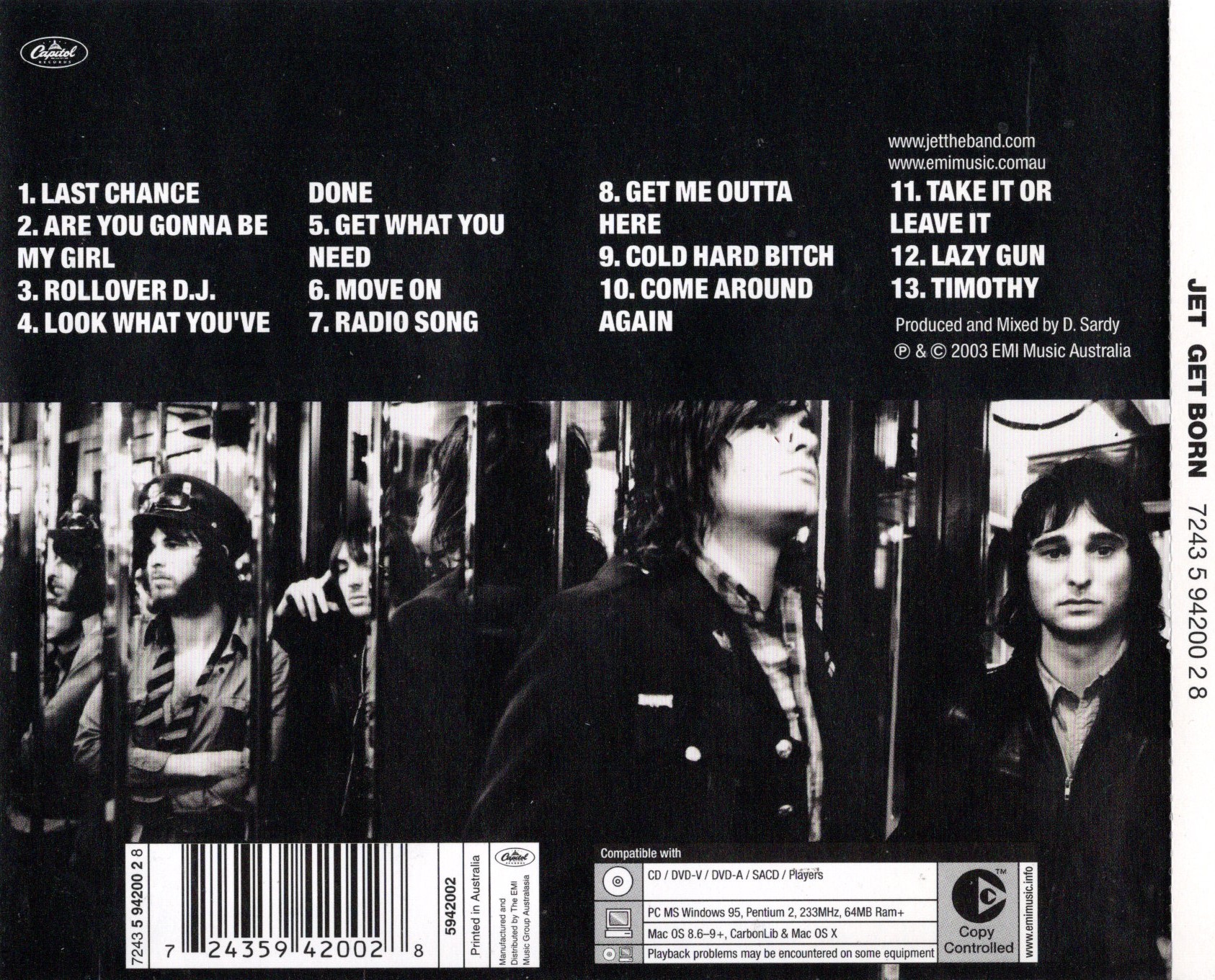











 mikeladano.com