Welcome back to Halloween Wednesday! Here’s guest writer HOLEN MaGROIN with the next in his series of Halloween themed reviews. He’s got a scarrry one today.
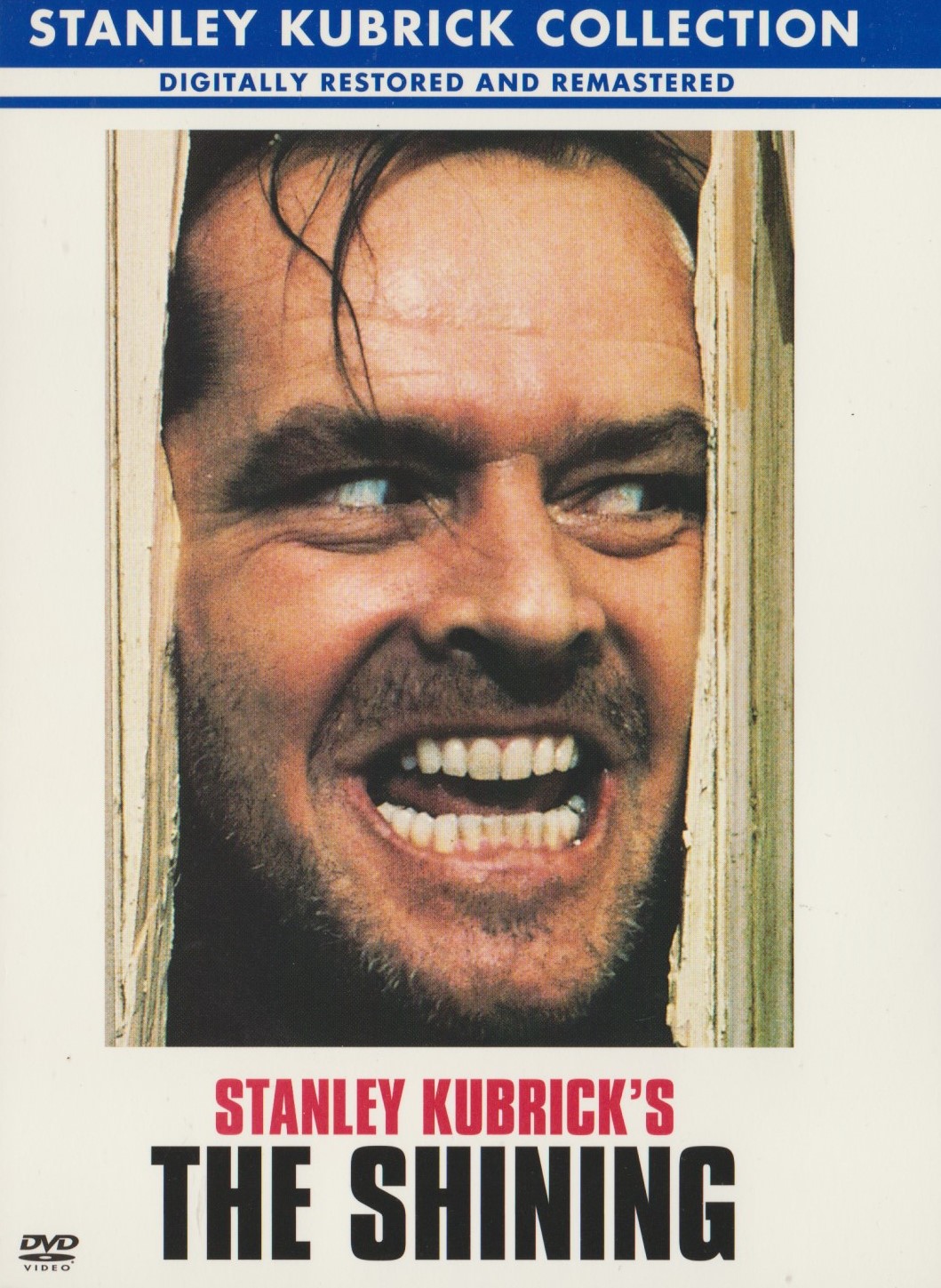
Stanley Kubrick’s The Shining is one of the rare instances where the film greatly surpasses the animal hedge madness of Stephen King’s novel. King reportedly hated the film because it changed the details of his book so dramatically, but all of the changes made to the film serve to not only translate it better to a visual medium, but also to create a deeper and more compelling story with a much more satisfying ending.* Stanley Kubrick’s The Shining is quite possibly the greatest horror movie ever made. It’s a deeply visceral thrill that deals with the supernatural and the psychological, while managing to include enough slasher elements to satisfy those types of horror fans. There’s really something for everyone in this movie, except Stephen King.
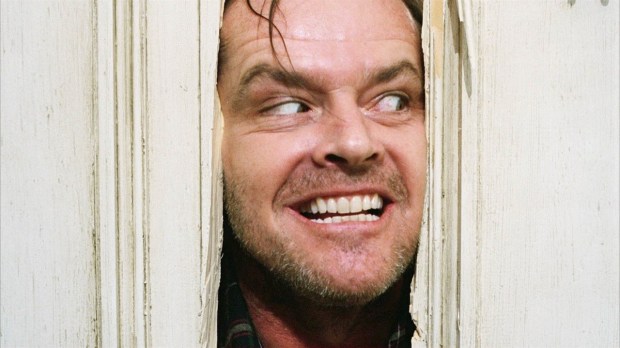
Everyone knows the story by now. Jack Torrance procures a job as winter caretaker of the Overlook Hotel and takes his wife and young son to stay with him, alone in the mountains. Jack is a struggling writer looking for a place to concentrate on his work. One day his wife decides to make seafood, and accidentally under-cooks the crabs. Jack’s intestines are sent into an uproar. Unfortunately for him, someone has locked the bathroom door. He doesn’t want to run to another bathroom and risk more leakage, so he axes down the door. This leads to the iconic image of his face sticking through the bathroom door that has been used as the cover for all recent home video editions. If you look closely, you can see that Jack Nicholson accurately portrays a man that has liquid shit running down his leg into his shoe, a man about to have an anal geyser. It’s an absolutely brilliant performance of such raw ass… I mean raw emotion that has stood as one of the defining performances in any horror movie ever. Is there a greater horror than realizing you’ve just soiled yourself?
Unfortunately for our heroes, all the food in the Overlook Hotel has been stricken with Salmonella, leaving their butts so raw that they are shining, hence the title. The only one immune to the bacteria is Danny, as he has supernatural abilities to digest anything. That’s where the paranormal aspects of the film come in. Danny talks to some ghosts that try to help him save his parents from the torment of toilet time. Danny sends a telepathic message to the old Overlook cook, and he immediately moves hell and earth to get over to the Overlook hotel.
Once the cook arrives he brings new food to last them through the winter, and decides to stay and celebrate the holidays with the Torrance family. They all laugh and dance around the Christmas tree as Jack Nicholson does his Tonight Show impression.
“Here’s Johnny!”
The whole family laughs in wholesome unison as Jack professes his unconditional love for both his wife and child. It’s a tender moment, as the whole family embraces cook Dick Hallorann as the newest addition to the Torrance gang. Dick has secretly bought Danny the new fire truck he’d been wanting before he made his way up to the hotel. On Christmas morning, Danny’s eyes light up as he had not been expecting to get it. The four get together in a loving embrace and their hearts fill with jubilant joy. My God, I’m tearing up just thinking about it!
The horror has been evaded, or so they think. Everything turns around when they receive a package in the mail, despite no one being able to get up to the hotel. Who could have left this package? They open up the package, and find a VHS copy of Bobcat Goldthwait’s debut standup HBO special, Share the Warmth. What’s odd about this movie is that the standup special was not taped until 1987, and this film takes place in 1980. To film the movie, Kubrick actually was able to send the cast and crew into the future to 2012 in order to make it even more eerie by predicting actual world events.** Rather than predicting natural disasters, or sports scores or anything like that, Kubrick became highly intrigued by this Bobcat character, and decided to abandon the novel to make his own piece of art. This is ultimately why King was not satisfied by the movie, and didn’t understand it when it came out in 1980 given that Bobcat had not reached a world stage yet. When the family finds the movie, everything goes off the rails. After watching the VHS together, Danny learns a whole lot of naughty words that should never be used by such young children. They also all immediately become big fans of the man with such Kaufman style talents and his penchant for social commentary. Bobcat’s earliest fans!
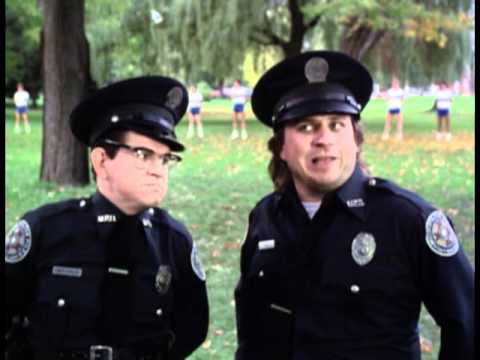
As the weeks go by, the family is pleased to find another VHS of a film called Shakes the Clown in the mail. It’s a lot different than his standup special, and exceptionally strange, but they ultimately enjoy the ride, even if it was not nearly as strong as his standup special. The next week, the family receives the holiday Bill Murray film Scrooged that features Goldthwait as the fired assistant. They determine that the movie ultimately sucks hard, but they love the parts containing Bobcat as the holiday liberator. That’s when the spirits sending the tapes stop being so kind to the family. Next they receive Police Academy 2. Police Academy 2 is easily the shittiest of an incredibly shitty franchise (only speaking for the first three, as that’s when I checked out forever), a series of films Bobcat himself would later call Police Lobotomy. The family is distraught over the wasted talents of Bobcat. Another week goes by and they find instalments 3 and 4 in the mail, and are just as horrified at the glaring examples of shit personified in Police Academy fashion. This is a franchise so shitty that the best joke involving them was actually in Wayne’s World. At this point in the film, Danny and Dick begin to have psychic visions. They can’t make out exactly what’s going to happen the next week, but they begin to have visions of a horse, and Bobcat. The horse seems to be talking. Their worst fears are realized the next week when a fresh copy of Hot to Trot is sent to the house.
The family is so horrified by the turn Bobcat’s career has taken that they all suffer terminal illness, an eerie omen of the five Razzie Awards nominations that this piece of shit would be nominated for. The next week, the critically acclaimed Bobcat film World’s Greatest Dad shows up, proving to be a chilling end to the Torrance family. If they had just hung in one more week, they would have been saved by seeing the great movie.
Years later in the early 1990s, Bobcat shows up at the Overlook Hotel to perform for the guests. He’s greeted by a bell boy, and tells him that it’s nice to perform at the hotel for the first time. The bell boy cryptically replies by saying, “I’m sorry to differ with you sir, but you are the comedian here. You’ve always been the comedian.” Bobcat looks puzzled, and spots a peculiar picture on the wall. He looks at it further and sees the picture on the wall from 1980 of the Torrance family all crying holding Hot to Trot in their hands. Bobcat lets out one of his trademark screams, and the credits role.
Kubrick knows to end the film on such a disturbing note, because he knows how to play his audience. That’s why this film is considered to be one of the most classic examples of modern horror cinema released today. The feelings that you experience watching this movie moves you in such a way that you feel afraid to ever travel to a hotel, or watch one of Bobcat’s many shitty movie decisions from the 1980s. This is the greatest horror movie ever made, and there’s simply nothing else to say.***
5/5 Pumpkins
* LeBrain agrees wholeheartedly and is jealous he hasn’t written this one up yet. But he will. The soundtrack including music by Wendy Carlos is genius too.
** Not to mention the NASA conspiracies.
*** That sure was something! I hope readers get it.
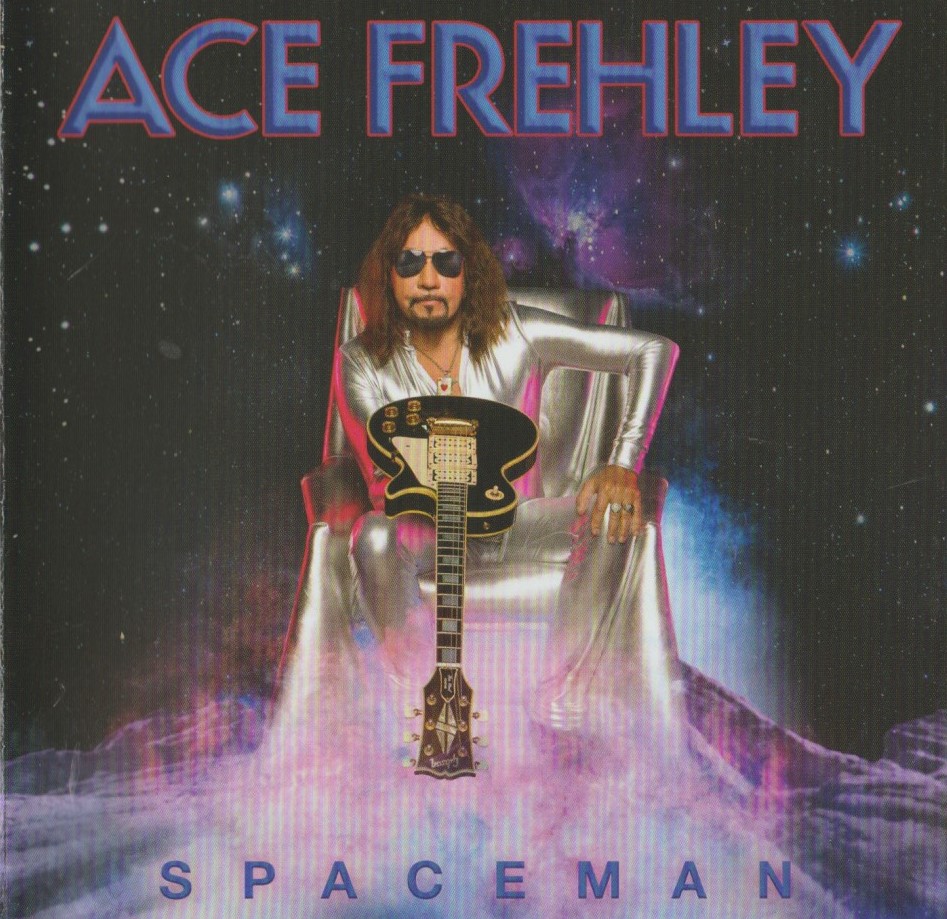
Ace is back and he told you so!…with a new band. It’s true. One of the of the players on Ace’s new disc Spaceman (Scot Coogan) was in his band…until last week. And that’s all we’re gonna say about that. Anton Fig and Matt Starr of Mr. Big also handle drum chores. Ace steps up with new songs, stacks of guitars, and bass too!
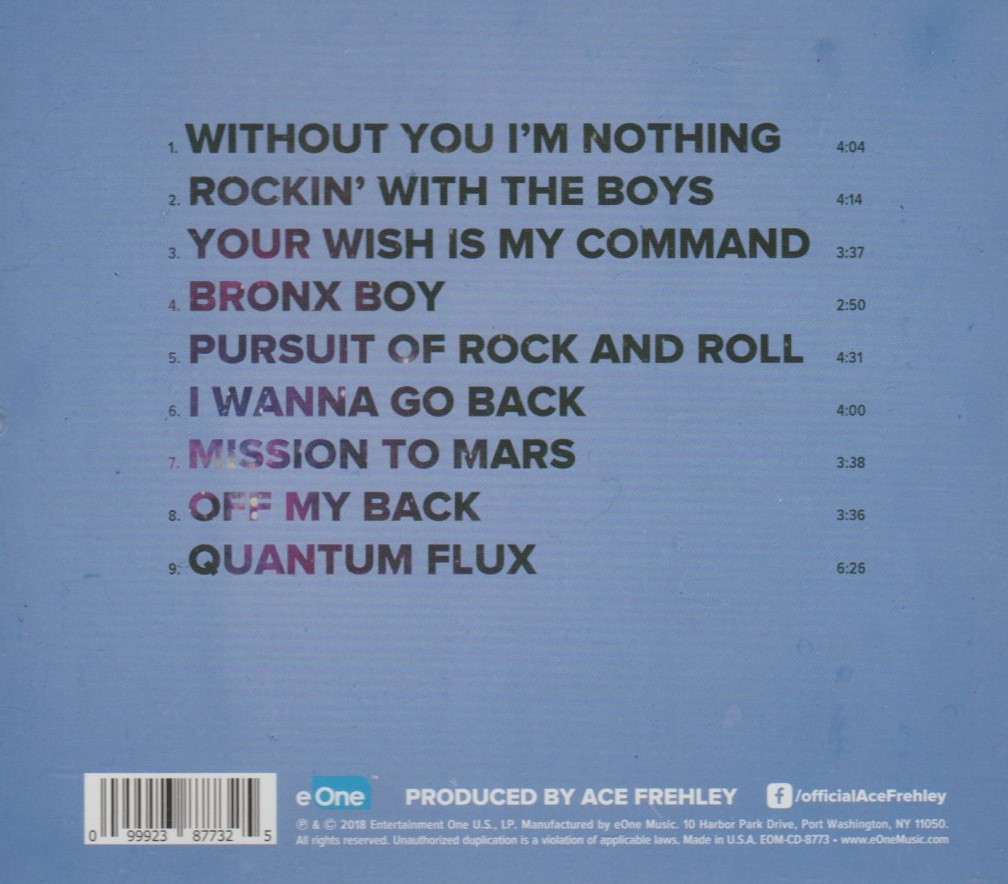
Perhaps the showcase moment of the new album is the first Simmons/Frehley co-write in forever, a stomper called “Without You I’m Nothing”. Almost immediately, without even knowing the details, there is something “Simmons sounding” about it. Probably because he’s also on bass. There is something primitively unique about a Gene Simmons bass line. Ace’s guitar solo, the first of the album, is pure wicked electricity, though he struggles a bit vocally. It’s a solid opening though, followed by the old-styled “Rockin’ With the Boys”. It sounds like something written for 1987’s Frehley’s Comet. It’s all about the chorus. Then Simmons is back with another co-write (no bass though) on “Your Wish is My Command”. Ace’s guitars have a crunchy chime, and the focus is catchy melody.
Spaceman was preceded by an excellent EP, Bronx Boy with a brilliant title track. “Bronx Boy” is back. That’s Scot Coogan on drums and backing vocals…no wonder he’s pissed about being fired! Make way for the crunchy stomp “Pursuit of Rock-N-Roll”! You don’t have to read the credits to know that it’s Anton Fig playing that tricky rhythm. His unique playing plus Ace’s crunch make this another album highlight (and a song that Ace wrote solo). That’s followed by a song he didn’t write: Eddie Money’s “I Wanna Go Back”! When Ace covers a song, he tends to go for poppier things than you’re used to hearing from him. Think “Do Ya” from Trouble Walkin’. This one has the potential to be as fondly regarded.
“Mission to Mars” rocks. It’s a wham-bam-thank-you-ma’am rocket ride to the red planet. Another potential album highlight. “Off My Back” (Anton Fig on drums) is really strong as well.
Finally (technically) the next in the instrumental “Fractured” series: “Quantum Flux”. Technically, because the word “Fractured” isn’t in the title, but it could be considered a spinoff of “Fractured Quantum” from Anomaly. It’s heavier than the usual, so “Fractured” doesn’t quite suit it. The acoustic guitars are only a small part of this wide-ranging instrumental. Songs like “Quantum Flux” are levels above the rest musically. It’s a tour-de-force. Ace Frehley is an instrumental genius. Yeah, we said it!
For Ace Frehley in 2018, Spaceman is a delight. It is a true fact that the human voice changes as we age, and Ace’s is lower and less dynamic. Instrumentally he’s never been better, and as a songwriter, he’s done well.
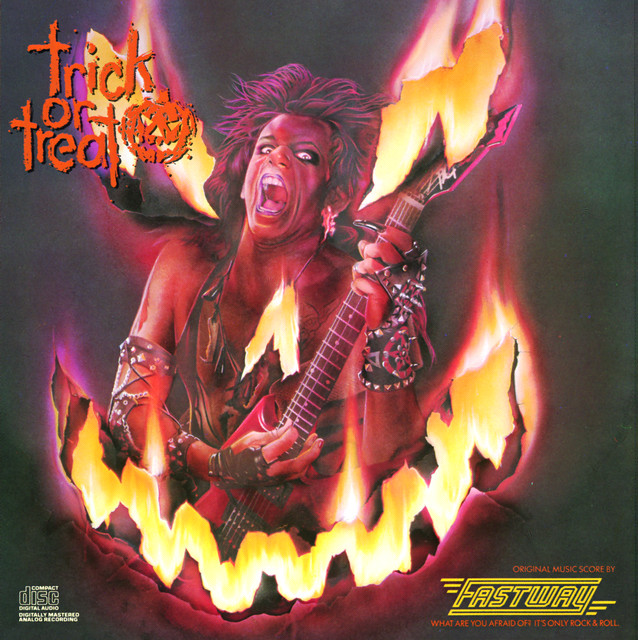
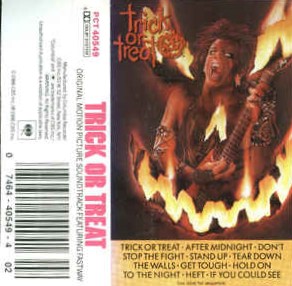
FASTWAY – Trick or Treat Original Music Score (1986 Columbia)
Some albums excel by being excellent; Trick or Treat is not one of those albums. It excels because of its banality. There’s nothing on this album that you’ve never heard before, but the band sells it with such conviction that you buy into about as much as the band itself does. This is the soundtrack to the best forgotten 1986 film starring no one worth remembering, with a couple of cameos from Gene Simmons and Ozzy Osbourne. The film was such a dud that once it was released on DVD, they changed the cover to feature the faces of Simmons and Osbourne despite the two of them being in the film for a collective total of about five minutes. The journey I went through listening to this album impacted me in such a way that I feel obligated to elaborate on it here, and that journey will essentially act as the review. I didn’t intentionally go anywhere while listening to this album; the music was such a powerful agent that it literally shattered the very fabric of space and time. The film is not as strong.
However, this review isn’t about that film. This is about the Fastway soundtrack to the film. You’d think a band taking on a film as gloriously moronic as this one would whip up some tracks that were appropriately tongue in cheek, but nope. Fastway plays it 100% straight, which actually makes it funnier than if they’d been going for laughs. The songs that follow are a complete artistic tour de force that will leave your soul shaken by the depth and insightful words of automatic poetry.
The first time I heard the opening song and title track, I pooped my pants.* The song’s unparalleled emotion and tenacity penetrated the very depths of my being, and left me quivering unequivocally with raw radiant emotion. The spiritual rebirth was enough to temporarily reset my bowels back to their earliest stages, causing a stinky disturbance. Joy mixed with sorrow as the cool tears streamed down my face like a river from the ice caves of the indigenous population of Mars. The deep prose of the chorus commanded deeper attention, as Dave King eloquently belted out the most imaginative lines in all of rock. “Rock and roll! Rockin’ on at midnight, steal your soul!” So much can be determined from the hermetic intangibility of this expertly crafted piece of macaroni and songwriting. Never before has a rock vocalist journeyed to such spiritual and internal truths. This has elevated to a level beyond art, beyond comprehension, beyond all human understanding! It has encompassed all the ostentatious pretension and grandeur of the art world, while maintaining a close link to the blue collar worker! This is a work of God!
By the time the song is over, my hands are bloody from the sheer force with which I was gripping my security blanket. My nails dug through the blanket into my fist. My material possessions (except the stereo and the blanket) had burned up in the intensity, as music so self-aware could only be absorbed by living tissue. I feel so weak that I can barely discern the ends of the blanket from my fragile body. I press pause on my CD player, and I begin to cry. After a healthy drink of water, I decide to venture on to the next potential masterpiece, and continue on with my expedition into the brilliantly alluring tapestry of the Fastway facade. The opening chords of “After Midnight” burst out of my speakers directly into my chest, and they blow me into another dimension.
I awoke in an alternate reality where candy was made of fish, and fish were made of candy in the chocolate river of wind city sticks. A man dressed like a woman and a woman dressed like a woman approached me and gifted me a dishwasher. A balding wildflower called my name and I decided to investigate his store front. He was selling music, but only two albums. Those two albums were a copy of Steve Vai’s Flex-Able, and Pearl Jam’s Vitalogy. Considering the fact that it was Fastway that knocked me into another dimension, it was weird getting this musical inception to other artists’ records. The orange label on the Vai album began to swallow me, and my spirit was floating above my unconscious body as I returned to my room, hovering over my body as Fastway played. My spirit re-entered my body as I discovered I had soiled myself again. What high art!
After a quick attire substitution, and a breeze through the mediocrity of the song “Don’t Stop the Fight”, “Stand Up” began to emanate from the speakers. The ceiling shattered as I was abducted by alien people that looked like Jon Bon Jovi and Sam Kinison fused their DNA together. They drank wine like classy sophisticates. Fastway is the only music good enough to satisfy their cultural needs, and they intended to harvest my Fastway collection, but I was able to fight them off by comparing their acting skills to Rob Lowe’s. As they nursed their bruised egos, I leapt out of the spaceship and slid down the rainbow from the clouds of snow and weather pulses.
I went on a series of comparable journeys throughout the process of listening to the album, with tribal incantations and aristocratic meat loaf simulators, but nothing could prepare me for the climatic showdown induced by the closing track masterpiece “If You Could See”. Apparently, the reason that Fastway was able to lift itself to such scholarly levels of uncompromising respectability is because the band wasn’t a band at all. Fastway was a hype mind suffering from malignant narcissism due to a computer virus uploaded into the mainframe by a ghost bearing a striking resemblance to Herbert Marcuse. The hype mind was designed to make the greatest music imaginable that would only reveal itself to the chosen one. I guess I was the chosen one. Luckily the hype mind was printing dot matrix still, and was running on a Pentium processor from the ‘90s. I was able to overload it by switching the computer date to 2000. Y2K! Escaping the area would manage to be the greatest magic trick I was able to conjure upon the underpopulated document absence of consequential thought and sound devised by the penultimate direct access line to the semi permeable ancestors of the Pagan worship center of healthcare management fiscal responsibility drones. To combat the territorial dipping sauce from the entrée dessert filibuster mustard, swans arose from the pie crust to entrench the moon beams of reflective solar glares in Jimmy Stewart fashion. And that’s how I escaped!
So in the end the album was only a half-baked set of ideas that didn’t quite measure up to the level of the first two Fastway albums, but easily left the third album in the dust. I trust you were able to ascertain that from my last paragraph, but I may as well summarize for clarity’s sake. There are enough inspired moments on this release to merit owning it as a good enough novelty Halloween disc, but if it didn’t have the gimmick of being attached the holiday there would be little reason to own this. It’s pretty generic ‘80s rock, with Dave King sounding like a hybrid between Jack Russell of Great White and Kevin DuBrow of Quiet Riot. However, sometimes generic can hit the spot if you’re not sure what specific flavor you want, and the holiday connections make it go down with a little less guilt. “Hold on to the Night” knocks off half a point for being maddeningly repetitive, but it gains that half point back for not sucking as much as the movie it’s featured in.
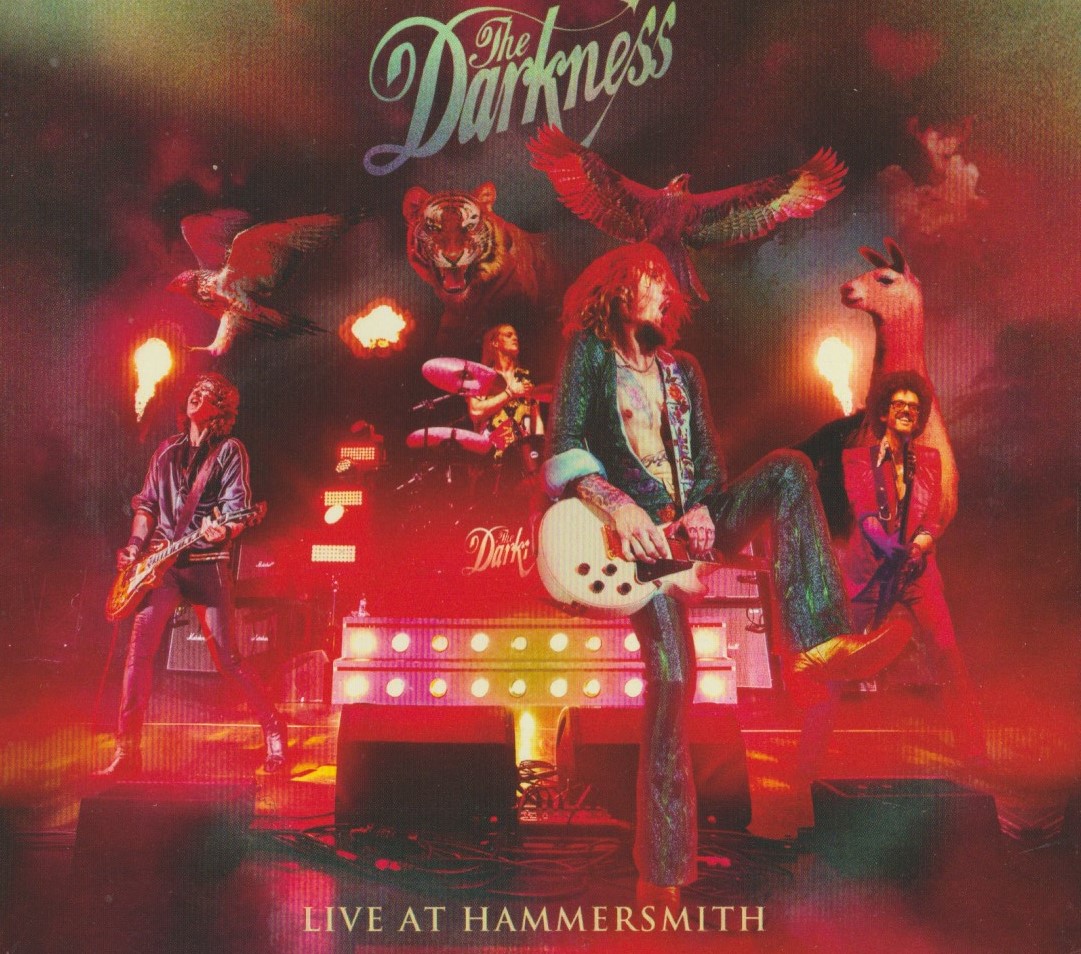
THE DARKNESS – Live at Hammersmith(2018 Canary Dwarf)
“Gimme a D! Gimme an arkness!” It’s long overdue, but the world is now the better for it: the first live album by The Darkness! Including a few quality B-sides, The Darkness had enough strong songs for a live album back in 2006. Time waits for no band, but now they’ve got an even hotter selection of hits and deep cuts to draw from, and Live at Hammersmith boasts 19 of ’em on a single CD. Sorry Japan, no bonus tracks for you.
All five Darkness albums and some classic non-LP singles are sourced, and what a collection it is. A lot of the newer material on stage consist of the heaviest songs: “Buccaneers of Hispaniola”, “Southern Trains” and “Barbarian” are like lead, but propelled at the speed of sound! The oldies span all shades of Darkness, from the hardest cut stones (“Black Shuck”) to the cushioning of a ballad (“Love is Only a Feeling”).
It seems to be, by and large, all the best stuff. “Givin’ Up”, “Growing On Me”, “One Way Ticket”, “Friday Night”, and the two big hits “Get Your Hands off My Woman” and “I Believe in a Thing Called Love” are present and accounted for. The last three albums are also represented, and as good as they are, it’s the old stuff that thrills most.
That includes “Christmas Time (Don’t Let the Bells End)” from this seasonal Hammersmith gig. Maybe it’s those giant dual guitars, but this one has always seemed to work all year ’round. It’s just a glorified Thin Lizzy riff with a high-pitched singer, and that works winter, spring, summer and fall.
Speaking of the singer, Justin Hawkins has maintained his one-of-a-kind voice and range over all these years, unlike virtually every other homo sapiens on the planet. Let’s start a conspiracy theory right here that he is an alien, because the voice is just inhuman.
Would have loved “Last of Our Kind”, though that’s a minor complaint.
Hammersmith fell to the Darkness that night. Now you can relive it in your headphones, or home theatre, as it were.
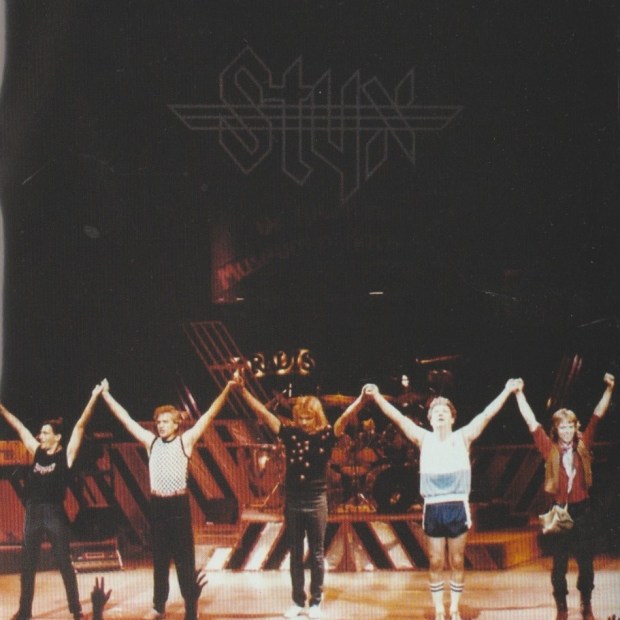
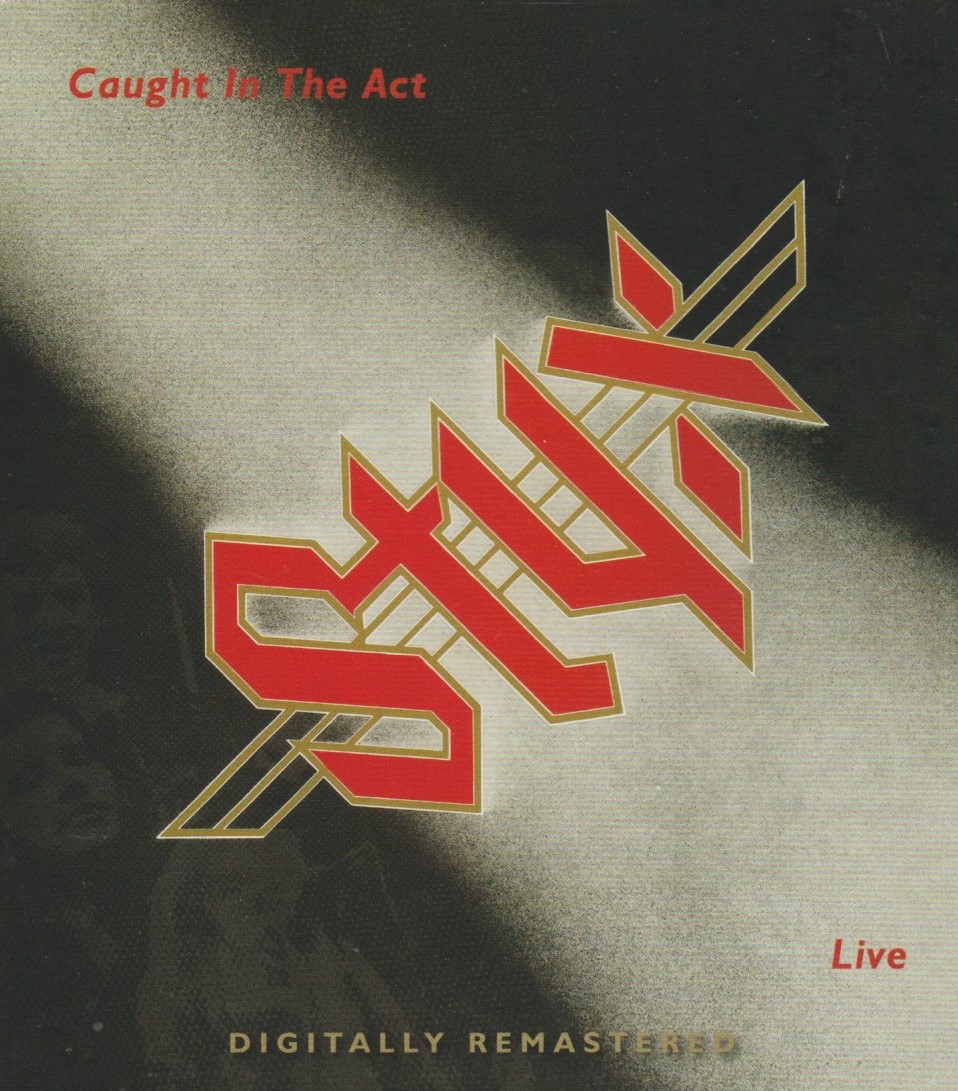
STYX – Caught in the Act – Live (1984 A&M, 2018 BGO reissue)
“Hey everybody it’s Music Time!”
Sorta, anyway! Styx were just about toast after “Mr. Roboto“, and Tommy Shaw didn’t want to sing any more songs about androids. (Mars, however, was fine.) He departed to check out some Girls With Guns, but not before Styx put out one more product before hiatus. That would be the traditional double live album, which was actually Styx’s first.
Styx have lots of live albums now, but only two with Dennis DeYoung. Caught in the Act is essential for a few key reasons. It sounds great although there are clearly overdubs in places. It is the only one with the classic lineup of DeYoung/Shaw/James “JY” Young/Chuck Panozzo/John Panozzo. And it has plenty of classic Styx songs that still shake the radio waves today.
Like many live albums, Caught in the Act contained one new song. Dennis DeYoung wrote the uppity “Music Time”, a very New Wave single without much of the punch of old Styx. Shaw was so nauseated that he barely participated in the music video. “Music Time” isn’t one of Styx’s finest songs. It’s passable but clearly a misstep. No wonder it was a final straw of sorts for Tommy Shaw.
With that out of the way, on with the show. Styx opened the set with “Mr. Roboto”, a mega hit that got a bad rap over the years until nostalgia made it OK to like it again. Fortunately only two songs from Kilroy Was Here were included, the ballad “Don’t Let It End” being the other. Live, “Roboto” pulses with energy, far more than you would expect. The disco-like synthetic beats complement the techno-themed lyrics. Every hook is delivered with precision. With the human factor that comes out in a live recording, “Roboto” could be one of those songs that is actually better live.
Styx have always been a diverse act, and this album demonstrates a few sides of the band. Shaw and Young tended to write rockers, and “Too Much Time On My Hands”, “Miss America”, “Snowblind”, “Rockin’ the Paradise” and especially “Blue Collar Man” are prime examples of the best kind. Long nights, impossible odds…yet a killer set of rock tunes. Then there are the ballads. “Babe” is a slow dancing classic, and “The Best of Times” is even better. Finally, the tunes that verge on progressive epics: “Suite Madame Blue”, “Crystal Ball” and “Come Sail Away” have the pompous complexity that punk rockers hated so much. This album is a shining live recreation of some of rock’s most beloved music.
The 2018 CD reissue on BGO Records sounds brilliant with depth, and has a nice outer slipcase. You’ll also get a nice thick full colour booklet with photos and an essay that goes right up to 2017’s The Mission. BGO is a well known, respected label. This reissue is a must.
It may be considered a childish holiday, but it’s not about candy! Here’s HOLEN MaGROIN with the next in his series of Halloween themed reviews. For the last, Soundgarden’s Screaming Life/Fopp EPs, click here.
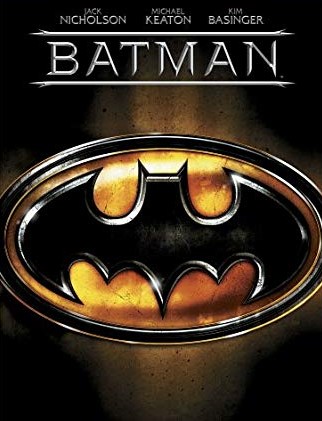
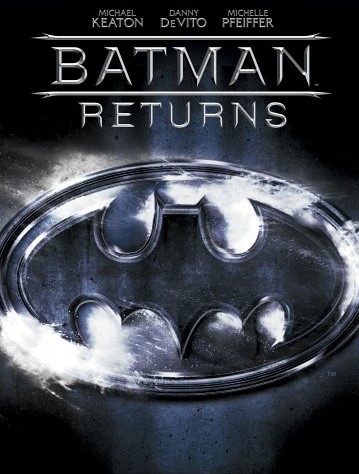
BATMAN(1989 Warner Bros.) BATMAN RETURNS (1992 Warner Bros.)
Directed by Tim Burton
Given the influx of homogenized yet generally consistent MCU movies, and the equally homogenized yet generally inconsistent DCU movies, it’s almost hard to remember a time when superhero films were not guaranteed billion dollar investments, or when they had a shred of character and individuality. The first film that truly hinted at the superhero genre’s potential to be taken seriously was Richard Donner’s Superman. It was a huge financial and critical success, with Gene Hackman giving the movie a professional actor that legitimized the comic book superhero film as an art form, and not just a niche market for children. However, DC was unable to sustain the quality of the Superman franchise, and it slowly fizzled out until crashing and burning with the critically mauled fourth installment The Quest for Peace. The future of comic book movies looked grim. That is until Warner Bros. handed the keys to the Batmobile over to the artsy and dark visionary Tim Burton, who created two acclaimed and commercially successful Gothic Batman films that work great as Halloween viewing.
At this point in his career, Tim Burton had only made two films, the eccentric road comedy Pee Wee’s Big Adventure and the twisted paranormal comedy Beetlejuice. It’s not evident what Warner Bros. saw in those two comedic movies to make them think Tim Burton would be the proper choice to direct a Batman movie, but choosing him to helm the franchise would turn out to be one of the least controversial moves. The much more derided decision would be the casting of Michael Keaton as Batman, an actor primarily known for his comedies. Because of his credentials, physique, and height, many believed that Keaton was the wrong choice to portray the Dark Knight. Thankfully, these fears were unfounded as Keaton would go on to become one of the most beloved actors to don the cape and cowl. Fears were also alleviated by the casting of Jack Nicholson as the Joker, a man who does what Gene Hackman did for Superman in granting the movie a certain ethos just by being present.
To say that Batman was a success would be an understatement; it was a cultural phenomenon. People were getting the bat logo shaved into their head, before anyone had even seen the movie. It became the highest grossing movie of the year in North America in 1989, being beat out internationally by the third Indiana Jones picture.*
The film opens at night as a family of three leaves the theatre, and I’m pretty sure anyone seeing this movie for the first time assumed that they were the Wayne family. No, the movie was playing a trick on you. It’s just a normal family in the present time being mugged, with Batman running to apprehend the criminals as they make their way up to a rooftop to count their loot. As one criminal discusses his fear of being on the roof because of mysterious bat rumors, the other tells him that it’s all hogwash and that he needs to shut his mouth. That’s when Batman glides in behind them, ready to strike. The two criminals look up at a creature that they can’t fully identify. One opens fire and they see the bat creature fall to the ground. The fear reignites in their eyes as they see it menacingly rise off of the ground, presumably from the dead. After incapacitating one of them with a kick to the chest, he grabs the other and holds him above a ledge, as the bat creature asks him to tell all his criminal friends about him, and to be very afraid. “What are you?!” the criminal asks. The creature simply replies, “I’m Batman.” He sees Batman walk off the building, and the criminal scrambles to look over the ledge to see the Batman nowhere in sight.
This opening scene sets the tone for the film, and illustrates the brilliance of Michael Keaton’s Batman. This is a far cry from the campy ‘60s movie. While Adam West was a public servant, and Christian Bale was a ninja, Keaton is a creature that no criminal understands. No one even knows if he’s human, and by allowing himself to get shot, he creates the illusion that he can’t be killed when he rises from the ground. This iteration of Batman is fully committed to theatricality and mystery. Keaton’s portrayal is very effective at representing the tortured soul of Batman, how he feels completely obligated to fight crime because no one else can. He feels the need to avenge his parents, and his dedication to fighting crime has left him lonely and obsessive over his one goal. His motives had never been clearer, and the film also makes the wise call of making Bruce Wayne more of a recluse in this film than a playboy. While it is ridiculous writing that a man as famous as Wayne does not even have a picture on file at the newspaper for reporters to find, the idea of Wayne’s isolation as a character makes perfect sense in this movie. He is a man driven to fight crime no matter the personal sacrifice or threat to his own mental health, which happens to be pretty unstable throughout the movie.
More unstable is main villain Jack Napier, a nasty gangster that is sold out by mob boss Carl Grissom after Grissom learns that Napier is boning his girlfriend. Grissom sends Napier to clean out a front company, and then calls a Lieutenant that happens to be on his payroll to kill Jack. However, Batman turns up and ruins the operation. Napier opens fire at the Batman, who deflects the bullet sending it straight through Napier’s face. Napier then stumbles over a rail above a vat of chemicals. Batman extends his hand in an attempt to save him. In this scene you see a close up of Batman’s eyes. This creates ambiguity. It’s almost as if he recognizes the man that killed his parents, leaving the audience to decide whether he lost his grip or intentionally let the man go as Napier takes the plunge into the chemicals that will turn him from Jack to Joker. This is another point in which Keaton’s acting deserves praise. He’s able to convey so much emotion with only his eyes visible, something that he’d carry over to the next film.**
The film proceeds with a dark atmosphere, reminiscent of a noir story from the 1940s based on the clothing and set design. Gotham City is a very repressive setting because of all the Gothic architecture. The movie is grim. Napier transforms from a nasty gangster into a full on “homicidal artist”. Nicholson sells the material with great conviction, and manages to be simultaneously hilarious and absolutely terrifying. He strikes this crucial balance arguably better than even the late Heath Ledger, a tribute to the ethos Nicholson lends the picture. We see the Joker proceed with his plans of anarchy and death as the world’s greatest detective does all he can to stop him, culminating in a final steeple confrontation.
Since the Batman creates the Joker in this film, and Burton decides to make the flimsy and misguided creative decision to make the Joker the murderer of Wayne’s parents, a fundamental aspect of the movie is how these two characters are connected. They are two sides of the coin as Ace Frehley would say. They’re both highly motivated and highly intelligent characters set on achieving their own goals without any regard for the law, and they’re both a little crazy. Even after all Joker has done to him, after Batman knocks him off the bell tower, he still tries to save him by looking over the ledge, only to be surprised by the Joker and put into a precarious situation. While Joker does end up getting killed, it’s more of his own fault for not telling his chopper to land on the roof so he could detach the rope from his leg.
By no means is it a perfect film, there are some pacing issues with the third act dragging on too long, the Prince songs don’t work particularly well,*** the issue of Batman killing in this movie, and the fact that the cops don’t just arrest the Joker when he held the bicentennial in the streets after he announced it. Main love interest Vicki Vale is also completely disposable, as is proven by her absence in the second film with only a few sentences explaining where she went. Many of the secondary characters in this movie aren’t needed or even interesting, something remedied in the second film. The main draw of these pictures is the adversarial relationship between Batman and the Joker, good and evil. The first two Nolan Batman movies are ultimately better, but this movie has a 1980s charm and a personal directing style that makes it feel uniquely enjoyable, and it still holds up remarkably well today.
The film itself is highly stylized thanks to Tim Burton’s direction. It also has a camp factor that would disappear from superhero movies altogether after Sam Raimi’s very personal and excellent Spider-Man trilogy. Camp isn’t necessarily bad, it’s actually very pleasing to see a movie acknowledge its own ridiculousness, and bask in it. Relish the goofiness in order to make a more entertaining picture. This actually feels like a Tim Burton movie, whereas many superhero movies today are devoid of any style or originality. They take themselves way too seriously, and sacrifice being fun. This movie manages to blend serious story telling while still acknowledging the inherent silliness of a man that fights crime dressed up like a bat.
When the time came for a follow up picture, Burton was initially not interested. He felt he had done all he could with Batman, until the studio offered him total creative control, something that he hadn’t had the first time around. If the first movie felt like a Tim Burton film, this one ups the ante by a factor of 100. This was an improvement in some areas, and a detriment in others. Tim Burton has never been overly concerned about a coherent plot, or the quality of the plot, tending to focus more on characterization and style. Batman Returns is arguably the most polarizing film in the Batman cannon, and it’s really easy to see why. Burton has little regard for the comic book origins of the characters, and decides to make the film in his own way more so than the first one. Because of this fact, both Michael Keaton and Tim Burton have expressed their preference for this sequel over the original.
A creative move like this would never be allowed today. There is no way that a studio would agree to a film so warped, dark and sexually charged. It takes place at Christmas time, to provide an interesting contrast to all the dark mayhem. Burton loves monsters, and his love of freaks is the engine of this second film. Danny DeVito plays the penguin, who is not the sleek slimy opportunist of the comics, but an actual deformed baby with flippers abandoned by his parents and raised by penguins in the sewers under Gotham City. Now, if that sounds absolutely ridiculous it’s because it is. The suspension of disbelief in this movie is very high. As a matter of fact, to enjoy this movie you have to give in and let it all happen. The movie is absolutely absurd, but the imagination and the character development that went into making it is breathtaking and deserves appreciation.
The plot of the movie is ridiculous, and a little dumb. Cobblepot runs for mayor at the suggestion of corporate tycoon Max Shreck (played by Christopher Walken) because Shreck knows he can control the Cobblepot in order to get his power plant built, that will ultimately suck power from Gotham so he can store it and sell it for a higher price. The citizens of Gotham line up behind the Penguin as a serious candidate after his gang creates chaos to make the current mayor look bad. He becomes a heartwarming story around Christmas time as he creates a public image of goodness by forgiving his deceased parents for abandoning him. Batman reveals Cobblepot for the sleazebag he is in public, and the city immediately turns on him. He responds by trying to kidnap their first born sons as he feels betrayed by his fellow humans and has abandonment issues from his parents. This movie isn’t really about the plot; few Tim Burton movies actually are. This movie succeeds in its own way because of the strength of the characters, and the affection with which Burton treats them. Penguin elicits great sympathy despite being an absolutely grotesque monster, because he was never given a chance. Businessman Shreck is the true monster, as the movie makes the point that not all monsters are disfigured, ugly, or even hated by their fellow man. As the Penguin himself puts it to Shreck “We’re both monsters, but you’re a well respected monster, and I am to date…not.” Shreck is the real monster, it is impossible to feel sympathy for him at all. The first time I saw this movie, I disliked it because of the outrageous plot and the high campiness factor despite being an even darker and more Gothic film that its predecessor. However, on subsequent viewings it became clear to me that the story in this movie is really just sandbox for the characters to play in, and they’re the main reason to watch the movie because they’re so damaged and complex. The movie is like a fairytale, ungrounded and not obeying the normal laws that govern reality. While the first Batman movie seemed to be a studio compromise with Burton’s vision, for better and worse Batman Returns is a true Burton piece of work.
Michelle Pfeiffer plays Catwoman, who is licked back to life by alley cats (just go with it) after sifting through confidential files by her boss Max Shreck. There really is no competition, Pfeiffer is the definitive live action Catwoman, and the movie should have focused on her character more in the movie. Her suit in this movie is intimidating, and at the same time strangely alluring. Her antagonistic relationship with Batman is one of the most interesting parts of the movie, and her life as Selina Kyle with Bruce Wayne represents how uncomfortable the two are as themselves. Before becoming Catwoman, Kyle was a ditzy, timid, awkward secretary. Bruce Wayne, when not being Batman, looks uncomfortable in his own skin and the two together seem to sense there’s more to each other than a lonely secretary and a reclusive billionaire. This tension in the relationship comes to a head in the scene where they both show up to a costume party being the only two people seemingly not wearing costumes, because their day personas are their costumes. They both feel more comfortable as Batman and Catwoman than as Bruce Wayne and Selina Kyle. You can see it in Keaton’s face as he stumbles around as Bruce Wayne, but looks right at home in the Batcave. It’s apparent in Pfeiffer when Batman implores her to spare Shreck’s life at the end in order to come and live with him. He rips off his cowl and tries to appeal to Selina Kyle as Bruce Wayne to live a normal life, but Kyle ultimately decides that she has to be Catwoman and “couldn’t live with myself” if she settled down again as the pushover Selina Kyle. The Penguin’s attempts to fit in and be accepted as mayor under his Cobblepot name are also thwarted, and he ultimately only reacts in anger because of the rejection, crying “I am not a human being, I am an animal!” This statement could be equally true for any of them. The three characters find different ways to handle their isolation, and they are all essentially animals that cannot be tamed. Catwoman knows that both she and Batman could never be content living together as Selina Kyle and Bruce Wayne.
Possibly one of the best aspects of this movie I have yet to mention is the score. Danny Elfman brought his absolute best to the first movie, creating the definitive Batman theme and a fantastic score. He ups his game even more for this sequel, creating the perfectly dark and enchanting soundtrack to match the movie that elevates each scene to that surreal fairytale level that Burton seems to be operating on throughout the movie. The soundtrack is absolutely perfect, especially the sections that deal with the Penguin. They generate actual sympathy, and the theme that connects to him is melancholic. It achieves Burton’s goal of making you sympathize with the monster, because even as he commits all these egregious acts of violence and hate, the theme calls back to early in the movie where he was ostracized by his own parents at birth near Christmas time. The theme of the movie seems to be that people can only act in their own nature, and that society’s view of monsters is only skin deep. That is why Penguin can never truly be accepted, and Max Shreck can.
Despite the blatant disregard for the source material, I find both of Burton’s Batman pictures to be thoroughly enjoyable entertainment that contain enough thought provoking content to merit repeated viewings. Some people say that these movies are all style and no substance because of the stunning atmosphere yet underdeveloped plots, but those people fail to realize that the substance in these movies aren’t found in the plot, they lie in the complex characters, their motivations, and the superb acting that goes into portraying them. While I consider the first Batman to be the superior film in a traditional sense, Batman Returns is more enchanting, captivating, visually stunning, personal, and unrestrained. They both have their own merits that make ranking them a tough call. If I’m being objective I’d say…
Batman – 3.5/5 stars
Batman Returns – 3.25/5 stars
If I was to state my personal feelings and attachments to the movies…
Batman – 4/5 stars
Batman Returns – 3.75/5 stars
* The Last Crusade, which ironically LeBrain reviewed for his Grade 11 Film Class essay, comparing and contrasting it with Steven Speilberg’s first film Duel. And I lost a mark for using the word “picture” instead of “film”, which is why I applaud Holen MaGroin for describing it as a “picture”.
** Holen MaGroin has convinced LeBrain to watch these again soon, to pick up on all these things I apparently missed when I was a kid.
*** Before Prince fans get all medieval on Holen, let me point out: he’s right. Every time a Prince song comes on, it causes a mental “skip” in the brain. Like, “Hey, it’s one of those Prince songs from the album.”
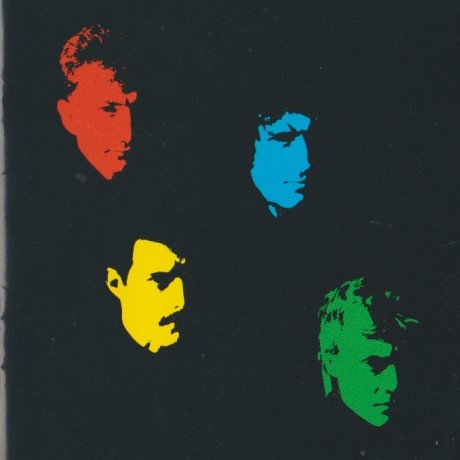
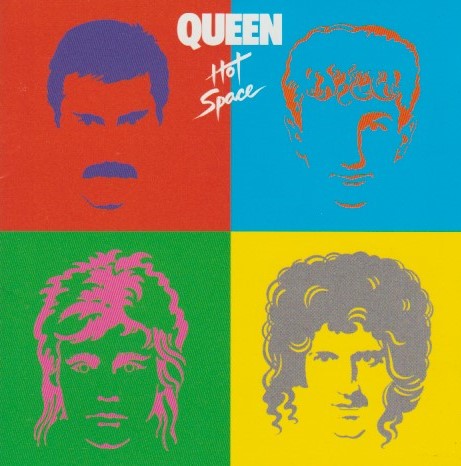
QUEEN – Hot Space (Originally 1982, 2011 Hollywood 2 CD set)
Once upon a time, a band called Queen put a note in the credits of their first album: “And nobody played synthesizer”.
By 1982’s Hot Space, this credo was long gone. In its place, a slick new sounding Queen that did not resonate with Americans the same way old Queen did. Hot Space still bore a fair share of hits, though very different sounding ones from the olden days.
“Staying Power” opens the album with blasts of horns and funky synths. On tracks like this, without any bass guitar, John Deacon played rhythm. “Staying Power” represents the shape of Queen to come. It wouldn’t have sounded out of place on 1989’s The Miracle. The horns give it the needed punch. Then Brian May’s “Dancer” slinks over, a disco rock tune with some (just some) trademark layers of Queen guitars.
If you feel like gettin’ down on the dancefloor, then “Back Chat” is the song for you. It’s in the same vein as disco Kiss, but with the kind of funky authenticity that Queen can bring to the party. “Back Chat” is the album’s first completely memorable song, provided by John Deacon. Fortunately it has real bass, to keep that groove dirty. As a single, it didn’t perform as well as “Body Language ↑⬱”, though it’s a superior song. “Body Language ↑⬱” is all synth with no meat.
Roger Taylor’s funk rocker “Action This Day” boasts a cool sax solo, but the synth drums are lifeless. It’s much better live (find this version on CD 2) with real instruments. Brian May’s “Put Out the Fire” is a welcome return to traditional Queen instrumentation. “Put Out the Fire” is the only song that sounds like “classic” Queen. If you heard it for the first time, you sure wouldn’t assume it was from Hot Space. It’s what you would call a “stock” Queen rocker. No embellishment, no quarter.
Going topical, Freddie tackled the difficult subject of the recently murdered John Lennon. “Life is Real (Song for Lennon)” is composed like a John song, with piano being the main musical support. May’s solo is one of his most tender and warm, but the song is not their most memorable. Taylor’s “Calling All Girls” is far catchier, and would probably be considered a classic if it were better known.
Brian’s ballad “Las Palabras de Amor (The Words of Love)” received worldwide attention at the Freddie Mercury tribute concert in 1992, performed with Zucchero Fornaciari. In this case, the synths work with the song and not against it. They create a dreamy landscape, perfect for Freddie’s plaintive singing. This fantastic ballad is up there with the more famous Queen classics.
“Cool Cat” was recorded as a duet with David Bowie, who was unsatisfied. Although the Bowie mix made it to a test pressing, it was removed from the album and has yet to see a re-release. A dusky, slinky tune like “Cool Cat” would sound neat with Bowie aboard. David’s there for “Under Pressure” (obviously), which doesn’t need discussing because everybody knows that song. Or should. Immediately. It is rock magic, born of a jam between the five musicians. When magic happens, it can create songs as perfect as “Under Pressure”.
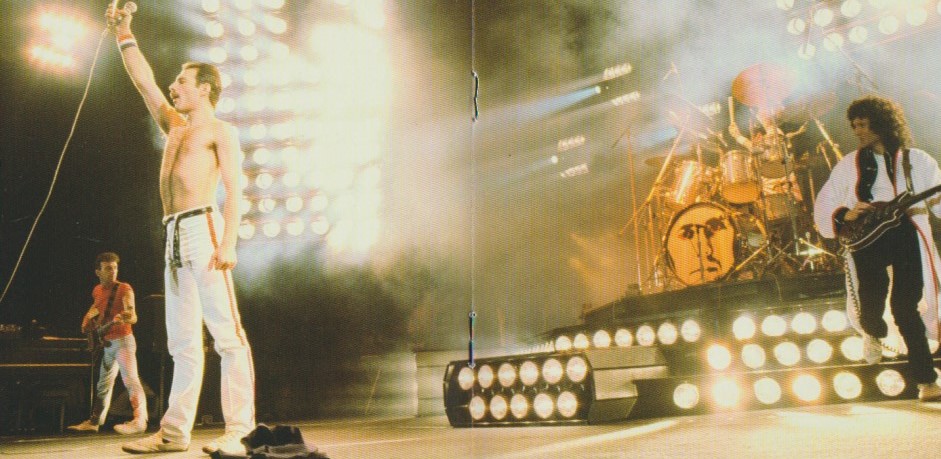
Hot Space is a bit wobbly, but the bonus disc evens things out a bit. A soul ballad B-side called “Soul Brother” might have worked better on the album than some of the songs that made it. The single remix of “Back Chat” gives us a chance to revisit the album’s most addictive song. Check out the fast, very dexterous live version of “Staying Power”. It is pretty impressive even if it’s not one of Queen’s greatest songs. The performance on the live take is a lesson by the masters on playing live, so listen up. Similarly, live versions of “Action This Day” and “Calling All Girls” get an injection of life on the stage.
Hot Space shouldn’t be too high on anyone’s Queen want lists, but it shouldn’t be ignored either. Check out the 2 CD version for the worthwhile additions.
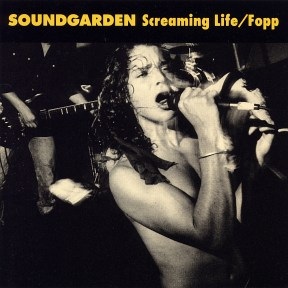
SOUNDGARDEN – Screaming Life/Fopp(1987 & 88 EPs, released combined on Sub Pop CD 1990)
I love Halloween. I love autumn. I love horror films. I love metal. When you combine the four of those things that complement each other so well, it adds up to be one of my favourite times of the year. It may be considered a childish holiday, but to me it’s not about the candy. The entire atmosphere of the world seems to change around and on a holiday. The world almost seems to become more surreal, taking on aspects of life that only seem normal in films. There’s no reason Christmas should feel any lighter or peaceful than a regular day, but it does. Halloween has a certain feel too, an eerie one that goes perfect with metal and horror films, the cooling weather, and the waning sunlight. It’s about the deception, the masquerade, the vaudeville, the showmanship that keeps me intrigued by Halloween. Throughout the month on Wednesday’s I’ll be writing reviews of albums that are important Halloween albums to me, finally culminating on the big day (10/31). I hope you enjoy reading them as much as I do writing them.
1987 was the peak year for mainstream metal*, but it was also the starting point for an underground movement that would upset the entire genre of rock for good. Some call it grunge, but I think that term is as disrespectful as “hair metal”, especially given that the so called ‘big four’ of grunge didn’t sound alike at all. My favourite of those four bands was always Soundgarden. Chris Cornell was easily the best singer out of the bunch, and the group’s songwriting was also superior to the other bands from the same town. None of the other bands came close to writing an album as undeniably badass as Badmotorfinger. They were also the most metal out of the Seattle scene, and Chris Cornell didn’t seem to be a whiny punk like Kurt Cobain or Eddie Vedder. Cornell didn’t shy away from success and intentionally sabotage himself like the other two guys, at least not publically. His passing was one of the few times that a ‘celebrity’ death had actually impacted me, and was a horrible loss to the music world.
In the aftermath of his passing, it makes sense to start back at the beginning to see how he progressed throughout his career. Soundgarden made their debut on Sub Pop with an EP called Screaming Life. They followed it up the next year with the Fopp EP, and they were eventually packaged together on CD in 1990 by Sub Pop under the clever title Screaming Life/Fopp. I bought this CD, and Lynch Mob’s Wicked Sensation at the same time in mid October, so both of these albums have a strong mental link to Halloween for me, but the Soundgarden EPs have more than an emotional attachment to the holiday. This is some evil sounding stuff that fits absolutely perfectly with the time of the year. This is partially because Kim Thayil exhibits a much stronger influence on the band’s music than he would on the last few Soundgarden albums. While on later Soundgarden albums, Chris Cornell wrote a substantial amount of the group’s music as well as its lyrics, here a good share of these early songs were written by guitarist Kim Thayil and original bass player Hiro Yamamoto. All the music on Screaming Life was written by one of the two, with Cornell handling only the lyrics. This is a different sounding band than the group that wrote “Black Hole Sun”. There are some punk roots showing with the obvious Black Sabbath and Led Zeppelin influences.
The aforementioned Black Sabbath influences are blended seamlessly with the brevity and relentlessness of punk in the album opener “Hunted Down”. This is the group’s first of many classics, and was also their first single. It’s an absolutely evil sounding number, with a hypnotic riff that sounds like the band are summoning demons themselves. The lyrics tell the story of a convict escaping prison and being hunted by the authority figures. He copes by changing his face permanently to avoid detection. The band follows the “Paranoid” single mold by making the song less than three minutes, which gives it a lethal efficiency. The melody is somber, and compliments the music accordingly. Chris Cornell was not yet the consummate vocalist that he would become, but his chops here are impressive for a youngster starting out on his first recording. The song was so good that Sub Pop chose it to be their hold music when people would call the label, prompting the group to call them up just to hear their song on the phone.
That Soundgarden classic is followed up by the much more obscure “Entering”, a four minute song that is so doomy that you think it goes on much longer (before checking the CD again, I had originally typed in the review that it was a seven minute epic!). It begins with slow ringing guitar notes that are enchanting in a dark way. It’s unsettling, yet you’re intrigued by it. This is one instance in which the song perfectly mixes with the stark visuals of the black and white cover. The beginning of this song is actually reminiscent of early 20th century horror films. It wouldn’t sound out of place being played on a grand piano in Dracula, Nosferatu, or Frankenstein, that’s how ominous it is. The song then goes through a dynamic shift and is kicked into high gear by the frantic drumming of the great Matt Cameron as Chris Cornell begins to wail with a slap back delay on his vocals that gives the song an energetic live feeling. The production is rough, but the muddiness only helps enhance the songs.
Following a throwaway screeching punk number, the band turns in one of the best songs in the gloomy and slow drop D tuned “Nothing to Say”. This song can only be described as “Electric Funeral” with better vocals updated for the late ‘80s. The group would never again sound this evil excepting their debut album Ultramega OK, which was actually released on Halloween. Perhaps to break up this seriousness, the band included many joke songs on their early albums. “Little Joe” is one of these, a funked up strange number about a Hispanic kid crossing the border. It’s totally disposable, just like all of their joke songs they just take up space and distract from the better music (except “Big Dumb Sex” from Louder Than Love). It’s still slightly demented in a off-putting way, which keeps it from ruining the mood of the EP.
The Fopp section is much lighter, in content and in mood. It contains just three songs and a remix, with only one original Soundgarden tune. The Chris Cornell’s first sole songwriting credit is with “Kingdom of Come”, a fun little tune, that doesn’t amount to much, but sounds good enough when you’re listening to it. The production on this half of the compilation is much clearer than on Screaming Life. The guitars have much more midrange energy, and the most of the muddiness has been cleaned up. If the first EP sounded like a cult ritual, this seems like the light-hearted after party. The set is rounded off by the covers of “Swallow My Pride” and “Fopp”. These are a couple of tunes just like “Kingdom of Come”, in that they’re enjoyable in a fun way, but there’s not a lot of substance underneath them.
Overall, the Screaming Life section is the superior EP, but together the shades of light and dark are an interesting insight into Soundgarden’s later, more developed sound. This is an absolutely wicked sounding release that most be listened to on headphones at night at least once around the Halloween season. While it’s not perfect and still shows a band in development, it is haunting and helps to scratch that horror metal itch if you’ve already exhausted Welcome to My Nightmareand your Black Sabbath collection.
3.25/5 stars
* LeBrain respectfully disagrees and remembers 1989 as the peak year for mainstream metal.
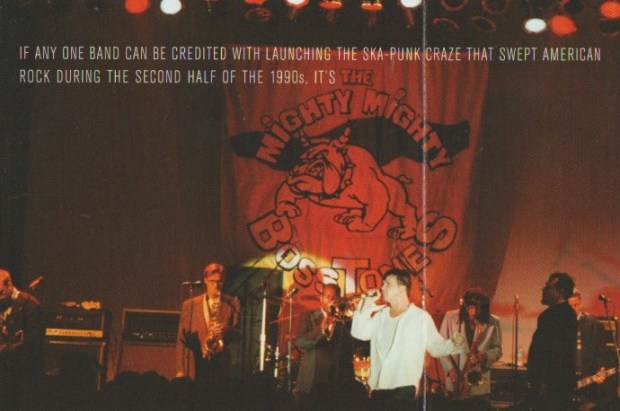
THE MIGHTY MIGHTY BOSSTONES – 20th Century Masters – The Millennium Collection(2005 Universal)
Every journey has a first step, and by luck of the draw, my first Bosstones is their 20th Century Masters – The Millennium Collection CD. This was purchased in the 3-for-$10 bin at BMV, during the now-legendary 2018 Toronto excursion with Aaron. It was the only Bosstones found on that trip, unfortunately, but one is better than nothin’.
I like Universal’s 20th Century Masters series; most of them anyway. Some are pretty terrible, but in general they compile key hits with the occasional non-album gem. The Bosstones’ instalment covers the major label period from 1993’s Ska-Core, The Devil, and More EP to 2000’s album Pay Attention. Pretty much “the stuff you might know”. I say this because I knew a lot of these songs. Which is good!
It’s the brass that makes everything sound so damn tasty. The first blockbuster punch of “Someday I Suppose” and “Don’t Know How to Party” bring the horns to the fore. When you have a gravel-voiced singer like Dicky Barrett it helps to have some sax and trombone to deliver more melodic hooks. This frees Barrett to sing in his in inimitable style, scraping the paint from the walls with sonic sandpaper.
The rest of the band are more than capable of handling background vocal chores, as demonstrated by the 1993 Bob Marley cover “Simmer Down”. Dennis Brockenborough (trombone) ably joins Barrett for “answer” vocals, enriching the Bosstones’ brew. The quality cover tune is swiftly followed by another: “Detroit Rock City” from the 1994 Kiss tribute album Kiss My Ass. Catch the Gene Simmons cameo at the front, telling Dicky he couldn’t do “Detroit” but any other song would be fine. Gene was forced to eat his words, because here’s “Detroit”, with a brick-solid wall of horns and chords. Inclusions like this are great because fans who didn’t want a Kiss tribute album and can’t find the single can just buy 20th Century Masters instead.
Moving on chronologically, “Kinder Words” and “Pictures to Prove It” are more tough, hook-laden ska rock. Tracing the river of cool hooks back to its source, they rise from the well of brassy horns and backing gang vocal melodies. The Bosstones formula is hard to resist once you jump in. Then, once Dicky Barrett’s unique voice gets hold, you’re in the tide. From the same period, a “clean remix” of “Hell of a Hat” is another inclusion that would help out collectors; it’s from a promo-only CD single.
The Mighty Mighty Bosstones had a major hit with 1997’s “The Impression That I Get”. It’s completely deserved because it’s a brilliant single. It doesn’t vary from the core Bosstones sound, it just distils the elements down to a concentrate. It’s an obvious gateway point to the band, an invitation to a pretty cool party. From the same album (Let’s Face It) are two more recognisable hits: “Royal Oil” and “The Rascal King”. And though they are not as familiar, “So Sad to Say” and “She Just Happened” from Pay Attention are pretty much just as good.
This is one 20th Century Masters CD that I don’t regret owning. Brilliant band, solid tunes throughout and a couple rarities for the connoisseur. Get Mighty.
STYX – Come Sail Away: The Styx Anthology (2004 A&M)
Styx need to get their albums remastered and reissued pronto. In the meantime, you can Come Sail Away with The Styx Anthology.
The great thing about the Styx Anthology is that it covers virtually all Styx history, even the first four albums on Wooden Nickel records. Each one of those early albums is represented by a track (two for Styx II). Those early albums had some good material on them that usually only diehards get to hear. “Best Thing” and “You Need Love” are bright and rocking, just like you expect from Styx. “Winner Take All” and “Rock & Roll Feeling” are consistent toe-tappers. The jovial harmonies, and lead vocals (by Dennis DeYoung and James “JY” Young) on these tracks could easily be mistaken for later, more famous Styx. Don’t forget the original version of “Lady” from Styx II, their first big ballad. Styx’s flair for the dramatic was there right from the first. (Remember “Lady” as performed by the Dan Band in the movie Old School?)
Shortly thereafter Styx signed with A&M. 1975’s Equinox boasted hits galore. You should know “Light Up” and “Lorelei”. But Equinox was their last with founding guitarist John Curulewski. He was replaced by a guitarist with prodigious talent and a voice to go with it: Tommy Shaw. Shaw’s “Crystal Ball” is one of the best songs from the album of the same title. “Mademoiselle” and “Shooz” are not far behind.
Styx enjoyed an abnormally long period of great, classic albums in a row. After Crystal Ball came The Grand Illusion, Pieces of Eight, Cornerstone and Paradise Theatre. With a solid lineup they continued to crank out radio staples. Their music became grander and more conceptual thanks to Dennis DeYoung. Tommy Shaw and JY tended to provide balance with rockier songs. Songs like Dennis’ “The Grand Illusion” are balanced out by Young’s “Miss America” and Shaw’s “Renegade”. Sure, Shaw could write a ballad or two, but his are more rootsy like the acoustic “Boat on a River”.
Through “Come Sail Away”, “Babe”, “The Best of Times” and “Too Much Time on My Hands”, it is impossible to understate how hit-laden this CD set is. “Blue Collar Man”, “Rockin’ the Paradise”…it’s seemingly endless!
Until it ends, right after “Mr. Roboto”. Though their lineup was stable, Styx were volatile. DeYoung was fired at one point for being too controlling. Shaw threatened to quit if the song “First Time” was ever released as a single (it wasn’t and it’s not on here). It came to a head for real with “Roboto”, from 1983’s Kilroy Was Here. Though it went to #3, the tour did poorly and the band were not happy with DeYoung and his rock operatics. Tommy Shaw stated that he couldn’t get into songs about robots (long before he wrote an album about Mars). The Styx Anthology cuts you a break by not subjecting you to their last single before splitting, “Music Time”.
When Styx reformed in 1990 it was without Shaw, who was doing very well in the supergroup Damn Yankees. He was replaced by singer/guitarist Glen Burtnik. Burtnik’s single “Love is the Ritual” is a jarring change. The seven years between it and “Roboto” are audible, as Styx forged a clear hard rock sound with the single. Sporting synth bass and shouted “Hey!’s”, you couldn’t get further from the core Styx sound than “Love is the Ritual”. With the new member singing, it’s hard to hear any similarity to Styx at all. Dennis’ “Show Me the Way” has proven to be a more timeless song. Although it resonated with Americans at the time of the Gulf War, today it is just a great song about keeping the faith.
Styx split again, but reformed with Shaw in 1995. Unfortunately, founding drummer John Panozzo died from years of alcohol abuse and was replaced by the incredible Todd Sucherman. “Dear John” is Sucherman’s first appearance on the disc, a tribute to Panozzo. The somber Tommy Shaw ballad (from 1997’s Return to Paradise) simply had to be included on a Styx anthology. The only Styx studio album ignored on the set is 1999’s Brave New World, and rightfully so. Instead we leap ahead in time for the final song, featuring yet another lineup change, and one of the most significant. Dennis DeYoung was let go and replaced by Canadian solo star Lawrence Gowan. This has proven to be a fortuitous undertaking for both Styx and Gowan. Gowan plays keyboards on “One With Everything” (from 2003’s Cyclorama), an epic six minute Tommy Shaw progressive workout. It’s a brilliant song, and a perfect indication that for Styx, a whole new chapter had opened.*
Do yourself a favour. Go and buy Styx’s new album The Mission, and put The Styx Anthology in the basket too. Then enjoy, and congratulate yourself for a great start on your Styx collection!
5/5 stars
* Two more lineup changes: when bassist Chuck Panozzo fell ill, he became a part time bassist for Styx. Glen Burtnik returned on bass this time and played on Cyclorama. When he left again, he was replaced by Ricky Phillips from Coverdale-Page.
 THE SHINING (1980 Warner Bros.)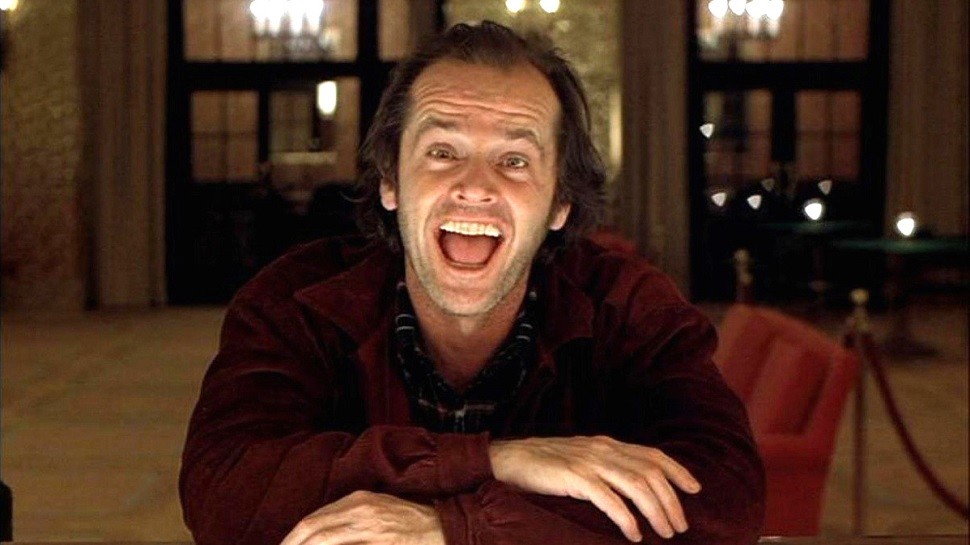
 As the weeks go by, the family is pleased to find another VHS of a film called Shakes the Clown in the mail. It’s a lot different than his standup special, and exceptionally strange, but they ultimately enjoy the ride, even if it was not nearly as strong as his standup special. The next week, the family receives the holiday Bill Murray film Scrooged that features Goldthwait as the fired assistant. They determine that the movie ultimately sucks hard, but they love the parts containing Bobcat as the holiday liberator. That’s when the spirits sending the tapes stop being so kind to the family. Next they receive Police Academy 2. Police Academy 2 is easily the shittiest of an incredibly shitty franchise (only speaking for the first three, as that’s when I checked out forever), a series of films Bobcat himself would later call Police Lobotomy. The family is distraught over the wasted talents of Bobcat. Another week goes by and they find instalments 3 and 4 in the mail, and are just as horrified at the glaring examples of shit personified in Police Academy fashion. This is a franchise so shitty that the best joke involving them was actually in Wayne’s World. At this point in the film, Danny and Dick begin to have psychic visions. They can’t make out exactly what’s going to happen the next week, but they begin to have visions of a horse, and Bobcat. The horse seems to be talking. Their worst fears are realized the next week when a fresh copy of Hot to Trot is sent to the house.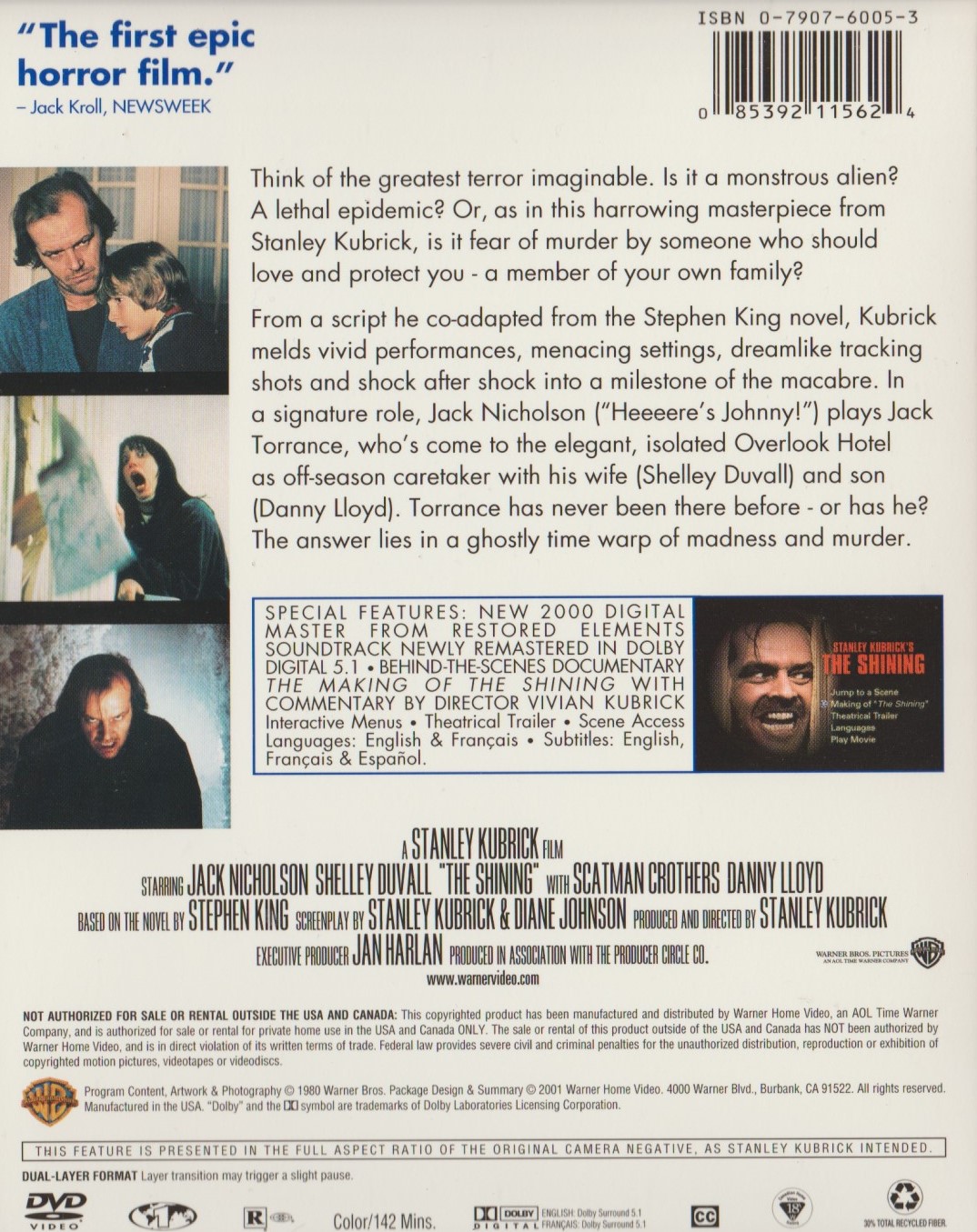















 mikeladano.com