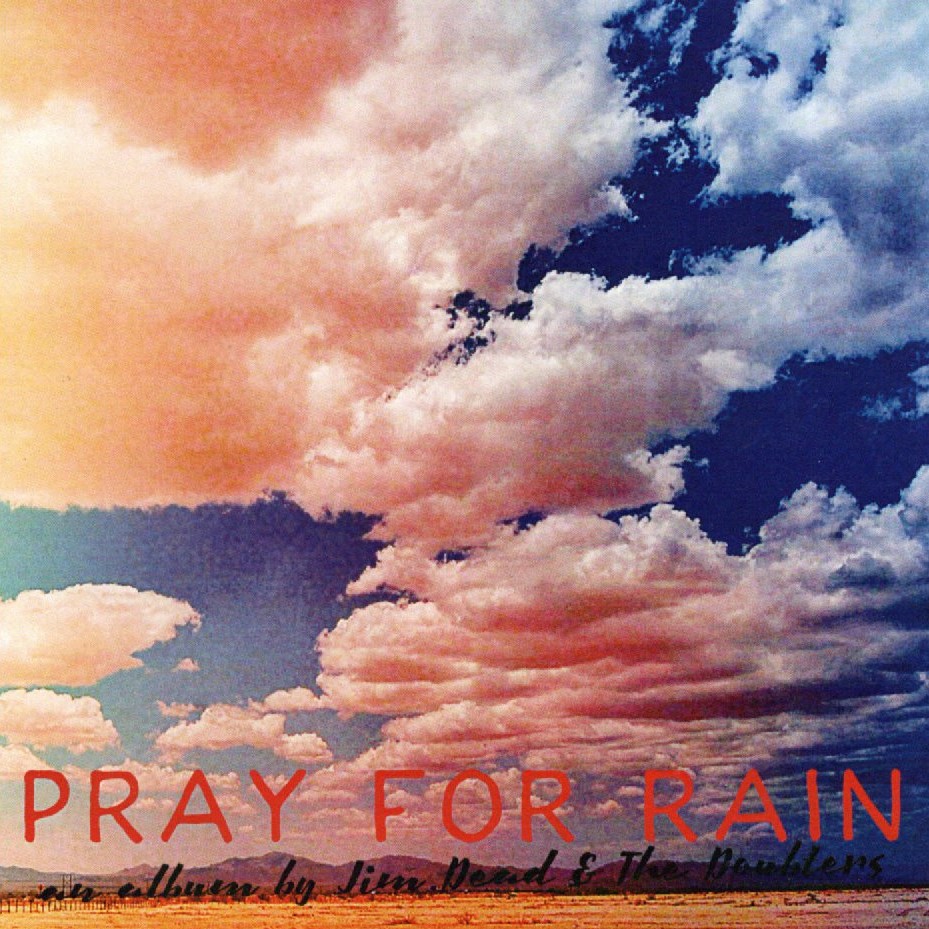
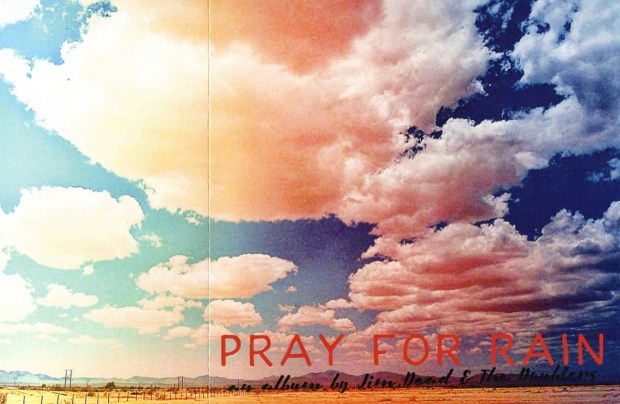
Just Listening to…Jim Dead & the Doubters – Pray For Rain (2015)

Jim himself will be our guest tomorrow on the LeBrain Train.

You never know what to expect from Jim Dead.  Sometimes he’s mournfully acoustic, sometimes he’s raging electric with a full band.  The Doubters are the latter and Pray For Rain is a powerful listening experience traversing blues, rock and country.

Opener “Wooden Kimono” is a relentless electric blues.  Jim sounds tormented, as any good blues singer should.  Sabbathy guitar bends on “May the Road Rise” show that this band is not afraid to mix influences.  This is rock — like the better parts of Pearl Jam distilled.  Blues and granite mingle gladly on the title track.  It must be stated that the drums on this album are most excellently powerful.

On down the line, the album straddles the blues/rock lines, travelling all the way to the Stone Temple of grunge on “Lovesick Blues”.  The brief “Trains” goes somewhere else completely different, something from the old west but in the 2000s.  The leads into “Crows on the Wire”, the only overtly country song.  A welcome reprise from the rising tides of heaviness.

The greatest track on the album could be “Home”, a quiet dusky number which erupts with heartfelt lead vocals that rends the soul to slivers.  Echoes of Tom Waits, but not Tom Waits.  This is chased by some wicked slide on “You Coulda Said” and finally, acoustic melancholy on the closer “I’m Not Lost”.  A magnificent end.

Pray For Rain is an intense album.  It’s heavy with feeling, and guitars.  Some of the lead work is outstanding and the vocals are always fierce…yet tender.  It’s focused and raw.  Pray For Rain was recorded in a couple of days but the payoff is that you’ll want to listen to it for years.


REVIEW: Jethro Tull – Thick As A Brick (1972, 25th Anniversary “newspaper” CD edition)

“Quite hard to play, and a lot to remember.” — Martin Barre

JETHRO TULL – Thick As A Brick (Originally 1972, 1997 EMI 25th Anniversary CD)

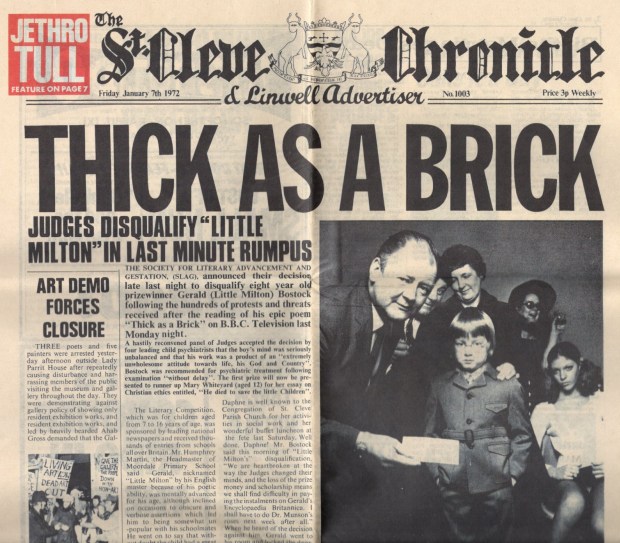
Some albums are more famous for factors other than the music.  Chinese Democracy, for example.  Anyone reading this can say “that’s the one that took Guns N’ Roses 17 years to make.”  Meanwhile, the same can be said for Jethro Tull’s Thick As A Brick.  Even if you have never heard the album, you probably know “that’s the one that came with the newspaper inside”.  You might even know that it’s only one, long 44 minute song.

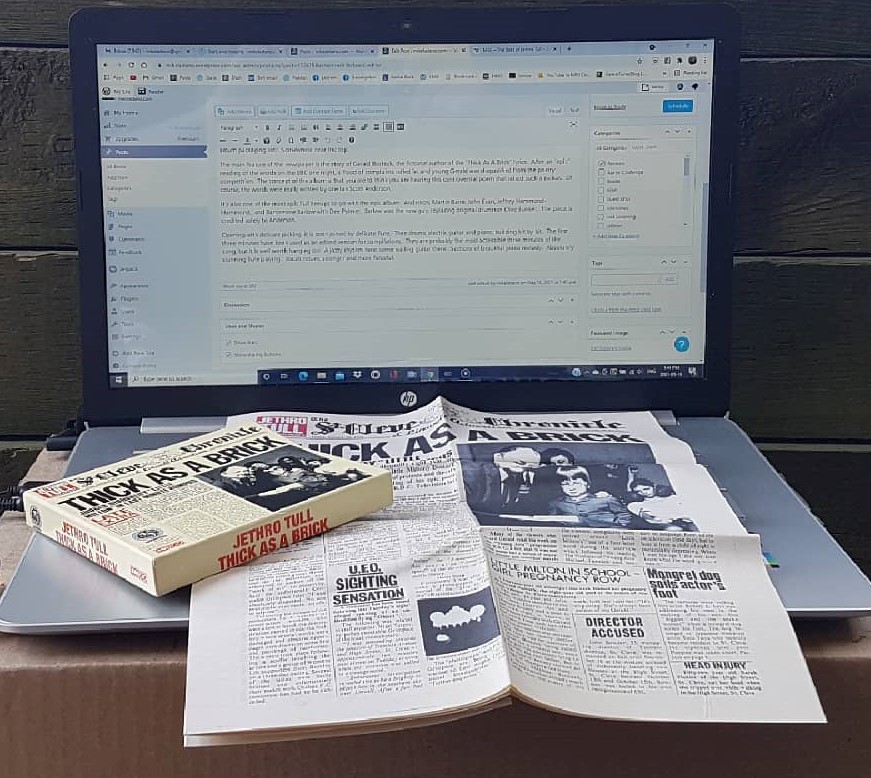
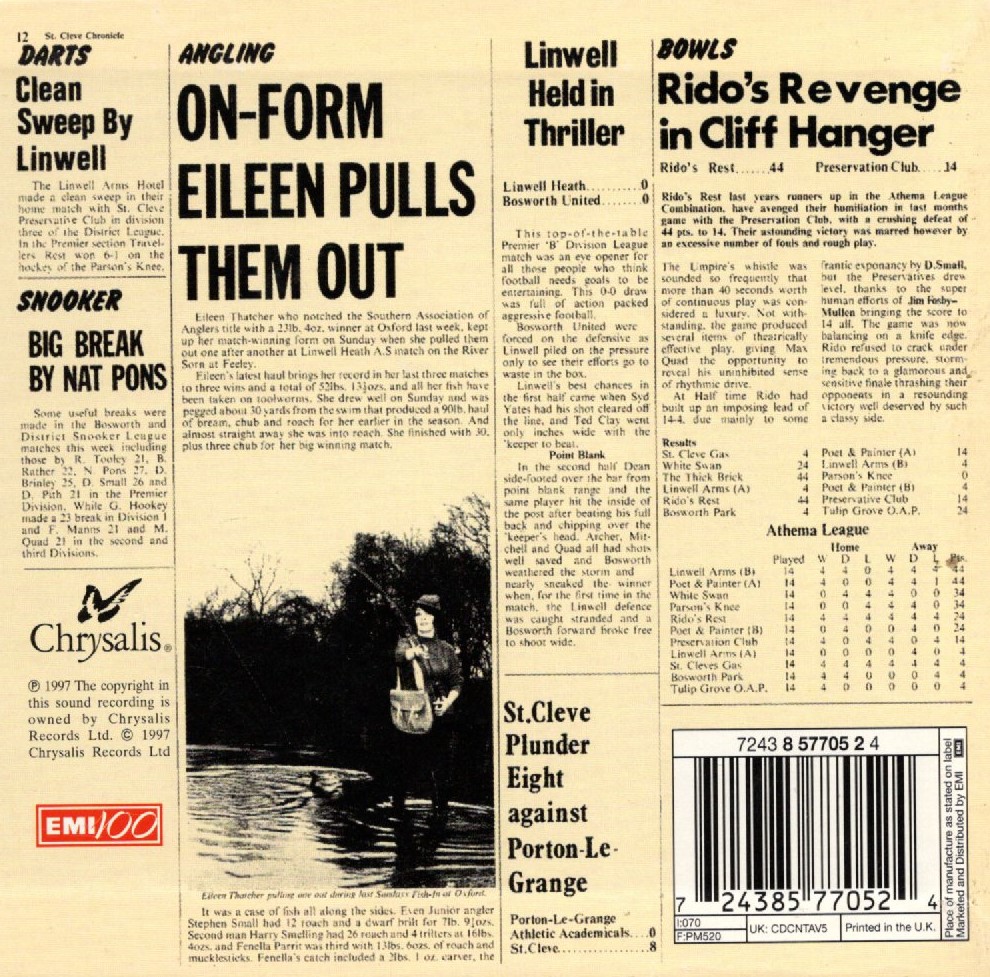
All true.  You had to flip the song midway on the original LP, and that side break still exists on CD as the song is split into two tracks.  The 1997 Anniversary edition replicates most of the newspaper too, and though you will be wary of completely unfolding it and getting it back inside the case again, it is still a marvel.  With campy articles, crosswords, horoscopes, ads and news stories, you could read this paper for as long as it takes to listen to the album.  It is certainly among the most fabulous extras ever included with any release, LP or CD.  Top ten album packaging list?  Somewhere near the top.

The main feature of the newspaper is the “fake news” story of Gerald Bostock, the fictional author of the “Thick As A Brick” lyrics.  After an “epic” reading of the words on the BBC one night, a flood of complaints rolled in, and young Gerald was disqualified from the poetry competition.  The concept of the album is that you are to think you are hearing this controversial poem that raised such a ruckus.  Of course, the words were really written by one Ian Scott Anderson.

It’s also one of the most storied Tull lineups to go with the epic album:  Anderson, Martin Barre, John Evan, Jeffrey Hammond-Hammond, and Barriemore Barlow with Dee Palmer.  Barlow was the new guy, replacing original drummer Clive Bunker.  The piece is credited solely to Anderson.

Opening with delicate picking, it is soon joined by light flute.  Then drums, electric guitar and piano, building bit by bit.  The first three minutes have been used as an edited version for compilations.  They are probably the most accessible three minutes of the song, but it is well worth hanging on!  A jazzy rhythm here, some wailing guitar there.  Sections of beautiful piano melody.  Absolutely stunning flute playing.  Vocals return, stronger and more forceful.   This holds together for a long time as a pretty singular work, with lengthy instrumental sections between the vocals.  Then 12 minutes in comes the organ solo.

The song bounces back and Ian returns to the front, ranting about class.  It’s a surprise when the familiar opening guitar figure returns, but it is all one song after all.  This ushers in a folksy section, which eventually comes back to the power of progressive Tull.  A loud, rhythmic guitar outro takes us to the end of the first side with a hefty serving of organ.

The second side could not possibly open with as much panache as the first, nor should it, being the middle of a song.  After a brief respite, we are back into the heavy progressive Tull, and then a drum solo.  Exotic melodies dominate the first few minutes, when the drums do not.  The acoustic guitars return as they eventually must, and the song resumes a path like the one that it began with.

From moment to moment, Tull are not at all shy of showing you how smart-guy they are.  Those who adore challenging rock music will be right at home, drinking in every sudden time change and rippling solo.  The second side is thick with daunting rock.  Those who find this too pretentious to take seriously are already out of the room.  They’ll miss the thundering timpanis and cascading organ/flute duos.  Their loss.


What makes Thick As A Brick special is not the packaging.  From section to section, the song remains compelling.  Every part has some kind of hook or performance that draws you back.  By playing the 3:03 version, you are missing too much action.  You can’t pretend that such an album isn’t ostentatious.  You either like it (usually admiring and aspiring all the while) or you are repulsed by it.

The 25th anniversary CD comes complete with a 12 minute live rendition from much later, in 1978, from New York.  That means it’s John Glascock on bass, as Hammond had left in late 1975.  This abridged version has some of the majesty of the album, coupled with the excitement of the live stage.  Finally there is a 16 minute interview with Anderson, Hammond and Barre.  They explain the organic construction of the music, and the painstaking process of the packaging.   Though you can also get the 40th anniversary boxed set remixed by Steven Wilson, if you are just looking for the original album on CD, this edition is the obvious one.

5/5 stars


REVIEW: Ratt – Detonator (Part Five of The Atlantic Years series)

Part Five of Five

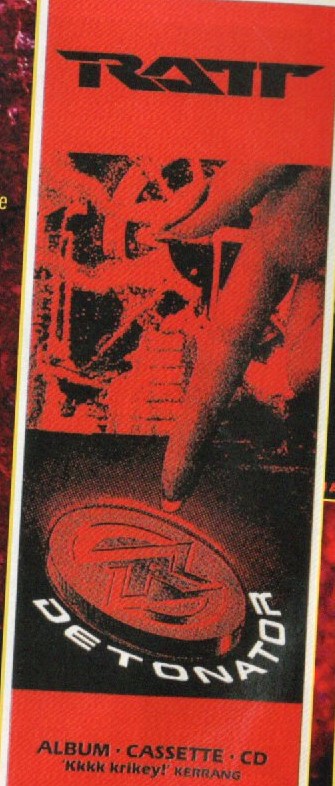
RATT – Detonator (Originally 1990, 2020 reissue — The Atlantic Years 1984-1990 box set)

Hit the emergency breaks!  If Ratt were spinning their tires commercially, then Atlantic sought to change course.  Producer Beau Hill was given the deep six, and new stewardship was sought.  Desmond Child was one of the most successful writers of the 80s, and so Child was hired to co-wrote every song on Detonator.  From his stable of talent came co-producer Sir Arthur Payson.  Even Jon Bon Jovi showed up for a backing vocal.  (Returning the favour, Ratt’s Robbin Crosby played on Jon’s own Blaze of Glory.)

Needless to say, the fifth and final Ratt album on Atlantic was a change in direction.  The album split fans, with some balking at the new commercial sound of the band.  Others appreciated the slicker, tighter songwriting.

Opener “Shame Shame Shame” (and its “Intro to Shame”) is a gleaming example of the new collaboration, bearing sweet fruit.  The bite of the old rodent remains, and the song is trimmed of any fat the old Ratt was carrying around.  Warren’s guitar tone is buttery beauty.  While DeMartini shines, Robbin Crosby was noticeably less involved with this album.  He was suffering from addiction and only has two credits on Detonator.  He had six on Reach for the Sky.

“Lovin’ You’s A Dirty Job” was the lead single, and indicates even the squeaky clean Desmond Child couldn’t scrub Ratt free of sleaze.  He helped make them more effective at it, and the result is a song reminiscent of “Lay It Down”, but without the menace.  The next track “Scratch That Itch” has a hint of the heavy Ratt from Dancing Undercover.  The guitar smokes even if the melody does not.  But then, “One Step Away” is virtually all melody!  It is nothing like the Ratt N’ Roll of the past, but is an undeniably catchy summer rock tune.  It sounds more like a Poison single, but with more bite.  It could even be the album highlight.

The album has some surprisingly tough deep cuts.  “Hard Time” is simple and effective.  Pearcy shows his fangs and Desmond keeps it melodic.  “Heads I Win, Tails You Lose” is…less effective.  You can definitely hear Jon on it, and at least Warren’s lead guitar tone is brilliant.  Otherwise it is filler.  “All Or Nothing” and “Can’t Wait On Love” are the two Robbin co-writes.  These are some of the most Ratt-like tracks.  Quite a lot stronger than the usual Ratt album cuts.

“Givin’ Yourself Away” is quite un-Ratt.  This is not a band known for their ballads.  Pearcy isn’t that kind of singer.  “Givin’ Yourself Away” only works in its context:  a song written for radio in the last dying days of the hard rock era, right down to the contrived key change at the end.  It is thick with backing keyboards.  Diane Warren and Desmond Child co-wrote it with Pearcy, so you can use your imagination.  The people it was written for (Bon Jovi fans) will love it.

Closer “Top Secret” is closest in sound to old-school Ratt.  It could have been on Out of the Cellar for the vibe it exudes.

This CD, more than the others in the series, is packed with bonus tracks.  Two tepid remixes of “Lovin’ You’s A Dirty Job” are here for the collector.  But what some people forget is that before they split, Ratt released one more amazing tune:  “Nobody Rides For Free”.  This stripped-back gem was from the Point Break soundtrack in 1991 — the opening track on it, in fact.  It was the first music video to feature Ratt as a four-piece without Robbin Crosby.  Yet it remains a tough, mean Ratt track with great lyrics and chorus.  Maybe better than anything on Detonator itself.

Detonator, like most Ratt albums, is a bumpy ride.  This time the valleys are deeper, but there is also less pure filler.  The result is a Ratt album that is a more consistently entertaining listen.  The slicker production isn’t an impediment to enjoyment.  But it didn’t save Ratt’s fortunes.  Crosby was out, and the band was put on ice shortly after.  But like most rodents, Ratt was hard to get rid of!

3.5/5 stars

The Atlantic Years 1984-1990:

#907: Lake Listenin’

RECORD STORE TALES #907: Lake Listenin’

These days, I like playing music at the lake that takes me back in time.  Maybe that’s the curse of getting older.  Everything reminds me of something else.  Since that’s the case, I might as well make the most of it.  If I’m having a good time at the lake, there is nothing better than music that reminds me of having a good time at the lake.

I set the scene with a very relaxing drive, to the 80s tunes of Kim Mitchell’s self-titled EP, plus Shakin’ Like a Human Being, and The Sport of Kings by Triumph.  It was golden.

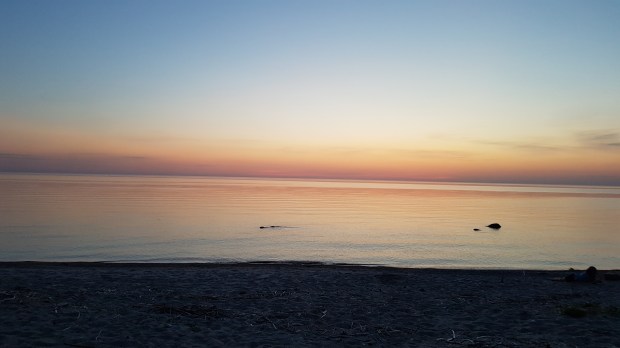
Instead of diving right into the nostalgia pool right away again upon arrival, I officially started the weekend with some music that is new to me:  Coney Hatch and Andy Curran.  My current favourite Coney Hatch tunes are “First Time For Everything” from Outa Hand, and “She’s Gone” & “Wrong Side of Town” from Friction.  Arriving Thursday night, these tunes, along with Curran’s “No Tattoos”, led our evening on the porch, watching the sun set.  Not only did the tunes get us psyched for the weekend, but also next week’s LeBrain Train.  Andy is our guest again, so I am preparing once more.
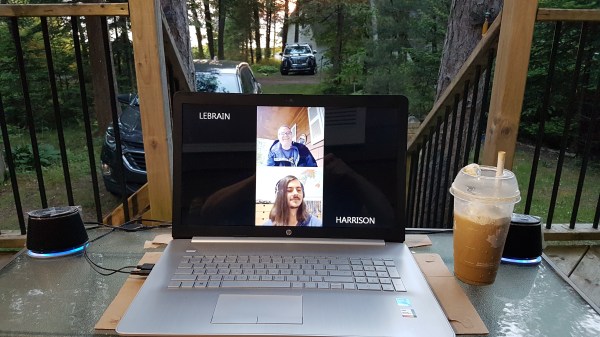
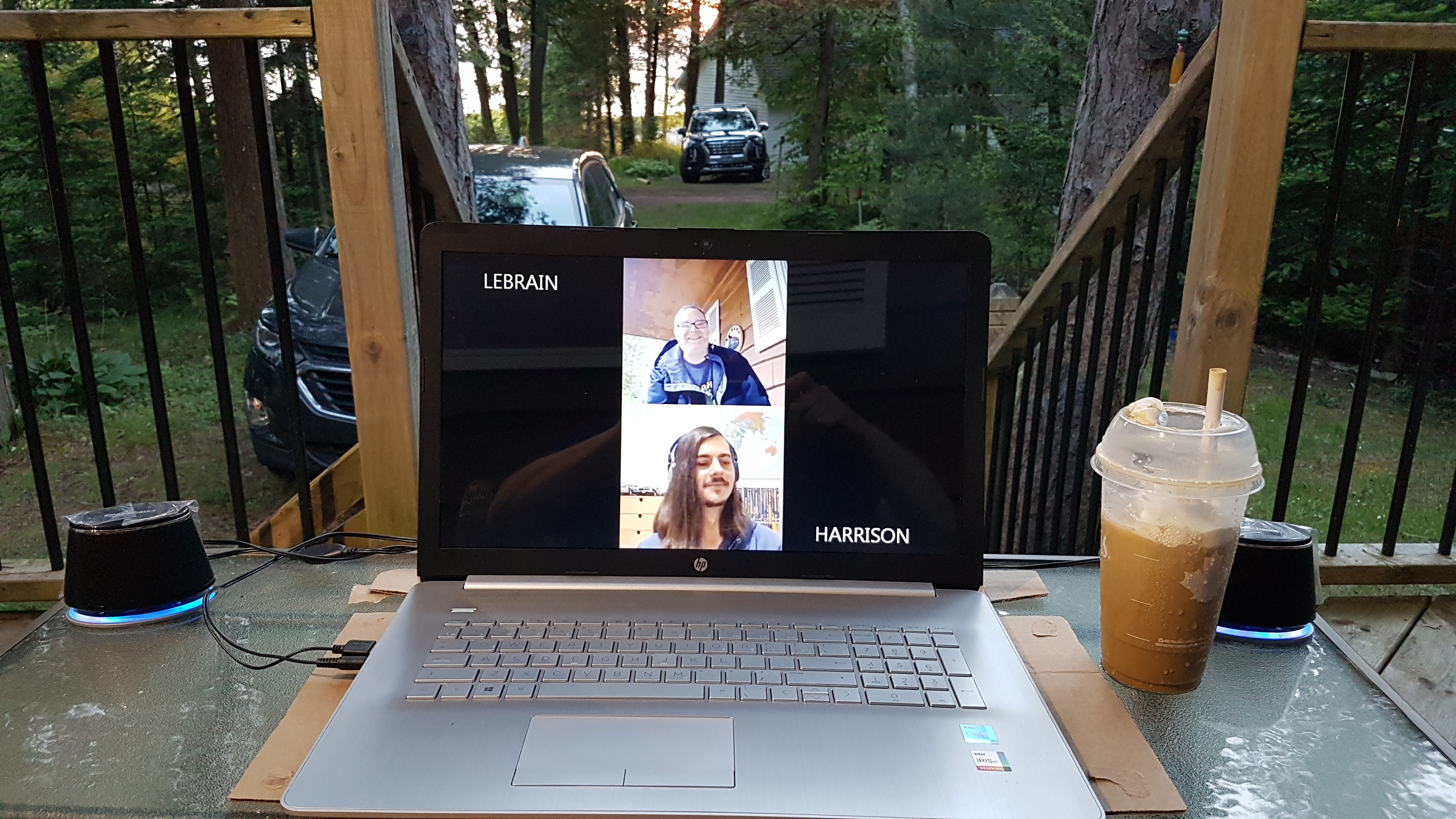
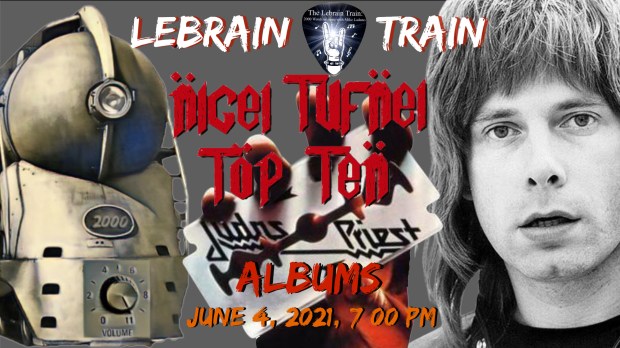
I closed the night studying up for the next day’s episode:  the Nigel Tufnel Top Ten Judas Priest albums.  This “remastered” episode was an update on one that Harrison and I did on Facebook Live a year ago.  I re-watched the episode from the previous year, very much enjoying myself.  Harrison and I had a great time the first outing, though the second one surely topped it!

When I’m at the lake, I try to keep the volume to a reasonable level.  I like to take a walk to the end of the driveway and down the road and check the levels.  A little music at the end of the driveway is OK but I don’t want to hear myself down the road.  However, I said “to hell with that” for the rest of the weekend, when the neighbours had a loud party on the Friday night.

“I hope they enjoy ‘Detroit Rock City’ at 6:00 am,” I said.
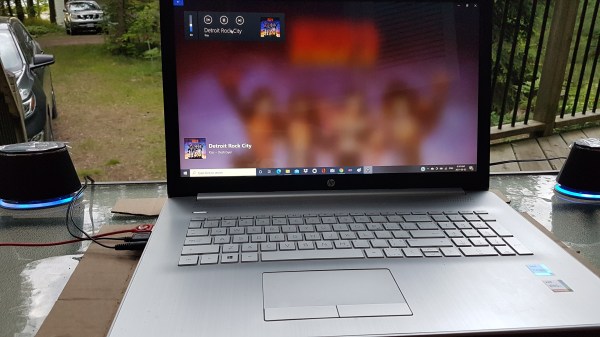
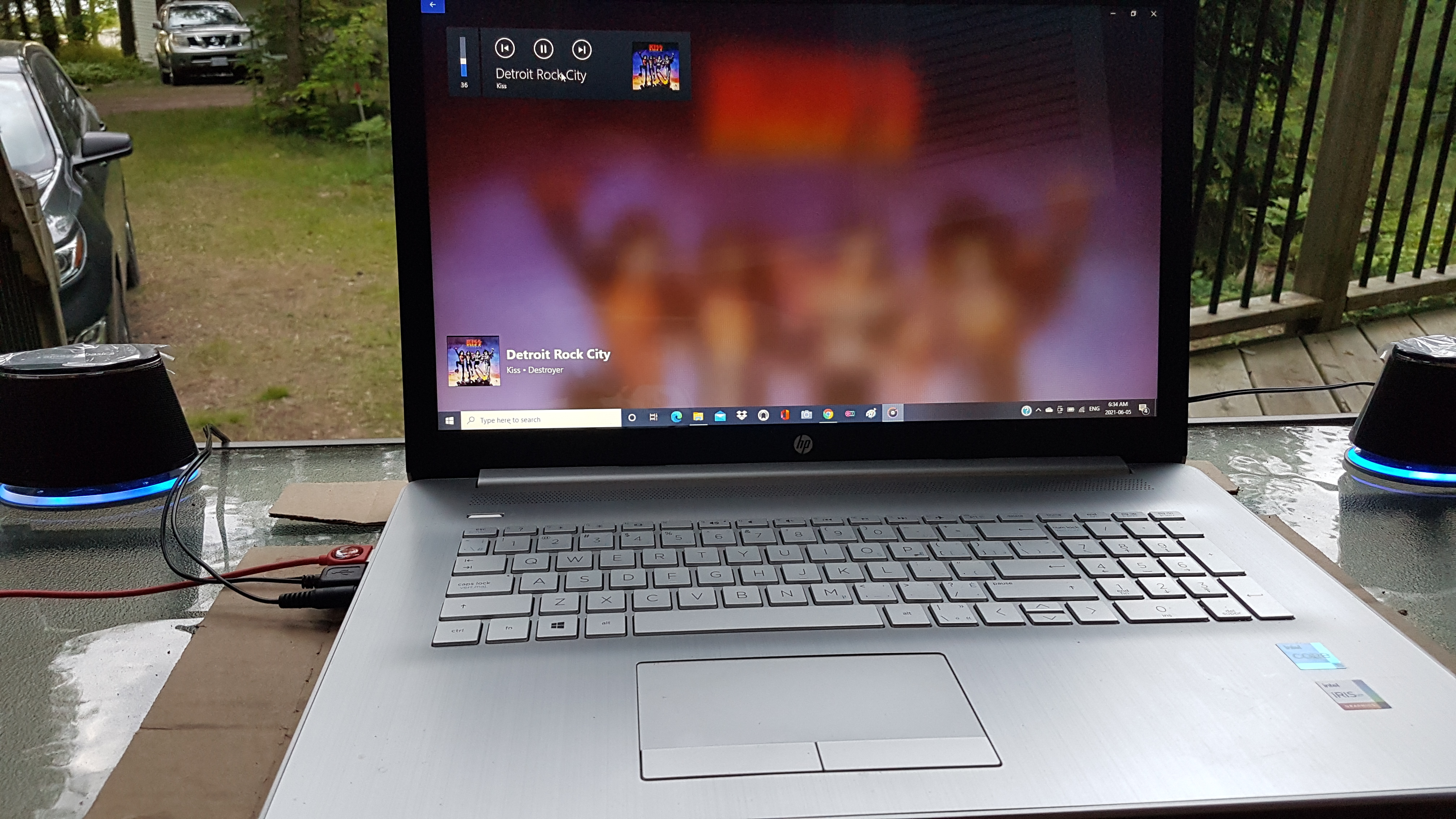
So that’s how my Saturday began:  Destroyer, cranked.  Destroyer has never been my favourite Kiss album by a long shot, but for some reason it just clicked with me that morning.  The cool breeze coming off the lake, the birds and squirrels bickering over my head; and Kiss Destroyer on the speakers.  Things you don’t think would go together, but in my brain, actually do.  I would have played Destroyer at the lake as a kid — many times.  The difference was, now nobody was telling me to turn it down.  Apparently that “if it’s too loud, you’re too old” thing doesn’t apply.  As I get older, I love it loud.

After Destroyer came Rock and Roll Over, Dynasty, and the complete audio to the video Exposed.  This included all the studio tracks from the music videos, all the live tracks exclusive to the video, and even that little nugget of Paul and Gene harmonizing on “I’ll Be Back” by the Beatles.  As a kid, I made something similar on a cassette.  I recorded all the live stuff and “I’ll Be Back” from the VHS tape and made an album out of it.  I left off the music videos.  Today, I ripped all the music from the DVD directly to mp3 and made a double album out of it!  I sat there in wonder listening, imagining what my younger self would have thought of such an audio miracle.

That’s a lot of Kiss though; solid Kiss with no other bands breaking the streak.  When I did finally need an intermission from Kiss, I chose Iron Maiden’s Piece of Mind.  I actually bought that album at the lake in the summer of ’85, at an old record store that used to exist on the main street.

As far as volume goes, keep in mind I’m blasting my music on a $24 pair of speakers from Amazon.  The guy partying across the street must have had something stronger because I could identify “The Impression That I Get” by the Bosstones easily from my seat on the porch.

“I hope they like Star Wars,” I said as I cued up The Empire Strikes Back on my Disney Plus.
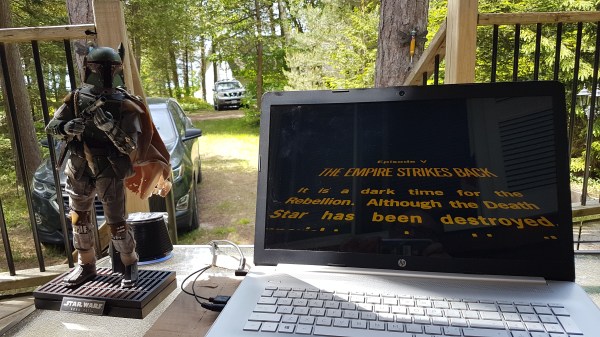
I had another revelation while watching Empire.  Objectively, it could be the best Star Wars, but because nostalgia is my thing, I flashed back to 1980.  1981.  1982.  1983.  The golden era of Star Wars fandom.  For a long time, at that ripe age, we were left with two major cliffhangers.  What would happen to the frozen Han Solo, and was Darth Vader lying about being Luke’s father?  Hard to believe but we spent years — an eternity of a child’s age, a significant fraction of our lives — not knowing the answers.

We also had to spend this time making up things to do with our Han Solo figures.  He was frozen in carbonite at this time.  Sometimes I took my Solo figure and froze him in ice in the freezer.  We used our imaginations.  Empire was such a huge part of our childhood.  For me the Empire era ran from age seven to just before age eleven.  It was the Star Wars for which I had all the collector’s cards (first series), the soundtrack, the “story of” record, the comic, the novel, colouring books, and just about everything else you could buy.  The bedsheets — check.  Dixie cups — check.  Burger King glasses — also check.  We had a good chunk of Kenner figures from that era.  We had everything we could possibly get our hands on.

Except the movie itself.  That, we could not recreate on a whim.  We brought our toys, our comics and our cards to the lake so we could re-imagine the movie.  But we could not watch it.

That was a luxury that was not lost on me as I sat on the porch watching the Battle of Hoth.  I smiled ear to ear knowing this.  Something unimaginable during the actual Empire era.  Though, we did indeed see The Empire Strikes Back at the lake.  And it wasn’t the special editions.  We saw the original, at the drive-in.  It was in a double feature with a bicycling movie called Breaking Away, which we slept through.  My sister slept through most of Empire, too!  She was only three.

I took a break in the middle of The Empire Strikes Back to take a dip in the water.  But the Sooners had come.
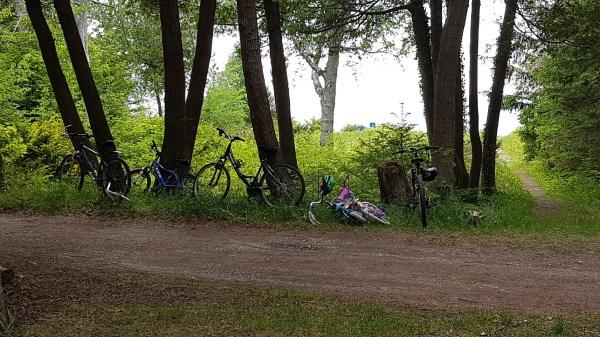
“Sooners” is how my dad refers to the people who show up to go to the beach for day.  I wondered what “Sooners” meant so I looked it up.  He must have got it from one of his cowboy movies.  Sooner:  “a person settling on land in the early West before its official opening to settlement in order to gain the prior claim allowed by law to the first settler after official opening.”

I don’t see how that applies to the beachgoers, but the name stuck.

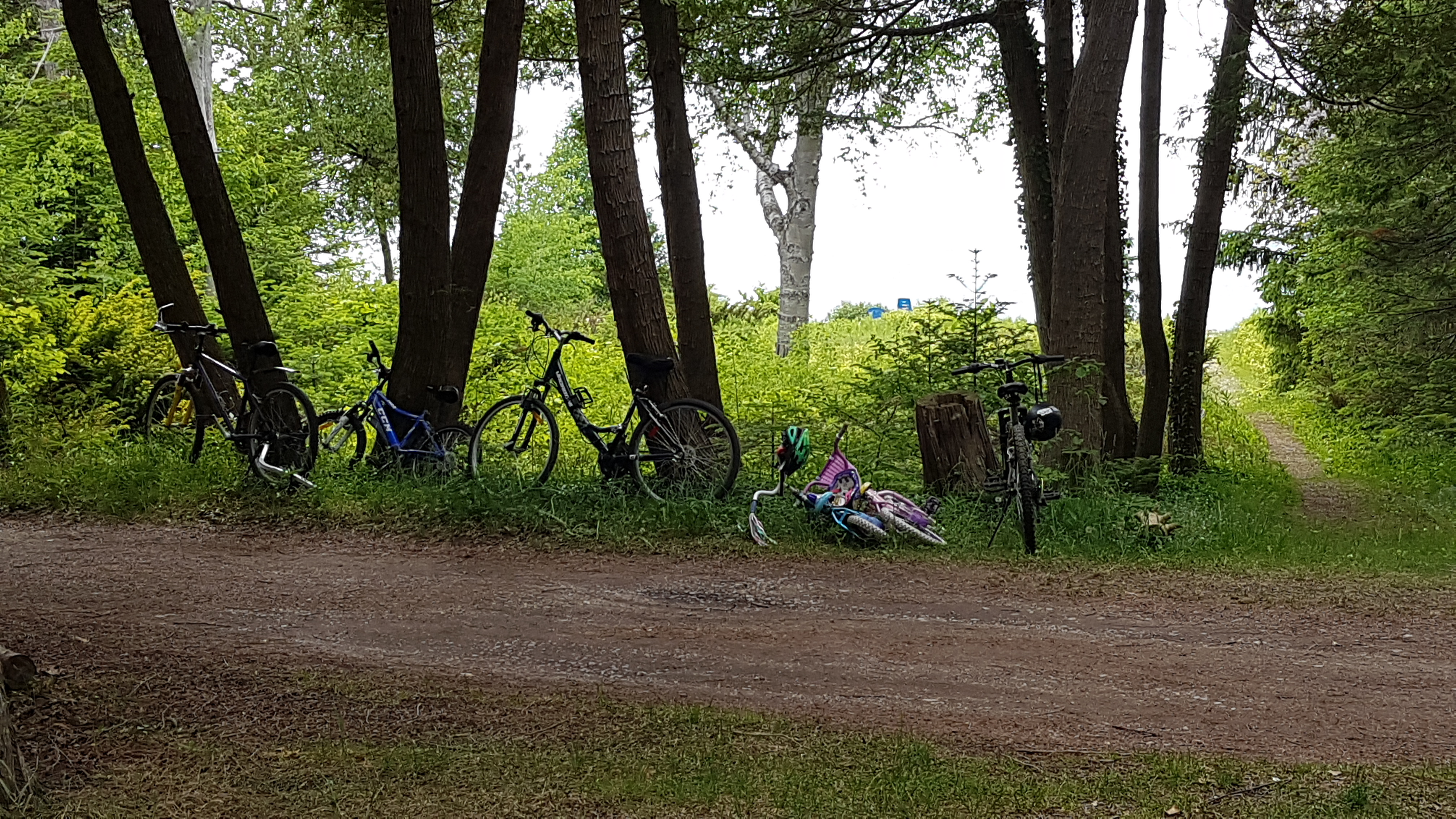
Anyway there were a bunch of Sooners at the beach.  There was Man-Bun and his two girlfriends, and a family of seven who parked their bikes right in front of our place.  I know my dad would have had a fit.  The bikes were well out of the way, but it’s no fun trying to back your car out of the driveway with any kind of obstruction, so I get it.

The Sooners weren’t as bad as the renters.  They had a huge dog — the size of a small pony — that kept going after Jen any time we walked down the path to the beach on our own property.  They’d scold the dog but not put him on a leash.  I say “him” because his name was clearly Frank.  Who names their dog Frank?  Seriously.

I don’t know who held the party that night.  The salvos of US-grade fireworks began when I was sleeping.  Jen says they were still going off at 1 am.  I say “US-grade” fireworks because I know the difference.  There are the kind you can buy in the convenience stores here, and there are the ones you can’t.  This was the stuff you can’t.  On and on and on it went.  It seemed to be coming from the renters’ place.  When I went down to the beach the following morning, their firepit was still smouldering.  Late night party fire?

What could I do?  I woke up and blasted Aerosmith.  I played them while packing the car, on the car system, doors open.  I hope you like Toys in the Attic.

Sooners and renters aside, summer has gotten off to a tremendous start.  Maybe next time, I’ll play all new albums and make some new memories.  It doesn’t particularly matter — the setting is conducive to to anything you want to listen to.  And now that I can bring my entire music collection with me in my pocket, I am limited only by my own whims.

I am a lucky guy.
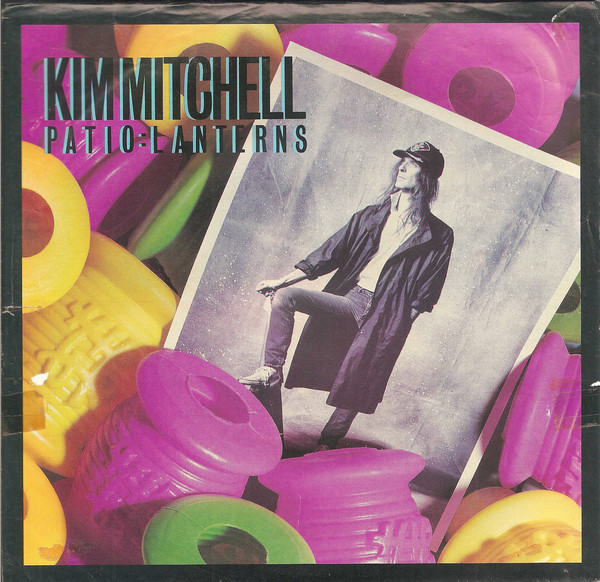
Sunday Chuckle: Patio Lanterns

There’s a guy, at work, Jeff Taylor.  Younger guy but eager enough to listen to me talk about my music. I was yammering about Kim Mitchell when he said “‘Patio Lanterns’, what’s that about? Swingers?”

I stared a minute and said “It’s about a gradeschool backyard patio party, where the hell did you get ‘swinging’ from? They’re drinking lemonade, man.”

“It could be hard lemonade,” he answered.

I wouldn’t let this go. “But seriously? Where are you getting swinging out of ‘Patio Lanterns’?”

“‘Who would be the first to kiss?'” he quoted back at me.

Sigh. Can’t argue with that, I guess.

Our house had the biggest patio
Our house had all the summer shade
We had patio lanterns
I’d spend half the night making lemonade
Which we drank a lot
‘Cause we were all so shy
Shy and nervous

Who was gonna be
Who would be the first to dance
Who was gonna be
Who would be the first to kiss
Under those patio lanterns

Those patio lanterns
They were the stars in the sky
Those patio lanterns
Lighting up our lives
Those patio lanterns
They were the stars in the sky
Those patio lanterns
Lighting up our lives
Under those patio lanterns

And I was stuck on Joy
(That was her name)
We didn’t talk much
She was a nervous girl
I was a nervous boy
We stuck together like glue on glue
Dancing to an old song
Bobby Vinton’s “Blue on Blue”
Heartache on heartache

Who was gonna be
Who would be the first to dance
Who was gonna be
Who would be the first to kiss
Under those patio lanterns

Those patio lanterns
They were the stars in the sky
Those patio lanterns
Lighting up our lives
Those patio lanterns
They were the stars in the sky
Those patio lanterns
Lighting up our lives
Under those patio lanterns

Delivering the Lists: Judas Priest – Nigel Tufnel Top Ten…Remastered

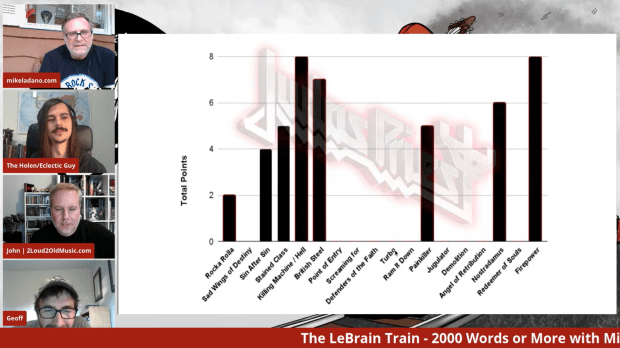
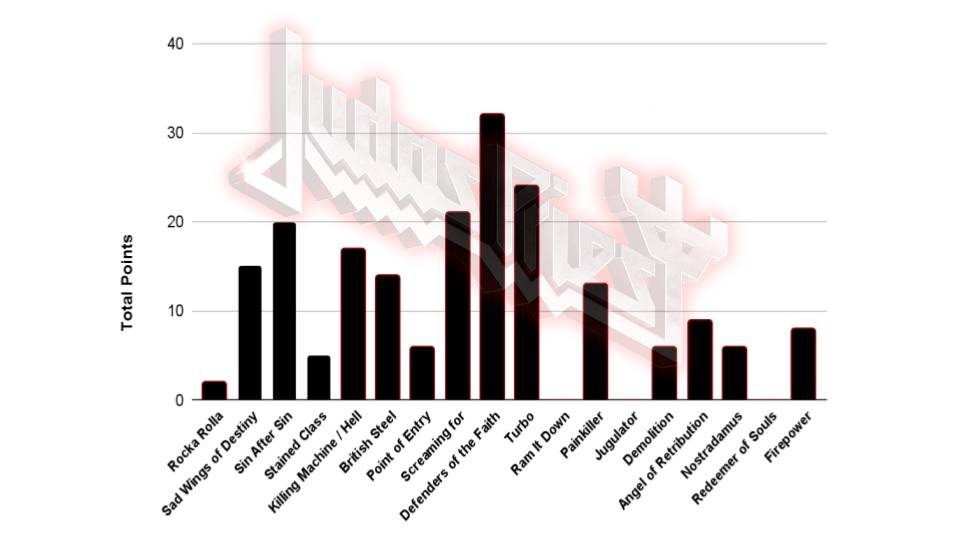
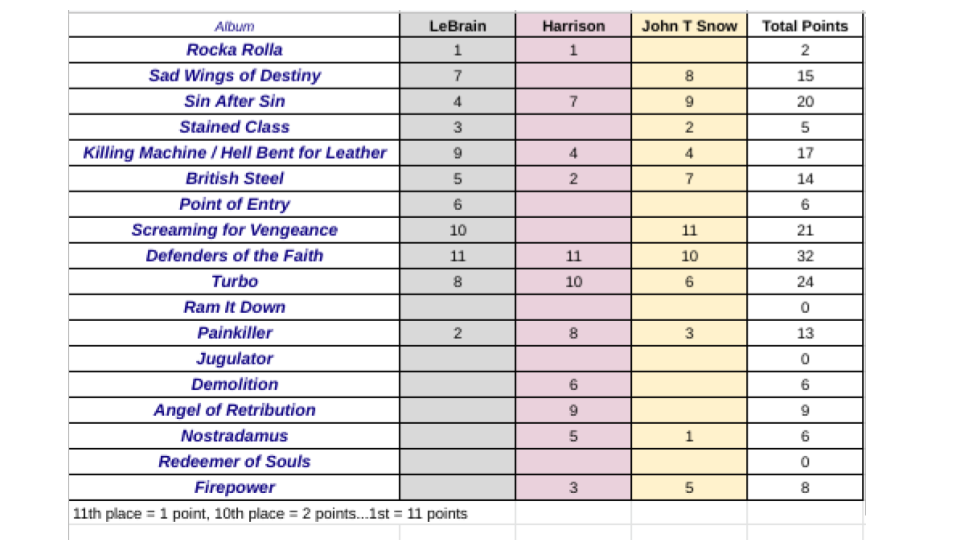
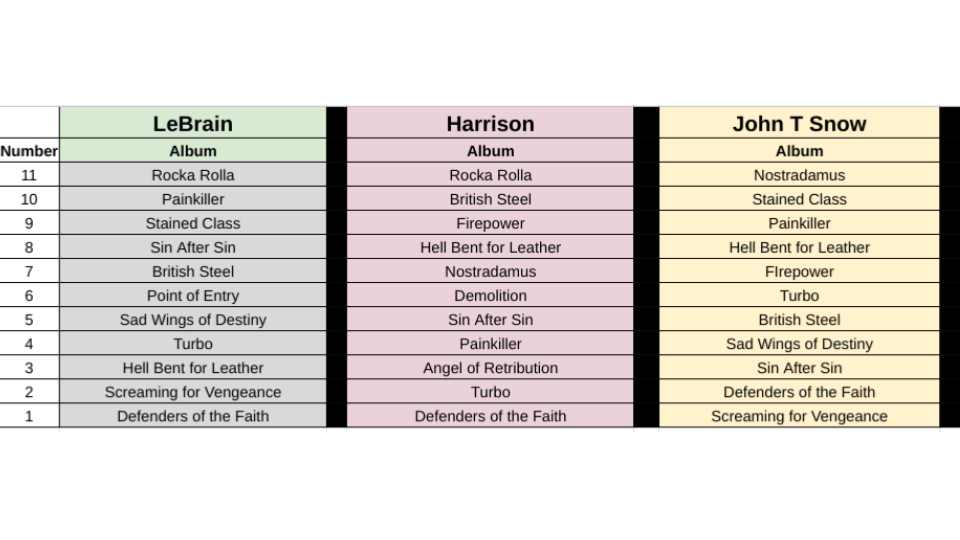
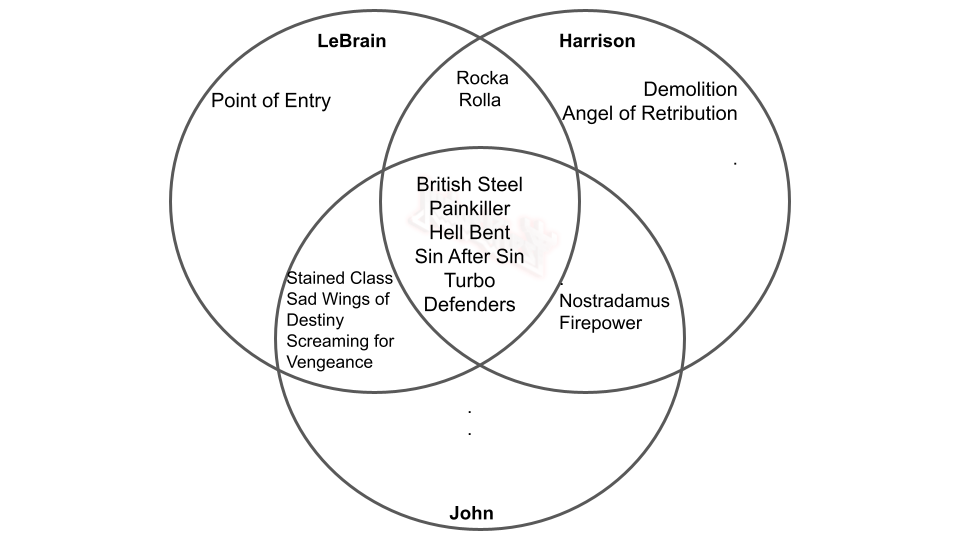
Three brilliant lists tonight, and a new level of graphic majesty from Geoff Stephen!  Am I ever glad we decided to “remaster” our Judas Priest top albums list from last year!  With the addition of John Snow and Geoff on graphs, we took it to the next level.

Geoff also took his graphs to record peaks.  Each album was weighted according to its place on our lists.  A #11 pick was worth one point.  A #10 was worth two points.  A #1 pick was worth 11 points.  A perfect score of 33 points would be possible if all three of us picked the same #1.  Spoiler alert:  one earned 32 points.

Great comments and audience participation this week too!  Your panel was myself and…

Plus a rabbit spotting, and great tunes from Max the Axe, Clockwork Orange, & brand new Tee-Bone!


The Priest is Back! Nigel Tufnel Top Ten…Remastered

The LeBrain Train: 2000 Words or More with Mike and Friends

Friday – Episode 68 – Nigel Tufnel Top Ten Judas Priest…Remastered

“Judas Priest,” you ask?  “Didn’t you do Judas Priest last year already?”

Yes we did, hence the “Remastered” Nigel Tufnel Top Ten.  The old show was on Facebook Live with just Harrison the Mad Metal Man and myself, and most of you missed it.  Everything we did a year ago, we can do better now.  This will be a quality list show.  Why?  Because this time you will get some bonus tracks:

The audience participation part is why you want to catch the show live!  All Judas Priest studio albums qualify for our lists.  Then Geoff will graph ’em all!

To see the original Priest list show with just Mike and Harrison, you can view it below.  This is roughly a one-year anniversary show for Harrison.  His first appearance was May 30 2020.

Our “Remastered” version will be a celebration of Harrison, of Judas Priest, friendship and rock and roll. And you can watch it at the links below.

Friday June 4, 7:00 PM E.S.T. on Facebook:  MikeLeBrain and YouTube:  Mike LeBrain.

#906: Since You’ve Been Gone

Dear Uncle Don Don,

A year ago today we got the message that you were gone.   My first thought was “at least he is not in pain anymore.”  I didn’t like that you had to suffer so much.  I’ve seen enough cancer in this life.

My next thought was for Grandma, and Mom, and Aunt.  They still miss you and talk about you.  Aunt says that it will be weird coming home to Waterloo without you around.  She says she used to like having her morning coffee when only the two of you were awake.  I can picture you guys sitting there quietly talking, and maybe even laughing a little.  That’s how I want to picture it, anyway.

I have a bunch of your CDs with me.  I really liked Jackyl.  I was surprised to find it in your collection.  Looking at your discs here, I have so many questions.  Why Jane’s Addiction?  Why the second Garbage album, and not the first?  Somebody here went to painstaking care to make you a mix CD, but why did she include “Who Let the Dogs Out”?  I’d really like to know your thoughts on that one!

Since you’ve been gone, I followed my dreams and started a YouTube show.  I chat with friends about music and I interview rock stars.  So far I’ve talked to two former members of Helix — a band we used to discuss in the old days.  You knew them long before I did.  Now here I am talking to them.  You were a part of my history with that band.  We also did an entire episode on Led Zeppelin.  That was another band you liked long before I discovered them.  You thought it was cool when I started picking up these old bands you had in your school days.  Led Zeppelin, Alice Cooper, Deep Purple.

I still don’t like sports.  There’s something we never agreed on.  Even being married to Jen and watching all this hockey, baseball and football, I still don’t like sports.  I understand them a little better.  I could converse with you about hockey now.  It wouldn’t be the topic of my choosing, but I could do it.

We spent last summer quarantined between here and the cottage.  You used to love that place.  Long hair, no shirt, cutoff jean shorts.  One summer you were there for about three weeks straight.  I hope you would like what Kathryn has done with it.  She’s kept everything intact.  It’s not as manly as it was in your day, but everything is still there.  It’s a lot quieter.  We all got older!

If it wasn’t for this damned virus, we had an idea for a tribute last summer.  Maybe we can do it this summer, or next summer.  I wanted to buy a turntable for the lake, and play some of your old records in the back yard like you used to.  I kept putting it off, and putting it off, because we can’t socialize.  It’s been a weird year, man!  Grandma really wants a hug.  I’ll give her a big one soon, don’t worry.

Speaking of worry, she used to worry about you so much.  Though we all miss you, at least she’s not worrying about you anymore.  I know she’ll appreciate it when we can finally get together as a family again.  Tell Uncle Don stories in the living room.  Cutoff shorts in the summer, badminton raquet in one hand and a Labbatt’s in the other!  Right?

I don’t drink beer, but I think if you were here right now, healthy and young again, I’d have a beer with you.  I’d think I’d like that.

#905: Growing Up With Video

“Live videos > fake live videos any day of the week.” Harrison the Mad Metal Man

RECORD STORE TALES #905:  Growing Up With Video

Music videos of the 80s could, in theory, be broken down into three major categories:

  1. Conceptual videos.  Sometimes with a storyline intercut.  Occasionally the musicians got to act.  Other examples have no musicians at all.  (Iron Maiden’s “Can I Play With Madness”.)  Conceptual were majority of music videos — usually combining the conceptual part with the band performing on some kind of stage.  Not to be confused with…
  2. Stage videos.  Or, as Harrison calls then, “fake live videos”. Lipsynching the hits, on a stage, sometimes in front of a crowd, with no conceptual content.  Sometimes these were simply live concert videos dubbed over with the album tracks.  “Thrills in the Night” by Kiss, for example.
  3. True live videos.  Many Van Halen videos we grew up with, from “Unchained” to “Best of Both Worlds”, were live in concert — audio and video both.  In some cases you could not buy these live tracks on any kind of release.

Of course there are more categories and sub-categories, just less significant.  Some videos are entirely animated, which is more common today.  We also have something new — the lyric video.
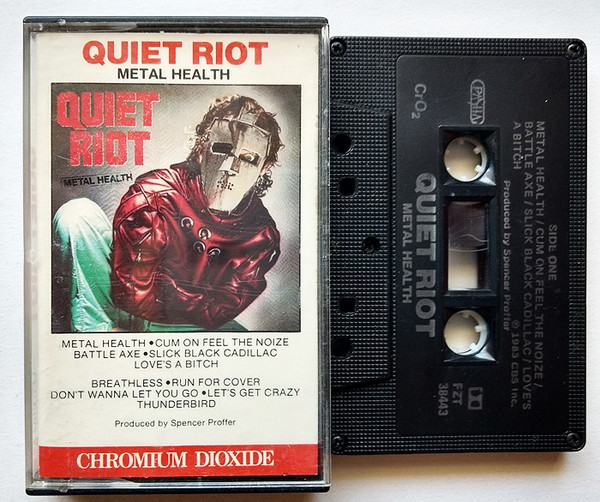
I can remember the sixth grade.  Mrs. Peterson’s class.  Van Halen’s 1984 was out and Quiet Riot were burning up the charts.  These were pretty much the only bands I heard of.  I hadn’t seen the music videos and I didn’t even know what Quiet Riot looked like.  The only pictures I had ever seen of Quiet Riot were the buttons that the masked guy is wearing on his vest on the front cover of the cassette version of Metal Health.  I squinted hard, but the Kevin DuBrow I imagined on that button looked nothing like the real deal.

The teacher was getting us started on simple surveys.  To make it fun, she took a survey of all the most popular music in the class.  Each kid got to name one favourite artist.  I named Quiet Riot, and Kevin Kirby named Van Halen.  Michael Jackson and Duran Duran were the top two.

As the discussion proceeded, many of the kids mentioned that they liked the music videos.  Michael Jackson was at his peak, and he was the pioneer of the modern music video.  Other artists like Culture Club made an impact with their image, which came across best on video.  The teacher was curious about all this, so the class explained what a music video was.  Something dawned on the teacher, and she exclaimed, “So to be a music star today, you not only have to be able to sing, but you also have to be able to act!

No, and yes.  You didn’t have to “act” per se, but you did have to be able to present yourself and play to a camera.  David Lee Roth was not an according-to-Hoyle actor.  Some would say he’s also not a singer, but he is a master at playing for the camera.  Staring deep into the lens, gazing with the come-hither look, just so.  Doing easily what other rock stars couldn’t, or didn’t want to.

So yes Mrs. Peterson, in a sense, to be a star in 1984, you had to be able to “act”.  Video didn’t kill the radio star but it sure took a bite out of them.

Kids used to catch the videos on various cable shows.  There was one called The Great Record Album Collection on WUTV that I sometimes caught before dinner.  The Canadian movie channels (Superchannel, First Choice) would run music videos in the dead minutes after the credits rolled, to the top off the hour.  Until MuchMusic came along, we Canadian kids didn’t have a one-stop-shop to watch all our music videos.  Fortunately, having MuchMusic coincided with getting our first VCR.

Once we became seasoned in the way of the music video, we developed clear favourites.  12 and 13 year olds didn’t have a lot of money.  We also had never attended a concert.  Therefore, live videos with music that wasn’t what we were getting on the album were rarely favourites.  We preferred the “fake live”, as Harrison the Mad Metal Man calls them.  Then our immature ears could hear the songs clearly, and that would help us decide if were going to spend our nickles on a new tape.

Best of all though were the conceptual videos.  Some were not good (just ask Billy Squier), but some really captured our imaginations.  In Record Store Tales Part 206:  Rock Video Night, we discussed some of my favourite clips to show to younger folks who weren’t there in the 80s.  They were all conceptual clips.  Many of them involved a band on a mission of some kind.  There were so many of that kind.  Thor had “Knock ‘Em Down”, Queensryche had “Queen of the Reich”, and Armored Saint had “Can U Deliver”.  These videos featured, at least partially, a band on a quest.  They also featured scantily clad women, and lots of “fake live” footage.

But the “fake live” footage often featured cool angles and close-ups.  That meant we could examine the finer details of the outfits and guitars.  You couldn’t just look up pictures of your favourite stars on the internet back in 1986.  “I want hair like that!” Bob said about Eric Brittingham from Cinderalla.  “That would look cool in red!”  Meanwhile, I wanted Rob Halford’s leather jacket from the “Turbo” video.  Of all these videos, we liked the Iron Maiden clip for “Wasted Years” best, which we watched in slow motion, pausing to identify every single Eddie.  There were many we had never seen before.

We just weren’t as interested in purely live videos back then.  For example, MuchMusic had two versions of Judas Priest’s “You’ve Got Another Thing Comin'”:  the original and the live one from Priest! Live.  After the live video came out, that’s the one they primarily played.  It was disappointing because if I was going to only hear Priest on TV once that week, I preferred the original.  Frankly, we didn’t buy a lot of live albums as kids.  When we collected bands, we would try to get all the albums including the live ones.  But when we wanted to buy one tape from a band, we didn’t go for live ones.  Some live albums we heard scared us off from the format.  The Song Remains the Same wasn’t the kind of thing we had patience for.

That all changed for me in highschool.  I wanted to buy a Triumph album.  It would be my first.  On recommendation from a kid in my history class, I picked Stages.  And it was like a lightbulb went off in my head.  Virtually every song was awesome!  In fact the only track that wasn’t was a studio track!  And then I had the joy of making those live versions my first Triumph loves.  When I got the studio renditions, they seems thinner and colder by comparison.  I never had that experience before.

I wonder if any of this will be interesting to anyone at all.  Videos are irrelevant today as far as heavy metal goes.  Today, we are not interested in the same things we were in our youths.  We don’t care what the singer is wearing or what the drummer did to his hair.  We care more about how the band is sounding, and how the crowd is responding.  A new music video by a metal band is not as interesting as pro-shot live footage from Wacken.  We want to listen carefully for backing tapes, we want to see the band gel on stage, and we want to cheer along when it’s good.

It is incredibly fortunate to have grown up in the 80s, when videos were in their prime, and still be rocking today when all that stuff is available at our fingertips any time we need a blast of nostalgia.  Younger readers will never know the tense excitement of hitting “record-pause” on a VCR and waiting for the premier of the newest video by Maiden, Priest, or Def Leppard.  Seeing the carefully edited stage moves paired with salon-fresh hair.  It was a glorious time even if was completely ridiculous.

REVIEW: Ratt – Reach for the Sky (Part Four of The Atlantic Years series)

Part Four of Five

RATT – Reach for the Sky (Originally 1988, 2020 reissue — The Atlantic Years 1984-1990 box set)

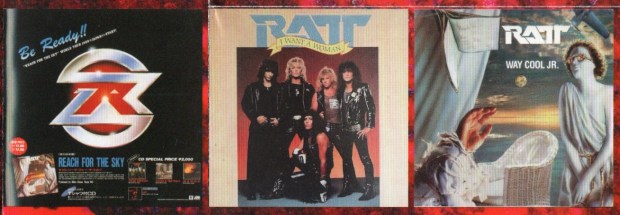
One might suspect that Ratt’s decline in sales (peeling off approximately 1,000,000 buyers every album), they decided to change things up a bit.  The first three Ratt platters were very much in the same mould.  Little variation, just repeating that “Ratt N’ Rott” formula.  Initially they ditched producer Beau Hill to work with Mike Stone, but the record label wasn’t happy and brought Hill back to finish.

Indeed, the opener “City to City” does sound like a new rodent.  You can’t mistake them for anyone else once Pearcy starts yowling, but the slick song is fresher.  Chugging away in a mid-tempo style, it’s a bangin’ start.  But it’s the second track (and second single) that really kicks.  “I Want a Woman” retained the sleaze but contained more focus on melody with an arena-sized chorus.

The third track, and first single, was the controversial “Way Cool Jr.”.  Ratt with horns; oh my!  It was the biggest leap for the rodents and it did give them a minor charting hit.  Dipping into the blues, and eschewing the heavy histrionics.  Letting the groove of the song work, and not overpowering it.  Truth is Ratt should have tried stretching out a long time before.

Now that the big tracks are out of the way, how does the rest of the album hold up?  Not too badly.  Old-style Ratt returns on “Don’t Bite the Hand”, but at least with more melody than Dancing Undercover offered.  They go ballady on “I Want to Love You Tonight”, kind of a new thing for Ratt, and one they’d explore again in the near future.  That’s side one.

A heavy shuffle called “Chain Reaction” kicks off the second side, a welcome return to velocity.  They return to the mid-tempo zone on “No Surprise”, which sounds like something Gene Simmons might have written for an 80s Kiss album.  Good song, adequate hooks.  “Bottom Line” is in a similar ball park.  If it sounds like Ratt had help writing these songs, it might be because Beau Hill has a credit on most of them.  He only had one on Dancing Undercover.  That could be why this album has so much more melody and attention to songwriting.  The hit-ready “What’s It Gonna Be” is a prime example, almost sounding like Van Hagar.  A little too hard-edged for OU812, but perfect for a Ratt.  A foreshadowing of the kind of songs they would write for their fifth album.

The album closes on a hard rocker that Hill didn’t co-write called “What I’m After”.  A decent closer that doesn’t quite gel fully, but close enough for rock n’ roll.  Or Ratt N’ Roll.

Of all the discs in The Atlantic Years box set, Reach for the Sky has one of the best bonus tracks.  It’s an acoustic version of “Way Cool Jr.” from MTV Unplugged which chronologically happened in 1990 with Michael Schenker on guitar, filling in for Robbin Crosby who was in rehab.  The unforgiving unplugged format can separate the men from the boys, and Ratt make the grade.  Pearcy proves he can do that Ratt voice without layers of overdubs and effects.  Meanwhile, Bobby Blotzer plays some interesting non-drum percussion parts.  With Schenker on board, the mid-song acoustic segment really smokes.  Ratt could have had a whole new side to their career, had they pursued this swampy acoustic direction with Michael instead of breaking up.

But that is still in Ratt’s future; there is one more album to go on this series.  Reach For the Sky sustained Ratt’s sales.  There was no decline this time and they sold a million.  That still wasn’t good enough.  Phone calls were made and Desmond Child, Dianne Warren, Sir Arthur Payson, and one Jon Bon Jovi were about to enter the picture.

Whether Reach sold enough copies or not is irrelevant to the quality of the music, which polished the sound up to a necessary level after the disappointing Dancing Undercover.  It was a step towards the commercial, but they couldn’t do two tuneless albums in a row and survive.

3.5/5 stars


The Atlantic Years 1984-1990: