The LeBrain Train: 2000 Words or More with Mike Ladano
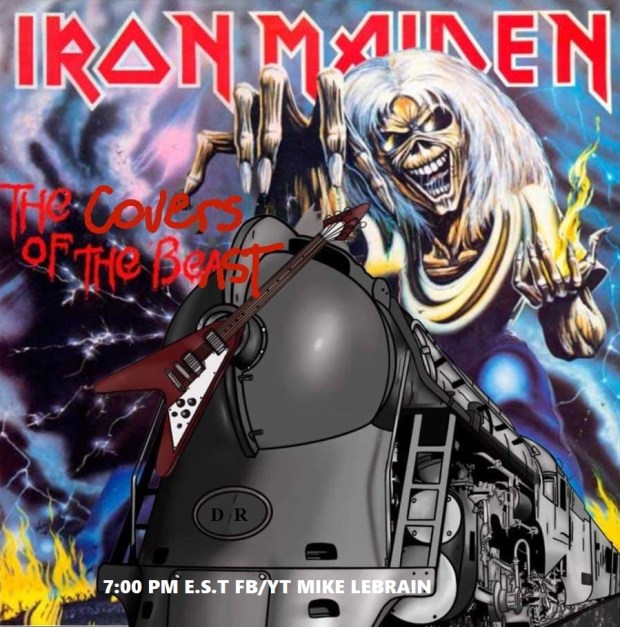
Episode 54 – Best Iron Maiden Cover Art
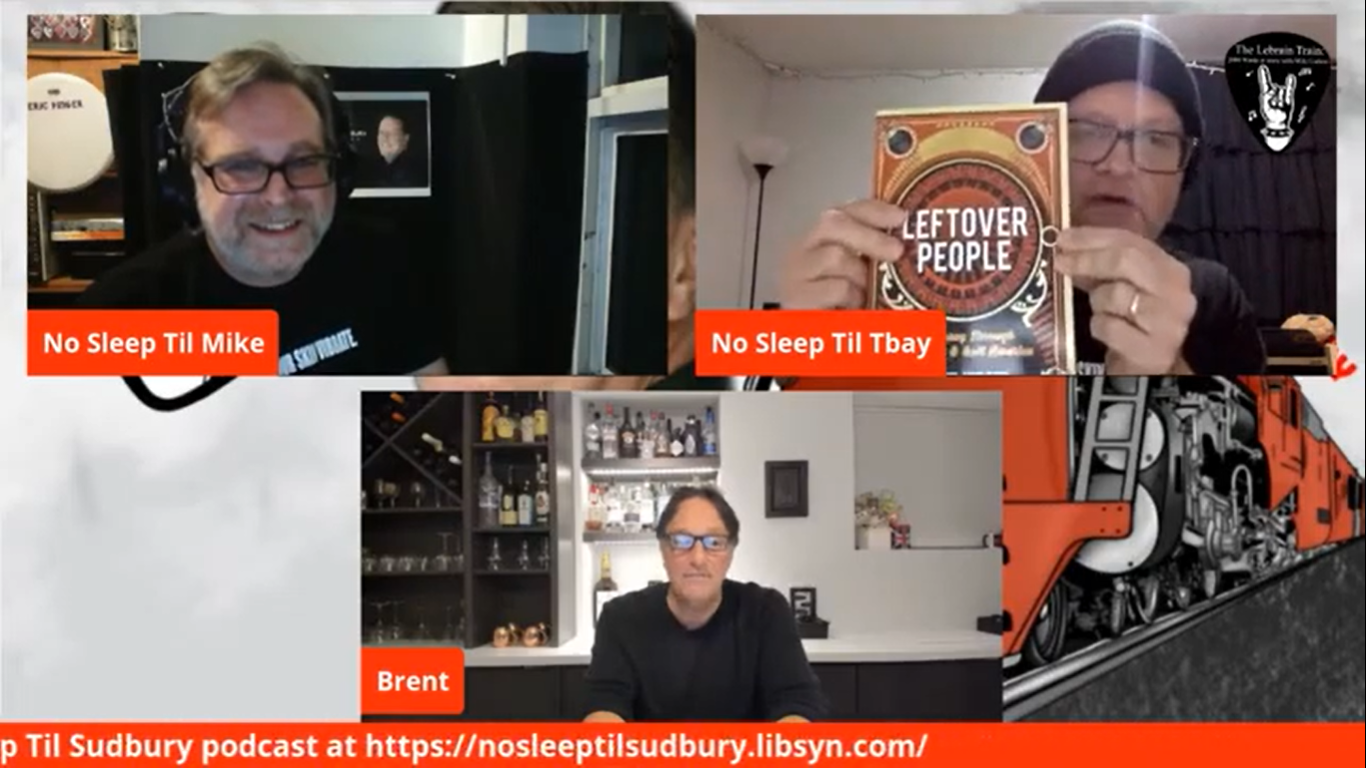
Time to chill out with a more laid-back show this Friday! We’ve had some serious lists, and serious guests in recent weeks. This week is almost like a vacation. Join Harrison the Mad Metal Man, Aaron from KeepsMeAlive, and Superdekes with myself here tonight as we share our favourite Iron Maiden artwork.
The art of Derek Riggs, Melvyn Grant, and many talented coversmiths including Hugh Syme will be up for examination tonight. No disqualifications: albums, singles, whatever! As long as one of us likes it, we can list it. Each of us will have our own rules and criteria.
BONUS: Iron Maiden ReAction figure unboxing! While it would be nice to have a complete set, I could only order four. These Eddies, based on Iron Maiden cover art, will definitely be on topic for this show!
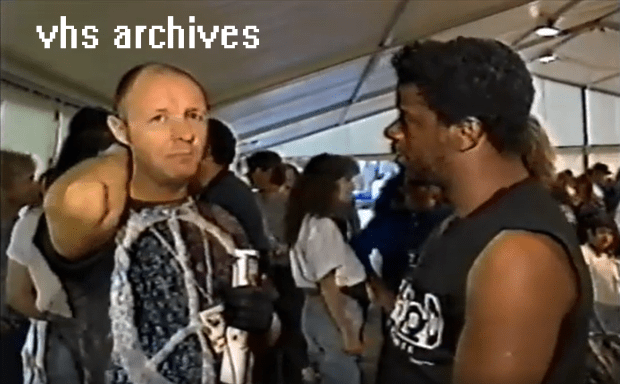
19 August, 1991. Operation Rock and Roll, featuring Alice Cooper, Judas Priest, Motorhead, Metal Church and Dangerous Toys rolled into Toronto. The last show of the tour. Unfortunately the day lives on in infamy. It was the day Rob Halford hit his head (right on the bridge of the nose) on the drum riser, knocking him out cold! Priest performed “Hell Bent for Leather” as an instrumental while Rob lay unseen in a cloud of artificial fog! On top of that, and unbeknownst at the time, it was Priest’s very last gig with the Metal God for a decade.
This pre-accident Pepsi Power Hour interview by Michael Williams is interesting because Rob discusses their forthcoming compilation Metal Works a full two years before it was out. At that point the plan was to try and write a couple new songs for the compilation, and then go back into the studio to record a brand new Priest album some time in 1992. Needless to say, that did not work out! As the last show of the Painkiller tour, this day was actually the last time Rob even saw his bandmates until they reconciled!
WordPress is changing and so I too must change. Nine years, I’ve been flying with WordPress. They are now foisting this new editor upon us. And so, I thought I should try to write with it.
Today I listened to Deep Purple’s The Battle Rages On in the car. Hey, I can still do colour.
The new editor isn’t great but so far so good. My problem is that when I get into a creative groove, I want to be able to go on autopilot. I don’t want to be pecking and searching and figuring out how I used to do something when the words should be flowing freely. But here we are; change is inevitable. Therefore, this brief test post.
Test photo gallery: A tease of upcoming reviews. Can you guess what they are?
Sadly, I only have four reviews currently lined up. I have felt a disturbance in the Force. The Friday night show, it takes up so much time and energy I simply have not been able to write and review as much as I used to. But I can’t give up the Friday night show. It is too important to me. And to my friends. I will continue to post daily, but I’m sure you’ve noticed review content has been less frequent.
I feel like I need to review something really quick in order to compensate for my lack of reviews. Plus it gives me an excuse to try embedding a video.
JULY TALK – “Laid” (2020 music video)
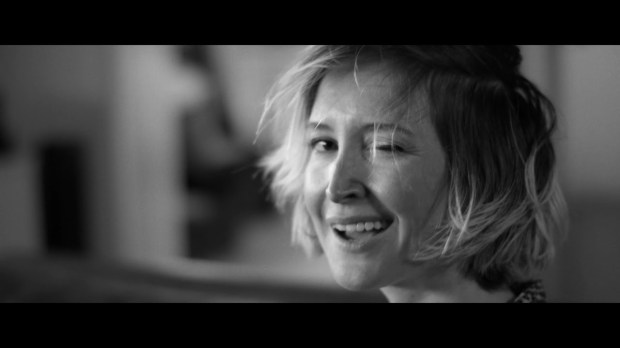
July Talk are a fantastically quirky quintet from Toronto, fronted by Leah Fay and Peter Dreimanis. His gravelly Tom-Waits-ish gutterals are a delightful contrast to Leah’s melodic whimsy. Their 2020 live video cover version of James’ hit “Laid” is simply great. You could argue that anybody can cover “Laid” based on every bad bar band that you saw do it. What I like here is that July Talk make it sound like a July Talk song.
One camera, no edits. Pete’s mask dangles from his ear while Leah hangs on out barefoot on the couch. Josh Warburton, Ian Docherty, Danny Miles, rocking it in the back. The masked drummer, wailing away on that signature drum riff. This non-album track adds to the band’s excellent canon of video material. If you like this one, check out their latest single “The News”.
4.5/5 stars
I think I’ve accomplished what I set out to do, which is familiarize myself with the new editor so I can continue to produce content for you! Blame Kevin.
I don’t know how I got mono, but it happened it the 8th grade. Everybody was getting ready to graduate and move on to highschool, which was something I could not wait for. I also can’t remember how long I was sick for. I was home from school for a long time. Weeks? Felt like months. I almost missed graduation. I made it back to school for the last few days of the year. I remember everybody was nice to me when I came back. That was a first. I only managed half a day upon my return, but felt well enough to do a full day the next time. Then it was all over.
I didn’t mind having to stay home from school. It kept me away from the bullies. There wasn’t much to do except watch music videos on the Pepsi Power Hour. That’s how my “music collection” grew, song by song. One of the defining songs from that period in my life is “Rough Boy” by ZZ Top. MuchMusic played that video a lot, and I captured a really good recording of it that I played incessantly. I didn’t own any albums by the artists I was recording. Anvil, Dio, Hear N’ Aid, Loudness — but I added the songs to my life. “Metal On Metal” was what I craved.
The limitation here was that I could, in theory, only listen to these songs on the TV in the basement. Like most people, we had an ordinary mono VCR and a TV with only one speaker. It was a strange JVC machine, with a dockable remote. I can’t find any pictures online of the exact model. It looked cool but it had a potentially fatal flaw. It was that dockable remote. It was the only set of controls. If you lost the remote, you were in trouble!
Like all kids, I wasn’t allowed to spend all day in front of the TV, even when I was sick. But I wanted my tunes. Songs like “Let It Go” by Loudness. “Shake It Up” by Lee Aaron. “Lay It On the Line” by Triumph. I was just a kid; I didn’t have money to buy all the records. I had enough to start collecting the core bands I loved, like Maiden and Kiss. Not outliers like Loudness or Dio.
My buddy Bob taught me how to improvise. I had a box of primitive wires and connectors. At a very early stage, I realized I could connect the single “audio out” port on the VCR to one of the two “stereo in” jacks on my Panasonic dual tape deck. This meant that the mono signal from the VCR was really going to be in mono on my tape deck. One speaker only. Left or right, it was my choice. Neither was ideal. But I could put my music from the Pepsi Power Hour onto a cassette, which could then be enjoyed in my bedroom.
I saved my allowance and my parents took me to Steve’s TV so I could buy a Y-connector. It was a cheap, grey cable with one RCA connector on one end, and two on the other. It split a mono signal into a fake stereo, which is exactly what I needed.
I recorded all my MuchMusic videos (the ones I didn’t own on album) to cassette in this way. When I got around to buying an album, I wouldn’t need the recorded songs anymore. I didn’t like to waste valuable cassette space, so I would record over any redundant songs. I still have all these tapes, but the tracks today are a mish-mash of different years of recording and re-recording. When we got a stereo VCR in early 1991, I was able to put the Y-connector back in the box for good. No more need for fake stereo. Now I had the real thing for every music video I recorded going forward.
Having so many great songs recorded in mono (often with truncated beginnings and endings) gave me a real appreciation for buying the albums later on. Listening to my tapes made me want the really good songs that much more. When I finally got them, in full stereo cassette glory, and I heard the songs come to life, it was like going from black and white to full colour. Or 2D to 3D. Albums versions were often longer than the edited video versions as well. Buying the album was always rewarding. But there were so many songs, and only so many dollars. I had to pick and choose what to buy. Sometimes I wouldn’t get around to them for years. Or decades.
You just read a story about a kid with mono, listening to music in mono. You can say you’ve done that now.
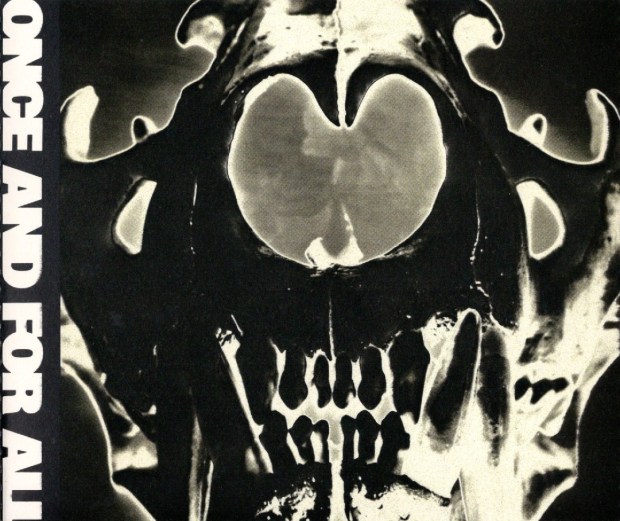
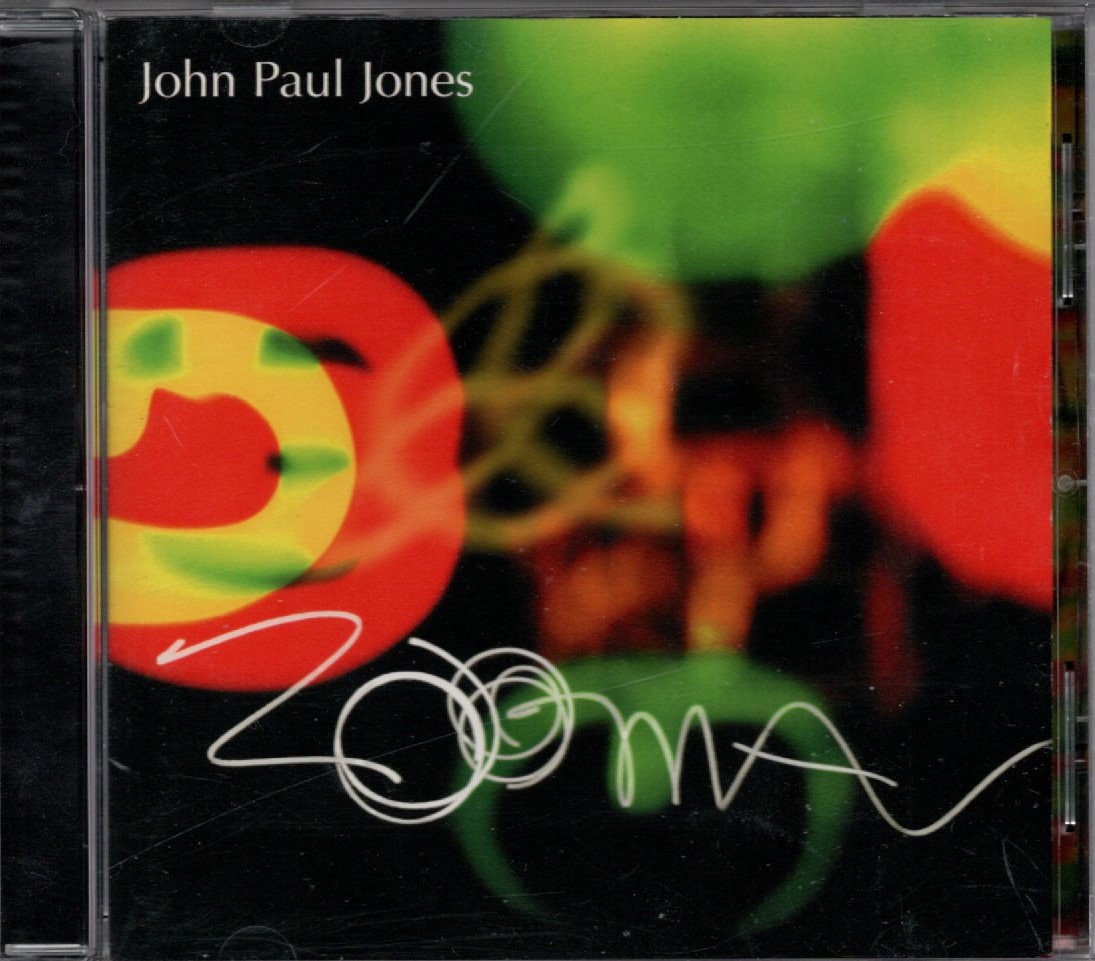
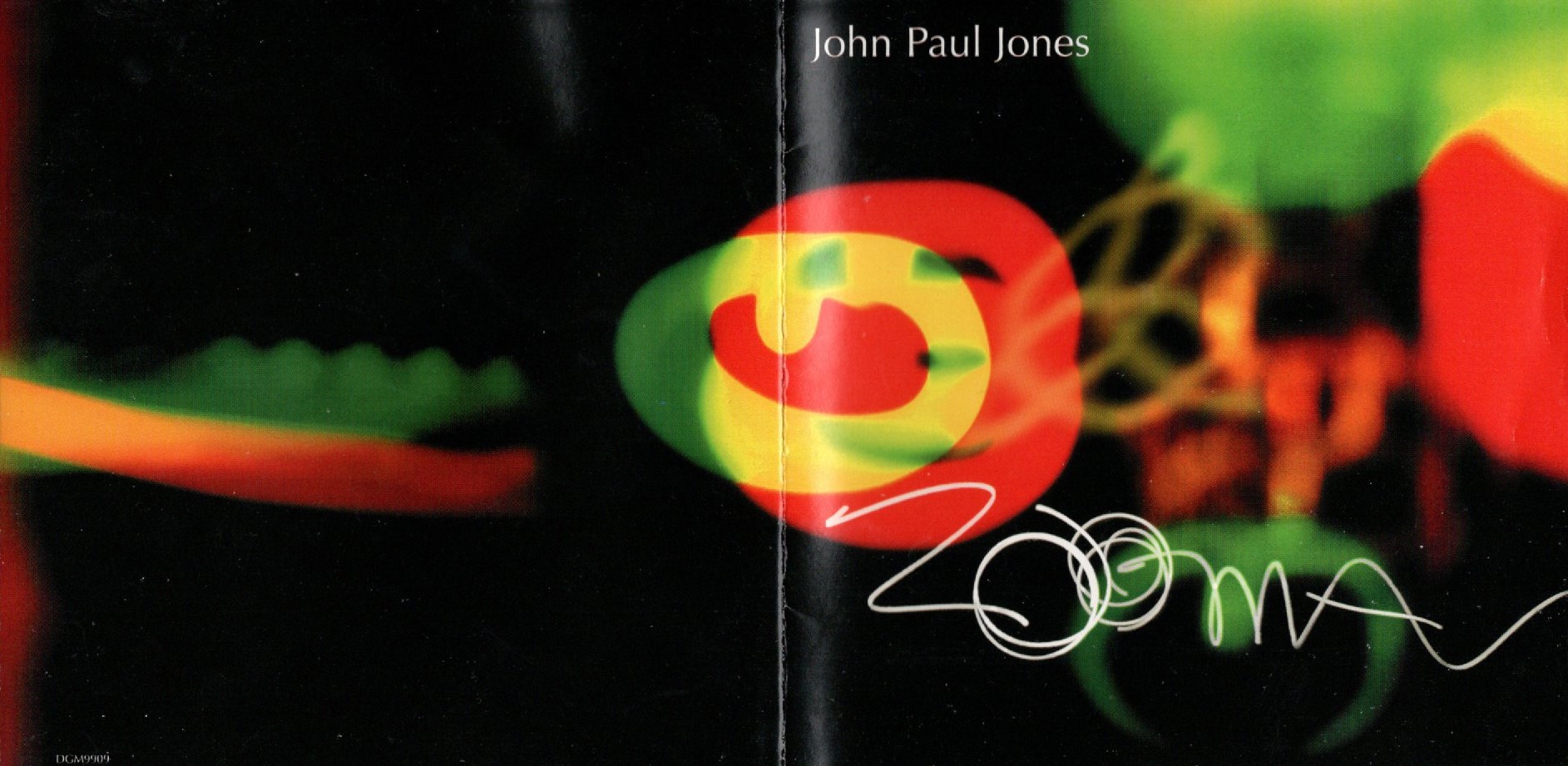
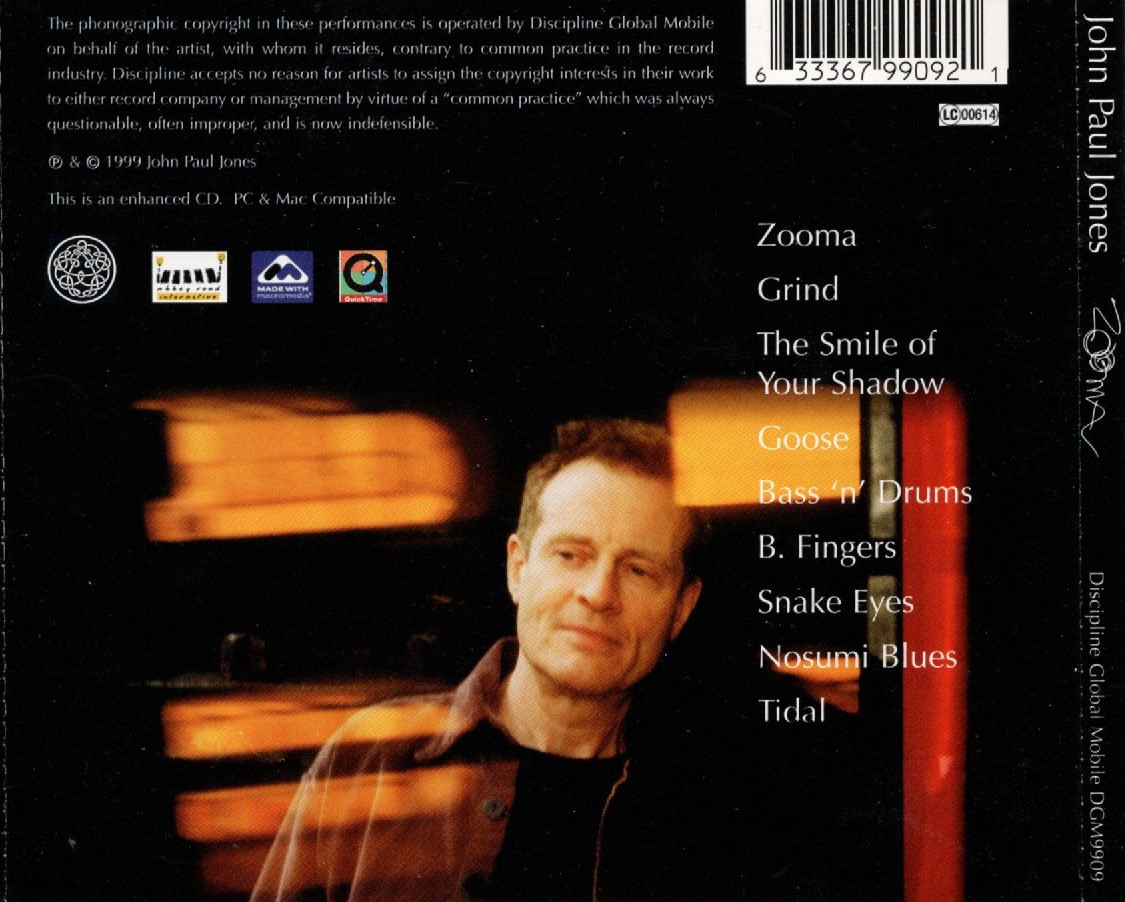
JOHN PAUL JONES – Zooma (1999 Discipline Global Mobile)
Three words: “Bass”. “Heavy”. “Groove”.
Purchased at Encore Records a short time after its release, Zooma by John Paul Jones blew me away from first listen. If you’re wondering who the heavy influence in Them Crooked Vultures really is, it was Jones this whole time. Just listen to the title track on Zooma. You could be fooled into thinking it’s a brand new jam by the Vultures, so heavy is it.
Zooma is an entirely instrumental solo album, featuring Jones on most of the instruments. On drums is Pete Thomas. Trey Gunn and Paul Leary drop in for some guest appearances. Otherwise it’s largely the JPJ show and his 4, 10 and 12 string basses! What a heavy sound they make.
The second track “Grind” (featuring Gunn on touch guitar) is contrasted by bright highs and the deepest lows of the 12-string bass, all within a killer groove. This track could blow a subwoofer, it’s so bass heavy. The next track “The Smile of Your Shadow” takes things down to the acoustic level, with instruments like bass lap steel, mandola and djembe. It’s the most Zeppelin of the tracks due to its acoustic, quieter nature. “Goose” brings back the heavy groove again, this time on a 10-string bass. The drums have that Zeppelin kind of beat to go with it.
But Jones is so much more than just groove (and Zeppelin references in reviews). “Bass n’ Drums” brings out his jazzy side. Denny Fongheiser on drums this time, and John Paul keeping is single with just four strings this time. But that doesn’t limit his pallette at all, as he plays in a combination lead/rhythm style. That’s just the one track though — Jones is back to 10 strings and a maniacal groove on “B. Fingers”. It’s sonic controlled chaos…with a beat.
As tasty as the bass and grooves are, Zooma is not an easy album to digest. It’s big, it’s large, and the tracks tend towards long and jammy. The longest is “Snake Eyes”, with bass lap steel, organ solos, and members of the London Symphony! It’s easy to imagine “Snake Eyes” as a modern day Led Zeppelin number, and it’s moments like this that will make the Zep diehard weep for what could have been. But it goes on a long time, including a long orchestral outro that sounds like a soundtrack. Brilliant but not for those with short attention spans.
“Nosami Blue” bears some superficial resemblance to the intro to “Absolution Blues” by Coverdale-Page, but this is just because both have the same roots: the blues. Most of the work here is being done once more on a bass lap steel. After a long freeform blues jam, the drums kick in and we get back into a groove. It’s like two songs in one. And that brings us to the final song “Tidal”, which a manic and exhaustive bass workout to take the senses to the final extreme. It is bonkers!
As a quaint leftover from the 1990s, this disc is “enhanced”. That part of the package no longer works, but judging by the contents in the readme.txt file, it was a digital catalogue for DGM records – Robert Fripp’s label. It appears you could actually order CDs from their catalogue right from this program.
In the Record Store days, I was instructed to stop playing this album as some tracks were too heavy. That’s both an endorsement and a warning to you!
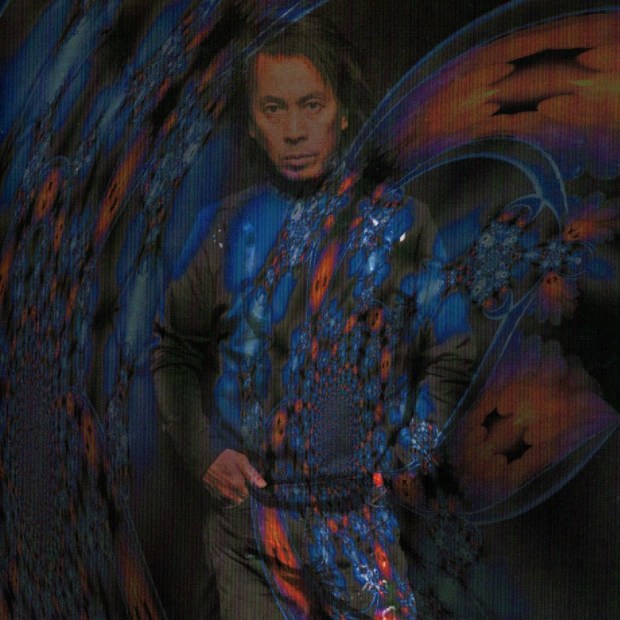
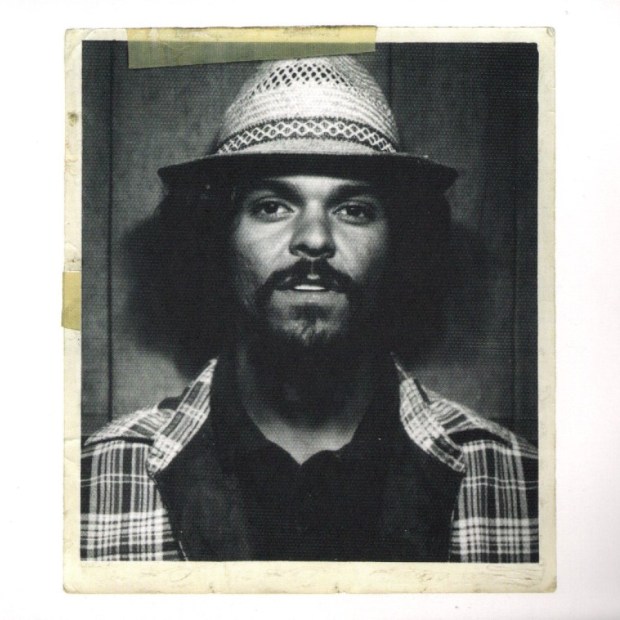
BRANT BJORK – Jalamanta (Originally 1999, Remixed and Remastered 2019 Heavy Psych Sounds)
When the needle hits wax it won’t be long, You got your radio tuned but it won’t play this song.
20 years ago, Jalamanta was one of my favourite albums in the world. This is my third copy. Partly instrumental, partly vocal, but 100% Brant Bjork. It was his first solo album, and he played virtually everything himself. The laid-back desert vibes are perfect for a summer evening chill-out. Humid, sparse, exotic, varied compositions take you across a hazy landscape.
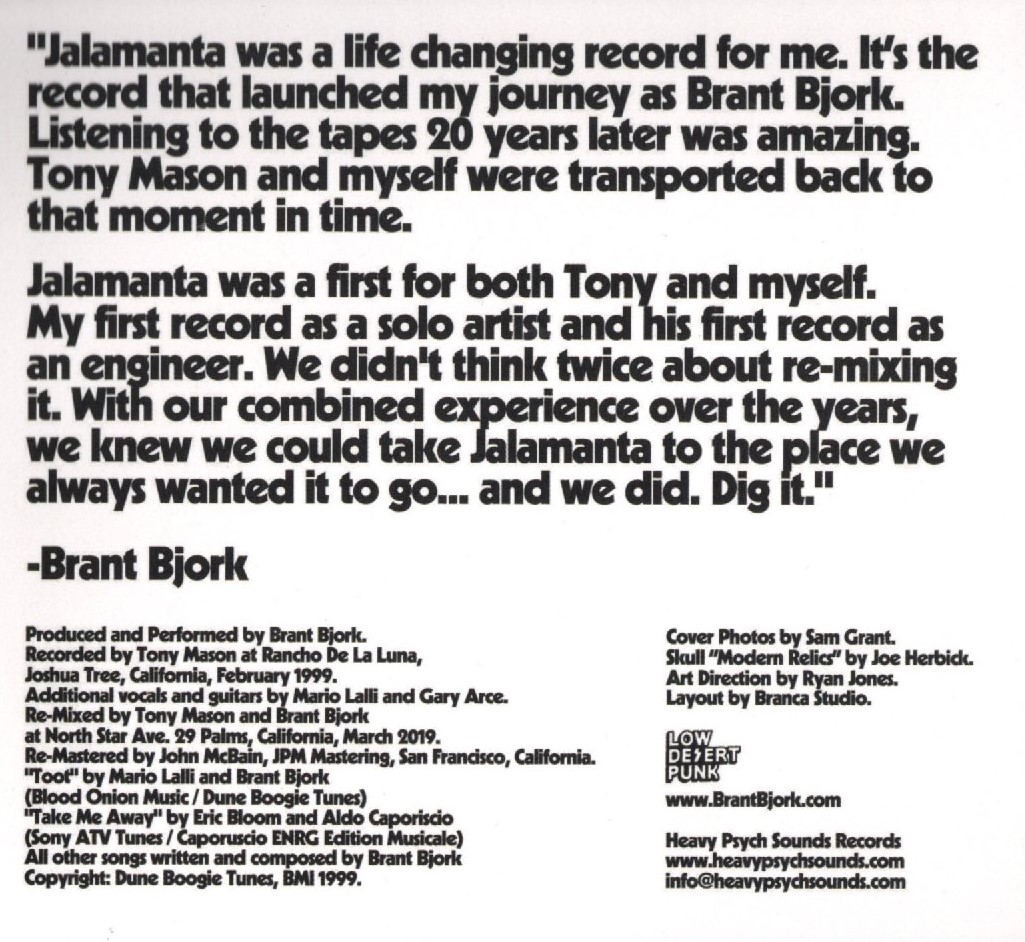
In 2019, Brant and engineer Tony Mason remixed Jalamanta, to take it the place they “always wanted it to go”. The remixes are largely subtle, just making the album sound bigger in your ears. The vocals might be a little less buried. It’s still raw, and sparse, and all the things you always liked about Jalamanta. Some songs have more noticeable differences. More guitar on “Toot”. Tracks tend to run longer than their previous fade-outs. But there are things I enjoyed about the original that aren’t here. The echoey lead vocal on “Toot” — “Cat scan, cat scan…” That echo is gone, maybe so the sonic field wouldn’t be too crowded with that louder backing guitar?
This remix will never replace an original, especially when it was one of my favourites 20 years ago. What is “Jalamanta” made of that makes it so tasty? Only the most basic of ingredients. Rolling bass and drums, simple unaffected guitar parts, and Brant’s laid back singing style.
Yeah, the man shakes me down and that’s why I’m broke. The rich man’s got all the green but it ain’t the kind you smoke.
So we turn up the rock, and we roll it slow.
We’re always flying high, and the ride is always low.
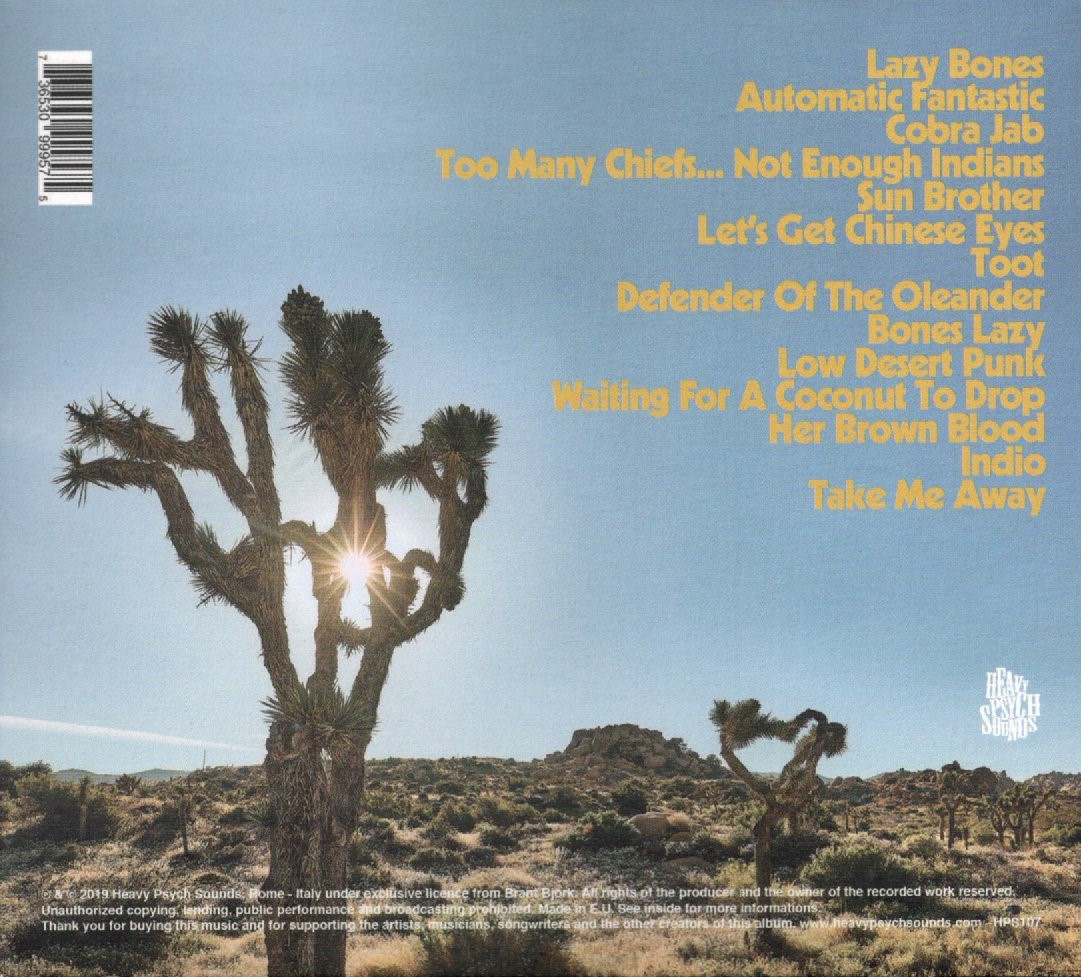
Snakey guitars jab in and out of the speakers — one song is even called “Cobra Jab”. Other tunes are more aggressive. “Too Many Chiefs… Not Enough Indians” has a relentless and simple riff, with the snakey guitars carrying the melody over it like a wave. Brant’s quiet vocal is hypnotic. By contrast, “Defender of the Oleander” has a barely-there main riff while the snakey licks do all the brilliant melodic work. Brant goes for hypnotic again on “Her Brown Blood”, a speedy run through the desert, with a cool monotone vocal right in the middle of your head.
Whichever version of Jalamanta you happen upon, you are guaranteed an incredible listening experience. The new remix is certainly more three-dimensional, and will sound better on your big system. But you will lose some of the charm of the original. The 2009 vinyl used to be the way to go, with a beautiful full-colour booklet and Blue Oyster Cult cover “Take Me Away”. But now you can get “Take Me Away” here on CD, albeit remixed. Another bonus is exclusive to this CD — “Bones Lazy”, which segues out of “Defender of the Oleander” into the brilliant rocker “Low Desert Punk”. And with the title “Bones Lazy”, you won’t be surprised that it is “Lazy Bones” backwards! Like you’re watching Tenet. Cool though. Even though I knew what was likely coming, I felt like it fit right in.
Get a load of this, man.
Well I’m gettin’ up when the sun goes down, And I shine ’em up and I hit the town. Well I trim it clean and I roll it up, And then I take it nice and slow…so what the fuck, man.
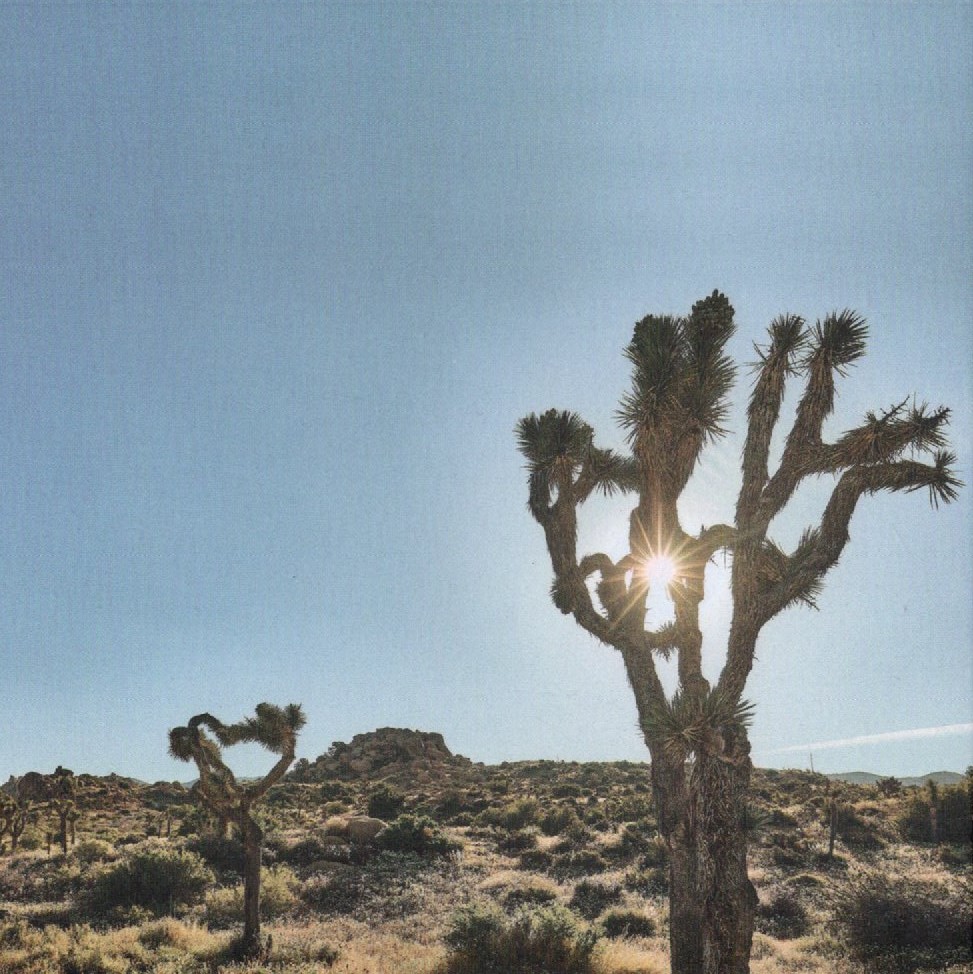
Jalamanta makes me feel that California sun way more than any Desert Sessions CD ever has. You can taste it. Let it sink into your lazy bones. And as great as this new CD is sonically, it also makes me want to hear the original. Nothing can truly upgrade a 20 years love affair with Jalamanta. As a complimentary piece, I don’t regret owning or listening to it at all. Hearing guitar parts that used to be beyond the fade is the kind of bait that we nerds line up for. The 2009 vinyl, with the gorgeous embossed cover and all that delicious photography inside, will remain my preferred way to experience Jalamanta. The 2019 remix will be the one to play when you want to examine it in more thorough detail.
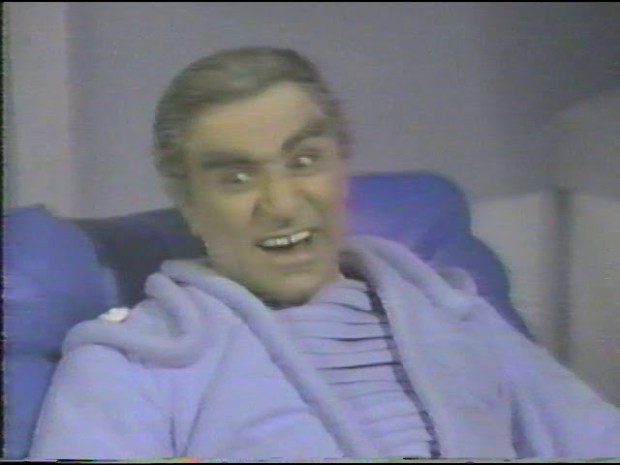
The 1983-84 season of SCTV was its last…but it was my first! Season six aired bi-weekly on Superchannel in Canada, where I was first introduced to the show. One of our favourite sketches was “2009: Jupiter and Beyond”, the “authorized” sequel to Stanley Kubrick’s 2001.
Starring “Paul Simon” (Rick Moranis), “Art Garfunkel” (Joe Flaherty) and “Ernest Borgnine” (Eugene Levy)! Co-starring Irving Cohen and Idella Voudry (Martin Short and Mary Charlotte Wilcox)! Directed by Woody Tobias, Jr (also Levy). That pesky monolith is up to no good again! Or is it?
I guess you’ll just have to watch 2009: Jupiter and Beyond yourself to understand the riddle of the monolith.
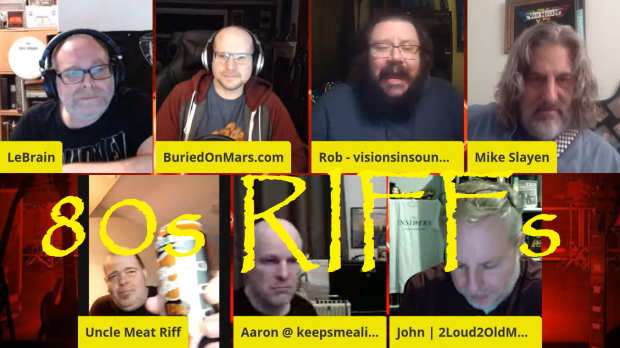
Awesome, fast-paced show tonight! We picked our favourite riffs of the 80s, and Mike Slayen did his best to play some of ’em for us. A big round of applause for Mike, please and thank you!
Added extra bonus: Lana Teramae and Harrison the Mad Metal Man both submitted lists, read towards the end of the show. Aaron also wrote ’em all down if you wanna read ’em.
For me personally though, the highlight of the show was the brand new music video by T-Bone. I have been waiting two weeks to play this. If you’d like to catch this new song, a wonderful tribute to our own Uncle Meat, then go to 0:14:00.
See ya next week when I return with Harrison, Deke and Aaron with some Iron Maiden cover art lists!
The LeBrain Train: 2000 Words or More with Mike Ladano
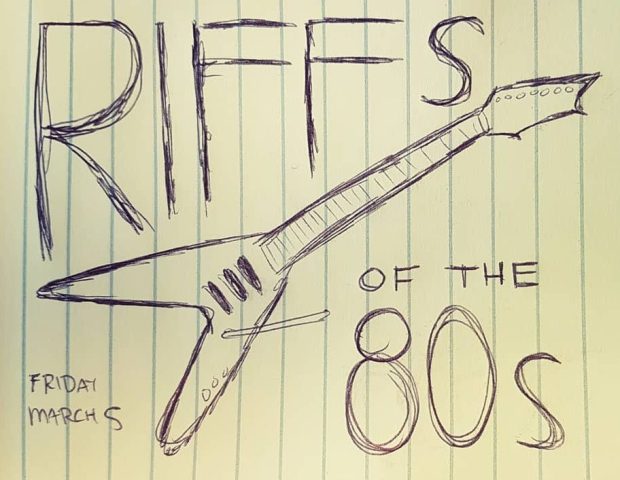
Episode 53 – Top Riffs of the 1980s
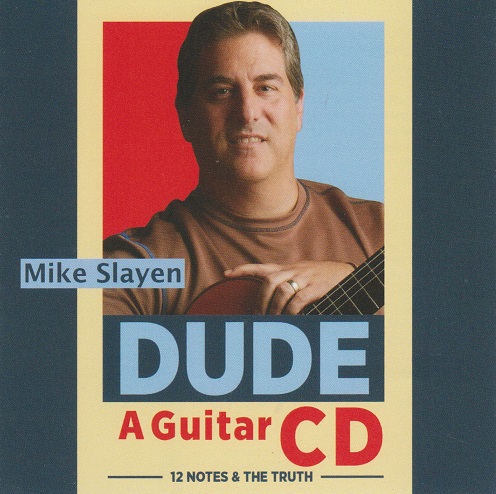
The last time we talked riffs, San Diego-based guitarist Mike Slayen was there to show us how to play ’em. Tonight, Mike will be back to talk the 80s. The era of Van Halen, Scorpions, Motley Crue and Metallica. Mike is gonna have his hands full — literally!
Added bonus: This time, Rob Daniels from Visions In Sound will be joining us with his own 80s rock perspective! The panel is seven, so we will be doing these lists very quickly with minimal jabber:
In theory, it should have taken 15 minutes for us to walk home from school.
Cross the busy Ottawa Street with the crossing guard. Down Ottawa, left on Crosby and then right on Secord. All the way down Secord to Hickson, Inlet and home. Sometimes if my dad was driving home from work at the same time, he’d see us walking and pick us up.
The reality was, we usually took a lot longer. My dad used to say that we “dawdled home”. Most of the time, we trudged it on foot. We began at the start in clumps of kids, who would peel off singly or in pairs for their own homes as we walked the route.
The other day I was driving that way, and decided to take a spin down Secord and the old route. The roads were slushy and the snowbanks were high, and suddenly I had a flashback. Why does it seem like we were always walking home in the middle of winter? Those are the most powerful memories. Dodging snowballs thrown by other kids, trudging through deep snow trying to make a “short cut”. Coming home soaked and cold. Eating some Scotch broth for lunch and then back to school for the afternoon. I’ve driven that way lots of times, but only this one time — in the winter, with snowbanks at kid-level — did I have a flashback.
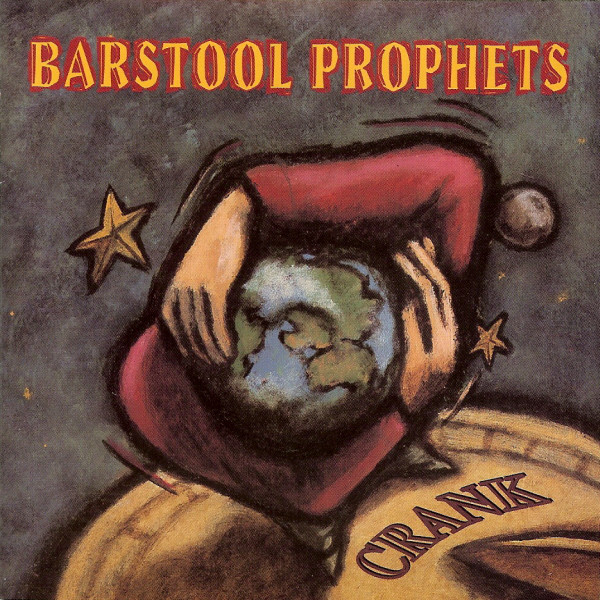
One of the only shields from the cruel outside world that I had as a kid was music. At the moment I was driving, suddenly the power chords in “Little Death (Mary Mary)” by the Barstool Prophets hit the speakers. “I would have loved this song as a kid,” I said aloud.
I never knew who my friends were back in those days. A kid who claimed to be my friend one week would be a bully the next week. There were one or two kids I knew I could trust, like Allan Runstedtler. He was too nice and smart a kid to get caught up in that stuff, but he walked home from school in the opposite direction. There was nobody else I could count on to stick up for me. KK was just as likely to be throwing the snowballs at me. Ian Johnson used to get under my skin. “Name five songs by Iron Maiden,” he would say, instead of just teaching me about Iron Maiden like my real friends did. But my real friends, from my neighbourhood, didn’t go to that shitty Catholic school.
The thing that I was discovering was that music like Iron Maiden made me feel good. It made me feel temporarily bulletproof. Something about those proud, defiant power chords. I felt more capable of projecting pride and defiance if I had Iron Maiden behind me. Helix, Kiss, Judas Priest — these were the bands that kept me trudging through the snow while being pelted from behind.
The Barstool Prophets song had the same effect. As the flashbacks hit me, the guitar riff of “Little Death” pushed back against them. Yes, I would have loved the song as a kid, had time travel existed back then. Still working on my flux capacitor, but I’m getting there. It’s strange, but sometimes I sit there and imagine if I had been able to allow my past self to hear certain songs. I imagine my younger self’s reaction. It makes me emotional. That’s the only kind of time travel I’m able to do. I didn’t have a bad childhood by any means, but man those bullies did a number on me. I made it well into my 30s before being able to assess the damage that followed me right into adulthood. I think the hardest part was not knowing who I could trust. As it turns out, almost nobody. By the end of the eighth grade, only Allan hadn’t picked on me. And then I was rid of them forever as I changed school systems.
I would try to memorize songs as best as I could so I could keep them in my head while I was at school. The teachers were part of the problem and the defiant nature of heavy metal music was, shall we say, not appreciated by Mrs. Powers. I don’t think she commended its aesthetics, nor song titles like “Hotter Than Hell“. She wasn’t one of my supporters as the grade school days drew to a close. Nor was Ian Johnson, Kenny Lawrence, Kevin Kirby or any of my supposed “friends” in class. My only friends in that cold depressing classroom were the songs by Helix and Kiss in my head. I drew guitars in art class.
There’s a flashback for you. Ian Johnson may have mockingly quizzed me on how many Iron Maiden songs I could name, but he vastly underestimated just what that music meant to me. A year later he cut his hair short and was into something else. My love affair with music never ended and only grew with me through time. The Barstool Prophets have just shared a serious emotional moment with me, which allows them automatic entry into my soul’s Rock and Roll Hall of Fame. It’s a pretty serious honour. Please takes your seats with the other immortals enshrined within. Graham Greer, Glenn Forrester, Al Morier, and Bobby Tamas — otherwise known as the Barstool Prophets — welcome to the hallowed Hall of Fame!















 mikeladano.com