heavy metal

REVIEW: Russ Dwarf – Wireless (2013)

The Best Fucking Collaboration Week Ever, Pt. 2
 Mike and Aaron will be doing simultaneous daily reviews of albums these two intrepid music reporters have sent to each other. Buckle up, buttercups, it’s gonna be a blast!

Aaron’s review: Russ Dwarf – Wireless

RUSS DWARFS – Wireless (2013 Smoothline)

I don’t know where Aaron finds this stuff up in Owen Sound, but here is a pristine digipack CD of Russ Dwarf (of Killer Dwarf) and friends doing acoustic versions of old Killer Dwarfs classics.  Wireless is a great name for such a venture, and the friends list includes Ron “Bumblefoot” Thal (ex-Guns N’ Roses) and Glen Drover (ex-Megadeth).  Holed up in a studio in Newmarket, Ontario they laid down some pretty cool acoustic renditions of these numbers.

“Keep the Spirit Alive” remains irresistible today in acoustic form.  That’s because a good song has a lifespan.  A great chorus and memorable lyrics plus a pinch of magic made “Keep the Spirit Alive” a minor hit.  It’s one of the most purely enjoyable Dwarfs tunes and works well as an acoustic spirit booster.  Russ can still hit all the notes.  From the same album (Stand Tall, 1986) comes “Stand Tall”, which also makes the acoustic transition successfully.  A pretty incredible guitar solo (it’s not clear who is playing what) ensures this isn’t just “KD Lite”.

1988’s “I’m Alive” was an upbeat morale booster in its band arrangement.  Acoustically it’s the campfire version of the same thing.  The musical arrangements on Wireless do not deviate very far from the originals.  There are no radical re-imaginings.  What makes Wireless special for fans is Russell Graham’s earnest and still strong vocals, and of course the impressive six-string slinging of Drover and Bumblefoot.  The harder rock songs transition into an acoustic versions well enough, but ballads like “Doesn’t Matter” really shine.  A touch of piano and a vintage Russell vocal are the perfect topping.  A lot of this sounds live in the studio.  It doesn’t sound like a lot of time was spent mucking around fixing things in the mix, or sweetening things up.   What it sounds like, more or less, is Russ singing live in your living room.

The one thing that I did not think would work acoustically was “Comin’ Through”, the angry barnstormer from Dirty Weapons (1990).   It exists acoustically as a semi-epic and righteous twister through the plains of Canada.  “Crazy fuckin’ people living in the past, can’t you see that ain’t gonna last?” sings Russ with all the grit of the original.  Whatever Mr. Dwarf is doing to maintain his voice…well, good on you sir!  “Dirty Weapons” itself is mournful and slow rather than aggressive.  Interestingly, Russ arranged this album in chronological order.  The last three songs are from the final Dwarfs studio album Method to the Madness (1992).  That puts a nice bow on it, serving as a reminder that the Killer Dwarfs were still writing great tunes right to the end.  I can’t think of a better tune to end with than “Driftin’ Back”.

I quite liked Wireless and recommend it to any fan of the mighty mites known as Killer Dwarfs who wants to check out some quieter versions of their best material.  No new songs, sadly.  That would have been bitchin’.

3.5/5 stars
Spot the Mitch

Spot the Mitch

REVIEW: Judas Priest – Battle Cry (2016)

NEW RELEASE

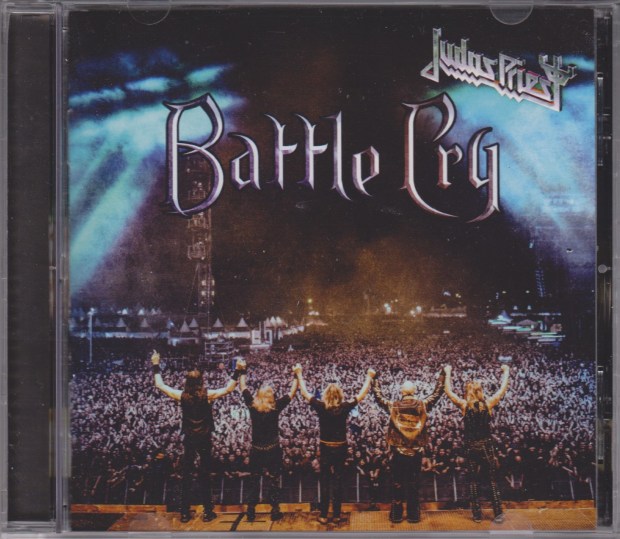
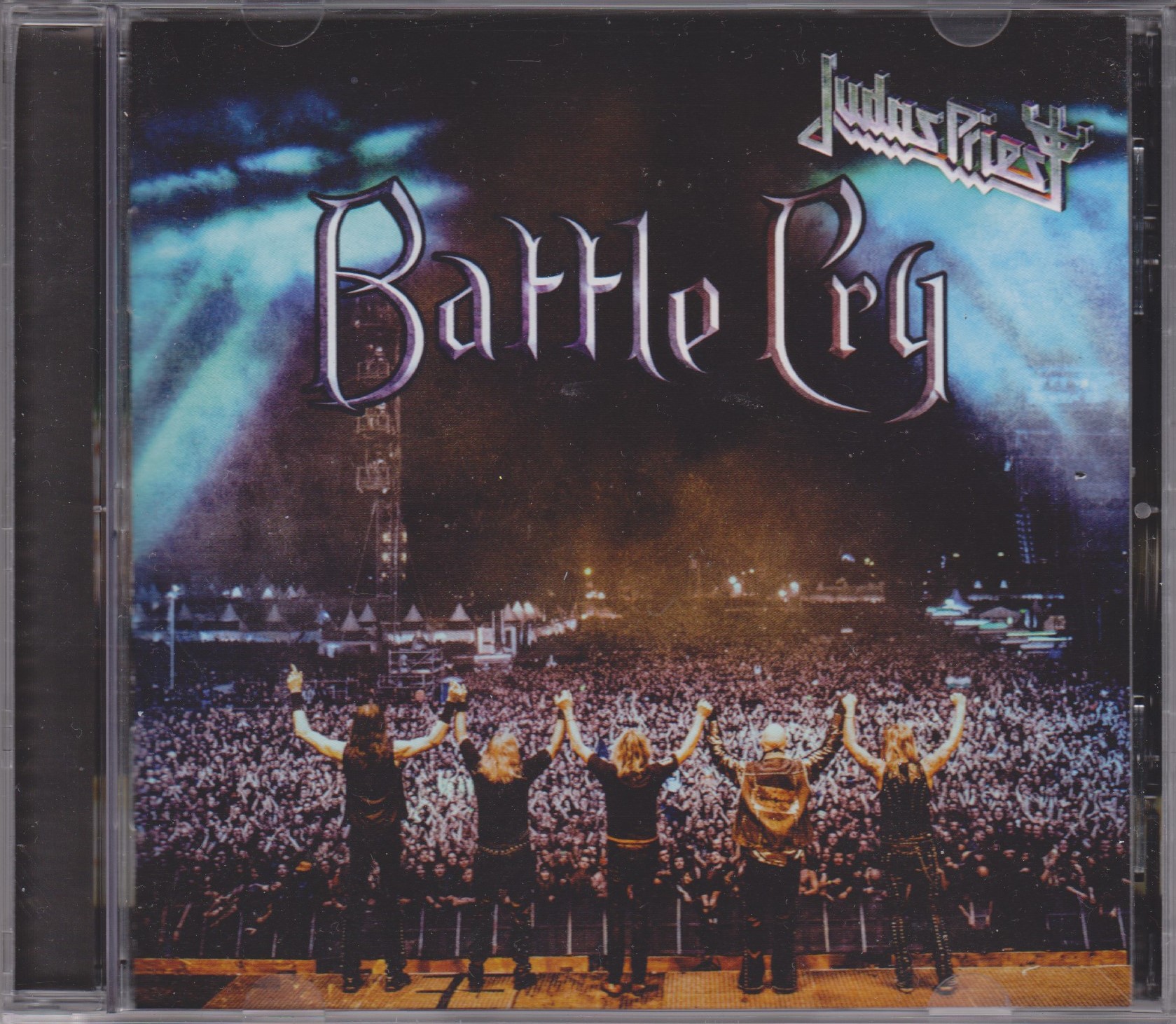
Scan_20160407JUDAS PRIEST – Battle Cry (2016 Sony)

Woah-ho!  Here comes the Priest with yet another live album!  How many does this make it?  Officially that’s six, not including live discs within deluxe editions, or live DVDs!  Battle Cry is the newest, recorded last year at Wacken (August 1 2015).

Some fans like to moan and complain every time an older band like Priest or Maiden release a live album.  You can see their point, but at the same time, how much longer will Priest be touring?  Don’t you want a live album with all their newest songs?  Priest’s last album, 2014’s Redeemer of Souls, was a triumphant return for the band, who had suffered a major lineup change.  KK Downing was out, and new kid Richie Faulkner was surprisingly able to take his place on the stage, and in the songwriting.  Rather than suffer from this blow, Priest simply kept going full speed ahead.  A live album is compulsory after this much activity.  Three of the new songs are included on the disc, in among a smattering of classics, but nothing from Nostradamus (2008) or Angel of Retribution (2005).  Fear not; you can get some of those songs on the live CD A Touch of Evil.

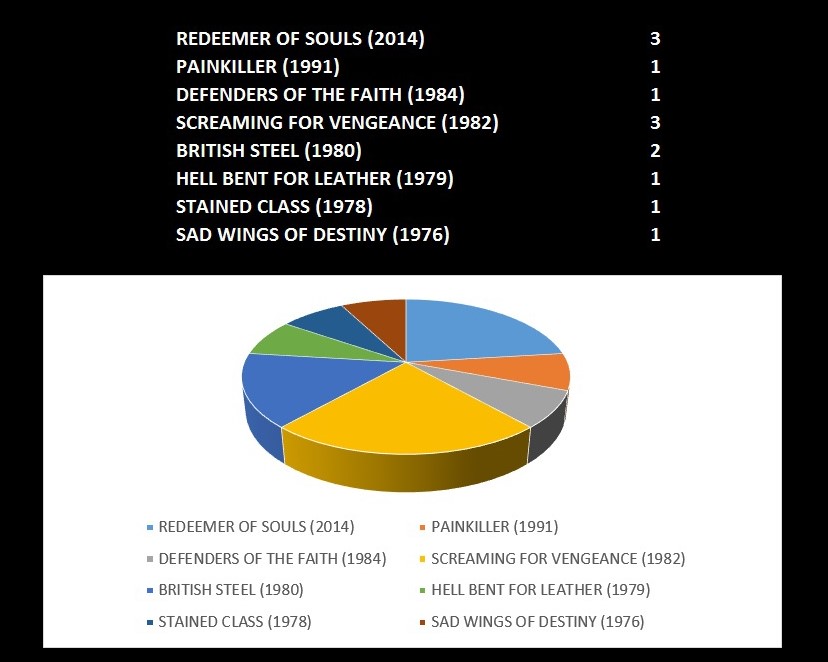
Here is a handy-dandy chart to show you where these songs originated, not counting intros “Battle Cry” and “The Hellion”.

priest chart

You’ll notice a huge 23 year gap in the music presented.  This isn’t uncommon for rock bands of Priest’s age.  There are so many classics, not to mention new songs to play, but not enough time.  As such, albums from later periods, or “cult” songs, are often overlooked.  The unfortunate effect of this is an unspoken implication that maybe the music between 1990 and 2014 wasn’t very good.  Now granted, Priest did have a lineup change during that period.  From 1997-2004, they were with singer Ripper Owens, and Priest have yet to revisit any of that material.

Proving that nothing has been lost with the departure of Downing, “Dragonaut” opens the show on a fast heavy note.  Faulkner is a perfect fit, acting in unison with Glenn Tipton to produce the same kind of Priest guitarmonies that you’re used to hearing.  “Halls of Valhalla”, another new track, rocks just as hard, but with the complexity of the Priest of yesteryear.  The musical chops of this band often go overlooked, but just listen to them play.  As for Halford?  He ain’t no spring chicken, but his singing style has changed to suit.  Within that framework, the man is a demon.  He can still do things with his voice that few can.  The final new song is “Redeemer of Souls”, a little stiff by comparison but certainly up to snuff.

A few lesser-played songs really spice up the set.   “Devil’s Child” from Screaming For Vengeance is a treat, and “Jawbreaker” from Defenders of the Faith is a nice switch up from “Freewheel Burning”.   Wacken probably would have rioted if songs like “Breaking the Law” and “Metal Gods” were not played, so of course you can count on the hits being represented.  A long guitar solo and instrumental section during “Another Thing Coming” is another surprise.  Halford used to do a long singalong at this point of the show, but that’s been shortened in favour of a pretty damn cool Richie Faulkner guitar solo.   Way to give the spotlight to the new kid — that is really classy.

Because there’s not enough time on a single disc, “Living After Midnight”, the final encore of the show, was axed.  Instead, “Painkiller” ends this CD, certainly an interesting choice for a closer.  This is the only song during which Rob’s voice can’t keep up.  The song is just insane; it always has been, and you can’t fault the guy for not quite getting there.
Battle Cry is yet another in a long string of great live Judas Priest albums.  Shoulda woulda coulda been a double CD.  The only two songs missing from this show are “Turbo Lover” and “Living After Midnight”, but wouldn’t you prefer having them?

3.75/5 stars


REVIEW: Bill Ward – When the Bough Breaks (1997)
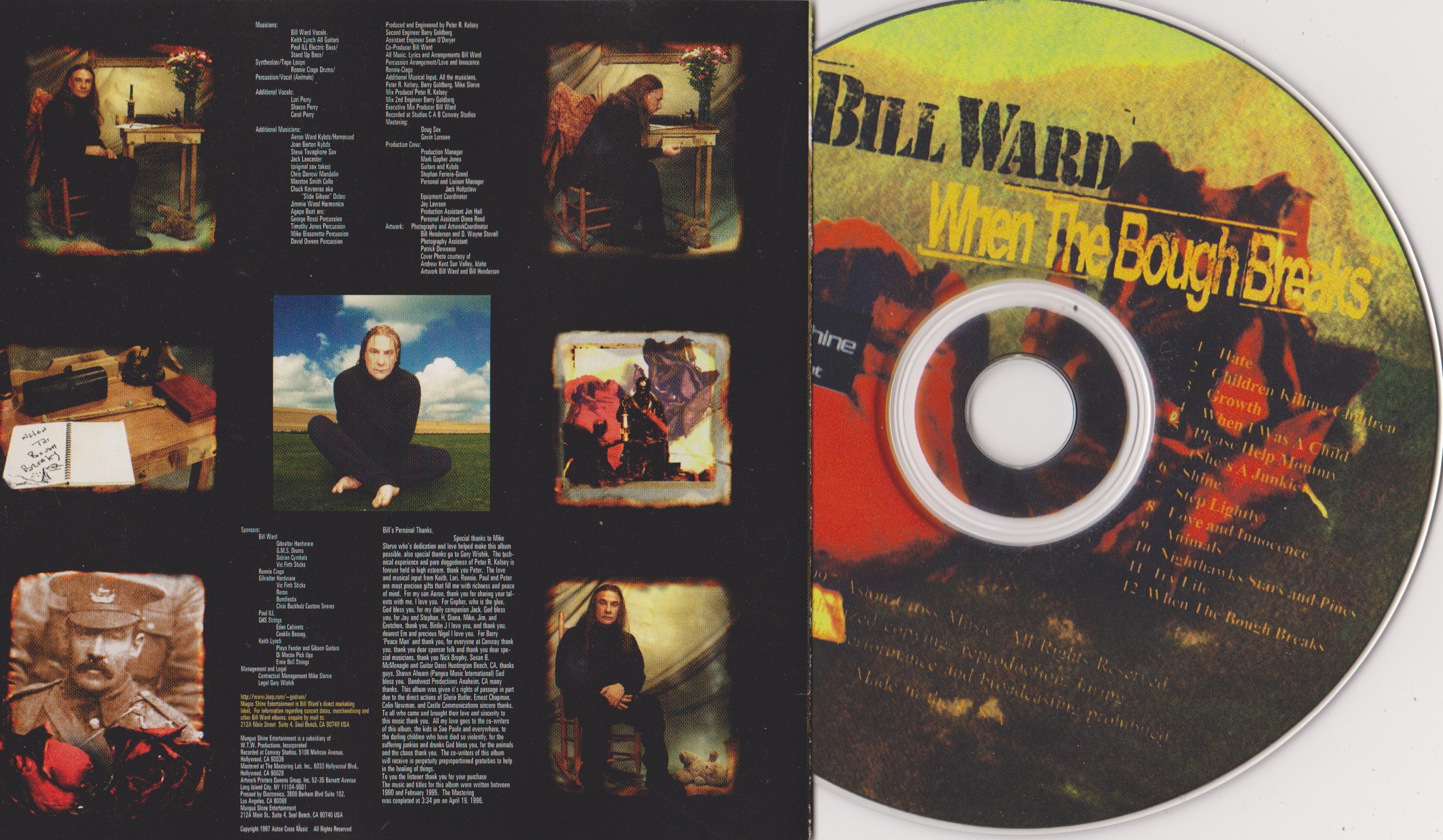
BILL WARD – When the Bough Breaks (1997 Purple Pyramid)

If anybody in Black Sabbath is an under-sung genius, it must be poor Bill Ward, the drummer on the outs with the legendary band.  Not only did he release the cult classic Ward One: Along the Way, but also its lesser known followup When the Bough Breaks.  Much more than just a drummer, Ward writes music and lyrics.  He also sings lead on every song, unlike its guest-laden predecessor.  What he didn’t do on When the Bough Breaks was plays drums — at all.  Maybe there is something to this talk from Ozzy about Bill not being able to hack it?

Folks who know little about Bill or Sabbath usually assume it’s all doom and gloom.  Track 1’s song title is “Hate”, but fear not, Bill has not changed his tune.  Hate is the easy way, not the right way, is the message.  Meanwhile there’s a cool sax lick and chunky guitar, and I swear that Bill must have arranged the drum parts because even though it’s not him, it sounds like him.  Ronnie Ciago does a fine job on the skins, all over the album.  Then, “Children Killing Children” is clumsy lyrically, but backed by lovely music and a heartfelt vocal performance.  A pretty ballad with mandolin, dobro, cello and violins is not what many would expect, but When the Bought Breaks is a mellow listen as a whole, and it can’t be pigeon-holed.

“Growth” maintains the soft trend, but it also cascades into massive waves.  Bill sings with a high, whispery quavering voice.  It lends itself best to quiet drama, interspersed with maniacally heavy rock.  That’s what “Growth” is, with a progressive bent and female backing singers.  It seems to form part of a suite, “When I Was a Child” emerging directly from it.  Though the title misleads, this is actually one of the heaviest tracks — a sludgy heavy metal blues born from the steel mills of Birmingham.  The childhood theme is continued with “Please Help Mommy (She’s a Junkie)”.  It also continues the blues with swampy dobro…before it transforms in a space age gospel-soul-metal slam dance.  It has a hell of a lot more life and rock and roll than anything Ozzy’s produced since then.  The sludge remains on “Shine” which I like to think of as ending a side.  Oddball Bill rock is the best way to describe it.

Scan_20160309 (4)


“Step Lightly” has a soft touch to it but the heavy guitars leave no doubt.  A potent mixture of influences and genres, “Step Lightly” defies categorization except to say it’s rock, but it’s a lot of things.  “Love and Innocence” is a strange name to a brief percussion instrumental, and it’s an intro to the song “Animals”.  A drummer’s wet dream, “Animals” is a heavy percussion blast with less emphasis on guitar.  A fine song, “Animals” is only hampered by a weird tribal-y front section.  “Nighthawks Stars and Bars” commences as we wind down.  This beautiful song feels like dusk, serenaded by saxophone.  Bill wrote a lovely soul ballad here, and the ladies singing on it are incredible.  “Try Life” is Floyd meets Lennon with a teeny tiny sprinkle of Sabbath, creating a light concoction of classy progressive rock balladry.

One last epic, the slow building title track (almost 10 minutes) leaves no doubt in mind that Bill Ward is a unique talent.  Of all the Sabbath solo records, Bill’s have been the most ambitious.   They’ve also been the fewest.  Bill’s long awaited Beyond Aston has no release date, but another solo album called Accountable Beasts was finally released in 2015.   Meanwhile, of Beyond Aston, Bill says it’s his best since Master of Reality in 1971!

Of When the Bough Breaks, I can only close with this.  It takes time.  It takes a lot of listening time invested, to pay back its full dividends.  When it does, you’ll be glad you bought it.  Of note however, there are multiple pressings and the one I have has liner notes and lyrics so tiny, that I fear I might irreparably damage my own eyes if I try to read them.

4.5/5 stars

Scan_20160309 (2)

GUEST REVIEW: The Raven Age (opening for Iron Maiden at the ACC Toronto, April 3 2016)

This guest review hit my inbox courtesy of Zach “I Like Iron Maiden” Britton.  He is possibly (and quite probably) the only Iron Maiden fan in the world who has had a song written and recorded about his love for the band.  Last night he went to see them again.

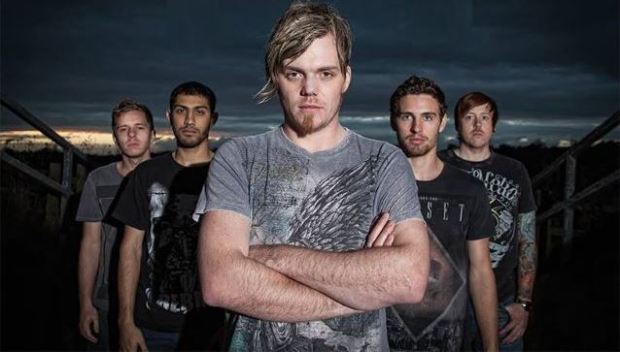
Opening act The Raven Age features Steve Harris’ son George on guitar.

THE RAVEN AGE – ACC Toronto, April 3 2016  (opening for Iron Maiden)
by Zach Britton “the Lamb Lord”

Five guys dressed like Criss Angel bring you the Twilight soundtrack.

I was not impressed.  I’m not kidding about the Twilight soundtrack bit.  Though certainly more metal, it spoke to me of the angst of a teen vampire boy courting a human girl.  And all their stuff sounded the same to me.  I’m no musicologianist*…but I know what I like.**  And it wasn’t eight metally tunes about pubescent vampires.


?/5 stars

*Zach knows this is not a word.

**He likes Iron Maiden.


“The Maiden Song” – dedicated to Zach Britton

REVIEW: Black Sabbath – The End (2016)

NEW RELEASE

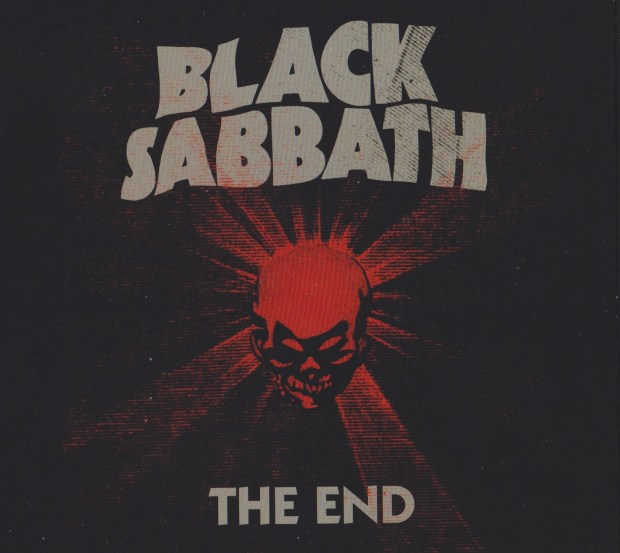
Scan_20160330BLACK SABBATH – The End (2016 BS Productions)

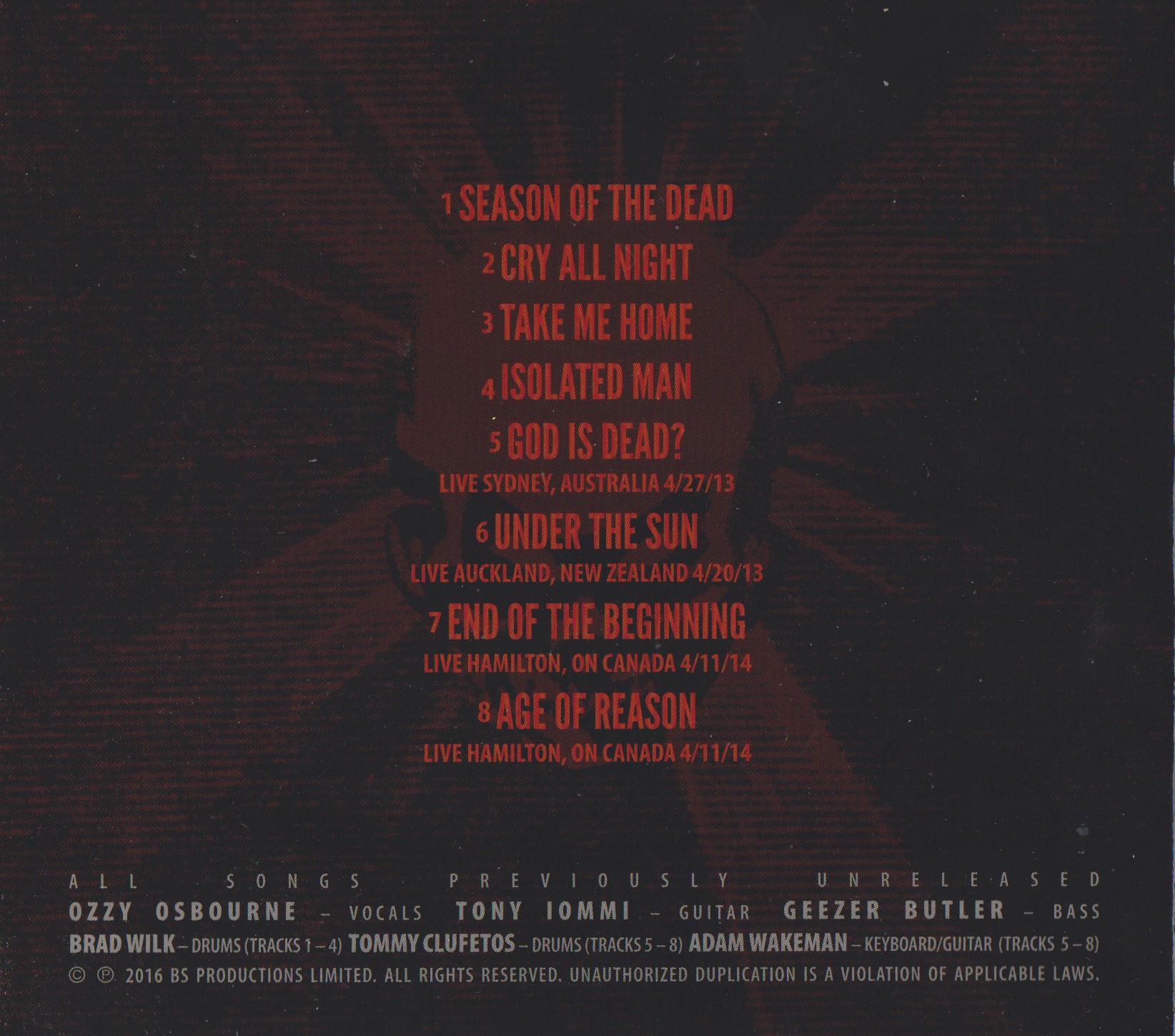
As a Black Sabbath fan since I was old enough to be a Black Sabbath fan, I have amassed a huge collection of official and unofficial Sabbath recordings.  With the exception of one Japanese bonus track (“What’s the Use” from Cross Purposes), I can happily say I have everything the band has ever officially put their name on.  The End has proven to be one of their most difficult albums to acquire, because Sabbath insisted on selling it at their concerts exclusively.  (At least until the inevitable reissue with bonus tracks.)  With only one CD, eight songs, and no booklet, it’s hard to justify a $30 selling price.  Additionally, many concerts were sold out of the CD, because of people buying multiple copies for re-sale.  The proof is on eBay and Discogs.

Thankfully, a fine gentleman known to his friends as James went to see Black Sabbath on a whim on their Calgary date.  He exited the arena with three copies of The End, but none were for re-sale: One for him, one for our buddy Aaron, and one for me!

Ever since the release of the terrific album 13, the band teased that they had plenty of extra material to perhaps do another LP.  It turns out, they had recorded at least 16 songs that we know of for 13.  There were eight songs on the album proper, and an additional four on various special editions.  The End contains four more from the sessions!  Four songs isn’t enough for a whole new album, so for added value, rare live songs are included.  None of these have ever been on a live Sabbath album before.

Sounding something like an outtake from the not-Sabbath album The Devil You Know, “Season of the Dead” has the slow crawl that has become a Sabbath trademark.  A chugging, biting riff and a slightly psychedelic melody are the pillars, but like Sabbath of old, it twists and turns into different parts.  “Season of the Dead” is a grower, but it certainly does sound like Black Sabbath and nobody but.  Doom, gloom and slinky bass.  “Cry All Night” starts as a slow Sabbath crawl but then immediately transforms into a mid-tempo stomp.  These Iommi riffs are by no means leftovers.  Can you imagine what he still has in the vault?  (Note:  Tony Iommi really does have a vault where he keeps all his riff tapes.)

Studio drummer Brad Wilk really stands out on “Take Me Home”, as a precise and hard-hitting player.  The monolithic riff he compliments is simple but effective.  Meanwhile, parts of Ozzy’s vocal melody are reminiscent of his song “Fire in the Sky” from 1988’s No Rest for the Wicked.  Tony’s Spanish guitar solo is a delicate icing on a very heavy cake.  The final studio track is “Isolated Man”, a different and interesting experiment.  At its core it is still a heavy-riffed Black Sabbath refrain, but Ozzy’s vocals are purposely mixed back and heavily layered for effect.  The result is something very much like the oddball shit that they used to do in the 70’s.

Each one of these “new” songs is going to take time to fully absorb.  They are not immediate, but neither was all of 13.  Even without Bill Ward, they managed to rebuild the sound they had 40 years ago, and that’s just grand.  13 easily could have been a full double album, consistent and heavier than fuck, had all 16 songs been included.  It also would have been an overly long ride of doom!

The live stuff is well recorded.  Ozzy doesn’t sound too lively on “God Is Dead?”, but that tends to happen when you read the words off a teleprompter.  He was in good voice that night in Sydney, maybe even great!  It’s great to have “God Is Dead?” in live form, but it only really cooks from time to time.  Oldie “Under the Sun” (from Vol. 4) has long been one of my favourite Iommi riffs.  It’s great to finally have this in live form; it’s just too bad it lacks the swing of Bill Ward.  That is not a swipe at Tommy Clufetos, a great drummer who has done very well under difficult circumstances.  Of the many drummers that Sabbath have employed over the years in the absence of Ward, Tommy has been one of the best fits for an “original” sounding Black Sabbath.

Jetting off to Hamilton Ontario Canada, “End of the Beginning” serves as a main course of doomy metal.  The crowd is clearly into it, as Ozzy gets them riled up.  This track works better live than “God Is Dead?”, being much more peppy and headbang-worthy.  Here is my only beef:  I noticed during one of Tony’s solos that there was rhythm guitar.  Looking at the back cover, keyboardist Adam Wakeman is also credited with additional guitar.  Black Sabbath has always been a single-guitar band, and I definitely noticed this unfamiliar sound.  I’m not sure how I feel about that.  Sure, it sounds more like the album, but it sounds less like the live Black Sabbath that I loved.

Of course Ozzy has to remind the audience that he loves them all!  “God bless you all, thank you!” he says, showing gratitude for a #1 album in Canada.  “Age of Reason” sounds like a crusher live, and certainly epic enough to act as a closing track on the final Black Sabbath album.  Even if it wasn’t epic, it was a new Black Sabbath song recorded for posterity and now in the collection forever.  That’s enough for this guy.

I am not sure how a $30 price tag is justified, but I have paid more for less.  The score for this review is completely independent of the price.  You’ll have to judge for yourself how much you’re willing to pay.  $30 is high for four new songs and four live songs.  Be that as it may, eBay prices are stupid.  My advice:  Grab it for $40 or less, or sit tight and wait and see if it’s ever reissued.  Final Black Sabbath album?  Perhaps, but expect plenty of Sabbath material to buy in the future.  Up next: deluxe editions of Headless Cross and Tyr!

4/5 stars

Scan_20160330 (2)


REVIEW: W.A.S.P. – K.F.D. (1997, domestic and Japanese versions)

FLAMING TURDS

“Flaming Turds” artwork courtesy of SARCA at CAUGHT ME GAMING.  Thanks Sarca!

We continue with the WEEK OF FLAMING TURDS!  We’re looking at a collection of malodorous music.  Strike a match, you’ll need it for these stinkers!  This one smells like something went bad in that fridge….

W.A.S.P. – Kill.Fuck.Die (1997 Castle, 1997 Victor Japanese import)

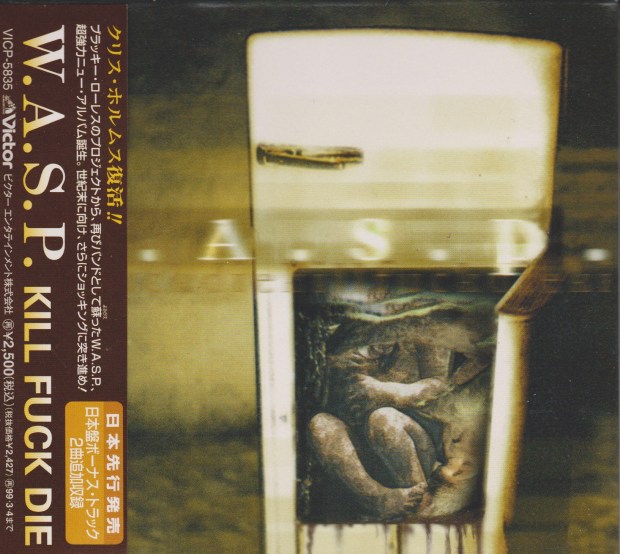
W.A.S.P. sure started to suck in the 1990’s. 1995’s Still Not Black Enough was alright: It got the job done in putting new W.A.S.P. music on the shelves, though it was hard to find in stores.  Then Marilyn Manson came along, the new king of shock rock, and Blackie Lawless said “Hey!  I did that first!  I need to take back my throne.”  Caking on the makeup, he reconnected with erstwhile lead guitarist Chris Holmes.  Rather than playing to their collective strengths, the pair instead wrote and recorded an album of industrial rock that came off as a desperate attempt to be relevant.   The oh-so edgy album title Kill.Fuck.Die. had to be abbreviated to K.F.D.  The album packaging was clever in concept but crap in delivery.  A blurry picture of a fridge opens to reveal another blurry picture body parts and meat.  On the inside, yet another blurry picture of a pig carcass.  Go, 90’s!

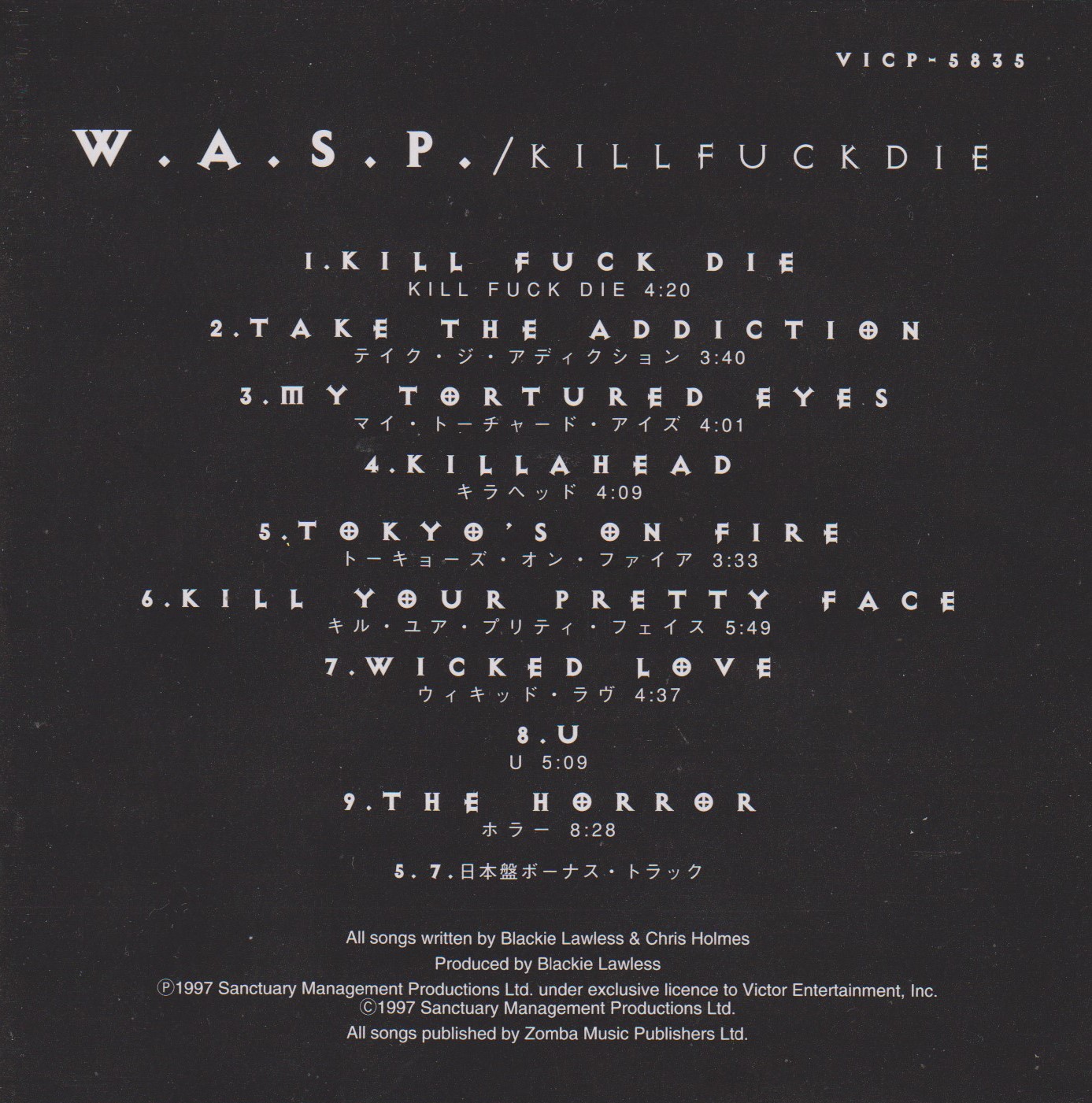
Because this writer is a fucking OCD idiot, he owns both the domestic and Japanese versions of K.F.D.  This means I have all the different bonus tracks.  You get to read a one-stop review including all the tracks.  Good for you!

“K.F.D” sounds as if the band were playing in a shoe box full of stuffing.  W.A.S.P. are muffled, robbing them of the guitar excitement we’re used to.  Blackie’s voice is distant because…90’s.  As usual Stet Howland’s drumming is way too busy.  Fortunately the song has hooks, but who wants to run around singing “Kill!  Fuck!  Die!”?  Not this guy.  Sorry Blackie, but even as an angry young man I thought this was lame.

Skip the boring and monotonous “Take the Addiction”.  Do the same for “My Tortured Eyes”, a slow distorted drag of a song.  These tunes are necessary listening only for diehard Blackie fans who need to buy everything he burps and farts.  There are a couple good songs next, though the titles are pretty doltish:  “Killahead” and “Kill Your Pretty Face”.   The first is fast metal, but of course still with this annoying “industrial” production.  (I use the quotation marks because it’s really not industrial music per se…there are no interesting samples or loops to keep things moving.)  The second is a slow burn, that drags for a while before we finally get to the chorus, which is a good one at least.  Good enough to consider it a decent song.  “Fetus” is a waste of time, just a minute of screaming and noise.  It blends into “Little Death”, just noise trying to sound like Trent Reznor.  Wisely, the Japanese edited these two off, and included their own bonus track “Tokyo’s On Fire” in this spot.  Maybe “Little Death” could have been a good song if it wasn’t compressed and distorted into nonsense.  Thankfully they stuck to a rock production with “Tokyo’s On Fire”.  That does make it sound odd sitting in the middle of the album.  Suddenly, the music sounds alive, not strangled!  “Tokyo’s On Fire” sounds like W.A.S.P., not Marilyn-Trent Lawless!

Scan_20160226 (4)

Another dumb title, “U”, masks an OK song.  The lyrics are pretty are pretty half-baked.  “U fuckin’ suck!” sings Blackie.  No wonder they didn’t include a lyric sheet in this baby.  Anger is a great emotion to express in rock music.  Get it out!  But “Kill yourself for me,” doesn’t cut it for lyrics.  Shock without purpose.  A molotov cocktail without a revolution.  It’s just shrapnel, nothing more.  “Wicked Love” is better, thankfully, with a good chorus and melody, but again the compressed guitars just underwhelm.  It would have been nice if Blackie had let the guitars sound like, you know, guitars.  The album closes out on “The Horror” which is way too long, and takes forever to go anywhere.  A good solid five minutes could have been trimmed from this coma-inducer.  It ends powerfully, but it’s basically just a reprise of “K.F.D.”.  So, if you consider “K.F.D.” and “The Horror” to be one song in two parts, and do the same for “Fetus” and “Little Death”, then…holy shit, Blackie only came up with nine new songs for this album, including the Japanese bonus track!

The aforementioned domestic CD packaging has two significant flaws.  One is that the cardboard fridge is hinged on a perforation, which usually tears after opening it too many times.   The other is that it is unfortunately not worth opening.  Keep the fridge closed, fans.

2/5 stars

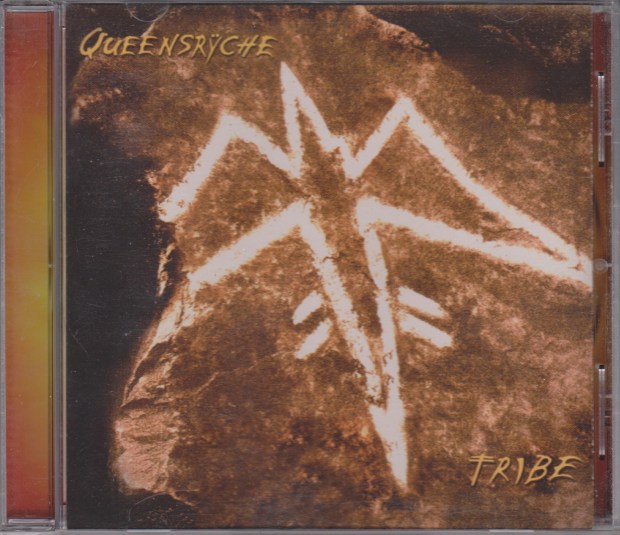
REVIEW: Queensryche – Tribe (2003)

FLAMING TURDS

“Flaming Turds” artwork courtesy of SARCA at CAUGHT ME GAMING.  Thanks Sarca!

We continue with the WEEK OF FLAMING TURDS!  We’re looking at a collection of malodorous music.  Strike a match, you’ll need it for these stinkers!  Today, please welcome to the stage, Mr. Geoff Tate.

Scan_20160228QUEENSRŸCHE – Tribe (2003 Sanctuary)

Queensryche fans have had a lot to deal with over the last 20 years.  Uneven albums, lineup changes, framed by occasional flashes of brilliance were the norm up until recently.  The most significant obstacle was the 1997 departure of Chris DeGarmo, their chief songwriter and beloved guitarist.  Overall burnout caused by band turmoil led DeGarmo to retire from music altogether and follow his dream of becoming a pilot.  Later statements from the band (during their legal battle with former singer Geoff Tate) claimed outright that he left because of “Geoff Tate’s personal demeanor” with the guitarist.  In his absence, Tate took over the role of primary songwriter and began leading the band.  Their first post-DeGarmo album was 1999’s Q2k, a pretty heavy record that was largely dismissed by fans for being a departure from style and quality.  DeGarmo’s replacement guitarist Kelly Gray was let go shortly after the Live Evolution album.  Struggling to come up with material for another album, Queensryche called Chris DeGarmo up on the telephone.  The guitarist softened his stance and readied himself to make a full return to the band.  He wrote, played guitar in the studio and even took part in photo shoots.  Fans hoped for something special that would live up to the Queensryche legacy from this reunion.  It was not to last.  The same old strains returned between DeGarmo and Tate, and it was over before it started.

Fandom felt the wind taken out of its sails, and eyebrows were raised at the sudden second departure.  The released album Tribe featured five co-writes from Chris DeGarmo, and one from new Queensryche guitarist Mike Stone (ex-Peter Criss), who was hired shortly after.  Both Stone and DeGarmo receive credit as special guests.  Upon listening, best hopes for the album were dashed.  Tribe‘s 10 songs come off as half-baked outtakes from a better album that was  never made.  Some of the blame must go to the production, a flat and dry sounding affair.  However that cannot explain the dull songs.  It’s not all bad — “Open Your Eyes” features a damn fine, exotic sounding riff, probably contributed by DeGarmo.  They just couldn’t construct a memorable song around it, and Tate couldn’t seem to get his singing into gear.

The sole Mike Stone co-write, “Losing Myself” is a programmed mess of samples without a song.  The chorus sounds like an outtake from the dreary Hear in the Now Frontier album.  Same with the acoustic “Falling Behind”, which is too bad because it’s one of the songs on which you can hear Chris DeGarmo’s playing.  In fact, Tribe in general might be considered Hear in the Now Part II, so similar are they.

The only real quality musical moment happens on the DeGarmo co-write “Desert Dance”.  Exotic and heavy but with an actual song built out of it, “Desert Dance” gets you moving.  Drummer Scott Rockenfield throws a lot of percussion tricks into it, emphasizing the exotic (this is true of the album in general).  Tate actually sounds alive on this, becoming the cheerleader of the album.  “Desert Dance” was the only song that had me reaching for the volume knob to turn it up.  One other decent track is “Rhythm of Hope”, a co-write with Eddie Jackson and Scott Rockenfield that sounds like it was an effort to be the second “Silent Lucidity”.  Unfortunately that moment has passed.

It’s worth noting that the only member to have a songwriting credit on every song in Geoff Tate.  I place the blame for Tribe‘s lack of life at his feet.  The album is only 41 minutes, but it is a long 41 minutes.  Difficult to finish, hard to like and easy to forget, Tribe remains a chore today.

2/5 stars

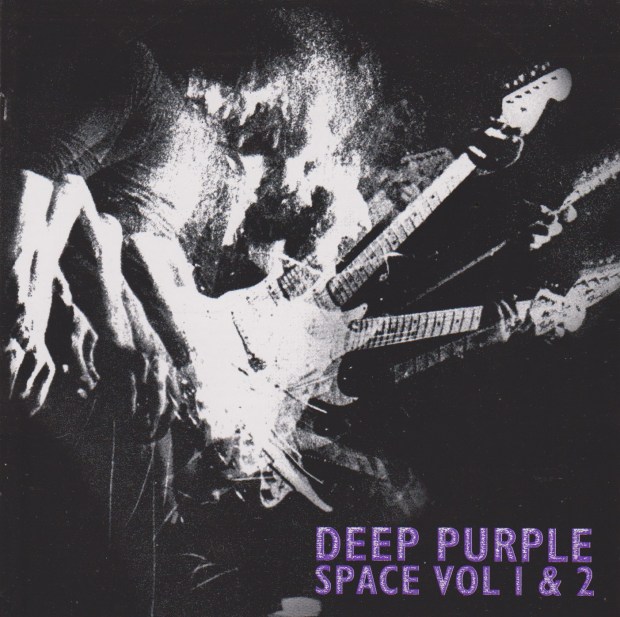
REVIEW: Deep Purple – Space Vol 1 & 2 (Aachen 1970)

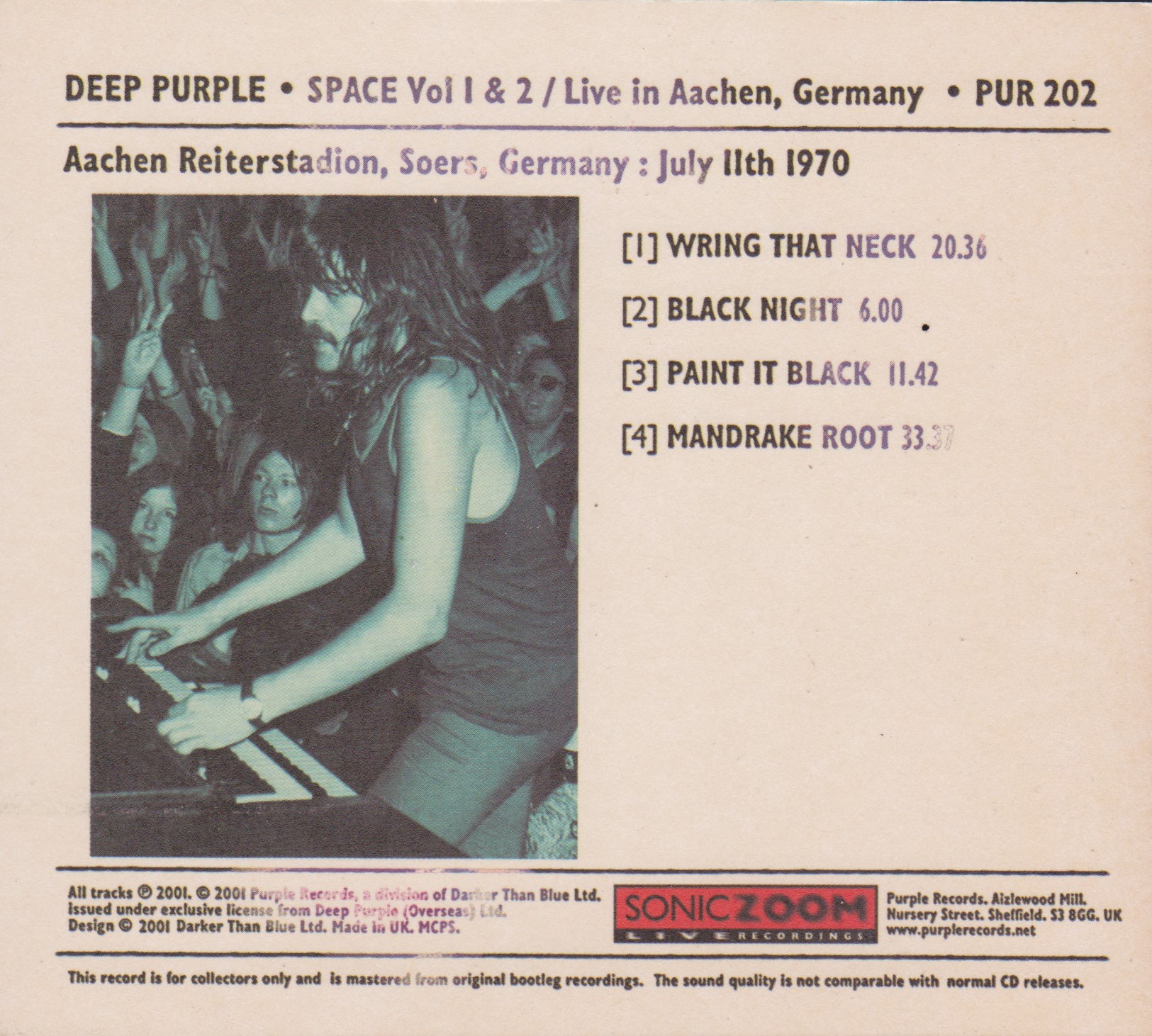
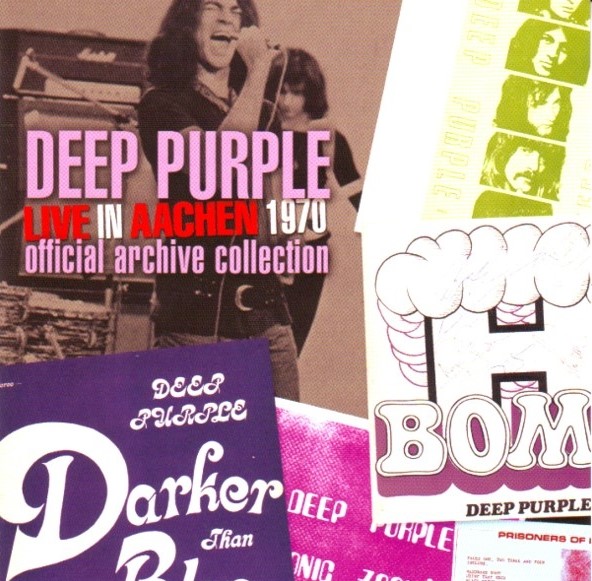
DEEP PURPLE – Space Vol 1 & 2 (Live in Aachen 1970) (2001 Sonic Zoom)

Over the course of the decades, Deep Purple and their official Appreciation Society have found numerous interesting live recordings to release for the fans.  From significant moments to obscure gigs, each disc has had their own points of interest.  It doesn’t hurt that Deep Purple never did the exact same thing twice.

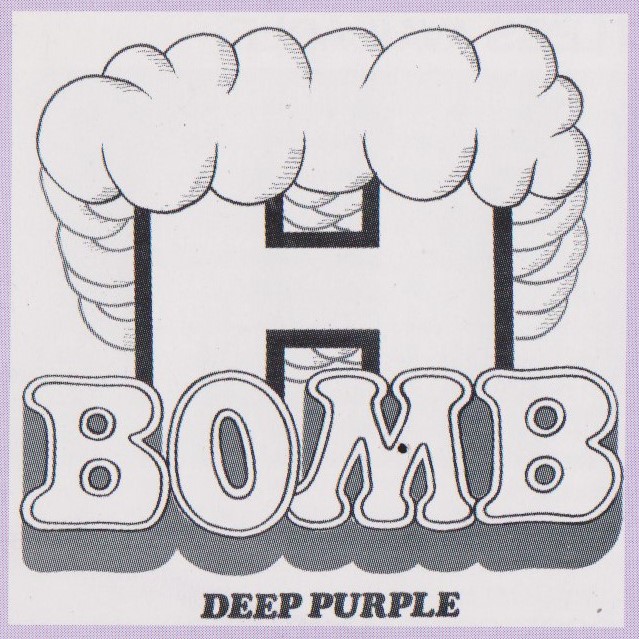
This German gig from 1970 wasn’t well documented or reported on.  Purple were on a large bill including Pink Floyd, Free, Traffic and Tyrannosaurus Rex.  It’s possible but not known for certain that Kraftwerk may have also played that day.  Bootleggers made sure that at least some of it was recorded.  The released bootleg H-Bomb was one of the earliest Deep Purple live recordings available, and has been available in bootleg form since it taped.  According to organist Jon Lord, he heard that the bootleggers sneaked in an eight track mixer inside a Volkswagon, hidden under the stage.  When they had the chance to hear the recordings on LP, the band were actually impressed with the overall quality.

Scan_20160221 (4)

In 2001, Sonic Zoom released the show on CD and called it Space Vol 1 & 2.  Since the original tapes were long lost, Sonic Zoom went back to the earliest vinyl pressings, and cleaned them up, using the best sounding versions of each track.

What you get here is only four longs, but quite a long set, being well over an hour long.  Purple opened with their instrumental “Wring That Neck”, stretched out to include lots of solos and jams.  They tease out recognizable melodies such as “Hall of the Mountain King”, “Jingle Bells”, and a jazzy “Three Blind Mice”, disguised on rock instruments.  Vocals were scarce that evening, perhaps because Ian Gillan was suffering from a sore throat.  As such his vocals don’t come through as well, but they also often sound as if he’s singing into a tin can.  Though most everything else is well recorded enough, when the vocals do happen such as on “Black Night”, they are very rough and tumble.  Jon Lord was also known to be very hard on his Hammond, and like electric whip cracks you often hear the instrument yelping away in the background.

AACHEN

The Stones cover “Paint It, Black” is mostly another excuse to jam on something.  11 minutes of equipment-destroying guitar, drums, bass and organ madness is a lot for anyone to digest.  If you dig drum solos, Ian Paice will keep you mesmerized for many minutes of straight high-velocity rhythmic instructional.  You’ll know it’s over when the other guys finally come back!  That’s nothing, though.  Half an hour of “Mandrake Root” awaits, one of the longest versions known.  Ian spends a lot of it screaming, but when it’s jam time you can hear him on the congas.  The first half of the jam is loose but at least structured.  Lord considered this his best keyboard work that had been captured so far.  Interestingly, part of this jam resembles a future song called “Highway Star”.  Then, the second half descends into pure madness.   Atonal noise, feedback and electric pain dominate these 10 minutes.  It is an endurance challenge to be sure.

It is not known for certain if any other songs were played that day, but because it was a festival it seems likely that Purple played for this hour and nothing more.  According to the only written account of the day, Purple won over the festival crowd by powering over them.  That much is clear from this recording.

3.5/5 stars

Scan_20160221 (2)

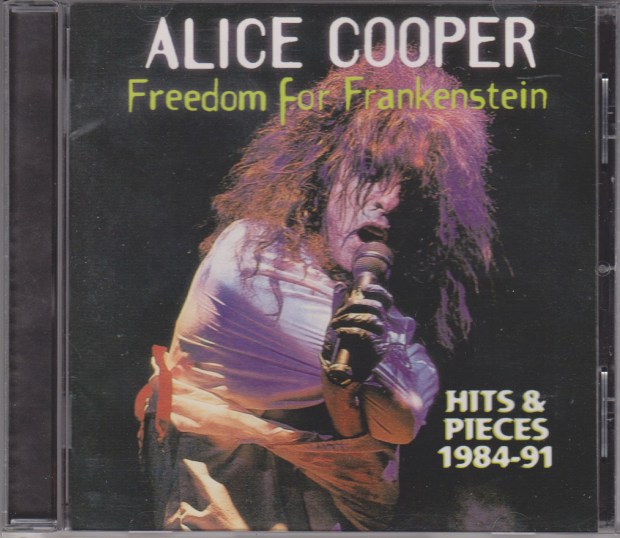
REVIEW: Alice Cooper – Freedom for Frankenstein – Hits & Pieces 1984-91

Scan_20160306ALICE COOPER – Freedom for Frankenstein – Hits & Pieces 1984-91 (1998 Raven, Australian import)

After a productive spurt of activity in the late 80’s and early 90’s, Alice Cooper laid low for a while.  A fun live album called A Fistful of Alice in 1997 was his first such release in 20 years.  There was then a long wait for the next Cooper studio album (Brutal Planet, 2000).  In the meantime, fans got to snack on interim treats such as the Australian release, Freedom for Frankenstein.

There are already a number of compilations that cover similar periods to Freedom for Frankenstein.  Prince of Darkness (1989) tackled the two MCA albums Constrictor (1986) and Raise Your First and Yell (1987) plus one single B-side. 1995’s Classicks summed up the Epic albums Trash (1989), Hey Stoopid (1991) and The Last Temptation (1994), with the bonus of rare live tracks from the 1989 live home video Alice Cooper Trashes the World, plus the Hendrix cover B-side “Fire”!  With those releases already on the market, does Freedom for Frankenstein offer anything unique?

Hell yeah!

1. “I Got a Line on You”.  Spirit wrote this one in 1968 and Alice Cooper covered it in 1988 for the Iron Eagle II soundtrack.  Alice’s version was released as a cool music video and stands as one of his best tracks from the era.  (You can also get this on the Life and Crimes of Alice Cooper box set.)  Here is an easy way to get the song, a must-own for fans of 80’s Alice.  This was our first look at Alice’s new musical direction: commercial hard rock!  He dropped the splatter horror direction and went full-on for radio and video hits.

2. Four-count-’em-four rare live single B-sides.  These are “Go to Hell”, “Ballad of Dwight Fry”, “Sick Things” and “Only Women Bleed/Wind Up Toy”.  None overlap with the other two compilations.  “Wind Up Toy” was only played on the Hey Stoopid tour.

3. “It Rained All Night”.  It is absolutely inexplicable how this song wasn’t included on the Life and Crimes box set.  An original Alice Cooper/Desmond Child composition, “It Rained All Night” was also too good to be just another B-side.  It backed the single for “Hey Stoopid” but stood as a better track than some on the album.  Perhaps it was nixed for being too ballady on an album that didn’t need any more.  You can get it most easily now by buying the Hey Stoopid 2013 reissue…but if you get Freedom for Frankenstein instead, you won’t need that reissue at all.

By getting this, you will also acquire “Fire”, and a good number of the best songs from this period.  “He’s Back”, “Teenage Frankenstein”, “Freedom”, “Poison”, “House of Fire”, “Hey Stoopid”, and “Feed My Frankenstein” were the big singles, all on one CD.  Then there’s “Side Show”, the incredible opener from Alice’s 1994 concept album The Last Temptation.  In fact, the only weakness with this CD is that there is only one song from The Last Temptation.  Classicks has three — but none of them are “Side Show”.

Freedom for Frankenstein was compiled with the help of Andrew Carpenter, “Australia’s biggest Alice Cooper fan” and archivist.  Full points are awarded for the interesting booklet and rarities in the tracklist.  I think the running order could be slightly tweaked for a smoother ride, but at over 78 minutes long, these hits and pieces provide value for your bucks.

4/5 stars

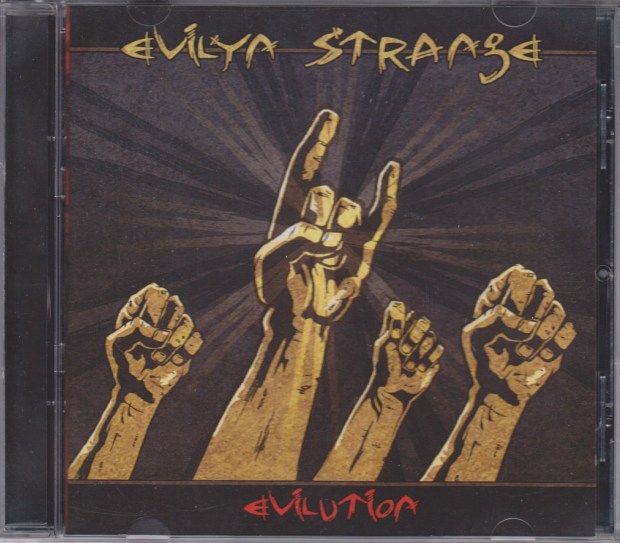
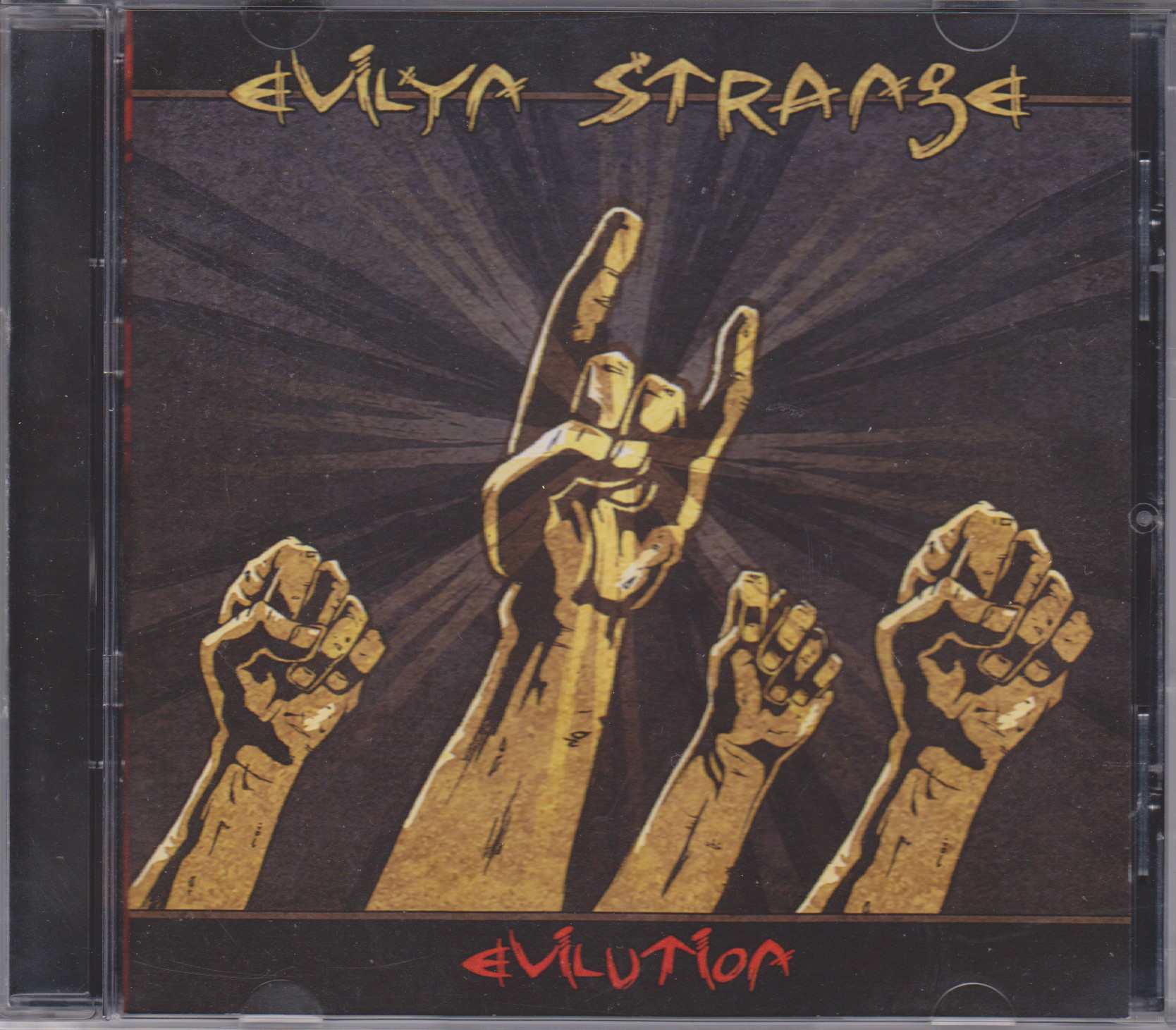
REVIEW: Evilyn Strange – Evilution (2016 EP)

NEW RELEASE

Scan_20160301EVILYN STRANGE – Evilution (2016 limited edition promo EP)

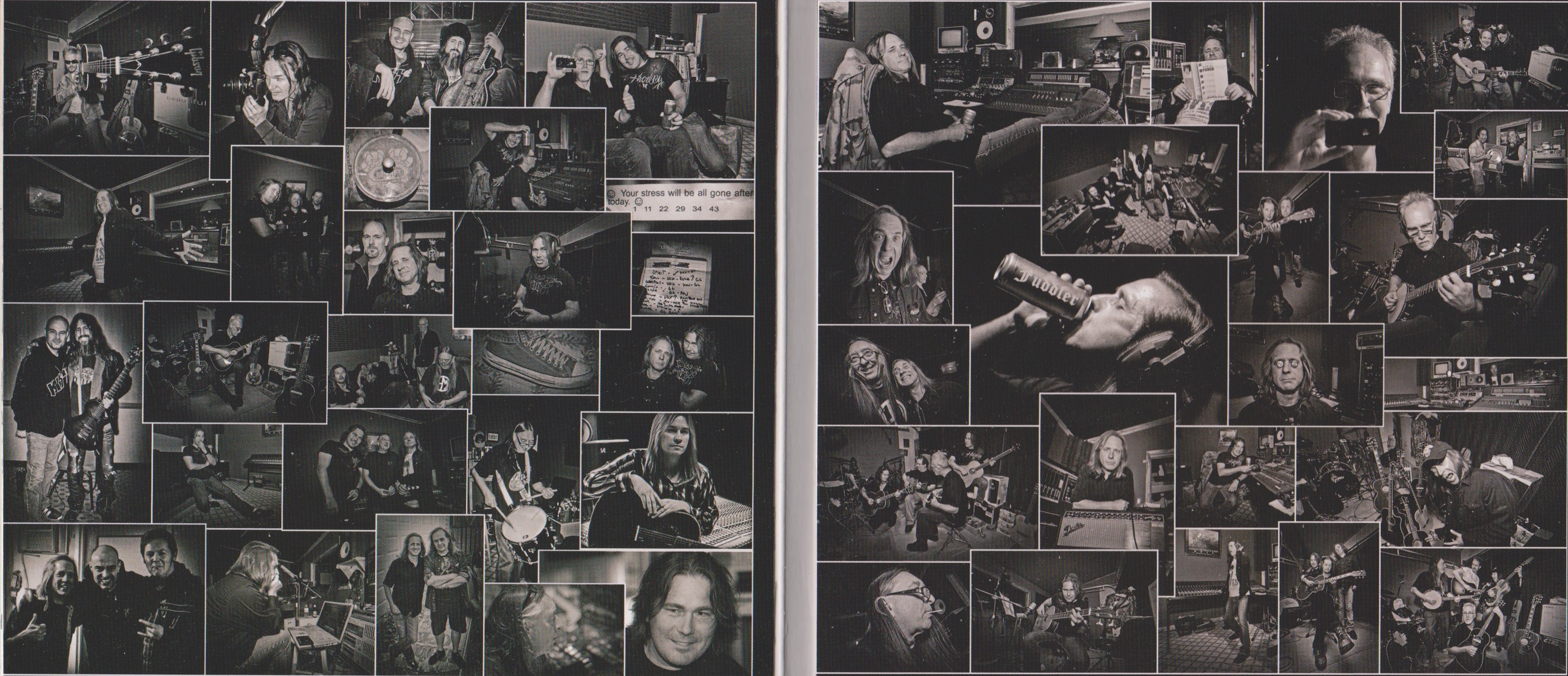
Well alright alright alright!  2016 has been a stinky year so far with the winter “blahs” and far too many musical deaths.  It’s time for something new and something positive.  Thankfully the trio Evilyn Strange have picked this time to return with their new EP, Evilution.

I like a sense of continuity in cover art, and lead singer Phillip Strange is responsible for this one.  I like that you can immediately tell it’s the same band.  With the last album, Mourning Phoebe, I couldn’t quite tell what kind of music I was going to find inside.  Evilution on the other hand looks like rock and roll and nothing but.  Are you ready to be slain?

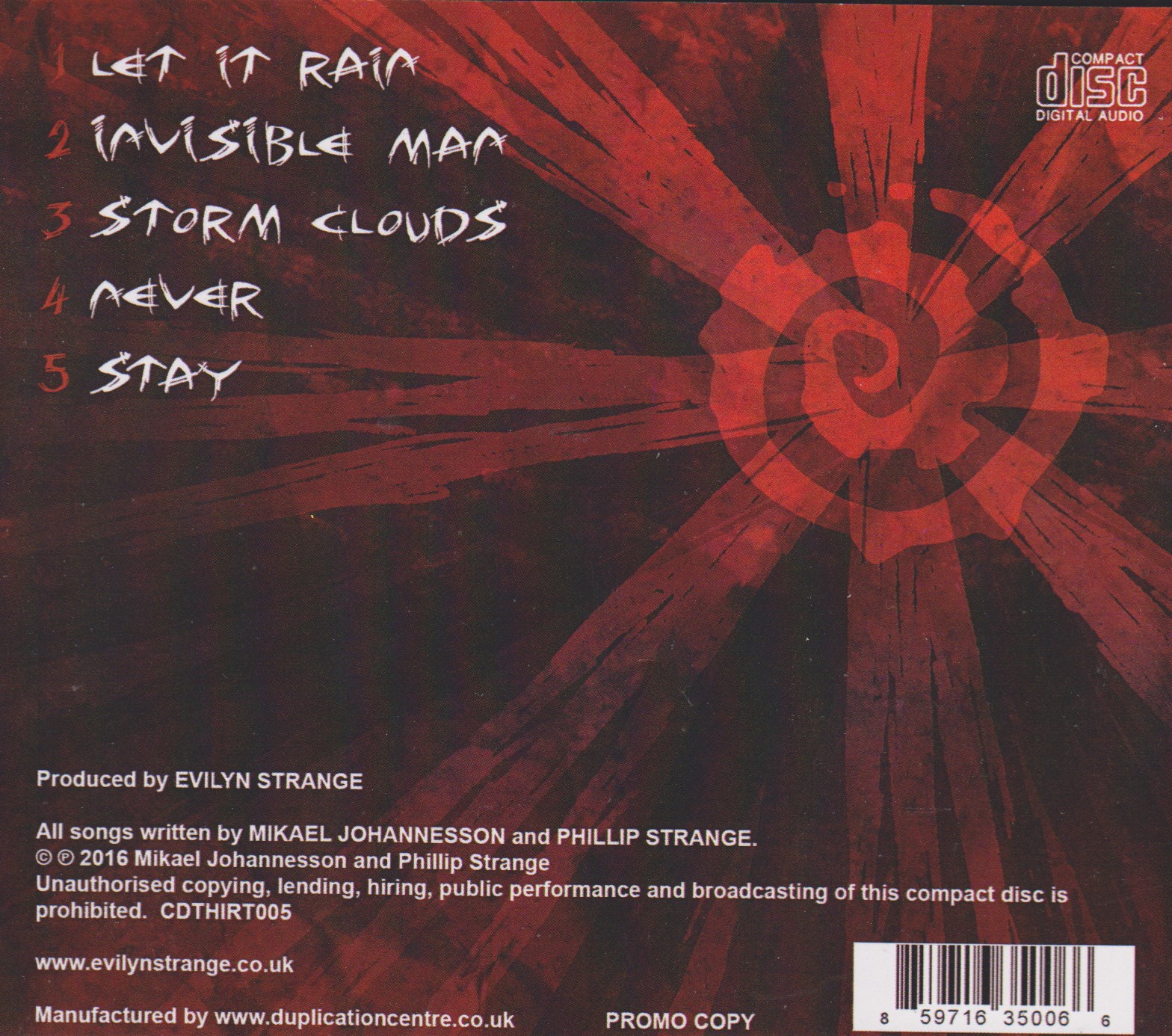
I was surprised by the heaviness and speed of the opening track “Let It Rain”.  Great riff, great vocal melody, and tasteful use of backing keyboards — I get a sense of 80’s metal meeting the modern age, and I like that just fine.  In particular it’s the menacing double bass of “The Ghost” (drums/keys) that drives the song into your skull.  Once it’s in there, it ain’t coming out.

“Invisible Man” grooves rather than thrashes, but again the tasteful backing keyboard adds nice accents and moods.  Phillip kicks ass on this vocal, imbuing the song with melancholy power.  Throw on a smoking solo by Mikael Johannesson and step back because this baby explodes!  I can’t say who this song reminds me of.  It has elements of lots of bands that I enjoy, from Sabbath to Whitesnake.  But “Storm Clouds” is thrash metal, pure and simple.  I can’t find a more appropriate tag.  The Ghost’s slamming on it, while Mikael riffs away faster than I can headbang.  The only thing unlike thrash metal is Phillip’s singing, always melodic.  This is challenging, impressive stuff — maybe a bit too busy?  It packs more into one song than most hard rock bands put into an entire side.

More Strange-like is “Never”, a powerful metal ballad.  Phillip injects the song with the required angst and there’s even a hint of some bluesy slide guitar.  A proper soft ballad ends the EP on a dramatic note.  This song “Stay” couldn’t be more different from “Storm Clouds”, only two songs prior.  Somehow it all works as a fairly cohesive EP.  That’s the vocals of Phillip Strange holding it together, I think, tying the songs.

Evilyn Strange named this EP appropriately.  They are evolving, as all bands must.  That they took such a strong lean on old, classic thrash and metal influences was a delightful surprise to me.  I didn’t see that one coming.  But much like evolution in the biological world, old traits still remain.  These are the memorable riffs, melodies and musical themes.  What’s very interesting however is that Evilyn Strange have a full-length album coming later this year, and it’s entirely new material.  Can we expect another evolution?  I think it’s possible….

Check out Evilyn Strange at evilynstrange.co.uk, where you can buy this limited edition CD for a piddly £3.99.  Click the link on their page if you prefer iTunes.  Do what you need to get this in your ears!

4.5/5 stars

Scan_20160301 (2)


For Aaron‘s review at KeepsMeAlive, click here!

For Jon‘s review at e-tainment reviews, click here!