classic rock

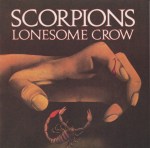
REVIEW: Scorpions – Lonesome Crow (1972)


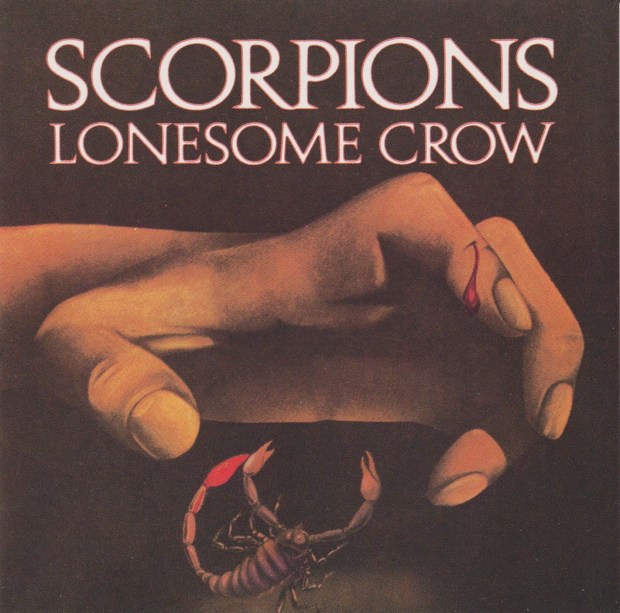
Scan_20150722SCORPIONS – Lonesome Crow
(1972 Metronome)

What an odd album this is, considering where the Scorpions went a decade later. Young kids from West Germany finding their musical feet, Scorpions seemed to be a psychedelic band at the start. Their major asset was the 17 year old guitar prodigy Michael Schenker. Throughout Lonesome Crow, it is Schenker’s sparing solos that hint that Scorpions may in fact be a rock band. Throwing down the wah-wah hard, Schenker hadn’t found his direction yet either, but the talent was clear.

Also obviously gifted was 24 year old singer Klaus Meine. Although his thick accent probably didn’t help gaining international appeal, he sure could wail. The one single scream on opening track “I’m Going Mad” revealed that perhaps there was a rock star here in cocoon form.

Some fans have developed great love for Lonesome Crow over the years. When I first found the album in 1990 (a cassette reissue at a Zellers store), I thought at the time that it was perhaps the worst album I had ever bought. My stance has softened considerably over the years, as I’ve managed to penetrate its foggy haze. I have friends who have offered great praise to Lonesome Crow after ingesting certain intoxicants.

There are indeed some stellar musical moments. The song “Action” for example boats a jazzy walking bassline and some stellar playing. Bassist Lothar Heimberg only ever appeared on this one Scorpions album, and the bass is one of the biggest noticeable differences to later Scorpions records. You just don’t hear busy, walking basslines like this on the rest of their catalogue. Drummer Wolfgang Dziony (also on his only Scorpions album) accompanies him appropriately.


Klaus should grow this beard back.

The factor that makes Lonesome Crow difficult to penetrate is the tendency towards long, meandering (often directionless) psychedelic rock jams. “I’m Going Mad” (though it has no vocals for almost 2 1/2 minutes) is pretty instant, and “In Search of the Peace of Mind” has its moments too. Other songs like “Inheritance” are head-scratchers. One of the most interesting (but also difficult to penetrate) songs is the 13 minute title track. I’m sure a more seasoned band could have trimmed the fat a bit. In general, the album has several flashes of brilliance, but you have to slog through long meandering slow jams to get there.  Producer Conny Plank, he of many Krautrock releases, allows the Scorpions to run wild with their imaginations.

Lonesome Crow isn’t a bad album. One reason it’s unlike other Scorpions records is that they broke up shortly after. When a new Scorpions formed, the only members remaining from this album were Klaus and rhythm guitarist Rudolph Schenker. Michael Schenker was noticed by UFO, who snagged him from the fledgling Scorpions. When the band folded, Klaus and Rudolph joined Dawn Road featuring another smokingly talented guitarist named Uli Jon Roth. Dawn Road was then renamed Scorpions, and together the new lineup began embarking on a harder rock and roll journey. With Roth’s help, and a growing songwriting duo of Klaus and Rudolph, great things were ahead.

2/5 stars

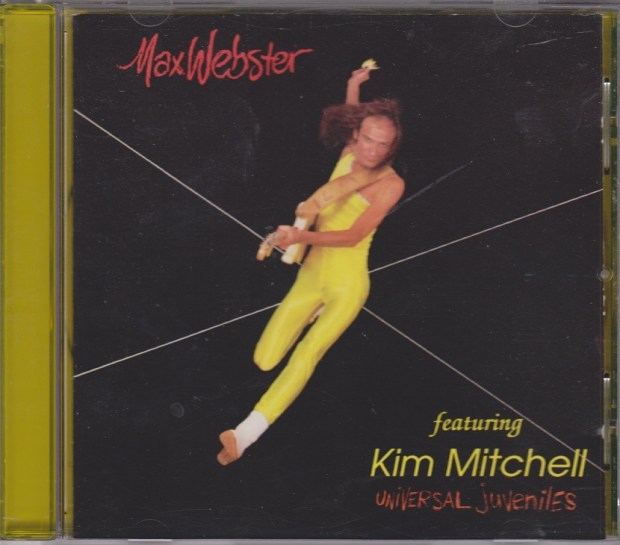
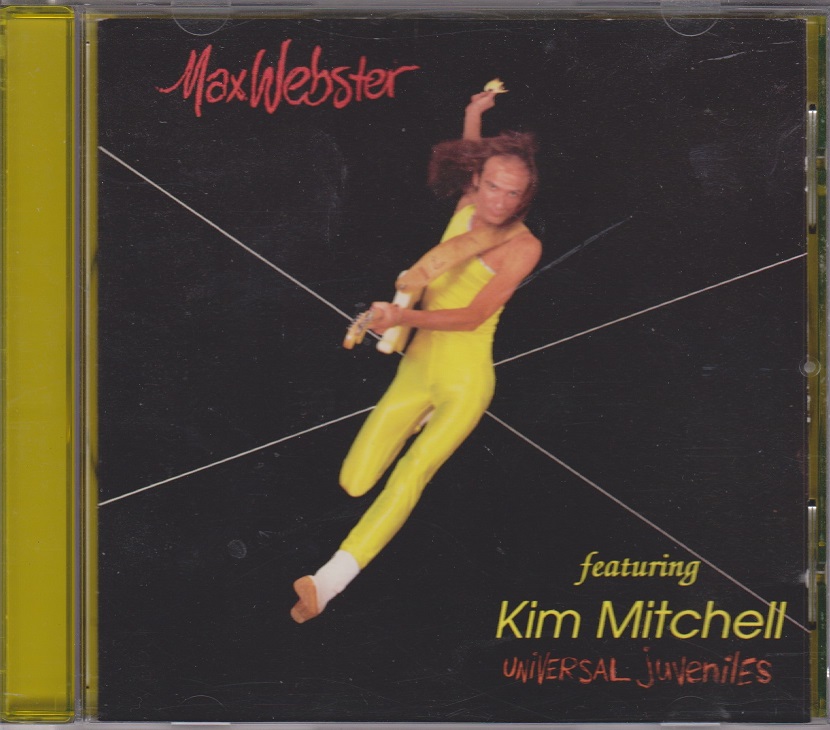
REVIEW: Max Webster – Universal Juveniles (1980)

Scan_20150717 (3)MAX WEBSTER – Universal Juveniles (1980 Alert)

“1980 will be a year long remembered.  It has seen the end of Max Webster, and will soon see the end of Led Zeppelin.” — Darth Vader

All good things must indeed come to an end.  If there was one band — just one band! — out of the Great White North that truly deserved better things, it was Max Webster.  Much like their soul mate, Frank Zappa, Max Webster had successfully inserted humour into complex progressive rock songs.  The big difference was that Max tended to keep it to guitar-bass-keyboards-drums.  Their musicianship was unimpeachable.  Much like Bubbles shouted out “Geddy Lee! Neil Peart! Alex Lifeson!” to emphasize the awesomeness of Rush, I shout “Kim Mitchell! Terry Watkinson! Gary McCracken!”

Maybe it was the skinny balding front man in the tights, the weird but deep lyrics, or the goofy keyboards.  One way or another, Max Webster never saw the success that their friends Rush did, and Universal Juveniles would be the last Max record.  Genius keyboardist Terry Watkinson was out of the band, although he did play on the album.  Kim Mitchell folded the band mid-tour after the record, unable to hack it any longer.

Kim’s smoking chops open “In The World of Giants”, perhaps the world that Rush occupied and Max failed to enter.  Max sound stripped back, with minimal piano and keyboards.  What a song though.  Surely “In the World of Giants” is one of Max Webster’s most breakneck rock songs, albeit with the complexity of riff and licks that you would expect.  At the same time, do I sense a certain amount of fatigue, between the grooves?

There’s no detectable tiredness on “Check”, which will wake you right the fuck up!  There’s nothing like a good, joyous, loaded-with-all-the-guitar-fixin’s Max Webster romp.  Want some shredding?  “Check this out!”  At only 2 1/2 minutes, “Check” is all it needs to be — in and out, the mission of kicking ass all complete.  Yet Max Webster was not about simply rocking, so “April in Toledo” brings some funk.  The classic refrain of “I wanna run to Niagara, I’ll cry and cry in the dark” is joined by gleeful guitars, to create the picture perfect mixture of Max confection perfection.  I’m still sitting here scratching my head wondering how Kim got that weird guitar sound in the solo so perfect, but I’m soon distracted by another awesome chorus.

“Juveniles Don’t Stop” is a Max party anthem; not as memorable as “The Party” itself, but still good to crank with some cold ones.  Don’t get too loaded though — you don’t want to miss the double barrelled blast that is “Battle Scar”.  What could be more epic than a duet with Rush vocalist Geddy Lee?  Oh, how about doing the whole song with Rush — a double trio!  That’s two bass guitars opening the song.  That’s Neil Peart and Gary McCracken providing the dual beats.  (You sure can tell when it’s Neil doing a drum roll, that’s for sure!)  That’s Alex Lifeson accompanying Kim Mitchell in a legendary guitar team-up.  Geddy Lee, in peak voice, provides the vocal chills necessary to top off such an epic alignment.  Truly, “Battle Scar” is not just an important song for Canadian rock, but a track that any serious rock fan should seek out and own.  You simply owe it to yourself to do so.

There’s some sneaky understated goodness in “Chalkers” but I find it to be one of the less memorable tracks.  It’s notable for containing the phrase “universal juveniles” in the lyrics, lending it for the album title.  “Drive and Desire” is a bigger song, a sizeable rocker with a nice bluesy vibe.  McCracken’s drums on this one are purely delicious.  Even better is the slow mournful “Blue River Liquor Shine”.  It foreshadows some of the songs on Kim’s excellent solo EP, Kim Mitchell.  A proud achievement, “Blue River Liquor” does indeed shine with Max classics of the past.

“What Do You Do With the Urge” is a wreckless Max party rocker, just in time to set us up for the final Max Webster song — the last one ever, sadly.  “Cry Out for Your Life” lurches like a wounded soldier crawling to the warmth of safety.  Loads of Max class abound, but there does seem to be less glee, less shimmer.  Perhaps the end was inevitable.  Although Kim and the gang turned in another jaw dropping Max Webster record, something was wrong and it sounds somewhat forced at times.

Kim Mitchell had tremendous success with his solo career in Canada.  Anthems such as “Go For Soda” have been immortalized in our memories, and on our TV sets.  Who can forget the moment in Season 7 of Trailer Park Boys, when Bubbles goes to “rock a piss”, and Ricky responds, “You go rock a piss, I’m gonna get ‘er going with the Mitchell!”  Then: Bubbles peeing to the tune of “Go For Soda”, bopping his head in time with the music!  Just classic.  On the more sentimental side, Kim appealed to the adults in the crowd with “Patio Lanterns” and “Easy To Tame”.  He really aimed to please everybody….

…Except the fans of old, goofy Max progressive rock.  Universal Juveniles is its capstone.

4.5/5 stars

REVIEW: Aerosmith’s Greatest Hits 1973-1988 (1997)

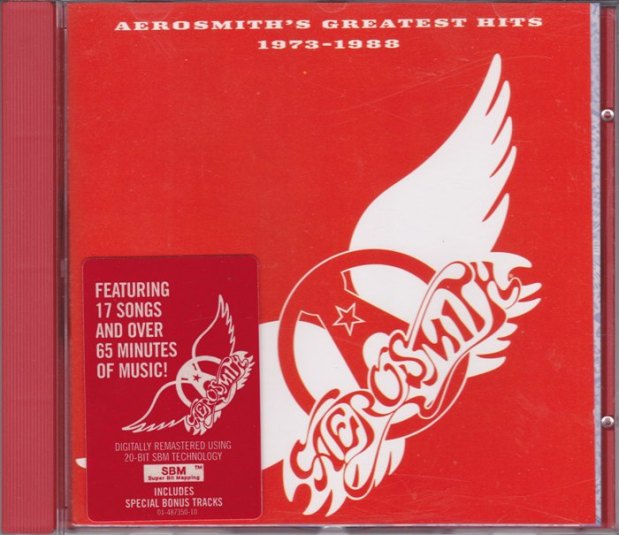
AEROSMITH – Aerosmith’s Greatest Hits 1973-1988 (1997 Sony)

Back in May/June, we took a detailed look at the entire Aerosmith Box of Fire set (1994), including the original Aerosmith’s Greatest Hits (1980).  What we didn’t inspect was the expanded 1997 reissue of Greatest Hits, now dubbed Greatest Hits 1973-1988, including an unreleased track.

Since this CD is based on the original Aerosmith’s Greatest Hits, it contains all the original songs. Because of the greatly expanded tracklist (from 10 to now 17 tracks), it is the preferred listening experience. The title is misleading: If it truly was the greatest hits from ’73 – ’88, wouldn’t “Angel” be included? “Dude”? “Rag Doll”? Yes, but this is the Columbia Records music, not the Geffen stuff. Casual fans don’t know that. Casual fans might see the title and say, “Oh cool…this will have some of the 80’s music on there.” No, it doesn’t.

“Chip Away The Stone” was released on CD for the first time on 1988’s Gems album, and there are a lot of fans out there who would name this as a favourite.  Putting it on the expanded Greatest Hits is what we in the reviewing world might call a “no-brainer”.  It elevates the album to a whole new level.

“Seasons of Wither” is a beautiful one from the early days, an acoustic number just a little different than your typical “ballad”. Fantastic song. “Big Ten-Inch Record” is loaded with horns and soul and sounds like classic Aerosmith. Be glad these tunes were added, among others. They’re all still great today, and not overplayed on radio or in concert. Of course you still get the songs you know, such as “Dream On”, “Same Old Song and Dance”, “Sweet Emotion”, and all that good stuff.

One unreleased song is present: A live version of “One Way Street”. This is actually a more recent recording from 1994 (so what’s this 1973-1988 nonsense?), and was also on a Walmart exclusive EP called Made in America in 1997.  “One Way Street” is a debut album classic, and oh so very welcome here.  It was recorded for radio broadcast, and the setting sounds intimate.  Steve’s harmonica work is the high point of this great little-known song.

I used to advise fans to pick this up instead of the old, cheaper Greatest Hits.  Today you can find it for under $5 if you know where to look.   The price has dropped considerably since I paid almost $28 for it on US import!

5/5 stars
AEROSMITH BOX OF FIRE complete reviews:

Disc 1: Aerosmith (1973)
Disc 2: Get Your Wings (1974)
Disc 3: Toys in the Attic (1975)
Disc 4: Rocks (1976)
Disc 5: Draw the Line (1977)
Disc 6: Live! Bootleg (1978)
Disc 7: Night in the Ruts (1979)
Disc 8: Aerosmith’s Greatest Hits (1980)
Disc 9: Rock in a Hard Place (1982)
Disc 10: Classics Live! (1986)
Disc 11: Classics Live! II (1987)
Disc 12: Gems (1988)
Disc 13: Box of Fire Bonus Disc (1994)

REVIEW: Alice Cooper – The Alice Cooper Show (1977)

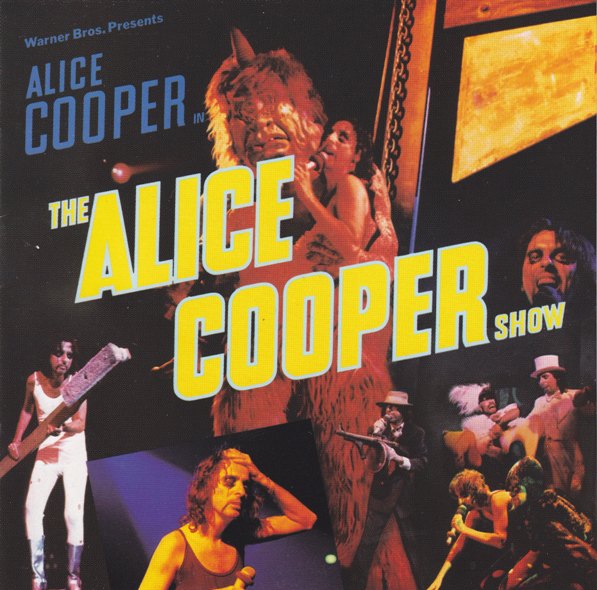
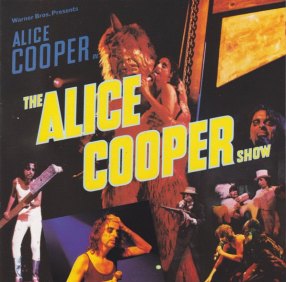
THE AC SHOW_0001ALICE COOPER – The Alice Cooper Show (1977 Warner Bros.)

The Alice Cooper Show is far from a perfect example of Alice in the mighty 1970’s — for a much better live album experience, pick up Billion Dollar Babies (the deluxe edition) which contained a live album recorded by the original Alice Cooper band.  Having said that, the band here are not slouches.  Dick Wagner and Steve Hunter were great guitar players who defined the late 70’s period of Alice. However, the albums were starting to slide — Go To Hell and Lace & Whiskey were more notable for ballads like “You And Me” and “I Never Cry” rather than idiosyncratic Cooper rockers or horror tunes.

The recording of this album is fine, but the record is far too brief. Aside from the fact that there are too many ballads (time-wise, over a quarter of this album are ballads!), a lot of the songs are truncated versions. “Sick Things” for example is less than a minute as it segues into “Is It My Body”. Likewise, there is an “I Love the Dead”/”Go to Hell”/”Wish You Were Here” medley where I wish I could have had more.  Then again, Alice has always done medleys of tunes, since he has so damn many.

I have nothing negative to say about the singing or performance.  The band were outstanding, featuring some of the best players Alice has shared the stage with.  They even featured Canadian bassist Prakash John who was previously in the original band Bush with Dominic Troiano (R.I.P).  It’s hard to say exactly why The Alice Cooper Show doesn’t completely click.  Certainly the medleys and song excerpts make it feel like an overly rushed affair, and even considering that, it’s missing too many great tunes.  “Elected”, “No More Mr. Nice Guy”, and “Welcome to My Nightmare” would have been perfect.*  Perhaps Warner should have shelled out for a full-on 2 LP set?  But Alice was a fading property in 1977, with an infamous stint in rehab to follow.

This record fails to deliver what Alice was really about.  The album cover gives it all away.  It looks rushed, with truncated images of Alice and his live show.  Serious fans will need it to complete the collection. Otherwise, stick to the Billion Dollar Babies deluxe package for a seriously awesome live 1970’s Alice experience.

3/5 stars
THE AC SHOW_0003

* Looks like a lot of those songs were dropped from the set in ’77.

#414: Get the Firehouse!

RECORD STORE TAKES MkII: Getting More Tale
#414: Get the Firehouse!

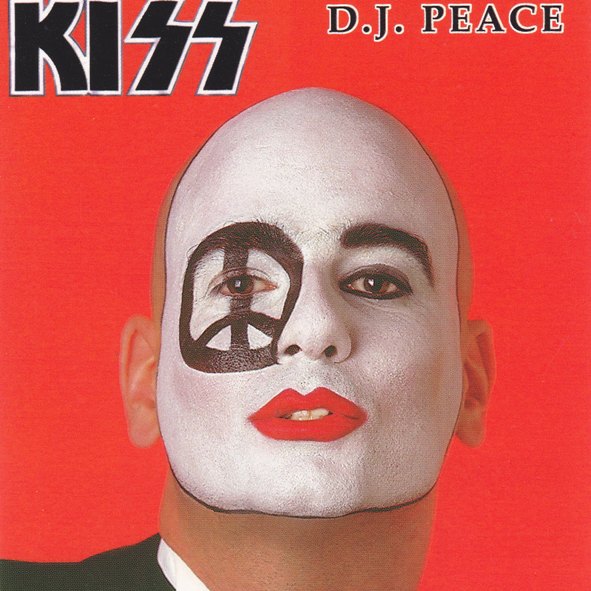
Initially, I wanted to do a post called “Miscellaneous Mailings”, with all sorts of fan club and fanzine paraphernalia.  Once I started digging through said bags and boxes of postal  paraphernalia, I realized I had enough Kiss curiosities here just to do a post on them alone.

Canada’s Firehouse Magazine’s claim to fame was being the longest running Kiss fan club in world.  Based out of Surrey BC, I first became aware of Firehouse via Len, a customer of mine at the Record Store.  They had an actual mail order service where you could buy Kiss bootlegs, both audio and video.  That must have really chapped Gene’s ass.  We all know how much Gene likes fansites and fanzines….

Len gave me the Firehouse catalogue which I used to buy a live tape and some back issues.  There are plenty of cool things inside these books to drool over.  News about concert dates, new releases, chart positions and set lists were regular.  There are even exclusive interviews!  The Sept./Oct. 1996 issue features the Ace man himself!  I really like the personals ads in the back.  “Hey Kissexy female Kiss fans of all ages!  I will answer all!”

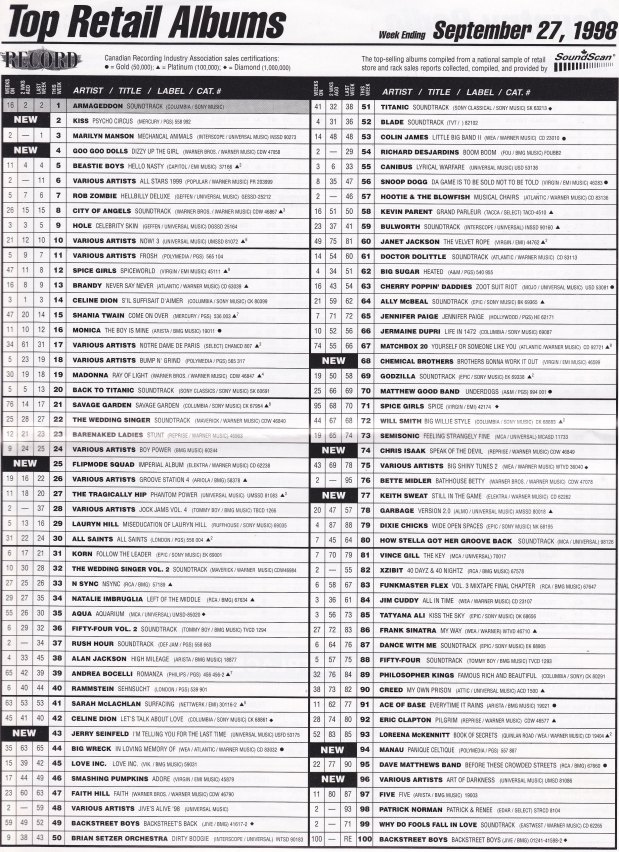
Other neat things I found in the bag o’ mail:  bumper stickers, an official Kiss catalogue, and the sales chart from Canada’s The Record magazine, showing Kiss’ Psycho-Circus debuting at #2 on the top retail albums!  The only thing that held it back was the Armageddon soundtrack, which jumped to #1 after 16 weeks on the charts.  Take a look for yourself, and bask in the nostalgia of a period that boasted such luminaries as Spice Girls and Backstreet Boys on the charts.

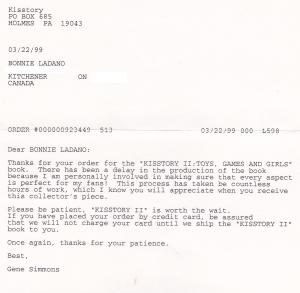
KISS KOLLECTIBLE_0001Lastly, and certainly not least:  an unsigned letter from “Gene Simmons” to my mom, who put the Kisstory II book on her credit card.  Gene was apologizing for a manufacturing delay that had caused the book to be several months late.  He assured my mom that her credit card would not be charged until the book shipped.  How kind of him!  I thought this was amusing, so I kept the letter!  I’m sure my mom appreciated hearing it from Gene personally.

Enjoy the treasures below from my bag o’ Kiss!

KISS KOLLECTIBLE_0005

#413: Just for the record, Meat’s gonna put it down (Guest shot)

RECORD STORE TALES MkII: Getting More Tale
#413: Just for the record, Meat’s gonna put it down

By special request of Aaron at the KMA, yesterday I ranked all the Marillion studio albums in order of preference (see #412: Just for the record, I’m gonna put it down).  It’s not an easy thing to do, because any band with two distinct phases (and lead singers) is going to have lovers and haters of both, as well as fans who can accept both equally.

During Sausagefest weekend 2015, I discussed my already-completed list with Uncle Meat, who also wanted to take part.  He has his own feelings about Marillion’s discography.  In fact he only listed six albums.  Meat is very much a “Phase One” fan, a follower of Fish who had a hard time accepting the changes that occurred after Seasons End.  It’s important to note that Seasons End was mostly written (musically) with Fish.  After that album, the band had to come up with new material for the new singer, and that is when they started to write very differently from before.  It’s not Steve Hogarth’s fault, in Meat’s eyes, just the way the band wrote for and with him.

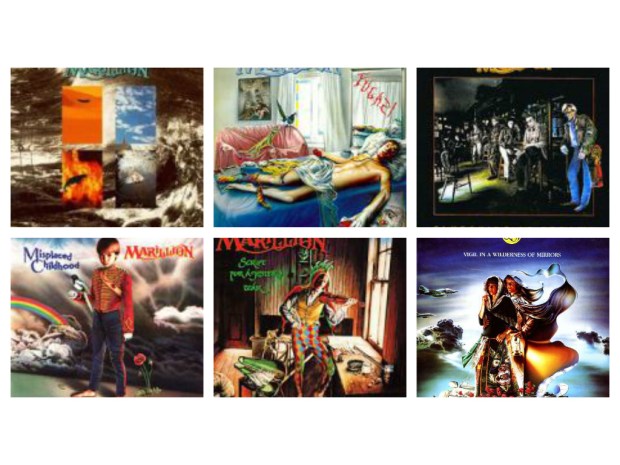
Here are Uncle Meat’s top Marillion albums, without commentary.  He’s going top down:

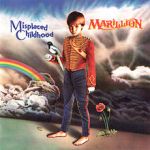
MISPLACED1. Misplaced Childhood (1985)

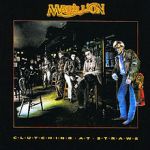
CLUTCHING2. Clutching at Straws (1987)

FUGAZI3. Fugazi (1984)

SCRIPT4. Script For A Jester’s Tear (1983)

SEASONS5. Seasons End (1989)

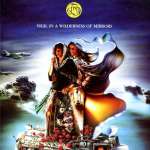
6. Vigil In A Wilderness of Mirrors – Fish (1990)

How’s that for a “Big Wedge”? More Marillion tomorrow!

#412: Just for the record, I’m gonna put it down

RECORD STORE TALES MkII: Getting More Tale
#412: Just for the record, I’m gonna put it down

By special request of Aaron at the KMA.

Marillion have 16 studio albums: Four with original poet and singer Fish, and 12 (going on 13) with Steve “H” Hogarth. (I’m not counting the album of acoustic versions called  Less Is More.) Like any band who have had more than one beloved singer, it is very difficult to try to arrange their albums in any sort of rated order. How can you compare an album like Brave to Fugazi? They are nothing alike. They share similar DNA, and the ambition to play intelligent rock music, but to say one is better than the other? I wouldn’t want to do that.

But I must. This was a request. I have to oblige.

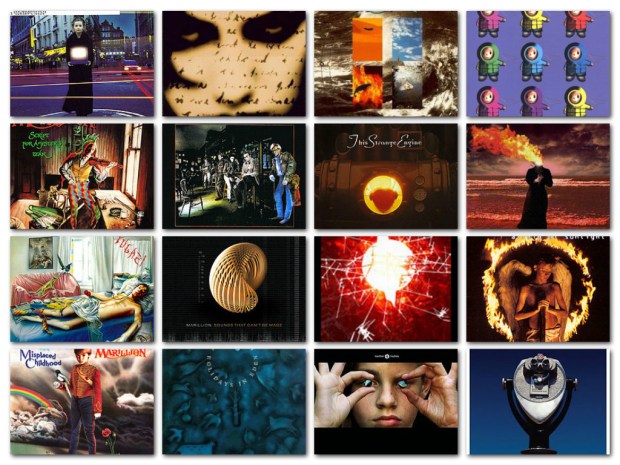
Starting from the bottom, here are Marillion’s studio albums from weak to strong.

SOMEWHERE ELSE16. Somewhere Else (2007). Following an album like Marbles (2004) is damn near impossible. Somewhere Else has never completely clicked with me and it remains foggy in my memory.  Incidentally, the vinyl version has three live bonus tracks and a slightly shuffled song order, as well as a warm sound that benefits the listening experience.


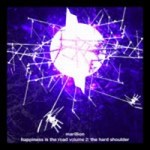
HAPPINESS ESSENCEHAPPINESS HARD SHOULDER15. Happiness is the Road (2008). Consisting of a massive eight sides of vinyl (!), Happiness is the Road is broken into two albums: Essence, and The Hard Shoulder. While both discs contain memorable songs such as “This Train is My Life”, the set is too sprawling and slow to be enjoyed frequently.  (The vinyl version contains bonus live tracks from the album Happiness is Cologne.)


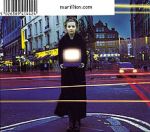
DOT COM14. marillion.com (1999). I love that the band were digging into trip-hop and writing catchy poppy songs, but as a whole the album doesn’t rank higher than…


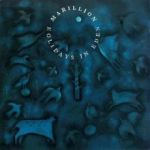
HOLIDAYS13. Holidays in Eden (1991). Some like it, some consider it too commercial. I fall into the second category.


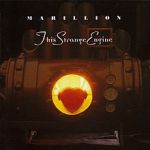
THIS STRANGE12. This Strange Engine (1997). I still like this mostly acoustic album (I own three copies), but it’s a departure. Iron Tom Sharpe calls this “the one that sounds like Hootie and the Blowfish”. It retains progressive moments but also stretches out into celtic folky sounds and tropical celebrations.


ANORAKNOPHOBIA11. Anoraknophobia (2001). A decent album, a bit long winded but a progression over 1999’s marillion.com


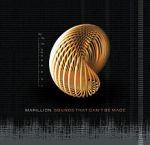
SOUNDS10. Sounds That Can’t Be Made (2012). I think Marillion really grabbed this album by the balls. It’s fearless.


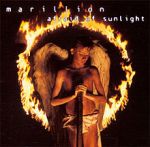
AFRAID9. Afraid of Sunlight (1996). This middle grouping of albums on the list are really so close it’s meaningless. It’s splitting hairs to put them in a meaningful order. Afraid of Sunlight scores high due to the excellent title track.


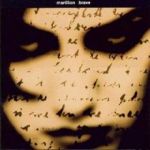
BRAVE8. Brave (1994). This is where Marillion-with-Hogarth really came into their own. It is still one of the most ambitious Marillion albums and an emotional roller coaster of a concept record.  There’s also a heavy 10 minute jam released as a B-side called “Marouette Jam” that necessitates buying of the remastered 2 CD edition.


SEASONS7. Seasons End (1989). The most difficult album of a career is gonna be the first album with the new singer. By retaining their classic sound with a few new twists and a new charismatic frontman, Marillion successfully rode through the transition.


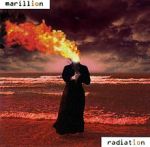
RADIAT10N6. Radiation (1998). I love this noisy reject of an album. It’s brilliant.


SCRIPT5. Script For a Jester’s Tear (1983). Fish finally makes his first appearance on this list with the very first Marillion album. Genius poetry but complicated tunes make this one a jagged-edged favourite.


MARBLES4. Marbles (2004). Marillion’s first double CD studio album, never wearing out its welcome. Like Brave, but grilled to perfection and with all the accouterments.


FUGAZI3. Fugazi (1984). Fugazi is not an easy album to get into, with a pugnaciously opaque second side. The first side is pure genius.


MISPLACED2. Misplaced Childhood (1985). The record company shit their pants when they heard that Marillion were doing a concept album for their third record. The band had written two 20+ minute pieces of music tentatively titled “side one” and “side two”. After honing it live, they unleashed Misplaced Childhood to the stunned masses.


CLUTCHING1. Clutching At Straws (1987). It not difficult to put Clutching at Straws as #1. It is one of Marillion’s most beloved, and Fish’s favourite. The dark poetry and sharp songwriting makes it a timeless perennial favourite, never stale, and always revealing new facets to its personality. An utter classic.


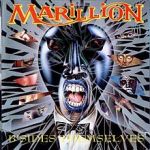
THIEVING BSIDESMarillion have numerous live albums (I lost count but well over 50 or 60) and greatest hits with exclusive material to boot. Ranking those is all but meaningless. Having said that, one essential purchase for a serious Marillion fan is their first double live, The Thieving Magpie (1988). This epic contains a full performance of Misplaced Childhood, as well as non-album cuts like “Freaks”. Another great record to own is B’Sides Themselves (also 1988), containing some of Marillion’s most memorable B-sides.  These include the 18 minute epic “Grendel”, and more concise classics such as “Tux On” and “Market Square Heroes”.

Dig into some Marillion and see what the frak you’ve been missing!

REVIEW: Helix – It’s a Business Doing Pleasure (1993)

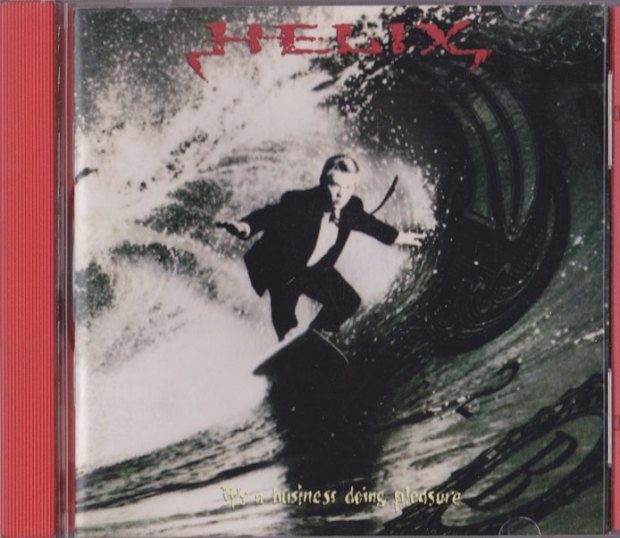
ITS A BUSINESS DOING PLEASURE_0002HELIX – It’s a Business Doing Pleasure (1993 Aquarius)

This is a good album — but it’s utterly ridiculous to see Amazon sellers asking $125 for a CD that I used to sell in store for $8.99.

After the death of guitar player Paul Hackman, killed in a tragic bus accident prior to this, Helix decided to carry on, somehow. Before the crash that prematurely ended the talented guitarist’s life, he and Brian Vollmer had been working on two separate projected discs. Brian had written songs with Marc Ribler, as he did on the previous record Back For Another Taste, which were earmarked for a solo album.  Meanwhile, Hackman was writing music for the next Helix album. When it came time to pick up the pieces and carry on, there wasn’t much written for Helix.  Although he regrets doing it today, Brian Vollmer decided to use the Ribler songs for the Helix record.

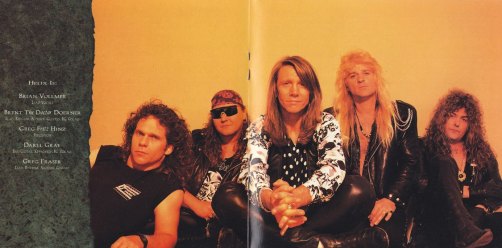
Vollmer recorded the album with Ribler, bassist Rob Laidlaw, and former Helix drummer Brian Doerner.  Having spoken to Doerner about this album, I know he felt it was strong and underrated.  I would have to agree.  Vollmer also needed a new Helix band to take the album on tour.  Greg “Fritz” Hinz and Daryl Gray remained on board.  Though they did not play on the album, they are pictured inside.  For the vacant guitar slots, they recruited former Brighton Rock guitar maestro Greg Fraser.  Even more exciting to fans was the return of Brent “the Doctor” Doerner.  This was easily the most exciting band lineup since the 1980’s.

ITS A BUSINESS DOING PLEASURE_0003

The record was a definite change of pace, due to its genesis as a Vollmer solo album.  Starting off, it’s instantly noticeable a Nashville influence .  Almost every song has that terrific old school Fender guitar sound, but with a rock n’ roll edge–a little like Mark Knopfler.  The songs are by and large a lot softer and more radio-ready, but also significantly more melodic and memorable.  “Classy” is a good word to describe the direction.

The first single “That Day Is Gonna Come” is upbeat, a tribute to the life of Paul Hackman. Next to “Billy Oxygen”, I think it’s possibly the best song they’ve ever done.  It received an excellent music video loaded with Brian’s own video-8 footage recorded over the years on the road. Just about every major Helix members appears in the footage.  It’s hard not to get nostalgic. Have you been to any of those towns? This is the best video Helix have made yet.

“Tug Of War” would have made a great hit, but sadly the record company weren’t behind the album enough to push it. Vollmer and Fraser did an acoustic rendition of this ballad live on MuchMusic, a recording I’m glad to have on VHS. The album version is more bombastic but just as good. “Wrong Side of the Bed” and “Can’t Even Afford to Die” are both upbeat acoustic rock tunes with lush backing vocals. Think John Cougar meets Helix. Lyrically, Brian was writing about subjects people could relate to, rather than pining over Joan Jett. Being broke, being hurt, but keepin’ on keeping on. Still upbeat but a little harder is “Misery Loves Company”. There are some dirty guitars and driving piano, but we’re still driving in the country. Even without a heavy rock band behind him, Brian’s voice keeps it in the realm of Helix.

“Look Me Straight in the Heart” was supposed to be a video. This power ballad is a duet with Brian and Canada’s Metal Queen, Lee Aaron. The video funding was pulled when Aaron couldn’t appear in the clip with Vollmer. It’s too bad, because it’s a great song and I love hearing Lee Aaron belt it out. Lee Aaron and Brian Vollmer singing a ballad? How could it not have balls! (Just enough.)

“Trust the Feeling” is largely forgettable balladry, but “Love is a Crazy Game” is haunting and quiet. There is a heavier, electric version on the B-Sides CD, and it’s hard to choose which is best. This one is certainly more unique. Of course, you can’t have too many ballads in a row, and they were pushing it with three, but thankfully “Sleepin’ in the Dog House Again” will wake you from your slumber. Kim Mitchell dropped in to play one of his typical gonzo guitar solos, topping off the only real ass-kicking rocker on the album. The closing song “Mad Mad World” (not the Tom Cochrane tune) is one of the best. Who doesn’t love whistles? Humorous lyrics and a great chorus help to end the album in style.

Some lamented that Helix “softened up” on the album; others admired the growth and maturity. Brian Vollmer called the record “a huge mistake on my part, and I take full credit for the blunder. The really sad thing about it all was that I was really proud of all those songs on the album and they were wasted because they did not fit under the Helix name.”

I’d hate to think of those songs wasted, because here I’ve been enjoying them for over 20 years. Perhaps under another name they could have been hits, perhaps not. In the end, this album helped Helix stay a band. It gave them something of quality to release in the wake of their greatest tragedy. It allowed the band to get out and play supporting it. Ultimately, those who were unhappy about the direction would satisfied by the heavy songs on the next album, 1998’s half-ALIVE.

I’d be happy if this album got a little more recognition, so here’s me doing my part.

5/5 stars
REVIEW: Alice Cooper – Welcome To My Nightmare (1975)

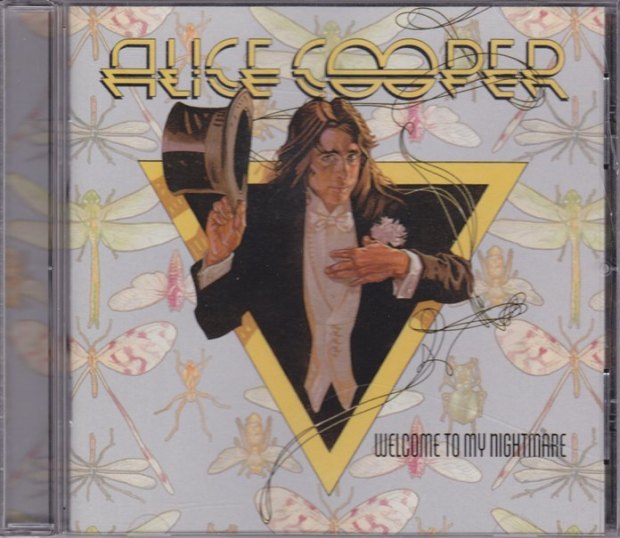
WELC0ME TO_0001ALICE COOPER – Welcome To My Nightmare (1975)

My sister used to have a tradition.  Because I’ve always been a collector, she would have an easy time buying gifts for me as a young rock fan.  When I was 17 years old,  I only had a few albums by certain artists.  She’d sneak into my room and go over my collection.  She saw that I only owned a few of Alice Cooper’s:  Trash, Prince of Darkness, Billion Dollar Babies, and Greatest Hits.  For Easter of 1990, she got me Alice’s Welcome to My Nightmare.  Not knowing what to except from the Coop, it was pretty much instant love.

I played that cassette a lot and grew to know its track sequence, which was completely different from CD.  Later on I purchased the original CD release, but what Welcome To My Nightmare needed (and the rest of the Cooper catalogue needs) is a proper remaster with bonus tracks.  Rhino took care of that in 2002.

Now the album itself sounds so much better than the original CD. This sounds more like vinyl, the way it should, rich and deep. The liner notes, unfortunately, are somewhat crappy. They basically just explain to the youth of today why Alice Cooper is cooler than the bands they like. There’s not much about the genesis of the album, which is disappointing. This is, after all, the very first solo album by Vincent Furnier aka Alice Cooper. By 1975, the Alice Cooper band (Furnier, Michael Bruce, Dennis Dunaway, Neil Smith, and the late Glen Buxton) was no more. Never again would they share a stage or a recording studio, at least the original five.  The four survivors did finally re-team for a couple songs on 2011’s sequel, Welcome 2 My Nightmare.

Welcome To My Nightmare was a revelation to me when I received it, and it is still mind-blowing today. I think that is due to the production talents of Bob Ezrin. The man who later produced Destroyer and The Wall really came into his own on this album. His production is, for lack of any better words, jaw dropping. You can totally tell it’s him, if you know his style well enough: that creepy horror movie piano, all the orchestrations, sound effects, the kids singing. Those are trademarks. My favourite moment for the kids was in the song “Department of Youth”. Cooper and the kids sing in the fade-out:

Together – “We’re the Department of Youth, ahh ahh, we got the power!”
Alice – Who got the power?”
Kids – “We do!”
Alice – “And who gave it to you?”
Kids – “Donny Osmond!”
Alice – “WHAT?”

Loosely, this is a concept album about the kind of nightmares Alice would have.  The result was a collection of remarkably timeless and classic songs:  “Only Women Bleed”, “Black Widow”, and “Escape” for example. “Escape” is the most straightforward rocker on the album, and a joy it is. The rest is often more complex, arrangement-wise and lyrically.

The title track is a fun rollercoaster ride with epic horns.  Same with “Devil’s Food” and “The Black Widow” which work together as a creepy classic featuring Vincent Price.  I would not want to live my life without these songs.  Alice is nothing if not diverse, and then “Some Folks” sounds showtune-y.  “Only Women Bleed” is the famous ballad, often misunderstood, but respected enough to be covered by artists such as Lita Ford, Tina Turner, and Etta James.

“Department Of Youth” and “Cold Ethel” are more rock and roll, and why not?  What better genre to sing about rebellion and necrophilia?  It’s worth pointing out the guitar charms of Steve Hunter and the late Dick Wagner.  These two incredible players, under the guidance of Ezrin, lent Welcome To My Nightmare the rock edge that it needed, lest it be swallowed up by the dramatic tendencies.

Of course, Welcome To My Nightmare features the first-ever appearance of the character of Steven. “Years Ago” has Alice singing in this incredibly creepy little-kid voice, as Steven. Then the song “Steven” kicks in, and it’s even creepier, but very epic in scale. Alice is at his most effective here.  Steven would pop up many times, such as on the next album Alice Cooper Goes To Hell, 1991’s Hey Stoopid, 1994’s Last Temptation, and the more recent Along Came A Spider.  Whether it’s supposed to be the same guy, or just a character who shares the same name, I do not know.

The bonus tracks are alternate versions of “Devil’s Food” (much extended), “Cold Ethyl”, and “The Awakening” with alternate lyrics and more Vincent Price! Not available on the Life and Crimes of Alice Cooper box set! These three tracks alone, to the Cooper collector, necessitate a re-buy.  The improved sound probably would have hooked them in anyway.

I could never say, “If you only buy one Alice Cooper album, buy this one.” The reason I can’t is that almost every album by the original Alice Cooper band was monumental, particularly School’s Out and Billion Dollar Babies. However, if you buy two or three Coops, please make one of them Welcome To My Nightmare, remastered!

5/5 stars
* There is also a DVD Audio of this album mixed in 5.1 by Bob Ezrin himself!

REVIEW: The Cult – Rare Cult (7 CD limited box set)

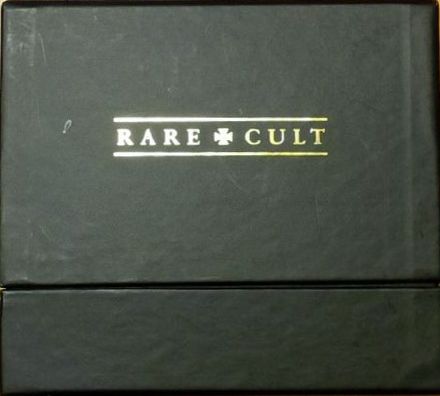
THE CULT – Rare Cult (2000 Beggars Banquet box set with limited 7th remix CD)
Rare Cult is a feast of rare and unreleased Cult music, for the Cult connosoir only. If you’ve been a Cult fan for a while but have struggled to find those early singles, then this is your dream box set, my friend.  They have a lot of singles and assorted rarities, and acquiring a complete set of them all takes money.  Rare Cult secures a huge chunk of that music in one package.

I’m not going to bother cataloging all the different tunes and where they came from.  They’re too numerous but I will say the following:

1. This set has an enormous number of unreleased demos and otherwise finished songs that nobody had heard before — not previously released on B-sides. The songs range from the Dreamtime era (1984) with some cool, unheard BBC performances.  Over six discs, it spans over a decade to 1995 when the band broke up (for the first time). All tracks are of very good sound quality.

2. There is a humongous (80 page) booklet inside, with complete credits and details for every single song contained within.  Billy Duffy and Ian Astbury provide commentary, and there are lots of photos too.

3. There are a lot of remixes here, as per normal for a band from this era. In fact there is an entire seventh limited edition bonus disc dedicated single remixes, called Rare Cult Mixes.  I don’t know how many copies were released with the bonus disc, but be sure of what you buy before you buy it! Personally I don’t see the point of buying this set without the seventh disc. For example, the “Fire Woman” single had two excellent remixes: The “LA mix”, and the “NYC mix”. The NYC mix is included on the Disc 5 of this box set, but to get the LA mix, if you don’t have the “Fire Woman” single, can only be had on the limited edition seventh Rare Cult disc. If you’re a collector (which I think you are, because if you’re not you probably stopped reading this already) then there’s no reason to buy the version without the bonus CD.  Wait it out and get the full package.

4. Peace. While astute fans had probably collected most of these tracks already, this box set contains the first ever official release of the Peace album, in sequence on disc 3. The Cult were working on Peace after the Love album, and even finished it, but scrapped the recordings for being too Love-like. They hooked up with Rick Rubin to revamp, re-write, and re-record the album, released as Electric. Many of the Peace songs surfaced as B-sides over the years, on singles and EPs such as The Manor Sessions.  While Rare Cult was the first release of the full Peace album, it has since been reissued as part of the Electric Peace two disc set.

5. Warning! There’s more. If you really, really, really want it all, you have to shell out for the single CD Best Of Rare Cult which had five exclusive songs not included here. Oh, marketing.  The five exclusives on Best of Rare Cult are:  “She Sells Sanctuary (long version)”, “Spanish Gold”, “The River”, “Lay Down Your Gun (version two)”, and “Go West (Crazy Spinning Circles) (original mix)”.  Some of these songs, such as “The River”, are B-sides, while some are unreleased.

6. There’s even more! Yes, there are demos here, but that’s not all of them. The masterminds behind this set cleverly left off enough demos to create a whole other box set. You’ll want to pony up for Rare Cult: The Demo Sessions (an even more limited edition 5 CD set of its own) which is interesting in its own right. Look at Rare Cult as scratching the surface.

7. Even with all this stuff available out there, The Cult liked to include live songs on their singles. None are present here. Be forewarned, you may still want to get those original singles anyway, if you care enough!  Maybe they should do a box set called Rare Live Cult.  (Are you listening Ian?)

As a listening experience, Rare Cult is long but rewarding. One thing about The Cult, they were a diverse band, and this set is very diverse. For example you’ll go from a very dancy 80’s remix of “Sanctuary” straight into “No. 13” which is more punk influenced. Regardless of what it is, or what it isn’t, I think this set is worth listening to. Even their demos are better than most bands’ album tracks.  Like many bands who released numerous single B-sides, The Cult put effort into all their songs.  Check out “Sea and Sky”, “Bleeding Heart Graffiti” and “Bone Bag” as ample proof.

The packaging is quite nice. It comes in a sturdy black box. The aforementioned booklet allows you to read through the whole history of the band up to 1995.  The first six discs are housed in three double digipacks, while the seventh disc sits in its own sleeve tucked into the box.

You might not very often have the luxury of 8-9 hours to listen to the Cult, but if you’re a fan, think hard and consider your buying options.
4/5 stars