Part three in a series on singles from Def Leppard’s Adrenalize, including hard to find B-sides!
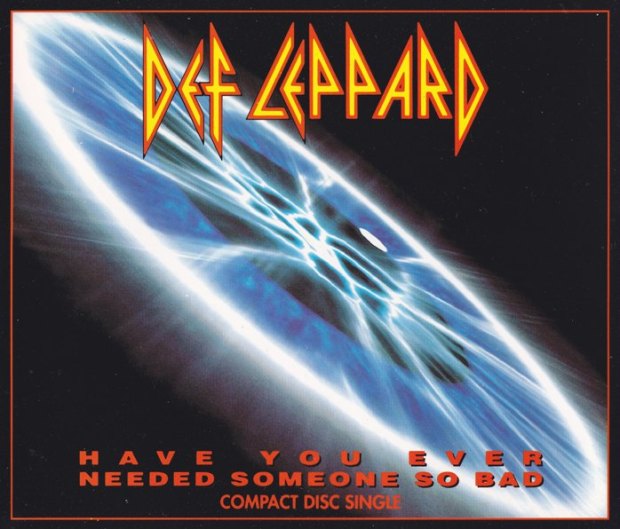
DEF LEPPARD – “Have You Ever Needed Someone So Bad” (1992 Phonogram CD single)
On their last single, “Make Love Like a Man”, Def Leppard released their first acoustic recording in a song called “Two Steps Behind”. This time, they went all-in. Not content with a couple acoustic guitars, Joe called up some friends from Hothouse Flowers (Fiachna Ó Braonáin, Liam Ó Maonlaí, and Peter O’Toole) and formed an octet* called the Acoustic Hippies from Hell! As the Acoustic Hippies, they did three songs: an unreleased Joe original called “From the Inside” and two covers. The Flowers brought tin whistle, piano and mandolin to the table.
“From the Inside” is a haunting number, with Joe singing about addiction from the perspective of the drug. “I’ll shoot through your veins, I’ll drive you insane.” Joe first played it for a television program called Friday at the Dome. Liam Ó Maonlaí and he played it together as an experiment in artists from two different fields colliding. Joe liked the song enough to record it here with the Acoustic Hippies. This song was re-released in 1993 on Retro-Active, but added the original count-in from the session. It’s certainly a good song but not easy for some Leppard fans to appreciate.
The guys then jam on 7 1/2 minutes of “You Can’t Always Get What You Want”. This is a highlight of the single, a fantastic version that deserves more attention. You might be surprised just how good this is. It sounds 100% live, with people calling out cues and hoots and hollers. Almost as good is Hendrix’s “Little Wing”. Softer and less rambunctious, it is haunting more like “From the Inside”. Thankfully these two tracks were later reissued on the Adrenalize deluxe edition.
These three B-sides completely outshine the A-side, the putrid “Have You Ever Needed Someone So Bad” from Adrenalize. This annoying title is only slightly worse than the song itself, one of the most by-the-numbers ballads that Def Leppard have foisted upon the fans. Of course it became a top 10 charting single in the US.
3.5/5 stars
* There are no drums but Rick Allen is credited for “acoustic inspiration”.
Part two in a series on singles from Def Leppard’s Adrenalize, including hard to find B-sides!
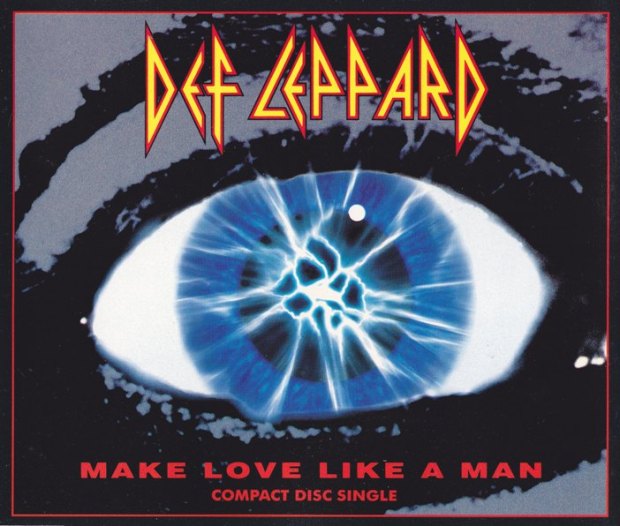
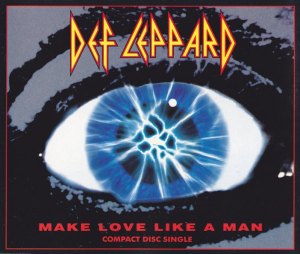
DEF LEPPARD – “Make Love Like a Man” (1992 Phonogram CD single)
For the life of me, I couldn’t understand why this song from Adrenalize was ever chosen as a single, let alone the second one. As stated in my album review, it “sounds like a hard rock version of a Shania Twain hit”. No thank you.
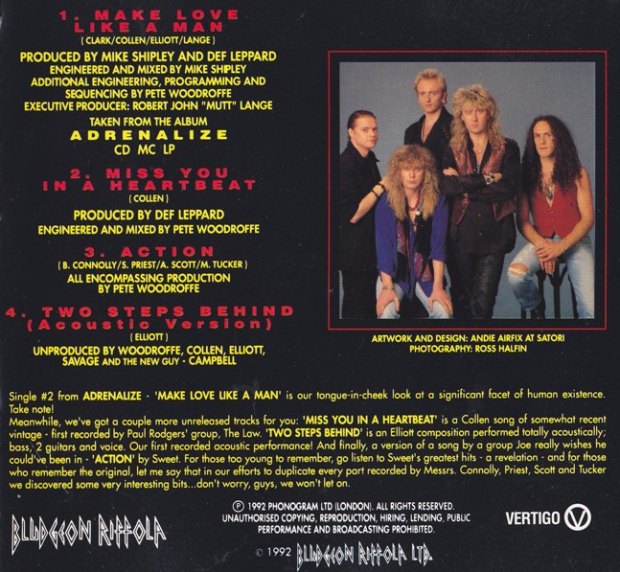
Def Leppard singles are always exciting for collecting B-sides, but “Make Love Like A Man” was the first one to include three brand new songs. Each one was completely different from the other, while remaining of very high quality.
First up is a not-cover of “Miss You In A Heartbeat”, originally recorded by Paul Rodgers’ band The Law. Phil Collen wrote it, but The Law was first to release it in 1991. Atmospheric, moody, but bright, it was a worthy successor to the lofty heights of Hysteria. It’s superior to some of the songs that made it to Adrenalize, and it’s certainly better than its own A-side. In fact, a bare piano version was later as released as a single in its own right, supporting Retro-Active in 1993.
Next is cover of The Sweet’s “Action”. This is the original mix. The one on Retro-Active has re-recorded snare drums and possibly additional backing vocals. Leppard have played this one live, steadily for years. It fills the niche of a solid rocker with a solid riff needed on this otherwise fairly mellow single. Like “Miss You In A Heartbeat”, it too was released as a single in 1994, but with the re-recorded drums.
“Two Steps Behind” was the band’s first ever acoustic recording, a trend picking up at the time. It was a bit of a throw-away at the time, with a sparse unadorned arrangement and a pleasant but ordinary melody. However, it too was released a single as well! It was chosen for Arnold Schwarzenegger’s Last Action Hero soundtrack, and had strings added courtesy of Michael Kamen. Once again this is the original version and the first to feature “new guy” Vivian Campbell!
In the context of 1992, this was a pretty special single. Viv’s first Leppard recording, Lep’s first acoustic foray, and some quality tunes ensured solid play time that summer. A-side aside, this was Leppard’s most satisfying single for the dollar yet.
Do you wanna get rocked? Time for a new series! When we looked at the deluxe edition ofDef Leppard’s Adrenalize, it was noted that many B-sides from that era were missing. Songs such as “Only After Dark”, “Miss You In A Heartbeat”, “Action”, “From The Inside” and “She’s Too Tough” were not included on that disappointing deluxe. Fortunately, LeBrain HQ has a stack of Def Leppard CD singles right here, to help inform readers where you can get the original versions of these tracks. Let’s get rocked!
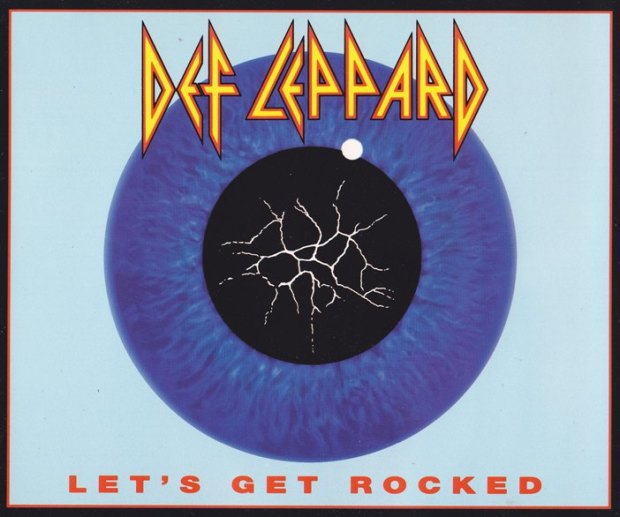
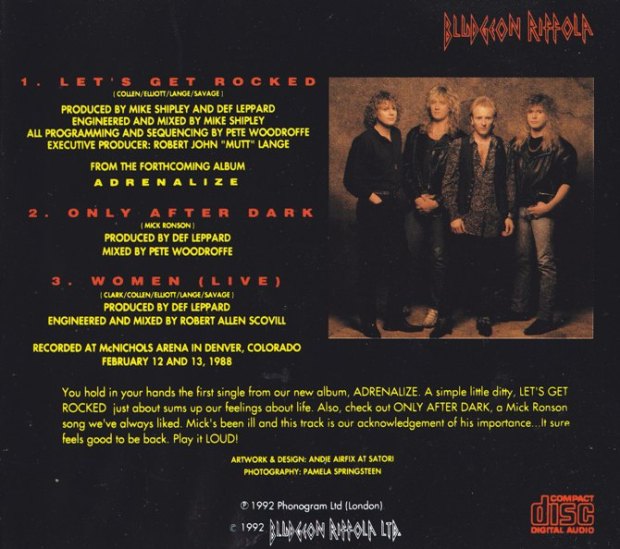
DEF LEPPARD – “Let’s Get Rocked” (1992 Phonogram CD single)
Hell and back — those words are as good as any to describe Def Leppard. This, the first Def Leppard single in what seemed like ages, was also their first single without “Steamin'” Steve Clark. That left a monster riff-sized gap in Leppard’s arsenal. Rather than seek out a replacement immediately, Phil Collen stepped up to the plate and recorded all the guitars on Adrenalize himself (with a little acoustic help from Rick Savage).
“Let’s Get Rocked” hit the airwaves in early 1992, and immediately shot up the charts, such was the value of Def Leppard. Even though the band maintained their disciplined studio techniques, layering guitar shimmer and vocals galore, “Let’s Get Rocked” sounds sparse compared to the Mutt Langue produced Hysteria. Though Collen did his best in difficult circumstances, Steve Clarke is missed, as are his riffs. “Let’s Get Rocked” was one of a few songs on Adrenalize without his name in the writing credits.
Def Leppard have a knack of picking interesting but obscure covers, which is one reason collecting their singles is so much fun. The Mick Ronson (R.I.P.) solo song “Only After Dark” has that glammy vibe that Leppard love so much. The liner notes state that “Mick’s been ill, and this track is out acknowledgement of his importance.” Indeed, Mick passed away at the terribly young age of 46, from cancer. This is a fun little cover, more lively than many of the album tracks. It certainly sounds like the band were having fun doing it.
This version of “Only After Dark” is the original studio version. The version released on the Retro-Active album features newly overdubbed guitars by Phil Collen and new guy Vivian Campbell, added in 1993. You can also hear additional vocals on that mix. Therefore the original B-side version is still exclusive to the single.
Unfortunately, “Let’s Get Rocked” only has two B-sides, one being “Only After Dark” and the second being a live take of “Women”, this one lifted from their live home video, Live – In The Round In Your Face (Denver 1988) Strangely though, this track was previously released as a B-side on the previous Def Leppard single, 1989’s “Rocket”. It’s also on the Hysteria deluxe…and the Adrenalize deluxe! Talk about oversaturation.
“Let’s Get Rocked” was an acceptable first single. The track itself was good enough, though it certainly broke no new ground at all musically. “Only After Dark” was different than typical Def Leppard and another welcome B-side to the collection. “Women” was just another re-release. It could have been better.
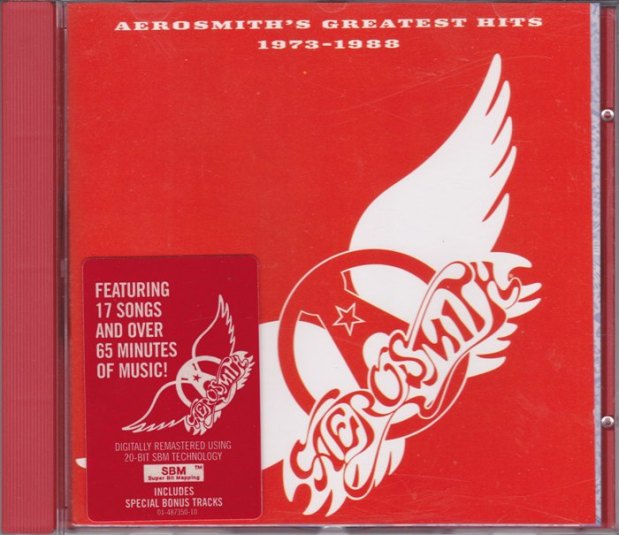
Back in May/June, we took a detailed look at the entire Aerosmith Box of Fire set (1994), including the original Aerosmith’s Greatest Hits(1980). What we didn’t inspect was the expanded 1997 reissue of Greatest Hits, now dubbed Greatest Hits 1973-1988, including an unreleased track.
Since this CD is based on the original Aerosmith’s Greatest Hits, it contains all the original songs. Because of the greatly expanded tracklist (from 10 to now 17 tracks), it is the preferred listening experience. The title is misleading: If it truly was the greatest hits from ’73 – ’88, wouldn’t “Angel” be included? “Dude”? “Rag Doll”? Yes, but this is the Columbia Records music, not the Geffen stuff. Casual fans don’t know that. Casual fans might see the title and say, “Oh cool…this will have some of the 80’s music on there.” No, it doesn’t.
“Chip Away The Stone” was released on CD for the first time on 1988’s Gems album, and there are a lot of fans out there who would name this as a favourite. Putting it on the expanded Greatest Hits is what we in the reviewing world might call a “no-brainer”. It elevates the album to a whole new level.
“Seasons of Wither” is a beautiful one from the early days, an acoustic number just a little different than your typical “ballad”. Fantastic song. “Big Ten-Inch Record” is loaded with horns and soul and sounds like classic Aerosmith. Be glad these tunes were added, among others. They’re all still great today, and not overplayed on radio or in concert. Of course you still get the songs you know, such as “Dream On”, “Same Old Song and Dance”, “Sweet Emotion”, and all that good stuff.
One unreleased song is present: A live version of “One Way Street”. This is actually a more recent recording from 1994 (so what’s this 1973-1988 nonsense?), and was also on a Walmart exclusive EP called Made in America in 1997. “One Way Street” is a debut album classic, and oh so very welcome here. It was recorded for radio broadcast, and the setting sounds intimate. Steve’s harmonica work is the high point of this great little-known song.
I used to advise fans to pick this up instead of the old, cheaper Greatest Hits. Today you can find it for under $5 if you know where to look. The price has dropped considerably since I paid almost $28 for it on US import!
C.C. DeVille was let go from Poison after an embarrassing performance on the 1991 MTV awards. Who can forget the pink-haired C.C.? Drugs and alcohol had taken their toll on the guitar player. There were musical differences as well. Bret Michaels liked the bluesier direction Poison were going on; C.C. preferred basic sloppy rock. A parting of ways was all but inevitable.
Poison were lucky enough to convince guitar prodigy Richie Kotzen to join the band. Kotzen was from Pennsylvania, like Poison, and had released three critically acclaimed solo albums. Richie Kotzen and Electric Joy were hard-to-penetrate instrumental albums, while Fever Dream introduced Richie’s soulful singing voice. He had also contributed the bluesy rock of “Dream of a New Day” to the Bill & Ted’s Bogus Journey soundtrack album.
Like many fans, I waited and wondered what the new Poison would sound like. Kotzen claims that many of the songs were completely written, lyrics and all, before he joined Poison. Regardless each song received a four-way songwriting split among the band members. Fans in the know could tell right away that Kotzen’s impact on the songs was much greater than the other members.
Native Tongue was not as immediate as any prior Poison album, but what it lacked in instant hooks it made up for in musicianship and integrity. Native Tongue was also a long album, at almost an hour not including B-sides such as “Whip Comes Down”. It was a lot to absorb, and due to the changing winds of rock, not too many fans were willing to spend time with and get to know Native Tongue.
You couldn’t have asked for a better start to the album that the duo of “Native Tongue”/”The Scream”. Tribal drums by Rikki Rockett and Sheila E. set the scene for one of Poison’s heaviest songs ever. “The Scream” is killer: a relentless driving rock song with aggressive playing and lyrics. Bret Michaels merged this with his Poison singing style, creating a successful hybrid. “The Scream” is one of Poison’s finest achievements, and a hell of a way to kick off the new album with the new guitarist.
“Stand” was the soulful, gospel-like lead single. It didn’t do anything for me, but you have to give Poison credit for going all-in. With choirs and Kotzen’s soulful guitar playing, it’s still an outstanding Poison song. “Stay Alive” was another good tune, this time about bassist Bobby Dall’s struggles with substances. That led into the ballad “Until You Suffer Some (Fire and Ice)”, one of the band’s best such songs. The only weakness here is a grouping of slow songs on side one. “Body Talk” and “Bring It Home” make up for that. “Bring It Home” in particular had that heavy groove that you needed to have in the 1990s, as well as strong backing vocals from Kotzen. “Bring It Home” ended the first side with the heaviest song since “The Scream”.
The one thing that I found difficult about Native Tongue was the aforementioned lack of immediacy. Thankfully, side two had a few songs that maintained that old-tyme Poison singalong chorus. They were “Seven Days Over You” (a horn-inflected goodie), the anthemic “Blind Faith” and, “Ride Child Ride”. These tunes weren’t too much of a departure from earlier Poison of Flesh & Blood. Perhaps if they had been released as singles, there would have been more chart action. “Strike Up the Band” is similar, capturing the high octane rock that Poison were good at doing live.
This slideshow requires JavaScript.
“Richie’s Acoustic Thang” and “Ain’t That the Truth” are swampy bluesy goodness, crossing Poison and Kotzen perfectly. Where Poison failed to do decent blues before, they finally managed to get it done with Richie. Likewise, “Theatre of the Soul” is a soulful ballad that acts as another album highlight.
The final song was “Bastard Son of a Thousand Blues”, and it is really the only stinker, despite Kotzen having plenty of vocal time. It reminds me of “Poor Boy Blues” from the prior album, and unfortunately ends the album on a mediocre note, guitar pyrotechnics notwithstanding.
Kotzen didn’t last long with Poison. After a controversial departure, he was replaced by Blues Saraceno, another highly rated shredder. The ironic thing was that Blues Saraceno was in the running for the guitar slot in the first place, but the band chose Kotzen. Saraceno recorded the strong Crack A Smile CD, an intentional return to good-time Poison rock, but were dropped by the record label before a release. That’s a whole other story, with six years of delays and bootlegs before the album was out, eventually leading to a reunion with C.C. DeVille.
Fortunately, Native Tongue remains a reminder of a brief period in Poison where they were momentarily among the best acts in hard rock. No shit.
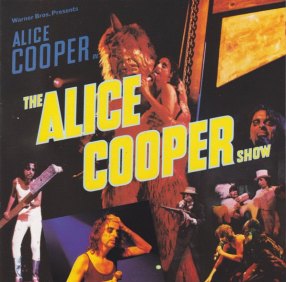
ALICE COOPER – The Alice Cooper Show(1977 Warner Bros.)
The Alice Cooper Show is far from a perfect example of Alice in the mighty 1970’s — for a much better live album experience, pick up Billion Dollar Babies (the deluxe edition) which contained a live album recorded by the original Alice Cooper band. Having said that, the band here are not slouches. Dick Wagner and Steve Hunter were great guitar players who defined the late 70’s period of Alice. However, the albums were starting to slide — Go To Hell and Lace & Whiskey were more notable for ballads like “You And Me” and “I Never Cry” rather than idiosyncratic Cooper rockers or horror tunes.
The recording of this album is fine, but the record is far too brief. Aside from the fact that there are too many ballads (time-wise, over a quarter of this album are ballads!), a lot of the songs are truncated versions. “Sick Things” for example is less than a minute as it segues into “Is It My Body”. Likewise, there is an “I Love the Dead”/”Go to Hell”/”Wish You Were Here” medley where I wish I could have had more. Then again, Alice has always done medleys of tunes, since he has so damn many.
I have nothing negative to say about the singing or performance. The band were outstanding, featuring some of the best players Alice has shared the stage with. They even featured Canadian bassist Prakash John who was previously in the original band Bush with Dominic Troiano (R.I.P). It’s hard to say exactly why The Alice Cooper Show doesn’t completely click. Certainly the medleys and song excerpts make it feel like an overly rushed affair, and even considering that, it’s missing too many great tunes. “Elected”, “No More Mr. Nice Guy”, and “Welcome to My Nightmare” would have been perfect.* Perhaps Warner should have shelled out for a full-on 2 LP set? But Alice was a fading property in 1977, with an infamous stint in rehab to follow.
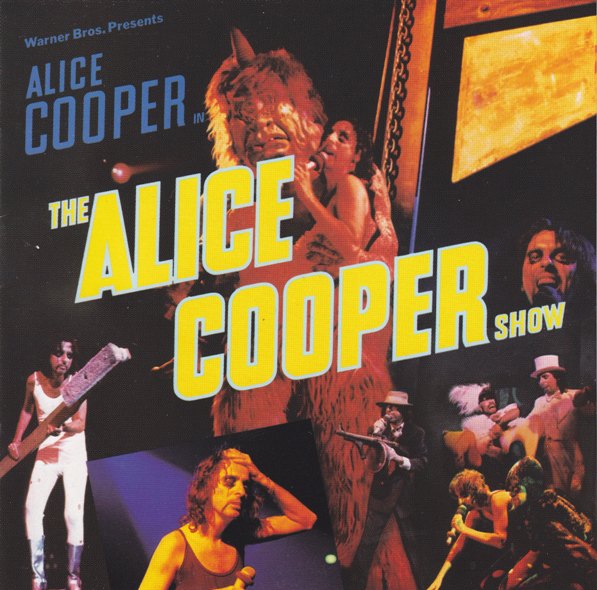
This record fails to deliver what Alice was really about. The album cover gives it all away. It looks rushed, with truncated images of Alice and his live show. Serious fans will need it to complete the collection. Otherwise, stick to the Billion Dollar Babies deluxe package for a seriously awesome live 1970’s Alice experience.
3/5 stars
* Looks like a lot of those songs were dropped from the set in ’77.
RECORD STORE TAKES MkII: Getting More Tale #414: Get the Firehouse!
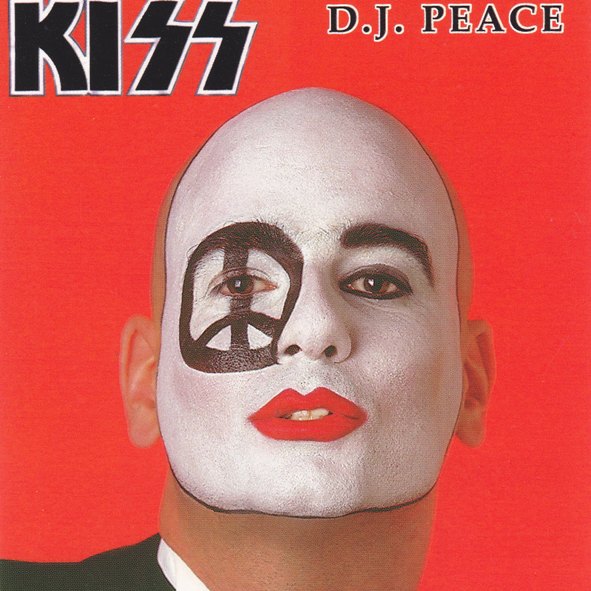
Initially, I wanted to do a post called “Miscellaneous Mailings”, with all sorts of fan club and fanzine paraphernalia. Once I started digging through said bags and boxes of postal paraphernalia, I realized I had enough Kiss curiosities here just to do a post on them alone.
Canada’s Firehouse Magazine’s claim to fame was being the longest running Kiss fan club in world. Based out of Surrey BC, I first became aware of Firehouse via Len, a customer of mine at the Record Store. They had an actual mail order service where you could buy Kiss bootlegs, both audio and video. That must have really chapped Gene’s ass. We all know how much Gene likes fansites and fanzines….
Len gave me the Firehouse catalogue which I used to buy a live tape and some back issues. There are plenty of cool things inside these books to drool over. News about concert dates, new releases, chart positions and set lists were regular. There are even exclusive interviews! The Sept./Oct. 1996 issue features the Ace man himself! I really like the personals ads in the back. “Hey Kissexy female Kiss fans of all ages! I will answer all!”
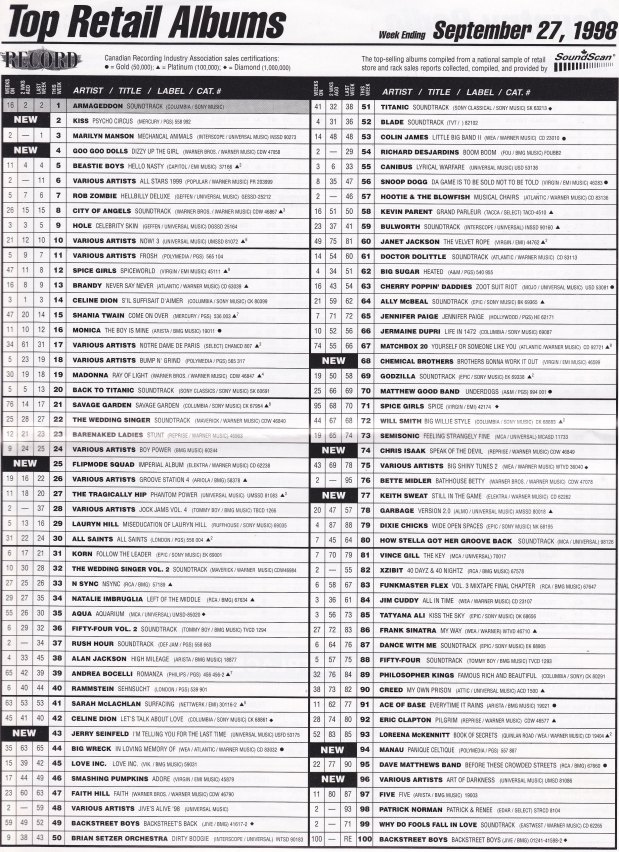
Other neat things I found in the bag o’ mail: bumper stickers, an official Kiss catalogue, and the sales chart from Canada’s The Record magazine, showing Kiss’ Psycho-Circus debuting at #2 on the top retail albums! The only thing that held it back was the Armageddon soundtrack, which jumped to #1 after 16 weeks on the charts. Take a look for yourself, and bask in the nostalgia of a period that boasted such luminaries as Spice Girls and Backstreet Boys on the charts.
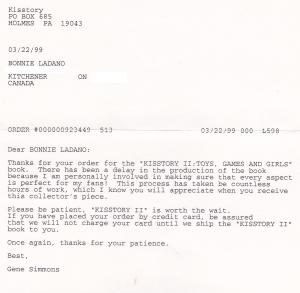
Lastly, and certainly not least: an unsigned letter from “Gene Simmons” to my mom, who put the Kisstory II book on her credit card. Gene was apologizing for a manufacturing delay that had caused the book to be several months late. He assured my mom that her credit card would not be charged until the book shipped. How kind of him! I thought this was amusing, so I kept the letter! I’m sure my mom appreciated hearing it from Gene personally.
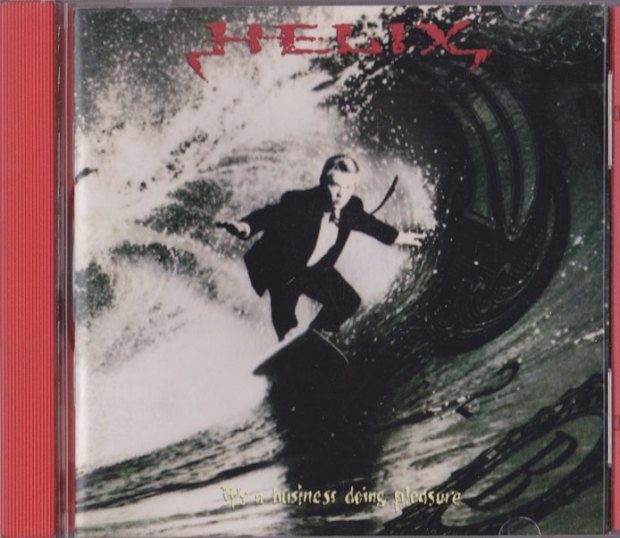
HELIX – It’s a Business Doing Pleasure (1993 Aquarius)
This is a good album — but it’s utterly ridiculous to see Amazon sellers asking $125 for a CD that I used to sell in store for $8.99.
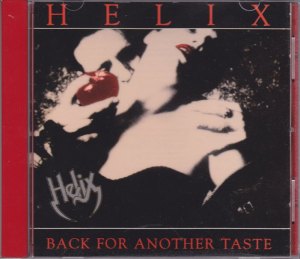
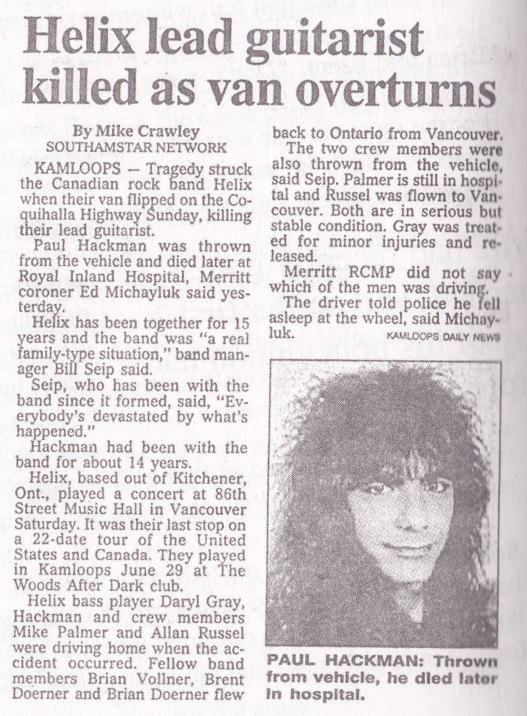
After the death of guitar player Paul Hackman, killed in a tragic bus accident prior to this, Helix decided to carry on, somehow. Before the crash that prematurely ended the talented guitarist’s life, he and Brian Vollmer had been working on two separate projected discs. Brian had written songs with Marc Ribler, as he did on the previous record Back For Another Taste, which were earmarked for a solo album. Meanwhile, Hackman was writing music for the next Helix album. When it came time to pick up the pieces and carry on, there wasn’t much written for Helix. Although he regrets doing it today, Brian Vollmer decided to use the Ribler songs for the Helix record.
Vollmer recorded the album with Ribler, bassist Rob Laidlaw, and former Helix drummer Brian Doerner. Having spoken to Doerner about this album, I know he felt it was strong and underrated. I would have to agree. Vollmer also needed a new Helix band to take the album on tour. Greg “Fritz” Hinz and Daryl Gray remained on board. Though they did not play on the album, they are pictured inside. For the vacant guitar slots, they recruited former Brighton Rock guitar maestro Greg Fraser. Even more exciting to fans was the return of Brent “the Doctor” Doerner. This was easily the most exciting band lineup since the 1980’s.
The record was a definite change of pace, due to its genesis as a Vollmer solo album. Starting off, it’s instantly noticeable a Nashville influence . Almost every song has that terrific old school Fender guitar sound, but with a rock n’ roll edge–a little like Mark Knopfler. The songs are by and large a lot softer and more radio-ready, but also significantly more melodic and memorable. “Classy” is a good word to describe the direction.
The first single “That Day Is Gonna Come” is upbeat, a tribute to the life of Paul Hackman. Next to “Billy Oxygen”, I think it’s possibly the best song they’ve ever done. It received an excellent music video loaded with Brian’s own video-8 footage recorded over the years on the road. Just about every major Helix members appears in the footage. It’s hard not to get nostalgic. Have you been to any of those towns? This is the best video Helix have made yet.
“Tug Of War” would have made a great hit, but sadly the record company weren’t behind the album enough to push it. Vollmer and Fraser did an acoustic rendition of this ballad live on MuchMusic, a recording I’m glad to have on VHS. The album version is more bombastic but just as good. “Wrong Side of the Bed” and “Can’t Even Afford to Die” are both upbeat acoustic rock tunes with lush backing vocals. Think John Cougar meets Helix. Lyrically, Brian was writing about subjects people could relate to, rather than pining over Joan Jett. Being broke, being hurt, but keepin’ on keeping on. Still upbeat but a little harder is “Misery Loves Company”. There are some dirty guitars and driving piano, but we’re still driving in the country. Even without a heavy rock band behind him, Brian’s voice keeps it in the realm of Helix.
“Look Me Straight in the Heart” was supposed to be a video. This power ballad is a duet with Brian and Canada’s Metal Queen, Lee Aaron. The video funding was pulled when Aaron couldn’t appear in the clip with Vollmer. It’s too bad, because it’s a great song and I love hearing Lee Aaron belt it out. Lee Aaron and Brian Vollmer singing a ballad? How could it not have balls! (Just enough.)
“Trust the Feeling” is largely forgettable balladry, but “Love is a Crazy Game” is haunting and quiet. There is a heavier, electric version on the B-Sides CD, and it’s hard to choose which is best. This one is certainly more unique. Of course, you can’t have too many ballads in a row, and they were pushing it with three, but thankfully “Sleepin’ in the Dog House Again” will wake you from your slumber. Kim Mitchell dropped in to play one of his typical gonzo guitar solos, topping off the only real ass-kicking rocker on the album. The closing song “Mad Mad World” (not the Tom Cochrane tune) is one of the best. Who doesn’t love whistles? Humorous lyrics and a great chorus help to end the album in style.
Some lamented that Helix “softened up” on the album; others admired the growth and maturity. Brian Vollmer called the record “a huge mistake on my part, and I take full credit for the blunder. The really sad thing about it all was that I was really proud of all those songs on the album and they were wasted because they did not fit under the Helix name.”
I’d hate to think of those songs wasted, because here I’ve been enjoying them for over 20 years. Perhaps under another name they could have been hits, perhaps not. In the end, this album helped Helix stay a band. It gave them something of quality to release in the wake of their greatest tragedy. It allowed the band to get out and play supporting it. Ultimately, those who were unhappy about the direction would satisfied by the heavy songs on the next album, 1998’s half-ALIVE.
I’d be happy if this album got a little more recognition, so here’s me doing my part.
Helix’s Back For Another Taste was easily their best album since No Rest for the Wicked. It was also their last for Capitol. As such it received a neat, very limited vinyl release with a special cover commemorating the last (planned) printing of Capitol vinyl. I wish I had bought it when I had the chance. I recall seeing it at Sam the Record Man (owned by Gil Zurbrigg, brother of original Helix bassist Keith Zurbrigg) in downtown Kitchener. I didn’t have a good way of playing records back then, so it didn’t seem worth it.
Special release aside, Back For Another Taste will always be associated with some hard times in Helix. Brent “the Doctor” Doerner, with the band since LP #1, decided to move on from rock and roll. Although lead howler Brian Vollmer saw the departure coming, it still hit hard. Doerner stuck around long enough to record some rhythm guitars and solos for the new album. His brother Brian Doerner played drums on three tracks, as he often has on past Helix albums. (Helix mainstay Fritz Hinz played on the rest). The songs were written by Vollmer and guitarist Paul Hackman, with the exception of two. Vollmer took a trip down to the US to work with Marc Ribler who helped him hone his songwriting chops.
Helix presented themselves as a four-piece in promo photos and music videos, for the first time. Doerner would prove hard to replace over the years, with American Denny Balicki taking over for the tour. He was Helix’s first American member. He made notable appearances in a one-hour MuchMusic special called “Waltzing With Helix”, a documentary on Helix’s European tour with Sacred Reich, and opening for Ian Gillan. (Also in that documentary: a kid I grew up with in the neighborhood called Brian Knight. He was a Helix roadie at the time. Brian Vollmer misspelled his name in his book as “Brian McKnight“. Whoops!)
Back For Another Taste was produced by Tony Bongiovi, who gave the band a raw, more kicking sound in the studio. It was clear from track one “The Storm” that Helix meant business again. A mean sounding gritty groove-rocker, “The Storm” was unlike anything they’d done before. It was a completely un-wimpy lead single and a surprising one at that, since it’s not a very commercial. The new four-piece Helix sound great here, with Hackman able to really dig in and play, while bassist Daryl Gray gets more room to groove.
The really impressive track on the album was “Running Wild in the 21st Century”. When every other band seemed to be softening it up, Helix seemed to go full-on metal. An edgy music video featuring London’s “Snake the Tattooed Man” won Helix some acclaim and recognition. Snake was a friend of the band, and when the idea came up for a music video, Vollmer said “I know the perfect guy for this.” (I myself encountered Snake at the Record Store, in Part 118 of Record Store Tales.)
“Running Wild” is a killer track, pure Helix adrenaline with their trademark smooth backing vocals. In the lyrics, Brian seems confident of rock and roll’s future survival. Once again Paul Hackman confidently handles the guitars, allowing his personality to really shine.
Right up the alley of old Helix rockers is “That’s Life”, a classic sounding tune that’s great for drinking to. Just you try not having fun while hoisting a frosty to “That’s Life”! But Helix are more than just a party band, always have been. “Breakdown” is the long dramatic slow one. Vollmer had been going through some rough times: divorce, having to work at a convenience store to pay the rent, getting mugged, and then heave-ho and re-locating to London Ontario. “Breakdown” must come from those times, because you can hear the desperation and the determination. This track is the closest Helix ever got to re-capturing the golden sound of their first album,Breaking Loose. But you gotta end side one on a party rocker, doncha? So “Heavy Metal Cowboys” is that track and it sounds exactly how you expect. Hackman throws down some slide guitar for good measure.
The title track is quintessential Helix. “Back For Another Taste” indeed, this track could have been right at home on Wild in the Streets. It’s dirty and rocking, just like you like it. The stretching out a bit, the pop side of Helix emerges on “Rockin’ Rollercoaster”. I immediately noticed a higher rating on the 10-point Catchiness Factor scale (c), than other songs on this album. But then it’s even higher on “Midnight Express”, a real singalong! I really like these two songs, and even the ballad “Good to the Last Drop” really impressed.
Marc Ribler wanted to write a song called “Can’t Eat Just One”, but Vollmer found the title cumbersome, so he suggested “Good to the Last Drop” instead. What came from this was a hit ballad with heaps of class and all the right ingredients – a solid 9 on the Catchiness Factor scale. The music video received a swanky remix with extra keyboard overdubs, and that’s the version I go for. (It’s on many Helix best-of’s, but not this CD.)
“Give It to You” wasn’t exactly a new song. An earlier version (more raw) surfaced on 1989’s Over 20 Minutes With…Helix compilation. I prefer the raw version, but it’s still a great dirty lil’ Helix number. “Pull the trigger of my honey gun.” Oh, Brian. “Special delivery, just for you!”
So Helix stretched out on this album a bit, and went back to their roots while exercising their melodic songwriting muscles. They went heavier, they went softer, they went dramatic, and they revisited some of their pop roots. What’s left? Faster, faster, faster!
“Wheels of Thunder” is probably the fastest, heaviest Helix track of all time and it closes Back For Another Taste on a killer note. Dr. Doerner handles the solo on this one, and Fritz is absolutely thrash metal mad. The only Helix track that might be faster is “Jaws of a Tiger” (also from Over 20 Minutes With…Helix), but we’re splitting hairs. What a ballsy way to end the album.
There were some cool singles available, but most interesting was the cassette single for “Good to the Last Drop”. That had an unreleased B-side, a song called “S.E.X. Rated”. This is a completely different version from the one that later appeared on the album B-Sides. This one has Paul Hackman, and that’s significant.
In July of 1992, Fritz Hinz was injured (slipped disc) and unable to tour, so Brian Doerner returned for a few western Canadian dates. As a bonus, so did his brother Brent. After a final date in Vancouver the band headed home. Paul Hackman elected to travel home in the tour van with bassist Daryl Gray, while the rest of the band booked flights. Hackman, not wearing a seat belt, went to sleep. Then, according to reports, the van veered off the road and down an embankment when the driver fell asleep at the wheel. Three men were thrown from the vehicle, and Hackman was killed. Daryl Gray suffered minor injuries and flagged down help. 20 cars passed the frantic, bleeding bassist before someone stopped.
Back For Another Taste was Paul’s final recording.
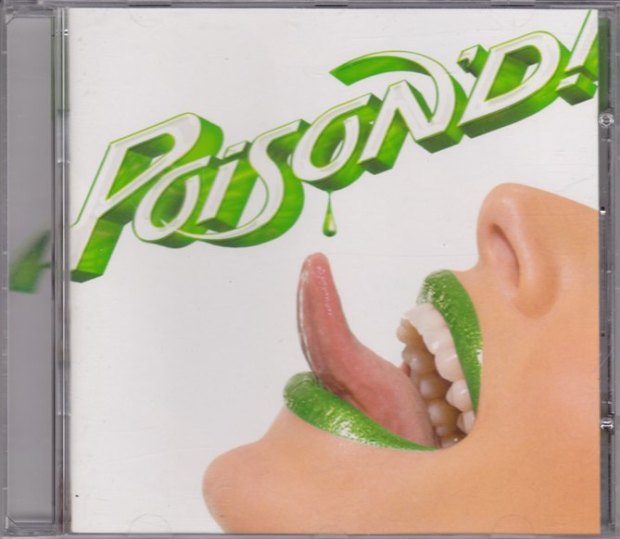
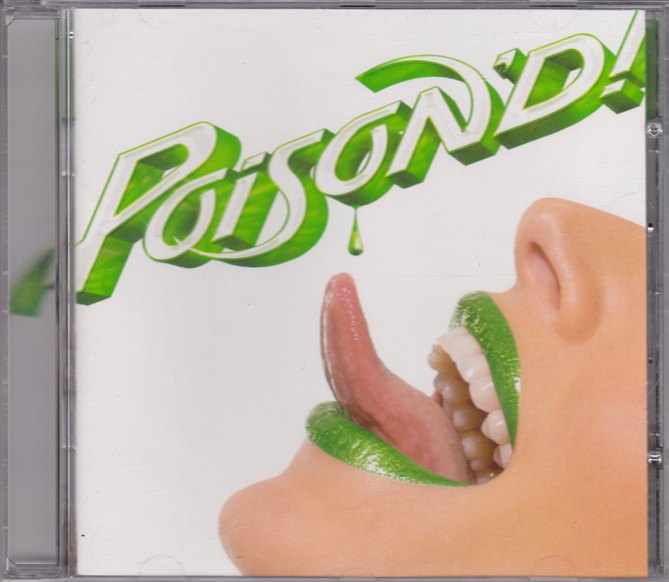
Talk about defying expectations. As a general rule, covers albums suck. By extension of that, you would certainly predict that a cover album by Poison would absolutely suck. After all, the band Poison haven’t made a decent studio album in well over 20 years. 2002’s Hollyweird was junk. Maybe it’s the presence of legendary producer Don Was, but Poison somehow managed to make a good cover album! I’m almost worried about losing credibility by saying this. I did indeed get Poison’d by it.
I think Poison are at their best when playing upbeat but hard pop rock numbers. “Little Willy” by the Sweet is a great example of that kind of song, and it’s right up Bret’s alley. It’s obvious that he doesn’t have the voice he once had (which wasn’t much to start with) but when Bret’s at home with a particular style it always works better. “Little Willy” is hella fun.
Here’s my Bowie confession — this guy here is not a fan. Maybe it’s over-exposure. I do like the hits, and of those “Suffragette City” is one I enjoy. Once again, Poison are at home, putting their slant on Bowie and somehow making it work. I don’t even mind C.C.’s over the top guitar slop — silly but that’s his style. I’m sure Bowie diehards will absolutely hate this.
The classic Alice Cooper ballad “I Never Cry” is a great song, and Poison throw a little twang on it while keeping it pretty true to the original. Dick Wagner had a knack for writing incredible songs, and “I Never Cry” is one of the best he’s ever written. As for Bret, he’ll never be Alice Cooper but he’s not trying to be. Too bad C.C. can’t seem to hit the notes he’s searching for on the solo! If Poison had done this in 1988, they absolutely would have had a hit with it.
You wouldn’t expect a band like Poison to have too many Tom Petty records in their collection, but they do a great job glamming up “I Need to Know”. They nailed it by doing it in their style, and as long as you’re not too attached to Tom Petty’s original then you’ll dig it. On the other hand, I can picture Bret having a whole bunch of albums by the Marshall Tucker Band. “Can’t You Say” has that laid back, southern gospel rock vibe that Bret has been trying to copy for 25 years. Unsurprisingly, “Can’t You See” is better than most of Bret’s originals in the same style. Guitar solo aside it’s actually pretty great!
One song I really don’t care for anymore is “What I Like About You” by the Romantics. Hearing a decent cover though ain’t so bad. Surprisingly, once again, Poison do a great version. C.C.’s soloing doesn’t fit the track, but hey, that’s C.C. for you. Bret’s enthusiasm carries the track, which is in Poison rock mode. Then they slip by covering the Rolling Stones. “Dead Flowers” isn’t a song I would be brave enough to do, and Poison should have erred on the side of caution and not tried it. This is filler, but I love the Cars, so I had my hopes up for the next track “Just What I Needed”. No need to fear — this one is in that hard pop rock mode that Poison do very well. It reminds me of their own song “So Tell Me Why” in tone. Count this one as an album highlight and personal favourite.
Some previously released tracks fill out the set. A Poison covers album should include their first cover, “Rock ‘N Roll All Nite”. This Kiss cover (produced by Rick fucking Rubin, no shit) was first released on the Less Than Zero soundtrack in 1987. You can also hear it in the background at the start of their music video for “Nothin’ But a Good Time”. I do not like it, but it’s nice to include. The Who’s “Squeeze Box” was originally from the aforementioned Hollyweird CD, and it’s sadly (but not surprisingly) a stinker. Jim Croce’s “You Don’t Mess Around With Jim” is a demo from 1987, previously released on the remastered Look What the Cat Dragged On. Not bad when you want a taste of that old-style Poison.
I think it’s kind of odd to put “Your Mama Don’t Dance” on this CD, since pretty much every Poison fan in the world already has that song. But here’s the overrated Loggins and Messina cover for you one more time! “We’re An American Band” was also previously released, on the Poison best of 20 Years of Rock. (“Rock ‘N Roll All Nite” and “Your Mama Don’t Dance” are also on that CD.) It’s a good tune on which to end the CD.
Except it’s not! Walmart’s version of the CD had a bonus track, and it’s a baffling one. I’m very proud to say that I have never heard the song “Sexy Back” by Justin Timberlake. Having said that, I’m sure it’s better than Poison’s industrial-flavoured version. A colonoscopy is better than this. So essentially what Walmart have done is ended the album with a colonoscopy for you. You’re welcome!
Missing: “Cover of the Rolling Stone” from the Crack A Smile album. Too bad, as that would have been better than getting “Your Mama Don’t Dance” yet again. Also missing (but not missed): “God Save the Queen” from the remastered Flesh & Blood.
 DEF LEPPARD – “Have You Ever Needed Someone So Bad” (1992 Phonogram CD single)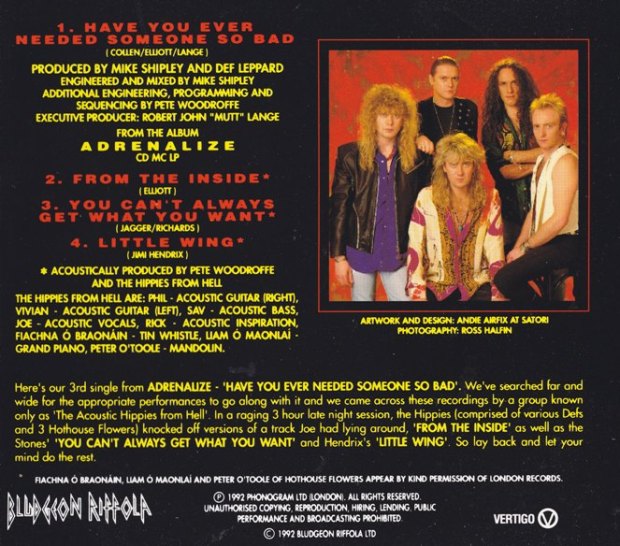





 POISON – Native Tongue (1993 Capitol)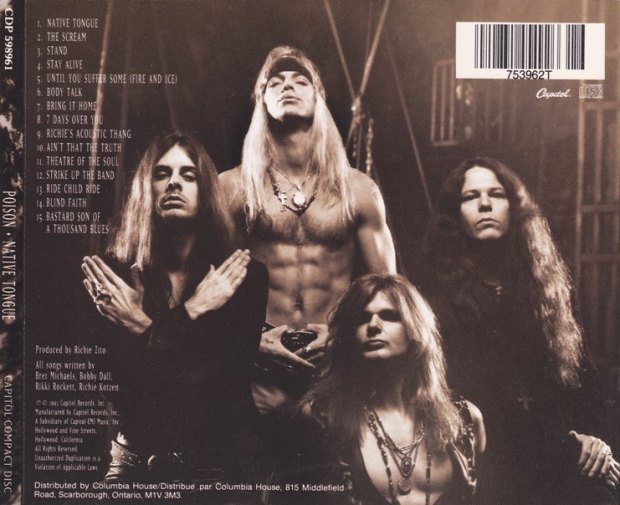






 HELIX – It’s a Business Doing Pleasure (1993 Aquarius)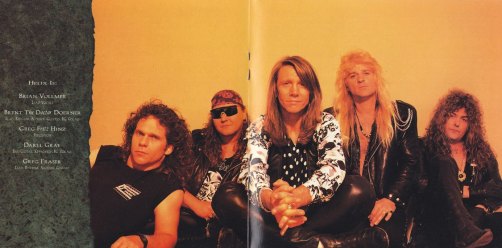








You must be logged in to post a comment.