To go along with the occasional Sunday Screenings and Sunday Chuckles, it’s the Sunday Song Spotlight! With all due respect to John at 2Loud2OldMusic, who has been doing a feature called My Sunday Song for years now. I’m going to try and spotlight songs that I have loved for a long time, but have not written about in recent years. Hoping to shine a light on some great music that you missed.
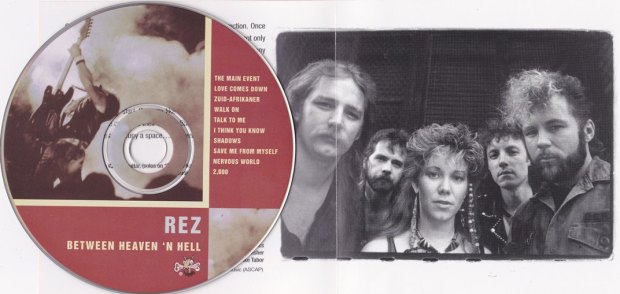
For the debut Sunday Song Spotlight, I want to talk about a tune that I first heard in 1986. All I had was a taped copy of a taped copy of an original cassette, but the power of the song remained among the hiss: “Shadows” by Rez.
Rez were a Christian rock band (Resurrection Band) and that was all I knew. I had no other information. I’d never seen a picture of them. But I loved “Shadows”! And you don’t have to be Christian to love it. There’s only a hint of religion in the words. A warning tale of drugs and suicide, “Shadows” is a power ballad with emphasis on power. It resonated with us as kids. Singer Glenn Kaiser has the rasp of Rod with lungs to spare. What a singer! The way his voice powers through the song takes it to another level. Add in a cool guitar solo and relentless rock beat. “Shadows” kicks ass. The most powerful power ballad you’ll hear today. Truly an awesome song, and the words still give me chills.
In the words of his mama, “He was my only son.” In the words of his sister, “He was on the run.” In the words of his girl, “How could it end this way?” In the words of his daddy, “Well he never had much to say.”
Goodbye Kathy and goodbye Mom, there’s voices in my head Angel dust and tortured dreams say I’d be better dead
You, you chased the shadows because your hopes And dreams have been lost to the night
Hey, Billy, did you hear the news? Johnny’s gone for good They say his mama’s all broke up They found him in the woods Kathy just couldn’t understand Sheriff, he just looked tired Some will play and some will pay And Johnny played with fire
Goodbye Kathy and goodbye Mom, there’s voices in my head Angel dust and tortured dreams say I’d be better dead
You, you chased the shadows because your hopes And dreams have been lost to the night
You, you chased the shadows because your hopes And dreams have been lost to the night
Johnny’s dead and buried now out on the edge of town Drove by his grave the other day, that’s when the fear came down I hate the night that took his life, but now it’s haunting me I may be young, may be confused but I gotta be free
God, are You there, can You hear me now? Show me how to hope Lost in the dark on a dead end road, please save me from myself
Lord, You, You took the shadows All my fears and doubt and brought me out of the night Lord, You , You take the shadows Give me hope and love and turn my darkness to light
Lord, You, You took the shadows All my fears and doubt and brought me out of the night Lord, You , You take the shadows Give me hope and love and turn my darkness to light
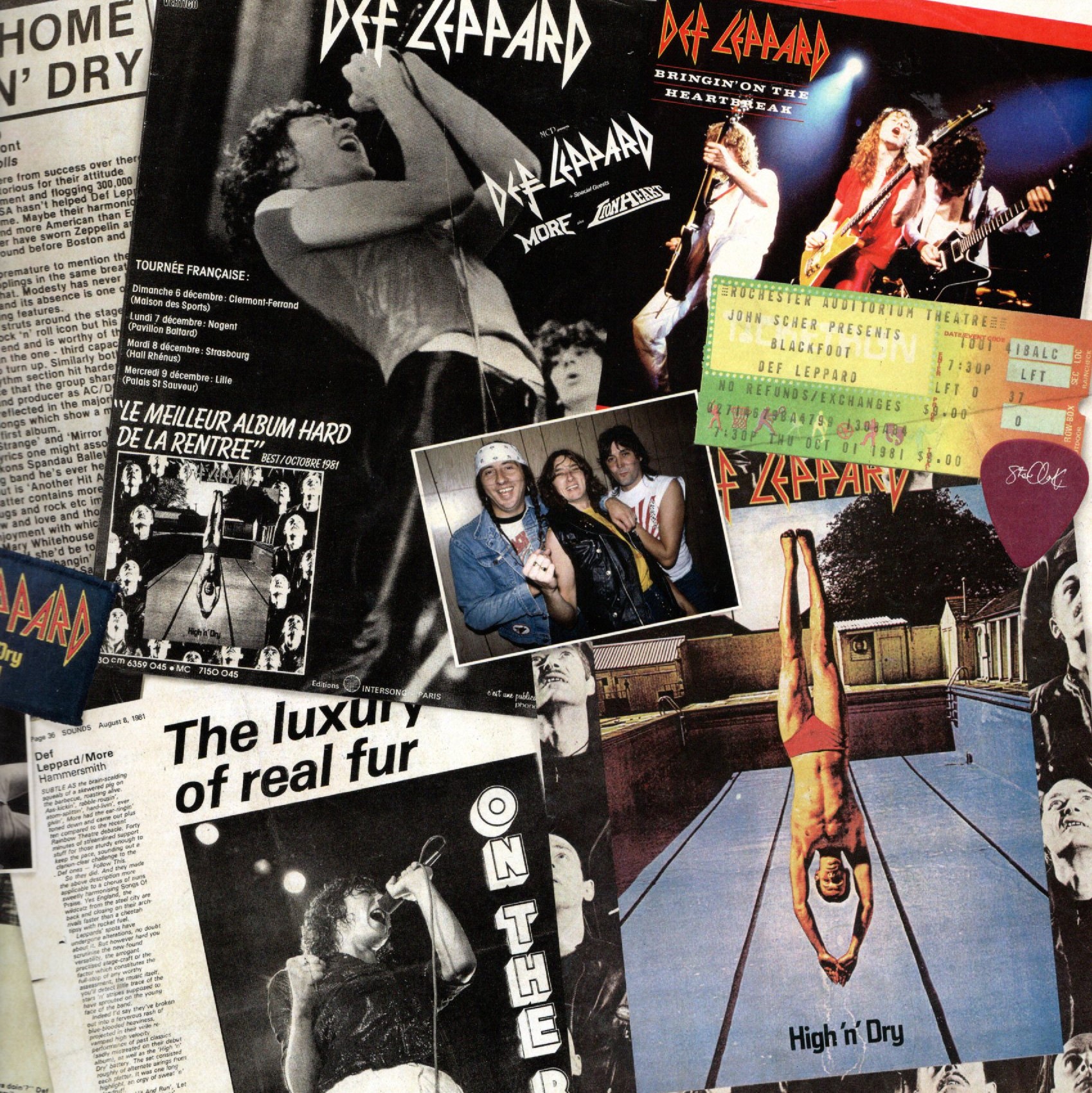
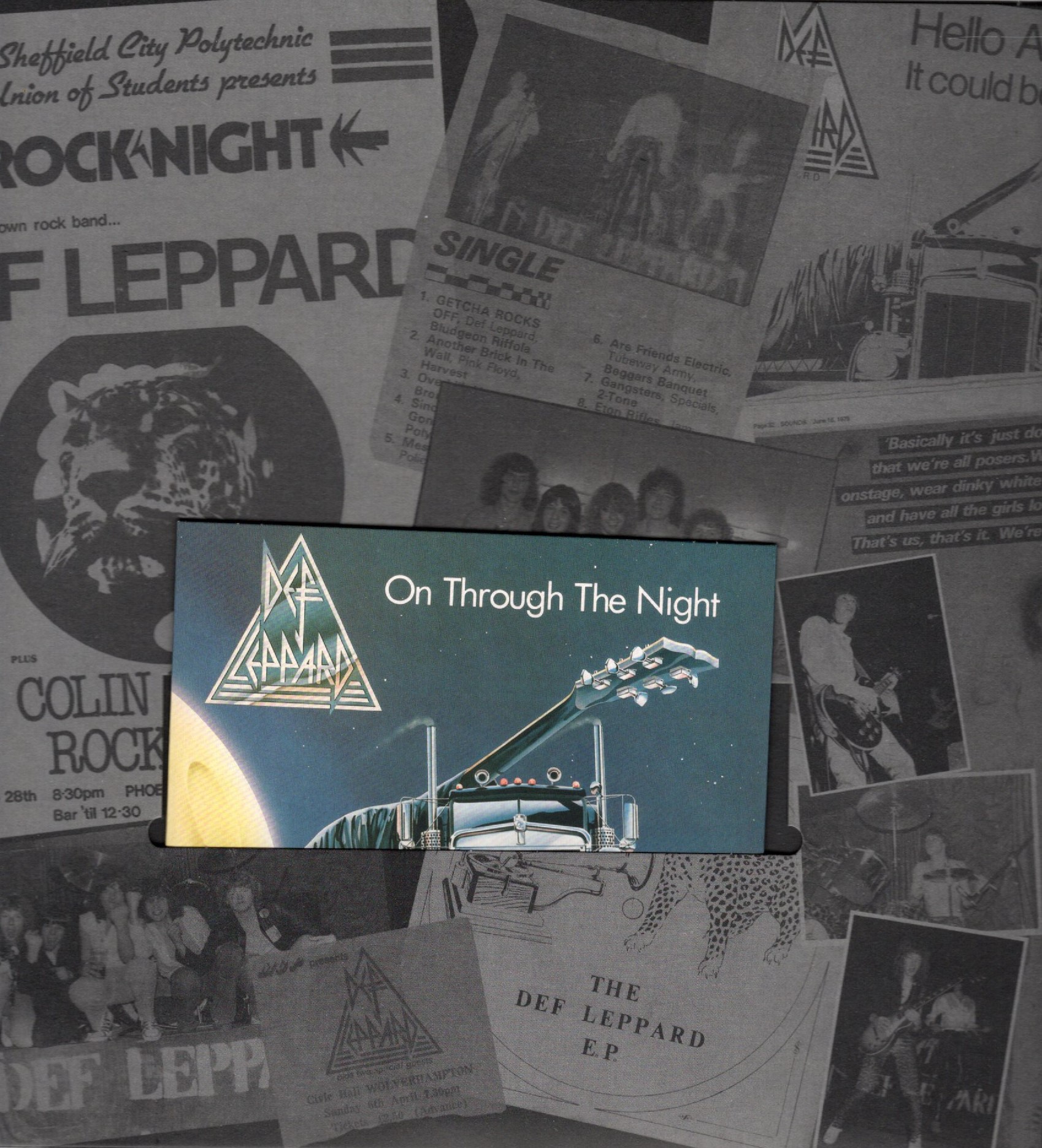
The fine folks in Def Leppard have been doing an outstanding job of getting their rarities and fan-wishes on the store shelves. We wanted the Def Leppard EP reissued, and they did it. A few times in fact, including a cool 3″ CD included in a recent box set. We wanted all the early B-sides available on CD, and here they are. We begged for decent remastered CD editions of High N’ Dry and On Through the Night, and the band delivered. More than once.
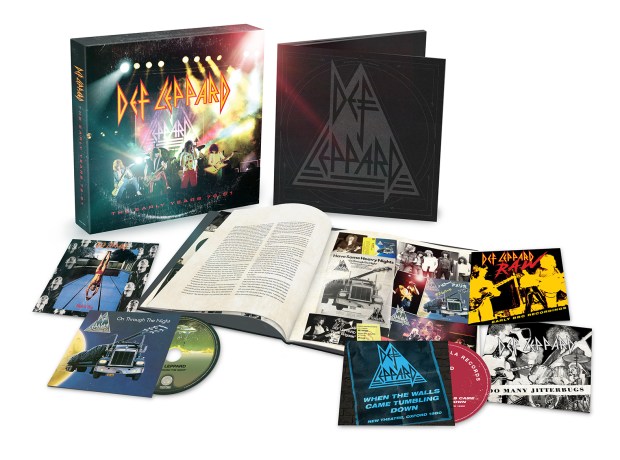
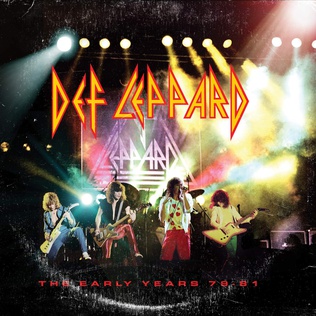
Now there is a wealth of Def Leppard riches out there for you to buy in your format of choice. The Early Years 79-81 is the way to go for a complete set of the music from those years. We’ve gone over it all disc by disc so let’s talk about the box itself.
The 10″ x 10″ box format is awkward to store, but Leppard seem committed to the size, with their London to Vegas set having the same dimensions. They’ve at least maximised the space, with a generous hardcover book included inside. This book has the liner notes and essays you expect, broken down disc by disc. A generous set of unreleased photos keep the eyes from being bored while your ears indulge themselves. The CDs are stored separately in a cardboard folder, and they don’t seem to move around in there. Each one has its own cardboard mini-sleeve. The packaging works.
The sequencing is perhaps the only complaint. The set is not a chronological anthology of the early years. In terms of sequencing it’s best looked at as a On Through the Night / High N’ Dry deluxe edition. Two albums, remastered in their original track listing (not the 1984 track listing for High N’ Dry) with a bonus live CD, a bonus disc of B-sides and rarities, and a bonus disc of BBC sessions from the period. Which really doesn’t matter so much, except when trying to review a chronological Def Leppard series and figuring out what order to do it in! The sequencing matters little because the discs are so complete. All those singles, B-sides, edit versions, unreleased versions, and live recordings are what fans have been demanding ever since the idea of “deluxe reissues” were conceived. This is it!
Oh sure, there are a few things left in the vaults. We know of a couple more early tracks called “Heat Street” and “See the Lights”. These are unlikely to ever see official release, but one must leave some scraps for the bootleggers. If the band ever changes their minds, that’ll be cool, but the best stuff is right here.
Consider that these three complaints about The Early Years 79-81 (box dimensions, sequencing, missing bootlegs) are so minor, we can disregard them in our final score. This box accomplished what it set out to do, and when listened to in completion, offers up a real clear picture of the band’s ability and determination. They had a bright future ahead, and a chapter was about to close while a new one opened. With the band scheduled to re-convene with producer Robert John “Mutt” Lange in early 1982, life would never be the same again.
DEF LEPPARD – Raw – Early BBC Recordings (The Early Years Disc 5) (2019)
This final disc of Def Leppard early tracks consists of two separate BBC sessions: 1979, and a few songs from Reading in 1980. Due to this fact, there is some minimal repeat in the song selections, but you won’t mind getting two versions of “Wasted” instead of just one! This disc offers a variety of early Leppard songs and rarities.
BBC Andy Peebles Session – June 7 1979
The EP was out and Leppard were starting to get radio play. They were invited to the BBC and recorded four songs for broadcast.
Opening with “Glad I’m Alive”, Leppard get one of their most underwhelming non-album tracks out of the way early. It sounds better and heavier than the studio cut on Disc 4 produced by Nick Tauber. Solos and backing harmonies are fire. “Sorrow is a Woman” follows, with a quiet, cool laid-back intro of a different flavour. Things kick in on the chorus of course, but this is not the definitive version of the track. The guitar solo section has a nice shimmer to it. Third up is “Wasted”, which opens with a growl. That guitar is vicious, and Joe just goes for it on the vocals. This recording has bite. The final track, “Answer to the Master” is absolutely fine.
Friday Rock Show Session – October 3 1979
“Satellite” enters with a crash of drums, a little hesitant on the pace. The fun “Rock Brigade” is similar to the early version on Disc 3, but heavier. The second version of “Wasted” sounds heavier than the first — the band was growing. Really this song is a highlight of anything it’s on. This BBC sessions ends with “Good Morning Freedom”, probably the fastest and most pumped-up version we’ve heard yet. This might be the best recording of the track available.
Live at the Reading Festival – August 24 1980
The next time the BBC caught up to Def Leppard, they had an album out. With Ozzy Osbourne, Iron Maiden, Whitesnake and UFO on the same bill, Leppard were anxious. Then Ozzy dropped out, and Leppard had to follow Slade in one of their best festival performances — a daunting task. Fortunately the bandt fought hard and had some killer new material up their sleeves.
Opening with “Satellite” (2nd appearance on this CD) and “When the Walls Came Tumblin’ Down” mashed into a medley, you can hear that the band were fired up. After this workout, it’s the unreleased “Medicine Man” which today we know as “Rock! Rock! (Till You Drop)”. Imagine getting to hear that track back in 1980, and then when it was finally released in ’83 on Pyromania, going “I know that song!” The early “Medicine Man” version is cool because that riff is unstoppable.
The apocalyptic epic “Overture” is right in the middle of the set, but it was already well known due to its inclusion on the original Leppard EP. Joe’s unholy yelp of “Go!” at 1:50 is the moment that the band just tear it loose. Then it’s another new song in “Lady Strange”, absolutely off the hook and hammering with delicious chord after chord, each one more addictive than the last. Finally after some audience participation noise, it’s “Getcha Rocks Off”. The audience goes nuts and Leppard leave triumphant.
This excellent disc collects some seriously well-recorded and preserved archival material. It’s all valuable, showing the growth of the band as they get more comfortable with themselves and performance. They were always great, with a serious knack for riffs, and this disc delivers plenty of them in unreleased format. Untampered, unhampered, and unchained.
DEF LEPPARD – Too Many Jitterbugs (The Early Years Disc 4) (2019)
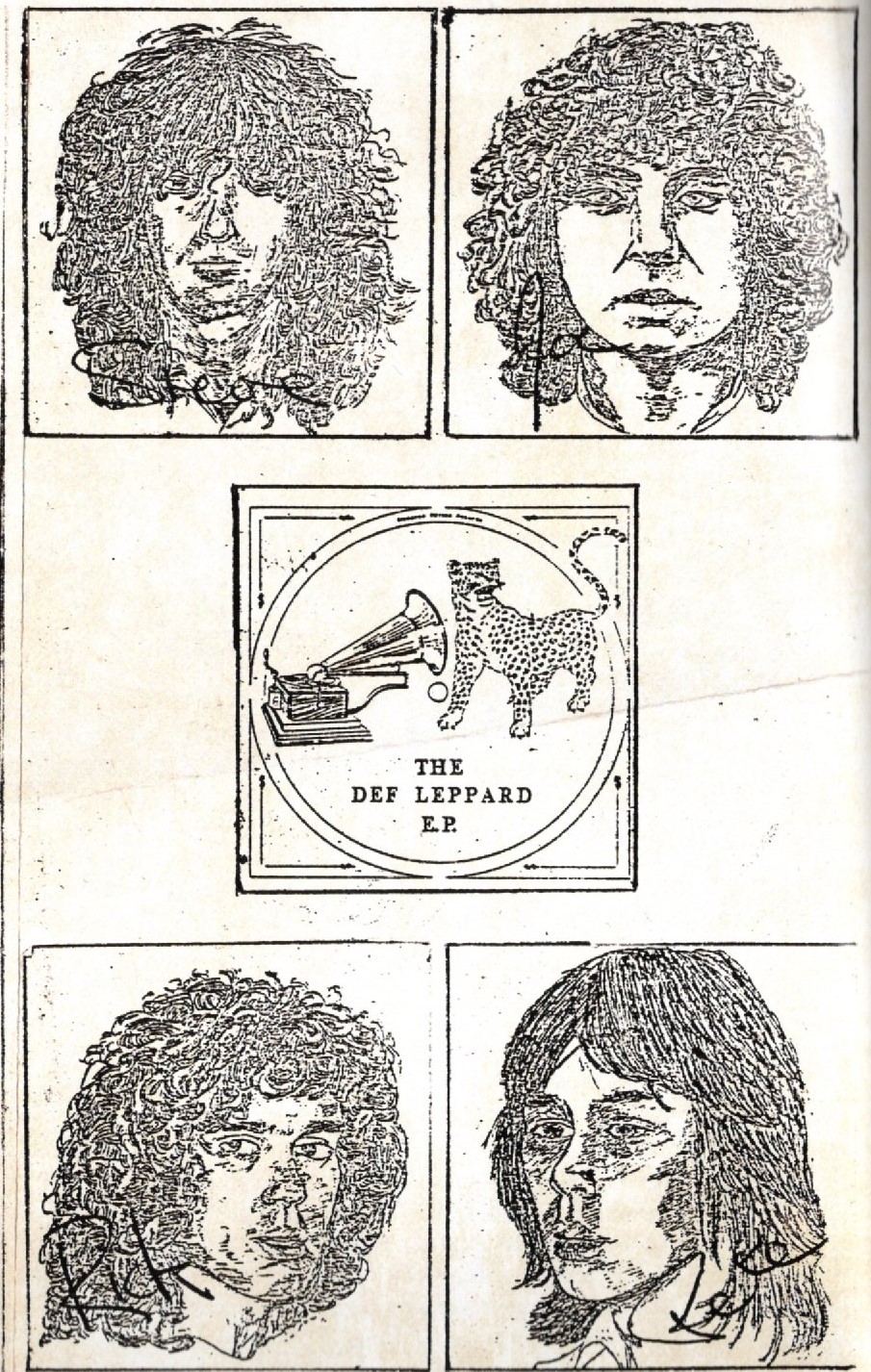
Because of the non-chronological nature of The Early Years box set, we are now back at the beginning: Def Leppard’s first rare EP, and singles releases. Only on Disc 4 do we finally get to go back to the original Def Leppard EP, which has seen a few re-releases over the years, but none as convenient as this.
The story goes that young Def Leppard used money loaned to them by Joe Elliott’s father, and booked a studio for one weekend. Drummer Tony Kenning was fired just before the start of recording, for being sidetracked by a girlfriend. Frank Noon from The Next Band (featuring Rocky Newton on bass) was chosen to fill-in temporarily. It was The Next Band’s own three-song EP release that inspired Leppard to make their own. They only had a handful of rehearsals with the drummer completed before it was time to hit the studio.
“Ride Into the Sun” was properly perfected when it was re-recorded in 1987 as a Hysteria B-side. The original still boasts the same relentless riff, but without the increased velocity. The chorus is a bit different, but here it is: the beginning! Out of the gates with a good song, with room to improve. And improve young Def Leppard would.
Next on the EP is “Getcha Rocks Off”, the only track that has been available on CD for three decades. It saw its first digital release on Lars Ulrich’s excellent 1990’s NWOBHM compilation. The version that eventually made its way to On Through The Night is heavier, but this ground-floor version has an identical arrangement. The solo work shows the band had early talent, and the riff demonstrates their ability to come up with the goods.
Finally: “Overture”, the big Def Leppard epic that later closed On Through the Night. A little progressive, the 7:45 track meanders from mellow acoustic opening to galloping riff to blasting guitar workouts. Much of it is first takes, with Joe having little time to finish the vocal. However the job was complete. The record was made.
All that was left was to ask Frank Noon to join the band full-time, which he declined. 15 year old Rick Allen was selected instead. (Noon later reunited with Rocky Newton in Lionheart.)
All 1000 copies of the EP sold within a week. Radio started to play Def Leppard. Finally they signed the big record deal and the rest is history. Still, there are plenty of rare tracks from the early years that were recorded. Most were released but some are here in this box set for the very first time.
“Wasted” with “Hello America” on the B-side was originally released in 1979. These are early versions that differ from the Tom Allom-produced tracks on the album. Neither are as as heavy, with “Wasted” in particular needing more bite. These versions, by Nick Tauber, were deemed not worthy of album release by the record company. The ferocious “Wasted” riff is there but needs to be turned up – way up! “Hello America” fares better as a more melodic rock tune. It lacks that synth riff on the chorus of the song, which makes it a little more raw. It also has a really long fade-out.
The Tauber sessions yielded two more songs that were never released. “Rock Brigade” and “Glad I’m Alive”, for whatever reason, were held back until The Early Years box set. “Rock Brigade” is probably the best of these tracks. Rick Allen’s marauding drum rolls steal the show, but not as much as on album. In general, the Tauber versions are less aggressive recordings, and Joe’s vocals are not as unleashed as on the final album. “Glad I’m Alive” is the only one that didn’t make the album. It is the song with the lyric “too many jitterbugs”, but is otherwise unremarkable. Not many hooks (if any). It is only available in The Early Years.
Leppard’s next B-side was “Good Morning Freedom” from the eventual “Hello America” single. This is a song that surprisingly and delightfully was resurrected by Leppard live (more on that later in the series). It is early quintessential early Leppard, centered on the riff and designed to get the heads-a-bangin’. It is not without hooks, and might be as good as anything else On Through the Night has to offer, “Wasted” notwithstanding.
The next tracks are the disc are single edits, which are padding to some and valuable curiosities to others. Moving into the High ‘n’ Dry era, they are edits of “Let It Go”, “Switch 625” and “Bringin’ on the Heartbreak”. Nice to have to be complete, but not essential listening. All three are obviously better in their full length versions, but you gotta try what you gotta to get on the radio. “Let It Go” has a shorter intro, and a truncated middle section, weakening its impact. “Heartbreak” fades out early.
“Heartbreak’s” B-side was a fast and heavy fan favourite called “Me An’ My Wine”. It was given a raucous and fun music video when it was remixed by Mutt Lange in 1984. Both “Wine” and “Heartbreak” were remixed for 1984 reissue, and were included in updated editions of High ‘n’ Dry. All versions, original and remixed, are present in this box. For some, the remixed “Heartbreak” with added keyboard accents will be the favourite, because it’s the one they grew up with. It sounds more like a Pyromania single. The keys do help spruce up the song, which honestly has a couple dead spots otherwise. As for “Me An’ My Wine”, it has a longer intro and the drums have been treated to sound a little more 80s. Incidentally, though you can get them on old High ‘n’ Dry CD pressings, this is the first time that these remixes have been available in a remastered form.
And that’s the disc — a damn fine one in fact, because it manages to include every non-album track that Leppard released during those early years. It makes for a fun listen, as you hear the band evolve. Even if some songs repeat, they are different enough to not interrupt the flow. Many of the B-sides have never been released on CD format before, so the value here cannot be understated.
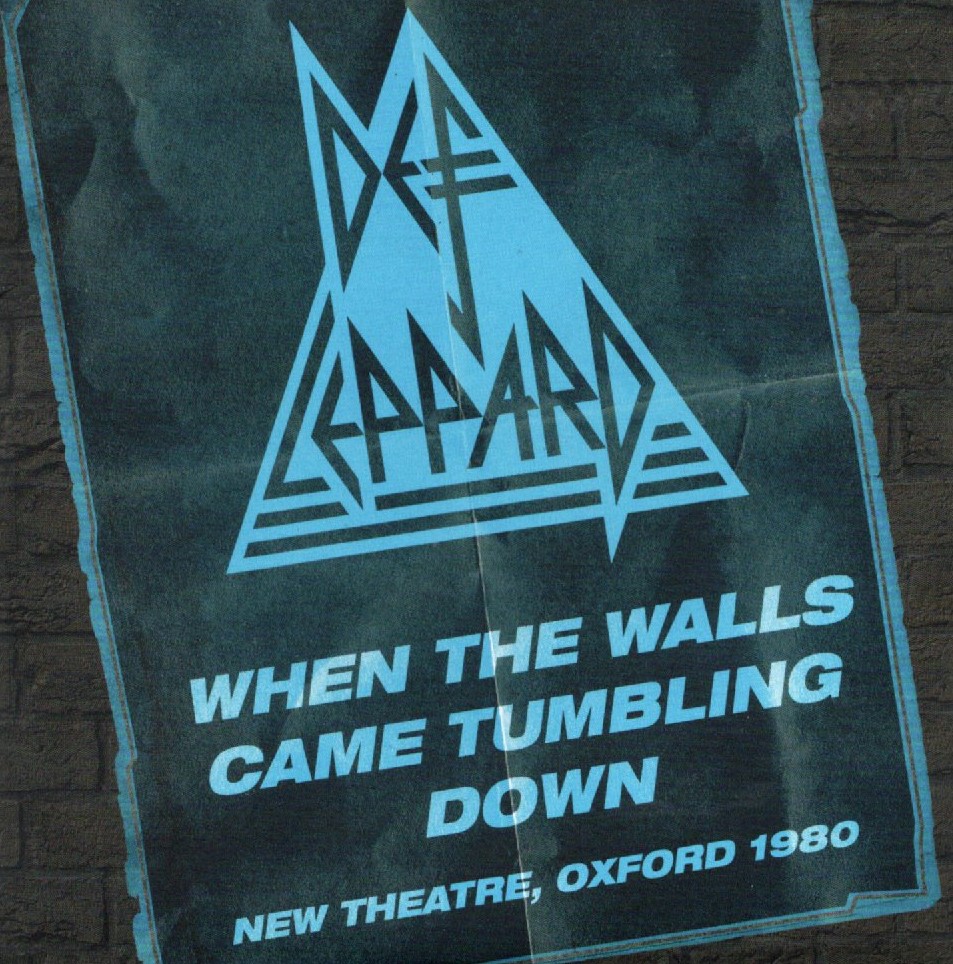
DEF LEPPARD – When the Walls Came Tumbling Down – New Theatre, Oxford 1980 (The Early Years Disc 3) (2019)
Of Leppard’s many live releases, When the Walls Came Tumbling Down is the most ferocious. The early Leppard including Steve Clark and Pete Willis was a different kind of predator. This particular setlist, captured after the release of the debut album On Through the Night, is extremely valuable to fans. The band performed all 11 albums tracks, a clutch of early singles, and unreleased material.
“When the Walls Came Tumbling Down” is played first, full speed ahead. Joe playfully changes one of the choruses to “When Oxford Came Tumbling Down”, and without pause they barrel right into the adrenalized “It Could Be You”. There are no touch-ups or fixes done to these recordings.
The single “Rock Brigade” has a different flavour, more focused on the melody, with the foot less on the gas pedal. Joe Elliot demonstrates confidence. Rick Allen is a monster on the drums and Rick Savage is audibly holding it down. Keeping to a similar tempo, “Satellite” swaggers all over the stage with determination, and Pete Willis absolutely slaughters on the solo.
There’s only a brief respite. “Medicine Man” is an unreleased song that was later reworked into “Rock Rock (‘Til You Drop)” from Pyromania. The quiet opening only lasts a moment before that now-familiar riff kicks in. There’s no question that “Medicine Man” benefited from its later evolution, but many elements of the song were already, joyfully, in place.
“Answer to the Master” is rolled out with that snakey riff, and Joe is extra-engaging. A trend is now apparent: virtually all these songs are better than they are on album. Another unreleased gem called “When the Rain Falls” might be more familiar under its later name, “Let It Go” from High N’ Dry. Some elements including the riff survived to the final track, but what a serious riff that is! When Leppard had both Willis and Clark in the band, they were a riff factory.
Back to On Through the Night, “Sorrow is a Woman” is more lively than it is on LP. Same with the non-album single “Good Morning Freedom”. From the drums to vocals to sheer energy, it’s better than its studio counterpart, with an intense solo to burn.
“It Don’t Matter” has a cool groove, and more drive than it does on album. This version is evidence that Joe already had ample frontman abilities. This takes us to “Overture”, the Leppard epic with the soft opening and big arrangement. This is where Leppard’s two lead guitarists get to show off in dramatic fashion.
The last unreleased song is “Lady Strange” from High N’ Dry, which is in more complete shape than the other two. As it is on album, it’s one of Leppard’s most impressive songs so far. Riff, verse and chorus are combined in perfect form. Only minor tweaking would be needed before it was album ready.
The final batch of album songs for the night are laid out. “Getcha Rocks Off” is a blast. “Hello America” is looser than album. And “Wasted”? Total blitzkreig. Unstoppable and unbelievable. Finally the very last track, “Ride Into the Sun” is the timeless beloved B-side, originally from the Def Leppard EP making it three for three EP tracks. It’s over before you know it, two and a half minutes are gone and that’s all folks!
Even though it is completely lacking in hit singles, it might not be going out on a stretch to say that When the Walls Came Tumbling Down is a strong contender for Best Live Def Leppard album.
DEF LEPPARD – High ‘n’ Dry (The Early Years Disc 2) (Originally 1981, 2019 remaster)
Leppard’s pride in their debut album only extended so far. They knew that the sound they heard in their heads was not captured on tape. So they waited, and waited, and waited, until AC/DC producer Robert John “Mutt” Lange was available. When he had completed the recording of Foreigner’s 4 (six million copies sold), they got to work on Leppard’s second record. And work they did, with the band members unsure after many takes if they could even play it any better. They could, and they did. With Lange on hand to help refine the songs they had written, Leppard had never sounded better.
Today, High ‘n’ Dry is often cited by diehards as the band’s best record. It bares the teeth of AC/DC, but the attention to melody and harmony was typical of more commercial bands. It was a winning combination; High ‘n’ Dry has no filler songs.
The sharp opener “Let It Go” makes the changes apparent. A better recording, a more confident (and screamy) Joe Elliott, and an incessant bass groove propels it. The guitars cleverly lay back until necessary for the big rock chorus. All dynamics missing from On Through the Night. This time, they could afford a real cow bell — no more tea kettle! With “Let It Go” opening on such a solid, fast note, where do we go from here? No letting up! “Another Hit and Run” is even better, with quiet parts contrasting with the increasingly heady! Joe has found his voice, and uses it to rip and shred. Don’t try to follow the lyrics — it’s all about how the frontman screams them at you.
Finally, Rick Allen is permitted to slow down for the sleek, slower groove of “High ‘N’ Dry (Saturday Night)”. This tenacious track takes its time to blow you away. It was also one of three they recorded in a single session for music video purposes.
Another video from that session was the hit ballad “Bringin’ on the Heartbreak”, although MTV aside, it didn’t really have the intended impact until later. Originally titled “A Certain Heartache”, with Mutt’s help they steered it away from its Zeppelin-y origins and honed it closer to a hit. Sad verses are coupled with a chuggy riff at the chorus, which is beefed up by the backing vocals of Mutt and the band, gradually finding that sound step by step. The lyrics are nothing to write home about with, “You got the best of me,” predictably rhyming with “Oh can’t you see.” But then the track ends not with a total fade, but with the urgent pulse of a new bass track. It’s the brilliant instrumental “Switch 625”, paired with the ballad as if to say “don’t worry folks, we haven’t lightened up.” Leppard were, after all, a part of the New Wave of British Heavy Metal bands. “Switch 625” is something that would have generated melting heat on that scene. Written solely by Steve Clark, this is one instrumental that is not filler in any way. It’s a song.
So ended side one, but side two commenced with the crash of “You Got Me Runnin'”, a single-worthy number that scorches the skin with its burning tower of riffs. Joe bemoans a girl that he don’t trust, while Steve Clark and Pete Willis do their best Angus and Malcolm. Rick Allen, all of 17 years old now, keeps the beat minimal while Rick Savage maintains the pulse on bass. When Pete breaks in with his guitar solo, it’s one of the best of his time with Leppard. But it’s the crucial chorus that keeps you coming back, a singalong brute with gang vocals that could have been lifted from an era past.
Then things get eerie with “Lady Strange”, hurling multiple riffs at the speakers, and boasting a chorus to back it all up. Tough guy Joe claims to have never needed love before meeting his “Lady Strange”. This is the only track with a Rick Allen co-writing credit, and features a scorcher of a Clark guitar solo. Elliott’s screams have never sounded more tormented. Brilliant stuff.
Without a break, we plow “On Through the Night”, and one of the fastest tracks on the album. There’s a surprising, quiet Zeppelin-y middle breakdown that’s welcome, but otherwise this track is built for speed. “Rock n’ roll is no safety net!” screams Joe. If there were any single track to delete from High ‘n’ Dry, you could make an argument for “On Through the Night”. However, fact is you need it to set up “Mirror, Mirror (Look Into My Eyes)”.
Displaying their penchant for parentheses, “Mirror, Mirror (Look Into My Eyes)” takes Def Leppard back to dark territory. A single spare Clark riff carries the song while Allen and Savage lay back. It’s the kind of brilliant construction that Clark was becoming the master of. Tension building riffs, stinging solos, topped with another perfect Joe Elliott vocal melody.
Finally it’s the all-out chaos of “No No No”, a memorable way to close out a hell of an album. Breakneck pacing, top lung screaming, and a blitz of a Willis riff. Melody? Unimportant! If the guitars weren’t so obviously well arranged, this could have been punk rock.
Different versions of “No No No” run different lengths. This one is 3:12 with a slight fade and then abrupt stop. One can never go wrong with an original vinyl LP, featuring an infinite groove at the end, with Joe Elliott shouting “No!” over and over again, until you either stop the record yourself, or wait until the ultimate end of the universe — your choice. Another variation of interest is the the 1984 reissue of High ‘n’ Dry, with two remixed bonus tracks. We will discuss those later as they are included on Disc Four of this set.
Praise today for High ‘n’ Dry is fairly universal. Martin Popoff rated it higher than Pyromania. It truly is a remarkable photograph (pun intended) of a brief period in Def Leppard when they were still solidly riff-focused, but with the moderate temperance of Mutt Lange. A period that has never and can never be repeated.
No matter how I do this, I’m doing something out of order. So here goes. Hi! Welcome to the DEF LEPPARD REVIEW SERIES where we will attempt to cover in some way everything Def Leppard here at LeBrain HQ. Some of these articles will be re-reviews. Some will be beefed up, some will be streamlined.
What about order? Deciding to start with The Early Years box set, we could go in two ways. We could run through Discs One through Five, starting with On Through the Night. Or, we could go chronologically and begin on Disc Four, Too Many Jitterbugs, which has the first EP and early demos pre-dating the album. Obviously, we’ve decided to to go in disc order, and worry about chronology later. So let’s get, let’s get, let’s get, let’s get rocked.
DEF LEPPARD – On Through the Night (The Early Years Disc 1) (Originally 1980, 2019 remaster)
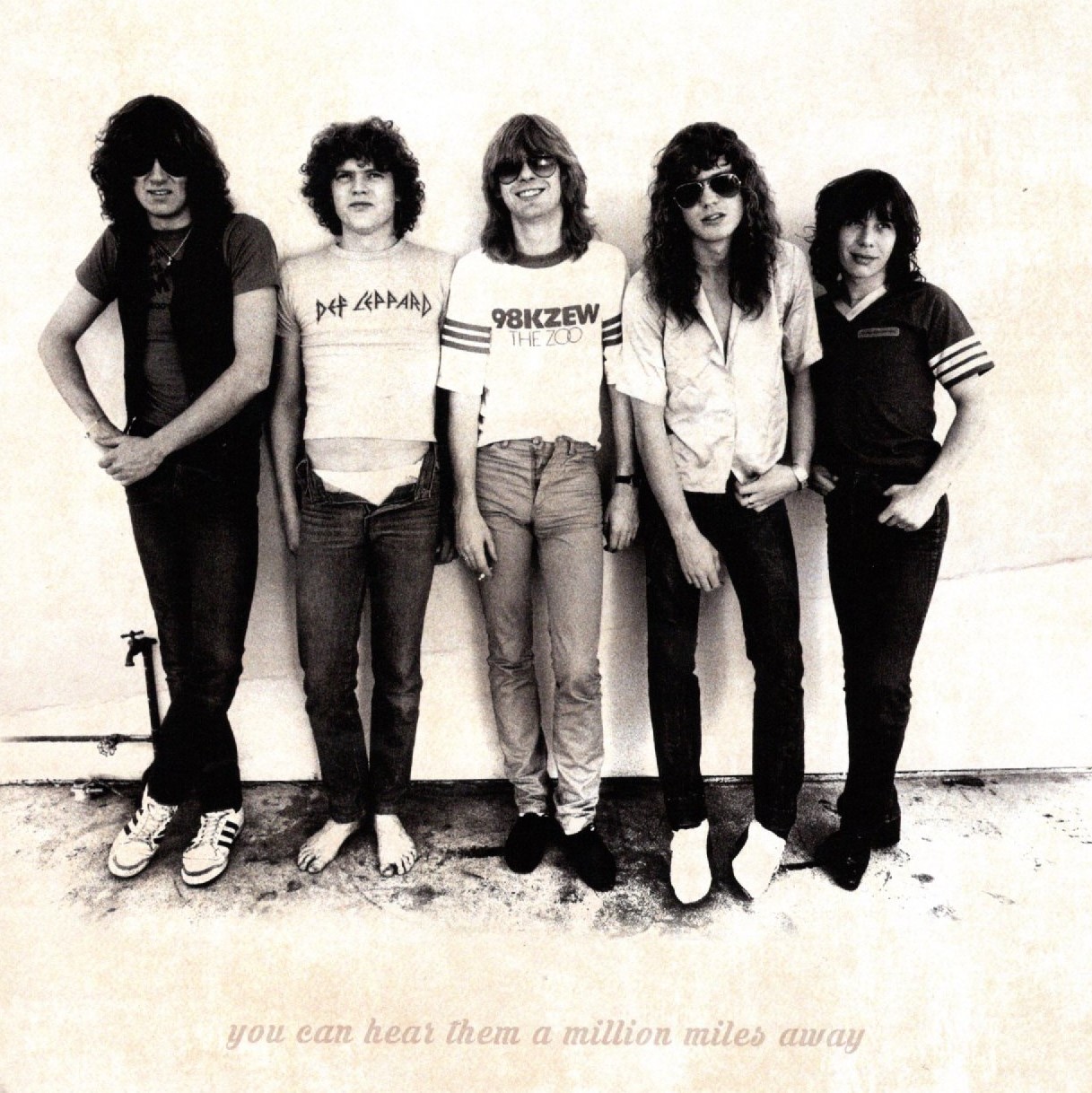
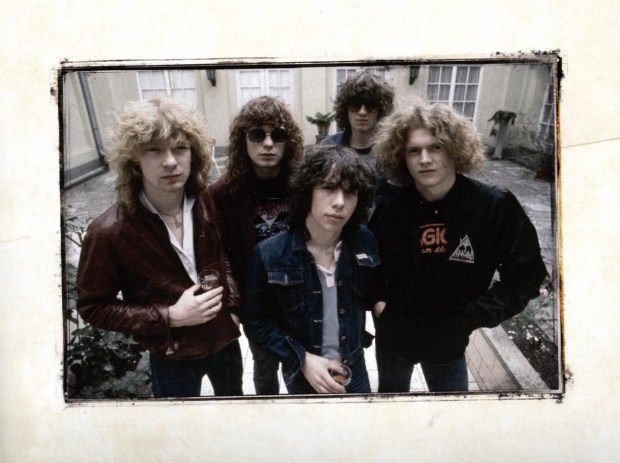
The obscenely young quintet from Sheffield were starstruck. Drummer Rick Allen was just 16 years of age. There Def Leppard were in Tittenhurst Park, Ringo Starr’s home formerly owned by John Lennon, with Judas Priest producer Tom Allom, laying down tracks for their debut LP. Signed to Vertigo, the band was filled with awe to be on the same label as their heroes Thin Lizzy. Recording nine songs from their live set and two newly written tracks, the band took just three weeks to get the job done. Unfortunately, so much time was spent on Steve Clark and Pete Willis’ guitar overdubs, that Joe Elliott only had two days left to record all his vocals. This can be heard on the final product. At least Joe got to sleep in Lennon’s bedroom for the duration of the recording!
On Through the Night is a beefy 11 tracks, written mostly by Clark and Elliott with seven Rick Savage co-writes and seven by Pete Willis. It showcases ambition, promise, and raw talent. In a word: potential. One of its major strengths is the dual guitar team of Clark and Willis. Clark tends to be thoughtful and compositional in his solos, while Willis effectively jumps on the wah-wah.
“Rock Brigade” wastes no time getting cranked, 16 year old drummer Rick Allen going wild on the big tom rolls. An adrenalized band gets to work on a serious riff, while Clark and Willis dart in and out with curt fills. The handclaps sound lifted from a Judas Priest anthem, but this song burns it up. Joe’s vocals are set back in the mix a bit more than we’re used to, but there are hints of the kind of backing vocals that Def Leppard would endevour for in the future. In short, “Rock Brigade” kicks ass.
A strange layered vocal mix fails to hit the mark that Leppard would do with regularity later on, but it does serve to introduce “Hello America” uniquely. This naive rocker even has a little bit of synth to accent the sugary chorus, but otherwise sticks to the driving riff. Clark comes in with a wicked solo, showing off some of the creative technique he’d be famous for. A strange video clip for “Hello America” was filmed, with the drum kit featured at the front of the stage and everybody else behind. Rick Savage got stuck at the very back.
The acoustic guitars are out for “Sorrow is a Woman”, too heavy to be called a power ballad. The choruses rock heavy as anything else, though the verses remain quiet. This is one of the tunes that Joe could have used some more time refining. For fans of the early solo work of Clark and Willis, get ready for some pretty epic guitar constructions. They tell their own stories within the song.
One of the two songs written in the studio was “It Could Be You”: Fast choppy metal, with a Priest-like riff and unusually high Elliott vocals. Cool riff but more refinement time needed. Its energy is remarkable and as with all the tracks on On Through the Night, Rick Allen burns it up on the drums as a supernovic ball of nuclear combustion.
Taking it back to a metallic city groove, “Satellite” is the first use of one of Joe’s favourite astronomical objects in a Def Leppard song. This is a great car tune. Cool and classy staccato guitar picking on the second verse. Takes an unexpected acoustic detour midway, showing the ambition and ability that these five kids had in their blood. Then it breaks into another unique guitar section after the Willis guitar solo. Clearly, not the commercial techniques later employed by the band, but more an effort to emulate some of their heroes like Page and Lynott, as best they could.
Talking of ambition, “When the Walls Came Tumbling Down” closes side one with nothing but. A pretentious Joe Elliott monologue introduces the track cheesily enough.
In the first day of the first month, in some distant year, The whole sky froze gold. Some said it was the aftermath of the Radium bomb, And others told of a final retribution. A terrible revenge, from the gods.
The post-apocalyptic settings is a metal niche unto itself, launched by Black Sabbath and maintained by Aerosmith, Queensryche and Judas Priest. This is not one of Def Leppard’s more successful attempts at getting serious, but you have to marvel at their cohones for trying.
The “Wasted” riff, a Steve Clark creation, is one of Leppard’s most legendary. This simple steamer is pure power set to music. That riff, what a riff! Just a few chugs and then a unified resolution. But what a riff! No wonder the band had to resurrect it in recent years. The fans wouldn’t let it stay buried. “Wasted” is a centerpiece gem, and itself contains a certerpiece of a guitar solo by Clark, skillfully constructed by the young protege.
“Rocks Off” contains the annoying crowd noise overdubs, clearly artificial, but you can’t stop this little one from launching. Once again it’s all about the riff, and the Clark era of Def Leppard do not get enough recognition for their riffs. The song is disrupted by a solo section that harshly pans the guitars from right to left in distracting fashion.
The other song that was written in the studio is the surprisingly strong “It Don’t Matter”. Some very rich guitars, properly spaced in the mix, make for some cool riffs and licks. There’s a laid back chorus and good backing vocals. The cowbell is also effective except it’s not a cowbell. The band didn’t have one so they used the house tea kettle for which they were properly scolded by the housekeeper Ruth. Thing is — it sounds OK!
Moving on to the penultimate track, “Answer To the Master” has a verse that is stronger than its chorus, which is really more about the riff. Rick Allen gets the spotlight for a brief moment before the band break into an AeroZeppelin-like funk. “Whole Lotta Walk”? Then there’s a startling guitar solo section more influenced by the likes of Lizzy.
Finally Leppard decided to go with a big epic as their album closer, “Overture”, which also closed their debut EP (which is on Disc Four of The Early Years). It’s another post-apocalyptic soundtrack, a multi-parted manufacture. Some truly great guitar parts are buried within, but this track is an example of overreach. The kind of truly epic recording they were striving for could not be achieved in the time they had, but you can hear frequent shots of brilliance. Each riff and lick has its own unique hook.
On Through the Night went to #15 in the UK but failed to crack the top 50 in the US, charting at #51. It did not go Platinum until 1989, well after Hysteria made Def Leppard into demigods. If anything it planted the seed and made the band more focused on what they wanted to achieve when they had a second chance. And it wouldn’t be long before fate hooked them up with Robert John “Mutt” Lange, which would alter their course forever. On Through the Night stands today as a Polaroid of an innocent past, when Def Leppard caked on riff after riff in an effort to reach the heights of the bands they adored. It lacks focus, both within the songs and on Leppard’s collective strengths. Focus that they would soon gain in spades, and later in excess!
SUICIDE STAR–“The Day that Christmas Comes” (2021)
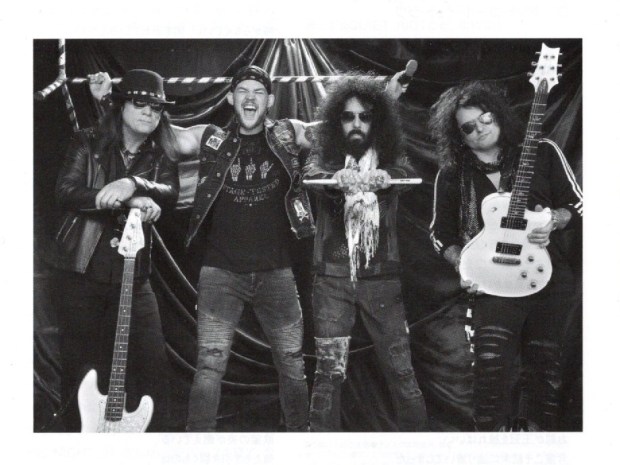
Suicide Star recorded a Christmas song? Then you know it’s going to rock heavy! To make it even more interesting, this is not some overplayed Christmas pop hit from years past. It’s a brand new original song, and the first new single since their excellent debut album Isolation. Let’s celebrate!
As soon as singer Rob Barton opens his mouth, you know it’s Suicide Star. He makes the band easy to identify even on shuffle. Anchored by a melodic guitar line from Les Serran, “The Day that Christmas Comes” relays the bright hopeful feeling of the Christmas season.
There will be presents underneath the tree… But the only thing I need, is you and me.
Lyrically the song captures the spirit and magic of Christmas. Most importantly, the melodic tune (complete with jingle bells) makes it a delight to rock out to. Production is stellar – up there with the album or even exceeding it. There is even a fun and hilarious music video that really nails the Christmas vibe. Well done, Suicide Star, and may your trees be overloaded with joy this Christmas!
VANDENBERG – Vandenberg (Originally 1982, 2011 Rock Candy remaster)
I must the only person in the world who doesn’t care about the first Vandenberg album.
There’s nothing wrong with it. I can’t say anything too critical about it. A track or two aside, it just fails to click.
Of course the standout is “Burning Heart”, the song that Whitesnake rehearsed but never released on Slip of the Tongue as they should have. This hot ballad would have been a hit for the ‘Snake, had Adrian Vandenberg not got hurt and replaced on album by Steve Vai. It’s a truly remarkable song that, honestly, deserved the Coverdale treatment. (Fortunately, you can get a rough version of the song by Whitesnake.) It was good enough to use as an effective side one closer.
On another highlight, Adrian plays some stunning classical acoustic stuff on “Wait”. It transforms into a slow, cool dark rocker but has the unfortunate chorus of “Wait, wait, wait, ’til the shit hits the fan.”
“Your Love Is In Vain” is fine, B-level hard rock, akin to Helix, or Talas, or any band of that nature. Bert Heerink is a somewhat generic singer who doesn’t help elevate the track higher. Kind of a Derek St. Holmes style singer. “Back On My Feet” sounds like a Quiet Riot B-side, right down to the high notes that the bass occasionally hits. “Ready For You” could have been a Van Halen-like speed rocker but lacks the teeth that superior production can bring. “Too Late” has a cool riff and boogie, also recalling Van Halen. Wicked neoclassical, finger-tappin’ solo work too. “Nothing to Lose” is a decent song, with a good chorus that sounds like Talas. “Lost in a City” and “Out in the Streets” are not memorable at all and the production does them no favours.
Let’s say three keepers:
“Burning Heart”
“Wait”
“Nothing to Lose”
Whitesnake should have re-recorded “Burning Heart” properly on the road, when Adrian returned to the band after his injury. They blew a huge opportunity for a timeless hit by not doing so.
The best thing about this album is the guitar work. The songs are secondary.
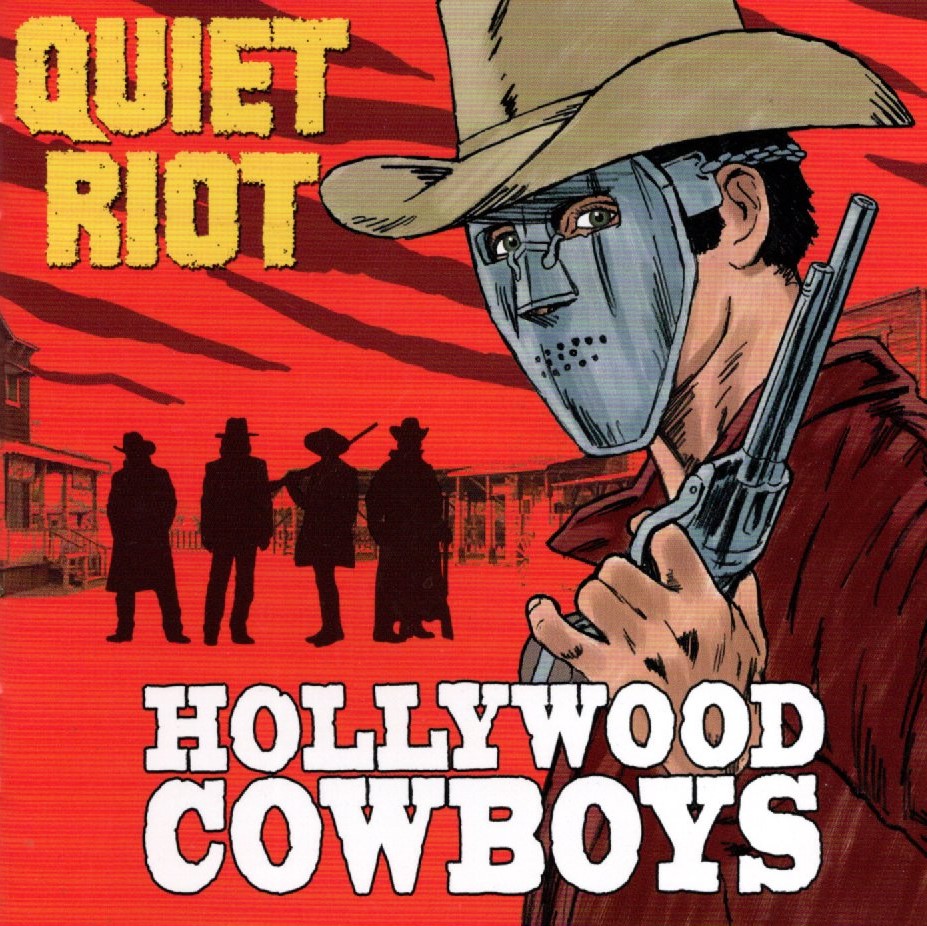
QUIET RIOT – Hollywood Cowboys (2020 King Record Co. Japanese import)
We all wanted Frankie Banali go out on a high note. He fought hard. His battle with cancer was inspiring. Unfortunately, his last Quiet Riot album Hollywood Cowboys is not memorable except as the drummer’s finale. The shame of it is, they previous album Road Rage was pretty decent so it wasn’t unreasonable to get hopes up for the sequel.
The songs just aren’t memorable enough. It’s bad when you can’t remember which track was the single (“In the Blood”). The opener “Don’t Call It Love” is better; singer James Durbin was able to infuse the chorus with some passion. The problem is none of the songs stick. Can you remember how “Change Or Die” or “Wild Horses” goes without a listen? “In the Blood” isn’t terrible by any stretch but there are no real singles on this album.
The musicianship is fantastic, with Frankie drumming like only he could. There’s some tasty organ on “The Devil You Know”, but no hooks. You can hear that they worked hard on Hollywood Cowboys, adorning songs with “woo oo ooo” backing vocals and lickity-split solos by Alex Grossi.
Some highlights include an AC/DC-like blues called “Roll On”, and the ballad “Holding On” which nails the vintage Quiet Riot vibe. There’s also a blast of Priest-like metal called “Insanity” that has plenty of power if lacking in melodies.
The album sounds as if rushed, which would be understandable given the circumstances, but that’s the impression it gives. Even the cover looks rushed. The mix is really saturated and could have used some more loving care. To its credit, it is probably the heaviest Quiet Riot album ever, from drums to riffs.
Here’s the mindblowing part. Only one guy on this album is still in Quiet Riot, and that’s guitarist Alex Grossi. James Durbin left before it was released, and he was replaced by former QR singer Jizzy Pearl (from the 10 album). Legendary bassist Rudy Sarzo is returning in 2022, replacing Chuck Wright. Lastly and most regrettably, Frankie’s stool was filled by former Type O Negative drummer Johnny Kelly. None of that is relevant a Hollywood Cowboys review, it’s just recent history. One does wish for more stability in the lineup, and perhaps Sarzo will bring that.
The Japanese import bonus track this time out is a lacklustre acoustic version of “Roll On”. Frankie plays with brushes, so it’s interesting from a drummer’s point of view. Sadly it’s the kind of bonus track that’s just not worth the price paid for the import.
Hollywood Cowboys is a scattershot collection of parts that never coalesces into songs. Everybody wanted Frankie Banali to succeed, in every way possible. But one must also be honest in a review, and can take no pleasure in shitting all over Frankie’s last record.




















 mikeladano.com