Reviews

REVIEW: Andrew W.K. – I Get Wet (2001)

ANDREW W.K. – I Get Wet (2001 Universal)

The early 2000s…they were a weird time, man. Just look at the clothes!  One guy who didn’t look like the year 2001 was Andrew Wilkes-Krier.  With a dirty white T-shirt and equally dirty jeans, Andrew W.K. came at the dawn of a new millennium.  His music was both ultra-futuristically sterile, while also being a throwback to the guitars and keyboards of the 80s. It’s impossible to pigeonhole his music into one genre, possessing qualities of pop, metal, and punk. We do know two things about Andrew W.K.: He likes to party, and he likes to write songs about it.

Andrew’s debut album I Get Wet is hard to describe.  It’s loud and banging, while also feeling like the product of a computer.  Though there are deluxe editions and Japanese bonus tracks out there, the core album is just 12 songs and 35 minutes.  Maximum bang per minute.  There are no songs over four minutes, and two that are under two minutes.  The instrumentation is guitars, bass, drums, and “programming”.  It’s impossible to know how many guitars, as several are credited including Phil X.  It’s a thick sound.  There are no solos.  There is no musicianship.  The volume knob has been cranked right off.

Opening up with “It’s Time To Party”, there’s a simple fun riff to headbang to.  Andrew’s yelling/vocals is augmented by keyboards to add melody.  If it were just his bare voice, it would sound very different.  Vocals, keys and guitars are layered thick and drums are cranked up to maximum bang.  It’s in your face, and one of the strangest sounds in rock and roll.  But…so damn catchy.  Dumb and catchy.  Exactly the point.

“Party Hard” was a significant hit.  I remember watching Andrew W.K. on Saturday Night Live one night, and my girlfriend looked at me and said, “You like this stuff?”  I did, and I still hear what I liked.

‘Cause we will never listen to your rules (No),
We will never do as others do (No),
Know what we want and we get it from you,
Do what we like and we like what we do.

The message is simple:  Party hard.  It’s a loud sonic mush, with a monolithic melody and if you were going to call this a guilty pleasure, then I guess it’s a guilty pleasure.

A repeating piano line introduces “Girls Own Love”, which almost sounds like you were listening to a Van Hagar hit at maximum volume, with your head under water and you’ve already held your breath for half a minute.  The overall melody comes through, but everything else is just loud banging.  Even Andrew’s vocals are a mixture between melody and percussion.  Good song!

The video gamey keys that open “Ready To Die” are indicative of the simple melodic construction of the song ahead.  Of course, the monolith of guitars and keyboards and vocals pile on, but you can’t shake the feeling that this is metal Mario music.  It’s a good thing these songs are short, because they usually consist of one or two ideas, rinse and repeat.

The tempos remain on high for “Take It Off”.  The formulaic piano keys ding while we wait for Andrew to start yelling.  You can imagine a sea of morons bouncing up and down to this song in some weird 2001 setting.  You can even envision what they looked like.  Then, “I Like New York City” breaks formula by opening with Andrew’s multitracked vocals.  Basically just a pop song played on guitars.  It’s simple enough to be a children’s song.  You can hear, in different arrangements, how these songs could be themes for Japanese children’s cartoons.

One cool song is “She Is Beautiful”.  To hell with dynamics; this one hits the mark again with the right combination of melody vs. bludgeoning.  It satisfies, but is best experienced with head bobbing.  Then, the delightful “Party Til You Puke” re-grounds the lyrical message where it should be.  You’ll enjoy the chorus of “Party til you puke, party til you puke.”  Probably the hardest song on the album, but it’s a narrow range of choices.  Fortunately, “Fun Night” brings things down to a sane tempo and non-deafening volume.

“Got To Do It” emphasises pop side of things.  It’s weird to hear a song that had this kind of pop potential, but with Andrew W.K.’s growly singing on top.  Without trying to sound like a broken record, it was 2001 and anything goes.  Synth horns are a surprising choice for the title track “I Get Wet” but they’re soon drowned out by the mush of guitars and keys.  You can exchange this song for “Party Hard”, or several of the others, so similar are they.  Finally we end with “Don’t Stop Living in the Red” which starts off like a Journey tune before Andrew’s signature banging kicks in.

Listen, I won’t lie to you.  You’re not going to get any smarter listening to I Get Wet by Andrew W.K.  You might have to put on some Paganini or Dream Theater to make up for the brain cells you burned.  Still, you won’t find anyone that sounds quite like Andrew W.K.  It’s such a strange combination of sugary sweet melodies, and excessively loud and layered guitars and yells.  Sometimes, it’s just what the doctor ordered.  It won’t be an album you play every day (nor should you; consult your pharmacist) but it might just be that perfect drug on the day you need it.

3.25/5 stars


REVIEW: Paramore – This Is Why (2024)

PARAMORE – This Is Why (2024 Atlantic Records)

So here I am, sitting down to write my very first Paramore review, and this is what singer Hayley Williams has to say to me in the very first verse of the first song, “This Is Why”:

If you have an opinion,Maybe you should shove it,Or maybe you could scream it,Might be best to keep it to yourself.

Well, I already started writing to here goes.  I don’t think Hayley will have an issue with my opinion in this instance.  I’ve long been a distant observer of the band, so it was finally time to check out an album.  This Is Why was the only one in stock at the local store, so this is why I bought This Is Why.

The title track demonstrates the immense talent of this trio, augmented by backing musicians.  Brian Robert Jones, one of the band’s live guitarists, plays bass for example.  Otherwise we have singer extraordinaire Hayley Williams, longtime guitarist Taylor York, and founding drummer Zac Farro.  It is Farro who immediately grabs you on the song “This Is Why”, with his complex jazzy drum beat that the song is built on.  Meanwhile, York slashes his guitar with echo, plink, and skwonk in tasty ways.  Though the song is not straightforward in construction, the verses and chorus worm their way into your brain in short order.  It’s hard to describe what is going on here, but I hear funk, psychedelia, power and pop.

Williams is one to the best singers in any genre today, and you won’t find anyone fronting a band like she does.  She possesses not only unusual power and control, but also a knack for unique expression.  “The News” exemplifies these qualities, while also giving us another crazy Zac Farro drum part.  The angry chorus seethes but also soothes.  Hayley throws everything she has into these verses.  The lyrics also resonate with this anxious age in which we live.  “Turn on, turn off the news!” she exhorts. “But I worry, and I give money, and I feel useless behind this computer,” she shares.  The chorus is the main thing though.  It scorches.

A light but bouncy and dexterous bassline grounds the third track, “Running Out of Time”.  There’s a hint of funkiness in the chorus.  This song sounds like it came from a strange era from another dimension:  the early 70s crossed with the early 80s.  You can really move to it.  I also love the call and answer vocals:  “I’m always running out of time!”  “She’s always running out of time!”

“Ç’est Comme Ça” is a fun track with spoken word verses and a bouncy chorus.  Farro keeps the beat dancy.  York uses layers of guitar to add texture.  It’s a short song and over before you know it.  The final song on side one is “Big Man, Little Dignity” which is catchier than its title.  For those who like guitar hooks, this song has a nice one with a solid bassline that rolls through.  The delicate chorus is immanently catchy, because it contrasts with the rest of song.  The whole thing is great.  A 1970s sound comes through, and the clarinets and flutes are a nice touch.  Bass clarinet too!  Unique, smooth, melodic in every direction.

“You First” brings the hard edge back.  The dissonant guitar line quickly falls into place within the ears.  It has a Cars-like vibe, but heavier.  The bass is no longer funky, but thumpy.  Always interesting though; the basslines on this album are all worth listening to.  The chorus on this song is explosive.  The combination of Hayley’s lungs and Farro’s snare drum just doubles the power.

Vibraphone opens up “Figure 8” with a bass clarinet.  It’s not a softy though.  Hayley offers biting verses, but once again when things come to the chorus, it tends to get explosive.  It’s at that point that Farro channels his clever drum parts into sheer power, and Williams pushes the limits of the mixing board with her voice.  It’s always melodic though, with the song never losing sight of itself.

“Liar” offers a respite, with delicately picked guitar lines backed by understated (but not uninteresting) drums.  Hayley’s vocals here are delicate and demonstrate her versatility.  Following this, “Crave” amps it up slightly, but also turns up the “melody” knob.  The chorus doesn’t disappoint.  What surprises is the closer “Thick Skull”, which is one of the softer songs.  Musically only, not lyrically!  “Only I know where all the bodies are buried, thought by now I’d find ’em just a little less scary.”  This song is loaded with texture:  different guitar effects, piano, percussion and of course Hayley’s diverse singing styles.

Of note, all songs are credited to the three members of Paramore, and there is no long list of high priced producers.  Paramore is a band.

This Is Why is a pretty great rock album with a foot in pop.  It works best when the band is playing it upbeat, though the slower songs may prove to be dark horses as time goes by.  The album is deceptively busy:  the hookiness makes it feel straightforward, but when you listen to the musicianship, they are not playing down to anyone.  Farro and York deserve credit for exploring non-mainstream styles in a mainstream band, while Hayley must always be commended for her excellent lyrics and absolutely stunning voice.  There are few singers like her, and that’s why she’s the focus of Paramore.  However, as stated above, Paramore is a band, and the writing and playing of everyone involved must be addressed in any review.  There’s cool stuff in these grooves.

“If you have an opinion, Maybe you should shove it?”  I don’t think I’ll keep this opinion to myself.  I think Paramore are tremendous.

4/5 stars

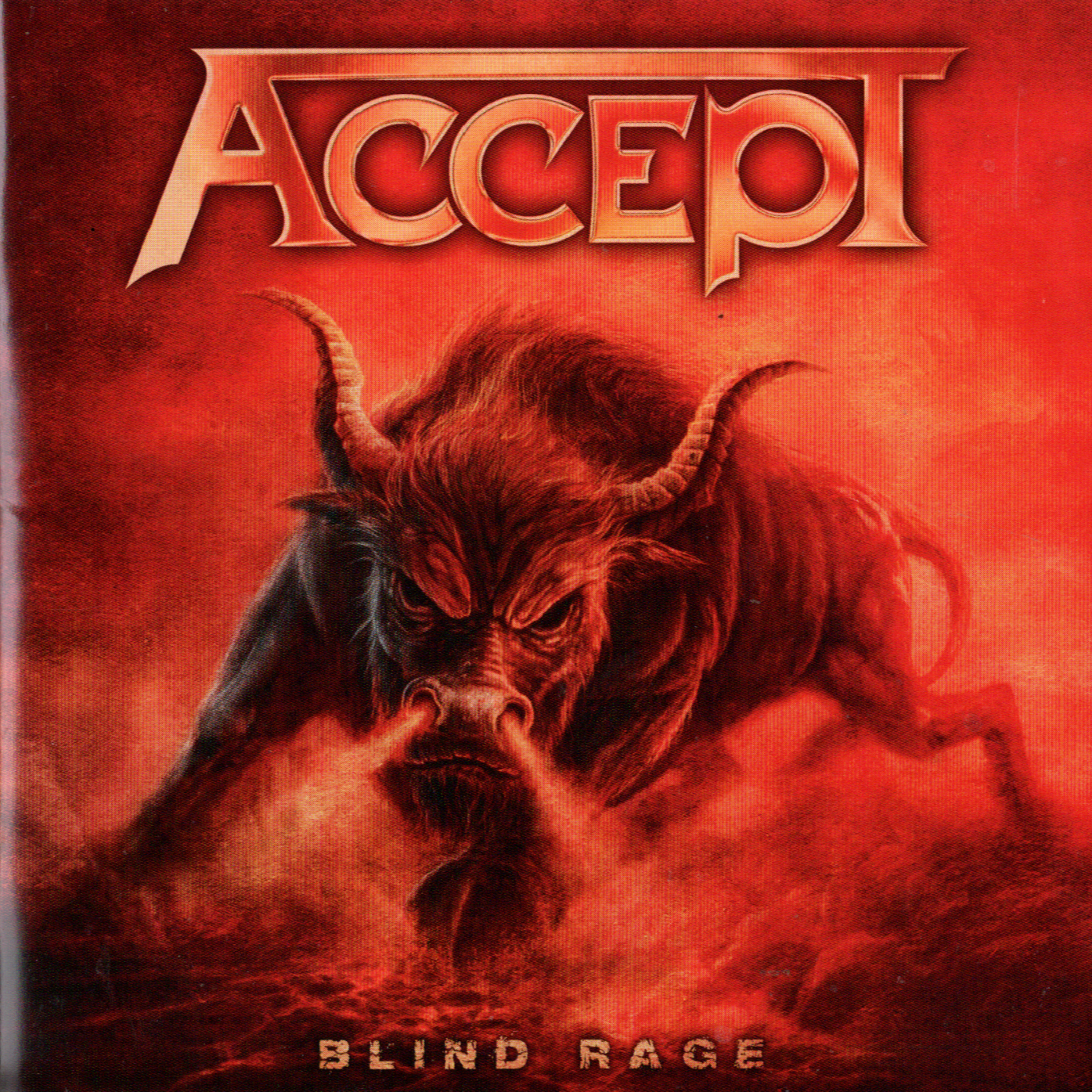
REVIEW: Accept – Blind Rage (2014 Japanese import)

ACCEPT – Blind Rage (2014 Nuclear Blast / Japanese bonus track)

Accept finally proved they didn’t need Udo Dirkschneider with Mark Tornillo.  He has had a steady run of reliable albums that continues to this day.  2014’s Blind Rage was his third with the German metal legends.  Blood of the Nations and Stalingrad are hard to beat, and Blind Rage comes in third.

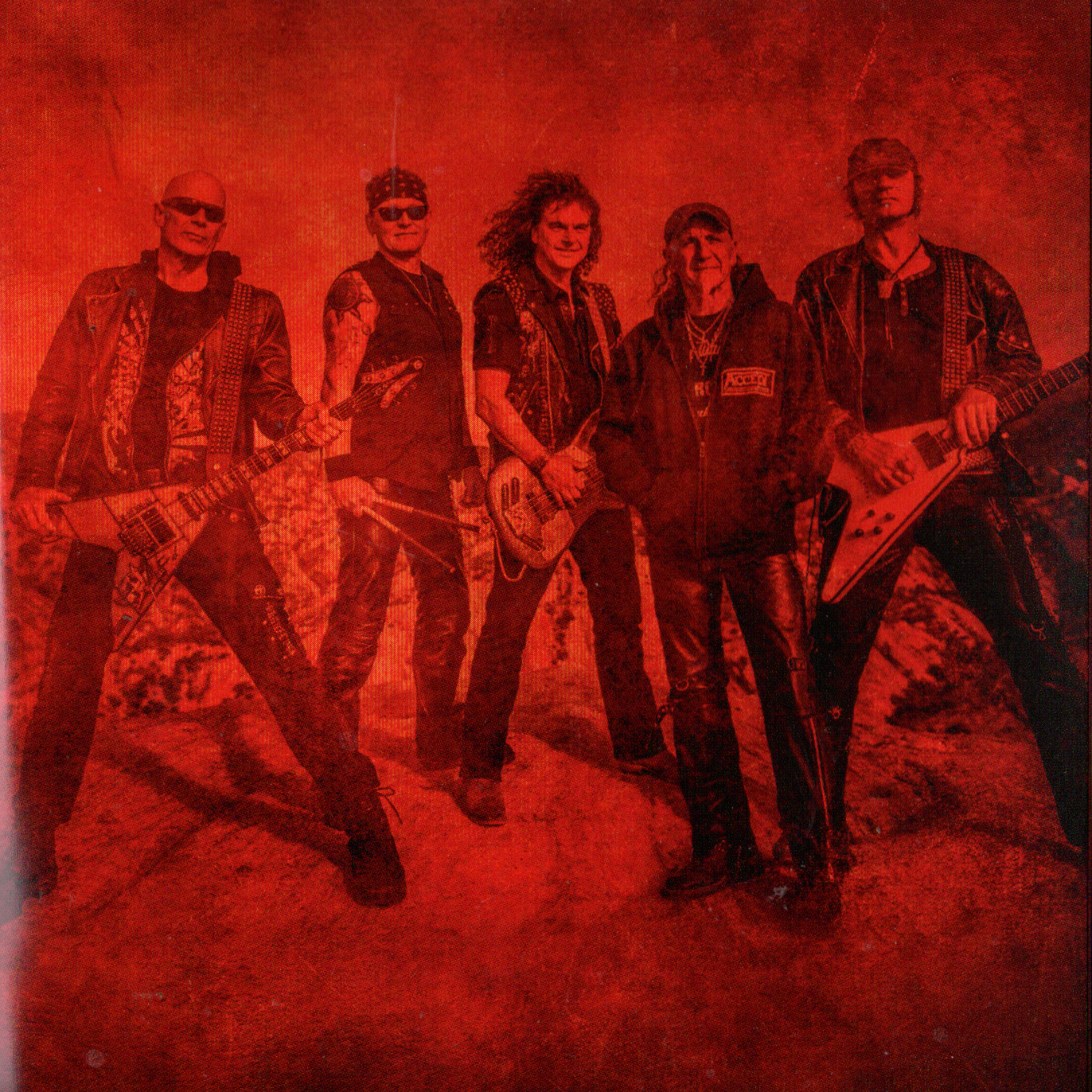
The album debuted at number one on the German albums chart.  It Accept’s last album with guitarist Herman Frank and drummer Stefan Schwarzmann, and produced generically by Andy Sneap.  Sneap gets a great sound, but as we’ll see, there’s too much formula and same-sameyness to the songs as the album goes on.  Fortunately, the album gets off to a good start.

“Stampede” is a quintessential opener!  Breakneck speed, but with melodic harmonies on guitar.  Wolf Hoffman certainly knows how to write riffs and guitar melodies.  Mark Tornillo is in great voice, growling low before hitting you with those screams, punctuated sparingly.  A tad generic with that shouted “Stampede!,” chorus but the screams and the tempo make it worthwhile.

The lyrics on “Dying Breed” are cringe worthy, I’m so sorry to say.  Some sample lines so you get the idea:

  • “Long ago a sabbath black cut through the purple haze.”
  • “Screaming with a vengeance that we will forever hear.”
  • “The zeppelin led it’s voyage thru skies of purple deep.”
  • “And in a land down under highway to hell was paved.”
  • “An iron fist cut the deck and drew the ace of spades.”

I am on record as disliking these kinds of references within lyrics.  Fortunately, Mark sings it with conviction, and the song itself is pretty awesome.  Guitar melodies are very much like a national anthem.  There’s another shouted chorus, “We’re the last of a dying breed!” but let’s hope metal doesn’t die prematurely.  Wolf throws in some classical-influenced guitar thrills to compensate.

The best song on the album is the desperation-drenched “Dark Side of My Heart”  Melancholy metal with a stunning chorus.  You can’t help but sing along, and all this is augmented by stunning guitar melodies by Wolf.  Accept always keep things moving, but it’s so much better when it’s melodic, and this is the most melodic song on the album.

The first slow song on the record is track #4, “Fall of the Empire”.  It takes a little longer to sink in, but the chorus is melodic enough.  However, Accept’s penchant for those low pitched gang choruses is already starting to wear.  Wolf’s solo here is really different, with a nice dry tube-y tone and some really unusual melodic choices.

Crank up the afterburners for “Trail of Tears”, a song about the trials of the Native American.  “Who are the savages now?” asks Tornillo.  The drums by Schwarzmann are phenomenal.  Another high speed blur of modern metal, and one that sticks in the brain afterwards.  Classical influences can still be heard in Wolf’s melodies.

Guitar harmonies take center stage for “Wanna Be Free”.  Slower, more deliberate, dark and with a message.  “No more crime and poverty,” “No more human trafficking”.  Fairly simple, but that’s often the goal of these kinds of songs.  Keep it positive, and not political.  Though the guitars are always enticing, this might be the first one you feel like skipping.

Nuclear war is always a hot topic for metal bands, ever since Black Sabbath popularized it in the 1970s.  In “200 Years”, nuclear war has devastated the planet to population zero:  “200 years after mankind”.  We’re back to the stone age just as prophesied.  “I do not know with what weapons World War III will be fought, but World War IV will be fought with sticks and stones.”  That’s a quote often attributed to Albert Einstein.  Great topic, great song, with a neat little exotic interlude by Wolf in the middle before the solo.

Skipworthy “Bloodbath Mastermind” is just generic metal.  Yes, it bangs, but there are no exceptional hooks.  Pass.

Ear fatigue setting in, “From the Ashes We Rise” repeats the grooves that are becoming monotonous.  We realize now that the Japanese 12 song track listing is just too long.  This album should have been a simple, traditional 10 songs.  Having said that, at least “From the Ashes We Rise” has melody, while “Bloodbath Mastermind” did not. Ultimately it sounds like a knockoff of another song on the album.  A good knockoff, at least.

Back to quality, “The Curse” is a little more unique, and focused once again on melody.  It’s a little somber, which is a nice change of pace after so much defiant headbanging.  Some memorable hooks; different from the rest of the album.  A highlight.

The closing track on the standard album is the Priest-like “Final Journey”, the guitar solo of which creatively features a very recognizable melody lifted from Grieg’s “Morning Mood”.  Good closer, lots of building tension in the guitars.

The Japanese closer is “Thrown to the Wolves” which is fine, just like many of the album tracks, though like many of them, plagued with generic riffing and melodies.  Catchy enough, just…not unique enough.

Blind Rage is a solid album, but Accept’s repeated use of certain elements such as those low-pitched choruses makes some songs really hard to remember and differentiate.  Of the 12 songs, there are probably 10 keepers.  It’s not a bad album by any means, but the formula is starting to set in and it takes many listens to really separate the songs in your mind.  A little editing would have been wise.

3.5/5 stars


IRON MAIDEN SERIES ANNOUNCEMENT! Grab A Stack of Rock Celebrates 50 Years of Iron Maiden

Coming in 2025, right here on WordPress and YouTube.

M – Hi!  This is Mike!

H – And this is Harrison, from Grab A Stack of Rock

M – And we just wanted to let you know we have something very exciting cooking up for 2025.

H – That’s right.  2025 is the 50th Anniversary of the formation of Iron Maiden, and we are going to mark the occasion with a series of deep dives.

M – Right here on Youtube, we plan on discussing every studio, and every song, in detail.  We’re also bringing in a slate of special guests to help us.

H – Not just studio albums, but we will also be talking about the official live records too.

M – Live records, B-sides, the history, the artwork…we plan on doing Iron Maiden right.

H – I guess it will be my job to talk about the tours, correct?

M – That’s right buddy.  You’re an expert on the setlists, so we’ll have to touch on what songs were played, and which ones never were.

H – We have our work cut out for us my friend.

M – We sure do, but it’ll be a labour of love.  I’m really looking forward to this, especially some of the guests that will be joining us.

H – Let’s not spoil everything just yet.

M – You’re right Harrison.  So like, subscribe, and share the Grab A Stack of Rock Youtube channel for 50 Years of Iron Maiden.

H – Coming in 2025.

#ironmaiden #nickomcbrain #brucedickinson #pauldianno #steveharris #eddie #derekriggs #martinpopoff #martinbirch #davemurray #adriansmith #paulmarioday #denniswilcock #blazebayley #janickgers #adriansmith #cliveburr #dennisstratton #grabastackofrock

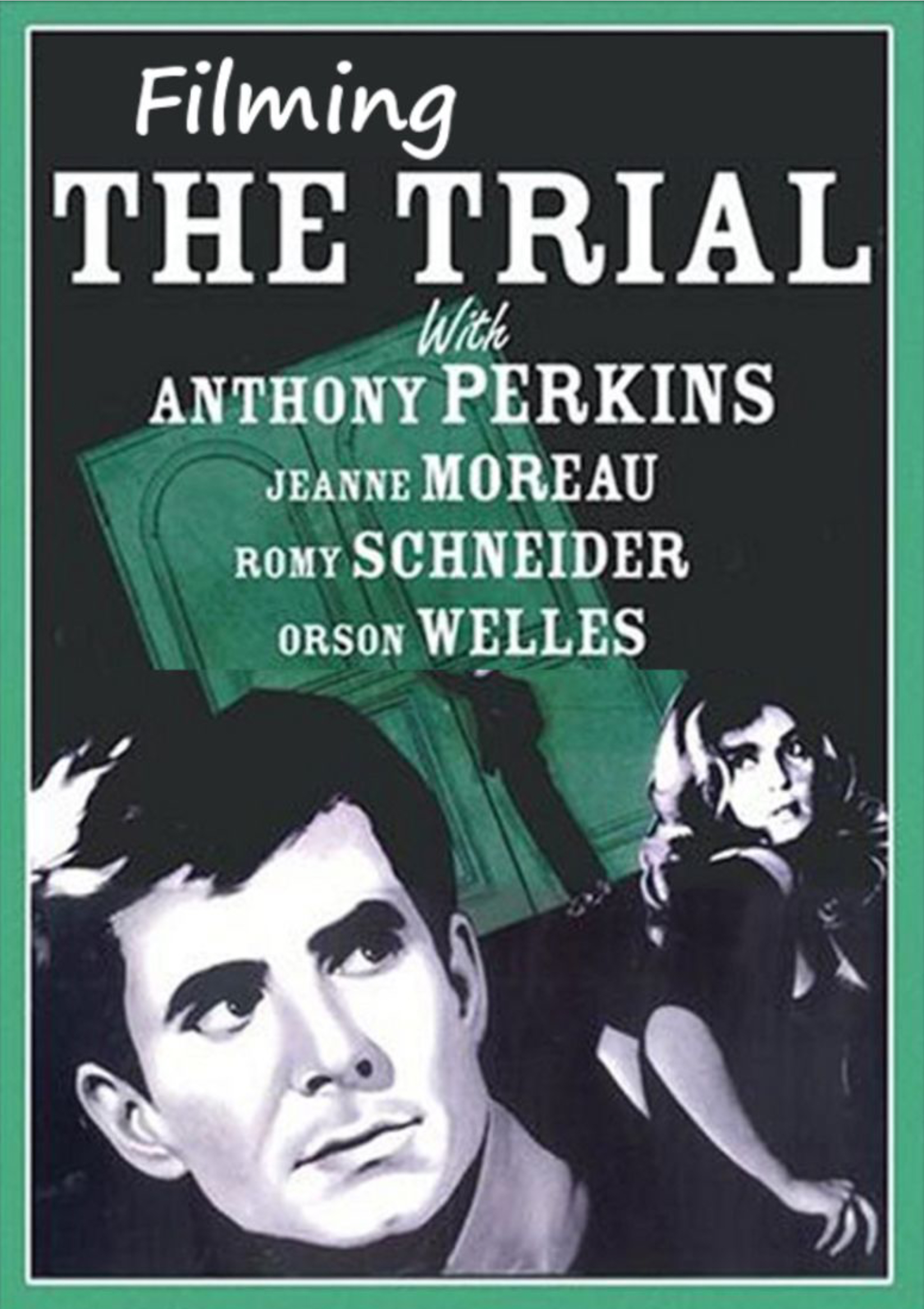
GUEST FILM REVIEW: The Trial (1962) by Holen

THE TRIAL (1962 Astor Pictures)

Directed by Orson Welles

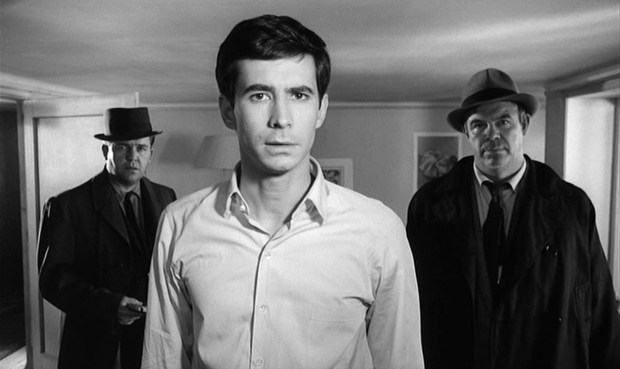
In some ways, it’s a shame that Orson Welles made Citizen Kane, and made it as his first picture. It seems to enable general audiences to ignorantly overlook an extensive and mostly excellent body of work. One of my favorites, and a film Welles himself once referred to as “the best film I have ever made,” is 1962’s The Trial. Welles tackles the Kafka novel of the same name with a masterful understanding of its source.

The tale is a surreal examination of a corrupt justice system in a vaguely dystopian society. Welles brings Kafka’s surrealism to screen in what might be the most strikingly acute representation of dream logic ever filmed. Certainly closer in feeling to my dreams than anything Buñuel or David Lynch ever made, great as their work remains. In The Trial, The tension is brought to a slow boil, as opposed to any cheap scenes of outright horror. The film has been compared to a nightmare, and too often cinematic portrayals of nightmares defer to sensationalized moments of screeching noise and hellish imagery, neglecting that ineffable feeling of dread that accompanies true nightmares in the moment. That feeling of fear and not being entirely sure what it is triggering the state of alarm.

A story like this could easily come off as cold, but the narrative focuses on the man himself over the system oppressing him, grounding the story through his point of view. Anthony Perkins plays the accused, only he and the audience are never told what crime he allegedly committed to warrant the persecution. It feeds into the dreamlike fear of not having all the pieces, a fear of the unknown, and ultimately a lack of control. It’s a powerlessness in dreams that parallels the powerlessness many feel at the hands of a cold and impersonal judicial system, and the marriage makes for one of the most emotionally compelling movies of this type.

The more confused we get, the more helpless we feel along with the accused. But the film never goes so off the rails that we’re lost completely. It gives the feeling of drowning while being so close to the surface. We can almost piece it together, but it’s murky. The feeling of disorientation doubling as a way to generate fear, and further represent how many must feel being subjected to the complexities of the legal system.

The visual language of the film is anchored by a bleak but soft black and white. Welles impresses with his typically inventive shots and images, many left off kilter in the slightest of ways, making extensive use of shadows, auras, and ambiguity. Rooms lead where it’s not possible to go, settings feel strange, and the extras make no noise. They’re strange and bizarre placeholders in the background, silent and faceless observers.

In spite of the narrative inducing the sensation of lacking control, it’s clear we’re in the hands of a director in total control of every aspect of his film. The cohesiveness of the story, visual style, and, mood give us something to hang onto as we’re thrust through this nightmarish tale. Every piece works in tandem to create an overlooked masterpiece from one of cinema’s geniuses, spawn from a novel by one of literature’s very same.

5/5

#1167: Small Talk

RECORD STORE TALES #1167: Small Talk

My dad used to tell me stories about my grandfather, his dad.  “He had the gift of gab,” said my dad.  “So do you, too.  He could have sold ice to Eskimos.”

He was right.  I’m good at small talk.  I just hate it, that’s all.

The year was 2004.  I was stuck working at the Beat Goes On location that I hated most, the Highland Road store.  It was on the wrong side of town, had a lot of crackhead customers, and there was no direct way to get there like the other stores I worked at over the years.  It was, by far, the worst store I had managed.  Small, out of the way in a little known plaza, and with the corporate office in the back.  That meant that Boss Man made it his headquarters, as did the office Bully and her lacky.  The only days I enjoyed working there were Fridays.  The office bully usually chose Friday afternoons to work with her friend at the Cambridge store.  Seniority had its privileges.  I tried to hide my improved Friday moods from my co-workers so they wouldn’t figure out how much I hated that bully.  It failed.  They all noticed I was in a much better mood on Fridays.

I remember one time the Boss Man was observing me at work.  He noted that my shoulders were hunched up when dealing with him, but when I was just working with my regular staff, I was more relaxed.  He used this as a chance to critique my management style with my subordinates.  I don’t think he ever understood that I was tense and hunched up around him because he stressed me the fuck out!  He did that to a lot of us.  Not all, but he sure could be intimidating just by standing there.  When I first started, things were different but as the chain became more successful, he changed.  The power structure had also changed.  I changed too, but for different reasons.  I was becoming worn down by the job.  Whatever the cause, I could not be relaxed around him anymore.

You could imagine how thrilled I was when he asked for a ride over to the Fairway Road store on my way home one wintry snow-covered day.  I cringed when he asked.  The last person in the world I wanted to be stuck in a car with during a snowstorm.  Well, second last.  The only person who made me more tense was the office bully.  I never had to give her a ride in a snowstorm though.

“Yeah, no problem!” I said with as much enthusiasm as I could muster.  “Just to the store?”

“Just to the store,” he answered.  “I have some work to do there, and then I’ll get a ride from there.”

“Great!” I said with more of that fake lustre in my voice.  I was an expert at it.

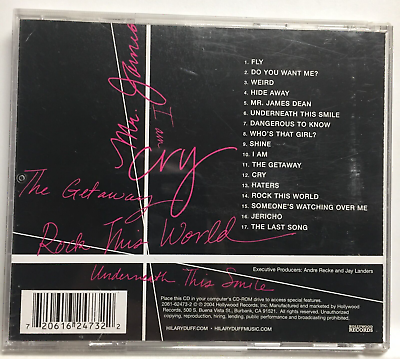
I know it was 2004, because it was before Christmas, and I remember the small talk we engaged in:  the Lindsay Lohan feud with Hilary Duff.  Lohan’s debut album Speak was featured on our front chart.  Hilary Duff was out with her second album, which I actually enjoyed.  There was a rocker on there that I liked called “The Getaway”.  A rocker?  You bet.  It was co-written by James Michael of Sixx A.M.

My small talk skills were put to the test as we got in the car.  I remember the weather was bad, and he said “Just take it slow, we’re in no rush.”

Well, I was.  I wanted to get home, but I drove as carefully as I could.  I felt like he was watching every move I made as I drove.  Every lane change.  He didn’t backseat drive like others sometimes did, but he I felt his eyes on my steering wheel.

I struck up the conversation.  “So, did you hear about the feud between Lindsay Lohan and Hilary Duff?” I asked him.

“I’ve heard about it, but I don’t understand it,” he answered.  “What’s it all about?”

I explained that it started with Aaron Carter, who Duff dated before he moved on with Lohan, and then back to Duff.  That’ll do it.  They sniped at each other in the press for a while.  I tried to to explain to the boss everything I knew about the feud, which was just what I had read on the internet.  The boss listened politely, and commented that it all sounded manufactured to sell CDs.

We finally arrived.  I helped him unload his crap from my car and wished him a good night.  I went home to decompress and try to forget how depressed I actually was.

But I could small talk.  I could do it with just about anybody, given the need.  My dad was right.  It’s a gift!


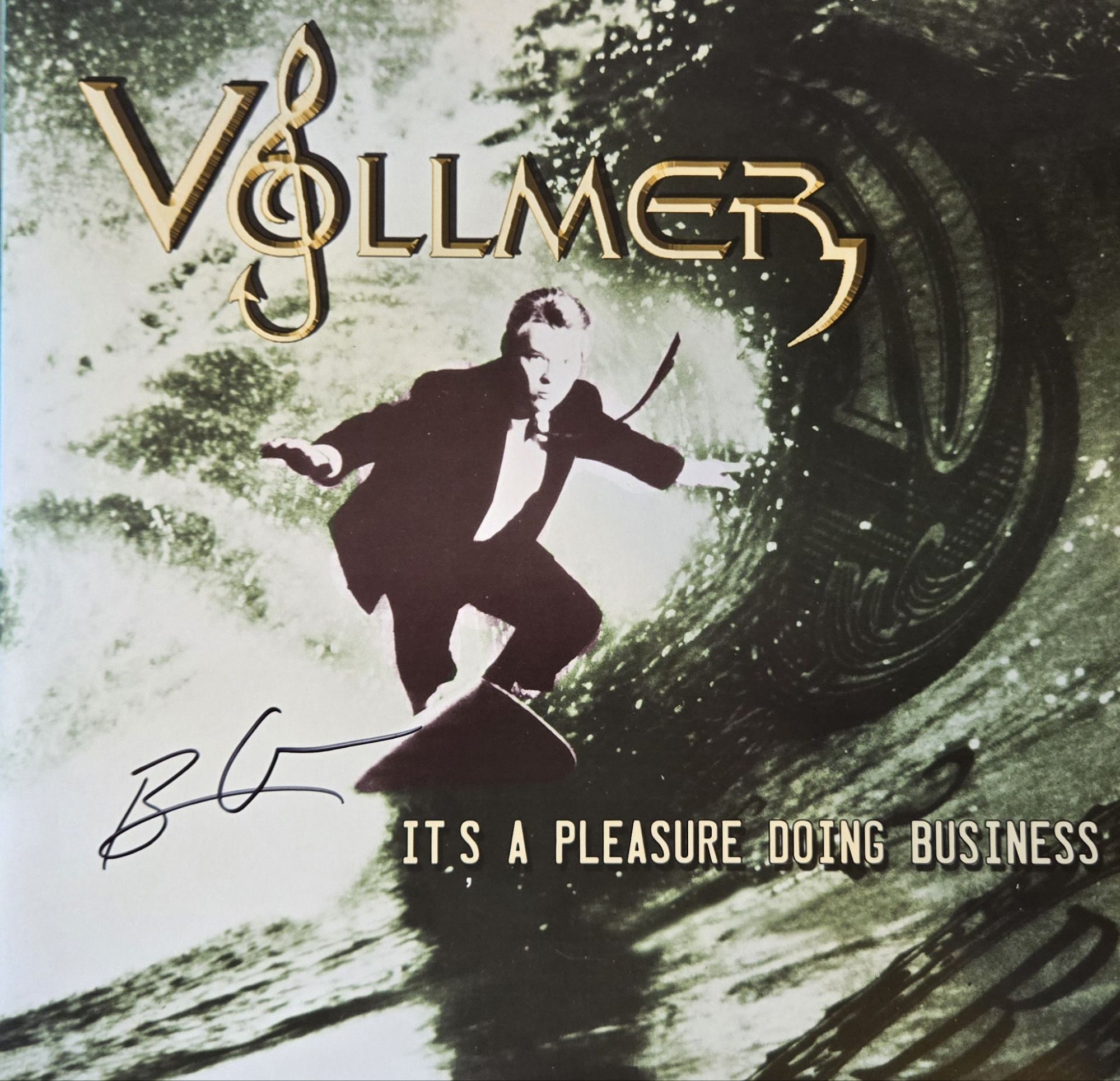
REVIEW: Vollmer – It’s A Pleasure Doing Business (2024 vinyl release)

VOLLMER – It’s A Pleasure Doing Business (2024 Helix Records vinyl reissue)

In 1993, Helix released one of their best, most unsung albums:  It’s a Business Doing Pleasure.  It featured a more acoustic-based side of Brian Vollmer’s writing, who penned the majority of the tunes with Marc Ribler as a solo project.  At the same time, Helix guitarist Paul Hackman was writing his own set of tunes for the next Helix album.  When Paul was tragically killed in a 1992 tour bus accident, Brian had no choice but to use his solo album as the next Helix record.  This never sat well with the frontman, who felt it did not represent the hard rockin’ down n’ dirty core of Helix.  Brian said in his book Gimme An R, that the album was “a huge mistake on my part, and I take full credit for the blunder. The really sad thing about it all was that I was really proud of all those songs on the album and they were wasted because they did not fit under the Helix name.”

I occasionally differ with Brian Vollmer’s opinions on such things.  I loved the album in 1993 and it still sounds brilliant today, and not at all dated to the time.  While Helix’s new sound came as a surprise, it was not an unpleasant surprise.  In an age when every band was getting heavier to compete with grunge, Vollmer took the opposite tack, and I loved him for it.  It’s a Business Doing Pleasure was a brilliant album, “Helix” or not.  A rose by any other name…

I can understand why Vollmer chose to reissue this album under his own name, seeing as it was intended to be from the start.  To differentiate from the original, he changed the title to It’s A Pleasure Doing Business, which unfortunately loses the wink-and-nod cleverness of the original title.

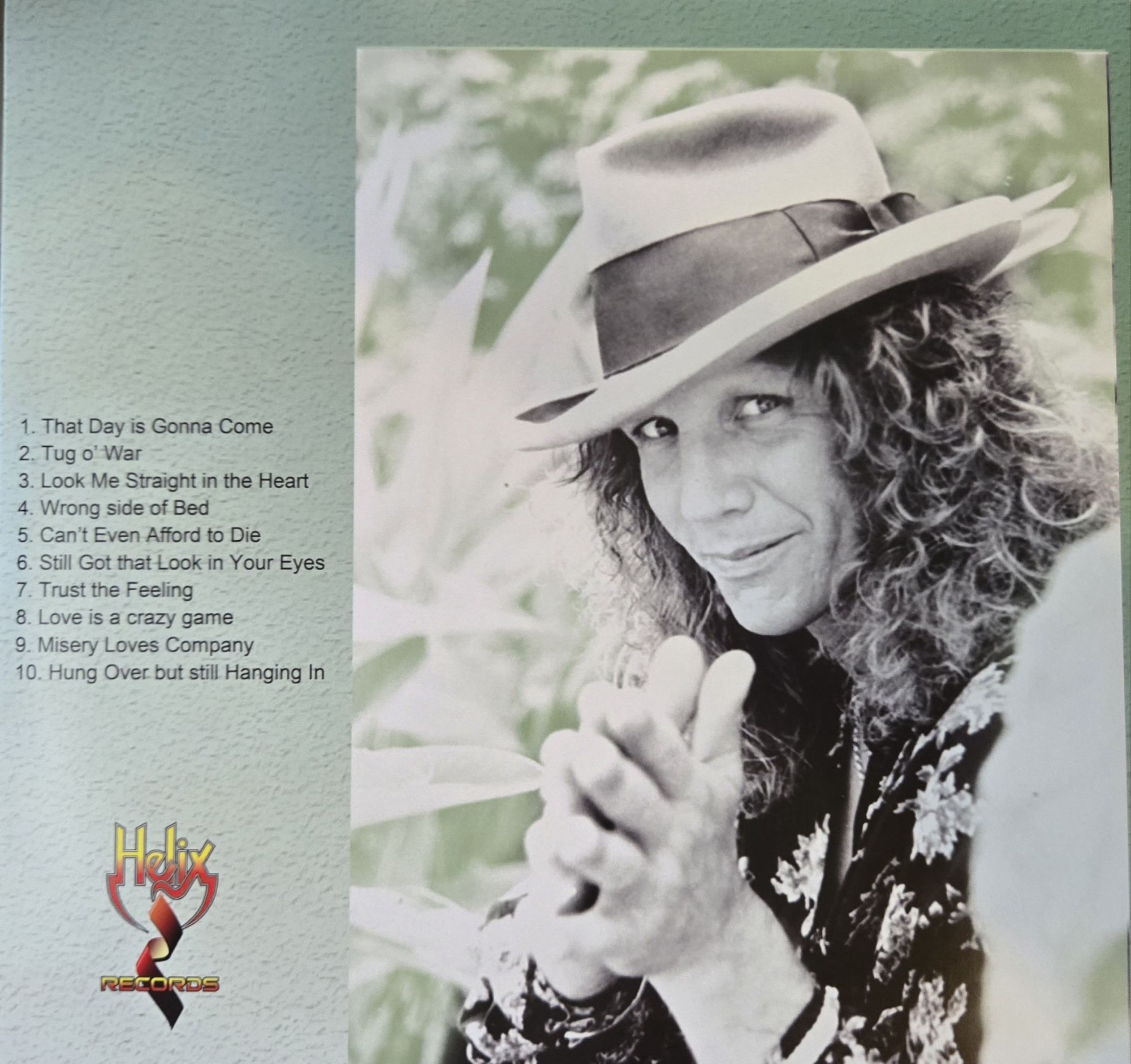
Vollmer also chose to axe and replace two songs.  The closing duo of “Sleepin’ in the Doghouse Again” and “Mad Mad World” are lost, which is a real shame.  “Doghouse” featured Kim Mitchell on lead guitar, though it was the hardest and most Helix-like of the tracks.  “Mad Mad World” was just melodic brilliance, with whistling!  Two crucial songs.  They are replaced here by new recordings.  “Still Got that Look in Your Eyes” is a previously unheard track, featuring Helix members Fritz Hinz and Daryl Gray.  “Hung Over But Still Hanging In” is not a new version of a Helix deep cut from Vagabond Bones.  This seems to be a completely new song with the same title.

There are some serious unrecognized tunes of brilliant melodic composition here.  “That Day Is Gonna Come” remains a Helix pinnacle of sorts, a passionate callback to the golden years with that delicious acoustic backing.  “Tug ‘o War” is a ballad that Brian and Greg Fraser once performed live in the MuchMusic studios, and a strong one at that.  “Look Me Straight in the Heart” is a duet with Lee Aaron, that used to open side two of the album.   Another ballad, but one that really should have been a hit.  You’d think Lee and Helix on one big ballad would have set Canadian radio on fire.  “Wrong Side of Bed” has some kick, and funny lyrics.  Side one closer “Can’t Even Afford to Die” is actually upbeat, and features some brilliant twangy soloing by Ribler.

“Still Got that Look in Your Eyes” is a really decent 80’s-sounding pop rocker.  It is an awkward fit on the album, because though it suits the poppy direction of It’s A Pleasure Doing Business, the keyboards differentiate it.  It’s also played by different musicians, which the subconscious mind of the Helix fan can pick up on.  Brian’s voice is a little lower, since 30 years passed between songs.  Good tune though, perhaps even great!  It will take some getting used to in this running order.

“Trust the Feeling” is another shoulda-been classic from the original album.  Though a ballad, this album didn’t really feel like it had too many of them.  It just felt like everything fit.  Ribler plays some very nice slide parts here.  “Love Is a Crazy Game”, though…what a ballad!  There’s a rock version of it on another Helix album, but this fully acoustic version of it is flawless.  Vollmer was in peak voice, and peak songwriting.  His vocals just speak, the way only great singers can do it.  There’s plenty of acoustic excitement with the guitars too.  No drums.  The album may have been a stripped back affair in terms of rock, but not in arrangement.  There is plenty going on with percussion, vocals and acoustics to occupy the ear.

“Misery Loves Company” is a solid country rocker from the original album.  More rock than country, but the twang is undeniable and nothing wrong with that.  It has a shout-along chorus that would still do well today, if Helix ever decide to bring this gem onto the stage.

The other new song, “Hung Over But Still Hanging In”, closes the album.  It seems like only the title was re-used from Vagabond Bones.  This is a nice drinking ballad, with a bit of a kick compared to the rest of the ballads.  It matches very closely the vibe of the original album, featuring Helix guitarist Mark Chichkan on guitar,

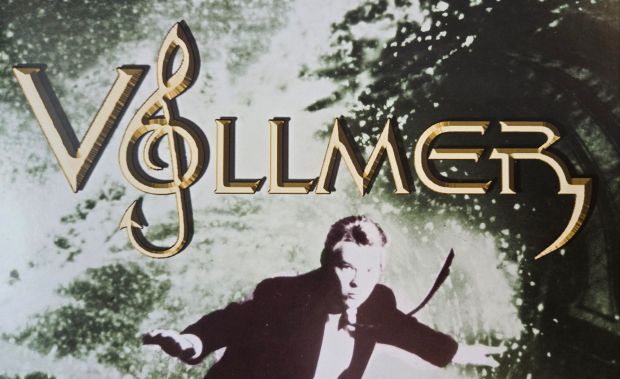
Here’s where the constructive criticism comes in.  The original album title and font on the cover were better.  This new zoomed-in cover with the Vollmer logo on it feels…off.  The original was a piece Hugh Syme art, and the new version was re-created by Brent Doerner.  It’s hard to improve perfection, and that’s not Doctor Doerner’s fault.  I wish this album had a big Helix logo on the front cover.  The original album never had the classic Helix logo.  Imagine if this did!  There is also a laissez-faire approach to capitalising the song titles on the back cover, but it’s a gatefold cover at least.

For 30 years, this was a Helix album.  It just doesn’t feel right filing it under “V”.  (However it’s my collection and I’ll file as I please!)  Since it was intended as a solo album back in 1992, it’s logical to do a reissue under the Vollmer name.  It makes sense to add new material.  Shuffling the running order for a pleasing listening experience on vinyl is fine, but losing two songs is unfortunate.  This reissue could have been a 5/5 star bang-on wish fulfilled.  So close to the mark!

4/5 stars

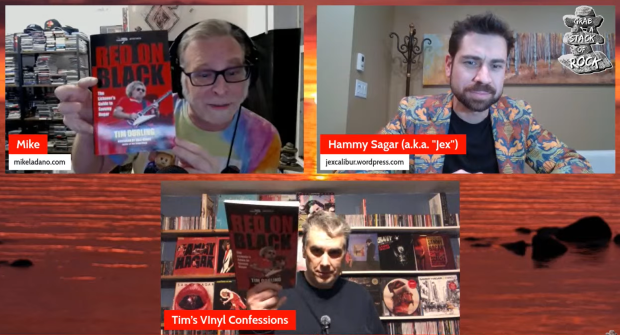
Sammy Hagar, UFOs, and writing books: Red On Black with Tim Durling and Jex Russell

Buy Red On Black: The Listener’s Guide to Sammy Hagar at this link.

A big thank-you to my co-host Jex Russell and special guest Tim Durling for this informative, fun and funny look at the career of Sammy Hagar.  The show was also about this new book that Tim has out about the Red Rocker.

OK, sure, the show went off the rails from time to time, but there were plenty of highlights:

  • A hilarious cold open by Jex
  • A cool 12″ single for “Heavy Metal” with two bonus tracks
  • An inside look at Tim’s process and priorities when writing this book
  • Lots of interesting opinions on Sammy and his various bands
  • Great interaction in the comments section with loads of great questions

Enjoy the show!

Show notes:


How do you go about asking Greg Renoff to write a forward. Just “Hey Greg…”?
Thanks for the shout out about the “late tax”.
Do you think Roth still listens to Montrose?
Have you ever heard “Sammy Hagar Weekend” by Thelonious Monster?
Regarding the “contractual obligation album”, there was a lot of information here that I was not aware of before, such as that note inside 5150 that says “Sammy’s solo albums can be found on Geffen records.” When you first notice that?
Capital Special Markets – were these only serviced to certain kinds of stores?

THE QUIZ:
Who engineered Chickenfoot III? – Mike Fraser
What is the name of the alien race that Sammy believes abducted him, and inspired many of his lyrics? – The Nine
Did the Sam & Dave actually happen, or was it just a Mandela Effect?

THREE-VIEW: Ratt – Out of the Cellar (1984, 2024 40th Anniversary edition)

RATT – Out of the Cellar (1984 Atlantic, 2024 40th Anniversary edition)

Shame, shame, shame on Ratt.

In 2020 they released a beautiful Atlantic Years box set, featuring bonus tracks including one for Out of the Cellar.  In 2024, they coughed up Ratt Rarities, with a bunch of unreleased Ratt tracks.  And now, mere months later, we are given another reissue of Out of the Cellar, this one featuring lenticular cover art and one more unreleased Ratt song.  This song could have been released on a 7″ single on its own, but if you want that, you have to buy the vinyl album all over again.  If you want the unreleased song on CD, you have to buy Out of the Cellar one more time.  I believe this is my fourth or fifth copy of Out of the Cellar now.  This is just exploitative of the fans.  Pearcy must need another swimming pool.

Is the one song worth re-buying the album again?  Fortunately the answer is yes.  “Reach For the Sky” is a 1983 Cellar demo written by Stephen Pearcy, Robbin Crosby, and Marq Torien of Bulletboys.  It sounds remarkably finished.  The guitar harmonies feel very latter-day Thin Lizzy, upon which the guys build a pretty cool song.  Though not as slick as Cellar, it sounds fully produced and ready to release.  Amazing that songs like this can remain buried for 40 years, and was never resurrected for an album even though the title was used in 1988 for the album Reach For the Sky.  While this one song didn’t warrant an entire album re-release, at least we got it.

The album itself remains solid four decades after the fact.  Opening with cowboy themed “Wanted Man”, the five Ratt Rodents were off to a compelling start.  The disorienting sound of backwards drums heralds in “Wanted Man” is an inventive way to make their introduction.  A simple, slow, chomping riff is menacing enough, while Stephen Pearcy growls though various Western metaphors.  “By the road, you will hang, it’s your neck from this Ratt gang.”  The capable harmonies of the band and especially Juan Crocier help nail the melodies that Pearcy alone can’t.  Nice solo work.  A great track worthy of a multiplatinum album.

“You’re In Trouble” is a little different.  Juan’s clunky bass still sounds a bit out of place, though the choruses rule.  But “Round and Round”?  Still a total sleaze rock triumph.  A keen sense of melody, rhythm and vibe mixed together with a sweaty Stephen Pearcy.  Brilliant solo work from Warren DeMartini, and perfectly layered harmonies under the production of Beau Hill.  Every element punches, from the simple but memorable riff and those echoey choruses.  Dated to the period, but tasty for all ages.

A nice choppy guitar bodes well on “In Your Direction”, a slinky number that serves Stephen’s style well.  Decent song, but with only one trick.  “She Wants Money” is more fun, a fast upbeat blast on a familiar theme, with Robbin “King” Crosby on lead guitar.  It’s hard not to headbang along with the melodic fun of “She Wants Money”.  That ended side one on the original record.

The second side opens “Lack of Communication”, a biting track just missing one key ingredient:  a real chorus.  The saw-like riff smokes, the verses are great, but it never resolves into a definitive hook.  It’s basically just the riff with some words over it.  “Lack of communication, back off!”

“Back For More” is a little disjointed but salvages it with a killer chorus.  Screamin’ Pearcy and the rodent choir give it the final polish.  Brilliant solo work here by Warren.  Then, one of the best non-singles is the blazing fast “The Morning After”.  It has a bit of a Quiet Riot vibe.  Juan’s bass is furious while Pearcy sings it for melody.  “I’m Insane” is mindless fun; just bad boy rock with the popular “I’m crazy” theme that their pal Ozzy was milking for millions.  Finally the album closes on “Scene of the Crime” which has a neat guitar hook that unfortunately is all but unrelated to the rest of the song.  Some cool melodies with the patented Ratt harmonies here.  Still, solid enough song that if they had been looking for another single, it could have been “Scene of the Crime”.

This reissue doesn’t have any additional packaging or liner notes besides the new lenticular cover.  The lenticular art  is nice, but it’s not solidly anchored to the packaging.  It feels like a symbol for the half-arsed nature of this reissue.

3.5/5 stars

EXCLUSIVE: Glen “Archie” Gamble of Helix fame sets the record straight on Grab A Stack of Rock!

Thank you Glen “Archie” Gamble for an awesome Friday night Rock N’ Roll Extravaganza!

History made here Friday night on Grab A Stack of Rock!  Glen “Archie” Gamble of Helix fame joined us for almost 2.5 hours of stories and education.  And we’re still not done!  We will have Archie back to pick up where we left off.  Co-hosts Tim Durling and Doctor Kathryn were both blown away by Archie’s answers.

It’s hard to summarize a show like this, because several Wikipedia articles will need to be corrected, updated, and expanded after this show.

Highlights:

  • The story of how Archie introduced Brian Vollmer to the Trailer Park Boys, which of course led to Brian’s cameo on the DVD.
  • Why Archie wasn’t in that scene.
  • When Archie connected Brian Vollmer with Sean Kelly, who offered to join Helix on guitar or bass.  He eventually joined on bass.
  • How Archie got the Helix gig by playing at Brian’s wedding, and how that came about.  (Thanks to alcohol.)
  • What happened at the “blazing” tryout for the band.
  • The circumstances of replacing Randy Cooke for one gig with the Four Horsemen.
  • The lineup changes in Helix and the necessity behind some of them.
  • Archie’s opinion on certain bands who are out there playing with no original members.
  • What he contributed in the studio to albums such as Rockin’ In My Outer Space and Rockin’ You For 30 Years.
  • How Rockin’ In My Outer Space began its life as a Brian Vollmer solo album.
  • Thoughts on Van Halen (Hagar), Y&T, The Warning, Quiet Riot, The Guess Who, and many more.
  • Heartfelt appreciation for Greg “Fritz” Hinz.
  • Why he started YouTubing with the excellent Gamble Ramble channel.
  • What are rototoms and how do they work?
  • And even some education on primates.

This is a 2.5 hour education in rock and roll history.  Check it out, and give Archie a subscription on YouTube.  He WILL be back!