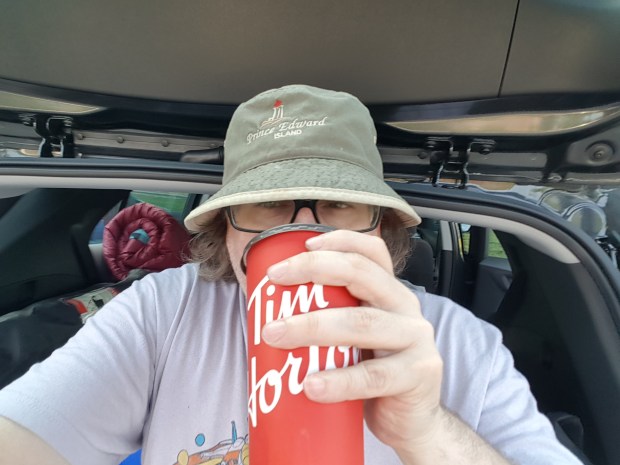
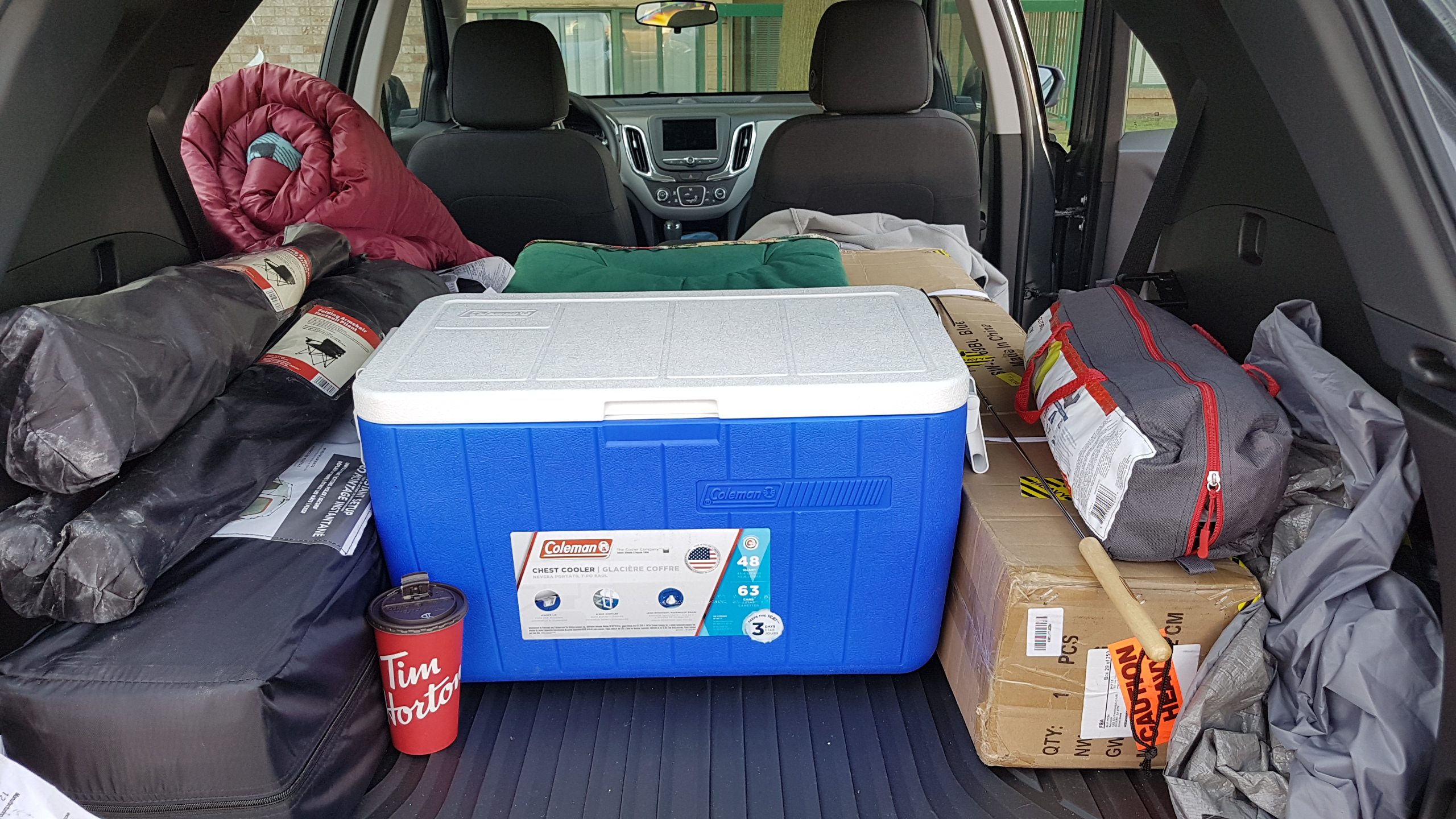
New vehicle. New tent. New canopy. New chairs. New camera. New Kiss Crocs. New jokes. New songs. Same old me.
I have the meat, now I just need the Meat. I have specially curated a number of 8 gig flash drives full of music, including the entire Kiss catalogue. There’s an old riddle dating back to at least 2015: “How many versions of “Beth” does it take to wake up Uncle Meat?” We’ll find out!
I’m in a Bosstones mood so let’s rock! I will be openly campaigning for enough votes to get this song on the Countdown in 2020.
If you love physical media (and chances are that you do or you wouldn’t be reading this) then you probably love it in all its myriad shapes and forms. Let’s be honest, when it comes to sheer varieties, there are far more weird vinyls out there than CDs. Picture discs, shaped discs, discs with liquid or actual objects inside the record, odd speeds, colours, thicknesses…you can take the vinyl LP in so many different directions. When you mess around with the CD format (shaped discs, enhanced discs, CD/DVD DualDiscs) you often end up with a product that won’t play in all players. Vinyl tends to be good to go for whatever turntable you have, though you will need a manual over an automatic when it comes to the Vinyl Disc. That’s because it’s a 5″ disc, not a 7″, so you want to make sure you drop the arm on the media and not the platter.
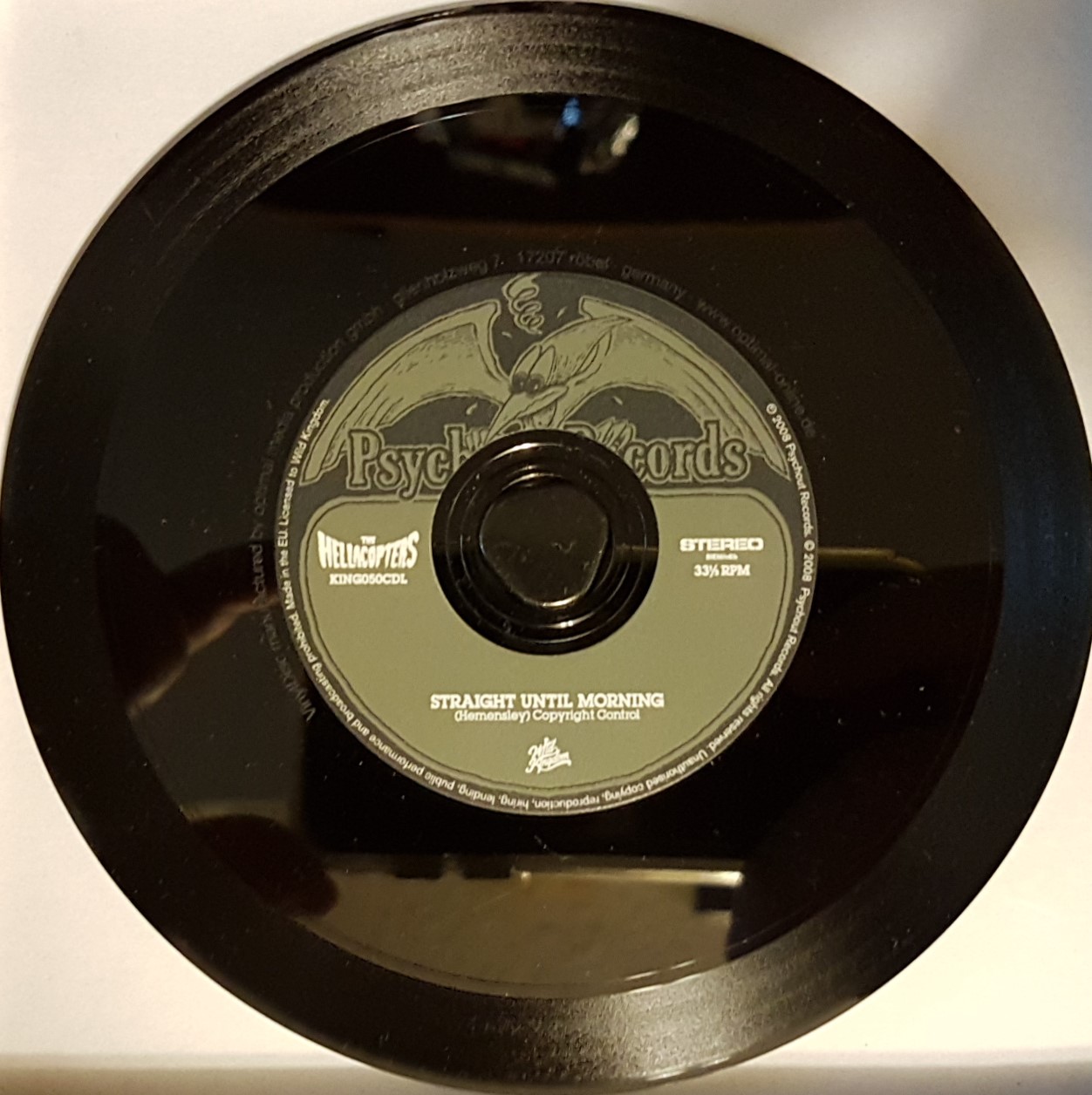
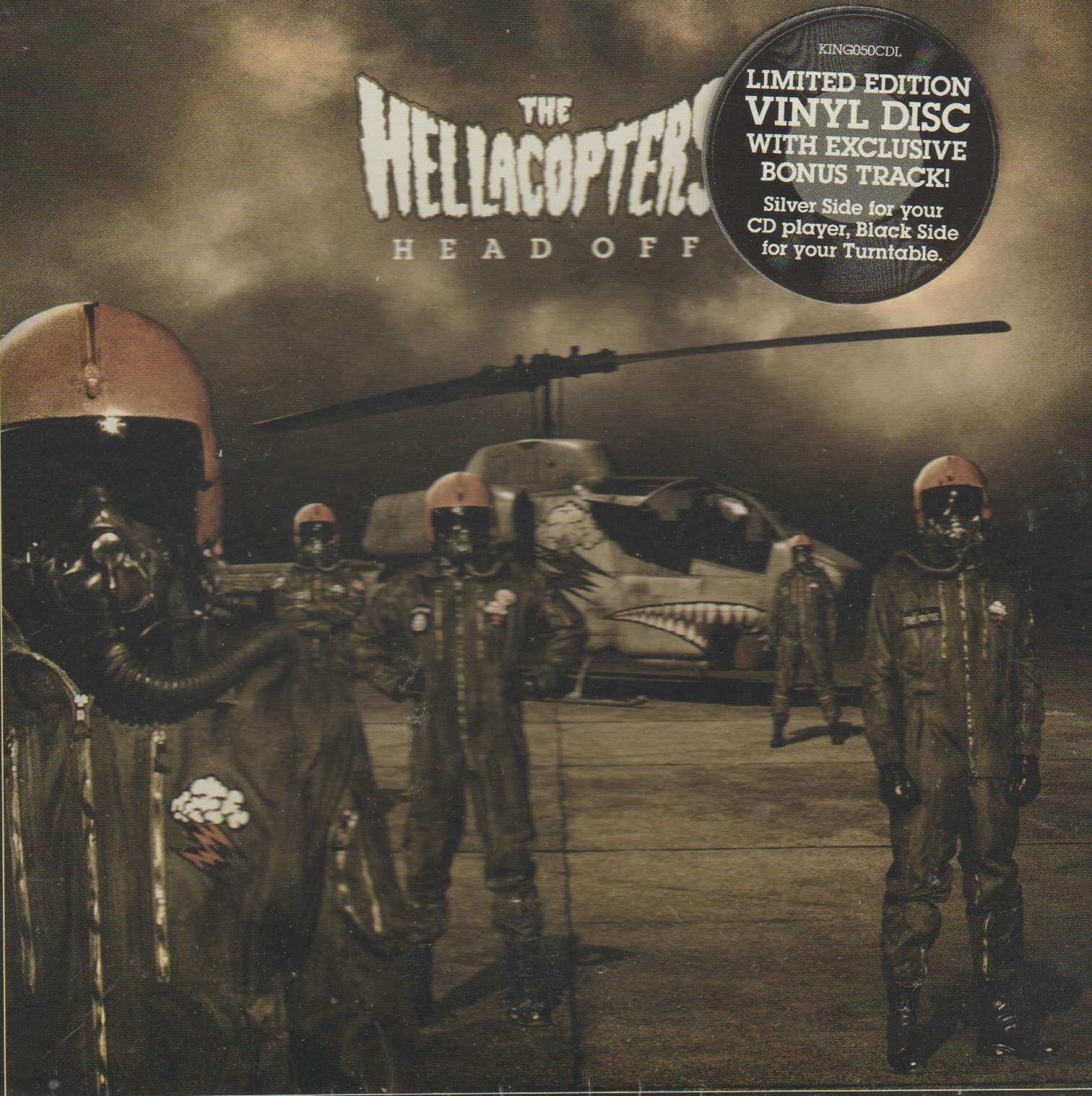
When it comes to odd formats, Youtuber Techmoan (or Mat if you’re not into handles) is the expert. When I saw his video on the subject, I knew I wanted to get a Vinyl Disc just for the novelty value. This is a CD that has normal CD content on one side, but a groove on the other. This groove can be played on a record player, revealing a bonus track. I wondered if any bands I liked had ever released one.
It turns out, one had: The Hellacopters, who are vinyl-mad in the first place. I have a couple albums of theirs with vinyl-only bonus tracks. I didn’t own the album Head Off, so I went to Discogs and got the Vinyl Disc version.
In his video, Techmoan complained of the poor sound quality on the vinyl side of the CD. My copy of Head Off was factory sealed, but still suffers from pops. Perhaps I should not have played the CD side first. The vinyl side could have picked up dust from inside my computer. I played the vinyl side twice, the second time after a light cleaning. Both times there were loud, distracting pops. You can see them clearly in Audacity.
The sound quality was never going to be as good as a real record, not with those grooves packed so tight. And how deep can they actually be? Of course it has to play at 33 1/3 RPM. While it’s not as bad a flexi-disc quality, don’t expect much better performance than that. It’s flat and indistinct.
You also end up with inner groove distortion over the entire song, simply because a Vinyl Disc is basically all inner groove. Look at the pictures below. The entire disc is well within the runout groove on an LP, being just a little larger than the label. It’s darned close on a standard 45. Point is, compared to real vinyl, this disc is tiny, and that has consequences.
Distortion and noise matters less with a band like the Hellacopters. A little inner groove distortion sounds OK on them, but not for other groups. So, the vinyl side of the Vinyl Disc is a novelty. Serious record fanatics are not going to want to listen to it, because it won’t be up to par for them.
What about the CD side? No issues whatsoever. It plays exactly like it should, with no side effects that sometimes plague non-standard CDs. In this case, the album is only 36 minutes long, which I am sure will have many people asking “then why bother with putting another song on the other side? Why not put them all together on the CD side?”
A very good question.
Look, this type of CD was launched in 2007 and only lasted about a year. There was a reason it didn’t catch on, and you can hear that reason. For 99% of the population, all they would have needed was all the songs on the CD. It’s the 1% of us nutters that love weird stuff like this. There is a very, very low number of people who sit up at night thinking, “Would it possible to play a CD on a record player if it had grooves?” But I promise you, we exist, and our questions have been answered.
Yes, it’s possible.
But no, there really isn’t a good reason to want to do it. Oh, I suppose if you had an album that was just over 80 minutes, and you needed to leave a song off (like Extreme did), you could have put it all on one Vinyl Disc. But for far less cost, you also could have just included two CDs.
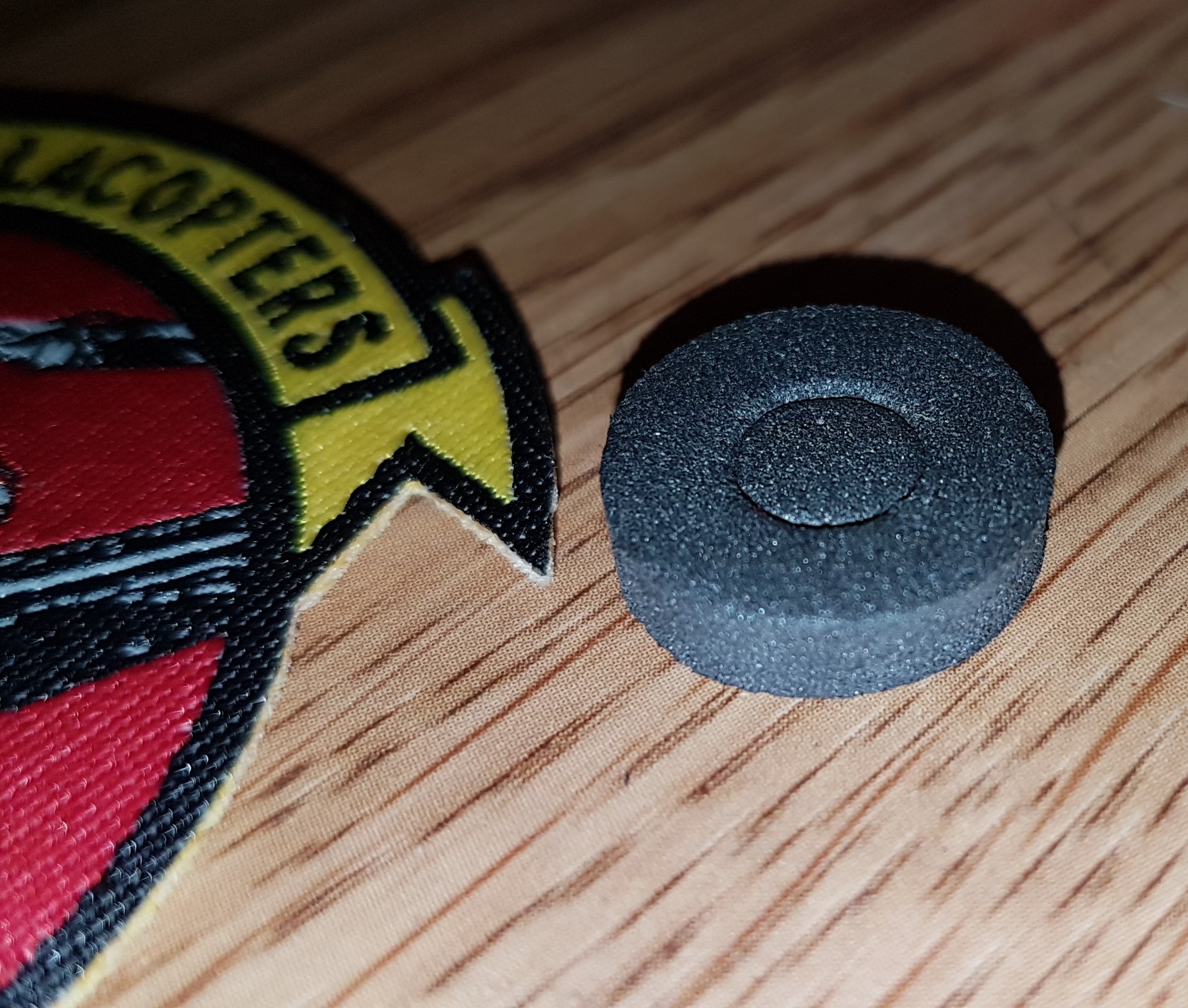
The vinyl disc comes with a little spacer, like a foam donut, so the larger CD hole will fit nicely on a record player. This ensures nice smooth play.
Whoever it was that figured out how to marry a CD to a record, they are unsung geniuses. They answered the questions of insomniac format-heads worldwide, and they got it to work.
Just because it doesn’t work particularly well doesn’t mean it wasn’t worth it.
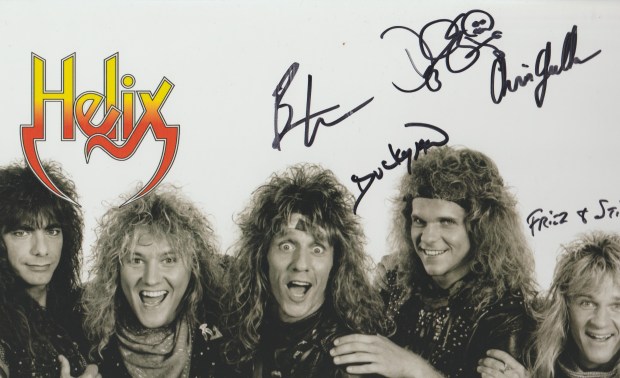
The Icon series of compilations used to be a budget CD line that you could pick up for $5 or under. Now, you can even get ’em on vinyl. Buy ’em direct from Helix mainman Brian Vollmer and he’ll sign it for you. This copy is signed by all five current Helix members, including a pre-injury Fritz Hinz.
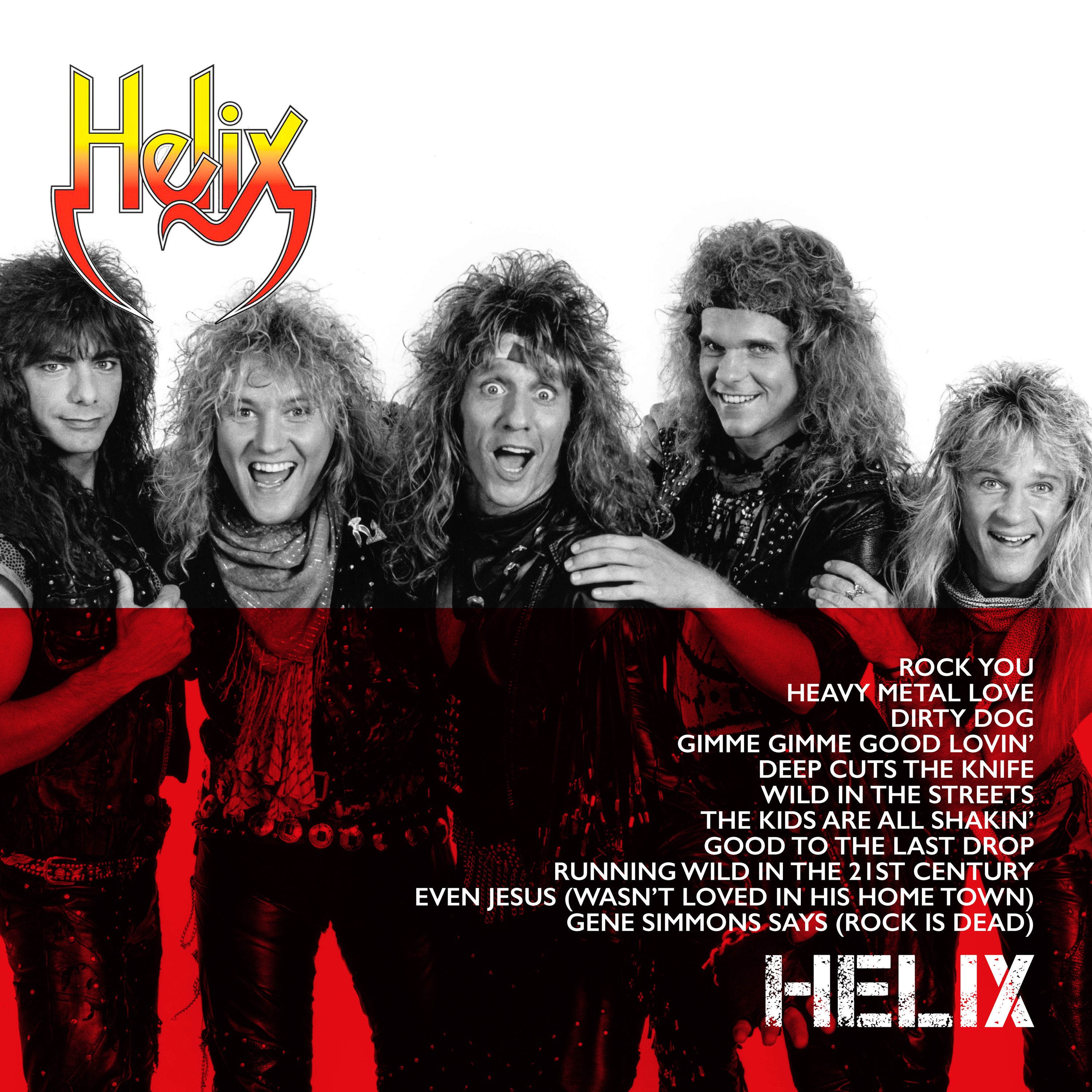
As far as Helix compilations go, you can’t do much with just 11 tracks. Even so, Icon has some surprises and plenty of pleasers. There’s also enough difference from 2016’s compilation Rock It Science to justify it. Opening with the one-two punch of “Rock You” and “Heavy Metal Love”, Helix top loaded this thing with their best known songs. Perfect for the newcomer, or just a great party.
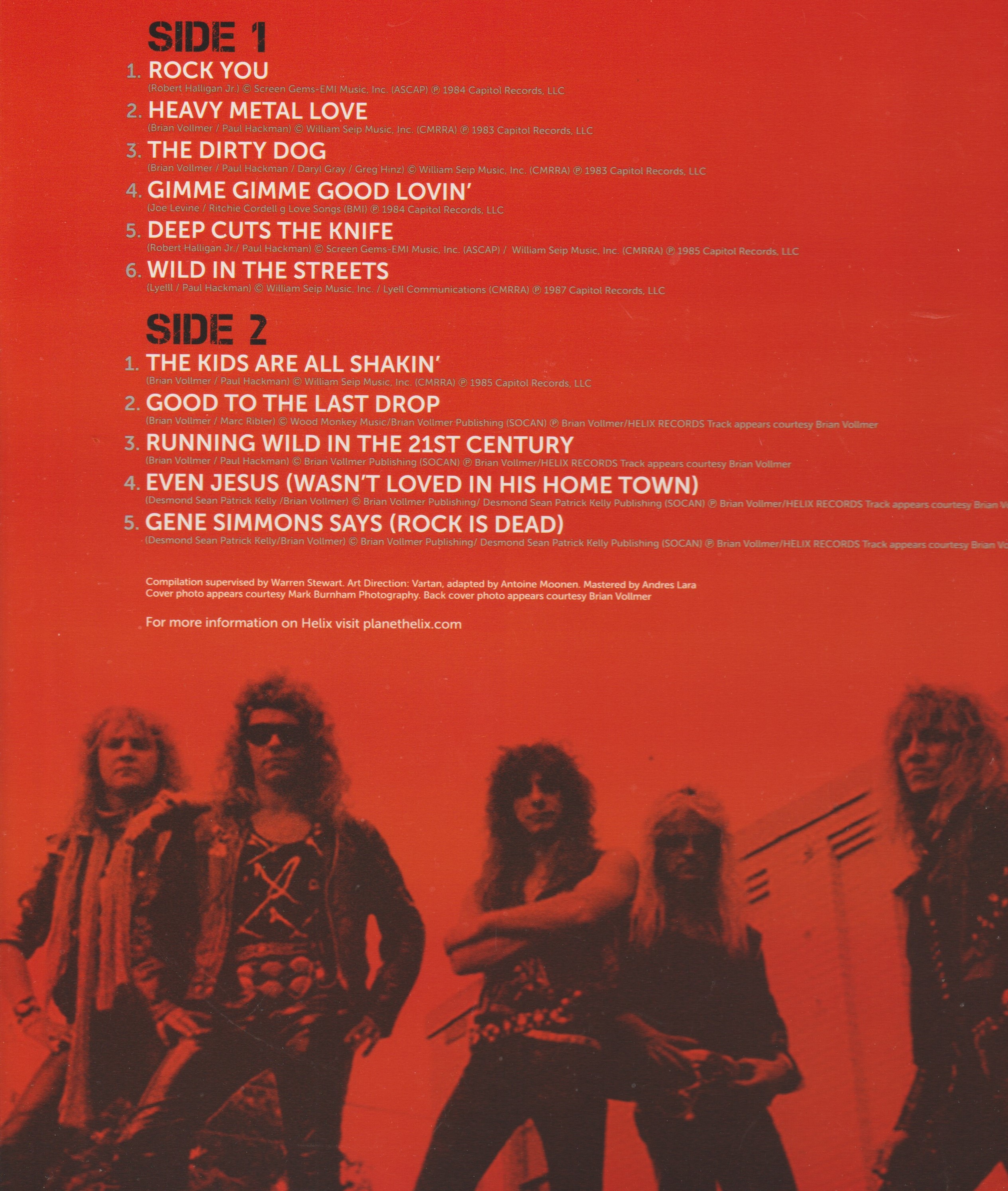
From there it’s “The Dirty Dog”, a long time Helix concert favourite. This is followed in quick succession by some great singles: “Gimme Gimme Good Lovin'”, “Wild in the Streets” and the dark ballad “Deep Cuts the Knife”. All three songs are considered to be Helix classics. “Deep Cuts the Knife”, written by guitarist Paul Hackman, is a particularly powerful ballad. The entire first side is from the Capitol Records years, featuring the best known Helix lineup: Vollmer, Hinz, Hackman, Brent Doerner and Daryl Gray.
Side two has a different flavour. Only the hit “The Kids are All Shakin'” originates in the 1980s. This top Helix pop rock track is followed by the Helix of the 90s and today. “Good to the Last Drop” is another ballad, but much brighter than “Deep Cuts the Knife”. This is the original album mix, with minimal keyboards. Then it’s “Runnin’ Wild in the 21st Century”, kicking your teeth in at lightspeed. The last two songs feature some help from guitarist extraordinaire Sean Kelly. A razor sharp “Even Jesus Wasn’t Loved in His Home Town” comes from 2014’s excellent Bastard of the Blues. The aggressive rocker is based on the fact that Helix can’t even their new songs played on the radio in their home town of Kitchener, Ontario. Finally, the 2016 single “Gene Simmons Says (Rock Is Dead)” tells the demon where it’s at! Maybe Helix don’t get radio play in Canada but rock ain’t dead — not if Vollmer and Co. have anything to say about it!
When it comes to Helix compilations, they are so numerous that you can really take your pick. If you really care about the band, then just buy ’em direct from Vollmer at Planet Helix. There are loads to choose from, but only this one was ever made on vinyl. Or, you can just go CD! Either way, support the boys if you’re gonna buy some Helix.
White Lace & Black Leather – Classic Hard Rock Expanded Edition (originally 1981, 2019 Prog AOR)
Helix have really done it this year. They have a new album (Old School) made up of some pretty excellent songs that were never completed before. On top of that, you can also get brand new reissues of their first two indi albums, Breaking Loose and White Lace & Black Leather. Those two albums have already been reviewed in full, so this time we will focus primarily on the perks of these new CD versions.
Both discs feature lyrics, rare photos, and liner notes by Brian Vollmer. All essential things for a reissue, so what else? Unreleased tracks, that’s what else. Good ones! The hell, Brian? Where have you been hiding this stuff? If anyone assumed thought Helix cleared the vaults with their B-Sides album, they were mistaken. Maybe Universal should have been storing their tapes at Planet Helix….
Too soon?
Breaking Loose features “Let Me Take You Dancin'” (not the Bryan Adams song), apparently the first song they ever recorded, at the behest of manager William Seip. You can understand why they didn’t put it out, considering the Disco revolution going around. It’s too dance-y for what Helix wanted to be: a rock band. With 40 years hindsight, it’s bloody brilliant. Full-on horn section blasting away on a blatantly commercial rock song with just a whif of surf rock. Nothing wrong with any of that in 2019. “Sidewalk Sally” is the very first Brent Vollmer/Brian Doerner composition and you can tell by Dr. Doerner’s trademark chunky riff. This song is strictly outtake quality, but it’s notable for historic reasons (and the pretty advanced drumming by Brian Doerner).
The second album, White Lace & Black Leather, has two interesting bonus cuts as well. Brent Doerner wrote and sang a killer tune called “When the Fire is Hot”, which is one of the songs submitted to Capitol that got them signed. It’s never been released. It’s a very unpolished demo, but with a serious stomp and stunning guitar solo. The final bonus track is an unreleased early version of “White Lace & Black Leather”, which was re-recorded for their third album No Rest for the Wicked. See, for the first couple Helix albums, you had to wait until the next record to get the title track!
A brief talk about the albums themselves: both are chock full of great, unpolished youthful rock. Helix were just learning how to make records, but they had more than enough original material. Between the key songwriters (Paul Hackman, Brian Vollmer & Brent Doerner), they had plenty of quality songs. “Billy Oxygen”, “I Could Never Leave”, “Here I Go Again”, “You’re a Woman Now” and “Wish I Could Be There” from the first album alone are must-haves. Nobody should be forced to live their life without hearing “Billy Oxygen”. The second LP was almost as great as the first. “It’s Too Late”, “Breaking Loose”, “Mainline”, and “It’s What I Wanted” stand with the best material from the first. Sure, the band were rough around the edges, but they could already sing, play and write. They were goin’ places!
As for the mastering job, the music is not brickwalled like the versions of some songs on the Rock It Science CD. These discs are the versions to get; the expanded tracklist making them musts to the collecting fan who already own them all. Best of all, Planet Helix is offering them and the new Helix album for just 40 bucks. 40 bucks for 3 CDs is a ridiculous deal. I daresay these two albums have been steady companions to me over the years, and I look forward to re-enjoying them in this new form.
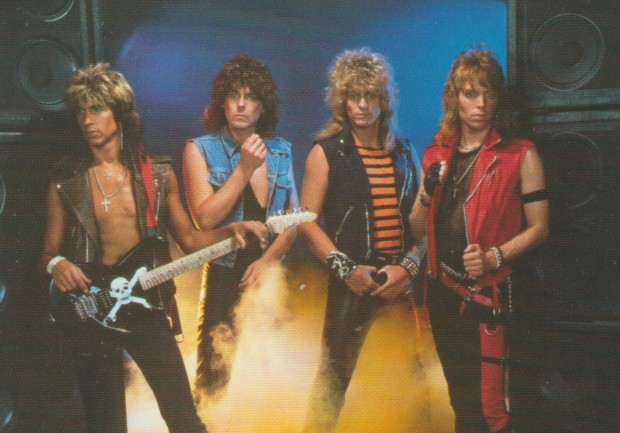
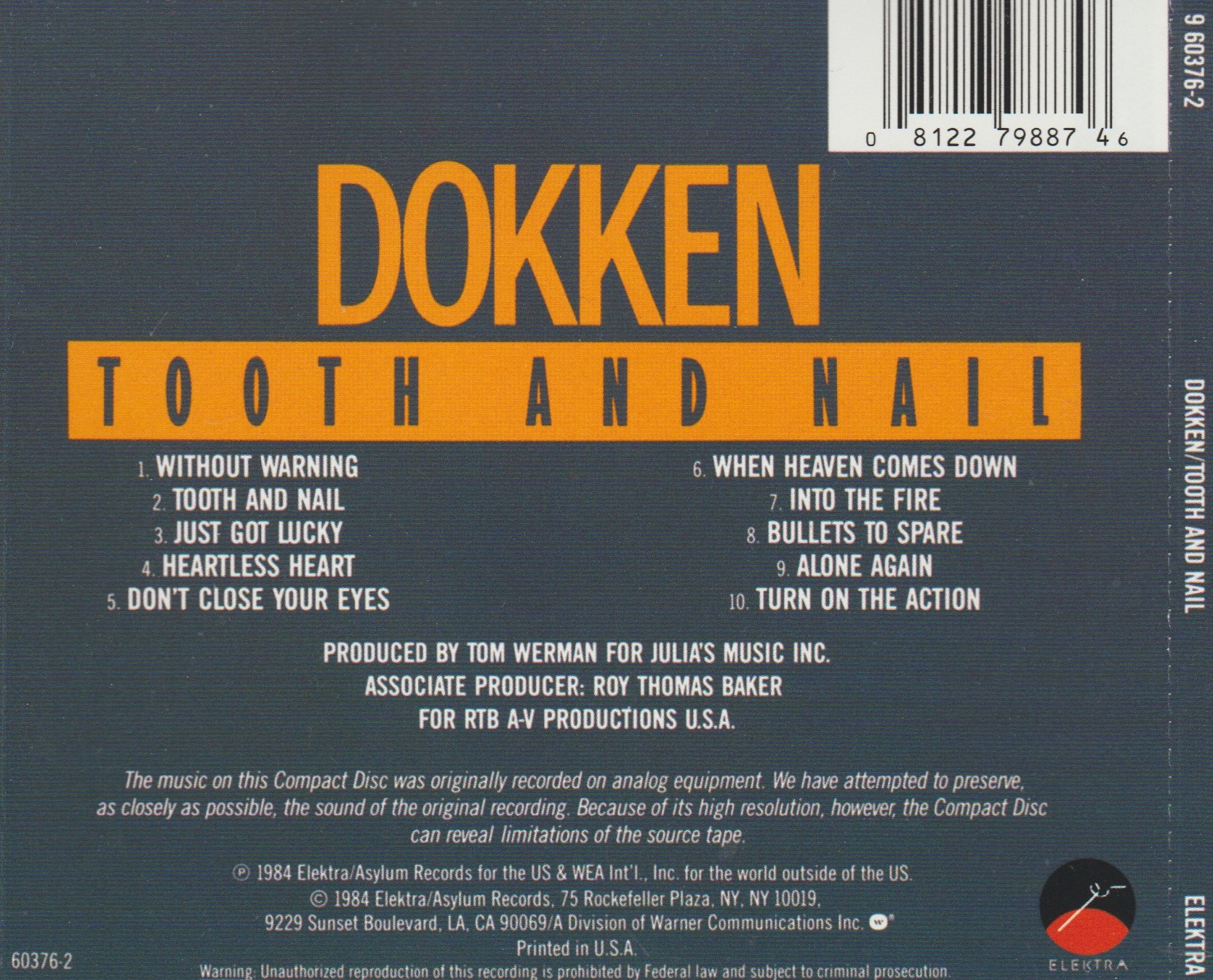
Dokken always served up large helpings of cheese. Within the framework of 80s hard rock, their second album Tooth and Nail has been elevated to the status of classic. Produced by Tom Werman and armed with nine great songs, Dokken were poised to move on to the big leagues.
The brief instrumental opener “Without Warning” leads directly into the full speed chug of “Tooth and Nail”. George Lynch was the obvious star on guitar, but “Wild” Mick Brown certainly blows the doors off with his high speed drum work. Don Dokken could hit the high notes when required, aided and abetted by bassist Jeff Pilson. The quartet could go hard or soft, or right down the middle. “Just Got Lucky” is perfect in the centre. Not too heavy, boasting a chorus that sticks, and a fiery hot guitar solo.
The lesser known “Heartless Heart” gets by for its Lynch chugging, though its chorus is left wanting. Even chuggier: “Don’t Close Your Eyes”, which Lynch leaves a smoking ruin: Don screaming over the wastes left behind by the incessant rocking. And that’s side one.
Dokken were especially good at slower, heavy songs. “When Heaven Comes Down” is one of those. Lynch’s riff holds the fort while Don conjures apocalyptic imagery. Then a classic: “Into the Fire”. This song has it all. The chorus and riff are topped only by a killer middle eight and a flammable solo. You can pass on the cliche “Bullets to Spare” which sounds like a Quiet Riot B-side. But don’t miss “Alone Again”, one of the best ballads from the entire decade. It defines the term “power ballad” all by itself. From the words, to the melody, to the legendary Lynch solo, “Alone Again” sounds as good today as it did then.
Finishing it off you’ll get the incendiary “Turn On The Action”, a cross between Van Halen, Motley Crue, and 2/3rds of the Sunset Strip. It’s a good closer, but derivative and absolutely a product of its time and place.
Tooth and Nail is two or three songs shy of 5/5 rating. Though you may debate it among yourselves, Back For the Attack and Dysfunctional are superior albums. Tooth and Nail, however, has something they don’t have, and that is a high percentage of Dokken concert classics. “Alone Again”, “Just Got Lucky”, “Into the Fire” and “Tooth and Nail” are all cornerstones of a Dokken collection.
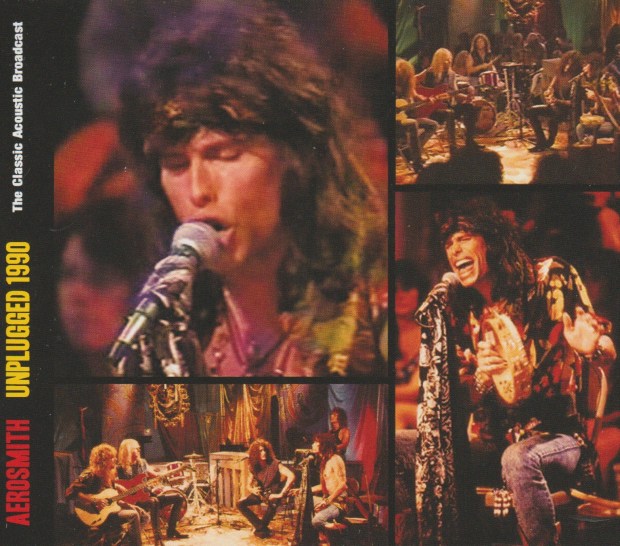
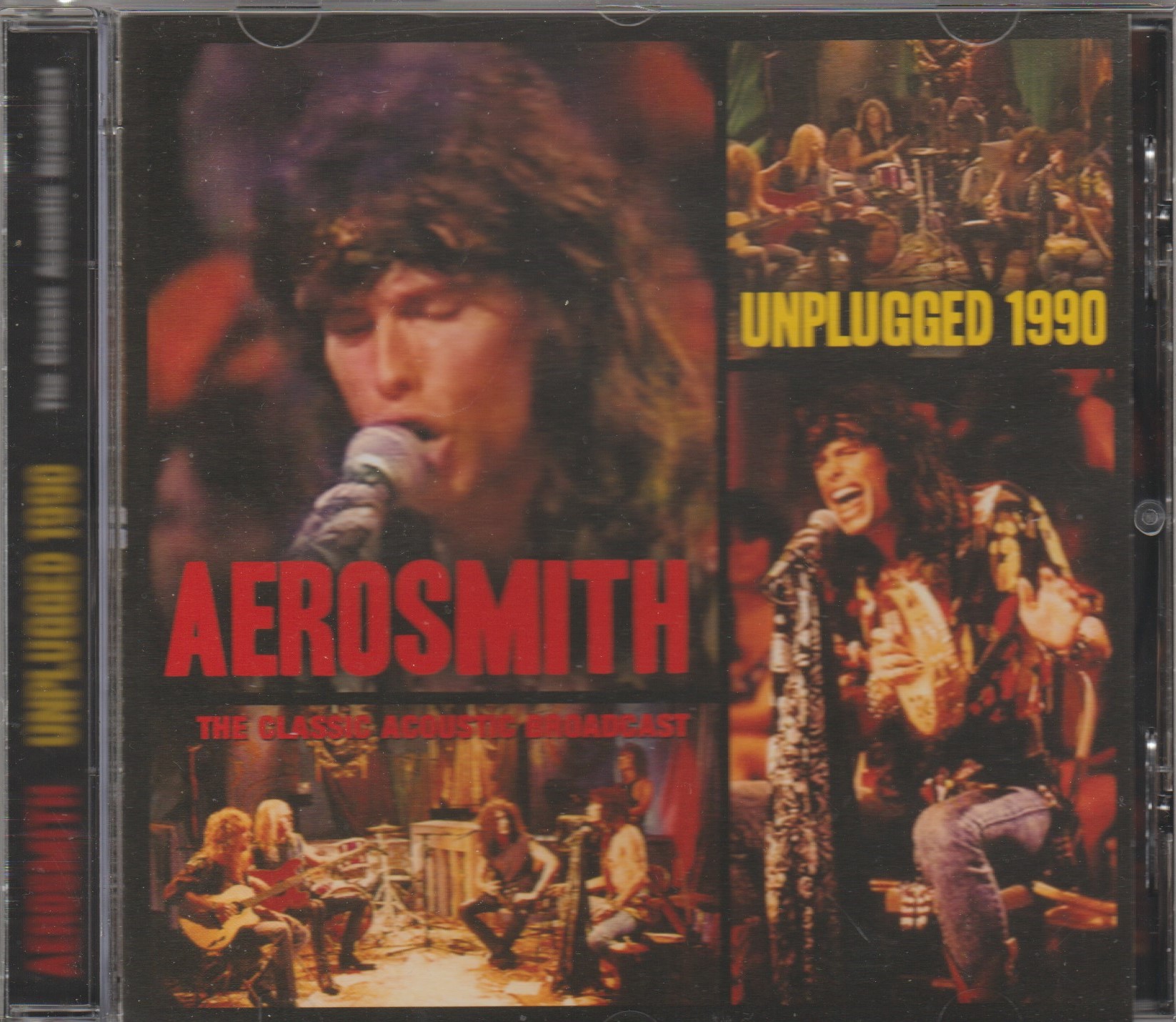
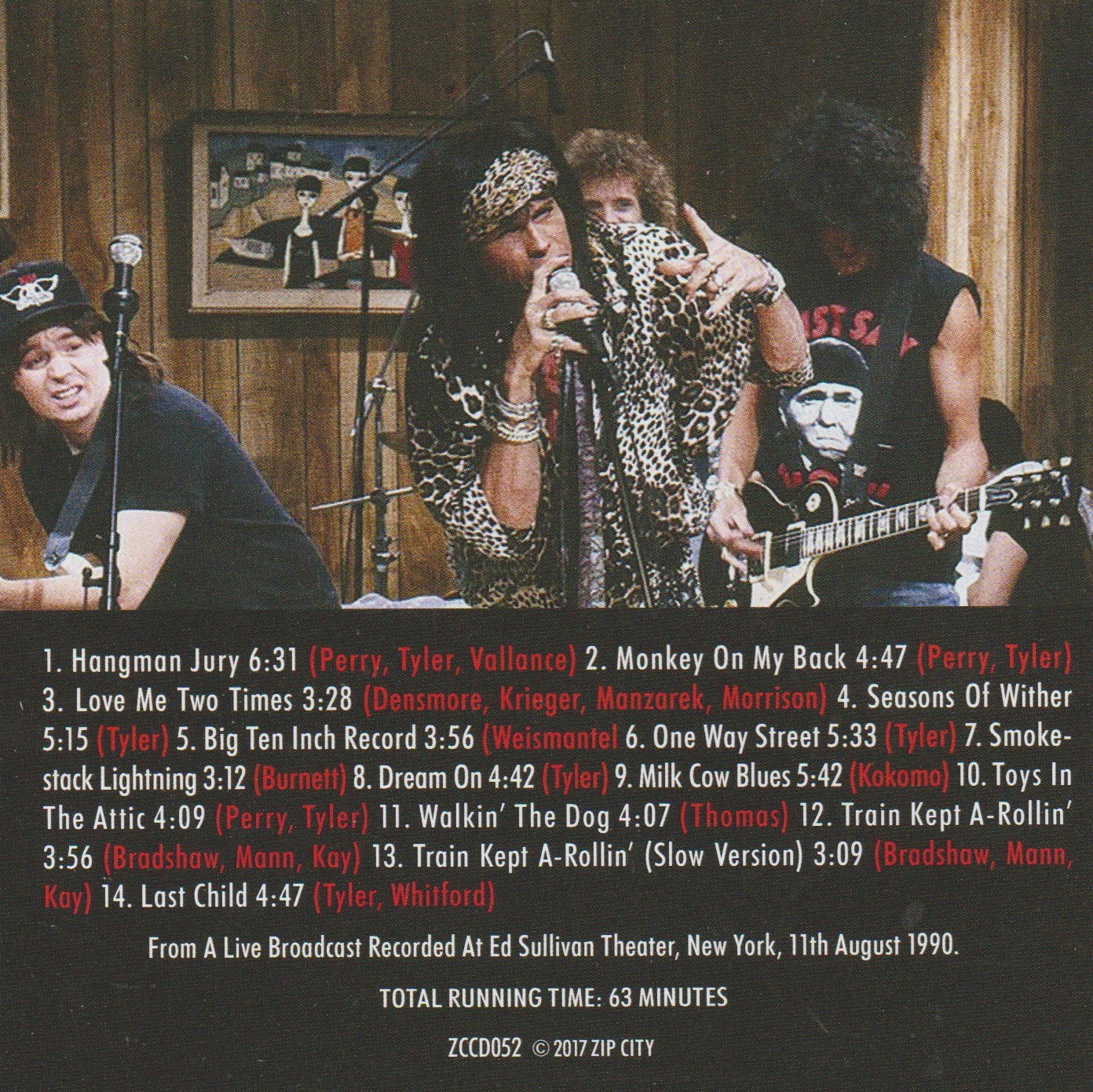
AEROSMITH – Unplugged 1990 (2017 Zap City broadcast CD)
When Aerosmith’s MTV Unplugged aired in Canada, we didn’t get the whole show. We only got about half. Now thanks to easily acquired broadcast CDs, you can get all 14 tracks in one handy place. Because MTV were rigid about things being 100% live, you’ll get none of the annoying backing tracks that Aerosmith use today. That makes Aerosmith Unplugged a strong contender for the best live Aerosmith purchase since Classics Live II.
“Hangman Jury” is a natural for an opener, and actually superior to the Permanent Vacation album cut. “Monkey On My Back” is more surprising, being a heavier groove from Pump. Deconstructed as an acoustic jam, it lays it down hard. The first surprise of the night comes from the Air America soundtrack, to which Aerosmith contributed their Doors cover “Love Me Two Times”. Frankly the unplugged version is better. Tyler gets to honk on the harmonica and tear it up on the vocals a bit.
The first step back into Aerosmith’s past is 1974’s “Seasons of Wither”. When this set was recorded in 1990, only people who owned Get Your Wings would really have known this song. The purity of the unplugged stage is the ideal setting. Then it’s onto 1975 and “Big Ten Inch Record”, the old R&B classic they covered on Toys in the Attic. The album version with full horns is rearranged into an acoustic shuffle with individual guitar solos by Brad Whitford and Joe Perry. That’s all before Thom Gimbel shows up with his sax! This version kills.
Going even further back in time, Aerosmith pull “One Way Street” from the first album featuring a cool Perry solo. For serious fans, “Smokestack Lightning” is a treat because Aerosmith have never recorded it before. The oft-imitated Howlin’ Wolf cover is a natural jam for them. They they unload the heavy artillery exactly halfway into the set: “Dream On”. Arguably the song everybody was waiting to hear; easily a highlight. Playing with minimal instrumentation is a wise way to do it, though it picks up steam at the end.
“Milk Cow Blues” is rolled out next, a rarely played number from Draw the Line. Full steam ahead just like the album version, you don’t wanna be standing on the tracks when this one rolls by. Then, as if you’re daring them to try one that fast again, it’s “Toys in the Attic”. Tyler and Perry’s voices blend naturally together in the unforgiving unplugged environment.
Returning once more to the first album, “Walkin’ the Dog” is the fifth of six cover tunes and the first encore. It’s particularly cool because you get Tyler playing flute. “Train Kept-a Rollin'” from Get Your Wings is the final cover, though presented twice: “fast” and “slow” versions. For a solid thrills-per-second ratio, you gotta go for the fast take. Finally “Last Child” is announced to the excitement of one really hyped guy in the crowd. The funky classic works surprisingly well. A highlight from a show of nothing but highlights.
The CD had a few sonic clicks and quirks that may vary player to player. That would be its only flaw. Anyone buying broadcast CDs should be prepared for less than perfect audio.
One of the most hard-to-find rock collectables this season has been…a pair of shoes? Crocs, no less?
Well folks, at mikeladano.com we are profoundly pro-Croc. If you are among the many who think the shoe should not even exist, then this review will not be for you. Just letting you know.
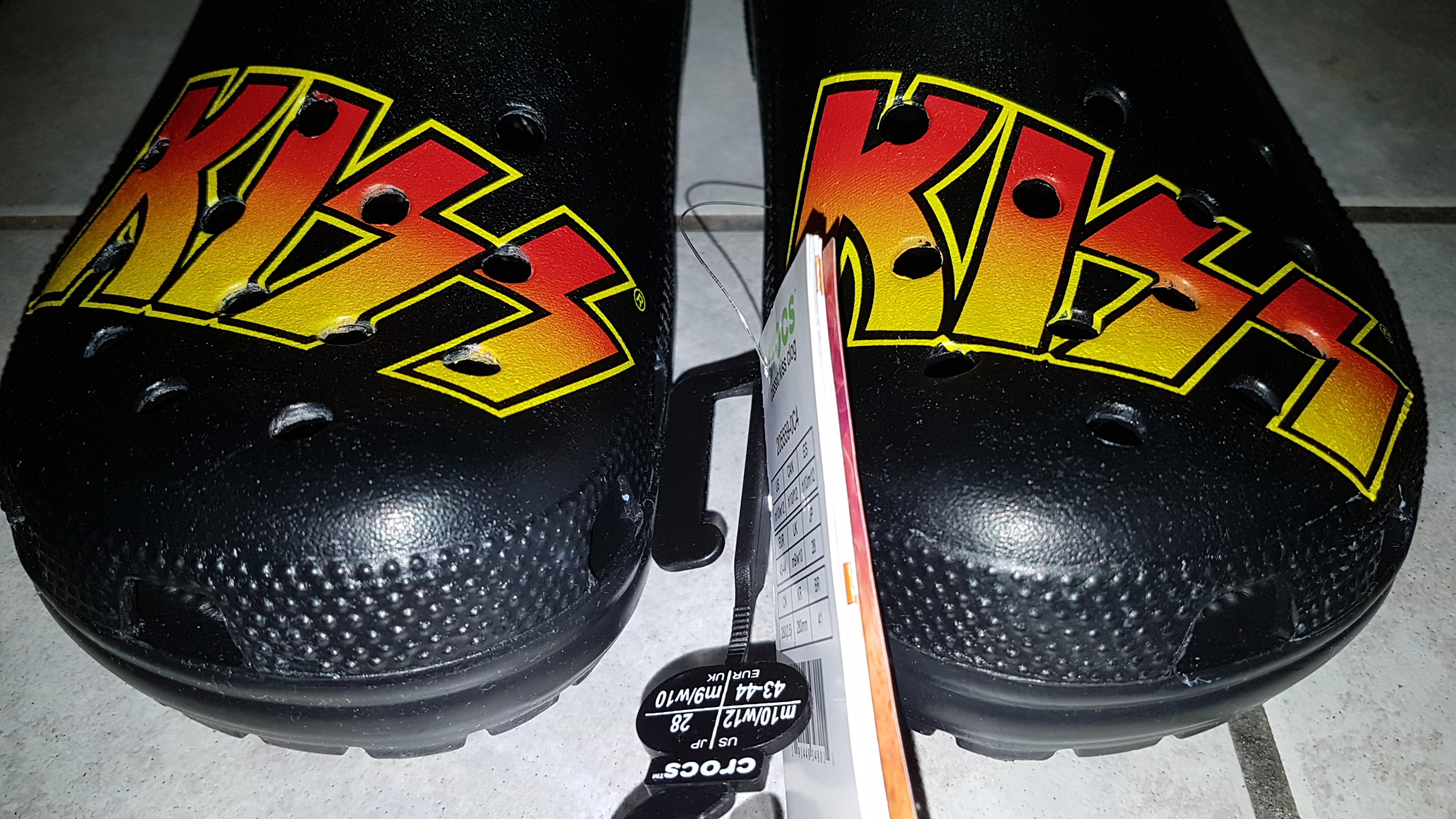
Kiss, who will put their logo on everything from condoms to coffins, have now finally completed the triumvirate with the venerable Crocs. This crossover, almost as monumental as Spiderman joining the Marvel Cinematic Universe, should have been obvious. Kiss Crocs took everyone by surprise and the shoes quickly sold out. They are a sleek, black shoe with the classic Destroyer-era logo emblazoned on the front. The same logo can be found on the heel. This all ties in with Kiss’ epic End of the Road final tour.
If you’ve never worn Crocs, be assured they are a durable shoe. They are ideal for housework, camping, and swimming. The plasticy-rubbery material is both soft on the foot yet offering firm support. There is no-slip traction on the inside of the shoe and a decent tread on the sole. This makes them ideal for river-walking while visiting Sausagefest 2019.
The Kiss Crocs come in four different styles, including one with an Ace Frehley moon boot look. This one, the “classic clog”, is the only one with holes in the front of sides of the shoe. This makes it better for water, as the others will simply fill up instead of draining out. The choice is up to you — we recommend the classic.
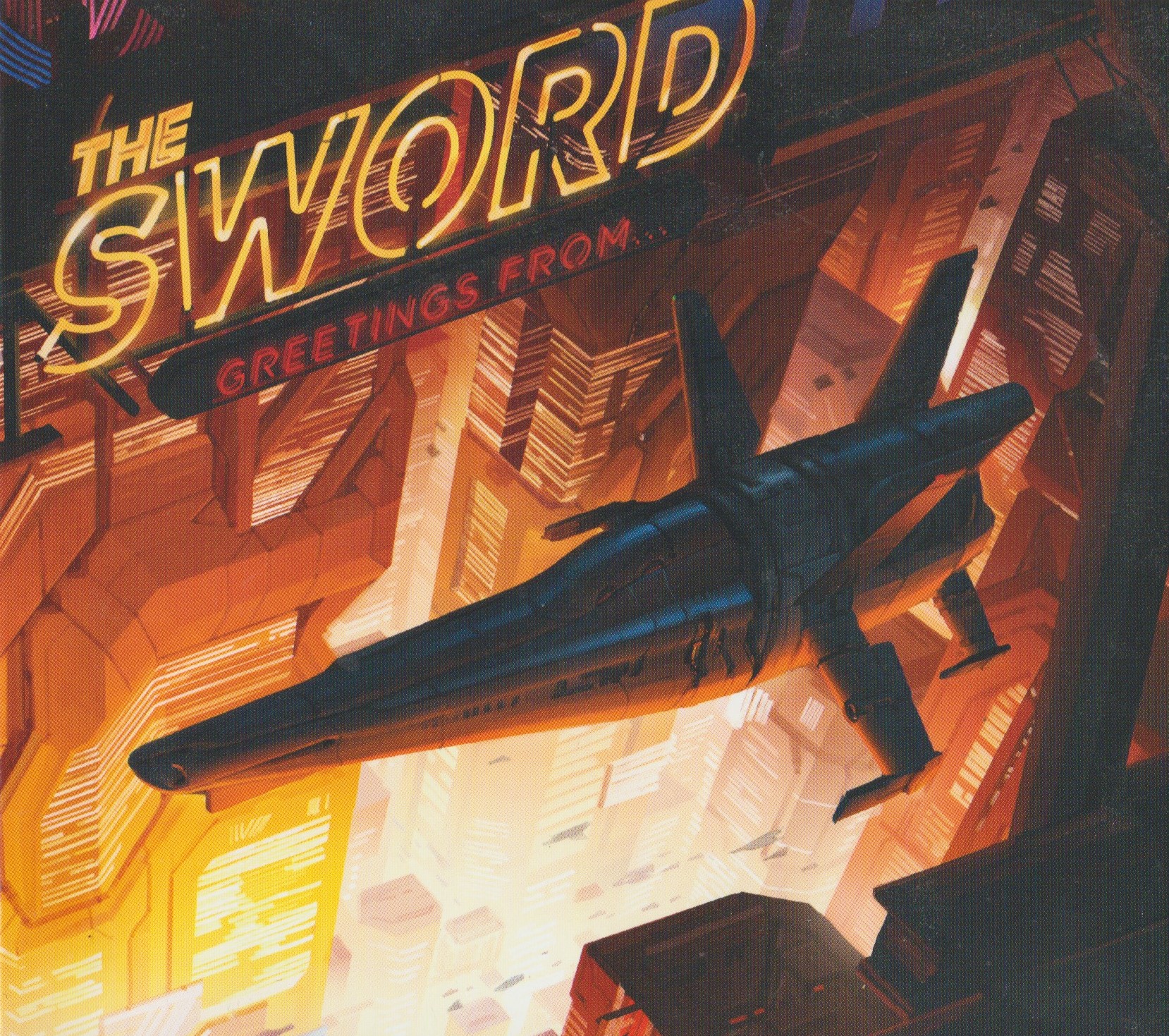
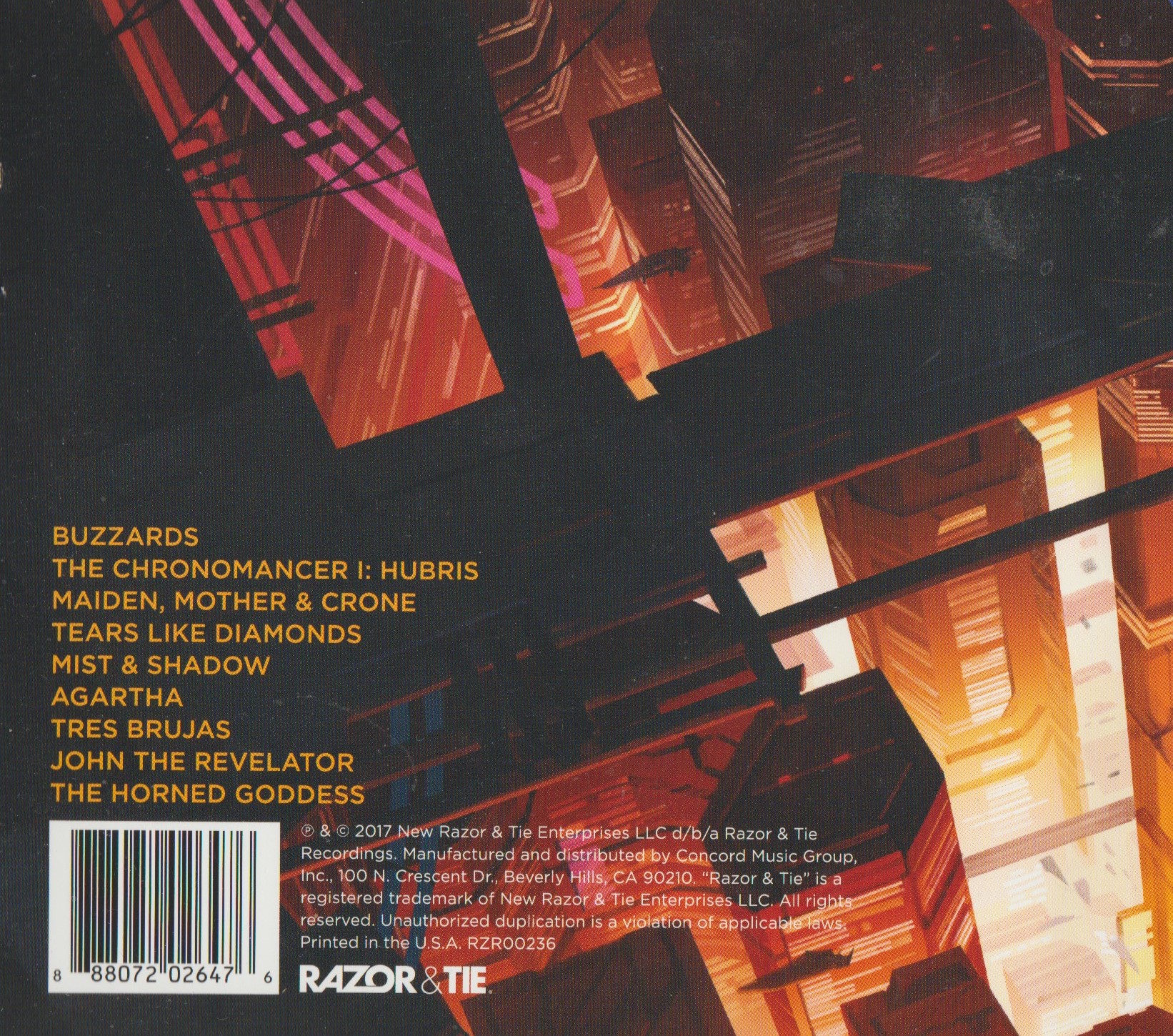
This is one clean sounding live album. Yes it’s live, and you can tell, but there’s not a lot of crowd noise or wasted time. Opening with a full-on “Buzzards”, The Sword sound made for the stage. The Sword may not have invented the guitar riff, but they have certainly mastered the art of creating them.
“The Chronomancer I: Hubris” (from Warp Riders) has a slower Sabbathy groove circa Ozzy, but rendered heavier on the metal scale. They’re tight live, but there’s a certain rock n’ roll loosey-goosey vibe on this album as well. “Maiden, Mother & Crone” is another hot riff, amplified by the live environment.
New material is rolled out, with “Tears Like Diamonds”, “Mist & Shadow”, and “Agartha” presented in sequence. “Tears Like Diamonds” combines hook and groove into one steamrolling song. The heaviest track could be “Tres Brujas” from the third album which flies at Warp speed. Then they go into a cover of “John the Revelator” which works amazingly well as a heavy metal celebration.
The only track to appear from the debut Sword LP is “The Horned Goddess”. It ends a pretty steady onslaught of riffs with…even more riffs. If you’ve endured it, congratulations — you just might be a rocker!
No fluff, no filler. Greetings From… flies by just as fast as the spaceship on the awesome cover art.
It took a while to be able to review this CD for technical reasons. From day one, this disc would not play smoothly in any computer. Most CD players could handle it, but no PC could without skipping horribly. Independent CD production had iffy quality in the early 90s. Now using external components I’ve finally been able to rip the album to PC. I have not played some of these songs in decades!
Raw M.E.A.T 3 was different from the first two volumes. The first focused on hard rock, the second on thrash. One band from Raw M.E.A.T 2 went on to big things, that being Varga. Volume 3 combined all genres of heavy music together on one disc. From the heaviest of bands (Mindrape, Sinister Fiend, Hanker, Vertical After) to pop rock hooks (Deadline, Raw Trixx, Tryton) and progressive (Destiny, Justin Sane), all bases are covered. The bands span several provinces from British Columbia to Quebec, whereas the first CD only had groups from southern Ontario.
Highlights are numerous. Perhaps Russian Blue came in strongest with opener “Mama’s Love”, a modern twist on hard rock. Deadline were right up there too, with a re-recording of “Friction Addiction” from their excellent first CD. Raw M.E.A.T 3 is the only place you can get the re-recording, which is slicker and punchier than the original. Tryton, the only female-fronted band, kicks serious ass on “Burning the Cradle”. Singer Nina Zzo had the lungs for it! (They later made an album as Loudshine.) “A Wonderful Day” by Tempted Fate is another genius track, sounding a bit like “When Death Calls” by Black Sabbath before exploding into a punk rock chorus.
It’s a very diverse CD. The bands Raw Trixx and Stone Valley both put in strong entries with “Time” and “Forever Gone” respectively. These groups employ older hard rock sounds in spite of the changing tides of rock. Slam Glory’s “Say It Like You Mean It” also fits that mold. Fans of early Queensryche and Scorpions might enjoy Destiny’s “Man Alone” which brings to mind the trademark sounds of those bands. Old-school thrash fans will dig the traditional speedy chug of Hanker and Vertical After. The Cult-like No Morals had an enjoyable, unconventional 90s edge. For Faith No More funkiness, it’s Sinister Fiend. Overlord’s “Never Enough” has a tough metal punch but with punk-like recklessness. “And if I sound bitter, it’s because I am!” Even Christian rock makes an appearance. Thunder Rider’s “For Christ’s Sake” isn’t bad, but the Quebec band had an early unfortunate image including swords, shields and hammers.
My favourite track of them all is “Illusion” by Justin Sane, which should have become a massive hit in 1992. The four piece band combined modern metal grooves with quality lead vocals and musicianship to create a nearly seven-minute behemoth of a song. It was recorded (like several of the songs here) at the renowned Metalworks Studios in Mississauga. Shame the band had a jokey name, as it does not accurately depict their music. There is a Justin Sane EP out there, reissued in 2006 as a split album with a band called Native Tongue, but it’s impossible to find.
I also approve of the names of the members of Vertical After: Kick, Stu, Rhys and Odd. I definitely want to be friends with anyone named Odd.
For the variety of quality hard rock, heavy metal and miscellaneous good stuff, Raw M.E.A.T 3 serves as an enjoyable listen and gateway to some bands you’ve never heard of before. Off to Discogs to look for more!
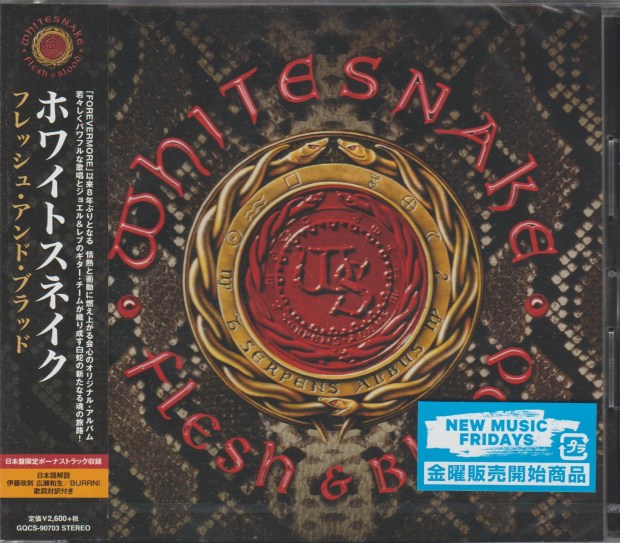
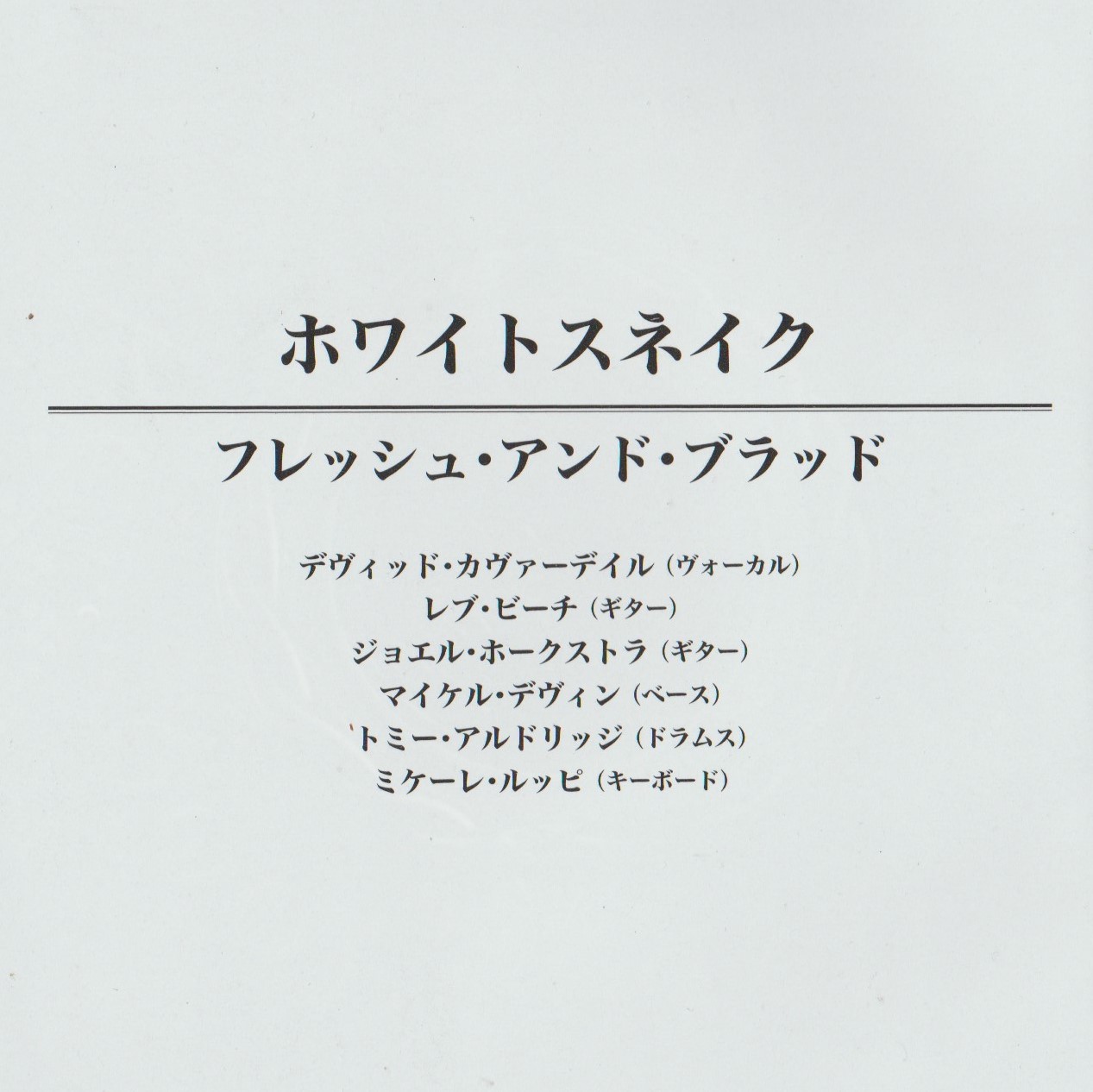
WHITESNAKE – Flesh & Blood (2019 Cynjas Japanese import CD)
So you got the new Whitesnake. Think you got all the songs just because you got the deluxe version on CD or iTunes? Naw! Think again! Once again, it’s Japan with the hardest to find bonus tracks.
To be fair, it’s a give and take. While Japan often gets their own exclusive songs, they also miss out on others. In North America, we got a deluxe edition with “Can’t Do Right For Doing Wrong”, “If I Can’t Have You”, and three remixes of album tracks. The Japanese CD has none of those, but instead has its own exclusive remix.
The ballad “After All” is surely one of the highlights on Flesh & Blood. As a simple, fairly unadorned acoustic love song, it’s right in the wheelhouse of more recent “unzipped” ‘Snake. Well, the Japanese bonus remix is even more stripped down. The “Unzipped” mix is the same recording, just with less stuff in the mix — no electric guitars, no keyboards. An insignificant difference? Absolutely. But with an acoustic song this fucking good, you may enjoy the purity of the unembellished version. Up to you really, but if you’re the kind of collector that needs “all the tracks”, then you do need this, don’t you?
“I don’t care about bonus tracks,” you say. “Just tell me if the album is any good!”
Flesh & Blood is being described by enthusiastic fans as “the best album since Slip of the Tongue. They are probably correct in that declaration. It’s stunningly good: diverse, well written and well played. It draws from a broader palette of sound than many of the past albums, and even dips back into the 1970s on “Can’t Do Right For Doing Wrong” (which isn’t on the Japanese CD). There are no songs to skip through, and while not all are equally strong, none suck. It has a high ratio of songs that could become future classics, like “Gonna Be Alright”, “Good To See You Again”, and “Sands of Time”. So yes, to answer your questions, it’s a bloody good album no matter what version you can afford.
The domestic CD is the best buy for its songs-per-dollar value (18 tracks on the deluxe), over the Japanese (14 tracks). Rating this purely as an album with its bonus track, it’s still a solid:













 Crocs – Classic Kiss clog (2019)








You must be logged in to post a comment.