#773: Rock Candy + Internet = Kick Axe!

GETTING MORE TALE #773: Rock Candy + Internet = Kick Axe!

Like many things, it started with a story.

I have liked the music of Kick Axe since I first heard them back in 1984.  “On the Road to Rock” was a Power Hour (not yet the Pepsi Power Hour) staple.  I knew the video off by heart.  A Vices button was among the first handful I owned.  I think it was a birthday gift from my best friend Bob.  As it turns out, I never got the album, or any Kick Axe for that matter, until now.  So how did it turn out that I’m doing this Kick Axe review series?

I. ENCORE

In July, I scored two Kick Axe remastered CDs by Rock Candy records.  This occurred at the best Record Store in town, Encore, who had both Vices and Welcome to the Club in stock.  I had been looking for these in Toronto (“Taranna”) for years.  No luck.  The Encore visit was my first time finding them in store.  Vices has a bonus track.  I always intended to get the Rock Candy version for that reason.  Aaron and I found Kick Axe vinyl in Taranna before, but I was holding out.  The bonus track made the Rock Candy reissue my preferred version.

II. ROCK CANDY

Another thing about Rock Candy:  the liner notes are, shall we say, goddamn essential.  Featuring original interviews, untold stories, and assorted documented details, you will absolutely learn something from the liner notes in a Rock Candy CD.  One thing I learned before even opening the booklet was that the third Kick Axe album was also available from Rock Candy.  Already having the first two, it seemed dumb not to get the third.  Especially since the liner notes said that Rock the World was, in some regards, their strongest album.  As I read the notes, I recalled they did two songs for The Transformers soundtrack under the name Spectre General.  The notes confirmed that Spectre General was Kick Axe, not some side project.

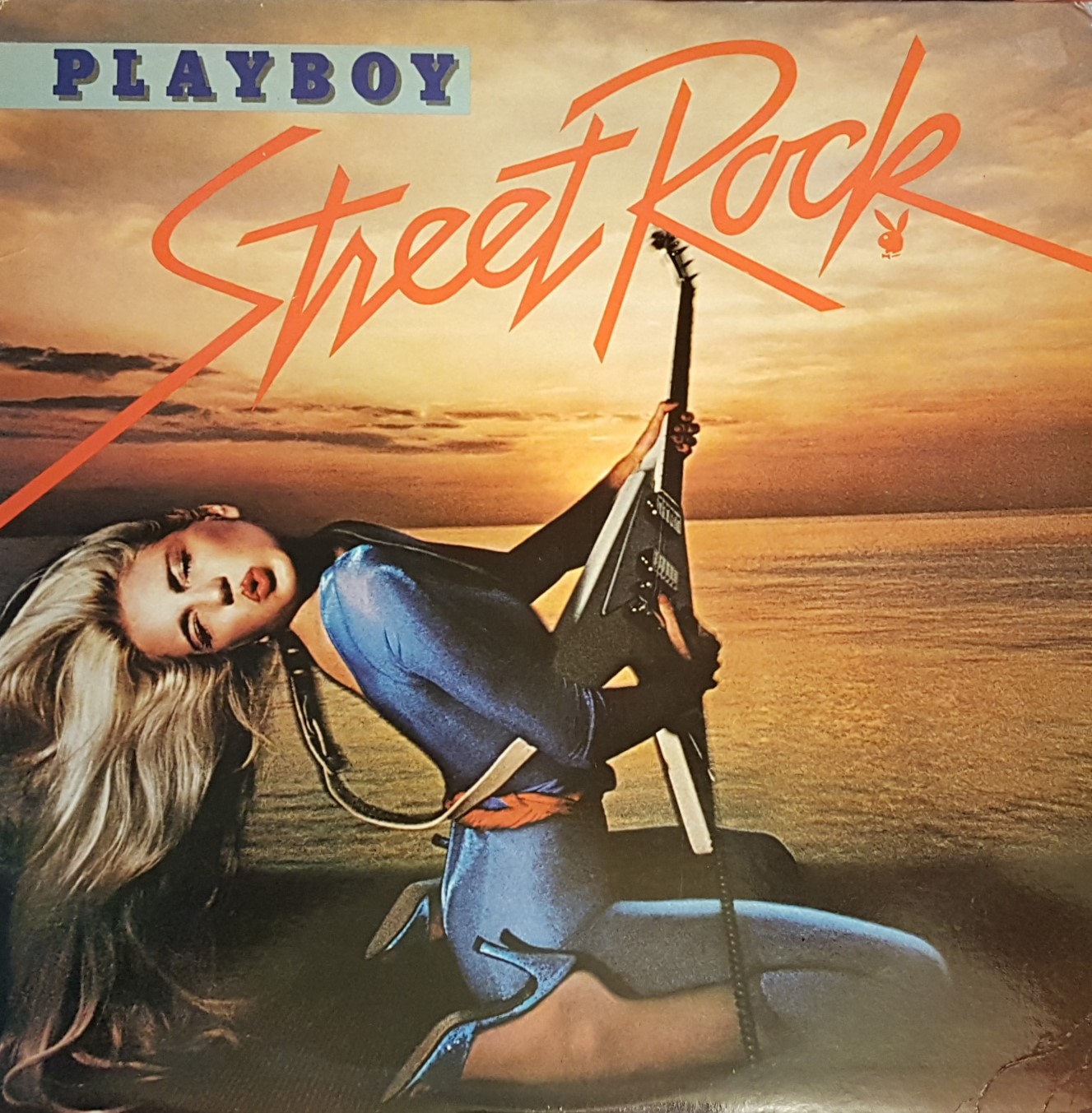
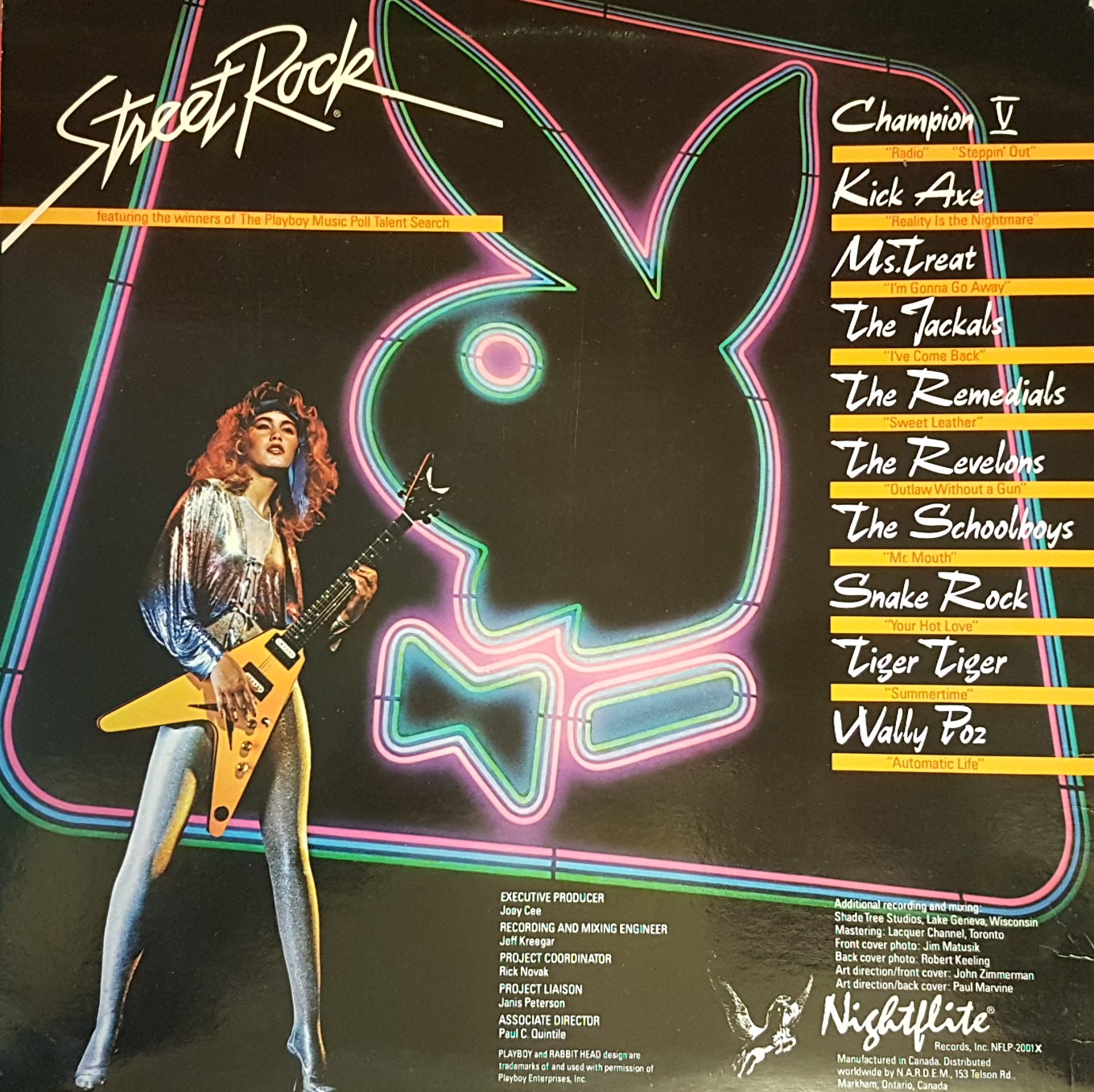
Thanks to Rock Candy, light was shed on early Kick Axe history previously unknown to me.  I discovered they had an early 7″ single called “Weekend Ride”, with a singer earlier than George Criston.  They also had a live track on a compilation called Playboy Street Rock.  When Bob and I were kids, we used to be fascinated by the early history of bands.  Like finding out White Lion had an album before Pride, or that Iron Maiden had something called The Soundhouse Tapes before their first album.  I wanted to get the early Kick Axe stuff I just found out existed!

III. AMAZON and DISCOGS

If I knew about those early Kick Axe songs as a kid, it would have taken me decades to find them.  Today, I had most of them within a week.

Amazon had Rock the World in stock, and it was at the house two days later. Discogs had “Weekend Ride”, The Transformers, and Playboy Street Rock from different sellers.  I hesitated on Transformers but pulled the trigger on the other two.  I would have preferred a remastered Transformers CD with bonus tracks.  They were way too rich for me.  I couldn’t get one for much less than $50.  Even the reissued vinyl without the bonus tracks was pricey.  Ultimately, I settled on an original CD, which was still not cheap.

“Weekend Ride” and Playboy Street Rock arrived within a few days.  Wonders of the modern world.  What would have taken years before happened in under a week.

IV. KICK AXE

Fortunately, it turns out that I quite like my Kick Axe purchases.  So much so, that I was inspired to do a Kick Axe review series.

Kick Axe have a fourth album (Kick Axe IV) from a Criston-less reunion.  I’m undecided if I’ll go that far, but in the mean time you can look forward to learning more about Canada’s own metal proponents.  I’m delighted to discover a band that could really sing, and play like big leaguers.  I hope you’ll enjoy them too.

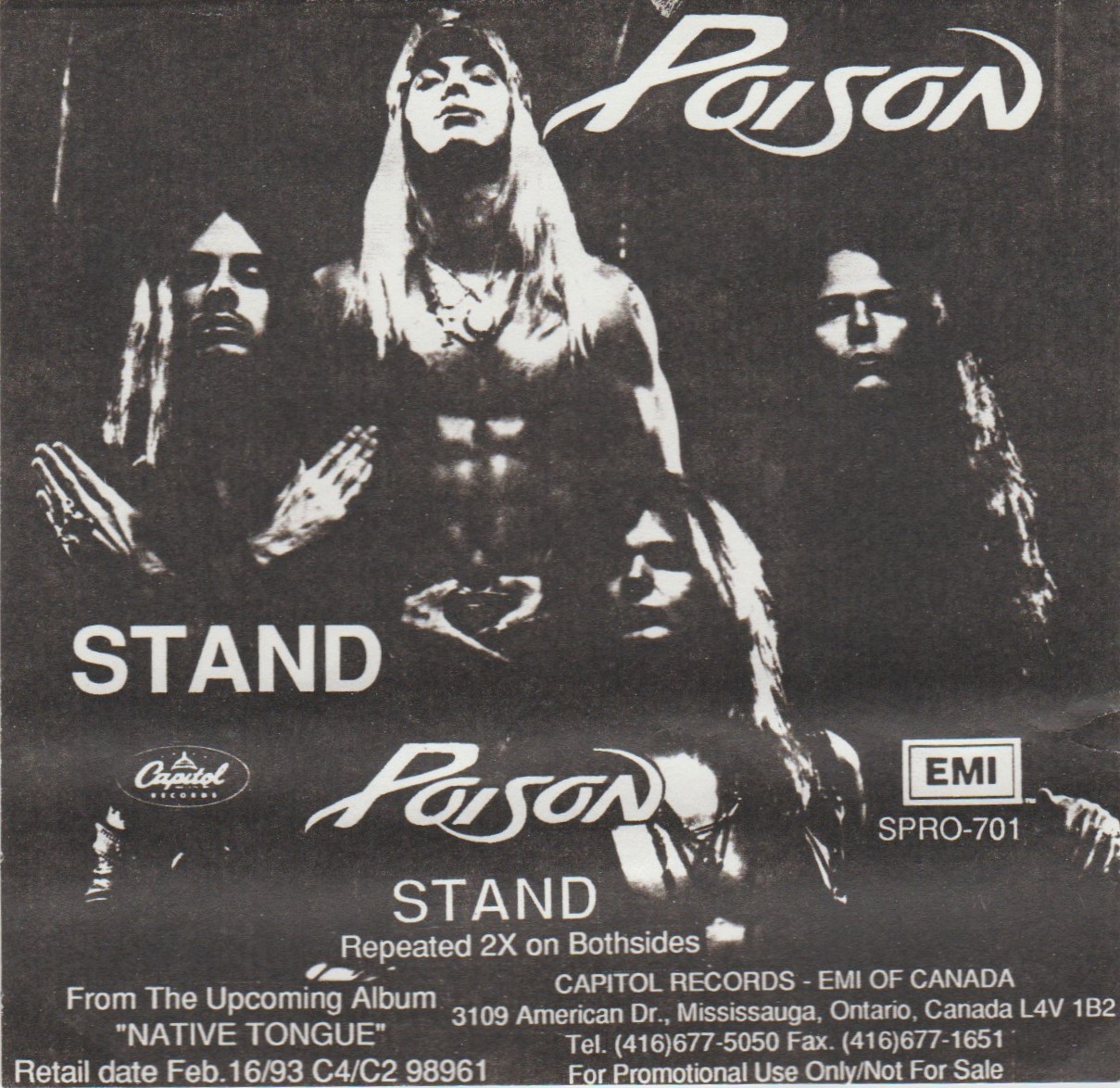
REVIEW: Poison – “Stand” (1993 promo cassette)

POISON – “Stand (CHR edit)” (1993 promo cassette single)

What is a “CHR edit”?  It’s a special single edit of a song specifically intended for “contemporary hit radio”.  In other words, Top 40.  So, when “Stand” by Poison was selected to be the first single from 1993’s brand new Native Tongue album, it had to be trimmed for length.  Getting Poison on the radio was going to prove to be an impossible task, so why make it harder by giving them a 5:16 long track that they definitely wouldn’t touch?  “Stand” was shortened to 4:21, with much of Richie Kotzen’s delightfully idiosyncratic guitar licks getting the axe, along with some of the choir.

The cassette you see here contains two edited versions of “Stand”:  the 4:21 “CHR edit” and another at 4:30 simply called “edit”.  The differences are in the guitar solo which starts to deviate at the 2:28 mark.  It’s in interesting curiosity, a peak inside the minutia of thinking that goes into marketing a song.  “Hey, this format needs another nine seconds of song, leave in some guitar solo.”  Is that how it worked?

The tape has both edit versions on both sides…twice.  2x2x2=8 times total, that you will hear “Stand” by Poison, if you play it all the way through.  Call the CIA and let ’em know I have this cassette; they can use it with their enhanced interrogation techniques.  I’ll sell.

On that note I can all but guarantee this cassette has never been played through, ever.  It was sent to the Record Store about a year and a half before I started working there.  The owner hated Poison.  Hated — with a passion.  There is no way he played this tape in store, ever.  I rescued it from a giant, forgotten stack of promos that were stuffed into a bin.  All garbage.  “Don’t take any of those,” said the owner.  Eventually all that junk was slated to be thrown out when the only location that sold tapes changed formats at the end of 1996.

This tape is valuable for one thing:  it reveals the true North American release date for Native Tongue.  Currently (August 2019), Wikipedia claims Native Tongue was released on February 8, 1993.  That’s impossible because the 8th was a Monday.  New releases came out on Tuesdays.  This promo cassette clearly states on the back that the forthcoming album Native Tongue was retailing on February 16 — a Tuesday.  You’re welcome, internet.

Otherwise, this cassette is fairly useless.

1/5 stars

#772: The Phantom Menace (20 Years On)

GETTING MORE TALE #772: The Phantom Menace (20 Years On)

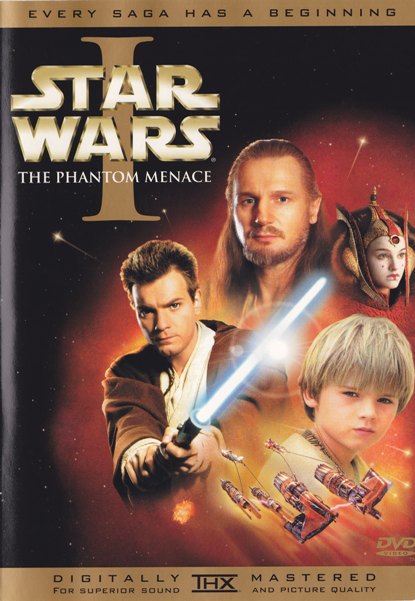
If you can believe it, Star Wars Episode I: The Phantom Menace is 20 years old this year.  2019 is a significant year in the history of Star Wars.  It is the 20th anniversary of its return with the prequels, and it will also witness the final movie of the Skywalker saga in Episode IX: The Rise of Skywalker.  Back in Record Store Tales Part 209: The Phantom Menace, I said I wasn’t “interested in contributing to the background noise” regarding the movie, but I’ve since changed my mind.  Now that George Lucas is out of the picture and J.J. Abrams is helming the finale of the sequel trilogy, it’s hard not to get a little nostalgic for 1999, when things were…simpler.

Netflix has different movies available in different countries, but you can sidestep this with some VPN software.  Some countries have no Star Wars, but between them, all of the films are available.  Bahamas is the only territory I’ve discovered so far with the first two trilogies, so I’ve been re-watching from I to VIII.  And for all its flaws, with the benefit of hindsight, The Phantom Menace is still quite enjoyable.

George Lucas had his own ideas about where to take Star Wars, but the fan hate that Phantom Menace (and the other prequels) received took the wind out of his sails.  He laid the groundwork in Phantom Menace, with that talk about the highly maligned midichlorians.  Now, midichlorians were an awful idea.  J.J. Abrams is right to leave them out of the sequel trilogy.  The idea of little microscopic organelles in your blood giving you the ability to tap into the Force?  It creates so many problems.  Like, if you have more midichlorians in your blood than someone else, does that automatically make you more powerful?  Can we therefore rank numerically every character by midichlorian count and deduce who the most powerful is?  Can you get a blood transfusion from a Jedi and steal his or her Jedi powers? That’s the kind of shit that fans hate on.  Why couldn’t Lucas leave the Force alone with all its mystery intact?

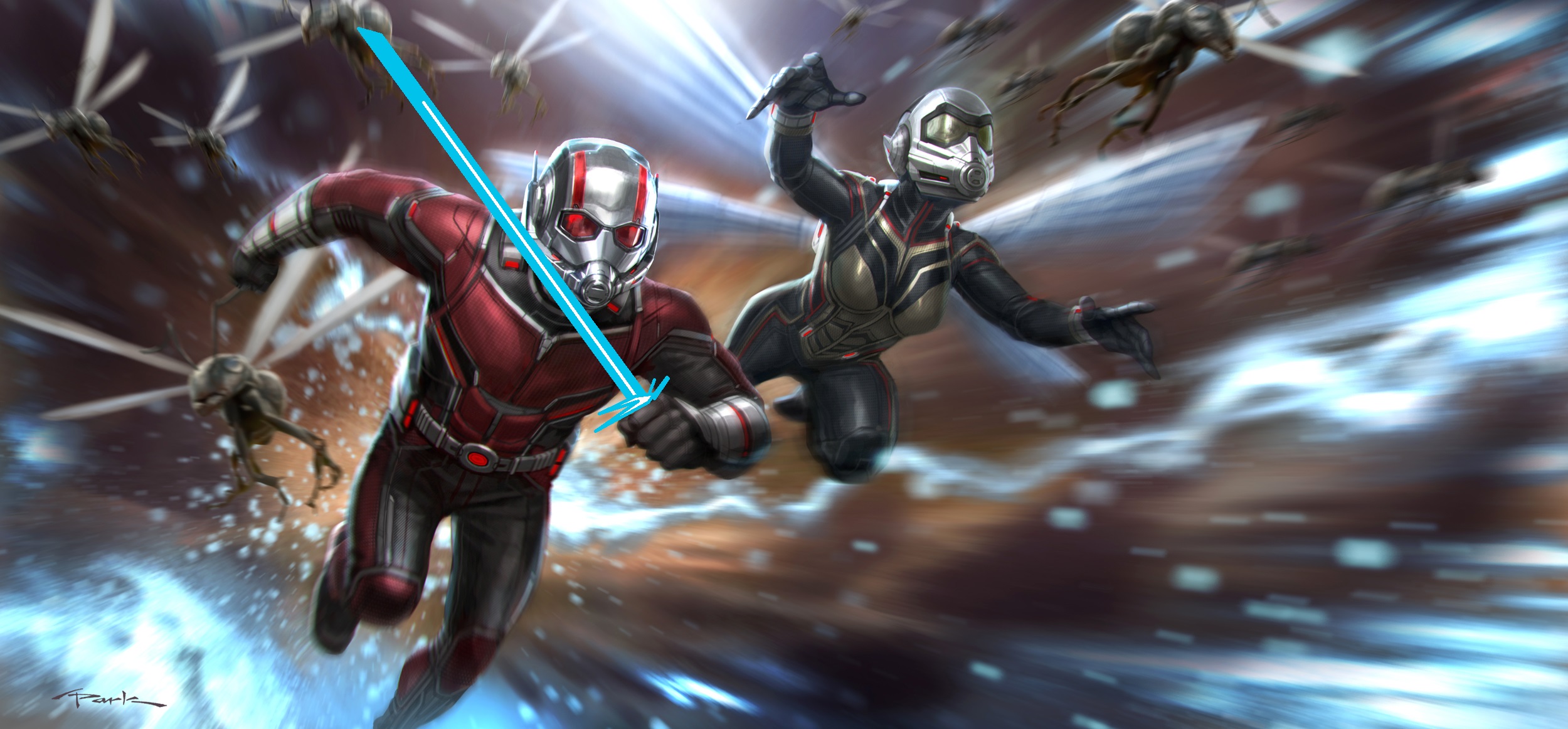
Because he was going somewhere with that.  Lucas came up with the name and concept of midichlorians back in 1977; the idea is very old.  Now we understand why.  George was also setting up the final trilogy, the one that J.J. is currently finishing. Episodes VII through IX “were going to get into a microbiotic world,” George Lucas told James Cameron. So, like Ant-Man?  “There’s this world of creatures that operate differently than we do. I call them the Whills. And the Whills are the ones who actually control the universe. They feed off the Force.”  Fans recall that “Whills” is an old word.  The first Star Wars novelization refers to the entire saga as The Journal of the Whills.  In Lucas’ own sequel trilogy, Jedi were to be merely “vehicles for the Whills to travel around in…And the conduit is the midichlorians. The midichlorians are the ones that communicate with the Whills. The Whills, in a general sense, they are the Force.”

Like Ant-Man meets Dr. Strange meets The Fantastic Voyage, maybe.  With lightsabers?  Terrible; undoubtedly awful.  I can’t even fathom how he would have executed this idea.  The fans would have rioted.  You think the hate that fandom gives Disney today is intense?  Imagine if George’s microscopic version got made.

rey and the midichlorians of doom

But at least George had a vision.

Lucas wasn’t about making the trilogies the same.  Having watched both The Force Awakens and Phantom Menace recently on Netflix, it’s clear that J.J. made a better movie that feels more like Star Wars.  Flawed, yes, but it seemed to be setting up some pretty epic storytelling (until Rian Johnson took a shit all over it with his left turn Last Jedi.)  J.J.’s Star Wars is better acted, paced and edited.  The dialogue is far less stiff.  But George’s Phantom Menace has something that J.J.’s Force Awakens does not:  daring imagination.

One of the most successful sequences in Episode I is the pod race.  It’s completely irrelevant to the story, which is one of the many problems, but on its own, it is a glistening example of George’s unfettered imagination.  In 1999, this race was unimaginably new.  The only thing that came close was the speeder bike chase in 1983’s Return of the Jedi, primitive as it was.  Lucas broke new ground in multiple ways with his prequels, whether you like his innovations or not, and primitive CG characters aside.  People complain that J.J.’s Star Wars is just a soft reboot.  Well, watch Phantom Menace if that’s not your cup of tea.  The pod race, at least.  Lucas combined his love of race cars with science fiction and directed one of the best race sequences in the genre.  In any genre.  Even little Jake Lloyd shone in that cockpit, confidently flying himself to victory.

It’s a shame that pod race sequence was completely unnecessary.  I mean, you’re telling me Liam Neeson couldn’t figure out any other way to get off that planet, other than a complicated scheme of betting; gambling on a child pod racer?  Liam was supposed to be a goddamned Jedi master.  They keep talking about how much time they’re wasting on the planet, but they wait to see how this damned race plays out?  A race that could have killed a little kid!  Weird choices.  If you were a Jedi, you could have figured out dozens of faster and safer ways to get off that planet, right?

Once they do finally get off that planet, the Jedi arrive home on the capitol world Coruscant.  This was a bit of fan service, something that they wanted to see more of, since it had been such an important part of comics, novels and production artwork.  Cloud City aside, it was the first real time we saw an urban city environment on Star Wars.  True to form, Lucas made the whole planet one environment, in this case a city.  It was also some of the most brilliant visual designs on the prequel trilogy, one which would set the tone for the two movies that followed.

For better or for worse, Lucas spent much of the prequel trilogy defining who the Jedi were.  What they could do, what they couldn’t, and what they believed in.  We learned of the “living Force”, and oodles of Jedi wisdom about attachment and fear.  Jedi couldn’t marry, which was surprising, considering the Skywalker bloodline is the entire focus of the saga.  Yet George was throwing tons of ideas at us.  Stuff that he had been keeping in dusty old notebooks for years.  Nothing in the sequel trilogy comes close to revealing as much about the Star Wars universe as the prequels do.

Though Phantom Menace is the movie with the most cringe-worthy moments, wooden dialogue and shitty acting, there are the odd scenes that George did artistically and perfect.  Take the moment that Anakin and friends arrive on Coruscant, an overwhelming moment for the little boy.  George shot some of the footage from kid-height, allowing us to experience Anakin’s anxiety without clumsy dialogue.  The aforementioned pod race sequence is brilliant, and so is the final lightsaber duel.  For the first time, serious acrobatics and martial arts moves were incorporated into the laser sword battles.  This went on to define how the Jedi normally fought throughout all the prequels:  with a lot of jumping, leaping, and somersaulting.  For all the epic duels in the saga, one of the greatest (if not number one) is Kenobi and Jinn vs. Darth Maul.  From John Williams’ score (“Duel of the Fates”) to the choreography by Nick Gillard, it was focused through George Lucas’ lens into something absolutely brain-melting.  Until Darth Maul lost like a chump.  No excusing that; although remember that George did something similar to Boba Fett in Episode VI.

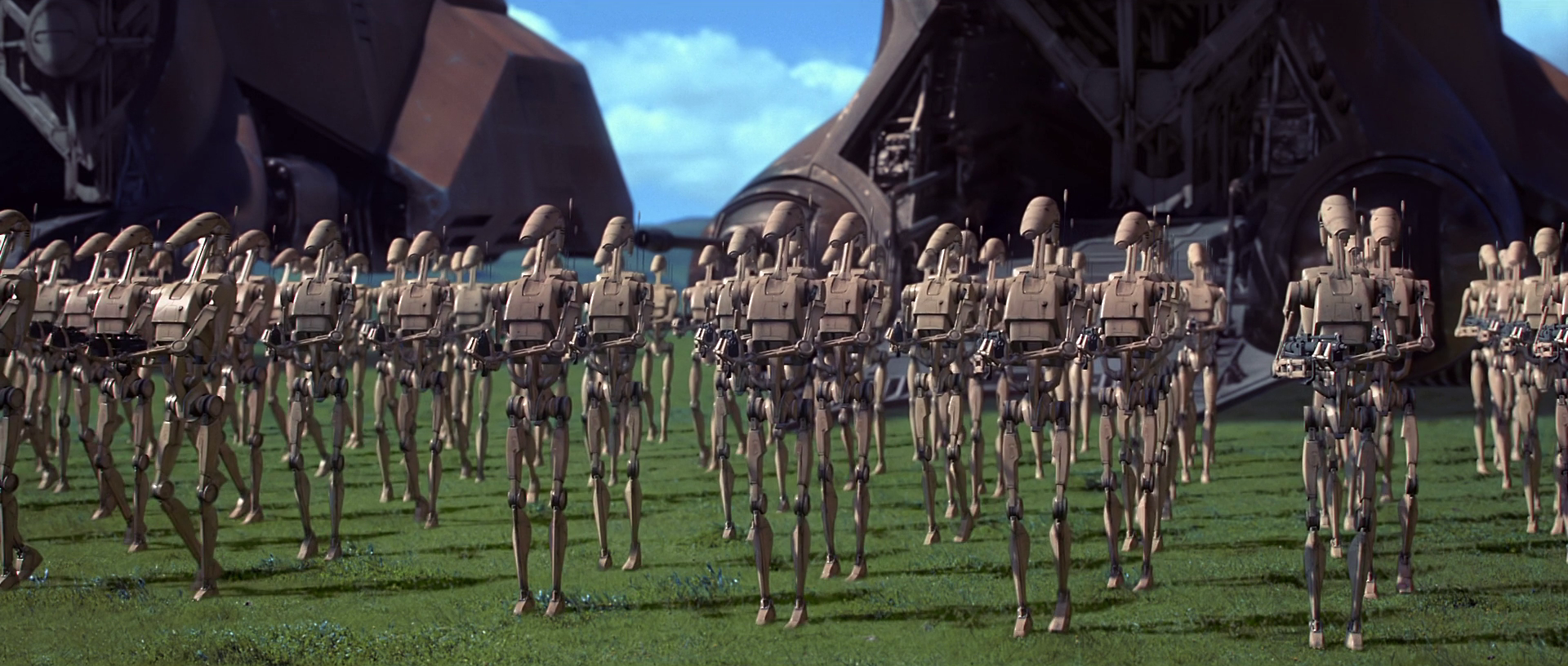
The droid designs were also pretty cool.  As iconic as a stormtrooper?  No.  But sleek, interesting, new and believable?  Absolutely.  This helped shape the visually stunning Naboo land battle scenes.  J.J. didn’t introduce any new infantry troops in his movie, he just updated the existing ones.

There was one thing that The Force Awakens and The Phantom Menace did equally well.  One very important thing that neither gets enough credit for: they made us anticipate the next film in the trilogies with hunger.  (Until Rian Johnson pissed all over J.J.’s ending, that is.)  Both films’ endings felt like the setup for events we couldn’t wait to see on screen.  The training of Anakin/Rey, for example.  A clue to the truth about the big bad guys (Sidious/Snoke).  The next meeting between good and evil.  J.J. and George both succeeded in creating this feeling of heavy anticipation.

By the time all three prequel movies played out, each problematic with wooden acting and stiff stories, fans were burned out on prequel-era Star Wars.  The Clone Wars TV show did a better job of living in that universe, but fans longed for the old familiar again.  X-Wings and Han Solo and the Empire and all of it.  So that’s what J.J. delivered.  And J.J. Abrams learned what we all know:  there is no pleasing Star Wars fans.

We fans take this stuff too seriously sometimes.  You’ve just read 1500 words, comparing Star Wars movies’ strengths and flaws.  That’s excessive, for both the reader and the writer!  We take this too seriously, friend.  Sure, we don’t go and harass the actors on Twitter like some juvenile delinquents do, but we’ve invested so much time and thought into a goddamn space movie series.  Too late to turn back now.  I think it’s important to take a break, step back and appreciate the movies from a different perspective.  Having done that with Phantom Menace, I can see it has its mitigating traits that still make me smile 20 years later.
 

REVIEW: Kick Axe – “Weekend Ride” (1981 single) – Kick Axe series Part Two

Part Two of a series on classic KICK AXE!

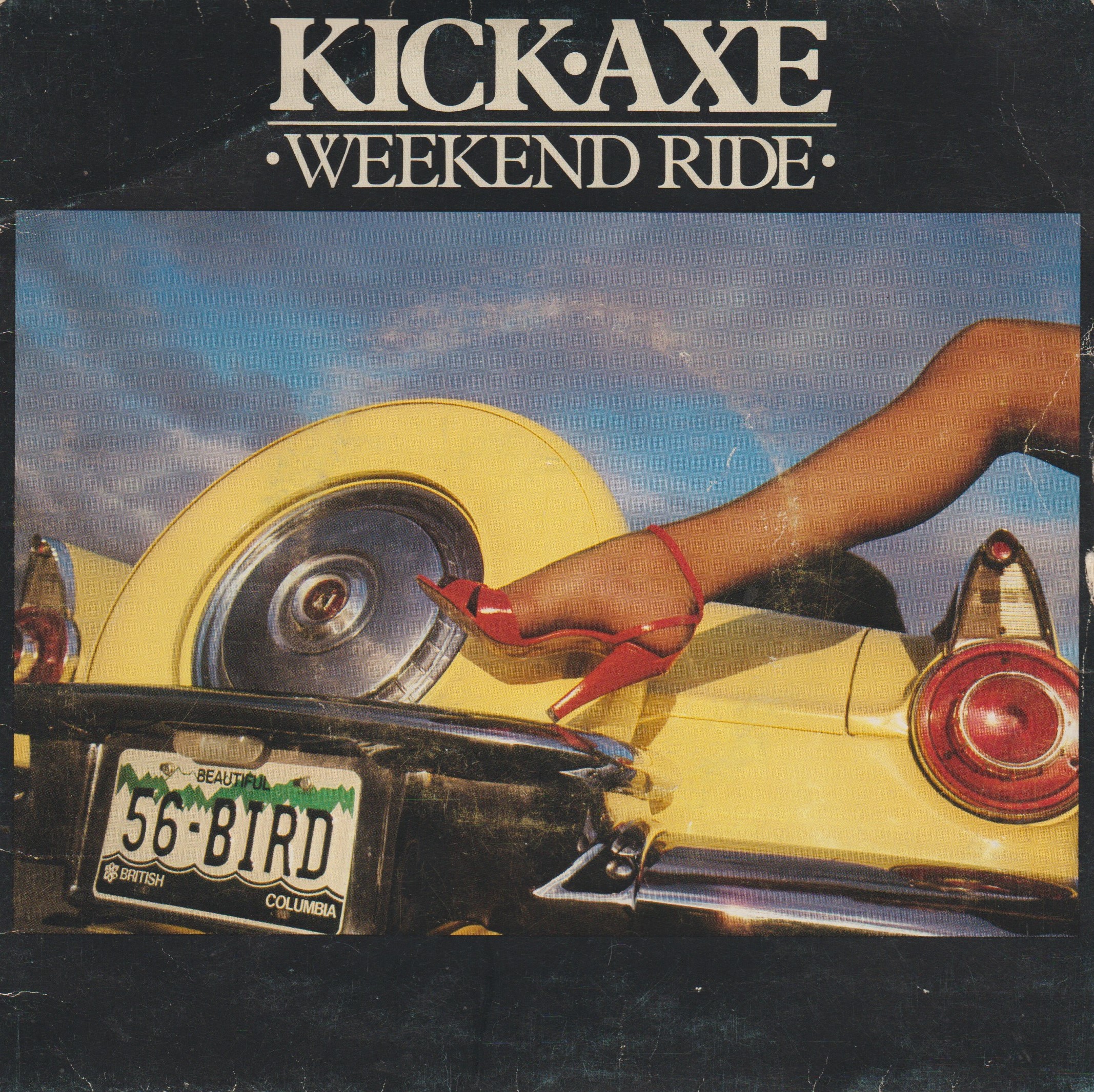
KICK AXE – “Weekend Ride” / “One More Time” (1981 Swyne Song single)

When we last met Kick Axe, it was on the surprisingly great live track “Reality is the Nightmare“, from a very obscure compilation by Playboy magazine.  It seems the guys at Playboy thought they should get into the music business too.  They put out an album featuring recordings by unsigned bands, and among them was Kick Axe.  At roughly the same time the live track was recorded, Kick Axe were also working independently on a single.

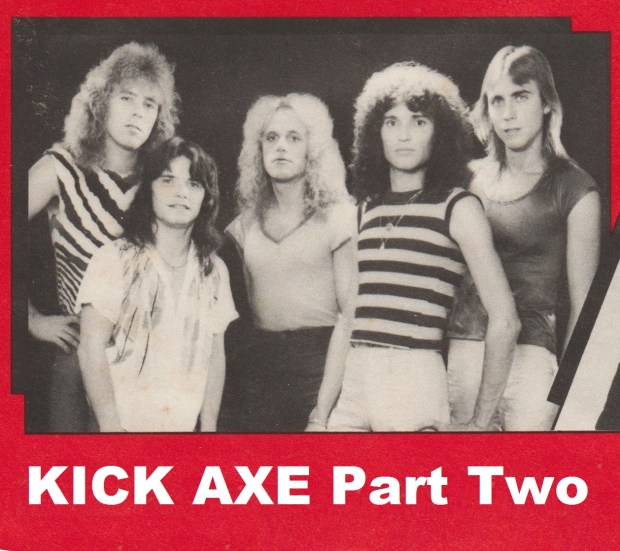
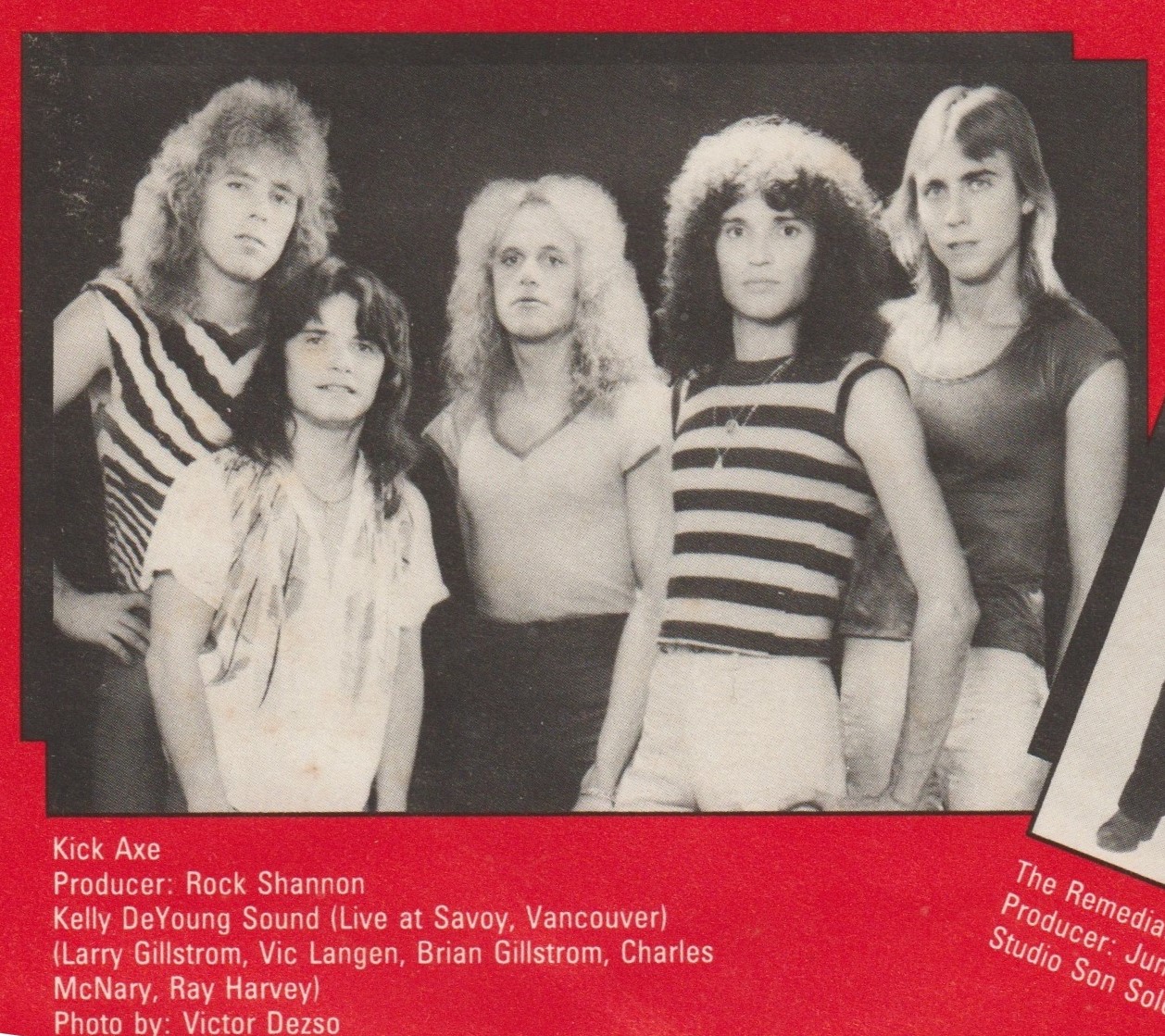
This early Kick Axe lineup still featured Charles McNary on lead vocals, a capable singer.  The rest of the classic band was set:  Victor Langen (bass), brothers Larry (guitar) and Brian (drums) Gillstrom, and guitarist Raymond Harvey.  Recording in Vancouver, they managed to get the late Brian “Too Loud” MacLeod to co-produce, he of Headpins and Chilliwack fame.

“Weekend Ride” was the A-side, a slick track that already had the trademark Kick Axe rhythm.  It’s largely based on Victor Langen’s thrumming bass.  Solid chorus, interesting guitar hooks, and a screamin’ lead vocal — the essential stuff — are all present.  There’s even some wild, prototypical metal soloing.  The band were also fortunate enough to have capable backing vocalists, not fully exploited until their major label debut.  On “Weekend Ride”, you can hear the start of that.

The interesting thing is the B-side, “One More Time”, a song written by Ray Harvey.  This sounds like a different singer from the A-side, and it’s probably Harvey.  It also features extensive keyboard solos, something they never did again.  It sounds like a different band.  Suffice to say, Kick Axe pursued the sound of the A-side when they made an album.  “One More Time” sounds like a poor man’s Styx!

A few more years of hard work and a critical lineup change would prove to be the key for Kick Axe.  Spencer Proffer of Pasha records was about to change their fortunes in a big way.

If not for this small handful of early Kick Axe recordings, we’d have no record of what they sounded like before Spencer stepped in and added his own ingredients to the stew.  As it turns out, they were already good.  They didn’t need a big namer to write good songs.  They even had a good singer, before the lineup change that would bring George Criston’s golden pipes to the fore.  They were on their way…for a “Weekend Ride”.

3.5/5 stars


Sunday Chuckle: Hulk Rules

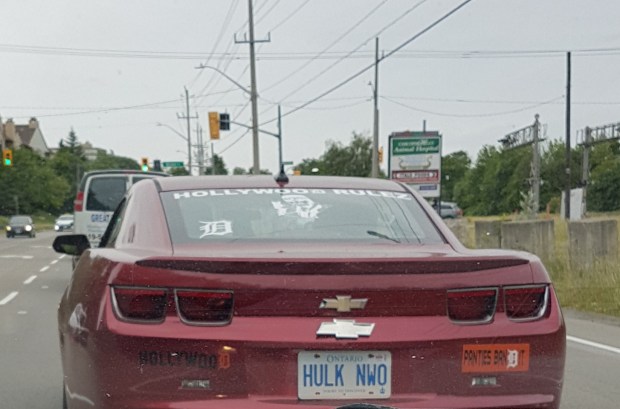
Spotted in Kitchener.  Who do you think this guy’s favourite wrestler is?
Bonus points:  note that he is also a “panties bandit”.  How many panties do you think this car got him?

REVIEW: Kathryn Ladano – Masked (2019 vinyl)

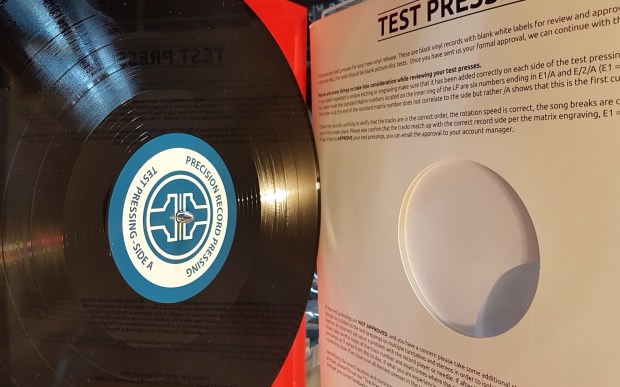
KATHRYN LADANO – Masked (2019 vinyl version – test pressing)

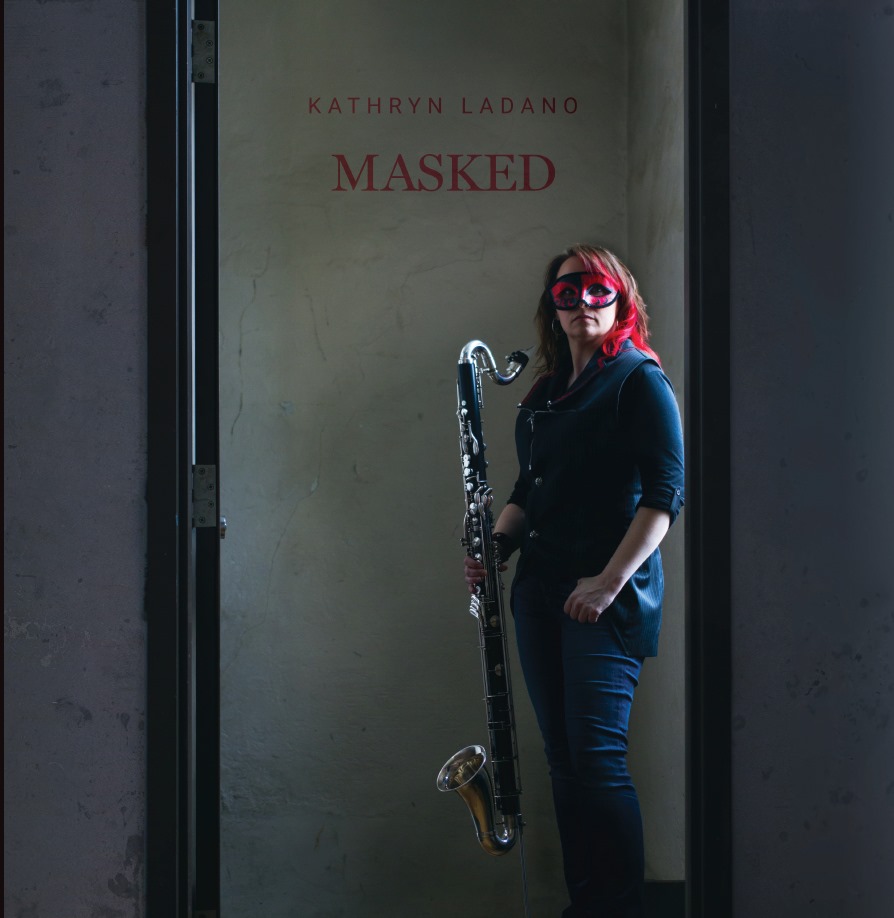
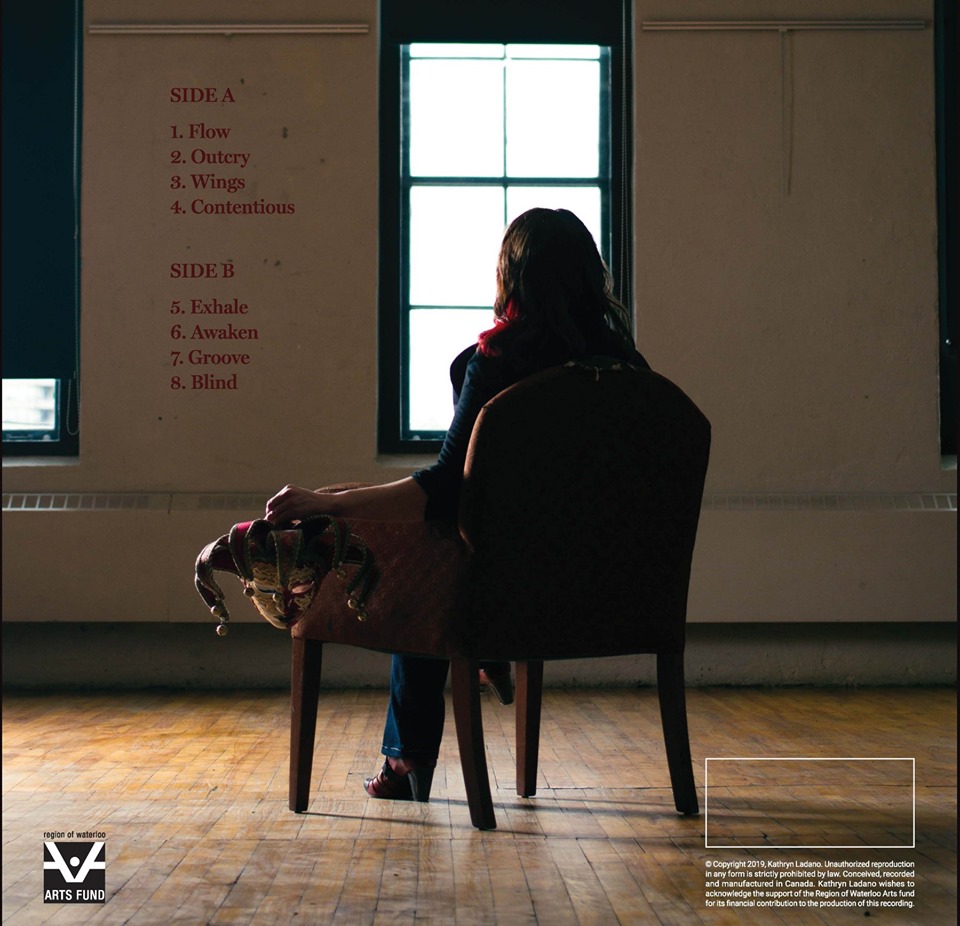
The new Dr. Kathryn Ladano album Masked will be out soon, and we just got our (very neat and clean) hands on a pristine test pressing of the vinyl LP.  We don’t have the sleeve, liner notes or CD bonus tracks.  However we can say, without any of the extras, that this is a remarkable sounding album.

You can hear Dr. Kathryn breathing, and you can hear the click of the key pads.  The album is completely solo improvisations.  What you hear is what was played in the moment, in the studio.  The fact you can hear the keys and the breathing makes it a very physical sounding album.

Isotope records did an excellent job with the actual cutting of the vinyl.  It will be interesting to hear a comparison with the eventual CD version (which will come with two more songs).  The bass clarinet is a diverse instrument, and it’s possible you won’t even know you’re listening to a wind instrument at times.  There are moments of dissonance that sound like an electric guitar.  Others sound like a broken theremin, Jason Voorhees, or a dog growling!  The second track is absolutely mental.  Ladano also goes full “Van Halen” with speed and frenzy in certain passages.  However it’s all executed with complete control and mastery of the instrument, and you can hear this.

The rich tones of the bass clarinet are evident in the more melodic material, which some listeners might find easier to digest.  The rhythms you can create with the bass clarinet are also pretty riveting.  Each track is different, which is good when you’re listening to instrumental music that is so far out in left field.  This album goes from left to right and all over the place, but rarely hangs around the middle.

As a whole, Masked plays out like the soundtrack to a science fiction film.  Something like THX-1138 or Blade Runner: 2049.  The only difference is that this is entirely performed on one acoustic instrument.  It sure sounds like many, though, because it’s hard to believe a woodwind can make this much noize.

4.5/5 stars

Here’s an interview with Dr. Kathryn by Ambush Schnauzer Paparazzi. She discusses the new album and artwork below.

WTF Comments: Prisoners in Max’s Paradise edition

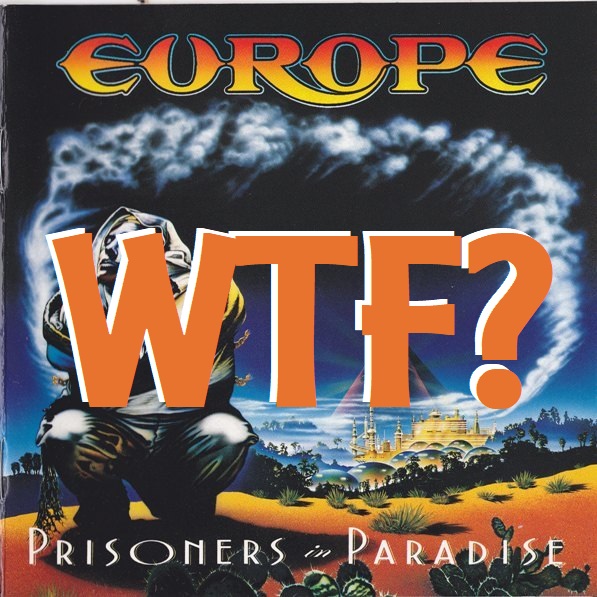
You gotta give Max [not The Axe, as far as we know] credit for this scorcher.  We don’t agree on Prisoners in Paradise by Europe, and that’s OK.  I was harsh on the album so Max was harsh on me.

I don’t know what the fuck this reviewer got stuck in his ears; a dead cat!?

Good one for sure.  Max goes on:

He complains about some songs being “pop” songs. Well what the fuck do you think this band is, Metallica??

Of course not, Max.  But have you heard of this album called Europe, by the band Europe?  Not a pop record, bud.  Not a pop record.

I don’t care. I like ’em. 

That’s cool Max.  I like ’em too.  Cool yer jets, bro!

For Max’s full comment click here.  Thanks for reading, anyway!

REVIEW: Kick Axe – “Reality is the Nightmate” (1981) – Kick Axe series Part One

Part One of a series on classic KICK AXE!

KICK AXE – “Reality is the Nightmare” (1981, from Playboy Street Rock on Nightlife Records)

They were originally called Hobbit.  Formed in Regina Saskatchewan, the core was Larry Gillstrom and the Langen brothers, Victor and Gary.  They were playing mostly covers, but by mid-1976 they changed their name to Kick Axe.  What is a “Kick Axe”?  The name represented rock band instruments – kick drums and axes.  Members came and went, including Gary Langen, until they settled on a five member lineup:  Larry Gillstrom (guitar), his brother Brian (drums), Victor Langen (bass), Raymond Harvey (guitar) and Charles McNary (vocals).

It was this lineup that recorded the first Kick Axe releases.  (Though not the very first Kick Axe recordings — an earlier album was scrapped and has never been heard.)  The first two records that were available were a single called “Weekend Ride” (to be reviewed next time) and a live song called “Reality is the Nightmare”.  This was recorded in Vancouver and released in April 1981 on a most peculiar LP.

Street Rock was a compilation by Playboy Magazine of new, unsigned bands.  Kick Axe were one of two Canadian bands to make the cut, the other being a group called The Remedials.  According to the back cover, which prominently features the “rabbit head” logo, these are the bands that won a Playboy “music poll talent search”.  It appears Kick Axe were the only group here who went on to bigger things.  I’ve never heard of Snake Rock.  Have you?  The singer’s name was Snake Rock (no relation to Kid or The), and he had a snake tattoo and a snakeskin vest.

Kick Axe clearly had talent even back in 1981.  “Reality is the Nightmare” boasts a solid riff and accompanying groove.  Charles McNary was a decent singer, too.  Kick Axe got lucky later on when they landed the golden pipes of George Criston, but McNary could hold his own.  He could scream and carry a melody.  The guitar soloing and drumming on this track is quite exceptional.  The track was written by McNary and Larry Gillstrom, and whadayaknow? — they could write a good song!  It’s a well constructed heavy rock song, not breaking any new ground, but doesn’t have to.  Listening to the individual instruments, it’s clear that Kick Axe could always play and always write melodically.  Victor Langen is a melodic bassist and combined with Brian Gillstrom’s almost tribal drums, you get a song that is more than the sum of its parts.  That’s pretty impressive for such early material.

With a quality track like this right from the start, Kick Axe were off to the races.

4/5 stars


VIDEO: A “Kick Axe” Weekend + next series preview!

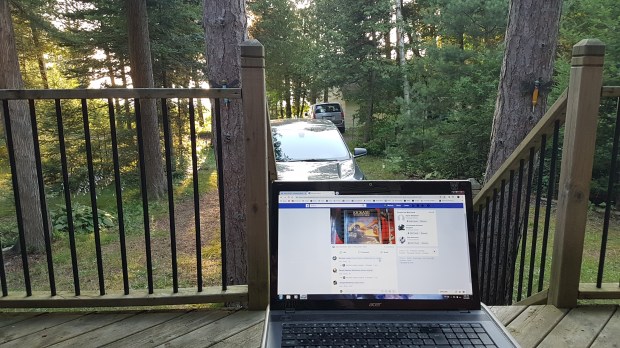
The first weekend of August is a long weekend in Ontario.  It’s called the Civic holiday, but people in retail still have to work it.  I did, almost every single year at the Record Store.  This year we spent the holiday at the lake, where I secretly began work on the next review series here at mikeladano.com.  Two posts were completed at the lake, on the front porch.  You couldn’t have asked for a better setting.

As usual I’ve assembled a video of some of our weekend fun, all to the tune of Max the Axe (“My Daddy Was A Murderin’ Man”, and “Call of the Wild”).  Check out crystal clear waters, mountains of food, and rock and roll.  And of course that sneak preview for our next review series!

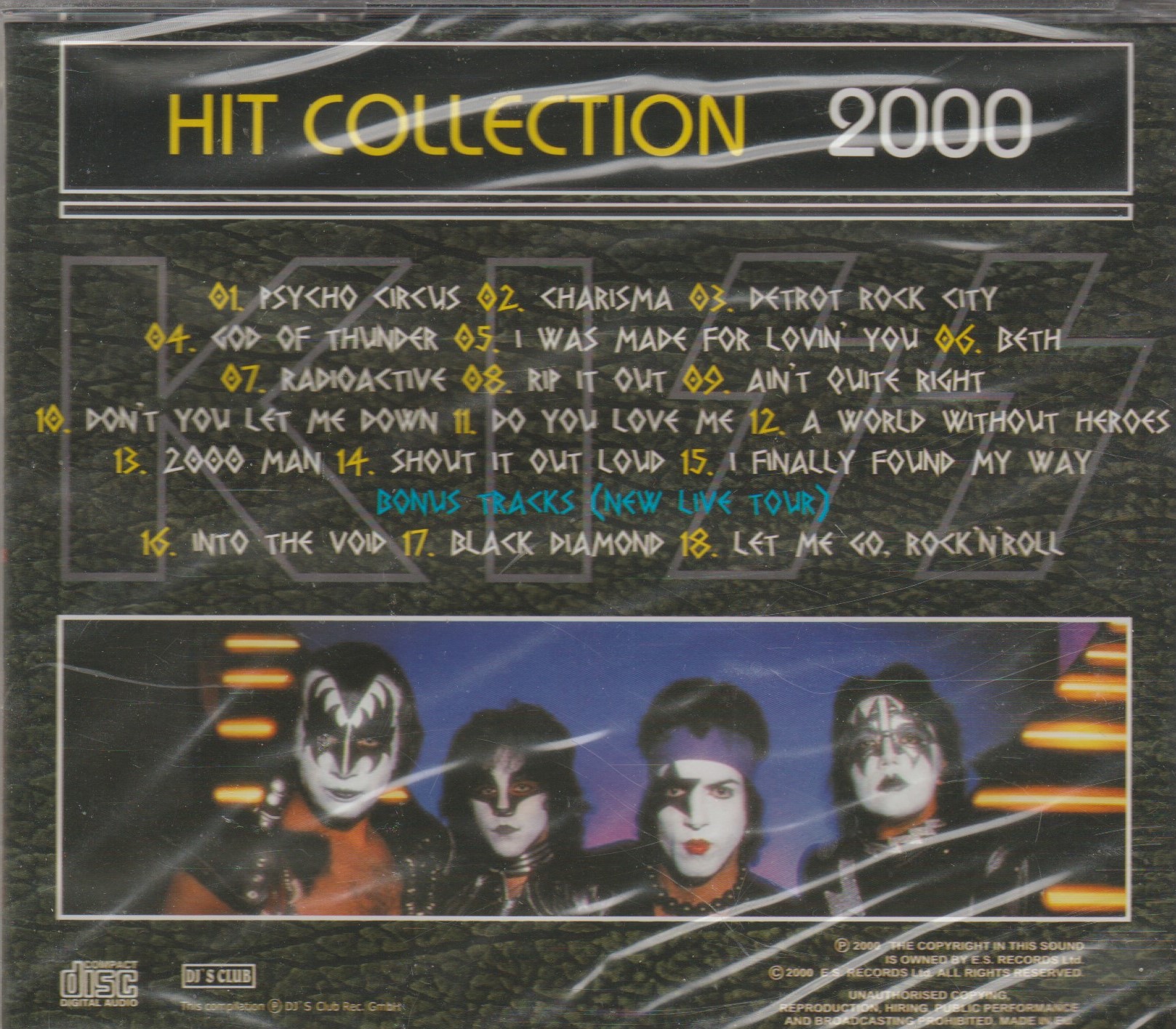
NON-REVIEW: KISS – Hit Collection 2000 (Russian import)

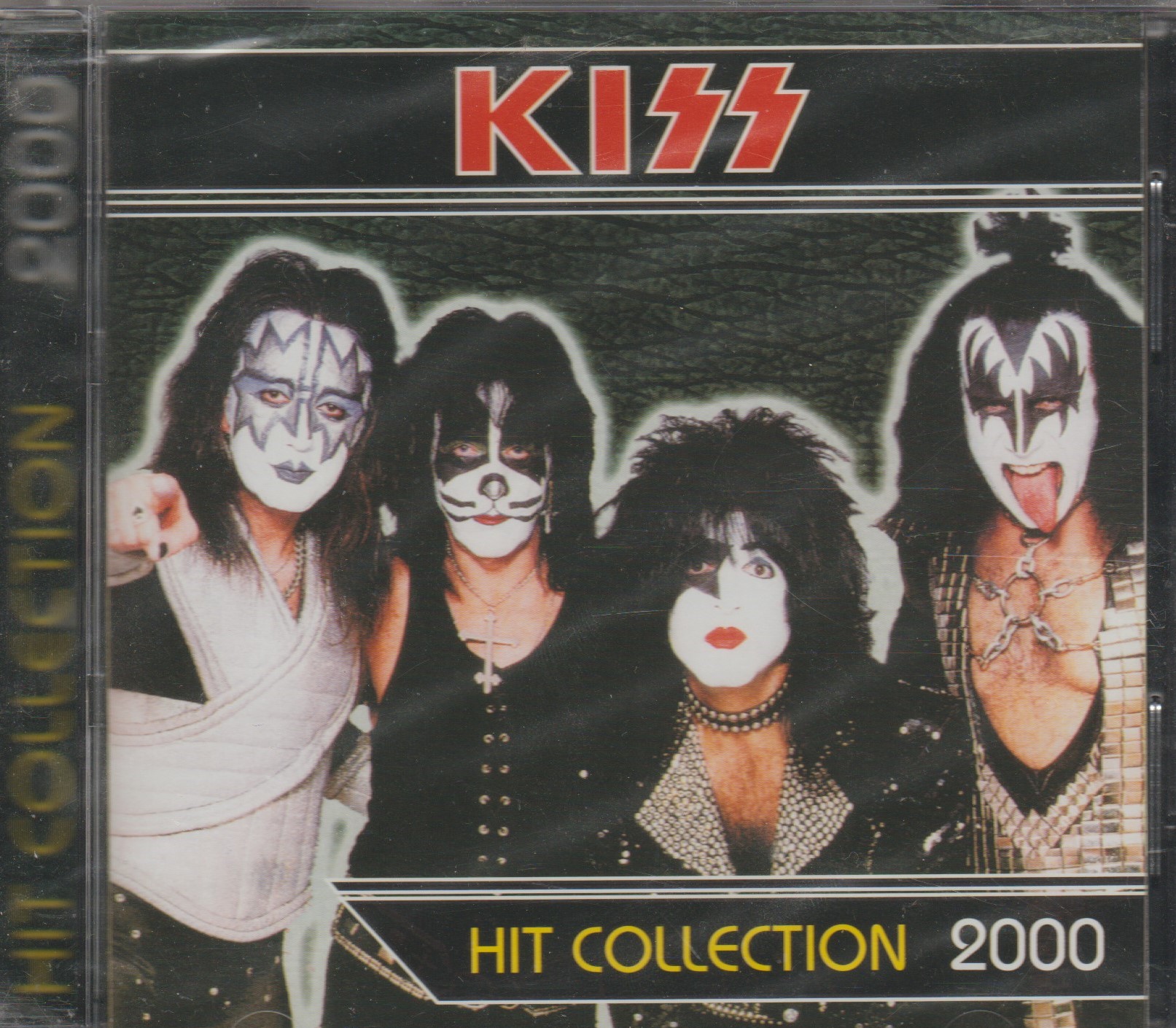
kiss-logo – Hit Collection 2000 (E.S Records – Russian import)

I call this a “non-review” because I’ve never actually listened to this CD.  I’ve never even opened it.  This disc is one of dozens of Russian imports sold to us by a guy named Serge.  Ah, Serge — part time Russian CD distributor, part time male model.  And a total pain in the ass.  Most of what he tried to sell us was utter shit.  “This is really big in Europe”, he would say about just about every dance CD that I would pass on.  Because this CD is more a curiosity than anything else, I’d like to keep it sealed.  These compilations are so shady that Discogs won’t even allow them for sale.  Think of them as bootlegs.  It’s not the real Kiss logo at the top and that should be cautioning. Because I don’t want to open it, I’ll just listen to the songs on other albums, and review it that way.

The track “Psycho Circus” is a logical opener for a CD released in 2000.  The Psycho Circus album was Kiss’ most recent, and they opened their shows with the title track.  It’s the closest thing to a classic from that album.  Never mind that Ace Frehley and Peter Criss aren’t really on the song; that was typical for Kiss.  It just takes one play and you know it’s Kiss.  Nobody else sounds like this.  Kiss basically ripped themselves off on this song.

Off to a good start, but then things go a bit strange.  “Charisma” from 1979’s disco album Dynasty follows, and by contrast to “Psycho Circus”, the band has never played it live.  (The internet will tell you they played it in Mexico in 1981, but this was just miming for a TV performance.)  The Russians then dropped “Detrot Rock City” (yes, that’s how they spell it) in the third slot.  Then it’s “God of Thunder” which works really well immediately following “Detroit”.  Strangely, back to disco next.  It’s the hit “I Was Made for Lovin’ You”, before it gets even weirder.  Sandwiched between “I Was Made For Lovin’ You” and a slew of tracks from the Kiss solo albums is the ballad “Beth”.  Granted, “Beth” is pretty out of place no matter where she is placed.  It’s also strange that three of Kiss’ biggest hits are crammed together in a small group like this.  It’s even stranger when you look further down the tracklist and realize that one of the biggest hits (“Rock and Roll all Nite”) is completely absent in any form.

The only thing more jarring than hearing Gene Simmons’ solo track “Radioactive” immediately after “Beth” is when the painkillers start to wear off in the middle of a root canal.  Were the solo albums big in Russia?  All four solo albums get a track on this CD, though not all were singles like “Radioactive” was.  Frehley’s “Rip It Out” is arguably a better song than his single anyway (“New York Groove”).  “Rip It Out” is more than welcome here since it so rarely makes it onto compilations.  It’s only on two others:  Best of Solo Albums, and Ikons.  Stanley’s next with “Ain’t Quite Right”, an interesting choice since it’s such a laid back track.  His album has so many better songs for compiling.  Last of the solo tracks is Peter’s single “Don’t You Let Me Down”, a nice ballad, but as you’ll see this CD already has enough ballads.

Back to the mainstream Kiss songs, “Do You Love Me” works really well as a transition out of the solo stuff.  Then it’s time for some Elder.  “A World Without Heroes” isn’t shunned like it used to be.  It’s been on a few compilations, like Kiss 40, Icon 2, and the Box Set.  Another hit from the disco era, Frehley’s “2000 Man” (a Stones cover) is a welcome addition.  The only other compilation it’s been on was Ikons (not including live). Here’s a fact for you:  a Kiss compilation is only strengthened by more Ace.  Fortunately this isn’t the last.

As we get close to the end, “Shout It Out Loud” is rolled out, which makes up for the lack of “Rock and Roll all Nite”.  Then the Russians go full Chernobyl by including the weak ballad “I Finally Found My Way” as the last song in the set.  Why?  Was this a hit in the motherland?  Was it a hit anywhere?  Peter sings it, but he didn’t write it.  Paul did.  And Paul was writing a lot of shit ballads back then.

Russian imports usually had “bonus tracks”.  Sometimes they’d use tracks from live or solo albums.  They went live in this case, with three tracks from the Psycho Circus bonus CD.  Ace sings on “Into the Void”, one of those undeniable Frehley riffs.  “Into the Void” was a highlight from the disappointing Psycho Circus, and this live take swaggers.  “Black Diamond” is dramatic as ever, but where I give the Russians the most credit is closing the CD with “Let Me Go, Rock and Roll”.  Think back and realize, that’s how the original Kiss Alive ended too.

I’m not going to bother giving this CD a rating (what’s the point?) but I will point out that the Russians go all over the place, from genius to asinine, with this track list.  Sometimes it feels like they just threw a bunch of stuff to the wall and didn’t wait to see what stuck.  At others it sounds well thought-out.  It’s probably just random.

?/5 stars