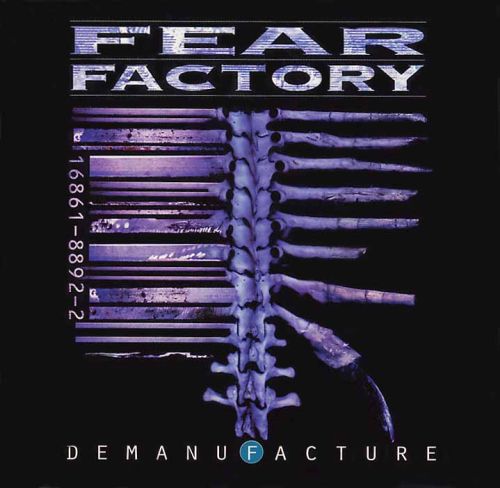
GETTING MORE TALE #529: Demanufacture
When a store buys and sells used CDs, theft is an ongoing problem. It’s not the left of your own stock that is the issue. Used CDs are usually kept safely behind the counter in 99% of stores. The theft headache is more a problem of people selling stolen goods to you.
We have discussed these issues here in the past [click the links for the full stories]. In order to combat theft, all customers selling used goods had to be 18 years or older, with valid government issued photo ID. No photo ID, no sell. People would get pissy about it (“I have to show you ID to sell one CD?”) but that was the law in the province of Ontario. We didn’t make it, we just followed it. To a “T”. That was our responsibility and how we protected ourselves.
Stolen CDs are not easy to identify at a glance. They don’t come in with glowing security dye on them. They look like any other CD. Sometimes they are sealed, but what does that prove? Only that the disc was never opened. I have lots of CDs here that have not been opened yet. The best clue might be if a young Korn-looking kid came in selling a well-stocked jazz collection. (Yes, that’s profiling.) It was often an indicator that a kid may have ripped off mom or dad’s CD collection. Sadly this happened a handful of times in my 12 years at the store, and once to a customer that I knew. He was ripped off by his own son.
We did our part by taking the ID. We also diligently recorded every single disc bought from customers. Every single one. Whether you sold one CD or 150 CDs, we had to write down every last title. (Before we had computers to do it with, anyway — the cops hated our penmanship.) This helped police track possible stolen property…but only if the victims reported it stolen. If they said, “I lost 150 discs,” that doesn’t help. If they instead reported, “I lost 150 discs, mostly jazz. There was a Miles Davis Bitches Brew, Sketches of Spain, Kind of Blue, Milestones, and Tutu…” then they might have a chance. Those titles were less common and should stand out among the fodder.
When T-Rev and I were working at the first store in the chain, at a small mall, we used to get unfortunate calls about stolen property infrequently. The guy who worked at Dr. Disc downtown was one such victim, who put an A.P.B. out for his lost collection. He lost a number of Beatles discs, but he marked them with a piece of tinfoil under the CD tray. It was rare that we’d see the stolen items, but on one occasion in 1995, we were able to save the day for one particular customer.
 Peter the Rocker was a regular. The legend goes that he painted the Metallica “stencil guy” on the hood of his car. His Austrian accent made him sound more “metal”. He once announced loudly, “Hey, someone shit their fucking pants in this store!” (Everybody could smell it, apparently, except the perpetrator who approached the counter to ask questions. We backed up as far as we could and tried not to breathe.)
He came in to see T-Rev one afternoon, quite upset because a number of his CDs were stolen. He gave Trevor a list. As mentioned, it would be helpful when a list like this contained at least one “rare” or “uncommon” title. Peter the Rocker’s rare title was the latest Fear Factory album, Demanufacture. It was the new imported limited edition digipack with three bonus tracks.
Lo and behold, a kid came in later and sold the Demanufacture digipack with bonus tracks. The police and Peter were alerted.
The police came in, got our records, and tracked down the young seller. “You sold these CDs. Which of these is the one that you can only get on special import?” The kid couldn’t answer. He didn’t know because they weren’t his. They were Peter’s.
This is a fine example of the customer, the store, and law enforcement working together to get results. Peter got his CDs back, happily so. The kid got busted, and we got to be the good guys by helping to get this done.
Crime doesn’t pay!




















 mikeladano.com