ritchie blackmore

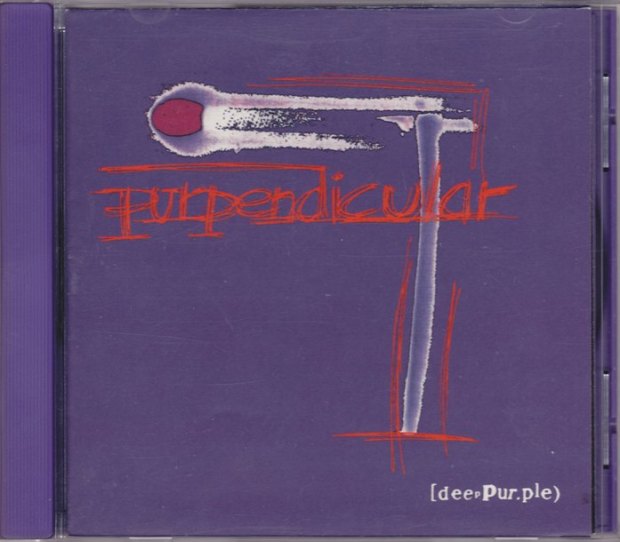
REVIEW: Deep Purple – Purpendicular (1996 US bonus track)

“The banjo player took a hike” — Ian Gillan


PURPENDICULAR US_0001DEEP PURPLE – Purpendicular (1996 BMG)

When Blackmore quit Purple for the second time, I had written the band off. I wasn’t too keen on the previous studio record The Battle Rages On, and what is Purple without the man in black? I didn’t want to hear a hack Deep Purple, struggling on to pay the bills with some sub-Blackmore player. Β The first time he left, it shattered the band and they were unable to continue past one record with Tommy Bolin. Then I started reading reviews of live shows with Steve Morse on guitar. Steve Morse? What the hell was that going to sound like? Morse and Ritchie Blackmore — it is hard to imagine two electric guitar players who sound less alike. (Joe Satriani was also briefly in the band to help them finish up touring commitments. Β Bootlegs of shows with Satriani are well worth checking out.)

When Purple finally released their new studio album Purpendicular, I had to buyΒ it on import. Β It didn’t even have a North American release. Β  When it was released officially in the US, an extra bonus track was added, so I tracked that down and bought it too. That is how much I really love this record. It had a huge impact on me musically in the mid to late 90’s, and when I saw Purple on this tour, they were smoking!

PURPENDICULAR US_0002


Kicking off with some of that patented Morse shredding, the oddly titled “Vavoom: Ted The Mechanic” kicks you in the teeth and won’t let go. This was, according to Gillan, done on purpose. Β It was a statement: “Here is our new guitar player, bitches.” Β Ian’s lyrics, ranging from bizarre to absurd and back again, are at their absolute peak on this album. (Check out “Somebody Stole My Guitar”.) Clearly, when the man had been freed of Blackmore’s shackles, he had been creatively revitalized. Β That probably followed in turn for each of the members.

The secondΒ track is the melancholy, bass-driven “Loosen My Strings”, a song which wouldn’t sound out of place onΒ Slaves and Masters. From there, the album goes from strength to strength: The powerful progressive epic “Sometimes I Feel Like Screaming” (probably the best track on the album) to the bright and positive “A Touch Away”. Every song is backed by Morse’s unmistakable picking, miles away from Blackmore’s style of riffing, or medieval tendencies. That is not an attack against Blackmore, but sometimes a quality change can be refreshing. Morse utilizes pinch harmonics frequently on this album, which is a new sound for Deep Purple. Β He also utilizes long sustained notes with wide vibrato, a classic Steve Morse sound.

PURPENDICULAR US_0004

There are very few weak songs on Purpendicular. Β The plodding “Soon Forgotten” can be skipped. Β Not all the songs are immediate. Β Some of them are complex arrangements designed to take a little effort to penetrate. This album must be played a couple times for it to sink in. But when it does, stand back and prepare to be blown away. Β I wouldn’t want to miss “The Aviator”, a rare acoustic Purple tune. Β Morse lends it a celtic feel. Β For folks who prefer the 70’s jamming Deep Purple, check into “Rosa’s Cantina” and give a shout-out to “Hey Cisco”. Β And if you like it a little more straightforward and rocking, you may prefer catchy rockers like “Somebody Stole My Guitar” and “I’m Not Your Lover Now”.

PURPENDICULAR US_0003I mentioned that I re-bought this album for a US bonus track. Β “Don’t Hold Your Breath” is aΒ bright upbeatΒ rock song,Β and worth tracking down. Β It’s not necessarily an album highlight, but why do without? Β Jon Lord’s organ sounds on this one are particularly enticing.


There was also one outtake from this album, a silly little jam/band intro called “Dick Pimple”. Β This was put out on a fanclub-only release, and later reissued on Ian Gillan & Tony Iommi’s compilation CD WhoCares. Β It’s a 10 minute track, giving the fans a rare chance to hear Purple with Morse jam just for shits & giggles. Β Because it’s Deep Purple, it is a quality jam, and completely unlike anything on Purpendicular.

Purpendicular was a vital record for Deep Purple. Β If they had blown it, that would have been it. Β They couldn’t have continued with any credibility if it didn’t kill. Β Fortunately it did. Β I am pleased to report that despite the tragic death of Jon Lord, Deep Purple has managed four more great records since, all with Steve Morse on guitar.

4.5/5 stars

PURPENDICULAR US_0005

REVIEW: Deep Purple – Live in Graz 1975 (2014)

NEW-ish RELEASE

DEEP PURPLE – Live in Graz 1975 (2014 Edel)

Any time there is an official Deep Purple archival release coming out, diehards have to pay attention. Β The current library of vintage live CDs is the Official Deep Purple (Overseas) Live Series. Β A mouthful. Β Live in Paris was the first in the series, followed by Copenhagen 1972 (which I missed but have to catch up on). Β Graz 1975 is the third, and it has a long history of incomplete releases going all the way back to 1976! Β Some songs were used on the single LP Made in Europe in that year. Β  In 1996, five songs were remixed and included on Mk III: The Final Concerts. Β Now the entire April 3 show in Graz, Austria has been remixed again and released in its completion.

As a guy who owns virtually every single official Deep Purple release and catching up on the rest, I’m amazed at how crisp and fucking essential this new mix of “Burn” is. Β The liner notes call it “surely the best version of this song, ever.” Paice and Blackmore both play with an excitement and energy that is even above their standards. Β Lord too, but my God are Ian and Ritchie fueled up, laying down fill after fill that were of that moment. Β Ritchie was on the verge of leaving — he was gone after only two more shows. Β Even if you’ve heard this exact same recording of “Burn” from Mk III: The Final Concerts before, you haven’t heard it like this. Β This new mix kills the prior ones, rendering them almost obsolete. Β Ditto with “Stormbringer”, which captures all the energy that that was missing from Made in Europe.

I’m always pleased to hear “The Gypsy” from Stormbringer, an underrated track from an underrated album. Β Glenn Hughes’ young pipes are achingly powerful, drowning out David Coverdale. Β An unreleased “Lady Double Dealer” is the last short song before the show progresses on to long 10 minute or moreΒ jams. Β Ritchie’s manic pick scrapes are deliciously perfect. Β This usually isn’t one of my go-to Deep Purple songs, but this absolutely smokes any version I’ve heard before.

LIVE IN GRAZ 1975_0005

The first long bomber is Ritchie’s blues centerpiece, “Mistreated”. Β I confess I usually snooze through this one. Β This version will be familiar as one of the “bonus tracks” on Mk III: The Final Concerts. Β Ritchie is the main focus of “Mistreated”, and he stretches out far and wide, using bits from “Lazy”, “Sail Away” and classical melodies. Β Coverdale is much stronger vocallyΒ than he tends to be on this song. Β A ramshackle “Smoke on the Water” is also dull by comparison with the first part of the set. Β Its highlight is a long, building and breaking Jon Lord organ solo, which leads into “With a Little Help from my Friends”. Β “You Fool No One” is over 10 minutes, and it gives Ian Paice a chance to strut his stuff. Β Paice is one of those drummers that it pays off to focus on and really listen to, because he is always doing something interesting. Β All of this is outshined by a 20 minute “Space Truckin'”. Richard Strauss’ “Thus Spake Zarathustra” is a suitably bombastic segue, for a band of Deep Purple’s stature. Β They also detour into “Child in Time”. Β If you’re not wiped out by now, you will be by the end.

Gotta say that those responsible do a great job with these Deep Purple products. Absolutely no qualms about this release at all. Β Not essential to anyone but fans of Deep Purple Mk III.

3.5/5 stars

REVIEW: Deep Purple – Made In Japan (4CD/1 DVD box set) Part 3

NEW RELEASE: Part 3

This box set is so massive, I needed to review it in three installments. Β The first two can be found here:
DEEP PURPLE – Made In Japan Part 1
DEEP PURPLE – Made In Japan Part 2

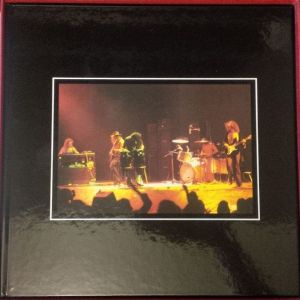
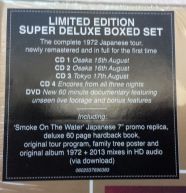
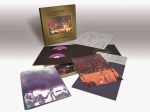
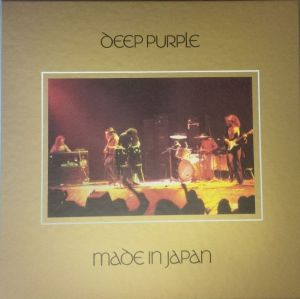
DEEP PURPLE – Made In Japan (2014 limited edition Super Deluxe box set)

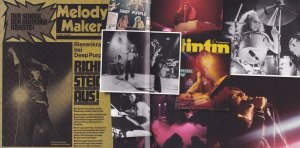
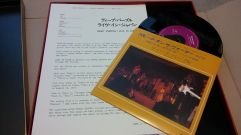
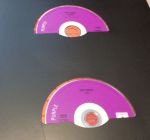
“Smoke on the Water” Japanese 7″ promo. Β This is a reproduction of a rare Japanese promo single from 1972, sleeve and all. Β It is pressed on heavy 70 gram vinyl, a treat indeed. Β It features the promotional single edit of the studio version, and an edit of the Made In Japan version on the other side. Β  The studio edit is available on plenty of releases, such as Singles A’s and B’s. Β The live edit is one that I don’t think I owned prior to this. Β I actually enjoy something like this; it’s interesting to see where and how they did the edits, from a technical point of view.

Including a 7″ single in a box set of this size is something I wholeheartedly support. Β Not only do I love the vinyl format, but when you spend this much money ($115 Canadian) in one place, you deserve something extra. Β A lot of the stuff included in box sets these days, even in this box set, amounts to nothing more than paper. Β Music trumps packaging, so I’ll always take something like a bonus vinyl, especially when it has an exclusive track on it.

Interestingly, on this printing, the times for the two tracks are reversed. Β The live version is the longer, not the shorter as the label suggests.


LORDDVD: Β Made In Japan: The Rise of Deep Purple MKII and more.

This hour-long documentary consists of new and archival footage and interviews, assembled into a narrative. Β Old footage of Deep Purple MKI begins our story. Β The shortcomings of this lineup led the core members of Ian Paice, Jon Lord, and Ritchie Blackmore to seek new bandmates. Β They had gone as far as they could musically with Nick Simper (bass) and Rod Evans (vocals). Β In stepped Roger Glover and rock’s greatest screamer, Ian Gillan. Β Then, the big albums: Β In Rock, Fireball, and Machine Head.

Strangely, it was a tax loophole that led to Machine Head. It was expected that the fortunes of the band would only rise, butΒ British tax laws would keep them all paupers. Β If they became tax exiles, and wrote and recorded in mainland Europe, they would not be taxed. Β This led them to Montreux, Switzerland. Β According to Claude Nobs, they were planning on recording an album called Made In Switzerland. Β Nobs invited them to record at the local casino, and the circumstances of this have been well documented. Β A Frank Zappa concert that night was attended by Deep Purple and Nobs. Β Someone fired a flare gun into the bamboo ceiling, and the place went up in smoke. Β This DVD has the audio of Zappa asking the audience to leave!

The placeΒ did indeed burn to the ground. Β Luckily Deep Purple had not yet moved in their gear, or it too would be gone. Β Next they tried recording in a small theater, but noise complaints caused them to move again. Β It took almost a week to find the Grand Hotel, which was closed for the winter. Β Perfect. Β The results speak for themselves. Β Machine Head is the classic Deep Purple album. Β But according to Blackmore, it was Made In Japan that made them a phenomenon. Β It was a live album that they didn’t want to do, but could not have regretted doing.

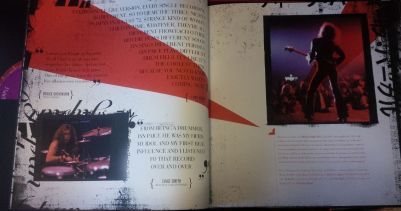
Bruce Dickinson, James Hetfield, Lars Ulrich, and more show up to discuss the impact of Made In Japan on themselves. Β Dickinson points out that the remarkable thing is that Made In Japan is 100% live. Β There are no overdubs. Β Martin Birch managed to capture it raw. Β There’s a lot of great footage here; live footage, showing the interplay of the band.

IMG_20140607_062755

Next, the band headed to Rome to record the difficult Who Do We Think We Are. Β Made In Japan had not even been released in America yet, only Japan, until mass importing of the record forcedΒ the label to release it. Β Unfortunately at the height of their powers, Ian Gillan and Ritchie Blackmore had a massive falling out. Β Ian resigned. Β Blackmore and Paice almost formed a trio with Phil Lynott. Β Glover was fired, which was a condition Blackmore set to stay in Deep Purple. Β A final Japanese tour was the last commitment of the band. Β Glover describes a cold atmosphere, and the tension in the air.

Glenn Hughes appears next, remembering a Trapeze gig attended by members of Deep Purple. Β He sussed out the reason for their attendance. Β Still, he did not expect to be asked to join. Β It was an emotional time for Glover. Β He saw his Deep Purple albums on top of the charts, yet with magazines printing pictures of their new lineup featuring David Coverdale and Glenn Hughes. Β Hughes reveals he was mistakenly sent awards for albums like Who Do We Think We Are. Β Glover felt deeply hurt but strove to be a professional.

As a Deep Purple fan who owns a lot of Deep Purple on video, I enjoyed this documentary. Β Although it has some footage that I had before, it also had a lot that I didn’t, such asΒ interviews that were new to me. Β Footage from Japan is a highlight. Β “Smoke on the Water” is presented almost in full (from the 17th), though it is very lo-fi.

Extras include a music video for “Smoke on the Water”, made up of footage from the documentary. Β “The Revolution” is a short film about rock music and counter-culture, focusing on Deep Purple while at Montreux in 1971. Β Much of this footage is in the main documentary. Β A bearded Gillan rips his way through “Speed King”, and the band are interviewed. Β There’s also a short German documentary from 1972, subtitled of course. Β I enjoyed the description of their stage attire: Β “intentionally scruffy hippie uniforms”. Β Finally, there is a 1973 performance of “Smoke”, but now I’ve really heard the song too many times. Β It’s the best footage though: full colour, pro-shot. Β Roger is wearing bright red platform shoes.

This DVD was adequate. Β The main documentary feature was re-watchable. Β “The Revolution” and the German doc, not so much. Β It’s too bad that the video content is only tangendentally related to Made In Japan. Β The DVD is really not much more than a supplement to the main feature.

IMG_20140603_173713Final words: Β The box set is rounded out by an excellent booklet, a reproduction of the Japanese tour program, a family tree, and a reproduction press release. Β Ultimately these things are just pieces of paper. Β Nobody would go out of their way to buy a reproduction of a pressΒ release.

As a boxed set of music, Made In Japan is a home run. Β This is the way they should have released it back in ’93, instead of the incomplete Live In Japan. Β I’ll hang onto my old 2 CD anniversary edition of Made In Japan, because I believe in keeping the original mix of something. Β It’s an historic piece, not to be discarded. Β When I want a briefer Deep Purple live experience, I’ll play that version of Made In Japan. Β When I want the full Monty, I’m listening to this box set. Β Not only is it the best release sonically, but it is the only complete release of all three Japanese shows.

As a celebratory boxed edition of a classic, I’m less satisfied. Β The DVD and the papers inside are things I will get less enjoyment from. Β If the DVD had included a feature on the making and remixing of this edition, I would have been more interested.

Still, I’m happy.

For the music: Β 5/5 stars

For the box overall: Β 4/5 stars

REVIEW: Deep Purple – Made In Japan (4CD/1 DVD box set) Part 2

NEW RELEASE: Part 2

Β 

This box set is so massive, I needed to review it in three instalments. Β The first one can be found here:

DEEP PURPLE – Made In Japan Part 1

IMG_20140607_062429DEEP PURPLE – Made In Japan (2014 limited edition Super Deluxe box set)

Disc 3: Β Tokyo, August 17 1972. Β Finally we arrive at the third night. Β The band were comfortable by the time they hit Tokyo, but the sound from the venue wasn’t as desirable as the two nights in Osaka. Β That’s the main reason that most of the Tokyo show was not used on Made in Japan originally. Β Yes, sonically this is not as crisp nor clear. Β It seems like a noisier mix, with Gillan’s voice more difficult to make out. Β However, we have heard plenty of Deep Purple recordings worse than this, and this is still Deep Purple MkII at the top of their game.

The band tune up and say hello before “Highway Star”, a quaint reminder of the way concerts used to be compared to today. Β Like the other two renditions of “Highway Star”, this is an electric performance. Β Jon’s organ solo was the highlight for me, Ritchie’s blistering frets notwithstanding. Β Gillan tells the crowd that the song is about somebody named “Fat Larry” and his automobile.

“Smoke on the Water” begins with Ritchie teasing a bit of “God Save the Queen”. Β Jon and Ritchie fall out of sync a bit in the beginning of the song, but they quickly lock back into place. Β Of the three, this is my favourite version of “Smoke on the Water”, just because it is different. Β The band are looser and willing to play around a bit more. Β Blackmore’s solo is a highlight as he travels all over the musical landscape.

Always epic, “Child in Time” is greeted by polite applause, a true show of Japanese appreciation. Β While the August 16 Osaka version may wellΒ be Uncle Meat’s favourite because of the guitar solo, I think this one is pretty special due to Jon’s keys. Β Either way, we’re splitting hairs here. Β It’s “Child in Time” performed live in Japan in 1972! Β To talk about favourites at this point is to be speaking in nanometers.

IMG_20140603_173412“The Mule” has an entertaining intro; Ian Gillan tells the monitor guy, “Can we have everything louder than everything else?” Β This is the version from the original Made In Japan. Β The intro was so legendary that Lemmy paid homage on the live Motorhead album, Everything Louder Than Everyone Else. Β The song goes absolutely mental at the 2:20 point, before Ian Paice breaks into his drum solo. Β Not a lot of drummers are interesting to listen to soloing for five minutes. Β Paicey is.

“Strange Kind of Woman” is another track that is never exactly the same twice. Β Gillan and Ritchie improvise together, a reminder of a day and age when they (mostly) got along. Β It’s hard not to smile. Β According to Ian, this song is about “Terrible Ted” and his “awful lady”.

Diving into newer material from Machine HeadΒ comes “Lazy”; always interesting since it too relies on a lot of improvisation. Β This is the version used on Made in Japan originally, and Jon’s solo (dipping into “Louie Louie”) is familiar and fun. Β That Hammond howls, and then Blackmore enters. Β This is one more Deep Purple long bomber. Β The vocal doesn’t even start until six minutes in!

Finally, “Space Truckin'”. Β One more amusing song intro: Β Ian says that this song is about what would happen if space travel and rock and roll ever met, which has not happened. Β Therefore, this song does not exist. Β But it sure does slam! Β The crowd clap along, obviously into it. Β I love every pick scrape, every drum roll, and every scream. Β Deep Purple can simply do no wrong at this point. Β The only flaw is distracting audience (or perhaps crew) noise. Β You can hear people speaking Japanese around the 13:00 mark.

IMG_20140603_174039Disc 4: Encores. Β This CD comprises all the encores from all three shows. Β “Black Night” was played first, at all three shows. Β “Speed King” was played twice, on the 1st and 3rd nights. Β On the 2nd night the band played Little Richard’s “Lucille” at absolutely breakneck pace. Β For many years, these encores were largely unavailable. Β “Black Night” from the 3rd night in TokyoΒ was released (edited) as a B-side, and then re-released on many compilations such as Power House (1977). Β The other encores didn’t receive release until the 90’s or later. Β Now, finally, all the tracks from Japan are collected in one set. Β I could barely keep track of where to find all the songs from the Japan shows, spread as they were over multiple releases. Β Now it’s all in one place, as it should be.

After tuning up, Blackmore noodles for a bit. Β Then “Black Night” crashes to a start. Β This songΒ is almost a respite for the audience, after a track like “Space Truckin'”. Β If you remember from Part 1 of this review, Gillan had a case of bronchitis that he was recovering from. Β He couldn’t stand his performance on the 15th, but you’ll be hard pressed to tell on “Black Night”.

Ian says “good luck, good night,” but it’s just a clever ruse. Β Much applause results in a return and a noisyΒ take of “Speed King”. Β There’s quite a bit of feedback, sour notes and noise coming from the guitar. Β Blackmore was either struggling with it, or abusing it. Β A knackered Ian Gillan is out of breath at times.

MIJThe second version of “Black Night”, from the 16th, is quite different. Β It’s quite ragged and feedback-laden, and this version reveals human errors that, to me, only add to the live experience. Β Deep Purple were taking things over the top at these concerts, and sometimes things fall apart. Β It’s rock and roll.

Once again, the applause of the audience brings Deep Purple back to the stage. Β Their insane cover of “Lucille” was a pleasant surprise. Β Deep Purple had been playing this for ages, since Gillan first joined the band. Β Another version (from London) can be heard on In Concert ’72. Β That is probably the superior version, though this is no slouch. Β Almost half of it is just intro! Β It is stretched over eight minutes. Β It keeps getting faster and faster, until they’re playing at Ludicrous Speed.

The final show in Tokyo is sonically different, as mentioned at the start of this review. Β That’s most obvious on this CD when you go straight from Osaka to Tokyo. Β This time, Deep Purple are introduced in Japanese, before Ian asks for the monitors toΒ be turned down. Β This is the version used on B-sides and compilations numerous times before, and it is my favourite, probably due to familiarity. Β This mix allows Jon’s organ to shine a lot better. Β It is also unedited, which of course is a bonus.

And finally the journey ends with “Speed King”. Β The band tune up for the lastΒ time in Japan, and dive in. Β Once again, they’re off the rails. Β I don’t know where Gillan got the energy. Β Even though he’s tired, he’s still wailing. Β Jon Lord’s solo is especially enjoyable. Β I’m exhausted by the end of it. Β This has been a lot of Deep Purple to digest. Β But we’re not done yet.

To be concluded.

REVIEW: Deep Purple – Made In Japan (4CD/1 DVD box set) Part 1

NEW RELEASE: Part 1

IMG_20140607_062032DEEP PURPLE – Made In Japan (2014 limited edition Super Deluxe box set)

Giving you the kind of detailed review that you have come to expect from me is no mean feat when it comes to a massive set like this. This 5 disc (plus 7″ single)Β Made In JapanΒ reissue was an epic undertaking to absorb. Just as much as reviewing Machine Head‘s 5 disc deluxe edition last year was a huge task, Made In Japan was its equal!

Because of this, I’ve decided to split the review into three: Today we’ll look at the first two CDs. ThenΒ the third and fourth CDs, the DVD, the 45, and everything else. Β Enjoy this first installment.

Disc 1: Β Osaka, August 15 1972. Β “Good morning!” jokes Ian Gillan as the band arriveΒ on stage. Β A few moments of quiet as the band plug in and strum, and then…the opening drum beat to “Highway Star”. Β The first of three shows has begun!

Gillan says he was suffering from bronchitis on this first night, and you can indeed hear a bit of extra rasp in the man’s voice. Β Gillan says he hates these performances, but I think the extra rasp only adds to the furious “Highway Star”. Β Both Ritchie Blackmore and Jon Lord are on fire, ripping through their parts with great aggression. Β Blackmore makes a few mistakes during the solo, but who cares? Β Right from this opening salvo, you can hear the nuances and details of this new remix. Β Reading the liner notes, you realize that the biggest difficulty in remixing this album was that everything was bleeding through Gillan’s vocal mike. Β I’ll be damned if it tarnishes the listening experience though.

Before you can catch a breath, “Highway Star” has ended and they’re into “Smoke on the Water”, which had yet to become the classic concert favouriteΒ that it is today. Β Ritchie plays around a bit on the intro, as the crowd claps along. Β Clearly, they know the song. Β “Smoke” lacks the furious energy of “Highway Star”, but it is still an incredible performance. Β Once again, Ian Gillan’s raw voice only adds to the experience (but it’s not even that bad). Β “Smoke” is the only track from this show that was used on the final album Made In Japan.

Ian introduces “Child in Time” as a “sad story”, but nobody was mourning that night in Osaka. Β One thing I enjoy about “Child in Time” is that it is never played the same twice. Β Jon in particular changes up his opening melodies all the time, and this version is quiteΒ different from the one they debuted a mere three years prior at the Albert Hall. Β Somehow, bronchitis and all, Gillan still manages to scream his way through this monster. Β At times, Ritchie’s solo sounds like it’s drifting into “Lazy”.

IMG_20140607_062642According to Ian’s intro, “The Mule” is a song about Lucifer. Β This track from Fireball is essentially an excuse for Ian Paice to do a five minute drum solo. Β Nothing wrong with that; it’s Ian Paice after all. Β Gillan’s voice is a bit shaky at times, but I think that only adds to it. Β I enjoy that Allmusic refers to “The Mule” as an instrumental, proving once and for all that they don’t know what they’re talking about.

It’s all long-bombers from there. Β “Strange Kind of Woman” is extended with Ian and Ritchie’s usual interplay, and a gonzo guitar solo. Β “Lazy” is never short, nor is “Space Truckin'” which exceeds 20 minutes (complete with flubbed lyrics). Β They are all stellar. Β I found the intro to “Lazy” quite enjoyable, because after a brief noisy organ bit, Jon teases the crowd by stopping. Β It becomes dead silent Β for long enough that you’ll wonder if the CD stopped. Β That’s something you never hear on a live album these days; a silent crowd. Β Before “Strange Kind of Woman”, Ian begs the audience for a few moments to tune up. Β It pays off in the end, he says! Β All this talk is preserved on the box set version of Made In Japan.

I found the remix on this disc to be great. Β I love that I can hear every conga on “Space Truckin'”. Β I haven’t played my old 3 CD remixedΒ Live In JapanΒ (1993) set in a few years, so I haven’t compared the two mixes, but this is so good, I don’t really have a reason to play Live In Japan anymore.

IMG_20140607_062555Disc 2: Β Osaka, August 16 1972. Β Once again, “Highway Star” gets the proceedings off to a bang. Β Gillan’s voice is still raspy, but a new day has given it strength. Β The band sound more confident, as if they lacked any in the first place. Β It is, after all, the second Osaka show that made up the bulk of the original Made In Japan album. Β Once again, the remix is a joy. Β I believe in hanging on to an original mix of an album, that’s just the way I am. Β The original Made In Japan might not sound “better”, but it is an historical document of the circumstances of its making. Β It has its own sonic charm, and I think both can co-exist happily in my collection. Β (The ’93 mix, I’mΒ afraid, will be retired in favour of this new 2014 mix. Β Interesting how they remix this album every 21 years.)

Not actually Made in Japan

Once again, “Highway Star” is followed by “Smoke on the Water”. Β  Ritchie plays with the opening riff, but in a completely different way from the first concert. Β Later on, there’s a couple bum notes, and perhaps that’s the reason they used the version from the day before on the original album. Β The solo is a little loose too.

“Child in Time” is the adventure that it always is, and this version is familiar because it’s the one from the original Made in Japan. Β The song is truly a rollercoaster; that word applies here as well as any other. Β There are times it feels like it’s coming off the rails, but Glover and Paice keep it locked. Β Uncle Meat tells me that the originalΒ Made in JapanΒ is his favourite live album “of all time.” Β (Perhaps it is also one of Dream Theater’s, since they did a song-for-song cover of the album.) Β Meat also says this is the “greatest guitar solo of all time,” right here on “Child in Time”.

“The Mule” was not used on the album; instead the version from the next night (in Tokyo) was selected. Β Same with “Lazy”. Β “Strange Kind of Woman” and “Space Truckin'” from this concert were used on Made in Japan. Β I couldn’t tell you why “The Mule” wasn’t used, it sounds great to me.

I very much enjoyed Ian’s “Strange Kind of Woman” intro. Β After explaining the song’s inspirations Ian says, “Why I’m talking such a lot is ’cause, like, we gotta tune up again…’Cause there’s a big time change from England you see, and the guitars are still not recovered from it.” Β After they are all tuned, Ian drops his famous line, “I have to announce that next week, we’re turning professional.” Β Through to his ungodly ending scream, “Strange Kind of Woman” is a corker.

Lord’s organ intro to “Lazy” is different from the first night, but just as interesting. Β “Space Truckin'” is the familiar version we know and love from the original Made In Japan, and it’s still astounding how this band could jam! Β Who cares that Gillan’s “Yeah, yeah yeah yeah!” is flat. Β That’s part of the action!

We’ll stop here for now, and pick up the rest tomorrow. Β Already, it’s apparent why a comprehensive set like this one was necessary. Β It’s because even if the setlist is the same, Deep Purple never play the exact same concert twice. Β Some of Ian’s song intros are by rote, but that’s where the similarities end. Β Deep Purple weren’t content to crank out the same jams and solos night after night, and that’s why a box set like Made In JapanΒ is an important document of this band in their prime.

To be continued.

GALLERY: Deep Purple – Made In Japan Super Deluxe unboxing

Thanks to Amazon, this arrived today. Β Only a week late, but for free shipping I won’t complain too much. Β When a parcel comes packaged inside not one but two boxes, you know it’s big. Β And this sucker is heavy. Β 5 discs, with two huge books inside. Β I can’t wait to dig in.

REVIEW: Deep Purple – “Knocking at Your Back Door” / “Perfect Strangers” (single)

Welcome back to the Week of Singles 3! Each day this week we’ll be looking at rare singles and EPs.

MONDAY: OZZY OSBOURNE – Ultimate Live OzzyΒ (1986 CBS picture 12″ record)
TUESDAY: BON JOVI – Livin’ On A Prayer (double 12″ EP)
WEDNESDAY: ANTHRAX – Live from Sonisphere Festival 2010 (picture disc EP)

DEEP PURPLE –Β “Knocking at Your Back Door” / “Perfect Strangers” (1984 Polydor 12″ single)

What a find this was. Β While Simon Robinson has kept Deep Purple’s catalogue largely available on CD in lavish packages, here’s an oddity that has slipped through the cracks. Β Granted, interviews are fairly low on my collecting priority list. Β When something like this falls in your lap, you still gotta bite.

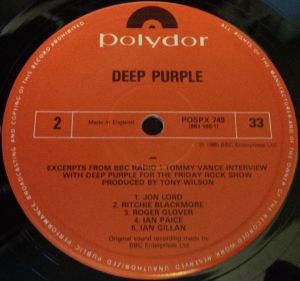
I got this limited edition (#9240/????) at an old used music store in Uptown Waterloo. Β I cannot remember the name; perhaps a kind reader will remind me. Β They were technically a “Christian” store but still carried music of all varieties. Β This 12″ was sitting on their shelves (price long lost) and I snagged it. Β The A-side contains not one but two hits, and the B-side, in depth interviews with all five Deep Purple members. Β All was harmonious in Deep Purple, coming off the high of making the album Perfect Strangers and embarking on a successful tour. Β The dischord did not return until The House of Blue Light. Β Therefore these interviews reflected a rare time of excitement and positivity for the short-lived Deep Purple MkIIb.

First, the music: Β To get both awesome singles from Perfect Strangers on one 12″ is handy! Β These are two of MkIIb’s best tracks, if not the two best tracks, period. Β By the end of the A-side, my mind is already blown by the grandiose, intelligent, classic sound of Deep Purple. Β Of note, these are the full length tracks, not single edits.

IMG_20140518_065140The interview side is helmed by Tommy Vance for the Friday Rock Show. Β Each member is interviewed separately, which is how it should be for Deep Purple. Β The amiable Jon speaks for 10 minutes, recalling Deep Purple history, particularly the very early years. Β They also discuss Jon’s few writing credits on the new album, a potential pot-stirring question. Β Ritchie Blackmore then reveals he doesn’t mindΒ giving up being “the” leader of a band (Rainbow). Β Ritchie claimsΒ the hardest part of being the leader of a band was “trying to find the perfect member”. Β He sounds excited when discussing Deep Purple’s on-stage chemistry. Β Meanwhile, Roger Glover sounds like he’s eating a bag of crisps. Β He also sheds light on the early stages of the reunion, and the things they discussed to make it work. Β I enjoyed Ian Paice’s interview most; he dismisses what was going on in 80’s pop music as “a fashion show”. Β He proclaims that his goal for the reunited Deep Purple was to bring back a little bit of class to rock and roll. Β In my mind there is no question that they succeeded. Β Finally, the singer: Β Ian Gillian is soft-spoken and optimistic. Β He too is glad to have shed the responsibilities of being the leader of a solo band.

If you’re a Deep Purple collector and you find this record sitting on a shelf for a reasonable price, do not hesitate. Β Tommy Vance asks probing, intelligent questions and the result is an interview disc that will enjoy listening to more than once.

5/5 stars

More Deep Purple:

REVIEW: Rainbow – Finyl Vinyl (2 CD edition)

RAINBOW – Finyl Vinyl (1986, 2 CD Rainbow Remasters edition)

Finyl Vinyl was the third Rainbow album I bought, right after Rising and Straight Between the Eyes. The year was ’96, and the place was Dr. Disc. Β I bought it on vinyl initially, because the original CD edition omitted two tracks for space limits (a major flaw with double albums issued in the early CD age). However what I did not know until recently was that the vinyl also omitted a song: “Street Of Dreams” which was only available on cassette!

This complete 2 CD remaster contains all the songs from all the versions. Β For sheer portability reasons, it made sense for me to own this.Β  I have filed my vinyl copy away, and I now rely entirely on this new Universal CD version.

I love Finyl Vinyl and even though it was issued posthumously and consists mostly of unreleased live songs, I think it’s one of the most enjoyable Rainbow albums to listen to. It contains music from all three of the original Rainbow eras: Dio, Bonnett, and Turner. It leans most heavily on the Joe Lynn Turner era, with only a couple songs from the Ronnie James Dio era. Graham Bonnett also appears on two songs, and there is an instrumental B-side from his Down To Earth era as well. It is worth noting that the B-sides contained herein have been issued on other albums since.

Finyl Vinyl contains a lot of my favourites, and in great versions too: “I Surrender” and “Miss Mistreated” sound great live. Pop rock goodness, made classy as only Blackmore/Turner can do it. Β “Jealous Lover” is a standout midtempo burner from the Joe Lynn era. Β Blackmore’s picking is resplendent. Β Unfortunately the two Dio-era songs don’t have the fidelity of the later Turner recordings, but you can’t have a Rainbow collection without representing Ronnie James. Β That is done via unreleased 1978 live versions of “Man on the Silver Mountain” and “Long Live Rock ‘N’ Roll”.

My only complaint: The photos inside are too damn small and blurry. One of my favourite things about the vinyl release was that there were pictures of almost every incarnation of Rainbow, but here you can barely tell who’s who. Too small, too blurry like a bad scan; the booklet should have been expanded. Also, the credits still contain some errors that were never corrected from the original vinyl issue (see Wikipedia).

Still, great music, and finylly (ha ha) complete!

4.5/5 stars

REVIEW: Ronnie James Dio – This Is Your Life (Tribute)

NEW RELEASE

“I’m letting them pick what songs they wanna do in the way they wanna do it.” Wendy Dio

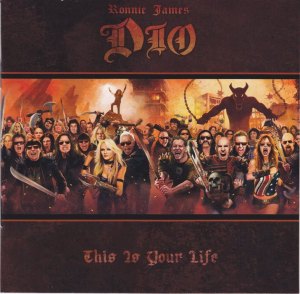
THIS IS YOUR LIFE_0001VARIOUS ARTISTS: Β Ronnie James Dio – THIS IS YOUR LIFE (2014 tribute CD)

No preable from me: we all know how great Dio was. Β Let’s get to the tracks.

Anthrax kick off the festivities with a slamming “Neon Nights”. Β The storming opener couldn’t have been in a better slot. Β Not only is Charlie Benate heavy as shit, but the guitar solos are mental. Β Joe Belladonna handles the powerful vocal ably. Β Rob Caggiano is still in the lineup indicating this isn’t brand new. Β I suspect it was recorded at the same time as last year’s Anthems EP.

The guys that never get respect, Tenacious D, tackle the difficult second slot. Β No worries there; they chose “The Last In Line” which Jack Black sings with no difficulty. Β Uncle Meat has said it before: Β Jack Black is one of the best singers he’s seen live. Β “The Last In Line” proves his pipes, although some may not like his exaggerated, humorous vocal enunciation. Β Kyle Gass plays a cute recorder solo in lieu of guitar, but there’s not enough K.G. on this track. Β Brooks Wackerman kicks the drums in the ass.

And speaking of drums, Mike Portnoy is next with Adrenaline Β Mob. Β They demolish “Mob Rules”, although singer Russell Allen is certainly no Dio. Β He is completely overshadowed by Portnoy and the shredding of Mike Orlando.

Corey Taylor, Satchel (Russ Parish) and friends Β chose “Rainbow In the Dark” as their tribute to Ronnie. Β This has always been such a fan favourite, and a personal one as well. Β It is difficult to imagine anyone but Ronnie singing it. Β While Corey Taylor is not at all like Ronnie James Dio, you can tell he loves this song. Β It bleeds out of his performance. Β He does it in his own rasp, and it works.

The incredible Lzzy Hale and Halestorm are up next with another Dio classic, “Straight Through the Heart”. Β There is no denying the talents of Lzzy Hale, but her powerful pipes are almost too much. Β Perhaps she overpowers the song, rather than simply fueling it. Β Halestorm fans will love it, but I think Lzzy maybe should have reeled it in a bit. Β Or, maybe I just need to get used to it. Β “Straight From the Heart” does sound better after a few listens.

Biff Byford (Saxon) joins Motorhead on lead vocals for Rainbow’s “Starstruck”. Β There’s a bit of that Motor-slam in it, but if I didn’t know who it was, I never would have guessed Motorhead. Β You can hear Lemmy on backing vocals, but weirdly, he’s not credited on bass. Β Nobody is, but you can hear the bass clearly and it sounds like Lem.

THIS IS YOUR LIFE_0004

I’m a little sick of the Scorpions doing ballads, but I admit that “Temple of the King” (another Rainbow classic) is stunningly good. Β One might almost mistake it for a Scorpions original. Β It has that regal Scorpions bombast to is, but Matthias Jabs’ lead work is just sublime. Β He’s an underrated player, absolutely. Β You can tell he’s a Blackmore fan.

An oldie from 1999, Doro’s cover of “Egypt (The Chains are On)” is excellent. Β It’s cool to hear female singers like Doro and Lzzy Hale sing Dio. Β Doro’s impressive pipes have always been astounding. Β Her version of “Egypt” is a little over the top compared to Dio’s, but that’s cool by me.

Killswitch Engage…hmm. Β “Holy Diver” starts great, super heavy, with some perfectly acceptable, melodic vocals. Β Then it all goes down the toilet at the bridge. Β That’s when it turns into hardcore shouting and blast beats…sorry, not on this song, thanks. Β I can listen to that stuff in moderation, but don’t sully “Holy Diver” with it. Β Fortunately the guitar solos are great, sounding like an Iron Maiden outtake from Powerslave. Β Shame about the growling and shouting. Β Skip.

“Catch the Rainbow” is a great song, and Craig Goldy plays guitar on this cover. Β He’s ex-Dio himself, and he’s backed by his former Dio-mates Rudy Sarzo, Scott Warren and Simon Wright. Β (Hey, that’s also 1/3 of Tateryche!) Β Glenn Hughes sings, but this song sounds out of his scope. Β His bluesy slant doesn’t work for me. Β Sorry Glenn, you’re still awesome!

I find it strange that two more ex-Dio members (Jimmy Bain and Rowan Robertson) chose to cover Black Sabbath. Β But who cares! Β They covered “I”, perhaps the greatest song from Dehumanizer (1992)! Β On drums is Brian Tichy, with Oni Logan (Lynch Mob, Dio Disciples) singing. Β It’s a perfectly authentic version and I love it. Β It’s absolutely thunderous, and I love Jimmy Bain’s bass sound. Β Always have. Β Of all the vocalists on This Is Your Life, it is Oni Logan that comes closest to nailing Dio’s vibe. Β Considering he’s in Dio Diciples, I shouldn’t have been surprised. Β I didn’t expect it though, based on what I knew of Logan from Lynch Mob. Β He fits “I” like a glove!

I was disappointed in Rob Halford’s version of “Man On the Silver Mountain”. Β It’s true that Halford did replace Dio in Black Sabbath for two shows in 1992. Β However, having owned a bootleg video of that show since that time, I knew that Halford’s and Dio’s styles didn’t really mesh. Β This is no different; I don’t think his voice works with the song and it unfortunately shows off the places where Rob’s voice has weakened. Β What is cool though is that the band (all ex-Dio: Β Doug Aldrich, Vinnie Appice, Jeff Pilson and Scott Warren) take it to a swampy bluesy Whitesnake-y place for the intro. Β You can definitely hear Pilson covering the high notes in the chorus.

Finally we arrive at the mighty Metallica. Β Snicker if you like. Β If Metallica do one thing really well, it’s covers. Β If they do two right, it’s covers and medleys. Β The “Ronnie Rising Medley” is entirely made up of parts of Rainbow songs. Β “A Light In the Black” bleeds into “Tarot Woman,” where the vocals begin. Β It’s safe to say if you don’t like Metallica, you won’t like this. Β If the opposite is true, I think you’re in for a treat. Β Metallica do these classics in their own style, just as they have in the past when covering Maiden, or Mercyful Fate, or Thin Lizzy. Β Simply add Lars’ thuds, James’ growl, and some standard Metalli-licks, and you’ve got a medley that is enjoyable through its near-10 minute run time. Β Having said that, the weak point is definitely “Stargazer”, which is gutted of all its majesty. Β They do much better with “Kill the King” which is fucking perfect. Β They include the entire song in their medley!

Fittingly, the album ends on a ballad: Β Dio’s own somber “This Is Your Life”, performed by the man himself in 1996. Β I did not like the Angry Machines album, but if there was one song I would have picked as a highlight it would be “This Is Your Life”. Β Performed only by Dio and Scott Warren on piano, it is unlike anything else in Dio’s canon. Β The lyrics speak of mortality:

This is your life
This is your time
What if the flame
Won’t last forever?

This is your here
This is your now
Let it be magical

What a way to end a great album. Β As much as you can “miss” a person you have never met, I do miss Ronnie James Dio. Β In many ways he’s been my friend for 30 years.

4.5/5 stars

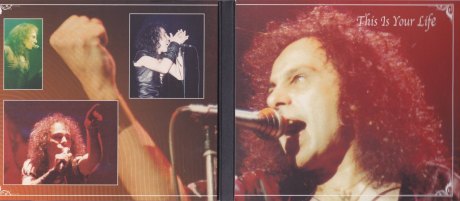
As a nice added touch, the liner notes include photos of just about every performer on this CD with Ronnie!

Of Β note: Β the Japanese edition has a bonus track by Dio Diciples: Β “Stand Up and Shout.” Β It also has Stryper’s version of “Heaven and Hell” from their 2011 album The Covering, which I reviewed here.

REVIEW: Rainbow – Rising (2011 Deluxe Edition)

“There’s no sun in the shadow of the wizard, See how he glides, Why he’s lighter than air”

RAINBOW RISING_0001RAINBOW – Rising (2011 deluxe edition)

I believe I’m well on record for being a connoisseur of deluxe editions.Β  I love to collect all the extra music, check out the liner notes, and feast on unreleased tracks.Β  The problem with Rainbow Rising is that no extra unreleased songs or demos survived. So, what you’ll get is three different and complete versions of Rainbow Rising, plus a tour rehearsal version of the quintessential Rainbow song, “Stargazer”. If you don’t want to hear the whole album three times in a row, plus a fourth version of “Stargazer”, then don’t buy this disc. Just stick with the regular CD.

The three versions of the album inside include a previously unreleased rough mix. This one is especially interesting because a lot of these song versions run slightly longer than the original album versions. Therefore, you will hear some valuable performance stuff that you haven’t heard before. The other two versions of the album include the “LA Mix” and “New York Mix”. The liner notes don’t go into detail here, but the original LP and CD versions of Rising had different mixes, and now they’re both here in one place. The differences are subtle, but those intimate with the album will recognize slightly different keyboard, vocal, and guitar parts. Previous to this, I had only owned the original CD edition, which was the “LA Mix”. Later CD editions had the “New York Mix” which I haven’t heard until now.RAINBOW RISING_0006

Lastly there is a tour rehearsal version of “Stargazer” from Pirate Sound, where Deep Purple rehearsed Come Taste the Band. It is surprisingly lo-fi considering where it was recorded. It sounds like somebody taped it on a hand held cassette deck. Not very listenable unfortunately, and kind of baffling why something this lo-fi would have been included at all. You can barely hear Dio at all at some points.Β  Still, there was room for it and why waste plastic, right?

This album itself is probably Rainbow’s best. That’s just my opinion. The renowned Martin Popoff ranked Down to Earth higher, but he did rank Rising highest of the Dio-era. I think five of these six songs are incredible. The only one I’m not especially fond of is “Do You Close Your Eyes”, which I just find doesn’t fit the overall darker direction of the album. Β It would have sounded better on Blackmore’s Rainbow. Β “Tarot Woman”, the album opener, is one of the most incredible songs Dio’s ever done. It’s absolutely a highlight of his storied career. Β Cozy’s drum pounding is monumental throughout. “Light In The Black” is just furious jamming throughout. Incredible playing. And of course “Stargazer” is purely epic. The lyrics are cool and the keyboards just take the whole thing to another level. If I could only play one Rainbow song for the rest of my life, it would be “Stargazer”.

RAINBOW RISING_0004

The liner notes don’t the mention any sources or history about the three different mixes at all, and I don’t really know anything about it. There is, however, a great interview with keyboardist Tony Carey, supplemented by an old one with Cozy Powell. The packaging, including cover art from Ken Kelly (Kiss Destroyer), looks amazing in digipack form.

While normally Rainbow Rising would be a 5 star winner, hands down, I left this deluxe edition feeling slightly disappointed. It is what it is, but I think I would have preferred some different bonus material. Maybe some live stuff. If no outtakes or extra songs exist in the vaults, there’s only so much you can include I guess.

5/5 stars for Rising

4/5 stars for Deluxe Edition