
GETTING MORE TALE #523: Columbia House
How many of you were members of the Columbia House music club? Tapes or CDs?
The concept was simple. Get 12 tapes or records for one penny. Then agree to buy “X” more at “regular club prices” within a year. They would usually offer all sorts of incentives, such as getting your first regularly priced item for half price. Their “regular club prices” were fairly high, but if you played your cards right you could make joining the club worthwhile.
Every few weeks after signing up, Columbia House would send you a catalogue and an order form. The order system was controversial, because it required a negative response if you didn’t want to buy something. When you signed up, you could pick your favourite genre of music (I chose “metal”). Each time a catalogue came out, your selected genre would have a “selection of the month”, usually a new release but not always. If you did not respond with an order form expressing that you didn’t want it, they would automatically mail you the “selection of the month” and bill you for it too. (The Columbia Record Club system was worked into a sub-plot of the movie A Serious Man by the Coen Brothers.)
For many people this wasn’t a problem. Our parents let my sister and I sign up when I was in grade 11. We split the membership and free tapes 50/50. We paid for everything ourselves and diligently sent in our order forms each time. We were both already massive music fans, so we poured over every single page. Most times, one of us ended up buying something, if not the selection of the month itself.
I can still remember every album I received in that first shipment. Seven tapes. These tapes went into immediate and constant rotation, which is why I remember them all so well today.
- Leatherwolf – Leatherwolf
- Motley Crue – Girls, Girls, Girls
- Hurricane – Over the Edge
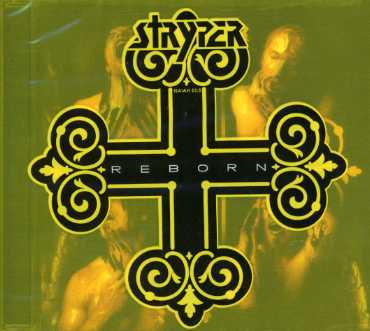
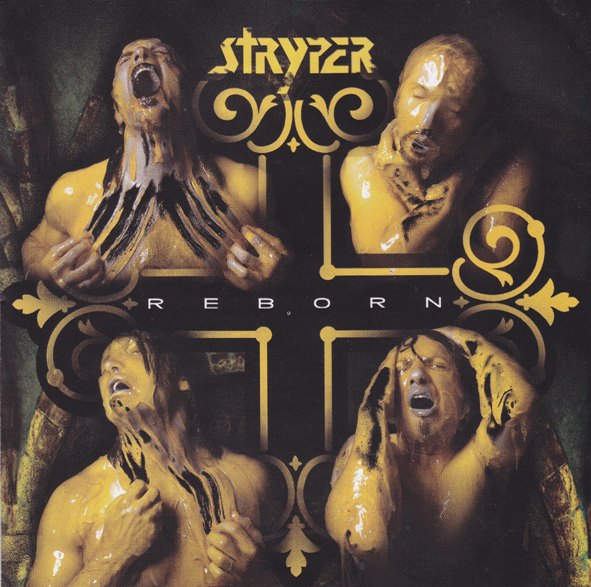
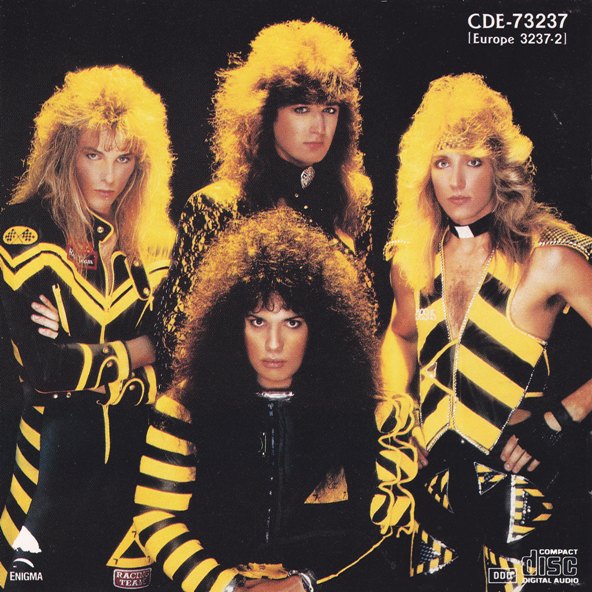
- Stryper – To Hell With the Devil
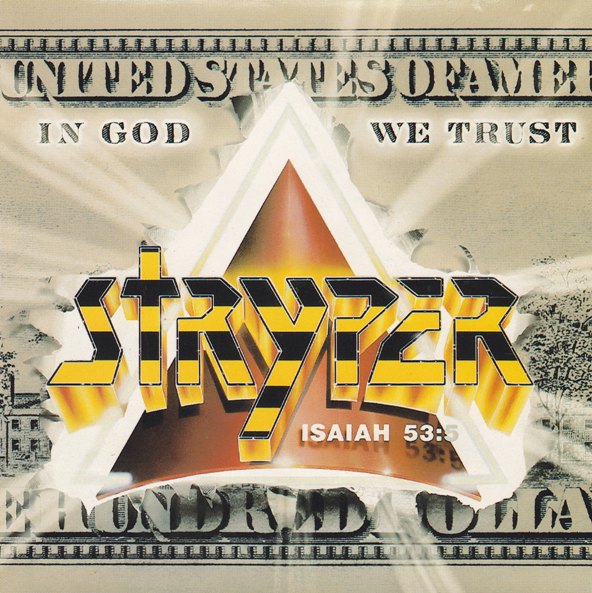
- Stryper – In God We Trust
- White Lion – Pride
- Sammy Hagar – VOA
Our musical world opened up in a massive way, and not just because of the new music we were listening to. The catalogues introduced us to names and album covers that we’d not experienced yet. What is this Bitches Brew thing? Why did Deep Purple albums have so few songs? Did Iron Maiden copy their Maiden Japan from Purple’s Made In Japan? Holy crap, Hank Williams Jr. has three greatest hits albums?
Everything was absorbed. Five years later, when I started at the Record Store, my boss was surprised that I knew who most of the artists were, what sections they should go in, and even what record labels they were on.
“I read the Columbia House catalogue cover to cover every month,” was my answer!
The catalogue provided knowledge, and pictures to cut out for locker or wall. We made the most of that catalogue every time. It was rare when pictures were not cut out!
I was even able to acquire things that might have been considered rarities back then. I had never seen Leatherwolf stocked in a store, but Columbia House had it. When vinyl was being discontinued, I was still able to get Skid Row’s Slave to the Grind (1991) on LP. They had most of the Savatage albums.
It all sounds wonderful, but Columbia House had flaws too. The biggest one was horrendous quality control. They licensed and manufactured the tapes themselves, which were simply not as good quality wise as the ones you could find in a store. They would be warbling within weeks (if not right out of the case) and the J-cards were sometimes shoddy, with printing not lining up with fold lines, or just they’d just start falling apart along perforations. They also didn’t carry certain record labels. While they had everything Warner Bros and Columbia Records, they had nothing from EMI. Finally, bands made next to nothing on albums that were sold through Columbia House. Some bands such as the Tragically Hip refused to sell their music via Columbia House. We didn’t know all of this as kids, of course. I started to pick up on the quality issues when they seemed to take a serious dive around 1991.
The key to not getting ripped off by Columbia House was to order smart. The 12 free tapes sounds like a great deal, but when you balance in buying the rest of your selections at full price, most people ended up on the losing side. Get in and get out, buying the bare minimum. That was the way to do it. Of course, we didn’t. We just enjoyed the convenience and stayed members for years! No regrets since this led directly to a 12 year career in the Record Store!














 mikeladano.com