Reviews

RE-REVIEW: Def Leppard – On Through the Night (The Early Years Disc 1)

Part One of the Def Leppard Review Series

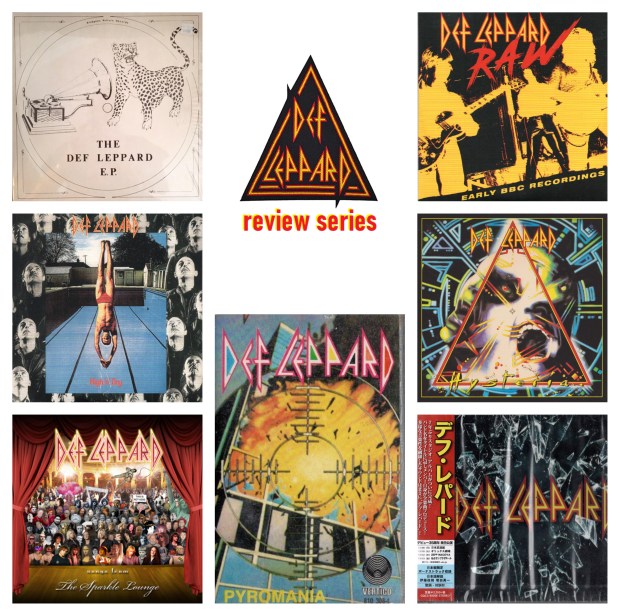
No matter how I do this, I’m doing something out of order.  So here goes.  Hi!  Welcome to the DEF LEPPARD REVIEW SERIES where we will attempt to cover in some way everything Def Leppard here at LeBrain HQ.  Some of these articles will be re-reviews.  Some will be beefed up, some will be streamlined.  

What about order?  Deciding to start with The Early Years box set, we could go in two ways.  We could run through Discs One through Five, starting with On Through the Night.  Or, we could go chronologically and begin on Disc Four, Too Many Jitterbugs, which has the first EP and early demos pre-dating the album.  Obviously, we’ve decided to to go in disc order, and worry about chronology later.  So let’s get, let’s get, let’s get, let’s get rocked.

Original review: On Through the Night (1980)

DEF LEPPARD – On Through the Night (The Early Years Disc 1) (Originally 1980, 2019 remaster)

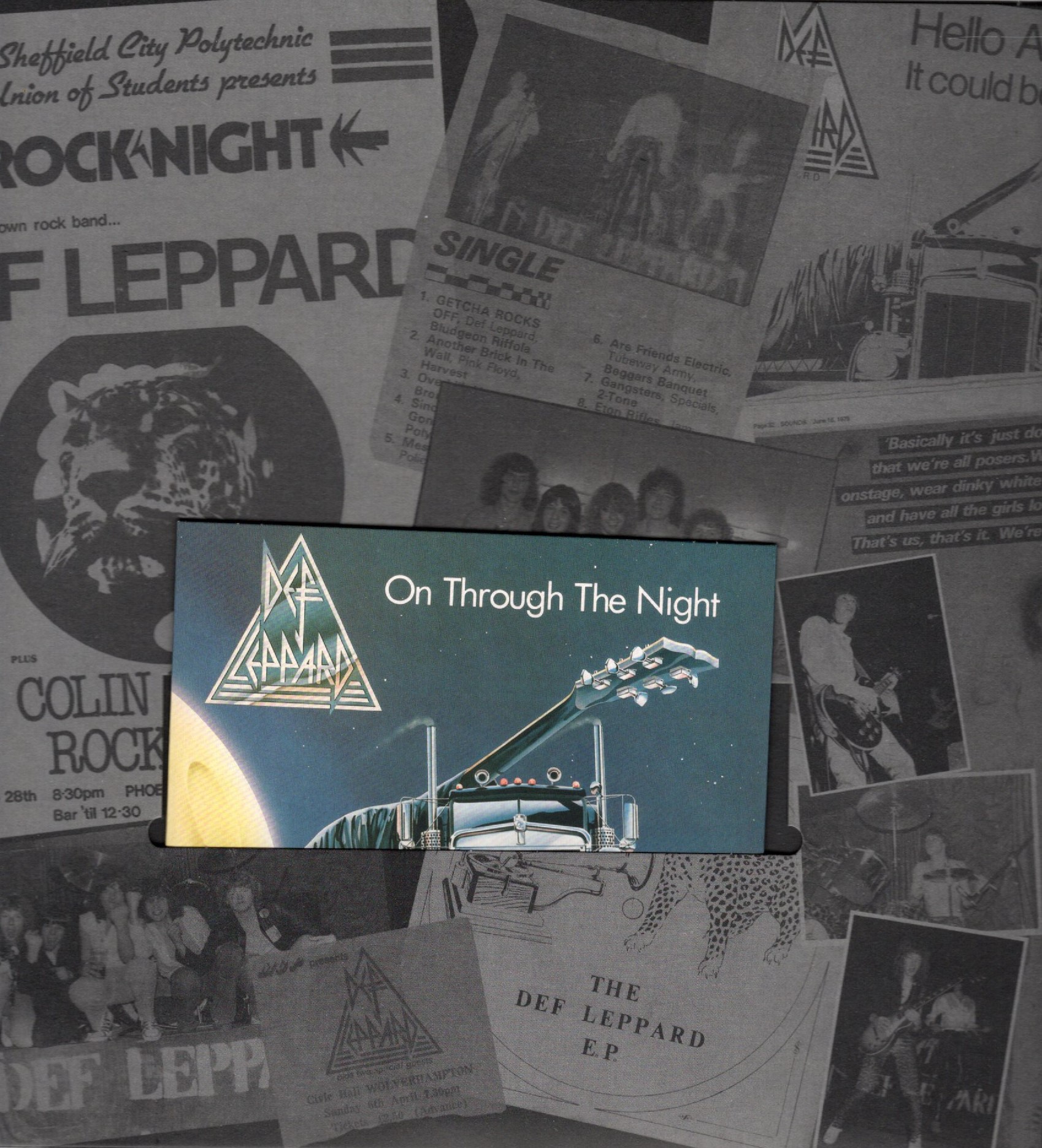
The obscenely young quintet from Sheffield were starstruck.  Drummer Rick Allen was just 16 years of age. There Def Leppard were in Tittenhurst Park, Ringo Starr’s home formerly owned by John Lennon, with Judas Priest producer Tom Allom, laying down tracks for their debut LP.  Signed to Vertigo, the band was filled with awe to be on the same label as their heroes Thin Lizzy.  Recording nine songs from their live set and two newly written tracks, the band took just three weeks to get the job done.  Unfortunately, so much time was spent on Steve Clark and Pete Willis’ guitar overdubs, that Joe Elliott only had two days left to record all his vocals.  This can be heard on the final product.  At least Joe got to sleep in Lennon’s bedroom for the duration of the recording!

On Through the Night is a beefy 11 tracks, written mostly by Clark and Elliott with seven Rick Savage co-writes and seven by Pete Willis.  It showcases ambition, promise, and raw talent.  In a word:  potential.  One of its major strengths is the dual guitar team of Clark and Willis.  Clark tends to be thoughtful and compositional in his solos, while Willis effectively jumps on the wah-wah.

“Rock Brigade” wastes no time getting cranked, 16 year old drummer Rick Allen going wild on the big tom rolls.  An adrenalized band gets to work on a serious riff, while Clark and Willis dart in and out with curt fills.  The handclaps sound lifted from a Judas Priest anthem, but this song burns it up.  Joe’s vocals are set back in the mix a bit more than we’re used to, but there are hints of the kind of backing vocals that Def Leppard would endevour for in the future.  In short, “Rock Brigade” kicks ass.

A strange layered vocal mix fails to hit the mark that Leppard would do with regularity later on, but it does serve to introduce “Hello America” uniquely.  This naive rocker even has a little bit of synth to accent the sugary chorus, but otherwise sticks to the driving riff.  Clark comes in with a wicked solo, showing off some of the creative technique he’d be famous for. A strange video clip for “Hello America” was filmed, with the drum kit featured at the front of the stage and everybody else behind. Rick Savage got stuck at the very back.

The acoustic guitars are out for “Sorrow is a Woman”, too heavy to be called a power ballad.  The choruses rock heavy as anything else, though the verses remain quiet.  This is one of the tunes that Joe could have used some more time refining.  For fans of the early solo work of Clark and Willis, get ready for some pretty epic guitar constructions.  They tell their own stories within the song.

One of the two songs written in the studio was “It Could Be You”:  Fast choppy metal, with a Priest-like riff and unusually high Elliott vocals.  Cool riff but more refinement time needed.  Its energy is remarkable and as with all the tracks on On Through the Night, Rick Allen burns it up on the drums as a supernovic ball of nuclear combustion.

Taking it back to a metallic city groove, “Satellite” is the first use of one of Joe’s favourite astronomical objects in a Def Leppard song.  This is a great car tune.  Cool and classy staccato guitar picking on the second verse.  Takes an unexpected acoustic detour midway, showing the ambition and ability that these five kids had in their blood.  Then it breaks into another unique guitar section after the Willis guitar solo.  Clearly, not the commercial techniques later employed by the band, but more an effort to emulate some of their heroes like Page and Lynott, as best they could.

Talking of ambition, “When the Walls Came Tumbling Down” closes side one with nothing but.  A pretentious Joe Elliott monologue introduces the track cheesily enough.

In the first day of the first month, in some distant year,
The whole sky froze gold.
Some said it was the aftermath of the Radium bomb,
And others told of a final retribution.
A terrible revenge, from the gods.
The post-apocalyptic settings is a metal niche unto itself, launched by Black Sabbath and maintained by Aerosmith, Queensryche and Judas Priest.  This is not one of Def Leppard’s more successful attempts at getting serious, but you have to marvel at their cohones for trying.

The “Wasted” riff, a Steve Clark creation, is one of Leppard’s most legendary.  This simple steamer is pure power set to music.  That riff, what a riff!  Just a few chugs and then a unified resolution.  But what a riff!   No wonder the band had to resurrect it in recent years.  The fans wouldn’t let it stay buried.  “Wasted” is a centerpiece gem, and itself contains a certerpiece of a guitar solo by Clark, skillfully constructed by the young protege.

“Rocks Off” contains the annoying crowd noise overdubs, clearly artificial, but you can’t stop this little one from launching.  Once again it’s all about the riff, and the Clark era of Def Leppard do not get enough recognition for their riffs.  The song is disrupted by a solo section that harshly pans the guitars from right to left in distracting fashion.

The other song that was written in the studio is the surprisingly strong “It Don’t Matter”.  Some very rich guitars, properly spaced in the mix, make for some cool riffs and licks.  There’s a laid back chorus and good backing vocals.  The cowbell is also effective except it’s not a cowbell.  The band didn’t have one so they used the house tea kettle for which they were properly scolded by the housekeeper Ruth.  Thing is — it sounds OK!

Moving on to the penultimate track, “Answer To the Master” has a verse that is stronger than its chorus, which is really more about the riff.  Rick Allen gets the spotlight for a brief moment before the band break into an AeroZeppelin-like funk.  “Whole Lotta Walk”?  Then there’s a startling guitar solo section more influenced by the likes of Lizzy.

Finally Leppard decided to go with a big epic as their album closer, “Overture”, which also closed their debut EP (which is on Disc Four of The Early Years).  It’s another post-apocalyptic soundtrack, a multi-parted manufacture.  Some truly great guitar parts are buried within, but this track is an example of overreach.  The kind of truly epic recording they were striving for could not be achieved in the time they had, but you can hear frequent shots of brilliance.  Each riff and lick has its own unique hook.

On Through the Night went to #15 in the UK but failed to crack the top 50 in the US, charting at #51.  It did not go Platinum until 1989, well after Hysteria made Def Leppard into demigods.  If anything it planted the seed and made the band more focused on what they wanted to achieve when they had a second chance.  And it wouldn’t be long before fate hooked them up with Robert John “Mutt” Lange, which would alter their course forever.  On Through the Night stands today as a Polaroid of an innocent past, when Def Leppard caked on riff after riff in an effort to reach the heights of the bands they adored.  It lacks focus, both within the songs and on Leppard’s collective strengths.  Focus that they would soon gain in spades, and later in excess!

An innocent but earnest beginning.

3.5/5 stars

Next:  The Early Years Disc Two –  High N’ Dry

Introduction to the Def Leppard Review Series

First of all, to call this strictly a “review series” is a misnomer.  Much like the previous Kiss series, the story of Def Leppard will be enhanced by Record Store Tales and reviews alike.  We’ll also stray off the Leppard track ever so slightly to look at a side project or two.  But here it comes, like hell in the night, the all-new Mike Ladano Reviews Def Leppard Series!  I can already tell you, it’s going to be good.

The trick for me was this.  I’ve already reviewed a number of Def Leppard releases, particularly singles.  Many of them are quite old and easily improved upon.  Others are already comprehensively detailed and don’t need to be changed.  In the interests of being complete, every Def Leppard album will be looked at in depth, including re-reviews.  In cases where previous reviews are already sufficiently detailed, we’ll look at the album in a different slant.  Previously reviewed singles will be folded into reviews of box sets.  We’ll always link back to the older reviews so you get the complete picture no matter what.

It may look like we’ve already reviewed a lot, but there are plenty of albums we never touched before.  Numerous live albums, singles, EPs, box sets, compilations, and studio records like Euphoria, Yeah! and Def Leppard 2018.

Beginning with The Early Years box set, the plan is to give you a serving of Leppard every week until we’re at the present day.  That would be the 2021 set The Collection: Volume Three at present.  The emphasis will be on audio releases, to the backdrop of the incredible story of Def Leppard.  It’s a monumental project and we get started Monday November 29 at MikeLadano.com!


List of Previous Def Leppard Content

  1. Def Leppard E.P. (1979)
  2. “Wasted” / “Hello America” (1979 single)
  3. On Through the Night (1980)
  4. “Hello America” / “Good Morning Freedom” (1980 single)
  5. High ‘N’ Dry (1981)
  6. “Bringin’ On the Heartbreak” (1981 single)
  7. Pyromania (1983)
  8. Hysteria (1987)
  9. Hysteria (30th Anniversary edition) – will not be re-reviewed
  10. Classic Albums – Hysteria (DVD) – will not be re-reviewed
  11. Historia (1988 VHS) – will not be re-reviewed
  12. Pour Some Sugar On ’88 – Record Store Tales #930
  13. Adrenalize (1992)
  14. “Let’s Get Rocked” (1992 single)
  15. “Make Love Like a Man” (1992 single)
  16. “Have You Ever Needed Someone So Bad” (1992 single)
  17. Los Angeles 1992 (Bootleg)
  18. “Heaven Is” (1993 single)
  19. “Tonight” (1993 single)
  20. “Two Steps Behind” (1993 single)
  21. Slang (1996 2 CD with Acoustic In Singapore)
  22. Slang (Deluxe edition)
  23. “Slang” (1996 single)
  24. “Work It Out” (1996 single)
  25. “All I Want Is Everything” (1996 single)
  26. “Breathe A Sigh” (1996 single)
  27. Official live mp3 collection (2001)
  28. X (2002 Japanese import)
  29. Songs From the Sparkle Lounge (2008 Japanese import)
  30. “C’mon C’mon” (2008 single)
  31. CMT Crossroads – with Taylor Swift (2009 DVD) – will not be re-reviewed
  32. Mirrorball (2011 Japanese import)
  33. Dreamin’ With Def Leppard (Lullabies, 2011) – will not be re-reviewed
  34. “Pour Some Sugar On Me” / “Rock of Ages” (2012 re-recordings)
  35. “Acoustic Medley” (2012 re-recording)
  36. “Hysteria” (2013 re-recording)
  37. The Lost Session (2018)


GUEST REVIEW: Anthem – Ultimate Best Of Nexus Years (2012) by Thunder Blackmore

By Thunder Blackmore

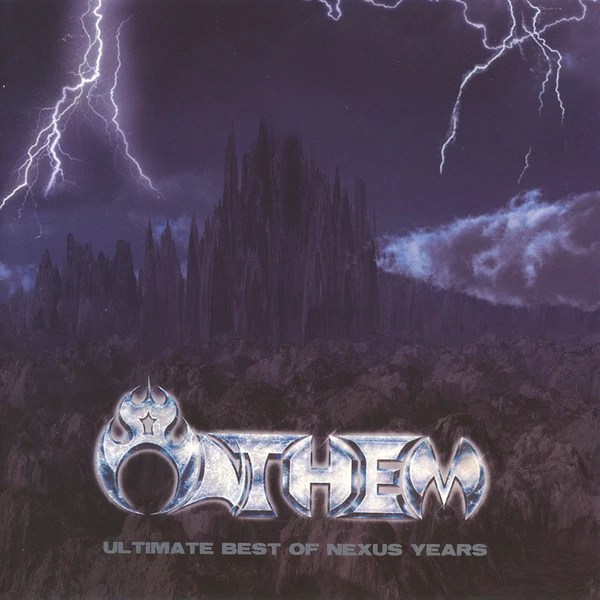
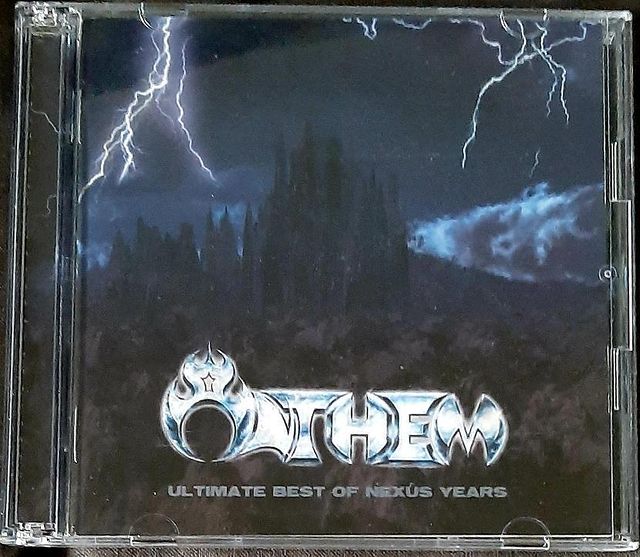
ANTHEM – Ultimate Best Of Nexus Years (2012 King Record Co.)

In the world of metal, there is no short list of underrated bands from every corner and country of the world. Specially with long-standing bands that are still going strong to this day. Would it be bands like E-Z-O from Japan, Pretty Maids from Denmark, Thor from Canada, or Helloween from Germany, everyone regardless of nationality has a favorite band, who did well for themselves, but could’ve, would’ve and should’ve gone big. And while my choice for most underrated metal band ever would go to my fellow countrymen Pretty Maids (national bias has its moments), Japanese metal legends Anthem earns the runner-up spot, easily.

The band, led by bassist Naoto Shibata, who are perhaps more famous for his work with Loudness and Crush 40 in the 90’s, had a tough time in the 80’s with success in their homeland and even a small US tour in ’87, but also with internal struggles which prevented the band to go beyond like their fellow and more successful countrymen, Loudness. Ultimately the band would be disbanded in 1992 until they reunited in 2001 and have been going strong since then. A band considered by many to be part of the big four of Japanese Metal (with X Japan, Loudness and Flatbacker/E-Z-O) with mostly consistent excellent releases throughout the years, who just now are getting released to the west on streaming services and (hopefully) physically by Nuclear Blast. So far, there’s two options for getting into Anthem’s discography, which just so happen to be compilations. For their new era, there is Nucleus, released by the aforementioned Nuclear Blast. But as for their classic period, the import to buy is this one. Ultimate Best Of Nexus Years.

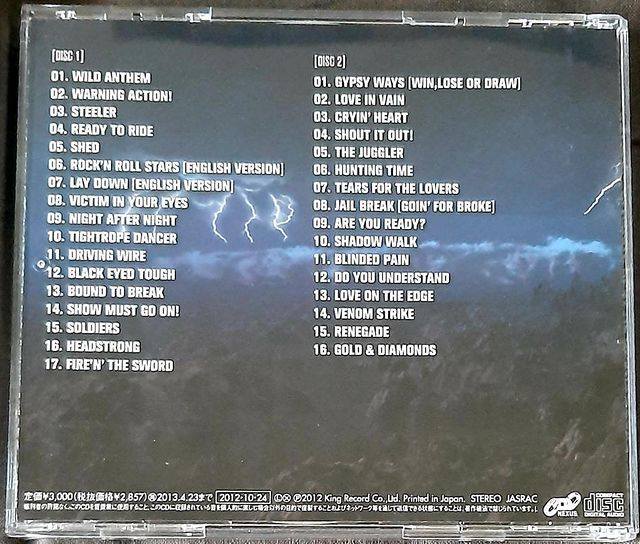
Japanese releases has a reputation of not being a very cheap options, so getting this compilation is definitely a good starter point. It collects songs from the band’s initial 80’s era, starting with the self-titled debut and ending with their final album before their hiatus, Domestic Booty (you’ll be the judge for the supposed meaning of “booty”). Given that the compilation is split into two cd’s, it also reflects the times with the singers Eizo Sakamoto and Yukio Morikawa representing disc 1 and 2, respectively. This decision, coupled with the track list being in chronological order, can be difficult at first listen. Not necessarily with the tracks themselves but more with the unevenness with the production, as the first Anthem albums sound pretty rough. Granted, that’s not a problem exclusive to the band, but that also means that you’ll have to skip to track 13, “Bound to Break”, if you are somewhat put off by the roughness.

If you can hang with it, you are in for 2 hours of kickass catchy melodic metal majesty from glorious Nippon with no noteworthy duds. Even with my nitpicky desire to swap out some tracks for others, I’m still absolutely happy with this purchase. Standouts have to be “Venom Strike”, “Shadow Walk”, “Bound to Break”, “Hunting Time”, “Night After Night” and “Show Must Go On”. The latter being their first original song with English lyrics (courtesy of the late Chris Tsangarides) and being their first to be featured in the Anime OVA, Devilman.

Until Anthem can finally release their back-catalog on physical media for a much more affordable price (CD, vinyl or otherwise), this one will do wonders in the meantime.

4.95/5 stars

Thanks to Thunder Blackmore for this awesome review.


REVIEW: Suicide Star – “The Day that Christmas Comes” (2021)

SUICIDE STAR “The Day that Christmas Comes” (2021)

Suicide Star recorded a Christmas song?  Then you know it’s going to rock heavy!  To make it even more interesting, this is not some overplayed Christmas pop hit from years past.  It’s a brand new original song, and the first new single since their excellent debut album Isolation.  Let’s celebrate!

As soon as singer Rob Barton opens his mouth, you know it’s Suicide Star.  He makes the band easy to identify even on shuffle.  Anchored by a melodic guitar line from Les Serran, “The Day that Christmas Comes” relays the bright hopeful feeling of the Christmas season.

There will be presents underneath the tree…
But the only thing I need, is you and me.

Lyrically the song captures the spirit and magic of Christmas.  Most importantly, the melodic tune (complete with jingle bells) makes it a delight to rock out to.  Production is stellar – up there with the album or even exceeding it.  There is even a fun and hilarious music video that really nails the Christmas vibe.  Well done, Suicide Star, and may your trees be overloaded with joy this Christmas!

Get in on yer iTunes or Spotify!

5/5 stars

REVIEW: Vandenberg (1982)

VANDENBERG – Vandenberg (Originally 1982, 2011 Rock Candy remaster)

I must the only person in the world who doesn’t care about the first Vandenberg album.

There’s nothing wrong with it. I can’t say anything too critical about it. A track or two aside, it just fails to click.

Of course the standout is “Burning Heart”, the song that Whitesnake rehearsed but never released on Slip of the Tongue as they should have. This hot ballad would have been a hit for the ‘Snake, had Adrian Vandenberg not got hurt and replaced on album by Steve Vai. It’s a truly remarkable song that, honestly, deserved the Coverdale treatment. (Fortunately, you can get a rough version of the song by Whitesnake.) It was good enough to use as an effective side one closer.

On another highlight, Adrian plays some stunning classical acoustic stuff on “Wait”. It transforms into a slow, cool dark rocker but has the unfortunate chorus of “Wait, wait, wait, ’til the shit hits the fan.”

“Your Love Is In Vain” is fine, B-level hard rock, akin to Helix, or Talas, or any band of that nature. Bert Heerink is a somewhat generic singer who doesn’t help elevate the track higher. Kind of a Derek St. Holmes style singer. “Back On My Feet” sounds like a Quiet Riot B-side, right down to the high notes that the bass occasionally hits. “Ready For You” could have been a Van Halen-like speed rocker but lacks the teeth that superior production can bring. “Too Late” has a cool riff and boogie, also recalling Van Halen. Wicked neoclassical, finger-tappin’ solo work too. “Nothing to Lose” is a decent song, with a good chorus that sounds like Talas. “Lost in a City” and “Out in the Streets” are not memorable at all and the production does them no favours.

Let’s say three keepers:

  • “Burning Heart”
  • “Wait”
  • “Nothing to Lose”

Whitesnake should have re-recorded “Burning Heart” properly on the road, when Adrian returned to the band after his injury. They blew a huge opportunity for a timeless hit by not doing so.

The best thing about this album is the guitar work. The songs are secondary.

2.5/5 stars

#954/REVIEW: A Day at the Matinee – Eternals (2021) [SPOILER-Y]

The last time I went to see a movie, it was a V.I.P. experience and I had never heard the word “coronavirus” in my life.  This time was starkly different but enjoyable in its own way.

I’ve been wanting to see a movie in this pandemic ever since Tenet hit theaters in 2020, but that was before vaccines and many people were not ready to be back in cinemas yet.  2021 is different, and I’ve been enjoying stores and dinners out once again.  Time to go see a movie!  Eternals it is!  Now I’m completely caught up in the MCU, just in time for Spiderman:  No Way Home!

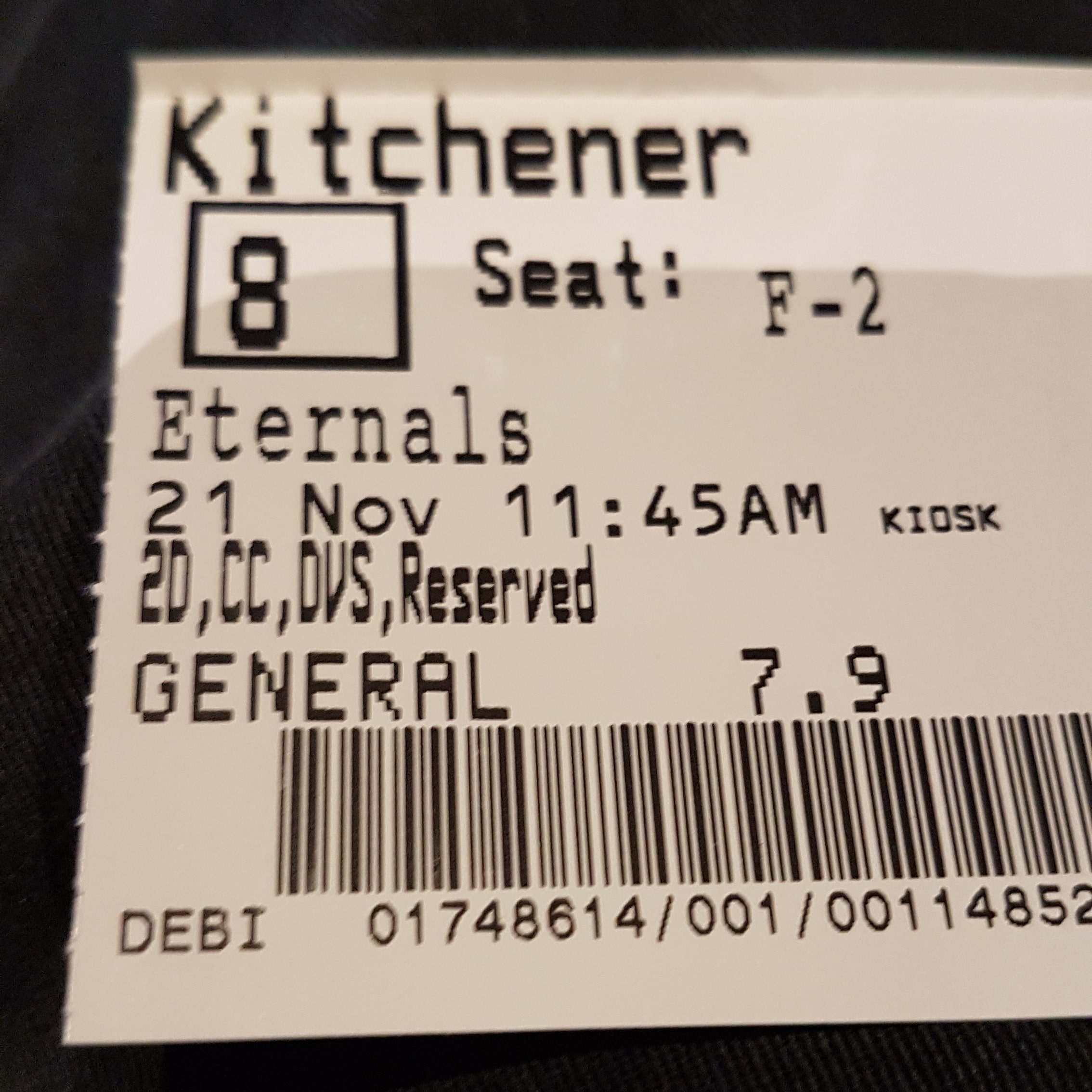
Eternals hasn’t been doing well, and for a Sunday matinee all that was available was the standard 2D showing.  (I could identify scenes that looked like important bits were cropped out from the Imax aspect ratio.)  My original intent was to see the movie with our friend Vu, but he’s a busy pharmacist and at the last minute, could not get away.  I was already at the theater, so I went ahead and bought my ticket.  Morning show:  less than eight bucks!  Occupany:  I was one of five people total!

I got comfortable in my seat; with the nearest person many rows away, I felt more comfortable than I’ve ever felt in a movie theater.  Not a sound from the others (not even a laugh at the funny scenes) and absolutely no distractions.  I don’t think I’ve ever had that experience in the cinemas before.  As per cinema rules, I was also masked for two and a half hours with no difficulty whatsoever.  In fact my usually cold nose was very happy to be masked.

I usually look forward to the trailers, but all I saw was shit.  Morbius looks awful and the fan-service trailer feels like a promotional clip for more than one movie.   I grew impatient.  Bring on the Eternals.


ETERNALS (2021 Marvel)
Directed By Chloé Zhao

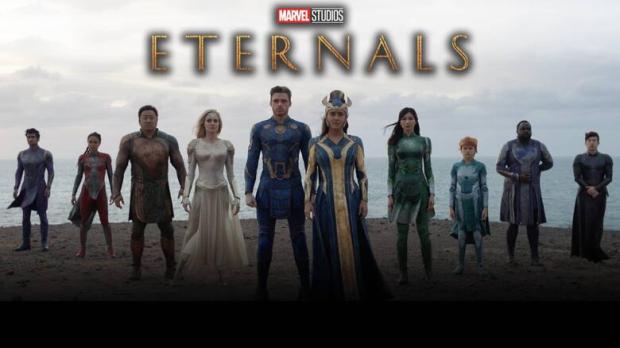
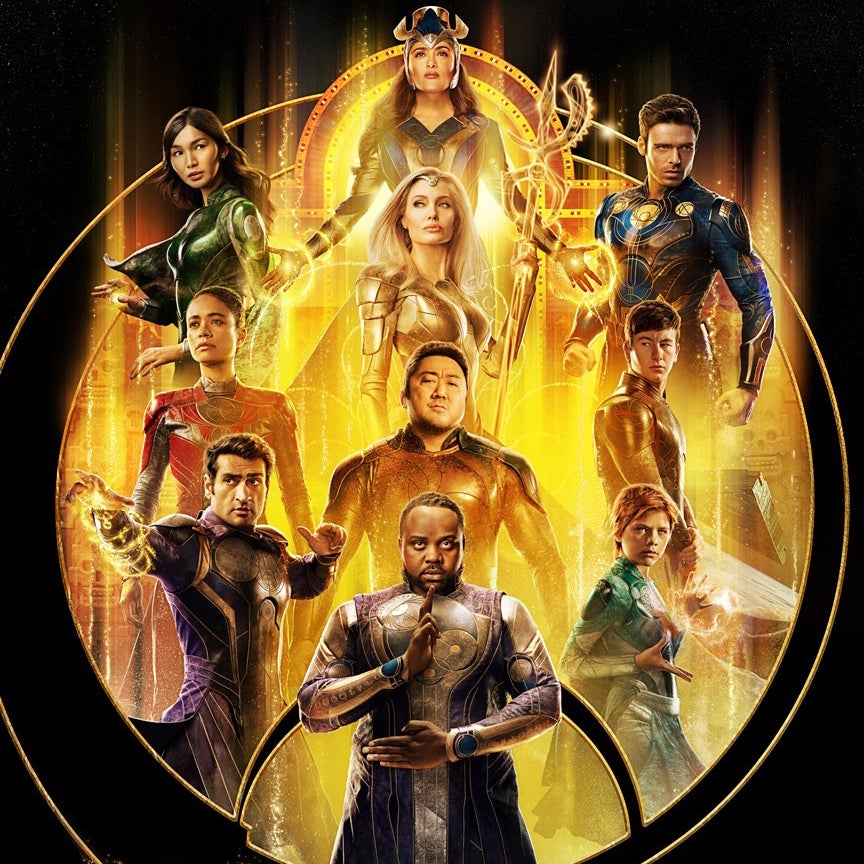
I really wanted to like the Eternals.  Just days ago I acquired the last Eternals action figure of the ten:  Ajak, Salma Hayek’s character, healer and leader of the team.  She was a Walmart exclusive.  More like Walmart “elusive”!   The designs of the costumes, with unique colours for each character, were intriguing.  With all ten characters in hand, I was familiar with all their names and powers.

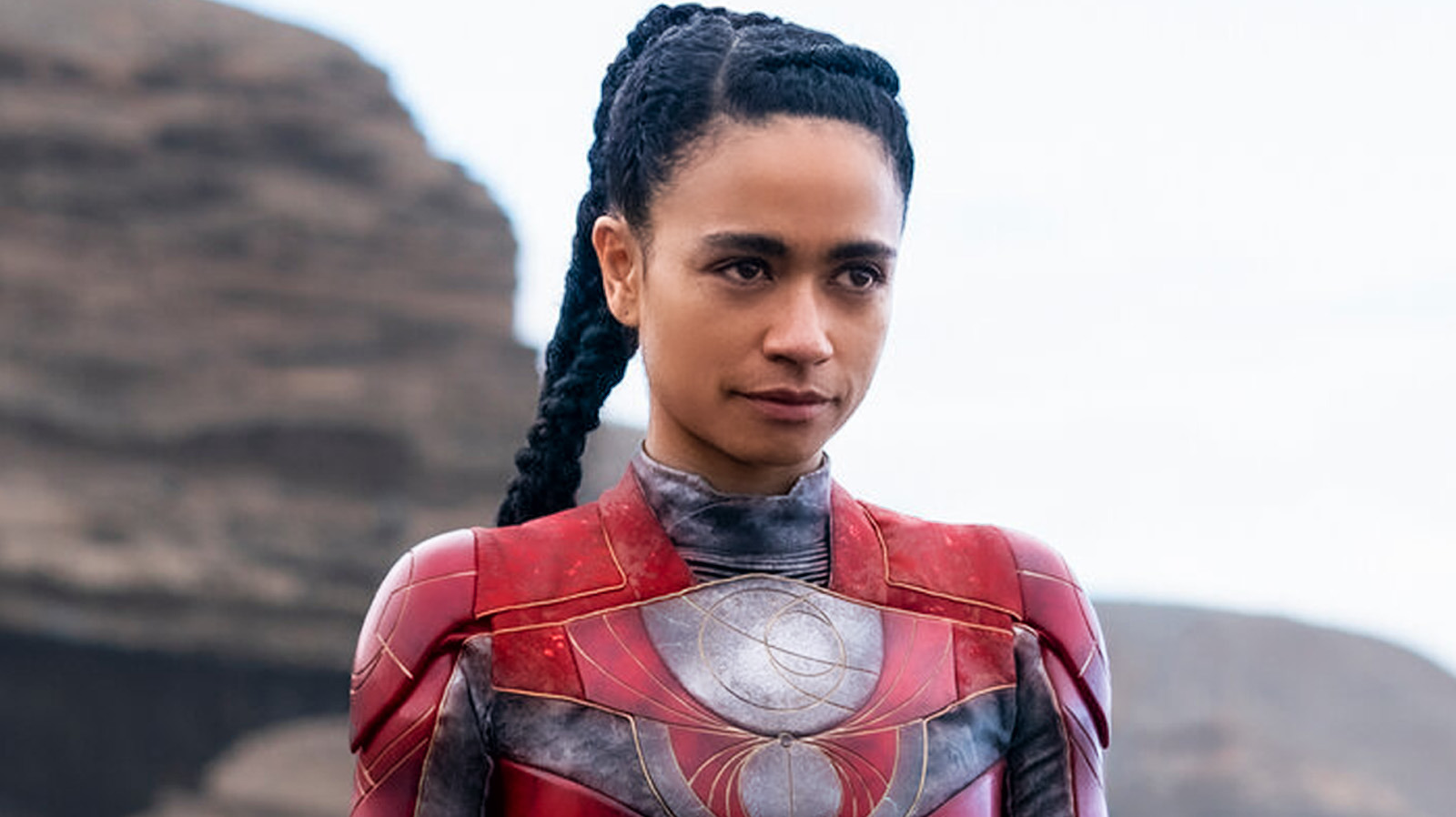
There’s Thena, Angelina Jolie’s goddess of war who can manifest blades and shields.  Gilgamesh (Don Lee), the powerhouse with a mighty punch.  Sprite (Lia McHugh), the master of illusions and storytelling, trapped in a child’s body.  Druig (Barry Keoghan), the brooding controller of minds.  Kingo (Kumail Nanjiani), a star of the silver screen who can fire bursts of energy from his hands.  The master of technology, Phastos (Bryan Tyree Henry), can create devices of great power and ingenuity with his mind.  Makkari (Lauren Ridloff) is the speedster and seemingly much faster than Quicksilver himself.  She’s also deaf and signs with her teammates.  Ikaris (Richard Madden), upon whom the legend of Icarus is based, is perhaps the most powerful, with strength, flight, and cosmic energy eyebeams.  Finally there is Sersi (Gemma Chan), the actual central hero of the film, who can convert any non-sentient matter into anything else.  Air to water, earth to wood, her choice.  They have been here for 7000 years, shaping our history and becoming our heroes of ancient legend.

That’s a lot of characters, and doesn’t include the underused Dane Whitman (Kit Harrington), Sersi’s boyfriend and spinoff setup device.  Kingo’s valet Karun (Harish Patel) has more screentime than the future Black Knight.  Dane’s lineage is briefly hinted at, and the Ebony Blade mentioned, before being revealed in a post-credit scene that we’ll discuss later.  The point is, Whitman is not important to the story.  He begins as the “regular person” perspective character that we can relate to, as the strangeness unfolds.  But then he disappears and only at the end do we cynically realize his true purpose:  MCU world building.

It wouldn’t be a Marvel movie without some deus ex machina to boot — or maybe characters just like to wait until the last possible minute before revealing their presence?  That said, Ikaris does know how to make an entrance.

Many of the characters are quite delightful.  One feels for the relationship between Thena and Gilgamesh; one the sick and one the caretaker.  Poor Sprite feels cursed as a 7000 year old child who can never age, never to know love or even what it feels like to be treated as an equal.  Phastos, the master of technology, is haunted by his past.  He thought aiding humans to develop new sources of energy would help their society advance.  As he stood in the ashes of Hiroshima, he realized how wrong he was.  He has retreated to an anonymous family life with a husband and a son.  Thena, wonderfully portrayed by Jolie, has the equivalent of Space Alzheimers, lashing out in violence in fitful rages of memory loss.

Other characters go undeveloped.  I loved watching the speedy heroics of Makkari (Mercury), the girl with attitude, but never get a feel for her character otherwise.  Kingo is the entertainer, loving the spotlight and admiration of humans.  He displays wisdom, insight and his own unique perspective on events, but we never really get a feeling for what makes him tick.

Then there is Druig, the intriguing Eternal who can control minds.  With a thought, he could end all war on Earth, but he is forbidden from interfering.  Forbidden by who?

The complex story of love, deception, legend, history and family takes two and a half hours to unfold.  It is told in the form of flashbacks and exposition, lots of exposition.  The initial cover story is that the Eternals were sent to Earth to protect intelligent life from predators called Deviants.  That turned out to be a lie, but they are forbidden from interfering in human affairs unless Deviants are involved.  This comes right down from those that created both Eternals and Deviants:  the Celestials.  The Deviants were their mistake, and the Eternals are the correction.

Again, a lot to sort out in under one movie.  So in sum:  11 new characters (including Whitman), and three new factions.  Sort of new.

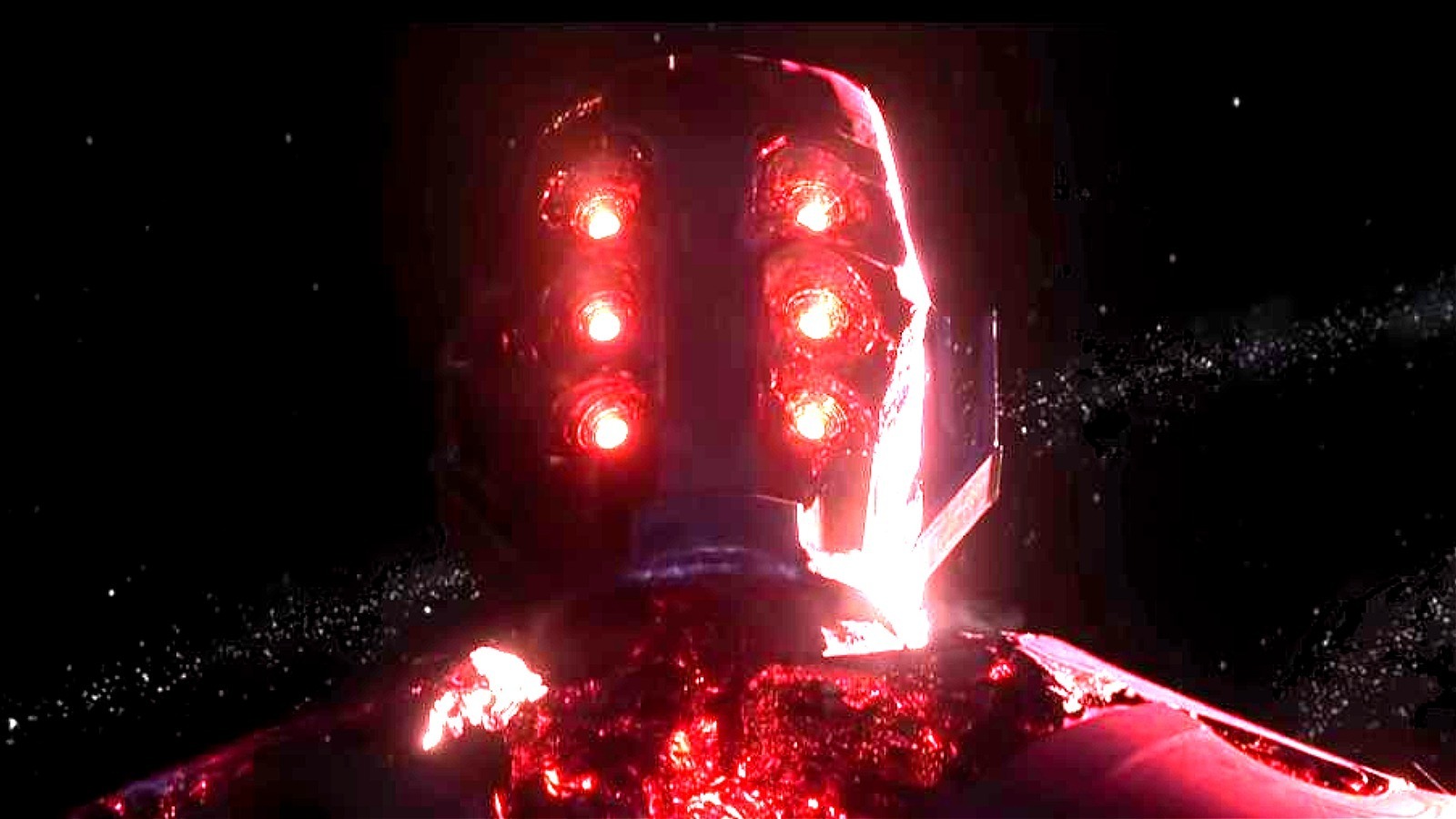
We’ve seen Celestials before in the Marvel universe:  giant beings of immense power.  Peter Quill’s dad Ego the Living Planet said he was a Celestial.  The space colony of Knowhere was built in the severed head of a giant Celestial.  The ultimate villain of Eternals is Arishem, a planet-sized Celestial who helps creation continue in the universe.  Celestials create new suns and life in the universe.  meanwhile, new Celestials are born in the heart of planets and feed on the life energy of intelligent beings like humans.  And it just so happens that a new Celestial named Tiamut is about to be born right in the middle of our Earth.  We die so that the Celestials can continue to create new life.  It’s a cycle.

And it also turns out that the Eternals are not the protectors of humans that we assumed.  They were only to protect them until such time as the new Celestial growing inside Earth had absorbed enough life energy.  This happened after the “Blip”, the moment in Avengers: Endgame when half of life in the universe was restored with the Infinity Stones.  Now some of the Eternals have grown so attached to humanity that they don’t want to fulfill their purpose.  They want to stop the destruction of the Earth.  Others cannot imagine disobeying their Celestial masters.  As you can imagine, this boils down to an Eternal vs. Eternal showdown at the end.

Any battle scene with the Eternals in this film has merit.  Since each character has their own power, they find creative ways to use them in concert together.  Unfortunately, the Deviants (who are being sold as the main villains but are really a just side threat) are not very interesting foes.  They look like Bayformers from one of the really bad Transformers films; all sinewy with tentacles that seem to defy physics.  Generic and uninteresting to look at.  One of the Deviants learns how to steal powers from Eternals and becomes a new threat.  We’re never really told why he can do this, but he does, and he evolves.

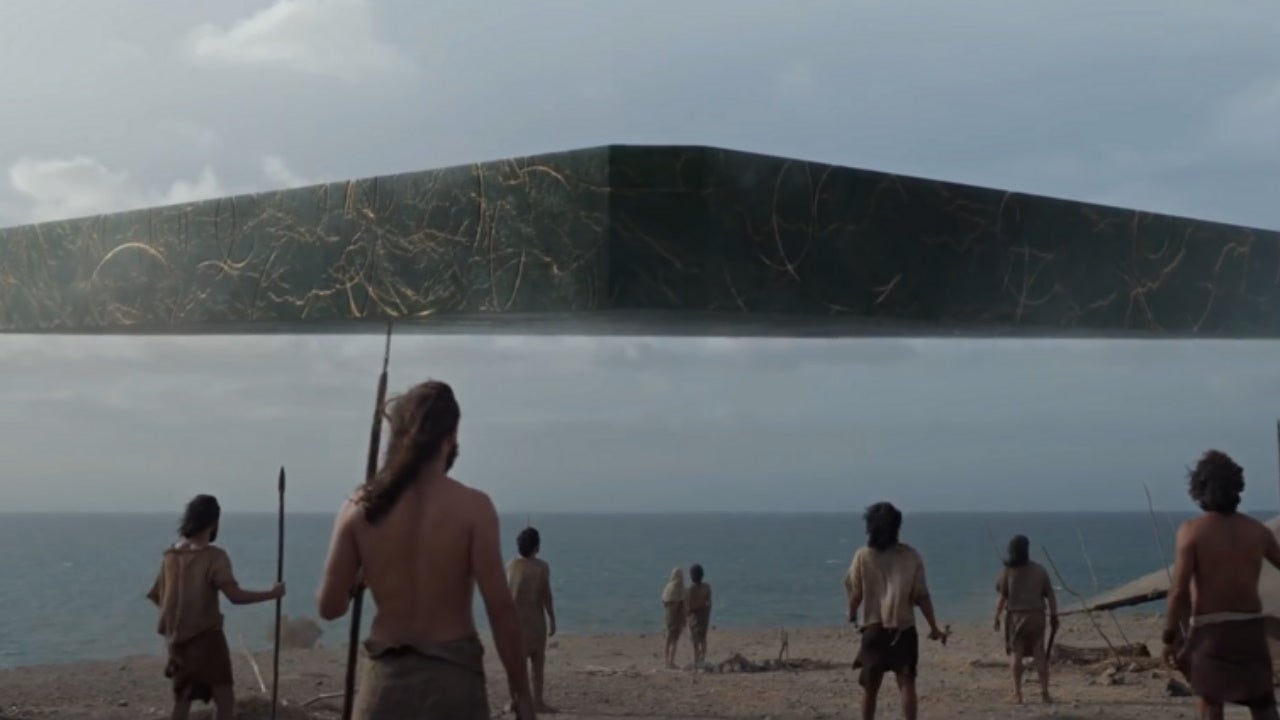
With the battle lines drawn, two groups of Eternals fight.  Needless to say the do-gooders trying to save the Earth, led by Sersi, are triumphant.  However the planet’s surface itself is scarred by the near-emergence of Tiamut the Celestial, and this will undoubtedly be referenced in Marvel movies and shows in Phase 4.  Our heroes and villains split up and go their separate ways.  A defeated Ikaris flies into the sun, almost like his mythical counterpart.  A small group take their triangular spaceship the Domo to go look for more Eternals.  And they find one almost immediately, in the mid-credit scene!  Patton Oswalt fans will like this, and what it could mean for the future.

In a clunky but hype-worthy post credit scene, Kit Harrington reveals his family’s cursed blade, but before touching it, is asked by an offscreen voice if he’s really ready for it.  Of course we know he will be, in whatever spinoff he appears.  But what really matters is who the offscreen voice is.  Thanks to director Chloé Zhao, we know it was a guy who’s kind of an expert on blades.  Welcome to the Marvel Cinematic Universe, Blade (Mahershala Ali)!

Zhao’s knack for an outdoor scene made this Marvel movie seem bigger than any before it.  The cosmic themes with a grounded Earth setting helped the movie stay accessible.  At all times, our characters feel like humans.  Her direction provides a visual feast, as well as human characters.

But it’s congested.  While not fast paced, it feels like characters and concepts are rushed.  Who is Phastos, who is Kingo?  Let’s find out more about them.  What has Sprite been doing all these centuries?  Are Druig and Makkari ever going to hook up, and if so, why has it taken them 7000 years?  Seriously, you could do an entire film on Druig and what he could have been up to, building strange utopias in the jungle.  Makkari looks like she’s been on a hell of a lot of adventures, plus she can read a book in seconds.  Let’s find out more about her, please.

Nitpick:  in the film, Dane Whitman asks why the Eternals didn’t try to stop Thanos or anything else that’s happened in the MCU.  I would also ask where the other Marvel heroes are when a giant head and hand start to emerge from the ocean.  Where’s that beeper to Captain Marvel at a time like this?  (Granted, she had to go somewhere pretty urgently at the end of the last Marvel movie, perhaps excusing herself from helping out in this film.)

Following so closely behind the truly Marvel-ous Shang-Chi, Eternals feels like an unfortunate misfire.  The proof will be how it goes in rewatches.  Two or three years down the road, it might be better appreciated.  Or, it might be seen as an unfortunate corporate launchpad for new characters and concepts in the MCU.  Those who enjoy the cosmic side of the universe, as seen in Guardians of the Galaxy and Loki, will delight in the massive Celestials, very well executed on screen.  Could this all be priming our senses up for the eventual arrival of Galactus in Phase Five?  Just speculation of course, but it seems more than possible.

See Eternals, but maybe do some research on the characters first before you go in completely dry.

3/5 stars


On my way out, I said “screw it, I’m getting some popcorn”.  I didn’t have any during the film having just had an early lunch.  I buttered it extra heavy and brought it home with me.

That was what I’ll call a positive experience.

REVIEW: Harem Scarem – Rubber (Domestic and Japanese versions)

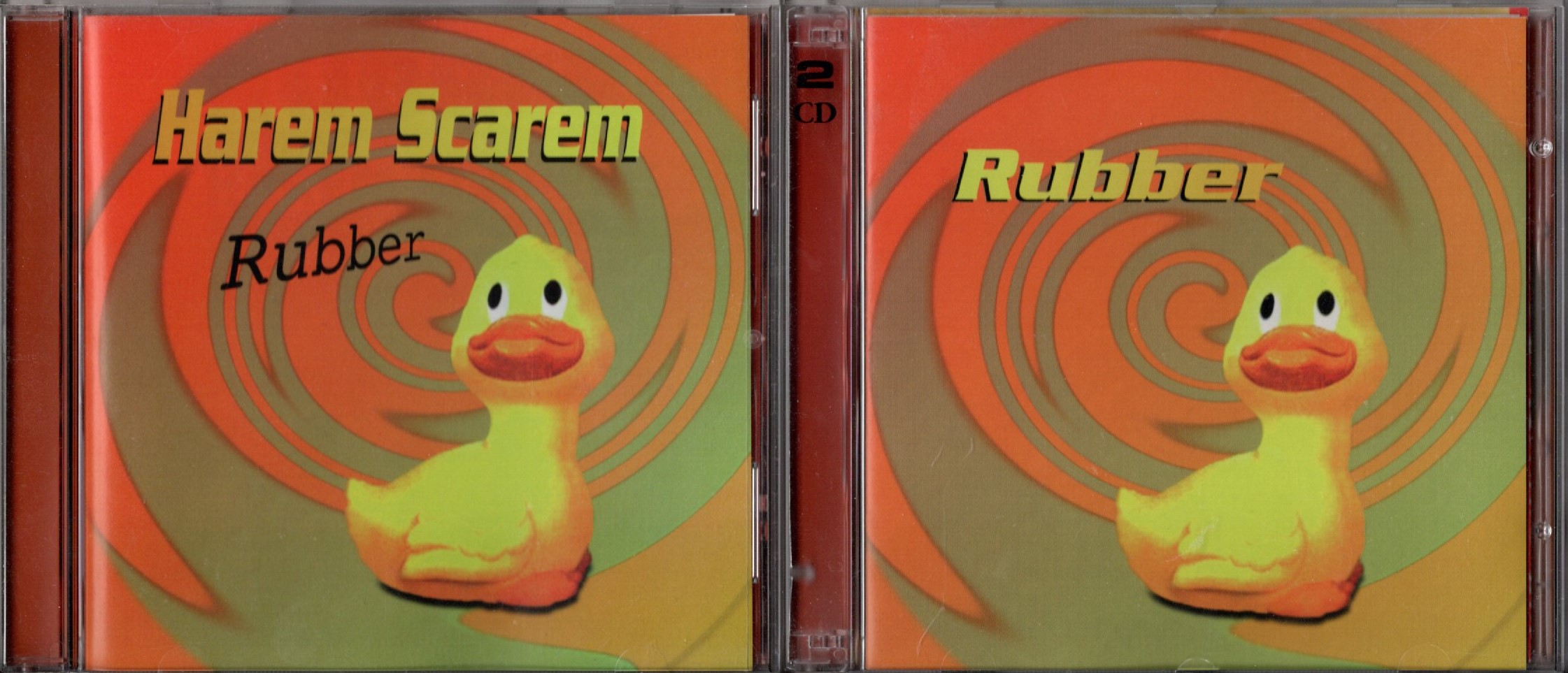
HAREM SCAREM – Rubber (1999 Warner Japan)
RUBBER – Rubber (2000 Warner Canada)

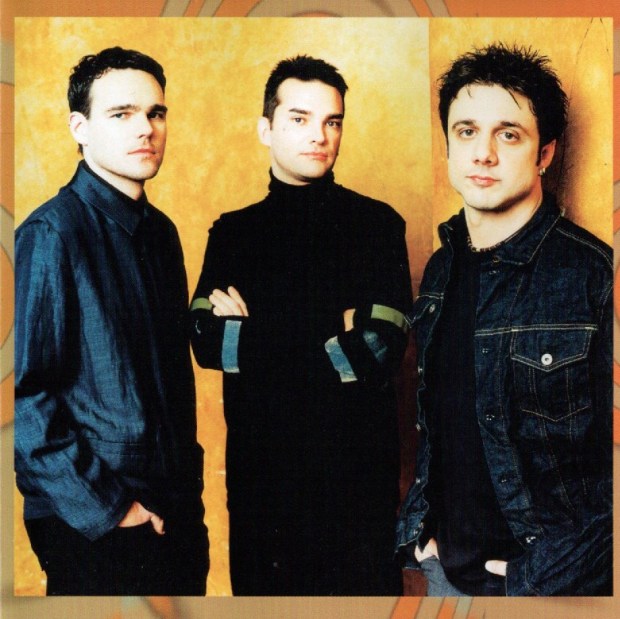
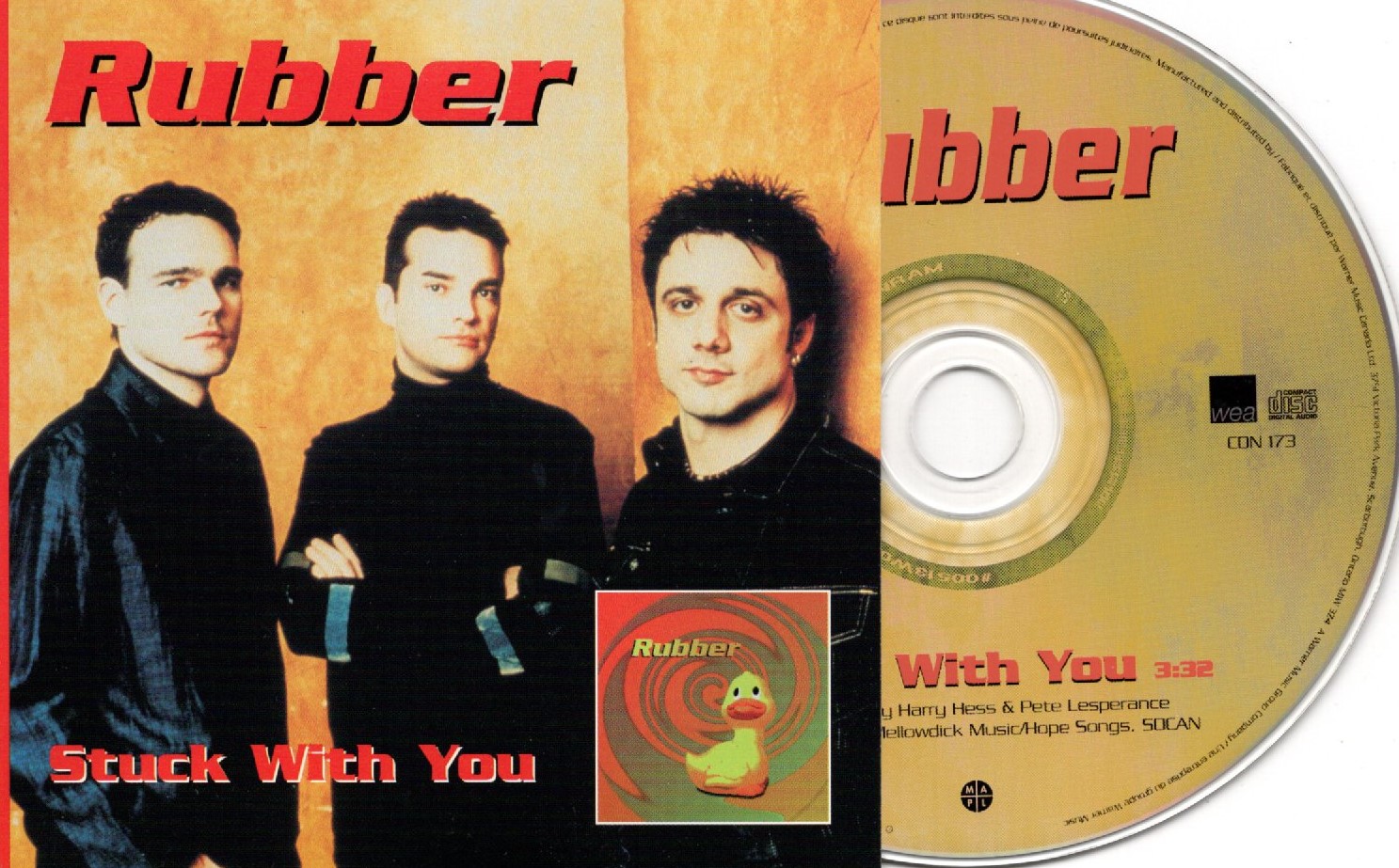
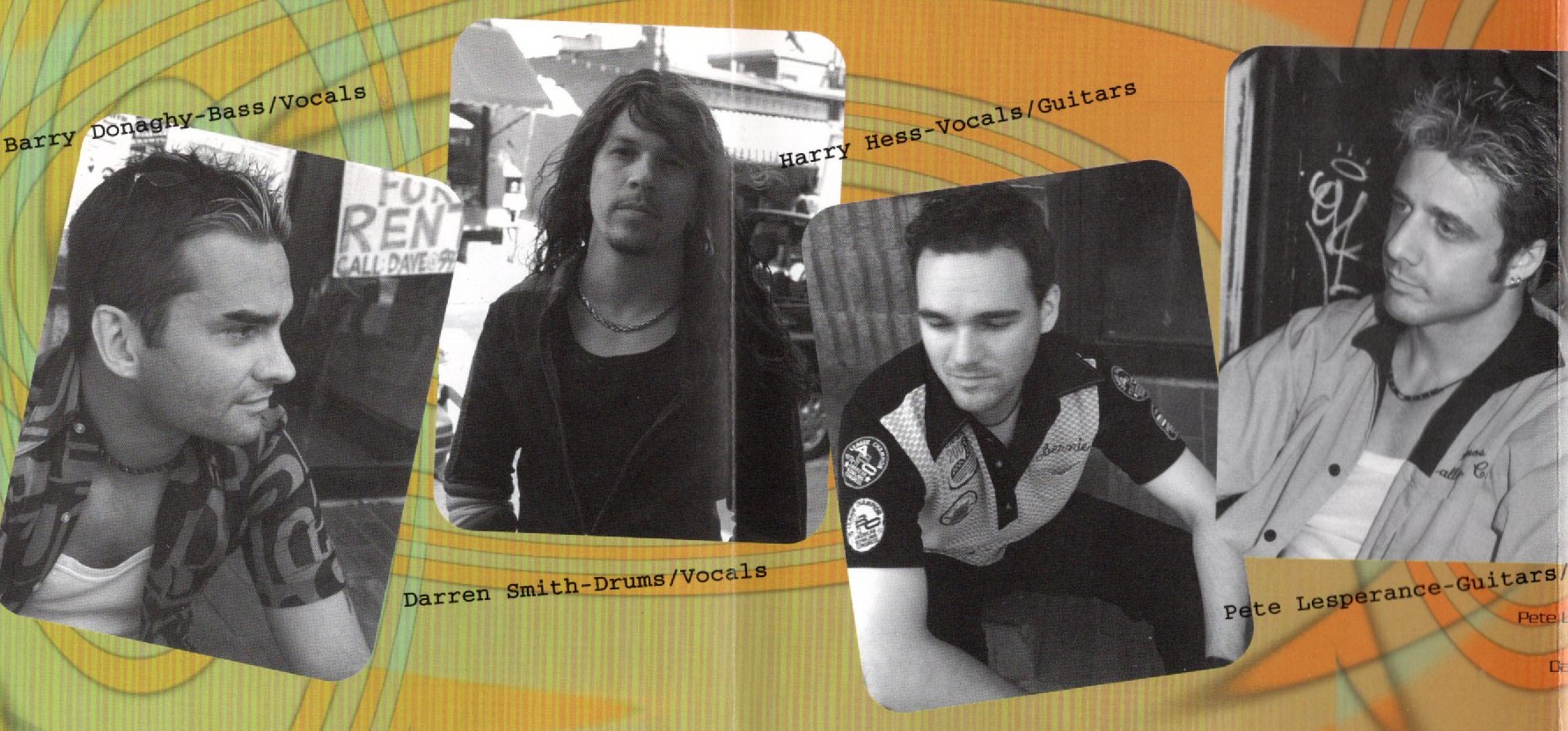
Time hasn’t been too unkind to Rubber, the experimental Harem Scarem album where they actually changed the band’s name to match.  Except in Japan where Harem Scarem were huge, a strange album by a band called Rubber emerged in the summer of 2000.  A generic, low budget rubber duckie adorned its cover.  No picture of the band on the back, but the mixing credits of Harry Hess and Pete Lesperance revealed the connection.  In Japan, the album was released in 1999 as a full-on Harem Scarem album, with all four band members depicted on the back, including Barry Donaghy and Darren Smith.  (Notably, Smith is not pictured nor listed as a band member on the domestic CD, as by the time it was released, he had left the band.)

What’s the fuss, then?  Harem Scarem had released a series of excellent albums with rarely a dud, but little impact in Canada or the United States.  Their albums had been skewing progressively more pop as the 1990s wore on.  By Rubber, it could almost have been considered a complete re-invention to a pop rock sound, heavily influenced by the simplicity of 90s pop-punk bands.  So the band was relaunched in hopes that some people thought they were a new hot group on the scene with a sizzling debut.

The Japanese and domestic CDs had different running orders, but since it was released in Japan first that’s the track list we’ll be following, including exclusive bonus song “Enemy”.  To its merit, the domestic CD includes an exclusive remix of “Sunshine” by noted producer Arnold Lanni.

“It’s Gotta Be” opens the album with a very 90s-sounding simple descending guitar riff.  It stands upon a catchy chorus, which Harry Hess delivers with the usual melodic expertise.  There are stronger tunes on the album, but “It’s Gotta Be” sounds very much like what was on the radio and video at the time.  Bands like Marvelous 3.

The oddly titled “Who-Buddy” is more like it!  Fast-paced (again, think pop-punk), with twang and candy-coated melody.  The build-up to the chorus can’t be resisted.  So very different from Harem Scarem of old, but the same four guys do it well.  Hess and Lesperance have always had a foot in pop, as demonstrated on the very mainstream Harem Scarem debut.  Pop changed quite a bit from 1990 to 2000, and “Who-Buddy” is a reflection of that evolution.

“Coming Down” is a different kind of pop, more lush with Spanish-influenced guitar twang.  Slower paced, but just as focused on melody, “Coming Down” is a lovely song that reminds of the melancholy music of the time.  “Didn’t know the grass is always greener, and then those blades cut my own hands.”

Thing really go pop-punk on the outstanding single “Stuck With You”.  As Hess sings, “There couldn’t be anymore anarchy if we tried,” you believe he’s 22 years old.  Smith’s busy drumming is on the mark, and the chorus just soaks into you until it’s just…stuck with you!  On the cover for the CD single, the three remaining guys are depicted with contemporary short spiky hair.  If not for the lack of neck tattoos they could have been Blink 192.  There’s even a reference to the current events of the time.  “The killer bees, casualties, everybody’s paying a price.”  Remember the killer bee scare of the late 90s?  The bees never came.

Unfortunately the hit never came either.  Though a brilliant song, it was impaired by a truly terrible music video about a kid who eats a variety of objects including a rubber duckie (seemingly containing the band), a doll and his little sister.  Somebody should have deep-sixed that idea.

“Sunshine” opens with typically late-90s skippy sound effects and adornments.  The Japanese version is 4:56 in length; Arnold Lanni trimmed his mix down to 3:54.  A slow pop song with distorted watery vocals on the Japanese mix, it’s a unique sounding track that fit into the alterna-flavours of the era.  Motley Crue made a whole album mixed like this, except it was shit and called Generation Swine.  The Lanni mix on the domestic CD retains the sound effects but ditches the vocal distortion, in favour of a clean mix that is easier on the ears, including additional backing harmonies.  Both versions have their merits, with the Japanese as a more spacey, experimental track and the Lanni version more aimed at radio.

Next up is the rockabilly “Face It”, continuing the twang of previous songs.  Unfortunate album filler compared to the others.  Smith’s drumming up a storm though!  “Trip” is more fun with a bendy 90s riff, and lead vocals by Pete Lesperance.   The chorus is suitably snotty.  Another odd title, “Pool Party” conceals an interesting if not quite memorable enough song.  The music is a little off-kilter, hinting at the band’s truly excellent schooled musicianship that was largely simplified for this album.

Back to the upbeat, “Headache” is pure bangin’ fun, with influences from rock to punk to ska.  Then an understated ballad called “Everybody Else” sits in the penultimate slot, building tension with a stealthy backdrop of strings.  Similar to past dark Harem Scarem ballads though wildly different in production.  Then we close on the Japanese exclusive “Enemy”, an upbeat track with a big chorus.

Harem Scarem continued with the dual identity for a few more albums before reverting back to their original sound and name.  As Rubber, they next released Ultra Feel, Weight of the World and Live at the GodsWeight of the World was a return to their classic, slightly progressive hard rock sound and so the name change back to Harem Scarem was sure to follow.  By 2003 the Rubber experiment was fully exhausted and the album Higher was the first to have no connection to that name.  From the Rubber era, only Weight of the World was included in the expansive Harem Scarem box set.

Rubber the album isn’t bad though.  It’s better than the followup Ultra Feel, and though dated, still contains a number of good songs that are fully enjoyable today.  The best track is clearly “Stuck With You”, despite the atrocious music video.

3.5/5 stars

REVIEW: Quiet Riot – Hollywood Cowboys (2020 Japanese import)

QUIET RIOT – Hollywood Cowboys (2020 King Record Co. Japanese import)

We all wanted Frankie Banali go out on a high note.  He fought hard.  His battle with cancer was inspiring.  Unfortunately, his last Quiet Riot album Hollywood Cowboys is not memorable except as the drummer’s finale.  The shame of it is, they previous album Road Rage was pretty decent so it wasn’t unreasonable to get hopes up for the sequel.

The songs just aren’t memorable enough.  It’s bad when you can’t remember which track was the single (“In the Blood”).  The opener “Don’t Call It Love” is better; singer James Durbin was able to infuse the chorus with some passion.  The problem is none of the songs stick.  Can you remember how “Change Or Die” or “Wild Horses” goes without a listen?  “In the Blood” isn’t terrible by any stretch but there are no real singles on this album.

The musicianship is fantastic, with Frankie drumming like only he could.  There’s some tasty organ on “The Devil You Know”, but no hooks.  You can hear that they worked hard on Hollywood Cowboys, adorning songs with “woo oo ooo” backing vocals and lickity-split solos by Alex Grossi.

Some highlights include an AC/DC-like blues called “Roll On”, and the ballad “Holding On” which nails the vintage Quiet Riot vibe.  There’s also a blast of Priest-like metal called “Insanity” that has plenty of power if lacking in melodies.

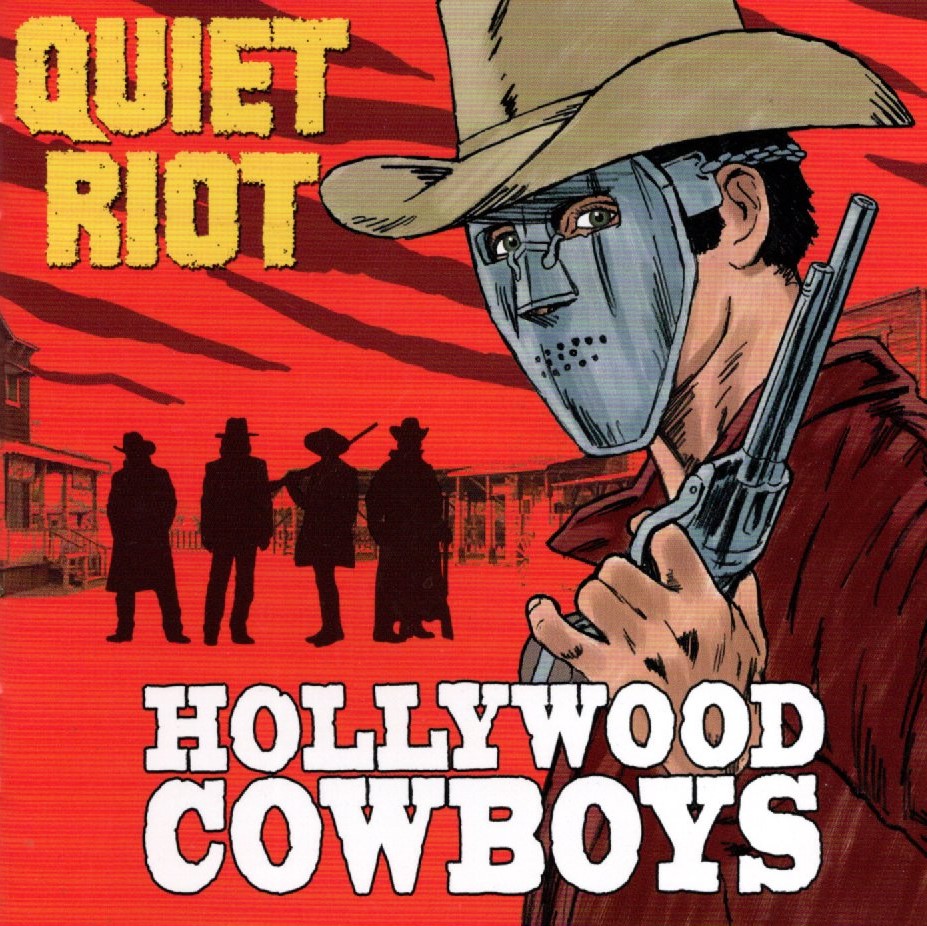
The album sounds as if rushed, which would be understandable given the circumstances, but that’s the impression it gives.  Even the cover looks rushed.  The mix is really saturated and could have used some more loving care.  To its credit, it is probably the heaviest Quiet Riot album ever, from drums to riffs.

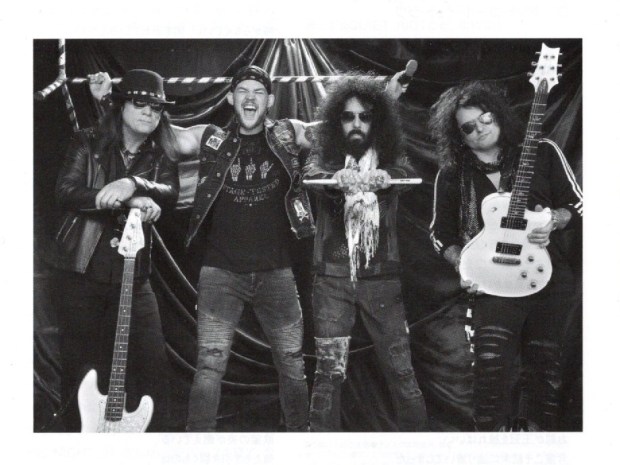
Here’s the mindblowing part.  Only one guy on this album is still in Quiet Riot, and that’s guitarist Alex Grossi.  James Durbin left before it was released, and he was replaced by former QR singer Jizzy Pearl (from the 10 album).  Legendary bassist Rudy Sarzo is returning in 2022, replacing Chuck Wright.  Lastly and most regrettably, Frankie’s stool was filled by former Type O Negative drummer Johnny Kelly.  None of that is relevant a Hollywood Cowboys review, it’s just recent history.  One does wish for more stability in the lineup, and perhaps Sarzo will bring that.

The Japanese import bonus track this time out is a lacklustre acoustic version of “Roll On”.  Frankie plays with brushes, so it’s interesting from a drummer’s point of view.  Sadly it’s the kind of bonus track that’s just not worth the price paid for the import.

Hollywood Cowboys is a scattershot collection of parts that never coalesces into songs.  Everybody wanted Frankie Banali to succeed, in every way possible.  But one must also be honest in a review, and can take no pleasure in shitting all over Frankie’s last record.

2/5 stars

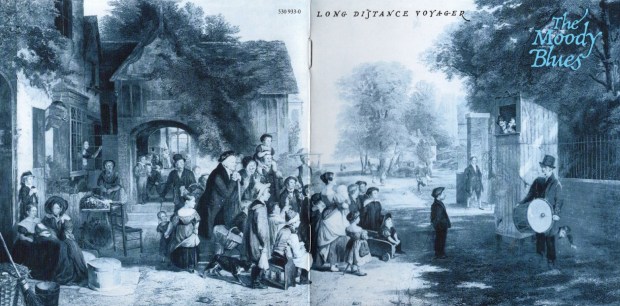
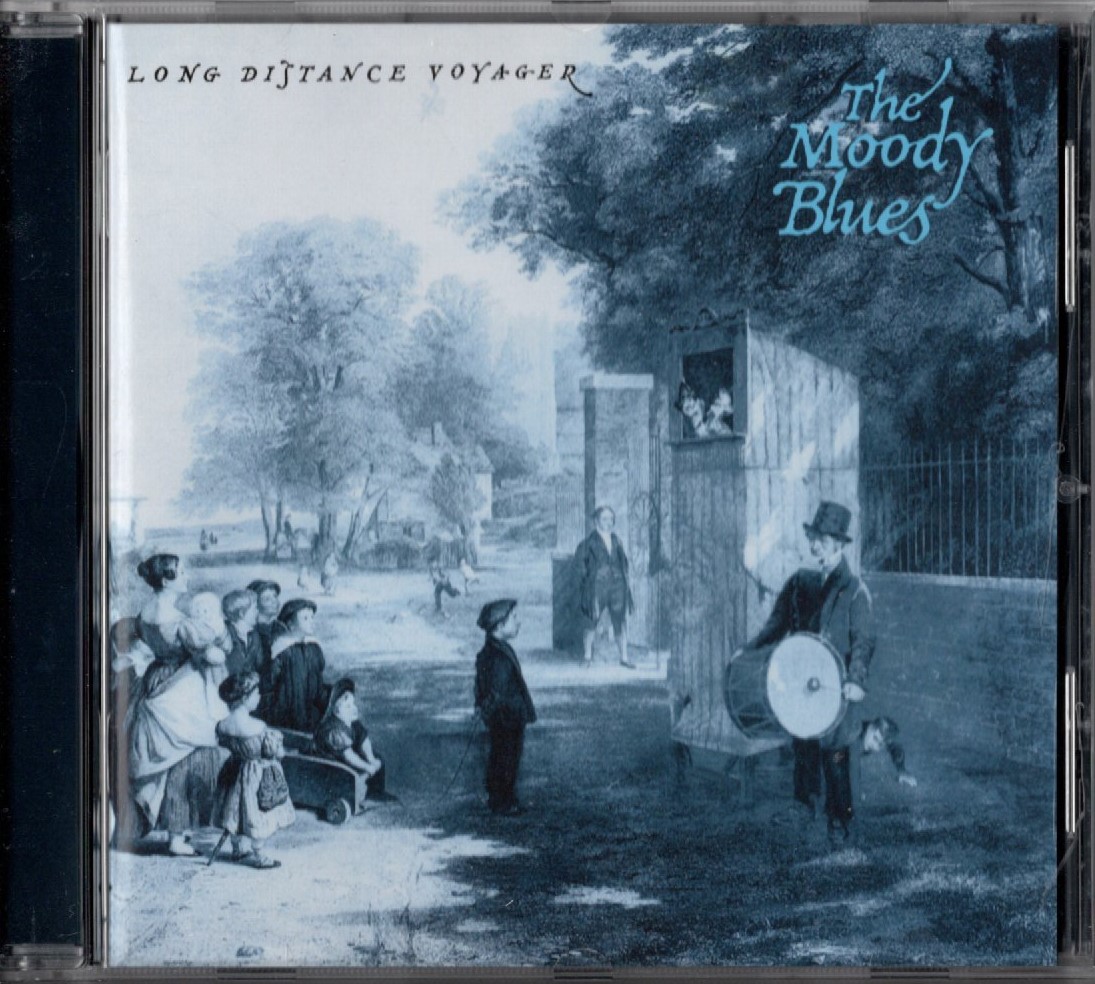
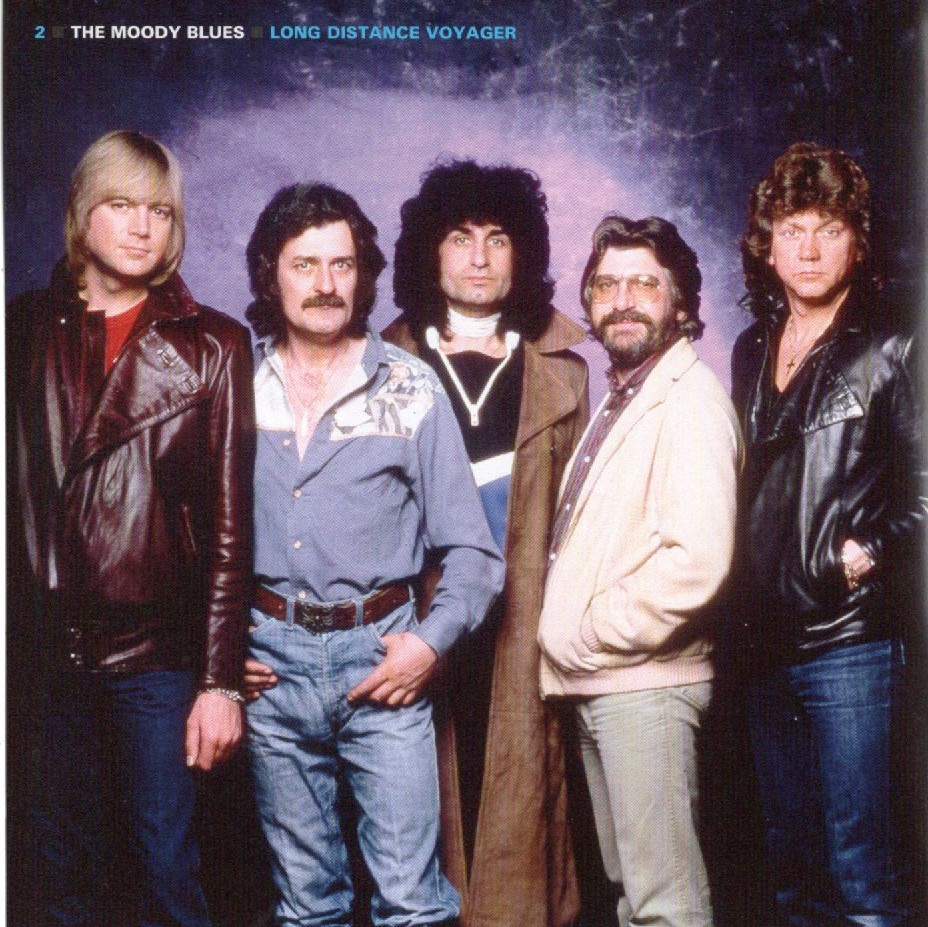
REVIEW: The Moody Blues – Long Distance Voyager (1981 Remastered)

By request of Eric Litwiller

THE MOODY BLUES – Long Distance Voyager (Originally 1981, 2008 Decca remaster)

On album #10, The Moody Blues took it to the #1 slot.  Let’s take a dive and see what makes Long Distance Voyager work so magnificently.

Opening with a crash of soundtrack-like synthesizer, “The Voice” soon enters a comfortable 80s groove — think “The Highwayman” by Cash, Jennings, Kristofferson and Nelson.  But it’s not country, it’s science fiction-like progressive rock.  Justin Hayward’s dreamlike vocal and the the vintage keyboards create an instant atmosphere.  A brief but killer guitar solo adds the right accents.  What a song!  A masterpiece indeed, “The Voice” personifies perfect in every way, from mood to melody to majesty.

Lush strings and tinkling computers mesh on “Talking Out of Turn”, which goes Lennon/Beatles on the first verse.  Bassist John Lodge sings on this lengthy study, which was still a successful single despite its length.  If the Beatles survived intact into the 1980s, perhaps they could have recorded “Talking Out of Turn”.  In other words:  high praise.

The omnipresent Disco movement has its impact on “Gemini Dream”, a dance able rocker with a killer beat and vocal melodies to match.  Expertly constructed, and one of the best examples of a rock band stepping outside their comfort zone into the dimension of dance.

Acoustic guitars ring out on “In My World”, the side one closer and an extensive song with many guitar textures, including some delicate pedal steel.  Long and deliberate, but an instrumental tour-de-force.

The second side commenced on the upbeat “Meanwhile”, a short song with quaint keyboards and irresistible Justin Hayward vocal melodies.  An uplifting chorus, and you are hooked.  Then it’s the wicked “22,000 Days”, like a synthed-up sea shanty!  Awesome song unlike most you will hear.  Trans-Siberian Orchestra ripped off this vocal style much later on.

The acoustic “Nervous” starts very early-Pink Floyd without the THC.  It transforms into a big, bold ballad powered by strings.  Awesome song that doesn’t care that it’s pompous and overblown, nor should it.  Ray Thomas’ “Painted Smile” has an old fashioned big-top style, a bit circus-like, with rich accompanying singing and an outstanding lead vocal slot.

A final song with a big bold chorus called “Veteran Cosmic Rocker” ends the album leaving you wanting more.  A bouncing progressive rock and roll anthem, this would make a great theme song for anybody looking for a corny yet spacey cue.  “He struts, he strolls, his life is rock and roll.”

Since that last tune leaves you hungry, the 2008 remastered disc includes a single edit of “The Voice” as dessert.  It actually bookends the album quite brilliantly.  Those big Dr. Who keyboards return one last time to make sure you leave this album satisfied.

I got to hear this CD because it was Ray Litwiller’s favourite album, and that was good enough for me.

5/5 stars

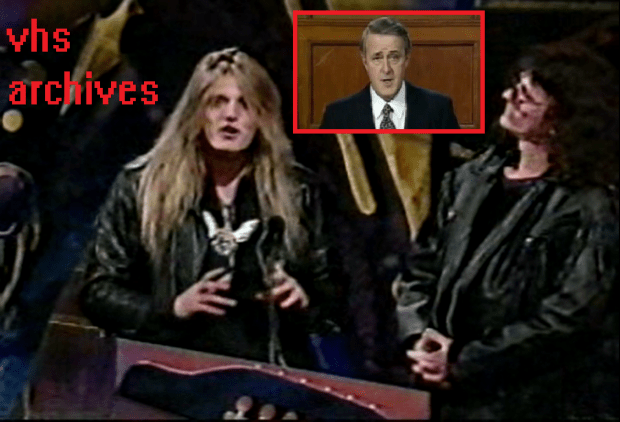
VHS Archives #115: Sebastian Bach & Gil Moore get political at the 1993 Juno Awards

Celine Dion was the host.  Sebastian Bach (Skid Row) and Gil Moore (Triumph) were up to present an award.

For context:

On February 24 1993, Canadian Prime Minister Brian Mulroney, with a record low 21% approval rating, announced he was resigning.  Bach and Moore were at the Junos a month later, on March 21.  Watch what Sebastian does.