Check out this brand new episode of Tim’s Vinyl Confessions featuring yours truly in the guest seat!
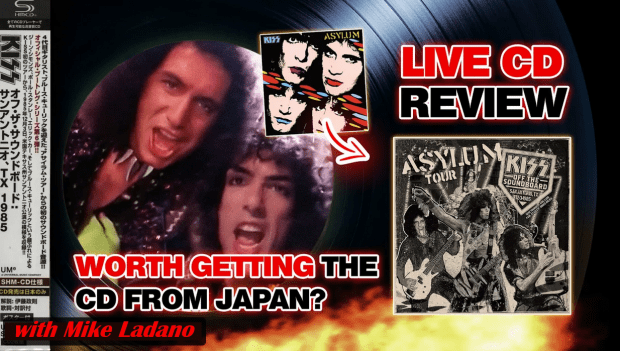
Kiss have released a brand-new Off the Soundboard album, the very first live release from the 1985 Asylum tour. The lineup this time featured Stanley, Simmons, Bruce Kulick and Eric Carr. The setlist also features the first ever live version of “Uh! All Night” to be released officially!
The crappy thing is, the album was only available on vinyl, and is currently only sold with a crappy T-shirt bundle. Japan, however, took matters in their own hands and released a CD.
Tim and I take a deep dive into the set, the solos, the stage raps and much more. Check out the show!
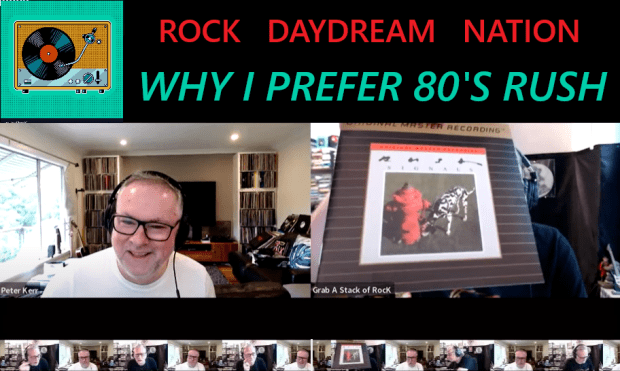
Join Peter Kerr and myself, two self-confessed fans of 80s Rush, as we discuss Signals and Hold Your Fire. This fun and insightful episode of Rock Daydream Nation shines an admiring light upon two albums that bookend an era of keyboard-oriented Rush records.
This era of Rush has sometimes been criticized for highlighting synth and keyboards over riffs. While there is always some truth to this, does that mean a decline in quality? Not necessarily. It might just mean bands are becoming interested in different kinds of rock music.
Peter and I pick a number of songs to highlight, and play music clips to illustrate our examples. Check out the show!
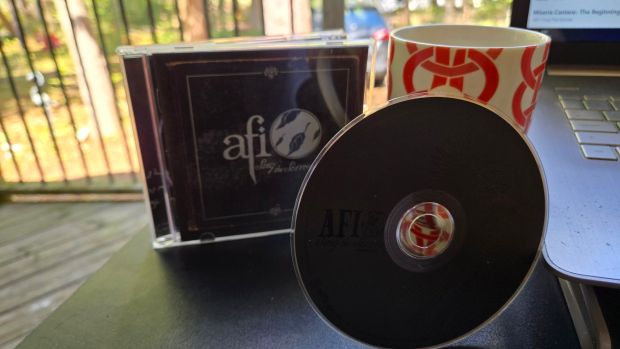
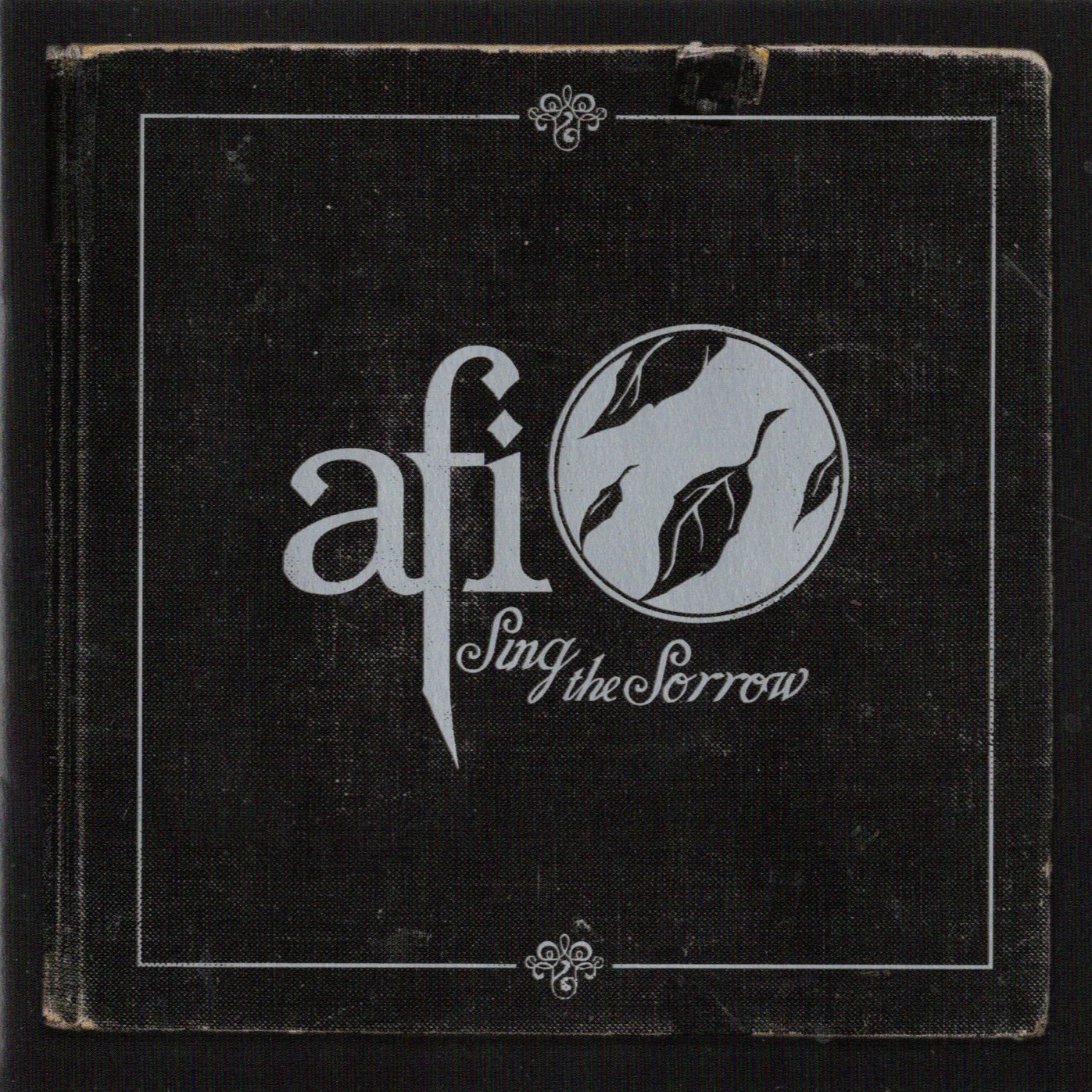
On the weekend I had the pleasure of doing a show with D’Arcy Briggs from the YouTube channel @darcyska. The topic was the recently reviewed Sing the Sorrow by A.F.I., which D’Arcy recently picked up thrifting as well. With this happy coincidence, we sat down and reviewed the album. It turns out we mostly agreed when we split it down track by track.
Check out this fun review, and a lot of praise for an album you should get!
I don’t pretend to know about bands with whom I have only scratched the surface, so here are some basics on A.F.I. I always considered them to be a punk emo band. A.F.I. (A Fire Inside) are fronted by Davey Havok and have been around for almost 35 years now. In 2003, they were new to me. Working at the record store, some of the younger cooler employees put on A.F.I.’s new album Sing the Sorrow, and I immediately liked it. It had a lot of metal riffing, and I dug Davey’s vocals. I was an instant fan of the disc, and I played it regularly while it was charting in 2003. I still spin it today, and though I’m not a pierced up record store guy with eyeliner anymore, I still dig A.F.I.
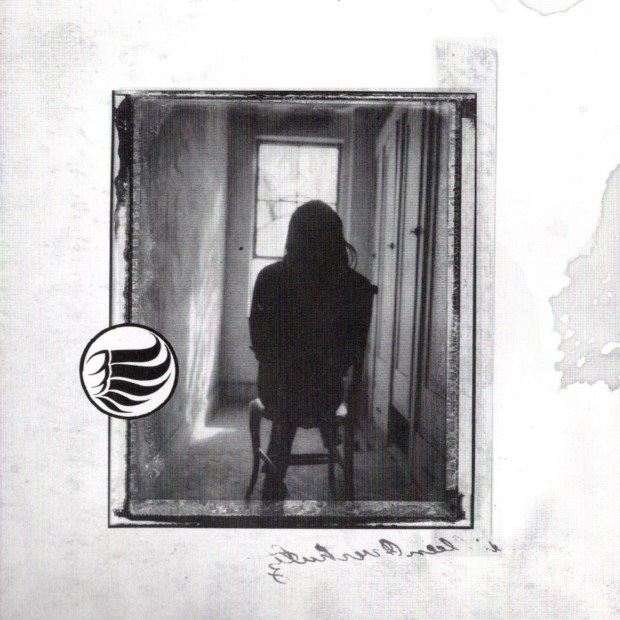
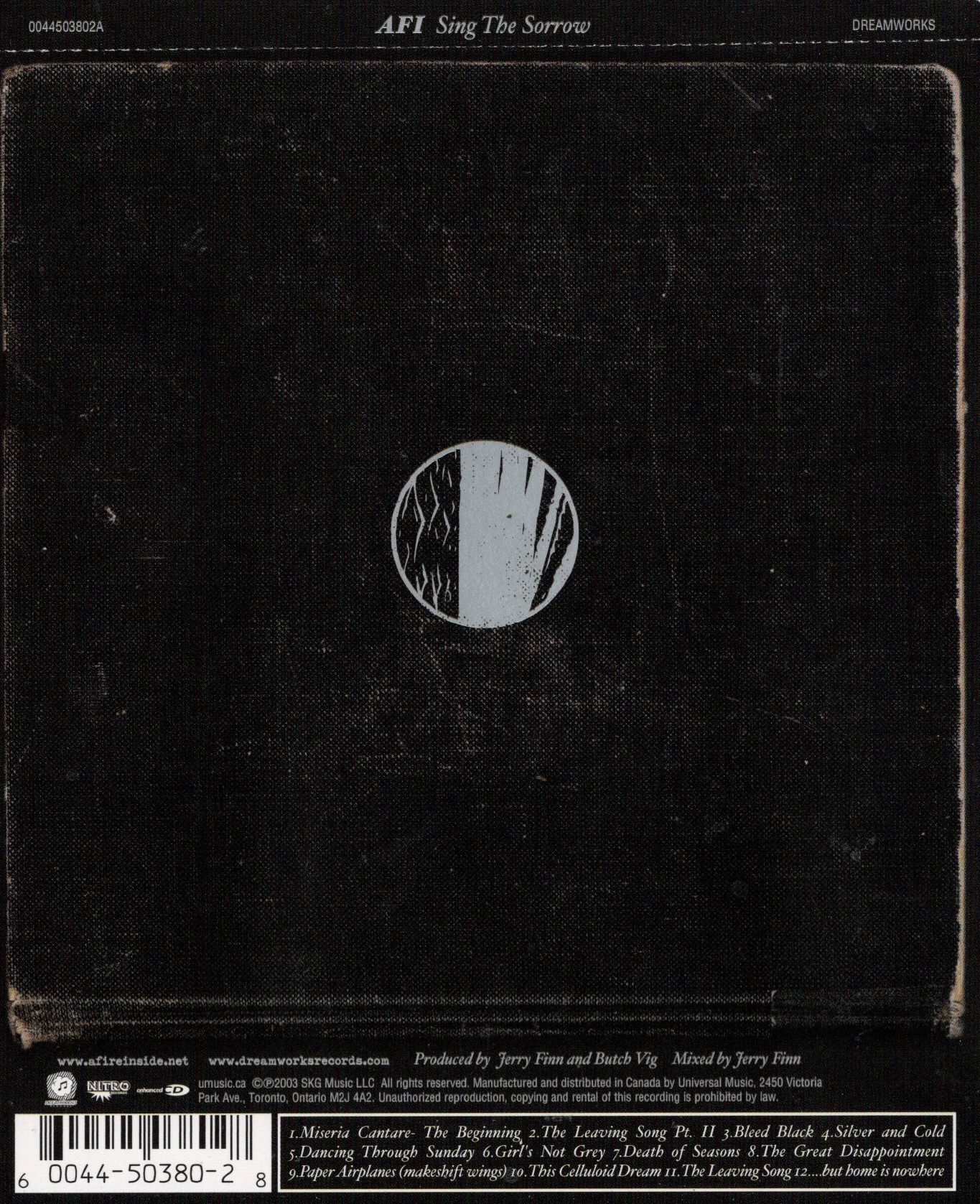
Sing the Sorrow was the band’s first big mainstream album after several punk/horror oriented releases. One look at the back cover, and you know it’s going to sound amazing: Produced by Butch Vig and Jerry Finn. The front cover is striking, minimalist and classy. All told, Sing the Sorrow is dark, but with spotlights of bright illumination. Let’s give it a listen.
One thing immediately obvious is that A.F.I. like their grandiose song titles, and so the opening piece is called “Miseria Cantare- The Beginning”. Very Ghost today, no? This keyboard and industrial inflected piece begins with percussion and shouting: “Love your hate, your faith lost, you are now one of us.” And then comes Davey Havok, with soothing melodic and smooth vocals, delivering the melancholy hooks. It’s hard to call this a full song as it’s more an intro, but it’s Davey that reels you comfortably in.
“The Leaving Song, Part II” (again with the pompous song titles that I love so much) is the first real song. Based on a cool bunch of guitar notes and a couple catchy riffs, A.F.I. open not with a blitzkrieg but with a slow and determined dirge. The choruses are gang vocal heaven. This song acted a second single for the album, hitting #16 in the US. Only Davey Havok could make these words sound positive: “Break down, and cease all feeling, burn now, what once was breathing.” Somehow his voice gives hope.
Paces accelerate with one of the best tunes on the album: “Bleed Black”. This one should have been a single. In my ears, this album has nothing but singles, and “Bleed Black” is chief among them. “If you listen, listen, listen…listen close, beat by beat, you can hear when the heart stops, I saved the pieces when it broke, and ground them all to dust.” Yet it sounds like a celebration of defiance, not a dirge of defeat! The chorus is layered with alternative band/Davey vocals, and it’s like crowdsurfing on a cloud. Then, A.F.I. take out the acoustics and go full dirge, but back to the chorus again before it’s too late.
“Silver and Cold” was the third single, a dark and slow tune with industrial effects and subtle, quieter sections and bigger bombastic choruses. Mournful, but powerful too. Tempos bounce back on “Dancing Through Sunday”, fast through and through, with incredible hooks from Davey and the band singing backing vocals. Some cool and prominent bass work, some hammer-ons with the guitar, and we’re not far from familiar territory, but hold on – is that a guitar solo? Yes it is, a full metal guitar solo by Jade Puget, with tapping and fancy fretwork, in the middle of this punky album! And it’s the only solo too, one and done. Talk about using that space effectively!
“Girl’s Not Grey” was the big first single, and it’s all tension and hooks. “What follows has led me to this place, where I belong will all be erased.” Is doesn’t sound like a hook, but that’s the magic of Davey Havok. The guy turns a sentence like that into an anthem, because this song has anthemic qualities. It’s all good, and the drumming is exceptional during the quiet section in the middle. These guys just learned to cross genres in the best way, taking the things that work and using them sparingly and effectively. And man, can Davey deliver hooks.
Dark lonely bass opens “Death of Seasons”. Then, enter Davey, screaming as if in pain. The song then shoots off into a punk rock sprint, but still with a chorus that delivers melody and more hooks. The track ends with Davey declaring that “all of this hatred is fucking real,” before falling screaming into the background while mournful violins sing the last notes. Really haunting stuff.
Guitars fade into “The Great Disappointment”, layered and ringing a haunted chord. The bass indicates that there are still hooks ahead, so stick with it. This could be considered the first ballad on the album. A power ballad – power combined with pain. It’s bleak.
“Paper Airplanes (Makeshift Wings)” is another notably dramatic title, with a punky blast of a song behind it. This track allows you to climb back into the light. With Davey combining his shouting voice with the clean singing in the same lines, it’s a great fun track to headbang to for a while and forget the misery. Pay attention to the drums and percussion, as it’s not all simple bashing. This band, with Hunter Burgan on bass and Adam Carson on drums, can play!
One of the biggest songs in terms of memorable melody is “This Celluloid Dream”, which is a great deep cut and easily could have been a single. The tempo’s not too fast and Davey continues to deliver the goods vocally and melodically. Same with all the backing vocalists: they deliver. Everything sums together like mathematics. 1+2+3=hooks. Among the best songs on the album, and one that deserves some serious listens.
Remember way back when the album began, and we heard Part II of “The Leaving Song”? Now we finally get to Part I, as second last “track” on the CD. This quiet dirge begins with just some bare guitars and Davey singing mournfully. “Leaving” seems to be a recurring things on the album, as “This Celluloid Dream” also uses the word. Though sad, it’s a beautiful song. I suppose you could consider the outro guitars here to be a “solo”, but that would be pushing it.
The album really goes out in a dramatic fashion. The final track on the CD is a 15 minute bulk consisting of three actual pieces of music, two of them “hidden”. “…But Home is Nowhere” is something of a return to form, with the tense guitars hammering out a stuttering riff while Davey delivers the mournful hooks. “This is my life, this is eternal!” goes part of the anthemic chorus.
“The Spoken Word” is untitled in the CD booklet, but its lyrics are included. After a silent pause we are greeted by piano and a creepy child’s voice. This goes on a while, like an Alice Cooper interlude. Then we get to the final real song, “The Time Imperfect” which is bare guitar and vocals, much like “The Leaving Song” at first. Then the drums and bass come in to complete what we’ll call a ballad. There’s one final blast of heavy as we drift along towards the end, followed by creepy, atmospheric reversed guitars, into the dusk.
Sing the Sorrow could not have been more accurately titled. This album is an expression of pain, solitude, loss and also victory. The victory is in the survival of it, and turning it into art. Each chorus allows you to release pain. Beyond that, it is clear that A.F.I. created a sonic painting here. It is an album that takes one on a journey, and features no boundaries to its creative expression. Special credit must go to guitarist Jade Puget who refuses to play it simple, safe, or uninteresting, but never puts the hooks second.
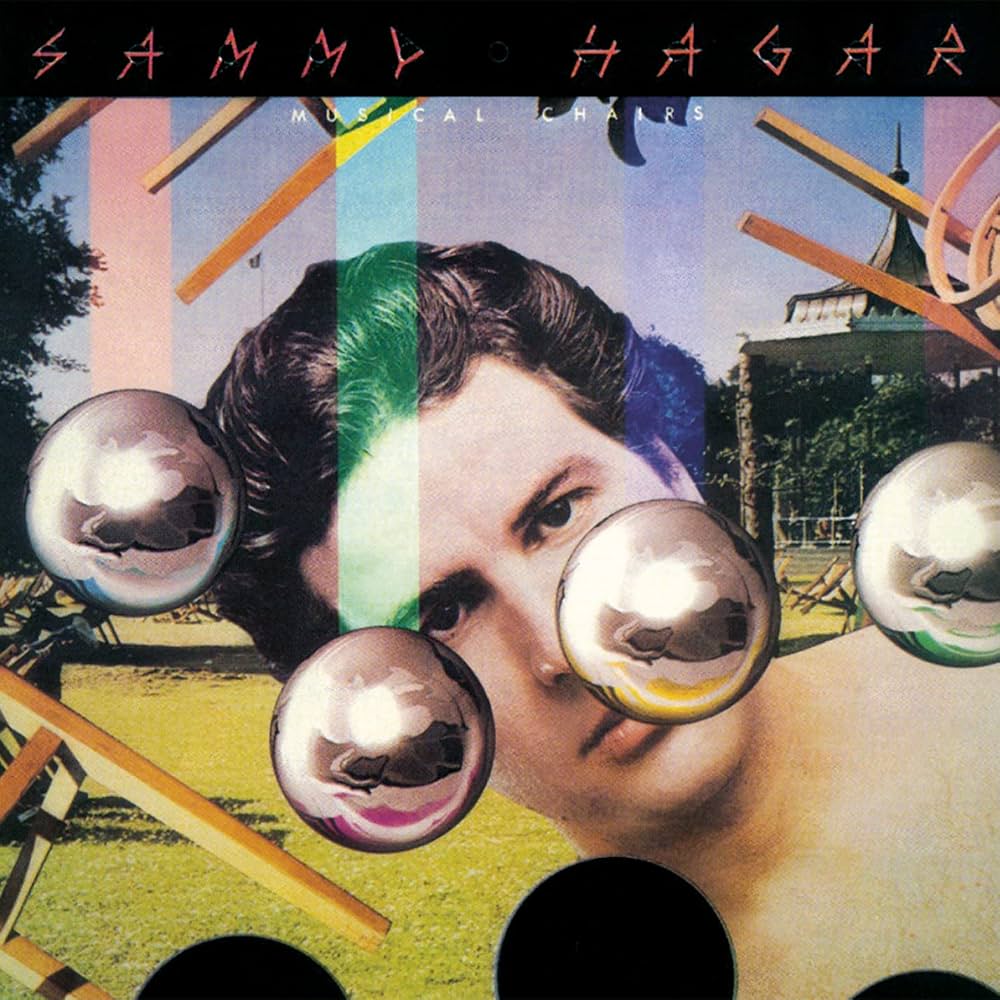
A second album in 1977 for Sammy Hagar! Swiftly following his self-titled record, Sammy was back with another collection of originals and covers featuring Bill Church and Alan Fitzgerald. New to the band this time out were drummer Denny Carmassi, and Gary Pihl on guitar. With Denny on board, it’s Montrose without Ronnie.
This review is based on my notes for an excellent episode of Tim’s Vinyl Confessions, and so does not follow my usual review format. By all means, check out his Sammy Hagar book Red On Black for more details. Let’s take ’em all track by track.
1. “Turn Up the Music” (John Carter, Sammy Hagar 3:35)
One of the Sammy songs I have known for ages, being on a 1989 “special markets” compilation called Turn Up the Music! Very cool intro guitar lick, one of Sammy’s catchiest solo tracks. Cool lyrics referencing the working day, and shouting out to past rockers like “Johnny B Goode”. An ode to music making you feel better, helping you get through the day. “Heavy metal music, oh that feels alright.”
2. “It’s Gonna Be All Right” (Hagar 4:11)
Laid back with cool synth riff by Fitz, and great punchy horn section. Catchy and fun. Youthful. “We may be young, but we are strong, we can’t be wrong. We’ve only just begun to be right!” I remember feeling that way! The horn section really gives the song a unique flavour for hard rock, and it just blasts!
3. “You Make Me Crazy” (Hagar 2:47)
Lovely little ballad with great keyboards and female backing vocals. Very mellow in a 70s sense. I picture a wintry chalet with a fire roaring. Tommy Bolin vibes, circa “Sweet Burgundy”. While it doesn’t really fit the Hagar oeuvre (especially on an album featuring the lyric “heavy metal music”), I do like this song. Maybe it would be called adult contemporary in some circles…but not mine.
4. “Reckless” (Hagar 3:32)
One of Sammy’s heaviest! Smokes from start to finish. Guitar/organ riff is killer. Heavy metal music indeed! A true head banger. Primitive Hagar music, with all the punches intact.
5. “Try (Try to Fall in Love)” (Norman Des Rosiers 3:11)
A cover of a sappy piano ballad. Full of strings and adornments, flutes, and woodwinds, but a bit too mushy. No rock. Very lush, and Sammy attempts a nice falsetto, but it’s not a favourite. And that song title? It reminds me of “Tonight I’m Gonna Rock You (Tonight)” by Spinal Tap. Why “Try (Try)”? Why? Oh that’s too much now.
6. “Don’t Stop Me Now” (Carter, Hagar 3:12)
Back to form, thankfully! Nice crunchy simple riff here, and catchy guitar licks. Punchy, simple and crunchy. Nice chorus. Listen for “red” reference – “I’m turnin’ red.” This one strikes me as Kiss outtake quality. Think Simmons’ Vault.
7. “Straight from the Hip Kid” (Liar cover – Norman Tager, Paul Travis 3:09)
Funky clavinet is a nice touch; thanks Fitz! This is a cover tune by Liar, a contemporary 70s band who put out their own version of the track two years earlier. Hard rocking, but with a slight touch of funk.
8. “Hey Boys” (Hagar 2:50)
OK song. Light but not particularly memorable. Chorus feels like it doesn’t fit. Good keyboard solo work, very atmospheric. “We’re all playin’ musical chairs, of but a change is gonna come,” lyric comes from this song. Nice light rock. Yacht rock?
9. “Someone Out There” (Hagar 3:01)
Enjoy the upbeat rock stylings of this song. Light background organ is very nice.
10. “Crack in the World” (Hagar 5:11)
Slow rocker. Goes epic in a soft kind of way, but the chorus doesn’t quite fit, which is a problem plaguing this record. Good keyboard and guitar solos for what it is. Kind of ends prematurely.
Not a spectacular album, with only two real serious rockers. There are a few good light rockers too, but fans expecting the “Heavy Metal” Hagar will be sorely left with something they won’t understand.
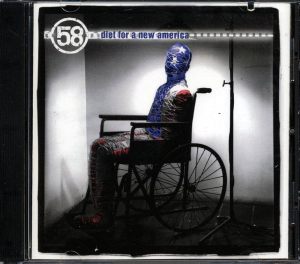
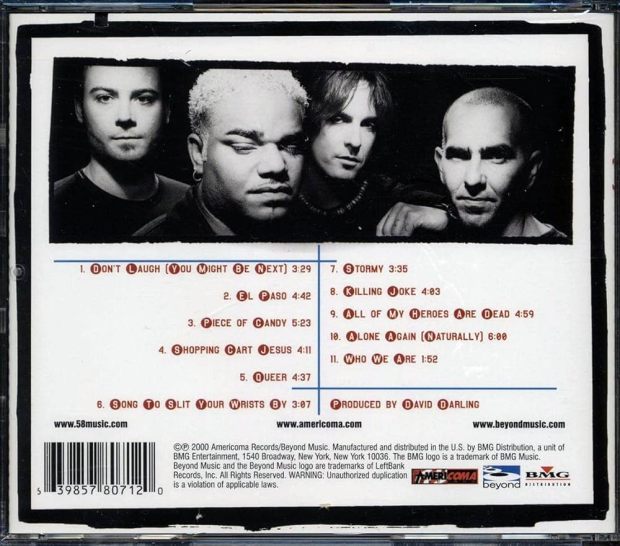
58 – Diet For A New America (2000, Americoma Records)
58: Nikki Sixx and Dave Darling with Steve Gibb (son of Barry) and somebody called Bucket Baker.
It’s a tell-tale sign when a member of Motley Crue names an album after a Vegan health book! This album has no teeth. It also has no songs to speak of. I guess Nikki and Darling took a random approach to the record, to be really experimental, and that’s cool. It doesn’t mean the results were any good to listen to though.
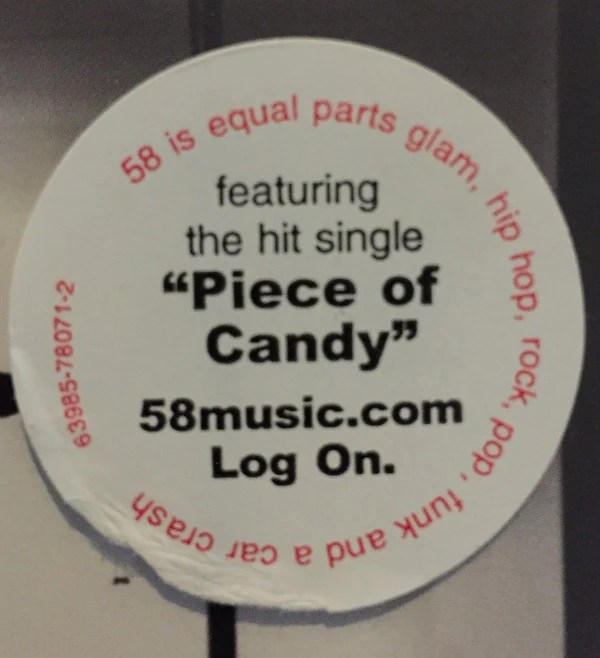
It’s been…man, probably close to 20 years since I sold this CD. I did give it a try. I was exploring all kinds of music at the time from Zappa to Prodigy to Miles Davis but this is just loaded with non-songs and electro-techno-crapology. There was only one song that I liked, which was called “Piece of Candy”. It’s like…bad Beck, I guess. I also remember a very lame spoken word thing called “El Paso” which sounded like an outtake from Alex Lifeson’s Victor album — but not as good lyrically or musically.
There is one cover: “Alone Again (Naturally)” by Gilbert O’Sullivan. (Radio Station Girl loved that stupid song.) There is also a re-released “Song To Slit Your Wrist By”, a Japanese Generation Swine bonus track.
I’ve read some people praising this album for being “different”. No, it’s not different. It’s different from Motley Crue. But, unfortunately, there were a hundred bands peddling this techno-rock-junk at the time. Does Nikki Sixx chase trends, or not? Well, here’s 58 to add credence to his theory.
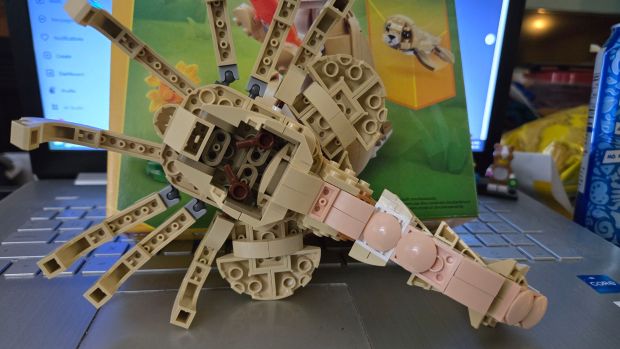
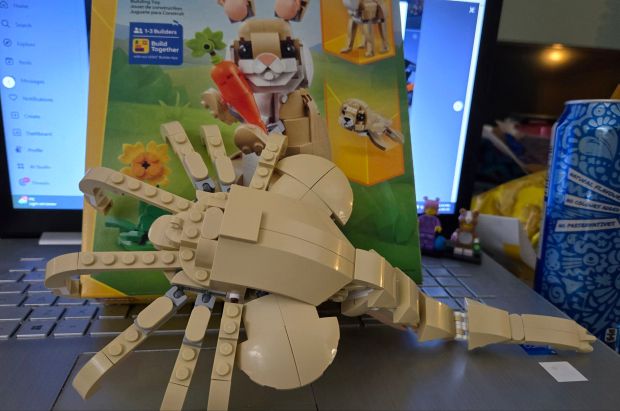
I’m certain that normally, the Lego Creator 31162 “Cute Bunny” set would make an adorable centerpiece for your Easter display. I had no intention of using it as-is. No friends, for a wise Lego fan realized early on that you can do a complete alternate build with this set, not listed in the instructions. Normally, with the instructions included, you’d either be building a bunny, a baby seal, or a deer. With the alternate instructions, you can build a Facehugger from Alien with no additional pieces!
In fact you’re left with enough pieces to perhaps build the decimated remains of an Alien Egg to go with your Facehugger. Or, at least a carrot and a flower.
The build itself was very Lego-like. The instructions are laid out exactly like official instructions, each page showing the piece counts for the piece you need to find. There were a few steps that felt un-Lego like, but I just did those steps in my own way. My instructions had a few errors and missed pieces compared to the photos, and there was one major error where the pieces were placed in the wrong order. I had to rip the bottom details apart to get the sides on, because the sides should have gone on first. It’s impossible to do it the way it was shown in the instructions I used. (I also added some leftover pieces from mine for more detail.) Finally, perhaps it was the screen I was using, but greens looked yellow and it was hard to tell pinks from beige in the instructions.
The final toy has some movement in each leg, plus a poseable tail. It’s fragile. The legs are as flimsy as they appear, but that is to be expected. In an official Lego set, there would likely be more flat plates to sturdy them up, but a Lego Creator set always uses only what’s in the main model (the bunny) to build the alternate models. In that spirit, this set is perfect.
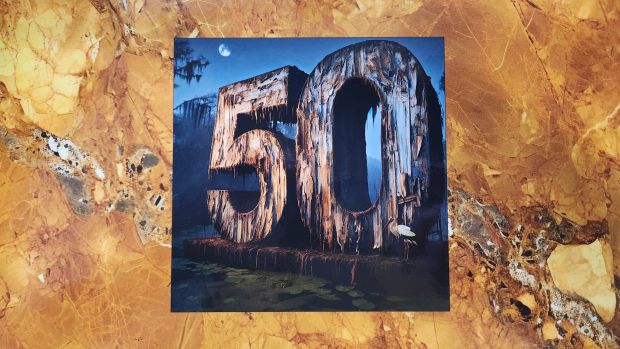
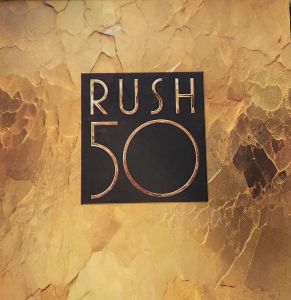
Don’t try to do any math and figure why Rush 50 is out in 2025 instead of 2024. What matters is: Rush 50 is out. It is stunning, both sonically and visually. The box art by Hugh Syme fits right in that Rush mold, akin to Chronicles. That’s to say nothing of the hardcover book inside, which we will discuss later on. The design is excellent. In the back, the CDs peek out of thee sleeve like golden coins. It’s just a really cool looking, and sounding, box set. The remastering here is terrific. Geddy’s bass is wonderfully separate from the guitars, and you can really hear the details as you remember them. Brilliant job here.
Rush 50‘s four discs follow roughly chronologically. They include a generous number of live tracks, which is not at all to the detriment of this set. Some of the live tracks come from other box sets, from live albums, and some are rare or unreleased versions. “Garden Road” is one long desired by Rush fans, though “Fancy Dancer” is conspicuous by its absence. (Don’t assume this is the last collection that Rush will release.)
In the days of downloading via Bittorrent, I found crappy vinyl rips of Rush’s first single “Not Fade Away” / “I Can’t Fight It”. I burned them to a CD, and lamented that this would likely be the only “physical” copy of the single that I would ever own. 15 or 20 years later, this new anthology-style box set Rush 50 includes the single as the first two tracks on disc one. To finally have these songs, officially, physically, and sounding so full and rich compared that that old CDr, it scratches that itch that I have as a collector. If I could afford that first single, I’d have it already. This will do even better, because it’s clean and digitally perfect. It’s also quaint. The almost psychedelic echo on “Not Fade Away” is a detail I didn’t remember.
Similarly, about 15 years ago Rush released the “Vault Edition” of the track “Working Man” for a limited time on iTunes. I burned that to a CD too. Now it is here physically, along with another “Vault Edition” of “The Trees” that I was unaware of. Now we have both on CD. Itch scratched once again.
Wisely, Rush made sure some of the biggest hits that people want are studio versions: “Closer to the Heart”, “Tom Sawyer”, and “Subdivisions” for example. Joe Average, who just wants a cool box set instead of all the albums, often ends up complaining when bands out live versions instead of studio versions of the songs they really wanted. (Trust me, I worked at the Beat Goes On for 12 years.) The other thing is, the live versions they did select are superb. Let me tell you, the Bonham-esque drums on the jammy “Before and After (live)” sound absolutely massive. It’s certainly appropriate for a band of this reputation to include so many live versions. Most of disc two is live.
With equal wisdom, Rush ended this box set with the last songs plays at the their last ever concert. Going back to the very beginning, Rush end the anthology with those final live takes of “What You’re Doing/Working Man”, with just a smidgen of “Garden Road”. It’s an emotional way to end the journey, and this box set is indeed a journey. That’s the wonderful thing about anthology style sets.
The remarkable Hugh Syme worked overtime to produce the art for the hardcover book. Yes, not only do you get words and photos, but also brand new double-page artwork for most of the songs on Rush 50. It is the kind of box set that will give you enjoyment every time you listen to it, because you can crack open that book and just study. My study has barely begun; I have not really been able to look at each and every piece of art yet. Rest assured though, Hugh Syme provides all the justification for the price of this set, with the book alone. If this were a hardcover sold in a store on its own, it would probably be at least $60 bucks as a book.
A massive career like Rush’s deserves a massive box set. You won’t believe it until you hold it in hand. This thing is monolithic; a purchase that will not be regretted.
Like my previous review of Jim Cuddy’s “We Used to Be the Best of Friends“, this is more of a share than a review. Glass Tiger’s Alan Frew is voicing his love of Canada with his new song, “Free To Be Strong and Free”. Like Cuddy’s already-classic, this song evokes some of what we love about being Canadian. It is based on simple acoustic instrumentation, and features a nice middle section that you can’t call a guitar solo, but fills that gap.
As for Alan, he still sounds fabulous, even though it will soon be 40 years since hearing Glass Tiger’s debut. “This is Canada’s song, where my heart belongs,” he sings, and you can feel his passion. You will rarely find people who love their country so much as Canadians. Alan Frew was born in Scotland, and he has written songs about that, but make no mistake: he is Canadian.
JIM CUDDY – “We Used to Be the Best of Friends” (March 7 2025)
This is less a review, and more of a share.
We currently live in the darkest times in our lives. Decades of history washed away. The gravity of this situation is hard to express. Google “Manifest Destiny”.
Jim Cuddy has captured our disappointment and fear in his brilliant new song “We Used to Be the Best of Friends”.
The poignant final lines are simple. “Give us a call when the fever ends…maybe we can be best friends again.”














 mikeladano.com