Reviews

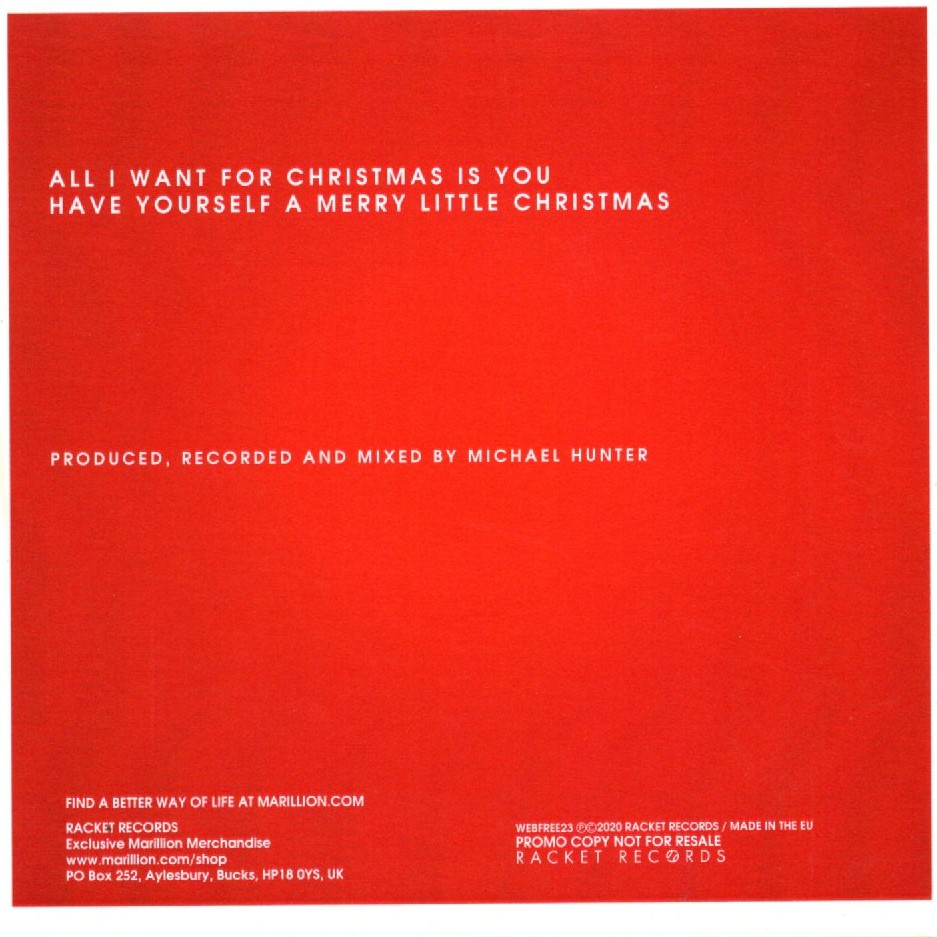
REVIEW: Marillion – Christmas 2020 (single)

MARILLION Christmas 2020 (2020Racket Records CD single)

For those who love the numbers (hands up, both of you), here are some Marillion 2020 statistics for you:

  • This is the third Marillion single in 2020, after the “Easter” and “Made Again” home recordings.
  • This is the sixteenth Marillion Christmas CD.  A full list of them can be found at bottom.

This year it’s a simple two-track CD single, instead of a live album, and it’s better that way.  Not that a double live CD isn’t a fine way to spend Christmas, but this just feels more…Christmas-y.

Both tracks are produced by Michael Hunter.  “All I Want for Christmas is You” features jingle bells, and the full band givin’ ‘er.  Nice to hear Marillion just rocking!  This is what I want to hear this Christmas — a party.  Ian Mosely doesn’t get to pound a simple one out like this much anymore.  This is good time Marillion Christmas dance party track — and there are not many of those!  They even managed to squeeze in a so-cool Steve Rothery guitar solo without losing the fun.

For the sentimental type, enjoy a lovely “Have Yourself a Merry Little Christmas”.  Hard to believe Marillion haven’t covered this one yet, but they have now!  They do it with piano, keyboards and light accompaniment.  It’s done just the way you want to hear it, around the fire after the kids have been tucked in.  Listen for Steve Hogarth’s Christmas message at the end.

Two Christmas songs done so perfectly that even a Grinch-like curmudgeon can enjoy them.  What else do you want for a free Christmas CD?

5/5 stars

Marillion Christmas CD collection

REVIEW: Kim Mitchell – Greatest Hits (1995)

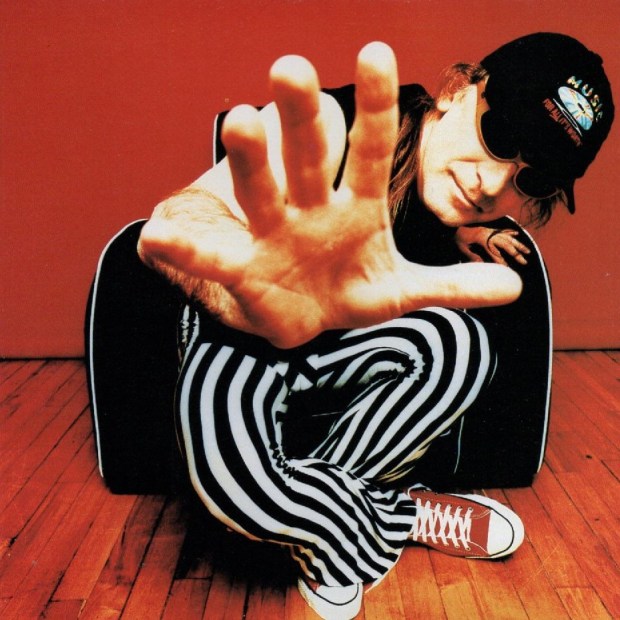
KIM MITCHELL – Greatest Hits (1995 Alert)

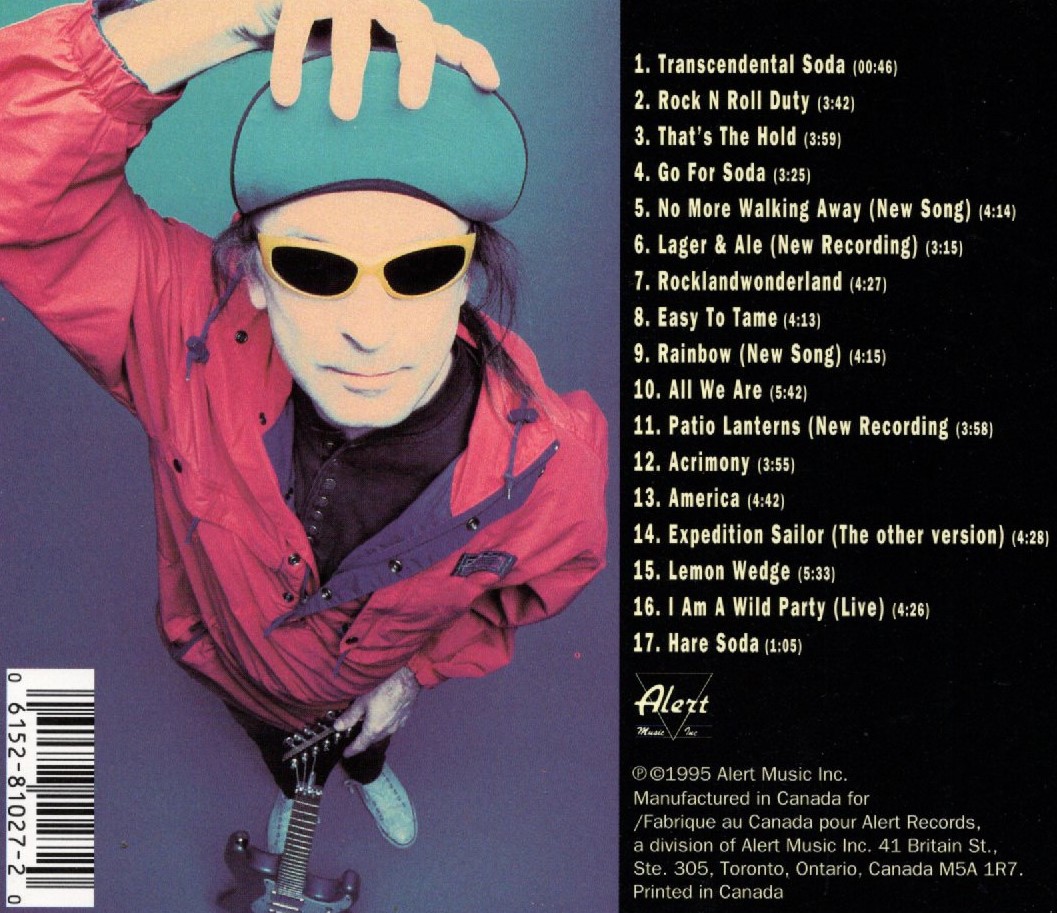
Five studio albums, one live and an EP to boot:  Definitely enough music to justify your first solo Greatest Hits.  For added value, Kim included a bunch of new and unreleased music.  With 15 songs and over an hour of music, Kim Mitchell’s Greatest Hits is an easy buy for fans and collectors.  For new fans it’s not quite ideal, for reasons we’ll get in to.

Long time fans will remember that Kim’s prior band Max Webster issued a greatest hits called Diamonds Diamonds with two new songs.  This album follows suit with two brand new tracks recorded for this set.  “No More Walking Away”, co-written by Pye Dubois, is an electric ballad with stunning guitar tones.  This is in the same lane as some of Kim’s previous ballads from Rockland or Aural Fixations; very much a “later Kim” sound.  Long time fans will love hearing Peter Fredette on backing vocals.  The other new song, “Rainbow”, is a straight-on hard rocker.  With Andy Curran on lyrical duties, “Rainbow” is just good time Kim rock as you have grown to expect it.  It goes without saying that his guitar playing is tremendous.  The chorus goes all the way to the clouds.  “I’m bringin’ you back your rainbow,” sings Kim and you better believe it.

In addition to the new songs, this time Kim also included two re-recordings.  This is unfortunately where first-time buyers are going to be let down.  One of Kim’s biggest career hits was undoubtedly 1986’s “Patio Lanterns” from Shakin’ Like a Human Being.  This compilation includes a new arrangement, which is actually quite cool.  It’s twangy and has lots of guitar play.  But that’s not the version that old folks remember from highschool — not even close.  The tempo they used to dance to is gone.  This version, excellent as it is, unfortunately is only for people who already own the original.  The other re-recording is the less sacred “Lager & Ale”, originally from Akimbo Alogo.  The vocal line is slightly modified, but this one shouldn’t upset too many people.  The Akimbo original remains the best version.

What else is to be found on this disc?  We have the opening and closing bits called “Transcendental Soda” and “Hare Soda”, which are simply snippets from the live intro to “Go For Soda”.  Nothing too special, but elsewhere you’ll find some cool stuff.  “Expedition Sailor” is credited as “The Other Version” which is a remix from the music video, long unavailable to regular folks like us.  This fine ballad was a decent hit back in 1989-90 so it’s nice to own that elusive video mix.

That’s it for the special stuff listed on the back, but there are two hidden surprises within.  Between “Rainbow” and “All We Are” (the live version from I Am A Wild Party) you will find 30 seconds of a demo.  This is a demo for “All We Are”, and the tape could even date back to the Max Webster days since that’s when he wrote the tune.  That’s gold.  What a cool way to introduce “All We Are”.  The other surprise is evident by the track times.  Hit single “Rocklandwonderland” is missing the fade out, and runs out to its actual end.  It just ends — the guys just stop playing.  Really cool unlisted bonuses here.

As for the rest, it’s the hits!  All singles (though some only for radio), except for “Lemon Wedge” which was a hit with the fans.  Though it doesn’t suit everybody’s needs, Greatest Hits still plays well and scratches some of those big Kim itches.

4/5 stars

REVIEW: Iron Maiden – Nights of the Dead – Legacy of the Beast – Live in Mexico City (2020)

IRON MAIDEN – Nights of the Dead – Legacy of the Beast – Live in Mexico City (2020 Parlophone)

I feel a bit like a jackass reviewing this, because so many people I know caught this tour, or at least one of the recent tours, and I’ve never seen Maiden live.  I only have these live albums to go by.  But what I like about Iron Maiden is that they take the time to document almost every single tour since the Bruce reunion era began.  (Only three tours did not receive a live album.)  The Legacy of the Beast tour was in support of a video game, and featured a sort of “legacy” setlist, heavy on the old classics with a small smattering of more recent material.  This prevents too much crossover with the prior live album, The Book of Souls – Live Chapter.

Without going track by track, I can tell you that Nights of the Dead was pieced together from three shows in Mexico City, much like Live After Death in Long Beach and Hammersmith.  Even so, Bruce’s voice only tends to get stronger as they go further down the setlist.  By “Hallowed” and “Run to the Hills”, it sounds like the man is just warming up!

The setlist is a delightful mix of hits, deeper cuts and the odd recent classic.  “Where Eagles Dare” from Piece of Mind whips the throng into immediate hysteria.  “Revelations” from the same LP has a certain contemplative gravity that it brings to any live album, and hearing it here is sheer nostalgic delight.  Two Blaze-era songs return to the set in “Sign of the Cross” and “Clansman”, both lengthy epics.  Enhanced by the three-guitar lineup and the Air Raid Siren, can we say these versions challenge the originals for supremacy?  Though it wasn’t written for Bruce, “Sign of the Cross” has more dynamics with him at the microphone — he adds a few high notes for embellishment.  Not to mention the depth that the third guitar adds to a song that was always a bit thin sounding.

Reunion era Maiden is cut back, leaving only “Wicker Man” and the always welcome “For the Greater Good of God”.  Both deserving songs.  Stuff like “Wicker Man” (and the earlier “Flight of Icarus”) really pump up the adrenaline levels by keeping it short, sharp and unshackled.

Then you have the stuff that you have to call “the hits”:  songs like “Aces High”, “2 Minutes to Midnight”, “Trooper”, “Beast”, “The Evil that Men Do”, “Iron Maiden”, “Fear of the Dark” and “Run to the Hills”.  These are the Maiden standards; a serving of essentials that everybody has connected with at some point in their life.  Some of them float in and out of setlists, and some always remain.

A word should always be said about the packaging and artwork of any Iron Maiden album.  The Mexican-themed Eddie can be found in a couple pieces of art inside and out.  Manager Rod Smallwood wrote the included liner notes, explaining that the live album came to be when the world came to a halt due to Covid-19.  Yay Covid?  Joking aside, Smallwood’s notes are always informative to read while rocking along to the CD.  There is even a mini 2021 tour poster (let’s hope!) included, with the Trooper version of Eddie surrounded by iconic imagery from prior Maiden artwork.  Icarus, the mushroom cloud from “2 Minutes to Midnight”, a crashed Spitfire…have a look.  Finally, a sticker sheet is an added bonus though most of us will be keeping the stickers intact, I reckon.

Perhaps it’s just giddy glee that there’s a new Maiden live album to cap off this year, but Nights of the Dead is so good that I wouldn’t change a thing.

5/5 stars

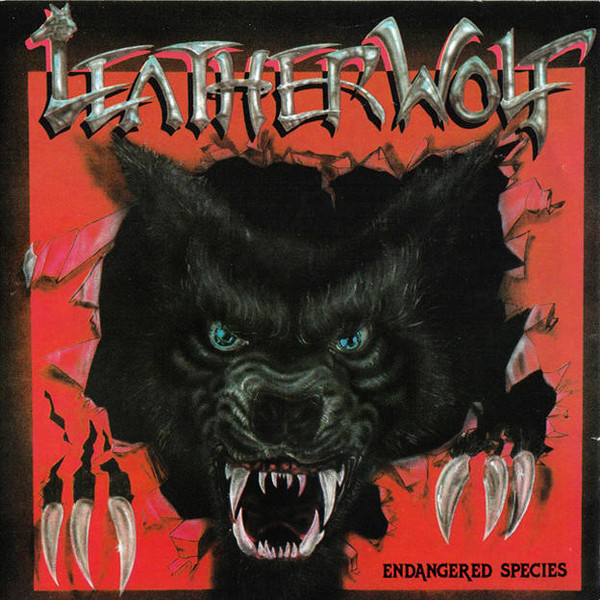
REVIEW: Leatherwolf – Endangered Species (1984)

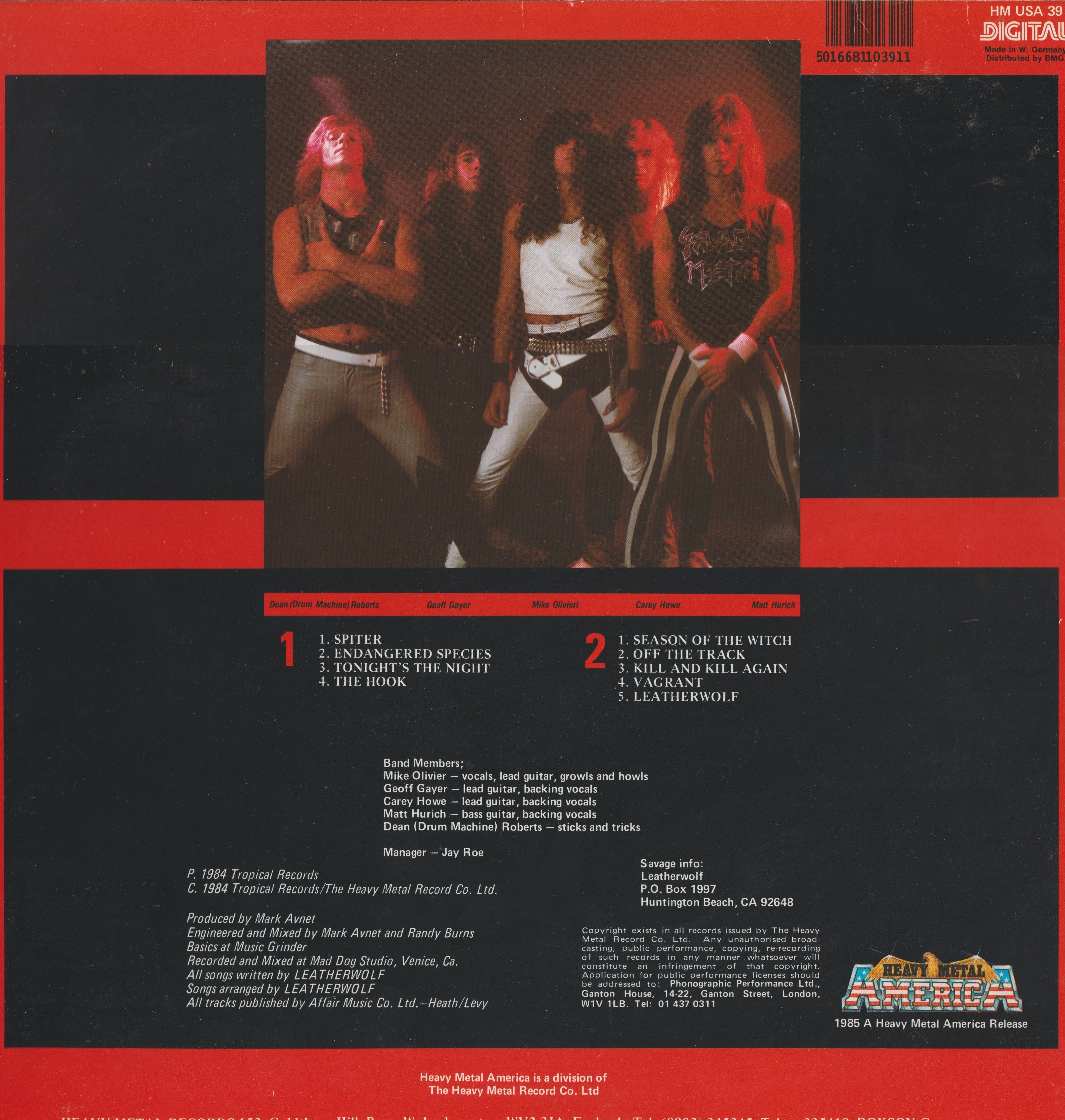
LEATHERWOLF – Endangered Species (1984 Tropical Records / 1985 Heavy Metal America)

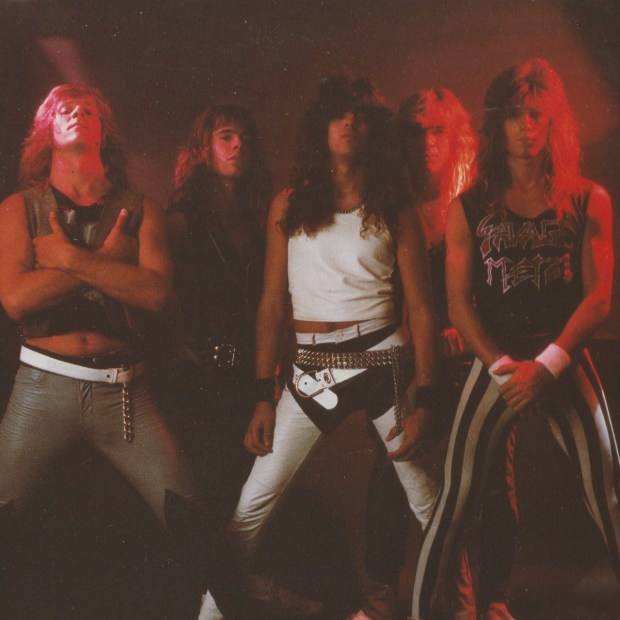
Leatherwolf carry on today but their origins are found on a humble indi debut from Heavy Metal America records back in 1984.  The Florida band’s original lineup boasted lead vocalist/guitarist Michael Olivieri, who was finding his feet here on the first album.  His voice was enviable; the fact that he could play guitar led to a gimmick called the “triple axe attack” long before Iron Maiden were able to execute the concept themselves.

Opening track “Spiter” takes influence from the aforementioned Iron Maiden as well as the thrash scene on the west coast.  Its blast of metal power serves to open the album with gusto.  The title track “Endangered Species” has a cool layered riff that is almost buried beneath the heavy production.  This is a busy band, with drummer Dean “Drum Machine” Roberts keeping all limbs in a flurry.  A great vintage heavy metal track here, just begging for a recording less flat and brittle.  Plenty of hooks and ideas packed into five minutes.

“Tonight’s the Night” isn’t as memorable, though Olivieri sure gives the vocal his all.  I can’t but laugh at “The Hook”.  “Hey honey, looking for a date?”  Songs about the world’s oldest occupation oh so often veer into cringe territory.  This is no “Charlotte the Harlot” though that seems to be the intent.  “Keep your eye out for the hook!” sings Michael.  The quiet section in the middle is pretty cool and there are multiple nifty riffs, but the song is a clanker.

Side two begins with acoustic guitars, a needed change of tone, and soon it’s back to hammering riffs.  “Season of the Witch” isn’t half bad.  As usual one riff just isn’t enough.  An amped-up Beast-era Iron Maiden seems to be the primary influence.  “Off the Track” has a shouted chorus that passes for a hook.  Not bad, but somehow incomplete like its parts weren’t fully assembled.  A slower tempo and sonic effects make “Kill and Kill Again” an effectively heavy change of pace.  A lot of Maiden in the faster outro, though.  Then accelerate into “Vagrant” which is further into the thrash side, but the production renders the guitars too tinny and without depth.  Fortunately the album closes on title track “Leatherwolf”, a mighty strong Priest-like street fight.

Though they still remained a heavy metal band with three lead guitarists, Leatherwolf added considerably more commercial elements such as ballads and keyboards by the time of their major label debut.  Michael Olivieri would tone down the screamy side of his style, which is used excessively here.  The band had a lot of room to grow, but their youthful exuberance helps make up for it.  There are a few worthwhile tracks that may have a place in your collection, and any fan of the heavier side of vintage metal will enjoy a spin.

2/5 stars

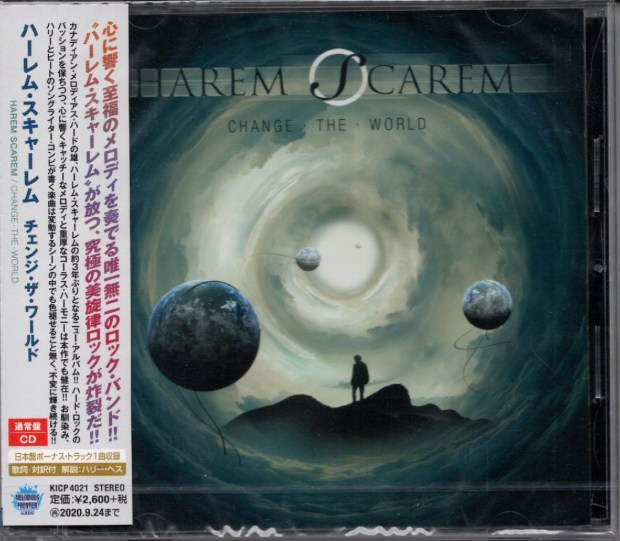
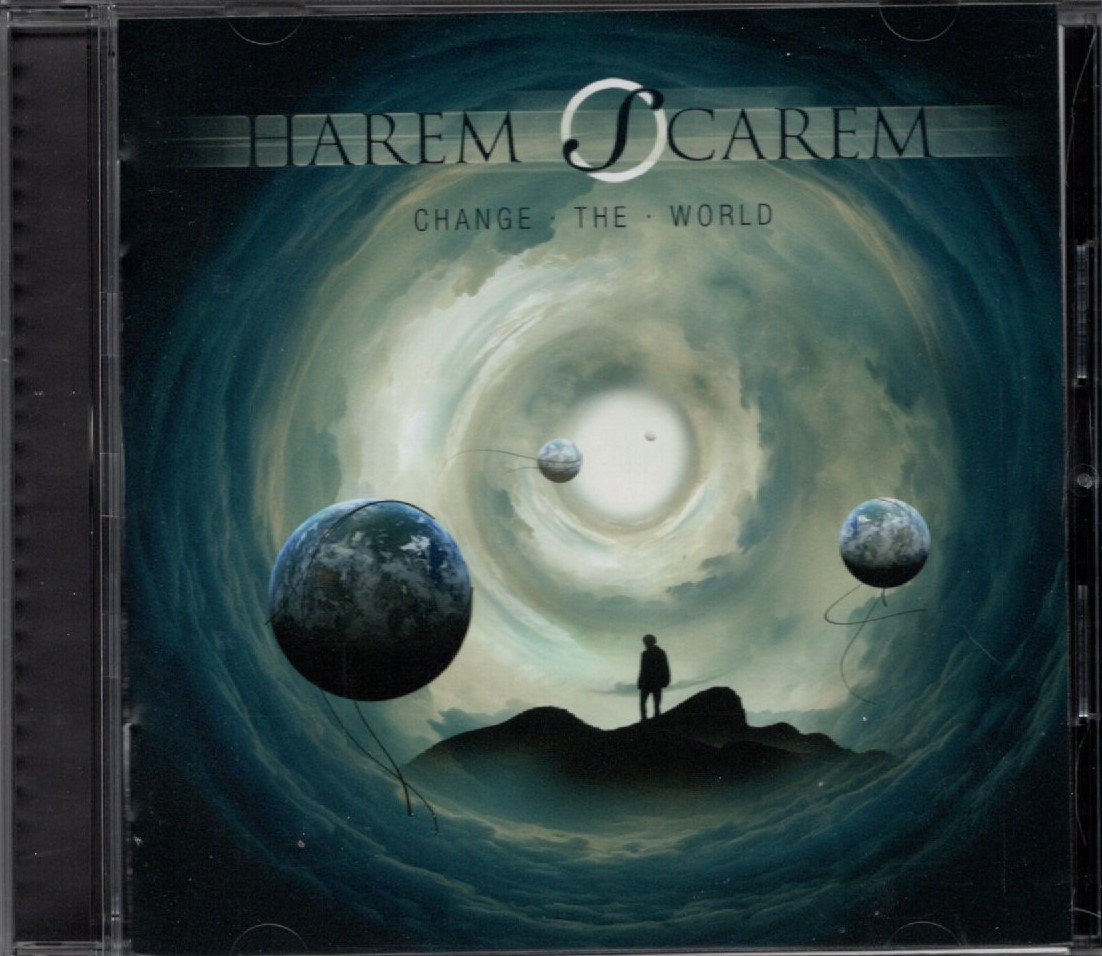
REVIEW: Harem Scarem – Change the World (2020 Japanese import)

HAREM SCAREM – Change the World (2020 Frontiers Japanese import)

One of the greatest melodic rock bands in the world is Canadian and 30 years since their inception, they still got what it takes.  Pete Lesperance, Harry Hess, Creighton Doane and Darren Smith can be counted on to deliver some great professional singalong tuneage every time.  Not every album has been brilliant (some people don’t like the Rubber era, I’m not big on Voice of Reason) but with their latest Change the World, Harem Scarem is back on top.

The upbeat title track opens the celebration with chiming guitar notes wrung from the neck.  “You and I are gonna change the world,” sings Harry with an uplifting melody.  Pete’s got his back with hooky guitar fills.  A track like this could have easily come from peak period HS, like 93’s Mood Swings.  “Aftershock” has a little more bite, but the same kind of killer chorus.  For those unfamiliar, expect thick, heavily layered choruses with all four guys singing multitracked backing vocals.  It’s like Def Leppard with more balls.  Yet it’s also their own song because Harry Hess’ voice has not changed one iota.  It’s just as powerful as it was on 1985’s Blind Vengeance debut, only better!  “Searching For Meaning” hearkens back to the pop sensibilities of Rubber, but richer in tone and with a heavier slam.

Things go darker on “The Death of Me” without losing the edge.  It’s not about defeat, it’s about keeping up the fight.  “I know you won’t be the death of me!”  An apt tune for 2020.  “Hit the panic override!” urges Harry.  Keep calm and carry on!

The piano comes out for the first ballad “Mother of Invention”.  The vocal arrangement here is quite nice though the song isn’t all that memorable.  The bass-driven “No Man’s Land” is more unique, and has one of those choruses that is so hard for forget.  Then head for space on “In the Unknown”, a softer burner of a track that launches into the stratosphere, fuelled by killer hooks.  This is Harem Scarem’s bread and butter.

If you think a song with a title like “Riot In My Head” should be faster and more intense, then you got your wish.  The riff sounds as if lifted from a classic 80s racing song.  Great track, as is the ballad “No Me Without You”, with its slight nods to the Beatles.  It’s back to the racetrack with “Fire & Gasoline”, an absolute smoker of a song.  There’s a classic Lesperance guitar solo to savour and a bangin’ beat to bash your head to.  The standard album then concludes on “Swallowed By the Machine”, another defiant fist pumping rocker.  Get psyched with lyrics such as “We all have dreams, we all have doubts, be careful which you feed, and don’t get swallowed by the machine.”  A rip-roaring guitar workout a-la Nuno Bettencourt takes it to another level.  Talk about ending the album on an up!

Of course, those who go the extra mile and purchase the Japanese CD get the extra track, an acoustic recording of “No Man’s Land”.  It’s an interesting alternative though not as impressive as the original.  Still a cool little coda, and still ending the album on an up note.

For a humble band from Canada that a lot of people aren’t even aware of, Harem Scarem have a remarkably huge discography.  There are more peaks than valleys, but Change the World is definitely evidence that this band has more to give.  One of the finer rock records of 2020.

4.5/5 stars

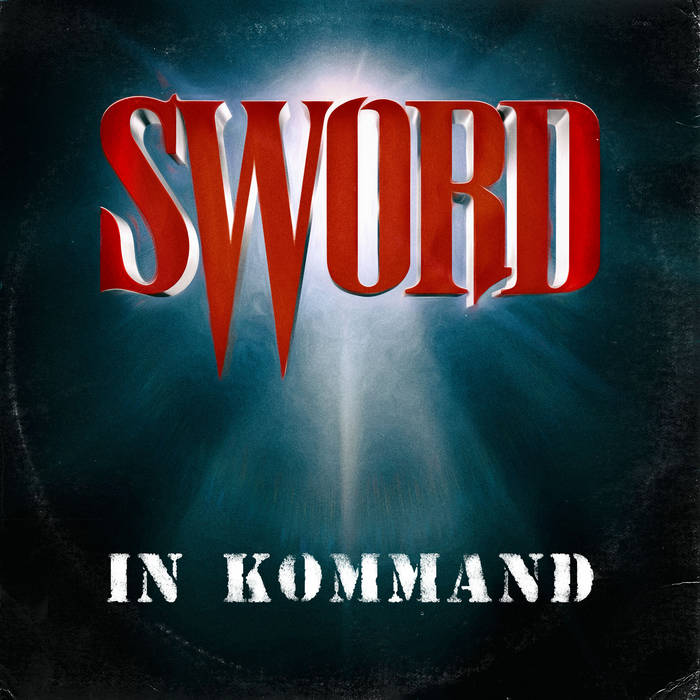
REVIEW: Sword – “In Kommand” (2020 single)

SWORD – “In Kommand” (2020 Combat single)

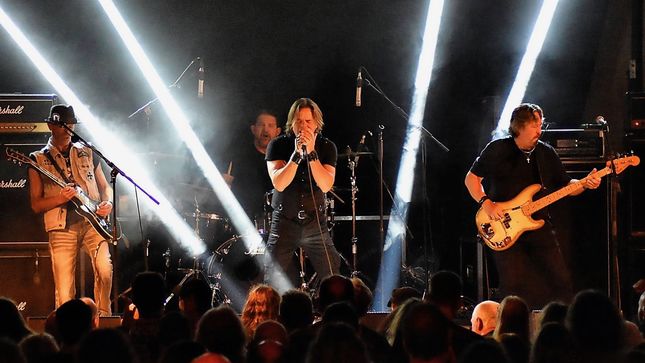
For only two bucks, you could be the owner of the first new Sword single in 32 years.  The Quebec band made up of Rick and Dan Hughes, Mike LaRock, and Mike Plant have not released a new song since 1988’s Sweet Dreams.  Yes, that’s all four original members, intact and back for Round Two.  Don’t say nothing good came from 2020!  New Sword — betcha didn’t see that coming.

Sword reverted straight to their trash roots on “In Kommand”, a blitzkrieg of a tune with all the necessary goods:  riffs, chugs, and heavy drum blasts.  It would have been among Sword’s heaviest songs if it was on one of their older albums.  How have they not aged?  Over the course of 32 years, it is usually the singer who has changed the most.  Rick Hughes can still get the job done, even throwing in some screams for old times’ sake.  Incidentally, Mike Plant has never gotten his due as a lead guitarist either, and it’s like he hasn’t skipped a beat since 1988.  If there is only one highlight to “In Kommand”, it is the guitar playing of Mike Plant.

According to Rick Hughes, there is an album coming.  They have Dave Ellefson and Combat Records behind them.  “In Kommand” will have to tide us over until then, but things are sounding good so far.  While Sword albums have always been diverse with an assortment of different kinds of heavy, this track is a good sign.  It means they can still do what the fans expect.  If “In Kommand” is anything to judge by, we have an excellently heavy Sword album in our futures.

3.75/5 stars

Support the artist!  Buy the track, don’t just Spotify!


#869: Piece of Mind

GETTING MORE TALE #869: Piece of Mind

Trying to remember exact details is a bit like filling in the blanks, but here are the facts that I know I can state with confidence:

  1. The vinyl copy of Piece of Mind by Iron Maiden is the original that I bought back for Bob Schipper as a gift in the mid-80s.
  2. It was purchased at a music store in Kincardine, Ontario.
  3. It ended up becoming my property because he already had it.

I think it had to be the summer of 1985.  I remember being on vacation at the cottage.  I was just getting into heavy metal.  I know the basics but not the details.  Being away from home, I missed my best friend Bob, but I looked forward to getting him a birthday present.  I wanted to get him an Iron Maiden album.  I thought that he didn’t own Piece of Mind, and there it was in stock at this little music store on the main street of Kincardine.  I got it for him, or, more likely, I picked it out and my parents paid for it.  I was 12 turning 13.

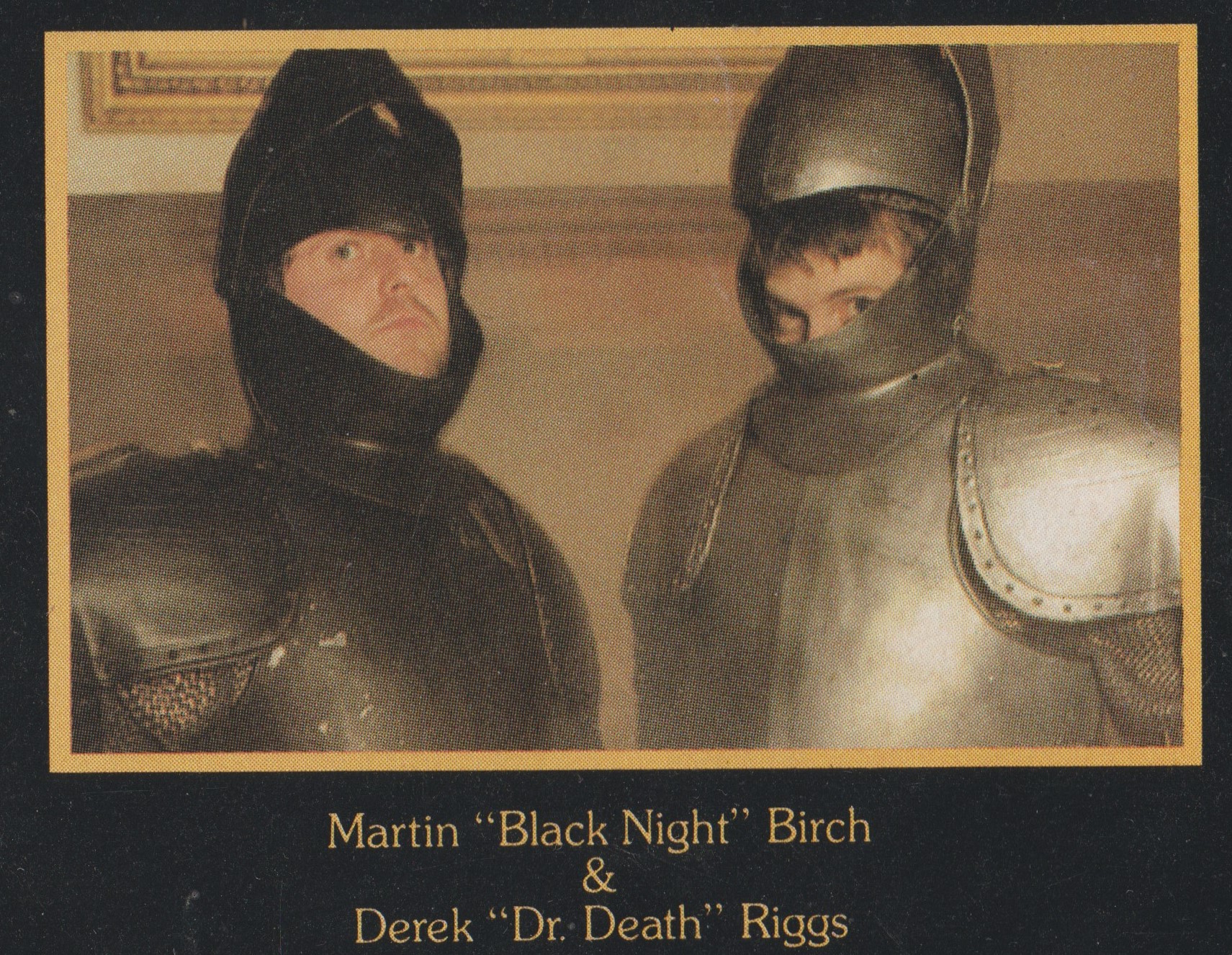
For some reason, I think the record did not come sealed.  Again, memories are hazy here.  I might have known two songs:  “The Trooper” and “Flight of Icarus”.  I seem to remember looking at the credits and wanting to tell Bob about these two guys pictured inside named Martin “Black Night” Birch and Derek “Dr. Death” Riggs.  Bob knew the names of the band members, sure, but did he know these two guys?  I actually didn’t note that it was spelled “Black Night” instead of “Black Knight”, nor would I have caught the Deep Purple reference if I did.

On the other side of the inner sleeve, I thought Bob would love the photo of the band at the banquet table, Bruce wielding a mean looking blade.  At that point, I at least knew who Bruce was.  I also recall that the neighbour kids liked Dave Murray least because they thought he looked kind of goofy.  Meanwhile, Adrian Smith appears absolutely flabbergasted at the feast before them.

I looked forward to giving Bob the record, but there was a hiccup of some kind.  Either he already got Piece of Mind, or the LP format wasn’t good for him anymore.  He would have had to play LPs on the living room stereo rather than his own bedroom’s tape deck.  It could even have been both those things.  Either way, because of that well-intentioned gift, I ended up with my first Iron Maiden.

I consider myself lucky to have this record so early in my life.

By ’86-87, I was spinning it pretty regularly on the turntable.  I was lucky enough not only own this album as a young teen, but to even have a turntable in my own bedroom.  My parents weren’t going to use it anymore, so they handed it down.  Any time they wanted to hear a song from their records, I would tape it for them.

I can recall studying for exams in the 9th grade playing Piece of Mind, and a Triumph single, in constant rotation.  Although I should have had my mind on other things, I ended up memorizing the lyrics of the Dave Murray tune “Still Life” instead.  It was one of my first love affairs with a deep cut.  I mostly memorized “Sun and Steel” too.  I practiced singing these songs in my bedroom.

I had the writing credits committed to memory.  I liked all the songs.  It was an extraordinary album to me.  Few were the albums where I truly liked all the songs.  Some more than others, (“Quest For Fire” is perhaps not as good as “Revelations”, yeah?) but I liked them all for their own reasons.  Even the twisting, complex “To Tame a Land” was a cool Iron Maiden epic, though certainly not as accessible as “Rime of the Ancient Mariner” or “Alexander the Great”.

20 years later I went full circle back to Piece of Mind once again dominating a time in my life.  I had finally quit the Record Store and was working a blissful job in the mail room at United Rentals.  I had just started reading Frank Herbert, starting of course with Dune.  This led me right back to Piece of Mind and “To Tame a Land”.  And finally, I memorized those lyrics too.  “He is the Kwizatz Haderach, he is born of Caladan, and will take the Gom Jabbar”.  I finally understand what the shit those words meant!  Insofar as a layman in the Herbert world, anyway.  The lyrics are a bit ham-fisted, but did it matter?  No, of course not, as I sang the words over the incessant rattle of that mail machine.

It was a contraption of aligned (or mis-aligned more often than not) components, at least 10 feet long.  Place a carefully sorted stack of invoices in one end, load a handful of windowed envelopes somewhere in the middle, and in theory, the thing would fold, insert, seal and stamp all the mail.  In reality it required constant babysitting at almost every step, but I soon became its master.  And I sang away in victory:

The time will come for him
To lay claim his crown
And then the foe yes
They’ll be cut down
You’ll see he’ll be the
Best that there’s been
Messiah supreme
True leader of men
And when the time
For judgement’s at hand
Don’t fret he’s strong
And he’ll make a stand
Against evil and fire
That spreads through the land
He has the power
To make it all eeeeeend!

Even over the clanking of that machine, I could still be heard.  I knew that, and I kept singing anyway.  I actually loved that job and wanted the world to know it.  I was so happy to be free of the Record Store.

Playing back Piece of Mind today is like putting on an old familiar T-shirt.  It fits just right, no adjustments needed.  Eventually you forget that it’s there, except that for persistent smile on your face.  Peace of mind indeed.


REVIEW: Alice Cooper – Classicks (1995)

ALICE COOPER – Classicks (1995 Sony)

Here’s a bargain basement perennial that you may have missed but might want to reconsider. If you like Alice Cooper — specifically the five year span of 1989-1994 — then this compilation is for you! If you collect Alice Cooper — specifically rare live tracks that have been released on VHS but mostly unavailable on CD — then this compilation is for you!

Classicks isn’t a particularly bad CD, but its limited focus means limited appeal.  Sony only had the rights to a smidgen of Cooper albums so they made due with what they had.  That meant the albums Trash, Hey Stoopid and The Last Temptation, and the home video Alice Cooper Trashes the World.  Of those releases, only The Last Temptation is really given any kind of critical acclaim today.

Classicks begins promisingly enough.  “Poison” is indeed a classic, thanks to that lush Desmond Child vocal production.  The hooks never stop, but “Poison” is the only bonafide classic on the Trash album.  Nothing else comes even remotely close, though “House of Fire” (written by Bon Jovi for New Jersey) has its moments.  Missing is the ballad “It’s Only My Heart Talkin'” with Steven Tyler cameo.

Hey Stoopid‘s guest-laden title track lead single was phenomenal, if not quite as awesome as “Poison” from TrashHey Stoopid was a bit tougher in stature than Trash, and a couple more singles can be found here:  “Love’s a Loaded Gun” and the absolutely massive “Feed My Frankenstein”.  You can thank Wayne and Garth for that one; there is no other way that song was going to be a hit in 1992.  But it was, and you can quote every word of that Wayne’s World scene.  I know you can.

The material from The Last Temptation has stronger bones but not as many candy-coated hooks.  Three tracks total:  smoking first single “Lost In America”, ballad “It’s Me”, and the epic Chris Cornell duet “Stolen Prayer”.  While all three are good ones, “Stolen Prayer” is truly special.  Chris (who wrote the track with Alice) was in peak voice and when he lets it rip at the end, hold on!  An acoustic-electric classic, worthy of far more attention than it gets.

The rest of the CD contains live versions from Trashes the World, all oldies that Sony didn’t have access to otherwise.  The lineup here features some of the guys you saw in Wayne’s World, such as Al Pitrelli & Canadian Pete Friesen (guitars) and keyboardist Derek Sherinian.  Tommy Caradonna and the inimitable Jonathan Mover are the rhythm section for these tracks.  All tracks have those telltale 80s guitar accoutrements.  “Under My Wheels” is rendered a bit faster than usual, but the guitar solos shred.  Likewise with “Billion Dollar Babies”.  “I’m Eighteen” is slower and brooding.  Alice’s opening rap to “No More Mr. Nice Guy” is a gas, although the song’s played a little heavy handedly.  “Only Women Bleed” is reliable, and “School’s Out” is “School’s Out” is “School’s Out”.  “You better know this one,” as Alice says.

Tacked on at the end is Alice’s cover of “Fire” by Jimi Hendrix, not to be confused with his cover of “Fire” by The Crazy World of Arthur Brown.  This B-side (to “Love’s a Loaded Gun”) wasn’t the best B-side available (that would be “It Rained All Night”) but at least it’s full of energy.  Whoever that is on guitar (Stef Burns?) rocks.

It’s obvious from the tracklist that this album was just Sony trying to cash in.  Cooper’s contract must have been up.  They tossed in the six live tracks to lure in any collectors who wanted them on CD rather than VHS.  Classicks can often by found brand new in the $5 range — pay no more than that.

2/5 stars

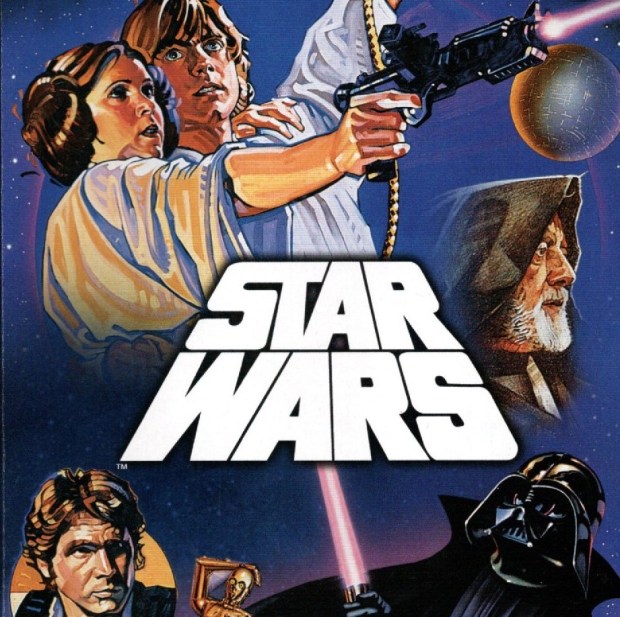
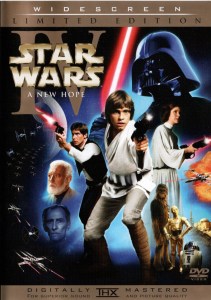
MOVIE REVIEW: Star Wars (1977)

STAR WARS – Original theatrical (1977) version
As released on the 2006 Lucasfilm Limited Edition DVD

Directed by George Lucas

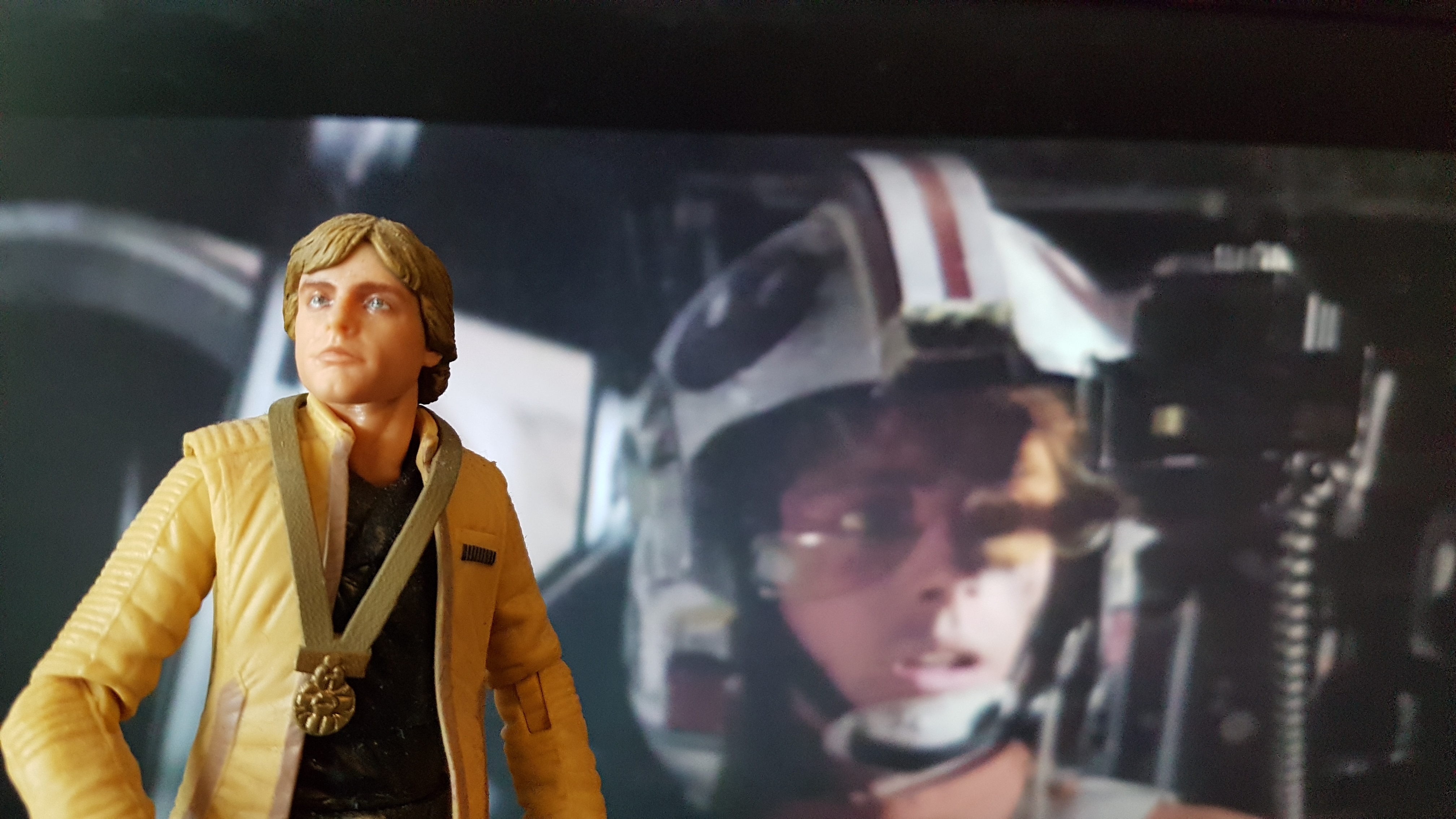
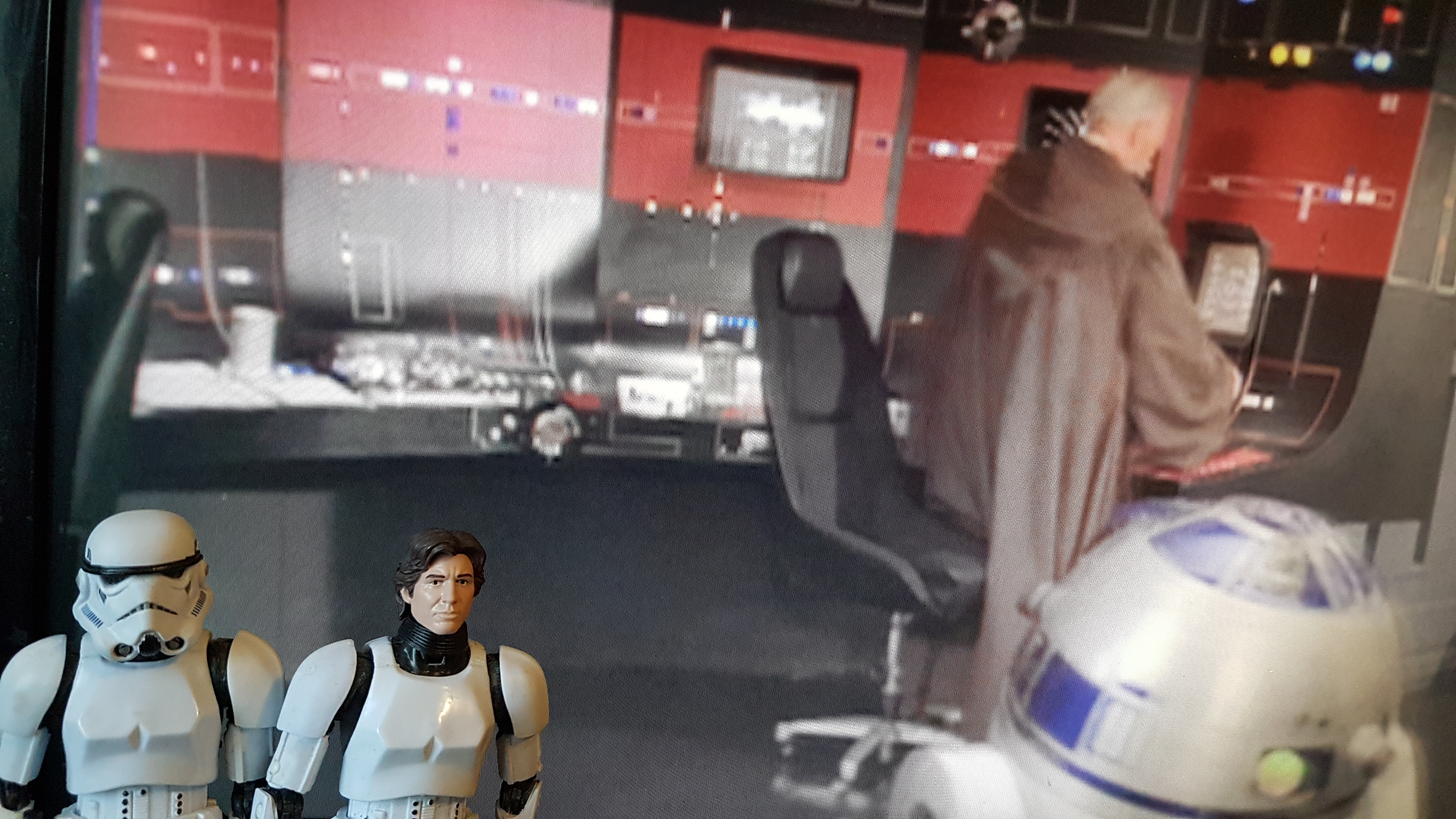
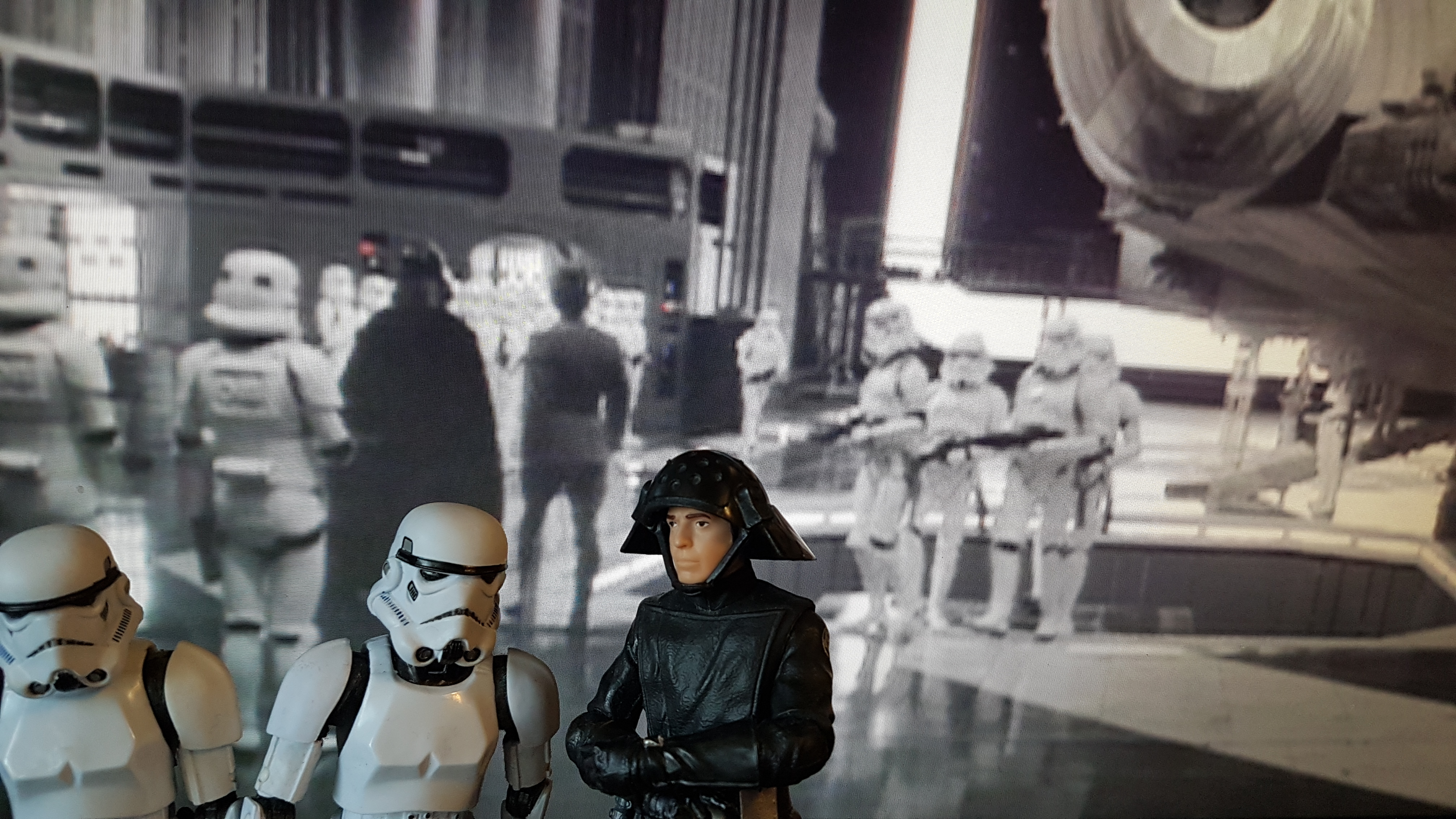
In 1977 my parents took me to see Star Wars for the first time, like millions of other kids my age.  By the end of the year, terms like “The Force” and “Millennium Falcon” were commonly spoken among children like secret code, while remaining merely gibberish to their teachers.  Because of the availability of cool action figures and vehicles by Kenner, Star Wars became much more than a mere movie.  Its world building potential meant that kids were using the characters and settings to make their own adventures.  It became…forever.  A part of culture.  The image of Darth Vader will be found by future archaeologists the same as ours today find carvings Apollo and Zeus.

We memorized this movie.  Lines like “It’s an energy field created by all living things. It surrounds us and penetrates us; it binds the galaxy together.”  We could recite them with perfect cadence and intonation, albeit an octave high.  But we didn’t understand all the words we were saying, or what it really meant.

Reviewing this movie is like revisiting an old friend to reminisce about the good times.


For the most authentic Star Wars re-watching experience, the 2006 Lucasfilm double DVD edition provides the theatrical version most of us grew up with and knew by heart.  There was no A New Hope, no episode number.  We saw Star Wars three times in the theatres.  After that, everyone had to wait for TV broadcasts or video rental if you wanted to watch Star Wars.  Except back then, there were only “fullscreen” tapes available for rental at the local store.  For many years, we completely forgot about certain alien creatures that were cropped out for home video!  This DVD is a reminder of those times, and how lucky we are today to have so many viewing options available.  (Including a new 2019 Disney+ version of the film. I say “Maclunkey!”)

When he conceived Star Wars, George Lucas had plenty of backstory sketched out.  He assumed he only had one shot at making it, and so chose what he felt was the best and most exciting part of the overall story.  In a way, Star Wars always had a leg up on everything that came later for that reason.  The origin story of the farmer boy that leaves home to save the world is a setup taken from classic lore, and put on screen in an original way by turning it into a space fantasy.  With the benefit of hindsight, could it even lose?

Actually yes — if the special effects weren’t as convincing as they are.  Those artists took Ralph McQuarrie’s crucial conceptual art and turned drawings into filmable 3D objects that look worn, used and real.  Using bits of plastic battleship model kids and parts taken from cameras, a universe that looked as real as the world we live in was created.  Then they innovated further using blue screens and skill, creating dynamic space battles that surpassed anything we’d seen before.  One key innovation was the idea to choreograph the space battles based on actual World War II dogfight footage.
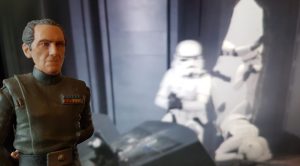
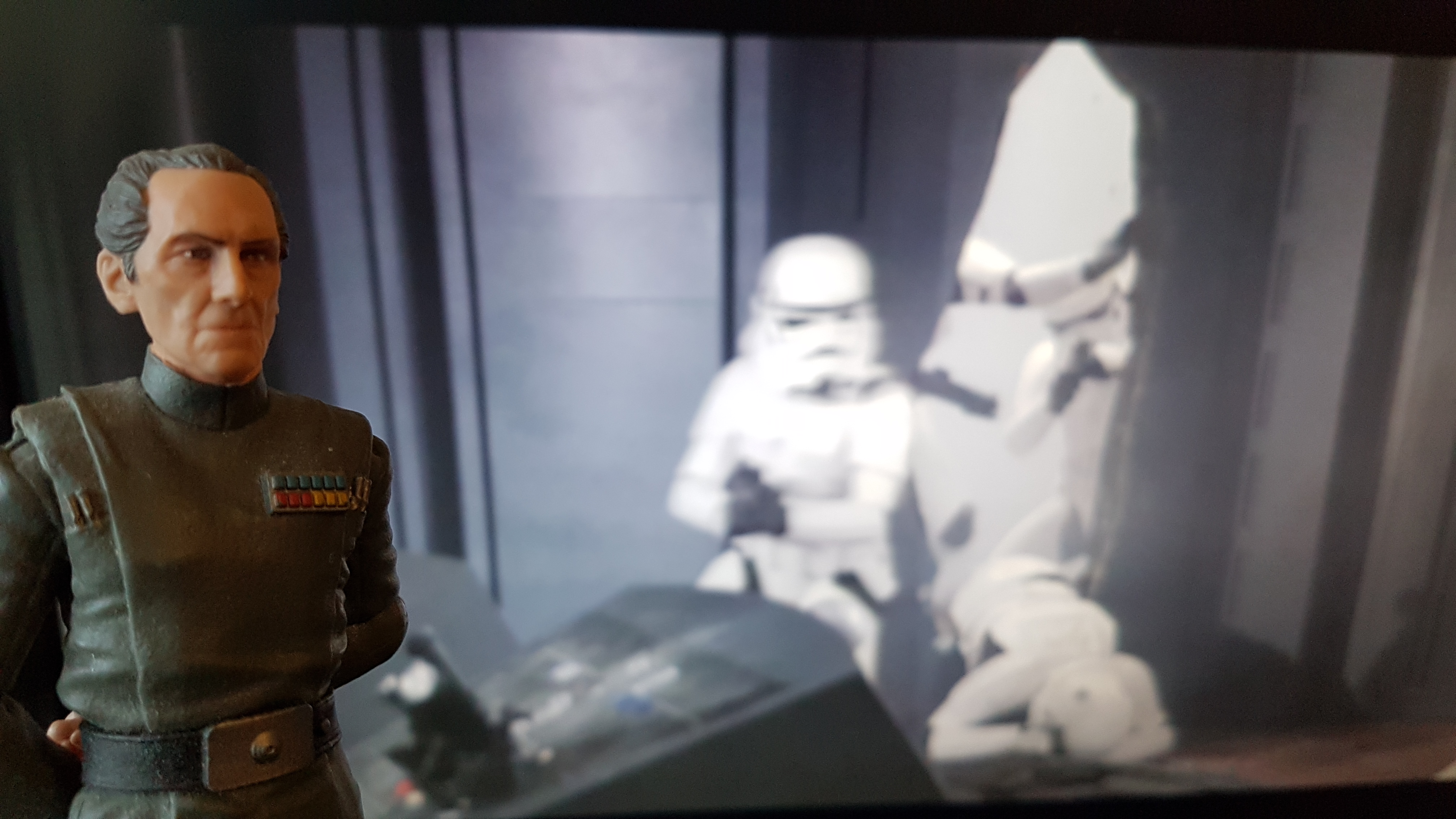
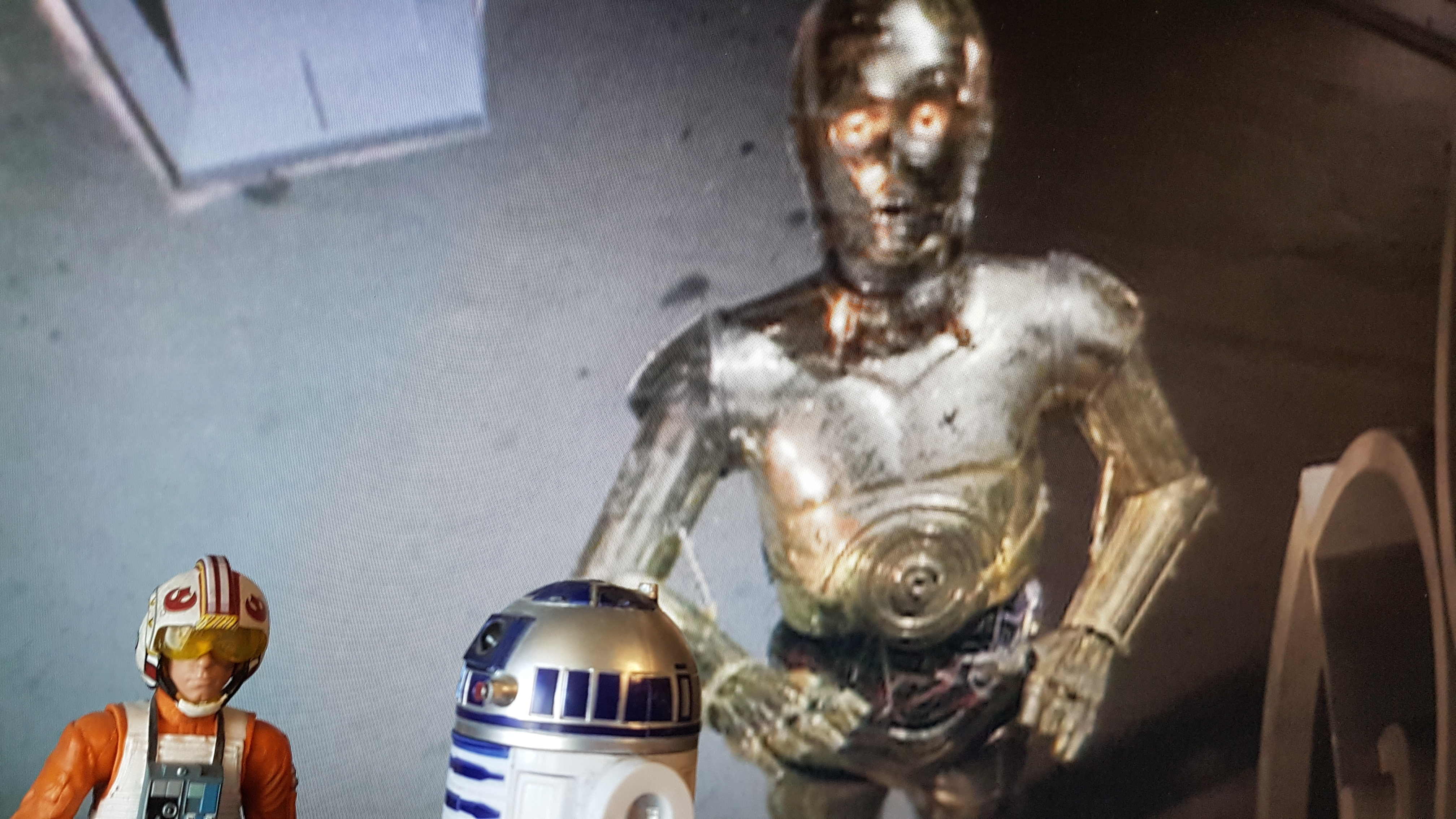
Sir Alec Guinness (Ben Kenobi) and Peter Cushing (Tarkin) were the two most recognizable stars to the parents in the audience, but Harrison Ford was an up-and-comer who impressed everyone that loved George Lucas’ other coming-of-age story, American Graffiti.  Even though Cushing and Guinness had no idea what their dialogue was really about, they turned in incredible character performances.  The hero trio of Ford, Mark Hamill, and Carrie Fisher were perfectly tuned.  Meanwhile, Anthony Daniels and Kenny Baker provided the roles of perspective for the film.  Indeed, Lucas said that only C-3P0 and R2-D2 witnessed the events of the entire saga.  Finally, Peter Mayhew and David Prowse provided the physical acting necessary for the roles of Chewbacca and Darth Vader.  These performances were topped off with sound effects by Ben Burtt and a brilliant Vader voiceover by James Earl Jones.

Lucas has been mocked in his later years for getting terribly wooden performances out of great actors in the prequel trilogy.  When he was young, making Star Wars, he was different.  His direction is alive and he gets spontaneous feeling performances from the entire cast.  Whatever he was doing in 1999 with The Phantom Menace, he was a different director in 1977.  Of course, much credit must also be given to the editors who carved this movie out of the celluloid.  Yet none of that would have had the same impact without the groundbreaking score by John Williams.  Williams is so important to the entire saga that he composed the scores to all nine films.
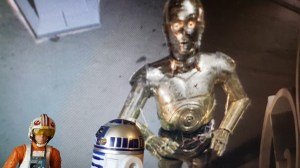
In other words, Star Wars is all but a perfect film.  On its own, without any sequels or prequels, it was already one of the best things ever, and what kid could resist that?  On a technical level, it’s a masterpiece achievement.  All this contained within a simple, engaging story drawing upon the tenets of classic mythology.  Consciously it’s blowing your mind, and subconsciously it’s tugging at your Jungian psyche.

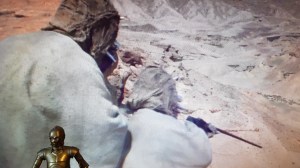
The best part about watching the 1977 theatrical version of Star Wars is simply the ease of slipping into that world and really believing it.  When the 1997 special editions hit, the effects may have been improved, but awkwardly jarring additions were made:  The insertion of jerkily-moving Dewbacks.  An extended entry into Mos Eisley with distractingly fake looking Rontos.  A poorly-edited reimaginging of the Greedo faceoff.  And of course, Jabba the Hutt himself, perhaps the most hideous of all the additions due to the extremely primitive animation of the 1990s.  The rest of the changes, such as a restored Biggs Darklighter scene and an improved Death Star battle, are not so bad.  Incidentally, there is nothing wrong with the Death Star battle as it was in ’77.  The problem is that every time an addition is made in every reissue of a Star Wars film, it takes you right out of the movie and into reality once again.

Further Observations

When you pull the focus back and look at Star Wars in a greater context, more insight and meaning can be wrenched from the stone.  Both in terms of cultural impact, and how it relates to the Skywalker Saga as a whole, we can look deeper into this film and enjoy it even more.

One thing we appreciated a little bit as kids, but I really admire today, is the amount of sheer labour that went into making Star Wars.  It’s so much easier to appreciate in this original unrestored version.  If you can see the line between matte painting and live set, you realize:  oh my God, all of that big portion of the screen is actually a set!  And that matte painting is really, really good!  The amount of work to do both, and match them as close as they did is quite impressive without the aid of a computer.  Also, observe techniques used to make shots more dynamic.  The Falcon flying, for example.  The actual model isn’t moving much, but the starfield behind it is.  That makes it look as if it is really burning some rubber.

Here’s something to think about.  One of the biggest action set pieces of this movie involved Luke and Leia swinging across a chasm from a rope.  It blew everyone’s brain, that huge looking vertical shaft with the retracted bridges.  The Stormtroopers are coming at them from two directions, as Luke takes his leap of faith.  While in 1977 we also saw the male and female lead together as a team with possible romantic foreshadowing, today the scene actually has more meaning.  Now, it is the children of Anakin Skywalker finally united after two decades of separation.  The New Hopes.  It’s actually a pretty heavy moment in the whole saga when you think on what that means.  Obi-Wan and Yoda hid those children away as babies in the hopes that one day, they would take over the fight.  The moment we see them swinging across the chasm, we realize that dream has been realized.  From whiny space brat to brave hero in two hours.  It’s also clear from her courage and familiarity with a blaster that Leia is a “Force” to be reckoned with too.
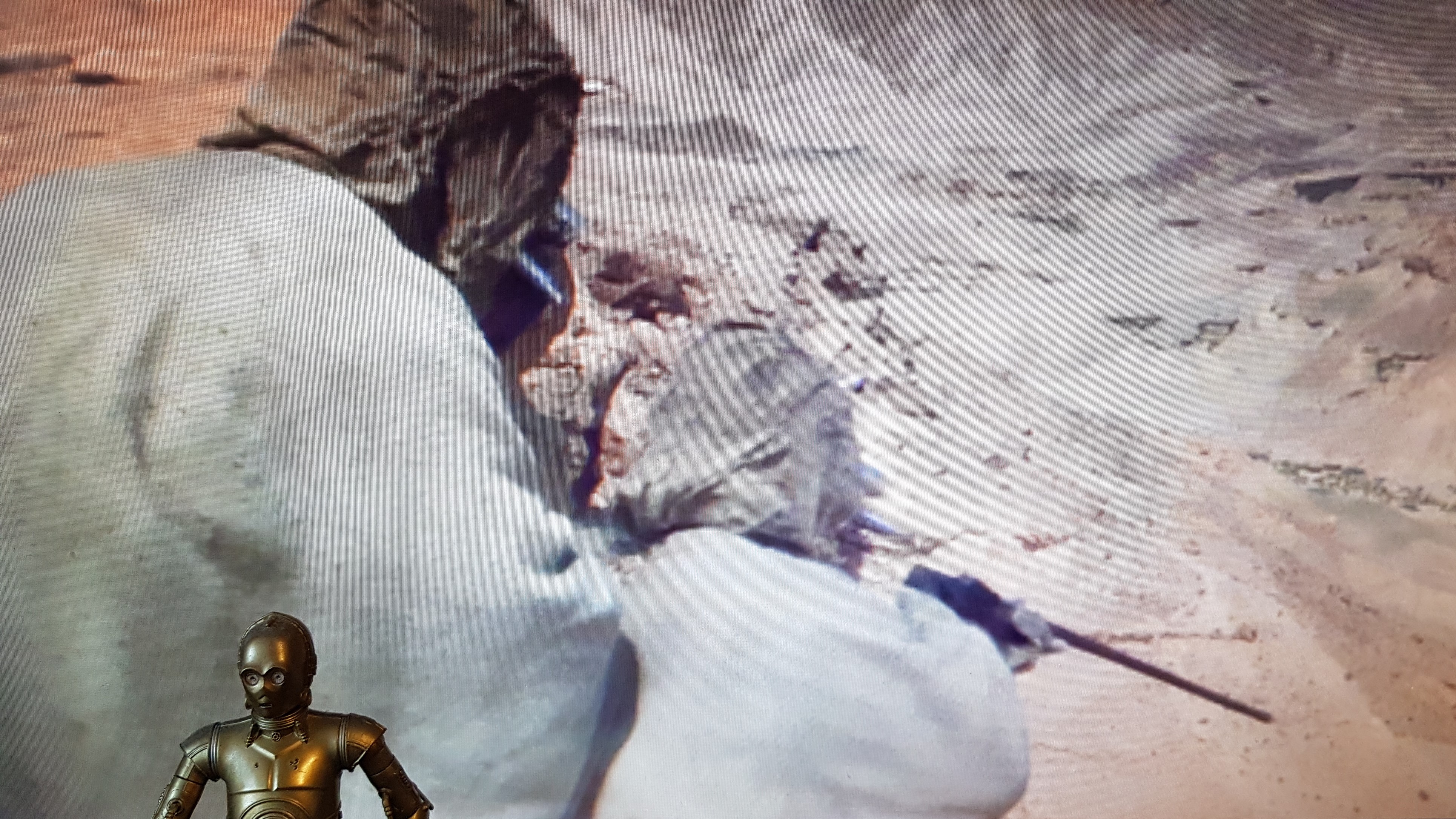
Children loved the adventures but didn’t fully appreciate what Luke was experiencing.  You can feel that Uncle Owen tried, but wasn’t the father figure that Luke wanted.  Then Luke loses the only parents he ever had, his aunt and uncle, and is whisked off-planet for the first time in his life by a new father figure, Ben Kenobi.  In addition he’s told a bombshell of a truth (with a hidden lie):  his real father wasn’t a navigator on a spice freighter.  His uncle had been lying to him his entire life about who his father really was:  a Jedi knight, who fought in a “damn fool idealistic crusade” called the Clone Wars.  He then learns, in a second revelation, that the universe itself is more than it seems, and that an all powerful Force is behind everything.  And then he loses that father figure almost immediately after!  Today that would send most of us into months of therapy, but Luke soldiers on and picks up on this Jedi stuff pretty quickly!  In the end battle, he is forced into a leadership position when Red Leader is shot down by Darth Vader.  “We’re going in, we’re going in full throttle,” he says to the remaining squad.  His older best friend and role model Biggs is on board, and so is hot shot pilot Wedge.  “Right with you boss,” he says without hesitation.

A weighty moment is the final (corporeal) meeting of Darth Vader and Obi-Wan Kenobi.  A physically imposing David Prowse in the Vader costume has the presence necessary to convey the anger behind the words:  “Your powers are weak, old man.”  You can almost hear the voice of Hayden Christensen from the Episode III Vader behind the voice of James Earl Jones.  The hate, as he now calls the man he once knew as “master” by the epithet “old man”.  It was always a foregone conclusion who would win this battle, but we children were amazed when Old Ben disappeared before our very eyes.  And what did those final words of his really mean?  “If you strike me down I will become more powerful than you can possibly imagine.”  Surely a disembodied voice was not the “more powerful” that Ben was referring to?  This is something that the oft-criticized sequel trilogy finally delivered and expanded upon, where the prequels did not.  In episodes VIII and IX, we learn that powerful Jedi spirits can even interact with the physical world, and join with the living to defeat the ultimate evil.  In this way, Obi-Wan Kenobi has a role in concluding the nine-story arc of the Saga (even utilizing the voices of Sir Alec Guinness and Ewan McGregor).
Another minor tie to the sequel trilogy is Han Solo’s offering to Luke Skywalker to come with him instead of joining the Rebellion on their “suicide” mission.  The only other person we see him offer to “job” to is Rey in Episode VII.  Any viewing of any Star Wars movie is always enriched by watching other Star Wars movies.  Last week I watched Rogue One.  Since that standalone film was designed to add backstory and blend the saga together even more tightly with the original movie, watching it adds richness and foundation to the original.  Knowing what happened to the previous Red Five, for example.  All the films have this ability to amplify the others.

Though dense with unfamiliar terms, throwaway dialogue built worlds.  The Kessel Run, for example, spawned half of the movie Solo.  Some of the most iconic lines in the whole original film were throwaways:  “You fought in the Clone Wars?”  Apparently so, when he was known as “General Kenobi”!  We didn’t learn a damn thing more about the Clone Wars until Episode II, released a quarter century later.  And so watching the prequels and even the animated Clone Wars series adds depth to the experience.  When Luke asks “How did my father die?” you see the hesitation on his face before Obi-Wan lies to Luke.  In that hesitation lies all the prequels and animated series.  The line about the Clone Wars planted the seed for pretty much everything about the prequels.  The only difference was that as kids, we assumed the clones were the bad guys not the good guys.  (Well, I guess they were both but we won’t delve further here.)
The quality and success of Star Wars were both necessary to launch a thousand imitations.  As kids we became familiar with the concept of “knock offs” pretty quickly.  Battlestar Galactica seemed like a B-level Star Wars.  You could even buy knock off toys at the store like glow-in-the-dark “space swords”.  For the real thing, there could be no substitute.  We were able to prolong and expand our love of the movie with the Kenner action figure line, the Marvel comics, the John Williams soundtrack records, and even “The Story of Star Wars” on vinyl.  This really gave kids a canvas to use their imaginations.  Today, some of the kids that played with Star Wars toys in a sandbox are making their visions real in official spinoff shows like The Mandalorian, that hearken back to what we liked about Star Wars in old ’77.


Conclusion

If you really want to recreate the authentic 1977 Star Wars experience, you won’t find it on your Disney+.  Even hardened cynics must concede that Disney has done some cool stuff with Star Wars recently, but if they really wanted to do something “Force”-ful, they could reissue the ’77 cut one more time.  If they never do, the 2006 DVD is always out there.  There’s nothing better than the real thing.

6/5 stars
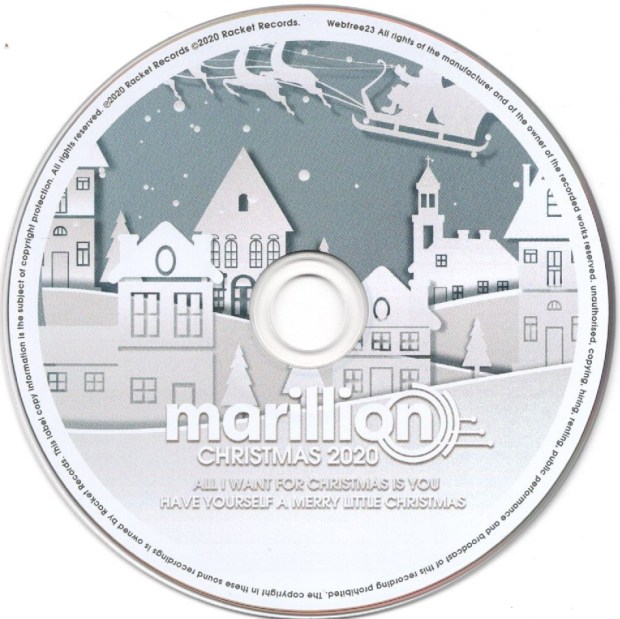
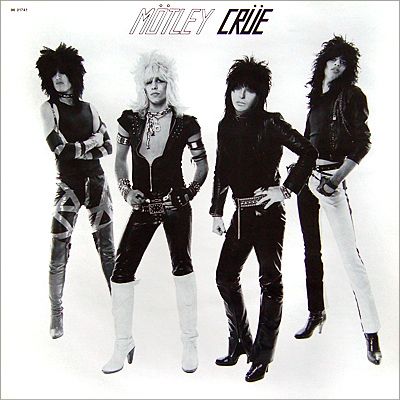
REVIEW: Mötley Crüe – Too Fast For Love (1981 Leathür and CD remasters)

MÖTLEY CRÜE – Too Fast For Love (Originally 1981 Leathür Records, 2003 CD reissues)

I was so lucky to grow up not with the Elektra remix of Too Fast For Love, but the original Leathür Records version. Though I didn’t know anything about it at the time, Motley Crue’s debut existed in two different versions and I had the rarer of the two on an old cassette.  The original mix released in 1981 on the band’s own label was a raw beauty.  When Elektra signed the band, Roy Thomas Baker remixed the album for worldwide reissue.  But in Canada, we received the original mix on cassette first before the remix was even released.  This was so Motley had some music to promote on their first Canadian tour.  We were very lucky.  The Elektra mix came out and eventually replaced the original on shelves.

The differences are significant, including the deletion of an entire song (“Stick To Your Guns”) from the original on the Elektra release.  For nostalgia reasons, I always preferred the Leathür mix of this album.  “Come On And Dance” for example is a completely different and much longer recording.  It must be stated the Roy Thomas Baker mix is technically the better of the two.  It’s well balanced and has the required punch.  Vocal lines are thickened up.  It will undoubtedly sound better on your high end stereo.  There is more nuance.  The changes are especially audible on songs like “Starry Eyes” and “Live Wire”, but I simply have a preference for the raw, rough version I grew up with.  There’s something to be said for independent production values.  Additionally, the track listing was jumbled and the original running order flows better, so that’s the order we’ll be discussing the songs in.

Fortunately for you, you don’t have to track down an original vinyl or even an obscure Canadian cassette release to get the original Too Fast For Love.  It was officially reissued one time only on CD, in the 2003 Motley Crue box set called Music To Crash Your Car To Volume I.  In fact that box set includes both mixes of the album, plus the related CD bonus tracks.  (Actually, the box set is only missing one song, which we’ll discuss further on.)  For the money, Music To Crash Your Car To Volume I is the best way to get “all” the tracks.

The audio for the original Leathür mix is sourced directly from original vinyl, with the tapes presumably lost.  Audiophiles take note as you will hear the telltale sound of old vinyl.


It took a while for young me to get into Too Fast For Love.  The album was generally much different from the metal assault of Shout at the Devil.  That was the Motley I was familiar with.  The basic garage glam metal of Too Fast For Love was alien to me.  When I first received the cassette, I gave it a fair shake but didn’t start clicking with it until Easter of 1986.  It was a deliberate effort on my part.  “I want to hear and appreciate this album like my friends do.”  Bob Schipper had the songs he liked:  “Live Wire” (there was a music video, but he did not like the part with Mick Mars spitting up blood), “Merry-Go-Round”, and especially “On With the Show”.

No matter which version of the album you own, we begin on “Live Wire”, a blitzkrieg of an opener with punk-like pacing.  It’s dirty and messy cocaine-fueled mayhem, and the Leathür version sounds sharper and more chaotic.  Vince Neil is so young, less seasoned and a little shrill.  But the band is on fire with Mick Mars puking out one of his trademark riffs.

The Elektra reissue goes into “Come On and Dance” here, but Leathür puts “Public Enemy # 1” second.  It’s perfectly at home in this slot.  With the careless glee of youth, the song is one of Motley’s early pop rock deep cuts.  There is a lot of pop on Too Far For Love, especially in the vocal melodies.  “Public Enemy # 1” must go back to Nikki Sixx’s days in the band London, since it’s a co-write with London’s Lizzie Grey.  It then gives way to another blitzkrieg of a riff on “Take Me To the Top”.  This turns into a choppy groove, and yet another melodic Vince Neil vocal to keep you hanging on.  There’s that pop side again.  You could isolate Vince’s vocal and turn it into a pop song.  It’s like you have this three-man wall of pounding rock with Tommy Lee, Mick Mars and Nikki Sixx slamming in unison.  But on top of that you have Vince Neil singing a candy-sweet melody.

A ballad “Merry-Go-Round” gives your ears a slight rest.  Though Nikki wrote it, Mick has a way with these kinds of chords that makes them just sound “Mars”.  This song is given an urgency by Vince who, as it turns out, was quite a great singer in his early days.  The first side closes on “Piece of Your Action”, a song that has been remixed a number of times over the years.  It’s also Vince Neil’s first co-writing credit (lyrics).  With a sharp steely riff and aggressive vocals, this song will knock down walls.

The old mix of “Starry Eyes” sounds overblown and slurred compared to the Baker version, yet that’s its charm.  “Starry Eyes” has a disco-like groove and another sugar sweet Vince Neil vocal.  Nikki Sixx doesn’t get a lot of attention as a bassist, but he’s not content just to hang around banging out a rhythm.  He likes to play melodically too, and “Starry Eyes” is a fun song to listen to him play.

Only the Leathür version has “Stick to Your Guns” at this point in the running order.  It’s a busy song with different tempos and flavours, from fast verses, to a slow and choppy chorus riff, and a funky instrumental jam out.  Perhaps it was left off the Elektra reissue because it’s a little more complex than the rest of the album.  It also might have been because the song had been issued a couple times already:  “Stick to Your Guns” was also the flipside of Motley Crue’s very first single, “Toast of the Town” (to be discussed further on).

“Come On and Dance” has a heavy riff that flows well out of “Stick to Your Guns”, but it’s the most different between the two versions of the album, so you can choose your preference.  The original is longer and the vocal is better.

Regardless of which version you own, “Too Fast For Love” is always the second-last song on the album…but in two very different mixes.  4:16 on Leathür with a unique intro, and 3:21 on Elektra, going straight into the riff.  On Leathür the slow, ballady opening acts as a feint.  Mick then cranks up an unforgettable riff, and we are off into one of Motley’s true early classics.  The primitive gang backing vocals are quaint by modern standards, but again, that’s the charm.

Finally “On With the Show” is the emotional closer.  “Frankie died just the other night, some say it was suicide, but we know how the story goes.”  In real life nobody died (yet) but “Frankie” is Frank Feranna, the birth name of Nikki Sixx.  That name was his past, and Nikki Sixx was his future.  The ride was just beginning, and this song has both a sadness and a certain amount of glee.  “But you see Frankie was fast, he was too fast to know.  He wouldn’t go slow until his lethal dose.”  That part turned out to be somewhat prophetic.  Regardless, “On With the Show” is the fist-pounding pop metal album closer needed for a record like Too Fast For Love.  If you’re headbanging along with it, the you should feel well pooped out by the end!


In 1999, Motley Crue began reissuing all their albums on CD in a series called Crucial Crue on Motley Records, but the end result was disappointing.  The bonus tracks varied in quality, but the real problem was that each CD was given an additional bonus track in Japan, and they were pretty good ones too.  Fortunately this was rectified in 2003 with yet another series of reissues, adding the Japanese bonus tracks.  The box set Music To Crash Your Car To Volume I has all this bonus material as well.  For Too Fast For Love, the Japanese bonus track that was restored in 2003 was a live version of “Merry-Go-Round” recorded in San Antonio with an obviously very young Vince Neil on vocals.  Though the singing is shaky live, it’s a genuine live recording capturing the band at this early stage of their careers.

“Toast of the Town” was one of those song titles I kept hearing about as a kid, but nobody I knew had ever heard the first ever Motley Crue single.  According to the liner notes in the box set, this single was only given away at shows in L.A. for a limited time.  Both it and its B-side “Stick to Your Guns” are restored on the CD reissues as bonus track.  “Toast of the Town”, like Too Fast For Love itself, is a pop rocker with punch.

An unreleased song called “Tonight” is actually a Raspberries cover (there’s that pop side again).  And it’s bloody awesome.  They were already halfway there by covering it, but they made it work with their sound, basically just by adding distortion and turning it all up.  It sounds like this version was fully recorded and produced for release, so why it wasn’t, we don’t know.  Too pop?  Perhaps.

The last bonus track to discuss is “Too Fast For Love” with the alternate intro.  This is the same intro as on the Leathür version of the album, but it sounds like it was mixed to the higher standards of the Elektra version.  Regardless, there are three distinct versions of the song for you to enjoy.

One track is missing from these releases.  The one from this same era that they neglected to include is called “Nobody Knows What It’s Like to Be Lonely”.  Its only official release to date is as a bonus track on a 20 year old Motley Crue live DVD.  At seven minutes long, it plods along with a deliberate and heavy groove.  Nikki Sixx has praised the guitar work of Mick Mars, and it has a bizarrely funky drum breakdown at the end.  In order to get the complete picture of this era of Motley Crue, track down “Nobody Knows What It’s Like to Be Lonely”.  You can understand how a seven minute song didn’t make an album release, though it is certainly well overdue for a re-release on any format other than DVD.


Any way you go, Leathür or Elektra, CD or vinyl, or bloody Canadian cassette tape, Too Fast For Love is a hell of a debut album.  Few bands have as many haters as Motley Crue, but this album is an innocent reckless joy.  Shout at the Devil sounds contrived by comparison, with Motley Crue adopting a doomier metal sound and dropping the pop-punk pretences.  As good as Shout at the Devil undoubtedly is, this one sounds far more natural.  It’s the real deal.  This is the Crue laying it down hard, fast, getting it done quick and not messing around.  Love it or hate it.  I know how I feel.

5/5 stars