Depression is a bugger. I’m a fighter but even a fighter can’t keep it up all the time. We all have our struggles. Mine are usually against myself.
Can’t write. No words. No interest in words. No fresh ideas. Nothing worth putting down on paper.
So much to do. No energy to do any of it.
Talked to someone for a bit. Felt better for a bit. Wrote something for a bit. But it was temporary at best.
The couch called. And them something interesting happened. I ran across a Youtube video.
“I could use this bit for the Sausagefest countdown this summer,” I thought. It’s usually best to get the idea down right away before I forget it.
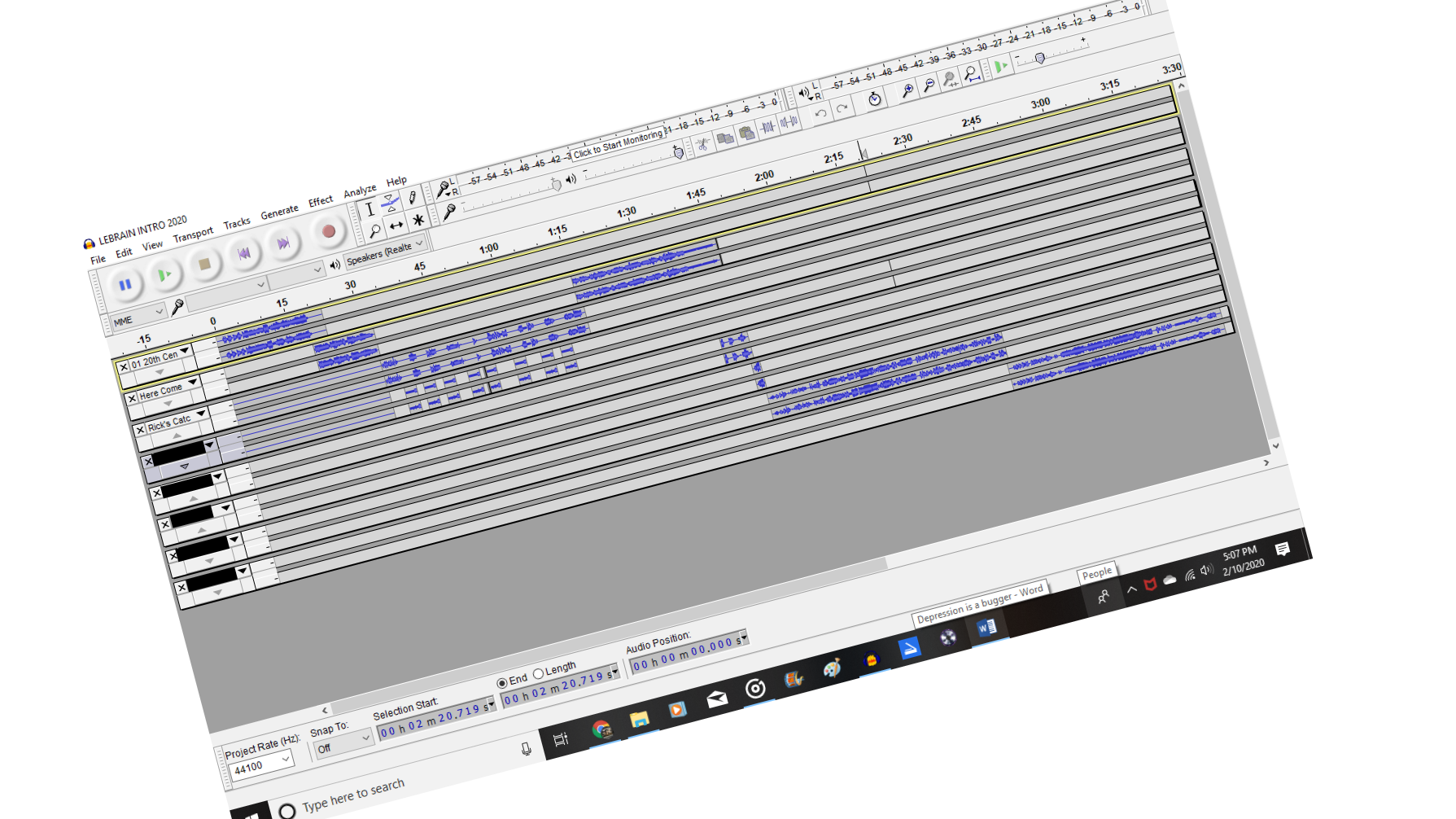
I went to my work station, downloaded some audio clips, recorded some dialogue and started editing. Had something to eat. Came back to it. Tinkered and tweaked. Listened back. It’s good; it’s funny. It just needs some more originality. Went back at it the next morning and finished it to my satisfaction. Then I started work on the next one.
In my mind, it was already July. I closed my eyes and imagined my fellow Festers’ reactions to the bits I was recording. I was blissfully unaware of the snow coming down outside. There was no slush on my sidewalks. Just sun and Sausagefest. Eyes closed, I pictured the scene. When are they laughing? When is the bit dragging? Tweak and tinker some more.
I managed to escape, if only for a little while.
Escaping to the summer. To the happy place. Not just escaping though, but also working on making the 2020 event happen. An escape, but a productive escape at least.
Paint on my cruel or happy face, I hide me behind it, It takes me inside another place, Where no one can find it.
Escape, I get out when I can, I escape anytime I can, It’s all escape, I’m crying in my beer, Come on, let’s escape, just get me out of here.
Don’t get me wrong, don’t get me right, I’m not like you are, When I get home from work at night, I’m blacker and bluer.
So I escape, I get out when I can, I escape anytime I can, It’s all escape, I’m crying in my beer, Escape, just get me out of here.
But where am I running to? There’s no place to go. Just put on my make-up, And get me to the show, yeah, escape. Yeah, what are you waiting for?
My doctor said, just come around, And you’ll be taken care of, And while he ran my problems down, I stole his mascara.
That’s how I escape, I get out when I can, I escape anyway I can, I escape, I’m crying in my beer, Let’s escape, just get me out of here, Escape, let’s get out while we can, It’s escape, anyway we can, Come on, let’s escape, Nobody wants us around here anyway.
Today’s Sunday Chuckle comes from Garrett Thomson, bassist for Hello Hopeless. Garrett is the master of “dad jokes”, and such humour. One day he was asked if he would be joining us for our usual lunch time Euchre game.
“Hey Garrett, are you going to play Euchre with us today?”
“I was the one who talked about the other man, I thought he was my friend but you had other plans!” – Loudness
GETTING MORE TALE #815: Let It Go
The first time I saw Loudness on the Pepsi Power Hour, I was hooked. I can remember being fascinated by Japanese culture for a long time, but Loudness made it deeper, because now I had Japanese heavy metal to be interested in.
“Rock and roll Crazy Nights!” sang the quartet. “You are the hero, tonight!” Sounded cool to me. I was 13.
Minoru Niihara on MuchMusic, 1986
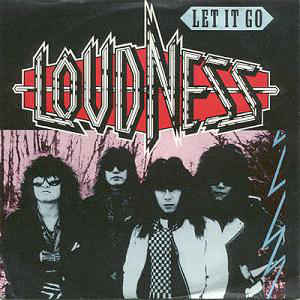
The Power Hour didn’t play a lot of Loudness, just two songs. “Crazy Nights” was the first, but by 1986 the band were becoming more Americanized. “Let It Go”, the only other video they played, was a real attempt to crack the US market. I was an instant fan. Contrived or not, “Let It Go” is one of the ultimate 80s rock anthems.
Some brief Loudness history is in order. Akira Takasaki, lead guitar, is the Eddie Van Halen of Loudness. He formed the band and is the only member to play on all the albums. He and drummer Munetaka Higuchi came from an earlier band called Lazy, named after the Deep Purple single. Lazy was far more pop rock and Takasaki, a true virtuoso, was dissatisfied. Metal was growing in Japan. Soon Masayoshi Yamashita had joined on bass, and the band just needed a singer. Minoru Niihara of Earthshaker to the rescue. Within months they had a debut album: 1981’s The Birthday Eve.
The band recorded four albums in Japanese. But the fourth, Disillusion had an English version recorded as well. This led to their breakthrough Thunder in the East, released on Atco in the US. The opening track was “Crazy Nights”, which led to video play. And that’s how I came on board.
“M-Z-A!”
“You, come to see the show, well we’re gonna rock and roll you!” I never ask too much lyrically of any band whose second language is English. Still, “Crazy Nights” was about as good as the American rock of the 80s. Niihara’s accent is thick but this only adds to the appeal. The music, compared to their earlier Japanese albums, is toned down, more mainstream. But it’s still clearly heavy metal. The emphasis is on the riff.
Also important is the image. Despite the cultural differences, Loudness still looked cool to American audiences. When everybody else (cough cough Iron Maiden) were wearing rising sun T-shirts, these guys were actually from the rising sun! Their stage moves also translated perfectly. And check out Takasaki’s metal-plated guitar. He understood the kind of visual flash that he needed. His outfit matched, but Vince Neil was not amused. When Loudness opened for the Crue, Takasaki was ordered to wear a different top. His was too similar to Shout-era Motley.
But what’s with that strange chant, “M-Z-A”? According to Niihara, he didn’t have lyrics in place for that section, and on the guide vocal just sang random sounds, “M-Z-A”. It made the album, and puzzled fans the world over!
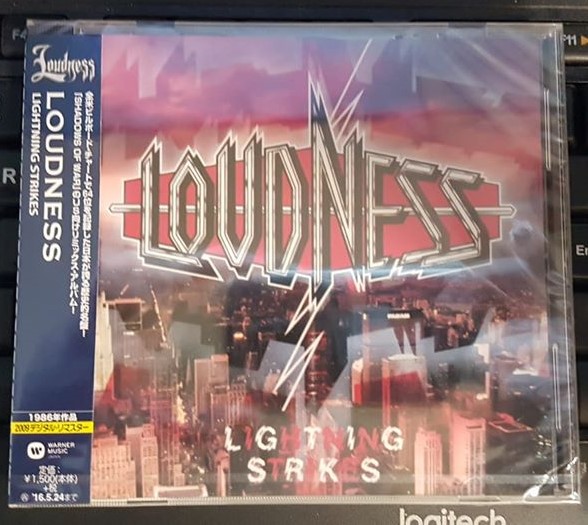
Like Thunder in the East, the followup album Lightning Strikes was produced by Max Norman. Under Norman, the band recorded “Let It Go”, their most commercial song yet and one that will stick with me for life.
In 1986 I had mono, and I was housebound for weeks and weeks on end, except for doctor’s appointments. I sat in the basement recording MuchMusic videos, and “Let It Go” was early in that batch. To me, Loudness had never looked or sounded cooler. I thought Niihara was really slick in that suit jacket. The image was clearly toned down to “hard rock” from “heavy metal”, but the new casual-looking Loudness also appeared more natural. The video even showed the construction of a guitar (Takasaki’s), the likes of which I had never seen before. When I was well enough, Bob came over and watched all the videos I taped. He loved “Let It Go” too.
“It’s Godzilla!”
I continued to love the song into adulthood, partly because of the lyrics. They were almost autobiographical!
I was the one who talked about the other man, I thought he was my friend, but you had other plans, I just can’t take that chance, There ain’t no looking back, Just a victim of circumstance, I helped you fall in love so, Let It Go!
That happened to me! I did tell her about the other man. They totally would not have met if it wasn’t for me. Fuckin’ hell! Niihara knew my pain before I even did! What about the rest of the words?
Driving to the top of the city, Drive until I reach the view, Where we used to try and see, Our dream come true.
There was this one location where you could park the car and just look down at the city. I did this sometimes when I was feeling romantic, or alone and feeling down.
Stop the car, light a cigarette, Fill the air with the radio, And there’s nothing I can do, But think of you.
I never smoked a cigarette in my life; I wish I could just delete that line! Otherwise, everything so far is bang on.
When I dial your telephone number, It’s like you’re never home, But I know it isn’t true, What’s he doing with you?
Oh man. So many times. So many times.
They almost could have called this “The Love Life of Young Mike”! That’s one way a song you like can stick with you for life. Today I just really like the music. “Let It Go” has all the right stuff. Brilliant riff, great verses and chorus, and a well-composed melodic guitar solo. It’s literally the perfect hard rock song.
Loudness with Mike Vescera
What happened next to Loudness? They made one more album with Niihara called Hurricane Eyes, with Eddie Kramer producing. It failed to have an impact, and Takasaki was convinced to hire on an American vocalist. It seemed to be the only option, to grab that brass ring of success. After one more EP (Jealousy, released only in Japan), Minoru Niihara was let go. He was replaced by Obsession’s Mike Vescera for two albums. “You Shook Me” from 1989’s Soldier of Fortune gained some video play. Ultimately though, Mike had to make a go of it with Yngwie Malmsteen, with whom he recorded the excellent Seventh Sign album.
Like many metal bands, in the 90s Loudness faced an identity crisis. Bassist Yamashita departed, and Mike Vescera was replaced by former E-Z-O lead singer Masaki Yamada. E-Z-O had two US-released albums, and some name recognition due to a Gene Simmons produced record. Releasing albums in Japan, Loudness carried on after original drummer Munetaka Huguchi departed as well. The band experimented musically and lyrically, with Eastern and nu-metal influences, like the song “Dogshit” from 1998’s Dragon.
Loudness with Masaki Yamada
Takasaki kept Loudness going while also taking care of a very busy solo career. Through the 1990s, Loudness made five albums with Yamada singing, all released only in Japan.
Ultimately, though Yamada was an ideal replacement, he could never be the original. He suggested that Loudness reunite their classic lineup for their 20th anniversary, and so it happened. Akira Takasaki, Minoru Niihara, Masayoshi Yamashita and Munetaka Higuchi reformed the classic lineup, and proved it was not just a one-off. They continued to crank out new albums starting with 2001’s Spiritual Canoe, losing no momentum. The reunion seemed built to last, until Higuchi sadly succumbed to liver cancer in 2008. The beloved drummer was replaced by Masayuki Suzuki the following year and Loudness carried on again.
It’s an inspiring tale of perseverance, talent, and determination.
Strangely enough I have only now bought my first Loudness album. They no longer have a huge presence here and their CDs are very hard to find. Lightning Strikes seemed the right one to go with. It’s enjoyable. Everybody knows that Takasaki is frighteningly good, but really the whole band is. Quite a lot of fun, to hear a classic 80s metal album so long after it came out. It’s a trip. And I’m glad Loudness never “Let It Go”, and kept going on despite all the changes. Time to get Thunder in the East next. I love it Loud…ness.
“Let It Go” with friends at the memorial concert for Munetaka Higuchi
I’ve had a lot on my mind. Thinking about the past, thinking about the future.
Every now and then, I’ll search for old acquaintances online. Co-workers, customers, friends…many of them have not emerged in the new online world of social media. At least not yet. I continue searching. Looking for a guy I used to work with, a coincidence of search terms led me instead to the obituary of an old customer.
I recognized his face immediately as that of “Surly Brad”, one of the very first customers I had when I managed my own Record Store location in 1996. Brad passed away in 2011, but he wasn’t really very surly. Is there a male equivalent of “resting bitch face”? Brad looked grouchy but he could also pull a wide smile. He was short and to the point, but eventually we got to know each other a little bit better. Like many music collectors, he was picky about what he bought. He could hear defects on a CD that I couldn’t. I haven’t thought about Brad in years, but I don’t have any negative thoughts of him. Just sadness. Brad died age 47, the same age I am right now.
Rest in peace Brad. I’m sorry we used to call you Surly.
Onto other trains of thought, I’m currently deep in the midst of my usual Seasonal Affective Disorder. Long before I knew what it was or that it existed, I experienced it. Ever since I was a kid. The winters were a long, sad and lonely time. The summers were much happier and more vibrant. I thought for many years I just “hated winter”. I do hate winter; don’t get me wrong, but there was more to it. In the winter of 1998 I was explaining to a friend that I was in my “big blue funk”, a long period of (what I now call) depression. The friend was taken aback because I was speaking of these things as if everybody experienced them. “That’s not normal,” they said. “Sure it is,” I retorted.
I’ve learned to deal with my big blue funks a lot better these days, though I still need to seek help. One thing I do to try to stave off the blues is to give myself something to look forward to every day. This can be anything from having some special food that I enjoy, to buying some new music, to watching my favourite shows. I have to make some time to just enjoy myself a little bit every day.
Of course, buying music costs money and when you’re a collector it can get expensive! When you can’t settle for anything less than “all the tracks”, you can expect to spend money. Of course this is connected to another mental illness, Obsessive Compulsive Disorder. I’ve had this forever too. As a kid, I would try to collect complete sub-teams of GI Joes and Transformers. I’d also collect music, but that was a lot more difficult in the 1980s.
The first group I ever decided I wanted a “complete” collection of was Quiet Riot. I thought it would be easy. I assumed they only had two albums. How wrong I was. There were no Wikipedia articles to refer to. Eventually I learned about their early Japanese-only albums. It took me about 15 years, pre-internet, to get copies for myself.
As I grew to like more and more bands, I wanted more and more “complete” collections. Magazines like Hit Parader would run ads for mail order record stores. They would list stuff regularly that I never heard of nor saw in stores. All in US dollars of course. Plus shipping! Stuff like:
ALICE COOPER – THE BEAST OF
ALICE COOPER – DADA
ALICE COOPER – PRETTIES FOR YOU
JUDAS PRIEST – STAINED CLASS
These were not albums you could find in your local Zellers’ tape section. I had never seen or even heard of Stained Class.
Then I would browse down to the singles and start crying when I saw things listed like:
AEROSMITH – DUDE LOOKS LIKE A LADY / ONCE IS ENOUGH
BON JOVI – LIVIN ON A PRAYER / EDGE OF A BROKEN HEART +1
EUROPE – THE FINAL COUNTDOWN / ON BROKEN WINGS
Like a cruel tease, I became aware that some of these things really existed, but on a teenage allowance, had no way to acquire them. Or even hear what they sounded like. I was grateful that bands like Kiss never seemed to put our exclusive non-album songs as B-sides. Not knowing any better, I thought that was very democratic of them: everybody had access to every Kiss song – there were no exclusives only for those who could pay for them.
Boy, did I read those Kiss cards wrong!
Many of these tracks and albums never showed up in my collection until the internet age. But now, with access to even more information, the want list continues to grow. It’s an expensive hobby.
Whitesnake was one of those bands that had many albums prior to the ones I knew about. The winter of 87/88 educated me otherwise. Meanwhile I had just acquired Slide It In. I can picture myself shovelling the snow in the dark of the morning listening to that warbling tape. Geffen didn’t put out the best quality cassettes in the 80s. My copy of Slide It In ran so slow that it was almost unlistenable. I would try to fast forward and rewind the tape to loosen it up a bit. Nothing really helped and I never heard the album properly until I got a CD copy. But Slide It In is one of those albums I associate with winter, shovelling snow and all of it.
I’ll make it through this winter just like all the others. But I can’t wait for summer. That’s when I really feel alive again.
There’s a sports phrase in the parlance of the profession: a “ringer”. It means boosting your team with a player who who’s above your league, usually with accusations of dishonesty or bad sportsmanship. If you had a beer league hockey team, and your friend’s son happens to be Connor McDavid, and he substitutes for your usual center Big Jim McBob, then you have a ringer.
I was watching some live music on YouTube and wondered if there is a rock band equivalent.
Though it’s not considered cheating, did Queensryche pull a ringer when they got Todd La Torre to sing? Todd is a fine vocalist who enables Queensryche to perform the old material properly; stuff with notes so high that only a young singer can really pull it off. Journey did something similar with Arnel Pineda. They wanted to play the original songs in the original keys, not tune them down for an older singer.
Original Queensryche singer Geoff Tate’s voice has changed over the decades. That’s nature. He can be hit or miss when singing the high stuff, so he tends not to anymore. He’s able to steer around difficult notes and still play the song. La Lorre has no issues with them however, adding some of his own grit to the screams. Todd La Torre is 45 years old. Geoff Tate is closer to his old bandmates at age 61. If Queensryche were to look for another singer in his 60s, they wouldn’t be able to find one able to scream the opening to “Queen of the Reich”.
Go back in time further, to the early 1990s. One band that absolutely hired a ringer was Poison when they acquired Richie Kotzen to replace C.C. Deville.
Without being too unkind, C.C. and Richie are not playing the same sport when it comes to guitar. C.C. is a WWF wrestler, hammering you over the head with loud sloppy moves and tricks. Richie is like a light boxer with heart, a fast contender with a feel for it.
When Poison picked up Kotzen, they plucked someone from the upper echelons to replace somebody who was basically still in the garage. While it failed to win fans in the “get serious 90s”, it did give them an album that they never would have been able to create otherwise. Eventually they were forced to bring C.C. back, but they can never perform material from the Kotzen album. They’d sound ridiculous.
It could be argued that Kiss hired ringers with almost every replacement member in their band, from Eric Carr to Vinnie Vincent to Eric Singer and Bruce Kulick. All of these guys are, on a technical level at least, lightyears better players than the original members. But on the other hand, none of those replacements could capture the sheer vibe of the original band either.
Think about it. When a veteran band loses an original member, do they ever replace them with a peer? Very rarely. Deep Purple replaced Jon Lord (age 61 at retirement) with Don Airey (54 at hiring). But Black Sabbath replaced Bill Ward (age 71 today) with Tommy Clufetos (40 today). No matter what Bill claims, Clufetos is simply in better physical condition. He’s a ringer.
What is your take on this subject? Are these guys ringers, or just regular hired guns? Is there really a difference?
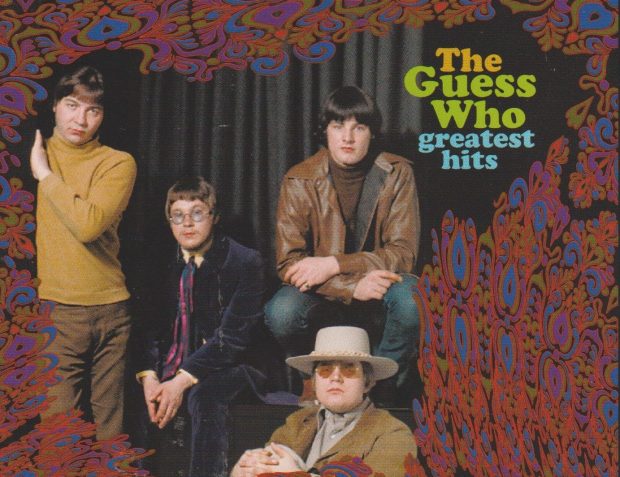
Fun fact: every Canadian citizen in good standing is issued a Guess Who album when they turn voting age. Instead of that one, I upgraded to the remastered Greatest Hits in 1999. The timing for a new compilation was right for the Canadian institution. Though they never broke up, they had a big reunion tour in 2000. Burton Cummings (Guess Who singer/pianist 1966-1975) and guitarist Randy Bachman (1962-1970) had been out of the band a long time. There was a 1983 reunion but even that was far in the past. It was the Guess Who’s time in Canada once again, and in talking to Record Store customers, they couldn’t have been more excited if it was the Beatles.
18 tracks of Guess Who hits cover most of the well known bases. Opening with the dramatic ballad “These Eyes” (made famous once again by Canadian Michael Cera in the movie Superbad) I’m reminded what a tremendous singer Burton Cummings is. From the ballads to rockers like “No Time”, he could do it soulful or raspy. Whatever the songs required.
And let’s not forget ex-James Gang six-stringer Domenic Troiano. The Italian-Canadian guitar wiz was brought in on in 1974 and quickly aided and abetted the group in songwriting. Only one Troiano-penned track is included here (“Dancin’ Fool”) but his slick riff is totally tasty. (Unfortunately, Troiano is probably best known as the guy who Gavin Rossdale had to pay off to call his band “Bush” instead of “Bush X”. Troiano had a band called Bush in 1970.)
The Guess Who were a remarkable band in their day, with a firm hand on both ballads and slick boogie rockers. Yet their best known song, 1969’s “American Woman” is one of their least remarkable. Written while tuning up at a curling club (look it up) in Kitchener (says Bachman) or Scarborough (says Cummings), it’s just sledgehammer rock. Which is fine — there is nothing wrong with that kind of rock. It’s just bizarre that it’s “American Woman” that people remember when The Guess Who had 20 or so better songs. Check out “Albert Flasher”, a piano boogie that rivals the best of the genre.
This set is a fine listen from start to finish, and I can only really think of one rocker that’s not present — “Bus Driver”. Otherwise it covers all the important stuff from the beginning to Cummings’ departure.* It’s not an album for deep cuts or obscurities. If you’ve spent extended periods of time listening to Canadian radio, you’ll know 50-80% of these songs. If not, you hopefully already know “These Eyes” and “American Woman”. Maybe even “Laughing” or “Undun”. The Guess Who were always solid with just a little bit of quirk to them. Solid bouncy musicianship, clever arrangements and lyrics, and a killer voice. That’s Greatest Hits by The Guess Who.
4.5/5 stars
* The Guess Who continues today with a lineup including original drummer Garry Peterson and Quiet Riot’s Rudy Sarzo.
In 2014, Tom and Uncle Meat made a video for their “Here Comes LeBrain Again” parody which I gladly used as my theme song. In 2020 that video is a little out of date, so I decided to make an updated one. Check both versions out below and let me know.
Thanks to Meat and Tom for recording the song and making the original.
Being sick is rarely funny, but in order to survive, one must be able to find the humour in such things.
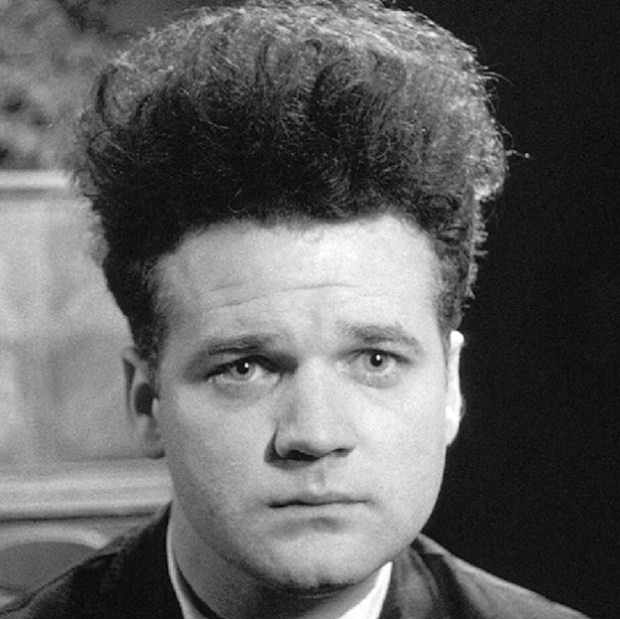
I was sick last week. I woke up one morning with some bed-head, tried to run a comb through it, and well, this is what I looked like! Not quite a dead ringer for Jack Nance in Eraserhead, but close enough?
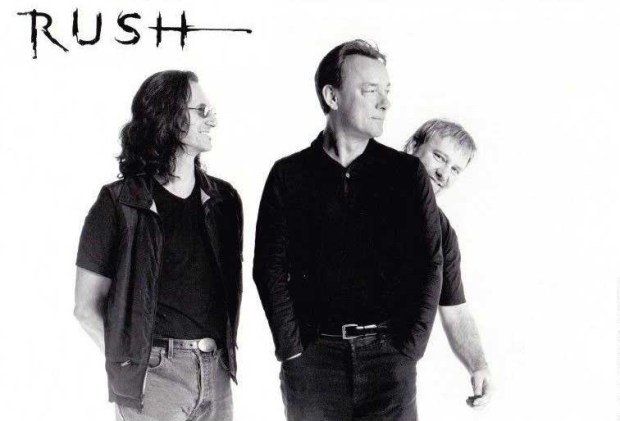
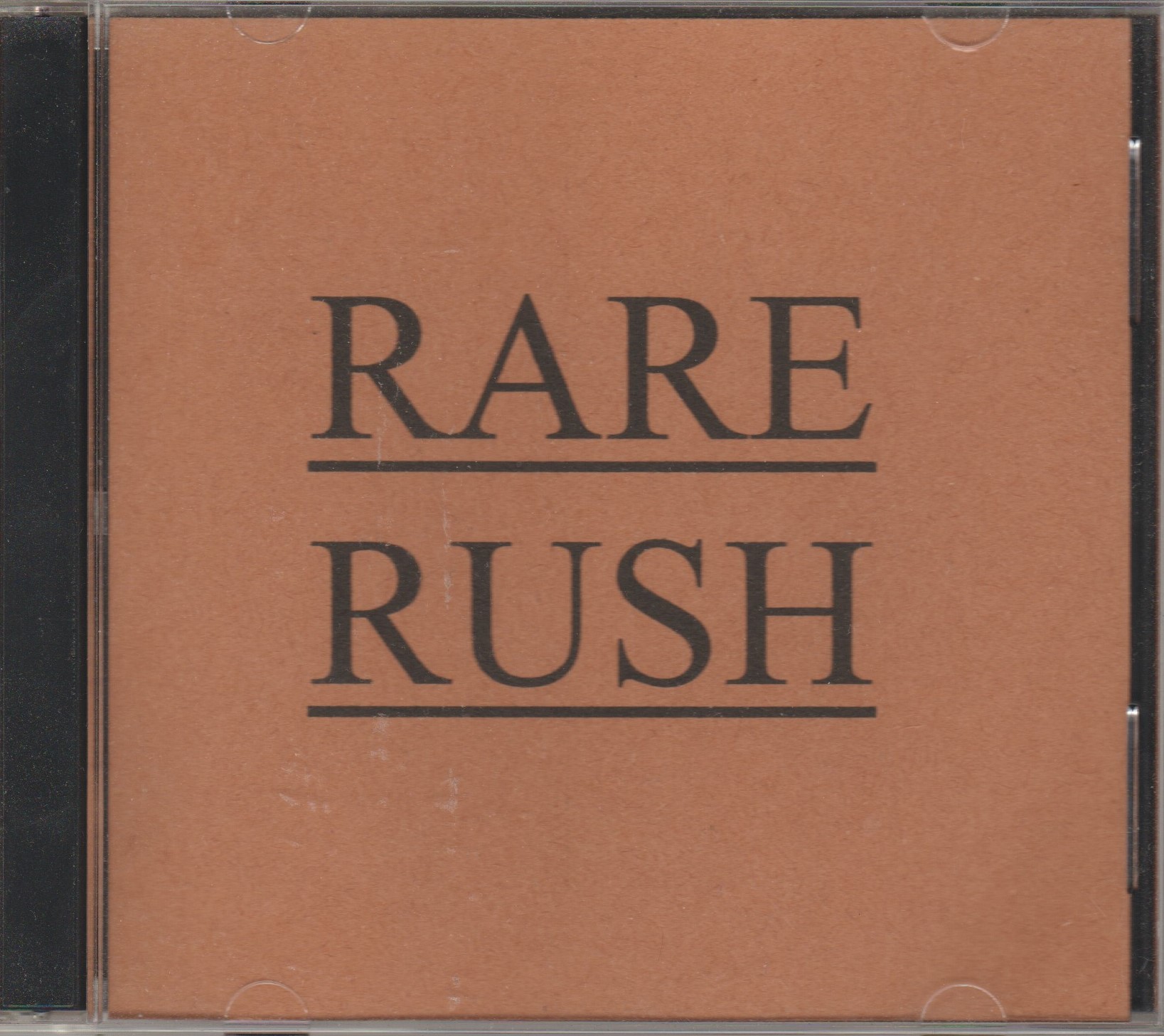
RUSH – Rare Rush (2002 home made CD set from acquired downloads)
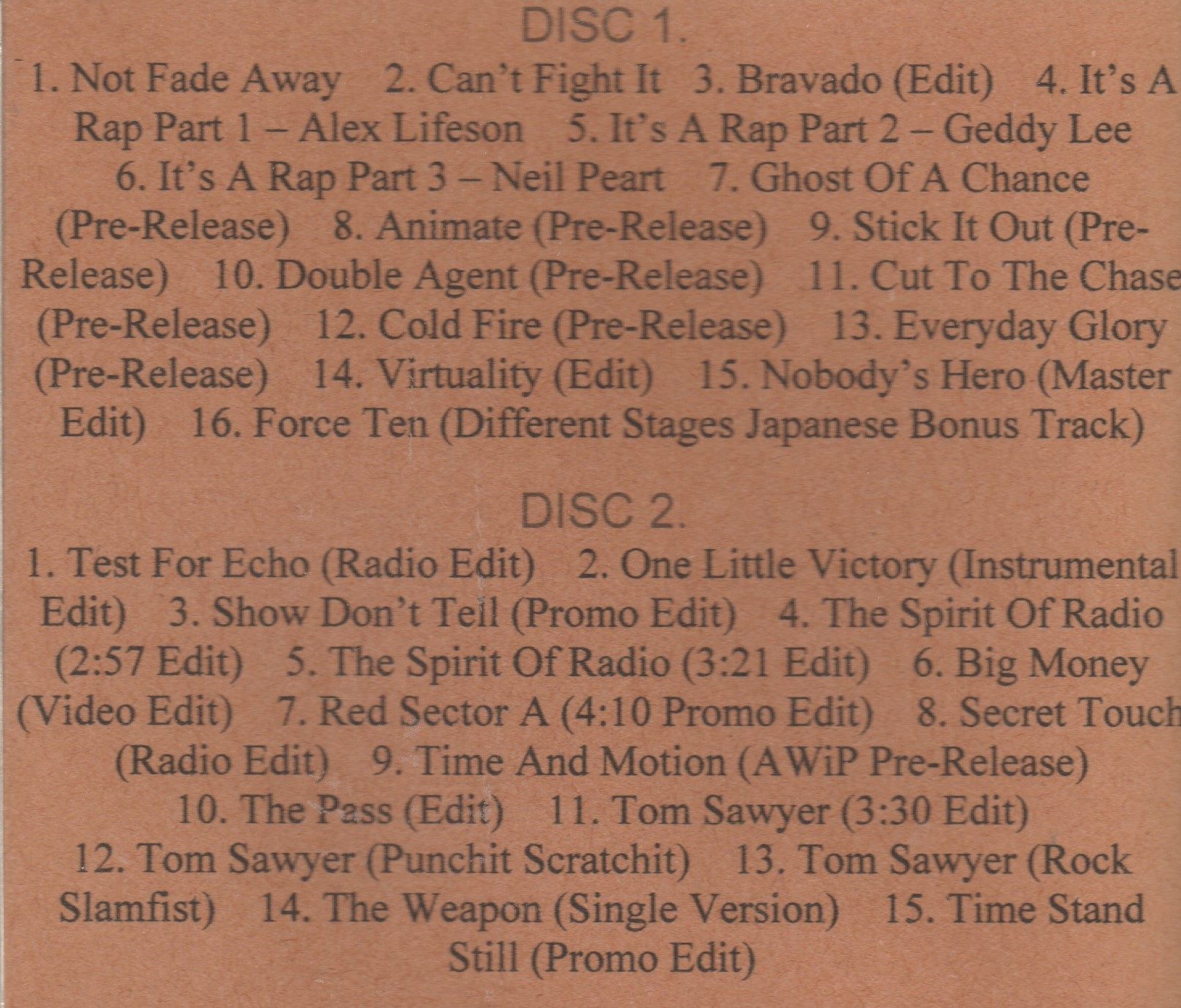
Once upon a time there was a cool, but doomed, Rush fansite. This site had countless downloads for free, and was shut down in short order. While it was up, I grabbed all the studio rarities that they had, and one official live track I was missing. This compilation is made from all of it.
The rarities begin at the start, with the only two tracks featuring John Rutsey on drums. They are significant ones. “Not Fade Away” and “Can’t Fight It” were their very first single on Moon records in 1973. It’s early Rush, more rock n’ roll, and way more high pitched. These are very basic recordings, copied from vinyl. “Not Fade Away” is the old Buddy Holly classic, but harder and with Geddy Lee walkin’ that bassline. “Can’t Fight It” is an original, co-written by Lee and Rutsey. It’s a simple but busy rocker. Alex cuts loose some solos, Rutsey goes bananas on the kit, and Geddy holds it all down with a little bit of flash. One listen to this and you’d know Rush were going places. There’s an electricity on the single that carried over to the first album. They were kids but they could play.
An edit of “Bravado” from Roll the Bones sounds like a CD single was the source. What a song. Is it a ballad? Who cares. It burns. Neil kills it with a drum roll beyond perfect, right at the start of the fade-out, which is why you need the full-length original. It also contains one of the most poignant Neil Peart lyrics: “And when the music stops, there’s only the sound of the rain.”
Next is the three part interview “It’s a Rap”, from the Roll the Bones era. Alex’s portion comes from a 7″ single, Geddy’s from a rare European CD single, and Neil’s from the more common one.* Neil’s is probably the most interesting. He discusses the controversial rap section from the “Roll the Bones” single, which was his idea. Robbie Robertson and John Clease were two people they thought of to deliver the rap, before Geddy did it himself. Speaking of Geddy, his interview has the best quote: “I don’t know how we got this image. Maybe we wore too many robes in the 70s.”
The “pre-release” tracks here from Counterparts are slightly different in the mix. The differences are very subtle. Some more prominent keyboard here, a less double-tracked vocal there. “Ghost of a Chance” has unique Lifeson fills in the last part of the song. These tracks will be fun for any fan of Counterparts (a great album). Some of the best songs have these “pre-release” tracks. From “Animate” through “Double Agent”and finally “Everyday Glory”, these are awesome tunes. “Cold Fire” absolutely smokes. Unfortunately these tracks are not as clear as others, as they came (as I recall) originally from a rare promo cassette.
An edit of “Virtuality” from the (honestly dreadful) Test for Echo album is a drag. I don’t like to speak ill of the dead but “Net boy, net girl” is not one of Neil Peart’s best lyrics. In the 90s there was a trend of internet-themed songs, and none of them were really any good. Moving onto “Nobody’s Hero”, which is a “master edit” (not sure what that is). It’s only short by about 20 seconds at the end as it fades early.
The only live track on here, “Force Ten”, comes from the very rare and expensive Japanese import for Different Stages. It could possibly be the only Japanese bonus track that Rush have. Much like the album itself, this track is awesome and harder hitting than its studio counterpart.
Disc 2 opens with a radio edit of “Test for Echo”, one of the best tunes from that album. Really cool is an instrumental mix of “One Little Victory”, though it’s so fuckin’ overdriven. Vapor Trails reduced to mp3 (especially back then) is a harsh sound. This is very brickwalled. But as an instrumental, it’s worth suffering through. Compare that to the crisp “Show Don’t Tell” (promo edit) that follows. Now you have depth and texture.
Vintage vibes return on an old “Spirit of Radio” edit — two of them actually. One is 2:59, the other 3:23. They crackle of old vinyl. Consider that the original is almost five minutes! Radio edits are what they are — chopped to cram more songs in between commercial breaks. “Shatter the illusion of integrity, yeah.”
Some high-tech songs shake it up a bit. “Big Money” and “Red Sector A” are edited and truncated (“Big Money” for a music video). “Red Sector A” is missing a whole minute of music from the middle, which you definitely miss. The edit is just yucky, as is the one at the start of “Secret Touch” from Vapor Trails. I’m realizing that, on its own, I can listen to Vapor Trails. But I cannot listen to them one song at a time on a mix CD like this. That overdriven mix is too drastic for a compilation. (This is why Rush remixed tracks for their own Retrospective 3 album.)
“Time and Motion” is a “work in progress” pre-release, and it’s harder to listen to than the album version from Test For Echo. More enjoyable is an edit of “The Pass” (Presto). This brilliant, minimalist Rush tune was the start of a new kind of sound for them. An awkward edit of “Tom Sawyer” cuts the song down to 3:32, a real shame. Here’s thing: “Tom Sawyer” was Rush tightening things up; making them concise. There was no fat to trim on that song. Everything that was there belonged. This edit is a butcher job, cuts all over the place, an absolute travesty.
Next we arrive at the remixes. The “Punchit Scratchit” and “Rock Slamfist” mixes of “Tom Sawyer” come from a promo single for the Small Soldiers soundtrack. They’re pretty terrible. Nobody needed to overdub somebody going “rock! rock!” over it. There’s a neat loop repeated in both mixes, but most fans will call these tracks “abominations”. Don’t forget that these were done for a kid’s movie.
Saving one of the best for last, it’s “The Weapon” featuring Joe Flaherty as “Count Floyd”! Fans of SCTV know who that is. The 7″ single this originated from goes for about 45 bucks on Discogs. Definitely an item reserved for those with an all-expenses paid Rush card! It really is a treasure though, considering the importance of SCTV to Rush over the years. Joe Flaherty on a Rush single — yes, I want that.
The compilation ends on an up note, with an edit of “Time Stand Still”; though a bit choppy. It stands as a reminder that Rush are not serviced well by single edits. Indeed, any edit on this set is noticeably inferior to its album counterpart. These particular Rush songs were honed in the studio to the necessary elements already. Further thinning did not need to happen and only hinders enjoyment.
But, they’re rare, is the thing. And collectors live for anything different from the album versions. It’s part of our disease. I won’t say “go and track down these promo singles”. No, don’t do that. That’s expensive. I just hope you found this information interesting. There are definitely treasures worth spending money on, among these downloads. But sellers know that, and charge according to what they feel they can soak you for. It’s unfortunate but owning this stuff physically is hard to prioritise, and for that reason, most of us will have to settle for downloads and bootlegs.
* Neil’s interview is the only one that I own physically on CD single.















 mikeladano.com