hard rock

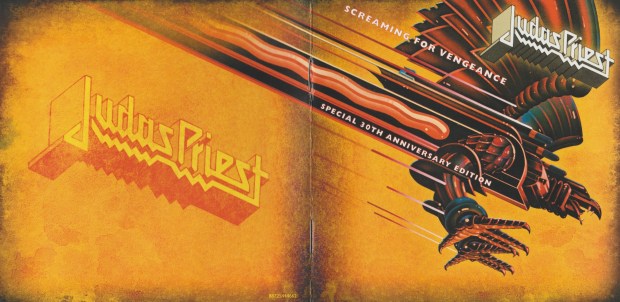
REVIEW: Judas Priest – Screaming For Vengeance (30th Anniversary Edition)

JUDAS PRIEST – Screaming For Vengeance (Originally 1982, 2012 Sony 30th Anniversary Edition)

While people recognize British Steel as a platinum Judas Priest landmark, it was Screaming For Vengeance that went double platinum.  It introduced Priest to the MTV generation and opened them up to bigger American audiences.  But before we get to Screaming For Vengeance itself, a cornerstone Judas Priest album in anyone’s books, the “Special 30th Anniversary Edition” must first be addressed.  The extra content is a full concert DVD, and four bonus audio live tracks from the same DVD.

To have Priest live at the US Festival is a wish fulfilled for many.  The daylight show with full classic costumes (Rob decked in silver) is a nostalgia blowout.  The band look lethal although drummer Dave Holland appears overwhelmed by the demanding tunes.  The setlist isn’t half bad, with “Green Manalishi”, “Diamonds and Rust”, and “Victim of Changes” being highlights and filling the need for old classics.  The bulk of the set is made up of more recent material from the three 1980s Priest albums thus far.  Tempos are fast, cowbells are in the air, and Rob is at his confident shrieking best.  The audio is great and the video is well reproduced.  Owning this edition of Screaming really is a must since it’s the only official release of this show on DVD.

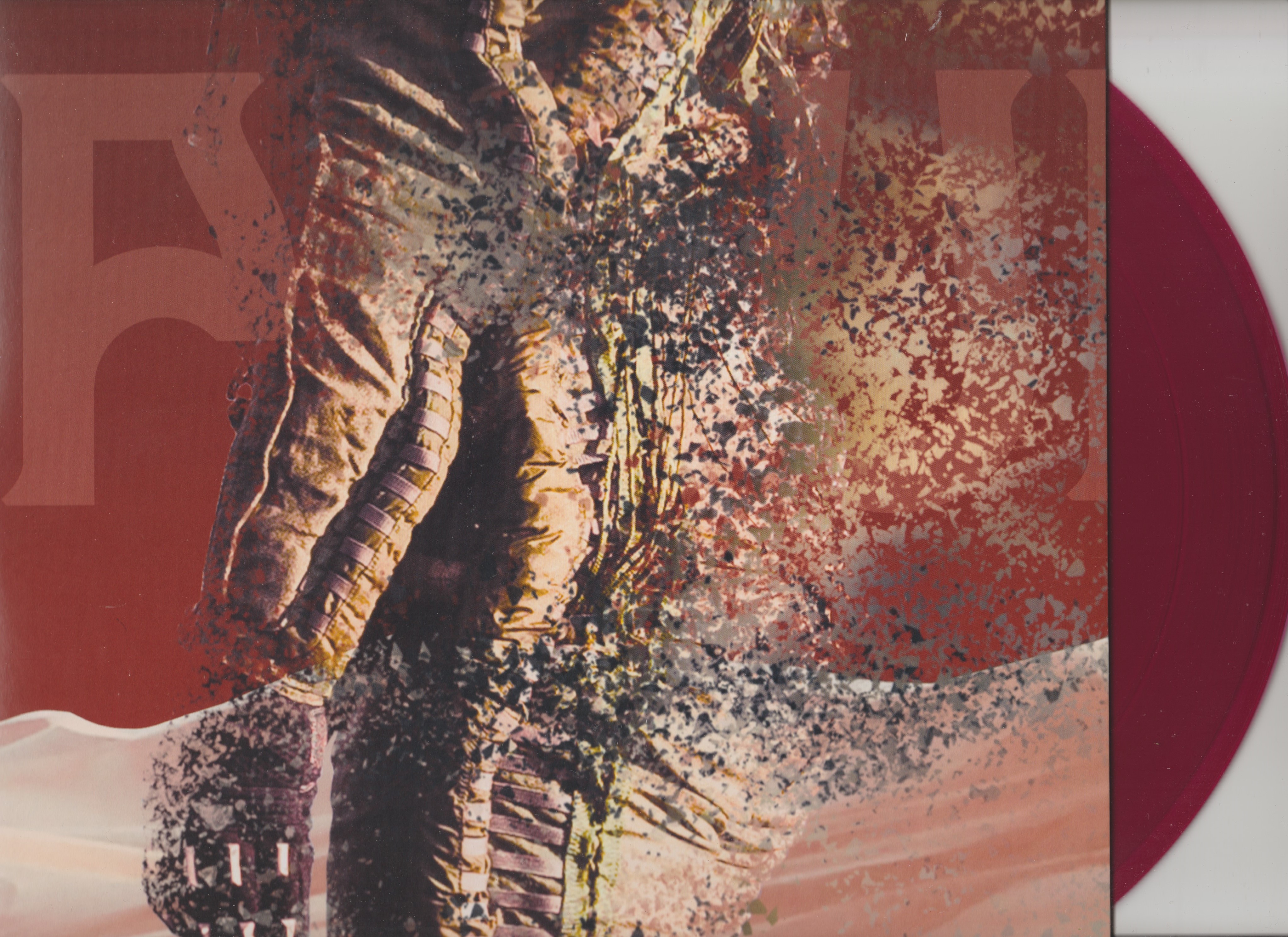
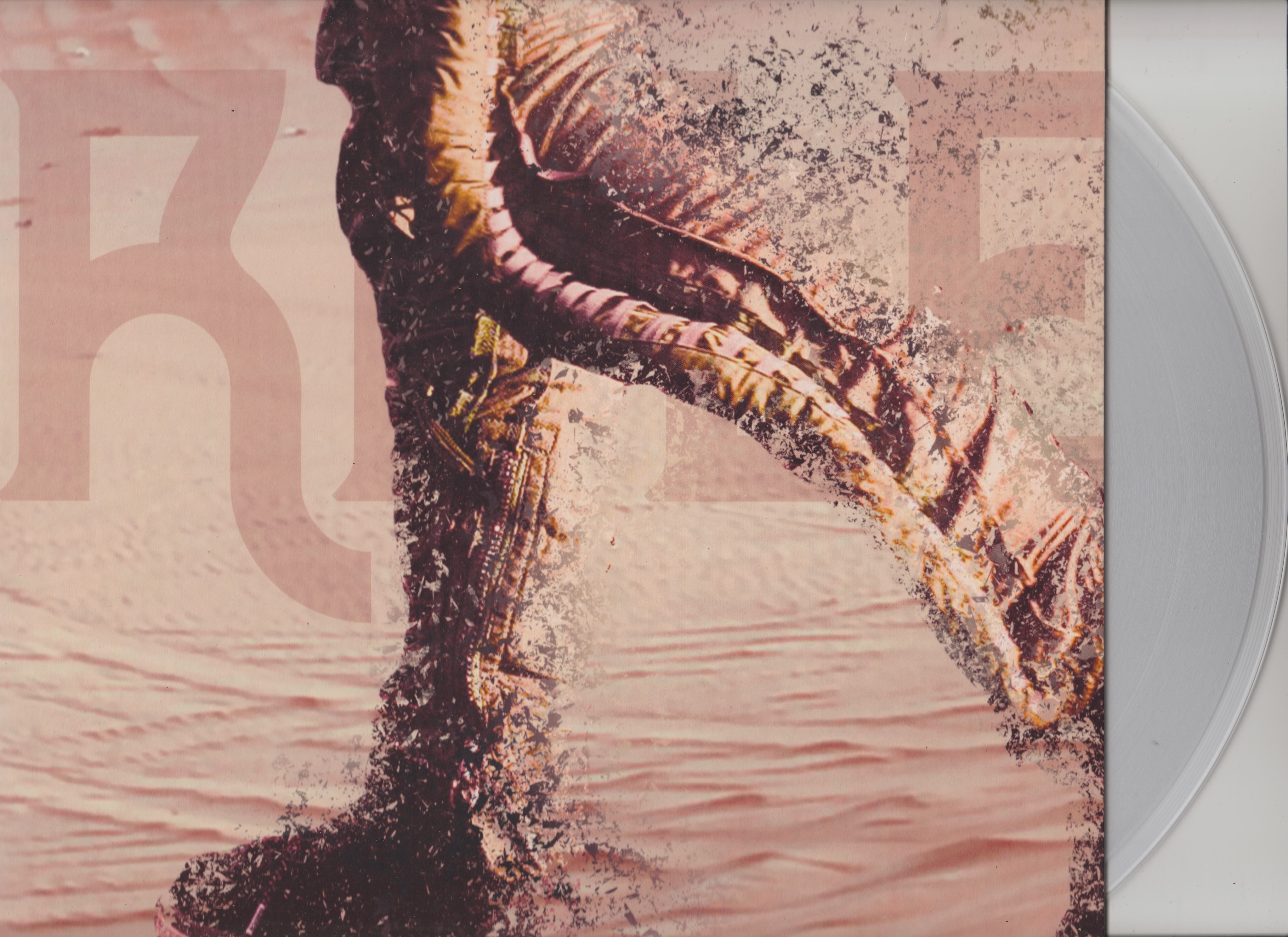
The re-imagined cover art is nice, fitting in with other Priest deluxe reissues (see images at bottom).  In an unfortunate oversight, the clean and sharp original artwork is included nowhere inside this set.  They did include the two bonus tracks from the previous remastered CD release, which we’ll get to after we discuss the album in full.
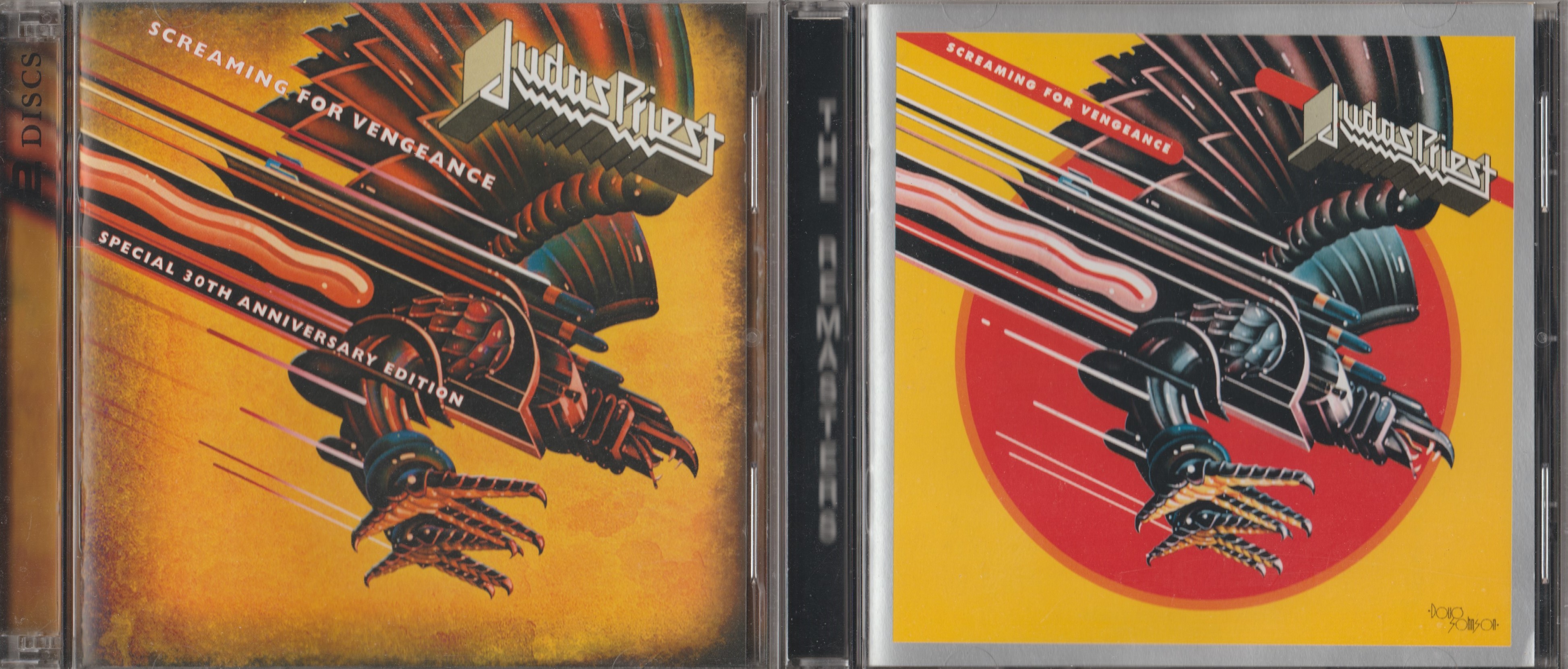
Screaming For Vengeance was a sudden change of style for the Priest, after two rather soundalike albums.  Similarly the next album Defenders of the Faith would be cast from the same mold as Screaming.  All these albums were produced by Tom Allom.  Tempos were turned up, guitars sharpened, and as per the title, Rob Halford screamed.  A lot.  The refined 80s Priest was evident on the opening duo “The Hellion/Electric Eye”.  The guitars are sleeker, the vocals processed and robotic.  The riffs are just as sharp.  Priest were going for the throat.  This opening one-two punch was more punishing than any music I ever heard at that time.  Though you could not claim it’s heavier than a Priest oldie like “Saints In Hell”, the production is louder and more in your face than ever before.

Drummer Dave Holland sprays a bloodbath of bashes at the start of “Riding on the Wind”, Priest speeding on the highway once again.  With Rob in high register, this catchy tune is perfect for keeping the wind in your face.  The first respite in terms of tempo is “Bloodstone”, though its glorious riffs need no accelerant.  Halford’s scatting at the end is classic and a rare reappearance of his old sassy self from Hell Bent for Leather.

“(Take These) Chains” is one of the most immediately accessible tracks, a mid-tempo delight as Priest do so well.  They end the side with a slow metal grind called “Pain and Pleasure”, drums soaked in echo.  Rob alludes to an interest in BDSM again, but with music this heavy most people just headbanged and ignored.  (In another sad oversight, the lyrics are not contained within this edition, but were reproduced on the previous CD remaster.)  Don’t assume that because it’s a slow one it’s weak.  “Pain and Pleasure” is a resounding an d memorable side-ender.

The second side opens with the sudden shock blitzkrieg of the title track.  Speed metal turned up to 11, “Screaming For Vengeance” is over the top and almost self-parody.  It’s one of Priest’s most overdriven blasts of might, but it also verges on mindlessness if not for a spirited solo section in the middle.  But then in another jarring shift, the sleek mid-tempo groove of “You’ve Got Another Thing Comin'” rears its familiar head.  When I was a kid, there was no question this was Priest’s “big hit”.  It was the song everyone knew, and the music video was on constant rotation.  Classic clip.  The man pursuing Priest is meant to represent the tax man.  When Rob essentially yells at him “no tax man, you will not take my money,” his head blows up.  They used a little too much TNT on the mannequin, and so the tax man’s pants fell down in an added humiliation.  Such is the power of heavy metal, folks.  Got tax problems?  Rock and roll right in that tax man’s face.  Eventually his head will blow up.  If you’re lucky the pants might also fall.  This is what Priest have given the world!

“Another Thing Comin'” is a brilliant song.  Radio super-saturation cannot dull its simply-constructed hooks.  Its placement (second song, side two) is odd but that didn’t stop it to #4 on the US Billboard rock chart, nor did it impede the album rising to #17 on the Billboard 200.

The album begins drawing to a close, with an echoey tremolo effect on “Fever”, one of the album’s best cuts.  Then the echo ends, and a clean guitar accompanies a plaintive Rob.  Mid-tempo, powerfully built and loaded with hooks, “Fever” is a late-album winner.  Then, three quarters in, Halford turns on the high voice and the song transforms into something else equally cool.  Finally the echo-guitar returns to help bring the song to its dramatic end.

“Devil’s Child” is the last hurrah, a fun and heavy indictment of an ex-lover who’s “so damn wicked” and “smashed and grabbed all I had”.  The album ends as suddenly as it begins; jarring transitions being a sonic theme on Screaming For Vengeance.

Tom Allom’s production is often maligned as inferior to the more raw and loose sounds of Priest on their 70s albums, and there’s certainly an argument to be made there.  Screaming For Vengeance is not a warm album.  It is cold, sharp and steely.  It has a precise, digital undertone.  But it’s also heavy, considerably more so than Point of Entry which preceded it.  The cover art indicated that we were entering a new phase for Judas Priest; a simpler streamlined 80s phase but still deadly enough for the old fans.

The live bonus tracks included on the CD were not chosen willy-nilly.  Instead of including the best hits from the US Festival DVD, they use tracks from a different show in San Antonio, and all from Screaming For Vengeance:  “Electric Eye”, “Riding On the Wind”, “You’ve Got Another Thing Comin'” and “Screaming” itself.  Watch out for the squealing feedback!  Finally the original bonus tracks from the 2001 CD are edition are tacked on so you don’t have to own two copies.  These include a raspy, smoking “Devil’s Child” live from another concert, and a demo from the 1985-86 Twin Turbos sessions called “Prisoner of Your Eyes”.  I hate when Priest use bonus tracks from the wrong era, but the Screaming For Vengeance reissues are the only place you can get this song.  In a stylistic shift, this slick ballad sounds more like “A Touch of Evil” from Painkiller, but far tamer.  (The guitar solos were overdubbed and tracks finished in 2001.)

Good special edition, but not great.  As these things go I’m sure we can expect a better 40 anniversary edition.  It won’t be long now.

5/5 stars for the album

3.5/5 stars for the 30th Anniversary edition

REVIEW: Deep Purple – Whoosh! (2020 Super Deluxe box set review)

DEEP PURPLE – Whoosh! (2020 Edel Limited Edition Collector’s Box Set)
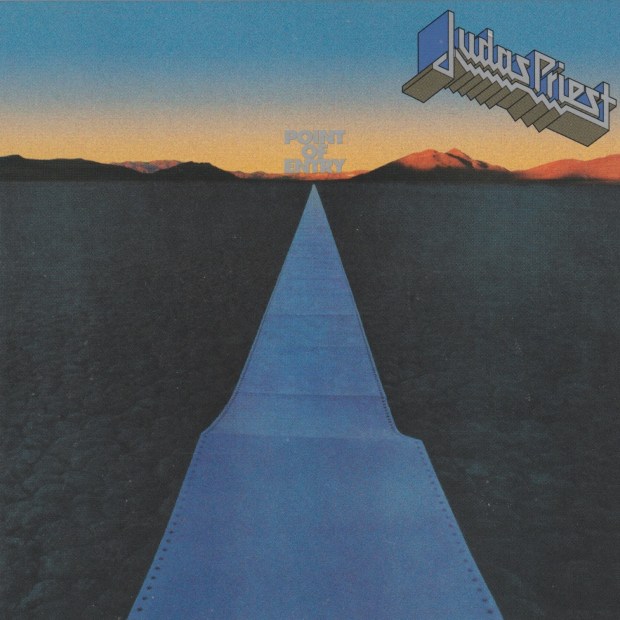
Includes:

  • Whoosh! (CD and 2 x LPs)
  • The Infinite Live Recordings, Vol 2. (3 x 10″ EPs)
  • DVD – Live at Hellfest, Roger Glover and Bob Ezrin in Conversation


Whoosh!

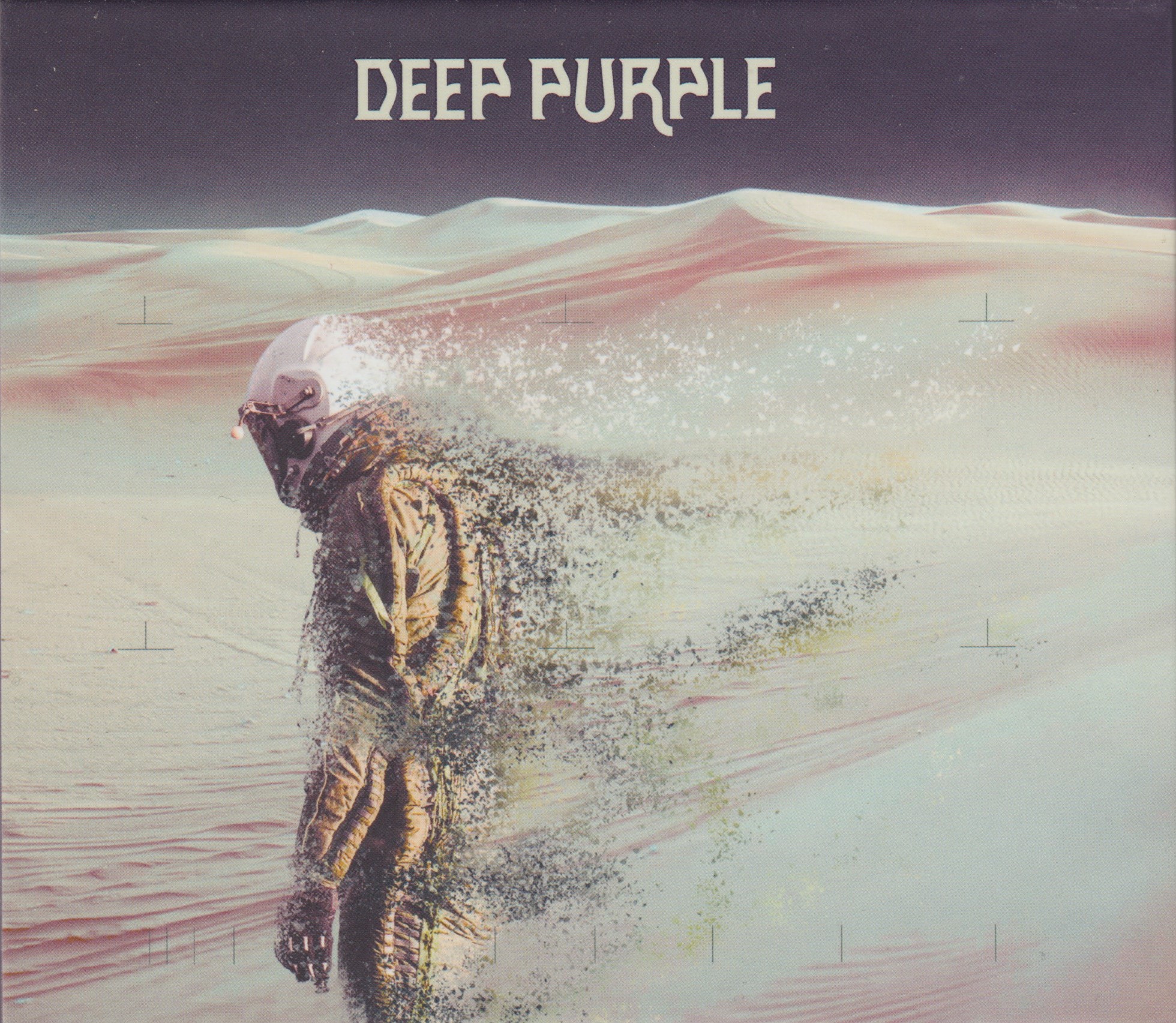
Every Deep Purple album seems like the final album.  Maybe this one is; maybe it isn’t.  It feels like the band treat every album as seriously as if it was their last.  The cover art and music of Whoosh! takes us back to 1968 and Shades of Deep Purple.  The logo is similar, and there is a new version of the 52 year old first Deep Purple song ever, “And The Address”.

Opening with the lead single “Throw My Bones“, the album sets a mid-tempo pace from the start.  This is a lush, catchy groove with hints of classical and funk.  It began life during the Infinite sessions but was not finished until Whoosh!  Purple pick it up a bit on “Drop the Weapon”, a non-preachy appeal for cooler heads to prevail.  It has a similar vibe to the 1988 album Accidentally On Purpose by Ian Gillan and Roger Glover.  The immediate riffs and hooky vocals are bound to make this a favourite.

“We’re All the Same in the Dark” has a cool groove and a jaw dropping funky Morse solo.  Purple haven’t sounded this funky since Glenn Hughes was in the band.  Airey and Glover give it some heaviness.  “Nothing At All” sounds like a Morse composition, but his intricate classical-inspired interplay with Airey is sheer delight.  This could be the best track on Whoosh!, and contender for one of the best songs of the entire Morse era.  A massive chorus could help this one cross over on radio.  Though it’s a far different song, “Nothing at All” has elements that recall “Never A Word” from Bananas.  A regal-sounding crowning achievement.

“No Need to Shout” opens with the growl of a Hammond.  “Just a bunch a crap, you’re talkin’ out your hat!” sings Ian on a song featuring rare female backing vocals.  This is one of a few new Deep Purple songs that display a pissed-off attitude.  “I got your message loud and clear, the meaningless ringing in my ear.”  Add in a couple naughty words and you can tell Ian isn’t having any of it.  Cooler though is “Step By Step”, a very different kind of song with perhaps some lineage with “Vincent Price” from Now What?!  The haunting, ghostly quality of “Step By Step” sets it aside with a cascade of keyboard accents.

Purple start to boogie on “What the What” (a friendlier way of saying “What the Fuck”).  While Don’s hammering the keys, Steve stabs out with some tasty guitar twang.  If any song recalls “old” Deep Purple, it’s “What the What”, which could have been on 1973’s Who Do We Think We Are!  But that album completely lacks the joie de vivre of “What the What”.  Then Purple get heavy on “The Long Way Round” which just drives.  The keyboard solo is out of left field but is a spacey masterwork to itself.  There’s even a sly Black Sabbath callback — “I promised myself I would not get Trashed again.”  Then the song dissolves into a beautiful, quiet stream of notes.  This serves as a great lead-in to “Power of the Moon”, an excellent track previously heard on the “Throw My Bones” single.  It stalks prey in the cover of night.

Another heavy growl unexpectedly opens “Remission Possible”, an absolutely smokeshow of fretwork.  It’s a brief instrumental interlude just before the excellent “Man Alive”.  This track, enhanced by orchestra, sounds absolutely massive.  It has serious heft, but it’s not weighed down.  Ian is writing about some heavy themes and it will take deeper analysis of the album as a whole to decipher them all.  Roger Glover was very happy with Ian’s writing on the album, which takes a more contemplative tone without going heavy-handed.

The final side of vinyl begins with another instrumental, the aforementioned “And the Address” from Shades Of.  Deep Purple have occasionally re-recorded old material with new lineups, such as “Hush ’88” and “Bludsucker”.  This cut of “And the Address” has more momentum.  The only guy present who played on the original is Ian Paice, but Don Airey is a dead ringer for Jon Lord.  “And the Address” is one of the most enjoyable songs on Whoosh!, probably surpassing the original recording.

There’s still one track to go:  the “bonus track” called “Dancing In My Sleep”.  Safe to say it’s called a “bonus track” because it’s the most different of all the songs.  It’s an Airey conception based on a cool little techno beat.  Though it’s certainly not dance music, it does have one foot in that world and it’s a sheer delight to hear Purple stretch out into new territory 52 years into their game.

A seriously fine album this late in the career.  An album so fresh that it is hard to rate so soon.  But clearly a high point, with a band still exploring new ideas completely unafraid of what people might say.  In fact, a band who still has something to say.  Something worth listening to.

4.25/5 stars

But that’s not all of course.  Go big or go home.  Check out the rest of the box set’s contents in detail below.


The Infinite Live Recordings, Vol. 2

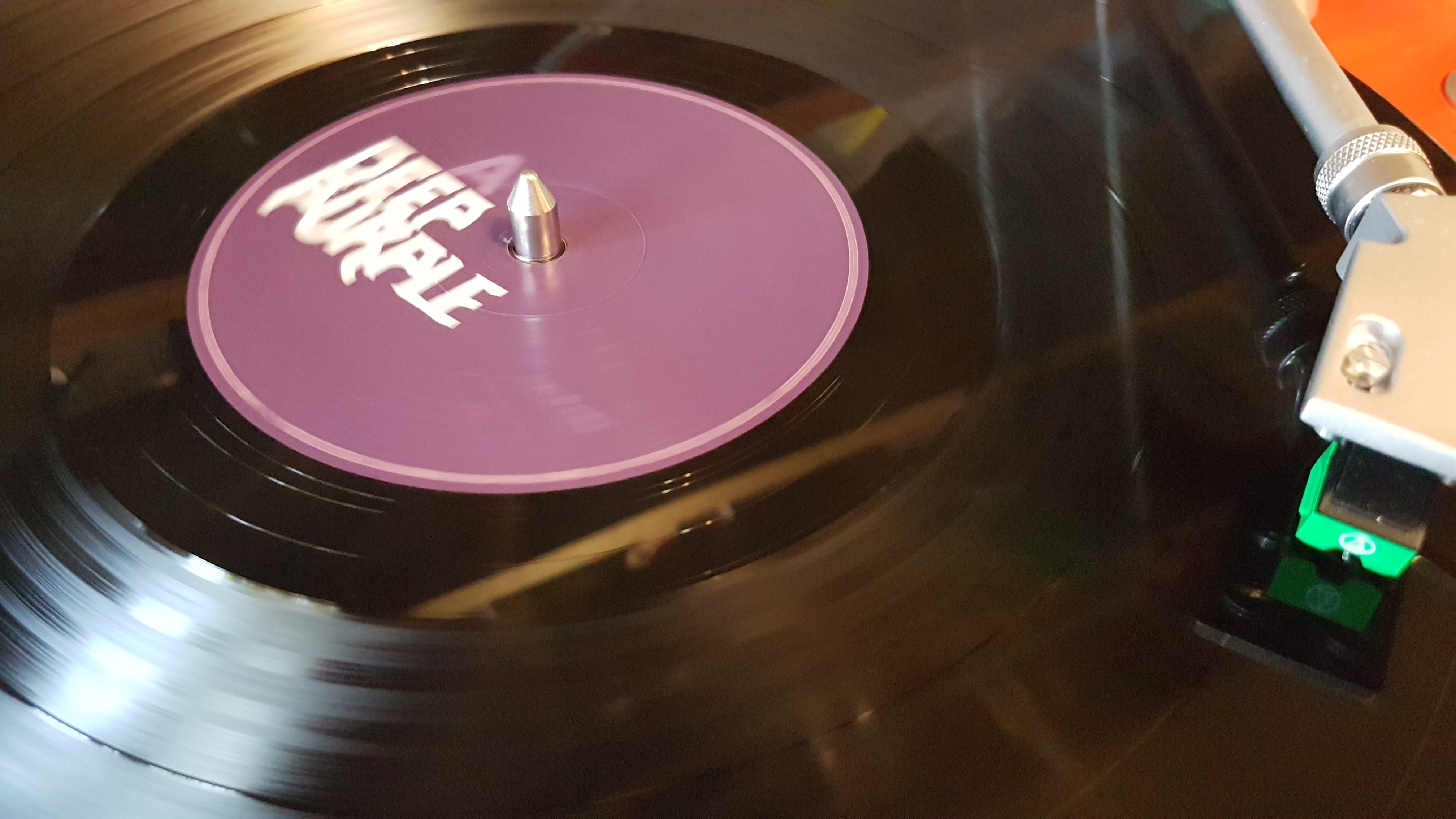
The previously released Infinite Live Recordings, Vol. 1 came out in 2017.  The concept behind the series is simple: pure live releases with no overdubs.  Vol. 2 comes from a show in 2017 on the Infinite Tour in Rio.  It is the big bonus in this box set, and present on a set of three beautiful 10″ coloured records.  72 minutes of live Purple — essentially, a double live album.

The opening thunder of “Highway Star” is robust on purple 10″ vinyl.  How these guys can still blast through it full speed is unknown, but they do it.  Mr. Gillan still gives it his all, which is not the same in 2017 dollars as it was in 1970 dollars, but still more than the average mortal his age.  Mr. Morse and Mr. Airey give each version of “Highway Star” a different feel, while Mr. Paice in the back is the only original member left from the 1968 lineage.  Sticking to Machine Head, Purple seamlessly go into “Pictures of Home”.  The old familiar groove of Mr. Glover is comforting warmth from the emptiness, eagles and snow.  Morse’s solo is a composition to itself, and then Airey gets to put his spin on Jon Lord’s classic organ solo.  Then it’s an unfortunate side flip as the band goes back to In Rock with “Bloodsucker”.  Gillian is more a verbal timekeeper than the screamer he once was, but the track is otherwise flawless and heavier than lead.  A more mainstream hit, “Strange Kind of Woman” flows from that, and relaxes the groove a bit.  Don Airey gets his first of two solos (this one organ) as the last track on this disc.

The action continues on transparent burgundy vinyl, and “Lazy”.  Morse’s signature string bending is the star of this show.  There are a couple different twists in this fresh version including a nifty Gillan harmonica solo.  Then it’s the only new song of the set, “Birds of Prey” from Infinite.  It’s weighty and worthy of its place.  Steve Morse is the Captain on this flight.  Gillan ends the track on a joke and then, after a side flip, introduces Don Airey’s keyboard solo including Ozzy Osbourne’s “Mr. Crowley”.  This diverse and fun solo goes into “Perfect Stranger” (no “s”?) which has steadfastly remained in the setlist ever since its 1984 conception.  Gillan is shaky but the Purple is solid.
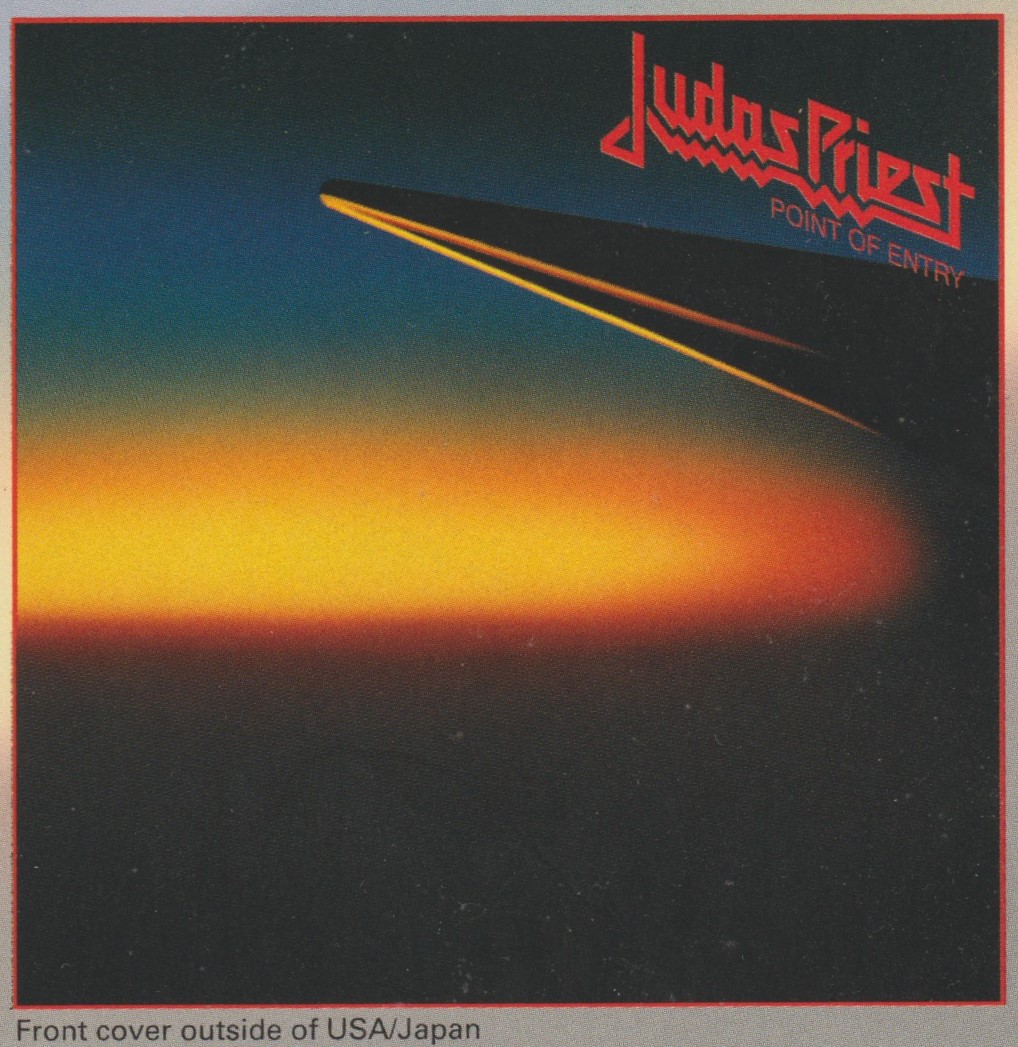
The final vinyl, clear 10″ power, commences with “Space Truckin'” signalling the beginning of the end.  “Smoke on the Water” is the penultimate moment, slow and groovy after all this blazing rock.  Ian Paice has a couple nice moments on this one and Steve Morse’s stuttery solo is completely compelling.  One more side flip, and Purple end the set with their first hit “Hush” and the “Peter Gunn” theme.  Glover goes funky on this one with a bassline a little like “Another One Bites the Dust” in parts.

An entertaining and good live album, but one you won’t play often simply because Deep Purple have 846 live albums (exaggeration).

There is still more live material from the same tour in DVD form included in this box set.


Live at Hellfest

Next we have a double feature DVD:  A live show from Hellfest in 2017, and an interview session with Roger Glover and Bob Ezrin.  The Hellfest show has a much longer runtime with more new material.  They open the show with “Time For Bedlam” from Infinite. Ian doesn’t even attempt to sing it in tune, but we’ll always cut the guy some slack for still getting up there and givin’ ‘er.  The track has a “Pictures From Home” vibe, and the band look cool playing midday in shades.  Into “Fireball”, Ian Paice leads the charge as if it was 1971.  Don Airey has an Ozzy bobblehead on his keyboard!  Then it’s “Bloodsucker”, powered by Paicey.  “Strange Kind of Woman” is a nice melodic respite after a pair of piledrivers like that.  Ian ends this one with a bizarre freeform spoken word beat poetry bit, but with Morse shredding next to him.

The Jon Lord tribute from Now What?!, “Uncommon Man”, is heartfelt, and a solid track from their current era.  It sounds massive.  As good in quality is “The Surprising” from Infinite, something of an epic, and performed with full gusto.  Intricate symbol work by Paice.

After a brief pause, it’s on to Don Airey and “Lazy”.  A high speed workout like that merits something slower to follow, so it’s “Birds of Prey” from Infinite, a steady groove with dynamics.  Steve Morse’s solo takes center stage and it’s a melter.  “Hell To Pay” picks up the pace.  Not Purple’s most remarkable single, nor the best version, but nice to have in live form.  Airey’s jammy keyboard solo on this track is stellar, just as the sun starts going down.  Then he gets his own full-blown solo, with the Ozzy bobblehead there next to him during “Mr. Crowley”.  Roger Glover just watches from the side as Don goes to town through familiar melodies and themes.  The crowd eats it up smiling.

Don takes it into “Perfect Strangers” without missing a beat, and soon the rest of the band joins him.  This version has some stellar Morse guitar trickery.  The set is almost finished, with only “Space Truckin'”, “Smoke on the Water”, “Hush” and “Black Night” left to satisfy cravings for the classics.  Even at the end Paicey still brings that thunder.  “Hush” has the “Peter Gunn” theme attached, and “Black Night” brings the show to a massive finish.

It’s absolutely delightful watching Ian Paice play the drums, as he mouths along to every beat as if playing beatbox along to himself.  It’s fantastic and an expression of pure joy.

It’s not over yet.  The DVD has even more content.


Roger Glover and Bob Ezrin in Conversation

The DVD also includes the conversation with Roger Glover and Whoosh! producer Bob Ezrin.  This is another full 70 minutes of content.  Ezrin was involved with Purple from the jamming stage in Nashville and speaks in terms of “we”.  One of the biggest takeaways from this interview is a piece of wisdom from the late Jon Lord as told by Roger Glover.  Lord didn’t want to do more than two takes of a solo.  More than that, and he starting thinking too much.

The pair discuss the lyrics, the songs, the title (nicked from Faulty Towers), the playing, and more.  It’s lovely watching the pair just enjoy Steve Morse’s harmonics.  “Like capturing lightning,” says Roger.  Watching this portion of the DVD will enhance your enjoyment of the album.  It’s fun knowing what parts of the songs turned on the musicians and producer.  “Stretch out,” advised Bob.  And so Purple interpreted that as stretching it out every way.  “I wanna put the Deep back in Purple,” said Bob.  The boys also praise Ian Gillan’s focus, from eating right to meditating.  They even go back in time and talk about Glover’s joining of Deep Purple in 1969.

Ezrin particularly loved seeing magic unfold live before his eyes and ears, captured on tape.  He is obviously a fan of Deep Purple as musicians and as people.  Whether you can get into Ezrin-era Purple or not, there is real chemistry between band and producer.

You’ll probably only watch this conversation once, but you’ll be glad you did that at least.  There is so much knowledge and history to absorb here that all fans are advised to give the whole thing a spin.


Summing up

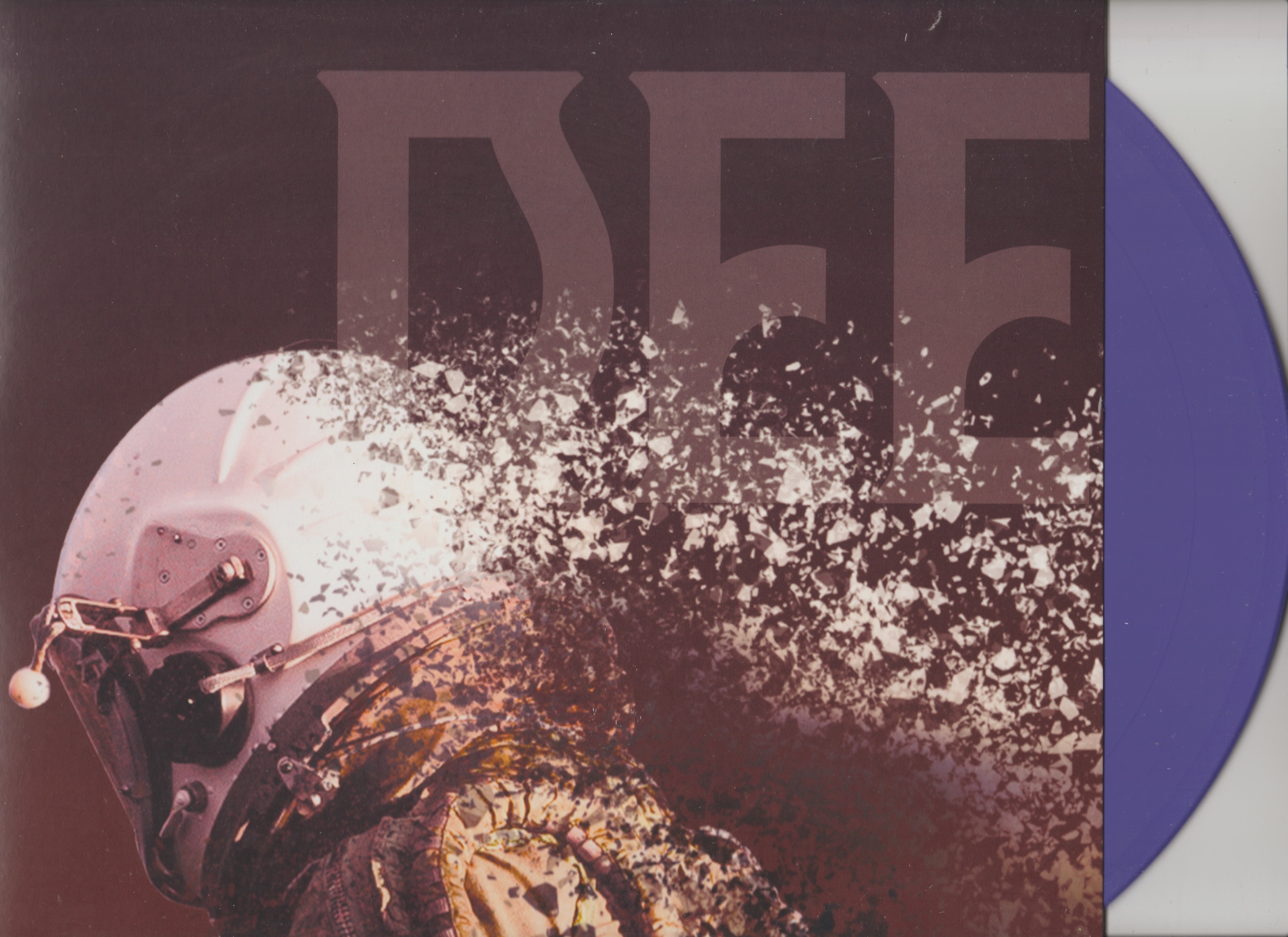
The box set itself comes with a cool black T-shirt with the “strolling dissolving astronaut” graphic.  This is the second album in a row with simple excellent art design for Deep Purple.  The astronaut recalls the music video for “Knocking At Your Back Door” from 1984.  He appears in numerous places in this set in different forms.  There are three art prints (two 12×12 and one 12×6), and of course all this music!  The vinyl copy of Whoosh! comes in a gatefold sleeve with credits and photos.  It sounds phenomenal with plenty of bottom end.  For lyrics, you’ll have to dig into the included CD copy.

Of course, if you don’t need all the extra live stuff and added goodies, you could just buy Whoosh! on CD, vinyl or download.  It’s frequently said that the benchmark for Purple is Purpendicular.  “Best album since Purpendicular,” fans often enthuse.  Whoosh! could be the best album of the Ezrin era, and is a contender for best of the Steve Morse epoch.  A serious fan will want the whole box with the three live 10″ discs.  They are beautiful to look at and sound good on the turntable.  Though the set is expensive, this is the kind of thing I’m willing to pay for.

4.25/5 stars for Whoosh!

4/5 stars for the box set

REVIEW: Judas Priest – Point of Entry (1981, Remastered)

JUDAS PRIEST – Point of Entry (1981, 2001 Sony remaster)

Point of Entry will always be one of those “other” Judas Priest albums. It wasn’t a ground breaker and wasn’t a massive seller. It will always just be “the album that came after British Steel” or “the one that came before Screaming for Vengeance“.  It did fine (500,000 US sales) and spawned a killer single called “Heading Out to the Highway”, but it didn’t make history like the other two records.

Coming after British Steel, Priest continued with producer Tom Allom and drummer Dave Holland, and it doesn’t sound like they were overly interested in taking chances.  Sonically Point of Entry is a carbon copy, though with less impactful songs.  In 2001, it was issued remastered by Sony with two bonus tracks.

For me, Point of Entry occupies an interesting space.  Listening to it on a recent road trip took me back to 1987 or 88, when I was in the midst of seriously trying to collect “all the Priest”.  From the perspective of a kid in 1988, Point of Entry was what I thought 1981 must have sounded like, though it wasn’t that long before.  So Point of Entry takes me back not to the early 80s, but the late 80s.  And in the late 80s, it sounded good.

Sure, I was aware that it sounded a lot like British Steel before, but without the massive landmark tracks like “Metal Gods”.  But what about “Desert Plains”?  Why wasn’t it as important as “Metal Gods”?

To this day, I don’t know.

Point of Entry does boast a few songs that could go toe-to-toe with any on British Steel.  Certainly “Desert Plains” and “Heading Out to the Highway” can stand up to the prior album.  “Highway” has one of those riffs so classic that I sometimes find myself humming it in a grocery line wondering what song was in my head.  As a mid-tempo road song, it does the job.  One could argue it’s just a sequel to “Living After Midnight”, but you just try and resist this one.

“Heading Out to the Highway” was made into an unintentionally funny video, mixing on-set with on-location footage in an obvious way.  Worse though were the two videos that followed:  “Don’t Go” and “Hot Rockin'”.  “Don’t Go” features the band playing trapped inside a small room, with a door that leads various impossible locations including outer space.  Fortunately the song is better:  slow and plaintive, yet with that solid rocking beat and a killer guitar solo.  “Hot Rockin'” is high-speed but tends to be forgotten because Priest have better material at this tempo.  The video is situated in a sauna, and then a concert stage where Rob’s flaming feet light fire to his microphone, and the microphone to a couple guitars.  Funny to look at, but I think it’s one of those cases where we’re laughing at the band, not with them.

“Turning Circles”, and a lot of the rest of the album, fall into various categories.  This one fits alongside “Don’t Go” as a slow but hard track.  “We’ve all got somethin’ wrong to say,” sings Rob in this song that seems to be about ending a relationship.  The “ah ha, ah ha” break in the middle is an album highlight, and to me it sounds exactly like my bedroom in 1987.

It’s “Desert Plains” that really brings it home.  There is a pulse to this song, created by Dave Holland and Ian Hill.  You don’t associate those two guys with awesome rock beats often, but here it is.  “Desert Plains” is an instant classic, and it’s alive with movement.  From the verses, to the choruses, to Holland’s drum “sound effects” (like “wild mountain thunder”), this is a Priest classic and shall forever remain so.  This side one closer should have been a video way before “Hot Rockin'”.

The second side opens with “Solar Angels”, another track with an interesting rhythm (slow drums, fast guitar chug).  The song feels like it could use some more substance, but it’s still enjoyable albeit in a “Metal Gods” knock-off kind of way.  Though heaviness is always celebrated, who doesn’t enjoy when Rob Halford gets sassy?  That’s “You Say Yes”, an outstanding shoulda-been hit.  The verses verge on punk rock as Rob spits out the words as only he can.  Then the airy “what I do, what I do, what I do” middle section goes right to heaven — or my room in ’87, I’m not sure which.

Point of Entry ends on three decent but unremarkable mid-tempo tracks, which perhaps always served to weaken the album’s impressions.  “All the Way” might be an attempt to rewrite “Living After Midnight”, and although it’s a cool track we all know Priest have better stuff in this vein.  “Troubleshooter” might even be more of a rewrite, with that opening drum beat sounding a little familiar.  But Rob’s vocals kill it.  Finally “On the Run” is a screamy album closer where Rob is once again the star.

As with previous CDs in this Priest remasters series, there are two bonus tracks, one of which has nothing to do with Point of Entry.  “Thunder Road” sounds a lot like Ram It Down era Priest, so you can safely assume it’s from those sessions in the late 80s.  Clearly outtake quality, almost like a prototype for “Johnny B Goode”.  Then there is a live version of “Desert Plains” from what sounds like the 1987 tour judging by the big echoey drums and Rob’s added screams.  It’s much faster than the album cut, all but destroying the pulse of the original.  Yet the song still kills!  Somehow it didn’t make it onto the Priest…Live! album, which was already stuffed full.

In the late 90s, a guy sold a used copy of this on CD to me, but he left something inside.  Something I wish I’d kept because it was so bizarre and funny.  The back cover features five white boxes in the desert.  The guy left a little white piece of note paper inside, explaining what he thought the back cover was about.   “Maybe they are graves,” said part of it.  I wish I could remember the rest.  (I always thought the five boxes represented the five band members, with the large one in the back being Dave Holland and the drum kit.)  And speaking of the cover, this album does look better on vinyl.  I have vinyl for almost all the Priest up to Ram It Down, and they all look better on vinyl.

Although Point of Entry will always live in the shadows of the towering albums that came before and after, it still leaves a glow behind.

3.75/5 stars

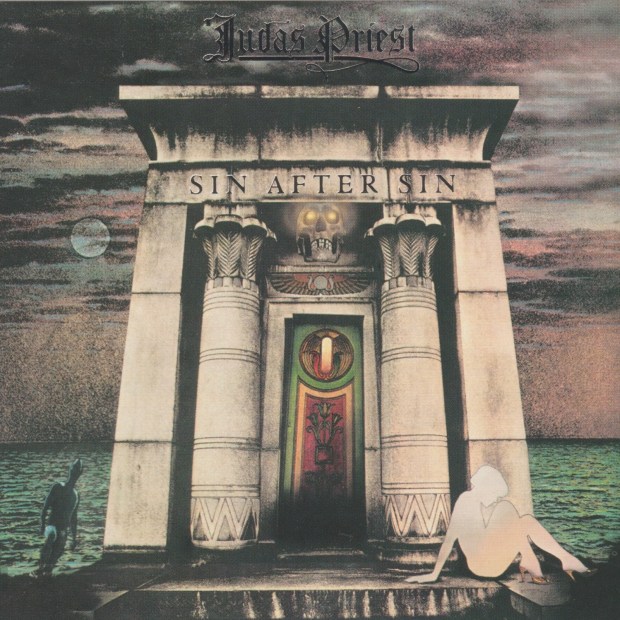
REVIEW: Judas Priest – Sin After Sin (1977)

JUDAS PRIEST – Sin After Sin (Originally 1977, 2001 Sony reissue)

“SIN AFTER SIN, I have endured, but the wounds I bear are the wounds of love.”

This lyric from “Genocide” on 1976’s Sad Wings of Destiny would have been little more than a throwaway, if Priest didn’t recycle the words “sin after sin” for their next album title.  Though the song may have appeared to be the same, much had actually changed.  For the first time, they had a producer that understood that kind of aggressive rock that the young band were trying to create:  Roger Glover, ex-Deep Purple, who had already recorded several albums for Elf, Ian Gillan and Nazareth.  Perhaps even more significantly, for the first time they had a serious drummer creating the beats:  the not-yet-legendary Simon Phillips, who had still already played on a Jack Bruce album.  This was just a session for Phillips, but it enabled Priest to break the shackles of rhythm and really start exploring.

Opener “Sinner” might have been the same kind of tempos that Priest were working with before, but there is a new slickness to the drums; an effortless drive with increasingly interesting accents.  With a solid backing, Priest sound more vicious.  “Demonic vultures stalking, drawn by the smell of war and pain.”  The apocalypse has never sounded cooler.  As Phillips drops sonic bombs left and right, KK Downing goes to town on what would become his live showcase solo.  His growls and trills sound like a beast inflicting wounds on a struggling combatant.  At almost seven minutes, “Sinner” is the album epic, and it’s the opening track!

Priest previously recorded a cover of Joan Baez’ “Diamonds and Rust” for Gull records; that early version can be acquired on The Best of Judas Priest or Hero, Hero.  The Glover-produced track is the more famous and better of the two.  Radio play for “Diamonds and Rust” helped push the album to eventually sell 500,000 copies.  Rob Halford’s high pitched harmonies gleam like polished silver.

Ironic observation:  I hope by now we all know a light year is a measurement of distance, not time.  It is the amount of distance that light can travel in one year (9.46 trillion kilometres).  So, really really far.  Joan Baez playfully used it as a melodramatic measure of time in “Diamonds and Rust”.  (“A couple of light years ago”.)  On the next track “Starbreaker”, Halford refers to “light year miles away”, a crudely worded hyperbole for distance.  So with Sin After Sin, you get it both ways.  Regardless of scientific accuracy (or not) “Starbreaker” is a good track with a slightly flat riff.  Though Phillips is brilliant, it could just use a little more pep.

Like with Sad Wings of Destiny, you gotta have a ballad in there somewhere, and on side one that’s “Last Rose of Summer”.  This softie isn’t bad, though Priest have done and will do better.  Using a ballad to close a side isn’t always wise either, but on CD nobody really notices except us nerds.

“Let Us Prey/Call For the Priest” is a pretty epic side two opener, with harmony guitars playing an opening instrumental anthem.  Then a choir of Halfords joins in, and the band break in to what could be their fastest song yet.  From the wickedly fast dual guitar solos to the powerful rhythm, this song is a blitzkrieg of metal trademarks.  It’s relentless and all over the board, something that 80s Priest rarely was.

Side two keeps getting better with the groove of “Raw Deal”, which was Rob’s real “coming out” to fans in the know.  Today he calls it a “heavy metal gay rights song”.  It’s actually one of Halford’s best lyrics.  Instead of mashing together science fiction words and singing about battlefields, this time Halford paints a hazy picture of what is probably a gay club in Fire Island, New York.  It’s vivid but vague:  “The mirror on the wall was collecting and reflecting, all the heavy bodies ducking, stealing eager for some action.”  It’s also backed by some seriously cool Priest music, almost funky but always heavy.  “The true free expression I demand is human rights – right?”  It was all there in the lyrics all along.

A second ballad, the dirge “Here Comes the Tears” brings a cloudier mood.  An ode to loneliness, “Here Comes the Tears” is the one to play when you just can’t take it anymore.  When Halford starts givin’ ‘er at the end with the wildest screams in history, it sounds like an exorcism.  The guitars howl, a hint of piano can be heard, and there is an underlying choir of Robs singing sadly in unison.  Finally “Dissident Aggressor”, famously covered by Slayer, concludes the album on a violently fast note.  “Stab!  Fall!  Punch!  Crawl!”  This song is not for amateurs and might be the heaviest thing Priest have ever done.  There are plenty of contenders, but “Dissident Aggressor” must be in the Top Five Heaviest Priest Songs Ever.  But that being said, they still have the balls to end the song with another multi-layered harmony of Halfords.

The 2001 Sony remastered CD has two bonus tracks, and the first is the best in the entire series:  “Race With the Devil”, a cover of a track by The Gun.  This version, recorded for the next album Stained Class (Les Binks on drums) could easily have been a B-side all this time.  Why it went unreleased until 2001 is unknown.  Perhaps it was lost, but now that it has gotten a proper mastering job it is available on CD.  This is un-retouched, which cannot be said for other unreleased tracks in the Priest Remasters series.  “Run With the Devil” is raw, riffy, fast, and wicked.  All it really needed to make it album quality is a better guitar solo.  The second bonus track is a live “Jawbreaker” (Dave Holland on drums) from the Defenders of the Faith tour.  Out of place, but an excellent song regardless.

Incidentally, Sin After Sin is the last album before Priest adopted the first version of their current logo design.

4/5 stars

REVIEW: Dedication – The Very Best of Thin Lizzy (1991 North American version)

REVIEW:  Thin Lizzy – Dedication – The Very Best of Thin Lizzy (1991 Polygram North American version)

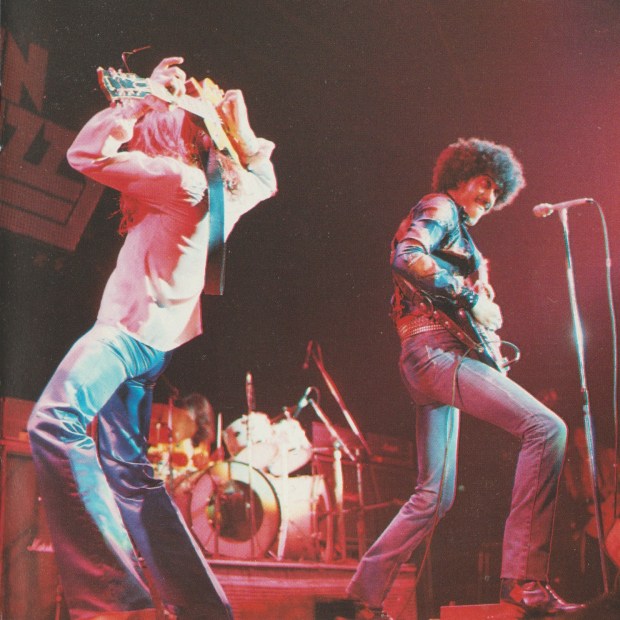
It might not be the best introduction to the most underrated classic rock band of all time, but it was my introduction. Dedication was a 1991 Thin Lizzy compilation that was buoyed by the unreleased song “Dedication” which was released as the radio single.  There’s nothing wrong with the “new” track, except it wasn’t supposed to be a Thin Lizzy song.  Phil Lynott recorded the song in 1985 for his new band Grand Slam.  Scott Gorham and Brian Downey replaced the original instrumentation leaving Phil intact.  And that’s fine.  “Dedication” sounds slightly unfinished but it also sounds like what Thin Lizzy might have been doing had they carried on.

These kind of extra songs usually get spotlighted at the front of the album, or left at the end to whet the appetite.  On Dedication, it goes last, leaving the compilation to ascend in chronological order.  Is that the best way to approach listening to Thin Lizzy?  While many sets go that route, it leads to a very uneven playing experience.  Early Thin Lizzy was much more folksy, and dare I say it, just not as good.  It certainly had some excellent tunes, and some of the better ones are showcased here.  “Whiskey in the Jar” is an actual folk traditional, rocked up and made unforgettable by that Eric Bell guitar hook.  That’s followed by the firecracker “The Rocker”, just shy of three minutes but every one of them shockingly great.

Original guitarist Eric Bell left the band after three albums due to exhaustion, and the band was beefed up to a four-piece with Brian Robertson and Scott Gorham taking his place.  It took a while for the albums to really catch up with the talent.  On CD it’s a lot of slow material before we get to the more rocking stylings of the Thin Lizzy that you know and love.  From 1974’s Nightlife we have “She Knows”, “Still in Love With You”, and “Showdown”.  A lot of ballads and blues and not a lot of fire.  The guitar work is sparkling but the songs are not yet as astounding as they would yet become.  Another ballad, “Wild One” from Fighting (1975) is one of the best of the batch.  It is bookended by two rockers, “Fighting My Way Back” and the Bob Seger cover of “Rosalie”.  Both are tracks you don’t want to live without.

Part of (but only part of) Phil Lynott’s genius was bringing Gorham and Robbo (and later others) together as a unified guitarmony duo.  The next batch of classics really hammer this home.  “Jailbreak”, “The Boys are Back in Town”, “Cowboy Song” and “Don’t Believe a Word” are the embodiment of what people think of when they picture Thin Lizzy.  The driving beats, the hooks, the dual solos, the poetic lyrics — it’s all there in what might be considered Lizzy’s peak era.

Brian Robertson left the band shortly after, and doesn’t appear on “Bad Reputation” or “Dancing in the Moonlight”, but Gorham picked up the slack in the studio and rendered these as two more stone-cold classics.  “Bad Reputation” covers the driving side of the band while “Dancing in the Moonlight” is funky, light romantic storytelling.  Truly excellent songs even without Robbo.

The Gary Moore era follows with “Do Anything You Want To” and “Waiting For An Alibi”, two more excellent Lizzy classics from the underappreciated album Black Rose.  Moore lasted only for one album, and his successor Snowy White for two more.  Snowy is only heard on one track here (“Chinatown”) and the man that replaced him (John Sykes) is heard on none!  So another failing of the Dedication album is a sudden drop-off at the end, leaving out important songs.  “Chinatown” is excellent at least, but so is “Hollywood” and “Renegade”, yet they are not here.

Yes, too many songs were left off Dedication because you couldn’t get ’em all on a single CD.  Johnny The Fox (possibly their best record) is an album that isn’t given enough time here, along with Black Rose.  And to have no Sykes?  Unjustifiable.

Fortunately the last song “Dedication” is better than expected, sounding like Thin Lizzy 1991, beefy and tough.  It doesn’t sound like Lizzy ’75 or Lizzy ’83.  But it does sound like Lizzy because Phil Lynott’s voice tends to do that.  Scott Gorham does a decent job of replicating all the guitar excitement himself (he’s had to do it before).  The track, written by Lynott and Grand Slam guitarist Laurence Archer, had one of those guitar hooks well suited to the Lizzy canon.  Gorham and Downey did it justice enough.

Dedication is not enough Thin Lizzy but it’s enough to get your feet wet.  Although it’s a slow starter it will eventually get you interested enough to try more.  It worked for me and it’ll work for you.

3.25/5 stars

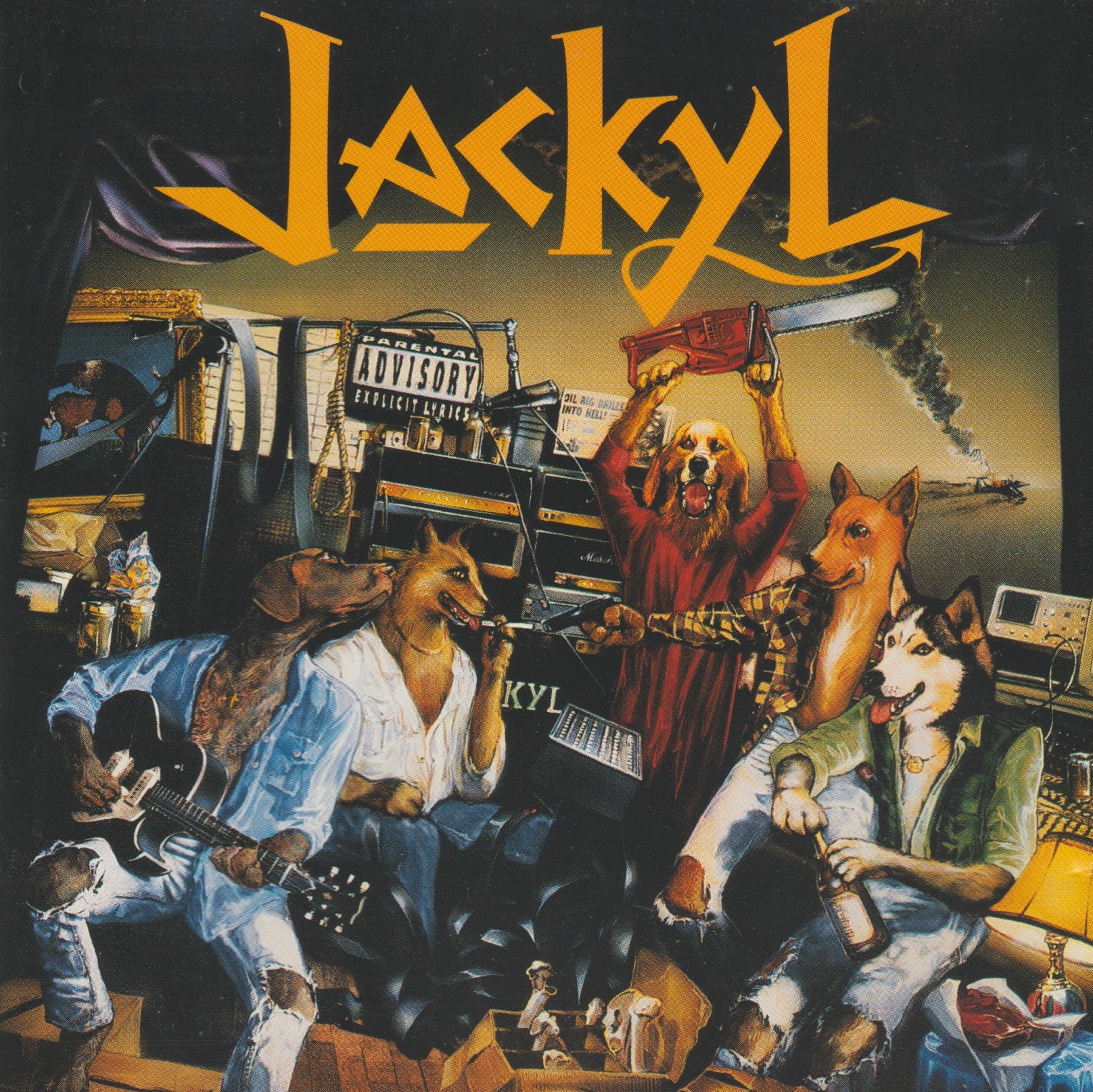
REVIEW: Jackyl – Jackyl (1992)

JACKYL – Jackyl (1992 Geffen)

This is one of the CDs I inherited from my late Uncle Don Don.  I always wanted the first Jackyl for two songs:  “She Loves My Cock” and of course “The Lumberjack”.  Now that I finally have it, I thought it would be fun to review it “live” on first listen.  The first thing to notice is that all of the songs are under five minutes.

Jackyl, starring Jesse James Dupree on lead vocals and chainsaw, signed to Geffen at the tail end of the hard rock era in 1991. It wasn’t too late though as Jackyl scored a platinum with their 1992 self titled debut. Even though they never reached those heights again, Jackyl have continued on to the present day with relatively few lineup changes.

With a song called “She Loves My Cock”, you can probably understand why why K-Mart refused to stock this album. In protest, Jackyl filmed their video for opener “I Stand Alone” in a K-Mart parking lot. An AC/DC vibe is imminent, but Americanized with shout-along chorus.  Dupree certainly has the Brian Johnson pitch and grit, as well as certain vocal inflections.  Good track, solid groove, great catchy solos.  The shouted bits are dated, but the song is otherwise pretty slick.

Then Jesse James starts squealing about a “Dirty Little Mind”, a sleazy rocker with more of the shouting, and then it gets really dirty.  Not a classic in any universe, but it sounds like it would be fun singing along in a bar.  A stuttery riff, like those popularized in the late 80s and early 90s, starts off “Down On Me”, catchy midtempo heaven with a soulful southern slant.  Apparently “Down On Me” was their biggest charting hit, even surpassing “The Lumberjack” and “When Will It Rain”.  I remember “When Will It Rain” from the music video, a darker and stormier concoction.  It seems an unlikely single, but thus far it’s the most serious track.  Certainly more serious than “Redneck Punk” which sounds like its name.  Sped-up punk beats infused with a Dixieland vibes.  And then as if to make the “redneck” point even further, it’s “The Lumberjack”.  I love found objects in music as a general concept, and it’s awesome to hear a sleazy rock band like Jackyl executing such highbrow concepts, going as far as to play an actual chainsaw solo and still keeping it musical. The contrast of the highbrow with the brutally juvenile lyrics strides that ever-so-fine line between clever and stupid.

It sounds as if this would be a natural place for a side break, as “Reach For Me” has a completely different vibe.  A choppy riff and dynamic verses really set up a cool song.  Without missing a beat we’re on to “Back Off Brother”, a tough little number with a minimalist riff.  “Brain Drain” has a slightly funky feel emphasized by the cowbell.  Not an album highlight, but a strange cross between AC/DC and Def Leppard.  Dupree expresses a clear preference for alcohol.  “It’s not the ‘caine, not the Mary Jane, but the golden grain.”  It’s good to know what you like.  A slick one called “Just Like the Devil” starts to wind things up with a tough riff and speedy beat.

Finally and wisely the album ends on “She Loves My Cock”, the track that got them banned from K-Mart.  There are clean versions of this CD available without the song, but what’s the point?  This album without that song like like a sentence without the exclamation mark!  The lyrics are not repeatable here but you can use your imagination.  Fortunately there is a solid foundation to this heavy track to support the ridiculous words.

And that’s the album, thoroughly enjoyable with minimal filler.  I could probably live without “Brain Drain” and “Dirty Little Mind”, but stuff like “Reach For Me” and “Down On Me” are like newly discovered treasure.  A good album that stretches out just enough, but never exceeds its ambitions.  Jackyl wants to be a party album with humour and balls, so that’s what it is.  It couldn’t exist without AC/DC or gasoline-powered wood-cutting implements, and there are few albums you can say that about.

3.75/5 stars

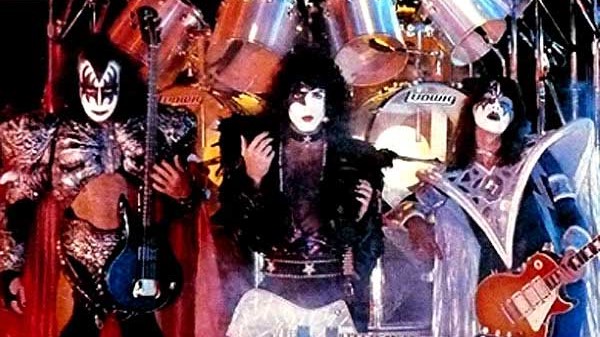
THREE-VIEW: KISS – Unmasked (1980)

Back for Round Three.  For the first two Unmasked reviews, click here and here.

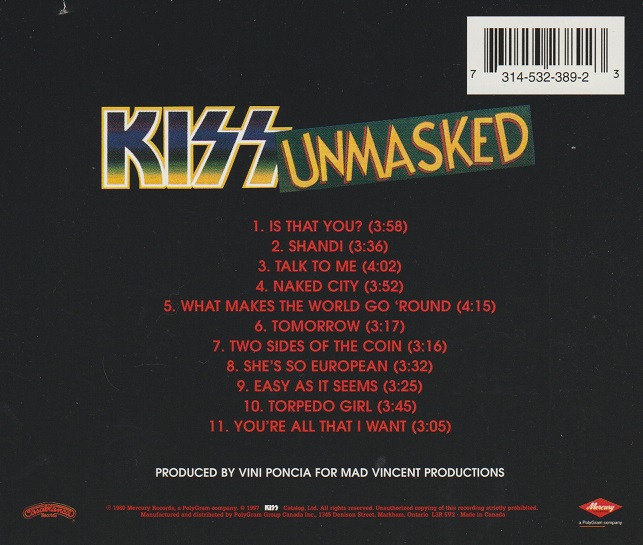
  Unmasked (1980 Casablanca, 1997 Mercury remaster)

This has been a weird year.  Comforting, nostalgic sounds in the age of Covid have dominated at LeBrain HQ.  There are two Kiss albums that have been absolute joys this summer for blowing the blues away.  They have been Dressed to Kill, and Unmasked.  Originally rated 2.5/5 stars, I was definitely wrong on Unmasked.  The band may have disowned it, and it might not be hard rock, but reviewing it is not as “Easy As It Seems”.  This album definitely has “Two Side of the Coin”.  It might not be “What Makes the World Go ‘Round” but this summer, I just want to say one thing to Kiss Unmasked:  “You’re All That I Want”.

One reason I may have judged Unmasked harshly before is that first impressions are strongest.  In a case of Classical Conditioning, my first impression was not good.  In fact, for the first two years of hearing Unmasked, my copy was all but unlistenable.  In the beginning, I taped my first Kiss albums from next door neighbour George.  He fancied himself a bass player.  While he was recording Unmasked for me, I sat in his bedroom while he played bass along to it.  Every song.  Unbeknownst to him, his bass bled onto my tape.  Every time I played the album, it was like a remix with George overdubbed on bass, and I had the only copy.  Sometimes he continued playing well after the fade, other times he came in prematurely.  Either way, my first two formative years with this album were awful.  Even after buying a proper copy on cassette, I couldn’t hear the album without the auditory illusion of George’s bass ringing in my skull.  Though not the only factor, that had to be one of several reasons for my dislike of the album.  A dislike which in no longer:  in 2020, it’s love.  Just a fun anecdote to colour in some history, nothing more.

“Is That You?” asks Paul Stanley on the opener, a Gerard McMahon song that boasts grinding verses and a killer chorus.  Piano tinkles quietly in the background, but the guitars are nice and rich, especially Paul’s solo.  His lead vocals absolutely rip, while a sultry Gene sings the backgrounds.

A second Paul vocal follows, and it’s the big hit “Shandi”.  Listening with 20/20 hindsight in the year 2020, it’s amusing to ponder how anybody thought this was Peter Criss on drums.  It was a secret that Anton Fig played on Unmasked and Dynasty, but it’s really obviously not Peter Criss.  That disco groove is too impeccably perfect to be the Catman.  Paul is, in fact, the only Kiss member to play on “Shandi”.  And while this song is a softie, it ain’t a baddie.  It’s clear that Kiss were not the rag-tag rock and roll beast they once were.  They had evolved.  Temporarily, at least.

If the first two tracks were light on Ace Frehley, that’s not indicative of the album.  Three lead vocals for the Spaceman this time, including the single “Talk To Me”.  Shiny and chromed-up, Frehley’s songs are among the best on Unmasked and “Talk To Me” could be the top track.

I always had problems with “Naked City”, but part of that might be that I can still hear George come in early on the bass.  Gene Simmons makes his album vocal debut here, and while the chorus and riff are still not top-notch, the verses are excellent.  Songs like this also demonstrate that Gene is an underrated singer.  He’s more versatile than people realize.

Paul strikes a cool riff on “What Makes the World Go ‘Round”.  He often talks about how the album had good songs, but they should have sounded different.  This one sounds like it could have turned out more like the first three albums.  You can imagine how the riff would have been more prominent.  As it is though, it’s one of the most unabashedly catchy songs Paul’s ever written, and his guitar solo is simply delicious.  You can slag Paul for doing something so pop, but can you slag him for doing it so well?

Side B’s opener is “Tomorrow”, with Paul’s vocals cleanly produced as per the pop trends of the day, with slapback delay and airy EQ.  But like “What Makes the World Go ‘Round”, this is pop rock done really well.  The keyboards are too prominent, but at least Ace gets a tasty solo here.  As Kiss songs got catchier, so did the Spaceman’s solos.  Frehley’s next lead vocal follows on “Two Sides of the Coin”, the song title which inspired a podcast (“Three Sides of the Coin“).  Y’see, Ace just can’t pick a girl!  But he has to.  “Two sides of the coin to choose from, I’m getting weary.  Which one should I choose?  I need time.”  He insists that the girls don’t mind, but I question that assertion.  But he has to pick a mate because he’s “tired of all those dates”!  Silly words aside, Ace has knocked out two top-notch songs on Unmasked so far.

Gene’s back on “She’s So European”, a song about a girl with a French accent who drinks pink champagne.  I’ve softed my stance on this one too.  You can certainly hear the rock n’ roll riffiness that it could have been.  That’s been replaced by keyboards and slick beats, and it’s fine.  “Easy As It Seems”, a Paul song, really sneaks up on you.  It disappears into the fabric of the album until one day you just can’t get it out of your heard.  Paul lays down another fine solo, and weaves a plaintive tapestry with his incredible voice.  What range he had.

An album highlight is the third and final Frehley concoction — a weird little number called “Torpedo Girl”.  Surf rock meets the Space Ace.  The guitar lick is a tricky little off-beat riff, but with Anton Fig behind on drums, Kiss could do complex stuff like this.  Especially since that’s Ace playing the bouncy bass part too.  It’s also one of Frehley’s most entertaining lyrics.  A submarine with a pretty girl on the bridge has surfaced in the bay!  Better go check it out.

The final track, “You’re All That I Want” is a Gene number.  Like “Easy As It Seems”, one day it just catches you.  Especially Paul’s “answer” vocals in the outro.  One thing (among many) that made Kiss truly special is the multiple lead singers.  And unless you’re a Catman diehard, you don’t really miss Peter in that mix.  Frehley more than made up for the lack of Criss.  While four singers is better than three, remember that Kiss only had three lead singers for their first five studio albums.

I don’t want to have to three-view the entire Kiss catalogue but it is amazing how Unmasked just opened up to me this summer.  I’m enjoying more than ever, with that nostalgic glow for days gone by.  The “good old days” were not always good, but at least the music was.

4.5/5 stars

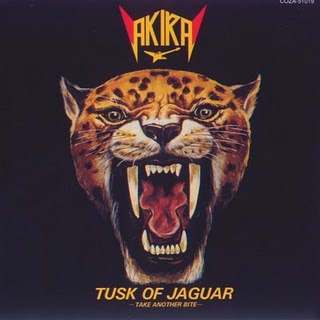
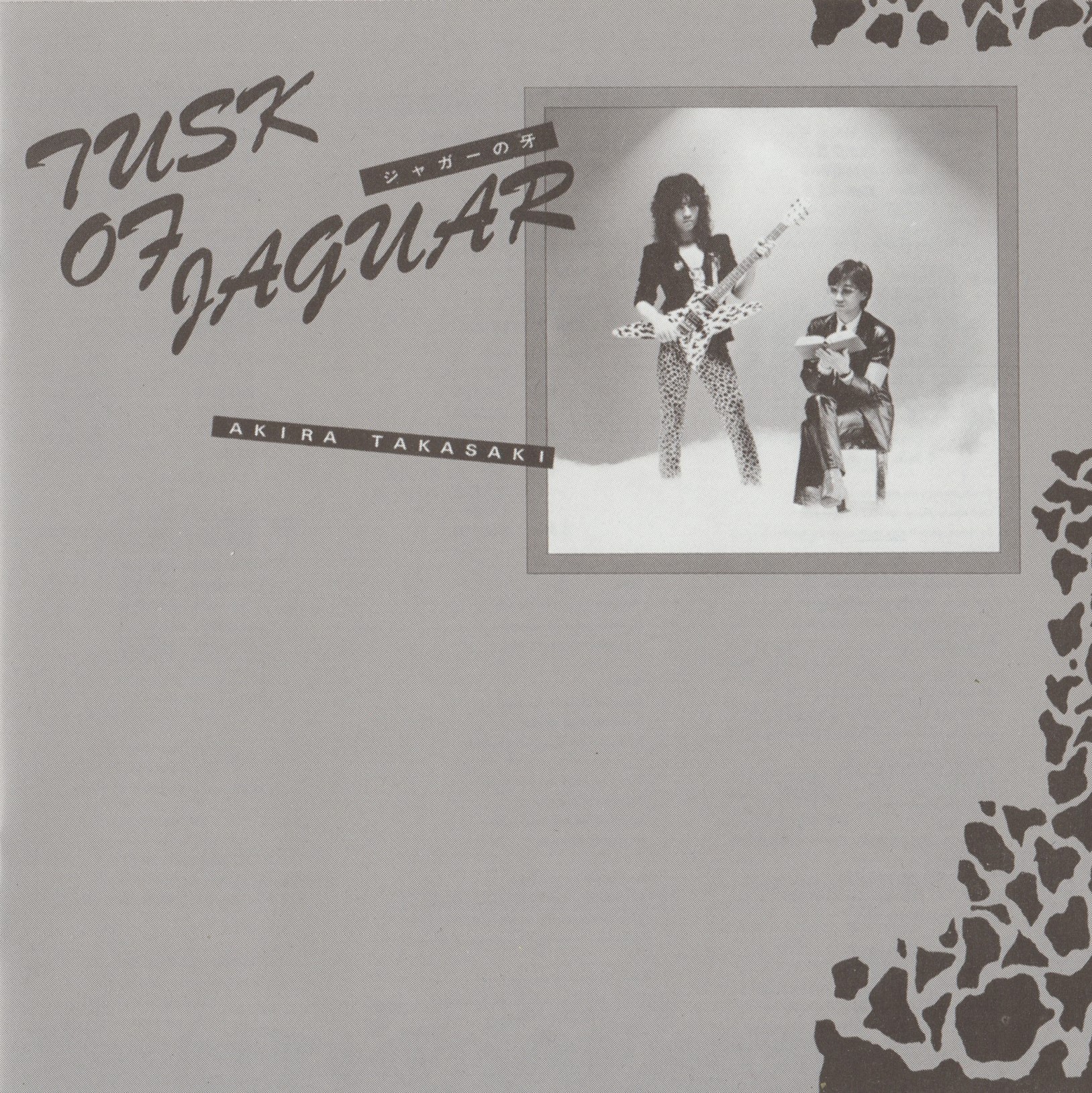
REVIEW: Akira Takasaki – Tusk of Jaguar (Take Another Bite) (1982)

AKIRA TAKASAKI – Tusk of Jaguar (Take Another Bite) (1982, 2009 Columbia CD reissue)

In 1982, Loudness guitarist Akira Takasaki and a Japanese keyboardist named Masanori Sasaji teamed up to record an album of music that was different from the usual Loudness rock.  Though the cover art and title Tusk of Jaguar screams “pure metal”, this is actually a combination of rock, pop and jazz fusion among other influences.  The cool thing about the album is that Loudness play on almost all of it, including singer Minoru Niihara on a couple of vocal tracks.  Some songs are all but considered part of the Loudness discography.

Certainly the opening title track sounds like Loudness.  That speed metal pace can only have been set by Munetaka Higuchi on drums and Masayoshi Yamashita on bass.  “Tusk of Jaguar” is a strange amalgam of shredding metal and jazz-rock interludes.  It sounds a bit like the Ian Gillan Band but with Eddie Van Malmsteen on lead guitar instead of Berne Torme.  Tremendously enjoyable, but way over the heads of most of the masses.

Minoru makes his first appearance on “Steal Away”, a song difficult to describe.  It’s Styx-like and has a big organ sounds like Dennis DeYoung.  Cinematic, progressive pop dance rock?  Then it goes pure Burn-era Deep Purple!  I don’t know what it is, and even with Minoru it sounds little like Loudness.  It’s also one of only a few songs without Higuchi and Yamashita.

“Macula (Far from Mother Land)” is based on synthesizer until it transforms into a more traditional guitar instrumental, with clear Brian May influences.  The way Akira Takasaki stacks his guitar harmonies can only be described as Queen-like.  For that reason, this song is the most accessible to rock fanatics, who will eat up every note that Akira celeverly lays down.  For those curious to know more about the critically acclaimed guitarist, check out “Ebony Eyes”, a serious hard rocker on which he takes lead vocals himself!  His voice is higher in timbre than Minoru’s, and while he is not an amazing vocalist, he does have some pretty incredible guitar solos on this track.

“Wild Boogie Run” is an interesting tune, sounding almost exactly like Dixie Dregs.  The violins, the acoustic & electric guitars, and slight western leanings make this a track that will make your friends wonder what Dregs album it was from.  This could be the track worth buying the album for.  Rock returns on “Gunshots” but even when Akira is just riffing, the rhythms beneath are complex and jazzy.  Hard to describe, but heavy!  A jazzy funk opens “Mid-Day Hunter”.  Takasaki is nothing if not diverse on Tusk of Jaguar, but even if the rhythms throw you for a loop, you can surely dig into his always memorable lead work.  In their early pre-Steve Perry days, Journey wrote songs like this.

Minoru Niihara returns on a song that is basically a Loudness track:  “Show Me Something Good”.  Though it also has Masanori Sasaji on keyboards, it is the entire Loudness lineup otherwise.  A pop rock track like this could have sat on an album like Lightning Strikes if it was produced with heavier intent.  The album closer is called “Say What?” which you might in fact be saying by the end of it.  Blazing tempos and synth solos adorn a track that is beyond the comprehension of mere mortals.

This is a challenging album, no word of a lie.  It’s certainly not immediate, and though parts of it sound familiar, it takes a bit of listening to really start to penetrate.  Loudness fans, and anybody into challenging progressive rock should give it a go.

3/5 stars

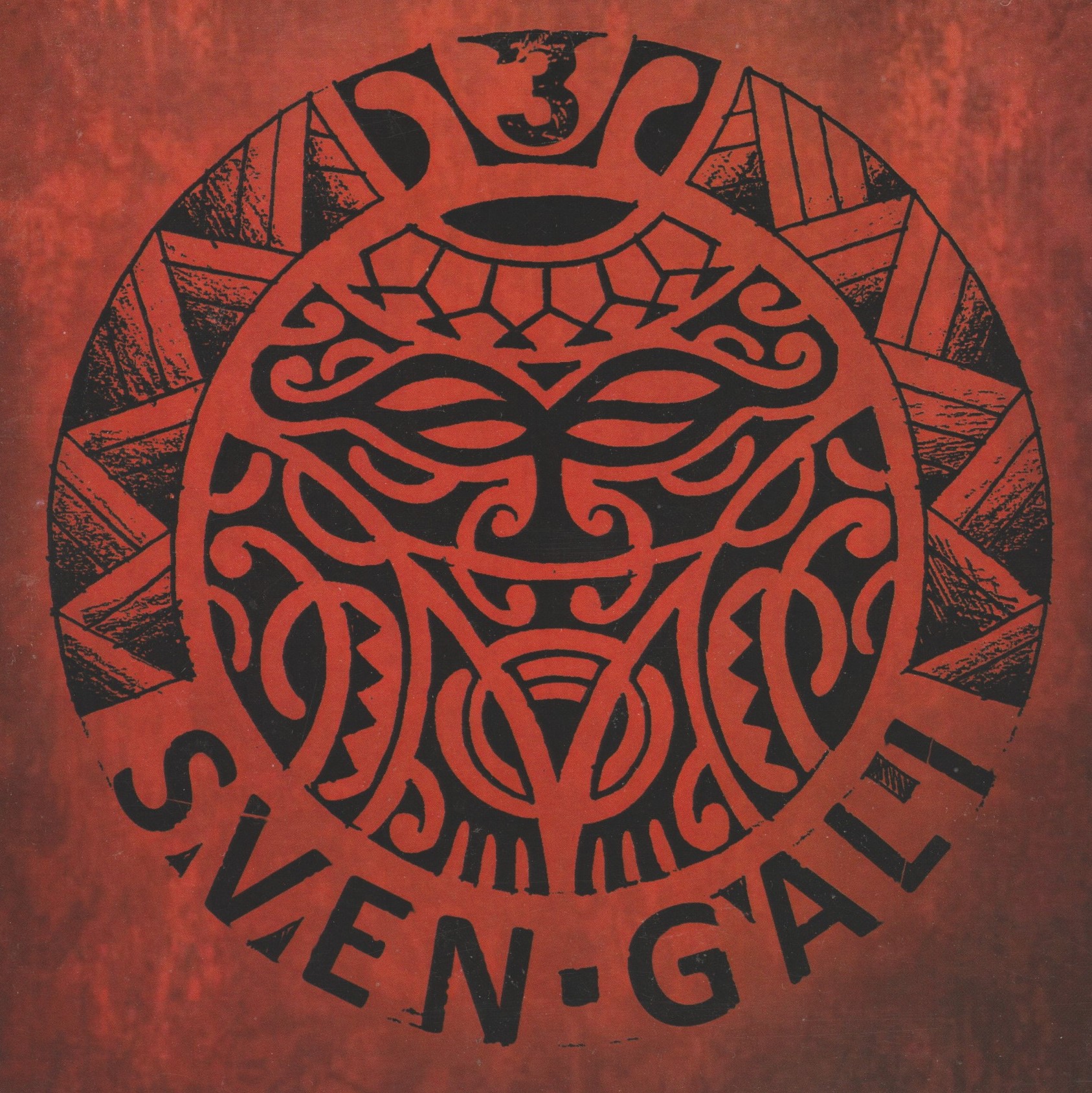
REVIEW: Sven Gali – 3 (2020)

SVEN GALI – 3 (2020 EP)

Sven Gali have not had an easy ride.  Their debut Sven Gali was just a year too late to make them into the rock heroes they seemed destined to be.  Had it come out in 1991, they would have had a massive hit on their hands.  The second album Inwire (1995) was a reaction to the 90s alterna-metal scene.  The band reunited in 2007, but tragedy struck when cancer killed founding guitarist Dee Cernile in 2012.

Against the odds, Sven Gali persevered and in 2018 added some heavy firepower to the lineup:  Dan Fila and Sean Williamson of Varga.  One by one, they began releasing new tracks.  Now in 2020 we have the first new Sven Gali release in 25 years:  an EP called 3.

Somewhat surprisingly, Sven Gali did not revert back to the hard rock anthemic sound that was the cornerstone of their debut album.  Instead they picked up where they left off on Inwire, with four new songs produced by David Bendeth who also produced their debut.  Incredibly it sounds like they haven’t missed a step.  Even more incredibly, it’s some of their best stuff!  Singer Dave Wanless has lost nothing.  The band is still rounded out by original members:  guitarist Andy Frank and bassist Shawn Minden.

The four songs all share melodic vocal hooks, heavy guitars and aggressive grooves.  With the addition of Fila and Williamson, the band have rebuilt themselves into a beast heavier than before.  Picking a favourite isn’t possible because this EP is not immediate.  Like many favourites that stand the test of time, 3 will take some listens to fully absorb and love.  Fortunately we have a whole summer ahead of us to do that.  The EP has the depth and potential to become a bit of a classic.  Even if Inwire wasn’t your thing, this EP is better.  The songs are more focused, heavier, with more hooks.  The vocal melodies sometimes veer into an old anthemic metal style, like on “Hurt”.  By taking their time, Sven Gali were able to make sure they had four excellent tracks for this release.

Good on Sven Gali for sticking it out, and not resting on their laurels.  Any band can get replacement members and reunite.  Fewer still put out new music, much less on a physical media.  Sven Gali have put together a slammin’ new lineup and a triumphant EP.  You just can’t write this band off.

4/5 stars

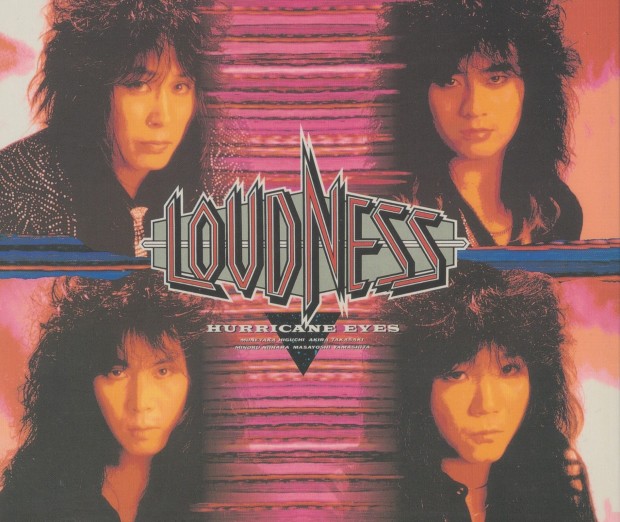
REVIEW: Loudness – Hurricane Eyes (1987, 2017 30th anniversary 5 CD reissue)

LOUDNESS – Hurricane Eyes – 30th Anniversary Limited Edition (originally 1987, 2017 Warner Japan)

In most timelines and biographies, they’ll have you believe that the original lineup of Loudness had already peaked by 1987 and were creatively and commercially going downhill.  While the commercial side of things was out of their control, creatively Loudness were still writing great songs.  Though they did have one more EP in them, Hurricane Eyes is the final album of the original Minoru Niihara era of Loudness.  It was recorded by Kiss and Jimi Hendrix producer Eddie Kramer with one track by Andy Johns.  Though not as heavy or complex as Disillusion or noteworthy as Thunder in the East, it is thoroughly enjoyable from side A to side B.  The commercial bent is obvious on some songs, but it doesn’t really blunt the impact.

Like most Loudness albums from the classic era, the band recorded lyrics in both English and Japanese and both versions of the album are included in this luxurious 5 CD box set.  In Japan, the Loudness catalogue has been treated reverently but this is the beefiest of all their deluxe sets.  Along with both versions of Hurricane Eyes (including minor musical differences), the set includes a disc of album demos, and another disc of alternate mixes and rhythm tracks.  The fifth CD is a live set from the Hammersmith Odeon from 1986.  Like any set of this nature, you’ll be listening to the same songs in four or five versions, but fortunately they stand up to such immersion.

Though Hurricane Eyes represents a peak effort to break into the American market, and some songs verge on Dokken homages, it’s a strong album loaded with hooks and enviable guitar theatrics & riffs.  And regardless of some of the more radio-friendly material, it also boasts the thrash-like “S.D.I.”, a speed metal riff-fest that remained in the Loudness set list long after after Minoru was let go.  The technical playing on “S.D.I.” is outstanding, and that’s laid bare for you to hear in the instrumental mix on Disc 4.  The guitar solo is pure Eddie meets Yngwie.  “S.D.I.” opens the English version of the album, but closes the Japanese.  It works excellently in either configuration.

The English album continues with “This Lonely Heart”, a hook-laden hard rocker anchored by a solid riff and soaring chorus.  Lynch and Dokken must have been jealous they didn’t write it because it’s right up their alley.  The album title Hurricane Eyes comes from a lyric in “This Lonely Heart” but what you’ll remember mostly is that indelible chorus.  Keyboards are poured into “Rock ‘N Roll Gypsy”, an obvious choice for a radio single.  Though it didn’t hit the charts you can certainly hear the effort in it.  On the Japanese version of the track, the keyboards are present but not mixed in as prominently.  It’s the better of the two mixes, with more of that Akira Takasaki guitar up front.

“In My Dreams” is the first power ballad, with focus on the power part.  Akari has some sweet anthemic guitar melodies in his pocket for this very Scorpions-sounding track.  This gives way to another blitz of a song, though not as over the top as “S.D.I.” was.  “Take Me Home” has similar urgency but more deliberate pace.  “Strike of the Sword” is in similar metal territory with a fab Akari riff.  The vocal melodies sound a little disconnected from the song though.

Don Dokken’s turf is revisited on “Rock This Way”, a mid-tempo ditty within hit territory.  You could imagine this being written for the concert stage, so you can have a singalong chorus — “Rock this way!”  Picking up the pace, “In This World Beyond” is a bit more complex though retaining an insanely cool chorus.  The Loudness guys really developed an absurdly good chorus-writing ability by this point!  But stick around to be strafed out of the sky by Akira’s machine-gun solo.  “Hungry Hunter” returns us to mid-tempo rock ground, though it’s not their most remarkable song.

The American album ends with “So Lonely”, a re-recording of “Ares’ Lament” from 1984’s Disillusion, also in the closing position.  Disillusion didn’t get a lot of attention outside Japan, and “Ares’ Lament” was a clear highlight.  Though the structure is essentially the same, “So Lonely” is a tamed version” of the more traditional metal original.  Keyboards are added, replacing the Akira-shred of the original.  The chorus is beefed up and placed front-and-center.  It suits Hurricane Eyes and though it’s merely a blunted version, it’s still quite excellent.  It’s a demonstration of how you can take a song and tweak it into a different direction.

“So Lonely” isn’t present on the demo CD, presumably because they didn’t need to demo their own classic tune.  Instead there are two tracks that didn’t make the album, but would be finished in the future:  “Jealousy” and “Love Toys”.  The 1988 Jealousy EP would see the first track released (but only in Japan).  This is the most Dokken of all the songs, with one of those concrete riffs that George Lynch was prone to writing with ease.  Maybe when Dokken broke up, Don should have given Akira Takasaki a phone call.  The more frantic and metal “Love Toys” was revisited in 1991 with new lead singer Mike Vescera, for the On The Prowl album of re-recordings.  Both tracks had potential in the unfinished demo stage.  In fact all the Loudness demos on this disc are nearly album-ready.  They’re rougher but also appealing for that same reason.

Disc 4, Behind the Hurricane Eyes is a hodgepodge of alternate mixes and rhythm tracks.  The eight rhythm tracks (essentially mixes without vocals and solos) include another version of “Love Toys”.  The mercilessly tight rhythm section of Munetaka Huguchi and Masayoshi Yamashita come to the fore on these tracks, as does Akira Takasaki as the riffmaster.  “S.D.I.” is present on this CD twice, in rhythm track form and as a straight instrumental.  You will be getting plenty of “S.D.I.” in this box set!  You’ll also enjoy the brighter “Top 40 Mix” of “Rock This Way”, a really good remix that sounds perfect for the hits of the era.  A mix of “So Lonely” with an earlier fade-out isn’t that interesting, but still desired by the collector.  “Hungry Hunter” and “This Lonely Heart” are present in “old mix” and “rough mix” respectively.  Differences are minor.

You could find yourself with a bit of ear fatigue after hearing so many versions of the same songs.  Fortunately Disc 5 is a live set from the previous tour with none of the same songs.  Buckle up.  Opening for Saxon at the Hammersmith Odeon, Loudness went straight into “Crazy Doctor” from Disillusion after a glowing intro from Biff Byford.  It’s right to the throat from the start and this CD has their full set.  “1000 Eyes” from Lightning Strikes follows, the album for which they were touring.  Loudness could have used some backing vocals live to beef up the chorus, but Minoru does a remarkable job on his own, givin’ ‘er all over the place.  It’s also cool to hear Akira go from rhythm to lead so effortlessly live.

There is honestly something charming about someone who isn’t a native English speaker really giving their all to talk to an audience in English.  Minoru is clearly happy to be in “London rock and roll city!” and the audience lets him know he’s welcome.  The awesome “Dark Desire”, also from Lightning Strikes, follows and Akira lays down a mesmerising solo.  Then a long dramatic intro opens “Ashes in the Sky / Shadows of War”, a highpoint of an already great set.

The big Loudness single in 1986 was “Let It Go“, a truly special pop metal song.  This version opening for Saxon at the Hammersmith might be the best live recording if not the most energetic.  Afterwards the late Munetaka Higuchi takes a drum solo (presumably to give Minoru’s voice a rest after this workout!).  There’s a brief segue into Beethoven’s 5th Symphony, and Minoru introduces the band.  That pumps up the crowd for Loudness’ biggest hit “Crazy Nights” complete with crowd singalong.  “MZA!”  After smoking through this one, Akira takes a blistering solo break.  The set closes with “Speed” from their third album The Law of Devil’s Land.  They saved the most aggressive song for last.  Couldn’t let Saxon have it too easy, right?

Though hard to get, these Loudness deluxe editions from Japan are really beautiful to hold in hand.  The thick booklet is printed on glossy paper, and though the liner notes are in Japanese, lyrics are provided in both languages.  The rest of the booklet is stuffed full of tour photographs whose only language is rock and roll.  Loudness certainly looked the part.  The set also includes a little reproduction backstage pass, but the main feature is the music.  Diehards are going to love it.

4/5 stars