heavy metal

REVIEW: Joe Satriani – Joe Satriani (1984 EP, 2014 RSD reissue)

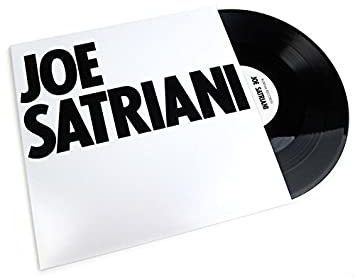
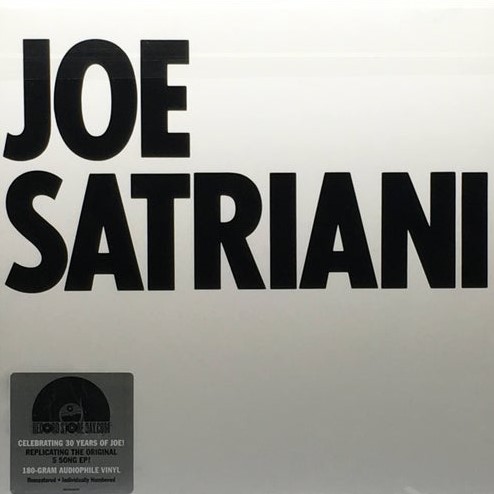
JOE SATRIANI – Joe Satriani (1984 Rubina EP, 2014 Relative Record Store Day 180 gram reissue)

In 1984, The Squares guitarist Joe Satriani quietly put out a low-key instrumental EP on his own label, Rubina records.  How limited was the release?  An exact figure is hard to find, but original copies today run about $500.  Four of the five tracks were reissued on Joe’s Time Machine album, but the fifth track’s master tape was damaged.

This is a release most people assumed they’d never own without parting with some serious dough.  Then in 2014, for the 30th anniversary, the original Joe Satriani EP was reissued for Record Store Day.  Unfortunately, due to the lack of liner notes, we don’t know how this was accomplished.  The damaged track, “Talk To Me” is intact and sounds just fine.  Was it sourced from an original vinyl?  Was it restored?  You can now experience a 180 gram “replication” of the original 1984 EP that started it all.

Guitar Player magazine went nuts for the EP, which is remarkably performed entirely on guitar.  Every instrument you hear is a guitar.  The “drums” are Joe tapping on his pickups.  The “bass” is a detuned six string.  The sound effects and other “instruments” are Joe wringing every sound he could think of from his instrument.  It’s truly innovative.  It’s even pretty listenable.

The record opens with “Talk To Me”, which could be seen as a precursor to Joe’s uptempo guitar anthems like “One Big Rush”.  In fact, there’s a familiar lick in this track that Joe used as a main hook on Flying in a Blue Dream‘s “Back to Shalla-Bal”.  This track, thought long lost, is probably the best of the five and most indicative of where Joe was headed.

“Dreaming Number Eleven” is an interesting song, with a suitably dream-like opening that soon gives way to a funky beat complete with “slap bass”.  The experimental side of Joe manifests in the sound of a roaring train, all performed on guitar.

Side two commences with the light and tropical “Banana Mango”, a breezy track with blazing speed laid overtop.  This contrasts with the nuclear “I Am Become Death”, a gothic dirge.  There is a middle section that sounds like the wind blowing through a wasteland.  Then, a backwards guitar section that foreshadows part of Flying in a Blue Dream.  Finally, “Saying Goodbye” is a brief but tender ballad as Joe is known to do.  It is constructed from gentle volume swells.

It’s clear from this record that Joe was going to be a formidable composer, let alone player.  Just as interesting as the guitar work are the arrangements.  They are all meticulously constructed, and though some tracks are more listenable than others, they all make up a snapshot of who Joe Satriani would become.  Within three years of its release, Joe would change rock history by Surfing With the Alien, his talents now fully expressing themselves.  The Joe Satriani EP is an experimental prototype to the genius to come.

3/5 stars

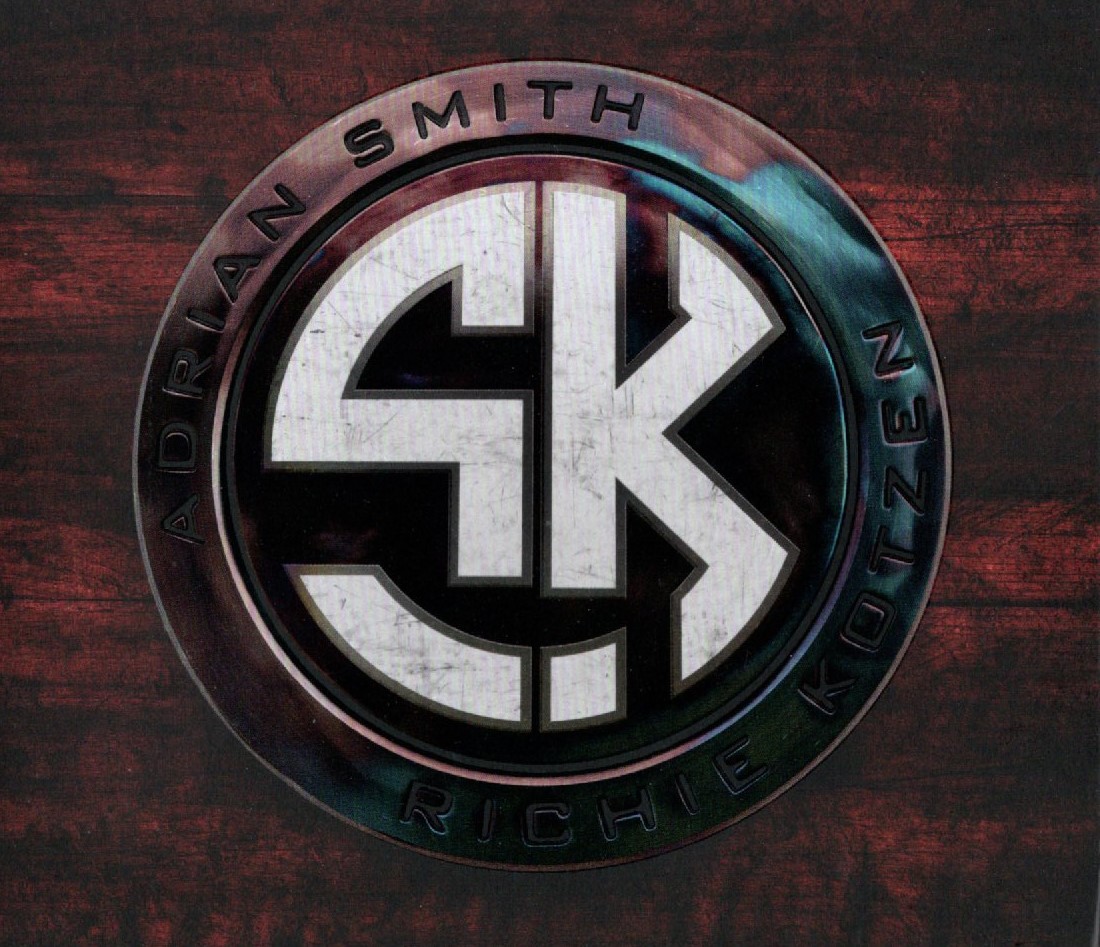
REVIEW: Smith/Kotzen – Smith/Kotzen (2021)

SMITH/KOTZEN – Smith/Kotzen (2021 BMG)

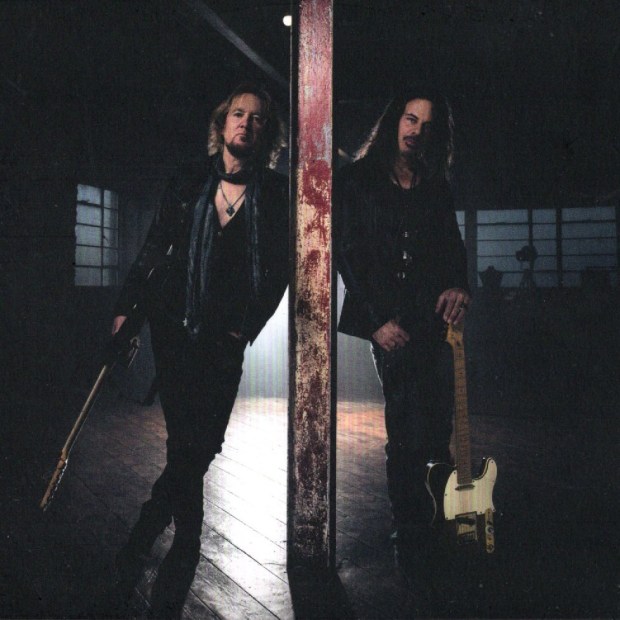
Had this album come out 30 years ago, it might have been called Smith/Curran.  According to our good pal Andy Curran from Coney Hatch, Iron Maiden’s Adrian Smith has been looking for a project like this for quite some time.  The right partner arrived with soulful singer/songwriter/shredder Richie Kotzen.  As heard on the nine-track debut, everything clicked.  It was Smith’s wife Nathalie that introduced the two.  Friendship turned to jamming, and jamming turned to writing and recording.  We owe Nathalie a huge debt of rocking’ gratitude.

Fans of Kotzen, either via his solo work or the Winery Dogs, won’t be shocked by what they hear.  It is the Maiden fans who are in for an adjustment.  Not that Smith/Kotzen is wimpy — it isn’t at all — but it is vastly different from the traditional metal that Maiden peddle in.  This is a soul/blues/rock fusion from the heart.

None of the nine songs should earn a “skip” in your player.  Each one boasts a wicked blend of guitars and voices.  Who would have thought that two players and singers, so different in style, would mix so naturally?  You can usually pick out who is playing what, but it all works as one monolithic gestalt.  The whole thing is brilliant.  You can choose your own peaks, because everyone will have their own favourites.

“Running” should be an uptempo high point in anyone’s scorebook.  On the opposite end of the spectrum is the power ballad “Scars” (if you want to call it that).  Over six minutes with heartfelt playing and harmonizing over a slow riff — pigeonhole it any way you like.  The guitar tones on this album are rich and sometimes trippy.  Fans of both guitarists are in for a tour-de-force of feel.

Another high water mark is “Glory Road” which may be a slower blues, but boasts a melodic power chorus that you can imagine Iron Maiden pulling off successfully.  That gives way to a wicked series of solo trade-offs that blow the mind and punch the gut all at once.  But if you really like Maiden, there is no way you will not recognize the one and only Nicko McBrain on the Purple-y “Solar Fire”.  (The drums on the rest of the album are performed by Kotzen and Tal Bergman, which Richie and Adrian share bass duties.)  Picture the Coverdale/Hughes/Blackmore vibe.  An album highlight, “Solar Fire” is as hot as the stellar eruptions it’s named for.

Pick a song — “I Wanna Stay”, “Some People”, “Taking My Chances”, or “‘Til Tomorrow”  — all are excellent choices.  Smith/Kotzen has nine remarkable tracks to choose from.  They’ve all been road tested, and given fair play at home and on the porch.  Though they vary in tempo and direction, all nine promise excellent, memorable melodies and powerful playing.  This is an album for the summer of 2021 — an album we need.

4.5/5 stars

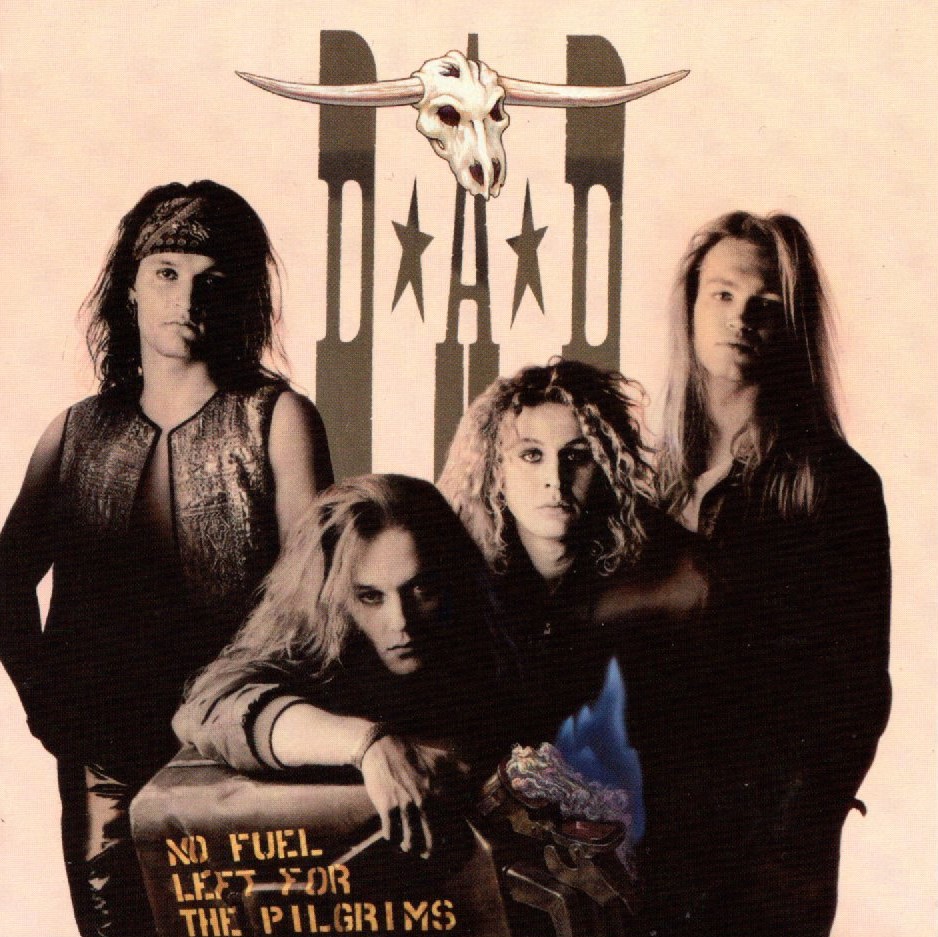
REVIEW: D.A.D. – No Fuel Left for the Pilgrims (1989)

“And when the night comes to the city I say…I’m sleeping my day away.” – D.A.D.

D.A.D. – No Fuel Left for the Pilgrims (1989 Warner)

There we were sitting in Bob Schipper’s basement after school on some Thursday in late 1989.  Suddenly Bob’s attention was caught by a music video. We always had our eyes open for unique guitars. Neither of us had ever seen a two string bass before. The neck was insanely thin. The song was called “Sleeping My Day Away”, and the band was D.A.D. — Disneyland After Dark. They already had two albums out in their native Denmark, but this was their first North American single.

It wasn’t just the bass. Even the song was unique. Anchored by a simple three-note lick played on a fat hollowbody guitar, the song had an edge we were unfamiliar with. The singer, Jesper Binzer, had a cool rasp. He wore a tie in the video and the bassist (Stig Pedersen) wore a medic’s helmet! Bob loved ’em. So did the music magazines. It’s a shame that didn’t translate into North American success.

When the bassist’s medic helmet erupted with fireworks during the guitar solo, I didn’t know what to think about D.A.D.  Were they serious?  Were they a joke?  I should have just listened to the music, but it wasn’t easy to find their album.

D.A.D.’s No Fuel Left for the Pilgrims is made up of 12 sparky rock tunes.  They range from 2:04 at the shortest to 4:36 at the longest.  If guessed that punk rock must be an influence, you would be correct.  No Fuel Left for the Pilgrims has that energy and sneer, crossed with the melodic sensibilities of classic hard rock.  Also a knack for a memorable lyric; not the easiest task when English is your second language.

“Jihad!  I’m gettin’ mad!  And there’s no fuel left for the pilgrims,” sings Jesper, somehow stretching the word “mad” into two syllables.  “Jihad” is an adrenaline-fueled blast, revealing the band’s punk rock roots.  But they slow it down to a strong beat on “Point of View”, a melodic bright spot with more of that catchy hollowbody echoing hooks.  “Rim of Hell” slows it down further, turning up the menace.  “They throw the best damn parties at the rim of hell,” goes the hook, and you’ll be ready to jump in by the end.

“ZCMI” brings AC/DC to the table, adding to the stew of influences.  Iggy is definitely in D.A.D.’s record collection too.  “Girl Nation” is another catchy highlight, with Jesper imagining an interstellar “female civilization”.   Elsewhere, the chorus “I win with a Siamese twin!” tells us where Jesper’s mind is.  It’s certainly a unique lyrical theme in music.   “Wild Talk” edges into Kiss territory; but it’s Kiss when Bob Kulick was secretly playing guitar!  Closing on “Ill Will”, thrash metal is the final genre to be conquered!

No Fuel Left for the Pilgrims contains no duds, and has nothing to skip.  Though “Sleeping My Day Away” is clearly the best song, it is among a very strong batch.  D.A.D. have that punk rock sense of humour that runs through the album.  A reckless, who-gives-a-shit attitude that hints this band will do anything so long as it’s fun to do.  It’s a great little album that didn’t particularly fit in with any of their peers coming out of Hollywood.

4.5/5 stars

REVIEW: KISS – Off the Soundboard – Tokyo 2001 (2021)

 – Off the Soundboard – Tokyo 2001 (Tokyo Dome, Tokyo, Japan, March 13, 2001 – 2021 Universal)
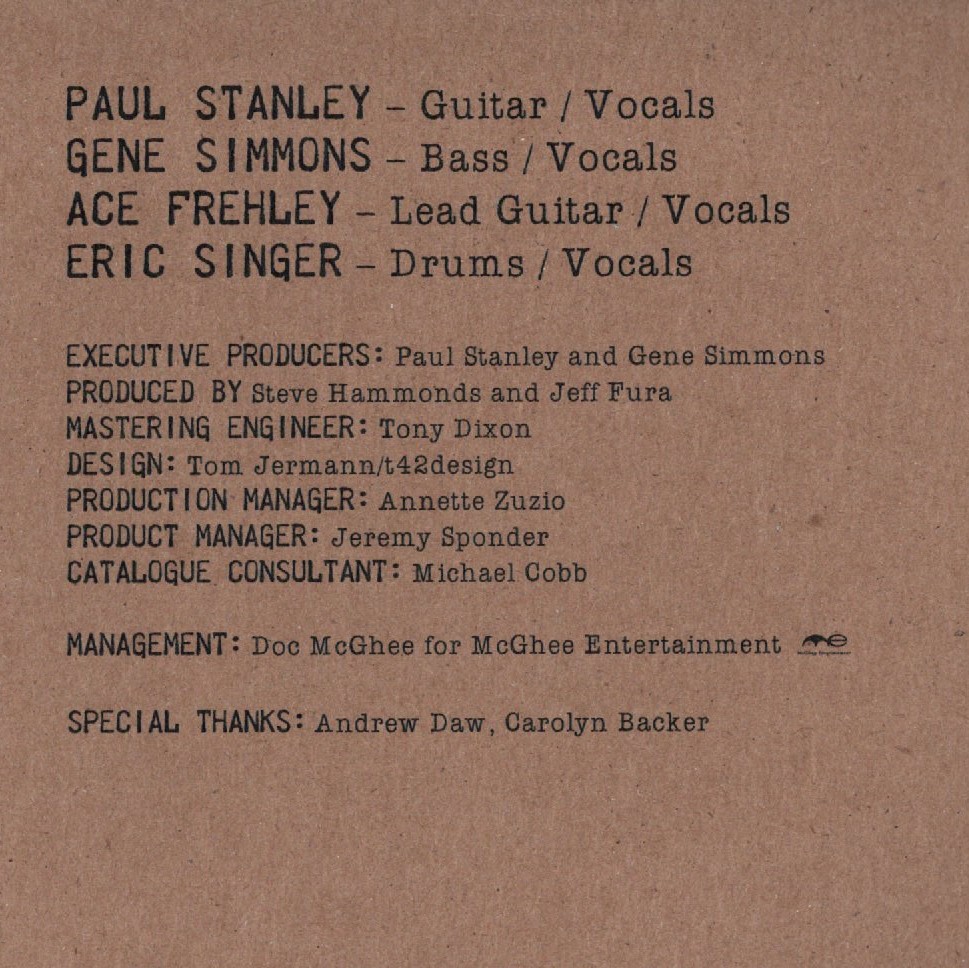
Hell yeah, Kiss have started releasing official bootlegs.  Proving that they “get” the concept, the first in what we hope will be a long series, is a lineup never before heard on any official Kiss release.  After the lengthy reunion and Psycho Circus tours, Kiss embarked on a “Farewell Tour” that really wasn’t.  It was just the farewell to the original lineup, and specifically Peter Criss.  Ace Frehley stayed on board for the time being and Eric Singer was brought in as the new Catman.  This lineup lasted until Frehley left and Criss came back for the Kiss Symphony, but was never documented in any official capacity.

Confusing?  Just know three things:

  1. This is really valuable to fans.
  2. ACE FREHLEY, LEAD GUITAR!
  3. Paul Stanley was still in great voice back in 2001.

Alright, Tokyo.  You wanted the best, you got the best.  Let’s have a listen.

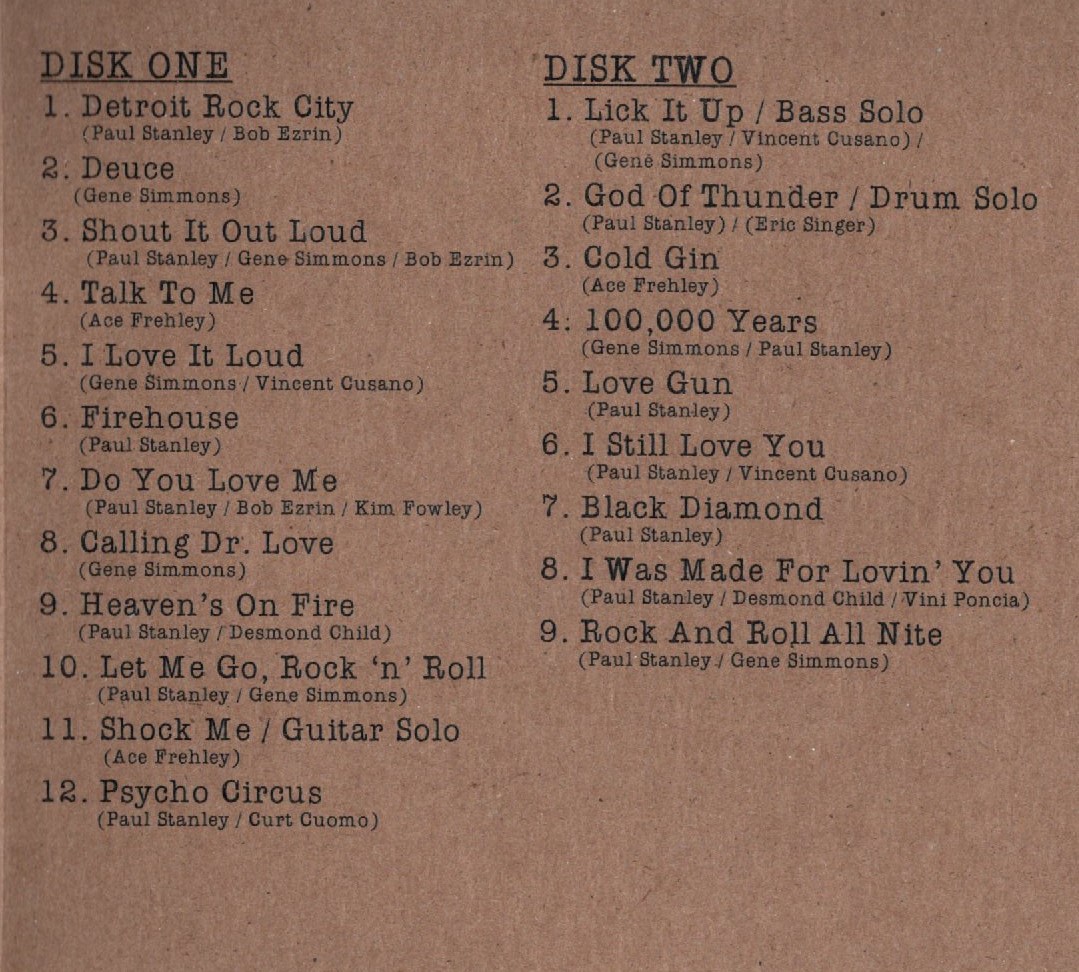
An electrifying “Detroit Rock City” opens, and immediately you can hear the pitter-patter of the new Catman making itself evident.  Stanley is in fine form, high energy.  And the sound is damn decent.  Sure, you could wish the vocals were mixed louder and the bass a little lower, but the “official bootleg” is a more honest experience than a polished-up Alive album.  And Paul really nails it.

“Deuce” has plenty of those Frehley solos and fills that we miss so much today.  Gene is fully engaged and frankly, you don’t miss Peter.  Paul says a quick hello in Japanese, and teases the crowd in expert frontman fashion.  Then it’s “Shout It Out Loud”, a pretty standard version.  Frehley’s “Talk To Me” from Unmasked is the real treat.  It is not the first live version released (there was an earlier live take on The Box Set with Eric Carr) but it is rarely heard.

Paul always asks the crowd “How we doin’ so far,” and the pace is slowed down for “I Love It Loud”.  This version has particularly good backing vocals in comparison with others.  Then Paul needs to know if the crowd is having a good time, just before he pulls off some impressive soulful bellowing.  It’s time to call the “Firehouse”, another solid version.  Eric Singer’s drumming is noticeably more regimented but the fills are big and bold.  It’s just great to have Ace on lead guitar.

Kiss setlists are often safe, and a steady stream of Kiss standbys roll out:  “Do You Love Me”, “Dr. Love”, “Heaven’s On Fire” and “Let Me Go, Rock ‘n’ Roll”.  It’s a Kiss concert; none of these songs vary much from night to night.  None of them suck; Kiss were sounding good and Eric Singer helps beef up the vocals.  The extended intro to “Heaven’s On Fire” really highlights what a truly exceptional singer Paul Stanley was.  Gene on the other hand is pretty ragged on “Let Me Go, Rock ‘n’ Roll”, not being able to decide what voice he’s singing in.  Great to hear Ace take a long solo on it though, all the while Eric Singer filling the backdrop with snares n’ toms.

Frehley takes the spotlight once more on “Shock Me” with his feature solo.  Gimme a Frehley version of “Shock Me” any day over a Tommy version.  Ace does a weird “Shock Me-ee-ee” thing on the chorus.  After telling the crowd that “Tokyo rocks,” he blasts through the fanfare of “Also sprach Zarathustra” on his Gibson.  It was indeed the year 2001!  Frehley’s solo (almost 10 minutes of it) is a CD highlight for those who miss the Spaceman.

Ending the first disc, “Psycho Circus” was the only track from the most recent Kiss album left in the set.  It is always reliable, sounding like classic Kiss, even more so when Ace plays the lead solo (which he didn’t on the album).  Continuing on disc two, “Lick It Up” makes its appearance.  This is a track that that rules completely with Ace Frehley.  “Lick It Up” has always been, let’s face it, a bland song.  When you add Ace soloing on it, it’s got some flavour.  Could be that the Tokyo Dome version of “Lick It Up” is the best available take out there.

Gene’s bass break is boring without the visuals, but “God of Thunder” is pretty hot, Ace throwing in some squeals that remind you why the real thing was special.  This track also includes Eric’s drum solo.  Momentum is built on “Cold Gin”, and the monolithic “100,000 Years”.  Raw and heavy Kiss with vintage Frehley?  Again, outside of Kiss Alive itself, these are probably the best versions you will hear.  Paul’s usual sing-a-long in “100,000 Years” is part of the party.  “Do you feel alriii-iii-iight!”  Nothing is edited out, even when Paul is busy handing out T-shirts and all you have is Eric keeping the beat.  Fans appreciate that authenticity.

There’s still plenty of heavy tonnage rock left to go.  “Love Gun” can’t be left out, fireworks blasting as Paul flies out over the crowd (which is why the song has an extended intro without vocals).  Once Paul’s on his platform in the middle of the arena it’s off to the races.  No place for hiding indeed!

The surprise is “I Still Love You” from Creatures of the Night.  The only ballad, and a track that was rarely played after the reunion.  It has always been a big Paul moment, and this is performed solo without Simmons, Frehley or Singer as part of the intro to “Black Diamond”.  Speaking of which, “Black Diamond” is also an album highlight; a version with Eric Singer on lead vocals and Ace Frehley on lead guitar!

The pairing of “I Was Made For Lovin’ You” and “Rock and Roll all Nite” are an odd one, but that’s the closing duo that got the Tokyo crowd screaming.

Besides the couple rarely played songs, the cool thing about this Tokyo setlist is the pacing.  It starts with a bang, and it never really lets go.  Even the solo breaks are really just big intros or outros that amplify the moments around them.  Then the whole show manages to even pick up the excitement at the end with stellar performances of “Love Gun” and “Black Diamond”.  It is also encouraging that Kiss are realizing the value of past lineups, and official bootlegs.  As long as they remain willing to highlight songs and band members from nooks and crannies in the band’s history, then the Kiss Off the Soundboard series is a promising one.

4.5/5 stars

REVIEW: Ratt – Detonator (Part Five of The Atlantic Years series)

Part Five of Five

RATT – Detonator (Originally 1990, 2020 reissue — The Atlantic Years 1984-1990 box set)

Hit the emergency breaks!  If Ratt were spinning their tires commercially, then Atlantic sought to change course.  Producer Beau Hill was given the deep six, and new stewardship was sought.  Desmond Child was one of the most successful writers of the 80s, and so Child was hired to co-wrote every song on Detonator.  From his stable of talent came co-producer Sir Arthur Payson.  Even Jon Bon Jovi showed up for a backing vocal.  (Returning the favour, Ratt’s Robbin Crosby played on Jon’s own Blaze of Glory.)

Needless to say, the fifth and final Ratt album on Atlantic was a change in direction.  The album split fans, with some balking at the new commercial sound of the band.  Others appreciated the slicker, tighter songwriting.

Opener “Shame Shame Shame” (and its “Intro to Shame”) is a gleaming example of the new collaboration, bearing sweet fruit.  The bite of the old rodent remains, and the song is trimmed of any fat the old Ratt was carrying around.  Warren’s guitar tone is buttery beauty.  While DeMartini shines, Robbin Crosby was noticeably less involved with this album.  He was suffering from addiction and only has two credits on Detonator.  He had six on Reach for the Sky.

“Lovin’ You’s A Dirty Job” was the lead single, and indicates even the squeaky clean Desmond Child couldn’t scrub Ratt free of sleaze.  He helped make them more effective at it, and the result is a song reminiscent of “Lay It Down”, but without the menace.  The next track “Scratch That Itch” has a hint of the heavy Ratt from Dancing Undercover.  The guitar smokes even if the melody does not.  But then, “One Step Away” is virtually all melody!  It is nothing like the Ratt N’ Roll of the past, but is an undeniably catchy summer rock tune.  It sounds more like a Poison single, but with more bite.  It could even be the album highlight.

The album has some surprisingly tough deep cuts.  “Hard Time” is simple and effective.  Pearcy shows his fangs and Desmond keeps it melodic.  “Heads I Win, Tails You Lose” is…less effective.  You can definitely hear Jon on it, and at least Warren’s lead guitar tone is brilliant.  Otherwise it is filler.  “All Or Nothing” and “Can’t Wait On Love” are the two Robbin co-writes.  These are some of the most Ratt-like tracks.  Quite a lot stronger than the usual Ratt album cuts.

“Givin’ Yourself Away” is quite un-Ratt.  This is not a band known for their ballads.  Pearcy isn’t that kind of singer.  “Givin’ Yourself Away” only works in its context:  a song written for radio in the last dying days of the hard rock era, right down to the contrived key change at the end.  It is thick with backing keyboards.  Diane Warren and Desmond Child co-wrote it with Pearcy, so you can use your imagination.  The people it was written for (Bon Jovi fans) will love it.

Closer “Top Secret” is closest in sound to old-school Ratt.  It could have been on Out of the Cellar for the vibe it exudes.

This CD, more than the others in the series, is packed with bonus tracks.  Two tepid remixes of “Lovin’ You’s A Dirty Job” are here for the collector.  But what some people forget is that before they split, Ratt released one more amazing tune:  “Nobody Rides For Free”.  This stripped-back gem was from the Point Break soundtrack in 1991 — the opening track on it, in fact.  It was the first music video to feature Ratt as a four-piece without Robbin Crosby.  Yet it remains a tough, mean Ratt track with great lyrics and chorus.  Maybe better than anything on Detonator itself.

Detonator, like most Ratt albums, is a bumpy ride.  This time the valleys are deeper, but there is also less pure filler.  The result is a Ratt album that is a more consistently entertaining listen.  The slicker production isn’t an impediment to enjoyment.  But it didn’t save Ratt’s fortunes.  Crosby was out, and the band was put on ice shortly after.  But like most rodents, Ratt was hard to get rid of!

3.5/5 stars

The Atlantic Years 1984-1990:

REVIEW: Ratt – Reach for the Sky (Part Four of The Atlantic Years series)

Part Four of Five

RATT – Reach for the Sky (Originally 1988, 2020 reissue — The Atlantic Years 1984-1990 box set)

One might suspect that Ratt’s decline in sales (peeling off approximately 1,000,000 buyers every album), they decided to change things up a bit.  The first three Ratt platters were very much in the same mould.  Little variation, just repeating that “Ratt N’ Rott” formula.  Initially they ditched producer Beau Hill to work with Mike Stone, but the record label wasn’t happy and brought Hill back to finish.

Indeed, the opener “City to City” does sound like a new rodent.  You can’t mistake them for anyone else once Pearcy starts yowling, but the slick song is fresher.  Chugging away in a mid-tempo style, it’s a bangin’ start.  But it’s the second track (and second single) that really kicks.  “I Want a Woman” retained the sleaze but contained more focus on melody with an arena-sized chorus.

The third track, and first single, was the controversial “Way Cool Jr.”.  Ratt with horns; oh my!  It was the biggest leap for the rodents and it did give them a minor charting hit.  Dipping into the blues, and eschewing the heavy histrionics.  Letting the groove of the song work, and not overpowering it.  Truth is Ratt should have tried stretching out a long time before.

Now that the big tracks are out of the way, how does the rest of the album hold up?  Not too badly.  Old-style Ratt returns on “Don’t Bite the Hand”, but at least with more melody than Dancing Undercover offered.  They go ballady on “I Want to Love You Tonight”, kind of a new thing for Ratt, and one they’d explore again in the near future.  That’s side one.

A heavy shuffle called “Chain Reaction” kicks off the second side, a welcome return to velocity.  They return to the mid-tempo zone on “No Surprise”, which sounds like something Gene Simmons might have written for an 80s Kiss album.  Good song, adequate hooks.  “Bottom Line” is in a similar ball park.  If it sounds like Ratt had help writing these songs, it might be because Beau Hill has a credit on most of them.  He only had one on Dancing Undercover.  That could be why this album has so much more melody and attention to songwriting.  The hit-ready “What’s It Gonna Be” is a prime example, almost sounding like Van Hagar.  A little too hard-edged for OU812, but perfect for a Ratt.  A foreshadowing of the kind of songs they would write for their fifth album.

The album closes on a hard rocker that Hill didn’t co-write called “What I’m After”.  A decent closer that doesn’t quite gel fully, but close enough for rock n’ roll.  Or Ratt N’ Roll.

Of all the discs in The Atlantic Years box set, Reach for the Sky has one of the best bonus tracks.  It’s an acoustic version of “Way Cool Jr.” from MTV Unplugged which chronologically happened in 1990 with Michael Schenker on guitar, filling in for Robbin Crosby who was in rehab.  The unforgiving unplugged format can separate the men from the boys, and Ratt make the grade.  Pearcy proves he can do that Ratt voice without layers of overdubs and effects.  Meanwhile, Bobby Blotzer plays some interesting non-drum percussion parts.  With Schenker on board, the mid-song acoustic segment really smokes.  Ratt could have had a whole new side to their career, had they pursued this swampy acoustic direction with Michael instead of breaking up.

But that is still in Ratt’s future; there is one more album to go on this series.  Reach For the Sky sustained Ratt’s sales.  There was no decline this time and they sold a million.  That still wasn’t good enough.  Phone calls were made and Desmond Child, Dianne Warren, Sir Arthur Payson, and one Jon Bon Jovi were about to enter the picture.

Whether Reach sold enough copies or not is irrelevant to the quality of the music, which polished the sound up to a necessary level after the disappointing Dancing Undercover.  It was a step towards the commercial, but they couldn’t do two tuneless albums in a row and survive.

3.5/5 stars


The Atlantic Years 1984-1990:

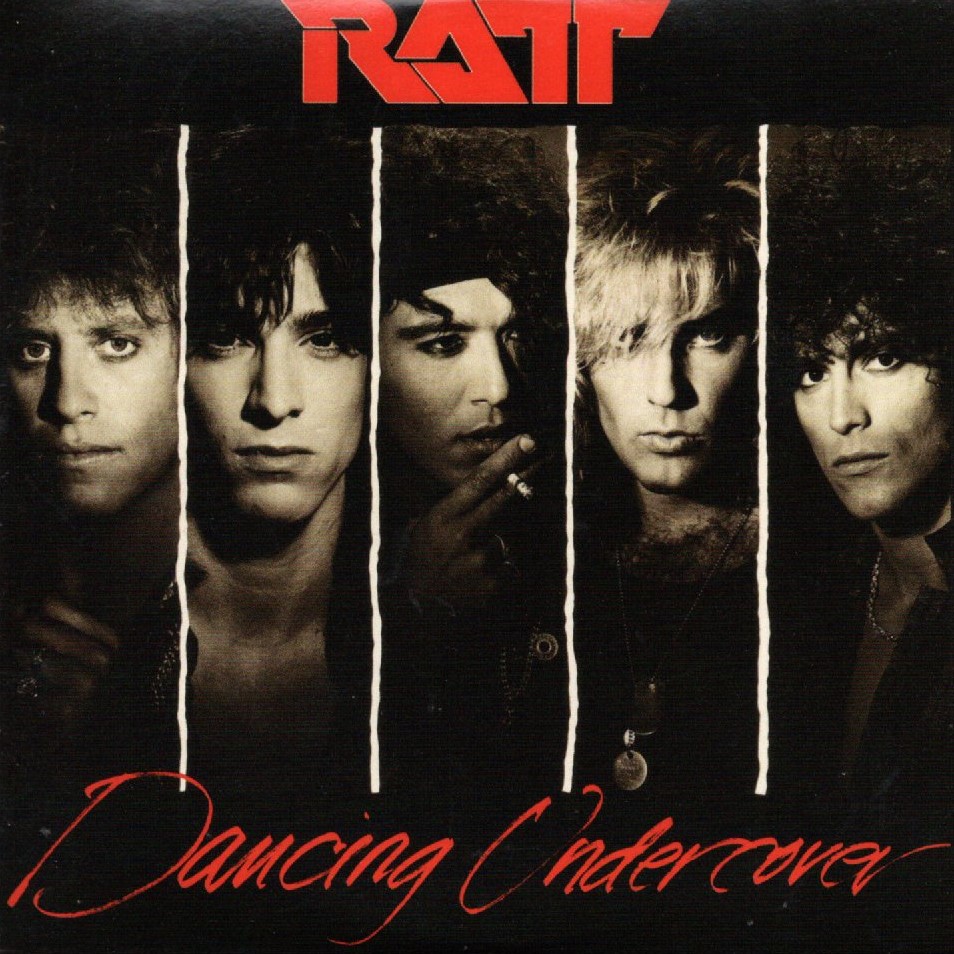
REVIEW: Ratt – Dancing Undercover (Part Three of The Atlantic Years series)

Part Three of Five

RATT – Dancing Undercover (Originally 1986, 2020 reissue — The Atlantic Years 1984-1990 box set)

Ratt’s fortunes continued to fall on their third album Dancing Undercover.  Their debut went triple platinum and the second album went double.  You didnt need an expert prognosticator to predict that the third album would go platinum and no further.  Which is still very respectable, but the trend was not good.

Opening single “Dance” was solid, with a poppy melody and stuttery 80s guitar lick.  Sleazy pop, rodent style.  A stock Ratt prowler comes second, called “One Good Lover”.  It packs punch, wicked guitars, and a few decent hooks.  Without missing a beat, they accelerate into “Drive Me Crazy” which has a speedy Hollywood-built engine.  Drummer Bobby Blotzer impresses with the machine gun fills.  Unsurprisingly, the drummer has a writing credit on it.  Decent tune, with a clunky arrangement.

The band slides into “Slip of the Lip”, which made for a pretty cool live-style video.  It is a clear album highlight, and most successfully nails the sleaze rock vibe that Ratt peddle in.    They end the first side on the incendiary “Body Talk”; straight-up Ratt thrash.  Probably the heaviest Ratt track ever, even “Body Talk” made for a wicked video.  It was hard to picture Ratt pushing it this fast and hard, but they did, and successfully so.

“Looking For Love” had to be a sleaze rocker. The second side doesn’t open on a great song, but it certainly is a Ratt song.  You couldn’t mistake it for any of their peers.  It does boast a pretty good chorus, even if the rest of the song doesn’t quite nail it.  On the other hand, “7th Avenue” has a menacing vibe and not much else.  “It Doesn’t Matter” has some life.  Unfortunately the second side just doesn’t have enough bite, nor enough good songs.  “Take a Chance” borrows a few chords from “Slip of the Lip” but isn’t nearly as good.  At least the closer “Enough is Enough” has a nice clean guitar part for variety’s sake, but side two is virtually without hooks.

This edition comes with a single edit of “Dance” as the bonus track, which at least allows the album to end on a good song, albeit a repeated one.

2.75/5 stars

The Atlantic Years 1984-1990:


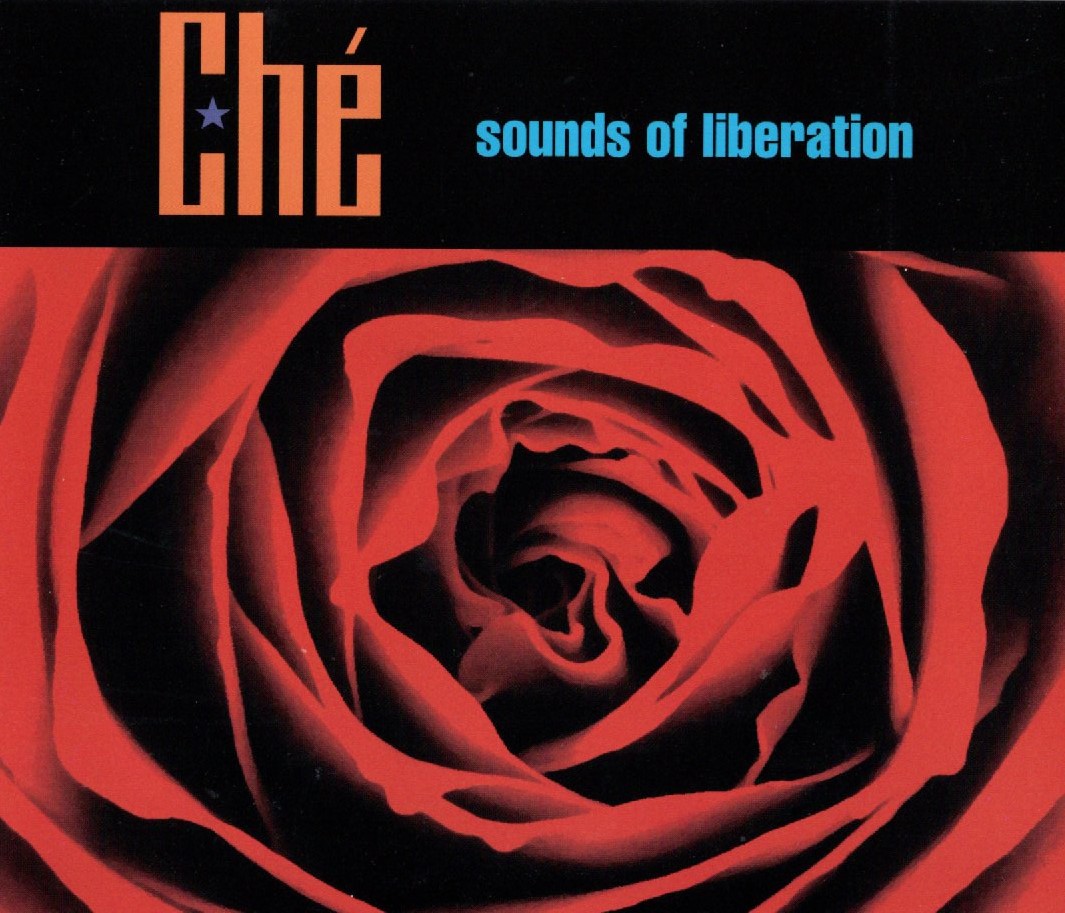
REVIEW: Ché – Sounds of Liberation (2000)

CHÉ – Sounds of Liberation (2000 Man’s Ruin)

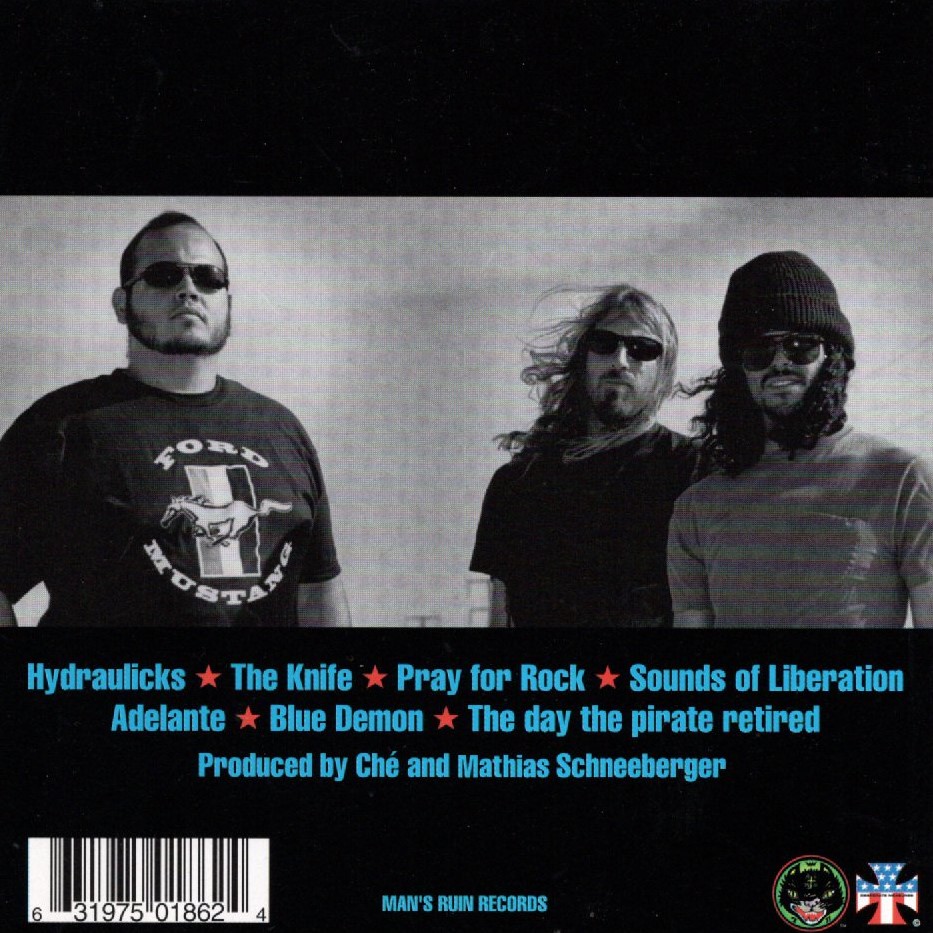
Almost immediately after his debut solo album Jalamanta, Brant Bjork was back with another new project and album.  Ché, featuring former Queens of the Stone Age drummer Alfredo Hernández, and Unida bassist Dave Dinsmore, only made one album.  But it is indeed the Sound of Liberation.

“It’s the Ayatollah of Rocka Rolla baby!”  Seven songs, 35 minutes.  Brant Bjork on guitar leads off “Hydraulicks” with a sharp, stabbing riff.  The laid back vibe of Jalamanta is gone, though its emphasis on repeating simple riffs is put to good use here.  A few vocal and guitar overdubs add some brilliant depth to a pretty raw, live-sounding recording.

“Stabbing” is another good adjective to describe the second track, “The Knife”.  Or perhaps hammering, as this song doesn’t let up.  The chorus is but a brief reprieve from the relentless rhythm.  “We can break the knife, so it won’t cut you, never cut you…”  But the instrumental “Pray For Rock” has a completely different vibe, a slow Sabbathy one with a Ward-like drum patter.  Then it suddenly goes full U2, if U2 were a stoner rock band from the desert.

The title track “Sounds of Liberation” enters.  The main three-note riff has some heft!  Solid track followed by another solid track, “Adelante”.  Hard hitting, choppy, aggressive.  Gets the point across.  Awesome drums by Alfredo Hernández.  But it’s the second-last track “Blue Demon” that really impresses, as a late-album highlight.  “Pick a room, man, ’cause they’re all the same,” sings Brant.  The riff has a certain electric aura, and the song just grooves.  It’s an ode to living free.

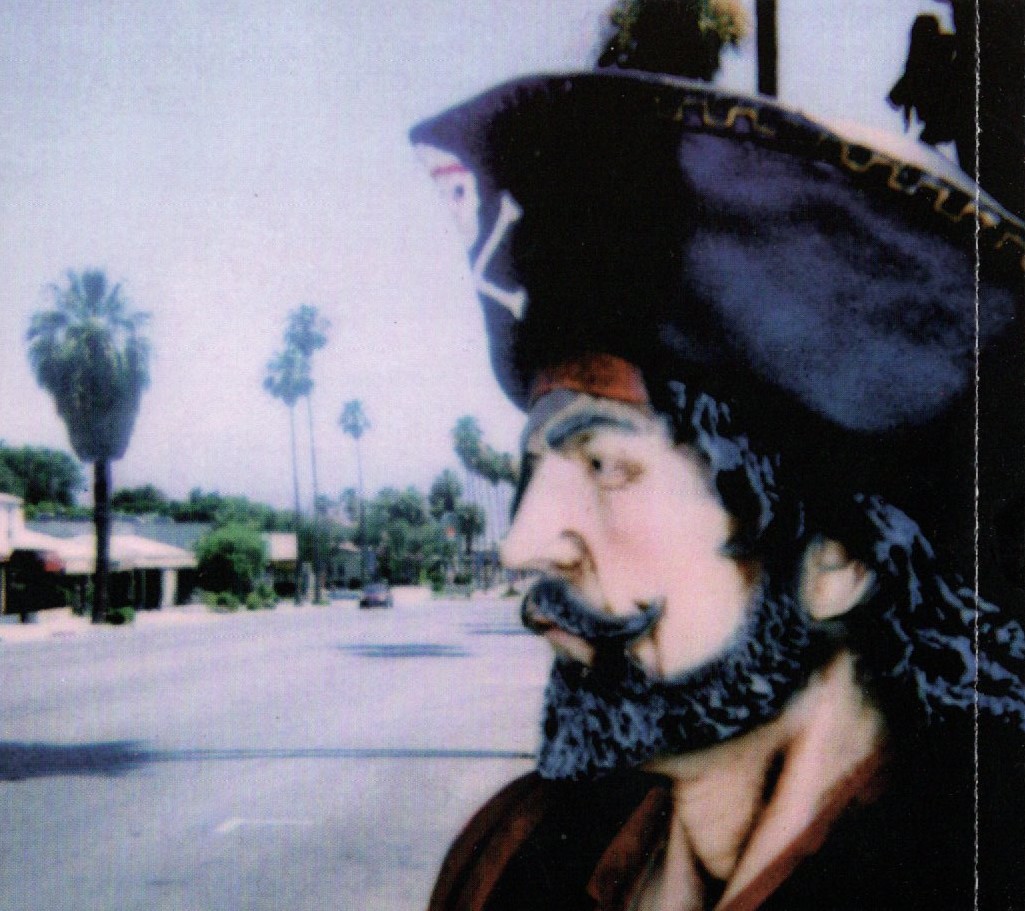
The final track is another instrumental, “The Day the Pirate Retired”.  The focus is on the riff, bristling with electric energy.  The band really jams here, with the fluid bass providing unexpected smoothness.

The CD packaging is interesting, with the front cover artwork on the back tray, and the back covert artwork on the front.  Kind of confusing when you see one on the CD shelves for the first time.

4/5 stars


REVIEW: Ratt – Invasion of Your Privacy (Part Two of The Atlantic Years series)

Part Two of Five

RATT – Invasion of Your Privacy (Originally 1985, 2020 reissue — The Atlantic Years 1984-1990 box set)

Going triple platinum on their debut album, Ratt had a lot of expectations going into a followup.  They resumed working with producer Beau Hill and didn’t change up much in their formula.  The result was a double platinum second record, another sales success.  But what about the tunes?

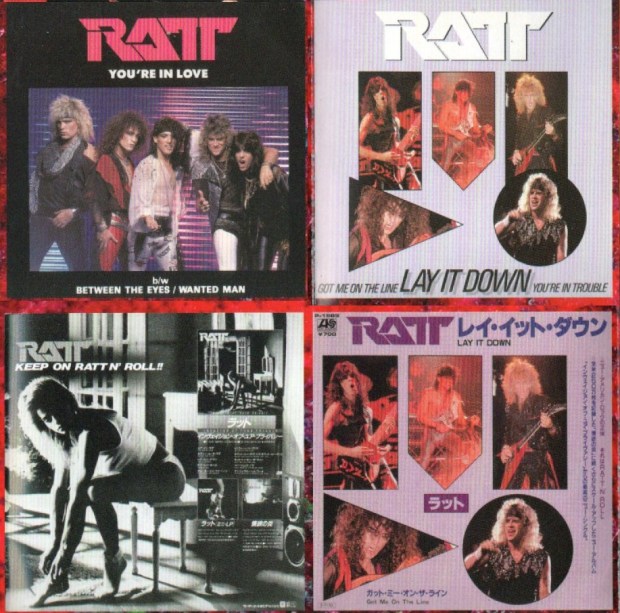
Lead track “You’re In Love” was chosen as a speedy, sleek, metallic and melodic single.  A step up in songwriting, “You’re In Love” packs power and horny Stephen Pearcy passion.  Wicked solo by Warren DeMartini.  The simple riff/melody combo was all the rodents needed to score a hit and a career highlight.  As an album opener, it revs the engine but it is also the fastest track you’ll get on Invasion of Your Privacy.

A tasty heavy riff opens up “Never Use Love”, a nice chugging album track.  Nothing here in terms of a memorable chorus, so strictly album filler.  Not road tape worthy without a decent chorus.  Great Robbin Crosby solo though.  Fortunately the slick first single, “Lay It Down” comes in for the save.  Take “You’re In Love” and slow it down to a sexy locked groove, and you get “Lay It Down”.  Pearcy was not one for subtlety.  “I know you really want to lay it down,” he beckons, and no points for guessing what “it” is.

Track four, “Give It All”, is a decent album cut, with the hooks and chugging Ratt N’ Roll style riffs that people expected.  A track with single potential, had they released another.  Another pretty good album track, “Closer To My Heart”, slows it down but not quite into ballad territory.  More like a slow dirge to close side one.

The second side opens on “Between the Eyes”, a disjointed tune that needs some tightening up.  Some cool hooks but nothing to tie them together into a song.  “What You Give Is What You Get” boasts a cool, tough little chorus and some quality guitar.  Great tune other than a misfitting pre-chorus.  It has a dark, foreboding vibe that Ratt rarely nail this well.   “Got Me on the Line” is a pretty solid deep cut, typical uptempo Ratt N’ Roll.  The solo in particular smokes.  “You Should Know by Now” is a bit clunky, but you can hear what they were going for.  They were trying for a big pop rock chorus, but they welded it to the wrong song.

Closing on “Dangerous But Worth the Risk”, the album comes to a strong ending.  It chugs along with that Ratt N’ Roll groove that embodies the sound of Motley Crue assimilating all of Hollywood California in a single night.  Though Ratt’s sound is not something as unique as they used to sell it as, it does have a niche.  It rarely squirms out of that niche.  Invasion of Your Privacy does not stray far from the debut, and doesn’t add any new wrinkles.  It’s the next batch of songs and all but equal in strength to the first batch.

Each CD in this box set comes with bonus material from singles, and this time it’s a single edit for “What You Give Is What You Get”.  The guitar solo is sadly trimmed by 20 seconds for the radio, but no problem hearing this cool song twice.

3.5/5 stars


RE-REVIEW: Ratt – Out of the Cellar (Part One of The Atlantic Years series)

Part One of Five

RATT – Out of the Cellar (Originally 1984, 2020 reissue — The Atlantic Years 1984-1990 box set)

Ratt’s first full-length Out of the Cellar was a multiplatinum smash.  The band didn’t come out of nowhere, with a successful EP already under their fur.  Though an undeniable commercial success, was Out of the Cellar that great?  Let’s listen with fresh ears to the recent reissue in The Atlantic Years 1984-1990 box set, and see if we can hear with objectivity what those rodents were up to.

The disorienting sound of backwards drums heralds in opener “Wanted Man”, an inventive way to make their introduction.  These Ratts were cowboys, although they wore too much makeup for the ranch.  A simple, slow, chomping riff is menacing enough while Stephen Pearcy growls though.  The capable harmonies of the band and especially Juan Crocier help nail the melodies that Pearcy alone can’t.  A great track worthy of a multiplatinum album.

“You’re In Trouble” is…less worthy.  Clunky bass, chaotic guitars.  But “Round and Round”?  Still as great as ever.  As regal as these rodents are ever likely to sound.  A keen sense of melody, rhythm and vibe mixed together with a sweaty Stephen Pearcy.  Brilliant solo work from Warren DeMartini, and perfectly layered harmonies under the production of Beau Hill.

A nice choppy guitar bodes well on “In Your Direction”, a slinky number that serves Stephen’s style well.  Square, head-bangin’ rhythm from Bobby “Da Blotz” Blotzer.  Decent song, but with only one trick.  “She Wants Money” is more fun, a fast upbeat blast on a familiar theme.  Robbin “King” Crosby on lead guitar here.

The second side opens “Lack of Communication”, a biting track just missing one key ingredient:  a decent chorus.  The saw-like riff smokes, the verses are great, but it never resolves into a definitive hook.

“Back For More” is a little disjointed but salvages it with a killer chorus.  Screamin’ Pearcy and the rodent choir give it the final polish.  Brilliant solo work here by Warren.  Then, one of the best non-singles “The Morning After” will leave you drenched.  It has a bit of a Quiet Riot vibe (Carlos Cavazo ended up in Ratt much later).  “I’m Insane” is mindless fun; just bad boy rock with the popular “I’m crazy” theme that their pal Ozzy was milking for millions.  Finally the album closes on “Scene of the Crime” which has a neat guitar hook that unfortunately is all but unrelated to the rest of the song.  Some cool melodies with the patented Ratt harmonies here.

The box set comes with minor bonus tracks on each disc.  This one has a single edit (3:46) of “Round and Round”.  No problem hearing “Round and Round” twice, but missing most of the solo?  Ugh.  Really bad edit.

Good start to the Ratt The Atlantic Years 1984-1990 box set, and better than memory served.  Rest in peace to Tawny Kitaen: the cover model on this album, the first EP, and the box set itself.

3.5/5 stars