In 2024, Helix celebrated their 50th anniversary as a band. In 2025, they marked it with a new compilation album, at least their 11th to date. Much like the legendary Rush, they went with a simple title for this milestone: Helix 50.
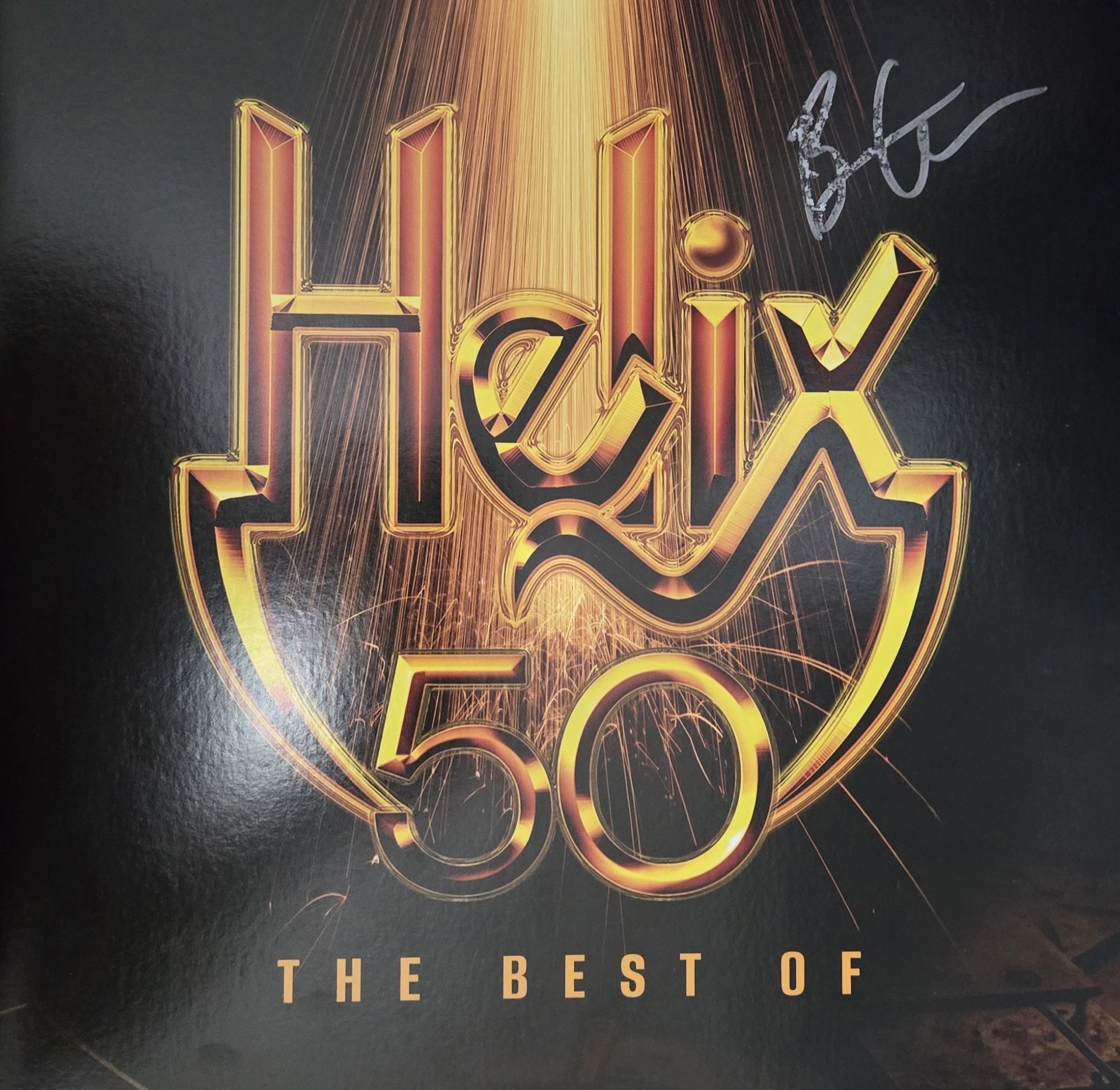
This was a frustrating set to finally buy. All I wanted was the CD, which has three extra tracks on top of what the vinyl has. I don’t know if the CD was ever available separately but I never found one. Then I waited and waited for the CD/LP combo set to show up at one of my preferred retailers and it never did. I decided to order it from the Helix store with some Christmas money, and it took a month to arrive. Weirdly, it was “in stock” when I ordered it, but when I emailed to ask about my order after almost a month, I was told they were awaiting more signed stock. Then, it arrived three days later at my house. Brian Vollmer’s autograph is in silver pen on top. (Gold pen would have looked amazing!)
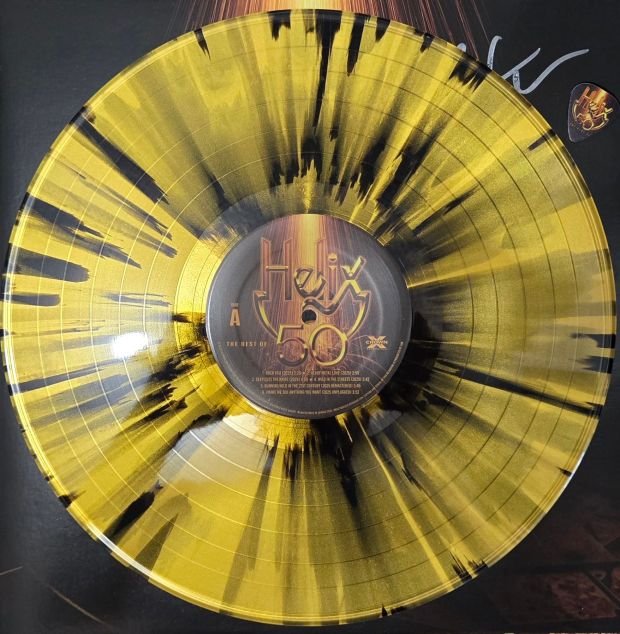
This CD/LP combo of Helix 50 has a gorgeous looking record inside, but is bare-bones packaging-wise. The set came with a Helix guitar pick and a turntable mat, but lacks the booklet and liner notes that a 50th anniversary compilation deserves. (I’m always available to write guest liner notes, boys!) It comes housed in a gatefold sleeve, with the CD tucked inside the front cover. There are roughly 45 monochromatic photos in the inner sleeve, celebrating the classic era of the band. The album itself consists of 11 tracks, plus three bonus from the 1993 It’s A Business Doing Pleasure album. (The first of several mistakes on the liner notes: the songs are credited to ‘It’s A Pleasure Doing Business (1993)’, but that re-issued title actually came out in 2024, while the original It’s A Business Doing Pleasure was 1993.) Of the songs, here is how they break down:
Seven are re-recordings of classic hits from the EMI years 1983-1987. Two of these are unplugged re-recordings. Only “Rock You” is new.
One track is from 1990’s Back For Another Taste unaltered.
Another track is a single mix from Back For Another Taste, previously released on other compilations.
One song is from 2009’s Vagabond Bones, unaltered.
Four are from 1993’s It’s A Business Doing Pleasure.
One is a “Radio Remix” of 2025’s download-only single “Stand Up”. (At least we think so – on the back cover it says “Radio Remix”, but in a misprint, on the label it simply says “Remastered”, not “Remix”.)
In some more mis-prints, on the back cover “Heavy Metal Love”, “Deep Cuts the Knife”, “Wild in the Streets” “Make Me Do Anything You Want”, “Dream On” and “The Kids Are All Shakin'” are listed as “2025” versions, but these appear to be the previously released 2006, 2010 and 2011 recordings. Only “Rock You” appears to be a new 2025 version. The other versions were only “remastered” in 2025. Some of the remasters leave something to be desired. “Good to the Last Drop” sounds blunted compared to other offerings of it.
According to the internet, “Rock You” includes three special guests: Phil X (Bon Jovi) on guitar, Todd Kerns (Slash) on guitar and Brent Fitz (Slash) on drums. In a tragic omission, none of this information is included in the Helix 50 package. The only way you’d know is by Googling it.
The acoustic songs have been released before. Of these re-recordings, it is the power ballad “Deep Cuts The Knife” that packs the most punch. They went to great effort to replicate the keyboards and backing vocals of the original. The songs also stay faithful to the original Doerner/Hackman solos. This acoustic version of “(Make You Do) Anything You Want” is breezy and lighter, and Brian Vollmer absolutely nails everything about the vocals. It’s a different, slightly softer take on the old classic. It must also be pointed out that bassist Daryl Gray is an articulate musician with chops, who always finds the right notes. An under-appreciated bassist.
The remix of “Stand Up” is the first physical release of this standalone download-only single. The new mix sounds muffled compared to the 2024 version, which is still unreleased on CD or vinyl. It’s a good song with blazing guitars and a melodic chorus.
Standouts include “The Animal Inside” from Vagabond Bones, which snarls out of the gates. The acoustic numbers offer subtlety, but there are too many soft moments that don’t really reflect the full gestault of 50 years of Helix.
There are no songs representing the legendary first two albums (Breaking Loose and White Lace & Black Leather) which really takes the bite out of the Helix 50 concept. “Billy Oxygen” would have been more than welcome. Only two songs come from the last 30 years of the band, a period in which Helix released plenty of great unrepresented albums and singles. Notably missing from this period: Standalone download singles “Brother From A Different Mother” and “Not My Circus, Not My Clowns” which should have been included as bonus tracks. As of 2025, there is no physical release with those two songs. Helix 50 easily could have been a double!
One final mis-print: “The Kids Are All Shakin’ Unplugged (2025 Unplugged)”. Not only is it actually the 2010 version, but “Unplugged” is printed twice. Not quite a misprint, but it is weird that guest players Lee Aaron and Kim Mitchell are not credited on the back cover. (A booklet with credits would fix this issue.)
The classy cover art, with the Helix 50 logo and sparks, is perfect to represent this golden anniversary. The track listing offers less value to the fans who have been here for 50 years. The band is limited by what versions of what songs they have access to, and vinyl is limited by run time, but the CD has room for at least five more songs. Had the full length of the disc been utilized, a more well-rounded representation of the last 50 years of Helix could have been realized. Ultimately, Helix 50 will please most casual fans who don’t have any Helix on vinyl (which is stunningly gorgeous in black and gold), but leaves a taste of disappointment for those of us who have been here the whole time.
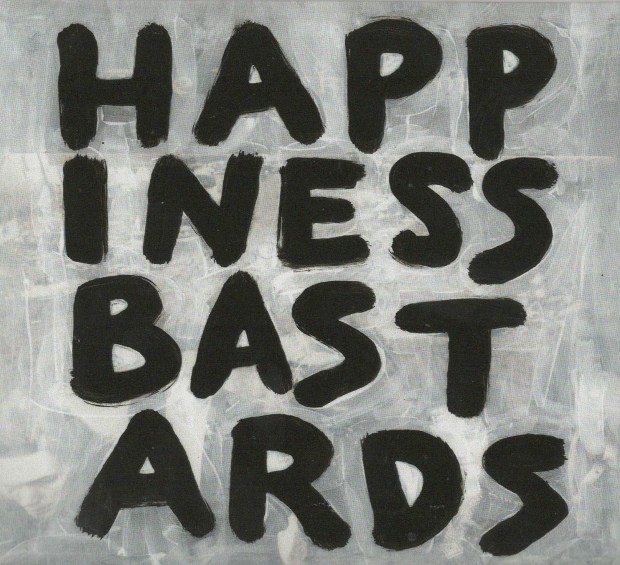
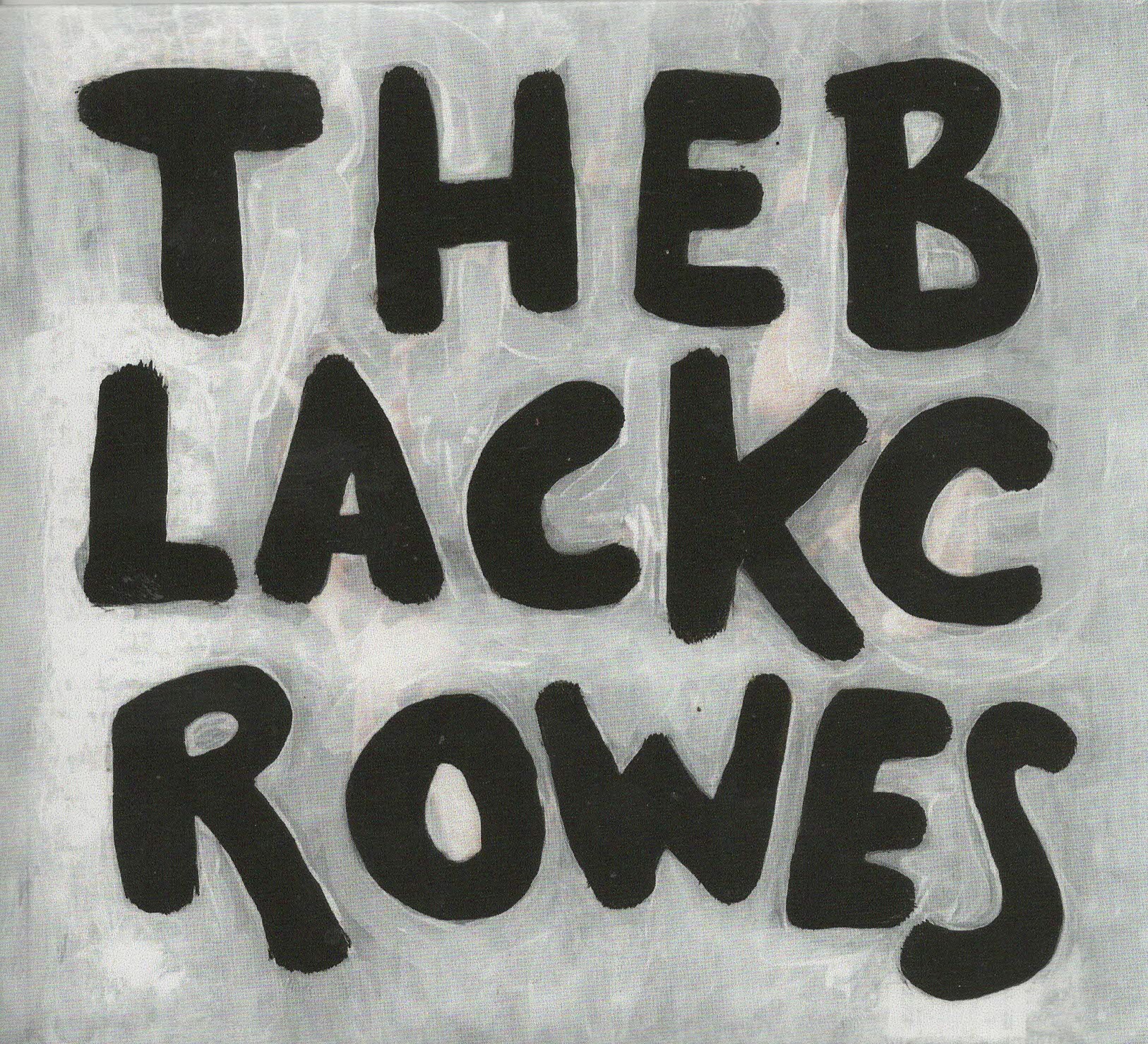
THE BLACK CROWES – Happiness Bastards (2024 Silver Arrow)
One could not help but be struck by a mixture of happiness and healthy skepticism when the Black Crowes announced yet another reunion. With a mostly new band, Chris and Rich Robinson didn’t ask drummer Steve Gorman back. Instead they asked bassist Sven Pipien (who they once famously edited out of the photos for the Black Crowes & Jimmy Page album). On the album are Nico Bereciartúa (guitar), Erik Deutsch (keyboards) Brian Griffin (drums). It’s not really a “band”, but maybe the Black Crowes always were Chris, Rich and whoever was along for the ride?
The good news is, no matter the motivations, the Crowes succeeded in putting out another fine studio album. It’s not a “back to basics” record, like “Here’s Shake Your Moneymaker Part II“. It’s also not a rootsy, The Band-like record such as Before the Frost… Until the Freeze. It’s more like the next step beyond those two. Happiness Bastards is also shorter than either: 10 tracks, with one additional Record Store Day B-side to discuss.
Opening with “Bedside Manners”, it’s the classic Crowes rock and roll sound, but with a slide guitar lick to make it a bit more southern. It actually sounds a little like Deep Purple Mk IV. A strong opener, Chris has barely aged and still belts much like Young Chris did 25 years ago. The lyrics sound cool, but the booklet is printed in such a way that you will never want to read the words.
A smoking riff kicks off a groove unlike any the Crowes have some before. “Rats and Clowns” clearly recalls Aerosmith, but not “hit” Aerosmith. No, this recalls “deep cut” Aerosmith, riff-based and snotty. This will go down as one of the most memorable Crowes tunes in the discography.
A really surprising number is “Cross Your Fingers”, which begins as an acoustic soulful ballad. It then transforms into a bass-driven groove. This is a sound that the Crowes do so well, when they choose to do it. Rich’s abbreviated closing solo is gravy. Three tracks in, and the Crowes have done three different directions, on three awesome songs.
The single “Wanting Waiting” has an AC/DC (Bon Scott) groove, mixed with Hammond organ and the Crowes’ own swagger. The drummer even has a Phil Rudd vibe. It’s clear why a song like this was chosen as single. Though it sounds like something from another band in another decade, the soulful rock and roll here is timeless. A “greatest hit” kind of song to be sure.
Side One ends with “Wilted Rose” featuring country singer Lainey Wilson. Though it’s only the first ballad, the Crowes do have a lot of more memorable songs like this.
The second side opens with another rippin’ riff backed by Hammond organ. Then Chris struts his way through the verses, sounding as cool as a cat. It’s a song called “Dirty Cold Sun”, but again the Crowes have captured a really solid groove, before they go off experimenting again.
“Bleed It Dry” is pure blues, acoustics and pedal steels crying away with some honky-tonk piano and a moaning Chris Robinson. The harmonica blasts, telling the timeless tale of woe.
It’s off on another direction again. Pop rock inflects the jubilant “Flesh Wound”! This high speed blast sounds like the Crowes travelled back in time to the new wave era of the 80s, wrote a song, and came back to the present in order to record it. It’s an absolutely brilliant song. Wait until you hear the chanted chorus accompaniment at the end! If it wasn’t so different for this band, it probably would have made a better single. “Flesh Wound” is the diamond of a deep cut that you will find when you play the album through.
“Follow the Moon” takes us back to a bluesy groove, with a funk Rich riff leading the way. When Rich plays his lead solo, the rhythm guitar drops out just like a 70s record, allowing the bass to come up. Great song, slick playing, and very much a traditional Crowes sound.
The sequencing of the album leads us to feel like a ballad would be the way to close. And so, “Kindred Friend” ends the album with acoustics, slide, and harmonica, done up with sentiment and nostalgia. It has a similar feel to a previous Crowes closer, “Time Will Tell”.
Happiness Bastards feels like a journey. Listening to it, you are taken from peak to valley, and a variety of colours and sounds. It doesn’t feel like a cash-in, a sell-out, or a phone-in. It legitimately sounds like the Black Crowes moving on to their newest incarnation.
It’s wonderful.
4/5 stars
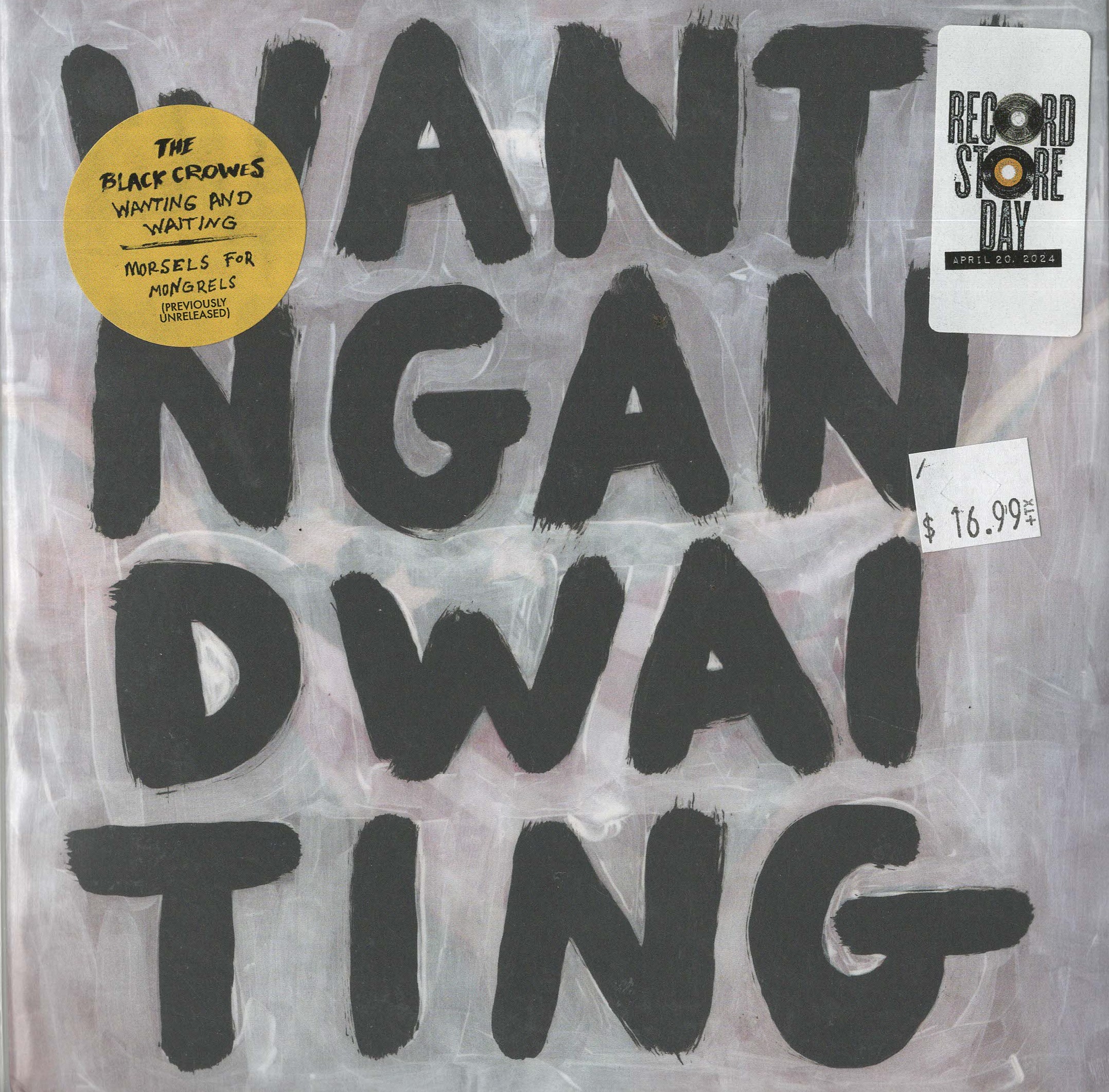
THE BLACK CROWES – “Wanting Waiting” / “Morsels for Mongrels” (2024 Silver Arrow RSD single)
One bonus B-side to Happiness Bastards can be found in “Morsels for Mongrels”, the B-side to the “Wanting Waiting” single. The most different of all the songs, it’s still based on bluesy slide guitar, but with a distant distorted lead vocal. It’s like the Crowes doing their version of garage rock. You can understand why it wasn’t included on the album, as it’s just a little too far out there for the record. Yet it’s a valuable add-on; a fun additional direction that the Crowes explored with typical joie-de-vivre. A blast to slide into your file folder as a bonus track.
3.5/5 stars
And that’s the latest from the Black Crowes. An unexpectedly excellent comeback. Keep it going, guys.
SPASTIC PHONO BAND – “Wings Under Japan” (1980 7″ single, Slipped Disc Records)
INVESTIGATIVE REPORT – 45 years ago…
[Editor’s note: the authors of this report have asked to retain their anonymity.]
The year: The harsh winter of 1980, remembered for its deep cold and snow. In the realm of popular music, all four Beatles were still alive, even though the band had been broken up for a decade. One of the Beatles soon found themselves in a wee bit of trouble. This trouble would spill all over the world news, causing rippling effects and ramifications far beyond the shores of England, for that winter in New York State, a band would go on to record a song….
The Beatle in trouble was the still-babyfaced Paul McCartney. It was no secret that he was already known for enjoying the green leaf. Back in 1972, McCartney was arrested in Sweden for possession of Lady Ganja. He was released without charges at that time, but his reputation was now cemented. McCartney wanted to book a Japanese tour in the mid-70s, but the country was very strict about illegal substances and refused Paul permission to play. The fans in Japan would have to do without.
Finally, in 1980, Japan had a change of heart and granted permission for Paul McCartney and Wings to tour in the Land of the Rising Sun.
He just needed to make sure he packed appropriately for the trip.
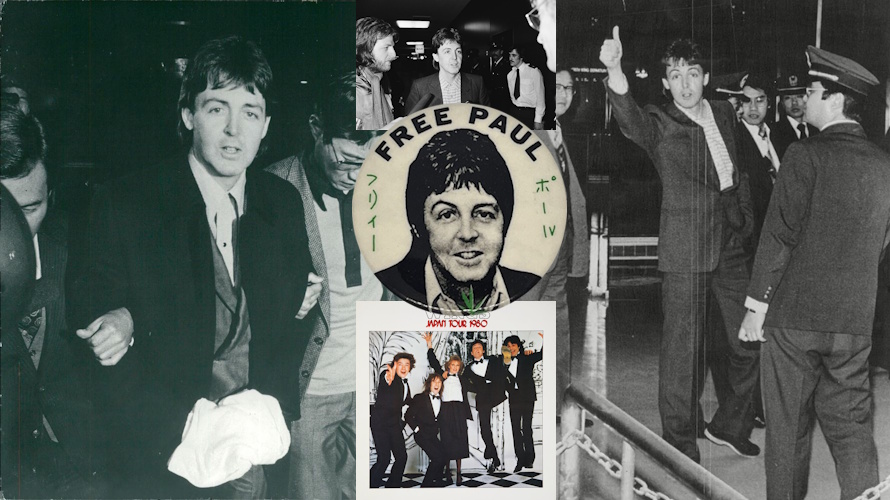
Paul McCartney is an undisputed musical genius. His songs will last 100 years. That does not mean that Paul always used his head. Despite the scrutiny he was bound to experience upon entering Japan, he decided to bring a stash with him. He was arrested upon discovery at the Narita Airport with 220 grams of Hawaiian green. Reportedly, he didn’t even attempt to hide the electric lettuce, just packing it in his carry-on bag with his clothing. Paul subsequently spent 10 days in the keiji shisetsu (刑務施設); actually the Tokyo Metropolitan Police Department. Teenage girls numbering about 50 serenaded the station during Prisoner 22’s incarceration.
Unfortunately for Paul, the nature of this arrest and jailing far away from home meant headlines all over the world. “PAUL IN CHAINS” and “EX-BEATLE ARRESTED IN JAPAN” went the articles, along with a photo of McCartney being escorted by Japanese officials. It was huge news, especially in the UK where it became a bit of a media circus.
The judge in the case determined that McCartney brought the drugs for personal use and not trafficking, and decided that Paul had spent enough time in jail. He was taken to the airport, and flown to Holland, where he was (perhaps surprisingly) refused entry. He still had time for a chat with the press.
“How did you get out?” asked the reporter.
“Walking on foot,” answered Paul in typical cheeky Beatle humour.
The experience was “a drag” for Paul. “I was woken up at six in the morning, then had to sit cross-legged for a roll-call. It was like Bridge on the River Kwai. They shouted out ’22’ in Japanese, and I had to shout back, ‘Hai!'”
The 11 date Japanese tour was cancelled at the cost of 2.5 million dollars and 90,000 tickets.
Did he learn from his experience?
“Now I have made up my mind never to touch the stuff again. From now on, all I’m going to smoke is straightforward [cigarettes]. No more pot.” He later acknowledged his own stupidity. “Well, to this day I have no idea what made me do it. I don’t know if it was just arrogance or what. Maybe I thought that they wouldn’t open my suitcase. I can’t put myself back into that mindset now…to this day I have no idea what made me do it.”
Over in America, shortly after shoveling out from a massive dumping of overnight snow, a young songwriter named “Vic Trola” was inspired to write a song. At least that’s how the credits read on the actual record. A recent online theory postulated that “Vic Trola” was indeed a pseudonym, but these writings are mostly found in conspiracy theory discussions. A fringe group that splintered off the main conspiracy theory group added that “Vic” was short for “Victoria”, not “Victor” as previously assumed. These theories are largely dismissed by the other groups. Our own extensive research has failed to unearth any other compositions written by Trola; just the one that you are reading about today. We do know, thanks to documents obtained in the process of researching this article, that after catching their breath from shoveling the drive on that cold winter day, Trola went inside and began writing. The surviving notes from Vic Trola’s respirologist confirm these facts.
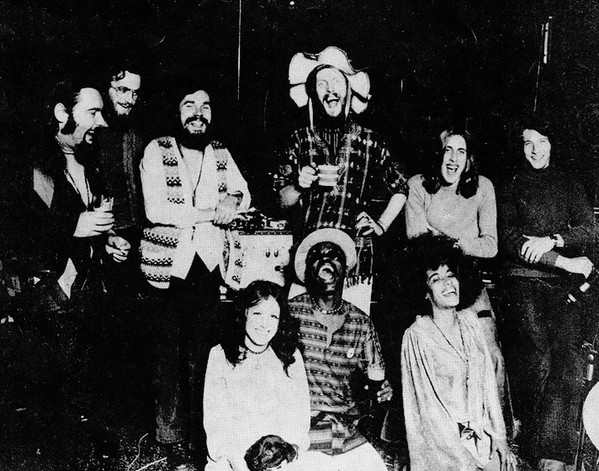
Vic Trola’s song, as it evolved into its final form, was the product of on-stage gigging by the mysterious Spastic Phono Band, and that is where our story really begins. Though their names are now lost to time, and their relationship to Vic Trola is clouded, we do know that they consisted of a tight rhythm section. Both the drummer and bassist were exceptional. They boasted a dual guitar configuration, and multiple lead singers including one female vocalist who appears prominently on their sole recording called “Wings Under Japan”.
The Spastic Phono Band had experience. They had already been working on a set of originals and comedic covers. Favourite hits by Santana and the Might Zep were endowed with new witty words, and they found an audience who shared their sense of musical comicality. Encouraged by the audience reception to these songs, the Spastic Phono Band turned their attention to the hot news of the day: Paul’s arrest in Japan. Presumably with Vic Trola’s lyrical input, they started playing bits of his Beatles and Wings hits in a medley. Egged on by the crowd, and adding throwaway lyrics here and there, the song “sort of wrote itself”, according to a maraca player who claims to have been there at the time (and requested complete anonymity). It took only three or four shows for the song to come together as we know it today. The Paul medley became an instant live hit. The crowds ate it up. They learned the words, sang along and shouted for more! Clearly, the song needed to be recorded in a studio, and put out on a record.
Unfortunately for the band and Vic Trola, who were based out of Liverpool (New York, pop. 2400), there were few studios around within the reasonable driving distance of a beaten-up touring van. Their studio of choice would be unavailable for three weeks, and time was of the essence. The Paul story was hot now, not later! Even if they recorded the song immediately, it would have to be mastered and pressed at a record plant, meaning they had to act immediately. The scarcity of nearby studios presented a challenge. Would these young musical minds be able to publish their Paul pastiche in time?
As they used to say, the Spastic Phono Band let their fingers do the walking: They picked up the phone and eventually connected to something that somehow passed as a recording studio. The old schoolhouse that they booked was certainly was not conceived as a studio when it was built in the last decade of the 1800s. The top floor housed the recording space, but in a decidedly inconvenient design and safety choice, it was only accessible via an outdoor fire escape. All the band’s equipment had to be hauled up the emergency exit: drum after drum after drum, followed by amp after amp. Bags were passed from vehicle to musician and up the fire escape, which wobbled with every tentative step. Also, it was winter. Members of the band were not sure if they were going to survive the combination of snow and ice, metal steps, and gravity. To our great fortune, they did.
The studio owner was also the engineer, and his soul still lived in the 1950s. He didn’t grasp the nuance, or understand the Spastic Phono Band’s particular brand of humour. He did, however, have a friendly personality and got along with the band. A good sounding record began to take shape on tape. The band nicknamed the engineer “Eddie”, a reference to a classic Leave It To Beaver character, Eddie Haskell. Eddie’s studio had all the necessary equipment (minus an elevator). He even had an ARP synthesizer which can be heard on two segments of the recording: “Silly Drug Laws“ and “Banned in Japan”. Though the band did not have the budget to spend more time in the studio to do some further work on the guitars, the band climbed down the fire escape holding in their mittens a reel-to-reel tape of their hard-earned work. Physicists specializing in the behaviour of water at low temperatures speculate that the tape was almost dropped once on the way down, but saved from an icy fate in the snow.
The schoolhouse was demolished in 2025 at 131 years old.
Though recorded, the song still had to be mastered and cut to vinyl. With time slipping away, and Paul McCartney finally starting to experience a decline in the media frenzy over his Japanese vacation in the big house, the Spastic Phono Band were in an ever-increasing time crunch. Their song, heavily dependent on McCartney’s imprint in the public consciousness, had to make its way to a physical record that you could buy. Their preferred manufacturer was fully booked and the band could not wait any longer. The track was complete, mixed and ready to be mastered…but where?
Through furious searching and some tense bidding on eBay, we have obtained some of the logs, unfortunately anonymous, detailing the following sequence of events of the recording:
Monday.
Tempus is fugiting. Much to our dismay, the cute Beatle’s troubles in the Far East are rapidly becoming old news. Also with windchill, it is about four degrees today.
The Paul story was soon displaced by other current events. The Iranian Revolution made fresh headlines, and soon came the hostage crisis. Front pages were dominated by the tense 444 day crisis, during which 66 Americans were held hostage at the US Embassy in Tehran. As it happens, another band in the same area as the Spastic Phono Band, a trio, were working on a song referencing these events. One of the songs in their regular set, popular in some of the local Irish venues around the area, was Jerry Jeff Walker’s “London Homesick Blues”. It featured the unique chorus of “I wanna go home with the armadillo.” (Who wouldn’t?) This was easily adapted into “I’ve had enough of the Ayatollah”. The clever lyrical substitute worked, and the band approached the club owners documented only as “The Brothers Three”. The Brothers actually owned three clubs, which seemed poetic. The Brothers Three liked the song, feeling that it tapped into the sentiment of the day. The reached into their pockets and financed a studio recording of the Walker cover. They were now in the record business.
The Spastic Phono Band, who were familiar with the trio in question, learned of this. Realizing it was a good idea, they decided to make their own pitch to the Brothers Three.
Wednesday.
They went for it. Sure, they argued a bit and the oldest one may have smacked the youngest one, but we did get a unanimous decision. The Brothers Three are going to allow us to use the disc maker where they pressed the Ayatollah record.
The record would be made in a little postage-stamp sized record plant (if you could call it that) in Connecticut.
Tuesday.
One of the Brothers Three picked me up in his MG convertible today. We took the tape to a dumpy little record pressing company. Mission accomplished. We ordered 300 copies to be made. Then headed home, but my companion driving the convertible decided to put the top down. It may be February thaw, but it was so cold I still don’t have feeling back in my nose. Considering calling an otolaryngologist.
Frozen noses aside, when the boxes containing 300 copies of “Wings Under Japan” finally arrived, the McCartney story was equally cold.
Friday.
Believe it or not, there isn’t a lot of demand for a record by a band that nobody’s heard of.
The records were delivered to stores, who tried their best to push it, but were fighting an uphill battle. The record was not a hit. The 300 copies did eventually end up in the hands of the public. There are no documents detailing any sales, so we do not know if the band sold them at shows, or by mail order, or any of the other quaint methods available in 1980. Mr. McCartney never stumbled upon the record, as far as the evidence suggests. At least, we know he hasn’t sued. But could he even locate the Spastic Phono Band if he wanted to? We could not. Vic Trola has pulled a DB Cooper: Taken the money (if any) and flown.
Though only the original 300 copies were made, we were able to track one down for this article. It was clearly loved in its previous home.
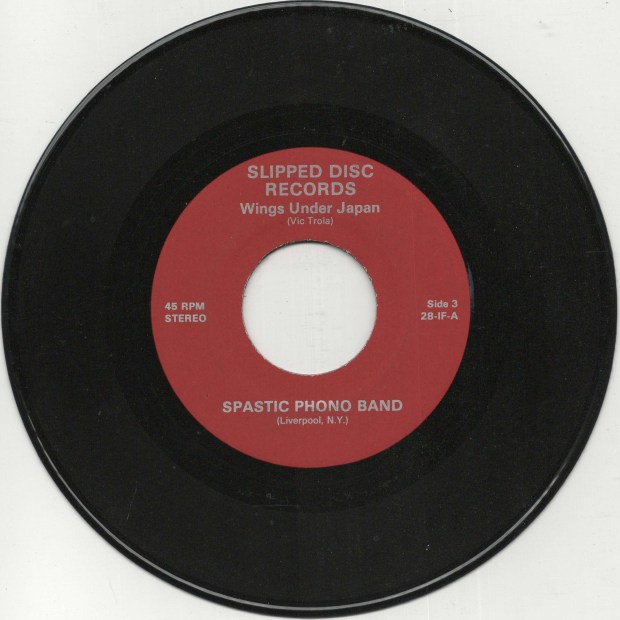
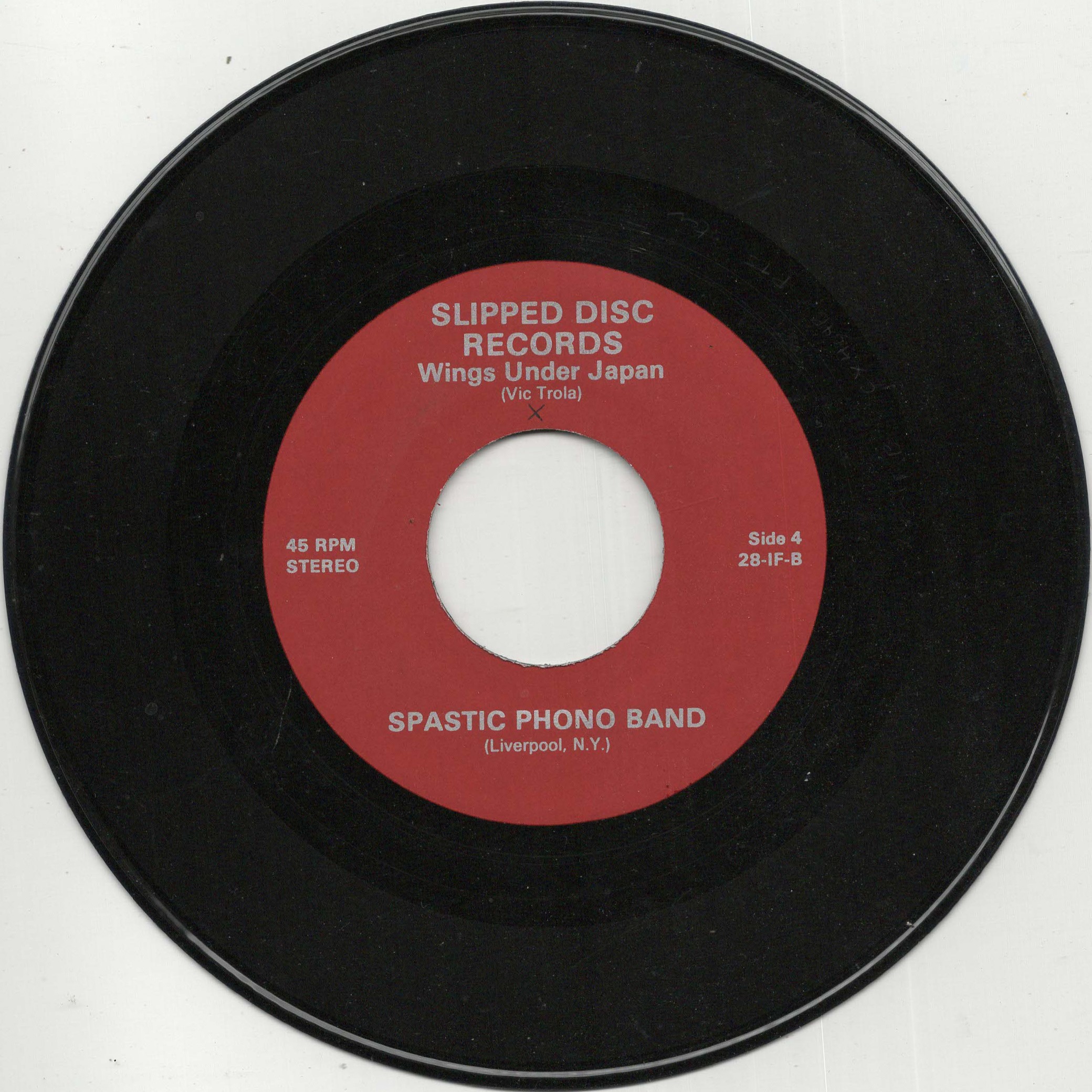
Housed in a yellow-brown sleeve (the original?), the 45 has a nice maroon label, stating this is on Slipped Disc Records. Charmingly, the song “Wings Under Japan” is split over the two sides…sides 3 and 4. (It has been suggested that this release, with sides 3 and 4 instead of 1 and 2), gave George Lucas the idea to number The Empire Strikes Back as Episode V instead of Episode II as expected. With that film releasing in May 1980, we cannot completely dismiss the claim.)
The track is just over seven minutes combined.
Leavin’ on a Japanese roadtrip, Headin’ down a London runway, Paul said ‘I need to bring along some good weed, Because it helps me relax when I play.’
Guffaw! The song begins with a spoof of “The Ballad of John and Yoko”, now called “The Ballad of Paul and Linda”, with a similar structure, but words about Paul. “The way things are gooooin’, they’re gonna scrutinize me!” And they did…but not long enough for the Spastic Phono Band. The song continues.
Staring at the man with the baggie. Paul said, ‘Maybe I’m amazed! It only amounts to less than half an ounce, Why do you have to get so carried away?’
In perhaps the most obvious yet fun twist, the song then goes into Wings’ “Hi Hi Hi”…but re-written as “High High High”. This is funny because it’s so obvious, it had to be done. It’s amazing nobody else did it. Incidentally the harmony vocals in this section are rich and excellent.
Next up in the Paul medley is “Silly Love Songs”, redone as “Silly Drug Laws”. “What’s wrong with drugs, I’d like to know, ’cause here I go again! I’m in jail…” Another example of great singing by the Spastic Phono Band, but listen to that 1970s groove and the dexterous bassline! This is some serious playing.
Side “3” ends, and so we flip to side “4”. Fortunately in the modern era, we can use our digital capture software to seamlessly edit the two into one track! Next is “Band On the Run”, revised as “Banned In Japan”. In this case, the original song is almost a medley of different sections itself. The Spastic Phono Band do several of them here. “Stuck inside these stone walls, might be here forever!” There is a poignant moment coming here, frozen in time. Little did they know that John Lennon had only months to live, for in December of 1980, he would be murdered in New York. So to hear the line, “I’ll join with Ringo, and George and John and we’ll put the reunion on,” reminds us that finite period of time when such a thing was indeed possible.
A brief pause and then, just like on Abbey Road, wait for a Beatles-y coda.
“Wings Under Japan” is, quite frankly, one of the best parody medley songs (or however you want to describe it) you’ll ever find, for three reasons.
The mystery. Who are the Spastic Phono Band anyway? We may never know. (Or, more accurately…we may never tell.)
The musical prowess. There is some serious playing and singing on this brief single, and your life would be richer if you heard it.
Though depicting events before some of you were born, the lyrics are still hilarious due to the timeless nature of weed jokes.
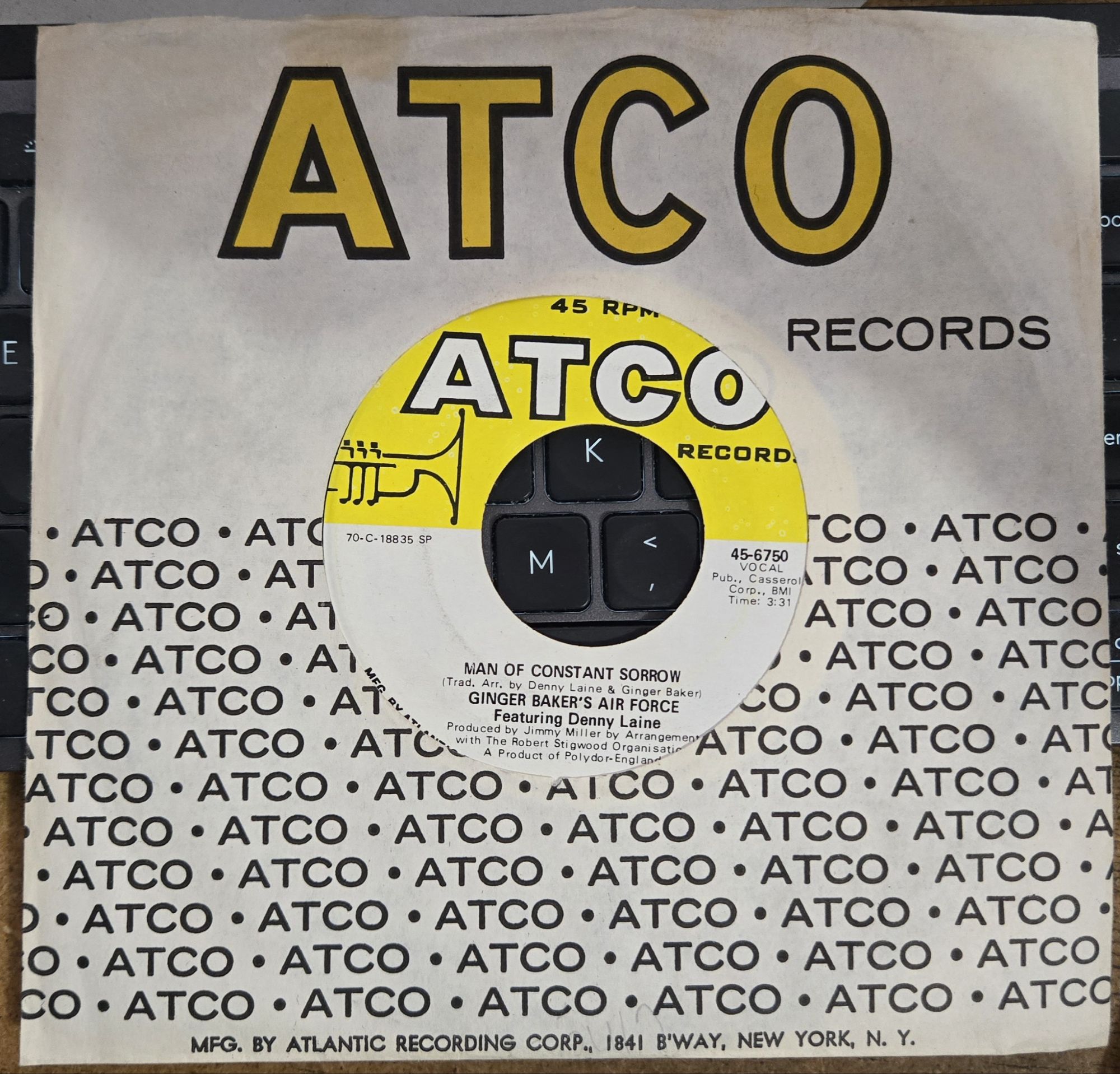
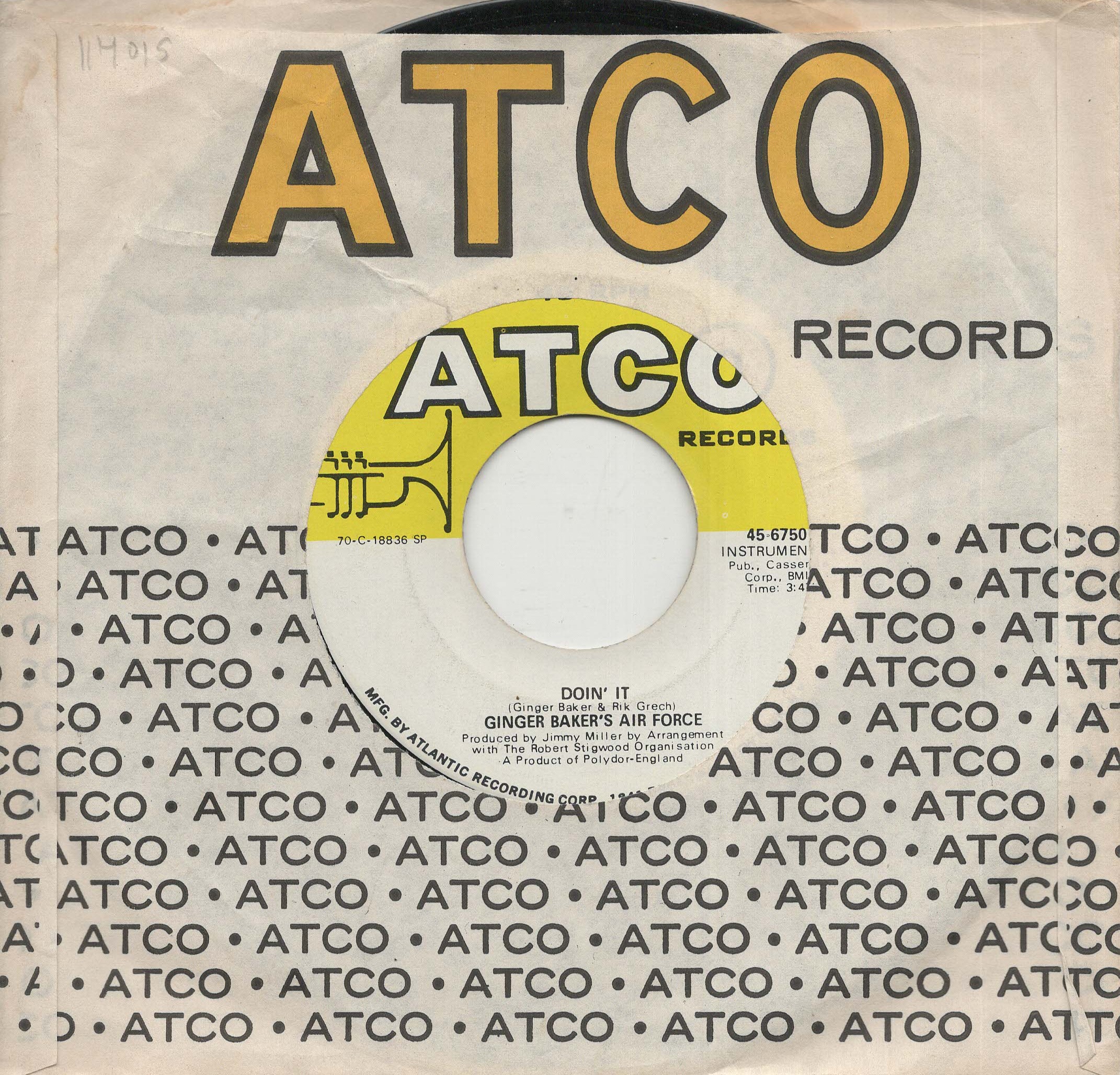
GINGER BAKER’S AIR FORCE – “Man of Constant Sorrow” (1970 ATCO 7″ single)
When Blind Faith broke up in 1969, Ginger Baker formed the Air Force featuring musicians such as Steve Winwood, Alan White and Denny Laine. They released two albums, Air Force and Air Force 2, with the debut being a live album recorded at Albert Hall. They also released one single, a studio version of the traditional “Man of Constant Sorrow”. Its live counterpart was on the debut Air Force album, but the 3:31 studio version was only on the single. Today you can buy several compilations and additional live albums, but in 1970 this single would have been one to seek.
Most people today are familiar with the version of “Man of Constant Sorrow” that was released as a single from the soundtrack O Brother Where Art Thou. Based on the same traditional music, Ginger’s version is vastly different, though clearly the same song. Opening with soft electric guitar picking by Denny Laine, Ginger soon comes in with a pitty-patter that is distinctly him. Fiddles join in, and ample soulful backing vocals. Aside from Laine’s emotional lead vocals, the defining characteristic of this song is the bombastic (but not out of place) drum pounding of Ginger Baker. Horns join in at the halfway point, lending the song a celebratory Mardi Gras kind of feel. Though it starts quiet and unassuming, it ends as a magnificent folk-soul monolith.
The single B-side is an instrumental live cut of the original song “Doin’ It” from the debut Air Force. It was recorded 15 January 1970 at the Albert Hall with a ten-piece band including three saxophones and Hammond organs. This is a tribal but funky jam, with the bass by Ric Grech blazing the trail. Like “Man of Constant Sorrow” it builds louder and louder as it goes. This short 3:47 (fade out) jam is in and out before you know it, but works as an intense but fun workout from some of the greatest musicians ever to hit the stage. Certainly, the drums and two additional percussionists are a main focus and worth paying attention to.
This is Def Leppard’s first 7″ single in 30 years – since “Action” in 1994!
I’m bored of Def Leppard’s glam throwback songs. I know that seems hypocritical, given that many of their biggest hits (“Pour Some Sugar On Me”) are basically that. “Just Like 73″ is their latest single, a standalone without an album, issued on various coloured 7” singles this year. While we applaud Leppard for releasing new music on a physical format, the song is not one of their greatest to date.
The coolest aspect of “Just Like 73” is the surprising guitar solo by Tom Morello. Rage Against the Machine and Def Leppard were diametrically opposed in 1993, but I suppose back in ’73, those guys were listening to a lot of the same records. On the B-side is a version without Mr. Morello, which is valuable to the collector, but the song is lesser without him.
Sometimes Def Leppard seem bent upon recreating their past, and not always hitting that mark. “Just Like 73” pushes those big “Hey!” vocals that are so commonly associated with Leppard. It has the Gary Glitter kind of beats that they are so fond of. Really, the only thing new here for Def Leppard is that Morello squonk all over the A-side. That’s a great mix and they should collaborate further.
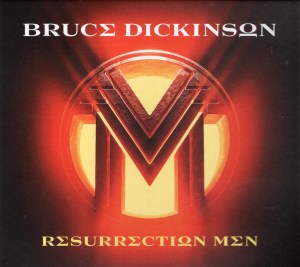
BRUCE DICKINSON – “Resurrection Men” (2024 BMG CD single)
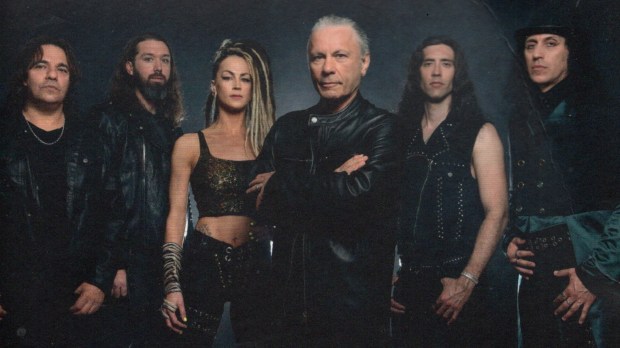
The Mandrake Project is a dense album. It takes a lot of time to absorb and understand. The concept goes way over my head, but the songs are heavy and the direction is metal. Bruce Dickinson is nothing if not ambitious, and of course that means taking the new album on the road. His live band this time out includes the always reliable Dave Moreno on drums, and Whitenake bassist Tanya O’Callaghan. Bruce has released two singles from the album with exclusive B-sides, and the second is “Resurrection Men”.
“Resurrection Men” is long for a single, at almost six and a half minutes. It is loaded with drama, and the acoustic intro really sets a mood. Then it goes into something more western, like from a Clint Eastwood film, with interesting percussion. That soon subsides and we go full electric. This song lunges all over the place, from slow grinding verses to quiet bass-driven parts, and a powerhouse chorus. Ultimately it’s not really single material, but that’s one thing that makes this release so interesting. It’s also impressive how Bruce continues to sing with such lung power.
Live from Sao Paolo comes “Afterglow of Ragnarok“, the first single from The Mandrake Project. A song about “what happens after the end of the world,” according to Bruce. It is tight, and does not deviate far from the original cut. The live setting is unforgiving, but even without multitracked vocals, Bruce nails it. The stage energy is palpable, and Moreno kills it on drums.
The most exciting track is the very first live version of “Abduction” from Tyranny of Souls. This one absolutely smokes, with breakneck pace, lightning drum fills, and melodic guitar harmonies. A lot of solo Bruce stuff could almost be considered Iron Maiden made modern, louder and more intense. “Abduction” falls into that category. This live version has some really cool guitar solo work, very different from Roy Z’s on the album.
It is truly wonderful to see artists such as Def Leppard, Deep Purple, and Bruce Dickinson releasing physical singles with actual B-sides in 2024. Keep it up.
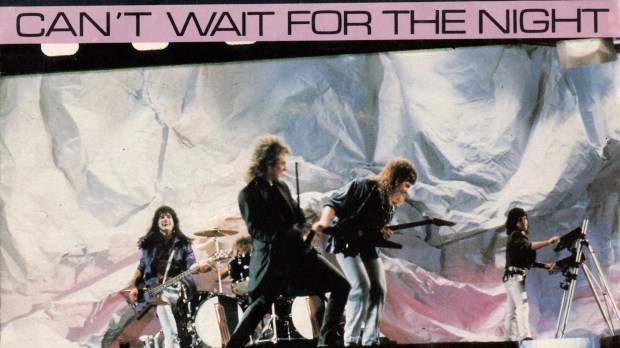
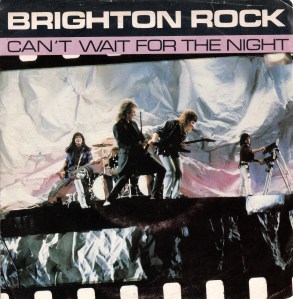
BRIGHTON ROCK – “Can’t Wait for the Night” (Remix) / “We Came To Rock” (1986 WEA single)
Niagara Falls’ Brighton Rock had a knack for rockers and ballads in equal measure. Though “ballad” was often whispered as if it were a dirty word, Brighton Rock released a couple as singles over their career. “Can’t Wait For the Night” was the first. With a soft keyboard backing, the guitar melody by Greg Fraser sketches out the hook of the song. Gerry McGhee shows a tender side to his voice, while unleashing the scream on the chorus. His voice takes on a third texture as the chorus goes out, a grittier version.
On the 7″ vinyl format, the song was given a remix and an edit. It was taken down from 4:25 to 3:56, and labelled as the “single mix with guitar solo”. Presumably all that means is that the guitar solo wasn’t chopped for the edit, since the album version seems to have the same solo. The edited music is mostly outro, and it’s hard to discern exactly what the remix adds. Keyboards and guitars seem to be the same. Vocal is the same. But here it is; the “single remix with guitar solo”!
On the B-side is the rocker “We Came to Rock”, which to me was always the “first single” because of the great music video they used to play on Much. This dramatic little number mesmerized us as kid. It began soft and ballady, with keyboards and the sound of violins seemingly being plucked on the verses. Then, Gerry McGhee released the beast that was his scream on the captivating chorus. McGhee’s voice had tremendous diversity within single songs, and this is a prime example. Finally you get to Greg Fraser’s solo, which as always was a composition unto itself. This is the standard album version. Simply awesome as-is! It is one of those rare songs that is a treat to play on repeat.
This awesome little picture sleeve single isn’t hard to find nor expensive to buy. Highly recommended.
4.5/5 stars
Tomorrow on a Grab A Stack Special Edition, new co-host Len Labelle and I go through our entire Brighton Rock collections. Don’t miss this!
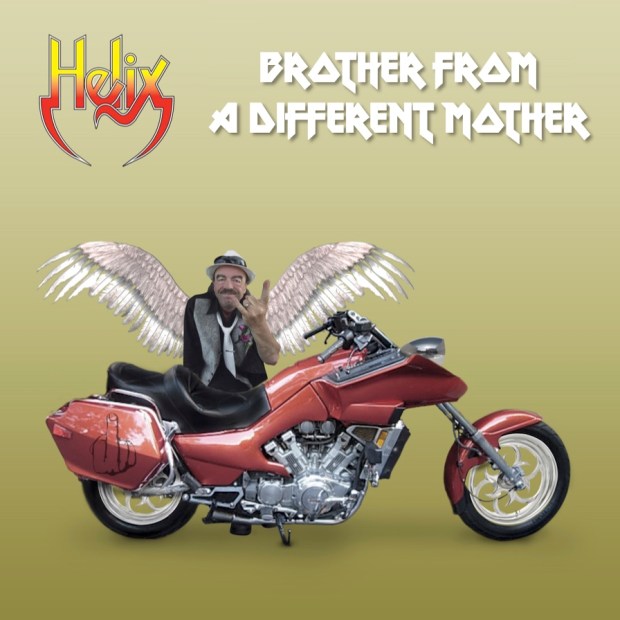
HELIX – “Brother From A Different Mother” (2022 download single)
In 2021, Helix recorded a new song called “Brother From A Different Mother”, about a good friend of singer Brian Vollmer. It was released in 2022 as a download, complete with “NFT’s” which…I don’t know what you do with that, but the mp3 file can be downloaded and played like any other!
The song “Brother From A Different Mother” is one of the heaviest Helix tunes. Fast as a shark, and heavy as a rock! The chorus is as memorable as any other Helix single, but the guitar playing is stellar. From solo to riffs, the guitar provides the undeniable hooks. There’s a slow breakdown in the middle with piano, and amazing gritty backing vocals by Cheryl Lescom.
Brian’s lyrics are heartfelt and sincere. You can tell this was a friendship he really valued. Let us hope for a physical release, be it a single or an album.
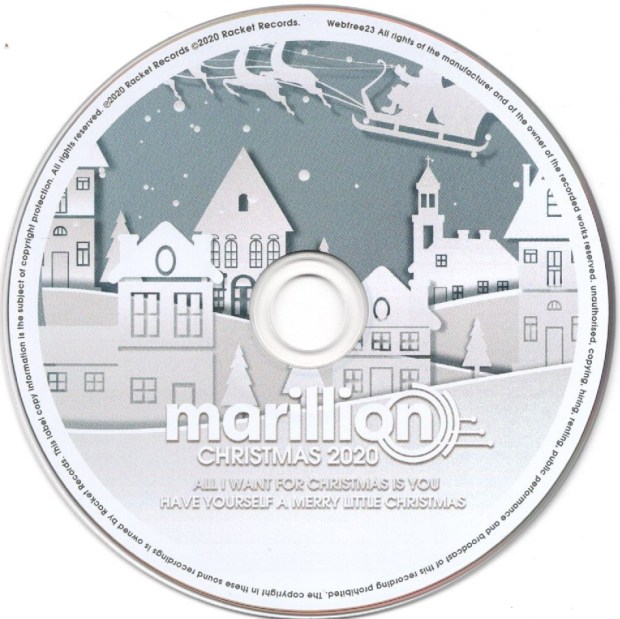
MARILLION–Christmas 2020 (2020Racket Records CD single)
For those who love the numbers (hands up, both of you), here are some Marillion 2020 statistics for you:
This is the third Marillion single in 2020, after the “Easter” and “Made Again” home recordings.
This is the sixteenth Marillion Christmas CD. A full list of them can be found at bottom.
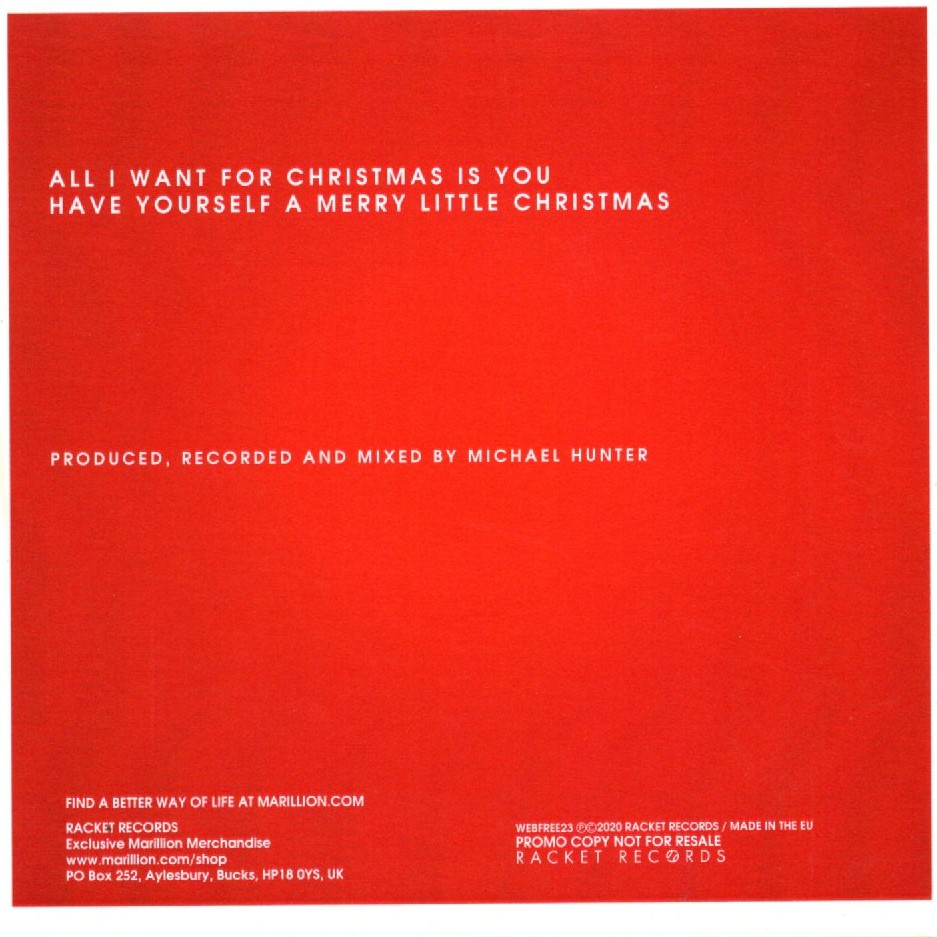
This year it’s a simple two-track CD single, instead of a live album, and it’s better that way. Not that a double live CD isn’t a fine way to spend Christmas, but this just feels more…Christmas-y.
Both tracks are produced by Michael Hunter. “All I Want for Christmas is You” features jingle bells, and the full band givin’ ‘er. Nice to hear Marillion just rocking! This is what I want to hear this Christmas — a party. Ian Mosely doesn’t get to pound a simple one out like this much anymore. This is good time Marillion Christmas dance party track — and there are not many of those! They even managed to squeeze in a so-cool Steve Rothery guitar solo without losing the fun.
For the sentimental type, enjoy a lovely “Have Yourself a Merry Little Christmas”. Hard to believe Marillion haven’t covered this one yet, but they have now! They do it with piano, keyboards and light accompaniment. It’s done just the way you want to hear it, around the fire after the kids have been tucked in. Listen for Steve Hogarth’s Christmas message at the end.
Two Christmas songs done so perfectly that even a Grinch-like curmudgeon can enjoy them. What else do you want for a free Christmas CD?
BLUE RODEO – “Day After Day (Rose-Coloured Glasses)” (Remix) (1987 Warner 7″ single)
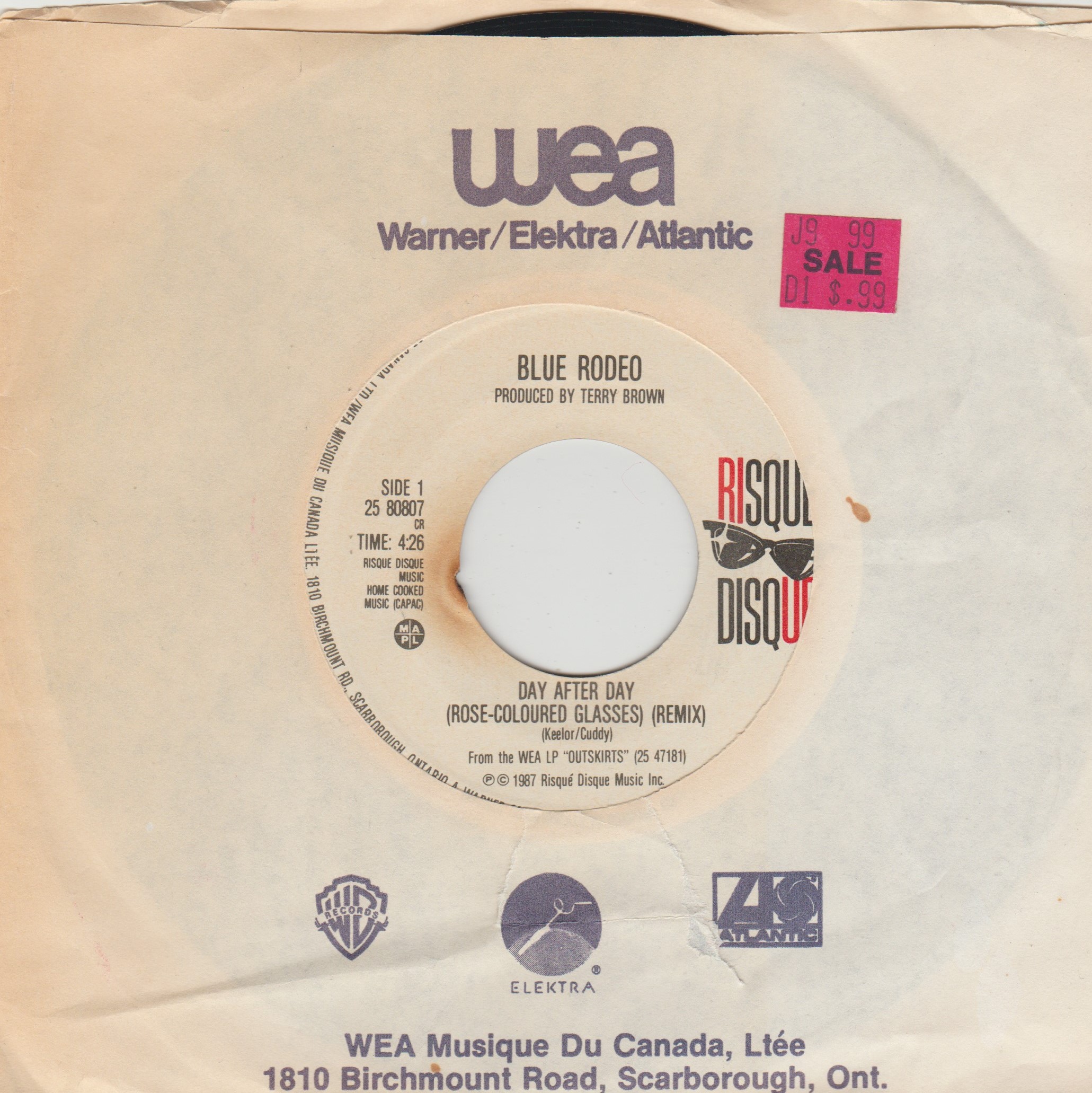
Blue Rodeo were off to a hell of a start. With a debut LP produced by Terry Brown (Rush), the uncategorizable band eventually went four times platinum in Our Home and Native Land. Their first single, “Outskirts” didn’t do much, but the followup singles sure did. Because of its unforgettable chorus, “Rose-Coloured Glasses” was renamed “Day After Day”, with the original title in parentheses. It was also remixed for the 7″ format. The 7″ remix remains exclusive to the single, despite a massive Blue Rodeo box set released not that long ago.
Purchased for 99 cents by Dr. Kathryn Ladano somewhere out in the boonies (possibly Radio Shack in Port Elgin), this copy looks like it was marked for clearance. There is a telltale burn mark on the inner ring of the record. Anything with non-album tracks or versions was on our radar for collecting and we didn’t care about little burn marks if the record was 99 cents!
The remix isn’t drastically different; some minor changes. The song didn’t need any help. As one of Blue Rodeo’s best from the early days, it’s still pure delight. Greg Keelor’s lyrics are that of a lovestruck poet, something he does very well. He often finds himself entranced by new love. “But there’s something in those eyes that keeps me hanging on, I’m hypnotised.” Still he’s always grounded in his own reality. “See a world that’s tired and scared from living on the edge too long. Where does she get off telling me that love could save us all?” I love everything about it. The music is full of joy and hope just like the object of Greg’s affection.
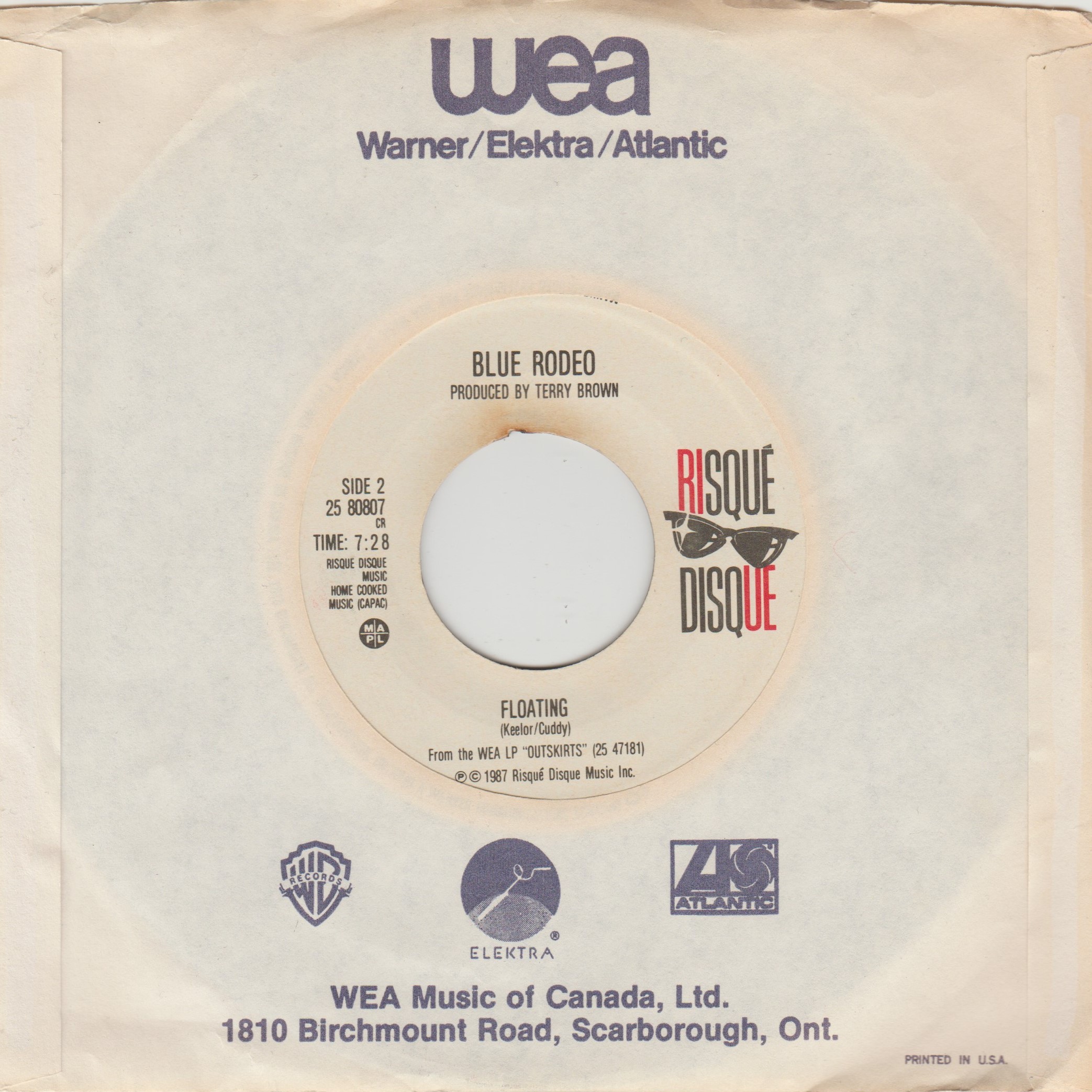
The B-side, “Floating”, is an unlisted edit version. Cut down from 7:53, this version runs at 7:28. There’s about 7 seconds of noise missing from the opening, and the rest seems to be taken off of the end. That’s means you’re not getting all of Bob Wiseman’s nutty organ soloing, but who are we kidding, you already have the album anyway. In contrast to the A-side, this is one of Greg’s more nocturnal explorations. Are those waves crashing that I hear? Blue Rodeo jam on this long bomber, the title of which is descriptive of the music. “And I feel like William Holden floating in a pool,” goes the line that gives the song its name.
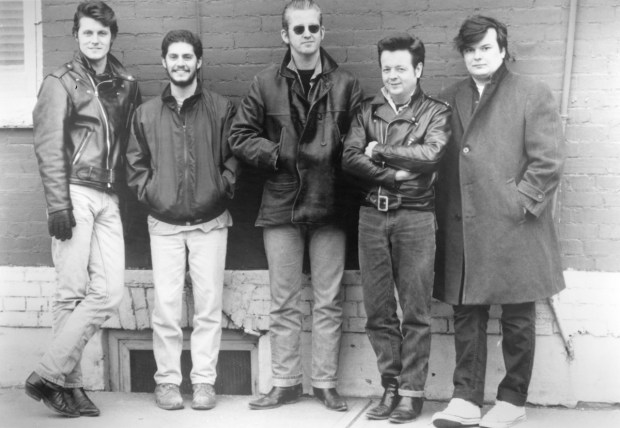
This is a band that has it all: writing, playing, and singing. They don’t use outside writers and their live shows feature jams that go on for days. I’m going to get a little preachy here. If you’re going to jump on the Blue Rodeo train, may as well start at the beginning with songs like “Rebel”, “Try” and of course “Day After Day”…or “Rose-Coloured Glasses”. It doesn’t matter as long as you get it in your ears. Hell, Bob Wiseman on his own is a brilliant and entertaining artist. Throw in the rest of the original lineup and you have a formidable contender for Canada’s greatest band. Greg Keelor’s guitar playing has always been underappreciated, though Jim Cuddy’s golden voice gets all the praise it earns. Basil Donovan’s bass is in-demand due to his innate sense of rhythm and melody. And Cleave Anderson, the former punk drummer who went country, just has a “sound”. It’s simple and it’s his, just like Johnny Fay. Though the band today is larger and more versatile, original Blue Rodeo was a special thing.
 HELIX – 50: The Best Of (2025 Crown X CD/LP)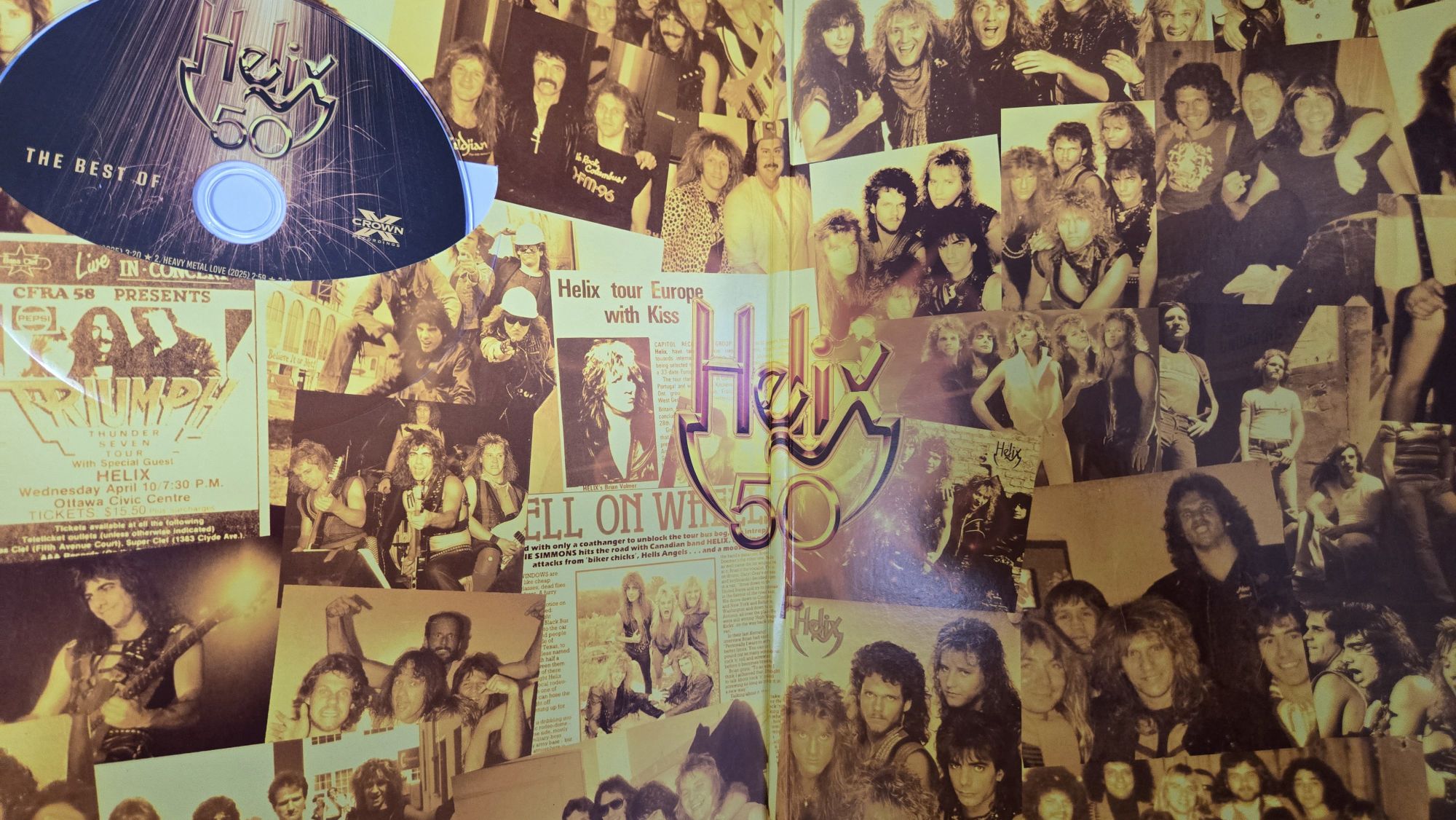















 mikeladano.com