Frank is the resident Sausagefest Man of Mystery. We don’t really know anything about Frank. We do know he likes to rock. He also likes movies and TV series. Here are his favourites from 2018. Now you know as much about Frank as we do! ***
Lamb of God: Legion: XX / “Jesus Built My Hot Rod”
Jack White: Boarding House Reach / “Over and Over and Over”
Nine Inch Nails: “Ahead of Ourselves”
Greta Van Fleet: “Age of Man”
Ayreon: The Best of Ayreon Live / “Star of Sirrah”
Godsmack: When Legends Rise / “Take It to the Edge”
Behemoth: I Loved You at Your Darkest / “Bartzabel”
* LeBrain’s note – I fucking LOVE that he put “Flame Thrower” on his list. I didn’t care for it much when the album came out, but now it’s my favourite track too!
Man of few words, but many lists: Uncle Meat presents his top movies, albums, and disappointments of 2018!
TOP 10 MOVIES
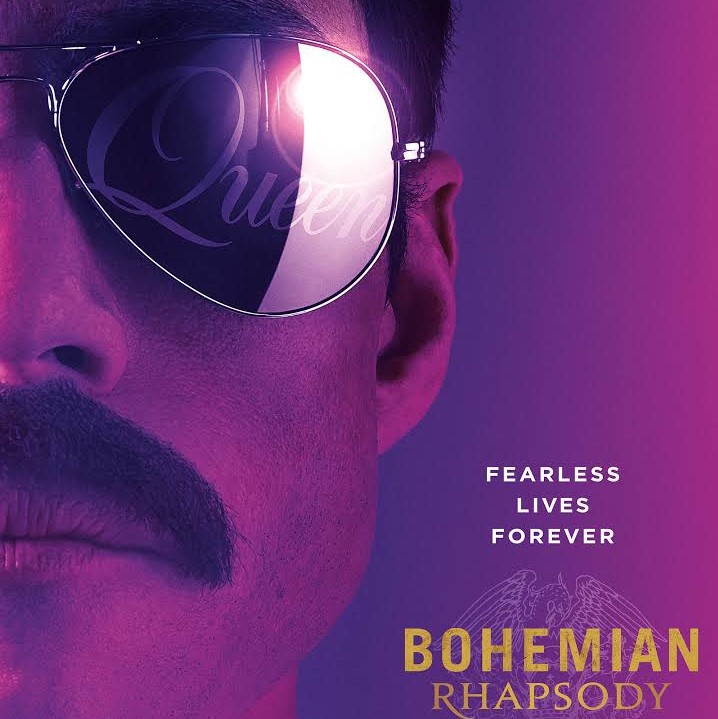
1. Bohemian Rhapsody
2. The Ballad of Buster Scruggs
3. Mandy
4. A Futile and Stupid Gesture
5. Avengers: Infinity War
6. BlacKKKlansman
7. A Star is Born
8. Solo
9. Ant-Man and the Wasp
10. Black Panther
* LeBrain’s comment: I’m pleased to see the MCU and Coens make strong showings here, but Solo surprises me.
TOP 10 ALBUMS
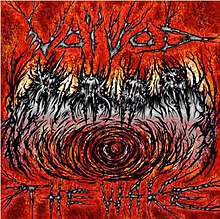
1. The Wake – Voivod
2. Used Future – The Sword
3. The Tree of Forgiveness – John Prine
4. The Sciences – Sleep
5. Town Burned Down – Adam’s House Cat
6. The Wolf Bites Back – Orange Goblin
7. Mankind Woman – Brant Bjork
8. Our Raw Heart – YOB
9. Spaceman – Ace Frehley
10. Triumphant Hearts – Jason Becker
DISAPPOINTMENTS OF 2018
1. Tenacious D – Post Apocalyptico (Both the animated show and album)
2. Kiss completely playing to tracks live
3. Troy Tulowitzki
4. LeBrain’s Porn Debut
There is no way just one person could sum up the best music of the year by themselves. That is why, every year, we bring you as many annual lists as possible!
First up with his Best of 2018 is J from Resurrection Songs.
Here we go. It’s that time where I tell you all about the albums that made my 2018. I haven’t numbered them or picked an outright favourite, cause I just couldn’t…these have all lit up my year. Truly outstanding albums. There might be a few surprises here and some may be surprised by what’s not here. Or maybe you won’t be surprised by anything at all and you’ll say to yourselves – or out loud to those sitting next to you or whatever – “well, that was just a little predictable, eh?”
So, here goes.
Kurt Vile – Bottle It In
Man, there’s something special about Kurt Vile. Quirky, smart tunes… a voice that’s welcoming and familiar. The meandering is purposeful and it all comes off like Bob Dylan if his hero was Stephen Malkmus and not Woody Guthrie. This is the real-deal-genuine-brilliance type stuff here….
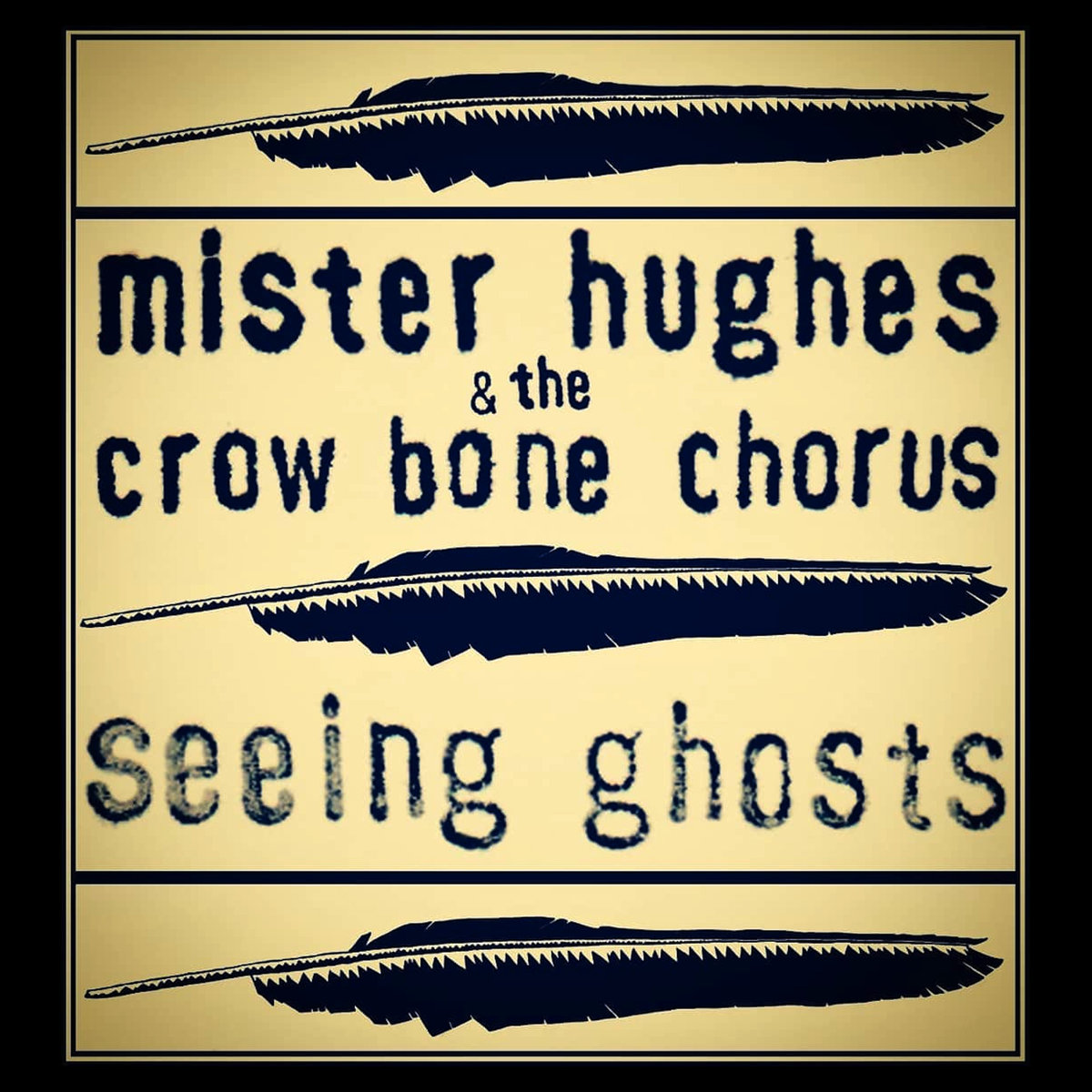
Mister Hughes & the Crow Bone Chorus – Seeing Ghosts
I’ve been a fan of Craig’s stuff for near enough 10 years. In that time I’ve gotten to know him pretty well, so it pleases me no end that’s he’s released something like this. It combines all his influences and passions from what I can hear – blues, rock, Richard Thompson subtleties and ZZ Top swagger…and dare I say a bit of prog. At its best it’s some of the best music I’ve heard this year – the second half being particularly outstanding with “Sweet Little Incision” and “Made a Thing” highlights.
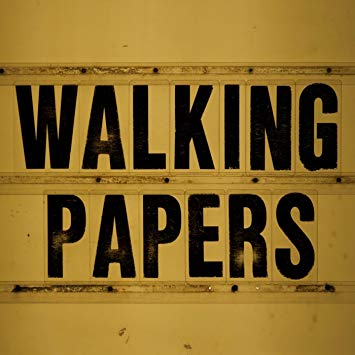
Walking Papers – WP2
The last album recorded by the ‘classic line-up’ (I know, I know), WP2 had sat on the shelf a wee bit due to the GNR 3.0 reunion and Barrett Martin’s schedule. Whereas Duff McKagan was only on a handful of tracks on the hugely impressive debut album, he was a fully-fledged member by the time the band got to work on WP2. The songwriting is consistently brilliant and Angell remains engaging. He’s one of the best front men out there – loads of personality and swagger. This album rocks and rolls and it gets better with every spin. It was worth the wait.
Mark Lanegan & Duke Garwood – With Animals
For those that don’t know Garwood, he’s something of a rustic and spiritual alternative bluesman. His tunes a wee bit off kilter, ethereal, intricate…he has a specific sound unique to him. I can’t describe it, really. This is his second album with Lanegan and it builds on the foundations laid on the brilliant Black Pudding. This won’t be instant for most folks, but my word is it worth giving this one some proper attention, cause it really reveals itself to be an album of deep beauty and spirit.
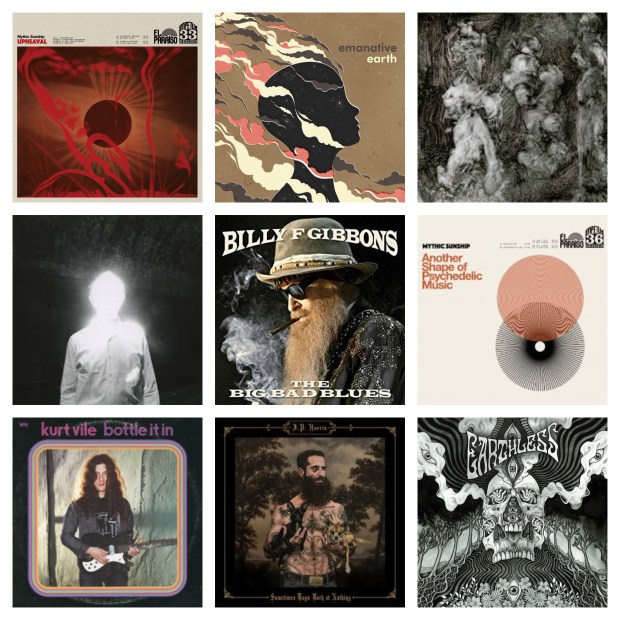
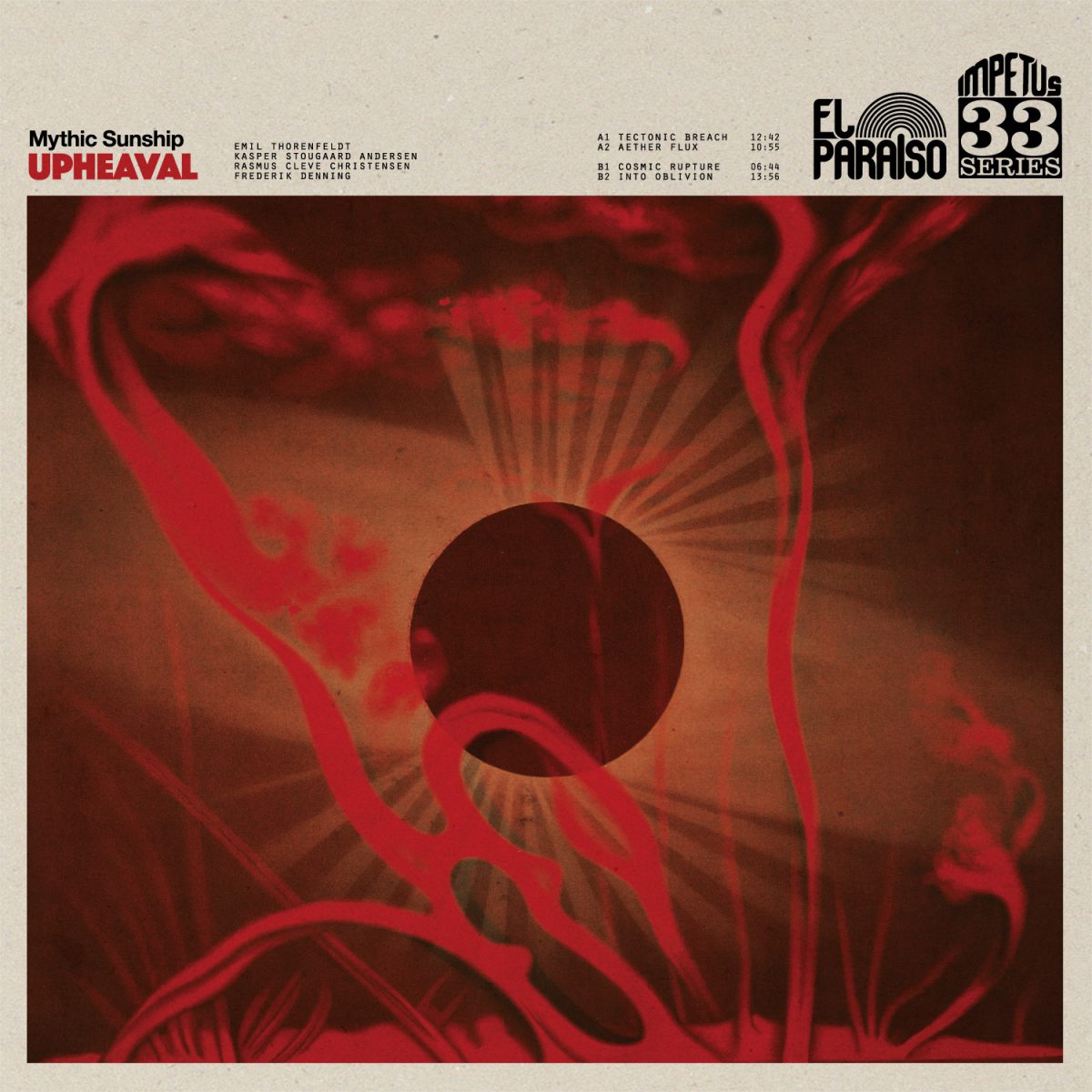
Mythic Sunship – Upheaval
I’ve been listening to this a whole lot over 2018. This is a real cracker. Heavy and uplifting. When I make a Kaiju movie this is my soundtrack. It swaggers with all the intent of a slinky dog and the coils rattle and grind as it, eh, slinks, down the stairs. Let’s do battle at the breach, evil alien Kaiju!
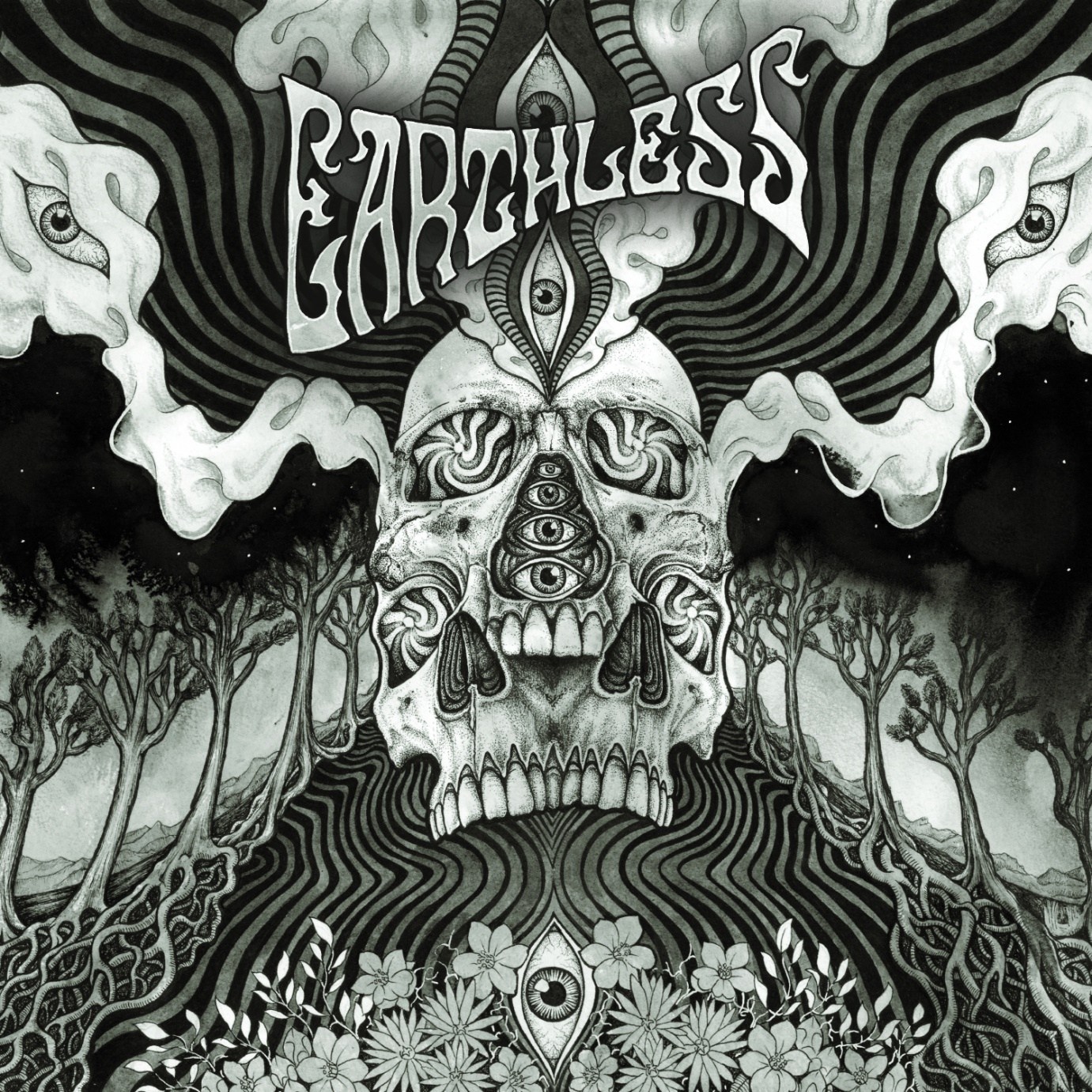
Earthless – Black Heaven
This has been the album I’ve listened to most this year, I think. I’ve listened to a lot of Earthless this year, actually, as they galloped straight to the top of my favourite bands list. For the uninitiated, Earthless are the most rockingest grooviest of bands. Big guitar workouts without ever sounding boring or cliched. On Black Heaven the explosive cosmic jams are replaced by some tight song structures that kinda sound like Blue Cheer and Black Sabbath… Jamming with Jimi Hendrix. Seriously, the guitar scorches the earth. It’s incredible. My favourite album this year. Absolutely no question.
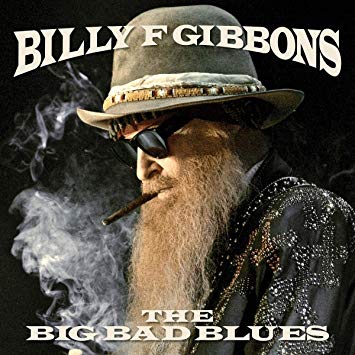
Billy F. Gibbons – Big Bad Blues
There’s nothing new here for fans of Gibbons, but that’s just perfect for me. See, I was a bit disappointed with Perfectamundo with its mild spice flavours and kinda lightweight song design. This here is more robust and smoking. A real classic burrito with big bad blues riffs. It might not set the world alight, but it’s a great album with some of that classic Gibbons boogie and guitar. It’s a perfect accompaniment to ZZ Top’s La Futura, if you ask me.
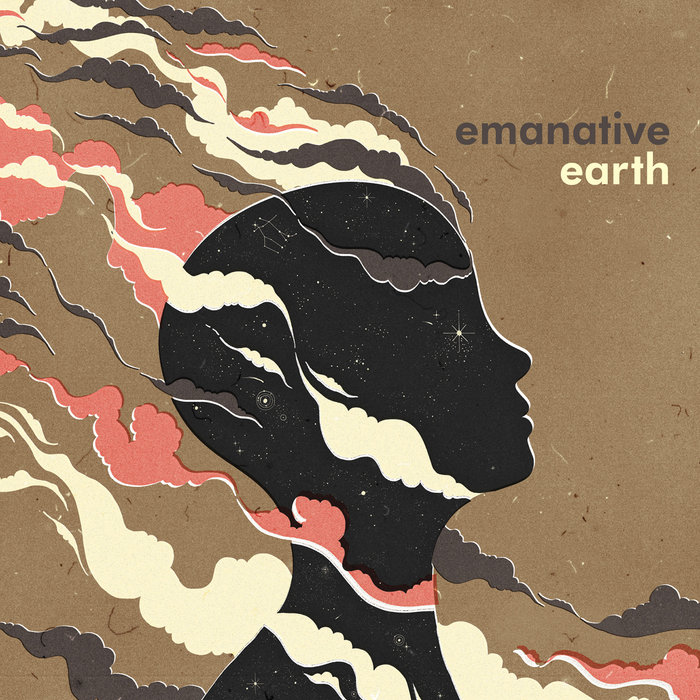
Emanative – Earth
Have you heard this? Seriously. It’s so good. Cosmic jazz right here, folks. Favourite tune being “Spice Routes”, but this is more than the sum of its parts… this is why albums are so important. It blew my mind…still blows my mind as I hear new textures on each listen. There was a point where I thought it was my album of the year. Into jazz at all? It doesn’t matter. It transcends genres. It lifts the spirit. It heals the soul. This is the kinda stuff that Miles would be doing. It’s Miles and Sun Ra. It’s maybe my third favourite jazz record of ever ever.
The 1984 Draft – Make Good Choices
I’ve spoken about this at length before and all I can say is that it just gets better with each listen. There’s so much about this album that connects with me… “Lately” and “Honest” speak loudly, but I can relate to Joe and I dig the music he and his band are making. It’s very similar in tone to The Hold Steady, so if you like them I’d recommend hitting them up. And get a load of “Miss Ohio”…a bit darker, but it’s one of my tracks of the year.
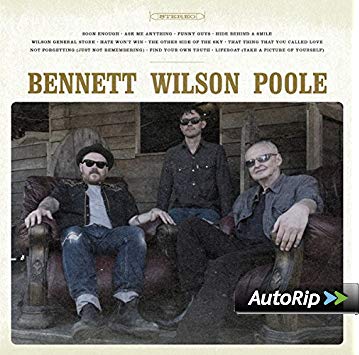
Bennett Wilson Poole – Bennett Wilson Poole
There was me still soaking in the brilliant light of the last Danny & The Champions of the World LP when Danny goes and hooks up with a couple of pals to make one of 2018’s highlights. There’s obviously a bit of the CSN about the album cover, but we’ll stray from drawing any other comparisons, will we? Bennett Wilson Poole is a cracker. Tightly woven positive jams that circle the line between the likes of The Byrds and The Kinks. Well, that’s what I hear anyway.
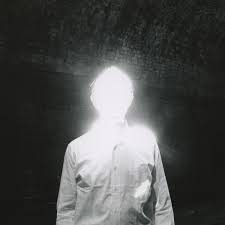
Jim James – Uniform Clarity
Jim James is bloody good, isn’t he? Even when My Morning Jacket weren’t at their best (Evil Urges) they have produced some really outstanding pieces of music. I’ve been on the fence about his work outside of that particular band, but on this one, he really caught my attention. The music and how it’s recorded are perfect and sparse in comparison to My Morning Jacket’s output. I love the slight distortion of the vocal, James’ phrasing and his words. This is a beautiful album…tender…bright…lifting….
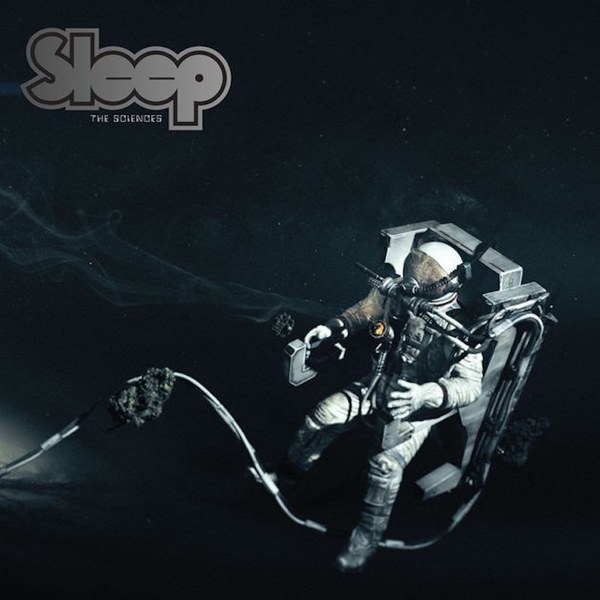
Sleep – The Sciences
Ah, right, okay. This one. My favourite album of 2018? It really depends on the day. Seems like I waited an age for the vinyl to arrive. By then I’d been streaming the album daily. Over saturated? No way… I still love it. It’s everything I hoped for. Oh, and before you start barking on about it being disappointing cause the songs aren’t exactly new, etc. etc. Don’t. Good for you. You don’t need to like it. I do.
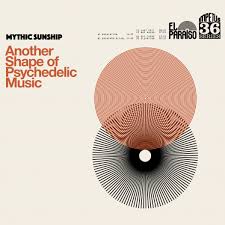
Mythic Sunship – Another Shape of Psychedelic Music
So, I was thinking “can I have two albums by Mythic Sunship here?”… then it hit me. I thoroughly enjoyed Mythic Sunship’s early year release and I was still soaking those heavy vibes in when El Paraiso said “hey look there, Mythic Sunship are dropping a new album”. Where Upheaval was the perfect soundtrack as humanity battled against Kaiju, this one is a whole different cup of coffee and pack of cookies. There’s all sorts of textures here and I’m wondering how the heck a band can be this consistent and powerful. This is all Coltrane jazz with slabs of cosmic riffage. Think that sounds a bit too mental? You might be right…but it’s also sounding like the best album of 2018.
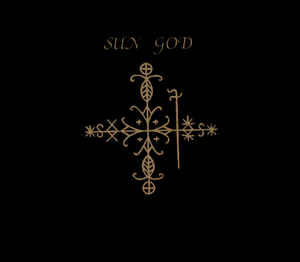
Sungod – Wave Refraction
Sun-bloody-good-god this is amazing. Do you like driving rhythms with guitars and all that good stuff? Well, you might just like this…unless you’re not big on synth and some cosmic jams, cause there’s lots of that here, too. Still, this is all sorts of amazingly dense melodic rocky space jazz goodness. The opening track sets the tone…and it’s all sorts of awesome from then on in.
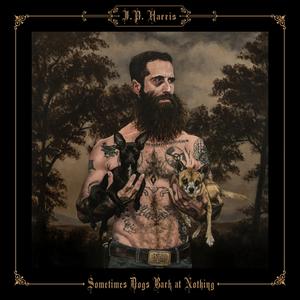
JP Harris – Sometimes Dogs Bark at Nothing
Right, okay, this is my favourite album. I’ve been trying to think if there is an album I like more than this and, well, I honestly don’t think there is. Last time I felt this enthusiastic about a country album was when I heard Sturgill Simpson’s Metamodern Sounds in Country Music. I’ll be honest, I was initially cautious of his hipster credentials (check out the beard and tattoos, y’all), but forget that shit… he’s the real deal. Harris has serious country chops. Jerry Reed meets Kris Kristofferson here. Get into it and tell me that this isn’t some of the best country music you’ve ever heard.
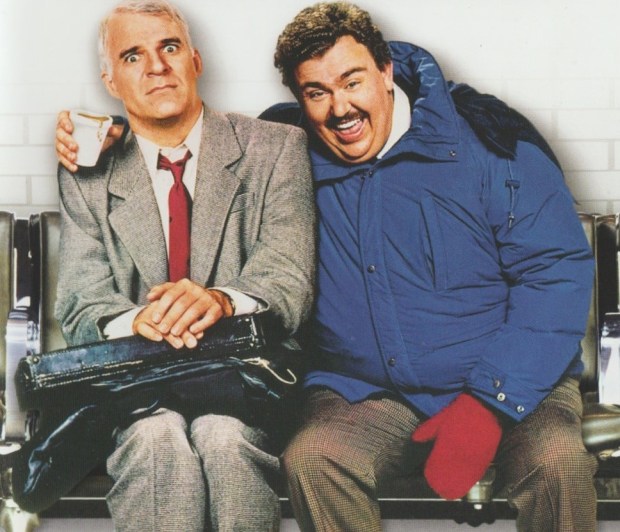
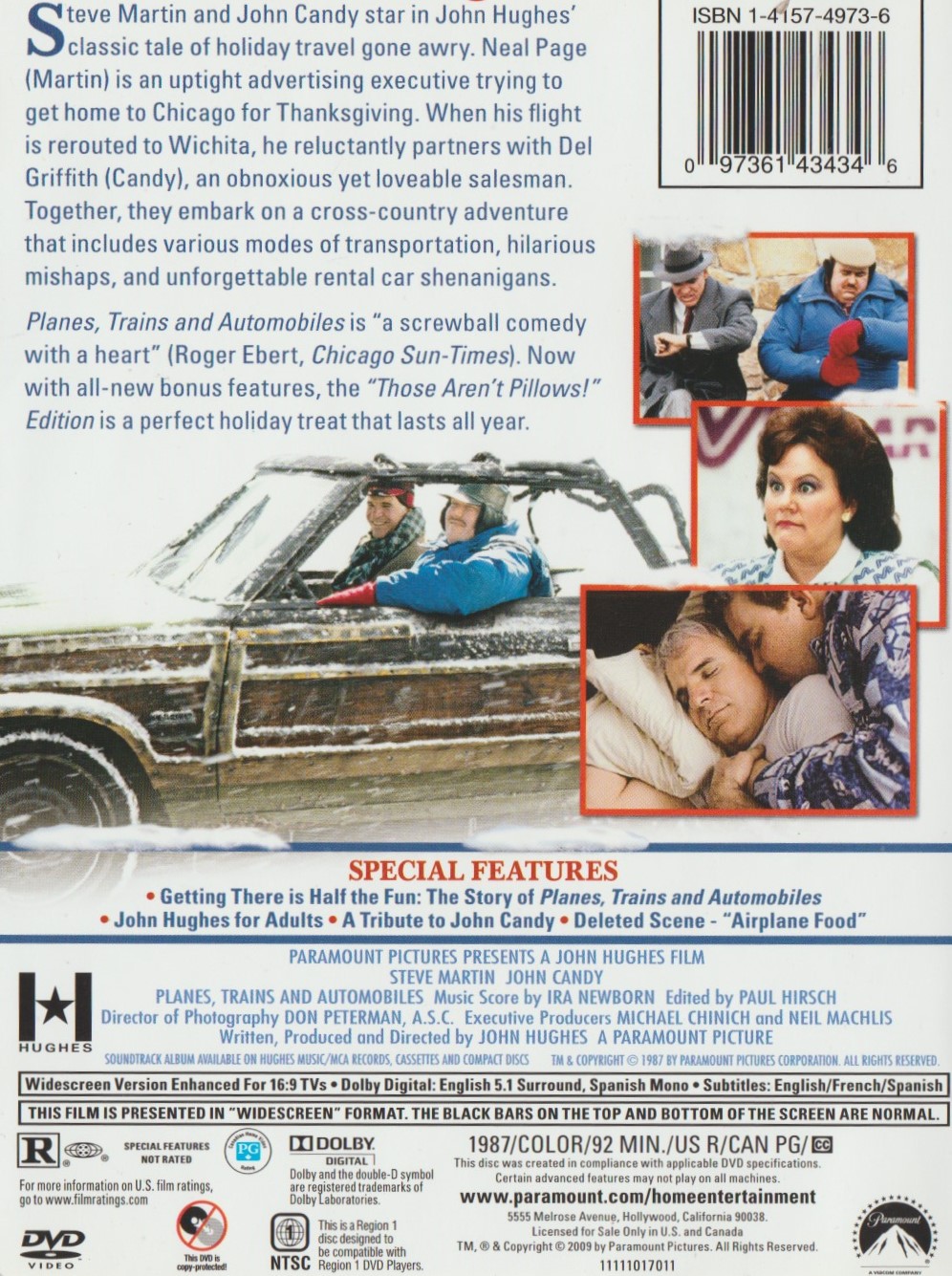
Planes, Trains and Automobiles is one of my top ten favorite films ever made. It’s in pretty good company with 12 Angry Men (the one from the ‘50s), Blue Velvet, Die Hard, The Godfather, Lethal Weapon, The Unforgiven, etc. On the surface it may seem absurd to place what seems like a goofy road comedy from the ‘80s on a list containing films of that stature, but I don’t think that it’s unreasonable at all. This film is the best road film ever made, and I have no reservations about calling it one of the greatest movies ever made. There’s no glowing pretension or aspirations to reach Citizen Kane levels of movie making, or bids for narrative complexity. It is a heartfelt holiday classic about a stubborn irate man just trying to get home in time for Thanksgiving. That man is ad executive Neal Page portrayed by Steve Martin, who is helped out in his travels by the loquacious shower curtain ring salesman Del Griffith played by John Candy. The two men are polar opposites that learn to care for each other under the extreme circumstances that impede their journey home. By the end of the film, both men have learned to let down their emotional guards and trust each other, a necessary step for the two of them to arrive at their destination.
It’s not a complicated plot, but it doesn’t need to be. There’s something about these characters and situations that seems to demonstrate real life in such a direct way. It’s not a puzzle, everything is clear cut. Not to say that the movie is all surface level, there’s plenty of stuff to dive into here between the two men, particularly through multiple viewings after you know Del’s secret. The level of character depth in these two men is particularly compelling to watch on screen, as seeing the psyche of two opposites gravitate towards each other giving each other strength is both stimulating and moving. Part of that depth comes from the fact that this film was perfectly cast. John Candy and Steve Martin don’t even seem to be playing characters, but amplified versions of themselves. The dialogue, the movements, the actions are all totally natural, and the responses appear to have weight behind them that suggest the character’s past experiences. Guest appearances from Kevin Bacon, Michael McKean, and Edie McClurg all appear in hilarious supporting roles as well, but I wouldn’t dare spoil them here. Well, maybe one.
Steve Martin plays Neal as an impatient cynical grouch who is dying to get out of the sales meeting he’s stuck in so that he can find a cab and get to the airport on time. Del plays the happy go lucky salesman that accidentally steals Neal’s cab during rush hour in New York City. Fate keeps these two characters together as they meet by chance at the airport again. Neal confronts Del about stealing the cab, and Del feels genuine remorse. He tries to be as affable as possible, offering up Neal a beer and a hot dog. Neal being a bit prudish rejects the peace offering with a snarky type of politeness. Of course, Del doesn’t immediately pick up on or at least chooses to ignore Neal’s hostility. All he wants is to get home in a timely manner to see his family for the holiday. A snowstorm prevents their plane from landing in Illinois, causing the flight to divert all the way to Kansas.
The two men book a hotel room together as the hotels fill up. It is at this point that the exposition ends and Neal lets out all the resentment he has towards Del. The set up is complete and now the emotional core of the movie really begins to develop. Neal states in no uncertain terms every problem that he has with Del, not holding back any vitriol. Martin’s performance is so wonderful that it actually gets the audience to laugh along with all his complaints, even as John Candy’s face starts to sink. Martin plays it as a man who has seriously contemplated every perceivable flaw in Del’s character, and is eager to list out every mundane detail. When he says he could listen to the most boring insurance seminar for days on end “because I’ve been with Del Griffith!” his vocal inflections are so comically annoyed that the audience can’t help but laugh. The scene isn’t a joke, it’s clear that the man has been pushed to his limit, but the audience laughs because they understand his frustration. However, the way Neal starts and stops seems to suggest that it’s against his better judgement to be so mean. It all just seems to be slipping out, as one complaint leads into the next until he’s too far to back down. When Neal finally finishes venting, John Hughes hits us with the first emotional blast in the movie.
Del’s reply is an often quoted moment from cinema history. It’s so perfect in its raw emotional simplicity. Whereas the cynical Neal has been stewing over his anger and letting it out almost uncontrollably, Del’s reply is a brief calm statement of emotional truth. It’s a tender “take me or leave me” moment, but Del is clearly hurt deeply by Neal’s words. Del’s trying just as hard to convince himself that he’s strong enough to take it because of the love he has from his wife and customers. Candy’s performance completely sells the speech, and makes the audience feel remorse for laughing at Martin mocking him just a few seconds ago. You can see in his face that this isn’t the first time that someone has gone off on him for his sometimes overzealous extroverted personality, and the hurt in his eyes betrays years of pain in the past. Despite all this pain, he can’t help the way he his. He will never fight back. When he says that he doesn’t like to hurt people’s feelings, it makes the cynical viewers and Neal shameful for feeling any malice towards Del. The two men have been forced to share a bed, and they cozy up together for the night as Neal learns to be a little more accepting of other people.
This John Hughes road comedy distinguishes itself from a lot of his work in that it focuses on adult relationships instead of teenagers. The two main characters are middle aged men set in their own ways. These men learn to evolve the more that they learn about each other. This is similar to the plot of Hughes’ more popular The Breakfast Club, only in this film instead of the characters being locked together in one room, Page and Griffith can’t seem to shake each other as they both make their way from the streets of New York to Neal’s home in Illinois.
Every time that the two men try to separate they just end up in each other’s company again. Also every time that Del seems to be gaining Neal’s favor something ludicrous happens that screws it up. Del driving on the wrong side of the highway after falling asleep is one of these moments, particularly after the car is destroyed and lit on fire and it is revealed that Del used Neal’s credit card to rent it. Amazingly the machine is still able to run, and the two pull up to a motel for the night. All their money was stolen by robbers on the first night at the hotel in Kansas, and their cards were burnt up in the fire. Neal has to sell his watch to get a room, but Del cannot afford one at all. This is the climax of the film, as even after rendering Neal liable to the damage of an entire automobile, Neal finally decides to completely accept Del. He is forgiven. This acceptance materializes because Neal cannot stand the site of Del freezing outside in the burnt up car. Neal decides to throw out all his jaded cynicism and invite Del into his room. It is at this point that Neal is willing to forgive Del for anything, and accept him for who he is unconditionally. The journey the two men have been on together and the bond that has formed over just two days is so strong that Neal will never give up on Del again. The two men fall asleep drinking liquor and talking about how much they love their wives. Never again in the movie is Neal the grouch, he’s even a good sport about riding in the back of a refrigerated truck after their rental car is impounded for being too dangerous for the road.
They finally make it to LaSalle/Van Buren CTA station that will take Neal the rest of the way home. It is empty except the two of them now that it’s Thanksgiving day. This is where Del and Neal part ways for the holidays. That is until Neal begins to put the pieces together. Little scraps of what Del has said throughout the film finally begin to add up in Neal’s brain, and the ending scene that follows is one of the most heartwarming in any film ever. There’s no shame for any grown ass man to ball his eyes out watching it the first time. John Candy deserved an Oscar for the film closing smile he gives. For the sake of those that have never seen the movie, I won’t spoil the ending here.
Most comedies are not good movies. They simply exist to generate a few shallow laughs and leave no long term impression. Planes, Trains and Automobiles is one of the few comedies to transcend the limitations of its genre with genuine heart and characters that the audience can actually feel invested in. We want Neal and Del to succeed, as they seem like genuinely plausible people trapped in improbably unfortunate circumstances. They’re not one-note characters who simply exist for an endless barrage of sight gags to happen upon them, their choices are based on well established character traits, not just moving along because the plot needs them to. Anyone who has had to travel for the holidays feels the plight that these men are going through, even if they have never experienced it to the insanity that Neal and Del have. If you’ve never seen this movie because you don’t celebrate Thanksgiving or some other reason, I implore you to seek it out and watch it today. This movie is a classic that stands up even if you don’t celebrate the holiday in the movie. As Neal puts it in the film, after the journey you’re, “a little wiser.”
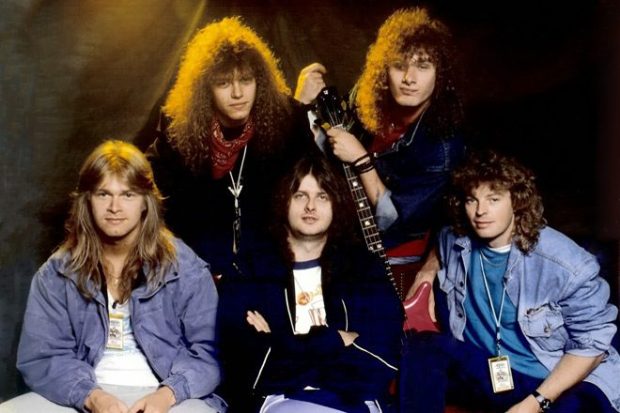
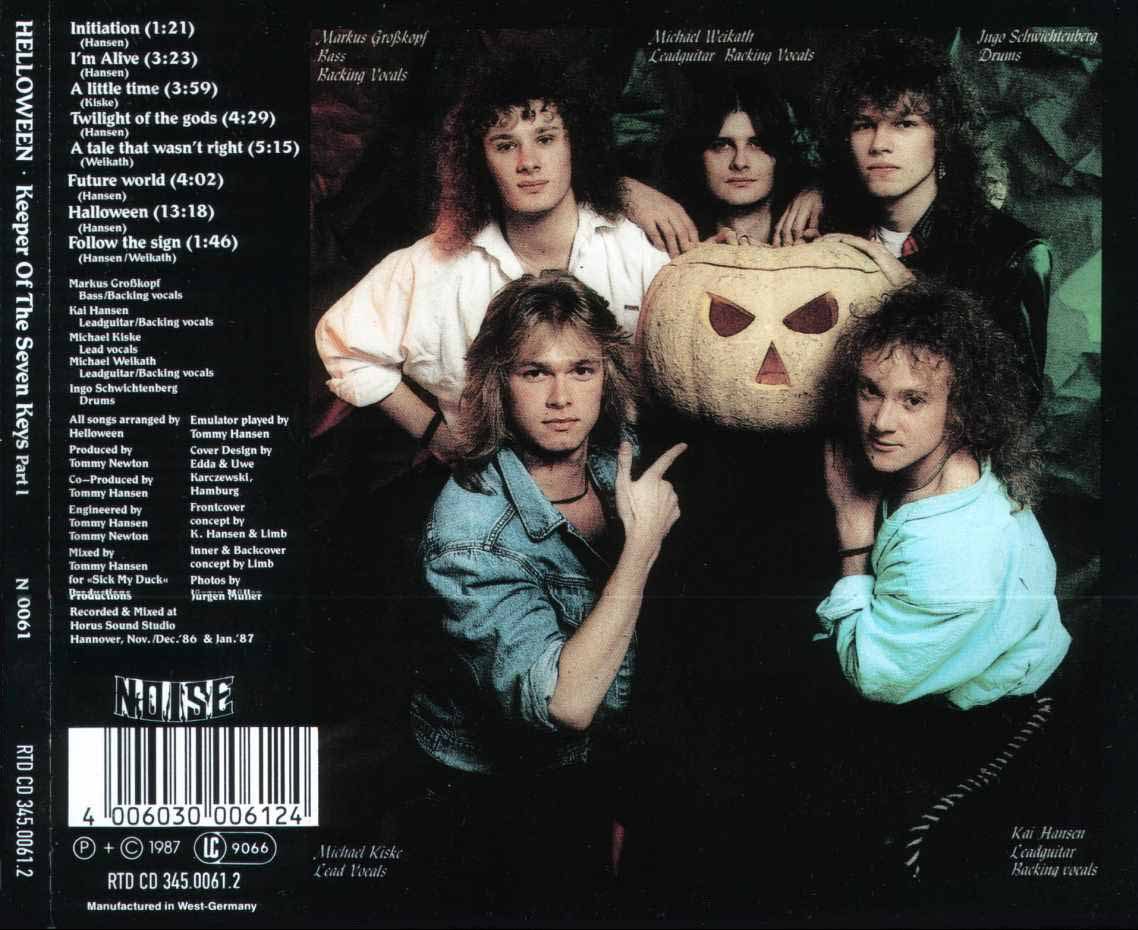
HELLOWEEN – Keeper of the Seven Keys: Part I (1987 Noise)
It’s 2AM in my land, and I really need to catch the Z’s. I put this review off way too long, and now I must suffer the consequences. But if you thought I was going to miss the last review of the month (on Halloween nonetheless) you are very incorrect. Sleep deprivation is no stranger to this man, I SHALL FORGE AHEAD WITH MY TRUSTY KEYBOARD TO REVIEW… Helloween – Keeper of the Seven Keys Part I. This is my review of the power metal classic, it’s going to be just as kickass as the album itself, and I don’t care if no one agrees. I’m right in my own little world, and that’s all that matters to me. Really this is just stream of consciousness, which is impressive because I’m barely awake. Awake as in “I Awake” by Soundgarden. There’s a good Halloween tune.
Holy shit, Batman! I’ve got to stay focused. Anyway, Helloween – We Couldn’t Think of a Longer Fucking Title if We Tried, So Fuck Anyone Trying to Review This You Stupid Pricks Pt. 1 is a classic power metal release. Manowar can piss off; Helloween is the real deal. Unlike Manowar, Helloween knows how to make an album with classics instead of just one to two good songs and a whole lot of Viking poser bullshit ballads (Manowar sux). This album is a real step up for the band in that Helloween finally realized that they needed a good singer, so they got Michael Kiske who basically sounds like a German Geoff Tate with a little less power. I’m talking prime real estate Geoff Tate too, so this is pretty good as far as metal singing goes.
When I first put on this album there were obvious classics, “I’m Alive”, “Twilight of the Gods”, “Future World”, and the epic “Halloween”, but all the other two full length tracks “A Little Time” and “A Tale That Wasn’t Right” revealed themselves to me upon repeated listening to be the genre staples that they claimed to be. There are only six songs on this beautiful slab of wax because “Halloween” is over thirteen minutes long, and two songs are an intro and outro respectively. And I do respect them, because they’re not very long and they add to the tension instead of impeding on the awesome. These are complex, compelling, melodic tunes that don’t get sunk by their European ambitions. “Holy wars… in the skYYYYYYY” the classic “Twilight of the Gods” bridge will have you tapping your fist against the wall in no time, because it’s so good. LOVE IT ALL. It’s worth it. If you’re a metal fan and don’t have this in your collection, you’re doing it wrong my amigo.
Good day everybody; Harrison here with a public service announcement/review. You see, on the 20th of September 2018, something amazing happened. As part of their endeavours to digitise their archives, the Beat Club (a poor man’s Rockpalast), surreptitiously uploaded a video to YouTube. But this was no ordinary video. It was a video of an Iron Maiden show. As Iron Maiden are renowned for their stinginess with archive material and reissues [1], this upload was met with celebrations across cyberspace for those in the know. And for those not in the know, here is this review of the show to bring it to your attention. [The video can be found at bottom — LeBrain]
As you will be able to tell, this show falls in the Di’Anno era, of which the only official video release was the six song “Live at the Rainbow” from 1980, which left fans clamouring for more. (Yes, I am aware of the 1980 show on Disc 2 of The Early Days but given its status as a curiosity due to its terrible quality, I’m ignoring it for the purpose of this review). As a side note, while the original six-and-a-half song broadcast of this show has been available as a bootleg for quite a while, this is the full twelve song show (and a little more), without the visual effects of a degrading VHS either. Unfortunately, the audio and video are just ever so slightly out of sync.
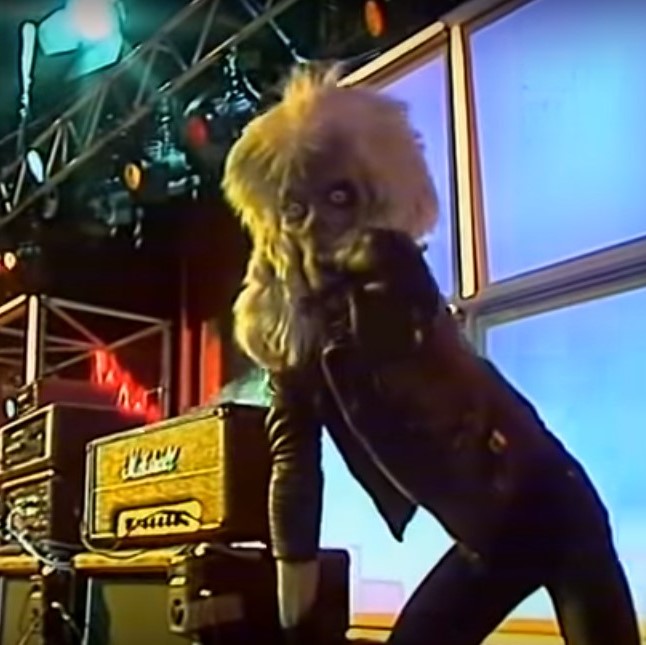
We kick things off rather characteristically with the taped “The Ides of March” heralding the band’s arrival onstage and it’s instantly clear, that this is going to be so much better visually than Live at the Rainbow. While yes, the Iron Maiden stage set of the Rainbow is not present, neither is the tape hiss of that show, which, rather obviously, leads to a much better sounding show. That’s not all. The atmospheric theatre lighting of the Rainbow is also gone, having been replaced by the ever-present TV studio lighting. While it does break the immersion a little, the net result is a picture that despite being only 480p, puts virtually every other video from that era (and some after it too [2]) to shame. It really does look fantastic for its age. But that’s only the tip of the iceberg. The band have the performance to back it up too. [3]
The performance commences rather uncharacteristically with “Prowler” following “The Ides…” instead of the quintessential “Ides of March/Wrathchild” combo, although this was well known as “Prowler” opened the original broadcast as well. With Paul Di’Anno and Clive Burr both in fine form, “Prowler” doesn’t get much better than this.
Next up however, is something that did not feature on the original broadcast nor features on any Maiden video since: one of my favourite songs from the debut, “Charlotte the Harlot”. It becomes clear here, as the band kick the energy up to 11, of the great hindrance that Wil Malone’s production on the debut was. Steve Harris is right. It didn’t even begin to capture their ferocity live. Thankfully this mix rectifies that error, and this song is a definite highlight of the show, no mean feat in a Maiden performance. Another broadcast song, “Wrathchild” follows on, with the honour of being the first song of the show from their then unreleased second album. An awesome rendition of the enduring Di’Anno era classic, there’s not much else you can say about any of Maiden’s performances of this song.
On the other hand, there is much to say about the performance of “Remember Tomorrow”, except, not much of it has to do with “Remember Tomorrow”. During the second verse there’s a most interesting sound coming through: the sound of a technical failure, and the band stop playing soon after, having a beer and mucking around with their guitars as the problem is fixed. I’m so glad they left this interlude in. It shows a little bit behind the scenes and is a nice deviation from the main stuff, one that is not often shown, even on these full show sorts of things. Eventually someone decides to stop using up tape, and we cut to the start of the second go at “Remember Tomorrow”, which is done by the numbers in spectacular Maiden fashion.
With things definitely back on track the band plough into “Transylvania”. When it comes to instrumentals, Maiden really knocks it out of the park, and I do wish they’d done more. This performance is no exception, although I do think I might prefer “Genghis Khan” from Killers. Now, despite being one of their few singles at the time, “Running Free” didn’t make it onto Live at the Rainbow. This travesty thankfully does not reoccur here, and while Live After Death boasts the ultimate “Running Free”, Di’Anno and co. are no slouches and that’s reflected in probably one of this line-up’s best performances of the song.
Another Killers song, “Innocent Exile” is next. It’s done well, and as this is before the era of the twig-snapping bass tone, you get a nice full little bass workout from ‘Arry as the intro. [4] “Sanctuary” comes next. It’s one of my least favourite Di’Anno era songs and I fully believed it outstayed its welcome on subsequent tours. It’s not the best rendition either: Di’Anno mixes some lyrics up and the solos are not up to the usual standard.
Now here’s something interesting though: “Killers”. This show was recorded only 11 days before that release of Killers, yet this version of “Killers” is the most experimental I’ve ever heard it. The intro and the guitar harmonies have a spacey feel to them and there’s even the changing up the lyrics for a couple lines. Di’Anno’s screams being mostly absent for most of the intro only accentuate this experimental vibe. It’s nice to have a good quality video now of the album lyrics (most of them anyway).
“Another Life” is the next song, one that was fade-cut halfway as the credits rolled on the original broadcast. Now it’s here in all its glory: a good, if perhaps almost filler song from Killers. It’s a fiery rendition, but it suffers from “If you’ve heard it once you’ve heard it three times”. The drum solo is sadly but expectedly skipped on this show, pushing this good, if unspectacular song into the background.
This slight lull in awesomeness is immediately rectified with “Phantom of the Opera”. The original Iron Maiden epic, it was played at breakneck pace at the Rainbow show and it’s not much slower here, a slight shame because “Phantom of the Opera” is one of the few songs I think isn’t better when done faster. That being said, it’s still a chunk of pure awesome no matter how you slice it.
Of course, now it wouldn’t be an Iron Maiden show without “Iron Maiden” and it wouldn’t be an awesome rendition of the song without Paul Di’Anno. [5] The end of the show is signalled in spectacular fashion, with the ever-reliable Eddie making an appearance to send off the show in style. Except that it’s not the end yet. They were recording for TV after all, so the band semi-encore with another rendition of “Sanctuary” to replace the muffed version from before. And then it’s over. One hour’s worth of early classics and deep cuts by the best band on earth. [6]
Watch now or else.
4.5/5 stars (-0.25 for audio/visual sync issues, -0.25 for lack of Di’Anno screams here and there)
Tracks: – Intro/”Ides of march” – “Prowler” – “Sanctuary” – “Phantom of the Opera” – “Iron Maiden” – “Wrathchild” – “Innocent Exile” – “Sanctuary” – “Another Life”
[1] This year is the 20th anniversary of the 1998 remasters.
[2] The 1983 live album and video Alchemy by Dire Straits is a prime example of this. It has terrible lighting, being way too dark most of the time. But then again, most landmark live albums don’t have video components anyway, so we should be grateful to have any sort of video of Alchemy in the first place. Although when it comes to picture quality verse age, you can’t beat Deep Purples Granada 1970 performance.
[3] Don’t even get me started on the video of The Rolling Stone’s Live at the LA Forum 1975. Complete waste of valuable high-quality film.
[4] ’Arry’s bass tone on Maiden England ’88 is a thing of beauty. (Actually no, it really isn’t)
[5] The only Dickinson rendition of this song I think is truly awesome is the Beast Over Hammersmith one.
Welcome back to Halloween Wednesday! Here’s guest writer HOLEN MaGROIN with the next in his series of Halloween themed reviews. He’s got a scarrry one today.
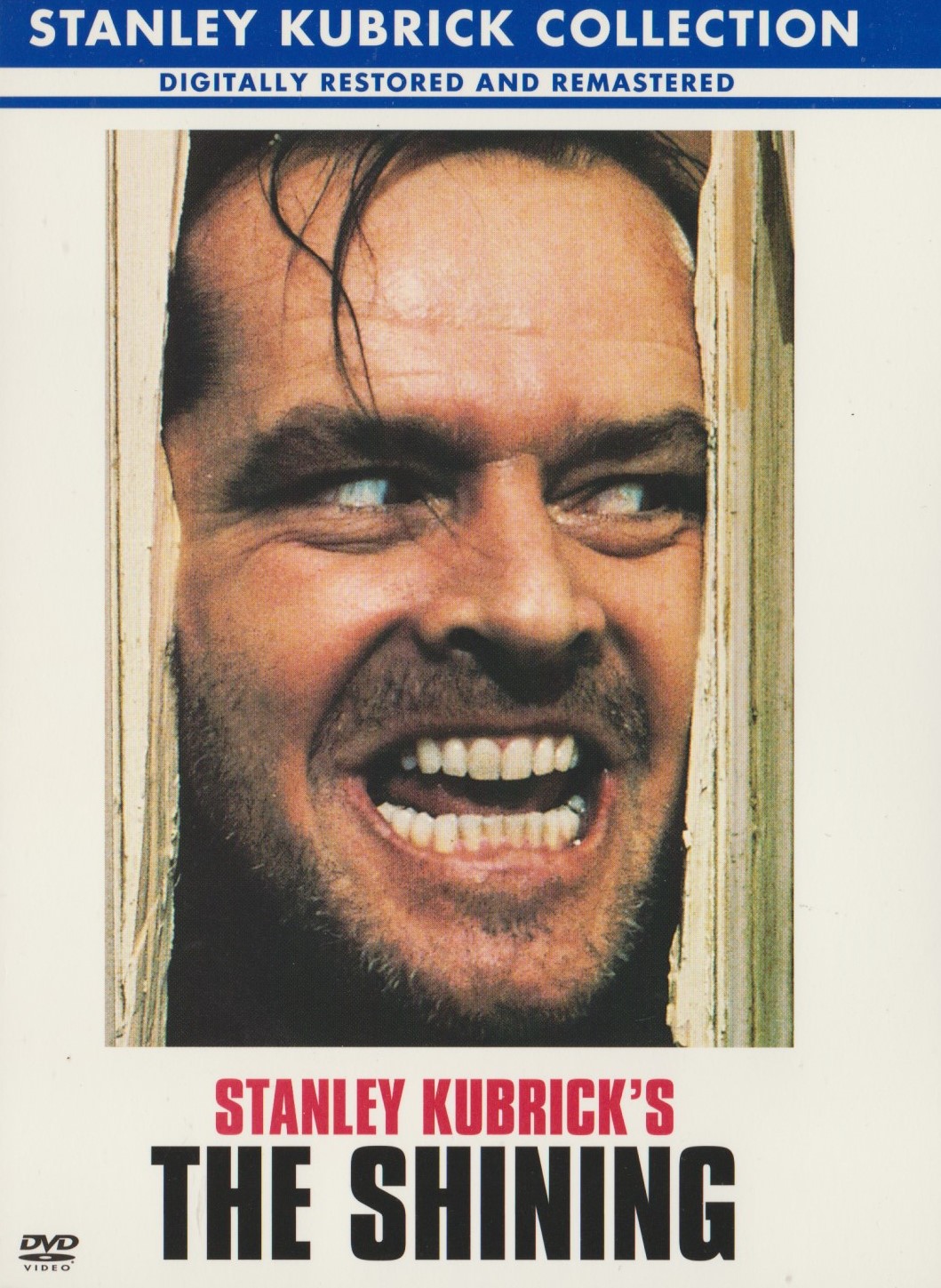
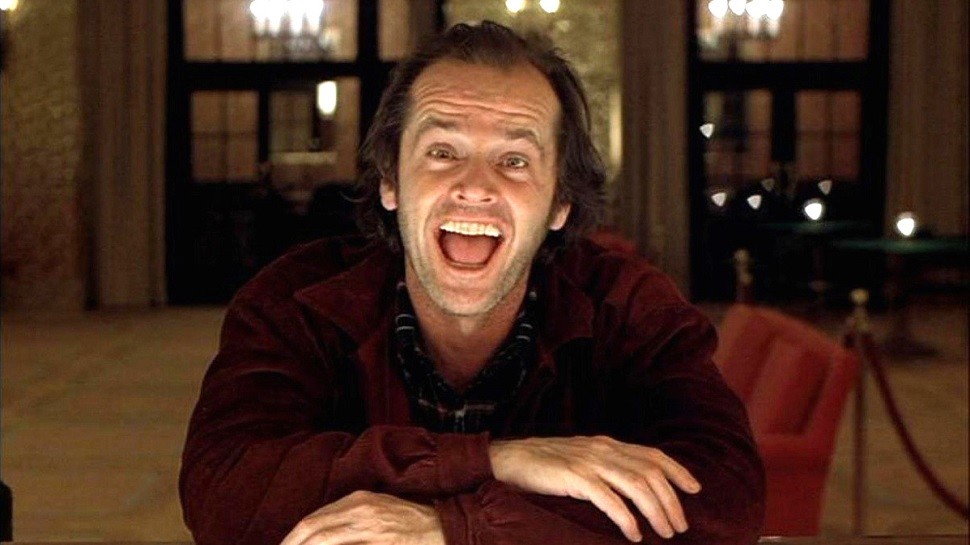
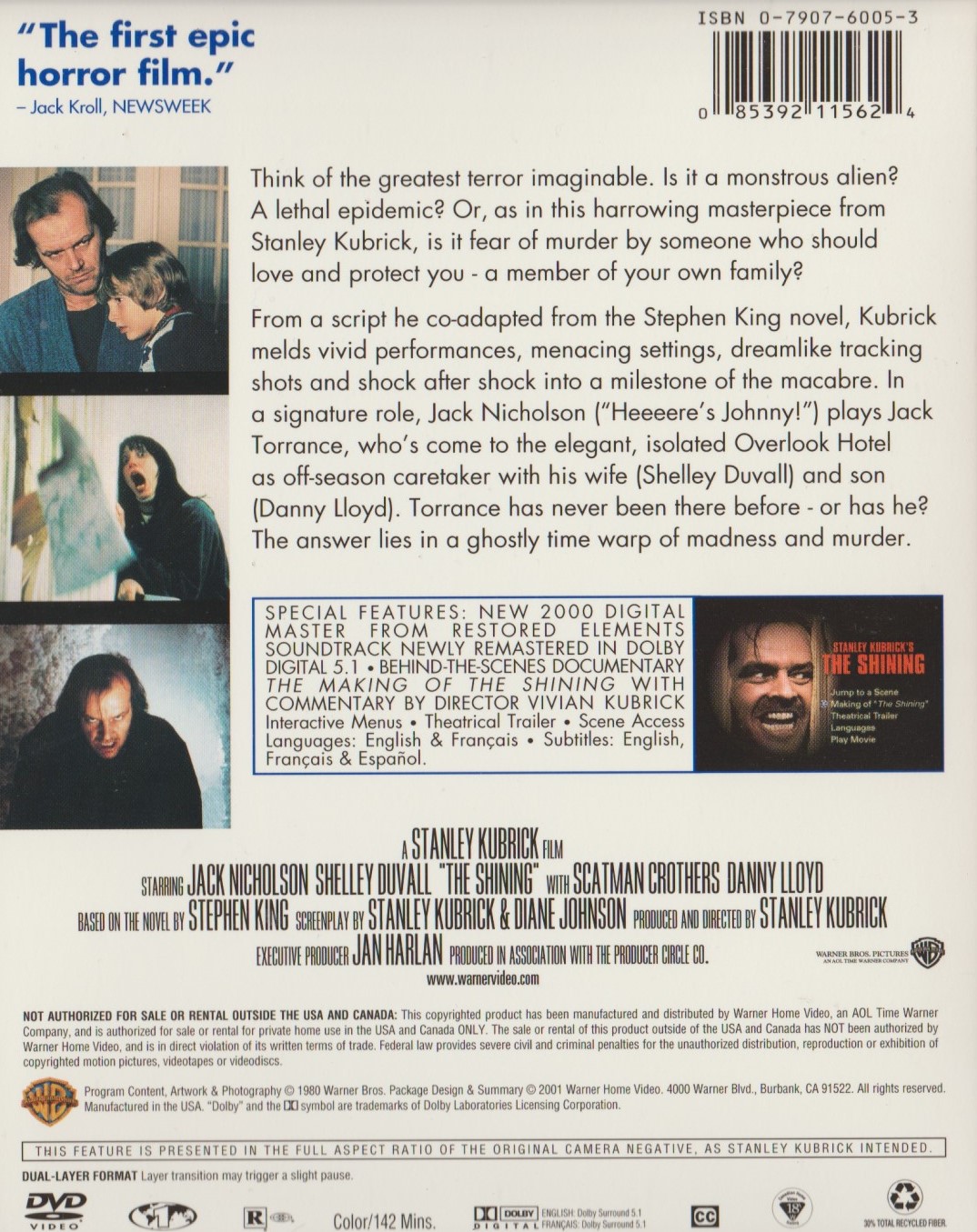
Stanley Kubrick’s The Shining is one of the rare instances where the film greatly surpasses the animal hedge madness of Stephen King’s novel. King reportedly hated the film because it changed the details of his book so dramatically, but all of the changes made to the film serve to not only translate it better to a visual medium, but also to create a deeper and more compelling story with a much more satisfying ending.* Stanley Kubrick’s The Shining is quite possibly the greatest horror movie ever made. It’s a deeply visceral thrill that deals with the supernatural and the psychological, while managing to include enough slasher elements to satisfy those types of horror fans. There’s really something for everyone in this movie, except Stephen King.
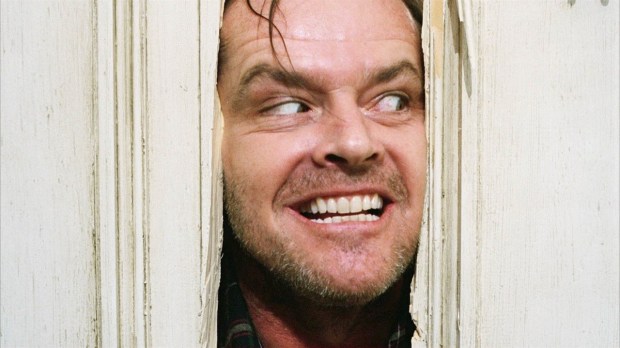
Everyone knows the story by now. Jack Torrance procures a job as winter caretaker of the Overlook Hotel and takes his wife and young son to stay with him, alone in the mountains. Jack is a struggling writer looking for a place to concentrate on his work. One day his wife decides to make seafood, and accidentally under-cooks the crabs. Jack’s intestines are sent into an uproar. Unfortunately for him, someone has locked the bathroom door. He doesn’t want to run to another bathroom and risk more leakage, so he axes down the door. This leads to the iconic image of his face sticking through the bathroom door that has been used as the cover for all recent home video editions. If you look closely, you can see that Jack Nicholson accurately portrays a man that has liquid shit running down his leg into his shoe, a man about to have an anal geyser. It’s an absolutely brilliant performance of such raw ass… I mean raw emotion that has stood as one of the defining performances in any horror movie ever. Is there a greater horror than realizing you’ve just soiled yourself?
Unfortunately for our heroes, all the food in the Overlook Hotel has been stricken with Salmonella, leaving their butts so raw that they are shining, hence the title. The only one immune to the bacteria is Danny, as he has supernatural abilities to digest anything. That’s where the paranormal aspects of the film come in. Danny talks to some ghosts that try to help him save his parents from the torment of toilet time. Danny sends a telepathic message to the old Overlook cook, and he immediately moves hell and earth to get over to the Overlook hotel.
Once the cook arrives he brings new food to last them through the winter, and decides to stay and celebrate the holidays with the Torrance family. They all laugh and dance around the Christmas tree as Jack Nicholson does his Tonight Show impression.
“Here’s Johnny!”
The whole family laughs in wholesome unison as Jack professes his unconditional love for both his wife and child. It’s a tender moment, as the whole family embraces cook Dick Hallorann as the newest addition to the Torrance gang. Dick has secretly bought Danny the new fire truck he’d been wanting before he made his way up to the hotel. On Christmas morning, Danny’s eyes light up as he had not been expecting to get it. The four get together in a loving embrace and their hearts fill with jubilant joy. My God, I’m tearing up just thinking about it!
The horror has been evaded, or so they think. Everything turns around when they receive a package in the mail, despite no one being able to get up to the hotel. Who could have left this package? They open up the package, and find a VHS copy of Bobcat Goldthwait’s debut standup HBO special, Share the Warmth. What’s odd about this movie is that the standup special was not taped until 1987, and this film takes place in 1980. To film the movie, Kubrick actually was able to send the cast and crew into the future to 2012 in order to make it even more eerie by predicting actual world events.** Rather than predicting natural disasters, or sports scores or anything like that, Kubrick became highly intrigued by this Bobcat character, and decided to abandon the novel to make his own piece of art. This is ultimately why King was not satisfied by the movie, and didn’t understand it when it came out in 1980 given that Bobcat had not reached a world stage yet. When the family finds the movie, everything goes off the rails. After watching the VHS together, Danny learns a whole lot of naughty words that should never be used by such young children. They also all immediately become big fans of the man with such Kaufman style talents and his penchant for social commentary. Bobcat’s earliest fans!
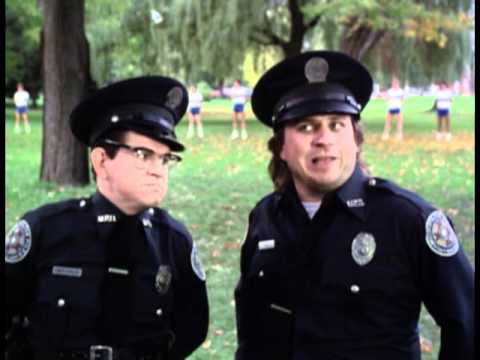
As the weeks go by, the family is pleased to find another VHS of a film called Shakes the Clown in the mail. It’s a lot different than his standup special, and exceptionally strange, but they ultimately enjoy the ride, even if it was not nearly as strong as his standup special. The next week, the family receives the holiday Bill Murray film Scrooged that features Goldthwait as the fired assistant. They determine that the movie ultimately sucks hard, but they love the parts containing Bobcat as the holiday liberator. That’s when the spirits sending the tapes stop being so kind to the family. Next they receive Police Academy 2. Police Academy 2 is easily the shittiest of an incredibly shitty franchise (only speaking for the first three, as that’s when I checked out forever), a series of films Bobcat himself would later call Police Lobotomy. The family is distraught over the wasted talents of Bobcat. Another week goes by and they find instalments 3 and 4 in the mail, and are just as horrified at the glaring examples of shit personified in Police Academy fashion. This is a franchise so shitty that the best joke involving them was actually in Wayne’s World. At this point in the film, Danny and Dick begin to have psychic visions. They can’t make out exactly what’s going to happen the next week, but they begin to have visions of a horse, and Bobcat. The horse seems to be talking. Their worst fears are realized the next week when a fresh copy of Hot to Trot is sent to the house.
The family is so horrified by the turn Bobcat’s career has taken that they all suffer terminal illness, an eerie omen of the five Razzie Awards nominations that this piece of shit would be nominated for. The next week, the critically acclaimed Bobcat film World’s Greatest Dad shows up, proving to be a chilling end to the Torrance family. If they had just hung in one more week, they would have been saved by seeing the great movie.
Years later in the early 1990s, Bobcat shows up at the Overlook Hotel to perform for the guests. He’s greeted by a bell boy, and tells him that it’s nice to perform at the hotel for the first time. The bell boy cryptically replies by saying, “I’m sorry to differ with you sir, but you are the comedian here. You’ve always been the comedian.” Bobcat looks puzzled, and spots a peculiar picture on the wall. He looks at it further and sees the picture on the wall from 1980 of the Torrance family all crying holding Hot to Trot in their hands. Bobcat lets out one of his trademark screams, and the credits role.
Kubrick knows to end the film on such a disturbing note, because he knows how to play his audience. That’s why this film is considered to be one of the most classic examples of modern horror cinema released today. The feelings that you experience watching this movie moves you in such a way that you feel afraid to ever travel to a hotel, or watch one of Bobcat’s many shitty movie decisions from the 1980s. This is the greatest horror movie ever made, and there’s simply nothing else to say.***
5/5 Pumpkins
* LeBrain agrees wholeheartedly and is jealous he hasn’t written this one up yet. But he will. The soundtrack including music by Wendy Carlos is genius too.
** Not to mention the NASA conspiracies.
*** That sure was something! I hope readers get it.
It may be considered a childish holiday, but it’s not about candy! Here’s HOLEN MaGROIN with the next in his series of Halloween themed reviews. For the last, Soundgarden’s Screaming Life/Fopp EPs, click here.
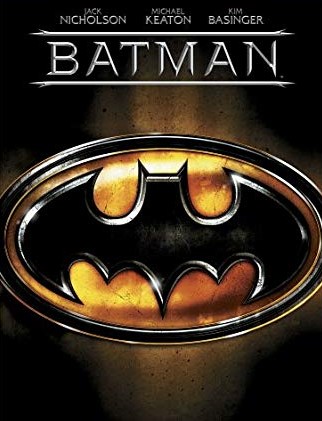
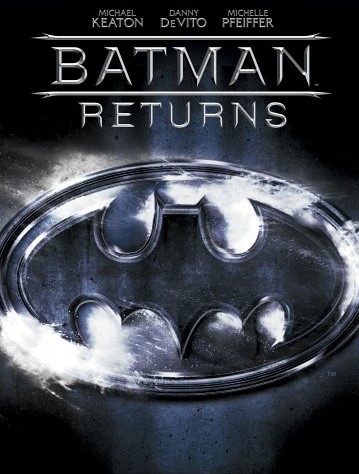
BATMAN(1989 Warner Bros.) BATMAN RETURNS (1992 Warner Bros.)
Directed by Tim Burton
Given the influx of homogenized yet generally consistent MCU movies, and the equally homogenized yet generally inconsistent DCU movies, it’s almost hard to remember a time when superhero films were not guaranteed billion dollar investments, or when they had a shred of character and individuality. The first film that truly hinted at the superhero genre’s potential to be taken seriously was Richard Donner’s Superman. It was a huge financial and critical success, with Gene Hackman giving the movie a professional actor that legitimized the comic book superhero film as an art form, and not just a niche market for children. However, DC was unable to sustain the quality of the Superman franchise, and it slowly fizzled out until crashing and burning with the critically mauled fourth installment The Quest for Peace. The future of comic book movies looked grim. That is until Warner Bros. handed the keys to the Batmobile over to the artsy and dark visionary Tim Burton, who created two acclaimed and commercially successful Gothic Batman films that work great as Halloween viewing.
At this point in his career, Tim Burton had only made two films, the eccentric road comedy Pee Wee’s Big Adventure and the twisted paranormal comedy Beetlejuice. It’s not evident what Warner Bros. saw in those two comedic movies to make them think Tim Burton would be the proper choice to direct a Batman movie, but choosing him to helm the franchise would turn out to be one of the least controversial moves. The much more derided decision would be the casting of Michael Keaton as Batman, an actor primarily known for his comedies. Because of his credentials, physique, and height, many believed that Keaton was the wrong choice to portray the Dark Knight. Thankfully, these fears were unfounded as Keaton would go on to become one of the most beloved actors to don the cape and cowl. Fears were also alleviated by the casting of Jack Nicholson as the Joker, a man who does what Gene Hackman did for Superman in granting the movie a certain ethos just by being present.
To say that Batman was a success would be an understatement; it was a cultural phenomenon. People were getting the bat logo shaved into their head, before anyone had even seen the movie. It became the highest grossing movie of the year in North America in 1989, being beat out internationally by the third Indiana Jones picture.*
The film opens at night as a family of three leaves the theatre, and I’m pretty sure anyone seeing this movie for the first time assumed that they were the Wayne family. No, the movie was playing a trick on you. It’s just a normal family in the present time being mugged, with Batman running to apprehend the criminals as they make their way up to a rooftop to count their loot. As one criminal discusses his fear of being on the roof because of mysterious bat rumors, the other tells him that it’s all hogwash and that he needs to shut his mouth. That’s when Batman glides in behind them, ready to strike. The two criminals look up at a creature that they can’t fully identify. One opens fire and they see the bat creature fall to the ground. The fear reignites in their eyes as they see it menacingly rise off of the ground, presumably from the dead. After incapacitating one of them with a kick to the chest, he grabs the other and holds him above a ledge, as the bat creature asks him to tell all his criminal friends about him, and to be very afraid. “What are you?!” the criminal asks. The creature simply replies, “I’m Batman.” He sees Batman walk off the building, and the criminal scrambles to look over the ledge to see the Batman nowhere in sight.
This opening scene sets the tone for the film, and illustrates the brilliance of Michael Keaton’s Batman. This is a far cry from the campy ‘60s movie. While Adam West was a public servant, and Christian Bale was a ninja, Keaton is a creature that no criminal understands. No one even knows if he’s human, and by allowing himself to get shot, he creates the illusion that he can’t be killed when he rises from the ground. This iteration of Batman is fully committed to theatricality and mystery. Keaton’s portrayal is very effective at representing the tortured soul of Batman, how he feels completely obligated to fight crime because no one else can. He feels the need to avenge his parents, and his dedication to fighting crime has left him lonely and obsessive over his one goal. His motives had never been clearer, and the film also makes the wise call of making Bruce Wayne more of a recluse in this film than a playboy. While it is ridiculous writing that a man as famous as Wayne does not even have a picture on file at the newspaper for reporters to find, the idea of Wayne’s isolation as a character makes perfect sense in this movie. He is a man driven to fight crime no matter the personal sacrifice or threat to his own mental health, which happens to be pretty unstable throughout the movie.
More unstable is main villain Jack Napier, a nasty gangster that is sold out by mob boss Carl Grissom after Grissom learns that Napier is boning his girlfriend. Grissom sends Napier to clean out a front company, and then calls a Lieutenant that happens to be on his payroll to kill Jack. However, Batman turns up and ruins the operation. Napier opens fire at the Batman, who deflects the bullet sending it straight through Napier’s face. Napier then stumbles over a rail above a vat of chemicals. Batman extends his hand in an attempt to save him. In this scene you see a close up of Batman’s eyes. This creates ambiguity. It’s almost as if he recognizes the man that killed his parents, leaving the audience to decide whether he lost his grip or intentionally let the man go as Napier takes the plunge into the chemicals that will turn him from Jack to Joker. This is another point in which Keaton’s acting deserves praise. He’s able to convey so much emotion with only his eyes visible, something that he’d carry over to the next film.**
The film proceeds with a dark atmosphere, reminiscent of a noir story from the 1940s based on the clothing and set design. Gotham City is a very repressive setting because of all the Gothic architecture. The movie is grim. Napier transforms from a nasty gangster into a full on “homicidal artist”. Nicholson sells the material with great conviction, and manages to be simultaneously hilarious and absolutely terrifying. He strikes this crucial balance arguably better than even the late Heath Ledger, a tribute to the ethos Nicholson lends the picture. We see the Joker proceed with his plans of anarchy and death as the world’s greatest detective does all he can to stop him, culminating in a final steeple confrontation.
Since the Batman creates the Joker in this film, and Burton decides to make the flimsy and misguided creative decision to make the Joker the murderer of Wayne’s parents, a fundamental aspect of the movie is how these two characters are connected. They are two sides of the coin as Ace Frehley would say. They’re both highly motivated and highly intelligent characters set on achieving their own goals without any regard for the law, and they’re both a little crazy. Even after all Joker has done to him, after Batman knocks him off the bell tower, he still tries to save him by looking over the ledge, only to be surprised by the Joker and put into a precarious situation. While Joker does end up getting killed, it’s more of his own fault for not telling his chopper to land on the roof so he could detach the rope from his leg.
By no means is it a perfect film, there are some pacing issues with the third act dragging on too long, the Prince songs don’t work particularly well,*** the issue of Batman killing in this movie, and the fact that the cops don’t just arrest the Joker when he held the bicentennial in the streets after he announced it. Main love interest Vicki Vale is also completely disposable, as is proven by her absence in the second film with only a few sentences explaining where she went. Many of the secondary characters in this movie aren’t needed or even interesting, something remedied in the second film. The main draw of these pictures is the adversarial relationship between Batman and the Joker, good and evil. The first two Nolan Batman movies are ultimately better, but this movie has a 1980s charm and a personal directing style that makes it feel uniquely enjoyable, and it still holds up remarkably well today.
The film itself is highly stylized thanks to Tim Burton’s direction. It also has a camp factor that would disappear from superhero movies altogether after Sam Raimi’s very personal and excellent Spider-Man trilogy. Camp isn’t necessarily bad, it’s actually very pleasing to see a movie acknowledge its own ridiculousness, and bask in it. Relish the goofiness in order to make a more entertaining picture. This actually feels like a Tim Burton movie, whereas many superhero movies today are devoid of any style or originality. They take themselves way too seriously, and sacrifice being fun. This movie manages to blend serious story telling while still acknowledging the inherent silliness of a man that fights crime dressed up like a bat.
When the time came for a follow up picture, Burton was initially not interested. He felt he had done all he could with Batman, until the studio offered him total creative control, something that he hadn’t had the first time around. If the first movie felt like a Tim Burton film, this one ups the ante by a factor of 100. This was an improvement in some areas, and a detriment in others. Tim Burton has never been overly concerned about a coherent plot, or the quality of the plot, tending to focus more on characterization and style. Batman Returns is arguably the most polarizing film in the Batman cannon, and it’s really easy to see why. Burton has little regard for the comic book origins of the characters, and decides to make the film in his own way more so than the first one. Because of this fact, both Michael Keaton and Tim Burton have expressed their preference for this sequel over the original.
A creative move like this would never be allowed today. There is no way that a studio would agree to a film so warped, dark and sexually charged. It takes place at Christmas time, to provide an interesting contrast to all the dark mayhem. Burton loves monsters, and his love of freaks is the engine of this second film. Danny DeVito plays the penguin, who is not the sleek slimy opportunist of the comics, but an actual deformed baby with flippers abandoned by his parents and raised by penguins in the sewers under Gotham City. Now, if that sounds absolutely ridiculous it’s because it is. The suspension of disbelief in this movie is very high. As a matter of fact, to enjoy this movie you have to give in and let it all happen. The movie is absolutely absurd, but the imagination and the character development that went into making it is breathtaking and deserves appreciation.
The plot of the movie is ridiculous, and a little dumb. Cobblepot runs for mayor at the suggestion of corporate tycoon Max Shreck (played by Christopher Walken) because Shreck knows he can control the Cobblepot in order to get his power plant built, that will ultimately suck power from Gotham so he can store it and sell it for a higher price. The citizens of Gotham line up behind the Penguin as a serious candidate after his gang creates chaos to make the current mayor look bad. He becomes a heartwarming story around Christmas time as he creates a public image of goodness by forgiving his deceased parents for abandoning him. Batman reveals Cobblepot for the sleazebag he is in public, and the city immediately turns on him. He responds by trying to kidnap their first born sons as he feels betrayed by his fellow humans and has abandonment issues from his parents. This movie isn’t really about the plot; few Tim Burton movies actually are. This movie succeeds in its own way because of the strength of the characters, and the affection with which Burton treats them. Penguin elicits great sympathy despite being an absolutely grotesque monster, because he was never given a chance. Businessman Shreck is the true monster, as the movie makes the point that not all monsters are disfigured, ugly, or even hated by their fellow man. As the Penguin himself puts it to Shreck “We’re both monsters, but you’re a well respected monster, and I am to date…not.” Shreck is the real monster, it is impossible to feel sympathy for him at all. The first time I saw this movie, I disliked it because of the outrageous plot and the high campiness factor despite being an even darker and more Gothic film that its predecessor. However, on subsequent viewings it became clear to me that the story in this movie is really just sandbox for the characters to play in, and they’re the main reason to watch the movie because they’re so damaged and complex. The movie is like a fairytale, ungrounded and not obeying the normal laws that govern reality. While the first Batman movie seemed to be a studio compromise with Burton’s vision, for better and worse Batman Returns is a true Burton piece of work.
Michelle Pfeiffer plays Catwoman, who is licked back to life by alley cats (just go with it) after sifting through confidential files by her boss Max Shreck. There really is no competition, Pfeiffer is the definitive live action Catwoman, and the movie should have focused on her character more in the movie. Her suit in this movie is intimidating, and at the same time strangely alluring. Her antagonistic relationship with Batman is one of the most interesting parts of the movie, and her life as Selina Kyle with Bruce Wayne represents how uncomfortable the two are as themselves. Before becoming Catwoman, Kyle was a ditzy, timid, awkward secretary. Bruce Wayne, when not being Batman, looks uncomfortable in his own skin and the two together seem to sense there’s more to each other than a lonely secretary and a reclusive billionaire. This tension in the relationship comes to a head in the scene where they both show up to a costume party being the only two people seemingly not wearing costumes, because their day personas are their costumes. They both feel more comfortable as Batman and Catwoman than as Bruce Wayne and Selina Kyle. You can see it in Keaton’s face as he stumbles around as Bruce Wayne, but looks right at home in the Batcave. It’s apparent in Pfeiffer when Batman implores her to spare Shreck’s life at the end in order to come and live with him. He rips off his cowl and tries to appeal to Selina Kyle as Bruce Wayne to live a normal life, but Kyle ultimately decides that she has to be Catwoman and “couldn’t live with myself” if she settled down again as the pushover Selina Kyle. The Penguin’s attempts to fit in and be accepted as mayor under his Cobblepot name are also thwarted, and he ultimately only reacts in anger because of the rejection, crying “I am not a human being, I am an animal!” This statement could be equally true for any of them. The three characters find different ways to handle their isolation, and they are all essentially animals that cannot be tamed. Catwoman knows that both she and Batman could never be content living together as Selina Kyle and Bruce Wayne.
Possibly one of the best aspects of this movie I have yet to mention is the score. Danny Elfman brought his absolute best to the first movie, creating the definitive Batman theme and a fantastic score. He ups his game even more for this sequel, creating the perfectly dark and enchanting soundtrack to match the movie that elevates each scene to that surreal fairytale level that Burton seems to be operating on throughout the movie. The soundtrack is absolutely perfect, especially the sections that deal with the Penguin. They generate actual sympathy, and the theme that connects to him is melancholic. It achieves Burton’s goal of making you sympathize with the monster, because even as he commits all these egregious acts of violence and hate, the theme calls back to early in the movie where he was ostracized by his own parents at birth near Christmas time. The theme of the movie seems to be that people can only act in their own nature, and that society’s view of monsters is only skin deep. That is why Penguin can never truly be accepted, and Max Shreck can.
Despite the blatant disregard for the source material, I find both of Burton’s Batman pictures to be thoroughly enjoyable entertainment that contain enough thought provoking content to merit repeated viewings. Some people say that these movies are all style and no substance because of the stunning atmosphere yet underdeveloped plots, but those people fail to realize that the substance in these movies aren’t found in the plot, they lie in the complex characters, their motivations, and the superb acting that goes into portraying them. While I consider the first Batman to be the superior film in a traditional sense, Batman Returns is more enchanting, captivating, visually stunning, personal, and unrestrained. They both have their own merits that make ranking them a tough call. If I’m being objective I’d say…
Batman – 3.5/5 stars
Batman Returns – 3.25/5 stars
If I was to state my personal feelings and attachments to the movies…
Batman – 4/5 stars
Batman Returns – 3.75/5 stars
* The Last Crusade, which ironically LeBrain reviewed for his Grade 11 Film Class essay, comparing and contrasting it with Steven Speilberg’s first film Duel. And I lost a mark for using the word “picture” instead of “film”, which is why I applaud Holen MaGroin for describing it as a “picture”.
** Holen MaGroin has convinced LeBrain to watch these again soon, to pick up on all these things I apparently missed when I was a kid.
*** Before Prince fans get all medieval on Holen, let me point out: he’s right. Every time a Prince song comes on, it causes a mental “skip” in the brain. Like, “Hey, it’s one of those Prince songs from the album.”
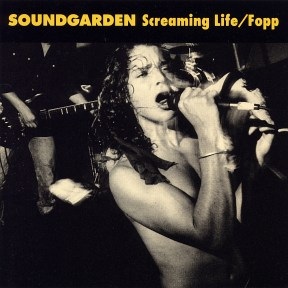
SOUNDGARDEN – Screaming Life/Fopp(1987 & 88 EPs, released combined on Sub Pop CD 1990)
I love Halloween. I love autumn. I love horror films. I love metal. When you combine the four of those things that complement each other so well, it adds up to be one of my favourite times of the year. It may be considered a childish holiday, but to me it’s not about the candy. The entire atmosphere of the world seems to change around and on a holiday. The world almost seems to become more surreal, taking on aspects of life that only seem normal in films. There’s no reason Christmas should feel any lighter or peaceful than a regular day, but it does. Halloween has a certain feel too, an eerie one that goes perfect with metal and horror films, the cooling weather, and the waning sunlight. It’s about the deception, the masquerade, the vaudeville, the showmanship that keeps me intrigued by Halloween. Throughout the month on Wednesday’s I’ll be writing reviews of albums that are important Halloween albums to me, finally culminating on the big day (10/31). I hope you enjoy reading them as much as I do writing them.
1987 was the peak year for mainstream metal*, but it was also the starting point for an underground movement that would upset the entire genre of rock for good. Some call it grunge, but I think that term is as disrespectful as “hair metal”, especially given that the so called ‘big four’ of grunge didn’t sound alike at all. My favourite of those four bands was always Soundgarden. Chris Cornell was easily the best singer out of the bunch, and the group’s songwriting was also superior to the other bands from the same town. None of the other bands came close to writing an album as undeniably badass as Badmotorfinger. They were also the most metal out of the Seattle scene, and Chris Cornell didn’t seem to be a whiny punk like Kurt Cobain or Eddie Vedder. Cornell didn’t shy away from success and intentionally sabotage himself like the other two guys, at least not publically. His passing was one of the few times that a ‘celebrity’ death had actually impacted me, and was a horrible loss to the music world.
In the aftermath of his passing, it makes sense to start back at the beginning to see how he progressed throughout his career. Soundgarden made their debut on Sub Pop with an EP called Screaming Life. They followed it up the next year with the Fopp EP, and they were eventually packaged together on CD in 1990 by Sub Pop under the clever title Screaming Life/Fopp. I bought this CD, and Lynch Mob’s Wicked Sensation at the same time in mid October, so both of these albums have a strong mental link to Halloween for me, but the Soundgarden EPs have more than an emotional attachment to the holiday. This is some evil sounding stuff that fits absolutely perfectly with the time of the year. This is partially because Kim Thayil exhibits a much stronger influence on the band’s music than he would on the last few Soundgarden albums. While on later Soundgarden albums, Chris Cornell wrote a substantial amount of the group’s music as well as its lyrics, here a good share of these early songs were written by guitarist Kim Thayil and original bass player Hiro Yamamoto. All the music on Screaming Life was written by one of the two, with Cornell handling only the lyrics. This is a different sounding band than the group that wrote “Black Hole Sun”. There are some punk roots showing with the obvious Black Sabbath and Led Zeppelin influences.
The aforementioned Black Sabbath influences are blended seamlessly with the brevity and relentlessness of punk in the album opener “Hunted Down”. This is the group’s first of many classics, and was also their first single. It’s an absolutely evil sounding number, with a hypnotic riff that sounds like the band are summoning demons themselves. The lyrics tell the story of a convict escaping prison and being hunted by the authority figures. He copes by changing his face permanently to avoid detection. The band follows the “Paranoid” single mold by making the song less than three minutes, which gives it a lethal efficiency. The melody is somber, and compliments the music accordingly. Chris Cornell was not yet the consummate vocalist that he would become, but his chops here are impressive for a youngster starting out on his first recording. The song was so good that Sub Pop chose it to be their hold music when people would call the label, prompting the group to call them up just to hear their song on the phone.
That Soundgarden classic is followed up by the much more obscure “Entering”, a four minute song that is so doomy that you think it goes on much longer (before checking the CD again, I had originally typed in the review that it was a seven minute epic!). It begins with slow ringing guitar notes that are enchanting in a dark way. It’s unsettling, yet you’re intrigued by it. This is one instance in which the song perfectly mixes with the stark visuals of the black and white cover. The beginning of this song is actually reminiscent of early 20th century horror films. It wouldn’t sound out of place being played on a grand piano in Dracula, Nosferatu, or Frankenstein, that’s how ominous it is. The song then goes through a dynamic shift and is kicked into high gear by the frantic drumming of the great Matt Cameron as Chris Cornell begins to wail with a slap back delay on his vocals that gives the song an energetic live feeling. The production is rough, but the muddiness only helps enhance the songs.
Following a throwaway screeching punk number, the band turns in one of the best songs in the gloomy and slow drop D tuned “Nothing to Say”. This song can only be described as “Electric Funeral” with better vocals updated for the late ‘80s. The group would never again sound this evil excepting their debut album Ultramega OK, which was actually released on Halloween. Perhaps to break up this seriousness, the band included many joke songs on their early albums. “Little Joe” is one of these, a funked up strange number about a Hispanic kid crossing the border. It’s totally disposable, just like all of their joke songs they just take up space and distract from the better music (except “Big Dumb Sex” from Louder Than Love). It’s still slightly demented in a off-putting way, which keeps it from ruining the mood of the EP.
The Fopp section is much lighter, in content and in mood. It contains just three songs and a remix, with only one original Soundgarden tune. The Chris Cornell’s first sole songwriting credit is with “Kingdom of Come”, a fun little tune, that doesn’t amount to much, but sounds good enough when you’re listening to it. The production on this half of the compilation is much clearer than on Screaming Life. The guitars have much more midrange energy, and the most of the muddiness has been cleaned up. If the first EP sounded like a cult ritual, this seems like the light-hearted after party. The set is rounded off by the covers of “Swallow My Pride” and “Fopp”. These are a couple of tunes just like “Kingdom of Come”, in that they’re enjoyable in a fun way, but there’s not a lot of substance underneath them.
Overall, the Screaming Life section is the superior EP, but together the shades of light and dark are an interesting insight into Soundgarden’s later, more developed sound. This is an absolutely wicked sounding release that most be listened to on headphones at night at least once around the Halloween season. While it’s not perfect and still shows a band in development, it is haunting and helps to scratch that horror metal itch if you’ve already exhausted Welcome to My Nightmareand your Black Sabbath collection.
3.25/5 stars
* LeBrain respectfully disagrees and remembers 1989 as the peak year for mainstream metal.
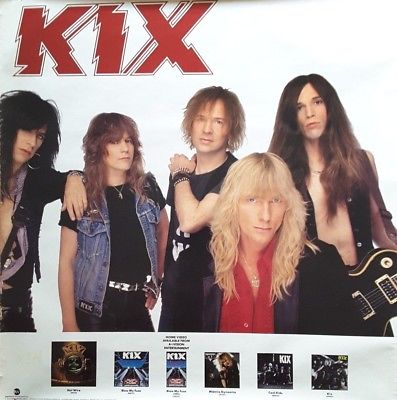
Guest review by Holen MaGroin – part 5 in his KIX series
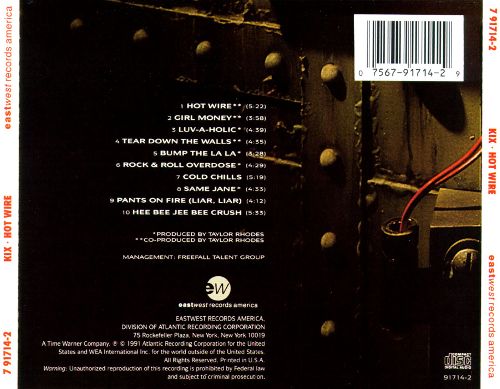
KIX – Hot Wire (1991 Atlantic)
It took the almighty Kix three years to follow up their commercial breakthrough Blow My Fuse. When they did, they had a new record contract, and an assload of debt from their first three albums. Being that this was 1991, the clock was ticking before that putz from Seattle would change the face of rock music forever by replacing talented musicianship and fun with glorified punk songs about deodorant. The resulting album Hot Wire was the band’s heaviest album to date, with their hard rock influences taking over their sound completely. While Hot Wire is still an entertaining listen, it’s not as consistent as the albums that preceded it, and is a little derivative at times.
Hot Wire is jumpstarted by the title track, which starts off with a riff that sounds like Ted Nugent’s “Just What the Doctor Ordered”, and ends with a loving homage to “Have a Drink on Me”. The sonic annihilation in between is a whole hell of a lot of fun, and has Kix playing some of the most aggressive music of their career. Steve Whiteman in particular is taking no prisoners with an absolutely electrifying vocal performance that commands attention and respect. The song juggles the head banging verses with a trademark melodic Kix chorus that will blow your mind. Maybe Kurt Cobain was listening to this when his Kurt Cobrains hit the floor in April of 1994. It’s a great choice to open the album with, as it dispels any notion that Kix has become less hungry as a result of their platinum success.
Kix follows it up with what could only be described as a tribute to AC/DC’s “Big Balls”, complete with a Bon Scott impression. In lead single “Girl Money”, Whiteman channels Scott while talking about a woman of low moral fibre across the bar. The chorus is an absolute explosion of melody, literally. If you listen carefully, you can hear cannons going from the left to the right speaker after the lyrics “bang boom party”. The attention to detail is not only amusing, but it reflects the sonic identity of the record. The production on this album serves to polish the rough edges while retaining all the sonic power that Kix have to offer. It sounds good, but there are no frills to be found. This is a rock and roll record, and the band is going to treat it as such. No more Cool Kids new wave pandering, the group is out to rock your world.
The fourth slot on the album is left to “Tear Down the Walls”, a weak ballad that was probably recorded to capitalize on the success of “Don’t Close Your Eyes”. It’s pleasant enough, but one can’t help but compare it to superior ballads on past Kix records. While it’s not nearly as iconic or enjoyable as “For Shame”, “Walkin’ Away”, or “Don’t Close Your Eyes”, it’s still a much better decision to listen to it than to marry Courtney Love, in my opinion only of course.
Kix only has one ballad again, and gets away with it by preceding it with the hook laden “Luv-A-Holic”, which has a similar structure to “Get It While It’s Hot” from the previous record, done in a heavier style that is more representative of the Hot Wire sound. It’s one of the best songs on the album, and the deal only gets sweeter when “Rock & Roll Overdose”, (a song title I believe Kurt took too literally) greets the listener after the lacklustre ballad. One of the heaviest tunes Kix have ever done, it’s a nice ode to rock and roll itself with Whiteman bringing back his powerful raspy vocals from the title track. Guitarists Ronnie “10/10” Younkins and Brian Forsythe really get to shine on this track with each getting a chance to show off their solo chops. It’s much more enjoyable than listening to nursery rhyme melodies over three chord punk songs and pretending like you hate any band that has reached any kind of success, including your contemporaries that praise you.
What sinks the album is a sense of monotony. Some of the lesser tunes begin to sound the same, and some of them are lyrically lacking. “Hee Bee Jee Bee Crush”, “Bump the La La”, and “Same Jane” were in desperate need of penmanship reform. There’s also not as much variety as you would normally expect from a Kix album, as they seem to be firmly rooted in a hard rock sound. Choruses lack some of the staying power that they had on earlier albums, and the songs begin to run together.
While by no means a bad album, Hot Wire comes as a bit of a disappointment after the quality of the two previous outings. Unfortunately, due to shifting (shitty) tastes, Kix would only release one more album on their major label (1993’s appropriately titled Contractual Obligation Live!) before being pushed to the indie world. The mighty titans would regroup for one more studio album with the original lineup. They disappeared for the better part of twenty years before reemerging with a new bassist as strong as ever. As for Hot Wire…
3.5/5 stars
Authors note: I don’t really hate Nirvana, but they’re just so easy to poke fun at. I would take Badmotorfinger, Ten, & Ritual de lo Habitual over Nevermind any day of the week though.



















 mikeladano.com