AMERICAN DAD – “Stanny Slickers II: The Legend of Ollie’s Gold” (Episode 15, season 3)
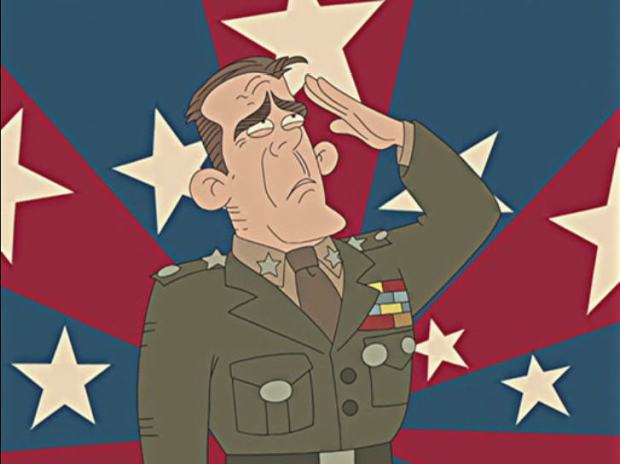
As we review our way through significant American Dad episodes, several outstanding musical numbers emerge. When it comes to memorable TV tunes, there’s the Simpsons and then there’s American Dad. A highlight of the earlier seasons was the song “Ollie North”, sung for one of Stan Smith’s heroes, the scandal-ridden Colonel Oliver North. Done in an after-school-special style, the song is meant to educate!
As a kid I remember a summer of waiting through Oliver North hearings just to watch an episode of The Transformers.
Stan’s tune succinctly summed up the entire scandal.
In the 80s there was Cold War drama, We fought the Commies inside Nicaragua, Our friends were the Contras, Freedom was their mantra, So we sent them lots of money for guns, and landmines.
But Congress stopped the Contra money flow, Just ’cause they moved a teeny bit of blow. But then a hero came forth, His name was Oliver North, He and Reagan went around the sissy Congress.
OLLIE NORTH! OLLIE NORTH!
(Spoken) You see, North secretly sold missiles to a harmless country called Iran who would always be a grateful ally. Then he gave the profits to the Contras. Genius!
But the sales were uncovered by the press, Reagan and North began to stress, ‘Cause what they did was technically high treason! (But it was totally justified.)
North volunteered to take the blame, To save Reagan from prison rape shame, The truth he did bury with his hot secretary, Thanks to her shredder, he got off totally scot-free!
OLLIE NORTH! OLLIE NORTH!
He’s a soldier! And a hero! And a novelist! And now he’s on Fox News!
But that’s not the story here. Working for the CIA, Stan Smith has access to information. He knows that North had a secret cache of gold, and he buried it somewhere on his property. The very house that the Smiths live in today! Ollie North’s gold has long been an obsession for Stan. He named his first child “Hayley Dreamsmasher” because having kids meant giving up his quest for the gold. Now, Stan thinks he has decoded secret messages left by North. When Stan begins actively pursuing Ollie’s gold again, the family grows concerned. Then a giant pit mine is dug in their living room.
In a separate storyline, Roger the alien tries to prove that he is sexually harassable. So he invents two new characters (Laura Vanderbooben and Luke Fondleberg) to make that happen.
Will Stan find Ollie’s gold? Will Roger win a cash settlement? It doesn’t matter because that Ollie North song is so damn catchy!
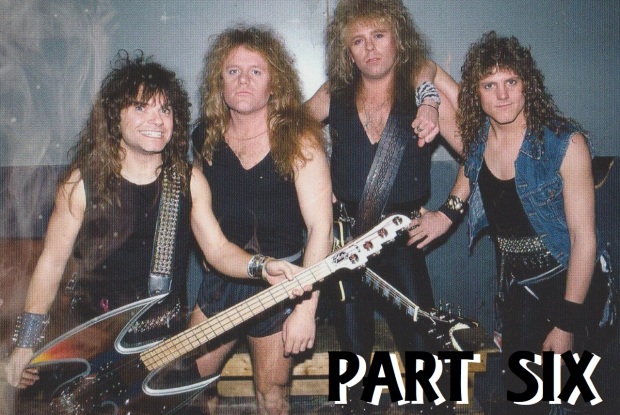
Part Six – the final chapter of the classic KICK AXE series!
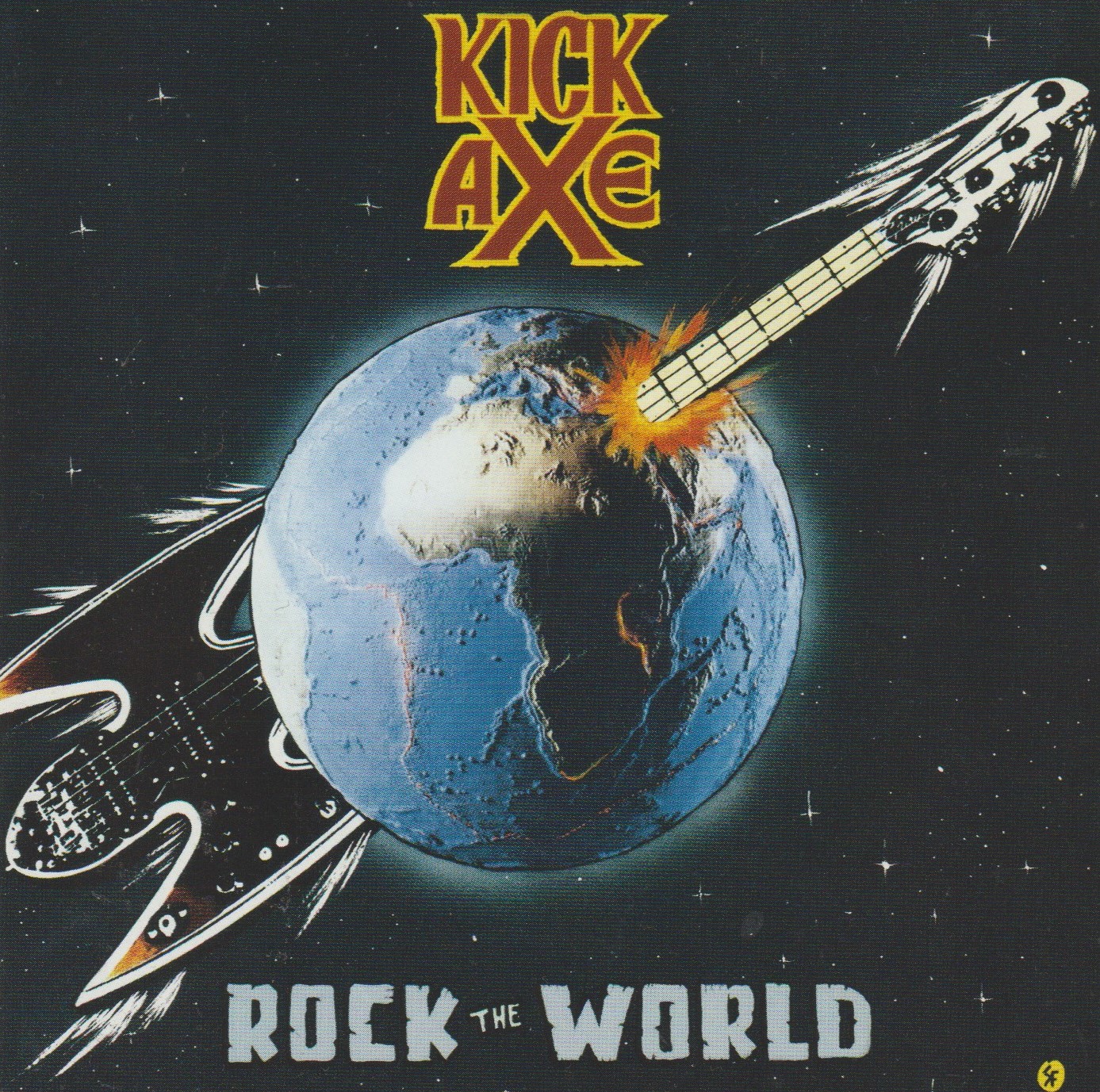
KICK AXE – Rock the World (1986, 2016 Rock Candy collector’s edition)
Though Kick Axe had the power of the Matrix on their side, it could not conjure up sales without support from Epic, the record label. With only one music video and no real marketing plan, Welcome to the Club fizzled out in sales. This resulted in three major changes. First, the band were dropped by Epic, though still signed to CBS in Canada. This resulted in an end with their relationship with producer Spencer Proffer. Guitarist Raymond Harvey quit, eventually joining up with Bob Rock and Paul Hyde in Rock & Hyde. Kick Axe decided to carry on, but as a four piece with guitarist Larry Gillstrom handling all the six strings himself.
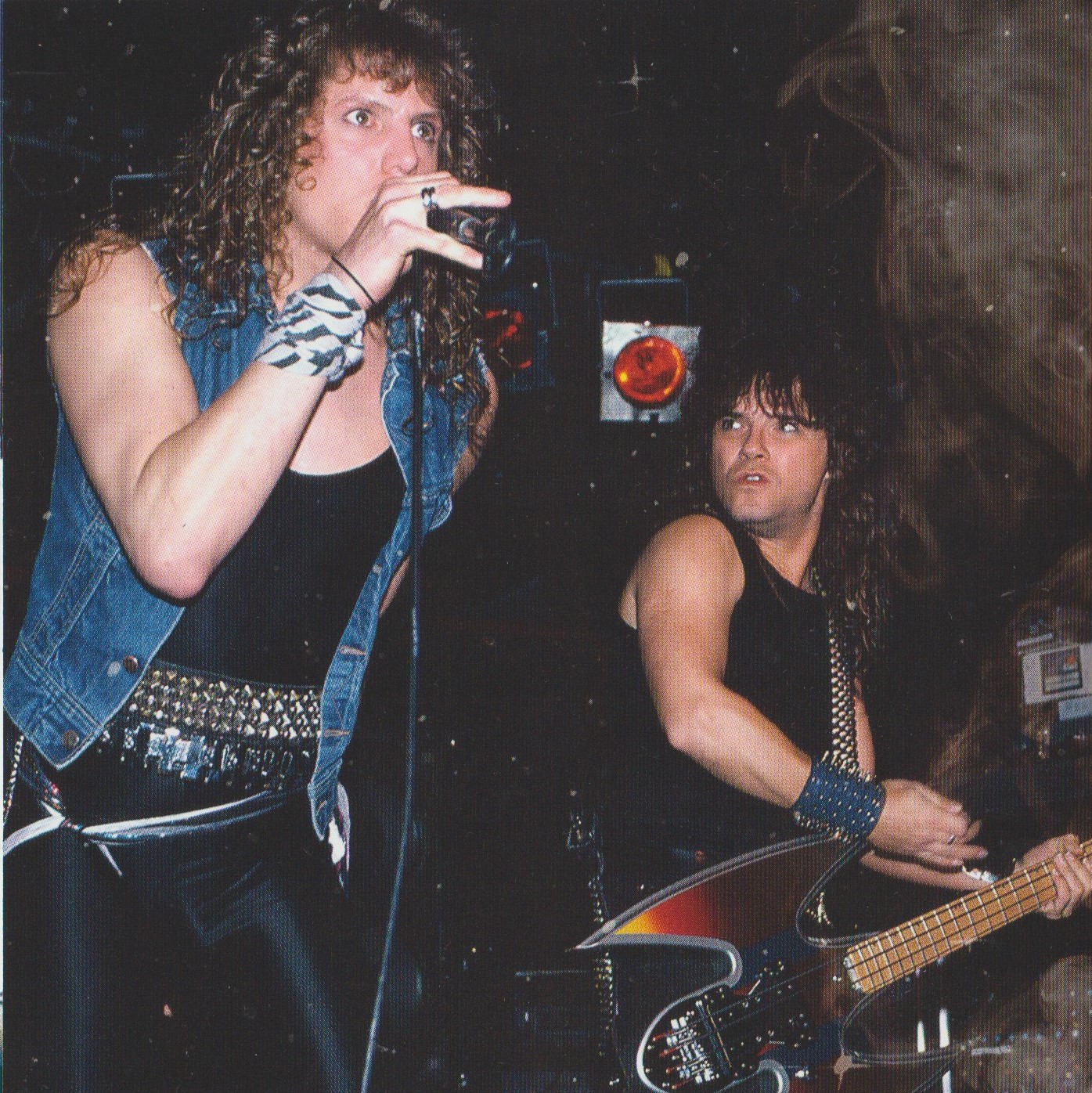
Without big label money, the quartet produced and mixed their third album alone. The record, initially titled Fuck the World, is bassist Victor Langen’s favourite to this day. Ultimately, the album called Rock the World was met with split opinions among fans.
Lead single “Rock the World” opened the album with an intense blast of guitars, drums and bass. On the verge of thrash, Kick Axe had obviously abandoned the overtly commercial tone of their last LP. First comes the guitar histrionics, then a blast of stampeding drums, and a blitzkrieg bassline. Shrieking in peak form, singer George Criston and his perfect pipes maintain the melodic metal standard. Somewhere between Maiden and Motorhead lies “Rock the World”.
Every Kick Axe album has a cover tune, and for this album they bravely selected Fleetwood Mac’s “The Chain”. Though the album generally suffers from a stuffy, echoing sound (due to the low budget production), “The Chain” manages to make that work to its advantage. It adds to the ominous, foggy tone. According to the liner notes, Kick Axe still play “The Chain” live today.
Finally going for that good-time rock and roll sound that they were founded on, it’s time for the “Red Line”. This track proves that Kick Axe could write quality, catchy hard rock classics without Spencer Proffer or Randy Bishop’s help. Then it’s the ambitious “Devachan”, a Maiden-esque volley of fire with multiple riffs and tempos. It’s a very busy song, far more advanced than you’d expect. It’s highly unlikely Spencer Proffer would have let them release a track this far left of mainstream rock. With the band in control they were able to explore more epic arrangements like “Devachan”. The side one closer is a track called “Warrior”, with Criston’s steely vocals leading the battle cry. Its deliberate stomp is similar to a much later Rainbow song called “Hunting Humans”.
“We Still Remember” leaves smoking ruins in its wake on side two. It seems like Kick Axe were aiming for something more than just melodic heavy metal. There are intricate bass parts, well written solos, thoughful lyrics and complex changes. Cookie-cutter metal, this is not. It’s intelligent rock, the kind that fans of the genre take pride in owning. And then, “the chase is on”, it’s “The Great Escape”. This hurried rocker borders again on Iron Maiden, but things go slower for “Medusa”. A rolling bass riff is the main feature for this slightly progressive composition, perhaps a bit too highbrow.
“The Dark Crusade” is, appropriately, more metal. The beat, courtesy of Brian Gillstrom, is Priest-like circa Defenders of the Faith. It’s a sound representative of the era. Meanwhile George Criston takes the vocals to near-operatic levels. A clever bass-led song called “Magic Man” ends the album with an atmospheric tone, and George Criston even ends it with some Ian Gillan screams a-la “Child In Time”.
Unfortunately but predictably, Kick Axe broke up in 1988 and the members went their separate ways. After a number of side projects, a remarkable thing happened: Kick Axe reunited. They even made an album, called Kick Axe IV. The only catch: George Criston didn’t participate. Instead, Victor Langen’s brother Gary (who happened to also be the original drummer in Kick Axe) stepped up to the microphone. That era is outside the purview of this series, based on the classic original period, though perhaps after a few Discogs purchases, we’ll continue the story. Today, Kick Axe continue with capable young singer Daniel Nargang.
As the final album in the original Kick Axe triumvirate, Rock the World delivers on a lot of promise. Most bands tended to go more commercial album to album in the 1980s. By being dropped by Epic, Kick Axe were able to unlock some serious heavy metal ideas, combining them into something a little more original. The sonics could have used some more tender loving care, but they only had a month to make this thing. It is the best thing they could have produced by themselves at the time, and probably the most pure. The right producer could have tightened up the songs just enough to make each one a classic unto itself. Rock the World is an indulgent Kick Axe album, just going for it, and fuck the world!
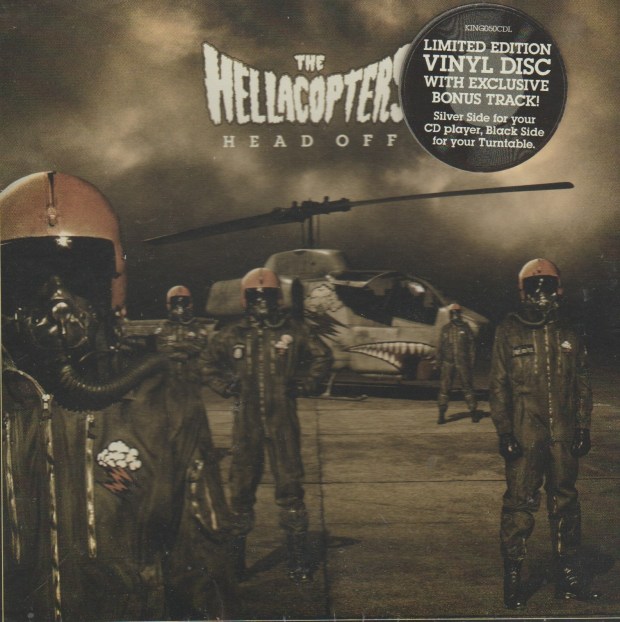
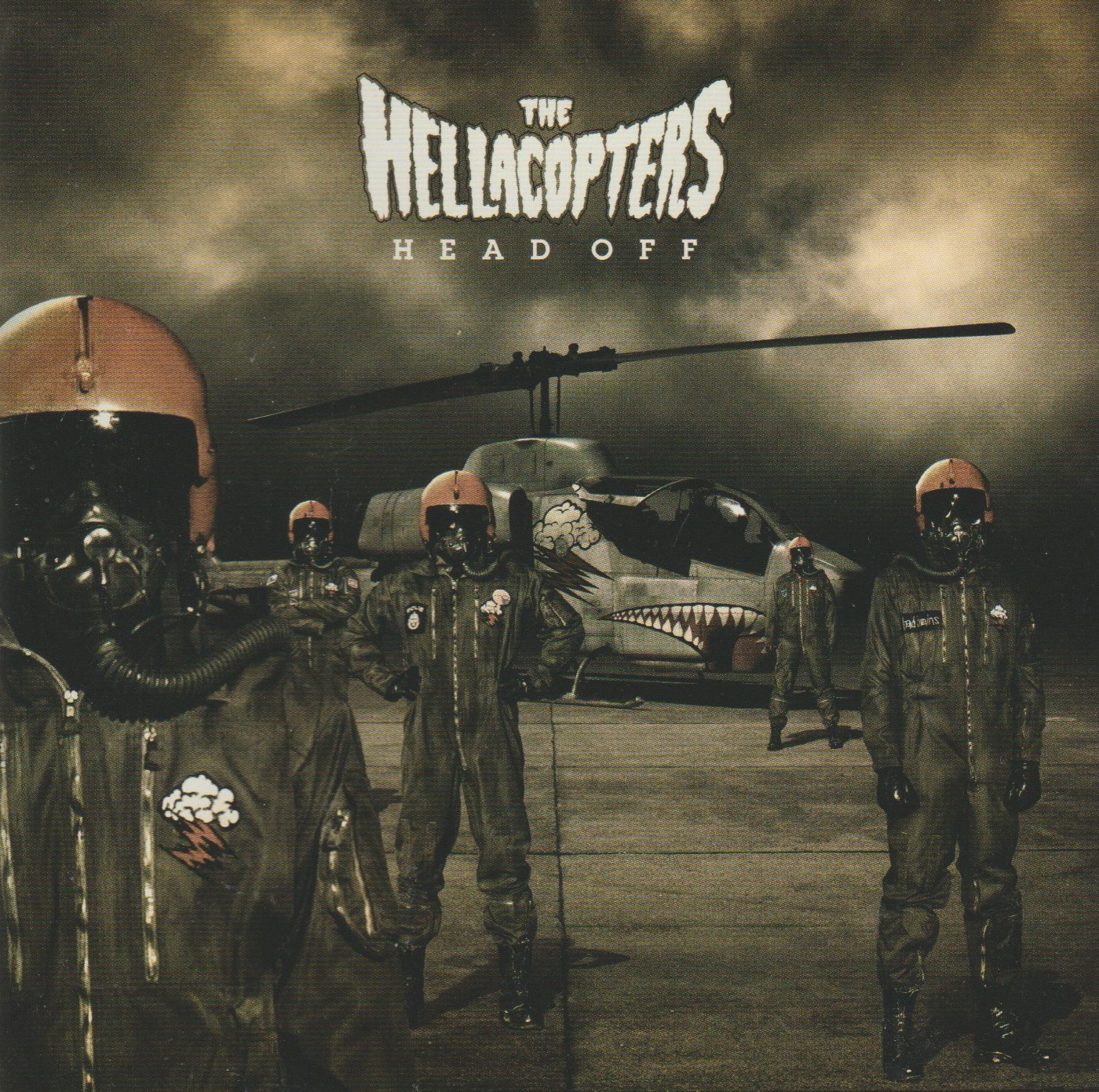
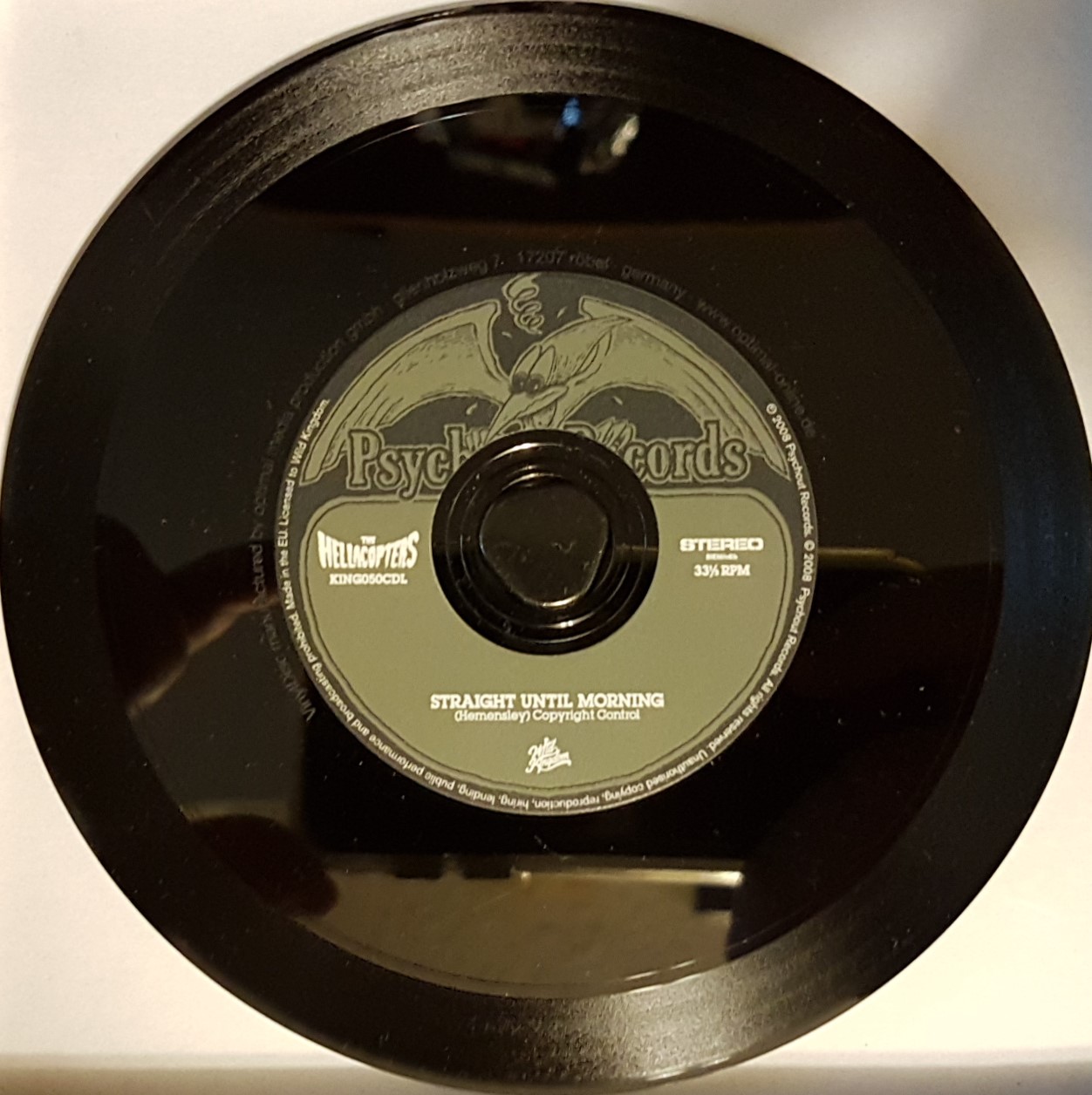
THE HELLACOPTERS – Head Off (2008 Wild Kingdom Vinyl Disc)
If you don’t know what a “Vinyl Disc” is, that’s OK. It was a niche format that only last a year or two. Essentially it’s a CD with an LP groove on the label side. You could get over 80 minutes on a single disc this way, by placing a bonus track on the vinyl side. The Hellacopters, however, aren’t an 80 minute album kind of band. Head Off, their final CD, is only 35 minutes long, plus a 3:20 bonus track on the vinyl side.
Head Off is a covers album, but having heard none of the originals, that wasn’t immediately obvious. They usually do songs you’ve never heard of. Covers or not, Head Off is a pretty great collection of the kind of hard rocking melodic gems that the Hellacopters usually specialize in anyway.
The hands-down best track is the last one on the CD: “Darling Darling” originally by The Royal Cream. Hard rock with melancholy melody and a guitar solo that slays. There’s even a Kiss “Easter egg” in the Hellacopters’ version. We already know they are Kiss fans since they even have a track called “Paul Stanley”, using a bit of one of the man’s awesome riffs. This time, the Hellacopters lifted a lick that Paul plays live on the intro to “Black Diamond”. You can hear the lick in the outro, at the 3:00 mark in “Darling Darling”. The original is found in “Black Diamond” at the 18 second mark, on Kiss Alive! The Hellacopters turned it into one of the best hooks in “Darling Darling”, and it happens to fit like a glove. A leather glove, with tassels.
Back to the start, the album opens with a punky rock and roll vibe. “Electrocute” is by a Swedish band called Demons, and this excellent boogie-woogie will make you want to check ’em out. Another killer, “Midnight Angels” (The Peepshows) is melodic rock nirvana. How are these not the biggest rock songs in the world already? “I’m Watching You” (The Humpers) is a blitz, heads-a-bangin’ along. It slows a bit on “No Salvation” (The Turpentines), which turns towards down a darker alley, though just as ear-pleasin’. “In the Sign of the Octopus” (The Robots) is like a vintage Kiss track circa Love Gun, lost to the ages but just as good as the songs you remember. The Robots stole my love! The New Bomb Turks are covered next on “Veronica Lake”, pure good time punk rock. Boogie piano makes it accessible to even the strictest hard rocker.
The CD continues to rock through track after track of brilliance that you’re probably unfamiliar with. Every song is stuffed with hooks and melodies, no ballads. The Hellacopters treat each one with the kind of guitar thunder they’re known for. There are no duds anywhere on the entire album, and even though it’s all covers, it’s not uneven or inconsistent. You would completely believe that all the tunes were originals, if you didn’t know ’em. “Rescue” (Dead Moon) could have been a Hellacopters song, easily. Even the soulful “Making Up For Lost Time” (The Bellrays) sounds natural to this band.
The only track that is a letdown is “Straight Until Morning” (The Powder Monkeys), the bonus track on the vinyl side. As discussed in the article about Vinyl Discs, the audio quality on this side is utterly atrocious. Especially when compared to the sharp sounding CD side, this track is flat and noisy. It is, however, the heaviest and punkiest song on the album, so perhaps this is appropriate? Even intentional?
Ignoring the sonic issues on the vinyl side, which was really just a novelty factor, Head Off is worth a solid:
5/5 stars
This limited edition also included a pin and a patch, so if you’re looking for your own copy, make sure it’s complete!
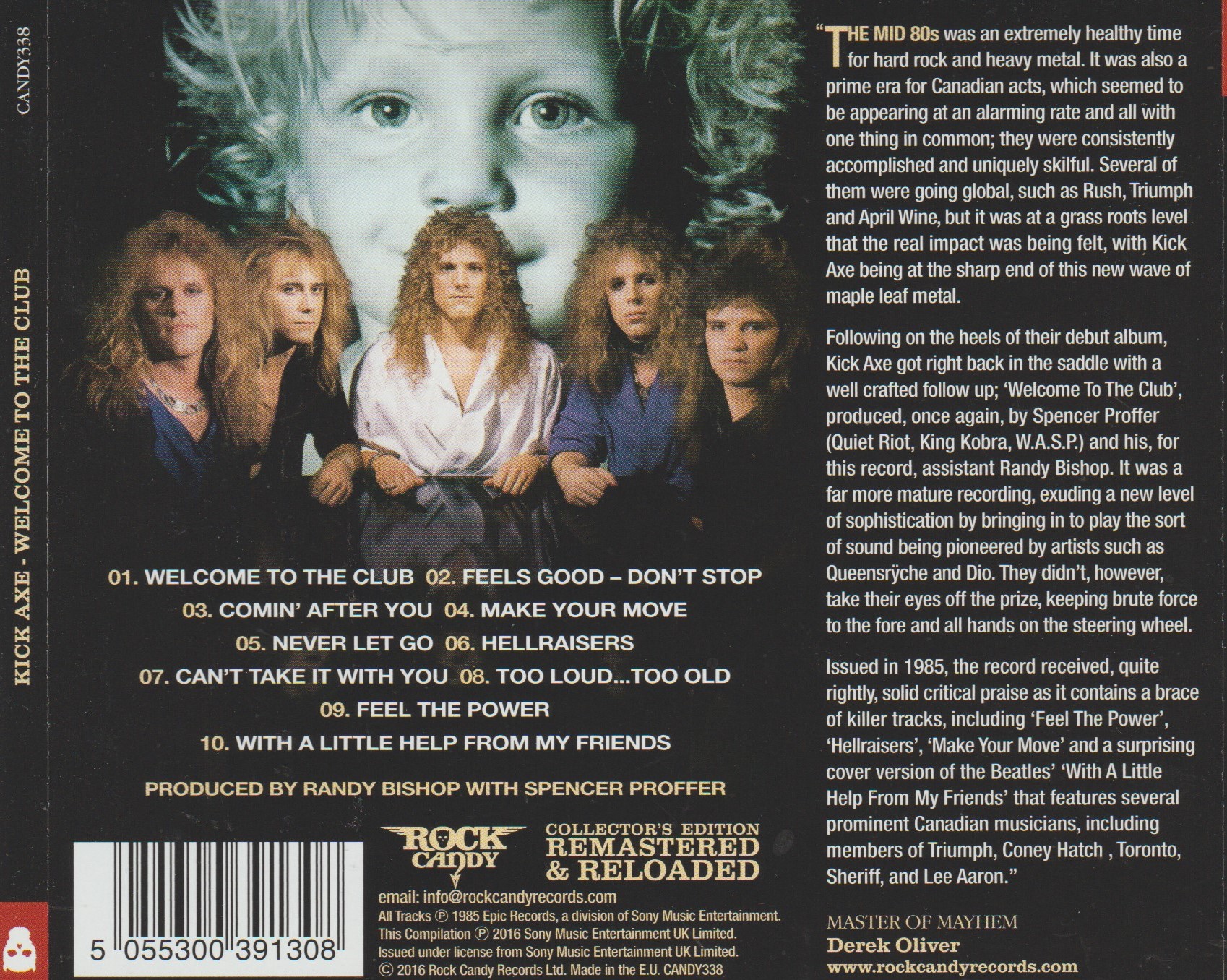
KICK AXE – Welcome to the Club (1985, 2016 Rock Candy collector’s edition)
Kick Axe may have had a slight identity issue.
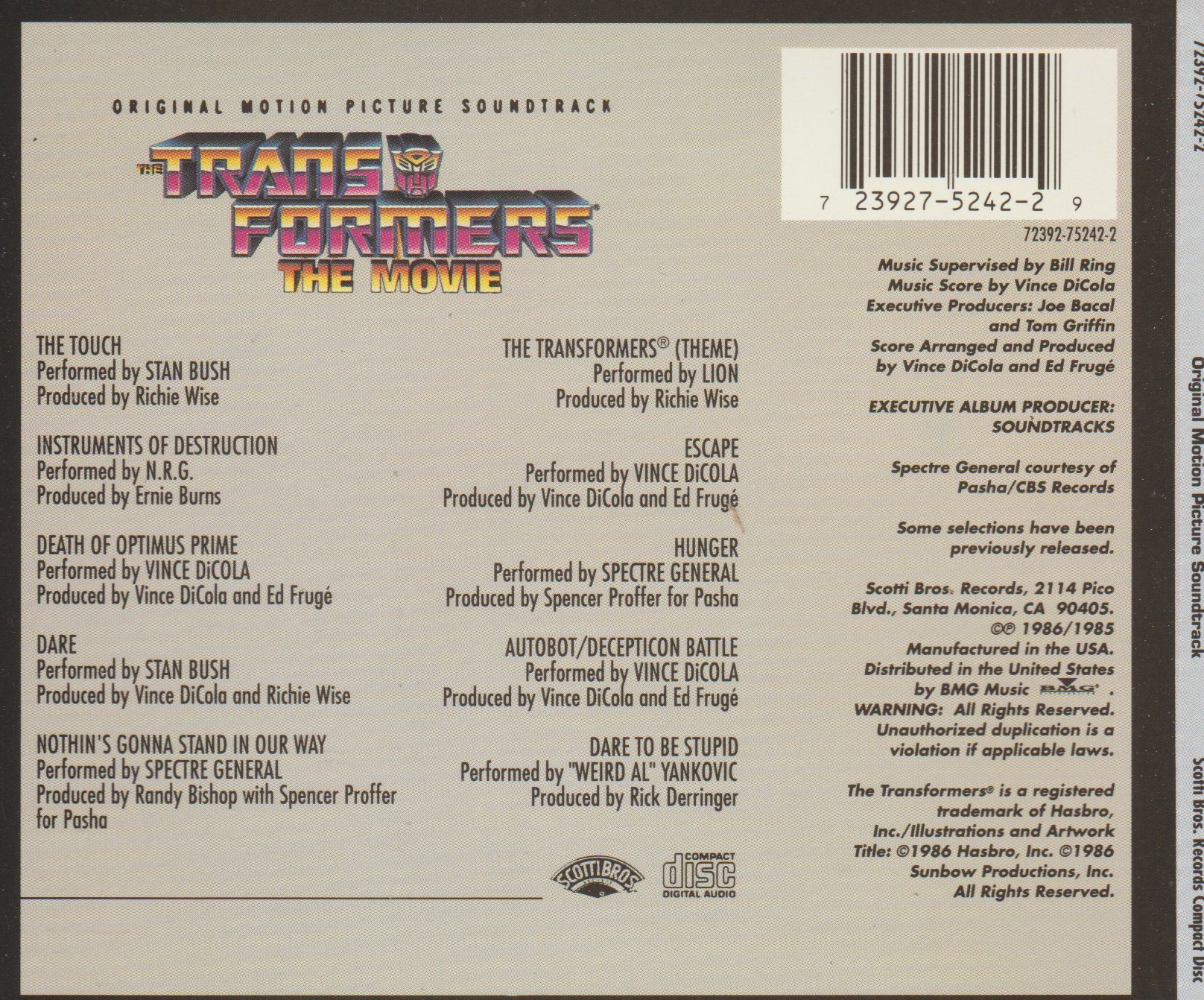
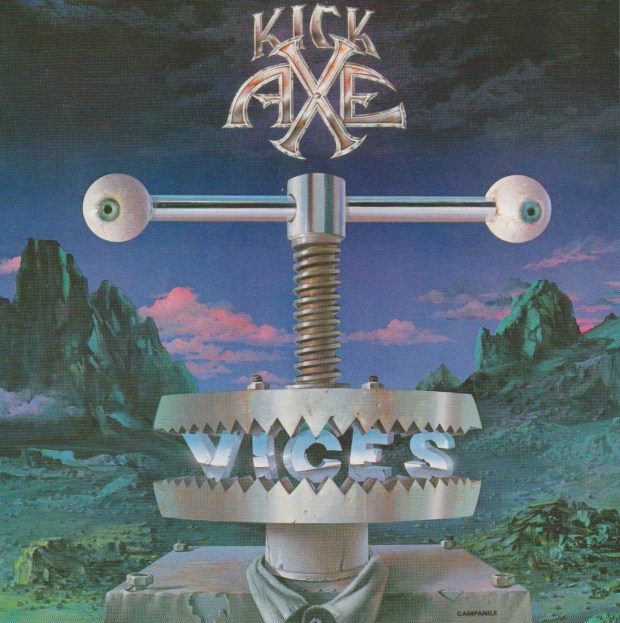
They certainly didn’t benefit at all when two of their songs (“Hunger” and “Nothing’s Gonna Stand In Our Way”) were released under another name on The Transformers soundtrack. Nobody knew that “Spectre General” was in fact Kick Axe. Unicron may have been defeated, and Rodimus named as the next Prime, but Kick Axe didn’t gather any of the spoils. There’s also the issue of their critical second album. Vices was clearly a metal album and the band had an obviously heavy image, complete with toothy mascot. When the second album saw its release, the mascot was gone and the lead video was a ballad!
The twist in the tale is that Welcome to the Club is considered by many fans to be Kick Axe’s best album; and they may be right.
The record label Pasha was trying to steer Kick Axe in a lighter direction. Producer Spencer Proffer couldn’t be there, so staffer Randy Bishop was sent to Toronto to write and record the next album with the band. They did this at the legendary Metalworks, and then the album was sent to Proffer in California to mix. You’d expect this kind of operation to be detrimental to the music. You’d be wrong.
The songs are tighter than those on Vices. Yes, opener “Welcome to the Club” lacks the full-fisted punch of “Heavy Metal Shuffle”, but they are traded in for a dusky, cleaner vibe. This is an older, wiser band and the lyrics reflect that. “If you’ve had your share of heartache…welcome to the club.” The drums are still thunder on tape, and George Criston could bellow like few others, so the “softening” of Kick Axe was actually quite minor.
“Feels Good – Don’t Stop” lets the bass lead the way, for a bangin’ chorus that any band would have given their nuts to write. Another flawess chorus is found on the powerful “Comin’ After You”, which may in fact be the perfect 1985 hard rock song. Softer verses build up to the kick of the first chorus, with backing keyboards providing unobtrusive texture. “Make Your Move” is another expertly written rock song, something like Bon Jovi circa 7800° Fahrenheit. Did Sambora spend time studying this album? Then a dramatic “Never Let Go” has a creeping, dark vibe that makes one wonder just what Black Sabbath would have sounded like with George Criston on lead vocals. When Ian Gillan left to join Deep Purple, Criston was one of the singers that Tony Iommi was very interested in. This song is a glimpse into what that might have sounded like.
The side two kick-off, “Hellraisers” is a cold steel classic. A signature guitar lick and a chorus plumbed straight from the most melodic depths of hell is all it takes. Well, the solo cooks pretty hot too. “Hellraisers” is most likely the best tune on Welcome to the Club, which goes a long way to making it the best Kick Axe song, period. By the next track, “Can’t Take It With You”, Kick Axe discovered a time machine and somehow came up with a cool wah-wah riff right out the 2000s. There is no way we’ll ever know for sure, but it’s not out of the question that this riff was lifted by time travel from John Norum of Europe during the sessions for Start From the Dark.
Anyone who felt Welcome to the Club underdelivered in terms of heavy metal probably thought “Too Loud…Too Old” was the best song. Heavy groove and speed co-mingle, and the result is one of the heaviest hard rock tracks in the history of the genre. “Feel the Power” dials it back in terms of heavy, but is no slouch of a track, not with all those Brian Gillstrom drumquakes. Guitarists Larry Gillstrom and Ray Harvey had a knack for harmony guitar solos, as heard on “Feel the Power”. Not to mention the capable backing vocals by the entire band, rounded out by Victor Langen on bass.
The oddball ballad goes last, and it really is a surprising one. Continuing a tradition that would follow through on all their albums, Kick Axe did a cover. This time it’s the Beatles’ “With A Little Help From My Friends”, but via the Joe Cocker arrangement. The good news: George Criston was more than capable of handling the difficult song without sounding like an asshole. Not an easy task! He is accompanied by Canadian stars like Alfie Zappacosta, Lee Aaron, Rik Emmett, and Andy Curran which gives the song some authenticity and serious star power. Lee Aaron in particularly kicks the song right in the nuts when she steps up to the microphone.
It was this track that was chosen as the lead video, and immediately confused all the kids sitting at home watching MuchMusic. This was the “On the Road to Rock” band, clearly, but they didn’t sound like that anymore. The music video almost looked like a charity single, with everybody singing together in the studio. We didn’t know what to make of it, and the clever but tame Hugh Syme cover artwork really didn’t speak like Vices did.
It is always a shame when a great album by a deserving band gets ignored. Thanks to Rock Candy and their awesome CD reissues, it’s not too late to get into the Club.
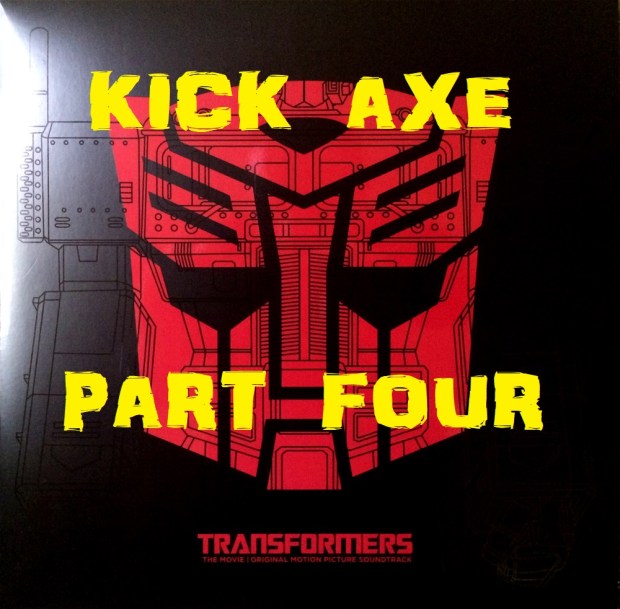
KICK AXE as SPECTRE GENERAL – “Hunger” and “Nothing’s Gonna Stand In Our Way”
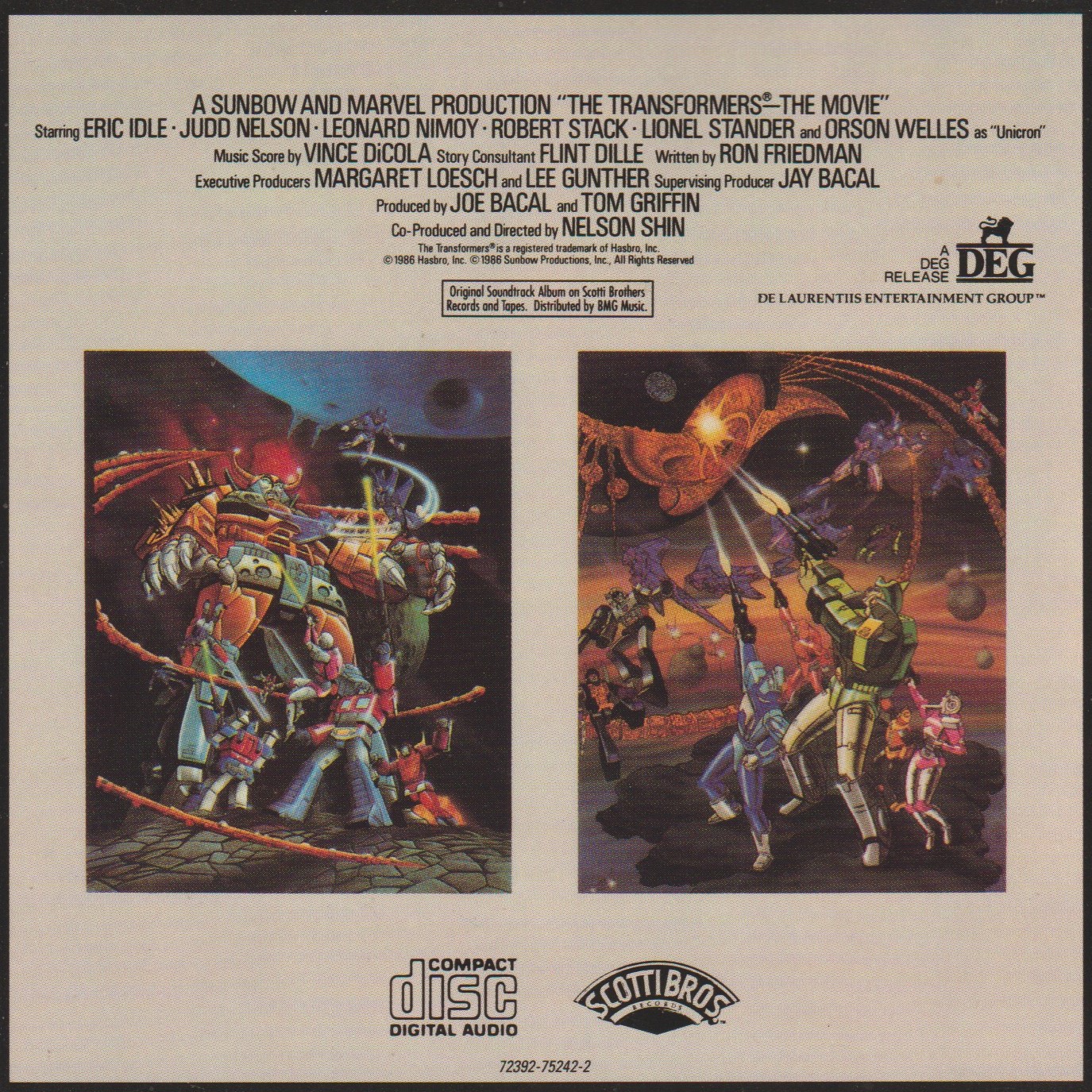
from Transformers: The Movie original motion picture soundtrack (1986 BMG)
Although the recordings were not released until 1986, it makes sense to talk about “Hunger” and “Nothing’s Gonna Stand In Our Way” now, in terms of storytelling. After the Vices album was completed in 1984, Kick Axe were tasked to contribute to another project. And it wasn’t a movie soundtrack.
Producer Spencer Proffer was scheduled to go into the studio with Black Sabbath — a Black Sabbath still fronted by Ian Gillan, though not for long. Proffer felt that Sabbath needed fresh ideas and recruited Kick Axe to write some. Though details are murky, we do know that Gillan left Black Sabbath abruptly to record Perfect Strangers with Deep Purple. Kick Axe frontman George Criston was one of the singers that Tony Iommi was interested in as his replacement. Whatever happened, no recordings of Sabbath with Criston have surfaced, but we do have the songs Kick Axe wrote for the sessions.
In a strange coincidence, they all first came out on November 9 1985, on two separate albums. W.A.S.P.’s The Last Command (produced by Proffer) featured the Quiet Riot-like “Running Wild in the Streets”, though without proper writing credit. Another album produced by Proffer was released the same day: Ready to Strike by King Kobra. “Piece of the Rock” and hit single “Hunger” were written by Kick Axe for the Sabbath project.
Ultimately, “Hunger” by Kick Axe did finally come out in the summer of 1986. Too late, perhaps, considering people assumed it was a generic cover of a King Kobra song. Especially since no one had ever heard of…Spectre General?
Who the hell is Spectre General?!
For reasons unknown but said to be contractual, Kick Axe couldn’t release their own song under their own name, so Proffer invented Spectre General, and that’s how they’re credited in Transformers: The Movie. The band didn’t even know about it. They had two songs on the original 10 track album: “Hunger”, and a new song called “Nothing’s Gonna Stand In Our Way”, a cover version (John Farnham original) intended for the next record Welcome to the Club.
Perhaps it’s the familiarity of the King Kobra recording, but this version of “Hunger” does stand in its shadow. Both Mark (Marcie) Free and George Criston are stellar vocalists, and the Free version just had more…weight. Kick Axe’s original is heavier and chunkier, so perhaps in that way it’s actually superior. “Nothing’s Gonna Stand in Our Way” is an upbeat number, hook-laden, with the trademark Kick Axe “chug” and backing vocals. It’s pretty essential to have both these tracks to augment a Kick Axe collection.
Besides not getting their real name in the album, other contributions by Weird Al Yankovic and Stan Bush were featured more prominently in the movie than the two “Spectre General” songs. The band Lion got to do the movie theme song. Those were some memorable movie moments to any kid in the theater, particularly the Stan Bush selections.
It’s pretty amazing that Kick Axe came up with “Hunger” but were never really recognized for it. It’s a great song and their original version of it is the proof. Also strong, “Nothing’s Gonna Stand in Our Way” would have made a fine addition to the next album. Clearly, the Canadian quintet had big league talent the whole time.
KICK AXE – Vices (1984, 2016 Rock Candy collector’s edition)
The loud Canadian quintet from Saskatchewan, Kick Axe, went from indi to major label in 1983 when they signed with CBS Canada. They also had a new singer in George Criston, a guy with incredible range and rock sensibilities. Everything was in place. With a couple solid metal releases already under their belts, they were about to go big league. The next step after the record deal was a hookup with the American producer behind Quiet Riot, Spencer Proffer. Spencer offered them the chance to write with him and record in his own studio, Pasha. They would have been foolish to turn down the opportunity considering what happened with Quiet Riot in similar circumstances.
In fact, Kick Axe’s debut album Vices is so similar to Metal Health, you probably could have heard it was Spender Proffer at the desk without reading the credits. The drum sound is exactly identical to that of Frankie Banali. The backing vocal arrangements are also very similar, even though the singers are different. The comparisons go further, but we’ll discuss them as we go.
“Heavy Metal Shuffle” sounds immediately like, who else, Quiet Riot! That is until George Criston starts croonin’. What a set of pipes on that man. He could scream with the best, but there’s more to Criston than just high notes. There’s a blue-eyed soulful trill in his screechin’, hard to pinpoint but there nonetheless. Another part of the Kick Axe sound is bassist Victor Langen, who has a solid metal chunk but with creative, busy melodic accents. Of course another major factor is the capable backing singers. Langen, Ray Harvey, and brothers Brian and Larry Gillstrom created an 80s tapestry of metal harmony. This is especially apparent on title track “Vices”. It’s a pretty irresistible song even if it sounds exactly like the year 1984. At least how I remember it sounding. Big, echoey, mushy, loud!
By the third track, “Stay On Top”, we’re really cookin’. You might cringe at the clichés, like the gang vocals or the big drum fills, or you could just chill out and rock with it. Ballad “Dreaming About You” pours on the rock standards, but the problem is…it’s good. It’s a great 80s ballad. Helix could have done it. Great White could have done it. Dozens of bands had songs like this, but at least Kick Axe wrote a good one. Up next, “Maneater” opens with some ferocious guitar wang-dang, although the song is more a slick rocker than a headbanger. It’s the chorus that differentiates it from the average.
When side two opens with the “big hit”, hopefully you’ll say “Oh yeah, I remember this one!” The memorable music video for “On the Road to Rock” introduced Kick Axe to a much larger audience. Listen to that chug! Langen had a killer sound, even with that huge axe bass that quickly became a symbol for the band. “On the Road to Rock” delivered an anthem the kids could get behind. The video also turned their cover art of the “Vices Guy” into a fully-fledged mascot.
My buddy Bob Schipper loved the music video. Especially when “Vices Guy” yells “Stop that you wimp!” at one of the legendary composers. Me, I liked that bass. I also liked that the drummer was a virtual hulk, who kicks down not one but two doors in the video. I didn’t understand why the singer was running around in bare feet. You’re gonna stub a toe, or step on some door shrapnel, guy.
Next up, “Cause For Alarm” sounds at first exactly like the song “We Were Born to Rock” by Quiet Riot. It soon becomes its own beast with a thunderous chorus. Yep, Kick Axe could write a chorus. They could also execute them via those thick backing vocals and the golden Criston pipes. The tempo takes a step back into the pocket on “Alive & Kickin'”. It’s another one of those choruses that the boys seemed to have an endless supply of, although a bit too heavy on the backing vocals this time. Langen really lets the bass groove on “All the Right Moves”, boasting one of those shout-choruses that are perfect for the live concert setting. It’s the kind of song Motley Crue would have given their nuts to be able to write at that time.
The final song on the standard album was a song with a certain epic “closing” quality. “Just Passing Through” makes it sound like the album just might have been a concept record on the theme of vices. Indeed, Spencer thought of it as such: “Living in our vices, we watch the rise and fall,” repeating some words from the title track. Regardless, it just sounds like an album closer. There’s a certain climactic quality to the melody and riff.
On CD (and strangely enough, also the original Canadian cassette) is the bonus track “30 Days in the Hole”, starting a custom of Kick Axe putting a cover song on every album. Spencer Proffer wanted to do it, since he had so much success with “Cum On Feel the Noize” earlier with Quiet Riot. It’s not the best version of “30 Days” that you’ve ever heard. It sure does sound like they’re playing the same amps as Carlos Cavazo, though.
As per usual, Rock Candy deserve extra thanks for the brilliant liner notes featuring interviews with Proffer and Langen. Also for including the bonus track, though we often take those for granted these days. Of course, Kick Axe deserve the lion’s share, for writing and performing a “kick ass” Kick Axe debut. Not an easy thing to accomplish, but with Proffer they had a good team. It shouldn’t overshadow their innate talents, of course.
The proof of Kick Axe’s talent was their progression, album to album. There were also some misadventures with Black Sabbath and giant transforming robots, but we’ll get there. Vices would be a fine Kick Axe album to satisfy your curiosity, but be prepared to get hooked and want to go deeper.
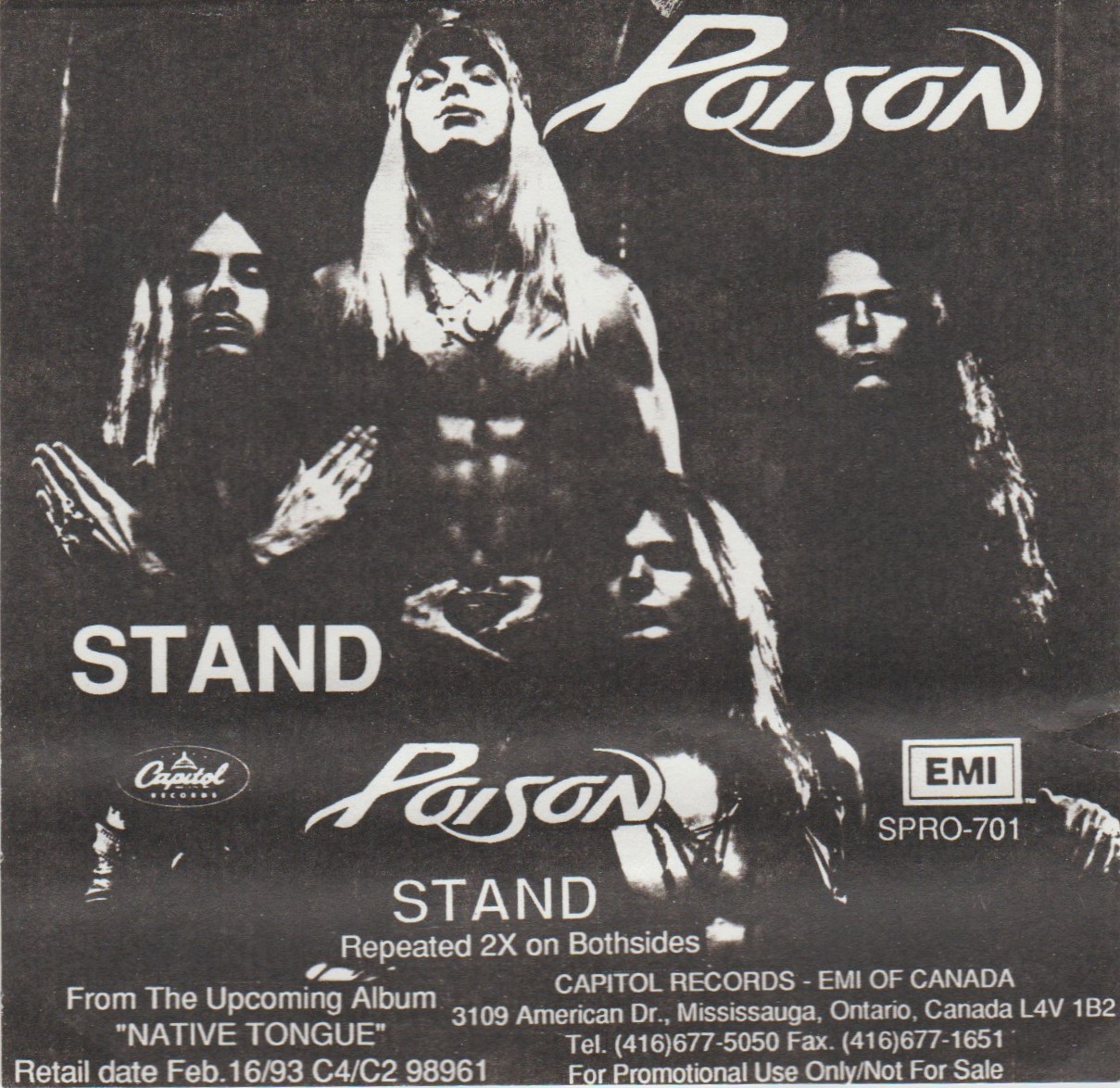
What is a “CHR edit”? It’s a special single edit of a song specifically intended for “contemporary hit radio”. In other words, Top 40. So, when “Stand” by Poison was selected to be the first single from 1993’s brand new Native Tongue album, it had to be trimmed for length. Getting Poison on the radio was going to prove to be an impossible task, so why make it harder by giving them a 5:16 long track that they definitely wouldn’t touch? “Stand” was shortened to 4:21, with much of Richie Kotzen’s delightfully idiosyncratic guitar licks getting the axe, along with some of the choir.
The cassette you see here contains two edited versions of “Stand”: the 4:21 “CHR edit” and another at 4:30 simply called “edit”. The differences are in the guitar solo which starts to deviate at the 2:28 mark. It’s in interesting curiosity, a peak inside the minutia of thinking that goes into marketing a song. “Hey, this format needs another nine seconds of song, leave in some guitar solo.” Is that how it worked?
The tape has both edit versions on both sides…twice. 2x2x2=8 times total, that you will hear “Stand” by Poison, if you play it all the way through. Call the CIA and let ’em know I have this cassette; they can use it with their enhanced interrogation techniques. I’ll sell.
On that note I can all but guarantee this cassette has never been played through, ever. It was sent to the Record Store about a year and a half before I started working there. The owner hated Poison. Hated — with a passion. There is no way he played this tape in store, ever. I rescued it from a giant, forgotten stack of promos that were stuffed into a bin. All garbage. “Don’t take any of those,” said the owner. Eventually all that junk was slated to be thrown out when the only location that sold tapes changed formats at the end of 1996.
This tape is valuable for one thing: it reveals the true North American release date for Native Tongue. Currently (August 2019), Wikipedia claims Native Tongue was released on February 8, 1993. That’s impossible because the 8th was a Monday. New releases came out on Tuesdays. This promo cassette clearly states on the back that the forthcoming album Native Tongue was retailing on February 16 — a Tuesday. You’re welcome, internet.
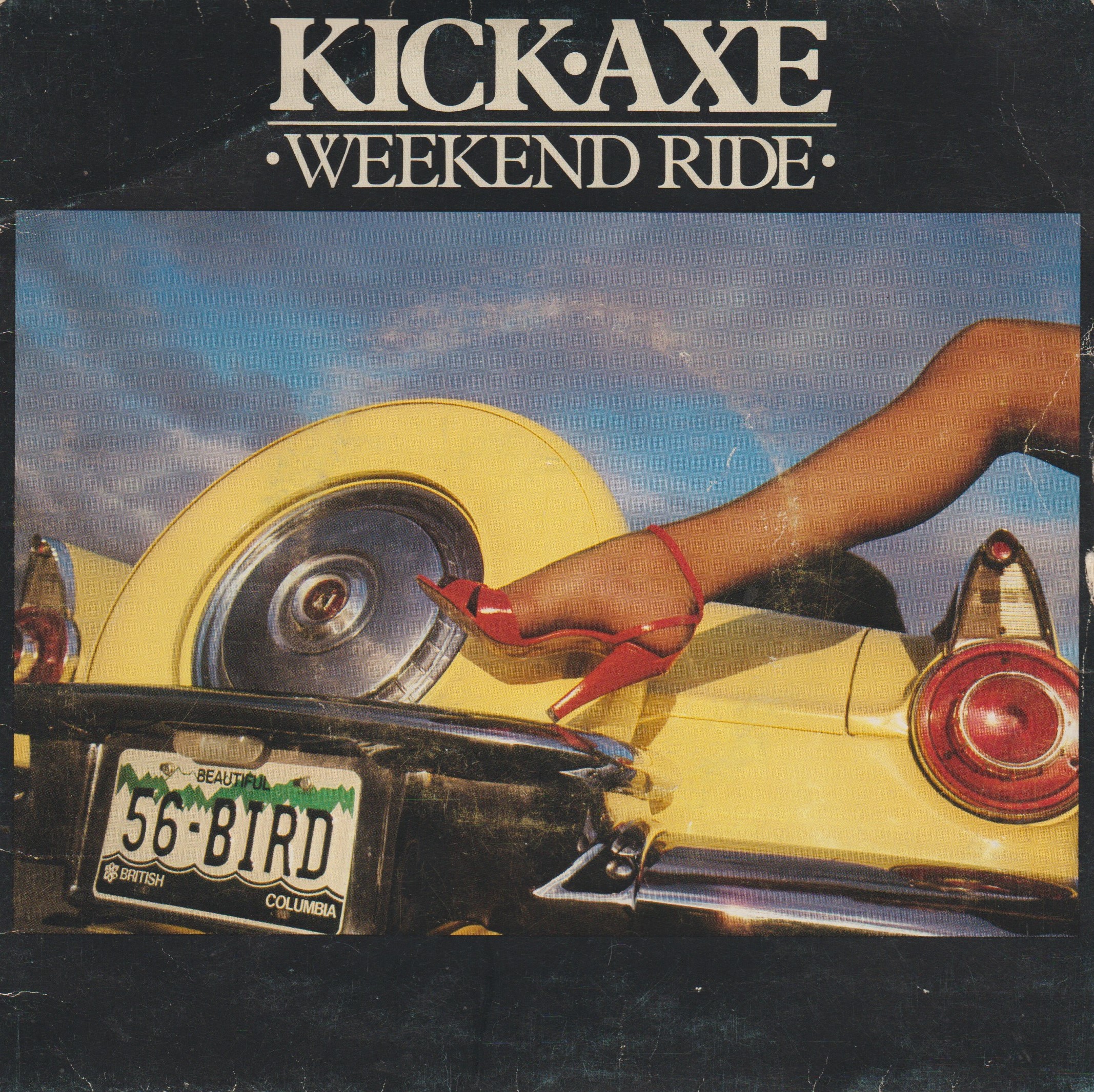
KICK AXE – “Weekend Ride” / “One More Time” (1981 Swyne Song single)
When we last met Kick Axe, it was on the surprisingly great live track “Reality is the Nightmare“, from a very obscure compilation by Playboy magazine. It seems the guys at Playboy thought they should get into the music business too. They put out an album featuring recordings by unsigned bands, and among them was Kick Axe. At roughly the same time the live track was recorded, Kick Axe were also working independently on a single.
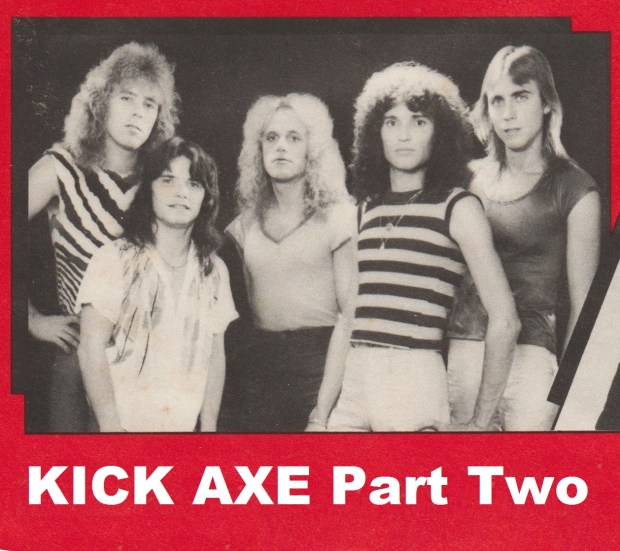
This early Kick Axe lineup still featured Charles McNary on lead vocals, a capable singer. The rest of the classic band was set: Victor Langen (bass), brothers Larry (guitar) and Brian (drums) Gillstrom, and guitarist Raymond Harvey. Recording in Vancouver, they managed to get the late Brian “Too Loud” MacLeod to co-produce, he of Headpins and Chilliwack fame.
“Weekend Ride” was the A-side, a slick track that already had the trademark Kick Axe rhythm. It’s largely based on Victor Langen’s thrumming bass. Solid chorus, interesting guitar hooks, and a screamin’ lead vocal — the essential stuff — are all present. There’s even some wild, prototypical metal soloing. The band were also fortunate enough to have capable backing vocalists, not fully exploited until their major label debut. On “Weekend Ride”, you can hear the start of that.
The interesting thing is the B-side, “One More Time”, a song written by Ray Harvey. This sounds like a different singer from the A-side, and it’s probably Harvey. It also features extensive keyboard solos, something they never did again. It sounds like a different band. Suffice to say, Kick Axe pursued the sound of the A-side when they made an album. “One More Time” sounds like a poor man’s Styx!
A few more years of hard work and a critical lineup change would prove to be the key for Kick Axe. Spencer Proffer of Pasha records was about to change their fortunes in a big way.
If not for this small handful of early Kick Axe recordings, we’d have no record of what they sounded like before Spencer stepped in and added his own ingredients to the stew. As it turns out, they were already good. They didn’t need a big namer to write good songs. They even had a good singer, before the lineup change that would bring George Criston’s golden pipes to the fore. They were on their way…for a “Weekend Ride”.
KATHRYN LADANO – Masked (2019 vinyl version – test pressing)
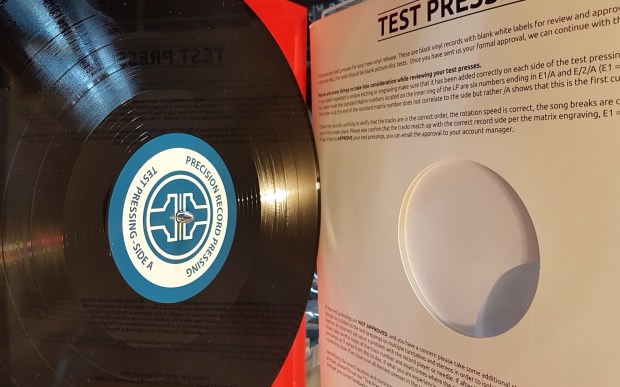
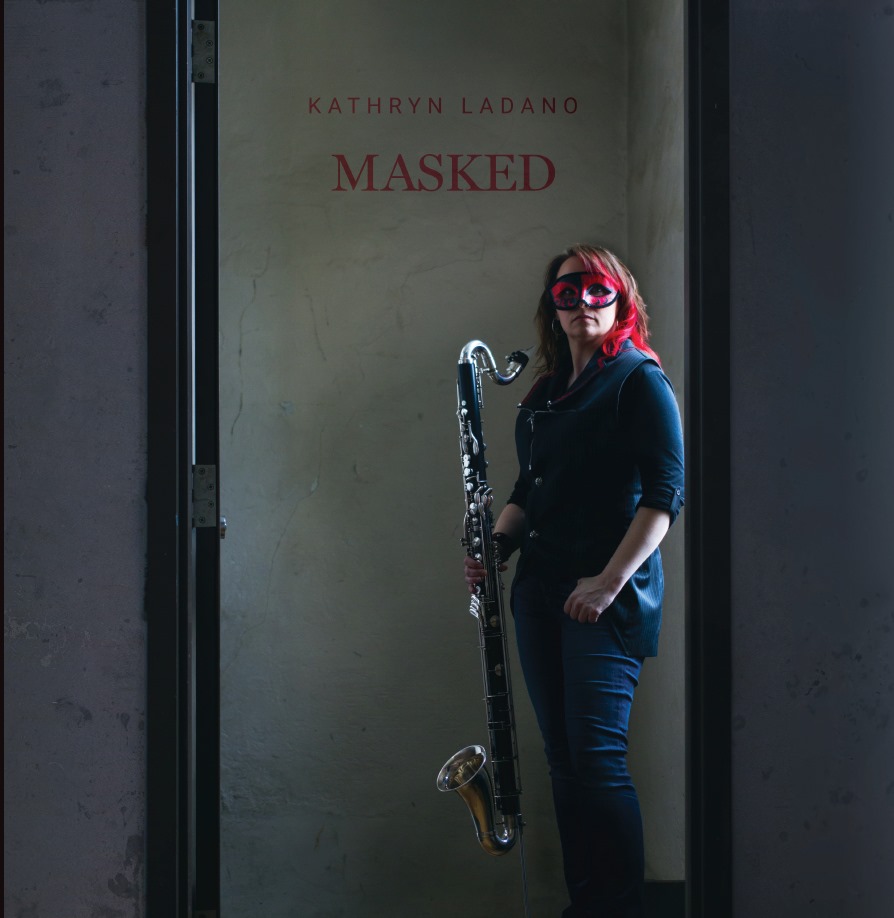
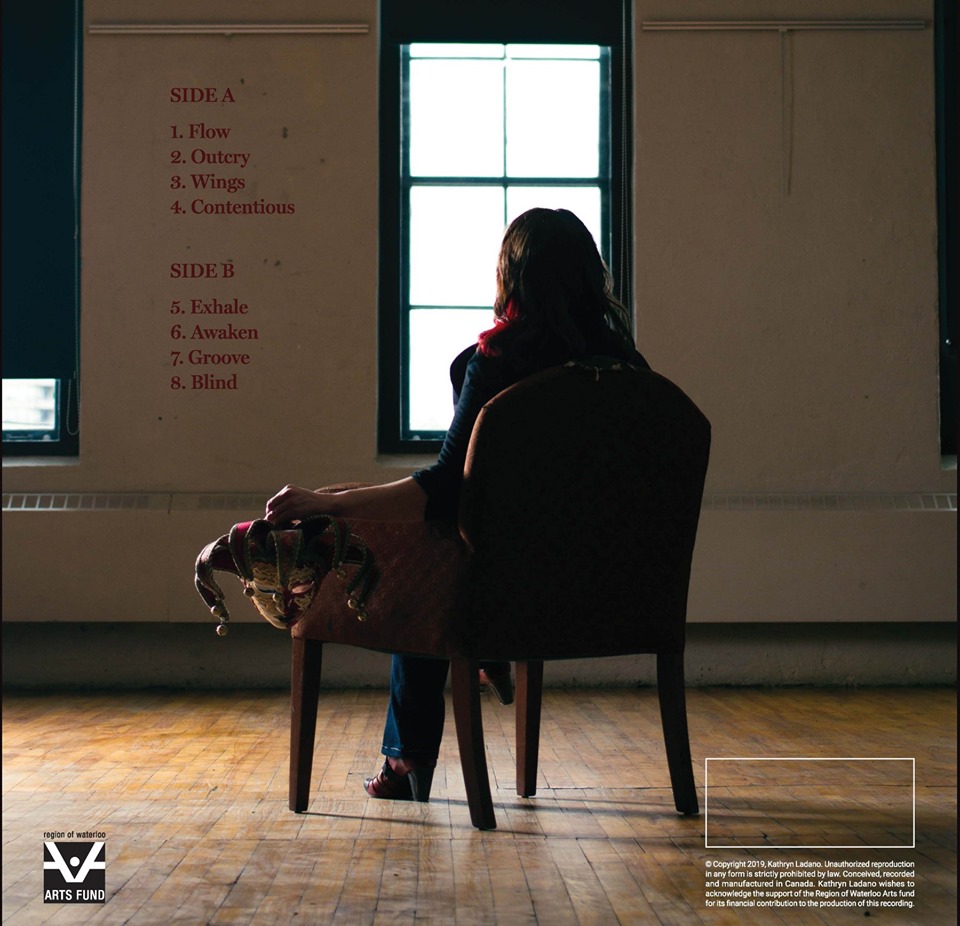
The new Dr. Kathryn Ladano album Masked will be out soon, and we just got our (very neat and clean) hands on a pristine test pressing of the vinyl LP. We don’t have the sleeve, liner notes or CD bonus tracks. However we can say, without any of the extras, that this is a remarkable sounding album.
You can hear Dr. Kathryn breathing, and you can hear the click of the key pads. The album is completely solo improvisations. What you hear is what was played in the moment, in the studio. The fact you can hear the keys and the breathing makes it a very physical sounding album.
Isotope records did an excellent job with the actual cutting of the vinyl. It will be interesting to hear a comparison with the eventual CD version (which will come with two more songs). The bass clarinet is a diverse instrument, and it’s possible you won’t even know you’re listening to a wind instrument at times. There are moments of dissonance that sound like an electric guitar. Others sound like a broken theremin, Jason Voorhees, or a dog growling! The second track is absolutely mental. Ladano also goes full “Van Halen” with speed and frenzy in certain passages. However it’s all executed with complete control and mastery of the instrument, and you can hear this.
The rich tones of the bass clarinet are evident in the more melodic material, which some listeners might find easier to digest. The rhythms you can create with the bass clarinet are also pretty riveting. Each track is different, which is good when you’re listening to instrumental music that is so far out in left field. This album goes from left to right and all over the place, but rarely hangs around the middle.
As a whole, Masked plays out like the soundtrack to a science fiction film. Something like THX-1138 or Blade Runner: 2049. The only difference is that this is entirely performed on one acoustic instrument. It sure sounds like many, though, because it’s hard to believe a woodwind can make this much noize.
4.5/5 stars
Here’s an interview with Dr. Kathryn by Ambush Schnauzer Paparazzi. She discusses the new album and artwork below.




















You must be logged in to post a comment.