REVIEW: Union – Union (1998, 1999 reissue with bonus track)

The third and final Kulick review from our Kulick week at mikeladano.com!

Tuesday: Blackjack – Blackjack (1979)
Wednesday: Blackjack – Worlds Apart (1980)
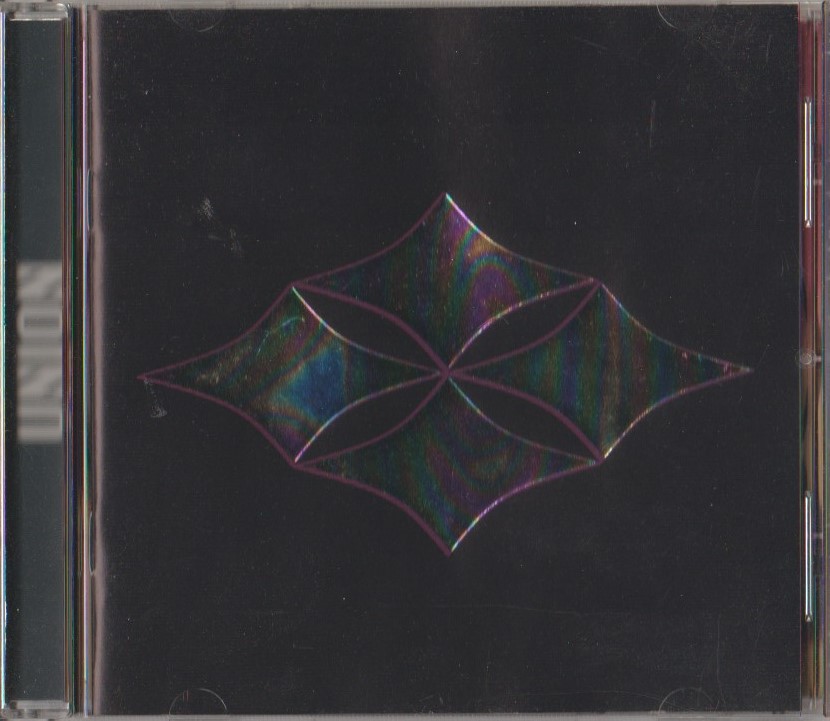
scan_20160928UNION – Union (1998, 1999 Spitfire reissue)

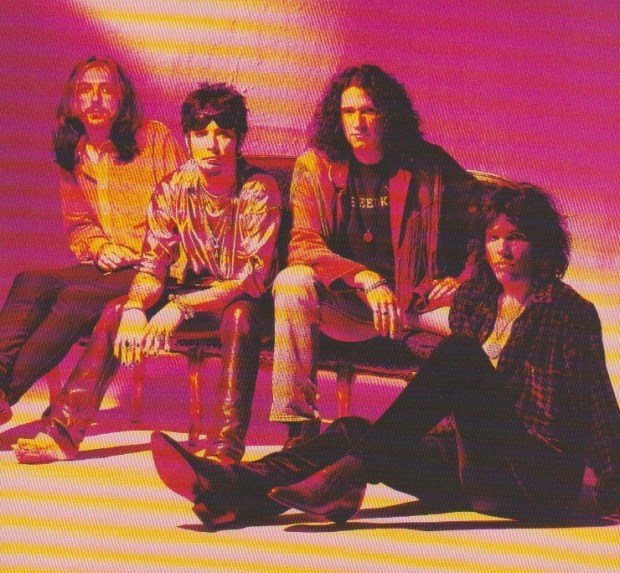
A mighty Union was formed from the ashes of two classic bands’ lesser-known lineups.  First up is Bruce Kulick, formerly of Kiss and now in Grand Funk.  Kulick had been taking an increasingly important role within Kiss, leading to the Carnival of Souls LP which Bruce was instrumental in writing and recording.  With him was John Corabi who had just been booted from Motley Crue after making (arguably) their best album (or one of).  Corabi was in a bit of a state.  His confidence in himself was shaken after the Motley experience, who seemed impossible to please when their album tanked.  John told Bruce that he didn’t want to sing anymore, he just wanted to play guitar.  Bruce’s response was “Dude, you’re fuckin’ high!”

And so it was that Bruce and John teamed up (with Brent Fitz and Jamie Hunting) in the aptly named Union.

You wouldn’t call Union a supergroup, but they did create a fine album.  It is in the mold of the last albums these guys made separately (Motley ’94 and Carnival).  Union turned out as an angry, dark rock record, very much a child of the 1990’s.  With Kulick on guitar, Union was more than a 90’s alt-grunge retread.  The 90’s are omnipresent in the droning riffs and staggered rhythms, but then Bruce dumped out his tackle box of guitar tricks.  Bruce evolved over the years from a guy who played really fast on 80’s Kiss albums to a serious player interested in pushing his own limits.  Where he used to be content to play flurries of notes, on Union he goes for maximum gut impact.  It’s less about playing the notes than bending them to his will.

It’s also quite clear how much writing Bruce and John did in their respective bands, judging by the sound of this.  “Around Again” bears groovy similarities to tracks like “Jungle” by Kiss and “Uncle Jack” by Motley.  There’s a pissed-off attitude, and musicianship that would make Nikki Sixx crap his pants.  Thankfully Union have a good batch of songs backing them.  Much like the previous Kiss and Crue records, Union is not instant love.  It takes about three good listens to penetrate its metal-grunge (with a touch of Beatles) hybrid sound.  Union usually seem to go for the guts rather than singalong melodies.

One of the exceptions to this rule is the pure fun “Love (I Don’t Need it Anymore)”.  This is the one that hooks you on the first round.  With a funky little riff and a chorus that sinks right in, it slays.  The ballad “October Morning Wind” is another catchy track, an acoustic number a-la Zeppelin.  Think of a track like “Loveshine” from the Motley album for the right ballpark.  Stealing a Zeppelin title, Union’s song “Tangerine” is a groove rock tune like a heavier Aerosmith.

On the other side of the spectrum:  psychedelic rock.  “Let It Flow” is a trippy song broken up into sections called “The Invitation”, “The Journey” and “The Celebration”.  I think John was smoking something green when he wrote the lyrics, but Bruce’s sitar-like guitar is the perfect complement.  “Empty Soul” has similar scope, being a pretty huge song with musical goodness coming out the wazoo.

Adding the Beatles cover “Oh Darlin'” to a reissued version of the album is a little greedy, but fortunately worth it.  As it turned out this band only made two studio albums, so more Union is good Union.  If you recall the original song, Paul McCartney gave it his best rasp screams.  Up to bat is John Corabi who can sing that way in his sleep.  It’s a perfect match and “Oh Darlin'” is a nice little extra on which to end an exceptional album.  The only issue I have with “Oh Darlin” is actually its placement as the last song.  Previously, the solo-written Corabi acoustic ballad “Robin’s Song” was the closer, much like “Driftaway” was on the Motley album.  You become accustomed to “Robin’s Song” as a closer, because it has that quality to it.  “Oh Darlin'” is not a closer.  It would have worked better earlier in the track list, so feel free to shuffle as you choose.

Whatever version you acquire, any fan of Kulick and/or Corabi would be foolhardy to live without this CD.  It ranks as one of the best albums by either.

4.5/5 stars

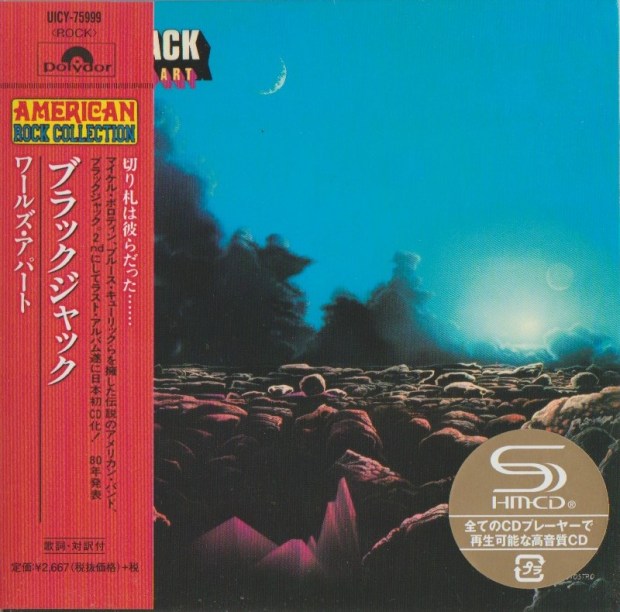
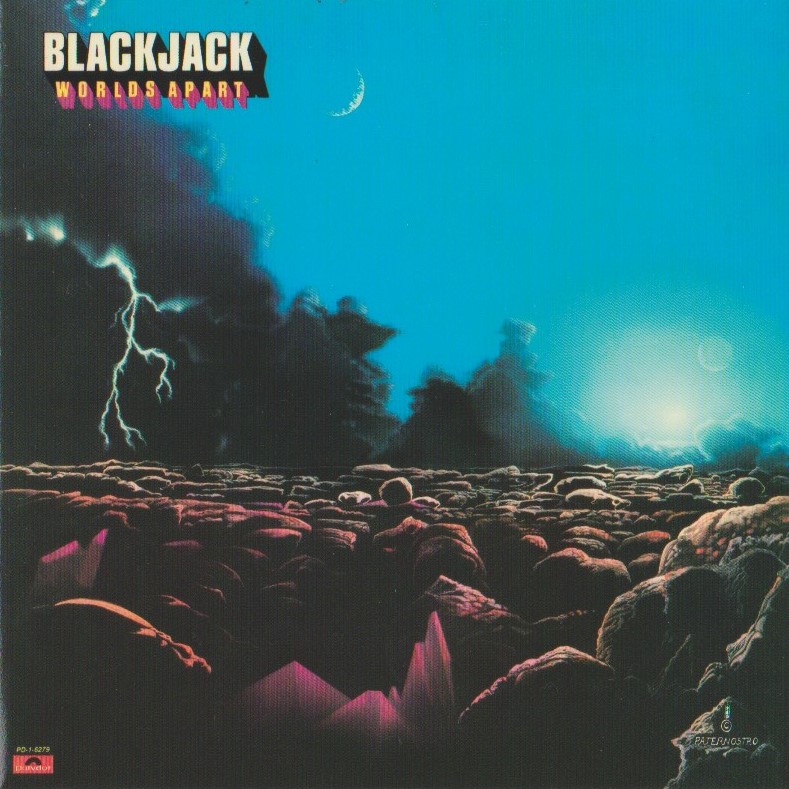
REVIEW: Blackjack – Worlds Apart (1980)

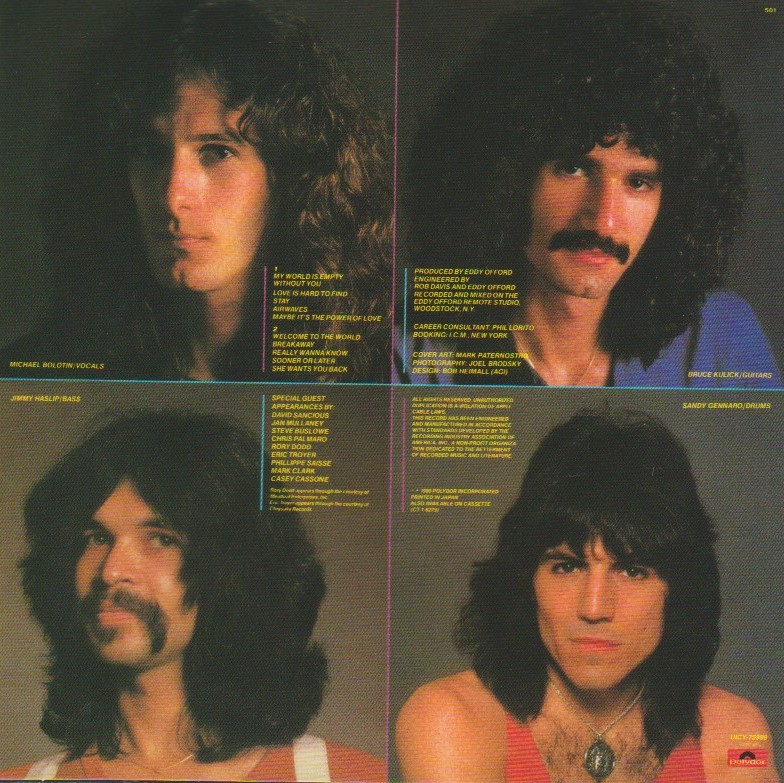
scan_20161003BLACKJACK – Worlds Apart (1980 Polydor, Universal Japan reissue)

Blackjack (Bruce Kulick, Jimmy Haslip, Sandy Gennero and some unknown guy named Michael Bolton) made a grand total of two albums before splitting.  Michael went on to a fairly successful solo career (two Grammy awards), and a few years later Bruce joined Kiss.  Neither guy is really sweating the fact that Blackjack had no impact.  The albums are long out of print, except in Japan.

Their second album, unfortunately, lacks the memorable hooks of the first one.  Starting off with a cover is rarely a good sign.  The Supremes’ “My World is Empty Without You” is as ham-fisted as you can imagine, with heavy handed bass forced into what is usually a fine soul song.  Bolton oversings.  It’s a misstep from the get-go, and it’s not a good sign that this is one of the better tracks on the album which is otherwise mostly written by Bolton and Kulick.

“Love is Hard to Find” works well as an early-80’s Bon Jovi blueprint.  The ballad “Stay” certainly sounds like Michael Bolton, or more accurately, it sounds like Michael covering an over-dramatic Rod Stewart ballad.  “Airwaves” passes as a rock song, but it certainly is a weak one even compared to similar bands from the era such as Journey.  Ironically what it needs is Michael to let loose with those pipes, the way he does on the ballads.  Even a title like “Maybe It’s the Power of Love” lacks the kind of vocal power you want (though Bruce does get a tasty little solo with a dual harmony part).

The hardest rocker of the album is the side two opener, “Welcome to the World”, which bizarrely opens with an actual recorded baby birth.  That aside, it’s a pretty solid rocker with more of those Kulick harmony licks.  Strangely, Kulick had nothing to do with its writing.  This works into the very 80’s sounding “Breakaway” with its programmed keyboards and soft-rockisms, and among the worst tracks on the album.  “Really Wanna Know” is almost as bad, so cheesy you can smell it coming by the opening synths.  “Sooner or Later” works better, again perhaps a precursor to early Bon Jovi.  Good track, and Michael lets the voice rip like you want to hear it.  And then the album craps its own pants with the closer, “She Wants You Back”, lighter than light rock.  There’s a lick that borrows from Steve Miller’s “Swingtown”, but the Miller song is better.

The second Blackjack album has no surprises, no progression and little impact  Even though the second LP is a soundalike to the first, it’s weak.  And so they split.  Bruce Kulick’s brief foray into “moustache rock” ended and he was on to other things.  Blackjack and Worlds Apart are interesting mostly to Kiss fans and collectors.  As for Bolton fans, I know he still has many, but I think only these two fellas would buy Worlds Apart (they celebrate the guy’s entire catalogue).

2/5 stars

scan_20161003-2

REVIEW: Blackjack – Blackjack (1979)

It’s Bruce Kulick week here at mikeladano.com! Check in for some cool releases featuring the extremely talented former KISS guitarist.

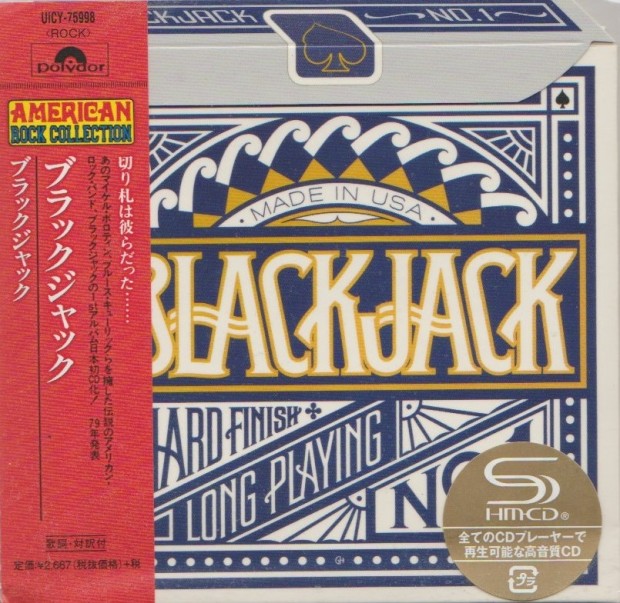
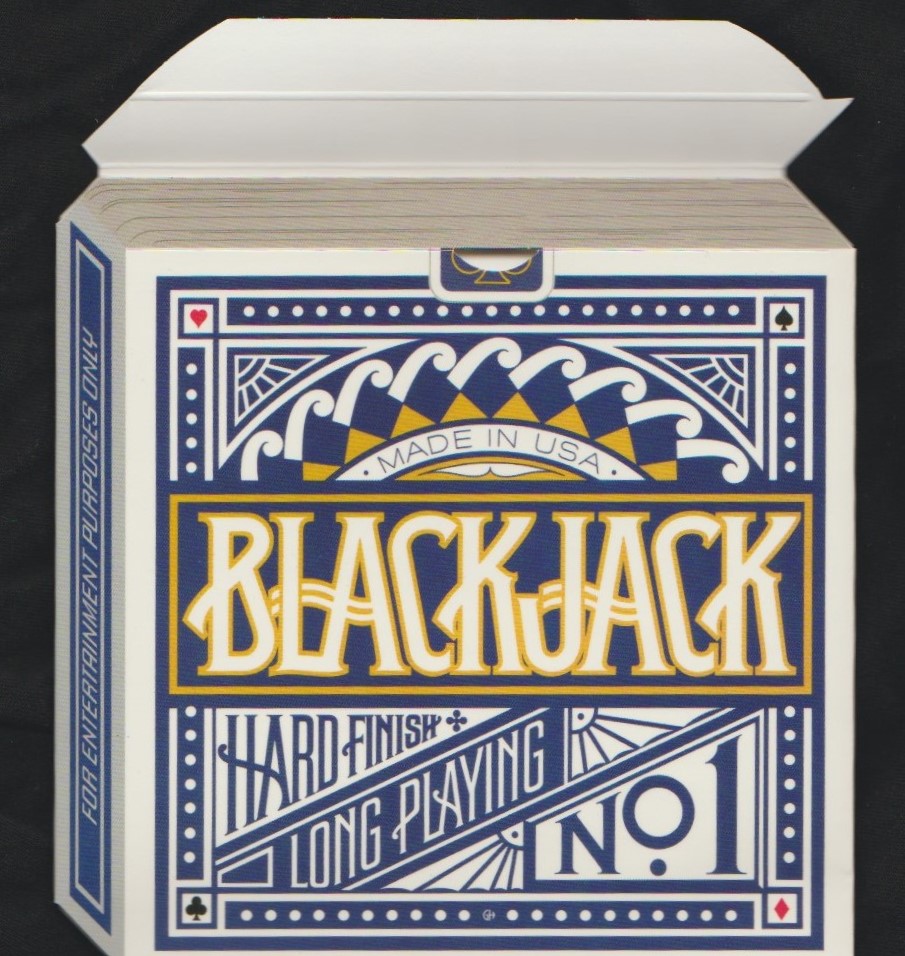
scan_20161002BLACKJACK – Blackjack (1979 Polydor, Universal Japan reissue)

The Kiss family tree is a fascinating tangle of disparate roots and branches.  One of the most intriguing branches is that of Bruce Kulick (Kiss guitarist 1984-1996) who has played with a number of fantastic artists over the years.  After completing a tour with Meat Loaf, Bruce was invited to form a new band with a hot young rock singer out of New Haven, Connecticut. This singer was a powerhouse with a Seger-like rasp, mixing soul and rock in equal measure, and able to write songs too. In fact today, this singer has sold 75 million albums with his name on them. Or at least the shortened version of his name. Back in 1979, his last name was spelled “Bolotin”. Today, he’s known as Michael Bolton.

Today, Bolton is probably best known for covers (“When a Man Loves a Woman”), but in 1979 he co-wrote every song on Blackjack’s debut. Both Kulick brothers (Bruce and Bob) have credits on a number of songs. And shockingly, they are generally pretty good! Fair warning though, this isn’t hard rock or heavy metal. Look at Bruce’s moustache. This is 1979 moustache music. It actually sounds bang-on in tune with the 1978 Kiss solo albums.

Bolton’s blue-eyed soul had a remarkable youthful energy. Check out the powerhouse chorus on the lead track “Love Me Tonight”. It’s hard to recognize the chops of Kulick, who was just beginning his evolution. The focus is undoubtedly on the singer, who impresses on every song. Second in line is “Heart of Stone”, a dusky soul-funk-rock number with some unbelievable singing. Unfortunately the ballads are less interesting then the rockers. “The Night has Me Calling for You” lacks the focus of the prior two songs. Following it with “Southern Ballad” makes it seem like we’re listening to a Peter Criss solo album at times. The side resumes to rocking with “Fallin'”, a great little tune that again sounds like it could have fit on one of the Kiss solo albums.


They even made a music video!

Although this is a remastered Japanese HM-CD, the second side of the original LP would have commenced on “Without Your Love”, a catchy and hit-worthy rock song a-la Journey (the members of whom helped out Bolton on his hit 1987 album The Hunger). Although “Countin’ On You” counts as a ballad, it’s better than the two on side one. It bears a strong chorus with urgency, and some cool finger picking by Bruce. The chorus of “I’m Aware of Your Love” is awkward but also catchy. I mean, who says “I’m aware of your love”? Is that a thing people say? If it works for you, sing along with Michael!

For soul ballads, “For You” is quite good, and Kulick complements it well. Finally the album ends with energy courtesy of “Heart of Mine” another strong soul-rocker with some powerful Bolton pipes. This is good stuff, horribly dated but if you like the cheesier side of late 70’s rock, then dig in. Who knew that Michael Bolton could rock? Kiss fans, that’s who. Because of Kulick, fans have been aware for years that Michael Bolton did rock at one time. Now with both Blackjack albums re-released in Japan on super high quality CDs with LP style packaging, you can get in on the fun too.

3.5/5 stars
Gallery: HELIX guitar picks

These.  Are.  COOL.

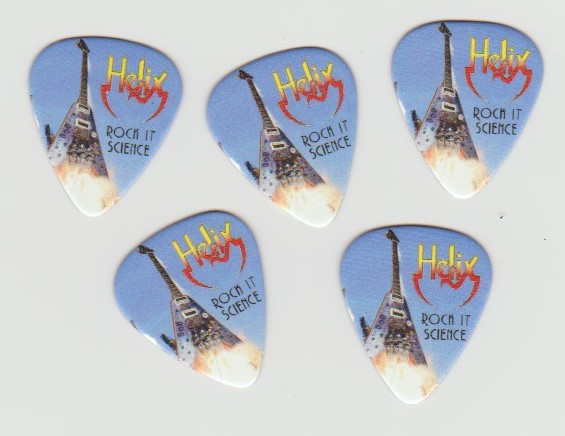
To promote their new album Rock It Science, Helix released this set of five custom guitar picks.  It is available at their site for only $10, and they feature the excellent album art (by Brent Doerner) on the front.  On the back, each pick has a photo of a band member:  Brian Vollmer, Daryl Gray, Greg “Fritz” Hinz, Kaleb “Duckman” Duck and Chris Julke.

Guitar picks are great to collect and here at LeBrain HQ, we can always appreciate a cool set of custom plectrums.  They’re fun, they don’t take up a lot of space (I’ll be storing mine inside the CD case) and they just look cool.  Feast your eyes upon these beauties and if you decide to go for a set, don’t forget to order the Rock It Science CD to go with ’em!

MOVIE REVIEW: Mad Tiger (2016)

“When you create something, it doesn’t matter if it’s art or music…there is always suffering attached to the creative process.” — Peelander Purple (Akiteru Ito)

mad-tigerMAD TIGER (2015 Film Movement)

Directed by Jonathan Yi and Michael Haertlein

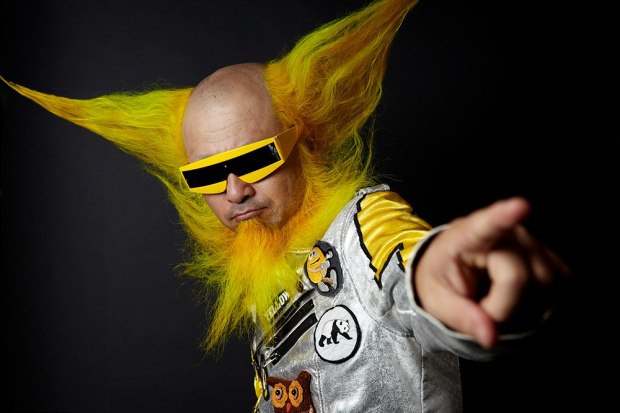
Peelander-Z is a Japanese-born punk band, via New York City, sort of a cross between Gwar and Japanese science fiction.  In their own words, they are a “Japanese Action Comic Punk band hailing from the Z area of Planet Peelander”.  They have been releasing music to a cult following since 1999.  Their hits include “Mad Tiger” and “Ninja High School”.  Music is only 10% of what they do, with elaborate stage shows, stories, monsters and characters to go with it.  Like many Japanese super-teams, they are all completely colour coordinated.  Their founding leader is Kengo Hioki, or Peelander Yellow.  His partly-shaved head is always dyed yellow, and his costumes match.  According to his wife Peelander Pink (keyboards), Kengo first had to learn how to play guitar standing up in order to form a real punk band.

Their music is meant to be fun, to bring happiness.  The music itself is not serious, but Yellow takes his band very seriously.  When original drummer Peelander Blue left the band in 2008, he was replaced by Peelander Green who helped bring the music to a more professional level.  Bassist Peelander Red (Kotaro Tsukada) was the lynchpin, being the member who was the most physical on stage and able to do the stunts that Yellow could not.  A new stunt involved him riding a unicycle in a squid suit and crashing into the stage.  He’d often be the member who was climbing on top of things, and hanging from the ceiling by his legs.  Other gags include human bowling a-la Jackass, and chair fights like WWE wrestling.  Red’s physicality was essential to this.

The atmosphere around Peelander-Z is bubbly and celebratory, but inside, there is tension.  Red has decided to leave the band and open a bar in New York.  A final show for Red is a big deal, an emotional event for the members — each one changed colours to red for this special show.  For Yellow, it means not only losing a close friend, but having to create a new character for a new member to play.  Another friend, Akiteru “Eatman” Ito, is flown in from Japan to play bass.  His musical style is different from Red’s, and different from what Yellow is used to.  He becomes Peelander Purple, a rhino-headed bass behemoth, and they prepare for their first show together.

While this movie is ostensibly about a unique punk band with a 15 year history, it is more so a look at Kengo Hioki, a born entertainer who was facing a crossroads in his life with the departure of Red.  We get to visit his family in Japan, his devoutly Christian father and his siblings.  We get a sense of what friendship and commitment means to Kengo, especially in regards to the tensions between his partners in Peelander Z.  Watching the band seemingly fall apart while he was working hard to build  it back up is poignant. Filmmakers Jonathan Yi and Michael Haertlein chose to leave in raw, emotional footage that Kengo wanted to sum up in animated form.

The songs are silly and fun, but the passion is genuine.  Check out Mad Tiger.

4.5/5 star-z

#522: Smells Like Tim McGraw

GETTING MORE TALE #522: Smells Like Tim McGraw

Music fans can buy just about anything with their favourite band’s name on it.  While Elvis merchandise and the onslaught of Beatlemania stuff makes for fun collectibles, Kiss really blasted things into overdrive, for better or for worse.  Growing up in the late 70s and early 80s, we were inundated with Kiss.  Neighbors on our street had Kiss cards, the Kiss remote control van,  Kiss comics, Kiss posters, books about Kiss and more.  You could buy Kiss dolls.  Kiss Your Face makeup.  Everything!  At the time Kiss were heavily criticized for their merchandising.  Paul and Gene defended it by saying, ‘if our fans want to buy a Kiss hat, then why shouldn’t they be able to buy one?’  Turns out their fans wanted to buy a lot more including cars and coffins!

Now the merchandise door is wide open.  Everybody has dolls; my sister had some wretched New Kids on the Block dolls.  I have a friend who owns the Spice Girls.  I myself own Johnny Cash, Alice Cooper and Ozzy Osbourne.  Today, music celebrities have their own alcohol, such as Motley Brue or The Trooper beer.  Rock stars even have their own hot sauces.  I was a proud owner of Joe Perry’s Boneyard Brew.  (I’ve never been able to find Michael Anthony’s Mad Anthony sauce.)  I often like to picture Joe Perry hard at work over a boiling pot, mixing specially selected peppers and spices until he finally came up with his own Boneyard Brew.  It’s not impossible, although it is unlikely.
What is very highly unlikely is that Justin Bieber studied perfume chemistry to come up with his own scent, “Girlfriend”.

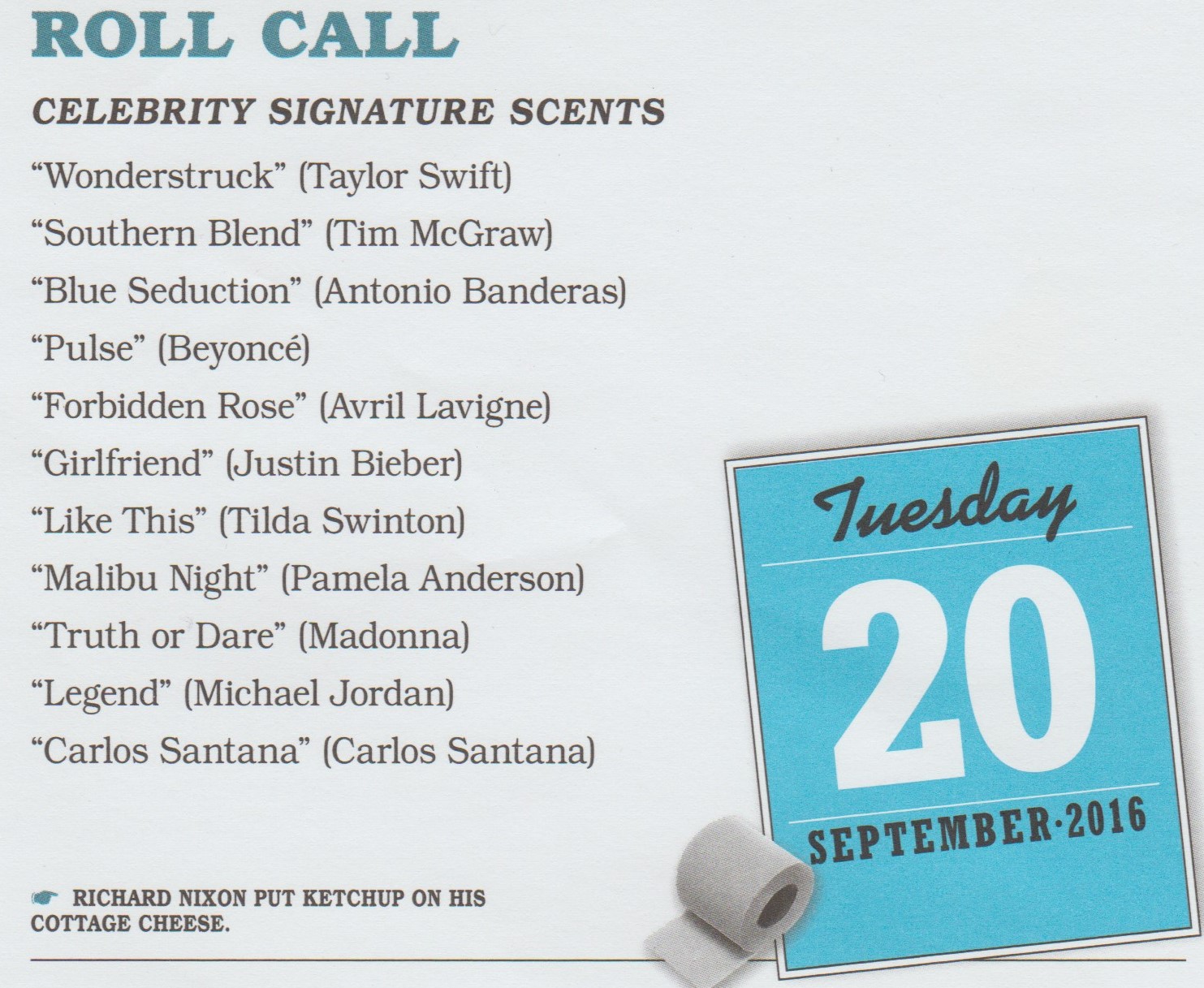
It seems perfumes and colognes are the latest hot trend in celebrity endorsements.    We are not so naive to think that the stars have anything to all to do with their own perfumes, but look at the list below.  (Courtesy once again of Uncle John’s calendar.)  Taylor Swift and Beyoncé don’t surprise me, but I didn’t know Tim McGraw had his own scent (“Southern Blend”).  Check out some of the interesting names below.

scan_20160922

Who knew Carlos Santana had a scent called “Carlos Santana”?  I wonder who came up with that clever name?  (Whoever they are, they probably make more money than us.) Even Kiss have a cologne, called “KISS Him for Men”. Kiss sell aftershaves and deodorants too. But we can’t blame Kiss for this trend, can we?  This one is on the shoulders of Hollywood.

The first celebrity scent was “Sophia” by Sophia Lauren, in 1981. The Italian film icon’s perfume was released by Coty who work with just about every major celebrity today. That’s not the interesting part. What is interesting is that we might be able to blame Gene Simmons just a little bit for the first music celebrity scent. After all, it was his ex-girlfriend Cher who was the first music star to enter the perfume world. Her scent “Uninhibited” was the first for a music performer. Did her ex-boyfriend’s merchandising ways have anything to do with this? The truth is, probably not — but it’s fun to blame Gene anyway.

With the reigning queens of pop like Katy (“Killer Queen” and “Purr”) and Gaga (“Fame for Women”), not to mention the boy-throbs like One Direction (“Our Moment for Women”), it is likely that music perfumes and colognes will remain big business for years to come.

#521: DVD Recorders


GETTING MORE TALE #521: DVD Recorders
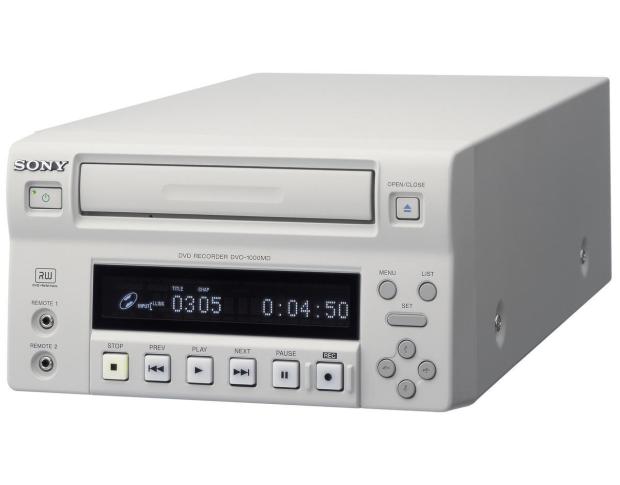
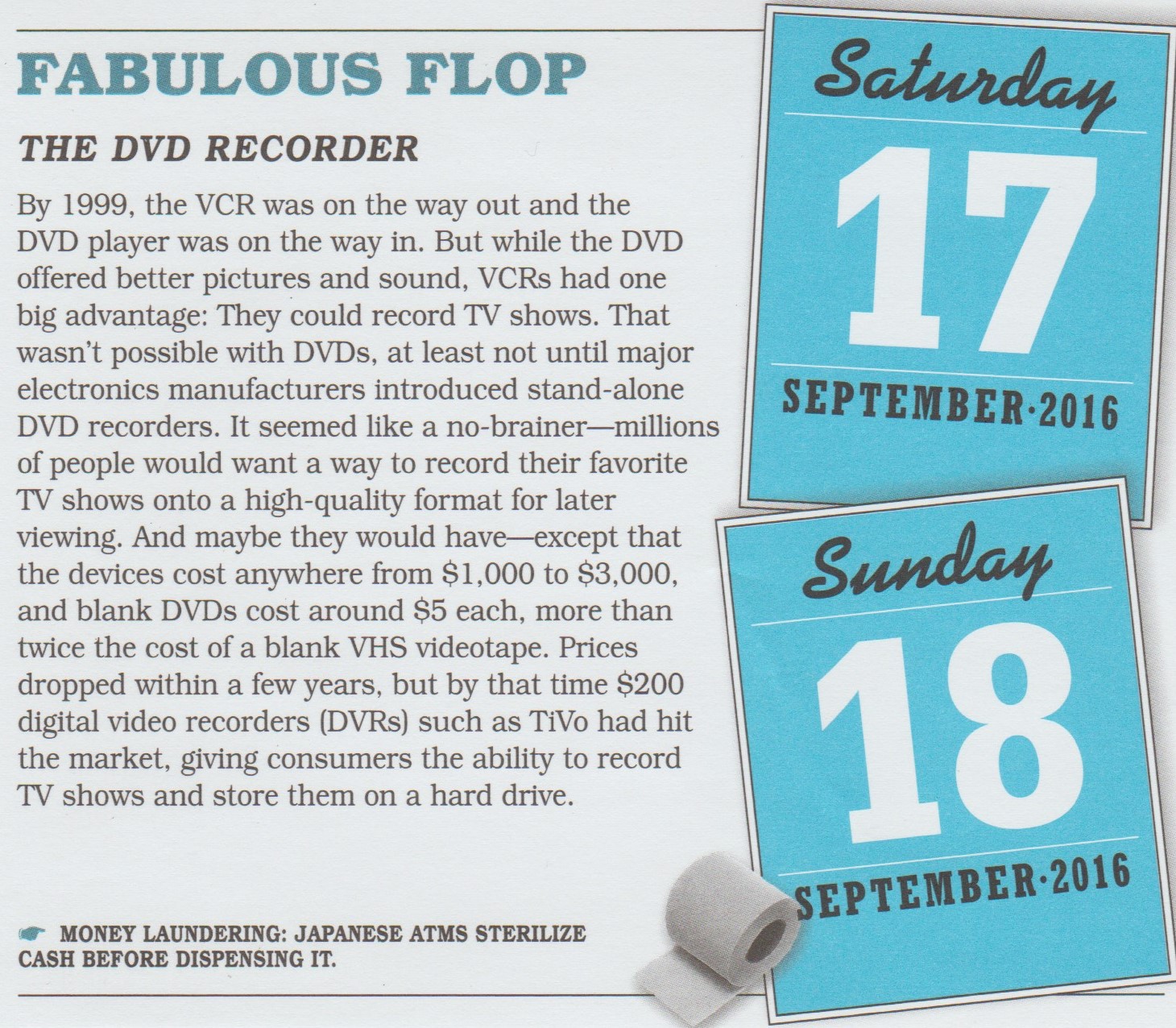
Obsolete and outdated technology can be fascinating to look at. For a long while, it looked like everything was going to go DVD.  Even music.  There was talk of box sets by bands such as Led Zeppelin or the Beatles that could fit the entire catalogue on one disc.  The Digital Versatile Disc all but completely took over from the VHS tape for viewing, so why not for simple household TV recording too? Enter the DVD recorder. This was not the same as a DVD burner for your computer.  It was a standalone unit for your home entertainment system, connected to your cable box and ready to go.  As you can guess, it failed gloriously. Why? Uncle John’s daily calendar tells us it came down to cost:

scan_20160920-2

While it is considered obsolete now, the DVD recorder had one slight advantage over the typical PVR that you can rent today from Rogers Cable. That is keeping a recording permanently. I’ll give you a great example.

In 1994, my future father-in-law won tickets to go see the Toronto Maple Leafs during the playoffs facing off against the Sharks in San Jose. My future wife came with him, bearing a sign that said “DOUGIE G. FOR PRIME MINISTER”. This is of course a reference to legendary Toronto Maple Leaf center Doug Gilmour. Then my wife saw the unmistakable Canadian hockey broadcaster Don “Grapes” Cherry in the lobby, with his colourful suit and camera crew.  She shouted out “GRAPES!”  Nobody else in California would have known him as “Grapes” so he knew it was a fellow Canuck.  He saw the Dougie G. sign — his favourite player from Kingston, Ontario.  He asked her to come on down. That’s how my wife got on Hockey Night in Canada back in 1994. We have a copy of this on video tape, but when the game was re-run a couple years ago, we recorded it including the part with my wife on our Rogers PVR.

It was nice to have it digitally but we always knew we’d lose it if the PVR busted. There’s no way to retrieve a recording from it, according to Rogers. So when it finally kicked the bucket, we lost the hockey recording. No matter; we’ll just wait for the next re-run.

If we only had an old-fashioned DVD recorder, however, we’d have a hard copy that we could have kept safe and sound forever!


#520: Musical Firsts

GETTING MORE TALE #520: Musical Firsts

What are your “musical firsts”?  Here are mine!  Let’s start with concerts.

  • First concert: Johnny Cash (1983)
  • First highschool concert:  Free Fare (1986)
  • First rock concert:  Helix (1987)

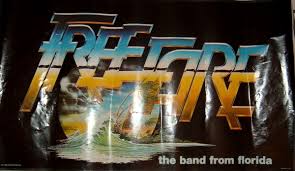
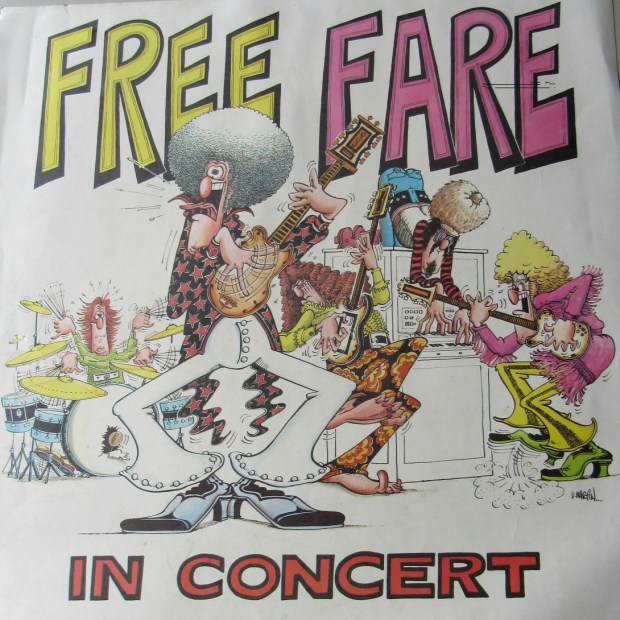
Who remembers Free Fare?  They billed themselves as “the band from Florida” (there was only one?) and toured highschools all over the US and Canada.  They played Grand River Collegiate in my grade nine year, performing popular covers and giving away Free Fare bandanas.

FREE FARE


How about your first musical instruments?

  • First instrument played – bass guitar
  • First instrument bought – electric guitar
  • First instrument smashed – the same electric guitar, smashed by my sister


Finally I’m sure you all remember your first albums.  Here are mine:


Leave a comment with some of your memorable musical firsts!

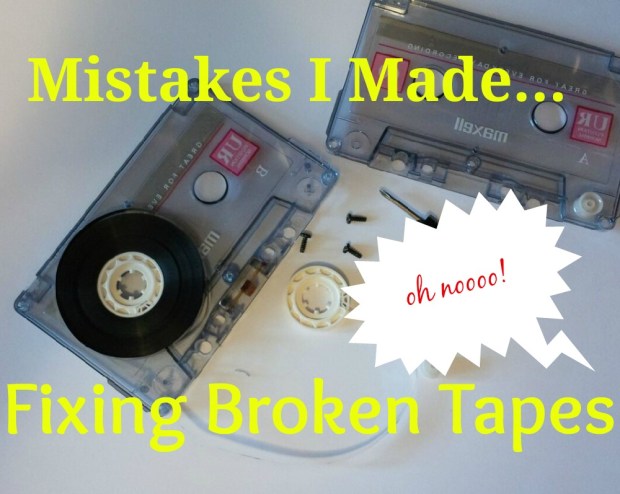
#519: Mistakes I Made Fixing Broken Tapes

GETTING MORE TALE #519: Mistakes I Made Fixing Broken Tapes

I used to play cassette tapes almost exclusively. Even when I had started growing a CD collection, my cassettes dominated. Why? They were portable. I could record a CD or LP on them, put them in my Walkman, or play them in the car. I didn’t have a good way of doing that with CDs. Plus, you could record a CD to a good quality blank tape, and make a better copy than if you bought it on a pre-recorded manufactured release.

But tapes break. They wear. They get old. There were ways of fixing them, which I sometimes screwed up gloriously. What mistakes did I make?

MISTAKE #1: Dirty hands

You shouldn’t even try to fix a tape with dirty hands. Any time I opened one up to splice or carefully wind the tape on the spools, I was touching them with my unclean, ungloved hands. This deposited dirt and oil on the tape, deteriorating the sound and then transferring that dirt and oil to my tape heads.

MISTAKE #2: Magnetized screwdriver

Here’s another no-brainer that I missed. I had a cool little screwdriver that was magnetized. It was hard to lose those little screws with one of those, since they stuck to the screwdriver. Brilliant way to keep all those little screws from disappearing, but not good for tapes!

I wondered why a lot of my tapes had drop-outs in the sound. Many could have been caused by my favourite screwdriver while trying to fix them. This is common sense but I didn’t think my little screwdriver could possibly do any harm!

MISTAKE #3: Incorrect reassembly

Putting the tape back together is sometimes harder than it looks. Small parts pop out and sometimes it’s tricky to get them back in correctly. The slip sheet – a little piece of plastic inside the tape shell – helps reduce friction and squeal, but only if you put it back in with the slippery side facing the tape spool. When hastily reassembling tapes, I sometimes put the sheet in the wrong way causing slowdowns and noise.

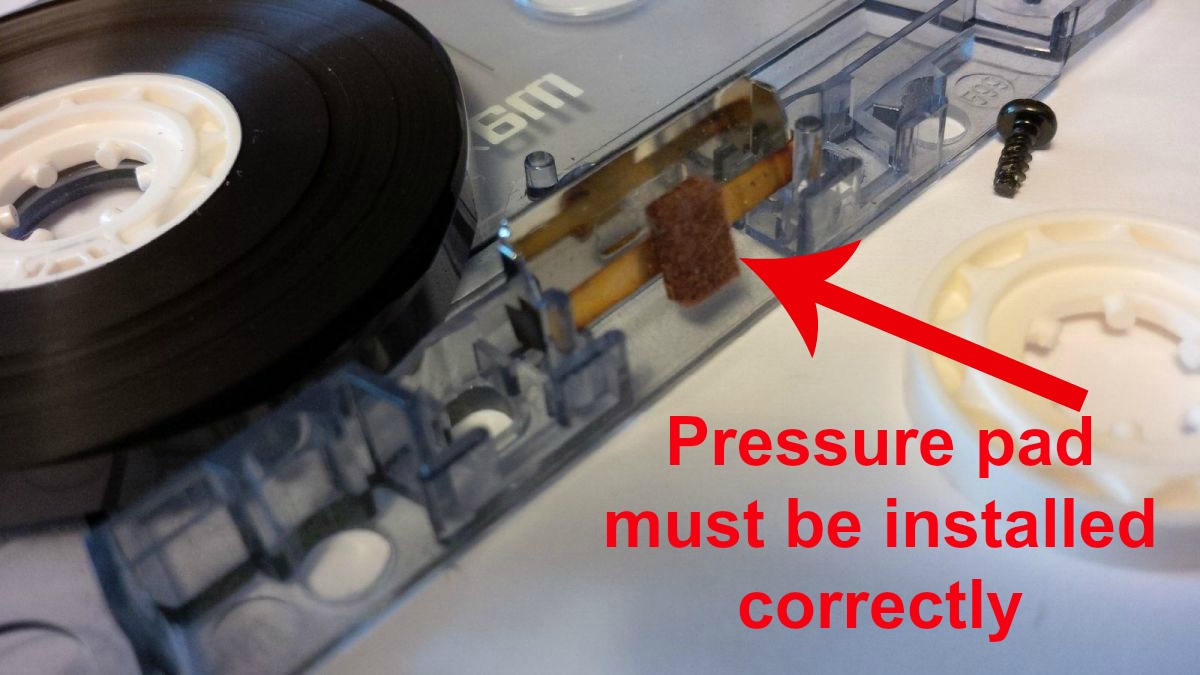
Another critical part is the pressure pad. This applies light pressure on the tape to keep it against the player’s tape head. These pieces were tiny and sometimes popped out of place. There were some tapes I put back together with this piece improperly inserted. The lack of pressure on the tape reduced the sound quality greatly.

push-pad

MISTAKE #4: Splicing with Scotch tape

I spliced successfully with Scotch tape…but only in the short term. As the Scotch tape ages, the stickiness reduces and becomes slimy. This means in time and with a few plays, a careful splice would break. You don’t want to get any of that stinky gunk in your tape deck, so use proper splicing tape. They used to sell it commonly at places like Radio Shack, but I came from a cheap family that used whatever was available. Hence my tapes were spliced with Scotch.

MISTAKE #5: Butter fingers

It’s tricky getting all the tape wound around the right spools and ready to screw back together. Sometimes – quite often actually – I would struggle with this and inevitably crunch the tape between parts of the shell. Once you crunch or crease the magnetic tape, you’re going to hear an audio problem.

I didn’t wreck every tape that I tried to fix, but I did make these mistakes periodically. No wonder my tapes sounded like crap.

#518: Read-Along Adventures

Welcome to another week-long series at mikeladano.com! We’re doing another week of Getting More Getting More Tale: five brand new instalments from the Getting More Tale series. Hope you enjoy these blasts from the past.

GETTING MORE TALE #518: Read-Along Adventures

When I was a child in the late 1970’s, the average household did not have a VCR.  There was no such thing as video rentals.  Most homes had a record player, but as the 70’s turned into the 80’s, the VHS and Betamax formats battled it out for home domination.  In the Ladano home, we rented a VCR and movies until 1984, when my dad finally bought our first VHS recorder.  It was hi-tech and lasted many years.  All but impossible to program recordings on, but you could do it.  In the meantime, there was a family stereo system, and I also had a heavy duty kid’s mono turntable put out by Fisher-Price.  It was built like a tank and folded up into a case.

Until the VCR became a household staple, kids only had two ways of enjoying a favourite movie:  Going to see it in the theatre, or wait until it was on TV.  Certain movies would return to theatres periodically, such as old Disney classics.  Other movies, such as The Wizard of Oz, were a big family event when they were on TV.  Popcorn and treats!  Yes, the movie would be chopped up with commercials and often edited down*, but we didn’t know any different.  To this day, with certain movies, I can remember where the commercial breaks used to go.**

Yet there was a way to let youngsters enjoy their favourites at home, after a fashion.  Story records had always been around, but when Buena Vista released 7″ story records with a book that kids could follow, they tapped into a void and struck gold.  Star Wars became an obvious winner.   We had the story of Star Wars on a 7″, and we would read along and enjoy the vibrant pictures from the film.  Another I enjoyed was Disney’s The Black Hole.  A narrator would read along with you, and when you heard R2-D2 beep, it was time to turn the page!  These records played at 33 1/3 rpm, to facilitate a longer running time.  There were music cues and sound effects to go with the story, and I’m sure our parents would tell you these records kept us occupied!  Sometimes, original actors even did the voices.  I distinctly remember having the story of E.T., narrated by Drew Barrymore who was also on the cover.  As time went on, these releases began to come out on cassette.  Fisher-Price was there with another heavy duty product, a tape recorder that I used for years to play and record just about everything.  By the time the story of Return of the Jedi came out in 1983, I was on to cassettes.  Thankfully they continued to make story records for kids in my now-older age bracket.

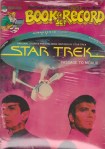
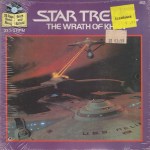
The 80’s wore on and cassettes replaced records all but completely.  Between Star Wars and Jedi, we had graduated to things a little more challenging, such as the full-length movie soundtracks by John Williams.  Without the cheesy narration, we were free to create our own adventures to the classic music.  The old story records got tucked away…but they can still be found.  Last Christmas, my buddy Rob Daniels from Visions in Sound received some old classic Star Trek read-along records.  I have some too, also Christmas gifts, from my sister.  She found four sealed Star Trek story records on 7″ vinyl and had to get them for me.  They include the stories for The Motion Picture, The Wrath of Khan, and two original stories on a different label called Peter Pan records.

I’ve never opened these records, but I know inside I would find some glorious full colour pictures of space-scapes from the big screen, along with a pristine 7″ record.  It’s tempting but they’ve been sealed this long, it would a shame to open them now.


*Not Superman: The Movie!  It had some really cool deleted scenes added to the TV version, to stretch it over two nights!

**I can also hear, clearly in my head, the terrible TV dubbing done for Jackie Gleason’s character in Smokey and the Bandit.  It was not Gleason, and it was obvious every time.  Unintentionally funny!