Dedicated to my dear friend Uncle Meat. This CD was purchased off Joe “Big Nose” at the Waterloo branch of the Record Store at which I used to work.
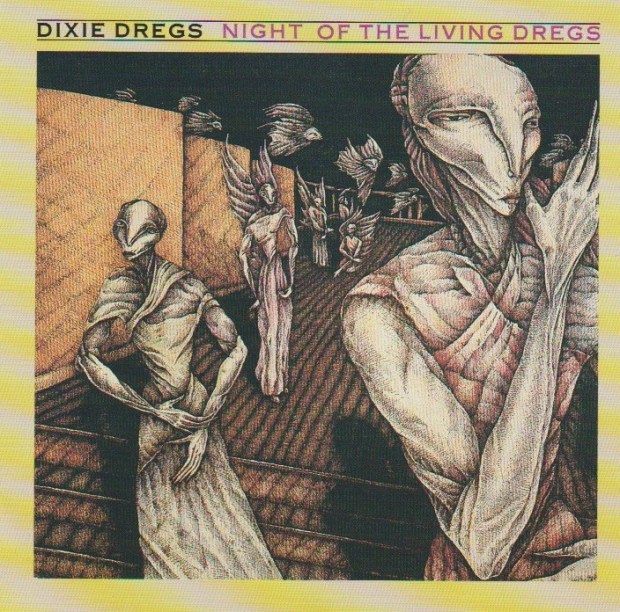
DIXIE DREGS – Night of the Living Dregs (1979 Polydor)
If they could bottle genius, distill it down to its essence, sell it and serve it at a party…then the Dixie Dregs are the music that should be played at that party.
The Dregs are undefinable. Just when you think you have them nailed down to a progressive jazz-rock hybrid, they go classical on you, or full-bluegrass mode. Their instrumental chops are incomparable, while still managing to deliver such basic song pleasures such as “melody”, “hooks” and “grooves”. These melodies are usually delivered at the hands of Steve Morse (guitar) or Allen Sloan (violin). Listeners familiar with with the guitar stylings of Morse will have an idea of the kind of songs and arrangements he writes: challenging, but rewarding.
Night of the Living Dregs is half studio, half live. The first side, from the cleverly-titled “Punk Sandwich” to the ballad “Long Slow Distance” are carefully crafted studio recordings, each different from the last. While each track is unique and showcases different sides of the band, it is “Long Slow Distance” that really shines. This soft work captures so much of what Morse does well. There are jazzy licks embedded within melodies, and so many different textures of guitar.
The live side is recorded nice and clean without a lot of crowd noise. “Night of the Living Dregs” is an upbeat little number, featuring some absolutely jaw-dropping melodic bass playing from Andy West. This is also where drummer extraordinaire Rod Morgenstein comes up to the plate. His playing is so multifaceted and you can hear it on this track. The most fun can be found on “The Bash”, a full-on bluegrass ho-down, chicken-pickin’ full steam ahead. Any jaws left on the floor are hopefully picked up so they don’t miss “Leprechaun Promenade”. There are celtic flavours thanks to the violin, and the song is comparable to Jethro Tull. Then suddenly it turns into Frankenstein’s monster with some eerie keyboards (Mark Parrish). This is complex stuff, not for the timid!
The whole experience ends on “Patchwork”, which works as a description of the album at large. It is a patchwork of style and feels, which create the whole. The Dixie Dregs are a challenging listen, but ultimately rewarding. There is plenty of joy in the grooves. The band does not play anything simple or easy. Everything is a little bit of smarty-pants music, but for the listening, this is a delight.
Very few box sets satisfy the way that Journey’s Time3 satisfies. When it was released in 1992, Journey wasn’t even a functioning entity anymore. Sony’s box set still represents the kind of care and attention to detail that makes for an extraordinary listen. It is arranged (mostly) chronologically with ample rare and unreleased material. What is most remarkable is how great this rare and unreleased material is. Aerosmith did a similar looking box set in 1992 as well (Pandora’s Box), but their set isn’t as steady a listen as Time3 is. Time3‘s ample wealth of worthwhile rarities rank it easily as the superior set.
From start to bitter 80’s breakup, every Journey member from 1975 to 1986 is included. George Tickner, Aynsley Dunbar, Robert Fleischman, Randy Jackson, Mike Baird and anybody else you may not have known were in Journey are represented in this box. There are ample liner notes and photos explaining the roots and branches. (Humorously the notes claim the early Journey instrumental “Nickel & Dime” may have been the prototype that Rush ripped off for “Tom Sawyer”.) Valuable early rarities include the unreleased jazz rock number “Cookie Duster” and an excellent vocal track called “For You” recorded with Robert Fleischman singing. Fleischman might be best known as the original singer for Vinnie Vincent’s Invasion a decade later, but in Journey he turned in a pretty powerful pop rock song. This was just before Steve Perry joined the band as its first full-time lead singer. Keyboardist Gregg Rolie took care of the vocals before Perry joined, in addition to performing several smoking organ solos included herein.
There is a distinct change between the early progressive jam rock tracks and “For You”. When they hired on a lead singer, it was with the intention to get a big break, and Steve Perry was the final ingredient. With Perry they recorded brilliant classics such as “Patiently”, “Anytime” and the unforgettable “Wheel in the Sky”, which unfortunately is only included here as a live version. Indeed, the Journey box set’s only weakness is a substitution of (non-rare) live versions for studio originals. “Lights” is another such substitution.
Just as the band were making this prog-to-pop transition, drummer Aynsley Dunbar left. His style was more progressive and frankly too highbrow for the direction Journey were going. He was replaced by another total pro, the feel-oriented Steve Smith, a jazzbo at heart who can play R&B like nobody’s business. “Too Late” from 1979’s Evolution is a perfect example of what he did to the Journey sound, as things simplified.
With Smith behind the kit, the hits kept pouring in. “Lovin’ Touchin’ Squeezin'” (also included live), “Any Way You Want It”, “Line of Fire” and many more burned up speakers across America. The band very quickly went from “point A” to “point B”, but also with several exceptional looks backward. Some of these lesser known gems include “Little Girl” from a rare Journey soundtrack album called Dream, After Dream done for the Japanese market. There is also the live “Dixie Highway” from Captured that shows off some serious instrumental chops. A rare highlight is the soulful and unreleased cover of “Good Times”, with full-on horn section, from 1978. It’s one of the songs that make it worth buying a box set like this.
Rolie left after Dream, After Dream and did not appear on the one new Journey song on Captured: “The Party’s Over (Hopelessly in Love)”. This brilliant pop rocker pointed the way towards the next era of Journey. From The Babys came new keyboardist (and sometimes guitarist and singer) Jonathan Cain. Cain forever brought Journey into the 1980’s, with modern keyboard accompaniment and serious writing abilities. He has since become an indisposable member of the band, as important as founding guitarist Neal Schon himself. Jon Cain’s first was the Escape album, which has sold nine million copies to date. Not a bad little debut. With “Don’t Stop Believin'” , “Stone in Love” and the smash ballad “Open Arms”, Journey ascended to the top of the mountain. These tracks are all included as their studio originals.
There are a number of notable and great rarities from this period included in Time3. “Natural Thing” was the soul-laden B-side to “Don’t Stop Believin'”, but feast your ears upon “La Raza Del Sol”, which snuck out as the progressive flipside of “Still They Ride”. This blazingly recalls the arrangements of the early years with an unusually contemoplative lyric. Check out Schon’s flamenco guitar solo. There is the understated and brilliant rocker “Only Solutions”, from the 1982 Tron soundtrack. These are valuable songs, that any Journey fan should enjoy completely. Moving forward, “All That Really Matters” is a synthy demo with Jon Cain on lead vocals. It doesn’t sound like Journey, but Cain fans will find it interesting. Two more soundtrack songs are indispensable: “Only the Young” from Vision Quest, and “Ask the Lonely” from Two of a Kind (both 1983). Each song was significant enough to include on 1988’s Greatest Hits, so fans are well acquainted with both. It’s incredible to think that Journey had songs of this quality to give to soundtracks.
Towards the end, as bands often do, Journey began falling apart. Steve Perry had a hit solo debut Street Talk (1984) and he returned to Journey more confident, imposing a soul/R&B direction upon the band. Steve Smith and founding bassist Ross Valory were out. Randy Jackson and Mike Baird were in. Raised on Radio took forever to record and underwhelmed fans upon reception. A live version of “I’ll Be Alright Without You” with the new members indicates that Journey had sanded off the rough edges.
Even at the end, there were still interesting happenings. The liner notes reveal that even as the band was ending, they were winning awards. Journey performed at the 1987 Bay Area Music Awards with a different singer — Michael Bolton. One has to wonder where that could have gone. The last music on this set chronologically comes in the shape of two unreleased instrumentals called “With a Tear” and “Into Your Arms”. They were recorded in 1986 but not used for Raised on Radio, and so they were finished in 1992 by Schon and Cain for this box set. Sadly these instrumentals are better than most of the tracks on Raised on Radio. One is a ballad, and one is a rocker, but both are exceptional. Journey started life with instrumentals, and so it’s fitting that Schon and Cain polished off the box set with a couple as well.
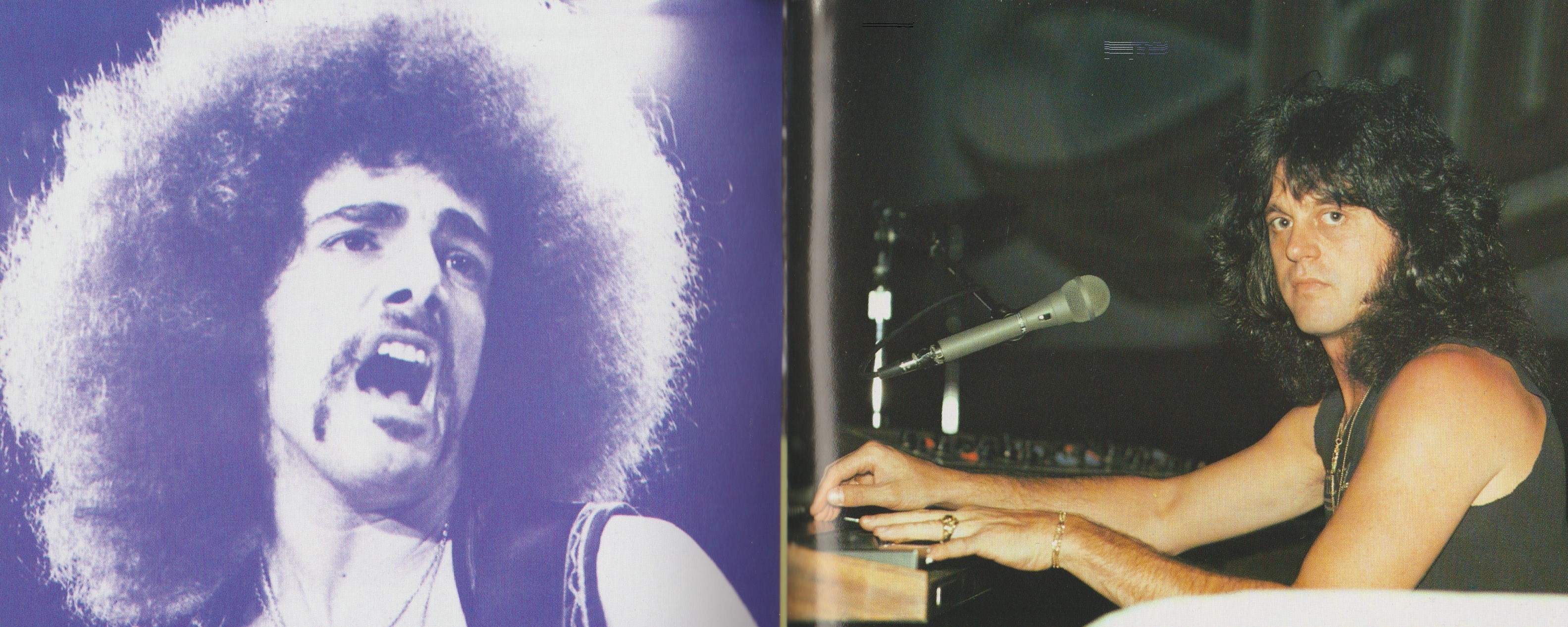
This box set was reissued a number of times, but for the money you can’t beat the original 1992 printing with the long box and large booklet. The liner notes are ample but the rare photos may even top them. From the earliest days there are pictures of the band with original guitarist George Tickner and drummer Prairie Prince. Prince was invited to join permanently, but chose to join the Tubes instead, a band he found more creative. He was replaced by Aynsley Dunbar who recorded the first LP. Also pictured within are some truly impressive hair styles, clothes, and moustaches.
With tracks this strong from start to finish, great packaging, and such a wealth of rare material, it seems Time3 should be an easy 5/5 stars. However, that niggling issue of live tracks (particularly “Wheel in the Sky”) replacing studio cuts is really devious. It’s unnecessary. It all but forces casual buyers to also own Greatest Hits for the studio versions. It seems very calculated.
VAN HALEN – LIVE: Right here, right now. (1993 Warner Bros, plus “Jump” live single)
The summer of ’93 was the “Summer of Live Albums” here at LeBrain HQ. There were many live discs out to digest, several of them from “must-purchase” bands. Most notable was Ozzy’s Live & Loud which came in a metal speaker grille cover. Iron Maiden also put out A Real Live One, the first of a two-album live set. And then there was a big’un: Van Halen’s first live album, the double Right here, right now.
What did all three releases have in common? They were all boring duds.
Sad but true. In Van Halen’s case, the disappointment was acute. Sure it was “Van Hagar” and not the “real deal” if you believe in that sort of thing, but that wasn’t the issue. There are a few problems with Right here, right now but none of them have to do with the singer. The setlist is a real drag, with way too much material from For Unlawful Carnal Knowledge. 10 of the 11 songs from F.U.C.K. are on this album! (“The Dream is Over” being the only missing song — you had to buy this on VHS to get it!) A F.U.C.K. song opens the set, another closes the set…it’s too much, especially since F.U.C.K. was (one of?) the weakest Halen albums to date.
Issue #2 is perhaps a bit silly, since Van Halen shows are known for their solos: but this album has too many solos. Eddie’s aside; he always going to blow your mind. Unfortunately, Michael Anthony and Alex Van Halen are, quite frankly, boring soloists. Did “Ultra Bass” need to be five minutes long? It’s best when Michael’s just playing, but as fans know his bass solo is half notes, and half noise. Immediately after that is “Pleasure Dome/Drum Solo”, nine whole minutes. The instrumental “Pleasure Dome” section is best since it resembles a song (a driving hard one at that).
The final major issue is one we didn’t even know about until recently. Sammy Hagar revealed in his book Red that this album was heavily overdubbed afterwards, and I wouldn’t doubt it. (Hagar claims that he re-sang the entire thing over again in the studio.) There was always something underneath the surface that didn’t feel right about this album, and that could be it right there. Right here, right now feels dulled, perhaps by too much studio polish after the fact.
It’s not all bad of course, how could it be? “Poundcake” and “Judgement Day” start it off strongly. Then they went and dropped a ballad (“When It’s Love”) and a shitty song (“Spanked”), and all momentum is stopped. The duo of “You Really Got Me” and “Cabo Wabo” are pretty damn great though. There are a couple Hagar solo tracks in set which add some spice to the mix. The acoustic ballad “Give to Live” is just Sammy alone, but “One Way to Rock” is the whole ass-kickin’ band. Of all the Hagar tracks the band has played live, “One Way to Rock” sounds most natural as a Van Halen song. The final surprise is “Won’t Get Fooled Again”, which Eddie does not play keyboards on. Instead he mimics Pete Townsend’s synthesizer part with his guitar. Who purists will hate Sammy’s take on it, but fuck it. It’s a pretty damn good version of a hard to cover classic.
There are a couple other decent tracks to be had. German and Japanese versions contain two bonus tracks: “Mine All Mine” (from the OU812 tour) and another Hagar track, “Eagles Fly”. They can also be found on the “Jump” live single. Unlike much of the rest of the album “Mine All Mine” has some bite to it. It’s a great example of synthesizer working well in a hard rock song. (Unfortunately it fades out early.) As for “Eagles Fly”, this is a song Sammy played acoustic on the occasions he didn’t play “Give to Live”. Although it was played less, “Eagles Fly” edges out the other just slightly by a nose. These two bonus tracks are worth tracking down the single for, or an import version of the album.
I traded up my original copy of LIVE: Right here, right now for a US import that came in a cardboard digipack. Although it has no bonus tracks, it does have some bonus photos, which is still pretty cool.
It’s not fun to say any Van Halen album isn’t essential, but Right here, right now is not essential.
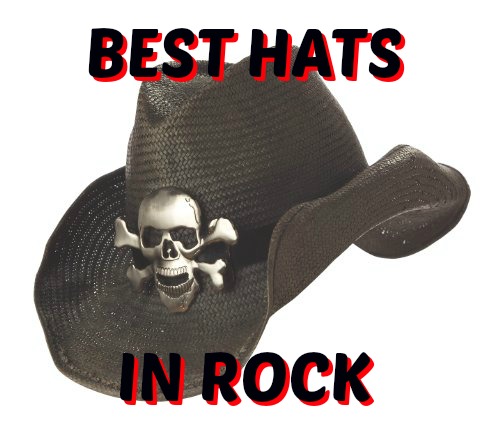
With all the head-banging going on, it’s no surprise that the majority of rockers do not wear hats on stage. The flailing around in musical ecstasy means that hats don’t stay on top for long. Also, with those hot stage lights beating down, nobody needs to preserve their body heat with a hat.
Yet some rockers have managed to make hats a trademark. Let’s have a look at five of the best.*
5. Jeff Ament’s whatever hat
During the Ten period, Pearl Jam bassist Jeff Ament used to sport some cool, huge hats. We have no idea what you call these hats, but there is no denying their 90’s cool-ness. If I had long hair again, I’d want one of these hats.
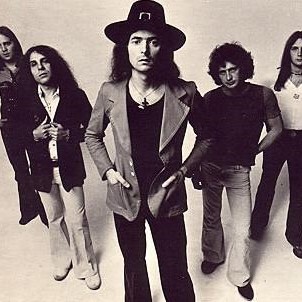
4.Ritchie Blackmore’s pilgrim hat
Blackmore is well known for his anachronistic mixture of time periods. Playing medieval music with electric guitars? Sure, why not. We don’t know why Blackmore wants to look like a passenger on the Mayflower, but it does not matter. The hat has become iconic, though not as iconic as…
3.Lemmy Kilmister’s assortment of Motorhats
God bless Lemmy, for he had a fine collection of headgear, usually emblazoned with skulls, crossbones, and World War II symbology. Lemmy may not have been a fashion icon, but he did own some pretty cool hats.
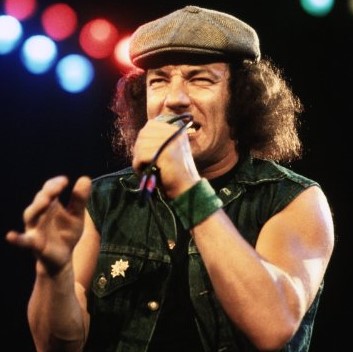
2.Brian Johnson’s newsboy hat
This one is near and dear to my heart. Brian’s hat was to cover a receding hairline, but I had one just like it. It was perfect for keeping a tangled mess of hair under cover. Best of all, I could use it as a “hair mold”. I would comb my hair in the morning, tuck it under the hat to “set” it, and an hour later it would come out looking perfect!
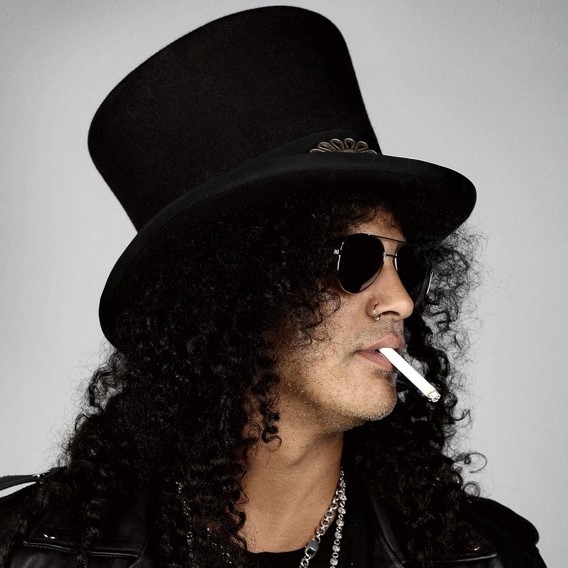
1.Slash’s top hat
At LeBrain HQ, we think Slash’s hat has become the most iconic rock and roll piece of headgear. One look at that hat, and you automatically know who is underneath it. The fact that Slash hid his face behind curtains of hair meant that fans had to recognize him in other ways. That’s where the hat comes in! Even if you wouldn’t recognize Slash’s face in a crowd, it’s a guarantee that you know his hat.
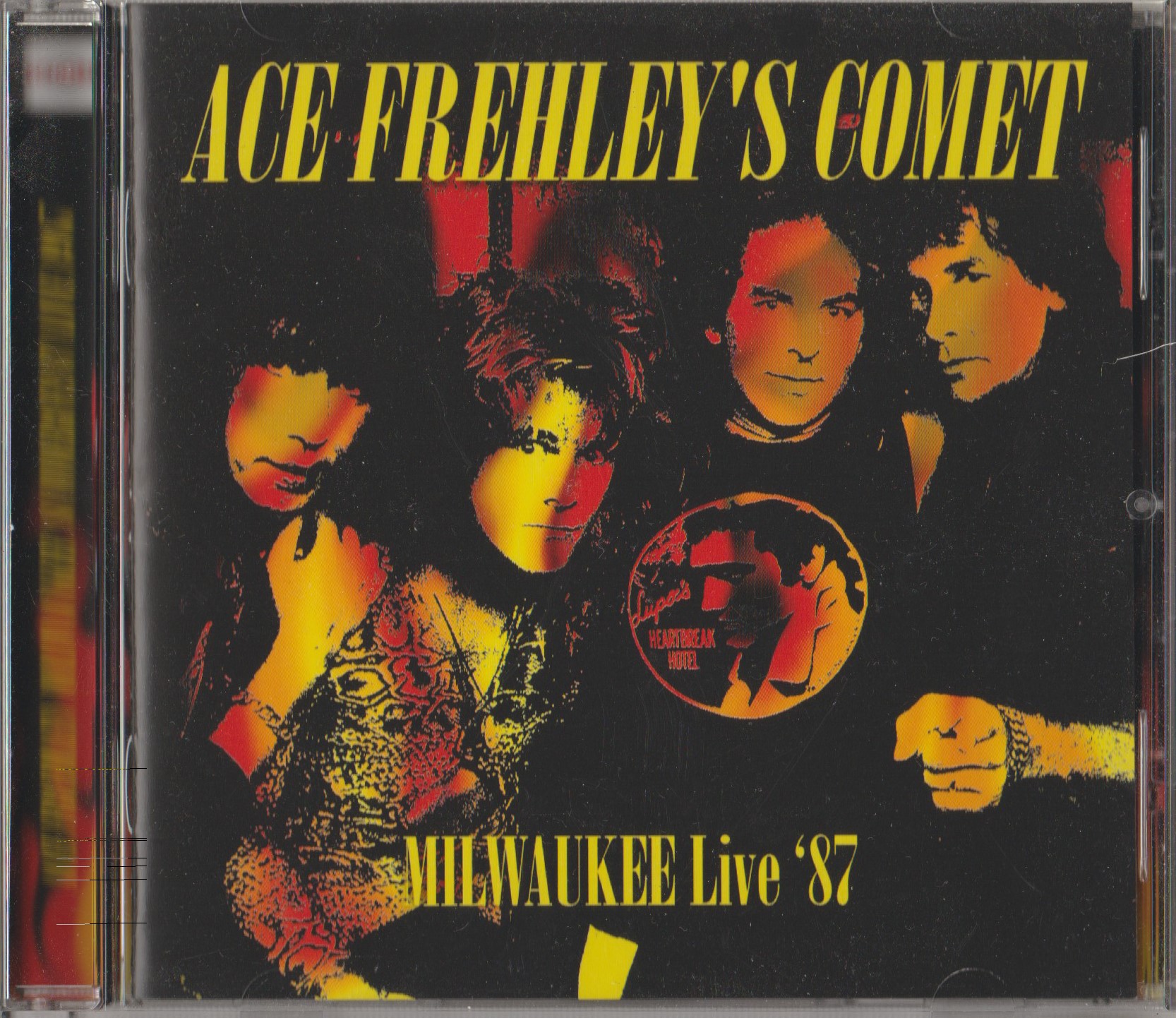
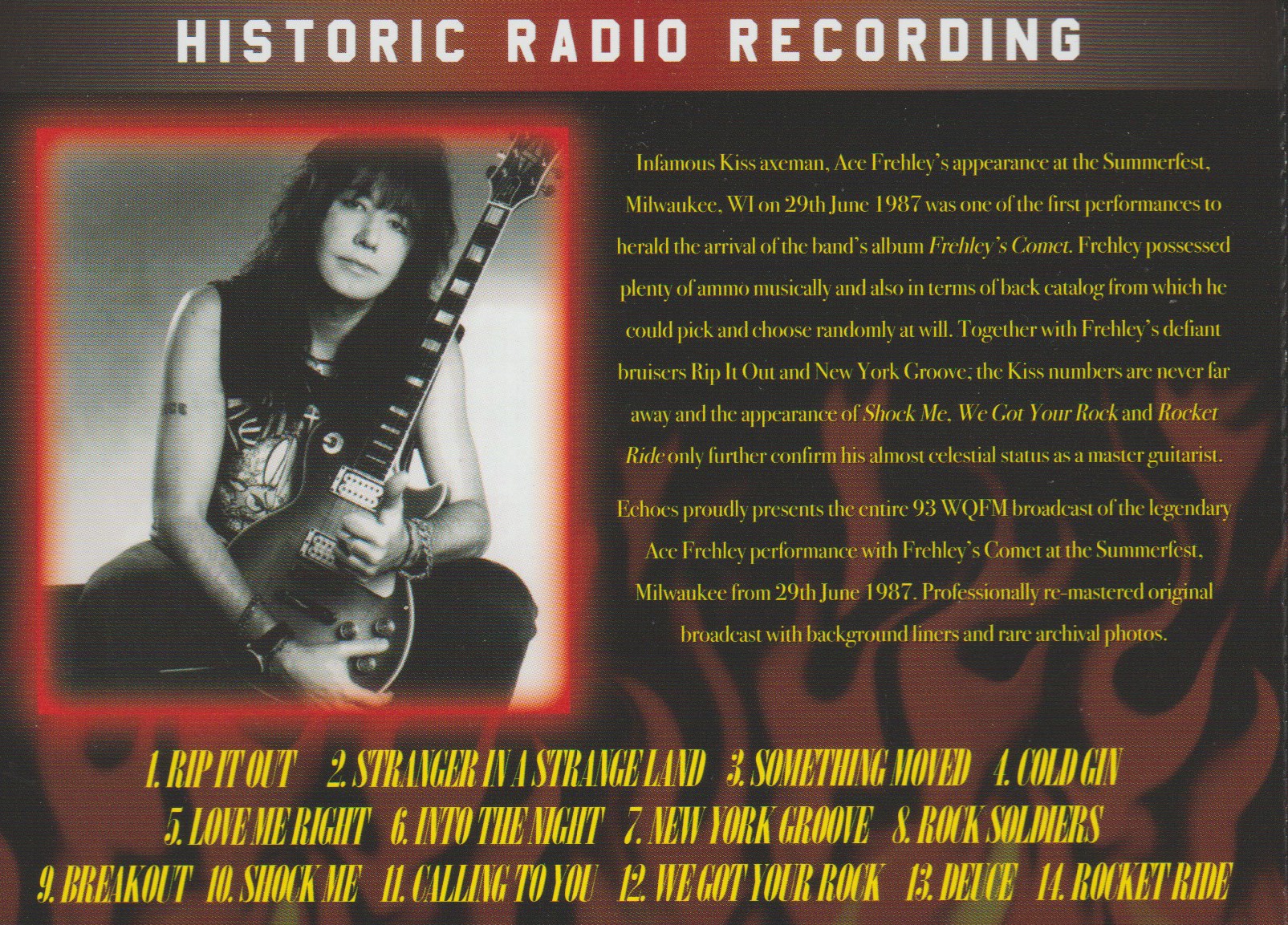
ACE FREHLEY’S COMET – Milwaukee Summerfest Live 1987 (2015 Echoes radio broadcast)
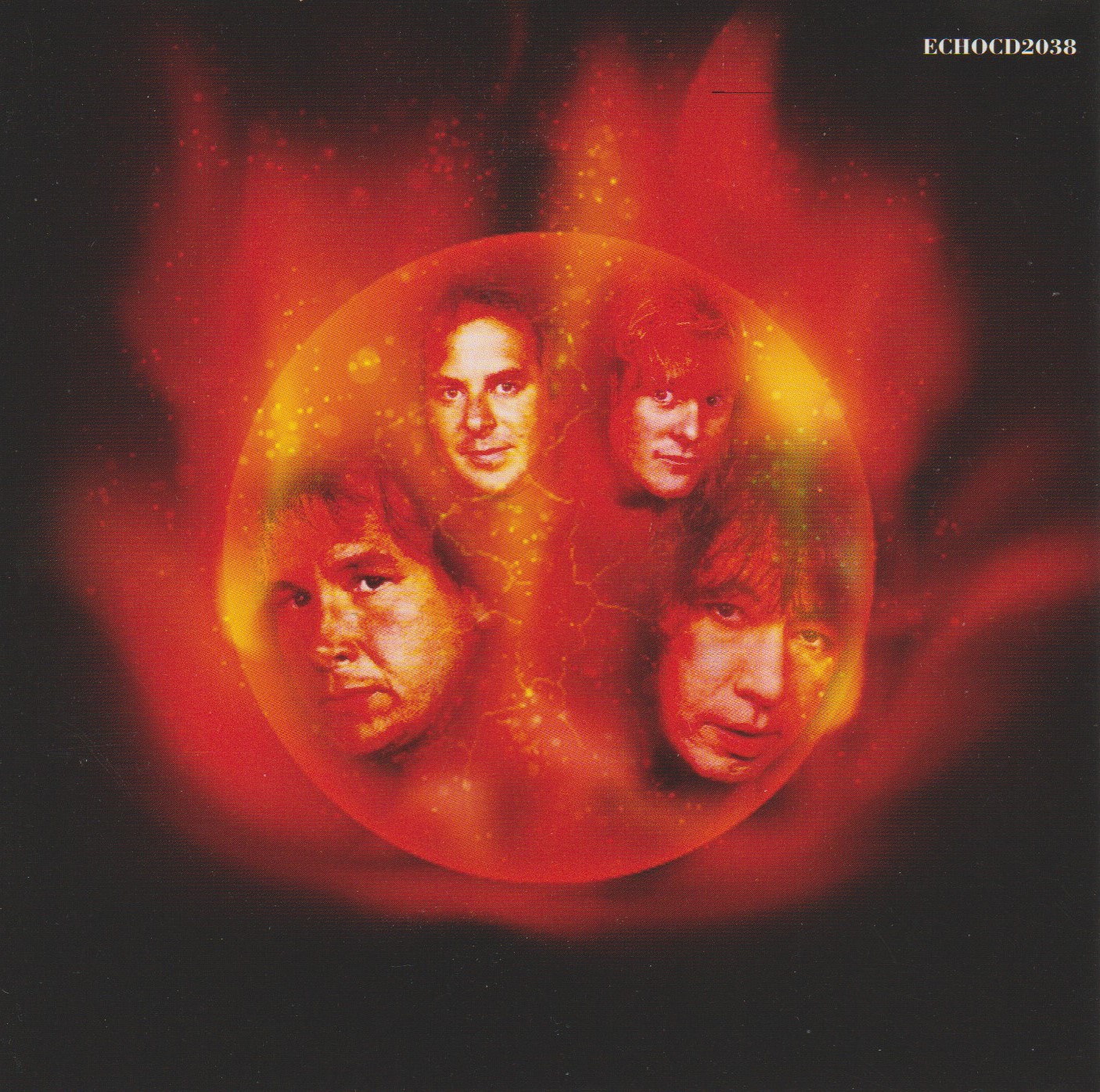
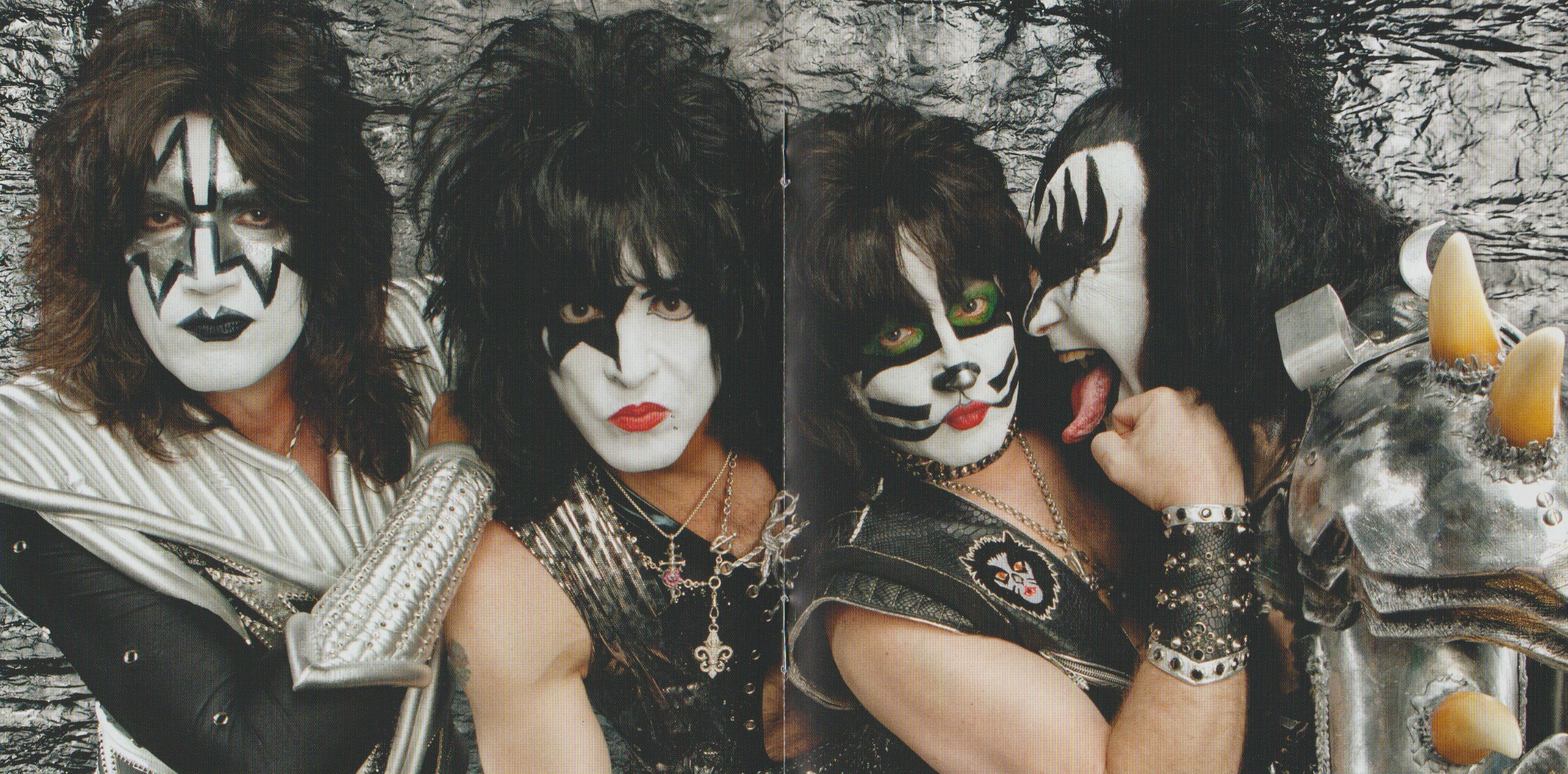
In 1987, Ace Frehley had just begun his comeback. He recorded a well received debut as Frehley’s Comet, with a notable appearance by drummer par excellence Anton Fig. Anton had been working steadily for the Letterman show since 1986 and so was not on the tour this CD was captured from. This version of the Comet featured new drummer Billy Ward. They were recorded live in Milwaukee at Summerfest on June 29th of that year. It was taped for broadcast and somehow survived. Live radio broadcast CDs are so common now that you can even find them at Walmart. Some are worth the cash, others less so. A Frehley’s Comet broadcast from the first tour is automatically interesting to Kiss collectors.
Unfortunately what buyers will discover is that this CD is a harsh chore to listen to. Vocals are back in the mix, bass way up front, and there is a thin haze of staticky air over it. Ace’s perennial opener, “Rip It Out” (from his 1978 solo album) is but a shadow of the better produced version on the Live + 1 EP. This is through no fault of the band, featuring mainstay bassist John Regan, singer/guitarist Tod Howarth, and Ward.
Ace sings lead on most of the material, but Tod Howarth has a couple songs from the first Comet LP. “Something Moved” and “Breakout” (co-written by the late Eric Carr) are fast paced action, while “Calling to You” is anthemic pop rock. Howarth was in excellent voice that night, this much is certain. Ace sings a handful of Kiss tunes as well as solo and Comet material. Gene Simmons originally sang “Cold Gin”, but Ace took it back for himself by singing it live. At the same time, Kiss were also playing “Cold Gin” live (a song Ace wrote) and fans will have to decide who pulled it off best. Ace even tackles “Deuce”, a song Gene wrote. What’s good for the goose is good for the gander?
It really is a shame that the audio hampers the listening experience. It sounds like a legitimately great Ace performance. Having a guy like Howarth in the band enabled Ace to have multiple lead singers like Kiss did. On the Kiss covers, Howarth takes the Paul Stanley role. Billy Ward and John Regan make the songs a little more complex rhythmically than the Kiss originals, but Ace also adds in new and extended solos. The end results are enhanced, Ace-ified covers. No notable tracks are missing; it is a really solid set list of Ace Frehley classics.
There are some who will happily purchase anything with Ace’s name on it (guilty!) and there are others who can live without. Decide who you are and spend your money appropriately.
This review is for reader Juan, from Spain — thank you for reading!
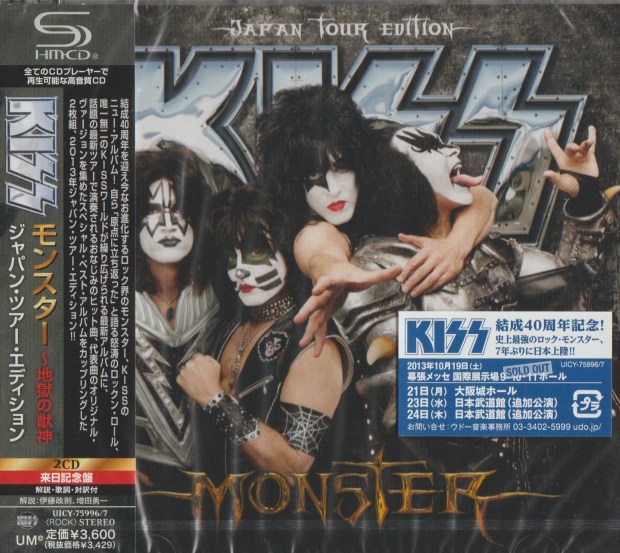
KISS – Monster (Japan Tour Edition, 2013 Universal Japan)
In my 32 years of collecting music, I have learned a number of immutable laws of the hobby. The Three Laws of Collecting are:
The First Law: Japan shall always get the best stuff. The Second Law: Anything worth releasing is worth re-releasing. The Third Law: Kiss fans shall buy anything, often more than once.
The Three Laws of Collecting are why I now have purchased my fifth copy of Kiss Monster. The album came out in 2012, meaning I have bought more than one copy per year since its release: Original CD, vinyl, iTunes, Japanese CD, and now this 2 CD Japan Tour Edition, which has all the tracks from all the versions, and then some.
This is not a review of Monster; we have reviewed that album twice now (once by Mike Ladano and once by Tommy Morais). Rather this is a review of the Tour Edition’s second disc, which is a pretty cool “best of” collection covering a very nice chunk of Kisstory. What can another greatest hits possibly offer? Believe it or not, the Monster Tour Edition has a slightly different slant that might be interesting to die-hards.
This is the first time “Psycho Circus” has opened a Kiss compilation. It was their tour opener in 1998-99 and so naturally fits this slot. It was one of the stronger tracks from Psycho-Circus itself, which was otherwise a pretty disappointing reunion album. Mainly because Peter and Ace barely played on it. Indeed, on this track you will get Kevin Valentine on drums and Tommy Thayer on guitar, uncredited. That said, the track still kicks ass and has proven to be the only song from that album that still gets played now and then.
I’m always happy to hear oldies like “Let Me Go, Rock ‘N’ Roll” on a hits CD. The same goes for “Black Diamond”, one of the more epic Kiss tracks. These old album cuts might not be as well known to casual fans and might surprise even Kiss haters. However, no casual fan or Kiss hater is going to be hearing the Monster Tour Edition. So the die-hards again will be hearing “Shout it Out Loud”, “Rock and Roll all Nite”, “Detroit Rock City”, “God of Thunder”, “Love Gun” and “I Was Made For Lovin’ You” for the umpteenth time. Mixed in among these are some of the second-tier hits from the 80’s: “I Love it Loud”, “Lick It Up”, “Heaven’s On Fire”. The exact mixture of ingredients is different, but these songs have been on best-of CDs by Kiss before.
The one unique inclusion is “Say Yeah” from 2009’s Sonic Boom, its first appearance on a hits disc. Its place here is deserved. Sonic Boom represented a strong return to the studio for Kiss after a decade long absence. “Say Yeah” was one of three songs played live in concert, and sounds the most like a timeless Kiss anthem. (Sonic Boom was represented on the last greatest hits compilation, Kiss 40, by “Modern Day Delilah”.)
Finally there is the riffy “Right Here Right Now” which was previously the iTunes bonus track for Monster. A physical copy is always better, and a Japanese high quality HMCD is even better than that. And don’t worry — the original Japanese bonus track, a live version of “King of the Night Time World” from the Rock the Nation tour, is still intact on disc one. (More on that in the video below.)
This version of Monster is finally the definitive one with all the tracks in one place. The bonus hits disc is some pretty awesome icing. When you have as many hits discs as Kiss do, you may just wonder “what’s the difference”? Each one is different in its own often minor ways, and fans who appreciate this stuff will enjoy hearing a couple unique tunes for a change.
The only flaw with this HMCD reissue is that it lacks the original 3D lenticular cover. That is a bummer. I simply kept my original cover (it is a separate piece you can take out) from a prior version of Monster which I later gifted to a friend. In fact that friend reviewed the single disc Japanese Monster!
I must add another law to my Three Laws of Collecting:
The Zeroth Law*: You shall always have some buyer’s regret.
It is true. I had all these songs before. The only one I didn’t have physically was the iTunes download “Right Here Right Now”. But I “had” to have it. I could question that. “You could have put that money towards some new tires”. The CD could have paid for a week of lunches at Harvey’s. A fool and their money?
I’m fine with that.
$/5 stars
*I didn’t make that word up. Isaac Asimov added theZeroth Law of Roboticsto his Three Laws in 1985.
In Getting More Tale #521, we discussed the pros and cons of DVD recorders, a now-outdated technology. In short the cons were the price, but the pros were the ability to keep a television recording virtually forever. DVD recorders were meant to replace VCRs. A VCR and a decent quality tape could enable you to keep a recording for a couple decades, at least.
I lamented that one recording that we lost on our old PVR was a vintage re-run of Hockey Night in Canada, May 8, 1994. My wife, Mrs. LeBrain, had the honour of meeting Don Cherry that night, and got to be on Canada’s most popular television show. Periodically, Leafs TV would re-run the old games, and we recorded it the last time it was on. However this was lost when the PVR bit the dust.
If only we had a working VCR…
Well, as it turns out, Geoff from 1001AlbumsIn10Years has a working VCR. Not only that, but he also possesses an original recording of that night’s hockey game from over 22 years ago! He dug it out, and sent the below video to me.
That’s Jen with her Dougie Gilmore sign, and Canada’s national treasure Don Cherry.
The story goes, Jen’s dad won a radio contest to see the Maple Leafs wherever the next round of the playoffs were being held. That happened to be San Jose, California. This happened to fall on Mother’s Day. Jen’s dad intended to take her mom on a nice vacation. This however was not to be, not after a young crying Jennifer bellowed “But mom doesn’t even LIKE hockey!” It was true, and Jen got to go with her dad.
Thanks Geoff — you have no idea how much this video means to us!
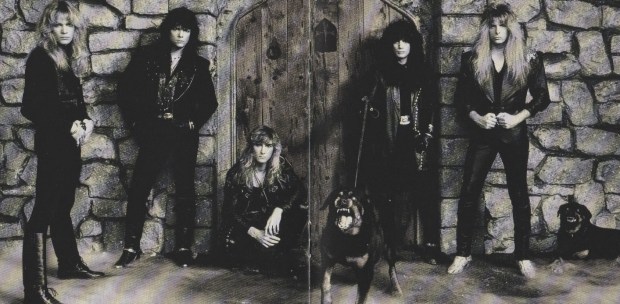
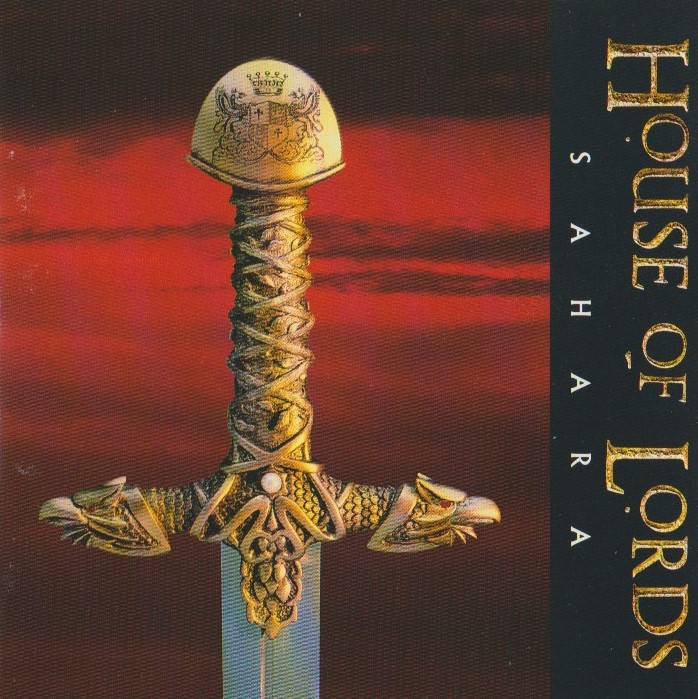
House of Lords put out an impressive debut but didn’t sell a lot of copies. When the second album rolled out in 1990, their guitarist Lanny Cordola was gone and in was new guy Michael Guy. Although Guy is credited on guitar, in reality the album was recorded with Doug Aldrich and a number of guests. Weirdly, thanked in the credits for “additional inspiration” is Nick Simmons, who was one year old at the time. Sahara was of course on Simmons Records.
It’s a different sounding House, less regal but with more hooks per acre. The opening number “Shoot” draws liberally from the wells of both Led Zeppelin and Motley Crue. “Chains of Love” is Coverdale-lite, with singer James Christian pouring on as much sass as possible, but without Coverdale’s sly nods and winks. Whoever is playing the guitar solo on “Chains of Love” laid down a killer.
The acoustic cover “Can’t Find My Way Home” (Blind Faith) is pretty true to the original minus the falsetto, and would have to be one of the better power ballads from a rock band in 1990. House of Lords turn a serious corner on “Heart on the Line”, which sounds like a title for a ballad. This however is a speed racer, a chugging riff powering a rock-corker, which turns Cheap Trick on the chorus. Unsurprisingly, it was written by Rick Neilsen. Brilliant playing and soloing on this one. Then they rip off a song title from Coverdale himself, “Laydown Staydown”. Winger-esque sleeze rock is all this is, not even touching the brilliance of the Deep Purple song that inspired the title.
A much more impressive track opens side two, “Sahara”. This is progressive hard rock, with drummer Ken Mary layering a tribal drum effect that would have been very ahead of its time in 1990. This too degenerates into something more Winger-like as well, but it jumps from that back into more progressive sections, keeping things balanced and interesting. The second slot on side two is predictably another ballad, a good one called “It Ain’t Love”. Not just the title, but the gang chorus reminds of Dokken. Some fine soloing resides here to sink your fangs into.
The lead single was another power ballad, “Remember My Name”, which the band did not write. As an impressionable youth in 1990, I hated this single. “Never lead with a ballad,” was my thinking. I had been looking forward to new House of Lords since the debut slayed me in ’88. I didn’t want the first song to be a ballad they didn’t write. I still don’t think it’s a very good track. And surely a mistake to include it on the CD right before another ballad. “American Babylon” redeems it, coming back with a strong push. “Kiss of Fire” nails it with the knockout punch at the end, a blazing smoker with powerful keyboards that remind us of vintage Deep Purple. Finally it seems House of Lords nailed a song that lived up to their inspirations.
Perhaps it was the rotating cast of characters on guitar, but Sahara drifts further from the sound that made House of Lords unique in 1988. The danger of grasping for hits while taking their sound deeper in the mainstream was real. Though it is still an entertaining listen, Sahara is very uneven which makes it a bumpy ride.
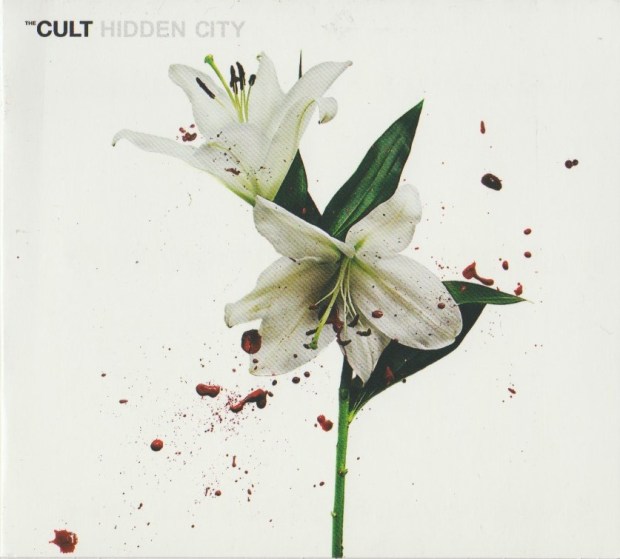
There have been a few times in Cult history when it seemed unlikely they would be making any more albums. Thankfully, these fears were unfounded. Thankfully, because The Cult are so damn great at making albums.
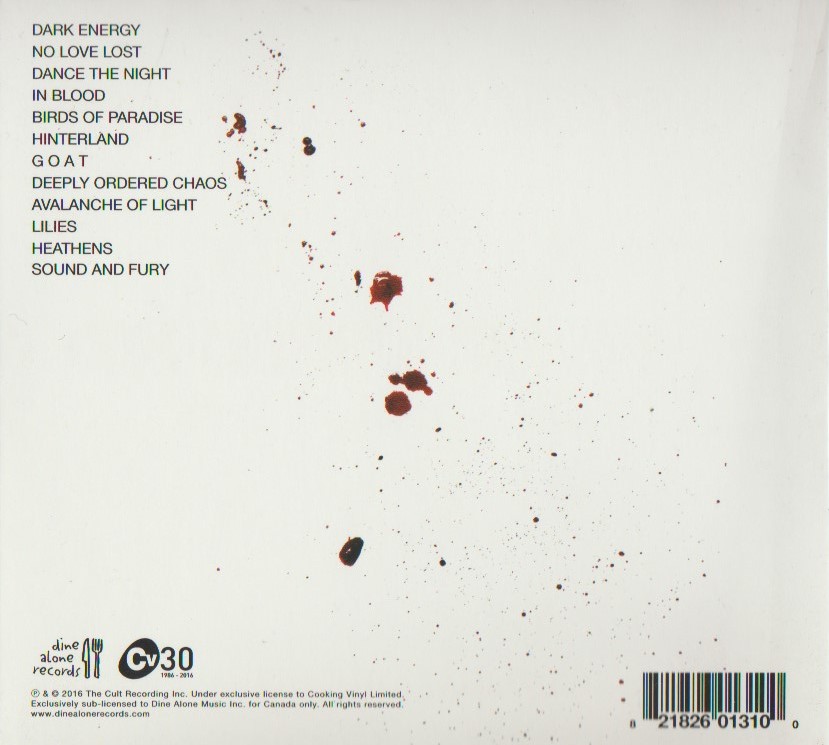
Their latest is Hidden City, and it continues their upwards trajectory. Teamed up once again with Bob Rock, the band created a powerful recording, very Cult-like and loud. It is a cohesive and impressive collection of songs that tend to defy individual description. It is easy to pick our favourites such as “No Love Lost”, “Birds of Paradise” or “Hinterland” (my personal fave), but Hidden City is more than the sum of its parts. Its components are strong compositions that highlight the strengths of the band: Ian Astbury’s powerful and unique voice, and Billy Duffy’s unmistakable riff stylings. Hidden City collects the light and shade and presents them as a multi-coloured hue.
Its grooves are huge but textured. The songs reveal more hooks the more you listen. The Cult’s performances are top notch. The album is electrifying. Hidden City must be considered a latter-day high water mark, an album that builds on the last few records and continues pushing forward. The Cult rule again.
How many of you were members of the Columbia House music club? Tapes or CDs?
The concept was simple. Get 12 tapes or records for one penny. Then agree to buy “X” more at “regular club prices” within a year. They would usually offer all sorts of incentives, such as getting your first regularly priced item for half price. Their “regular club prices” were fairly high, but if you played your cards right you could make joining the club worthwhile.
Every few weeks after signing up, Columbia House would send you a catalogue and an order form. The order system was controversial, because it required a negative response if you didn’t want to buy something. When you signed up, you could pick your favourite genre of music (I chose “metal”). Each time a catalogue came out, your selected genre would have a “selection of the month”, usually a new release but not always. If you did not respond with an order form expressing that you didn’t want it, they would automatically mail you the “selection of the month” and bill you for it too. (The Columbia Record Club system was worked into a sub-plot of the movie A Serious Man by the Coen Brothers.)
For many people this wasn’t a problem. Our parents let my sister and I sign up when I was in grade 11. We split the membership and free tapes 50/50. We paid for everything ourselves and diligently sent in our order forms each time. We were both already massive music fans, so we poured over every single page. Most times, one of us ended up buying something, if not the selection of the month itself.
I can still remember every album I received in that first shipment. Seven tapes. These tapes went into immediate and constant rotation, which is why I remember them all so well today.
Our musical world opened up in a massive way, and not just because of the new music we were listening to. The catalogues introduced us to names and album covers that we’d not experienced yet. What is this Bitches Brew thing? Why did Deep Purple albums have so few songs? Did Iron Maiden copy their Maiden Japan from Purple’s Made In Japan? Holy crap, Hank Williams Jr. has three greatest hits albums?
Everything was absorbed. Five years later, when I started at the Record Store, my boss was surprised that I knew who most of the artists were, what sections they should go in, and even what record labels they were on.
“I read the Columbia House catalogue cover to cover every month,” was my answer!
The catalogue provided knowledge, and pictures to cut out for locker or wall. We made the most of that catalogue every time. It was rare when pictures were not cut out!
I was even able to acquire things that might have been considered rarities back then. I had never seen Leatherwolf stocked in a store, but Columbia House had it. When vinyl was being discontinued, I was still able to get Skid Row’s Slave to the Grind (1991) on LP. They had most of the Savatage albums.
It all sounds wonderful, but Columbia House had flaws too. The biggest one was horrendous quality control. They licensed and manufactured the tapes themselves, which were simply not as good quality wise as the ones you could find in a store. They would be warbling within weeks (if not right out of the case) and the J-cards were sometimes shoddy, with printing not lining up with fold lines, or just they’d just start falling apart along perforations. They also didn’t carry certain record labels. While they had everything Warner Bros and Columbia Records, they had nothing from EMI. Finally, bands made next to nothing on albums that were sold through Columbia House. Some bands such as the Tragically Hip refused to sell their music via Columbia House. We didn’t know all of this as kids, of course. I started to pick up on the quality issues when they seemed to take a serious dive around 1991.
The key to not getting ripped off by Columbia House was to order smart. The 12 free tapes sounds like a great deal, but when you balance in buying the rest of your selections at full price, most people ended up on the losing side. Get in and get out, buying the bare minimum. That was the way to do it. Of course, we didn’t. We just enjoyed the convenience and stayed members for years! No regrets since this led directly to a 12 year career in the Record Store!
 DIXIE DREGS – Night of the Living Dregs (1979 Polydor)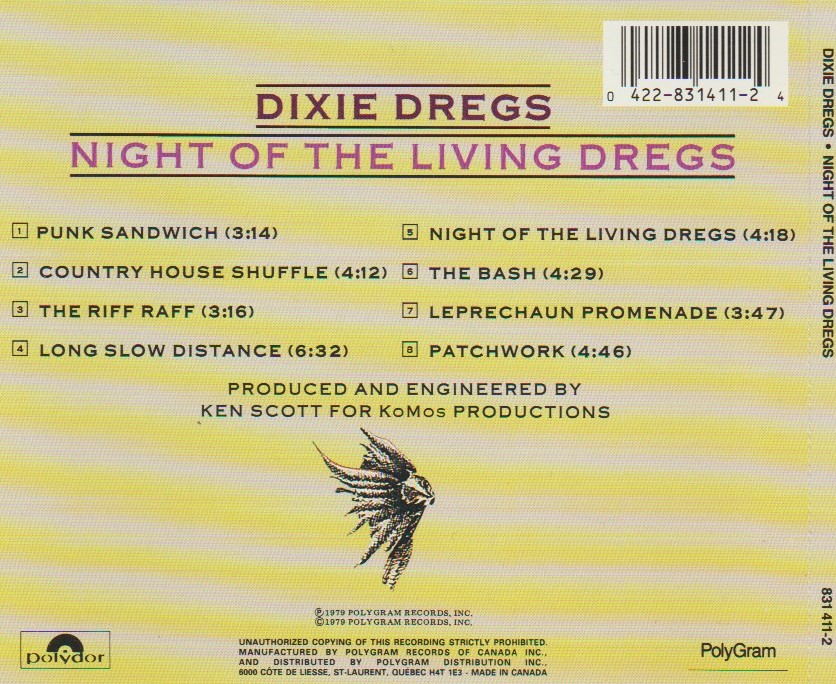

















 mikeladano.com