Whether it’s a fun and easy episode, or a challenging deep dive, I always enjoy sitting in with Peter Kerr on Rock Daydream Nation. Peter has been on a roll lately with a great viral interview with former Motley Crue singer John Corabi. Congrats Peter on that great chat!
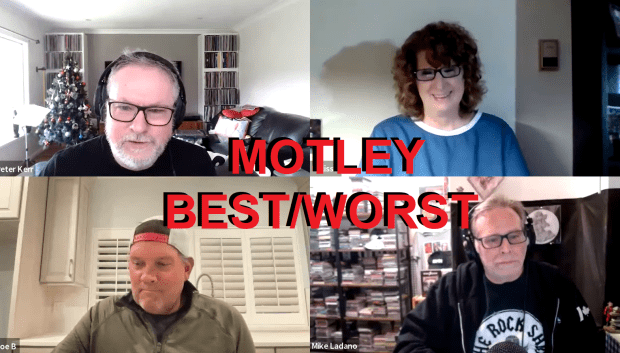
In this episode, we break down the best song and worst song from every Motley Crue album. Joining us were Joe B. and Melissa Nee, with whom we also tackled Theater of Pain. They found this episode a challenge, as they were forced to listen to a lot of albums that might have been a big of a slog. However we all did our duties! As we go through the songs, you also get a sense of our album ranking too, though we didn’t do an official tally. There was some consensus, a little disagreement, and overall a sense of relief to be finished this exercise!
And yes…once again, I sing on another person’s channel. How long before I’m blacklisted for singing? And swearing? And quoting bad lyrics?
I also go on a massive rant regarding the Generation Swine album that makes for good TV.
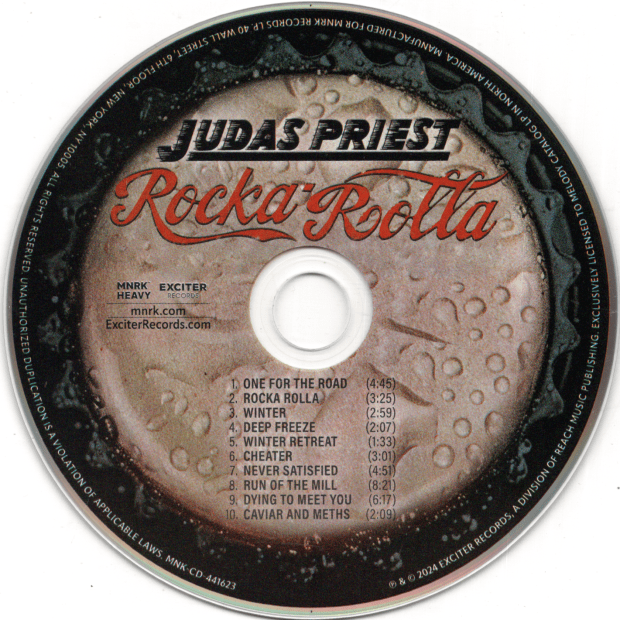
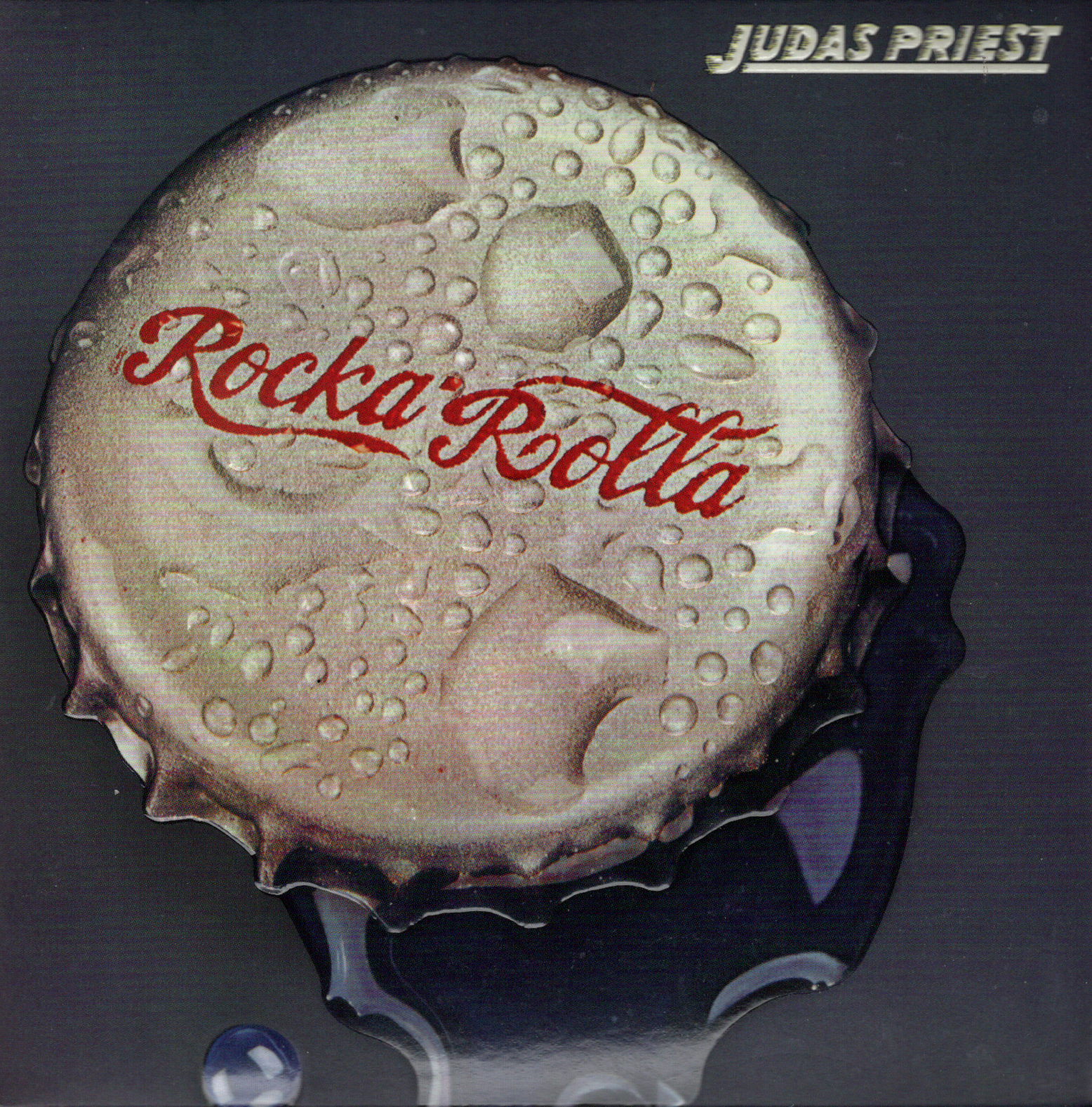
JUDAS PRIEST – Rocka Rolla (1974 Gull, 2024 Exciter Records Remixed and Remastered)
How did he do it?! Somehow, by some digital miracle of the master tape gods, producer Tom Allom has remixed Rocka Rolla, and transformed it from one of my least favourite Priest albums of all time, to one of my favourites.
Generally I can’t get into the remixed versions of albums. Even if the remix is objectively a better release, such as Rush’s Vapor Trails or Marillion’s Radiat10n, I always find myself coming back to the flawed originals.
Not this time.
For context, Tom Allom didn’t originally produce Rocka Rolla, and this is not the first remix of it. Rodger Bain produced, but his name appears smaller than Allom’s on the new back cover. The Rocka Rolla (full album) remix that appeared on Hero, Hero (1981) was helmed by Bain, less effectively. Tom Allom is best known for producing the run of Judas Priest albums from Unleashed in the East (1979) to Ram It Down (1988). What he has done with Rocka Rolla is somehow give it a makeover to sound more like a real 1970’s Priest album. Sonically, it now has thickness. There’s a real beefiness to the mix, but not in the sense that you immediate say “oh yeah, this is different.” It just sounds like the album always sounded that way, and you just got your stereo system upgraded.
The track listing is unchanged. “One For the Road” still opens with a groove, but now that groove hits different. You can better appreciate the guitar fills at the end, and the songs goes well past its old fade-out. This is a trick that remixed album should do more often.
“Rocka Rolla” remains a metal delight, but there is new shimmer to Rob’s vocals and the song chugs with more edge. It’s all very objective and subtle, but once again Tom Allom took a Priest classic and made it sound like it was always this weighty.
The “Winter” suite is the most altered of any of the tracks. Notably, Allom chose to separate the tracks from the suite format, and leave them as individual songs.
John Hinch’s drums sound crushingly Bonham-like on “Winter” itself, and the backing riff far more weighty. The biggest change is that it no longer fades into KK’s guitar showcase “Deep Freeze”. You can hear more of KK at the end, with some experimental playing that was inaudible before. The track fades out past its previous point, and “Winter Retreat” stands on its own as a song. In the 70s, Priest were experimenting with acoustics and psychedelic sounds from time to time. “Winter Retreat” can now join those songs as something that sonically fits in better. Finally, “Cheater” always was its own song really, and now it’s just heavier. Rob’s harmonica is more prominent, which of course recalls the heaviness of Black Sabbath.
Moving on to side two, “Never Satisfied” finally has the punch it always felt like it had inside: A little more echo on this this vocal line, a lot more weight behind the drums, more texture on the guitars, and a few things made audible for the first time. We now have the definitive version of this song. With the impressive soloing mixed in just right, this becomes a long, jammy Priest thumper as it always should have been. If Rocka Rolla sounded like this when I was a kid, I would have got it immediately.
“Run of the Mill” takes time to build as it always has. It has a long instrumental section, with some mindblowing guitar playing, and now it’s all finally hitting right. The bass isn’t just sitting there. It’s picking you up and taking you along with the groove. The keyboards in the background are more ominous. Everything about this is just so much better than the original.
Perhaps the only song that still bores, for the first half anyway, “Dying to Meet You” is similarly upgraded but benefits less from the treatment. That is until it picks up midway in the “Hero, Hero” section. This part of the song still cooks, but has a different, more spare feel. Finally, the light instrumental “Caviar and Meths” really benefits from the remix treatment. The drums, once again, really add atmosphere to it.
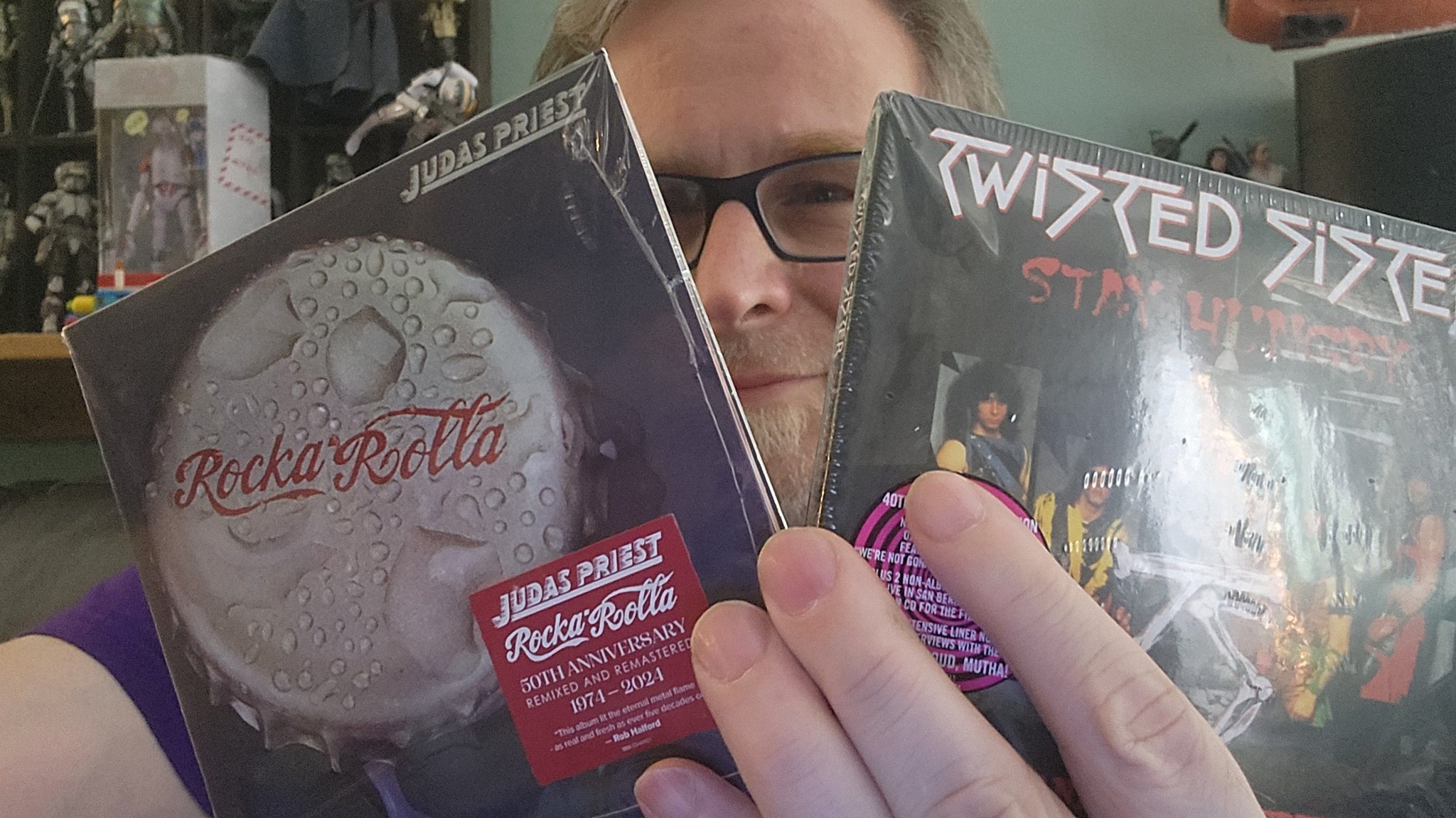
As an added attention to detail, the front cover of Rocka Rolla is now as three dimension as the music. The water drops are now tactile. You can feel the bumps with your fingers. A perfect topper.
What did Tom Allom do with these master tapes? Did he conjure some kind of heavy metal spell and make a two dimensional album sound big and beefy? Only Allom knows, but now I do believe in magic.
40 years ago today was one of the most pivotal in my life. It was the day I discovered Iron Maiden. It was the day my life changed forever, and I found my new identity. Star Wars was over a long time, and I was 12. Time to grow up. Heavy Metal was around the corner. On this day, December 26, 1984.
RECORD STORE TALES PART 1: The Beginning – “Run To The Hills”
I still remember the first time I heard Iron Maiden.
Maybe it’s this way for some when they remember the first time they heard the Beatles, or the Stones. Or for those younger, maybe it’s like the first time they heard “Smells Like Teen Spirit” or “Fake Plastic Trees”. The first time I heard “Run To The Hills” was monumental to me, but I didn’t realize yet what the massive impact would be.
It was Christmas of 1984. I was a mere 12 year old looking for musical direction. I hadn’t been much interested in music prior to that. I had albums by Quiet Riot and Styx, but my majority of my collection was John Williams’ movie soundtracks.
I really wasn’t interested in music yet. I had yet to dedicate myself to any particular style. At the same time that I would listen to Quiet Riot, I somehow also thought Billy Ocean was cool.
Well, the video for “Loverboy” was nifty….
I had always been kinda afraid of heavy metal bands. Guys that wore spikes, like Judas Priest or Iron Maiden. Kiss literally scared me when I was buying my first comics (there were always ads for Kiss posters inside comic books), and I know I wasn’t the only one. The neighbor kid was scared to death of Gene Simmons spitting up blood. Bands like Maiden and Priest looked like a bunch of hooligans, definitely up to no good, definitely out to hurt people, including kids.
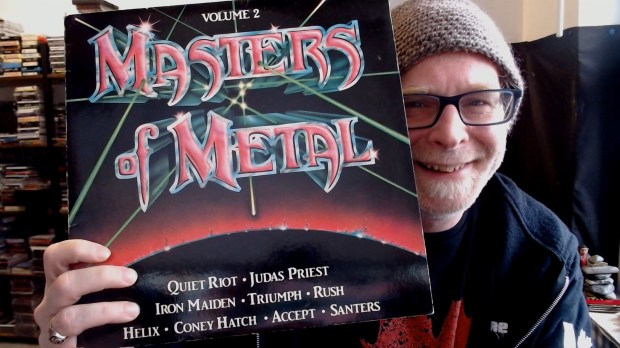
Boxing Day, Bob came over. It was tradition, every Boxing Day, Bob and I would get together and compare our Christmas scores. Bob scored a cassette tape called Masters Of Metal Volume 2 and I was given an Atari game called Snoopy Vs. The Red Baron.
In my basement, we sat down to play the video game. Our goal was to take the game as far as humanly possible, to see what happened when you shot down so many planes that the Atari didn’t have enough characters to display it anymore. (Incidentally, disappointingly, like most Atari games, it just starts counting up from zero again.) We sat there playing that game so long that Bob had to go home and eat lunch, then come back. But what he left behind while eating was Masters Of Metal.
“Run To The Hills” came on. Some people speak of moments of clarity: That was my moment. The music was fast, powerful, dramatic and melodic. The lyrics were cool and you could mostly sing along. Most importantly, the music and lyrics seemed to combine with the game experience. When Dickinson was singing “Run to the hills, run for your lives!” it meshed perfectly! Too bad Aces High wasn’t out yet!
A moment like that could quickly pass into history and be forgotten for most people. As the day wore on, I realized that I had found something. This music kicked ass! I was brought up on movie soundtracks. This stuff had the same drama, but with guitars! This was even better than Quiet Riot and AC/DC, so I said at the time.
It didn’t end there of course. We played through Masters Of Metal, finding a few more diamonds. “You’ve Got Another Thing Coming” By Judas Priest was definitely a close second to “Run To The Hills”. We were fixated on Accept’s “Balls To The Wall”. We’d play it over and over again laughing hysterically at the lyrics. But the song still rocked! I can still remember when MuchMusic started the Power Hour, and they played that video. There’s little Udo Dirkscheider, in his camo pants, and crew cut, rocking with these skinny German guys with long hair. It was fucking hilarious!
We skipped (what we then thought was) the crap…Lee Aaron, Anvil, Triumph. I grew into them later, particularly Triumph. Something to do with double guitars, maybe. I digress. We always came back to Iron Maiden. Always.
Bob would bring other tapes over as the months and years went by. W.A.S.P., Motley Crue, Black Sabbath. Now Bob’s a father of four who doesn’t listen to rock music anymore, which makes me sad in a way. I’m not sad for him, because he’s got a great family and always has. I’m more sad because I don’t think he can ever appreciate what impact our shared experiece of rocking out had on me. Listening to Iron Maiden, Judas Priest, and the rest. The was it, the beginning.
RECORD STORE TALES #1170: The Smaller the Better – Christmas 2024
2024 was one of our smallest Christmas gatherings, both in budget and in population, but it was certainly one of my happiest.
Sometimes everything just feels right, and this year’s Christmas Eve was held back at the old family home once again. It was the first Christmas Eve there in over a decade, but that’s my happy place at Christmas. A place I can feel comfortable. After all, it was my home for 29 years. I settled in with my dad and watched Superman the Movie while Jen made cookies. We awaited the arrival of my mom, Dr. Kathryn, and a few dogs.
Jen knit custom gifts for the dogs (shawls, mittens and hats). She also knit custom shawls for the ladies, and toques for the men. I love mine.
As an introvert, I do well in small groups. Dinner was the traditional beef fondue (or chicken or schnitzel), with bonus vegan options. I brought over some special flavoured salts and hot sauces to sample.
We did that Christmas “white elephant” game, or whatever you want to call it. The “$10 gift game” is another name for it. Initially, I won this cool set of chocolate “coffee bombs”. I made it very clear how happy I was with it, and that I intended to make myself a coffee as soon as I got home. I spotted one with little marshmallows and relished the idea of it. Then my mom went next and stole it. I stole it back when I had the chance, and then she stole it again at first opportunity. The funny coda to this story is that after Jen and I got home, we put on a “Best of Saturday Night Live” show and there was a sketch featuring the exact same game. One character was complaining that it was a mean-spirited game, because he had received the perfect gift for himself, and someone stole it. I called my mom to laugh about that. The story doesn’t end there.
Christmas day featured some sleeping in and some Marvel What If? on Disney+. SPOILER this episode featured a Kiss song as an integral part of the story, and even had a line of dialogue from Howard the Duck explaining that the song was written by Kiss in 1979.
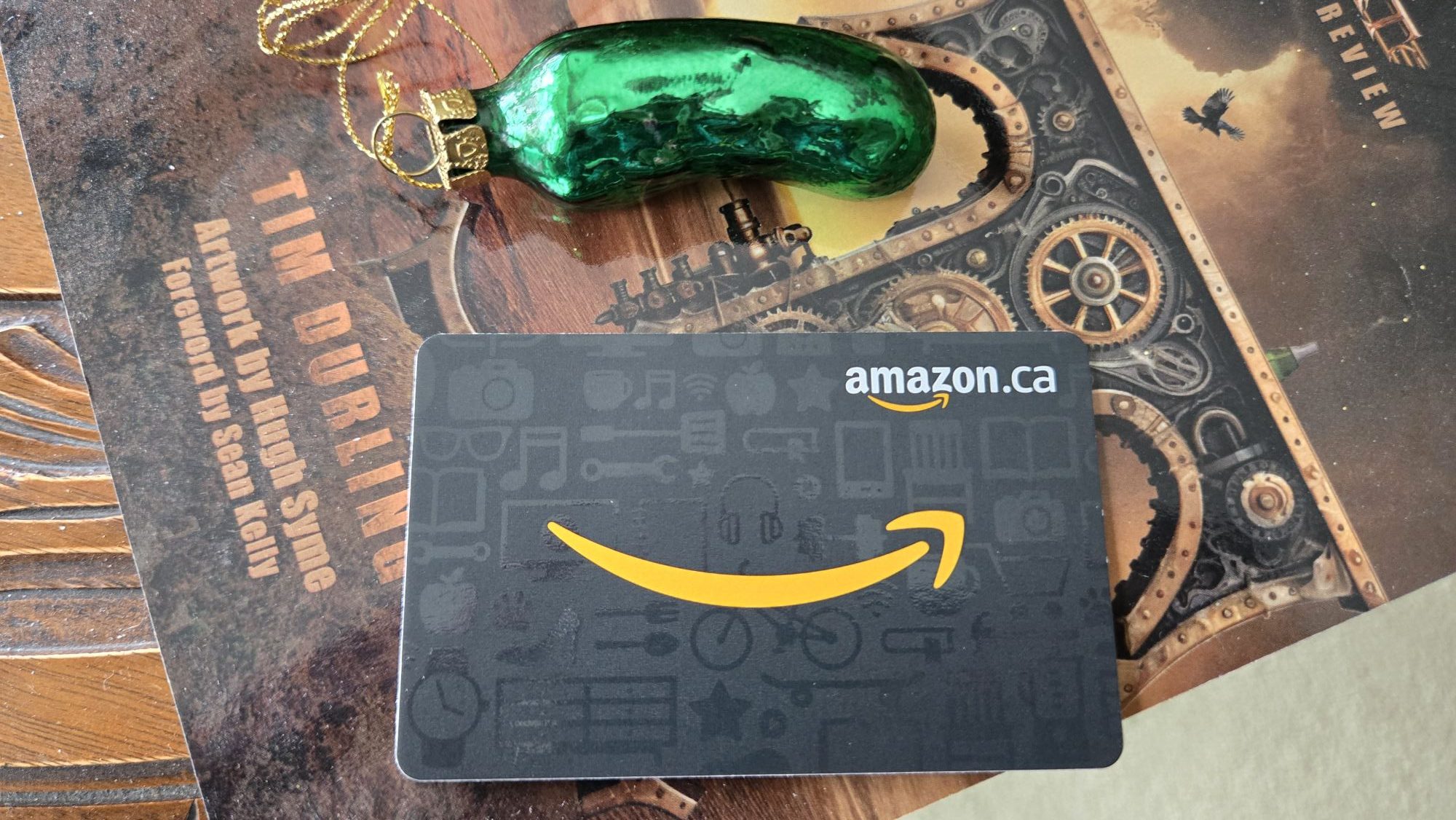
I won the $25 Amazon gift card at the “Christmas pickle” game. I wasn’t even going to participate, but after seeing Jen and Dr. Kathryn getting nowhere, I entered the fray. I quickly boxed Dr. Kathryn into a corner, where she was unable to see the front of the tree, where my mom had announced the pickle to be. Once spotted, I used the pickle to order the new Van Halen For Unlawful Carnal Knowledge box set. It’ll be here Saturday.
There were some really cool items in my grab bag this Christmas.
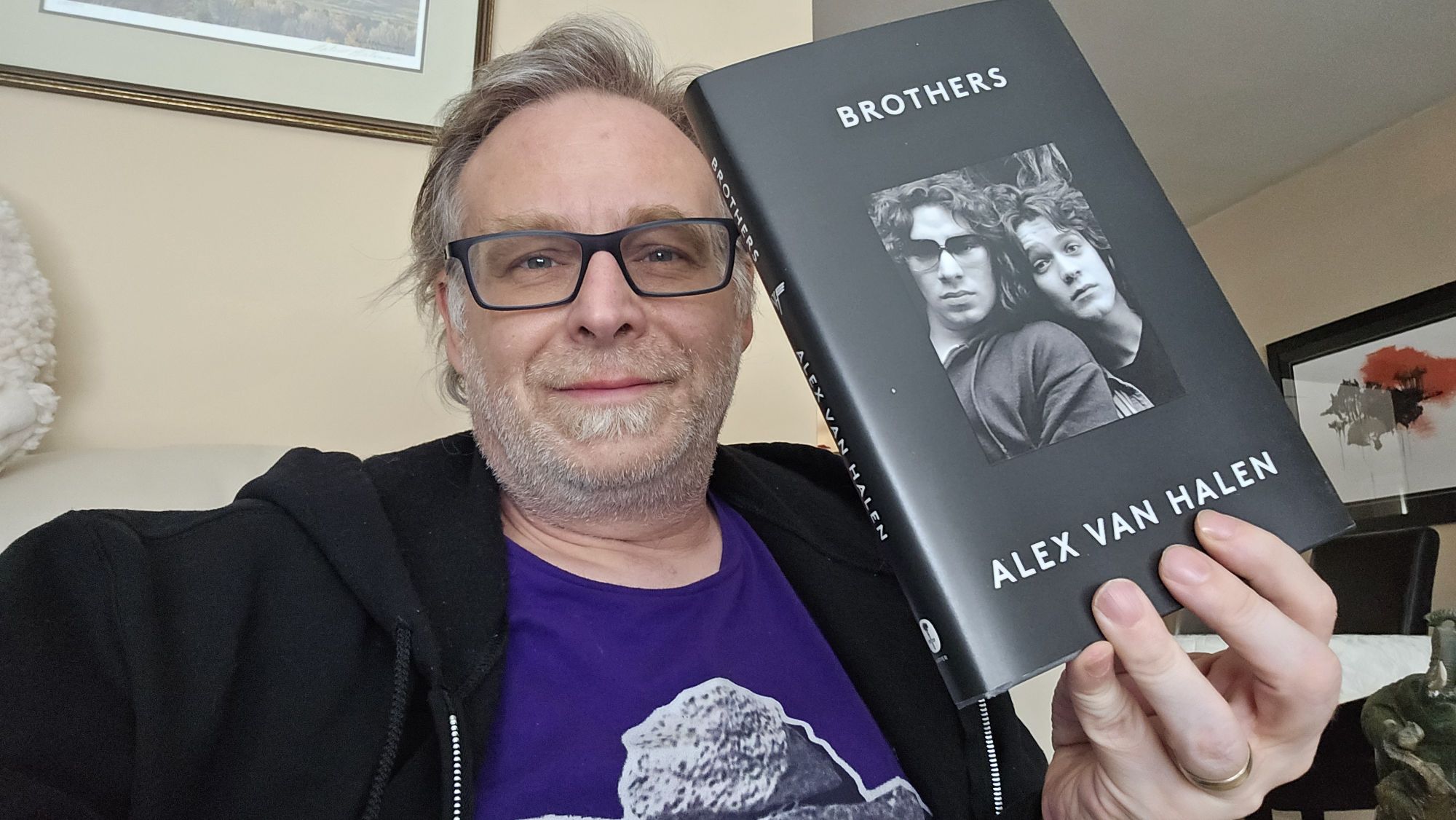
I had hoped someone would get me Brothers by Alex Van Halen, and Dr. Kathryn came to the rescue there. It’s a beautiful looking book, and emotional too from what I have read while skipping through.
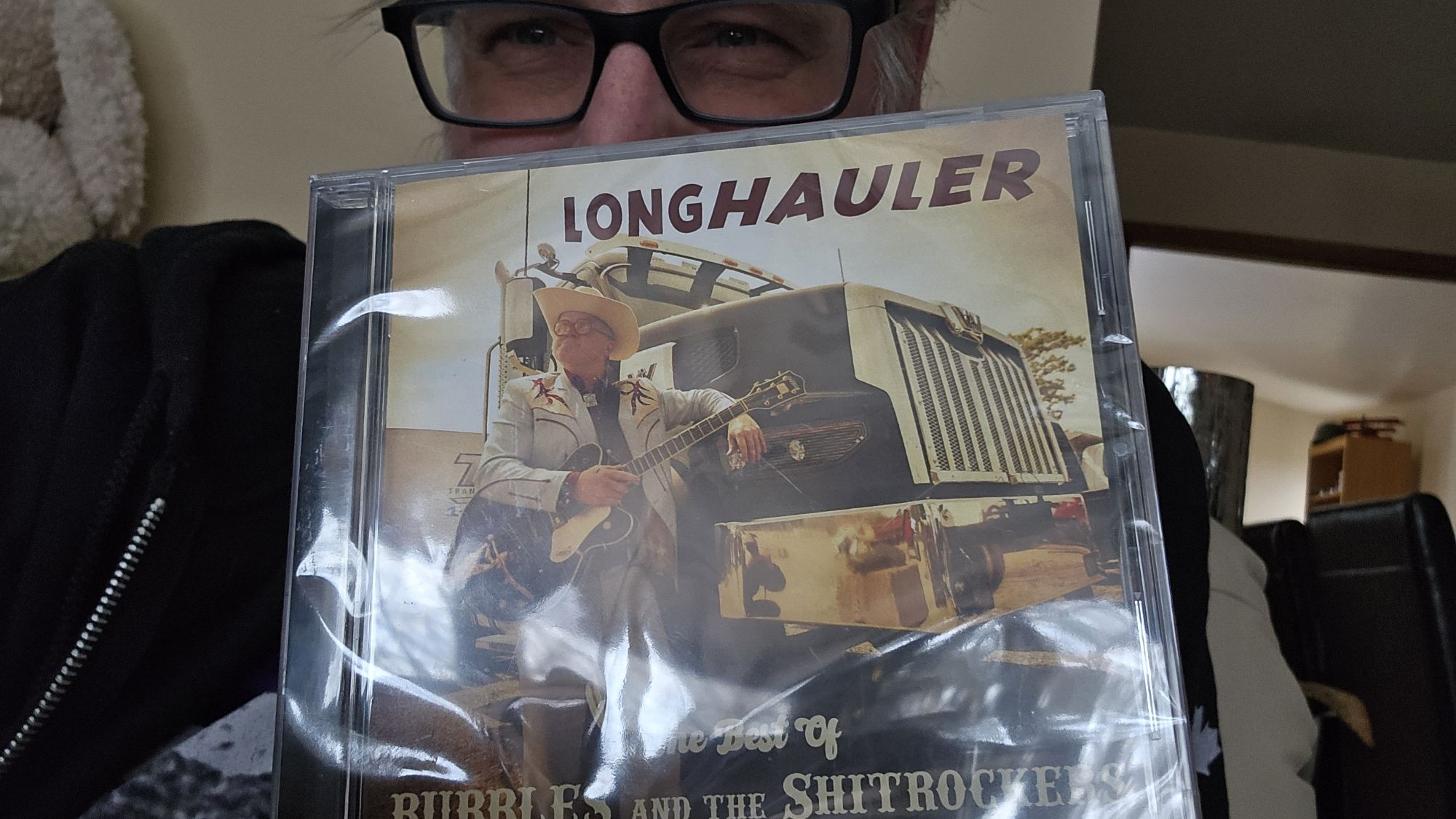
Bubbles from the Trailer Park Boys has a new album out with standards new and old: Longhauler: The Best of Bubbles and the Shitrockers. If you need to ask, don’t. I was surprised that the album was produced and engineered by Eddie Kramer!
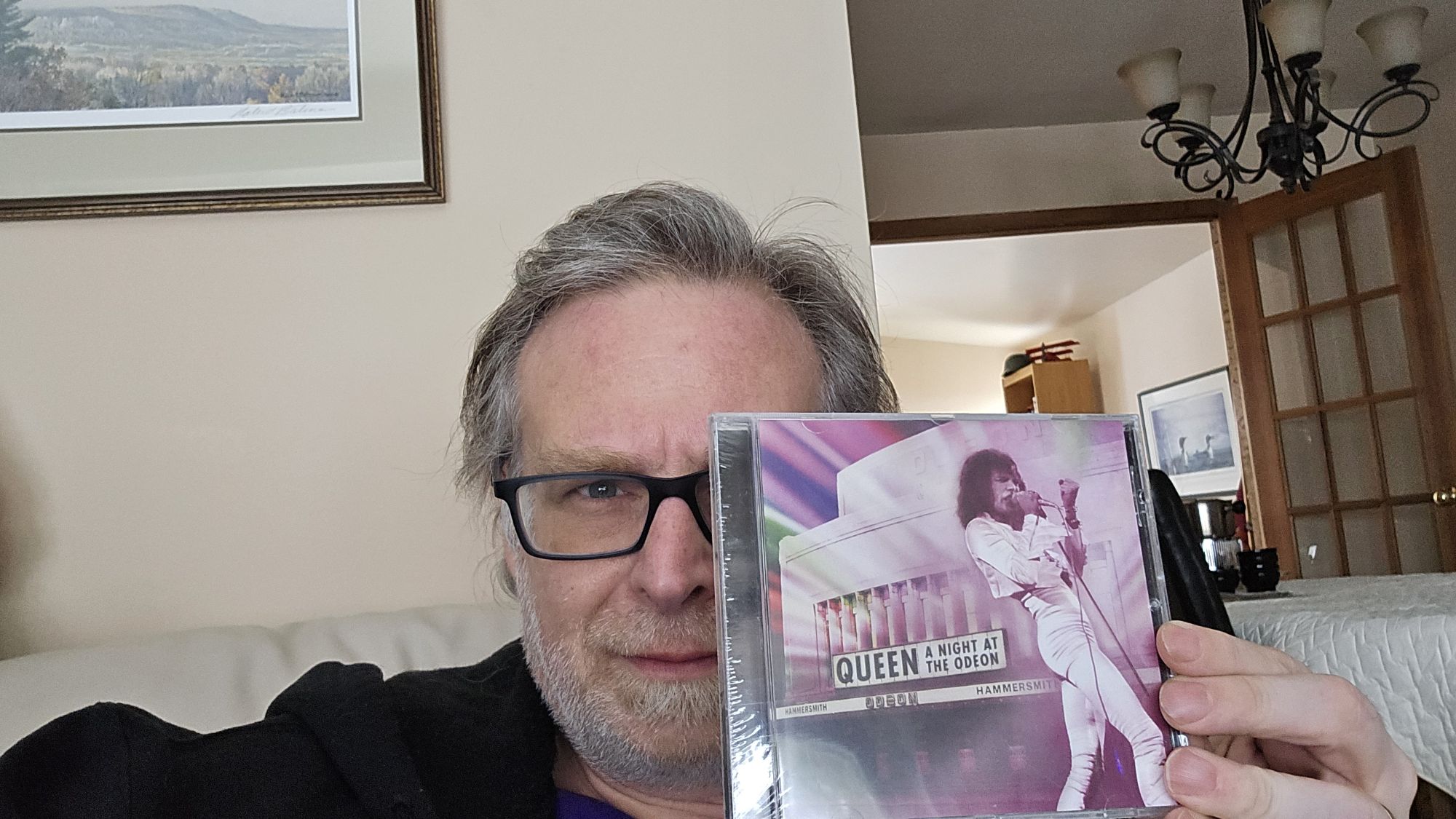
Queen’s A Night at the Odeon (1975) is another album that came highly recommended. I wishlisted it and it magically appeared in my stocking thanks to my parents. It looks like a winner.
Finally, some anniversary editions from Jen: Judas Priest’s Rocka Rolla, and Twisted Sister’s Stay Hungry. Rocka Rolla is probably the best album remix I have heard in my life. Tom Allom pretty much just made the album sound like itself, but beefier. As if you had always heard it distant and muffled, and now you can hear it fully for the first time. As if you just got a new stereo and are hearing this music properly for the first time. As for Twisted, I find it funny that I already own the 30th anniversary edition, with a very different set of bonus music.
Of interest: this is probably the 3rd time I have received Rocka Rolla for Christmas. It is my 2nd for Stay Hungry at Christmas time.
As usual, I received some treats and games, including two more editions of Uno to play at the cottage this summer. My mom got me some Trailer Park Boys pickle flavoured chips, and who knew that such a thing existed?
As for my mom, she used to do this thing when we were kids, where she would take a larger box of candy and split it up into smaller gifts that could fit into stockings. She did that for me this year…with her chocolate coffee bombs that she got the night before. She gave me one of each flavour, since I had called about the Saturday Night Live sketch. Thanks mom. You win this time.
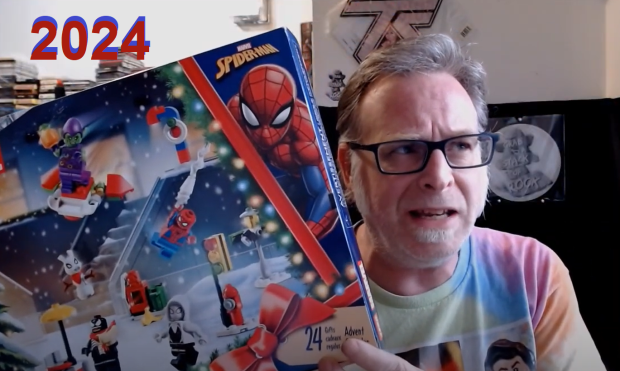
Merry Christmas! Here is a special set of 24 videos, one for each day on Lego’s Spiderman Advent Calendar.
MARVEL LEGO SPIDERMAN ADVENT CALENDAR 2024
I used to enjoy candy Advent calendars as a kid, since they helped us pass the boring December days a bit. As an adult, I enjoy them as something to look forward to during a December at the office. Regardless of motive, I didn’t enjoy the Lego Star Wars calendars as much. Too many fragile mini-ship builds.
I thought I’d give Spiderman a try in 2024, and I enjoyed this one a lot more. There were a lot of parts and settings that might work well in future customs. It could work as a “Christmas village” of sorts. There were come cool minifigs and accessories. Lots of webbing to play with, and a lot of spare parts.
As for value? These packages are not cheap, so don’t expect a lot of parts for your money. What you will get are some rarer minifig parts like an ugly Christmas sweater and a neat Spider-Gwen, not to mention her drum kit.
“Recently, a young journalist asked me how many songs I had written in my life. I replied that the last time my assistant counted, twenty years ago, it was over 500. I felt quite accomplished until she pointed out Dolly Parton’s 5,000 songs, calling me a lazy sod.” – Ian Gillan
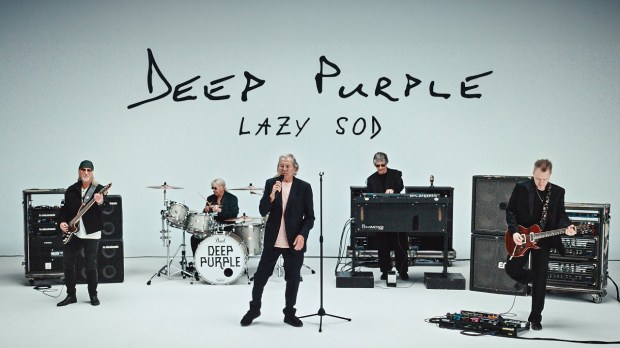
DEEP PURPLE – “Lazy Sod” (2024 Ear Music)
Since Deep Purple’s =1 album was my #1 album of 2024, it should be no surprise that I love the single “Lazy Sod”. It exemplifies what Simon McBride brings to Deep Purple on this new album. His smooth playing is loaded with feel and perhaps he adds just a tad more hooky riffiness into the band. “Lazy Sod” is a fantastic track, a shorty at 3:40, even loaded with solos by Simon and Don Airey. No fat, just like those old Deep Purple Machine Head firecrackers from the early 70s.
Back when we reviewed the =1 box set, we speculated why a live version of “Highway Star” with Simon McBride wasn’t included. Same with “Lazy”. Here they are. “Highway Star” (Milan, October 17 2022) is pretty damn energetic and features the Simon stuff that we were waiting for. His sound might be likened as somewhere between Steve Morse and Ritchie Blackmore, but what he brings to the table fits perfectly, without copying either.
“Lazy” (Sofia, May 23 2022) is the lengthy one, at 8:33. Don Airey opens it with some meandering organ soloing, before playing some more familiar notes. Then it’s Simon’s turn, sending out a delightfully original solo for “Lazy”. He throws it back to Don like a game of ball, and Don slays it some more. “Fun” doesn’t begin to sum it up. There are old Deep Purple versions of “Lazy” where it does not sound like they are having fun. This does, for Don and Simon in particular. The rest of the band have to be able to feed off that. Ian Gillan doesn’t enter the picture for over five minutes. He turns in a performance more like a lounge singer, but with some screams towards the end.
Another great single from the Purples. Thanks for keeping the format alive. It’s limited to 2000 copies but hopefully that’s enough for the collectors who want it.
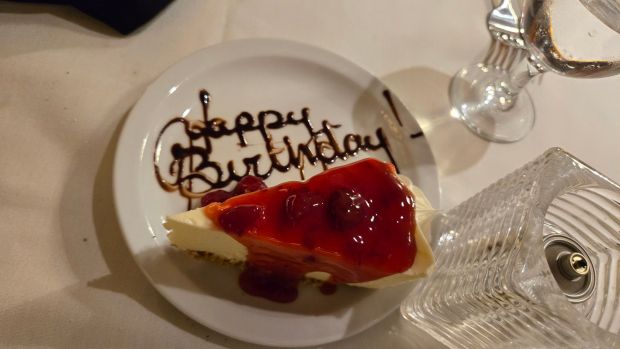
Jen is still as beautiful as they day we met. As we both age, she has retained her youth better than I. I am grateful to have her. She had a wonderful birthday dinner at Golf’s Steakhouse in Kitchener.
She had the prime rib, medium rare. I had the salmon. The soup was vegetable puree. We both had salad bar, and I added some garlic shrimp to my order.
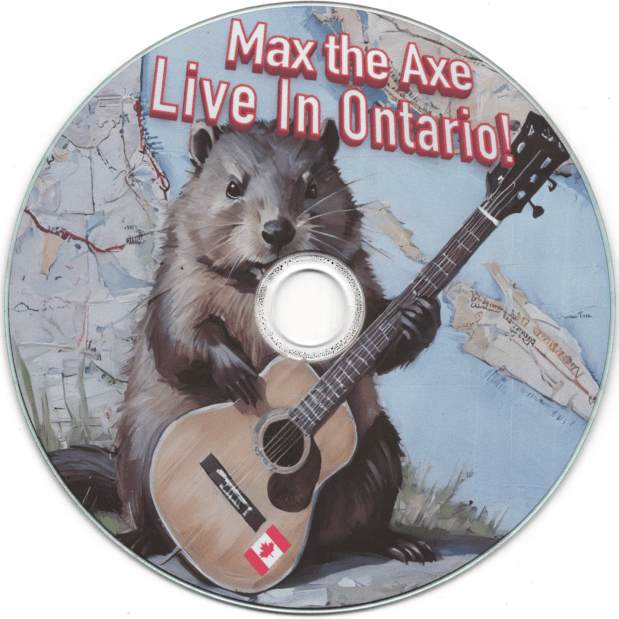
Kitchener Ontario’s Max the Axe has several studio albums and EPs, plus a “best of”, but never before have they released a live album. Until now!
Recorded in 2006, 2017, and 2018, the album features a spread of Max classics new and old, including favourites like “Scales of Justice” and “Gods On the Radio”. Each song features Eric “Uncle Meat” Litwiller on vocals.
“But Mike,” you ask. “I thought Meat joined the band later than 2006.”
True. While we won’t get into details, if you consider Kiss Alive to be a great album, then you should have no problem with Live In Ontario!
The first six tracks come from a 2006 recording called Heads or Tails, recorded in Etobicoke Ontario. The lineup includes Litwiller, Mike “Max the Axe” Koutis on guitar, Tom Cole on bass, and Jeff Slauenwhite on drums. These tracks are heavy on bottom end. The guitars are pure sludge. Opener “Blood Runs Red” sounds great with Meat singing; a fantastic vocal performance. The familiar “River Grand” follows, and once again the vocals stand out, with Eric adding twists that aren’t on the album versions.
“Labyrinth” has distortion and groove. Max wrings some cool sounds from his axe on this frantic, messy, punky classic. It’s very shambolic, definitely with a punk rock appeal. Back to a more metallic sound on “Immortal” (subtitled “I Feel the Sun”). The vocals are more tentative here, as the song was less familiar when recorded.
“Mexican Standoff” opens with the traditional Mexican sounding guitar lick, and then it’s off to the races with Meat in peak voice. This version lacks the shouted backing vocals, but is cool nonetheless. Max throws some wah-wah on during a noisy interlude. One more song from this gig is the Metallica-like “Space Marine”. It is great to finally have versions of these older songs with Meat singing, tentative as some are.
Onto the next batch of songs from 2016 at “The Farm” in Woodstock Ontario. This was the very first gig with the new (and definitive) lineup: Mike Mitchell on bass and Dr. Dave Haslam on drums. Having never played live before, and with a batch of brand new songs, the gig sounds much as you would expect. It’s energetic and engaged, but good as the songs would come to be, they are not there yet. The set features a number of compositions that would later appear on the Status Electric album, plus “I Don’t Advocate Drugs”, the first version available with Eric on vocals. He cranks it up a couple notches.
A very cool band intro leads into “The Other Side”, a very embryonic version. The parts are all there, but it’s not tight yet. “Loose” is a good word to describe this live album in general. There’s also an extended guitar solo. From there, Eric asks the audience if anyone out there owns a snake? Which means, of course, that “Scales of Justice” is up next. It’s not as crunchy as the album. If anything, maybe it’s a bit more Zeppy. Yet those vocal hooks are there, and Meat is in peak voice. This track needed some work before it was album worthy, but it is fun to hear these early versions, flaws and all.
“This is a song about gambling,” explains Eric. This means the “Next Plane to Vegas” is about to land. It barely hangs together, but it’s over in a flash. Finally, “Gods On the Radio” closes the set with Max’s best song. Again, it’s not quite what it would become on album yet, but the bones are there and the vocal hooks are 100% intact. It doesn’t have the drive of the album version and unfortunately the drums are hard to hear. The guitar solos also haven’t evolved yet.
Finally, “Randy” from 2018 was recorded on a cell phone by your’s truly. While a limited run of one (1) single picture disc was made, this is its first CD release, and in much better sound quality. In terms of performance, this is by far the best track. All the songs were by now well rehearsed by the band, as the album had been completed. The difference between this and the Farm tracks is clear.
It is a shame the whole 2018 Boathouse set was not recorded. That said, you do the best with what you got. In this case we have a 2006 recording of an early band lineup, with the older songs. Then you have the 2017 recording of the definitive lineup, but with songs that they were still honing. So it’s not a perfect situation, but it’s history recorded. Something to remind us that albums don’t come fully formed. They must be worked on diligently, and if anything, Live In Ontario! makes us appreciate Status Electric that much more.
“Randy” on the other hand could be the best version of that song, period.
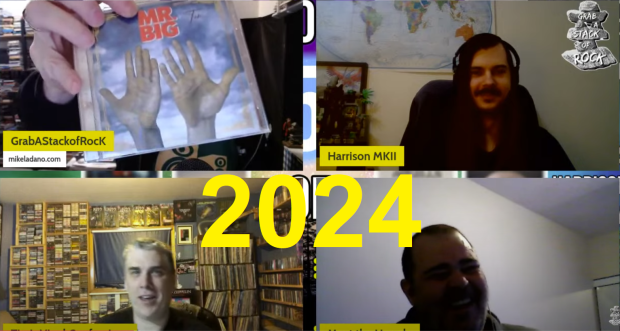
The best of 2024 in rock and pop was on showcase this week on Grab A Stack of Rock. Tim Durling, Harrison Kopp and special surprise guest Uncle Meat brought their Top Fives and runners-up in this fun and action packed show.
What did you miss? Well, shirtless Jex for one. That one even scared off Peter Kerr, but did result in some pretty hilarious comments.
The comments section was lively, and if you want to catch Johnny Metal’s Top Five of 2024, his were in the comments section which I put on screen. Meanwhile, there was some minimal repetition, and actually less than I expected. Mr. Big, Deep Purple, Jon Anderson and Bruce Dickinson were among the artists who scored two hits on tonight’s lists. There was plenty of love for other artists’ new albums such of Opeth, Paul Di’Anno, Blaze Bayley (of course) and Arkells.
We also took a look at three books that I enjoyed in 2024 – two of them by Mr. Durling!
A fun, passionate and laugh-filled 90 minutes of music appreciation awaits you below.
See you December 31 at 9:00 PM EST for a drop in New Years Eve party!


















 mikeladano.com