

sHEAVY – The Electric Sleep (1998 Rise Against Records)
Last time, we talked about the “moment of epiphany” when I first heard this band. This is my favourite album by Sheavy, choice band from St. John’s, Newfoundland and Labrador. The Electric Sleep is an intense listen, throbbing and bottom-heavy, but it’s especially striking for its similarity to early Black Sabbath. My buddy Tom often said that this seemed like it should have been the next Sabbath album, as if Ozzy never left in 1979. I disagreed, as I found it to be more the mold of earlier period Sabbath. It doesn’t matter; if hearing a band that sounds pretty much exactly like the original Black Sabbath offends you in any way, then don’t listen to Sheavy.
The album opens with “Virtual Machine”, and Steve Hennessey’s distorted computerized yowl is mesmerizing. The riff detonates, it’s a keeper, and Sheavy have kicked me in the buttocks with the first track. “Velvet” abruptly changes the landscape to something more acoustic, atmospheric. A Sabbath analog would be a song like “Solitude”, for example. But then “Destiny’s Rainbow” arrives to kick your posterior again once you’re getting too comfortable.
“Electric Sleep”, the title track, recalls “Hand of Doom” from Paranoid. “Born In A Daze” has a groovier feel. You know how Sabbath kind of got a bit groovier on Never Say Die? Songs like “Junior’s Eyes”? Maybe Tom’s right, and maybe this album does sound like a followup to Never Say Die at times.
My favourite song is the stormy “Automaton”. This one actually reminds me of early Queensryche lyrically, when they were still singing about computers and robots and other cool stuff:
If all the secrets they’ve been hoping to find,
Unlock the programs buried deep in my mind,
And am I human or just a robot slave?
They sent me here so their world I could save, yeah-ahh!
Musically, “Automaton” is also the least Sabbath-like. The riff is swift, stout and precise, but not very Iommi, which is fine. And there’s a cool slide guitar hook that recurs in the song which helps give it a unique sound. This one’s a winner: my favourite Sheavy song, period.
That’s a hard act to follow, but Sheavy do so with the mournful “Savannah…Flights of Ecstasy”. In his best vintage Ozzy delivery, Hennessey laments the loss of someone close:
She forgot to breathe,
She forgot it was make believe,
Can’t avoid her eyes,
Never cared for long goodbyes.
If I had to compare this to a Black Sabbath song, it would actually be “Lonely Is the Word”, from Heaven and Hell. Hennessey’s Ozzy stylings aside, musically this has the same kind of vibe…until it gets heavy and riffy close to the end. Then suddenly it’s Vol. 4.
“Saving Me” gets the heads banging, but “Oracle” is something else. Beginning with a didgeridoo (an instrument that Black Sabbath definitely never used), it’s obvious that this song is a carbon copy of “Black Sabbath” itself. The riff is the same “devil’s triad”. Throw in some cool Jimmy Page “Dazed and Confused” wah-wah guitar licks on top and you have an idea of what this mash-up sounds like.
The album closes with “Stardust” and “Last Parade”, a duo of heaviness 15 minutes in length total. “Stardust” itself is loaded with guitars, no less than eight players are credited on it!
I think if this album wasn’t so derivative of the original Black Sabbath, it would be worth 4.5 stars due to the sheer quality. However, I think I have to knock off half a point simply because you can play “name that Sabbath song” for several tracks. Although Uncle Meat says the same is true for moments of Black Sabbath’s new album 13, I’m going to give Sheavy…
4/5 stars


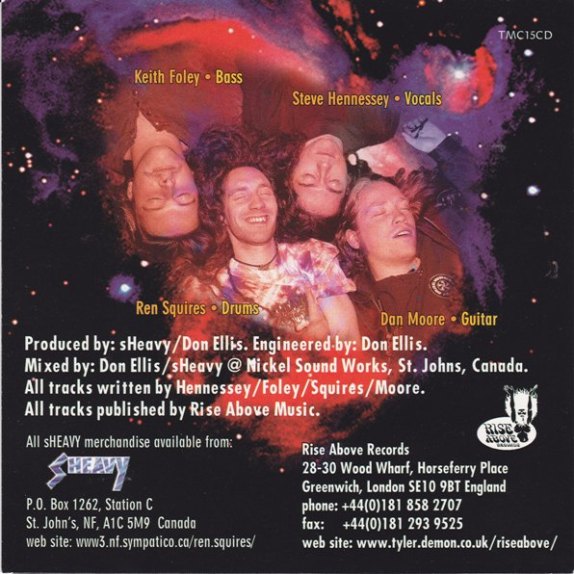
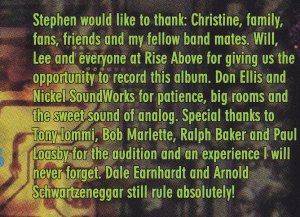 The singer is a fellow named Steve Hennessey, and according to the CD booklet, he once had an audition with Tony Iommi and Black Sabbath’s then-producer, Bob Marlette! What could that have been for? An Iommi solo album, or Sabbath itself? The CD doesn’t reveal. “Special thanks to Tony Iommi, Bob Marlette, Ralph Baker and Paul Loasby for the audition and an experience I will never forget,” is all it says! He nails every inflection that Ozzy used to do, it’s that uncanny.




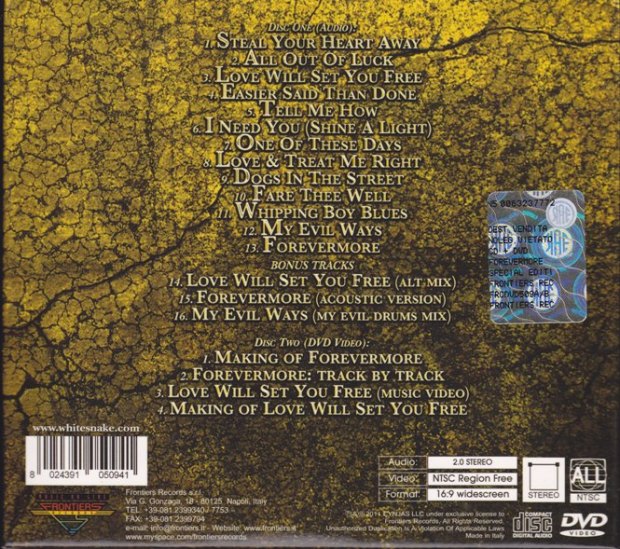
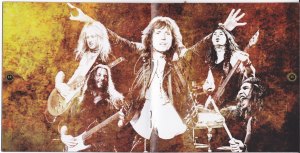 You can definitely hear an urge from Coverdale and Co. to keep everything loosely based on the origins of Whitesnake. You get a lot of bluesy rock, a lot of soul singing from one of the best there is, and some serious groove. On the whole, this album sounds like a growth from the last album, the solid but safe Good To Be Bad. Good To Be Bad was a decent album, but very “safe”. It did not stray much if at all from the classic Whitesnake 1987 sound, complete with guitar solos from the John Sykes School of Axe Wizardry. Now Whitesnake are stretching out more, and dropping a lot of the Sykes-isms. If the last album was a debut album of sorts, this one definitely sounds like the more confident second album.



 I still think of CDs in terms of being albums, of having a “side one” and a “side two”, and to me this sounds like a natural break between two album sides. I like side one, but side two wears on me. The title track has a wicked wicked cool sounding guitar solo, but it’s just one lick that repeats four times. Typical 90’s simplicity. Then there’s “Gretna Greene”. The lyrical matter is that of abuse, but unfortunately this very important subject is relegated to the back seat by the title of the song. Yes, it’s an O.J. Simpson trial reference. That wouldn’t matter so much if the music stood up, but this song is pretty boring. They stay that way until “Human Crate”, which is slower but a really cool song with powerful vocals. The album ends with a ballad, “In A World of My Own Making”. For the first two minutes it’s just a piano, and Rob. It’s a side of Halford rarely heard. Then the band comes in, and it becomes a slant on “Beyond the Realms of Death”. Except…with flat sounding drums and brittle guitars.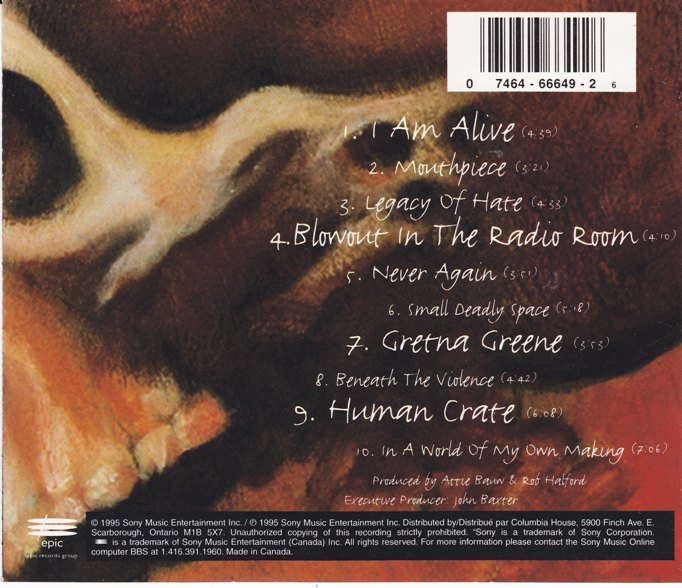



 mikeladano.com