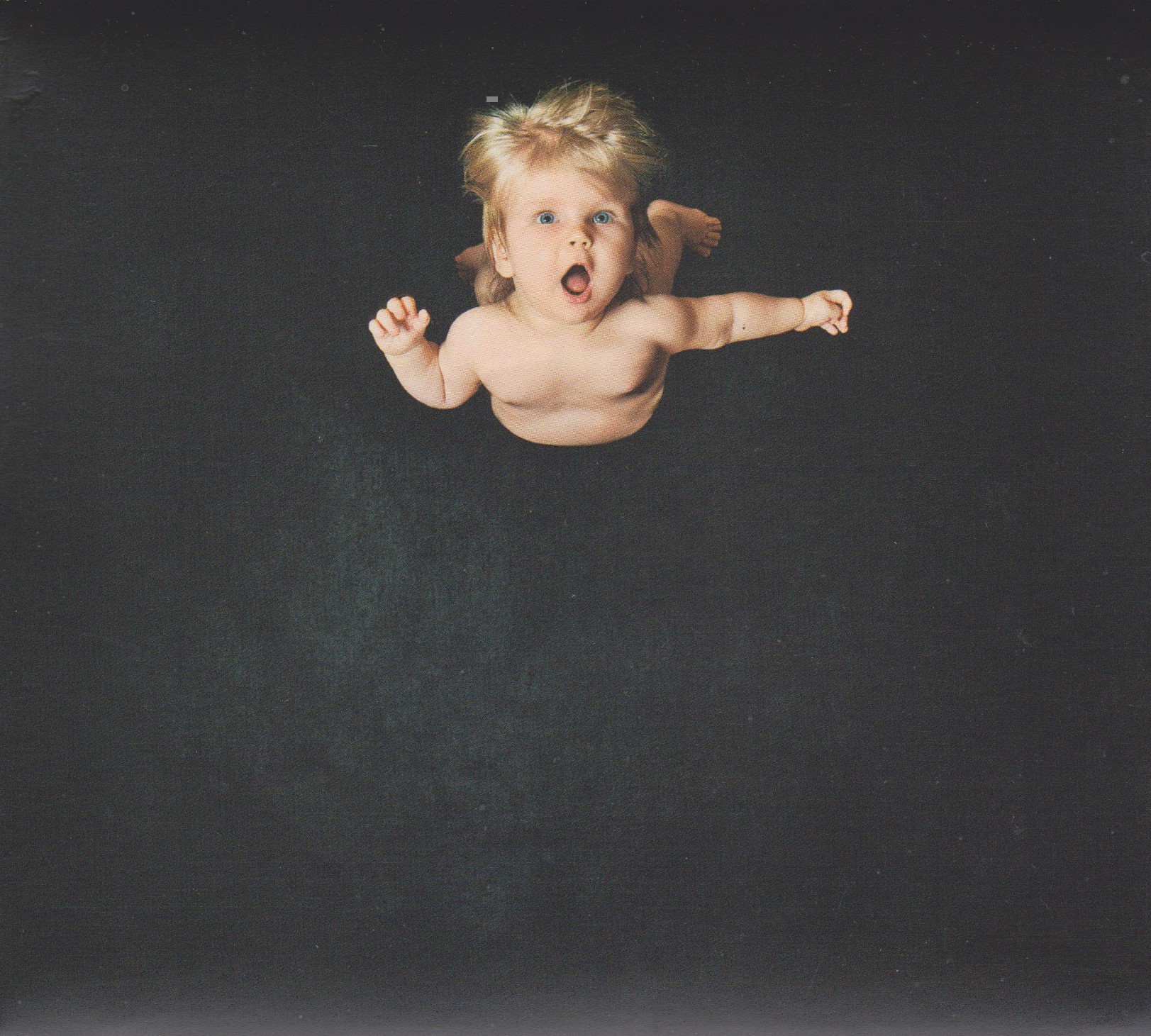
REVIEW: The Tragically Hip – Man Machine Poem (2016)

NEW RELEASE

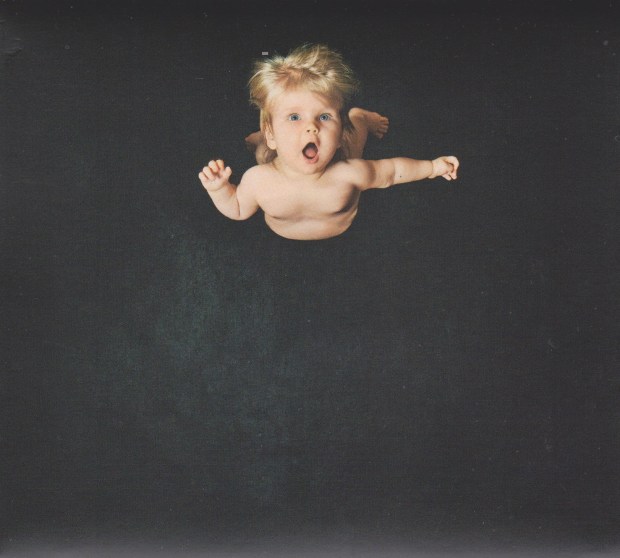
Scan_20160620THE TRAGICALLY HIP – Man Machine Poem (2016 Universal)

The title Man Machine Poem reveals something about the new Tragically Hip. Β The first song is entitled “Man”, and the last one “Machine”. Β This album is an epic poem — the “Man Machine” poem. Β It has a flow like a singular body of work, even though it is made up of individual songs. Β Like most Hip albums of late, it is a brooding work thick with power in its quiet grooves.

Sounding a bit like like classic Radiohead, “Man” opens the CD on a suitably weird note. Β Droning piano, strange echoey vocals…and I’m hypnotised immediately. Β Granted, the subconscious mind keeps trying to find meaning in the music. Β Now we all know the terrible news. Β That in mind, we’re not going to treat this album like a funeral. Β Brain cancer be damned, Gord Downie is doing that final tour, you know the one? Β The one that nobody has been able to buy tickets for except on StubHub for many times their original value. Β In other words, it’s a heavy atmosphere and you keep searching for hints and clues that are not there. Β “Man” is a brilliant track, showing that the Hip were continuing to push their own limits.

Just about every track on Man Machine Poem is brilliant. Β The first single “In A World Possessed by the Human Mind” sounds like something Bono wishes he had written. Β The fuse smoulders, but the song blasts openΒ brightlyΒ on the chorus. Β Each song has its own character, but hard to define. Β “What Blue” is simply lovely, a summery track that is hard to forget. Β “In Sarnia” sounds more like “in the country”, but friends from back that way say that’s not too far from the mark. Β Passion turned up to 10, Gord lets it all out. Β The song is slow and quiet; all but Gord.

The days of “Little Bones” and “New Orleans is Sinking” are long behind now. Β The Hip don’t write albums like that anymore, but what they do create still has innate power. Β Listen to the acoustics and the slides blending with the electric guitars and steady beat of Johnny Fay. Β The Hip run like a well oiled…gotta say it…Man Machine. Β The older, wiser, and less loud Tragically Hip still rock, cranking it up when necessary. Β “Here, in the Dark” is a fine example of placing the explosive charges in the exact right spots. Β So is the growling “Hot Mic.” Β The energy is palpable. Β Even on a song called “Tired as Fuck”, there is energy in the air.

Man Machine Poem has an epic feel to it, from the strange start to the drawn out dramatic ending. Β  It’s temping to say something like “best Hip album in years!” but they’ve never stopped making great albums.

4.5/5 stars


#495: Change

COINS

GETTING MORE TALEΒ #495: Change

As anybody who has ever manned a cash register for a living knows, you gotta keep that sucker stocked with change!

During the transactions of the day, you inevitably run low on certain coin denominations. Β With the Harmonized Sales Tax added in (our HST was a whopping 15%!) a used CD purchase always came to one of these four totals: Β $6.89, $10.34, $12.64, or $13.79. Β (Incredible, how I still have those totals memorised hey?) Β Most customers paid with a $20 bill. Β You can see how, through the course of a business day, you would build up a large stack of $20’s, while slowly running out of pennies, dimes, quarters, loonies ($1 coins), twonies ($2 coins) and $5 bills. Β (We rarely had to replenish the nickles. Β Since that time, pennies have been discontinued in Canada.)

One other critical factor to consider: Β We bought and sold used CDs. Β We paid between $2 and $7 cash per disc. Β You can see how would we run out of $5 bills, twonies and loonies quite easily on a busy day.

There were fewer worse feelings than running out of change midday, with no backup to make a bank run. Β Customers don’t like receiving a mitful of dimes for change because you don’t have anything larger left. Β Unfortunately, most of them didn’t help the situation. Β Some would try to give you exact change, or at least helpful change, but most would just lazily hand you a $20 bill even though they had a hand full of change, enough to make exact change. Β Granted, a large portion of customers actually wanted to keep their quarters and loonies for bus and laundry money. Β But I’ve also seen the odd guy here and there who would be paying, start counting out change to pay with, then lose count and just hand me a $20. Β Anyway: Β long story short, we were always handing out tons of coins and in need of change and small bills.

Managers like myself were responsible for keeping the register stocked with enough change. Β If we failed that, or miscalculated how much coin we’d need to get through the day, there’d be hell to pay in the morning! Β We had one nasty boss who was really good at yelling. Β Once she had unloaded the artillery on you, you didn’t want to disturb the beast ever again or you’d get it even worse. Β You didn’t ever want to have repeat offenses with this person. Β She could peel your skin just with a glare. Β  So, I created a practical yet unpopular solution to this problem.

One day, after being yelled at for the umpteenth time for this, I said, “Fine. Β From now on, I’m stocking enough change to last us an entire week. Β We’re not running out again.” Β And we didn’t.

I’d have to call the bank in advance so they could prepare my large change order. Β (One bank wanted 24 hours’ notice — ridiculous!) Β I’d go to the bank with a small wad of $20 bills and return with a heavy bag of coinage. Β Fortunately we could use the “business line”, bypassing the large queueΒ of regular customers, who sometimesΒ would glare or make comments about the guy “jumping the line” (me). Β Unfortunately for my staff, whoever was closing at night had to count a whole bunch of coin and small bills. Β They complained, but I explained simply: Β “I’m not getting yelled at again for running out of change, so we have to live with it.”

Like I said, it wasn’t a popular solution, but it was an effective solution. Β Other store managers who might have been on the “good side” of that evil perfectionist boss didn’t have to worry about getting yelled as frequently asΒ I did. Β She picked on me and a few select others harder than her favoured crew of close friends. Β Counting a shit-ton of change at night was a very small price to pay for this minor slice of peace of mind!


REVIEW: Motley Crue – Quaternary (1994 Japanese EP)

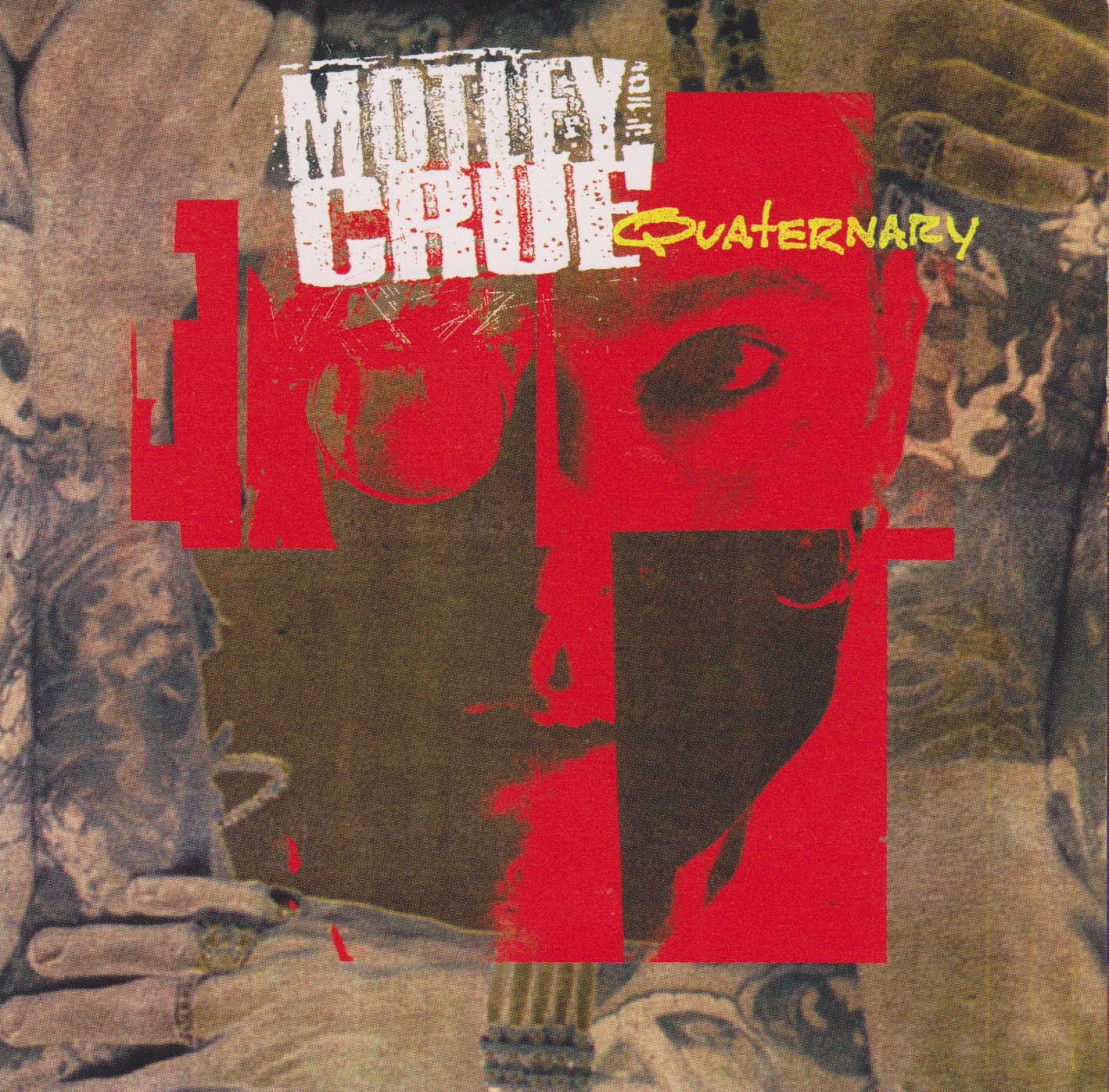
MOTLEY CRUE – Quaternary (1994 Elektra Japanese EP)

For me, undoubtedly the most heavily anticipated new album of 1994 was the new Motley Crue. Β Originally titled ‘Til Death Do Us Part, the self-titled ’94 Crue discΒ was their first with new singer/guitarist John Corabi. Β They holed up with producer Bob Rock and knuckled down, creating what could have been the most important album of their careers. Β The long wait (five years between studio albums) and cryptic remarks from the studio indicated that this would be the heaviest Motley album ever, and their most ambitious. Β The new, serious Motley for the 90’s had, as always, written plenty of extra material too.

In addition, producer Bob Rock had an idea for getting creative juices flowing. Β He asked each of the four members of Motley Crue to write and record a solo track with no input from the other members. Β This was slightly historic: Β the first time Nikki Sixx, Mick Mars, Tommy Lee or John Corabi had done anything solo. Β With all the numerous outtakes recorded for the Motley Crue LP, there was now plenty of extra material to put out as a bonus EP.
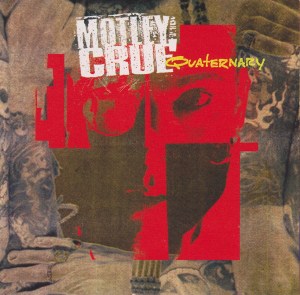
Scan_20160612A mail-away coupon inside the Motley Crue CD alerted fans that five more tracks were available by mail order only. Β 20,000 copies of the original EP were pressed. Β They included all four solo tracks and a new Motley Crue song called “Babykills”, featuring fifth Beatle Billy Preston on clavinet!

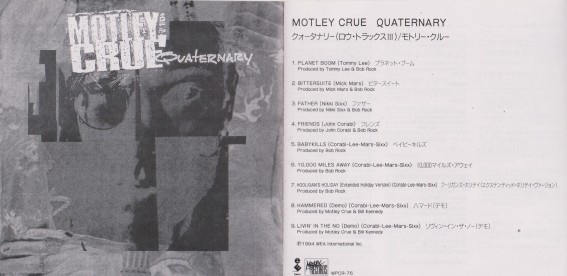
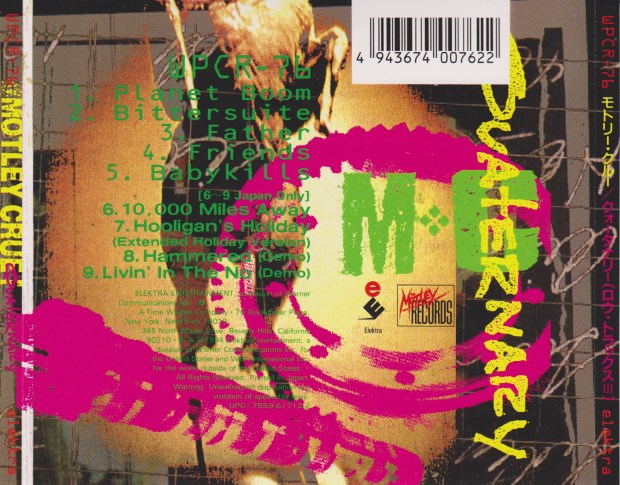
Still, the lucky fans in Japan didn’t have to mail away for anything. Β They were able to buy Quaternary right on their store shelves, and because it’s Japan, they also got bonus tracks. Β The Japanese version of Quaternary was not a five song EP, but more like a nine-song mini-album. Β I had no idea such a thing existed until finding one at Sam the Record Man in Toronto in the summer of 1996. Β  It still has the price tag: Β I paid $49.99, for a total of three songs that I did not have before.

Today, every one of these songs can be found on the box set Music to Crash Your Car To: Volume II, along with even more bonus mixes.

Quaternary commences with industrial noises and studio dialogue:

Tommy Lee: Β “I can’t play with fuckin’ clothes on man, this is bullshit.”
Bob Rock: “Play naked.”
Tommy Lee: “Fuckin’ jeans on, a fuckin’ shirt…what up with that?”
Bob Rock: “What, do you work in a bank?”

The industro-rap metal of Tommy Lee’s “Planet Boom” is a track he had been working on for years. An early version made its debut in the background on the 1992 home video release Decade of Decadence. Even though the words “industro-rap” and “Tommy Lee” don’t really sound good together, “Planet Boom” kicks ass. Tommy played all the instruments, utilising a simple, detuned Sabbathy riff and a relentless drum loop. The strength of his vocal came as a surprise, as did the song in general. A few years later it was remixed for Pamela Anderson’s movie Barb Wire. (Stick with this original.)

After a brief studio discussion with Mick Mars about hemorrhoids (?), his blues instrumental “Bittersuite” blows your ears off. Motley fans know that Mick Mars is the most musically talented member, considered an underrated and under appreciated rock god. The blues-rockΒ of “Bittersuite” isn’t as satisfying as I imagine a pure blues offering to be, but there is no doubting Mick’s talent here. Both as a writer and a player, Mick hit it out of the park (Chris Taylor played drums). Mick’s goal was to pay tribute to rock-blues greats like Beck, Hendrix and Blackmore. Mission accomplished. His guitar tone is beautiful and so are his emotive licks.

Nikki Sixx goes third, with another industrial-metal cross. “Father” is one angry fucked up track. It’s heavy and direct, on-trend for 1994, and very abrasive. The riff and song are simple, but Nikki’s anger leaks through. “Father — where were you?” Backwards guitars, electronics and loops on top — you can tell Nikki and Tommy were listening to the same kinds of music at the time!

New kid John Corabi goes last, and in the liner notes he says that “Friends” is his first piano song. He meant to go acoustic, but “Friends” just came out of him. It’s a pretty Queen-like ballad with lovely harmonies in the middle. Although Mick Mars’ song is probably a greater technical achievement, “Friends” is my favourite of the solo tracks. When a guy like Corabi gets going on a ballad, it’s usually going to be amazing anyway. Throw in the Queen elements, and I’m just a sucker for it! It’s really a shame that Motley did not continue with John beyond this. The potential for greatness was always there.

After more studio chatter, we break into “Babykills”, the Billy Preston collaboration. “Babykills” is fun and funky hard rock, probably the heaviest thing Preston ever played on. Unfortunately his part is little more than an added topping. Great tune though; probably far too good to lie hidden away on an obscure mail-order EP.

An impromptu jam that seems to be called “I Just Wanna Fuck You (In the Ass)” ends the original EP on a jokey note. Β “What the fuck do you want, for fuck all?”
Scan_20160612 (3)

As mentioned, the Japanese had bonus tracks. Β  These are tracks that did not make the finished Motley Crue album, since they had recorded so much extra material. Β “10,000 Miles Away” is a cool blues ballad, showing off more of Mick’s fine fingerwork. Β It was obviously too much of a standard sounding song to fit in with the experimental Motley Crue album. Β Not that the album stood a chance in hell after grunge cleared the decks, but you do wonder if it would have been better received if some of these more digestible songs were included on it.

The one track on the Japanese release that is easy to skip is the Skinny Puppy remix of “Hooligan’s Holiday”. Β This track was already available on the “Hooligan’s Holiday” single and it’s since been re-released in other places too. Β It’s long — over 11 minutes. Β Dave “Rave” Ogilvie remixed it with Dwayne Goettel and cEvin Key, so it is of possible interest to Skinny Puppy collectors. Β The thing that bugs me about it is that it strikes me as lazy. Β The song is pretty much the same as always for the first three minutes, and then the remixing begins. Β The whacked out and frankly boring remixed part goes on for almost seven more minutes, before transitioning back to the standard song. Β In other words, what Skinny Puppy did here was edit out the middle section and guitar solo of the song, drop in seven minutes of remixed barf, and then put the ending back on.

Two demos round out the CD: Β “Hammered” (which did make the album) and “Livin’ in the No” (which did not). Β The “Hammered” demo is structurally the same as the album version, no radical departures. Β It sounds like much of it is live in the studio, and it’s clear that Motley were focusing on grooves. Β It’s all about the four guys being locked in. Β Finally “Livin’ in the No” is in the standard hard rock mold. Β Again, a track like this fits in less well with the unorthodox LP, but might have made it more accessible for fans. Β Even so, a guy like Vince Neil would never have been able to sing “Livin’ in the No” and make it sound good.

There is little question that the Motley Crue album deserves its 5/5 star rating. Β This being a collection of outtakes, the same cannot be expected. Β Still, it does deserve a very respectable:

4/5 stars

Get the complete EP including all Japanese bonus tracks onΒ Music to Crash Your Car To: Volume II. That set also contains more remixes originally from single B-sides of the era: “Misunderstood” (Guitar Solo/Scream Version), “Hooligan’s Holiday” (Derelict Version), “Misunderstood” (Successful Format Version), “Hooligan’s Holiday” (Brown Nose Edit).
Scan_20160612 (5)

A Tribute to Paul MacLeod (1970-2016) by Uncle Meat

PAUL

I first met Mac in the early 90s when I was dragged to the Walper by a mutual friend of ours Jeff Marsland (aka Chewie). Not long within the set he played Tori Amos – “Pretty Good Year” and Motorhead – “Ace of Spades” and I was hooked. Then being blown away by Six Months … as well as the re-named Hibakusha. Actually my most memorable Paul moment on stage was when Hibakusha broke into Supertramp’s “School” at the Starlight. One of the greatest covers I have ever seen.

Years after that I was fortunate enough to join the infamous MacLeod poker nights, and this was where we started becoming close friends. Also through him I was fortunate to meet and get to know his great and talented friends. We just seemed to enjoy pretty much exactly the same things… music…sports…darts…and I would say most of all…comedy. Considering how long before this I had admired him as a musician, it was surprisingly quick and easy for me to put that away and just look at him as my friend. A few times Paul brought up the first poker game I went to .. and said this statement that always made me laugh: “I had to be friends with you. You had the balls to tell me to my face, in front of my friends, that Scott Deneau was the the best guy you’ve ever seen with just a guitar and a voice.” Β I can still picture the look on his face when he would say it and it still makes me laugh.

One Canada Day at the Boathouse (the year would have been 2011 ish? maybe?) Paul played two full sets of all Canadian tunes. Some of the songs he pulled out of the air that night were classic. They weren’t perfect. Some of the lyrics were wrong. But with every song the crowd just wanted to see what was coming next. His interactions with Kevin Doyle that night were so much fun. This was followed by an after hours set of Who tunes with Paul only singing and Chris Latta on guitar. Totally kicked my ass. Hard to forget moments like these.

A few amazing years of playing darts with the man. Getting my ass thoroughly kicked most of the time. Loved going to war with him for a few years on the same team. His personality shone through every dart venue we played at. What can I say? The man knew how to own a room.

I was lucky enough many times to get the gift of him just picking up his guitar and singing. Sometimes singing along but mostly just soaking it in. And then we would go back to comedy. And lots of it. Every time I would go over to his sister’s place he would be so “on” with the comedy. Relentless. The man loved making people laugh. So, included here is one of his favourite bits from his all-time favourite comedian Norm MacDonald. This is what made the funniest guy I know laugh.

Long live old Harold Delaney.

REVIEW: I Mother Earth – Dig (1993)

THREE REVIEWS FOR THE PRICE OF NONE!
For Aaron’s review click here.
For Boppin’s review, click here!

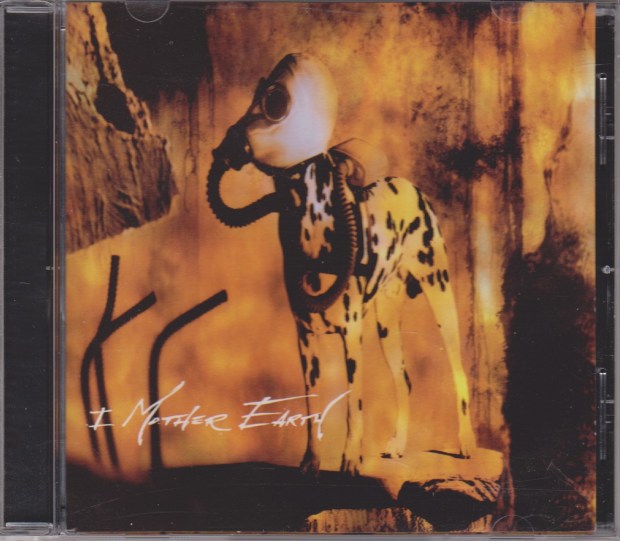
I MOTHER EARTH – Dig (1993 Capitol)

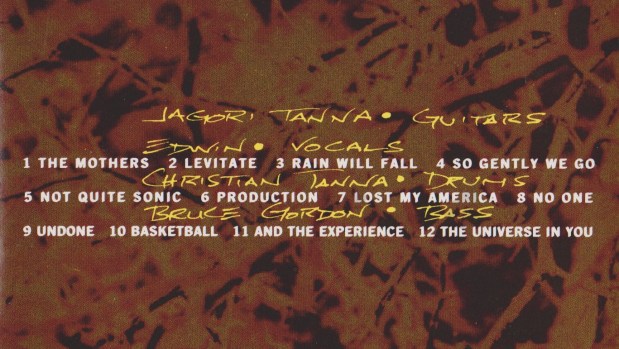
Toronto rock fans were ecstatic when local heroes I Mother Earth signed with Capitol and went to record a debut album with Mike Clink (Guns N’ Roses). Β The goal was to take I Mother Earth’s long and meandering jams and turn them into recordable songs, and this was a success. Β With an intense mixture of metal, alternative, funk, world music and everything else, the debut album Dig was a head-turner. Β Loads of exotic percussion mixed with funky bass turned it into slow-burning hit. Β Eventually the record buying public pushed the album gold, with comparisons to Blind Melon and Jane’s Addiction.

The opening music, “The Mothers”, introduces a psychedelic bent that continues through the album. Β “Listen! To the Mothers!” yells lead howler Edwin, with echoey 60’s guitar behind him. Β This is all a fake-out: Β “Feel heavy!” are the first words of the next song, “Levitate”, heavy as plutonium plated bullets. Β The intense grinding riff and groove of “Levitate” are the perfect example of early I Mother Earth: Β heavy, rhythmic and intense. Β Edwin’s voice at the time was compared to Perry Farrell, but the two artists are easily distinguished.

The debut single “Rain Will Fall”, not that dissimilar from “Levitate”, focused on the intense heavy rock side of the band. Β The complex beats and out-there lyrics are still there, but there is no denying the forward momentum of “Rain Will Fall”. Β Either stay out of its way or get swept away; it’s your choice. Β Edwin whispers the lyrics until the full-lunged chorus. Β They really liked writing about themselves: “Four brothers make the Mothers, four brothers form the one!” Β (Drummer Christian Tanna was responsible for all lyrics.) Β But check out that funky wah-wah guitar, bass and percussion! Β It’s worth noting that guitarist Jagori Tanna played all the bass on the album at the time. Β Original bassist Franz had left and been replaced by Bruce Gordon, but that’s Jag playing all the funky shit on this CD. Β “Rain Will Fall” has a long open jam section that shows off this incredible playing.

Time to get trippy. Β “So Gently We Go” sounds like a 60’s Carlos Santana slow jam. Β It was one of four successful singles from the album, in edited form, since the album track is seven minutes. Β It’s a delightful journey of joyous vocals, psychedelic flower dancing and hippie jams. Β Things turn intense on “Not Quite Sonic”, the most accessible of the album’s tracks. Β Choppy guitars and percussion set the groove, then the bass drops in the low end. Β “The sights are embryonic, say what you want, I’m not quite sonic.” Β No idea what Christian is writing about, but Edwin sings it like he means it. Β You can understand how this became a bit of a hit when it was released as a single. Β It was great to hear music on the charts that really celebrated skilled playing and composition.

Super-fast paced funky guitar that sounds like Flea playing bass (jumping around joyfully naked) opens up “Production”, the most challenging of the songs. The sheer speed would knock most people for a loop, but I didn’t see that beat-poetry section coming! “Lost My America” is easier to swallow: Β Big and grand Cult-like choruses, backed by laid back dusky verses.

The centerpiece of the album is the epic and heavy as fuck “No One”. Β More than any, this one song combines all the band’s elements for maximum effectiveness. Β The groove will initiate spontaneous leg-stomping, impossible to stop once started. Β Edwin is on full intensity with his vocals. Β I had this song on an early preview sampler cassette, and I played it relentlessly during the summer of ’93, treating locals to it quite loudly through the car speakers. Β “No one leaves the caravan,” sings Edwin, but who would want to leave? Β By the time the song has expired seven minutes later, if you are not dripping with sweat, then you haven’t been listening properly.

The album begins to wind down from “No One” to the end. Β There are no more mindblowing songs, though plenty of jaw-dropping playing. Β “Undone” is the quietest song on the album, stripped down and punctuated by congas and Edwin’s raspy singing. Β Then “Basketball” is the funkiest of them all, blazingly fast, and hard to hold on to. Β The final two songs, “And the Experience”, and “The Universe in You” blend together in my mind. Β Is Dig perhaps overly long? Β Ear fatigue sets in. Β  Your senses have been assaulted with a lot of notes and words to absorb and by this point, it’s overwhelming. Β (And there were two more songs dropped from the album, “Subterranean Wonderland” and “Love from Revolution”, the former of which later turned up on a compilation CD called Earth, Sky and Everything in Between.) Β “The Universe in You” ends the album on a bluesy Sabbath note, very epic indeed.

Dig is a mighty debut album indeed, but at well over an hour in length, perhaps they should have hung onto some of these tracks for B-sides.

4/5 stars

Scan_20160529 (3)

RIP Paul MacLeod (1970-2016)

PAUL

2016 has taken another precious musical genius, and this time it hurts even more, because Paul MacLeod was one of our own.

MacLeod was the local prodigy that joined Skydiggers and launched an impressive series of solo albums. Β I’d heard lots of Paul’s music over the years but it was only a short while ago that Uncle Meat told me, “You have to get the CD by this band called Hibakusha. Β They are the local Rush.” Β So I did and he was right. Β 5/5 stars. Β That was the first CD of Paul’s that I bought.

Paul was very close to a number of friends of mine, Uncle Meat in particular. Β His heart is now broken, his dear friend gone. Β Below is my favourite Paul MacLeod video. Recorded live in the downtown streets of Kitchener, “Down on the Street” is simply amazing. Β There are many people here that miss Paul. Β Rest in peace.

WTF Search Terms: Freddie Mercury’s Mic Stand edition

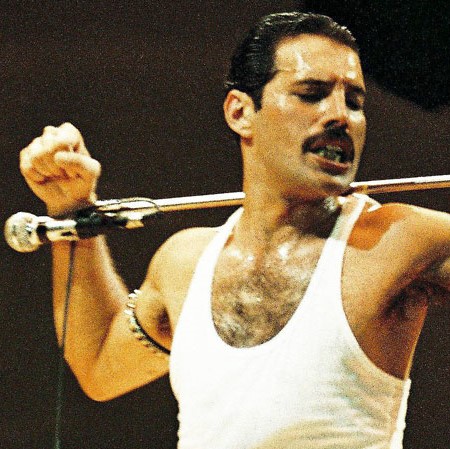
LONDON, UNITED KINGDOM - JULY 13: Freddie Mercury of Queen performs on stage at Live Aid on July 13th, 1985 in Wembley Stadium, London, England (Photo by Peter Still/Redferns)

WTF SEARCH TERMS XXXI: Freddie Mercury’s Mic Stand edition

Gather ’round yon computers and tablets boys and girls, as we once again recount some of the…errr…more amusing search terms that led people here to mikeladano.com. Β If you’re new, this is a series of bizarre things that people have typed into search engines to get here. Β And once again, this proves that there are some pretty sick individuals out there! Β Let’s begin.

The Swedish rock band Europe, and their singer Joey Tempest, have been the source of many bizarre hits from the search terms. Β This isΒ NOTΒ the first time!

1. joey tempest satanist
2. satanist sign on shert of joey tempest
3. opinion of joey tempest about religion

Not sure why the obsession with Joey Tempest and religion. At all.

Here’s one to warm the heart:

4. avril fuck by bruce dickinson

And I’m sure many people have this question:

5. did freddie mercury masturbate his mic stand

Next up we have Poison. I’m sure Poison had lots of dirty sex back in the day, but this? Who the fuck wants to know? Bobby Dall is, like, the least sexy guy in Poison.

6. bobby dall sex tales

And we round out today’s list with just a bunch of dirty, filthy shit. Literally.

7. trough urinal dick parade
8. film porno women shit and piss
9. boy to boy big cock six part
10. hyenas fucking

Thank you internet! You are the gift that keeps on giving.

#494: I Think I’m Going Bald

GETTING MORE TALEΒ #494: I Think I’m Going Bald
(a sequel to #488: Almost Cut My Hair)

A short while back, we took a look at popular hair styles in different genres of music. Β One hair style we ignored, because it really knows no boundaries, is the old fashioned bald head, or the “Jean-Luc” as the kids call it today.*

When I was a young fella discovering rawk at the dawn of the 1980’s, I hadn’t seen any bald rock stars that impressed me. Β Now my first musical love truly was John Williams, and he was bald. Β Hard rock at the beginning of the 80’s wasn’t like that. Β There was…a uniform. Β Unless you were Rob Halford, Paul Di’Anno or Udo Dirkschneider, part of that uniform was having long hair to thrash about.

The only bald rockers I had seen included one rare picture of Bob Kulick, brother of Bruce, and the bass player from Blotto. I didn’t like Blotto: they also had a short haired geek with thick rimmed glasses on guitar. So, by extension, I didn’t like bald heads in rock!

Then grunge came, and long hair was no longer a “thing”. Then, even worse, our mortal rock stars began aging! How was this possible? There was no time to consider the thought, as one by one, rock stars shaved their heads completely: Rob Halford, Kerry King, Scott Ian, Billy Corgan, Joe Satriani, hell even Billy fucking Joel has lost the curls and gone cue-ball!

There’s nothing wrong with the bald head, obviously I have learned this now. I myself have rocked the bald look on and off for about 15 years now. Most people don’t do it on and off, but I’ve been blessed with a full head of hair (thanks mom’s side of the family!), and I shave it for convenience and to look tougher than I already am. Seriously though, there’s nothing better than having a shower, jumping in your clothes and heading right to work without worrying about hair. There’s nothing better to beat theΒ heat in the summer either.

Now, funny thing. My mom and my wife both think I am going actually bald. They tell me my hairline is receding. What they don’t know is that my hairline started receding at age 16. Then it stopped and never started receding again! I have the exact same hairline I had at 16, only nobody believes me, because at 16 I was trying to hide that by growing it out! Β It has not moved one centimetre since highschool, and that’s a fact, Jack!

This being summer time, I have shaved it all off once again. Β This is the closest you may ever see to a picture of “topless LeBrains” here.

Who are your favourite bald rockers? Do you favour Sinead O’Connor for her fearless 80’s buzz cut? Do you call it a tie between Phil Collins and Peter Gabriel? There are so many epically talented bald rockers (not looking at you, Chris Daughtry) today that it truly is hard to choose.

* Not really, but a better name than the “Bieber” which was the name of an actual fucking hair cut.


REVIEW: Wes Craven’s Shocker – The Music (1989)


MOVIE SOUNDTRACK WEEK

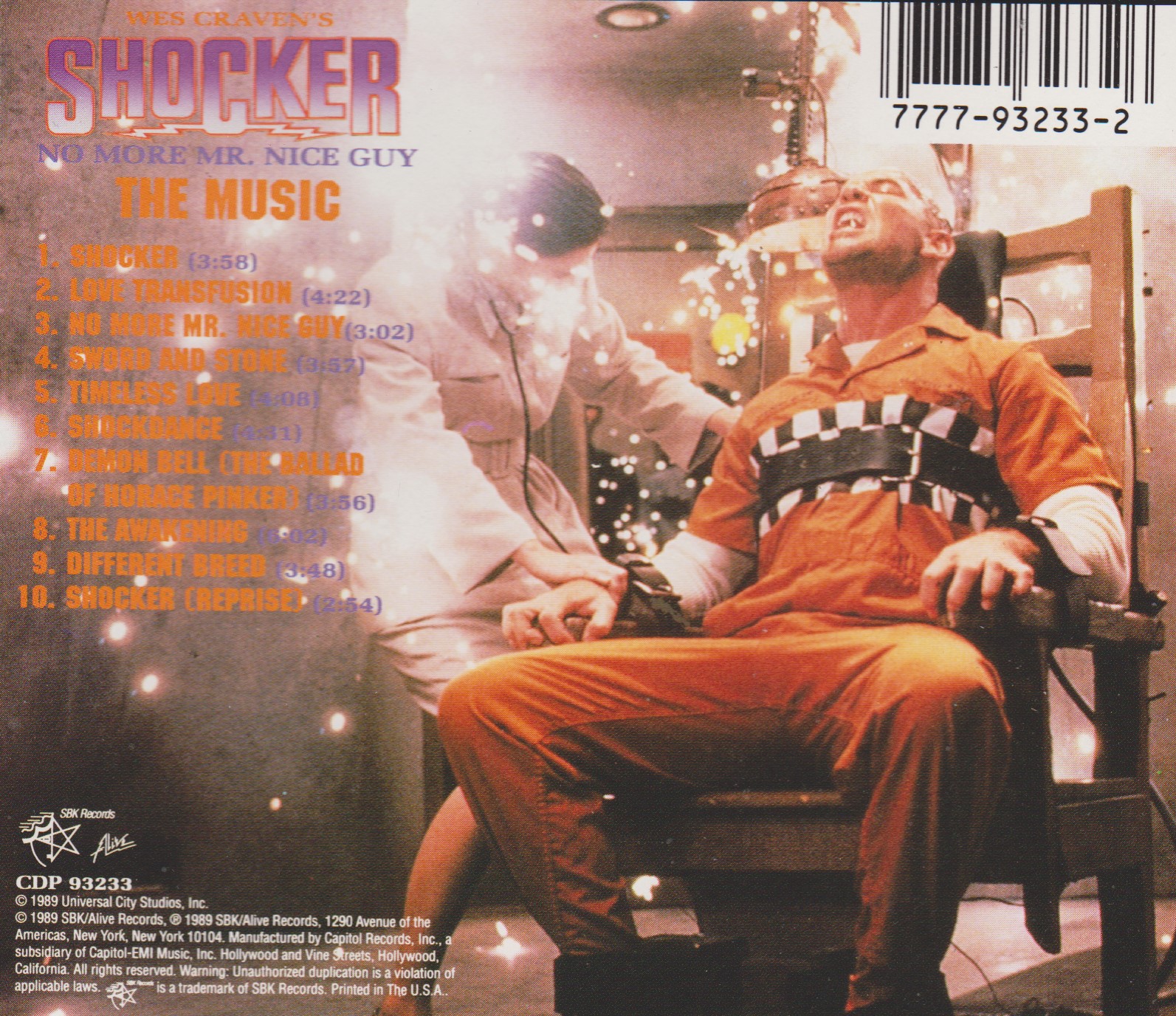
Scan_20160607Wes Craven’s SHOCKER – No More Mr. Nice Guy – The Music (1989 SBK)

1989’s slasher film Shocker was Wes Craven’s attempt to introduce a new character to the pantheon of horror. Β Unfortunately, Horace Pinker and the movie he rode in on were quickly forgotten. Β Also forgotten was the heavy metal soundtrack, so let’s have a gander and see what you may have missed.

Ever heard of The Dudes of Wrath? Β This temporary “supergroup” consisted of various members from track to track, but the best song they did was “Shocker” itself. Β With lead vocals by Paul Stanley and Desmond Child, it’s a must-have for Kiss maniacs. Β If that’s not enough, Vivian Campbell, Tommy Lee and Rudy Sarzo also play on it. Β It’s like a collision of some of those bands — Kiss, Dio, Motley. Β The anthemic outro will slay you.

Desmond’s writing is all over this album, and he co-wrote a track with Alice Cooper that ended up being recorded by Iggy Pop called “Love Transfusion”. Β Sub out the saxophone for guitars and you could easily imagine this being a Trash B-side. Β  In fact I wouldn’t be surprised at all if the backing track is from the Cooper sessions, because this sounds exactly like an Alice Cooper song with Iggy Pop overdubbed. Β All the musicians are guys from the Trash album. Β Do the math.

It’s hard to imagine a weirder team up than Desmond Child and Megadeth. Β Dave Mustaine was deep into the powders at the time, and he recorded “No More Mr. Nice Guy” with a three piece Megadeth. Β The late Nick Menza had joined the band already, but Marty Friedman was yet to be hired. Β  Most Megadeth fans are familiar with this track, since it was re-released on their Hidden Treasures EP. Β Certainly not the band’s finest moment.

Paul Stanley reappears in a writing capacity on “Sword and Stone”, performed by Bonfire. Β  Paul wrote it for Kiss’ Crazy Nights LP with Desmond Child and Bruce Kulick. Β If it had been on Crazy Nights, it might well have been the best tune on there. Β Paul’s demo has yet to be released in an official capacity, but it’s been heavily bootlegged. Β Bonfire’s version is fantastic, but it only makes me hungry for a fully recorded and mixed Kiss version. Β One day….

Another version of The Dudes of Wrath appear on side two, this time with Alice Cooper on vocals. Β “Shockdance” sounds like little more than a slowed down variation of the “Shocker” riff, with Alice and actor Mitch Pileggi rapping over it. Just terrible stuff, actually. Thankfully Desmond redeemed it a little bit with the song he wrong with Dangerous Toys, “Demon Bell”. Like Guns N’ Roses galvanized and electroplated, “Demon Bell” slays.

Voodoo X were the band of Jean Beauvoir, who Kiss fans know from his many co-writes and guest appearances on their records. He only made one record as Voodoo X, and his song “The Awakening” is damn fine indeed. At first you’re thinking, “Oh it’s just another crap ballad”. Then a riff kicks in, and it blasts right off. It’s a bit like 80’s Kiss meets Top Gun. The last band up is Dead On, pretty pedestrian thrash metal, and one of the few songs without any involvement of Desmond Child. The angry elf vocals are hilarious, but the song is almost a parody of bad metal. The album ends with a reprise of the title track “Shocker” from the first side. Basically what this means is that you get to hear Paul Stanley singing for another two or three minutes, when he was really able to hit some seriously high notes. Cool!

The worst track is probably the ballad “Timeless Love” by Sandi Saraya. Β Guess who wrote this putrid sappy swath of heartbreak? Β Desmond Fucking Child!

Shocker isn’t the greatest soundtrack, but it’s a hell of a lot better than the movie that spawned it!

2.5/5 stars

The helpful back cover doesn't even tell you who's on it.

The helpful back cover doesn’t even tell you who’s on it.