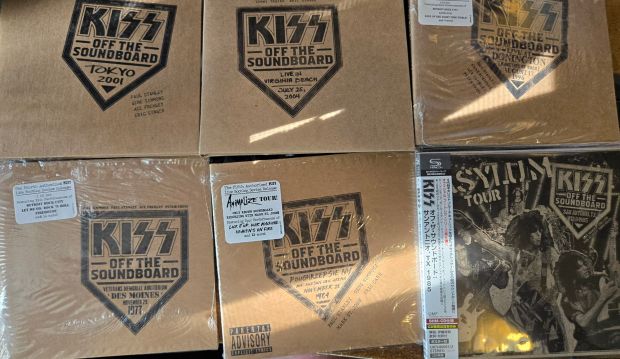
Fresh in today’s mail, it is the latest KISS Off the Soundboard CD, Asylum Tour 1985, in Texas!
“But Mike,” you query. “I thought that was a vinyl exclusive, and I thought it sold out too.”
True, it was a stupid coloured 3 LP set, exclusive to the KISS store, and now sold out except in bundles with a shirt.
The Japanese record company said いいえ and issued it on CD anyway. They did a smashing job of it! Some fans received a free sticker; I did not. Inside the cardboard gatefold sleeve was a mini KISS poster, and 2 CDs, each one within its own plastic sleeve within its own printed paper sleeve. The design for this album was a little different from the previous five in that this time there is a picture on the outer cover.
The CD sounds great, and it’s classic fastfastfast 80s Kiss with the unforgettable Eric Carr on drums. That’s why you only see CD 2 in this photo. CD 1 is in the deck! This could have been released officially in 1985.
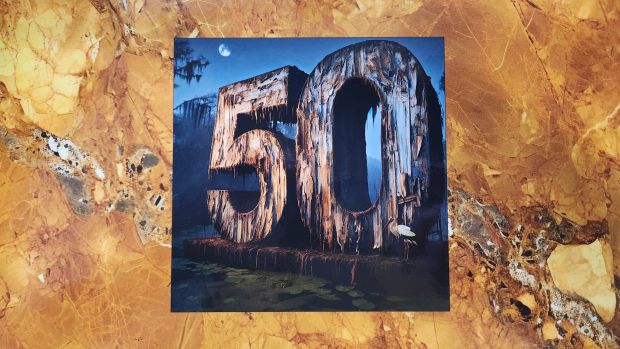
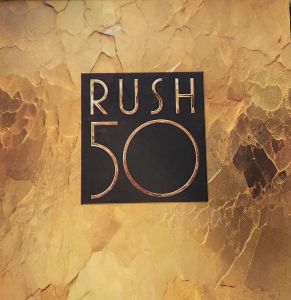
Don’t try to do any math and figure why Rush 50 is out in 2025 instead of 2024. What matters is: Rush 50 is out. It is stunning, both sonically and visually. The box art by Hugh Syme fits right in that Rush mold, akin to Chronicles. That’s to say nothing of the hardcover book inside, which we will discuss later on. The design is excellent. In the back, the CDs peek out of thee sleeve like golden coins. It’s just a really cool looking, and sounding, box set. The remastering here is terrific. Geddy’s bass is wonderfully separate from the guitars, and you can really hear the details as you remember them. Brilliant job here.
Rush 50‘s four discs follow roughly chronologically. They include a generous number of live tracks, which is not at all to the detriment of this set. Some of the live tracks come from other box sets, from live albums, and some are rare or unreleased versions. “Garden Road” is one long desired by Rush fans, though “Fancy Dancer” is conspicuous by its absence. (Don’t assume this is the last collection that Rush will release.)
In the days of downloading via Bittorrent, I found crappy vinyl rips of Rush’s first single “Not Fade Away” / “I Can’t Fight It”. I burned them to a CD, and lamented that this would likely be the only “physical” copy of the single that I would ever own. 15 or 20 years later, this new anthology-style box set Rush 50 includes the single as the first two tracks on disc one. To finally have these songs, officially, physically, and sounding so full and rich compared that that old CDr, it scratches that itch that I have as a collector. If I could afford that first single, I’d have it already. This will do even better, because it’s clean and digitally perfect. It’s also quaint. The almost psychedelic echo on “Not Fade Away” is a detail I didn’t remember.
Similarly, about 15 years ago Rush released the “Vault Edition” of the track “Working Man” for a limited time on iTunes. I burned that to a CD too. Now it is here physically, along with another “Vault Edition” of “The Trees” that I was unaware of. Now we have both on CD. Itch scratched once again.
Wisely, Rush made sure some of the biggest hits that people want are studio versions: “Closer to the Heart”, “Tom Sawyer”, and “Subdivisions” for example. Joe Average, who just wants a cool box set instead of all the albums, often ends up complaining when bands out live versions instead of studio versions of the songs they really wanted. (Trust me, I worked at the Beat Goes On for 12 years.) The other thing is, the live versions they did select are superb. Let me tell you, the Bonham-esque drums on the jammy “Before and After (live)” sound absolutely massive. It’s certainly appropriate for a band of this reputation to include so many live versions. Most of disc two is live.
With equal wisdom, Rush ended this box set with the last songs plays at the their last ever concert. Going back to the very beginning, Rush end the anthology with those final live takes of “What You’re Doing/Working Man”, with just a smidgen of “Garden Road”. It’s an emotional way to end the journey, and this box set is indeed a journey. That’s the wonderful thing about anthology style sets.
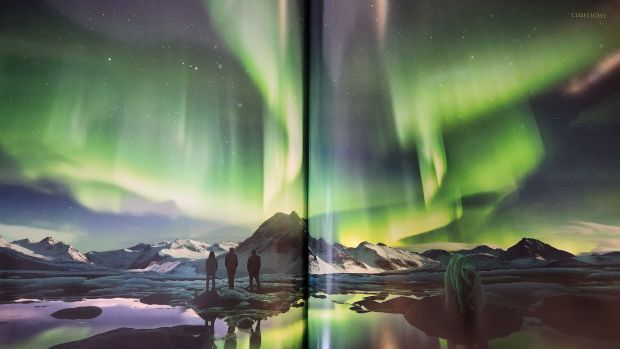
The remarkable Hugh Syme worked overtime to produce the art for the hardcover book. Yes, not only do you get words and photos, but also brand new double-page artwork for most of the songs on Rush 50. It is the kind of box set that will give you enjoyment every time you listen to it, because you can crack open that book and just study. My study has barely begun; I have not really been able to look at each and every piece of art yet. Rest assured though, Hugh Syme provides all the justification for the price of this set, with the book alone. If this were a hardcover sold in a store on its own, it would probably be at least $60 bucks as a book.
A massive career like Rush’s deserves a massive box set. You won’t believe it until you hold it in hand. This thing is monolithic; a purchase that will not be regretted.
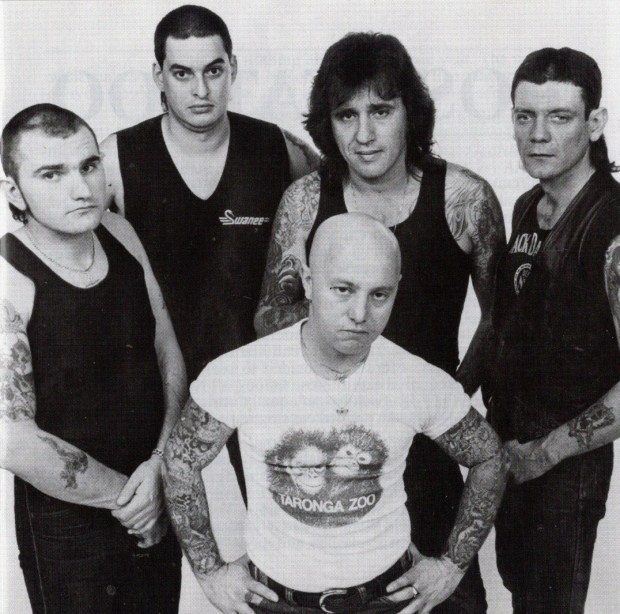
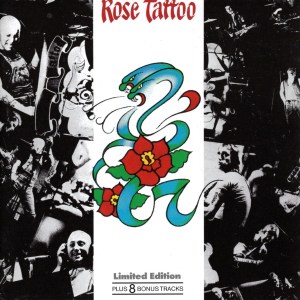
ROSE TATTOO – Rose Tattoo (1978 Albert Productions/1990 Repetoire Records “Limited Edition” CD reissue)
It is amazing how in North America, you can spend half a lifetime listening to music without ever running into an album by Rose Tattoo, Australia’s “Angry” exports. Legendary back home, but over here most of us just know them from “Nice Boys” by Guns N’ Roses. Some may also remember “Rock ‘n’ Roll Outlaw” by Keel. Both covers of Rose Tattoo tracks from their eponymous 1978 debut.
Led by the diminutive Angry Anderson, Rose Tattoo were produced by Harry Vanda and George Young, the same duo that helmed those early AC/DC classics among others. AC/DC comparisons are easy, but Rose Tattoo had two things going for them that other bands did not: 1) dominant slide guitar on every track, and 2) Angry Anderson himself. Don’t underestimate what you see. This guy has gritty power that elevates each song, and blows away the most famous cover version you’ve heard. Furthermore, the lyrics should be mentioned as different from what many bands were doing at the time: Gritty social observational lyrics, featuring real life stories of the streets (too wild to be true), with colourful characters such a drug dealers and tough guys.
Opening with the slide guitars of “Rock ‘n’ Roll Outlaw”, we can accuse another band who clearly ripped off Rose Tattoo in their early days, that being the Four Horsemen. If their “Tired Wings” didn’t take inspiration from this song, then I’ll be damned. The steady beat of Rose Tattoo is the perfect backing for drive this tough boastful rocker. Besides that beat and slide guitar, Angry Anderson’s voice is the magical ingredient. It sounds perpetually pushed to the edge, with a delightful squeak highlighting the emphatic parts. The powerhouse voice of Anderson automatically blows away Keel’s cover. Sorry Ron.
Guns N’ Roses came close to capturing the frenetic energy of “Nice Boys”, but not even Axl can bottle the energy of Angry Anderson. Now playing at a punk-like tempo, but with frantic slide guitar punctuation, “Nice Boys” easily kills the famed GN’R cover version. Hearing it, one gets the sense of “ah, this is what they were trying to do.”
One of the most menacing songs is “The Butcher and Fast Eddy”, slowing things down to that nocturnal crawl that AC/DC mastered with Bon Scott. Much as Scott filled his lyrics with true stories and colourful characters, Anderson tells a tale here like a novelist. “Across the river lived Fast Eddy, he was known to be treacherous, very mean. Even Eddy’s sweet young sister out on the streets, just a girl, barely fifteen.” Is Anderson the Bob Dylan of the dirty streets? He keeps the story going for six and a half spellbinding minutes, with the band mostly just playing the backing music, with a few picks scraped for noisy blasts. Angry Anderson’s voice and delivery carries it.
A stomping beat slams through one of the catchiest songs, “One of the Boys”. It’s an unsubtle ode to being a tough guy with a bunch of tough guys to back you up. Yet Angry’s words offer more than just boasting. OK sure, there’s boasting. “What you need is mates, staunch and true, hold out your back they’re gonna see you through. I don’t look for trouble but I won’t hide, I’ll jump on you if you don’t step aside.” There are also hints of deeper themes, such a loyalty.
Now at top speed, “Remedy” brings the punk rock tempos with a single heavy riff and killer hooks. The message here is simple: gimme rock and roll. It’s good for you. It’s healthy. Turn it up and blast it, and at this tempo you’ll probably be headbanging too. Top notch party rock on the edge of punk.
“Bad Boy for Love” uses the slide to bring a sleezy vibe to a slower groove. In this song, the main character got drunk, ripped up the town, and is now just being released from prison. Then, he went to go see his girl, whom he finds with another man. He kills them both and ends up back in the slammer. This is followed by a jailbreak and “a thousand guns” pursuing him. Not original, but delivered with bona fide sounding cred.
Keepings things to a breakneck pace, “T.V.” might get you pulled over for a speeding ticket. Angry’s voice is pushed to the limit again, and the slide guitar is as relentless as the tempo.
The one surprising song is the acoustic “Stuck On You”, featuring the line “like a rose tattoo”. The slide is now applied to various acoustic stringed instruments, and though it’s clearly the same band, the approach is very different. A more traditional blues direction does not temper Angry’s voice, still pushing it on the choruses and verses alike. Sometimes the lyrics verge on the absurd. “I had a fish named Sam, he lived in bowl. I heated up the water, so he wouldn’t get cold.” The lead character seems like a possible stage five loser, but it’s all open to interpretation. Either way, a great song with memorable words and a delivery impossible to duplicate.
Back to the punk-like rock, “Tramp” tells a more familiar story. It’s over and done real fast, and then we’re onto the epic closer “Astra Wally”. Rose Tattoo do best when they tell these kinds of stories. Astra Wally was a real cool cat, but he sounds like trouble to me. A drug dealer who samples his own wares, perhaps. “He don’t get shot, he go by O.D.” The slide guitar is once again in the spotlight, always fast and always tasty. That’s founding member Peter Wells on slide. Then we have Mick Cocks on lead and rhythm, Geordie Leach on bass and Dallas Royale on drums. When they get down and just lay down grooves like this, you can listen to them all day. “Astra Wally” is indeed a “super fun thing” as the lyrics state.
That’s a 5/5 star album right there. But we’re not through yet, because in 1990 this album was reissued with eight bonus tracks.
Up first are a batch of studio tracks. A B-side called “Never Too Loud” backed the “No Secrets” single in 1984. Regardless of the time difference, it does sound like it roughly fits in. It’s less frantic and tighter, with a slightly cleaner sound. Slightly. It’s still not anywhere near the polished rock starting to come out of North America at the time, and it maintains the slide and steady beat.
“I Had You First” is from 1981’s “Rock ‘n’ Roll King”. The punk vibe is first and foremost here, but the chorus is still a blast.
From 1982, “Fightin’ Sons” comes from the “It’s Gonna Work Itself Out” single, and it’s another vibe altogether. It has a bit of an early 70s vibe with a blues base. This is about going to war to fight for your country, but it’s more than that. It offers its own perspective; its own angle on the experience, gleaned from friends. The lyrics are more interesting than the music, perhaps.
The final studio track is “Snow Queen”. This one lies somewhere in the middle, a reliable rocker with an undeniable AC/DC beat. It’s the voice and slide that differentiate it. It’s low on hooks, but it bangs pretty hard.
The final four tracks are all live ones from an unspecified source. “Rock ‘n’ Roll Outlaw” and “Bad Boy for Love” feature Angry pushing it even further than on album. What a singer and what a pair of lungs. “Bad Boy for Love” is considerably longer than the album version, with loads more solos. “Rock ‘n’ Roll is King” and “Suicide City” are later tracks. An obvious single, “Rock ‘n’ Roll is King” is catchy through and through, with Angry still singing at top volume. Yet it’s all hooks. Finally, “Suicide City” is probably the most over the top song of them all, total punk rock frenzy.
In short: If you like rock and roll, get the album, and in particular this reissue.
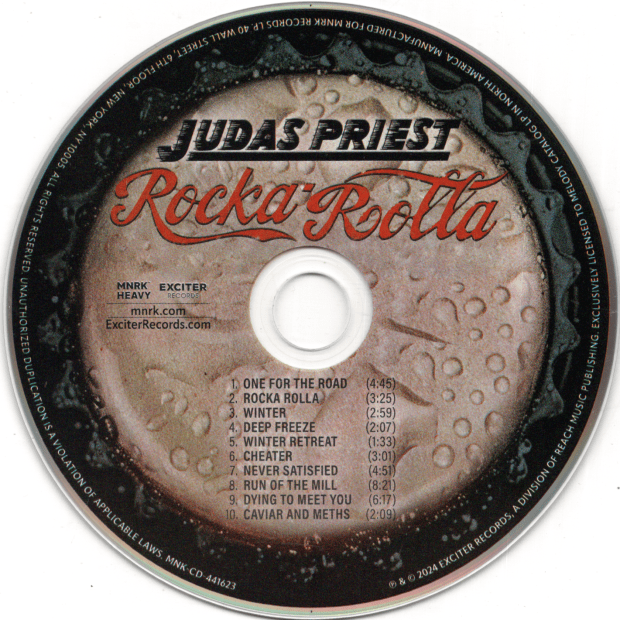
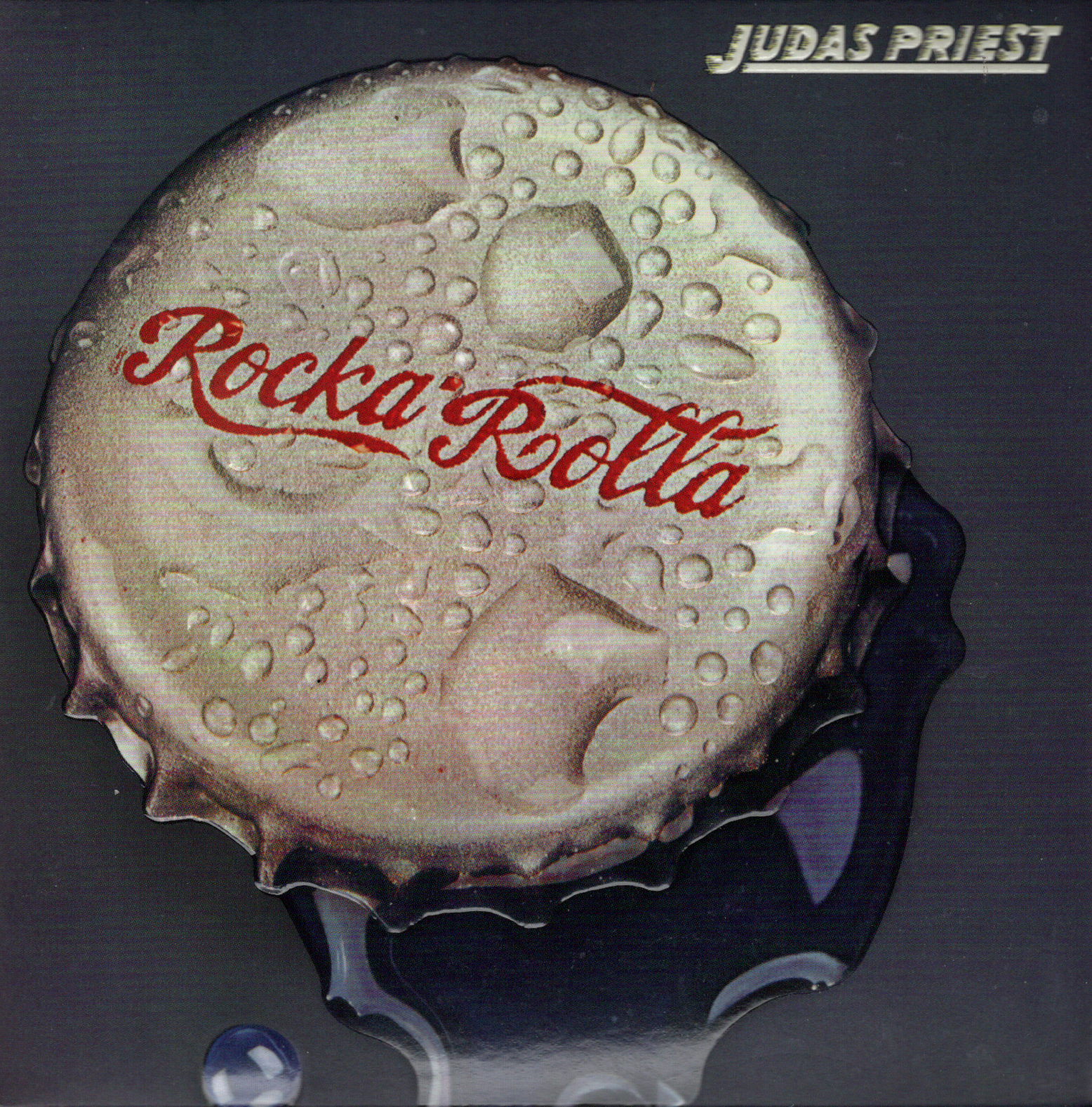
JUDAS PRIEST – Rocka Rolla (1974 Gull, 2024 Exciter Records Remixed and Remastered)
How did he do it?! Somehow, by some digital miracle of the master tape gods, producer Tom Allom has remixed Rocka Rolla, and transformed it from one of my least favourite Priest albums of all time, to one of my favourites.
Generally I can’t get into the remixed versions of albums. Even if the remix is objectively a better release, such as Rush’s Vapor Trails or Marillion’s Radiat10n, I always find myself coming back to the flawed originals.
Not this time.
For context, Tom Allom didn’t originally produce Rocka Rolla, and this is not the first remix of it. Rodger Bain produced, but his name appears smaller than Allom’s on the new back cover. The Rocka Rolla (full album) remix that appeared on Hero, Hero (1981) was helmed by Bain, less effectively. Tom Allom is best known for producing the run of Judas Priest albums from Unleashed in the East (1979) to Ram It Down (1988). What he has done with Rocka Rolla is somehow give it a makeover to sound more like a real 1970’s Priest album. Sonically, it now has thickness. There’s a real beefiness to the mix, but not in the sense that you immediate say “oh yeah, this is different.” It just sounds like the album always sounded that way, and you just got your stereo system upgraded.
The track listing is unchanged. “One For the Road” still opens with a groove, but now that groove hits different. You can better appreciate the guitar fills at the end, and the songs goes well past its old fade-out. This is a trick that remixed album should do more often.
“Rocka Rolla” remains a metal delight, but there is new shimmer to Rob’s vocals and the song chugs with more edge. It’s all very objective and subtle, but once again Tom Allom took a Priest classic and made it sound like it was always this weighty.
The “Winter” suite is the most altered of any of the tracks. Notably, Allom chose to separate the tracks from the suite format, and leave them as individual songs.
John Hinch’s drums sound crushingly Bonham-like on “Winter” itself, and the backing riff far more weighty. The biggest change is that it no longer fades into KK’s guitar showcase “Deep Freeze”. You can hear more of KK at the end, with some experimental playing that was inaudible before. The track fades out past its previous point, and “Winter Retreat” stands on its own as a song. In the 70s, Priest were experimenting with acoustics and psychedelic sounds from time to time. “Winter Retreat” can now join those songs as something that sonically fits in better. Finally, “Cheater” always was its own song really, and now it’s just heavier. Rob’s harmonica is more prominent, which of course recalls the heaviness of Black Sabbath.
Moving on to side two, “Never Satisfied” finally has the punch it always felt like it had inside: A little more echo on this this vocal line, a lot more weight behind the drums, more texture on the guitars, and a few things made audible for the first time. We now have the definitive version of this song. With the impressive soloing mixed in just right, this becomes a long, jammy Priest thumper as it always should have been. If Rocka Rolla sounded like this when I was a kid, I would have got it immediately.
“Run of the Mill” takes time to build as it always has. It has a long instrumental section, with some mindblowing guitar playing, and now it’s all finally hitting right. The bass isn’t just sitting there. It’s picking you up and taking you along with the groove. The keyboards in the background are more ominous. Everything about this is just so much better than the original.
Perhaps the only song that still bores, for the first half anyway, “Dying to Meet You” is similarly upgraded but benefits less from the treatment. That is until it picks up midway in the “Hero, Hero” section. This part of the song still cooks, but has a different, more spare feel. Finally, the light instrumental “Caviar and Meths” really benefits from the remix treatment. The drums, once again, really add atmosphere to it.
As an added attention to detail, the front cover of Rocka Rolla is now as three dimension as the music. The water drops are now tactile. You can feel the bumps with your fingers. A perfect topper.
What did Tom Allom do with these master tapes? Did he conjure some kind of heavy metal spell and make a two dimensional album sound big and beefy? Only Allom knows, but now I do believe in magic.
“Recently, a young journalist asked me how many songs I had written in my life. I replied that the last time my assistant counted, twenty years ago, it was over 500. I felt quite accomplished until she pointed out Dolly Parton’s 5,000 songs, calling me a lazy sod.” – Ian Gillan
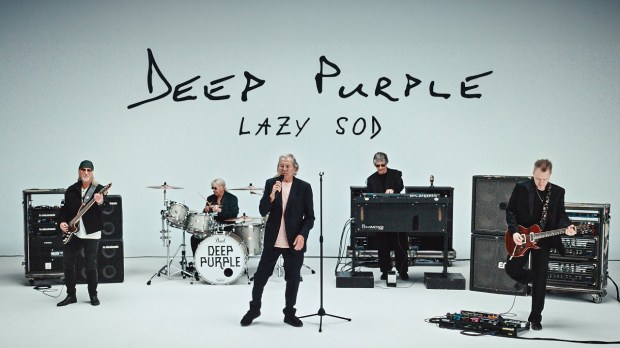
DEEP PURPLE – “Lazy Sod” (2024 Ear Music)
Since Deep Purple’s =1 album was my #1 album of 2024, it should be no surprise that I love the single “Lazy Sod”. It exemplifies what Simon McBride brings to Deep Purple on this new album. His smooth playing is loaded with feel and perhaps he adds just a tad more hooky riffiness into the band. “Lazy Sod” is a fantastic track, a shorty at 3:40, even loaded with solos by Simon and Don Airey. No fat, just like those old Deep Purple Machine Head firecrackers from the early 70s.
Back when we reviewed the =1 box set, we speculated why a live version of “Highway Star” with Simon McBride wasn’t included. Same with “Lazy”. Here they are. “Highway Star” (Milan, October 17 2022) is pretty damn energetic and features the Simon stuff that we were waiting for. His sound might be likened as somewhere between Steve Morse and Ritchie Blackmore, but what he brings to the table fits perfectly, without copying either.
“Lazy” (Sofia, May 23 2022) is the lengthy one, at 8:33. Don Airey opens it with some meandering organ soloing, before playing some more familiar notes. Then it’s Simon’s turn, sending out a delightfully original solo for “Lazy”. He throws it back to Don like a game of ball, and Don slays it some more. “Fun” doesn’t begin to sum it up. There are old Deep Purple versions of “Lazy” where it does not sound like they are having fun. This does, for Don and Simon in particular. The rest of the band have to be able to feed off that. Ian Gillan doesn’t enter the picture for over five minutes. He turns in a performance more like a lounge singer, but with some screams towards the end.
Another great single from the Purples. Thanks for keeping the format alive. It’s limited to 2000 copies but hopefully that’s enough for the collectors who want it.
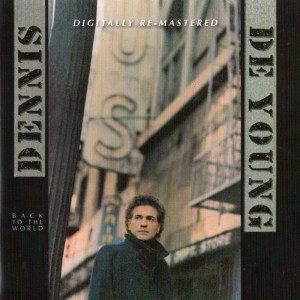
DENNIS DeYOUNG – Back to the World (1986 A&M, 2013 BGO reissue)
Though his solo debut Desert Moon was a moderate hit, Dennis DeYoung took no time off and was back with a second album two years later. Still using Tom Dziallo on guitar, Dennis also added C.J. Vanston on keyboards. With Dennis being an acclaimed keyboardist himself, was this too much of the instrument? Once again, DeYoung wrote everything himself, with no cover tunes this time.
Opening the album is the theme from The Karate Kid II, “This Is the Time”. Fortunately the song is a lot better than the film. With emphasis on saxophone and keyboards, this is a pleasant, anthemic light rock theme. With some exposure, it could have been a minor hit, but fortune was not with Dennis this time. The track only made it to #93, while the album peaked at #108.
“Warning Shot” has a bombastic Styx-like opening, though with less emphasis on guitar. Dennis’ singing here is top notch, employing a lovely falsetto when necessary. When the chorus hits, it feels like this is the Dennis we have been waiting for. A spectacular guitar solo brings it into a classic rock realm, but really “Warning Shot” is all chorus. A host of backing singers join in and the song launches into the stratosphere. It should have been a single.
The biggest hit, the ballad “Call Me”, was the single, which hit #5 on the Adult Contemporary charts, where no Styx fans were likely to hear it. It has some nice saxophone textures, but it’s unremarkable and will always live in the shadow of Dennis’ better known ballads. It’s just too light. “Unanswered Prayers” is better, with some lyrical guitar work in the intro and solo. This slow number feels like a nice one for a slow dance, but the album needs a jolt of energy and this isn’t it.
Opening side two, “Black Wall” is darker and harder edged. It’s a slow burner with focus returning to the guitar. It is not exactly the energy injection we need, but at least it is a change of direction. The “Black Wall” in the title refers to the Vietnam Veterans Memorial, in Washington D.C. The powerful music is suitably dramatic and deliberate, with the soulful backing vocalists dominating the chorus.
A bluesy harmonica solo introduces “Southbound Ryan”…but the electronic tom tom drums just jar you when they come in. Fortunately once that’s out of the way, we’re onto one of the best tracks on the album and the shot of energy we so desperately needed. A smoking horn section blasts forth, and the tempo is finally hot! That horn section is like the jelly in a PB&J! So sweet, so good, just the perfect punch for a song that deserved it.
Fortunately, the tempos and horns remain on the next song, “I’ll Get Lucky”. We’re definitely in the 80s now, with more keyboards and programming at the forefront. Notably, C.J. Vanston contributed a rocking instrumental section in the middle. The song is a bit jerky, going from dense sections to sparse ones, and it feels bumpy compared to the prior one. Would it have been better had Dennis just played it simple instead of trying to get so clever with the production? Once again, Dennis produced the album himself.
The final song, “Person to Person” has a Styx-like vocal and might have worked on one of the later albums. It’s a little too savvy for a pop record, which is a good thing. Had Styx done it, hopefully it would have less synth and corny toms, but it was 1986 and that was the sound to have. At least Dennis closed the album on an uptempo note, and a song with a memorable chorus.
Had Dennis employed an outside producer, perhaps his first two studio albums would be more even. Back to the World and Desert Moon share this problem. Both albums sag in spots, and despite some awesome songs throughout, there are not enough of them.
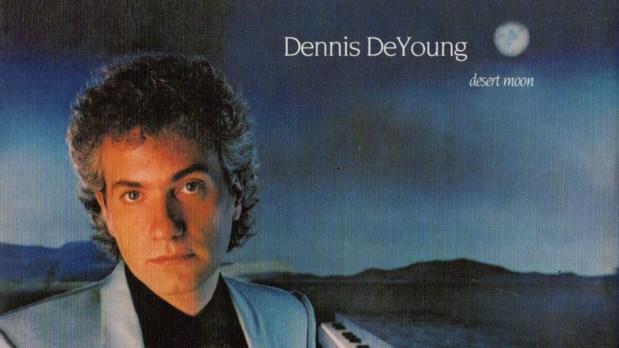
DENNIS DeYOUNG – Desert Moon (1984 A&M, 2013 BGO reissue)
Alas for me in ’83, Styx were coming very close to an end. Tommy Shaw didn’t want to sing songs about robots (or something) but what it really came down to was Dennis DeYoung’s vision vs. his. Dennis was the theatrical one, and Tommy was the rocker. That’s putting it in simplistic terms, but by the end of the tour, Tommy was out. The other three members of Styx wanted to replace him and carry on, but Dennis was not interested. In 1984, Styx issued their live album Caught in the Act, and said goodbye. Less than six months later, Dennis DeYoung was out of the gates with his debut solo album.
Desert Moon demonstrated that Dennis was full of new ideas. He wrote seven of the eight songs, with a Hendrix cover in the mix, and no co-writers. Not that Dennis needed co-writers before, but he did often share credits on early Styx tracks with his bandmates. Guitars on Desert Moon were handled by Tom Dziallo, who also programmed drums when necessary. Dennis takes care of all keyboard duties, augmented by saxophone on some tracks.
I can distinctly remember watching MuchMusic in 1984, when a new Dennis DeYoung video came on, called “Desert Moon”. It was a top 10 hit, and a ballad. I was quite clear in my youth that I did not like Styx for their ballads. I dismissed Dennis as a solo artist immediately. I am sure he was broken-hearted that a 12 year old Canadian kid didn’t like his new direction.
I should not have dismissed Dennis so easily. If I had bought his new album, I would have loved the opening rocker “Don’t Wait For Heroes”. It could have been a Styx song, the upbeat triumphant kind of single that they were known for pre-“Roboto”. Styx fans might have considered it a return to form for the singer. While not as guitar-heavy as the two-guitar band, it does rock, with the drums (by Tom Radtke) in particular driving the song. The melodies evoke “Don’t Let It End (Reprise)” on Kilroy Was Here, but with more edge. The end refrain of “get up, get up, get up!” should indeed make you get up.
Guitars come to the forefront on “Please”, with a riff and a chug. Then on the pre-chorus, Dennis lets the keyboards come out. “Please” is a duet with Rosemary Butler, a singer with dozens of albums on her resumé. A tasty guitar solo continues to keep things accessible to Styx fans, but the duet is really impressive. Butler goes head to head with DeYoung, and blows him away by the end with some incredible high notes.
New wave sounds inflect “Boys Will Be Boys”, which Dennis delivers with spoken-word verses. The fast beats and bouncing synth recall Devo and bands of a similar nature, not to mention that Alice Cooper ’80 sound. There is also a clear 1950s influence on the chorus, with that “dip dip dip dip dow!” The production recalls “Music Time” from the final Styx record Caught in the Act.
You don’t know that you’re listening to a Hendrix cover at first. It sounds more like a slowed down “Peter Gunn”, but then Dennis sings those lines. “You don’t care for me, I don’t care about that…” Only then do you realize you are grooving to “Fire”. Unlike every other cover of it, Dennis all but rewrites it as a slow rock groove. While “Fire” is not an album highlight (think about that a moment), it is one of the most interesting versions you’ll ever hear. It takes guts to reimagine a song like “Fire”, and it takes talent to pull it off so well.
The aforementioned title track “Desert Moon” opens side two. It was the top ten ballad, and it’s easy to hear why. It’s a slow, romantic sounding song with a resounding nostalgic chorus about summer nights, innocence and dreams. The formula worked. In the liner notes of the BGO edition CD release, Dennis credits the arrangement which emphasizes his voice, and therefore the lyrics. The guitar solo is also a thing of beauty, with one sustained note that just sings. A magnificent solo.
Dennis digs into his classic rock and broadway roots for “Suspicious”. It’s a DeYoung trademark, but in light of exceptional material preceding it, it tends to go unremembered. It might be a case of too much synth. “Gravity” uses such electronics as well, but in more upbeat setting. “I wanna climb Mt. Everest, and find my Shangri-La,” sings Dennis. The fast New Wave beats during the chorus are fun but the song struggles to find an identity, and the listener has trouble hanging on.
Desert Moon ends on “Dear Darling (I’ll Be There)”, a final ballad, and just not enough to recover the album from a dip in memorability at the end. It’s simply too much saccharine at the end of the day. Another upbeat track should have ended the album, though at least there is a fine sax solo to dig into.
Dennis suffered an injury while making a music video and never got to tour Desert Moon properly. Would it have made a difference? Unlikely. While Dennis was more than capable of delivering a good album on his own, left to his own devices, it didn’t have the consistency we were used to with Styx. Perhaps a co-producer would have made a difference, since Dennis produced this album by himself. The performances are all excellent, particularly lead vocals, but there needed to be more spark within some of the songs.
RATT – Out of the Cellar (1984 Atlantic, 2024 40th Anniversary edition)
Shame, shame, shame on Ratt.
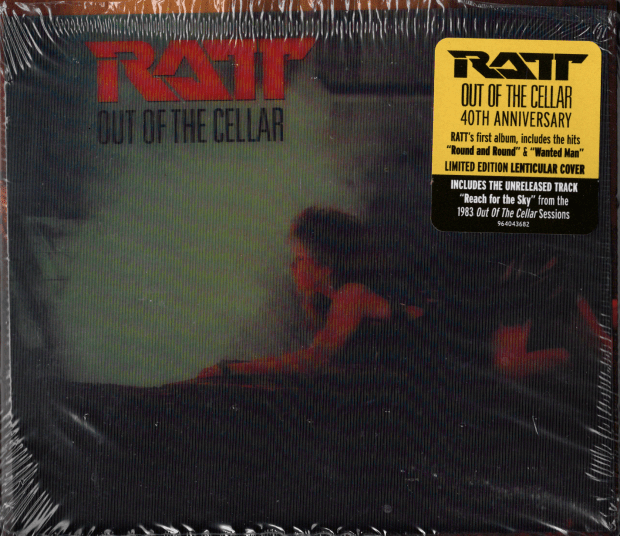
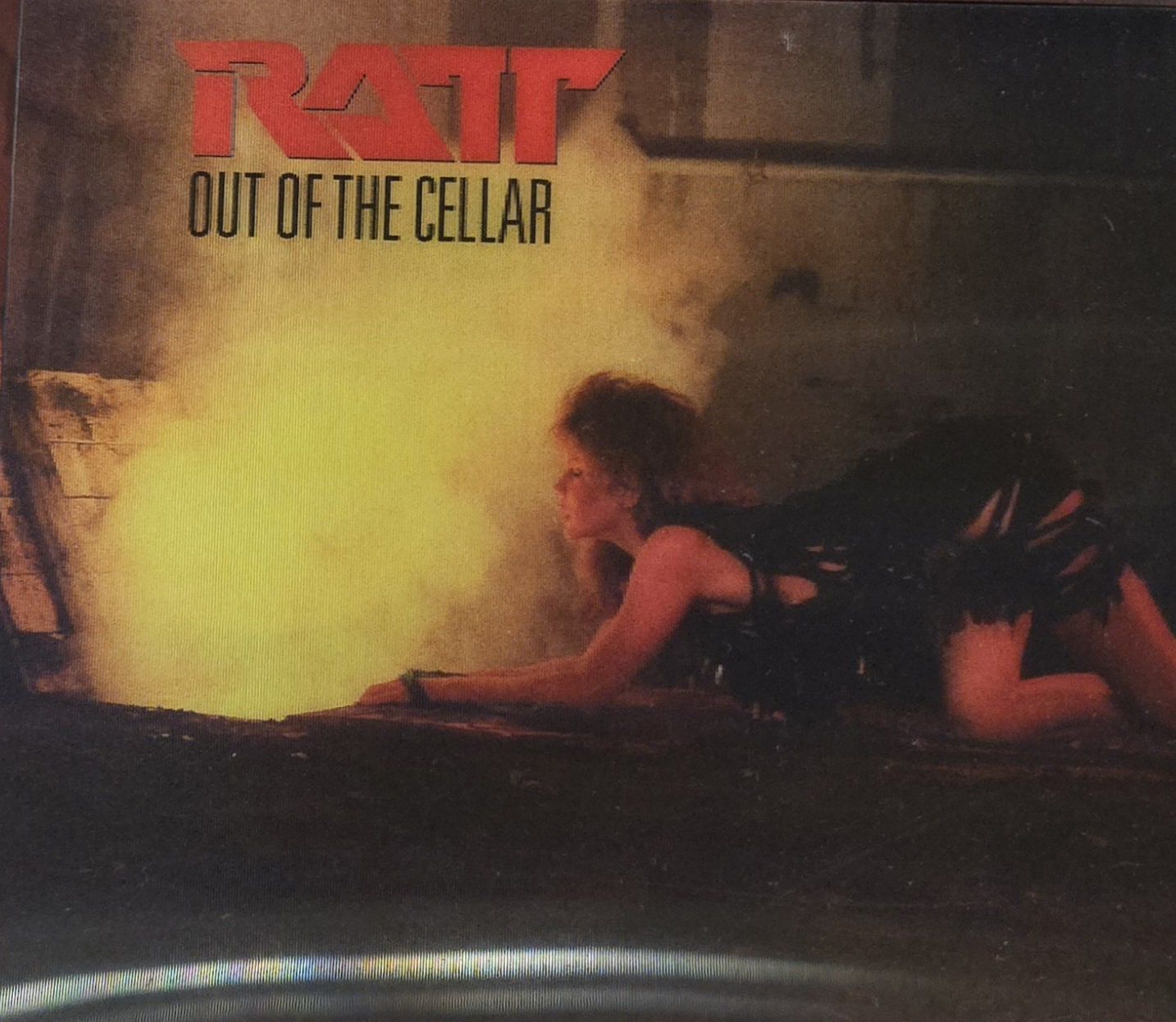
In 2020 they released a beautiful Atlantic Years box set, featuring bonus tracks including one for Out of the Cellar. In 2024, they coughed up Ratt Rarities, with a bunch of unreleased Ratt tracks. And now, mere months later, we are given another reissue of Out of the Cellar, this one featuring lenticular cover art and one more unreleased Ratt song. This song could have been released on a 7″ single on its own, but if you want that, you have to buy the vinyl album all over again. If you want the unreleased song on CD, you have to buy Out of the Cellar one more time. I believe this is my fourth or fifth copy of Out of the Cellar now. This is just exploitative of the fans. Pearcy must need another swimming pool.
Is the one song worth re-buying the album again? Fortunately the answer is yes. “Reach For the Sky” is a 1983 Cellar demo written by Stephen Pearcy, Robbin Crosby, and Marq Torien of Bulletboys. It sounds remarkably finished. The guitar harmonies feel very latter-day Thin Lizzy, upon which the guys build a pretty cool song. Though not as slick as Cellar, it sounds fully produced and ready to release. Amazing that songs like this can remain buried for 40 years, and was never resurrected for an album even though the title was used in 1988 for the album Reach For the Sky. While this one song didn’t warrant an entire album re-release, at least we got it.
The album itself remains solid four decades after the fact. Opening with cowboy themed “Wanted Man”, the five Ratt Rodents were off to a compelling start. The disorienting sound of backwards drums heralds in “Wanted Man” is an inventive way to make their introduction. A simple, slow, chomping riff is menacing enough, while Stephen Pearcy growls though various Western metaphors. “By the road, you will hang, it’s your neck from this Ratt gang.” The capable harmonies of the band and especially Juan Crocier help nail the melodies that Pearcy alone can’t. Nice solo work. A great track worthy of a multiplatinum album.
“You’re In Trouble” is a little different. Juan’s clunky bass still sounds a bit out of place, though the choruses rule. But “Round and Round”? Still a total sleaze rock triumph. A keen sense of melody, rhythm and vibe mixed together with a sweaty Stephen Pearcy. Brilliant solo work from Warren DeMartini, and perfectly layered harmonies under the production of Beau Hill. Every element punches, from the simple but memorable riff and those echoey choruses. Dated to the period, but tasty for all ages.
A nice choppy guitar bodes well on “In Your Direction”, a slinky number that serves Stephen’s style well. Decent song, but with only one trick. “She Wants Money” is more fun, a fast upbeat blast on a familiar theme, with Robbin “King” Crosby on lead guitar. It’s hard not to headbang along with the melodic fun of “She Wants Money”. That ended side one on the original record.
The second side opens “Lack of Communication”, a biting track just missing one key ingredient: a real chorus. The saw-like riff smokes, the verses are great, but it never resolves into a definitive hook. It’s basically just the riff with some words over it. “Lack of communication, back off!”
“Back For More” is a little disjointed but salvages it with a killer chorus. Screamin’ Pearcy and the rodent choir give it the final polish. Brilliant solo work here by Warren. Then, one of the best non-singles is the blazing fast “The Morning After”. It has a bit of a Quiet Riot vibe. Juan’s bass is furious while Pearcy sings it for melody. “I’m Insane” is mindless fun; just bad boy rock with the popular “I’m crazy” theme that their pal Ozzy was milking for millions. Finally the album closes on “Scene of the Crime” which has a neat guitar hook that unfortunately is all but unrelated to the rest of the song. Some cool melodies with the patented Ratt harmonies here. Still, solid enough song that if they had been looking for another single, it could have been “Scene of the Crime”.
This reissue doesn’t have any additional packaging or liner notes besides the new lenticular cover. The lenticular art is nice, but it’s not solidly anchored to the packaging. It feels like a symbol for the half-arsed nature of this reissue.
Review dedicated to the donor of this CD, Mr. Harrison Kopp. I hope I like it. I am writing this review “live” so to speak, on first listen.
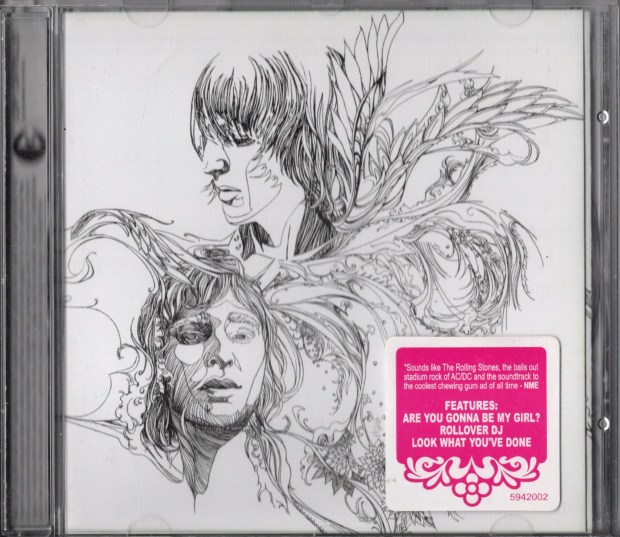
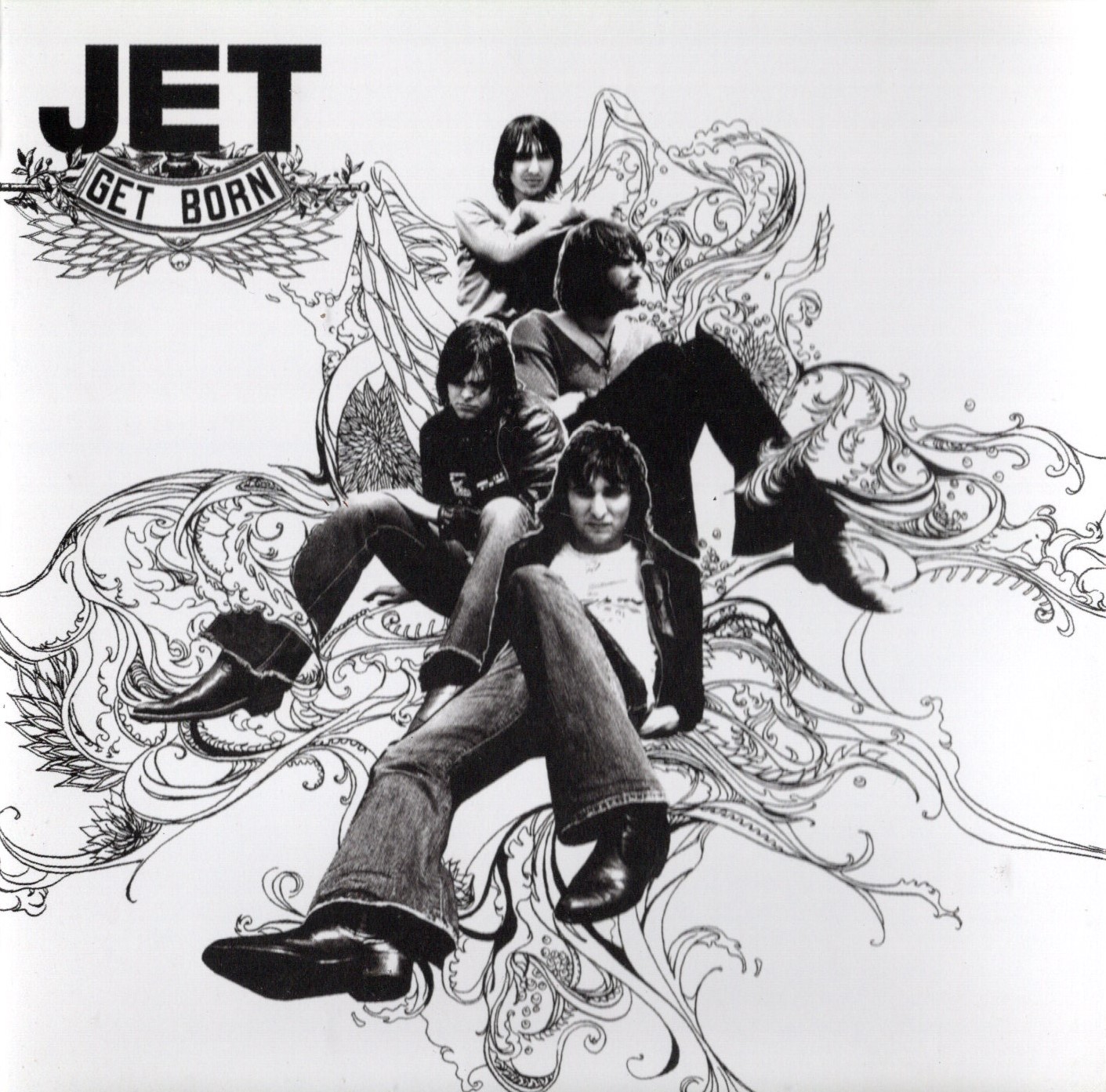
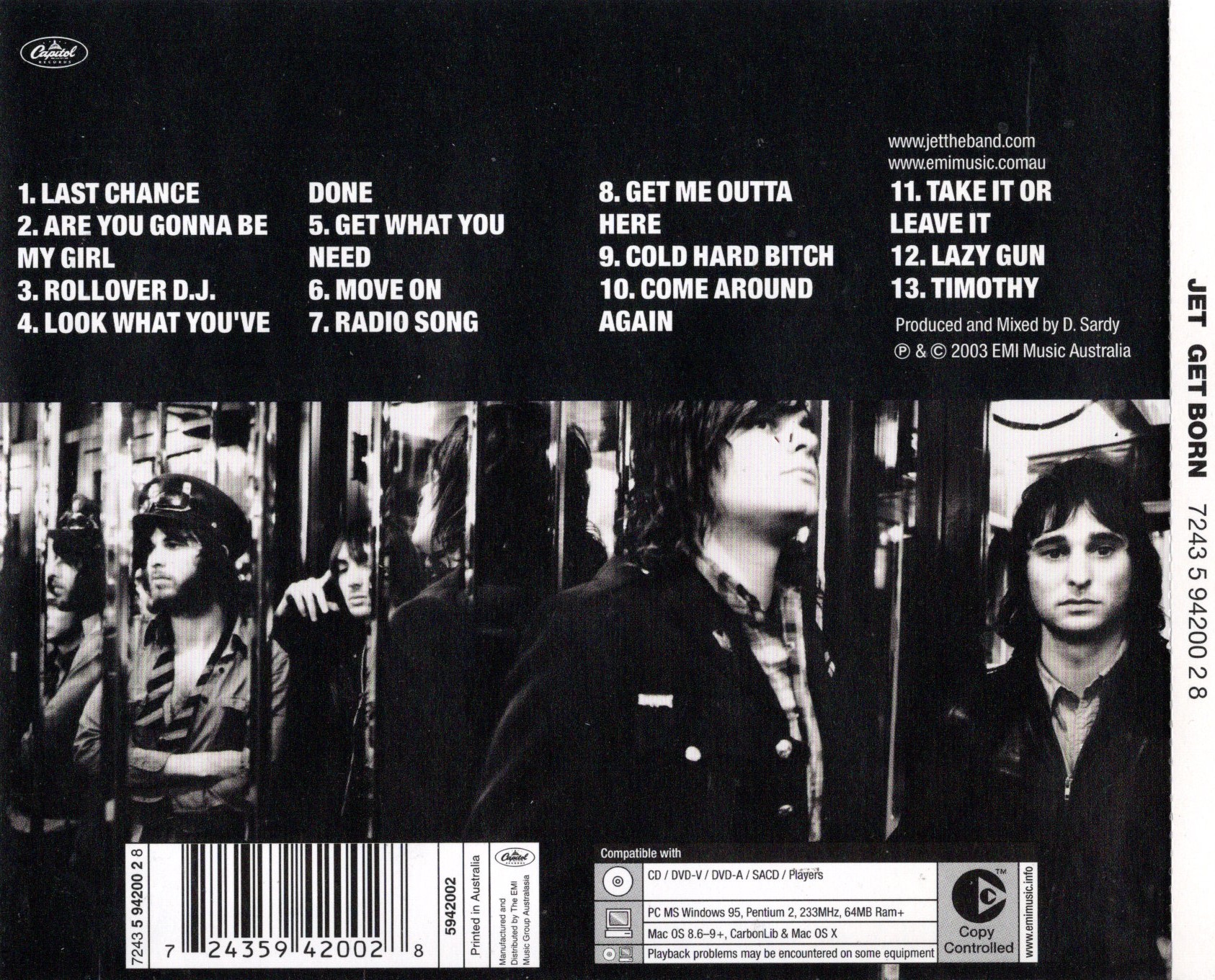
JET – Get Born (2003 EMI)
Get Born is Jet’s first LP, only two years after forming, and after one 4-track EP. Let’s listen and find out how adept this band got at writing songs after only two years. You already know track 2, “Are You Gonna Be My Girl”, the one that everyone says is “Lust For Life” re-written. Both songs utilize Motown beats, though the Jet song has more frantic energy. Plagiarism is excusable in some cases. In this case, I’m still undecided. Is the rest of the album more original?
Many of these songs are fast and short. Opener “Last Chance” doesn’t even break two minutes. It possesses a strong riff, reminiscent of AC/DC in their Bon Scott heyday. Lead singer Nic Cester is quite adept at “Yeahs!” and “Woos!” which will suffice. This leads directly into the signature bassline on “Are You Gonna”, which we don’t need to review. You already have your opinion, and mine is that you can’t tell me those guys never heard “Lust For Life”. That kind of thing always has a subliminal influence, intentional or not. The only question I have is how much was intentional, but I really stopped caring 20 years ago. It is, admittedly a good song if overplayed on radio (still).
“Rollover D.J.” hits right off the bat with bass and guitar, and sounds great in that second it smashes you in the face. Then it lays back a bit, in a Def Leppard-y way, when they used to rock. The chorus is punkier, but feels somehow incomplete. “Look What You’ve Done” switches up to a piano ballad, an unexpected twist. This tender song has an Oasis quality without the snot-nosed BS. This means, yes, you can hear a Beatles influence. Nic Cester demonstrates a smoother side to his singing. I didn’t want to like it, but the truth is, if this was on one of the first three Oasis albums, I would have liked it anyway. A keeper.
A nice rock n’ roll riff brings in “Get What You Need”, and one must admire the nice thick bass tone on this album. This song is all about the guitars. The melodies are inconsequential. It’s all the guitars, and the bass.
In another surprise, “Move On” opens with the distant sound of a steel guitar, before an acoustic intro. This western tinted ballad might be too soon after the previous ballad, but it’s a good song! Very much like the way the Stones would throw those acoustic numbers on their albums. It’s now clear that Jet are not interested in breaking new musical ground. They are focused on writing and recording classic sounding songs that fall within a certain boundary. That’s allowed.
Another surprise: acoustics and piano return on “Radio Song”, a moody trip that has me questioning everything I just wrote. Lead vocals by guitarist Cameron Muncey. I can hear some Radiohead, but the irony is the chorus: “This won’t be played on your radio, tonight.” It’s as if they knew “this is the song where we’re going to experiment a bit.” It’s different, and it has an audible heart to it. It goes epic by the ending, but not too much. Not into Guns N’ Roses bombast. Still sticking to the core instruments. An album highlight.
Back to rocking. A stock riff occupies the necessary space on “Get Me Outta Here”, which fortunately compensates for it with verse and chorus power! Really great work here, with all the singing parts hitting the spot, satisfying a certain craving for a song that’ll be in your head long afterwards.
AC/DC’s fingerprints are all over “Cold Hearted Bitch”, though with drums more out of the Who school of crashes and smashes. Unfortunately, momentum is lost on “Come Around Again”, another Stones-y ballad with piano and twang. It takes time to build, but the reward is brief. The mellotron and organ are the most interesting parts.
Energy returns on the punk-surf-rock-blast of “Take It Or Leave It”, like a shot of pure adrenaline to the album. By this stretch of the album, the “Yeah’s!” are getting a bit tiring and the schtick is wearing thin. “Lazy Gun” has a completely different vibe, with a Gary Glitter sound, and an unexpected secondary section that may or may not fit the first part. We’re over 40 minutes into the album now, and this, the longest song, shouldn’t be track 12. Ear fatigue is setting in.
Finally, “Timothy” is an acoustic ballad to close the album. It sounds extraneous, though with a psychedelic rock twist. I like the chorus, “It’s not what it seems, but it is…” but it seems the song never builds to anything bigger.
Two takeaways: 1) Jet is more diverse than I expected. 2) I don’t think they have a lot of character on this album. Nothing strikes me as unique. Further listens are warranted, but…
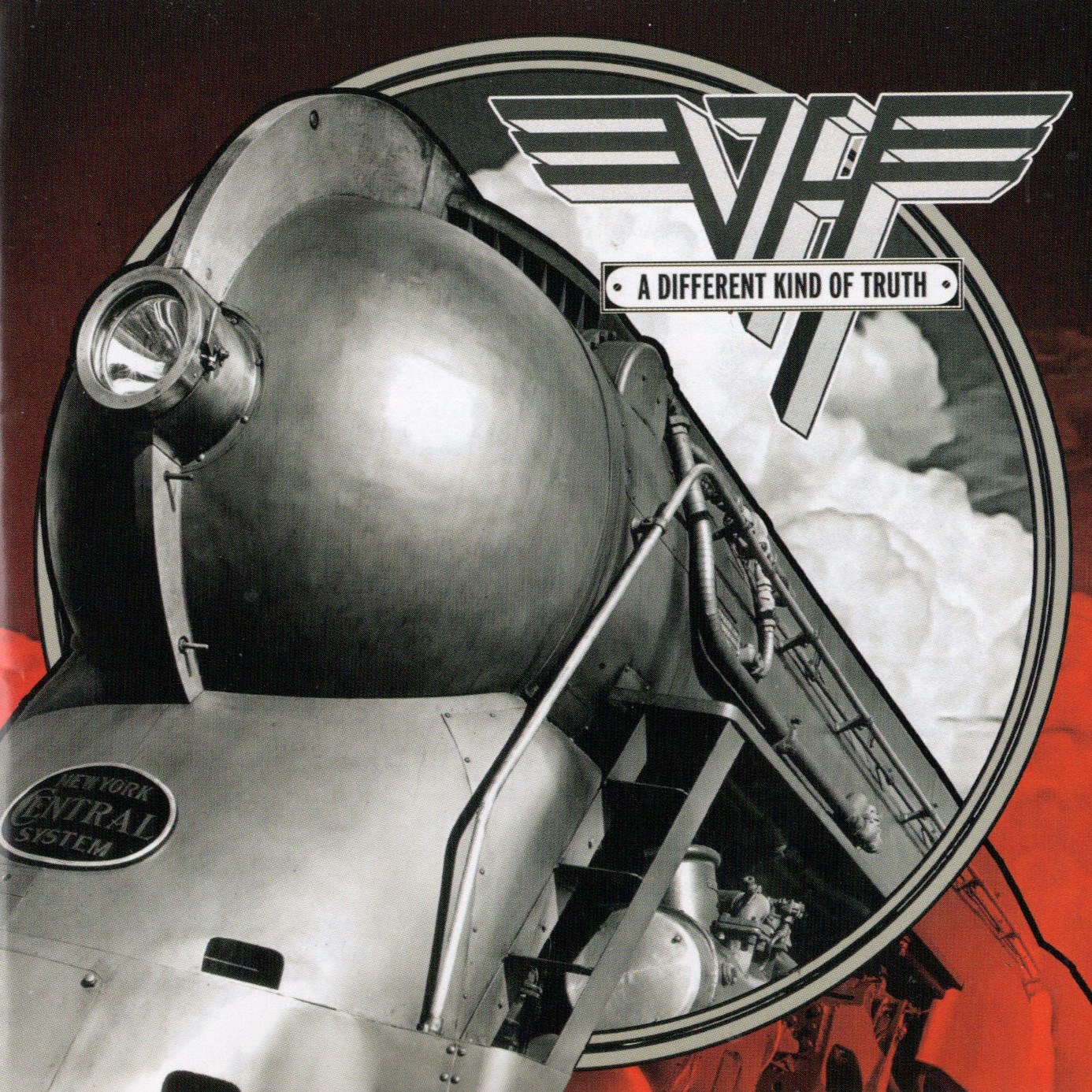
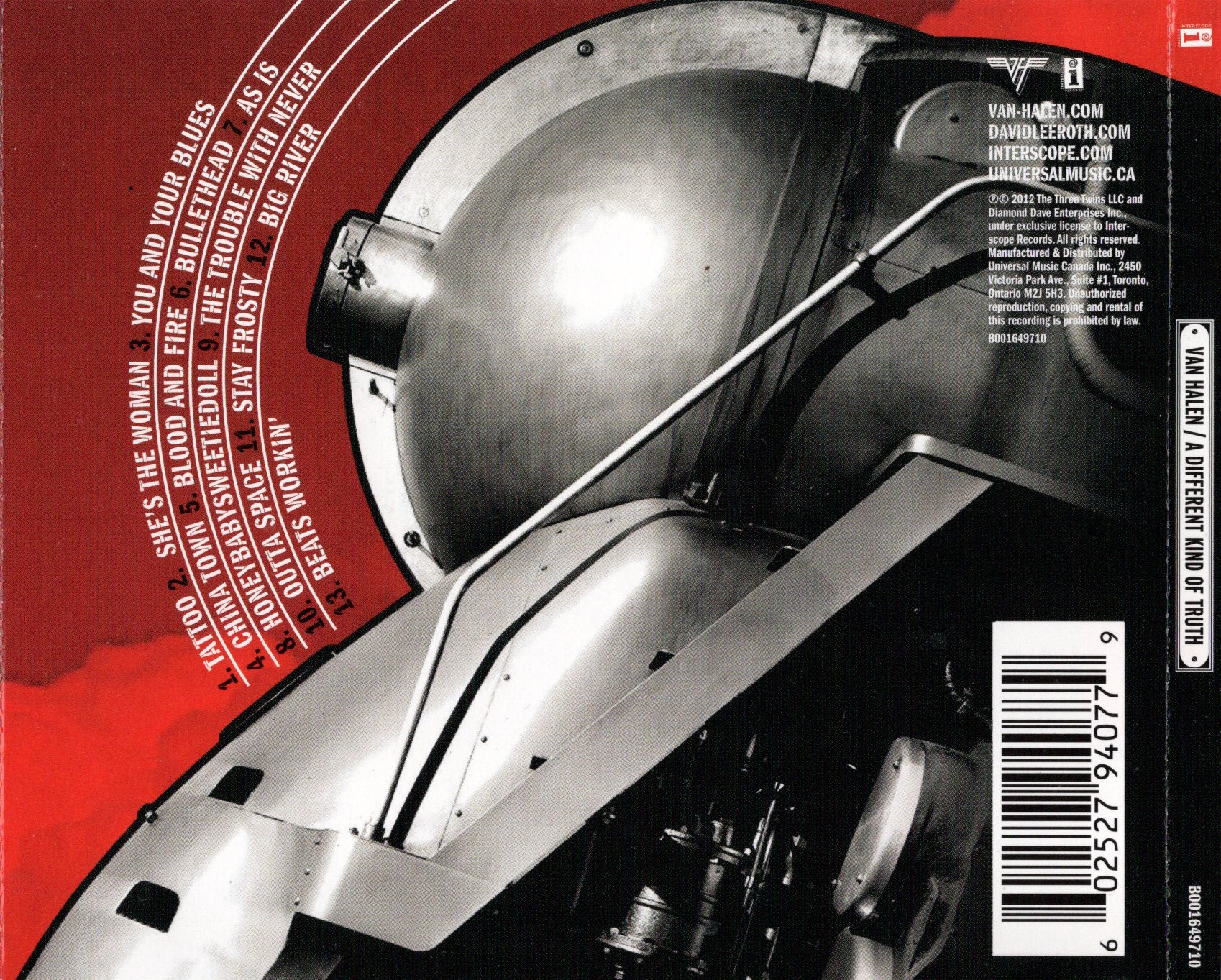
VAN HALEN – A Different Kind of Truth (2012 Universal CD/DVD set)
When this album was released in 2012, we all wanted Van Halen to win. Eddie had been through some tough times, but he finally did what the fans demanded: get back together with David Lee Roth, and record a new album. Sure, we all lamented that Michael Anthony was gone, but it was new bassist Wolfgang Van Halen that made it happen. Without Wolf, there would be no final Van Halen album. Just VHIII, and we know how most of you feel about that.
Working with new producer John Shanks in neutral territory, Van Halen managed to crank out a new album in just three years, starting with jams in 2009.
Wolf knew that Van Halen had to get back to a “classic” sound for their first new album with DLR since 1984. In addition to new music, Wolf dug back into Van Halen’s archive of unreleased material, and picked seven songs that rework and re-write. Roth called it a “collaboration with the past”, which is a good way of putting it. No, it does not sound exactly like old Van Halen; that would be impossible. It does, however sound like Van Halen with Roth.
Opener “Tattoo” was the first single and weakest track. It’s also the only one with audible keyboards (by Dave), though just for texture. Roth said the multi-layered chorus was inspired by artists such as Rhianna, but that chorus is actually the annoying part of the song. Eddie’s fills and Dave’s verses are fine and entertaining, as is Wolfie’s fuzzy bass. The chorus is the weak link, perhaps even worse than the lyrics: lines such as “tramp stamp tat” and “mousewife to momshell”. I like tattoos as much as the next guy, but I’ll never use the word “momshell” except when discussing this album.
The real banger is the second single, “She’s the Woman”, a pretty close approximation of the original Van Halen song (pre-debut album). Wolfie’s playing is monstrous, with a catchy circular bassline that proved the kid had the talent to be in this band. His dad must have loved jamming with him. Ed’s solo really brings us back to classic Van Halen, while Alex’s drums have that sound that we all missed. I hate to say it, but this rendition is probably superior to the original lineup’s version.
“You And Your Blues” has that choppy Eddie guitar we love, and those “ahh, ahh” backing vocals that scream Van Halen, even without Mike. Dave’s lower voice works well on the verses, though he is stretched out on the high notes in the chorus. A great Van Halen album-quality song. (If you’re fortunate enough to have a CD/DVD combo set, you’ll be treated to a cool acoustic version of “You And Your Blues” with loads of storytelling from Roth.)
“China Town” has some of the best shredding on album. From Wolfie’s crazy capo bass to the lightning fast tempo, all four members of Van Halen are on fire. If any song can be said to take the classic sound and launch it into orbit, it’s “China Town”, and Wolf is the star. The bass is not overly high in the mix, but when you listen to it and isolate it in your head, you realize that this guy has brought a new side to Van Halen: bass shred. Additionally, it’s a great song in every way.
Going back to 1984 and an instrumental section called “Ripley”, “Blood and Fire” was reworked in 2000 for an aborted reunion with Roth. Interestingly “Blood and Fire” actually sounds more like Hagar era Van Halen. It does contain one of Dave’s favourite concert phrases: “Well look at the all of the people here tonight!” If this track had been on 5150, it would have fit like a glove, though it would have been one of the more rocking tunes. Edward himself is the star on this one, as he rips, shreds, and tears as if it really was 1984 again.
“Bullethead” sounds new, and also goes back to the 2000 sessions. Van Halen speed and Dave “charasma” are held together by the rhythm section of Al and Wolf. It contains the lyric “Got a different kind of truth”, from which the album takes its title. Ed’s effect-laden solo is no less cool, though nobody will list “Bullethead” in their top 20 Van Halen songs. A cool album track it is, but that’s all.
One of the coolest tunes would have to be “As Is”. Opening with some Alex drum intensity, it breaks into a slow heavy riff, before finally accelerating into a powerhouse Van Halen smokeshow. That running riff sounds so classic, you could swear they injected Ed with youth serum. He sounds like a man reborn, both in terms of shred but also in fun. Ed gets to play with many different sounds and tempos on “As Is”, while Dave also gets to enjoy himself with singing and that spoken word stuff he does so well. Most of this is done very fast.
This sounds like a natural side break. “Honeybabysweetiedoll” (another 2000 track) comes across like a side two opener. Ed is experimenting with new sounds, like he used to, and you’ve never heard Ed sound or play like this before. He goes for a middle-eastern vibe, but with the kind of intensity that other bands do not have the mettle to muster. Dave’s lyrics about soccer moms don’t quite hit the spot where the music is concerned, but nobody’s listening to this song for the lyrics. It’s the guitar that makes the biggest impact here. You can imagine the Ed diehard fans just pounding their fists in celebration when they heard what Ed was up to, before they tried to figure out how he got that sound.
“The Trouble With Never” might be the only track that doesn’t seem like it goes anywhere. You also miss Michael Anthony the most on backing vocals here. It’s just a song. Not a great one, not a bad one…but with one hell of a cool bassline.
“Outta Space” originated in the mid-70’s as “Let’s Get Rockin'”. The riff is classic even though it never made an album before. Dave sings in his highest voice, which is actually cool after a lot of lower pitched songs. As you’d expect for a song originally called “Let’s Get Rockin'”, it smokes from start to finish, top speed and loaded with cool Eddie licks. It’s fun to hear the rhythm guitar drop out during his solo, just as it used to in 1978. Ed wasn’t fond of that sound, but it certainly evokes an era and a vibe. It’s like a warm sweater. Maybe Ed would appreciate that sometimes the absence of a guitar can also speak.
Dave plays acoustic guitar on the fun “Stay Frosty”, an old song that certainly recalls “Ice Cream Man” in every way. There’s one lyric that Dave liked to point out: “If you wanna be a monk, you gotta cook a lot of rice.” Hey, it’s not untrue. Let me put it this way: If you imagined a sequel to “Ice Cream Man”, it’s “Stay Frosty”. Not quite as good, but hits all the same beats that you want to hear.
“Big River” sounds like an older song. It has a cool curly guitar opening, before laying into this awesome guitar/bass groove. More a groove than a riff. Dave’s lyrics and singing are top notch on this song. Classic Van Halen. The surprise is that halfway through the song, for the solo section, it transforms into a completely different groove. This section has some of Eddie’s best playing too. It reverts back to the original riff for the last third of the song. All the while Wolfie is playing the most incredible bass fills, but never stepping on his dad’s toes. Think about that for a second. In the mix, you have the greatest guitar player in the world playing over this awesome riff, but the bass player still manages to throw a whole bunch of cool fills in there, without getting in the way. That’s a band, and that’s family, and that’s talent. If this song had been on an album like Fair Warning, people would still remember it today.
The closing song “Beat’s Workin'” starts with a cascade of Alex Van Halen drums, gone gonzo. It then breaks into a fun riff and a good time album-ender. A song called “Beats Workin'” should sound like a celebration. I get a bit of a Max Webster vibe, though heavier, along with a hint of Aerosmith. Once again the rhythm guitar drops out when Eddie goes solo, but then Wolf gets a moment in the spotlight too. His fuzz bass tone is very much unlike Michael Anthony’s. There’s a moment here when he and Alex are just playing while Ed does his thing, and it feels beautiful, especially now, knowing the family will never be reunited. But let’s not get too somber. It’s a party, after all.
The bonus DVD also includes acoustic versions of “Panama” and “Beautiful Girls”. They are alright. Valuable to have in your collection. You might not go back to listen to them very often. Another reason to own this physically is the lyric sheet, with cool sketches for each song. This is a Dave touch.
Final thoughts:
The album cover, though a cool picture of a train, just doesn’t feel like classic Van Halen. Then again, what does? They’ve had so many different kinds of covers.
The production on this album slams.
Though Eddie is the star, and we’re all listening to every note he plays, it doesn’t sound like an EVH solo album like VHIII did. It sounds like a real band album.
John Shanks and David Lee Roth did the best they could with what remains of Dave’s voice, and did a fine job of it by doing more of that speak-sing thing.
The flow on this album is excellent. There is hardly any filler, and every song works in its given slot, especially the closing trio of “Stay Frosty”, “Big River” and “Beats Workin'”.




 ROSE TATTOO – Rose Tattoo (1978 Albert Productions/1990 Repetoire Records “Limited Edition” CD reissue)
 “Bad Boy for Love” uses the slide to bring a sleezy vibe to a slower groove. In this song, the main character got drunk, ripped up the town, and is now just being released from prison. Then, he went to go see his girl, whom he finds with another man. He kills them both and ends up back in the slammer. This is followed by a jailbreak and “a thousand guns” pursuing him. Not original, but delivered with bona fide sounding cred.














 mikeladano.com