hard rock

RE-REVIEW: KISS – Kiss (1974)

The KISS RE-REVIEW SERIES Part 2: Β 
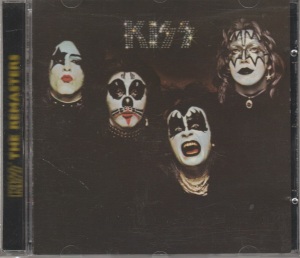
scan_20170222kiss-logo – Kiss (1974 Casablanca, 1997 Mercury remastered edition)

The recording contract was signed with Casablanca Records.Β  Management was retained with Bill Aucoin.Β  The live gigs were quickly becoming legendary.Β  All Kiss needed was an album.

They band convened at Bell Sound studios in New York with Kenny Kerner and Richie Wise (ex-Dust) producing.Β  They selected nine of their best originals and got down to the job of recording.Β  Within a few weeks, they had a fully mixed album in their hands.

Kiss’ 1974 self-titled debut was simple and to the point.Β  No ballads, no frills, no fluff, very little filler and all rock.Β  It was a lean debut that lacked the thunder of their live performances.Β  Guitar-based, yes, but restrained and underpowered.Β  There was more Keith RichardsΒ rock and roll jangle than heavy metal distortion. Β Yet these songs have formed the backbone of Kiss’ live set for decades.

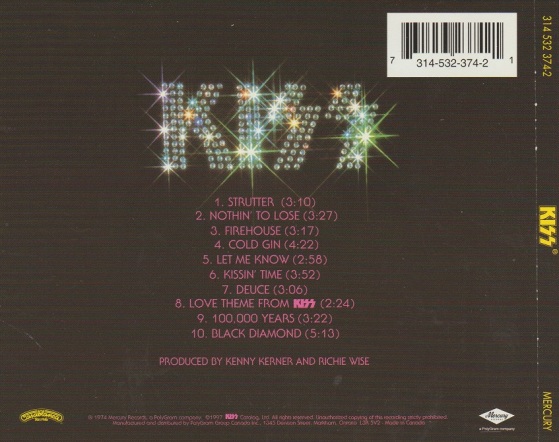
Peter Criss has the honour of having the first sounds on the first Kiss album – a drum roll to introduce Paul Stanley’s β€œStrutter”.Β  The jangling Stones-y rhythm guitars of Paul and Ace Frehley are intertwined to create the β€œStrutter” riff, while Paul sings of a girl that he knows β€œa thing or two” about.Β  She gets her way just like a child, but there is no bitternessΒ in the song.Β  It’s simply a rock and roll celebration, timeless and perfect as it is. Β When Ace Frehley arrives with his first guitar solo, it’s clear that he was always a talent to watch. Β His licks are fluid and precise.

One of Kiss’ biggest musical strengths was the fact that they had three (later on, four) capable lead singers.Β  Gene, Peter and Paul take turns on β€œNothin’ to Lose”, a simple rock and roller made perfect by Peter Criss’ raspy scat.Β  The lyrics have nothing to say except that some lucky young lady has nothing to lose.Β  Following this, Paul Stanley calls the β€œFirehouse”, a live favourite that loses a lot of its bite on album.Β  The fire truck sirens are intact, but the recording is under powered — it needed more crunch and a little caffeine.Β  Much tougher is Frehley’s β€œCold Gin”, sung by Gene Simmons.Β  The tempo is a little sluggish but it really came to life in the live arena.Β  This classic was kept in the set long after Ace left the band, proving its mettle.Β  Hard party rock doesn’t get much better than this.Β  β€œMy heater’s broke and I’m so tired, I need some fuel to build the fire.”  It’s rare to hear Kiss singing about booze, which usually wasn’tΒ their forte.

β€œLet Me Know” was one of the first songs Paul Stanley wrote, under the name β€œSunday Driver”.Β  It’s right there in the lyrics, β€œLet me be your Sunday driver, let me be your Monday man…” Β There are some songs that should get more recognition, and “Let Me Know” is absolutely one of them. Β Gene and Peter join Peter for an irresistible group effort. Β It gleefully continues the jangly rock of the first Kiss album, although there is also a heavy closingΒ outro riff. Β This powerful riff has been recycled live over the years to end other songs. Β  β€œLet Me Know” closed the first side with this memorableΒ piece of Kiss guitar thunder.

Gene Simmons’ β€œDeuce” has become one of the most identifiable trademark Kiss songs.Β  β€œYou know your man’s been working hard, he’s worth a deuce.”  Gene says the words are meaningless, but lines like β€œGet up and get your grandma out of here,” had the attitude he wanted.Β  Still one of Kiss’ hardest rockers, and with a riff that kills (ripped off from the Stones, according to Gene), β€œDeuce” will likely be played live until the end of time itself. Β You can see Gene up there on stage, tonguing himself for all eternity.

A bit of filler called β€œLove Theme From Kiss” (formerly: β€œAcrobat”) is one of theirΒ few instrumental tracks.Β  It doesn’t have much meat, and was dropped from the set before too long.Β  Live, β€œAcrobat” used to feature a fast and heavy part called β€œYou’re Much Too Young” that is far better than β€œLove Theme From Kiss”.Β  The lollygagging guitars of β€œLove Theme” just don’t cut it.

β€œ100,000 Years” is driven by a wickedΒ Simmons bass lick, and Paul Stanley’s wailing vocals.Β  Its groove has kept it in the live set on and off for decades, a fan favourite often extended for concerts with a long Paul rap and drum solo.Β  Then finally there is β€œBlack Diamond”, the biggest sounding and most dramatic of these early tracks. Β It utilizes a sweet Paul Stanley acoustic intro, before it goes full electric and Peter Criss takes the lead vocals. Β His sandpaper rasp kills it: β€œBlack Diamond” is another Kiss classic that has stood the test of time (and even different singers) over the years.Β  The original album version is hard to beat.

Casablanca weren’t happy with how the album was selling.Β  Label head Neil Bogart rushed Kiss into the studio to record a β€œhit single”.Β  They decided on covering β€œKissin’ Time” and promoting it with a β€œkissing contest”. Β Attention achieved, although the single performed only moderately. Β The track was added to the reissued album, as the first song on side two.Β  The band were never particularly happy with it, and even though it showcases lead vocals from Paul, Gene and Peter, it does not sound much like Kiss. Β It sounds more like compromise.

Promoting Kiss meant keeping a constant stream of product on the shelves.Β  A few months later, they were off to Los Angeles with Kerner and Wise to record a followup.Β  Kiss would have two studio albums in 1974, mere months apart.Β  Fortunately they had plenty of old Wicked Lester material to dust off.Β  The Kiss debut remains a quaint sounding beginning.Β  While their songwriting was intact and has proven to stand the test ofΒ the ages, their knowledge of the recording studio was just beginning.Β  Kiss could have used a heavier edge, but it is what it is:Β  a start.

Today’s rating:

4/5 stars


Uncle Meat’s rating:

4 ΒΎ/5 steaks Β 4-34-steaks

Meat’s Slice: Β One of the best debut albums in rock history; there is not a bad track on the album.Β  You could potentially hear more than half this album at any Kiss concert.Β  Easily a Top 3 Kiss album for Meat.Β  Certainly the production could be better, but the songs are great and even the minimalistic sound makes it feel even more like a great Rock and Roll record.Β  Which is what most of 70s Kiss really is.Β  Classic Rock and Roll.Β  Even “Love Theme From Kiss” has aged well.

Favorite Tracks: Β “Nothin’ to Lose”, “Black Diamond”, “Cold Gin”

Forgettable Tracks: Β “Kissin’ Time” (Nitpicking here.Β  Wasn’t even really on the original album in the first place.)


To be continued…
scan_20170222-3

Original mikeladano.com Kiss review: Β 2012/06/12

RE-REVIEW: KISS – Wicked Lester & Eddie Kramer demos (1972 & 1973)

The KISS RE-REVIEW SERIES Part 1: Β 

For once, it did not all start with a kiss-logo.

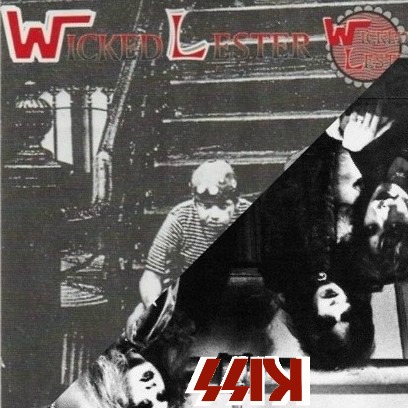
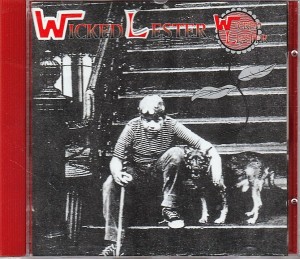
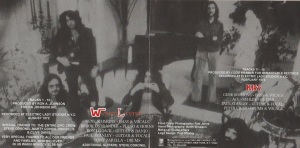
scan_20170220-4Wicked Lester (1972 unreleased album) & the Eddie Kramer demos (1973) (CD bootleg “promo” with “Epic” logo)

Stanley Eisen and Chaim Witz were two young New York musicians who didn’t particularly care for one another. Β They met viaΒ guitarist Stephen Coronel, a mutual friend and bandmate of Witz. Β Chaim, who came to the United StatesΒ from Israel at the age of eight, changed his name to Gene Klein. Β Stephen Coronel told Gene that young Stanley wrote songs too. Β Unimpressed, Gene commanded, “Oh yeah? Β Play one.” Β Stanley played a prototype called “Sunday Driver”, but the encounter left a foul taste in his mouth.

Coronel eventually succeeded in bringing his two friends together, when Stanley Eisen joined their band Rainbow. Β In was 1971, and Ritchie Blackmore had yet to form the most famous Rainbow of them all, but even so they needed a more unique name. Β They already knew of one other band using the name Rainbow. Β Both Paul and GeneΒ had their sights set on bigger things than just New York City. Β They wanted something original, and settled upon Wicked Lester. Β They’d also drop their “ethnic sounding” real names in favour of the handles “Paul Stanley” and “Gene Simmons”. Β They collected together some material they’d written and focused on their originals. Β The lineup consisted of Stanley and Coronel on guitars, Simmons on bass, Brooke Ostrander (RIP, FYC) on piano and horns, and Tony Zarella on drums.

Wicked Lester performed only two gigs before an opportunity was offeredΒ by Ron Johnsen, a resident sound engineer at Electric Lady studios. Β He saw something in the band, and put up the funds for some demo recordings. Β Eventually, Epic had their curiosity piqued enough to buy the demos and agree to do make an album. Β They had only one condition: Β Get rid of Stephen Coronel. Β Thus, the man that brought Gene Simmons and Paul Stanley together was fired from the band he shared with them.

Coronel was replaced by a player named Ron Leejack, and recording of the album commenced. Β The majority of tracks were Simmons/Stanley (and sometimes Coronel) originals, with a handful of covers. Β To cut a long story short, upon completion, Epic shelved the album and deemed it not good enough to release.

They were right to do so.

Only three tracks have ever been released officially, on the 2001 Kiss Box Set: Β “Keep Me Waiting”, “She”, and “Love Her All I Can”. Β The rest are only available on very poor sounding bootleg discs. Β Even without the full fidelity of a proper release, one can tell from the available bootlegs that the album Wicked Lester was best left in the shadows. Β When Kiss seemed to emerge fully-formed in 1974, nobody had witnessed their growing pains.

The running order of various bootlegs differ. Β The red-packaged “Epic promo CD” (surely not) begins with the familiar “Love Her All I Can”, best known as one of Kiss’ early classics from 1975’s Dressed To Kill. Β The unfocused Wicked Lester originalΒ sounds like a hippie commune on speed. Simmons today describes their sound as “like a cross between Three Dog Night and the Doobie Brothers.” Β Throw in a healthy dose of acid. Β Who knows where that came from, Simmons being so proudly anti-drug.

scan_20170220-3

An obscure cover “Sweet Ophelia” (Barry Mann/Gerry Goffin) really demonstrates how far out in left field everybody was. Β It’s mildly disconcerting how well Paul Stanley fits the hippie vibe, far removed from his future Starchild persona. Β A Stanley original “Keep Me Waiting” bears little resemblance to the style his is known for. Β Though one could imagine the guitar solo section as part of a Kiss song, “Keep Me Waiting” is a delirious concoction of congas and horns. Β Simmons’ “Simple Type” is more straightforward. Β No annoying extra accoutrements. Β No hooks either, or any balls, but it’s one of the earliest examples of Gene Simmons and Paul Stanley sharing lead vocals on a song. Β Even at this early stage, it was clear that Paul Stanley possessed a mighty throat.

“Simple Type” merges with the flutes and tambourines of “She”. Β Flutes and tambourines, on “She”?! Β Yes, this future Kiss grinder is set to the sultry sounds of more hippie instrumentation, to go with the organ and shakers. Β As the song fades out, you can just hear the potential it had. Β This potential is nowhere to be found on “Too Many Mondays” (Barry Mann/Cynthia Weil), light and flaky. Β “What Happens in the Darkness”Β (Tamy Lester Smith) is all but indescribable. Β Deep Purple Mk I gone terribly wrong, Β but with Paul Stanley leading the choir instead of Rod Evans going it alone. Β Tougher and better is “When the Bell Rings” (Austin Roberts/Christopher Welch) which again features Paul and Gene singing together. Β This time, Gene utilizes his early high rasp, also heard on Kiss tracks like “Goin’ Blind” and “Let Me Go, Rock and Roll”. Β Sounding a bit more like our beloved demon, “When the Bell Rings” is actually listenable. Β Paul Stanley’s dainty “Molly” brings the flutes back into the picture, and the sooner it’s over the better. Β A cover of The Hollies’ “(We Want To) Shout it Out Loud” is not bad. Β And it lent its title to something much better later on.

The “Epic promo” CD has terrible tape bleed-through. Β It’s clearly a copy of a copy, generations down. Β The cheap paper cover belies its actual bootleg manufacture. Β It’s also missing a song called “Long, Long Road”, a soft countryΒ track that was recorded but perhaps cut from the intended album. That’s right — soft country.

Epic passed on the Wicked Lester album, which was mixed and even had cover art selected. Β The boy was their mascot, “Wicked Lester”. Β The cover art was originally intended for another band called Laughing Dogs. Β Now that the album was shelved (and since Simmons and Stanley were the clear leaders of the group) the fates of the others were pre-determined. Β Paul and GeneΒ began looking for new members, and experimenting with makeup. Β They wanted a strong, singular image, not five guys who looked like the line at the local soup kitchen. Β They also wanted a focused direction, and that was to be hard rock a-la The Who, Cream and Led Zeppelin.

An experienced drummer (his band Lips had an album) named Peter Criscoula was first to heed the call. Β The new Wicked Lester was a power trio consisting of Peter, Gene and Paul, who rehearsed in a loft located atΒ 10 East 23rd StreetΒ in Manhattan. Β The sound was incomplete: Β a lead guitarist was needed. Β Auditions were held at the same loft. Β Legend has it that Bob Kulick (who features into the story much later) was about to get the gig, when they were rudely interrupted. Β A spaced out guy with one red and one orange sneaker had plugged in and started wailing away. Β Paul Frehley snatched the gig at the last minute, and Kiss was born.

The loft where Kiss was born. Β Β 10 East 23rd Street, photos by Mike Lukas.

The new focus became apparent when the re-named band entered Electric Lady one more time, in March of 1973, with legendary producer Eddie Kramer. Β The band cut five new originals: Β “Deuce” (Simmons), “Strutter” (Stanley/Simmons), “Cold Gin” (Frehley), “Watching You” (Simmons), “Black Diamond” (Stanley). Β Each of these songs later made it onto Kiss albums in 1974. Β They had the goods.

The Kramer demos sound better on this CD than the Wicked Lester tracks. Β A different, younger tape generation would be the probable source. Β Only two of these demos (“Strutter” and “Deuce”) have been released officially, on the Kiss Box Set. Β These ferocious tracks are almost completely faithful to the final album arrangements. Β A few extended solos here, and some longer bits there. Β Tracks such as “Deuce” are faster than they were later recorded, and more akin to what Kiss sounded like live. Β Playing to their strengths, keeping things simple, and with Eddie goddamn Kramer at the boards, the band laid down one hell of a demo. Β This is something that bands today would release officially as their first EP, to build buzz for an album. Β That wasn’t the strategy in 1973, so the band instead stuck to a regular regimen of songwriting, rehearsals and unforgettable club gigs.

Nine months after their debut gig as Kiss at the Coventry, they signed with Neil Bogart’s Casablanca Records. Β They had built up a repertoire of roughly 18 originals, including some holdovers from the shelvedΒ Wicked Lester: “She”, “Simple Type”, “Keep Me Waiting”, and “Love Her All I Can”. Β These four songs were whittled out again in the process of coming up with the tracksΒ to record for their first LP.

The Eddie Kramer demos and Wicked Lester album alike are important historical documents. Β They are pieces of the puzzle coming together, and by the time they got with Kramer, the outline was in place. Β The only way to go was up.

Today’s rating:

Wicked Lester – 1/5 stars
Eddie Kramer demos – 3.25/5 stars


Original mikeladano.com Wicked Lester review: Β 2012/08/14


REVIEW: Harem Scarem – Big Bang Theory (1998)

scan_20170218HAREM SCAREM – Big Bang Theory (1998 Warner)

Never give up, never surrender! Β That should be Harem Scarem’s motto.

AsΒ big-time success continued to elude them despite some great albums and singles, they evolved for the times. Β 1998’s Big Bang Theory is the first major step in a more commercial direction. Β This meant incorporating popular pop-punk sounds: Β short, fast simple melodic songsΒ with minimal soloing. Β “Turn Around” is a perfect example of this new direction. Β There is a guitar solo, albeit brief. Β These qualities don’t have to be a bad thing if they’re done right, and Harem Scarem did them exceptionally well.

“Wasted Time” sounds more like Karma Cleansing material from the last album, which is nice as an anchor. Β “So Blind” combines the two worlds. Β It has the speedy pop-punk vibe but with a traditional soundingΒ Harem Scarem song. Β “So Blind” is the first slam dunk of the CD, its irresistible verses nailing it straight to your head. Β Peter Lesperance’s solo is short and to the point, yet still tasty. Β Time for a ballad? Β Check out “Without You”, a terrific and sweet little number with irresistible “bop bop bop bop” backup harmonies.

The second bonafide home run on Big Bang Theory is “Climb the Gate”. It’s in the same mold as the single “Die Off Hard” from the prior album, but brand new. The stuttery hook in the riff slays it. “Climb the Gate” is an essential song for any Harem Scarem collection. It is one of their catalog gems. It doesn’t get much better than “Climb the Gate” for these guys. If you don’t like this tune, you won’t like this album.

There’s a natural break for a side change here. Β “What I Do” brings the focus back to the added 90s-isms. Β Programmed percussion sounded modern at the time, mixed in with the real drums. Β Decent song, but the next one up “Sometimes I Wish” is notable as being the lead vocal debut of bassist Barry Donaghy. Β Its pop-punk chorus keeps it in synch with the album, and if you didn’t know it was someone else singing, you might never have noticed.

“New Religion” is the final power play goal of the album. Β Another powerful little riff backs up one of Harry Hess’ strongest choruses. Β He’s going to start his own religion, demi-gods, there’ll be none. Β This unforgettable number ranks among their catchiest, but Pete Lesperance’s speedy picking gives it an aggression you don’t get otherwise. Β But wait! Β “Lying” keeps the speedometer in the red, with another power-pop killer. Β Like the direction or not, at least Harem Scarem did it well. Β It’s also notable that Big Bang Theory has only one ballad, which is the closer “In My State of Mind”. Β  This gentle track is just Harry Hess and a piano. Β Ending an album with a ballad is a gamble, but not when you have the goods.

Big Bang Theory maintained the Harem Scarem momentum. Β It delivered three standout must-haves and an album’s worth of good material. Β It began to move Harem Scarem into a direction that some fans didn’t quite get. Β More changes were ahead, some more drastic. Β Big Bang Theory is a grey area between the future and the past, but important to the journey.

4/5 stars

scan_20170218-3

REVIEW: Harem Scarem – Live in Japan (1996)

scan_20170221HAREM SCAREM – Live in Japan (1996 WEA)

Three albums seems to be the industry standard before you can release a live one. Β Harem Scarem followed suit and issued Live in Japan right after their third LP, Voice of Reason. Β It was their first with new bassist Barry Donaghy, replacing Mike Gionet.

Live in Japan is a safe, fairly compact selection of tunes from the first three. Β It could use less Voice of Reason, an album which never boasted the killer tunage from the first two. Β In fact if one edited out “Blue”, “Candle”, “Breathing Sand”, and “Paint Thins”, you could make a pretty tight set. Β Leave in “Warming a Frozen Rose” though; it was always the best of the Voice of Reason tracks. Β You can also leave in the title track as it’s pretty heavy. Β Most of the real firepower comes from Mood Swings. Β The opening salvo of “Change Comes Around” and “Saviours Never Cry” are a rousing start to the proceedings.

Live, Harem Scarem were tight. Β Their harmonies are handled easily by the four guys, all capable singers. Β Harry Hess’ roar is not lessened by the road nor jet lag. Β He’s as powerful here as he is on record. Β This is necessary for amped rockers like “Had Enough” and “Empty Promises” from Mood Swings, both very strong. Β There is only one song from the 1991 debut albumΒ Harem Scarem. Representing Harem’s early pop rock roots is “Slowly Slipping Away”; call it a power ballad or just call it a song. Β It feels like it has too much guitar to be a ballad, so call it what you want: it’s great. Β You can clearly hear Barry Donaghy’s contributions on backing vocals, an essential part of the song’s hookiness. Β The live set closes on “No Justice”, the best known track from Mood Swings and an obvious crowd favourite. Β The vocals are just outstanding from the whole band.

There are two bonus studio tracks on this album, a nice little unexpected treat. Β The first, “Pardon My Zinger” is a peppy instrumental the likes of which you expect from guys like Joe Satriani. Β Not so much for guitar trickery, just in terms of composition and hooks. Β The last track is a new ballad called “More Than You’ll Ever Know”. Β It has since been reissued on Japanese compilations such as Ballads and B-Side Collection, but this live album is the easiest place to get a copy. Β As far as ballads go, this one’s not bad.

For fans who didn’t get into Voice of Reason the way they did the first two, Live in Japan offers a bumpy ride. Β  There is little question that the recorded performance is freaking amazing. Β It just comes down to the songs and personal taste.

3/5 stars

REVIEW: Harem Scarem – Live and Acoustic (1994 EP)

Part 1 of a Harem Scarem triple play!

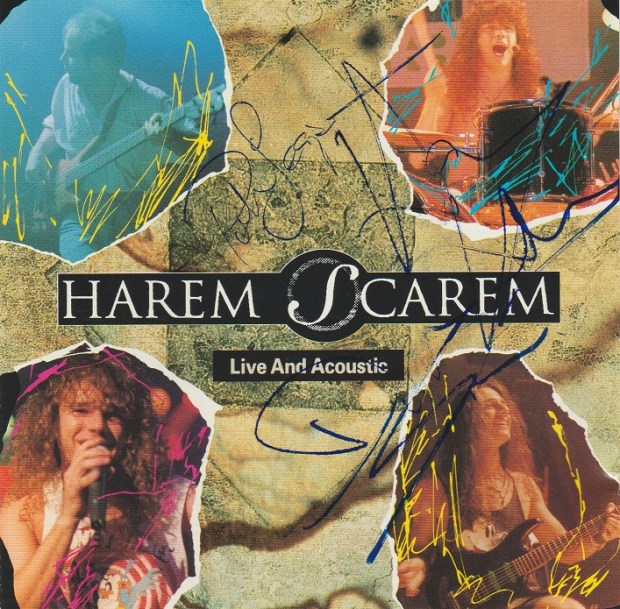
live-and-acousticHAREM SCAREM – Live and Acoustic (1994 Warner EP, autographed cover pictured above)

Nothing wrong with releasing an EP in between albums, right? Β Certainly not. Β In Harem Scarem’s case, they collected some rare stuff and released it as an EP to tide fans over until album #3. Β A strong album like Mood SwingsΒ deserved a little follow-up, to present some of its material live. Β Recorded in Toronto, “No Justice”, “Hard to Love” and the instrumental “Mandy” kick it hard. Β Here is the proof that Harem Scarem could pull of their thick harmonies live. Β Having four singers in the band didn’t hurt, and Pete Lesperance’s guitar flourishes add the necessary pyrotechnics. Β His solo spot on “Mandy” is a nice moment to spotlight a very under appreciated player. Β Accompanied by drummer Darren Smith, “Mandy” is transformed live into something a little bigger. Β “Hard to Love” is beefier than the version from the band’s first album, thanks in no small part to Smith’s ample backup singing.

The three live tracks and the included single edit of the ballad “If There Was a Time” are all taken from the CD single for that song. Β “If There Was a Time” is one of the band’s most complex ballads, so an edit probably made it a bit more digestible to the masses. Β For added value, two acoustic versions and one more single edit “Something to Say” from the first album) are also included. Β The single for “If There Was a Time” is much rarer, so it was nice of Warner to release these things on something with better distribution, according to the back cover, this seems to have been done in collaboration with Warner Music Japan, which would explain why the it looks like a Japanese import from the side.

The acoustic tracks are fantastic: Β “Jealousy” always seemed like it would be great in the fully-acoustic format. Β It’s a great little acoustic jam, with Harry Hess showing off his impressive pipes much more so than the album version. Β The other acoustic version is “Honestly”, which is cool, because that hit ballad was original arranged for piano and keyboards. Β This version is done for acoustic guitars, which makes it less lush but more (pardon the pun) honest.

Looking back to 1994, it was reassuring to see new Harem Scarem product on the shelves at a time when there was no certainty for bands of their ilk. Β Live and Acoustic was no exploit EP, as was unfortunately common. Β It presented a smattering of rarities collected together in one easy package. Β The single edits are not crucial, but it’s a seven song EP so it’s easy to look at these as just an added bonus.

4/5 stars

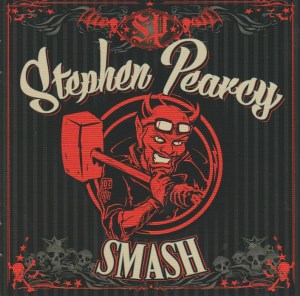
REVIEW: Stephen Pearcy – Smash (2017 with bonus track)

NEW RELEASE


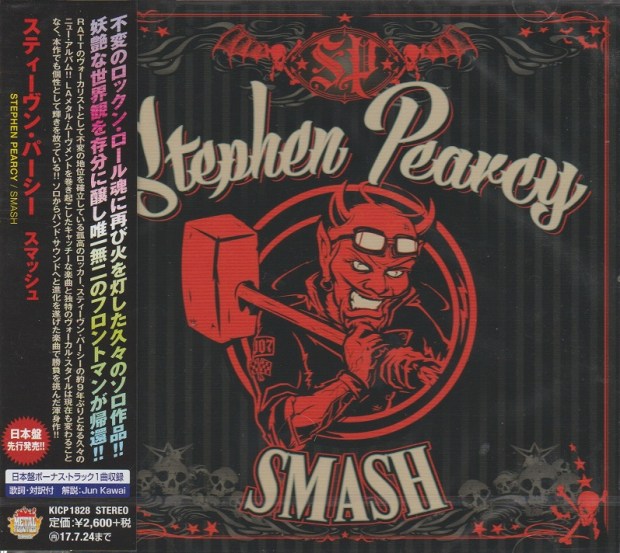
scan_20170226-2STEPHEN PEARCY – Smash (2017 King records, Japanese bonus track)

Everybody needs a little Ratt N’ Roll in their lives. Β How much is up to you. Β It’s like salt & pepper — season to taste. Β But it’s been a while since Ratt released the fine comeback Infestation (2010), and we’re getting the cravings again. Β Ratt’s lead throat Stephen Pearcy must’ve known this, because here comes his excellent solo album Smash.

You can hear Zeppelin bleeding through the intro to “I Know I’m Crazy”, and the word “Zepp-ish” comes up again and again when listening to this CD. Β Much of the time this is due to the big big performance by ex-White Lion drummer Greg D’Angelo. Β “I Know I’m Crazy” has a bit of the new and a bit of the old: Β modern drony guitars, but a punchy Pearcy chorus. Β Stephen is wise to not justΒ copy Ratt (there are enough people trying that), but to go beyond that sound and into something a little out of left field. Β Then if you’re craving those big rawk guitar riffs, “Ten Miles Wide” offers one o’ those and a brilliant chorus to boot. Β Guitarist Erik Ferentinos nails a cool George Lynch vibe on one hell of a smoking solo. Β But then it’s fully down Zeppelin alley with slippery slide guitars on the impressively authentic “Shut Down Baby”. Β “What Do Ya Think” also has that swampy Zep vibe, very Page-y.

With 13 tracks on the standard CD edition, there is plenty of rock, but an artist can always run the risk of an overly-long album. Β Not so with Smash! Β Stephen Pearcy has the goods, and a diverse batch of songs. Β None drag or overstay their welcome; the standard album runs at 47 minutes of diverse rock. Β Check out “Dead Roses” for a tune with a heavy Skid Row grind. Β “Jamie” and “I Can’t Take It” too rock hard, with roots still in 80s metal. Β Then there’s a sleazy Aero-Ratt called “Lollipop” that fits right in. Β You can count on a thick, strong sound throughout — check out the slamming and riffy “Want Too Much”. Β Bassist Matt Thorn co-produced the album with the band. Β Track after track, expectΒ meaty guitars, full sounding drums, and sassy signature Pearcy lead vocals. Β There even a power ballad: Β “Rain” is awesome, tough and would have been a massive hit in 1985. Β Closer “Summers End” is less a ballad and more music for a dark sky.

Of course you don’t have to buy the Japanese version to get Smash, but when you just can’t get enough Pearcy, the import offers an acoustic mix of “What Do Ya Think”. Β The song works very well as an acoustic jam session. Β Fans would be advised to check it out and choose which version they like best. Β However you get it, be sure to get Smash, a fine start to 2017.

4.5/5 stars

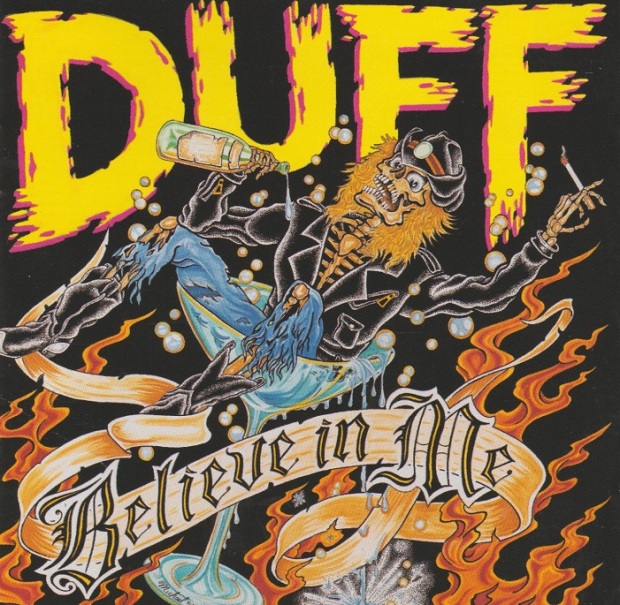
REVIEW: Duff McKagan – Believe In Me (1993)

scan_20170213DUFF McKAGAN – Believe In Me (1993 Geffen)

In 1993 Duff McKagan was not clean yet, at least not for good.Β  It would take a critical medical emergency for him to get close enough to death and stop drinking.Β  The cover of Believe in Me, a skeletal Duff bathing in a martini glass, reflects the last of the old Duff.Β  It was his solo debut, following Izzy but before Slash.Β  Guns’ own Spaghetti Incident? hit the shelves two months later, as the end of the original band creeped on the horizon.

Fans were probably experiencing a bit of Guns overload.Β  Two albums, two live concert video tapes, loads of touring and music videos…Guns were everywhere from 1991-1993 and then it was the dawn of Guns solo albums.

Duff’s solo debut was a grab bag of different styles:Β  punk, rock, funk, jazz and ballads.Β  It was also loaded with rock star guest shots:Β  Lenny Kravitz and Sebastian Bach sang one song a piece.Β  Dave Sabo and Rob Affuso from Skid Row joined Baz on the album while Slash laid down a couple trademark dirty guitar solos.Β  Jeff Beck dropped by, and just about every Guns member except Axl himself contributed.

Despite Duff’s ambition, the best tracks tend to be the rockers.Β  Opener β€œBelieve in Me” was a very Guns-like single:Β  short, sweet, catchy and with a Slash guitar solo to hit it home.Β  β€œI Love You” isn’t a ballad despite the title, in fact it’s a rocker and perhaps the best tune on the album. β€œJust Not There” also rides the GN’R train, normally bound for hitsville.Β  Sebastian Bach’s β€œTrouble” is plenty of fun, and Lenny Kravitz gets angry on β€œThe Majority”.Β  These songs would have made a fine basis for a Guns album, but Axl wasn’t looking for songs that sounded like Guns N’ Roses.

An angry β€œ(Fucked Up) Beyond Belief” (a song birthed from GN’R rehearsals) is noisy punk-rap, while β€œFuck You” itself is basically a rock rap song featuring a guy named Doc.Β  β€œPunk Rock Song” is exactly what it claims to be, but isn’t particularly memorable.Β  The biggest mis-step is the muted trumpet jazz number, β€œLonely Tonight”.Β  At least Duff was trying something different, but his vocals and lyrics leave a lot to be desired.

During the period that Guns N’ Roses were inactive or just working behind closed doors, a lot of these solo albums really represented an alternate universe.Β  β€œWhat if the original members didn’t leave and instead recorded a new album?”  It’s possible these songs or songs like them could have been on that hypothetical album.Β  Instead, Believe in Me was a launch pad for plenty of Duff projects and albums:Β  Neurotic Outsides, 10 Minute Warning, Loaded, Velvet Revolver and many more.Β  Duff has proven that clean and sober, he can be one hell of a prolific songwriter.Β  Believe in Me is a good introduction to the many stylings of Duff McKagan.

3/5 stars

scan_20170213-2


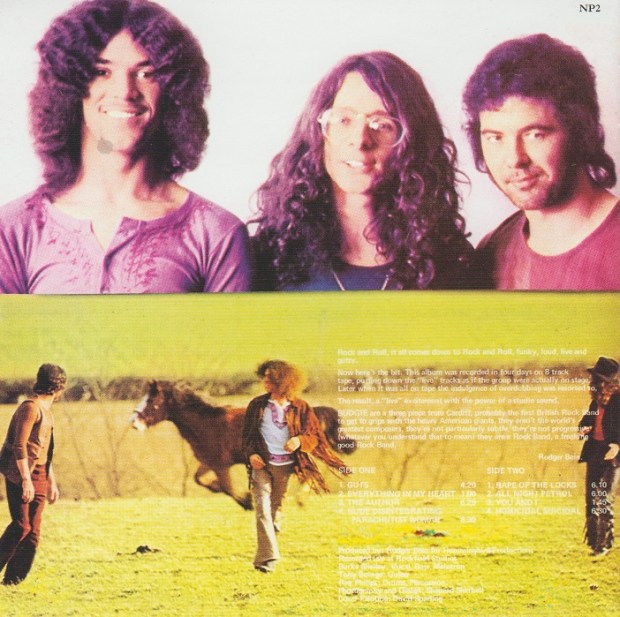
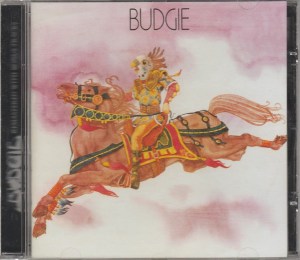
REVIEW: Budgie – Budgie (remastered)

scan_20170211BUDGIE – Budgie (originally 1971, 2004 Noteworthy Productions reissue)

In the early 1970’s, a new young band was rumbling out of Europe with a fresh, sludgy heavy rock sound. Β With a debut album produced by Rodger Bain under their belts, they peddled that new style of music often called “heavy metal”, known for its loud distorted guitars and long-haired musicians.

Black Sabbath? Β Not this time. Β Let’s not forget Cardiff’s own Budgie.

Budgie’s 1971 self-titled debut album demonstrates that the band had already found their own niche. Β Lead throat Burke Shelley had the looks and the voice of a young Geddy Lee, but three full years before Rush’s first album in 1974. Β They had obvious Sabbathy elements, but without the doom and evil overtones. Β They wrote long, groove oriented songs unlike anything Ozzy & co. were writing. Β Shelley’s lyrics and song titles ran from unusual to bizarre. Β The opener “Guts” is a great example of the strangeness and groove coming together in one addictive sludgy confection.

Budgie were also known for soft acoustic interludes. Β “Everything in My Heart” is one, clocking in at less than a minute. Β (According to the liner notes, Shelley recalls he wrote this for some girl he liked.) Β This acts as a sort of prelude to “The Author” which combines the quiet side with the sludge. Β The droning heavy riffage, switching lanes with softer sections, make for a pretty epic Budgie track. Β As a power trio, Shelley’s bass becomes the deliverer of many hooks. Β However on “Nude Disintegrating Parachutist Woman” the bass joins forces with Tony Bourge’s distorted axe to build a wall of riff. Β Both the album and single versions are included on the 2004 deluxe CD edition. Β One is over twice as long as the other! Β The album cut contains a long Purple-like instrumental section.

“Rape of the Locks” (a satireΒ about a hair cut, get it?) commences with a very Blackmore guitar freakout. Β The riffs are more Sabbath, while its jammy aspects remind of the first album by the Scorpions. Β Burke Shelley continues the groove on “All Night Petrol”, both punishing and catchy. Β “You and I” is another acoustic interlude, 1:42 of Burke trying to be lovey-dovey. Β It acts as a reset before the final onslaught: Β “Homicidal Suicidal”. Β Soundgarden covered this one in 1991 on an obscure B-side. Β Perhaps it is the definitive example of the early Budgie sound. Β Almost seven minutes of heavyΒ Budgie, drums hammering at the walls while Burke rumbles the foundation. Β Meanwhile there’s Tony Bourge with the riff of riffs.

The bonus tracks on this edition are well worth seeking. Β In addition to the above mentioned single edit of “Nude Disintegrating Parachutist Woman” there is its B-side “Crash Course in Brain Surgery” which Metallica covered. Β This is an unreleased alternate mix of one of Budgie’s best known metal thrashers. Β Finally there are 2003 re-recordings by the reformed Budgie composed of Shelley, Steve Williams and Simon Lees. Β “Parachutist Woman” and “Guts” are very different from the originals, although the arrangements are pretty much the same. Β It’s just a matter of different musicians and 32 years!

The Budgie remasters can be expensive to track down, but well worth it. Β May as well get all the extra tracks if you’re going to hunt for some Budgie.

4/5 stars

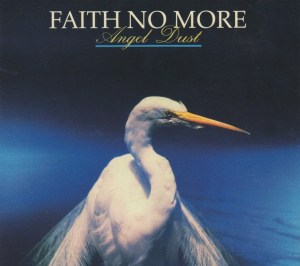
REVIEW: Faith No More – Angel Dust (deluxe edition)

Previously on mikeladano.com….

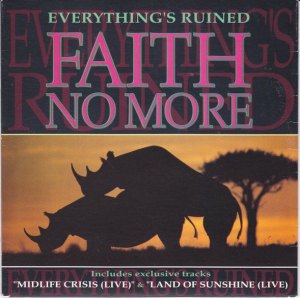
Faith No More’s deluxe edition reissue program began in 2015. Β Two years prior to that, we reviewed two editions of Angel Dust: Β An Australian 2 CD set with a bonus EP called Free Concert in the Park, and the 2 LP version with a “MidLife Crisis” remix. Β For this Angel Dust deluxe edition review, we will be incorporating old text from that review into this new one. Β We also reviewed the 2 CD single for “Everything’s Ruined”. Β Those tracks are also on this deluxe, and we will borrow text from that review as well.

scan_20170205FAITH NO MORE – Angel Dust (originally 1992, 2015 Slash deluxe edition)

Incredibly anticipated, and massively misunderstood: Β Angel Dust separated the fans from the wannabes. Β Reviews were mixed. Β M.E.A.T Magazine’s Drew Masters awarded it 2/5 M’s and failed to grasp the genius that is the chaos within. Β It certainly is an ugly duckling and will take more than a listen to reel in anyone. Β Faith No More wearied of the “funk metal” tag and sought to distance themselves from it. Β Importantly, Mike Patton dropped the nasal tone he utilized on The Real Thing. Β Instead he unleashed his full voice in all its extremes. Β With enviable range and power, Patton pushed his capabilities to their furthest limits. Β Meanwhile, guitarist Jim Martin and the band were butting heads, and most of the songs were written without him. Β Mike Bordin, Roddy Bottom and Billy Gould would send him virtually complete songs, which he then β€œgrafted” guitar parts onto. Β In a guitar magazine interview, Martin stated that he thought some of the songs were better before he added his own parts.

Angel Dust commenced with double shot of weirdness: Β β€œLand of Sunshine” and β€œCaffeine”. Β Patton pieced together the lyrics to β€œLand of Sunshine” from a collection of fortune cookies. Β Musically it is dramatic, keyboard heavy and foreboding. Β β€œCaffeine” is dark and aggressive, but is Patton’s first bonafide knockout vocal on the album. Β From the ominous, gravelly lows to off the wall screams, Patton delivers it. Β His voice knew no limits on Angel Dust. Β A year prior, he released the debut album by Mr. Bungle. Β There is little question that this must haveΒ demolished any vocal inhibitions he had with Faith No More.

The first single β€œMidLife Crisis” was about as close as it got to a commercial track. Β You can certainly hear every nu-metal band in the world (Korn! I’m looking at you Jonathan Davis!) ripping off Patton’s gutteral vocal stylings. Β But he lets it soar in the choruses. Β The bizarre pseudo-rapped Β verses, the samples, and the anthemic, layered choruses all pointed to new directions for Faith No More. Β The ingredients had never really combined like β€œMidLife Crisis” before, although 1991’s “The Perfect Crime” hinted at some of these elements.

Perhaps the most bizarre song (there are many more coming) is β€œR.V.” Β The lullaby-like piano backs a grizzly soliloquy from Patton, via Tom Waits, playing a trailer park trash character. Β β€œSomebody taps me on the shoulder every five minutes. Β Nobody speaks English anymore! Β Would anybody tell me if I was gettin’…stupider?” Β Once the novelty value wears off, it’s still a memorableΒ tune due to the powerful choruses. Β Patton nails another awesome lead vocal. Β β€œSmaller and Smaller” returns somewhat to more conventional song arrangements. Β A repetitive piano hook backs a hypnotic Patton vocal. Β The choruses are a bit on the insane side, and then the song deviates into a sample-laden section of challenging rhythms. Β Yet somehow the song remains memorable and catchy. Β This is followed by the single β€œEverything’s Ruined”. Β It must have been chosen because it is a solid mix of aggressive rapping with a memorable soul-influenced chorus. Β While it doesn’t sound like it would have been on The Real Thing, it’s about as close as Angel Dust gets.

β€œMalpractice” is one of the most delightfully messed-up tunes on the album, a mixture of disjointed sections, noisy guitars, smooth keyboards, feedback, all simmered to perfection. Β By the time Patton’s screaming, β€œApplause, applause, applause, APPLAAAAAUUUUUUSSSSE!” we’reΒ already clapping. Β This song was a Patton baby, which explains it. Β Certainly, the lullaby after the two minute mark is designed to lull you in before they hammer you with more guitars, samples and screams. Β This closed side one.

IMG_00000360

β€œKindergarten” introduced side two with the sound of Patton barking thoughts about the ol’ schoolyard. Β There’s no guitar solo, but Mike Patton muttering musically into a megaphone fills the void where the solo would go. Β This is followed by Billy Gould throwing down a bass solo, and into the final verse. Β The weak-willed will shudder before β€œBe Aggressive”, a graphic series of metaphors about swallowing. Β This discourse is accompanied by a cheerleader chorus. Β Jim Martin turns in a sloppy, Pagey guitar solo, the only one on the album.

After assaulting the listener with a song like that, β€œA Small Victory” is a welcome respite. Β Its simple but bountiful melodies are perfect to soothe the ear canal. Β This is also to prepare you for β€œCrack Hitler”, another bizarre sensory overload. Β Funky bass meets distorted rapping, until it swerves into this weird, evil march. Β Patton’s vocals run the gamut from light, to dark and monstrous. Even so, Jim Martin’s contribution β€œJizzlobber” is the most extreme song of them all. Β It has those creepy Friday the 13th keyboards, heavy guitar riffs and pounding drums, and Patton’s most aggressive lead vocal yet. Β You don’t know what the hell he’s singing without the lyric sheet, so just be enveloped. Β It’s just a pummeling assault, and unprepared listeners may find themselves overwhelmed and perhaps turned off from the album by this point.

The standard album ended with β€œMidnight Cowboy” supposedly because of some obsession that Billy Gould had with its storyline. Β It’s a perfectly appropriate ending given the rollercoaster ride that preceded it. Β It’s you, wandering off into the sunset, too wasted to really know if you’re headed in the right direction. Β Just keep walking. Β Some editions of the album (including this deluxe) added the cover of The Commodores’ “Easy” as the final track. Β There are a couple different mixes of “Easy” out there, and this is one is from The Very Best Definitive Ultimate Greatest Hits Collection. Β The horns are missing, the drums have more echo added, and Mike Patton speaks at the beginning. Β The song isΒ rendered remarkably straight, and it’s a performance like this that truly demonstrates Mike Patton’s vocal mastery. Β The original version (the “Cooler Version”) with horns opens disc two, the bonus tracks. Β It can also be found domestically on the EP Songs To Make Love To.

scan_20170205-3

Also from that EP is the bizarre German-language speed-polka “Das Schutzenfest”. Β This is a novelty track, shits n’ giggles, nothing more. Β A good laugh but unimportant. Β The Dead Kennedys’ “Let’s Lynch the Landlord” was also released on theΒ Songs To Make Love To, but it was originally on a compilation called Virus 100. Β Jim Martin wasn’t there and the song is performed as a quartet. Β An underwhelming acoustic performance, it sounds a little like the Faith No More of the future as Patton adopts a lower singing style.

The real treasure on disc two and rarest of the all is “As the Worm Turns”, a Japanese bonus track for that long out of print edition of Angel Dust. Β “As the Worm Turns” was one of the most stunning songs on Faith No More’s debut We Care A Lot, with Chuck Mosely on lead vocals. Β A full-throated Mike Patton re-recorded it for this bonus track. Β Sacrilege? Β It is the superior version now.

A couple included remixes are only a sampling of what is actually available on singles. The “Scream Mix” of “MidLife Crisis” is the extended, bass-heavier mix from the 2 LP edition of the album. Β The “Revolution 23 (Full Moon) Mix” of “A Small Victory” is only one of four versionsΒ from a remix EP they released. Β Then it is on to the live material, and there are some treasures there. Β The liveΒ EP Free Concert in the Park, (recorded in Munich) is expanded from four to six tracks. Β Mike Patton dedicates β€œEasy” to β€œeveryone with hemorrhoids this evening!” Β The guitar solo spot in β€œEasy” remains aΒ Jim Martin favourite. Β Even heavier and more chaotic versions of β€œBe Aggressive” and β€œKindergarten” follow, replete with surprises. Β The early obscurity β€œMark Bowen” is another Mosely song given the Patton treatment live, adding his own spin and abilities. Β Two tracks are added to the proceedings: Β “A Small Victory” and “We Care a Lot” from the same show. Β These live versions really hit the spot, as they are really cranked up, and “We Care a Lot” contains a segue into “Jump Around” by House of Pain. Β It’s a shameΒ the live recording is so tinny. Β  These tracks were also released on CD singles for “Easy” in Europe.

FNM RUINED_0004

Up next are the four live songs taken from the double “Everything’s Ruined” single, all recorded in September 1992. Β Β “MidLife Crisis” is growly and impressive, and “Land of Sunshine” is amped. Β β€œEdge of the World” is the point when the audience is asked toΒ sing along, with Patton yelling β€œFuck me harder!” Β The trailer-trash-talk of β€œR.V.” sounds a little laid back live; something’s missing. Β It would be much better with the full visuals of a Mike Patton performance.

The deluxe edition concludes with an outtake finally restored to the album it was written with: Β “The World is Yours”. Β It was originally made available on Who Cares A Lot? The Greatest Hits in 1998. Β Like Angel Dust itself, it is sample heavy. Β Marching soldiers and trumpeting elephants join Roddy Bottom’s ominous keyboards in a symphony of WTF. Β It is a fully formed recording, with effects-laden vocals fully mixed and finished. Β It would have fit the more experimental and anti-commercial direction of the album perfectly, but not without making the album overlong.

Angel Dust, unlike the more successful The Real Thing, has a timeless sound. Β It is a once in a lifetime album, a perfect meeting of disparate elements. Β Jim Martin was ejected after this, and never again would his heavy metal guitars be grafted onto the sonic experiments of Faith No More. Β A pity, but they have since moved on even more expansive sounds. Β Angel Dust in some respects can be considered the real debut of Mike Patton in Faith No More. Β A triumphant one it is.

5/5 stars


REVIEW: Harem Scarem – Karma Cleansing (1997)

ontario-bands-weekWelcome back to Ontario Bands Week!

Today is Part 2Β of a Harem Scarem double-header!

TORONTO.

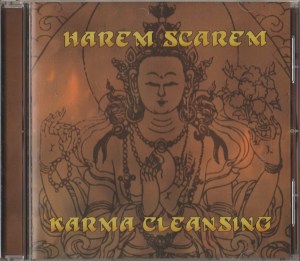
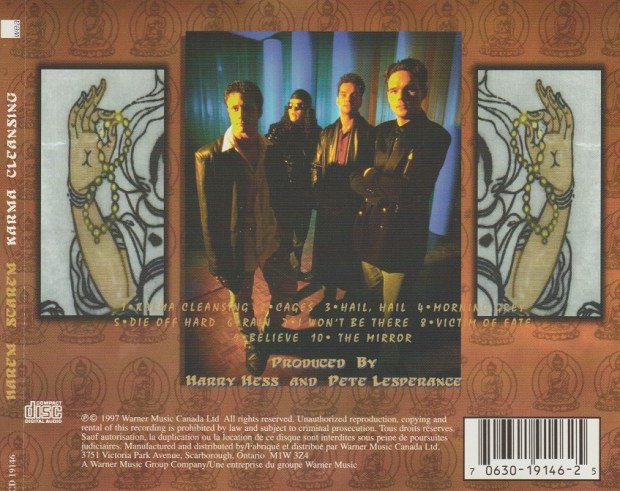
scan_20161202HAREM SCAREM – Karma Cleansing (1997 Warner)

Against all odds Harem Scarem kept on givin’ er. Β They were big in Japan but couldn’t get arrested in Canada anymore. Β Their fourth album Believe (following the monumental Mood Swings and the experimental Voice of Reason) saw release in the Land of the Rising Sun, but in Canada the track listing was tweaked and put out as Karma Cleansing. Β Original bassist Mike Gionet was out, replaced by Barry Donaghy who was also capable of singing lead. Β  And while three of the guys now had short hair, drummer Darren Smith stubbornly left his long. Β Awesome.

Although their entire discography has highlights and standouts, many fans feel that Karma Cleansing was at once a return to sound of Mood Swings, and also the last Harem Scarem album before they began adding pop-punk elements. Β There is nothing wrong with albums like Big Bang Theory and Rubber, and you can’t blame the guys for trying out some changes for greater success. Β Fans who have stuck around since the start prefer the more progressive elements of Mood Swings and Karma Cleaning.

One can see parallels between Harem Scarem and bands such as Extreme and Van Hagar. Β “Karma Cleansing”, the title track could have been an outtake from Van Halen’s Balance LP. Β However, Harry Hess has a unique and powerful voice that is identifiably him. Β When the band join him on those thick Harem Scarem harmonies, they hone in on that sound that makes them special. Β “Karma Cleaning” kicks it off hard, melodically and with just a touch of exotic progressiveΒ influences.

One after another the strong songs roll on: Β “Cages” hits the heavy buttons that you wanna hit to get the blood pumping fast. Β Then “Hail, Hail” has QueenΒ verses with pompous hard rock choruses. Β And while one can hear that Harem Scarem continue to bring new and interesting elements to their songs, you can also identify that the guitar work is simplified. Β It’s less busy, less showy. Β This was a trend that continued into the next albums.

“Morning Grey” then conspires to bring Beatles sounds into the picture,Β but like its title, it’s dreary though hugely complex. Β The adrenaline starts to flow again on “Die Off Hard”, a brilliant anthem that kicks every ass in the room. Β Harem Scarem managed to write a few of these over the years, usually a couple per album. Β Songs like “Die Off Hard” are immediate, but never get old. Β Interestingly, the bridge to the song (“It’s been a long time coming…”) is ancient. Β It appeared on Harem Scarem’s earliest demos before their first album as a part of other songs. Β It only took four albums to finally use it! Β Fortunately it found a home in “Die Off Hard”, making it one of the most luminousΒ diamonds in the Harem Scarem catalogue.

This sounds like a nice place for a side break. Β “Rain” is a light ballad, refreshing and cleansing the palette. Β The mood gets darker on “I Won’t Be There”, somewhere between ballad and mournful dirge. Β The band’s knack for melody keeps it all above the water: yet another brilliant song. Β The beat gets harder on “Victim of Fate”. Β Chunky guitars and a groovin’ foundation make this a winning combination. Β Unmistakable Harem Scarem harmonies bring the chorus to the top level. Β Then comes the Van Halen style boogie of “Believe”, an unexpected twist. Β There are no words to describe how much this song kills it. Β It also feels like it’s building up to an ending, as the side plays on. Β That finale is “The Mirror”, a theatrical ballad which serves to end the album with a musical statement. Β Not a ballad in the “radio hit” sense, but that it’s a slow track with light and shade, keyboards and emotional singing.

What an album. Β You can see why the fans in Japan got it. Β A lot of the rock artists that make it big in Japan are melodic rock bands with incredible musicians. Β Harem Scarem fit that bill, and Karma Cleansing is another jewel in their crown.

4.5/5 stars

scan_20161202-3