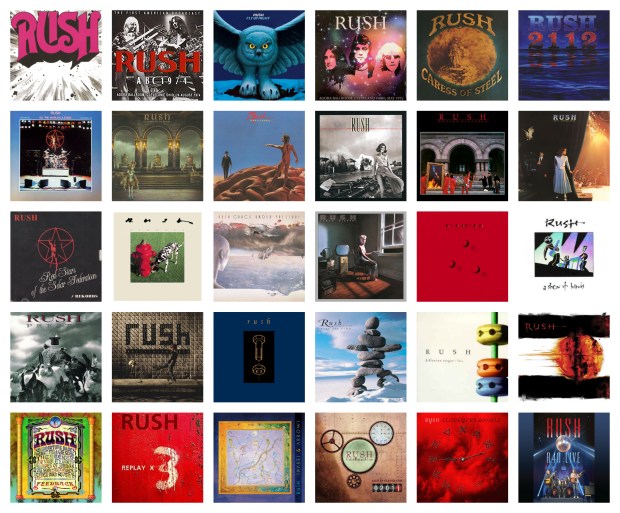
Just Listening to…all the Rush

I had already started a Rush marathon just hours before the news hit that Neil Peart had passed away from brain cancer.  Why did I choose Rush at that exact moment?  It’s not proof, but it’s certainly makes me wonder about premonitions.

I’ve been on a Rush binge ever since.  I have been listening to nothing but Rush with only two exceptions.  I listened to one album by another artist that I wanted to review, and I listened to something else (Hollywood Vampires) in the car.  I didn’t have any Rush on the car flash drive.

In that time (a week) I’ve listened to every Rush studio album, some of them more than once.  (Even the early Rush without Neil.)  When I cycled through all the studio stuff I moved onto live albums, which I am still enjoying.  The first four Rush live albums (All the World’s a Stage, Exit…Stage Left, A Show of Hands, and Different Stages) really form a cohesive story.  You can listen and hear the band grow, evolve, change, and adapt.

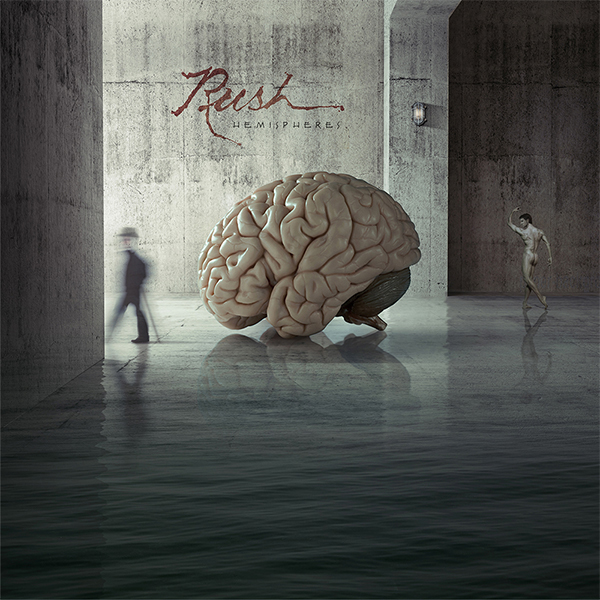
Most of the live albums past that point weren’t on my computer yet (something I am remedying now) but I still had plenty more live stuff to enjoy from a variety of sources.  A Farewell to Kings has two discs worth of live Rush added.  (I have the deluxe Hemispheres with another live album coming in the mail.)  There is also Grace Under Pressure Live from the Rush Replay X3 box set.  A live bootleg called Red Stars of the Solar Federation from 1981.  A couple radio broadcasts from 1974 and 1975.
What I’ve gained from all this Rush immersion is not only new appreciation, but old memories re-emerging.  Although 70s Rush is absolutely essential music, it was 80s Rush that hooked me in and still thrills me today.  Albums like Moving Pictures and Signals were played multiple times during my marathon.  Hold Your Fire and Grace Under Pressure were enjoyed more than once.  I grew up in the 80s when Rush were in constant rotation on MuchMusic.  Songs like “Subdivisions”, “Tom Sawyer”, “Distant Early Warning”, “Lock and Key”, and “Time Stand Still”.  Although not an 80s album, Counterparts is very special to me as well.  It was my first Rush studio album.  I think it’s magnificent and contains many triumphs within.  It’s the culmination of all the evolution that happened from Presto onwards.  Its followup, Test for Echo, unfortunately remains a low point in the discography.  I remember feeling the same in 1996 when it came it.  It just wouldn’t click with me and still won’t.

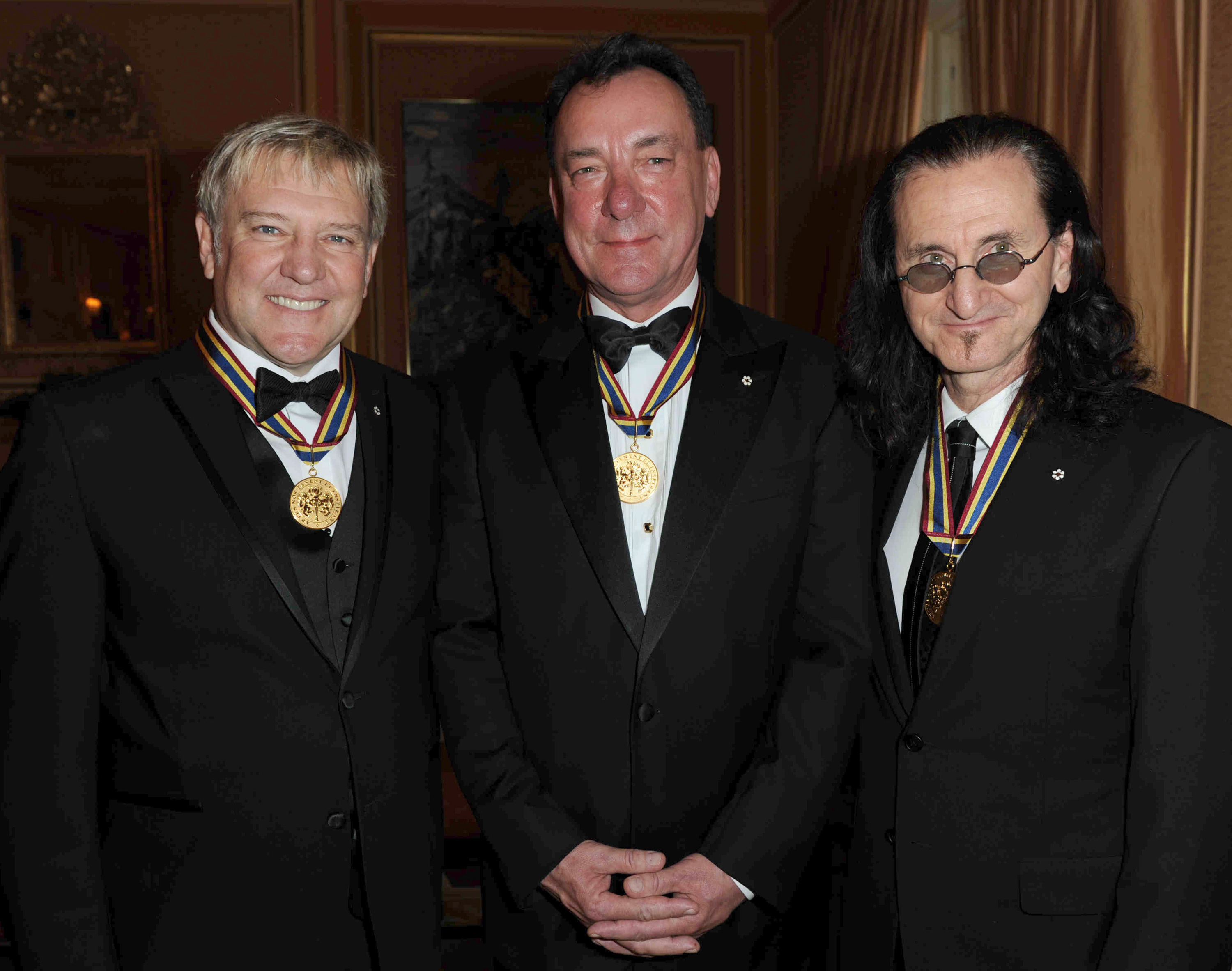
As brilliant Neil Peart was, my appreciation is balanced.  It’s about Rush.  The lyrics would not have the same impact without the voice.  The voice would be naked and bare without the guitar.  All three guys stand out when you listen to all the Rush like this.  There are spotlight moments for Neil, Geddy and Alex as individuals but that’s not what this marathon reinforces.  Rush is a band — an exceptionally great band, where the players can shine more than other bands because there are only three of them.

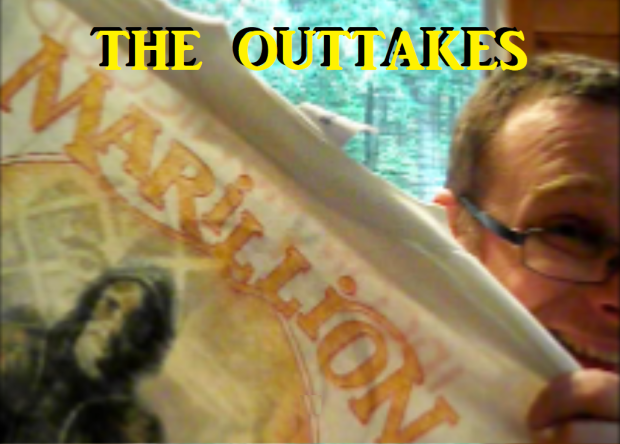
Only three dudes?  I know, even this guy can’t believe it!

“There’s no way!  There’s no way this is three dudes!”

I have plenty more live Rush albums to spin, so the marathon carries on. I’m grateful we have so much Rush. Some bands don’t deserve to release so many live albums and box sets. Rush do. They’re allowed for two reasons. One is a rich history with many nooks and crannies to explore. The other is sheer quality. They never put out something they weren’t proud of.

Thank you for the music — I ain’t finished yet!
VIDEO: The Outtakes

I’ve been making videos for over 30 years. It’s important, when possible, to keep your source material. It’s necessary if you ever feel like revisiting your work. Or, if you feel like presenting “previously unseen material” to your audience as new content.

Here are some outtakes representing the last 30 years of making videos. You’ve never seen ’em before and I hope you enjoy!

Sunday Chuckle: Mandalorian…WTF?

If you happen to find a 6″ Mandalorian Black Series action figure, snag it — those things are going for crazy money in resale.  As of this writing, Amazon.ca is asking $80 for one (ridiculous).

I continued scrolling, looking for a better deal.  What I found was…chuckle-worthy.

Mandalorian Handjob by “Harlotte Sometimes” is available to read, but only on Kindle!

“Fapper Oden Zero sets off on his first Galactic adventure. From his home planet in the Gamma System, the young man sees opportunity; Coruscant and the Core Worlds promise riches for the quick and the clever when the Republic finally falls.  Oden signs on with a freighter. One last night of freedom tempts him. ‘Who is that innocent, sexy, seductive blonde?’ he asks. ‘Did she really just wink at me?'”

It turns out that Harlotte Sometimes is a prolific author with 16 titles under their belt.  These include Bachelor in Space and Hard For Hillary.

I’ve only dipped a toe into reading fan fiction, and never the naughty kind.  Maybe I’m missing out.  For those with a pantsuit fetish, I recommend Hard For Hillary.  If you’re more into tall, dark, and heavily armoured, maybe Mandalorian Handjob is for you!


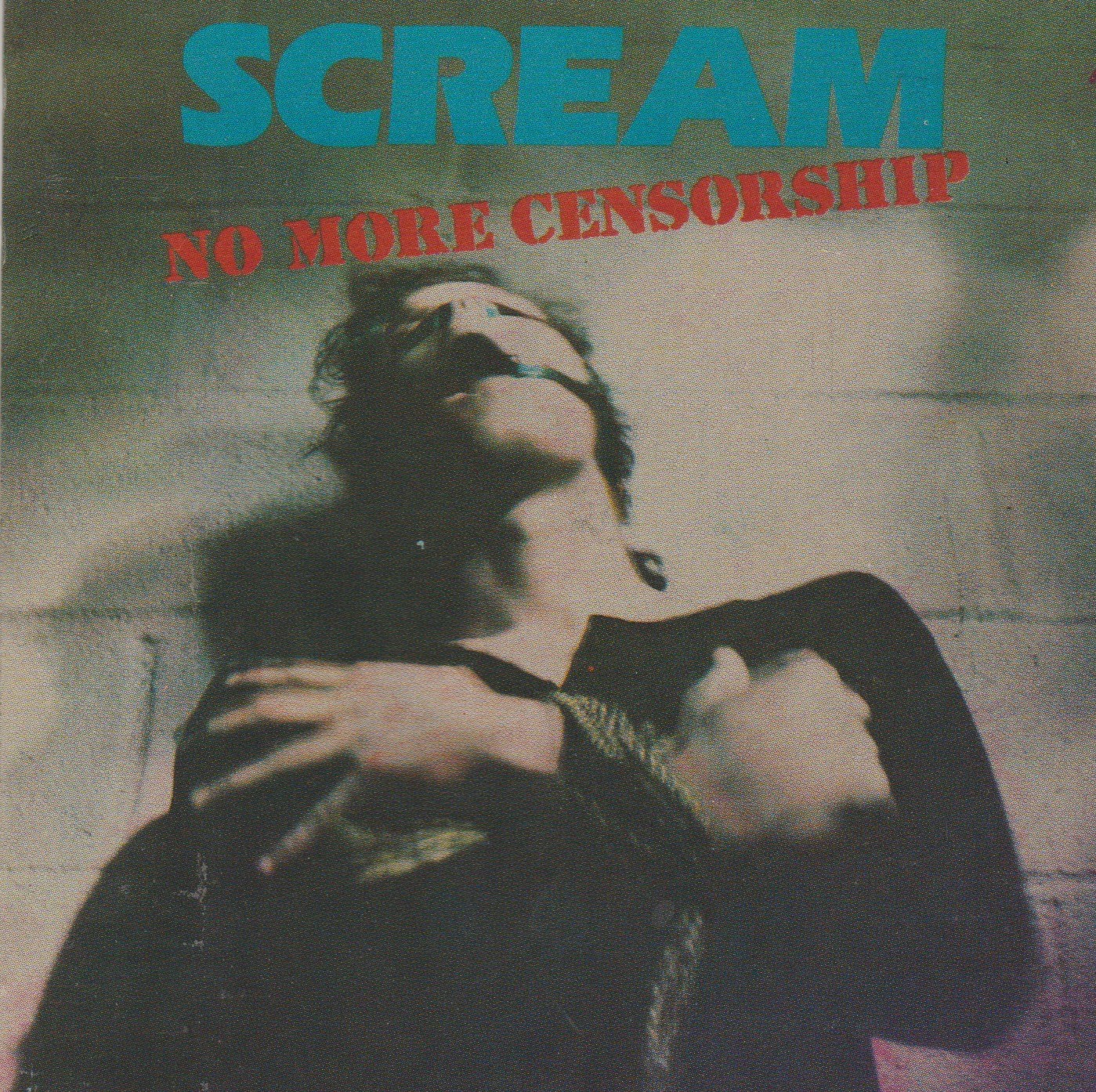
REVIEW: Scream – No More Censorship (1988)

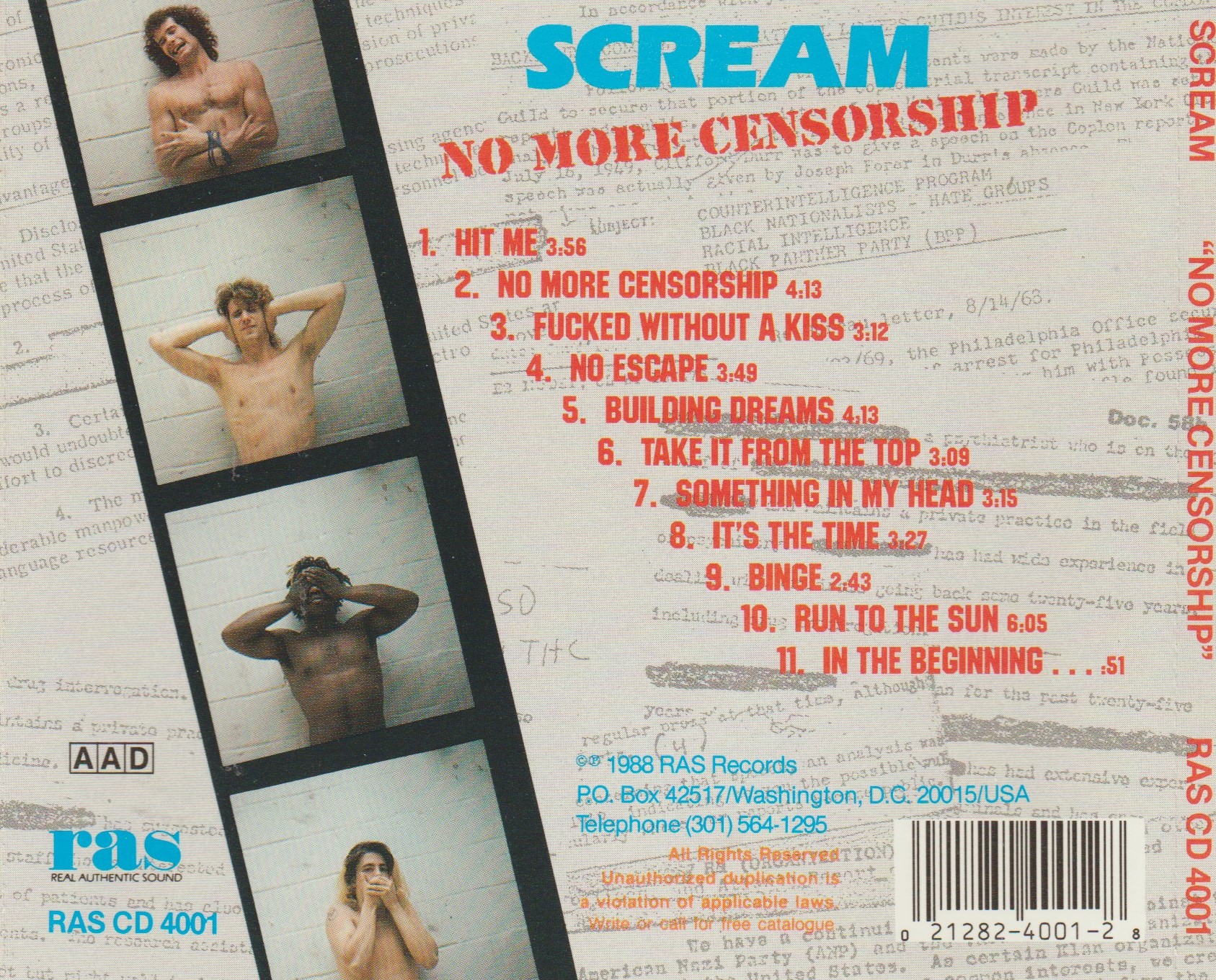
SCREAM – No More Censorship (1988 RAS Records)

Hey Grohl fans! Think Dave can do no wrong?  Not the case at all — just listen to his lacklustre debut, 1988’s No More Censorship by Scream!  Here is one of those albums that you buy “just for the collection”, but not to listen to on a regular basis.

Scream were a punk band out of Washington DC, with some history behind them.  Grohl made his debut on their fourth album, featuring Peter Stahl (vocals), Franz Stahl (future Foo Fighters guitarist), Robert Lee Davidson (guitar) and Skeeter Thompson (bass).  Amusingly Dave is miscredited as “David Stahl” on the first song.

The songs aren’t bad so to speak, just dull as a cinder block.  They check a lot of the boxes — hard rocking, rebellious lyrics, punchy guitars, but not a lot of hooks.  Scream has several riffs in want of a song.  The riff on “No Escape” is one that vintage Aerosmith would given a nut to write.  The guys could certainly play, and there’s more than enough energy to spare.  But there’s something missing, and it’s the songs that are the problem.  On some tracks, they were just doing basic garage punk.  On others they seemed to be striving to be more than they were.  They stretch outside the box on tracks like “Run to the Sun”.  But 10 minutes later, you can’t remember anything about the song.

The best tune, and the one that best showcases what Dave could do on the drums, is “Fucked Without a Kiss”, a speedy blast regarding incarceration.  Otherwise the album struggles to spark a fire.

In 2017, this album was remixed and reissued on Record Store Day exclusive green vinyl with a different track list.  Maybe the remix made it a better listen?

2/5 stars

#809: “Limited Edition” 2

A sequel to Record Store Tales Part 188:  “Limited Edition”


GETTING MORE TALE #809:  “Limited Edition” 2

When we first discussed “limited edition” albums in 2013, we arrived at the conclusion that very few things truly are limited in any significant way.  Even Record Store Day has done little to change the view.  Yes, some Record Store Day items are really hard to get after the fact, but most sadly are not.  For example, Iron Maiden’s single for “Empire of the Clouds” can be found easily on Discogs.  71 copies available, ranging from $16 and up.  Yet strangely, something like Alice Cooper’s “Keepin’ Halloween Alive” is rarely seen under $50.  Releases like Cooper are the exception.  What we have learned in the intervening years is that nothing has really changed in the world of limited editions.  Most are not all that limited and can be found later on.  Others truly are rare, and you can’t really predict which will be which.

But we’re collectors here.  We don’t buy these things to sell later.  We buy them to have, appreciate and enjoy.  Sometimes to show off.

When something is limited and numbered, collectors enjoy comparing their numbers and seeing who has the lowest.  A friend of ours just scored a fairly low numbered Gene Simmons Vault which I think is pretty cool.  I have a bunch of numbered items, and I’ve posted some here.  It’s easy to see which are numbered because, hey, there’s the number right there on the back!  And according to the numbers I have one of the last copies of Deep Purple’s “Above and Beyond” single:  1934 of 2000.  Neat.  I just wanted the bonus track “Space Truckin'” live in Italy, but the numbers give us collectors the jollies.  It’s just a little added perk to the packaging.

When is a packaging perk not a packaging perk?  When it’s not on the packaging!

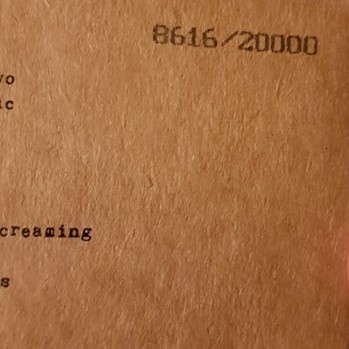
Deep Purple have been issuing “limited edition series” live albums recently.  Our good friend the Heavy Metal Overlord recently acquired the Newcastle set.  Limited to 20,000 copies worldwide, he got #8616, handily printed on the back.  He’ll always know which copy he got.

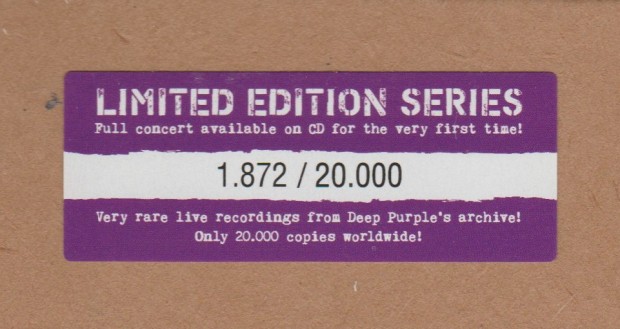
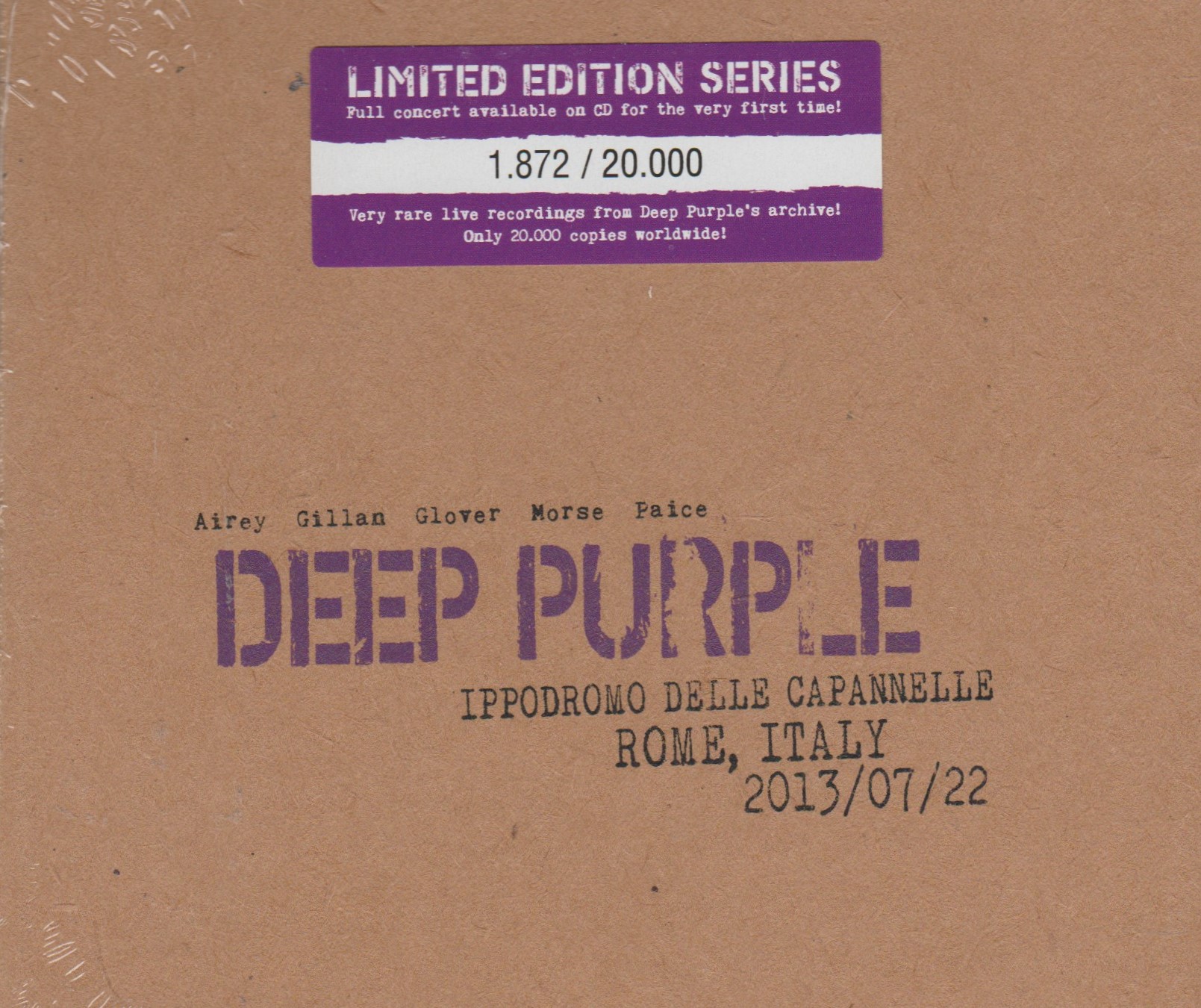
I was disappointed when I received my first Deep Purple “limited edition series”, which is Rome, the second one in the line (Newcastle being the first).  I ripped open my parcel from Amazon to find that the number wasn’t printed on the CD, but on a sticker affixed to the shrinkwrap!

What is the point of that?  Who, aside from nutbar collectors like myself, is going to keep the sticker?  Nobody, that’s who.  So again:  what is the point?  I’ll be one of the few people who knows what number mine is, if I manage to keep this sticker with its CD.  It seems stupid to provide that information as part of something you throw in the garbage.

It’s not going to be worth anything.  My number #1872 of 20,000 isn’t going to be worth more money than HMO’s #8616.  That’s not the point.  The point is a simple “why”?  HMO figures it was probably a manufacturing oversight, that it’s not printed on the sleeve.

It’s also worth pointing out that 20,000 copies is substantial for an archival live album from a band like Deep Purple.  It’ll be a long time before that pressing sells out.

Don’t be fooled into spending too much money on these things.  I have a copy of Newcastle on order; it’s not sold out.  You can often do well by seeing how the prices go, sitting and waiting for the right opportunity.  And don’t put too much significance into those numbers.  If the record company can’t be bothered to even print them on the sleeve, they can’t be that important.

#808.5: “Rare Rush”

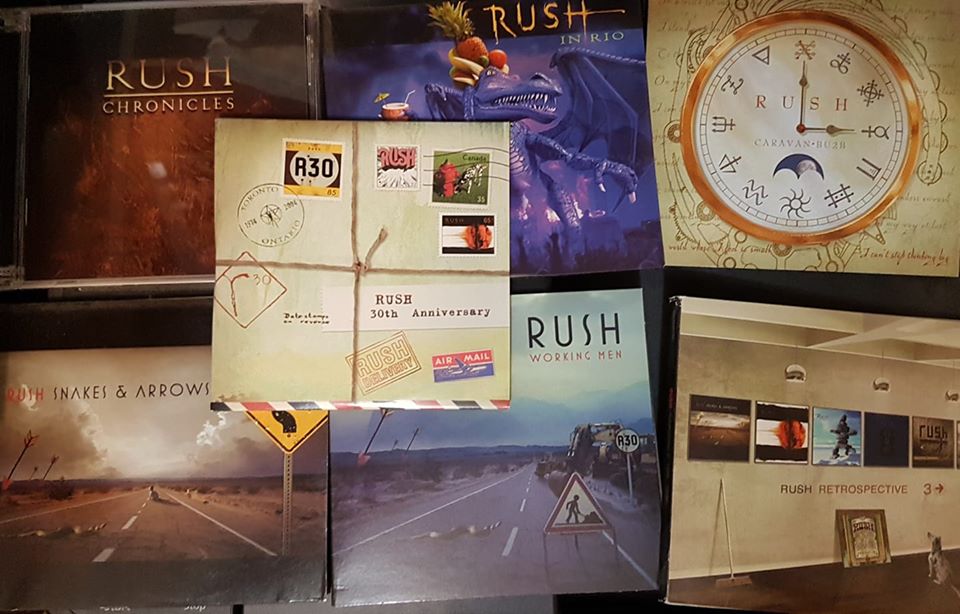
Many years ago…I think I was still living with my parents…there was an amazing website with mp3s of just about everything Rush that you could imagine.  The site went down soon after, and I was unable to download any full concerts.  What I did get was all the singles and bonus tracks they had available.

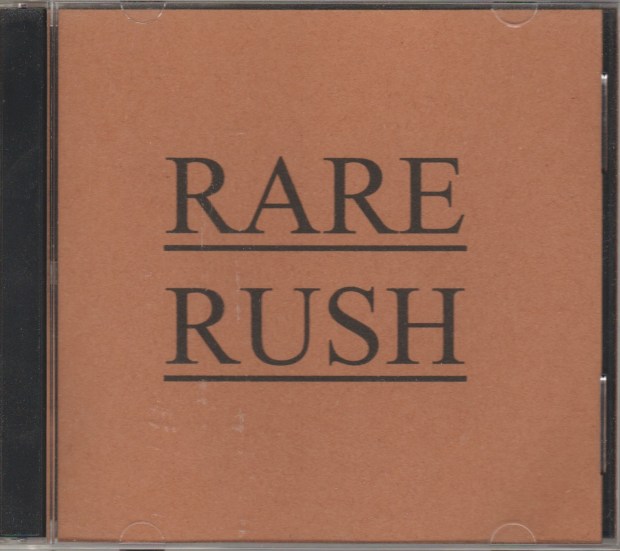
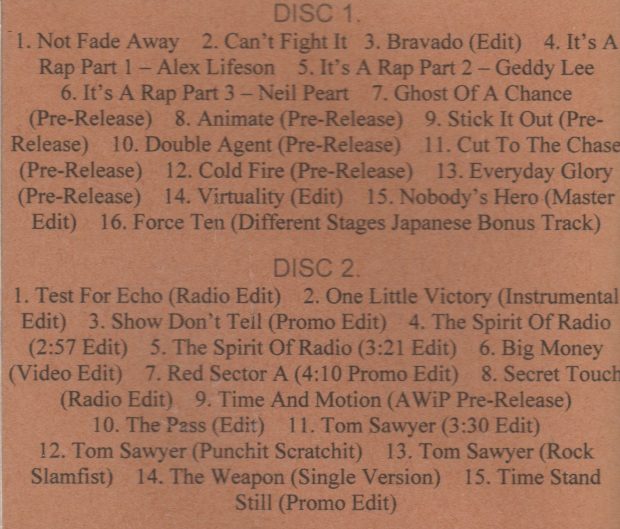
I burned these tracks to a double CD and called it Rare Rush.  I printed the tracklist on brown paper so it would somewhat match with Chronicles.

Most of these tracks are alternate versions, some from promo releases.  The website had all the details, so they are now lost.  However I know some of these are very special versions.  “The Weapon” is the famous single version featuring Count Floyd (Joe Flaherty).


The quality varies from track to track depending on the original source (some are from cassette).  All are interesting to obsessive Rush fans.

Who wants to read a review of Rare Rush?

Scan_20200115 (2)

REVIEW: Ozzy Osbourne – The Ozzman Cometh (1997 Japanese import)

OZZY OSBOURNE – The Ozzman Cometh (1997 Sony Japan 2 CD set)

By 1997, Ozzy had reclaimed his crown as the prince of darkness.  The successful Ozzfest, including a partial Black Sabbath reunion (Mike Bordin instead of Bill Ward) had introduced Ozzy to a wave of nu-metal youngesters.  Why not cap the year off with a greatest hits album?  It wasn’t Ozzy’s first (1989’s Best of Ozz preceding it) but it was his first for most of the world.  Incredibly, given the Ozzy camp’s ability to muck up important releases from time to time, it was a particularly good package.

The Ozzman Cometh has had a number of issues over the years, but we won’t get into the ones that came after Sharon meddled around with re-recorded tracks.  Initially there was a limited edition 2 CD set and a standard single disc.  The lucky fans in Japan got an expanded 2 CD set with two bonus tracks.  That’s the one you see pictured here.  It comes in a non-standard extra thick jewel case due to the extra Japanese booklet inside.

The big deal of this new compilation was the inclusion of recently discovered early Black Sabbath tapes — “Ozzy’s 1970 basement tapes”.  Wikipedia tells us that these are actually BBC recordings:  “The John Peel Sessions” of 26 April 1970.  These have yet to be included on any Sabbath deluxe, so you have to be sure to get The Ozzman Cometh to complete your Sabbath collections.  “Black Sabbath” and “War Pigs” commence the set right out of the gate.  These tapes are raw but clean, and Geezer Butler has remarkable presence.  It’s a very sharp picture of what young Black Sabbath sounded like.  The lyrics are still a work in progress for those who love such differences, but Ozzy sounds even more like a man possessed.  “War Pigs” is still in its “Walpurgis” form, the “Satanic” version, and this is the clearest you will likely hear it.

Onto the hits:  Ozzy’s grudge against The Ultimate Sin was apparently already in play.  On the US CD, only one track from the Jake E. Lee era was included and it’s “Bark at the Moon”.  In Japan, “Shot in the Dark” is substituted in replacing Zakk Wylde’s “Miracle Man”, bringing the Lee content to two.  However the Randy Rhoads era is the star of the disc, with his version of “Paranoid” lifted from the Tribute album.  Included are, for the most part, the expected usual Rhoads songs:  “Crazy Train”, “Goodbye to Romance”, and “Mr. Crowley”, but no “I Don’t Know”.  Instead it’s the more interesting “Over the Mountain”.

As for Zakk Wylde’s legacy, it’s hobbled by the missing “Miracle Man”, since “Crazy Babies” doesn’t adequately capture his madness.  “No More Tears” is present as a single edit, and “Mama, I’m Coming Home” is necessary for any hits CD catering to people who just want some Ozzy songs they like.  It’s unfortunate that “I Don’t Want to Change the World” from Live & Loud takes up space.  The Zakk era ends with two good songs:  “I Just Want You”, the excellent dark ballad from Ozzmosis, and “new” song “Back on Earth”.  You had to have a new song, and according to the liner notes this was an unreleased one from the Ozzmosis era featuring Geezer Butler on bass.  Fortunately it doesn’t sound like an inferior song, just one too many ballads for the album.  (It’s written by Taylor Rhodes and Richie Supa.)

The second CD contains more treasure.  “Fairies Wear Boots” and “Behind the Wall of Sleep” are bonus Sabbath songs from the same Peel session.  Like the first two, they are crisp and probably essential to any serious fan of the original lineup.

Japan got two extra songs from movie soundtracks, enabling you to get them on an Ozzy CD.  The first is the excellent “Walk on Water”, Ozzy’s only studio recording with Zakk Wylde’s replacement Joe Holmes.  If you wanted to know what an Ozzy album with Holmes would have sounded like, here’s a good indication.  It would have been not too dissimilar from Ozzmosis but with some really different guitar playing.  Sure sounds like Mike Bordin on drums!  The other soundtrack song is “Pictures of Matchstick Men” featuring Type O Negative as the backing band.  It’s pretty forgettable.

The Ozzy interview from 1988 is 17 minutes of nothing special.  Here’s an interesting fact for you.  When stores were solicited for this album in 1997, I can distinctly remember the papers saying the interview would be a new one conducted by Flea from the Red Hot Chili Peppers.  I no longer have that piece of paper, and memory is what it is these days, but that’s what it said.  For whatever reason the 1988 one was used instead.  Go ahead and let me know how often you play it.  You can tell it was taped in the UK, at a rehearsal or soundcheck, because you can hear Zakk wailing away in the background.

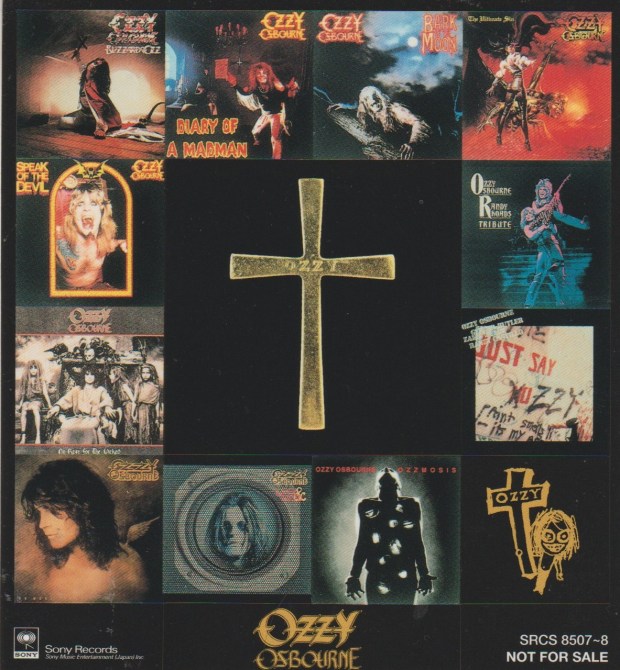
The Japanese CD also comes with a neat sticker sheet with all of Ozzy’s album artwork on it.  I think the US CD has some screen savers.  I’d rather have the stickers.

Ozzy and company did the greatest hits thing right and have never actually done it this well since.  May as well track down a 2 CD Ozzman Cometh and get those Black Sabbath tracks you’re missing.

4.5/5 stars

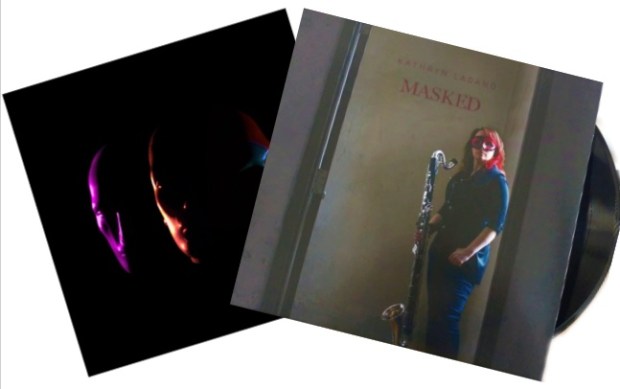
VIDEO: Kathryn Ladano album release – live performance of “Flow”

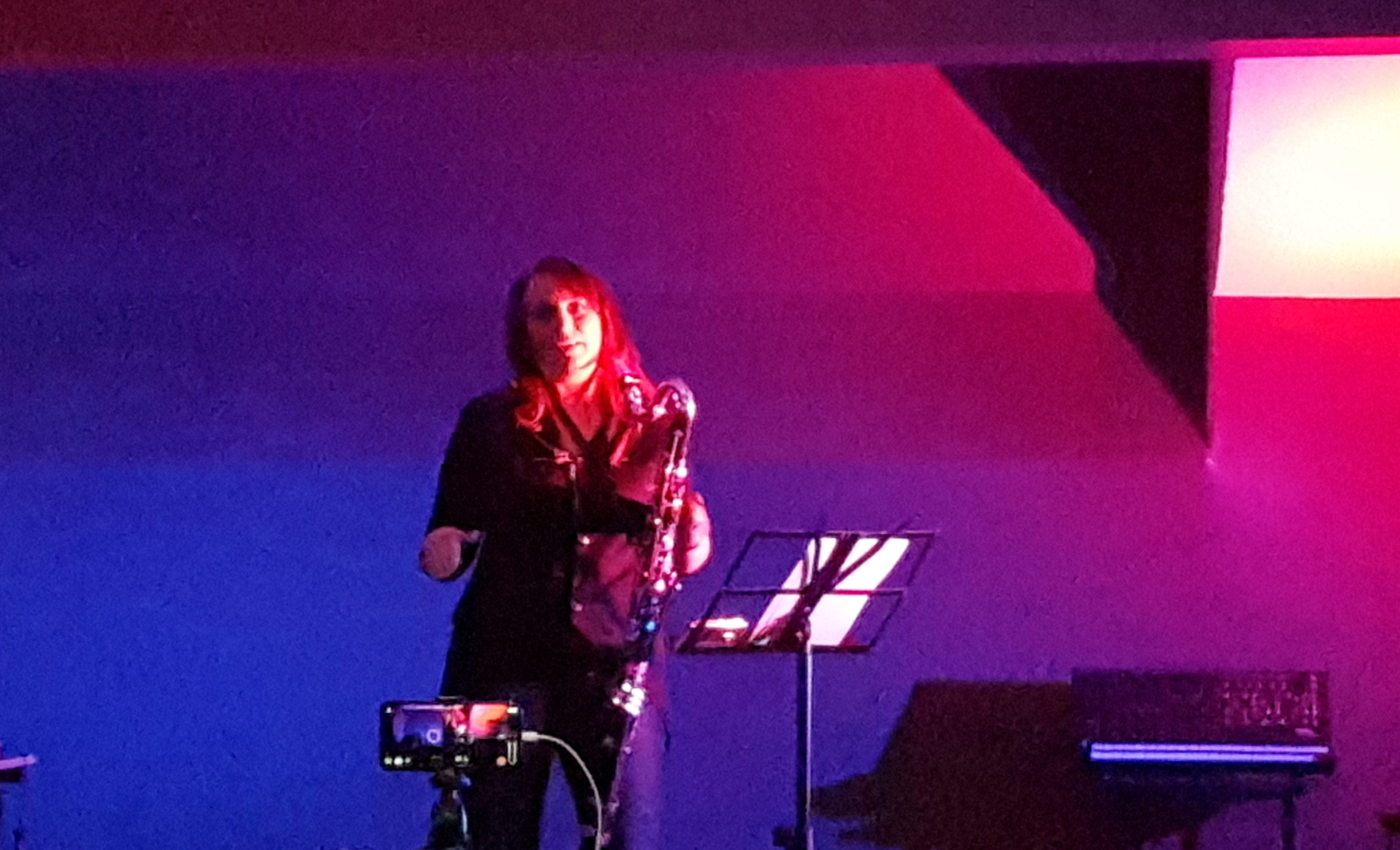
Enjoy music just a little different from the norm?  Here are Kathryn Ladano and opening act, combining members of Harp+ and Seagram Synth Ensemble at the TWH Social After Dark Space January 11 2020.  My Samsung couldn’t get a good image in the dark, but the audio is decent in full stereo.  Enjoy the track “Flow” from the new album Masked and clips from other tracks on the disc!

The synthscape of the opening act was quite awesome.  Now, I don’t normally drink, but I was with Max the Axe.  Before long I had a rum and Coke in me and I was taken on this wild synthesizer trip through the cosmos!  For roughly 30 minutes, a stream of music emanated through the room, like a slideshow of NASA photos from the 1960s.  Can’t wait to hear the Seagram Synth Ensemble’s album which was for sale and now in my collection.

Kathryn Ladano played interpretations of music from her album Masked.  “Interpretations” because the music is improvised and never the same twice, they just follow the same rough blueprints.  “It’s better live” whispered Max (you can hear this in the video), and Dr. Ladano agreed.

Great show, great venue, try and catch them live!


#808: Remembering Neil – Ten of his Best

Forever I’ll be grateful for Neil Peart.  If there was ever one shining example of a rock star you’d want to emulate, it was Neil Peart.  He was a giant.  Musically he was untouchable.  Considering Rush have 19 studio albums and other odds and ends in their discography, it’s a daunting task to make a list of the best.

Probably half the list fell together immediately.  The other half was agonizing.  Focusing on songs, not necessarily solos, made it a simpler task.  Any one of Neil’s big live solos are essential listening anyway.  “The Rhythm Method” on Different Stages comes highly recommended.

At one point I had nine tracks and needed one more.  I asked Facebook for help.  Facebook responded with so many great runners-up that I have to list them.

  • “War Paint” (T-Rev)
  • “The Pass” (Leo)
  • “Afterimage” (Leo)
  • “The Body Electric” (Jamie)
  • “Xanadu” (Jamie)
  • “Mystic Rhythms” (Jamie)
  • “Animate” (Jamie)
  • “Between the Wheels” (HMO)
  • All of Hemispheres (Uncle Meat)
  • “Natural Science” (Scotty G)

A good showing for Presto tunes there, notably.  T-Rev always loved that album.  Ultimately I used none of these suggestions and completed the list below.  A list that I believe are the 10 best songs to represent Neil Peart.

All of these songs (above and below) will enrich your lives.  Enjoy.  And rest in peace, Neil Peart OC (Order of Canada), one of our proudest native sons.


Novelty #11: 

The Hockey Theme

I use the term “novelty” with a caveat: really, only because the song is 70 seconds long.  Neil’s arrangement of the classic Hockey Night in Canada theme written by Dolores Claman deserves note as one of very few tracks credited to him as a solo artist.  This track shows off his roots and his ability to make anything sound heavy!  Yet dig in and listen to his meticulously arranged drum part.  He put just as much creativity into this as he did any of Rush’s originals.


#10:

“One Little Victory”

A victory indeed!  Neil suffered immeasurable tragedy in the late 1990s when he lost both his wife and daughter.  He disappeared on a motorcycle, remaining out of sight for five years, the wind on his back as he sought healing.  His return was “One Little Victory” from Vapor Trails with a crescendo of power drumming.  It’s Rush saying, “He’s back, baby.  The Professor is back!”


#9:

“Bravado”

This track from Roll the Bones is a personal favourite.  Well, they all are, but this one is for just one moment in time. At 3:50 of the song, Peart performs a drum roll that I can only describe as pure ecstasy.

And if the music stops, there’s only the sound of the rain.


#8:

“Red Sector A”

80s Rush rules! Neil was using more and more electronic percussion, but to no less lethal effect. Give this number from Grace Under Pressure a spin.  The programmed pulse of synth topped by the crashing clank of Neil’s electronic drums give this track a digital, otherworldly feeling.  By this time, Peart’s cymbal work was just as interesting as what he was doing elsewhere on the kit.  Listen to him ride that beat and accent it with the perfect touch.


#7:

“The Spirit of Radio”

This enduring track from Permanent Waves is a lyrical and rhythmic triumph.  It’s easy for cynics to mock descriptive phrases like “Invisible airwaves crackle with life, bright antennae bristle with the energy.”  But there is no denying the truth that is “Emotional feedback on a timeless wavelength, bearing a gift beyond price, almost free.”  Music.


#6:

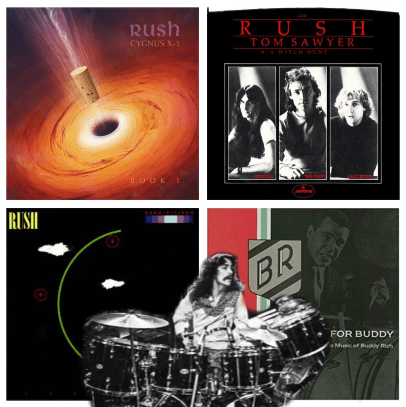
“Cygnus X-1”

A Farewell to Kings was Rush during their progressive peak, a stream of albums with side-long concepts.  “Cygnus X-1” utilises such Peart favourites as bells.  And it’s 11 minutes about a black hole.


#5:

“Cotton Tail”

In 1994, Neil Peart organized the Buddy Rich tribute album Burning For Buddy, uniting the Buddy Rich Big Band with drummers such as Dave Weckl, Steve Smith, Matt Sorum, Simon Phillips, and of course Neil with his debut in the jazz section.  His groove on “Cotton Tail” is unlike anything he’s done in Rush. It’s unreal that he could master both rock and jazz like this.


#4:

“Vital Signs”

80s Rush rules!  Introducing reggae vibes seems natural in hindsight given Neil’s willingness to explore new rhythms.  Peart’s creativity knew no bounds.  His delicate touch on the Police-like “Vital Signs” (from Moving Pictures) is so good that it should probably be higher on this list.  But there are some key tracks still to come.


#3:

“YYZ”

Rush’s most famous instrumental.  This number showcases all three of Rush’s members.  Of course Neil Peart’s drums are in integral part of it all.  And there’s a reason they call him “The Professor”.  According to minds more musical than mine, “The piece’s introduction, played in a time signature of 10/8, repeatedly renders “Y-Y-Z” in Morse Code using various musical arrangements.”


#2:

“Subdivisions”

This track from Signals exemplifies Neil’s philosophy of drums as an active part of the composition of a song.  Every beat matters; everything the stick hits is a hook.  Never before have the drums been so integral a part of what makes a song truly great.


#1:

“Tom Sawyer”

The quintessential Neil Peart song.  Iconic, untouchable.  Barenaked Ladies even quoted his famous drum part in their song “Grade Nine”. When people think of Rush 100 years from now, it’ll be the image of them jamming “Tom Sawyer” at Le Studio, with Neil framed by that big window and snowy landscape behind.


Epilogue:  Meanwhile, in England…

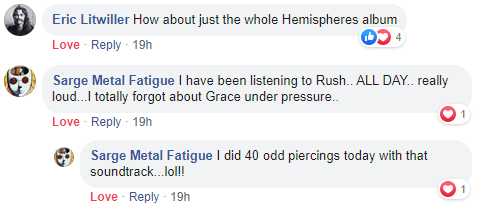
Sarge from the piercing shop Metal Fatigue in Bournemouth tells us “I have been listening to Rush…ALL DAY.  Really loud.  He added, “I did 40-odd piercings today with that soundtrack!!”  Absolutely brilliant.

Sunday Chuckle: Adventures in Customer Courtesy

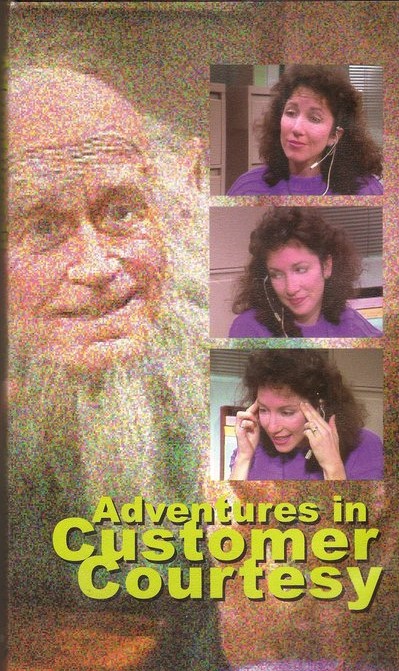
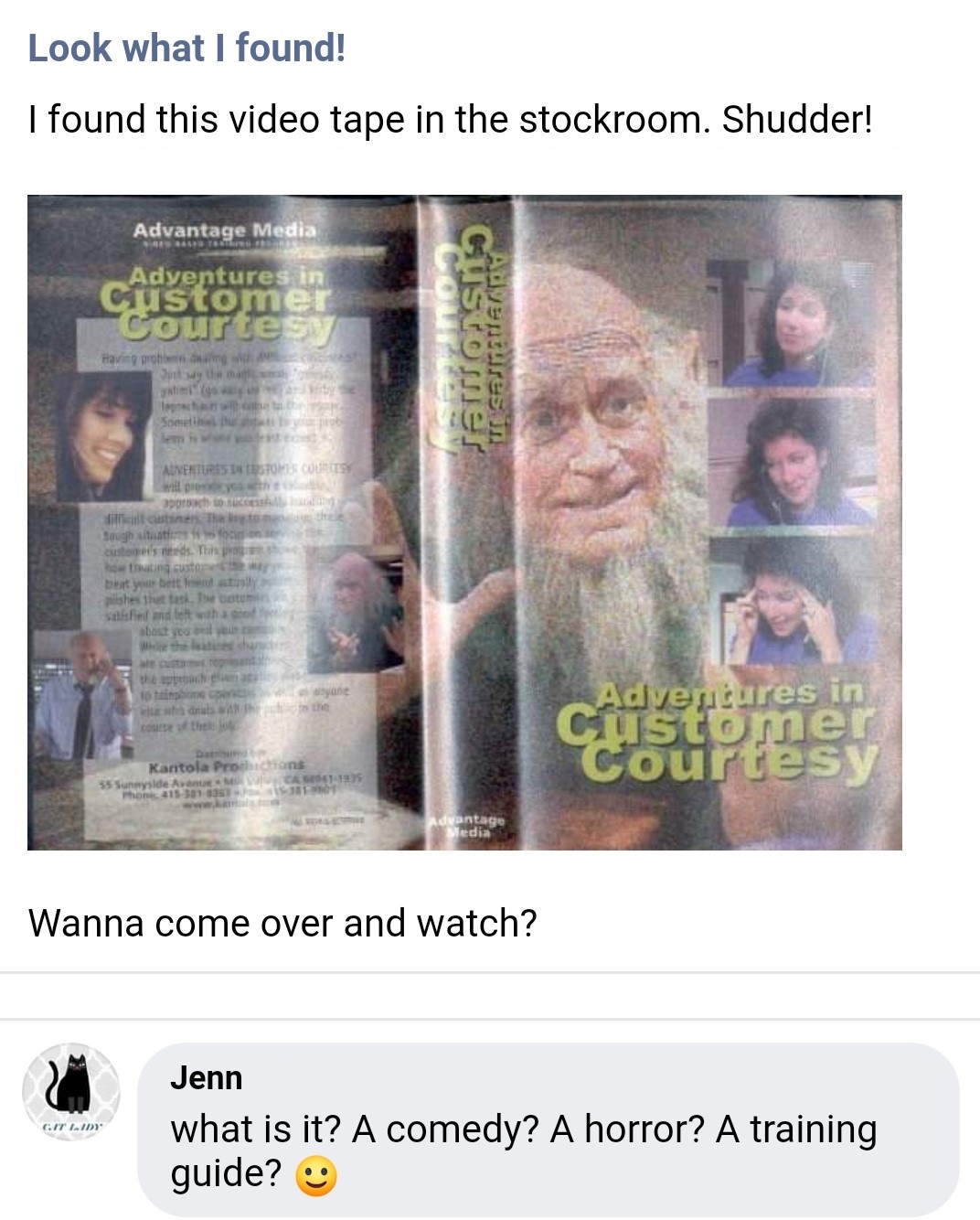
I found this old VHS tape in the stockroom at work a long time ago, and forgot about it.  Fortunately, Facebook remembers!  You gotta admit, the cover is hilarious.