Author: mikeladano

Metal, hard rock, rock and roll! Record Store Tales & Reviews! Grab A Stack of Rock and more. Poking the bear since 2010.

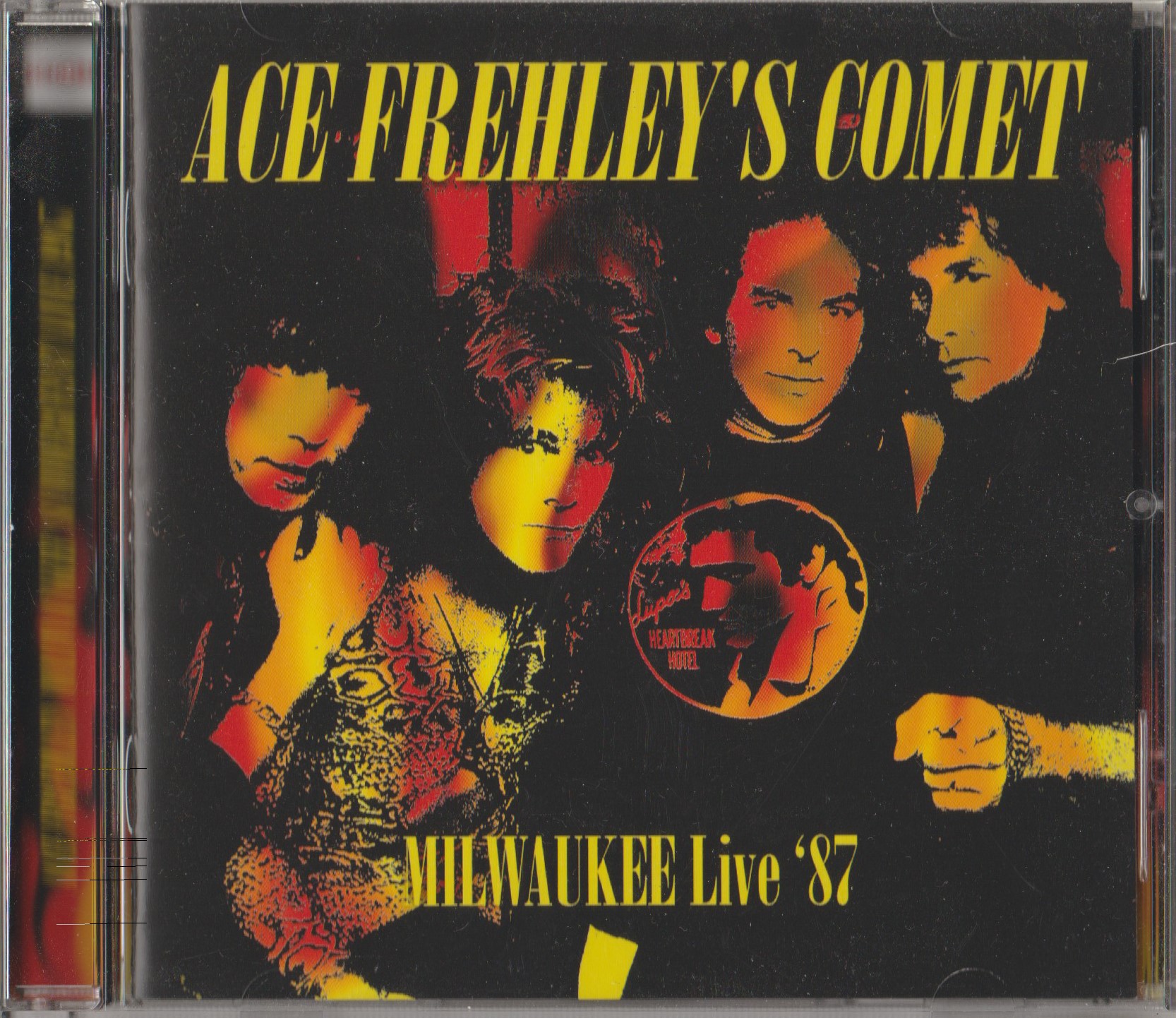
REVIEW: Ace Frehley – Milwaukee Live ’87 (2015)

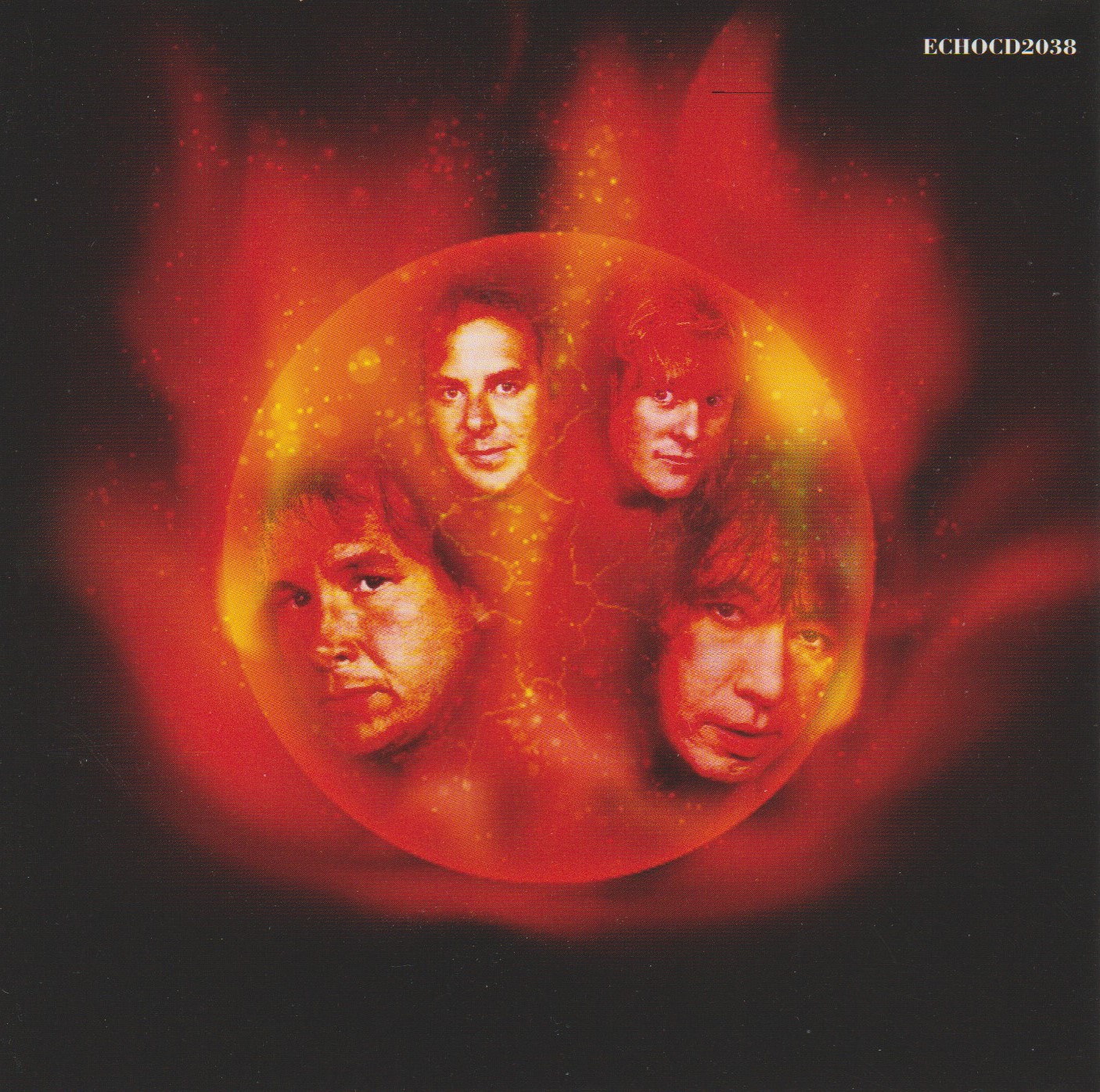
scan_20161014ACE FREHLEY’S COMET – Milwaukee Summerfest Live 1987 (2015 Echoes radio broadcast)

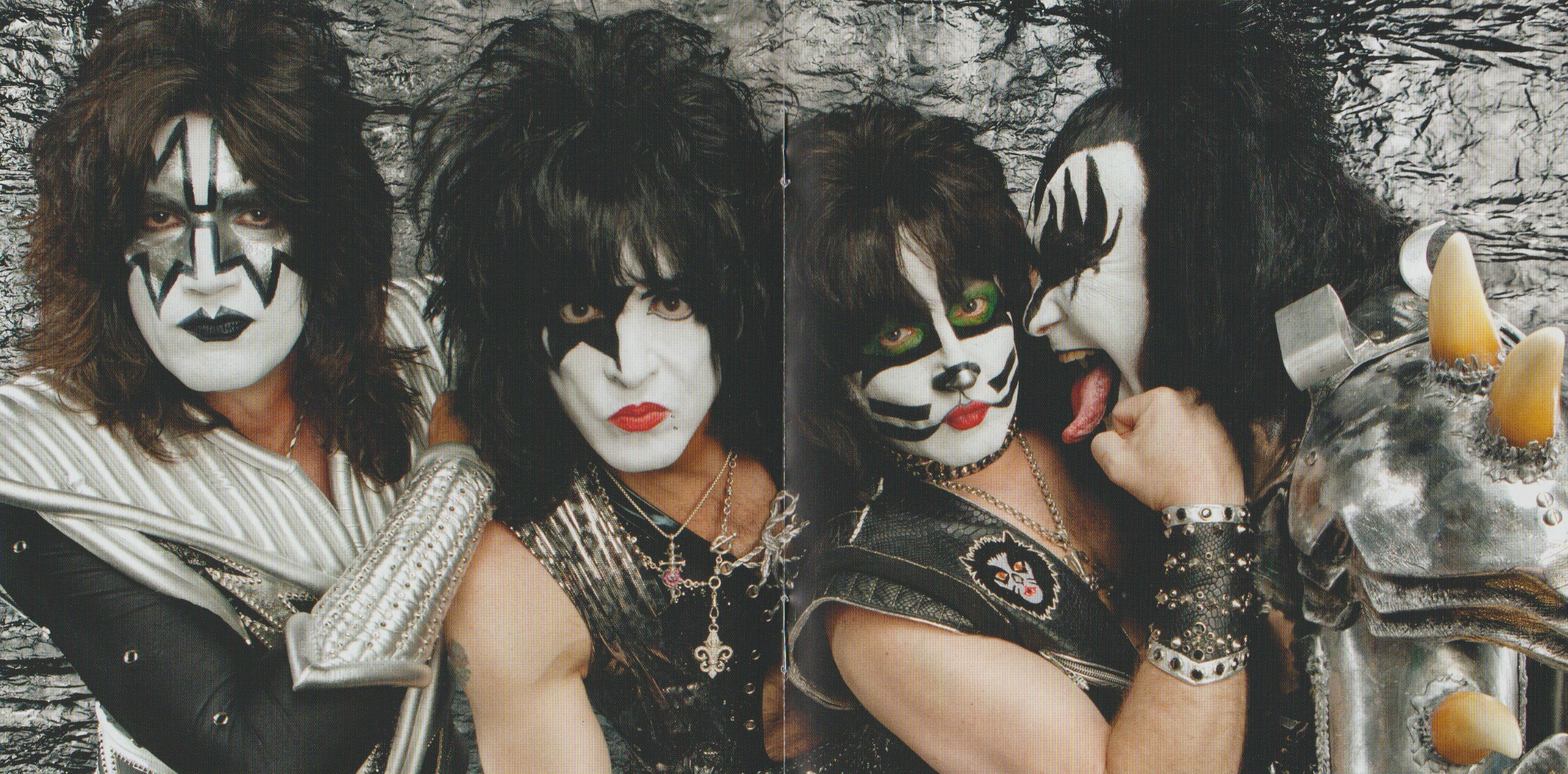
In 1987, Ace Frehley had just begun his comeback. Β He recorded a well received debut as Frehley’s Comet, with a notable appearance by drummerΒ par excellenceΒ Anton Fig. Β Anton had been working steadily for the Letterman show since 1986 and so was not on the tour this CD was captured from. Β  This version of the Comet featured new drummer Billy Ward. Β They were recordedΒ live in Milwaukee at Summerfest on June 29th of that year. Β It was taped for broadcast and somehowΒ survived. Β Live radio broadcast CDs are so common now that you can even find them at Walmart. Β Some are worth the cash, others less so. Β A Frehley’s Comet broadcast from the first tour is automatically interesting to Kiss collectors.

Unfortunately what buyers will discover is that this CD is a harsh chore to listen to. Β Vocals are back in the mix, bass way up front, and there is a thin haze of staticky air over it. Β Ace’s perennial opener, “Rip It Out” (from his 1978 solo album) is but a shadow of the better produced version on the Live + 1 EP. Β This is through no fault of the band, featuring mainstay bassist John Regan, singer/guitarist Tod Howarth, andΒ Ward.

scan_20161014-2

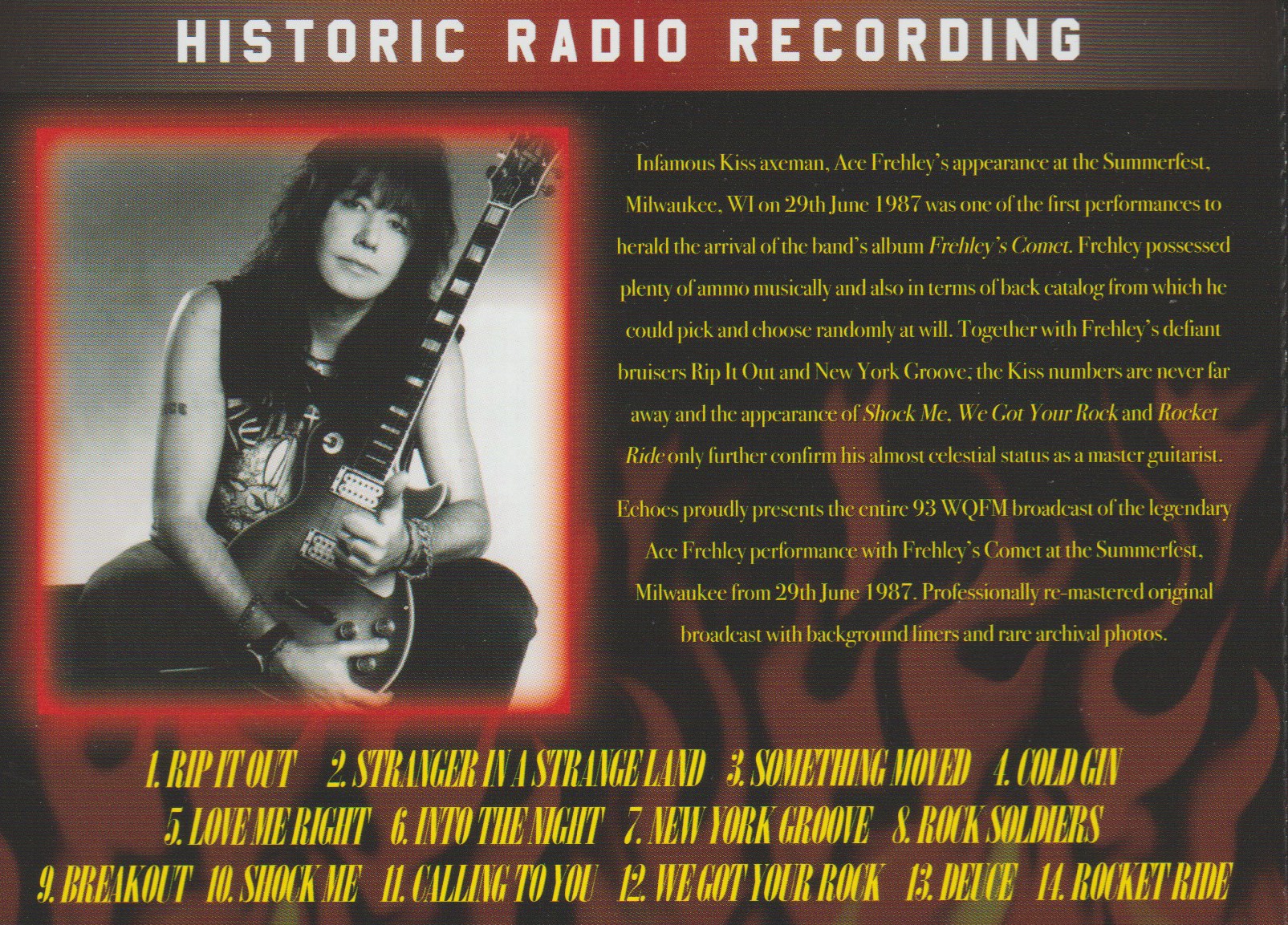
Ace sings lead on most of the material, but Tod Howarth has a couple songs from the first Comet LP. Β “Something Moved” and “Breakout” (co-written by the late Eric Carr) areΒ fast paced action, while “Calling to You” is anthemic pop rock. Β Howarth was in excellent voice that night, this much is certain. Β Ace sings a handful of Kiss tunes as well as solo and Comet material. Β Gene Simmons originally sang “Cold Gin”, but Ace took it back for himself by singing it live. Β At the same time,Β Kiss were also playing “Cold Gin” live (a song Ace wrote) and fans will have to decide who pulled it off best. Β Ace evenΒ tackles “Deuce”, a song Gene wrote. Β What’s good for the goose is good for the gander?

It really is a shame that the audio hampers the listening experience. Β It sounds like a legitimately great Ace performance. Β Having a guy like Howarth in the band enabled Ace to have multiple lead singers like Kiss did. Β On the Kiss covers, Howarth takes the Paul Stanley role. Β Billy Ward and John ReganΒ make the songs a little more complex rhythmically than the Kiss originals, but Ace also adds in new and extended solos. Β The end resultsΒ areΒ enhanced, Ace-ified covers. Β No notable tracks are missing; it is a really solid set list of Ace Frehley classics.

There are some who will happily purchase anything with Ace’s name on it (guilty!) and there are others who can live without. Β Decide who you are and spend your money appropriately.

3/5 stars

scan_20161014-3


REVIEW: KISS – Monster (Japan Tour Edition bonus CD)

This review is for reader Juan, from Spain — thank you for reading!

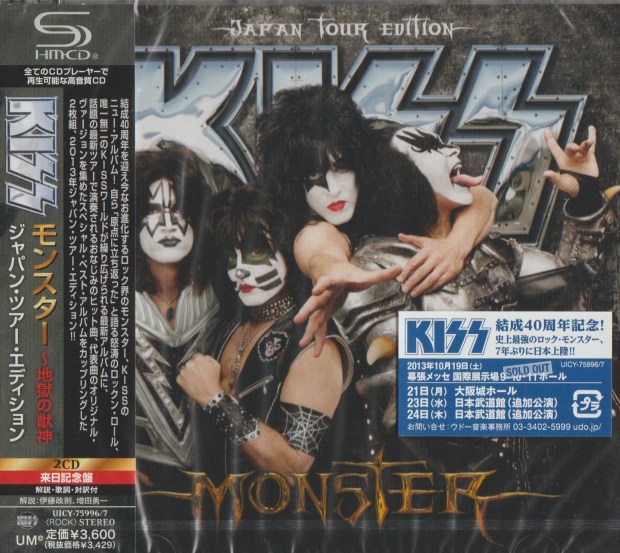
KISS – Monster (Japan Tour Edition, 2013 Universal Japan)

In my 32 years of collecting music, I have learned a number of immutable laws of the hobby. Β The Three Laws of Collecting are:

The First Law: Β Japan shall always get the best stuff.
The Second Law: Β Anything worth releasing is worth re-releasing.
The Third Law: Β Kiss fans shall buy anything, often more than once.

The Three Laws of Collecting are why I now have purchased my fifth copy of Kiss Monster. Β The album came out in 2012, meaning I have bought more than one copy per year since its release: Β Original CD, vinyl, iTunes, Japanese CD, and now this 2 CD Japan Tour Edition, which has all the tracks from all the versions, and then some.

scan_20161018-4

This is not a review of Monster; we have reviewed that album twice now (once by Mike Ladano and once by Tommy Morais). Β Rather this is a review of the Tour Edition’s second disc, which is a pretty cool “best of” collection covering a very nice chunk of Kisstory. Β What can another greatest hits possibly offer? Β Believe it or not, the Monster Tour Edition has a slightly different slant that might be interesting to die-hards.

This is the first time “Psycho Circus” has opened a Kiss compilation. Β It was their tour opener in 1998-99 and so naturally fits this slot. Β It was one of the stronger tracks from Psycho-Circus itself, which was otherwise a pretty disappointing reunion album. Β Mainly because Peter and Ace barely played on it. Β Indeed, on this track you will get Kevin Valentine on drums and Tommy Thayer on guitar, uncredited. Β That said, the track still kicks ass and has proven to be the only song from that album that still gets played now and then.

I’m always happy to hear oldies like “Let Me Go, Rock ‘N’ Roll” on a hits CD. Β The same goes forΒ “Black Diamond”, one of the more epic Kiss tracks. Β These old album cuts might not be as well known to casual fans and might surprise even Kiss haters. Β However, no casual fan or Kiss hater is going to be hearing the Monster Tour Edition. Β So the die-hards again will be hearing “Shout it Out Loud”, “Rock and Roll all Nite”, “Detroit Rock City”, “God of Thunder”, “Love Gun” and “I Was Made For Lovin’ You” for the umpteenth time. Β Mixed in among these are some of the second-tierΒ hits from the 80’s: Β “I Love it Loud”, “Lick It Up”, “Heaven’s On Fire”. Β The exact mixture of ingredients is different, but these songs have been on best-of CDs by Kiss before.

The one unique inclusion is “Say Yeah” from 2009’s Sonic Boom, its first appearance on a hits disc. Β Its place here is deserved. Β Sonic Boom represented a strong return to the studio for Kiss after a decade long absence. Β “Say Yeah” was one of three songs played live in concert, and sounds the most like a timeless Kiss anthem. Β (Sonic Boom was represented on the last greatest hits compilation, Kiss 40, by “Modern Day Delilah”.)

Finally there is the riffy “Right Here Right Now” which was previously the iTunes bonus track for Monster. Β A physical copy is always better, and a Japanese high quality HMCD is even better than that. Β And don’t worry — the original Japanese bonus track, a live version of “King of the Night Time World” from the Rock the Nation tour, is still intact on disc one. Β (More on that in the video below.)

This version of Monster is finally the definitive one with all the tracks in one place. Β The bonus hits disc is some pretty awesome icing. Β When you have as many hits discs as Kiss do, you may just wonder “what’s the difference”? Β Each one is different in its own often minor ways, and fans who appreciate this stuff will enjoy hearing a couple uniqueΒ tunes for a change.

The only flaw with this HMCD reissue is that it lacks the original 3D lenticular cover. That is a bummer. I simply kept my original cover (it is a separate piece you can take out) from a prior version of Monster which I later gifted to a friend. Β In fact that friend reviewed the single disc Japanese Monster!

I must add another law to my Three Laws of Collecting:

The Zeroth Law*: Β You shall always have some buyer’s regret.

It is true. Β I had all these songs before. Β The only one I didn’t have physically was the iTunes download “Right Here Right Now”. Β But I “had” to have it. Β I could question that. Β “You could have putΒ that money towards some new tires”. Β The CD could have paid for a week of lunches at Harvey’s. Β  Β A fool and their money?

I’m fine with that.

$/5 stars

*I didn’t make that word up. Β Isaac Asimov added the Zeroth Law of Robotics to his Three Laws in 1985. Β 

#524: Hockey Night in Canada (Video – thanks to Geoff from 1001AlbumsIn10Years)

In Getting More Tale #521, we discussed the pros and cons of DVD recorders, a now-outdated technology. In short the cons were the price, but the pros were the ability to keep a television recording virtually forever. Β DVD recorders were meant to replace VCRs. Β A VCR and a decent quality tape could enable you to keep a recording for a couple decades, at least.

I lamented that one recording that we lost on our old PVR was a vintage re-run of Hockey Night in Canada, May 8, 1994. Β My wife, Mrs. LeBrain, had the honour of meeting Don Cherry that night, and got to be on Canada’s most popular television show. Β Periodically, Leafs TV would re-run the old games, and we recorded it the last time it was on. However this was lost when the PVR bit the dust.

If only we had a working VCR…

Well, as it turns out, Geoff from 1001AlbumsIn10YearsΒ has a working VCR. Β Not only that, but he also possesses an original recording of that night’s hockey game from over 22 years ago! Β He dug it out, and sent the below video to me.

That’s Jen with her Dougie Gilmore sign, and Canada’s national treasure Don Cherry.

The story goes, Jen’s dad won a radio contest to see the Maple Leafs wherever the next round of the playoffs were being held. Β That happened to be San Jose, California. Β This happened to fall on Mother’s Day. Β Jen’s dad intended to take her mom on a nice vacation. Β This however was not to be, not after a young crying Jennifer bellowed “But mom doesn’t even LIKE hockey!” Β It was true, and Jen got to go with her dad.

Thanks Geoff — you have no idea how much this video means to us!

Mike + Jen


REVIEW: House of Lords – Sahara (1990)


By request of reader WARDY!

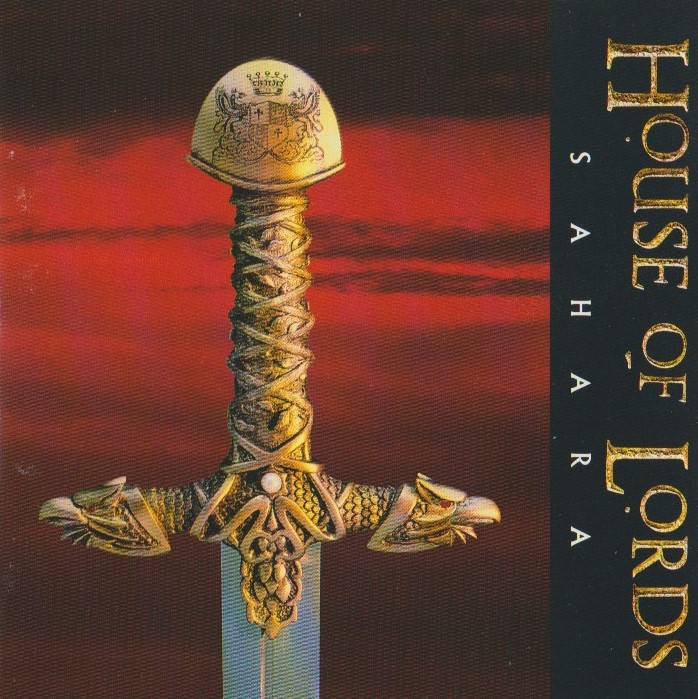
scan_20161010HOUSE OF LORDS – Sahara (1990 BMG)

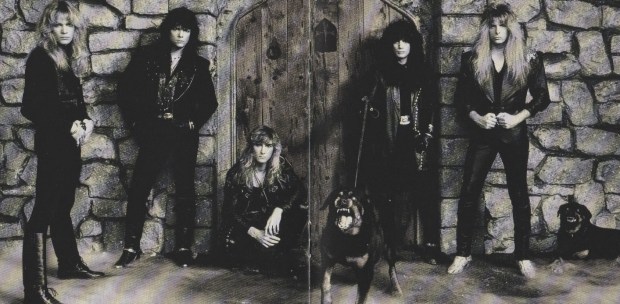
House of Lords put out an impressive debut but didn’t sell a lot of copies. Β When the second album rolled out in 1990, their guitarist Lanny Cordola was gone and in was new guy Michael Guy. Β Although Guy is credited on guitar, in reality the album was recorded with Doug Aldrich and a number of guests. Β Weirdly, thanked in the credits for “additional inspiration” is Nick Simmons, who was one year old at the time. Β Sahara was of course on Simmons Records.

It’s a different sounding House, less regal but with more hooks per acre. Β The opening number “Shoot” draws liberally from the wells of both Led Zeppelin and Motley Crue. Β “Chains of Love” is Coverdale-lite, with singer James Christian pouring on as much sass as possible, but without Coverdale’s sly nods and winks. Β Whoever is playing the guitar solo on “Chains of Love” laid down a killer.

The acoustic cover “Can’t Find My Way Home” (Blind Faith) is pretty true to the original minus the falsetto, and would have to be one of the better power ballads from a rock band in 1990. Β House of Lords turn a serious corner on “Heart on the Line”, which sounds like a title for a ballad. Β This however is a speed racer, a chugging riff powering a rock-corker, which turns Cheap Trick on the chorus. Β Unsurprisingly, it was written by Rick Neilsen. Β Brilliant playing and soloing on this one. Β Then they rip off a song title from Coverdale himself, “Laydown Staydown”. Β Winger-esque sleeze rock is all this is, not even touching the brilliance of the Deep Purple song that inspired the title.

A much more impressive track opens side two, “Sahara”. Β This is progressive hard rock, with drummer Ken Mary layering a tribal drum effect that would have been very ahead of its time in 1990. Β This too degenerates into something more Winger-like as well, but it jumps from that back into more progressive sections, keeping things balanced and interesting. Β The second slot on side two is predictably another ballad, a good one called “It Ain’t Love”. Β Not just the title, but the gang chorus reminds of Dokken. Β Some fine soloing resides here to sink your fangs into.

The lead single was another power ballad, “Remember My Name”, which the band did not write. Β As an impressionable youth in 1990, I hated this single. Β “Never lead with a ballad,” was my thinking. Β I had been looking forward to new House of Lords since the debut slayed me in ’88. Β I didn’t want the first song to be a ballad they didn’t write. Β I still don’t think it’s a very good track. Β And surely a mistake to include it on the CD rightΒ beforeΒ another ballad. Β “American Babylon” redeems it, coming back with a strong push. Β “Kiss of Fire” nails it with the knockout punch at the end, a blazing smoker with powerful keyboards that remind us of vintage Deep Purple. Β Finally it seems House of Lords nailed a song that lived up to their inspirations.

Perhaps it was the rotating cast of characters on guitar, but Sahara drifts further from the sound that made House of Lords unique in 1988. The danger of grasping for hits while taking their sound deeper in the mainstream was real. Though it is still an entertaining listen, Sahara is very uneven which makes it a bumpy ride.

3/5 stars

scan_20161010-3

REVIEW: The Cult – Hidden City (2016)

scan_20161008THE CULT – Hidden City (2016 Dine Alone)

There have been a few times in Cult history when it seemed unlikely they would be making any more albums. Β Thankfully, these fears were unfounded. Β Thankfully, because The Cult are so damn great at making albums.

Their latest is Hidden City, and it continues their upwards trajectory. Β Teamed up once again with Bob Rock, the band created a powerful recording, very Cult-like and loud. Β It is a cohesive and impressive collection of songs that tend to defy individual description. Β It is easy to pick our favourites such as “No Love Lost”, “Birds of Paradise” or “Hinterland” (my personal fave), but Hidden City is more than the sum of its parts. Β Its components are strong compositions that highlight the strengths of the band: Β Ian Astbury’s powerful and unique voice, and Billy Duffy’s unmistakable riff stylings. Β Hidden City collects the light and shade and presents them as a multi-coloured hue.

Its grooves are huge but textured. Β The songs reveal more hooks the more you listen. Β The Cult’s performances are top notch. Β The album is electrifying. Β Hidden City must be considered a latter-day high water mark, an album that builds on the last few records and continues pushing forward. Β The Cult rule again.

5/5 stars

This is a 200 word review in the tradition of the #200wordchallenge

scan_20161008-3

#523: Columbia House

GETTING MORE TALEΒ #523: Columbia House

How many of you were members of the Columbia House music club? Β Tapes or CDs?

The concept was simple. Β Get 12 tapes or records for one penny. Β Then agree to buy “X” more at “regular club prices” within a year. Β They would usually offer all sorts of incentives, such as getting your first regularly priced item for half price. Β Their “regular club prices” were fairly high, but if you played your cards right you could make joining the club worthwhile.

Every few weeksΒ after signing up, Columbia House would send you a catalogue and an order form. Β The order systemΒ was controversial, because it required a negative response if you didn’t want to buy something. Β When you signed up, you could pick your favourite genre of music (I chose “metal”). Β Each time a catalogue came out, your selected genre would have a “selection of the month”, usually a new release but not always.Β Β  If you did not respond with an order form expressing that you didn’t wantΒ it, they would automatically mail you the “selection of the month” and bill you for it too. Β (The Columbia Record Club system was worked into a sub-plot of the movie A Serious Man by the Coen Brothers.)

For many people this wasn’t a problem. Β Our parents let my sister and I sign up when I was in grade 11. Β We split the membership and free tapes 50/50. Β We paid for everything ourselves and diligently sent in our order forms each time. Β We were both already massive music fans, so we poured over every single page. Β Most times, one of us ended up buying something, if not the selection of the month itself.

I can still remember every album I received in that first shipment. Seven tapes. Β These tapes went into immediate and constant rotation, which is why I remember them all so well today.

  1. Leatherwolf – Leatherwolf
  2. Motley Crue – Girls, Girls, Girls
  3. Hurricane – Over the Edge
  4. Stryper – To Hell With the Devil
  5. Stryper – In God We Trust
  6. White Lion – Pride
  7. Sammy Hagar – VOA

Our musical world opened up in a massive way, and not just because of the new music we were listening to. Β The catalogues introduced us to names and album covers that we’d not experienced yet. Β What is this Bitches Brew thing? Β Why did Deep Purple albums have so few songs? Β Did Iron Maiden copy their Maiden Japan from Purple’s Made In Japan? Β Holy crap, Hank Williams Jr. has three greatest hits albums?

Everything was absorbed. Β Five years later, when I started at the Record Store, my boss was surprised that I knew who most of the artists were, what sections they should go in, and even what record labels they were on.

“I read the Columbia House catalogue cover to cover every month,” was my answer!

The catalogue provided knowledge, and pictures to cut out for locker or wall. Β We made the most of that catalogue every time. Β It was rare when pictures were not cut out!

I was even able to acquire things that might have been considered rarities back then. Β I had never seen Leatherwolf stocked in a store, but Columbia House had it. Β When vinyl was being discontinued, I was still able to get Skid Row’s Slave to the Grind (1991) on LP. Β They had most of the Savatage albums.

It all sounds wonderful, but Columbia House had flaws too. Β The biggest one was horrendous quality control. Β They licensed and manufactured the tapes themselves, which were simply not as good quality wise as the ones you could find in a store. Β They would be warbling within weeks (if not right out of the case) and the J-cards were sometimes shoddy, with printing not lining up with fold lines, or just they’d just start falling apart along perforations. Β They also didn’t carry certain record labels. Β While they had everything Warner Bros and Columbia Records, they had nothing from EMI. Β Finally, bands made next to nothing on albums that were sold through Columbia House. Β Some bands such as the Tragically Hip refused to sell their music via Columbia House. Β We didn’t know all of this as kids, of course. Β I started to pick up on the quality issues when they seemed to take a serious dive around 1991.

The key to not getting ripped off by Columbia House was to order smart. Β The 12 free tapes sounds like a great deal, but when you balance in buying the rest of your selections at full price, most people ended up on the losing side. Β Get in and get out, buying the bare minimum. Β That was the way to do it. Β Of course, we didn’t. Β We just enjoyed the convenience and stayed members for years! Β No regrets since this led directly to a 12 year career in the Record Store!

REVIEW: Union – Union (1998, 1999 reissue with bonus track)

The third and final Kulick review from our Kulick week at mikeladano.com!

Tuesday: Blackjack – Blackjack (1979)
Wednesday: Blackjack – Worlds Apart (1980)

scan_20160928UNION – Union (1998, 1999 Spitfire reissue)

A mighty Union was formed from the ashes of two classic bands’ lesser-known lineups. Β First up is Bruce Kulick, formerly of Kiss and now in Grand Funk. Β Kulick had been taking an increasingly important role within Kiss, leading to the Carnival of Souls LP which Bruce was instrumental in writing and recording. Β With him was John Corabi who had just been booted from Motley Crue after making (arguably) their best album (or one of). Β Corabi was in a bit of a state. Β His confidence in himself was shaken after the Motley experience, who seemed impossible to please when their album tanked. Β John told Bruce that he didn’t want to sing anymore, he just wanted to play guitar. Β Bruce’s response was “Dude, you’re fuckin’ high!”

And so it was that Bruce and John teamed up (with Brent Fitz and Jamie Hunting) in the aptly named Union.

You wouldn’t call Union a supergroup, but they did create a fine album. Β It is in the mold of the last albums these guys made separately (Motley ’94 and Carnival). Β Union turned out as an angry, dark rock record,Β very much a child of the 1990’s. Β With Kulick on guitar, UnionΒ was more than a 90’s alt-grunge retread. Β The 90’s are omnipresent in the droning riffs and staggered rhythms, but then Bruce dumped out his tackle box of guitar tricks. Β Bruce evolved over the years from a guy who played really fast on 80’s Kiss albums to a serious player interested in pushing his own limits. Β Where he used to be content to play flurries of notes, on Union he goes for maximum gut impact. Β It’s less about playing the notes than bending them to his will.

It’s also quite clear how much writing Bruce and John did in their respective bands, judging by the sound of this. Β “Around Again” bears groovy similarities to tracks like “Jungle” by Kiss and “Uncle Jack” by Motley. Β There’s a pissed-off attitude, and musicianship that would make Nikki Sixx crap his pants. Β Thankfully Union have a good batch of songs backing them. Β Much like the previous Kiss and Crue records, Union is not instant love. Β It takes about three good listens to penetrate its metal-grunge (with a touch of Beatles) hybrid sound. Β Union usually seem to go for the guts rather than singalong melodies.

One of the exceptions to this rule is the pure fun “Love (I Don’t Need it Anymore)”. Β This is the one that hooks you on the first round. Β With a funky little riff and a chorus that sinks right in, it slays. Β The ballad “October Morning Wind” is another catchy track, an acoustic number a-la Zeppelin. Β Think of a track like “Loveshine” from the Motley album for the right ballpark. Β Stealing a Zeppelin title, Union’s song “Tangerine” is a groove rock tune like a heavier Aerosmith.

On the other side of the spectrum: Β psychedelic rock. Β “Let It Flow” is a trippy song broken up into sections called “The Invitation”, “The Journey” and “The Celebration”. Β I think John was smoking something green when he wrote the lyrics, but Bruce’s sitar-like guitar is the perfect complement. Β “Empty Soul” has similar scope, being a pretty huge song with musical goodness coming out the wazoo.

Adding the Beatles cover “Oh Darlin'” to a reissued version of the album is a little greedy, but fortunately worth it. Β As it turned outΒ this band only made two studio albums, so more Union is good Union. Β If you recall the original song, Paul McCartney gave it his best rasp screams. Β Up to bat is John Corabi who can sing that way in his sleep. Β It’s a perfect match and “Oh Darlin'” is a nice little extra on which to end an exceptional album. Β The only issue I have with “Oh Darlin” is actually its placement as the last song. Β Previously, the solo-written Corabi acoustic ballad “Robin’s Song” was the closer, much like “Driftaway” was on the Motley album. Β You become accustomed to “Robin’s Song” as a closer, because it has that quality to it. Β “Oh Darlin'” is not a closer. Β It would have worked better earlier in the track list, so feel free to shuffle as you choose.

Whatever version you acquire, any fan of Kulick and/or CorabiΒ would be foolhardy to live without this CD. Β It ranks as one of the best albums by either.

4.5/5 stars
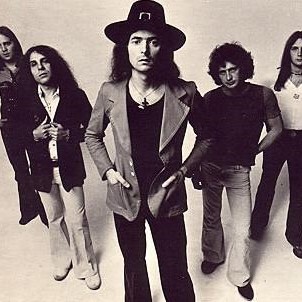
REVIEW: Blackjack – Worlds Apart (1980)

scan_20161003BLACKJACKΒ – Worlds Apart (1980Β Polydor, Universal Japan reissue)

Blackjack (Bruce Kulick, Jimmy Haslip, Sandy Gennero and some unknown guy named Michael Bolton) made a grand total of two albums before splitting. Β Michael went on to a fairly successful solo career (two Grammy awards), and a few years later Bruce joined Kiss. Β Neither guy is really sweating the fact that Blackjack had no impact. Β The albums are long out of print, except in Japan.

Their second album, unfortunately, lacks the memorable hooks of the first one. Β Starting off with a cover is rarely a good sign. Β The Supremes’ “My World is Empty Without You” is as ham-fisted as you can imagine, with heavy handed bass forced into what is usually a fine soul song. Β Bolton oversings. Β It’s a misstep from theΒ get-go, and it’s not a good sign that this is one of the better tracks on the album which is otherwise mostly written by Bolton and Kulick.

“Love is Hard to Find” works well as an early-80’s Bon Jovi blueprint. Β The ballad “Stay” certainly sounds like Michael Bolton, or more accurately, it sounds like Michael covering an over-dramatic Rod Stewart ballad. Β “Airwaves” passes as a rock song, but it certainly is a weak one even compared to similar bands from the era such as Journey. Β Ironically what it needs is Michael to let loose with those pipes, the way he does on the ballads. Β Even a title like “Maybe It’s the Power of Love” lacks the kind of vocal power you want (though Bruce does get a tasty little solo with a dual harmony part).

The hardest rocker of the album is the side two opener, “Welcome to the World”, which bizarrely opens with an actual recorded baby birth. Β That aside, it’s a pretty solid rocker with more of those Kulick harmony licks. Β Strangely, Kulick had nothing to do with its writing. Β This works into the very 80’s sounding “Breakaway” with its programmed keyboards and soft-rockisms, and among the worst tracks on the album. Β “Really Wanna Know” is almost as bad, so cheesy you can smell it coming by the opening synths. Β “Sooner or Later” works better, again perhaps a precursorΒ to early Bon Jovi. Β Good track, and Michael lets the voice ripΒ like you want to hear it. Β And then the album craps its own pants with the closer, “She Wants You Back”, lighter than light rock. Β There’s a lick that borrows from Steve Miller’s “Swingtown”, but the Miller song is better.

The second Blackjack album has no surprises, no progression and little impact Β Even though the second LP is a soundalike to the first,Β it’s weak. Β And so they split. Β Bruce Kulick’s brief foray into “moustache rock” ended and he was on to other things. Β Blackjack and Worlds Apart are interesting mostly to Kiss fans and collectors. Β As for Bolton fans, I know he still has many, but I think only these two fellas would buy Worlds Apart (they celebrate the guy’s entire catalogue).

2/5 stars

scan_20161003-2

REVIEW: Blackjack – Blackjack (1979)

It’s Bruce Kulick week here at mikeladano.com! Check in for some cool releases featuring the extremely talented former KISS guitarist.

scan_20161002BLACKJACK – Blackjack (1979 Polydor, Universal Japan reissue)

The Kiss family tree is a fascinating tangle of disparate roots and branches. Β One of the most intriguing branches is that of Bruce Kulick (Kiss guitarist 1984-1996) who has played with a number of fantastic artists over the years. Β After completing a tour with Meat Loaf, Bruce was invited to form a new band with a hot young rock singer out of New Haven, Connecticut. This singer was a powerhouse with a Seger-like rasp, mixing soul and rock in equal measure, and able to write songs too. In fact today, this singer has sold 75 million albums with his name on them. Or at least the shortened version of his name. Back in 1979, his last name was spelled “Bolotin”. Today, he’s known as Michael Bolton.

Today, Bolton is probably best known for covers (“When a Man Loves a Woman”), but in 1979 he co-wrote every song on Blackjack’s debut. Both Kulick brothers (Bruce and Bob) have credits on a number of songs. And shockingly, they are generally pretty good! Fair warning though, this isn’t hard rock or heavy metal. Look at Bruce’s moustache. This is 1979 moustache music. It actually sounds bang-on in tune with the 1978 Kiss solo albums.

Bolton’s blue-eyed soul had a remarkable youthful energy. Check out the powerhouse chorus on the lead track “Love Me Tonight”. It’s hard to recognize the chops of Kulick, who was just beginning his evolution. The focus is undoubtedly on the singer, who impresses on every song. Second in line is “Heart of Stone”, a dusky soul-funk-rock number with some unbelievable singing. Unfortunately the ballads are less interesting then the rockers. “The Night has Me Calling for You” lacks the focus of the prior two songs. Following it with “Southern Ballad” makes it seem like we’re listening to a Peter Criss solo album at times. The side resumes to rocking with “Fallin'”, a great little tune that again sounds like it could have fit on one of the Kiss solo albums.


They even made a music video!

Although this is a remastered Japanese HM-CD, the second side of the original LP would have commenced on “Without Your Love”, a catchy and hit-worthy rock song a-la Journey (the members of whom helped out Bolton on his hit 1987 album The Hunger). Although “Countin’ On You” counts as a ballad, it’s better than the two on side one. It bears a strong chorus with urgency, and some cool finger picking by Bruce. The chorus of “I’m Aware of Your Love” is awkward but also catchy. I mean, who says “I’m aware of your love”? Is that a thing people say? If it works for you, sing along with Michael!

For soul ballads, “For You” is quite good, and Kulick complements it well. Finally the album ends with energy courtesy of “Heart of Mine” another strong soul-rocker with some powerful Bolton pipes. This is good stuff, horribly dated but if you like the cheesier side of late 70’s rock, then dig in. Who knew that Michael Bolton could rock? Kiss fans, that’s who. Because of Kulick, fans have been aware for years that Michael Bolton did rock at one time. Now with both Blackjack albums re-released in Japan on super high quality CDs with LP style packaging, you can get in on the fun too.

3.5/5 stars
Gallery: HELIX guitar picks

These. Β Are. Β COOL.

To promote their new album Rock It Science, Helix released this set of five custom guitar picks. Β It is available at their site for only $10, and they featureΒ the excellent album art (by Brent Doerner) on the front. Β On the back, each pick has a photo of a band member: Β Brian Vollmer, Daryl Gray, Greg “Fritz” Hinz, Kaleb “Duckman” Duck and Chris Julke.

Guitar picks are great to collect and here at LeBrain HQ, we can always appreciate a cool set of custom plectrums. Β They’re fun, they don’t take up a lot of space (I’ll be storing mine inside the CD case) and they just look cool. Β Feast your eyes upon these beauties and if you decide to go for a set, don’t forget to order the Rock It Science CD to go with ’em!